Skip to content

Special Populations

Elbow care in special populations: pediatric overuse, transgender considerations, disability adaptations, and surgeon-parent challenges.

Overview

Orthopaedic management in special populations requires careful consideration of age, comorbidities, and specific anatomical or neurological conditions. In older adults, elective total hip arthroplasty in nonagenarians demonstrates mortality rates lower than the general population, provided patient selection is careful and preparation is adequate [25]. For hip fractures in the elderly, the Appropriate Use Criteria (AUC) developed via the RAND/UCLA Appropriateness Method indicates that 31% of voting items are rated as Appropriate, 18% as May Be Appropriate, and 52% as Rarely Appropriate [26]. In contrast, surgical intervention for midshaft clavicle fractures in older adults requires further research to evaluate benefits before widespread adoption [48]. In pediatric populations, elbow arthroscopy yields excellent clinical outcomes, return to sports, and patient satisfaction with low complication rates, although neurologic injury remains a target for improvement [24].

Specific pathologies and body habitus also influence surgical decision-making. Patients with cerebral palsy undergoing total knee arthroplasty can expect implant survival, revision needs, and postoperative complications similar to those with primary osteoarthritis [57]. For congenital insensitivity to pain, guided growth for knee deformity correction demands stringent patient selection and close follow-up to prevent complications [5]. Regarding body mass index, morbid obesity is not an absolute contraindication for elective reverse total shoulder arthroplasty (rTSA) with appropriate medical clearance [17], and obesity generally is not a contraindication to rTSA [18]; however, obese patients must fully understand the increased risk of complications [18].

Long-term outcomes for anterior cruciate ligament (ACL) reconstruction in patients aged 40 years and older require further well-designed studies to determine efficacy and expected results [2]. In patients aged 50 years and older, reported complication and reoperation rates vary widely, attributed to differing levels of chondral injury and osteoarthritis [61]. The utilization of emerging technologies in orthopaedic trauma requires understanding current evidence and appropriate indications [20], while cost and value are becoming necessary elements in treatment decisions alongside successful outcomes [23].

Anatomy & Pathophysiology

Kinematics and Biomechanics

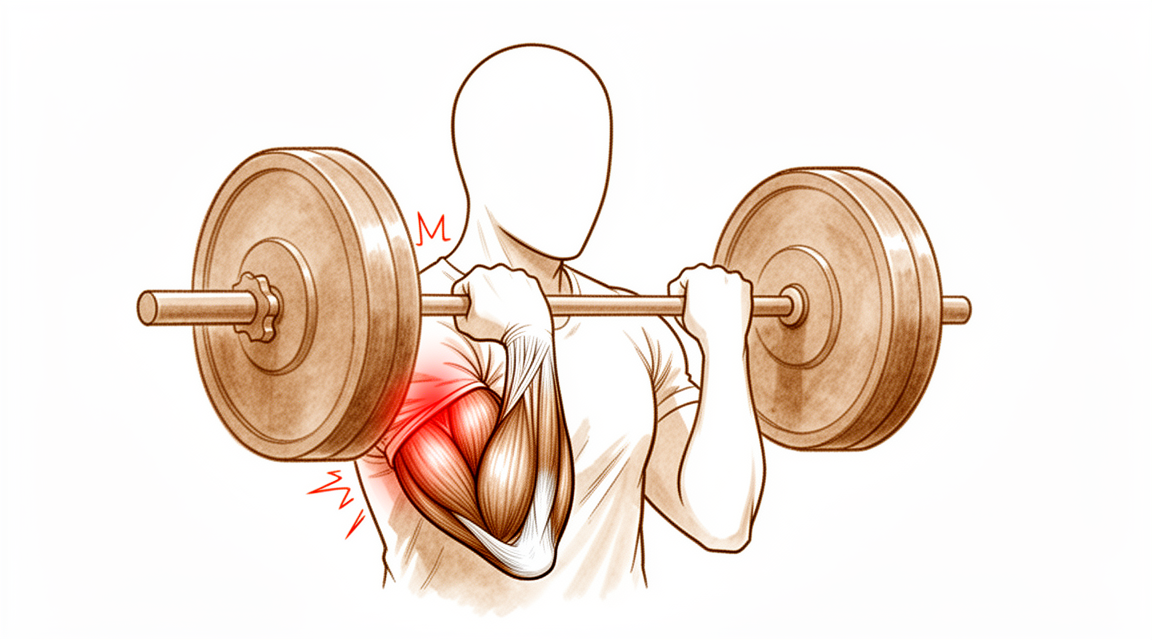
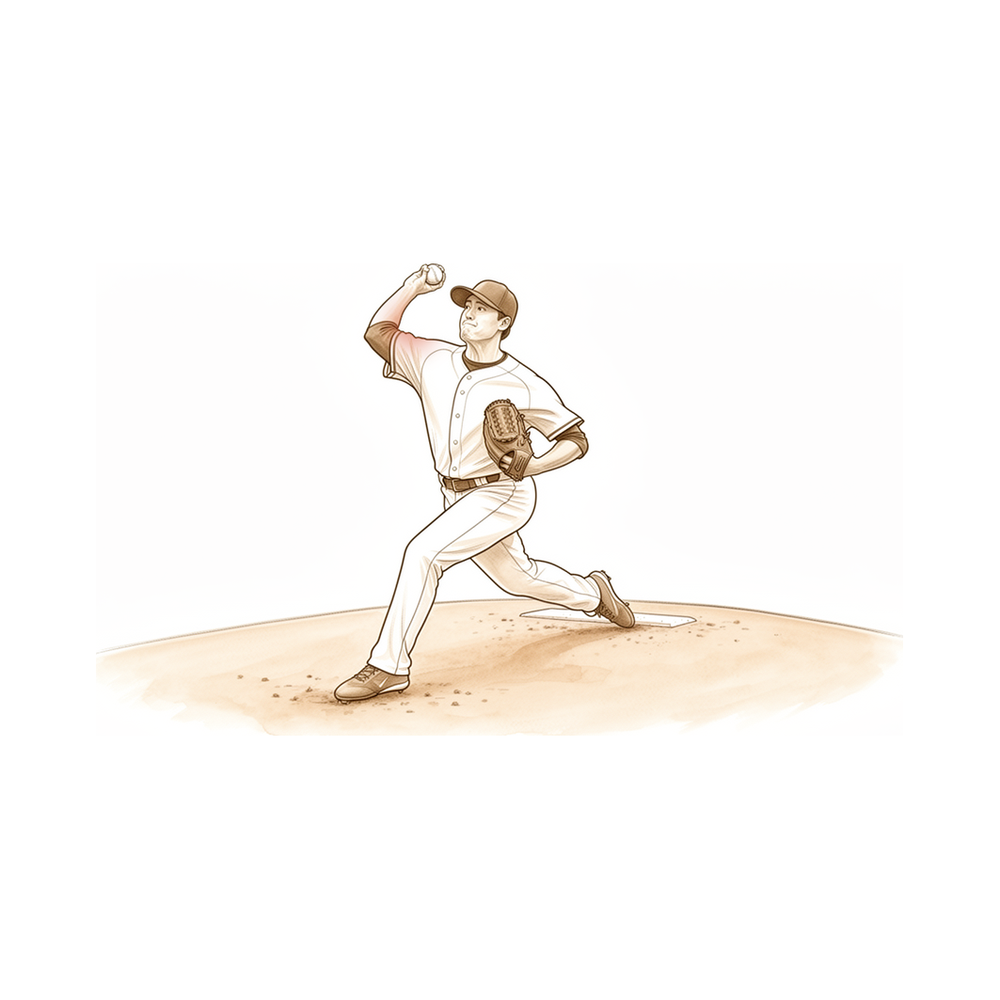
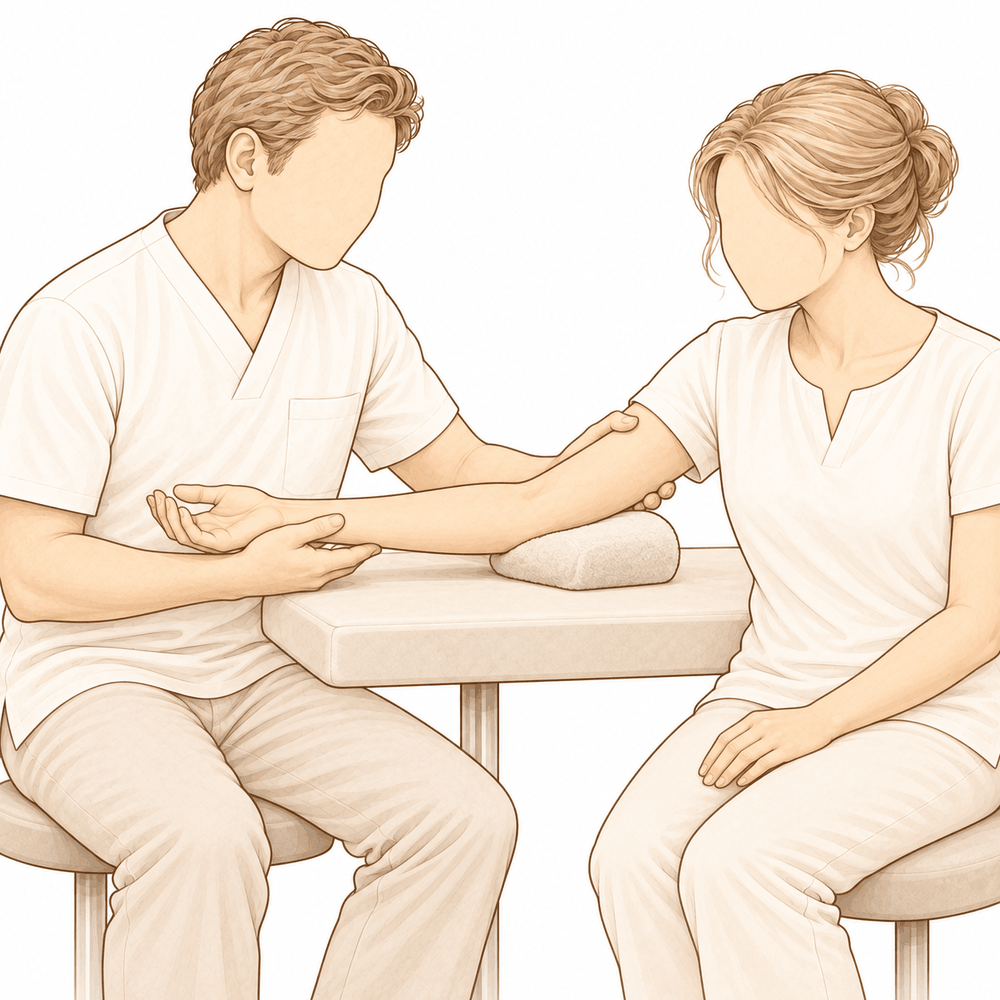
Accurate and efficient assessment of the injured elbow is essential to maximize functional recovery and expedite return to play [22]. Understanding the biomechanics of the elbow during sports activities, including the forces, torques, and muscle activities involved, helps physicians better understand injury mechanisms and minimize potential risk for injury while maximizing performance [34]. The biomechanics of the throwing motion and the diagnosis and treatment of elbow injuries common to a thrower other than injuries to the ulnar collateral ligament are described in current reviews [37].

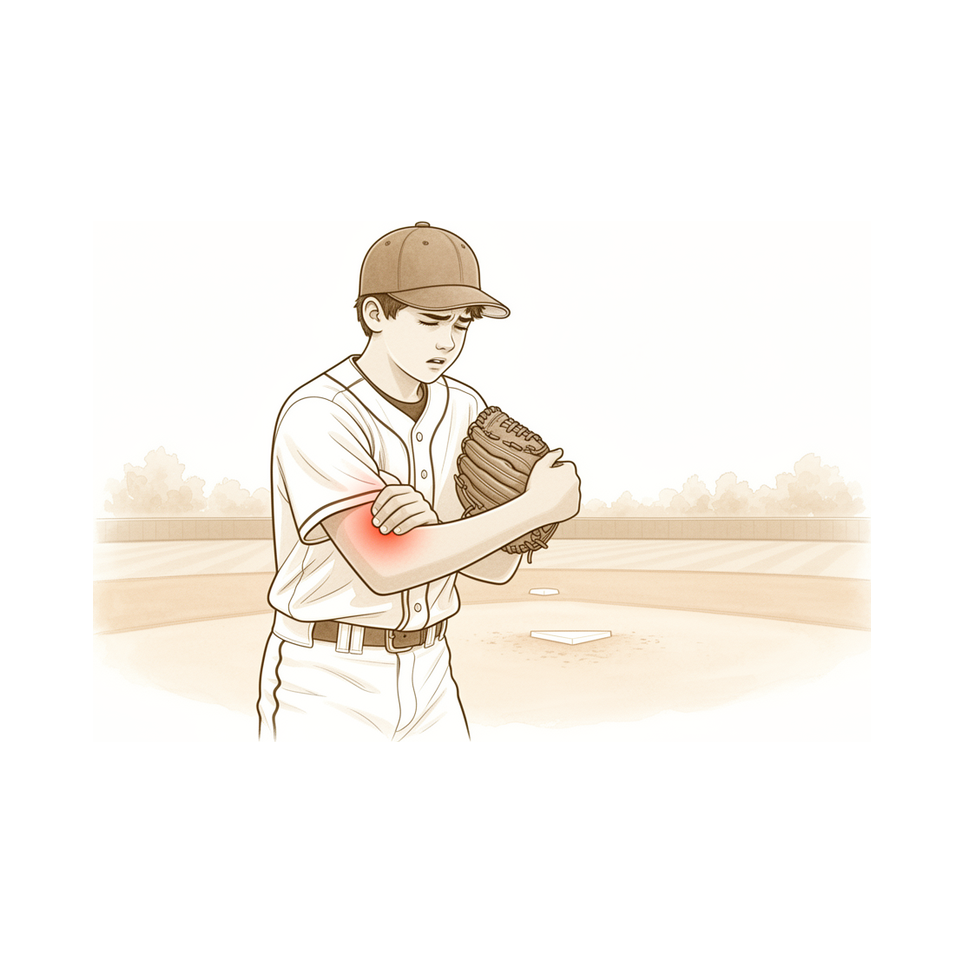
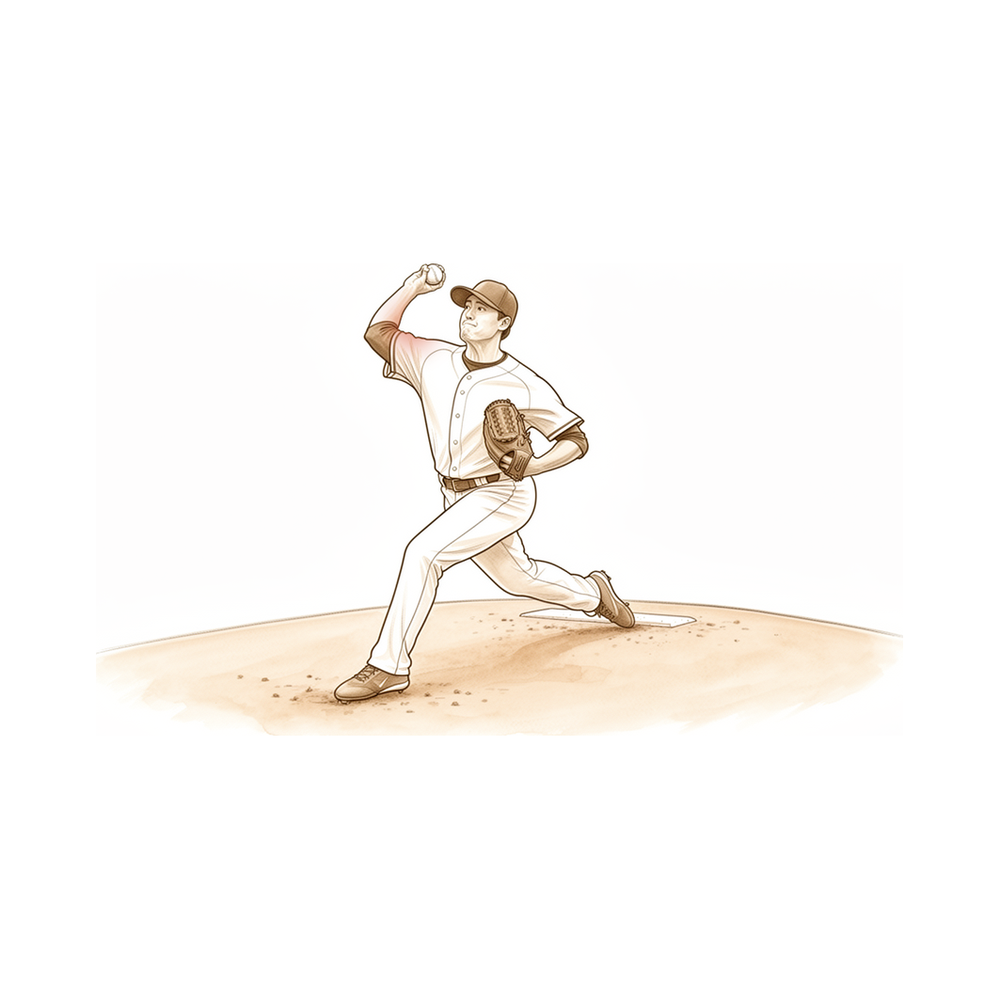
Players can throw at close to half effort to reduce their elbow kinetics while maintaining kinematics that would be occurring at 100% effort pitching [38]. Determining the individual mechanics that decrease elbow varus torque may help coaches and trainers correct these patterns [42]. Kinetic and rotational kinematic differences between professional and high school pitchers may help explain the greater performance of professional pitchers while allowing them to minimize elbow varus torque during pitching [50].

Although pitching kinematics and kinetics in young female players were significantly lower than those in young male players, the pitching kinematics and kinetics that cause increases in the elbow joint load had a sex difference, and those in young female players depended on shoulder kinematics [52]. Increased medial elbow torque was associated with greater ball velocity regardless of the history of medial elbow injuries in youth baseball pitchers [53]. Most research shows that elbow loads in throwing or serving are not generated or regulated solely by local muscles and ligaments; distant body segments generate forces and provide mechanisms to regulate loads for optimal performance with minimal injury risk [55].

Shoulder flexibility, arm speed, and elbow varus torque are inter-related and should be considered collectively when treating pitchers [69]. Multiple upper extremity and trunk kinematic parameters affect ball velocity, with significant contributions from the throwing shoulder and trunk, as well as nondominant arm [77]. Forearm flexor injury may be preceded with declines in performance and be associated with subsequent injuries to the shoulder and elbow [79].

Musculoskeletal Function and Strength

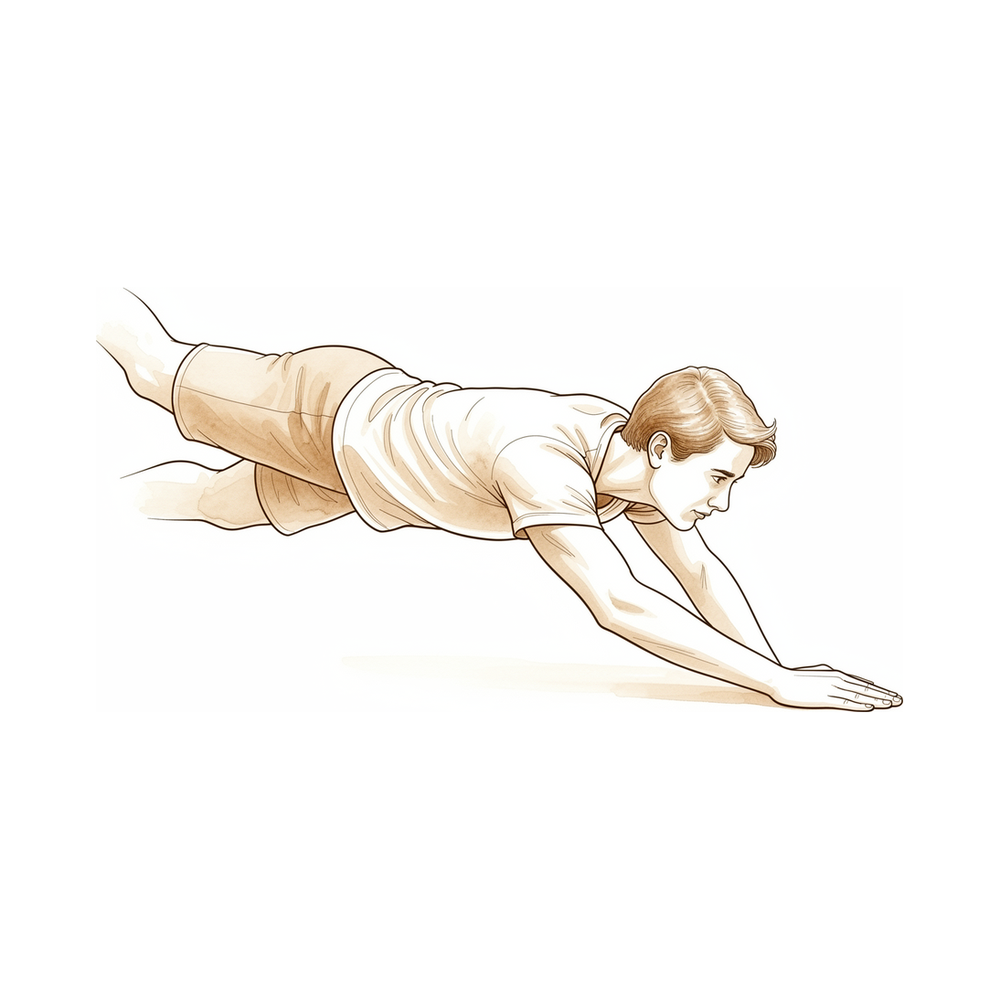
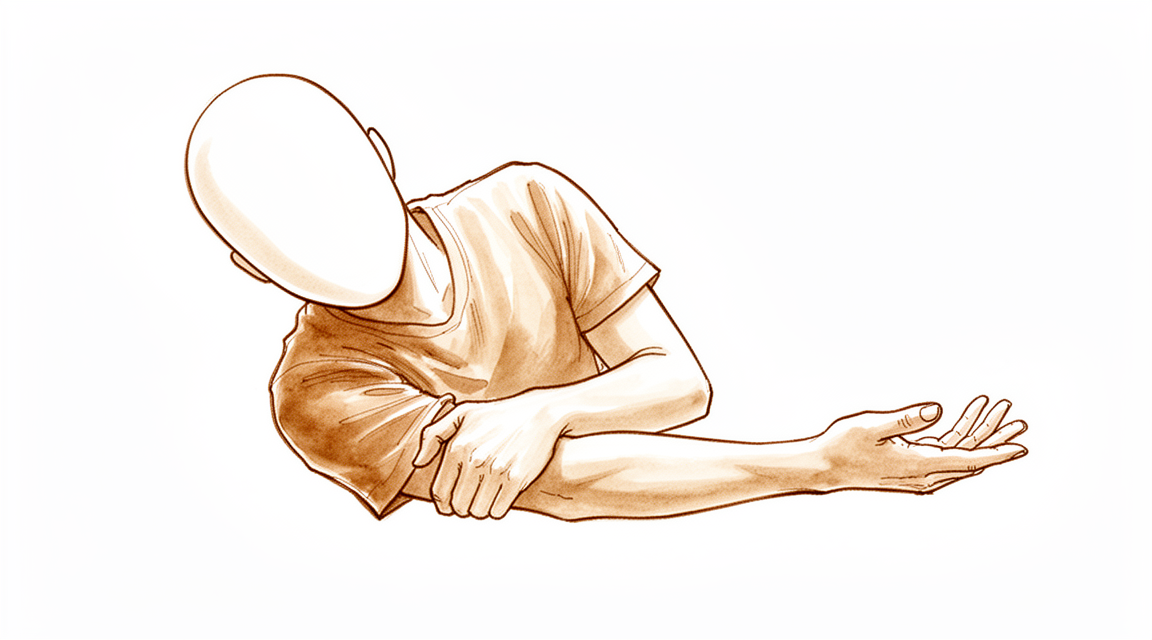
Elbow angle significantly influenced muscle activation patterns and force output during the concentric phase of the push-up plus exercise [46]. Elbow flexion strength and forearm supination strength differ between the dominant and nondominant sides in a healthy population [68]. Lower trapezius muscle transfer for elbow extension in children with brachial plexus birth injury demonstrated significant improvements in elbow function and muscle strength without postoperative weakness in elbow flexion [60].

Clinical Implications and Surgical Considerations

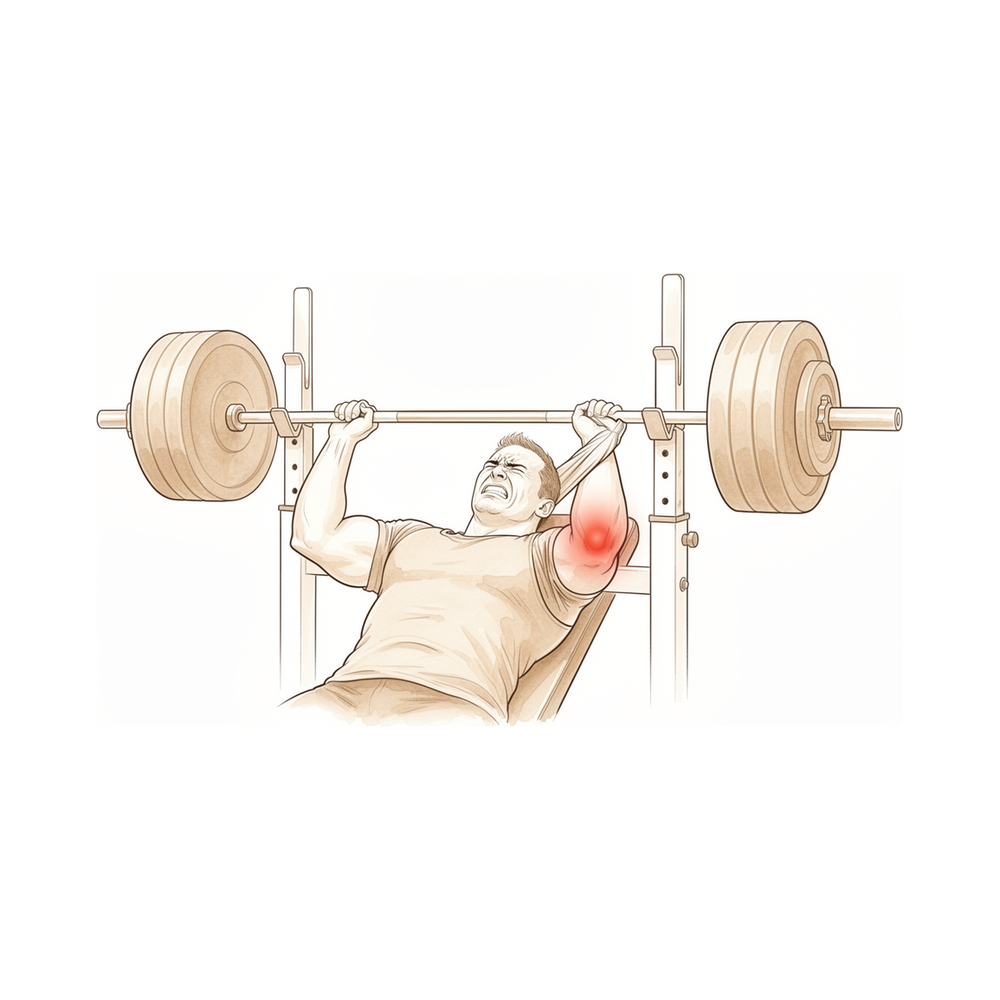
The most common elbow injuries in professional baseball involve the medial elbow, with ligament injuries most often requiring surgery [83]. Various surgical techniques of ulnar collateral ligament reconstructions have been reviewed and compared for their clinical outcomes and biomechanics [71]. The study describes the range of elbow motion identified to drive a car with a manual transmission and a left-sided steering wheel [65].

Classification

Femoroacetabular Impingement: Morphological variations associated with this condition have a defined prevalence in the general population, as determined by a study of 1878 asymptomatic hips in nonprofessional athletes [1].

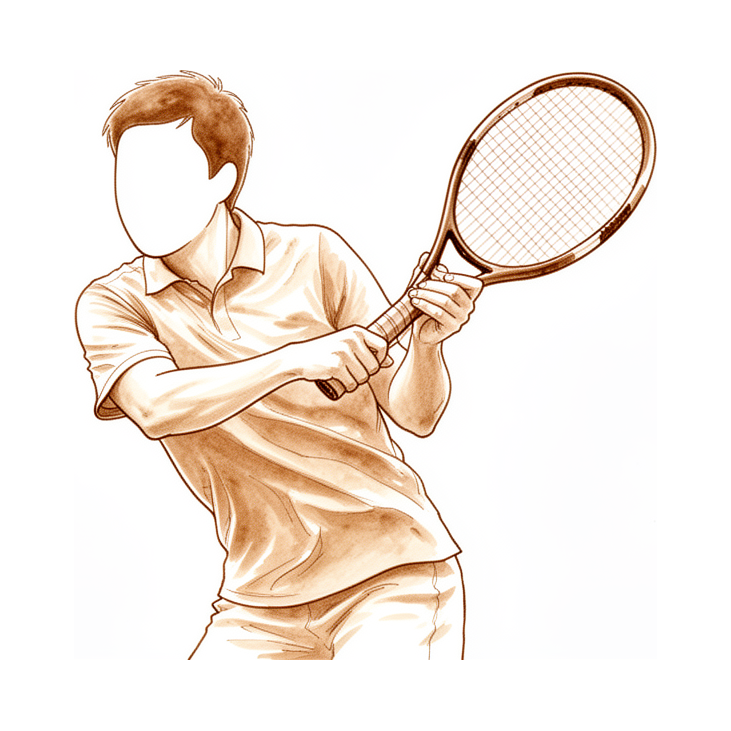
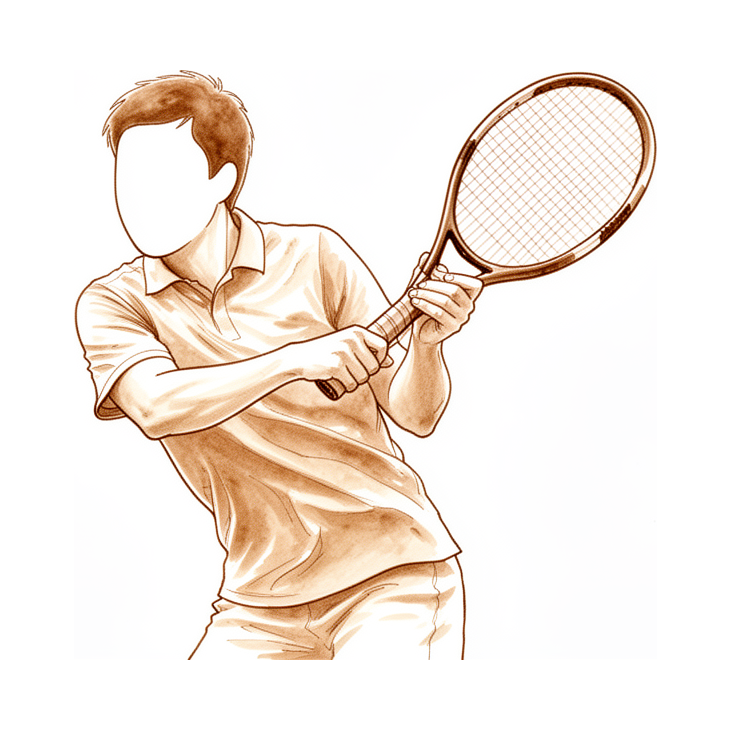
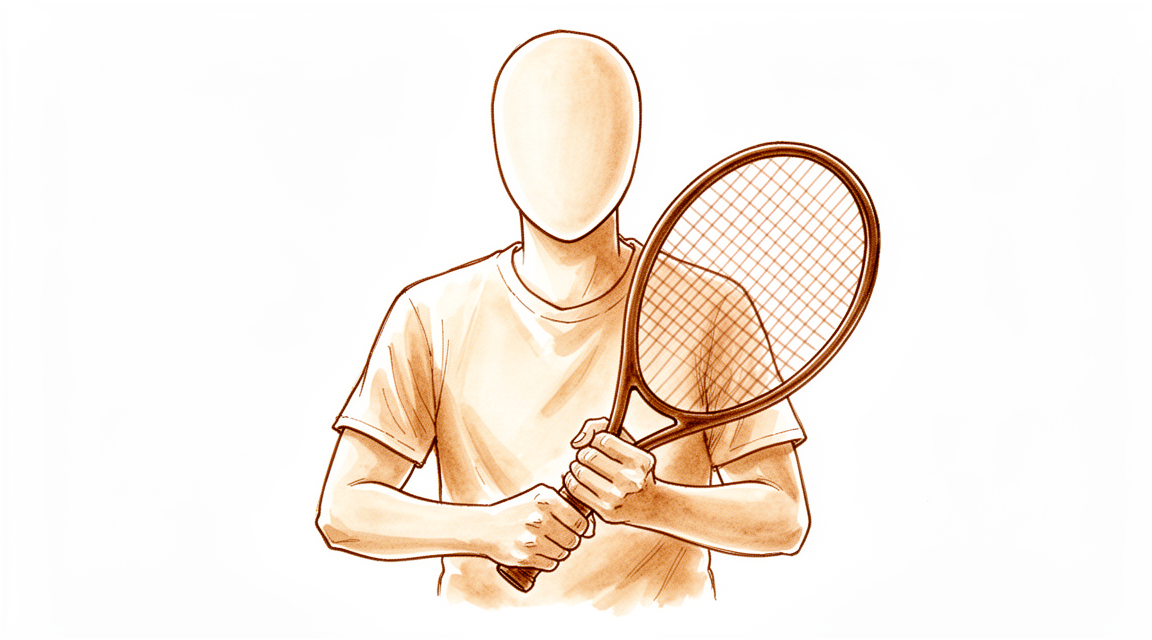
Tennis Elbow: A classification model stratifies individuals into severe, moderate, or mild categories to guide treatment selection [4]. Severe cases are best served with treatments involving rest [4]. Moderate or mild cases are best served with a more restorative exercise program [4].

Concussion: Common terminology and evaluation tools are needed to improve data collection and future studies [9]. Concussion symptom clusters in collegiate athletes can be grouped into 4 distinct clusters [13].

Hurdle Injuries: Injury types differ by sex and age, with more fractures seen in males and younger pediatric populations [16]. More sprains are seen in females and older adolescents [16].

Mixed Martial Arts: The prevalence of specific injury types varies by competition level, match result, and whether the athlete was a winner or loser [58]. Injury rates and types remain similar to those before the adoption of the Unified Rules of MMA [59].

Team Physician: A team physician's definition, qualifications, duties, and responsibilities are established by consensus statement [74].

Pubic Symphysis: A reproducible symphysography-based classification of distinct morphologic patterns of capsulo-articular lesions is proposed for athletes [91]. This classification serves as a predictive tool for response to injection therapy [91].

Athlete Specialization: College athletes classified under high and moderate specialization categories have a heightened risk for injury compared to low specialized athletes [95]. These categories are also associated with more burnout symptoms [95] and positive depression screening compared to low specialized athletes [95].

Total Knee Arthroplasty: Demographic variables such as advanced age, low family income, and multiple medical conditions significantly affect scores in scoring instruments for total knee arthroplasty results [96].

Epidemiological Reporting: Updated methods for recording and reporting epidemiological data on injury and illness in sports include the STROBE Extension for Sports Injury and Illness Surveillance (STROBE-SIIS) [97].

High School Athletes: Severe injury rates and patterns vary by sport, gender, and type of exposure among United States high school athletes [98]. Identifying differences in injury patterns is the important first step in the development of evidence-based, targeted injury prevention efforts for United States high school soccer [99].

Female Ice Hockey: The most common locations and types of injuries in female ice hockey players are comparable to other sports played by women [101].

Clinical Presentation

Morphological and Structural Variations: Femoroacetabular impingement morphological variations have a defined prevalence in the general population, established in a study of 1878 asymptomatic hips in nonprofessional athletes [1]. In pediatric track and field, hurdle injury types differ by sex and age, with fractures more common in males and younger populations, while sprains are more frequent in females and older adolescents [16]. For neuromuscular scoliosis, greater diagnosis severity at presentation may affect surgical outcomes and pose a higher risk of postoperative complications [14].

Concussion Symptomatology and Clusters: Concussion symptom presentation in high school athletes has shifted from severe to minor symptoms, suggesting a lower diagnostic threshold for clinicians [8]. This shift is accompanied by reduced imaging use, recognizing concussions as functional disturbances rather than structural injuries [8]. Improved education and legislation have increased recognition of lingering symptoms and longer resolution times in this demographic [8]. Between the 2007/08 and 2014/15 academic years, US high school athletes showed a decrease in severe symptoms and an increase in less recognizable symptoms [12]. In collegiate athletes, concussion symptoms can be grouped into one of four distinct clusters [13].

Sex Differences and Cognitive Outcomes: Current evidence is mixed regarding sex differences in cognitive performance after sport concussion [36]. However, female athletes exhibit a higher symptom burden before and after sport concussion [36]. Athletes diagnosed with a sport concussion should be managed based on clinical presentation regardless of biological sex [36]. Individuals with at least one previous undiagnosed concussion exhibit worse baseline clinical indicators [3].

Special Populations and Diagnostic Challenges: Concussions are the most common injury diagnosis in intercollegiate water polo athletes, who also experience the worst return-to-play outcomes among common diagnoses [10]. Most concussions in this group are sustained outside of competition [10]. Diagnosis of upper extremity injuries in tennis players is challenging and requires a thorough understanding of current research to guide clinical decision-making [7]. A classification model for tennis elbow stratifies individuals into severe, moderate, or mild categories to guide treatment selection [4]. Conversion disorder should be considered in children with upper extremity injuries who have an extensive prior diagnostic workup, deficits inconsistent with anatomic patterns or imaging findings, or a history of prior psychiatric illness [33].

Clinical Signs and Evaluation Tools: Consensus was achieved for 85% of clinical signs indicating concussion in collision sports [11]. Common terminology and evaluation tools are needed to improve data collection for cerebral concussion, as a complete understanding of its pathobiology remains lacking [9]. Sociodemographic and medical parameters can help guide clinicians in managing functional incapacity related to rotator cuff syndrome in workers [35].

Systemic and Screening Considerations: Physicians should accurately recognize, diagnose, and treat exercise-induced bronchoconstriction to prevent negative effects on physical performance and quality of life [40]. Screening athletes for conditions associated with sudden death varies by country, competition level, and physician opinion [39]. Only 57% of primary medical providers use patient reported outcome measures within their practice for the pediatric sports population, and these measures are largely used for research rather than clinical decision-making [41].

Investigations

MRI: Magnetic resonance imaging is essential for accurate and efficient assessment of the injured elbow to maximize functional recovery and expedite return to play in overhead throwing athletes [22]. MRI abnormalities involving the medial aspect of the elbow are common in year-round Little League baseball players, particularly those with internal rotation deficits and private coaches [86]. In athletes with adductor injuries, MRI grading predicts recovery: patients with grade 0-2 injuries are clinically pain-free after approximately 2 weeks and return to full team training after approximately 3 weeks [84]. For cartilaginous lesions of the elbow treated with autologous osteochondral mosaicplasty, MRI indicates that the donor site is resurfaced with fibrous tissue [94]. In intercollegiate water polo athletes, concussions are the most common injury diagnosis and present with the worst return-to-play outcomes among common diagnoses, with most sustained outside of competition [10]. Advanced spinal disease is prevalent in elite athletes; approximately 1 in 200 athletes at the 2016 Summer Olympics demonstrated moderate to severe spinal pathology on MRI [73].

Plain radiography: Morphological variations associated with femoroacetabular impingement have a defined prevalence in the general population, as determined by studies of asymptomatic hips in nonprofessional athletes [1].

Other Considerations: Diagnosis of upper extremity injuries in tennis players is challenging and requires a thorough understanding of current research to guide clinical decision-making [7]. Professional baseball players with latissimus dorsi or teres major tendon injuries have predictable clinical presentations and imaging findings [29]. Patients with concomitant intraarticular pathology undergoing operative treatment of elbow UCL insufficiency using the docking technique should be counseled preoperatively that they might experience inferior clinical outcomes [80]. Careful evaluation and appropriate treatment selection are essential to address associated injuries and manage persistent pain and disability in shoulder dislocation in older patients [93]. Greater diagnosis severity of neuromuscular scoliosis at the time of presentation may affect surgical outcomes and pose a higher risk of postoperative complications [14]. The degree of bone loss in open fractures of the femur is closely associated with a poor outcome [81].

Concussion symptom presentation in high school athletes has shifted from severe symptoms to minor symptoms, suggesting a lower diagnostic threshold [8]. Reduced imaging use in high school athletes indicates recognition of concussions as functional disturbances rather than structural injuries [8]. Improved education and legislation have led to increased recognition of lingering concussion symptoms and longer resolution times in high school athletes [8]. The prevalence of concussion symptoms in US high school athletes changed significantly from the 2007/08 to 2014/15 academic years, with a decrease in severe symptoms and an increase in less recognizable symptoms [12]. Consensus was achieved for 85% of clinical signs indicating concussion in collision sports [11].

Children living in neighborhoods with fewer educational and social/economic opportunities have longer times from injury to orthopaedic evaluation and from injury to MRI for shoulder instability [82]. These children are also at a higher risk for recurrent shoulder dislocations [82]. The direct anterior approach is a credible option for severely obese patients undergoing total hip arthroplasty, with functional and radiographic outcomes comparable to standard, more extensive approaches [64].

Treatment

Non-Operative

Conservative management is the initial consideration for pubalgia in athletes [45]. For elbow ulnar collateral ligament (UCL) injuries, non-operative treatment yields higher success rates in younger players, those with lower-grade tears, and those with humeral-sided injuries [90]. In elderly and medically unwell patients, non-operative management of displaced olecranon fractures can result in reasonable range of motion, minimal pain, and maintenance of extension against gravity [66]. For femoroacetabular impingement (FAI), both nonoperative and operative methods achieve successful return to play [87]. Treatment selection for hallux rigidus and osteoarthrosis of the first metatarsophalangeal joint ranges from non-operative measures to surgical procedures, depending on disease stage and patient factors [89]. Moderate nonprogressive coxa vara in childhood often does not require surgery [76]. Patients with severe tennis elbow may benefit most from rest, whereas moderate or mild cases are better served by restorative exercise programs [4]. Professional baseball players with latissimus dorsi and teres major tendon injuries have a high return to play rate after nonoperative treatment [29].

Operative

Indications: Surgery is indicated for athletes with core muscle injury producing groin pain who fail nonsurgical management to allow return to sport [75]. Surgical management of coxa vara in childhood is indicated for progressive, painful, unilateral deformity or leg-length discrepancy [76]. Operative decompression for meralgia paresthetica in children is indicated for patients who have not responded to non-operative treatment [63]. Total knee arthroplasty (TKA) is safe and efficacious for the elderly, though they experience more severe complications, longer length of stay, and smaller gains in functional improvement compared to younger patients [47]. TKA among nonagenarians can be performed with perioperative morbidity and mortality acceptable to both patient and surgeon [28]. Elective total hip arthroplasty in nonagenarians is safe, with mortality lower than within the general population when controlled by careful patient selection and adequate preparation [25]. Morbid obesity is not an absolute contraindication for elective reverse shoulder arthroplasty (rTSA), particularly in patients who have undergone appropriate preoperative medical clearance [17]. Obesity is not a contraindication to RTSA, but obese patients must understand the increased risk of complications [18]. Pregnancy is never a contraindication to necessary surgery, with the second trimester carrying the lowest risk of miscarriage or preterm labor [49].

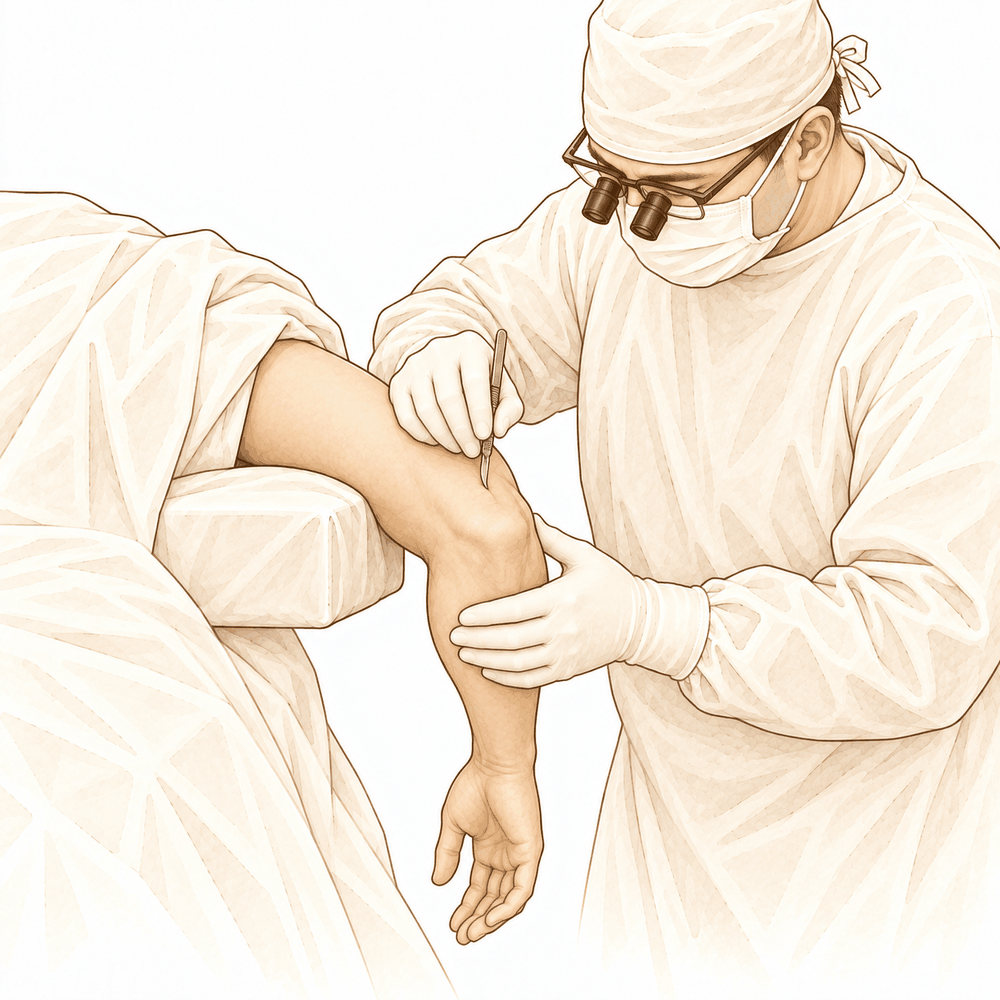
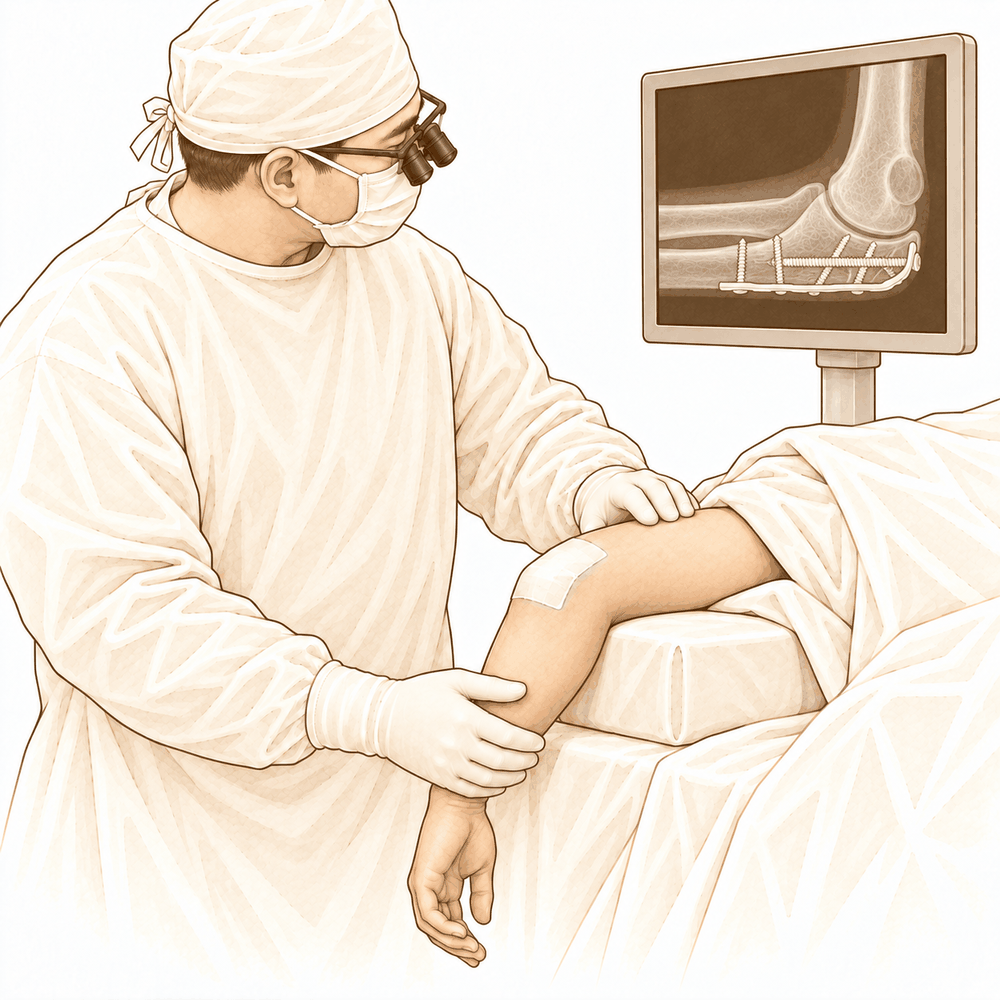
Surgical Approach / Technique: Custom hemiarthroplasty is a reasonable method to salvage proximal humeral dysplasia epiphysealis hemimelica when nonsurgical management has failed to provide relief [70]. Radiofrequency microtenotomy for elbow epicondylitis produces durable results with successful outcomes observed at nine years following surgery [56]. Elbow arthroscopy in pediatric patients yields excellent clinical outcomes, return to sports, and patient satisfaction with low complication rates, though neurologic injury rates remain a target for improvement [24]. Guided growth in the correction of knee deformity in patients with congenital insensitivity to pain requires close follow-up to prevent complications and stringent patient selection criteria to ensure success [5].

Other Considerations: The Appropriate Use Criteria (AUC) for Treatment of Hip Fractures in the Elderly was developed to help determine the appropriateness of treatments for heterogeneous patient populations, with 31% of voting items rated as Appropriate, 18% as May Be Appropriate, and 52% as Rarely Appropriate [26]. The incidence and treatment trends of pediatric proximal humerus fractures show that operative treatment increased compared to nonoperative treatment, but the evidence supporting that trend remains unclear [44]. Outcomes of single bundle arthroscopic anterior cruciate ligament reconstruction in a limited resource setting were significantly lower in patients living in rural areas due to poor compliance with the rehabilitation protocol [43]. The quality of currently available data on ACL reconstruction in patients aged 40 years and older is limited, such that further well-designed studies are needed to determine long-term efficacy and to better inform patients regarding expected outcomes [2]. Understanding the current evidence and appropriate indications of emerging technologies in orthopaedic trauma is of critical importance for their utilization [20]. Cost and value are becoming necessary elements in deciding which course of treatment to choose, alongside the criterion of a successful outcome [23]. Outcomes of soft-tissue sarcoma in nonagenarians allow for rationalized follow-up on a patient-by-patient basis using alternative means due to limited survival [6].

Complications

Other Considerations: Patients with congenital insensitivity to pain require close follow-up to prevent complications during guided growth correction of knee deformity [5]. Total knee arthroplasty among nonagenarians is associated with perioperative morbidity and mortality that is acceptable to both patient and surgeon [28]. Each decade of age from 70 years onward is an increasingly significant predictor for mortality following total shoulder arthroplasty [32]. Patients with systemic lupus erythematosus have similar complication risks to the general population following total knee arthroplasty [67]. Morbid obesity is associated with additional risks following total shoulder arthroplasty and reverse total shoulder arthroplasty [104], although primary reverse shoulder arthroplasty in patients with morbid obesity has a reasonable complication rate at intermediate follow-up [92]. Patients with a history of poliomyelitis have similar complication rates to those undergoing total hip arthroplasty for osteoarthritis [100]. Bipolar radial head arthroplasty is associated with a high incidence of radiographic signs of degenerative changes after 8.8 years [102].

Recovery

Light activity (weeks): Evidence does not provide specific week ranges for light activity or desk work return in the available data.

Full activity (months): At a minimum of 2-year follow-up, nearly 90% of adolescent baseball players returned to their preinjury level of sport after ulnar collateral ligament reconstruction [62].

Complete recovery / outcome plateau (months): Long-term results are required to assess the survivorship of the Discovery Elbow System [15]. Further well-designed studies are needed to determine long-term efficacy and expected outcomes for ACL reconstruction in patients aged 40 years and older [2]. Further studies with long-term follow-up are needed to determine whether the grafted area maintains structural and functional integrity after autologous matrix-induced chondrogenesis for focal cartilage defects in the knee [21]. Long-term outcomes of spinal accessory nerve transfer to the musculocutaneous nerve in birth brachial palsy have yet to be fully demonstrated [27].

Rehabilitation protocol: Significant improvements in quality of life and functional capabilities can be achieved following femoral osteotomy for osteonecrosis of the femoral head, though physical recovery requires an extended duration [85]. Years of experience was the only factor associated with severe injuries in the Chinese Arena Football League [30].

Functional milestones: The Musculoskeletal Function Assessment Questionnaire was more responsive than the SF-36 and more efficient in measuring changes in function between baseline and follow-up values [78]. Patients with a preoperative duration of symptomatic medial knee overload/arthritis of two years or greater do not experience inferior PRO or clinical outcomes than patients with a symptom duration of less than 2 years at mid-term follow-up after high tibial osteotomy [109]. Two total knee arthroplasty designs (mobile and fixed-bearing all-polyethylene tibial component) functioned equivalently at the time of early follow-up in a low-to-moderate-demand patient group [108].

Other Considerations: Individuals reporting at least one previous undiagnosed concussion exhibited worse baseline clinical indicators [3]. A history of concussion and having a preexisting clinical relationship with the department were associated with a shorter time to evaluation after pediatric concussion [31]. From age 70, each decade of age was identified as an increasingly significant predictor for mortality following total shoulder arthroplasty [32]. Shoulder arthroplasty in morbidly obese patients is associated with long-term improvement in pain and function [88]. Longer recovery times were found in females versus males in a concussed pediatric population [107]. Longer recovery times were found in those whose PHQ-9 and GAD-7 scores fell above cutoff at their initial clinic visit in a concussed pediatric population [107]. No significant differences in recovery time were observed for those who reported a mental health history compared to those who did not in a concussed pediatric population [107]. For nonagenarians with soft-tissue sarcoma, follow-up can be rationalized on a patient-by-patient basis using alternative means due to limited survival [6]. Long-term findings for surgical treatment of elbow deformity in patients with cerebral palsy substantiate previously reported short-term results [19]. Understanding injury epidemiology, including data on return to play rates and career duration, allows treating physicians to gain player trust, understand prognosis, and properly guide players back to the field safely [110].

Key Evidence

  • [L3] This study provides information to determine the prevalence of these anatomic variants in the general population. (10.1177/2325967120977892)
  • [L1] However, the quality of currently available data is still limited, such that further well-designed studies are needed to determine long-term efficacy and to better inform our patients with regard to expected outcomes. (10.1177/0363546513481947)
  • [L3] Individuals reporting at least 1 previous undiagnosed concussions exhibited worse baseline clinical indicators. (10.1177/03635465221118089)
  • [L5] The utility of this classification model is that the stratification of individuals characterized as severe might best be served with treatments involving rest, while moderate or mild individuals might best undertake a more restorative exercise program. (10.1016/j.jht.2012.06.007)
  • [L4] Patients should be closely followed to prevent complications, and stringent patient selection criteria should be followed to ensure success. (10.1186/s13018-021-02304-w)
  • [L4] With limited survival, follow-up can be rationalized on a patient-by-patient basis using alternative means. (10.1302/0301-620x.104b1.bjj-2021-0761.r1)
  • [L5] Diagnosis can be challenging and requires a thorough understanding of current research topics to guide clinical decision-making. (10.1016/j.hcl.2016.08.009)
  • [L4] The decrease in severe symptoms and increase in minor symptoms suggest clinicians may have a lower threshold for diagnosing concussions, while reduced imaging use indicates recognition of concussions as functional disturbances; improved education and legislation likely led to increased recognition of lingering symptoms and longer resolution times. (10.1177/0363546517725068)
  • [L5] It emphasizes the need for common terminology and evaluation tools to improve data collection and future studies, while noting that a complete understanding of the pathobiology of cerebral concussion remains lacking. (10.1177/03635465990270052401)
  • [L3] Concussions were the most common injury diagnosis, had the worst return-to-play outcomes among common diagnoses, and were mostly sustained outside of competition. (10.1177/23259671221110208)
  • [L5] Consensus was achieved for 85% of the clinical signs indicating concussion. (10.1016/j.arthro.2023.06.026)
  • [L3] From the 2007/08 to 2014/15 academic years, the prevalence of various symptoms changed significantly in US high school athletes diagnosed with a concussion, with a decrease in severe symptoms and an increase in less recognizable symptoms. (10.1177/2325967117s00271)
  • [L3] Symptoms can be grouped into 1 of 4 distinct clusters. (10.1177/23259671231163581)
  • [L2] Greater diagnosis severity at presentation may affect outcomes afforded by surgery and pose a higher risk of postoperative complications. (10.5435/jaaos-d-25-00064)
  • [L4] Long-term results are required to assess the survivorship of this system. (10.1016/j.jse.2014.08.013)
  • [L3] Hurdle injury types seen in the emergency room differ by sex and age: more fractures are seen in males and younger pediatric populations while more sprains are seen in females and older adolescents. (10.1177/2325967121s00441)
  • [L3] Morbid obesity should not be considered an absolute contraindication for elective rTSA, particularly in patients who have undergone appropriate preoperative medical clearance. (10.1016/j.jseint.2024.06.015)
  • [L3] Obesity is not a contraindication to RTSA, but obese patients need to understand fully the increased risk of complication with RTSA. (10.1016/j.jhsa.2013.02.025)
  • [L4] Our long-term findings substantiate previously reported short-term results. (10.1016/j.jhsa.2013.09.028)
  • [L4] However, further studies with long-term follow-up are needed to determine whether the grafted area will maintain structural and functional integrity over time. (10.1007/s00167-010-1042-3)
  • [L5] Accurate and efficient assessment of the injured elbow is essential to maximize functional recovery and expedite return to play. (10.1177/03635465030310032601)
  • [L5] The most important criterion for the success of a procedure is a successful outcome, but cost and value are becoming necessary elements in deciding which course of treatment to choose. (10.1016/j.arthro.2016.02.002)
  • [Commentary] Clinical outcomes, return to sports, and patient satisfaction are excellent and complication rates are low, though neurologic injury rates remain a target for improvement in pediatric patients. (10.1016/j.arthro.2021.02.030)
  • [L3] The fact that mortality is still lower than within the general population shows that this aspect can be controlled by careful patient selection and adequate preparation. (10.2106/jbjs.23.00092)
  • [L5] The Appropriate Use Criteria (AUC) for Treatment of Hip Fractures in the Elderly was developed using the RAND/UCLA Appropriateness Method to help determine the appropriateness of treatments for heterogeneous patient populations, with 31% of voting items rated as Appropriate, 18% as May Be Appropriate, and 52% as Rarely Appropriate. (10.5435/jaaos-d-16-00431)
  • [L4] However, long-term outcomes of this procedure have yet to be fully demonstrated. (10.1016/j.jhsa.2024.04.017)
  • [L1] Professional baseball players who suffer a LD or TM injury have predictable clinical presentations and imaging findings. (10.1016/j.asmr.2023.100787)
  • [L2] Years of experience was the only factor that was associated with severe injuries. (10.1177/2325967118780040)
  • [L3] A history of concussion and having a preexisting clinical relationship with the department were associated with a shorter time to evaluation after concussion. (10.1177/23259671231186430)
  • [L3] From age 70, each decade of age was additionally identified to be an increasingly significant predictor for mortality. (10.1016/j.jseint.2023.08.025)
  • [L4] Conversion disorder should be considered in patients with an extensive prior diagnostic workup, deficits inconsistent with anatomic patterns or imaging findings, and a history of prior psychiatric illness. (10.1016/j.jse.2018.10.027)
  • [L5] Understanding the biomechanics of the elbow during sports activities, including the forces, torques, and muscle activities involved, helps physicians better understand injury mechanisms and minimize potential risk for injury while maximizing performance. (10.1016/j.csm.2004.06.003)
  • [L4] The sociodemographic and medical parameters added to other established predictors could help guide clinicians in managing their patients. (10.1016/j.jht.2017.10.009)
  • [Paper] Current evidence is mixed regarding sex differences in cognitive performance after a sport concussion; female athletes have a higher symptom burden before and after injury, and regardless of biological sex, athletes diagnosed with a sport concussion should be managed based on clinical presentation. (10.1016/j.csm.2017.05.002)
  • [L5] The purpose of the present review article is to describe the biomechanics of the throwing motion and the diagnosis and treatment of elbow injuries common to a thrower other than injuries to the ulnar collateral ligament. (10.2106/jbjs.rvw.n.00011)
  • [L4] These results suggest that players can throw at close to half effort to reduce their elbow kinetics while maintaining kinematics that would be occurring at 100% effort pitching. (10.1177/23259671251356631)
  • [Paper] Screening athletes for conditions associated with sudden death varies by country, competition level, and physician opinion. (10.1016/j.csm.2015.03.002)
  • [L4] Only 57% of primary medical providers are using patient reported outcome measures within their practice, with the information largely used for research rather than clinical decision-making. (10.1177/2325967119s00107)
  • [L4] Determining the individual mechanics that decrease elbow varus torque may help coaches and trainers correct these patterns. (10.1177/23259671231202524)
  • [L3] Outcomes were significantly lower in patients living in rural areas due to poor compliance with the rehabilitation protocol. (10.1136/jisakos-2020-000500)
  • [L3] However, their operative treatment increased compared to nonoperative treatment, but the evidence supporting that trend remains unclear. (10.1186/s12891-019-2948-7)
  • [L2] However, conservative management should be considered before surgical treatment is indicated. (10.1186/s13018-022-03376-y)
  • [L3] Elbow angle significantly influenced muscle activation patterns and force output during the concentric phase of the exercise. (10.1186/s12891-015-0486-5)
  • [L3] TKA is a safe and efficacious procedure for the elderly, though they experience more severe complications, longer length of stay, and smaller gains in functional improvement compared to younger patients. (10.1186/s42836-020-00037-5)
  • [L2] In the setting of an aging population, future research evaluating possible benefits of surgical intervention in this population is needed prior to adopting this practice pattern. (10.1016/j.jhsa.2017.06.099)
  • [L5] Pregnancy is never a contraindication to necessary surgery, with the second trimester carrying the lowest risk of miscarriage or preterm labor. (10.1016/j.jhsa.2012.01.030)
  • [L4] The kinetic and rotational kinematic differences observed between PRO and HS pitchers may help explain the greater performance of PRO pitchers while allowing them to minimize elbow varus torque during pitching. (10.1177/2325967118760780)
  • [L4] Although the pitching kinematics and kinetics in young female players were significantly lower than those in young male players, the pitching kinematics and kinetics that cause increases in the elbow joint load had a sex difference, and those in young female players depended on shoulder kinematics. (10.1177/23259671251343795)
  • [L2] Increased medial elbow torque was associated with greater ball velocity regardless of the history of medial elbow injuries. (10.1016/j.arthro.2022.07.016)
  • [L5] Most research shows that elbow loads in throwing or serving are not generated or regulated solely by local muscles and ligaments; distant body segments generate forces and provide mechanisms to regulate loads for optimal performance with minimal injury risk. (10.1016/j.csm.2004.04.010)
  • [L3] The results are durable with successful outcomes observed at nine years following surgery. (10.1016/j.arthro.2014.04.059)
  • [L3] Patients with CP should expect similar outcomes in implant survival, need for revision surgery, and postoperative complications compared with patients with primary OA. (10.5435/jaaos-d-16-00437)
  • [L4] The prevalence of specific injury types varied by competition level, match result, and match winners versus losers. (10.1177/2325967121991560)
  • [L4] Current injury rates and types seem to remain similar to those before the adoption of the URM. (10.1177/23259671251342578)
  • [L4] The procedure demonstrated significant improvements in elbow function and muscle strength without postoperative weakness in elbow flexion. (10.1016/j.jse.2025.10.007)
  • [L4] However, a wide range of reoperations and complications are reported, attributed to varying levels of chondral injury and osteoarthritis, which warrant consideration when discussing expectations in patients aged 50 years and older undergoing ACLR. (10.1016/j.arthro.2024.08.008)
  • [L4] At a minimum of 2-year follow-up, nearly 90% of patients returned to their preinjury level of sport. (10.1177/2325967118769328)
  • [L4] Operative decompression, done as an outpatient procedure, produced a good or excellent result in patients who had not responded to non-operative treatment. (10.2106/00004623-199407000-00006)
  • [L3] However, these rates were comparable to the rates of the standard, more extensive approaches presented in the literature, suggesting that DAA might be a credible option for obese patients with excellent functional and radiographic outcomes. (10.1016/j.arth.2018.03.071)
  • [L5] This study describes the range of elbow motion identified to drive a car with a manual transmission and a left-sided steering wheel. (10.1016/j.jse.2018.11.053)
  • [L4] Displaced olecranon fractures in elderly and medically unwell patients treated nonoperatively can result in reasonable range of motion, minimal pain, and maintenance of extension against gravity. (10.1016/j.jseint.2020.11.001)
  • [L4] Elbow flexion strength and forearm supination strength differ between the dominant and nondominant sides. (10.1016/j.jse.2017.05.031)
  • [L4] Thus shoulder flexibility, arm speed, and elbow varus torque (and likely injury risk) are inter-related and should be considered collectively when treating pitchers. (10.1177/2325967117s00376)
  • [Case_report] This appears to be a reasonable method to salvage this difficult and challenging problem when nonsurgical management has failed to provide relief. (10.1016/j.jse.2011.08.043)
  • [L4] This review summarizes various surgical techniques of ulnar collateral ligament reconstructions and compares their clinical outcomes and biomechanics. (10.5397/cise.2019.00171)
  • [L4] A significant number of athletes demonstrated advanced spinal disease on MRI during the 2016 Summer Olympics, with approximately 1 athlete per 200 demonstrating moderate to severe spinal pathology. (10.1136/bmjsem-2017-000335)
  • [L5] This Consensus Statement establishes a definition of the team physician, and outlines a team physician's qualifications, duties and responsibilities. (10.1177/03635465000280033002)
  • [L5] Surgery is indicated for athletes who fail nonsurgical management to allow return to sport. (10.5435/jaaos-d-22-00739)
  • [L5] Surgical management is indicated for progressive, painful, unilateral deformity or leg-length discrepancy, while moderate nonprogressive deformity often does not require surgery. (10.5435/00124635-199803000-00003)
  • [L4] Multiple upper extremity and trunk kinematic parameters affect ball velocity, with significant contributions from the throwing shoulder and trunk, as well as nondominant arm. (10.1177/23259671231196539)
  • [L3] It was more responsive than the SF-36 and more efficient in measuring changes in function between baseline and follow-up values. (10.2106/00004623-199709000-00006)
  • [L4] Injury may be preceded with declines in performance and be associated with subsequent injuries to the shoulder and elbow. (10.1177/2325967117s00217)
  • [L4] Patients with concomitant intraarticular pathology should be counseled preoperatively that they might experience inferior clinical outcomes. (10.1016/j.arthro.2013.07.108)
  • [L3] The degree of bone loss is closely associated with a poor outcome. (10.1302/0301-620x.97b6.34962)
  • [L3] Children living in neighborhoods with fewer educational and social/economic opportunities were associated with longer times from injury to orthopaedic evaluation and from injury to MRI for shoulder instability and were at a higher risk for recurrent shoulder dislocations. (10.1177/03635465251346901)
  • [L4] The most common injuries involve the medial elbow, with ligament injuries most often requiring surgery. (10.1177/0363546517706964)
  • [L2] Athletes with an MRI grade 0-2 adductor injury were clinically pain-free after approximately 2 weeks and returned to full team training after approximately 3 weeks. (10.1177/2325967119897247)
  • [L3] Significant improvements in quality of life and functional capabilities can be achieved following femoral osteotomy, though physical recovery requires an extended duration. (10.1016/j.arth.2025.06.066)
  • [L3] MRI abnormalities involving the medial aspect of the elbow are common in year-round Little League baseball players, especially those with internal rotation deficits and private coaches. (10.2106/jbjs.15.01017)
  • [L3] The successful management of FAI with return to play was achieved by both nonoperative and operative treatment methods. (10.1177/23259671221084979)
  • [L4] Shoulder arthroplasty in the morbidly obese is associated with long-term improvement in pain and function. (10.1016/j.jse.2009.02.006)
  • [L5] Treatment options range from non-operative measures to various surgical procedures including cheilectomy, arthroplasty, and arthrodesis, with selection depending on disease stage and patient factors. (10.2106/00004623-199806000-00015)
  • [L3] Non-operative treatment of UCL injuries will likely be more successful in younger players, lower grade tears, and humeral-sided injuries. (10.1177/2325967119s00311)
  • [L3] A reproducible symphysography-based classification of distinct morphologic patterns is proposed, serving as a predictive tool for response to injection therapy. (10.1007/s00402-018-2893-1)
  • [L4] At intermediate follow-up, there is good implant survival with a reasonable complication rate and excellent pain relief. (10.1016/j.jse.2015.12.008)
  • [L5] Careful evaluation and appropriate treatment selection are essential to address these associated injuries and manage persistent pain and disability. (10.5435/jaaos-20-10-615)
  • [L4] However, magnetic resonance imaging indicates that the donor site is resurfaced with fibrous tissue. (10.1177/0363546507306465)
  • [L3] College athletes classified under high and moderate specialization categories were at a heightened risk for injury and associated with more burnout symptoms and positive depression screening compared to low specialized athletes. (10.1177/2325967124s00349)
  • [L4] Numerous scoring systems have been devised to evaluate patients who have symptoms related to the knee, but demographic variables such as advanced age, low family income, and multiple medical conditions significantly affect scores. (10.2106/00004623-199706000-00009)
  • [L5] This consensus statement provides updated methods for recording and reporting epidemiological data on injury and illness in sports, including the STROBE Extension for Sports Injury and Illness Surveillance (STROBE-SIIS). (10.1177/2325967120902908)
  • [L4] Severe injury rates and patterns varied by sport, gender, and type of exposure. (10.1177/0363546509333015)
  • [L3] Identifying such differences in injury patterns is the important first step in the development of evidence-based, targeted injury prevention efforts. (10.1177/0363546508318047)
  • [L3] Patients with a history of poliomyelitis who undergo THA on the affected or unaffected limbs have similar results with overall survivorship and complication rates to those reported results in patients undergoing THA for osteoarthritis. (10.1302/0301-620x.100b6.bjj-2018-0127.r1)
  • [L4] The most common locations and types of injuries in female ice hockey players are comparable to other sports played by women, and similar interventions could offer protection against injury. (10.1177/2325967113518181)
  • [L4] Despite major primary complications and high incidence of radiographic signs of degenerative changes after 8.8 years, mainly good clinical results were achieved with Judet's bipolar prosthesis. (10.1016/j.jse.2010.05.022)
  • [L1] Findings are limited by confounding variables but further our understanding of additional risks associated with pre-existing obesity, which will promote better-informed decisions prior to proceeding with surgery. (10.1016/j.jse.2019.06.017)
  • [L4] Longer recovery times were found in females versus males, and in those whose scores fell above cutoff for the PHQ-9 and GAD-7 at their initial clinic visit, although no significant differences were observed for those who reported a mental health history compared to those who did not. (10.1177/2325967120s00233)
  • [L1] The two designs functioned equivalently at the time of early follow-up in this low-to-moderate-demand patient group. (10.2106/jbjs.j.00157)
  • [L4] Patients with a preoperative duration of symptomatic medial knee overload/arthritis of two years or greater do not experience inferior PRO or clinical outcomes than patients with a symptom duration of less than 2 years at mid-term follow-up. (10.1016/j.jisako.2022.03.003)
  • [L5] Understanding injury epidemiology, including data on return to play rates and career duration, allows treating physicians to gain player trust, understand prognosis, and properly guide players back to the field safely. (10.1016/j.arthro.2023.01.097)

See Also

References

[1] Prevalence of Morphological Variations Associated With Femoroacetabular Impingement According to Age and Sex: A Study of 1878 Asymptomatic Hips in Nonprofessional Athletes. Orthopaedic Journal of Sports Medicine. 2021. DOI: 10.1177/2325967120977892

[2] ACL Reconstruction in Patients Aged 40 Years and Older. The American Journal of Sports Medicine. 2013. DOI: 10.1177/0363546513481947

[3] Optimizing Concussion Care Seeking: The Influence of Previous Concussion Diagnosis Status on Baseline Assessment Outcomes. The American Journal of Sports Medicine. 2022. DOI: 10.1177/03635465221118089

[4] A Potential Classification Model for Individuals with Tennis Elbow. Journal of Hand Therapy. 2012. DOI: 10.1016/j.jht.2012.06.007

[5] Guided growth in the correction of knee deformity in patients with congenital insensitivity to pain. Journal of Orthopaedic Surgery and Research. 2021. DOI: 10.1186/s13018-021-02304-w

[6] Outcomes of soft-tissue sarcoma in nonagenarians. The Bone & Joint Journal. 2022. DOI: 10.1302/0301-620x.104b1.bjj-2021-0761.r1

[7] Upper Extremity Injuries in Tennis Players. Hand Clinics. 2017. DOI: 10.1016/j.hcl.2016.08.009

[8] Time Trends in Concussion Symptom Presentation and Assessment Methods in High School Athletes. The American Journal of Sports Medicine. 2017. DOI: 10.1177/0363546517725068

[9] Concussion in Sports. The American Journal of Sports Medicine. 1999. DOI: 10.1177/03635465990270052401

[10] Injuries Affecting Intercollegiate Water Polo Athletes: A Descriptive Epidemiologic Study. Orthopaedic Journal of Sports Medicine. 2022. DOI: 10.1177/23259671221110208

[11] On‐Field and Pitch‐Side (Sideline) Assessment of Sports Concussion in Collision Sports: An Expert Consensus Statement Using the Modified Delphi Technique. Arthroscopy. 2023. DOI: 10.1016/j.arthro.2023.06.026

[12] Concussion Symptoms and Symptom Resolution Time in US High School Athletes, 2007/08-2014/15. Orthopaedic Journal of Sports Medicine. 2017. DOI: 10.1177/2325967117s00271

[13] Primary and Secondary Risk Factors Associated With Concussion Symptom Clusters in Collegiate Athletes: Results From the NCAA-DoD Grand Alliance CARE Consortium. Orthopaedic Journal of Sports Medicine. 2023. DOI: 10.1177/23259671231163581

[14] Does Socioeconomic Status Affect Severity of Neuromuscular Scoliosis at the Time of Surgery?. Journal of the American Academy of Orthopaedic Surgeons. 2025. DOI: 10.5435/jaaos-d-25-00064

[15] Total elbow arthroplasty: a prospective clinical outcome study of Discovery Elbow System with a 4-year mean follow-up. Journal of Shoulder and Elbow Surgery. 2015. DOI: 10.1016/j.jse.2014.08.013

[16] Sex and Age Comparisons of Pediatric Track & Field Hurdle Injuries. Orthopaedic Journal of Sports Medicine. 2022. DOI: 10.1177/2325967121s00441

[17] Does morbid obesity negatively impact perioperative outcomes following elective reverse shoulder arthroplasty?: a propensity-matched comparative study. JSES International. 2024. DOI: 10.1016/j.jseint.2024.06.015

[18] Reverse Total Shoulder Arthroplasty in Obese Patients. The Journal of Hand Surgery. 2013. DOI: 10.1016/j.jhsa.2013.02.025

[19] Long-Term Results Following Surgical Treatment of Elbow Deformity in Patients With Cerebral Palsy. The Journal of Hand Surgery. 2013. DOI: 10.1016/j.jhsa.2013.09.028

[20] Chapter 3 Emerging Technologies in Orthopaedic Trauma. 2021.

[21] Mid‐term results of Autologous Matrix‐Induced Chondrogenesis for treatment of focal cartilage defects in the knee. Knee Surgery, Sports Traumatology, Arthroscopy. 2010. DOI: 10.1007/s00167-010-1042-3

[22] Imaging of the Elbow in the Overhead Throwing Athlete. The American Journal of Sports Medicine. 2003. DOI: 10.1177/03635465030310032601

[23] Editorial Commentary: Many Ways to Skin a Cat. Arthroscopy. 2016. DOI: 10.1016/j.arthro.2016.02.002

[24] Editorial Commentary: Elbow Arthroscopy in the Pediatric Patient—Small Lesions in a Small Joint but With a Big Impact. Arthroscopy: The Journal of Arthroscopic & Related Surgery. 2021. DOI: 10.1016/j.arthro.2021.02.030

[25] Is Elective Total Hip Arthroplasty Safe in Nonagenarians?. Journal of Bone and Joint Surgery. 2023. DOI: 10.2106/jbjs.23.00092

[26] Treatment of Hip Fractures in the Elderly. Journal of the American Academy of Orthopaedic Surgeons. 2017. DOI: 10.5435/jaaos-d-16-00431

[27] The Outcome of Spinal Accessory Nerve Transfer to the Musculocutaneous Nerve in Birth Brachial Plexus Palsy. The Journal of Hand Surgery. 2025. DOI: 10.1016/j.jhsa.2024.04.017

[28] Can_Total_Knee_Arthroplasty_Be_Safely_Performed_Among_Nonagenarians_An_Evaluatio_S0883540314001867. n.d..

[29] Baseball Pitchers who Suffer Latissimus Dorsi and Teres Major Tendon Injuries Have a High Return to Play Rate After Either Operative or Nonoperative Treatment. Arthroscopy, Sports Medicine, and Rehabilitation. 2023. DOI: 10.1016/j.asmr.2023.100787

[30] Injuries in the Chinese Arena Football League: American Versus Chinese Players. Orthopaedic Journal of Sports Medicine. 2018. DOI: 10.1177/2325967118780040

[31] Predicting Time to Evaluation After Pediatric Concussion: Factors Affecting Specialty Concussion Care. Orthopaedic Journal of Sports Medicine. 2023. DOI: 10.1177/23259671231186430

[32] A comprehensive analysis of age and 30-day complications following total shoulder arthroplasty: nonagenarians, octogenarians, and septuagenarians. JSES International. 2024. DOI: 10.1016/j.jseint.2023.08.025

[33] Upper extremity conversion disorder in children. Journal of Shoulder and Elbow Surgery. 2019. DOI: 10.1016/j.jse.2018.10.027

[34] Biomechanics of the elbow in sports. Clinics in Sports Medicine. 2004. DOI: 10.1016/j.csm.2004.06.003

[35] Functional incapacity related to rotator cuff syndrome in workers. Is it influenced by social characteristics and medical management?. Journal of Hand Therapy. 2019. DOI: 10.1016/j.jht.2017.10.009

[36] Sport Concussion and the Female Athlete. Clinics in Sports Medicine. 2017. DOI: 10.1016/j.csm.2017.05.002

[37] Elbow Injuries in the Throwing Athlete. JBJS Reviews. 2014. DOI: 10.2106/jbjs.rvw.n.00011

[38] Differences in Pitching Kinetics and Kinematics During Various Effort Level Pitching. Orthopaedic Journal of Sports Medicine. 2025. DOI: 10.1177/23259671251356631

[39] The Historical Perspective of Athletic Sudden Death. Clinics in Sports Medicine. 2015. DOI: 10.1016/j.csm.2015.03.002

[40] Chapter 41 Exercise-induced Bronchoconstriction. 2019.

[41] THE USE OF PATIENT REPORTED OUTCOME MEASURES BY PRIMARY MEDICAL PROVIDERS IN THE PEDIATRIC SPORTS POPULATION. Orthopaedic Journal of Sports Medicine. 2019. DOI: 10.1177/2325967119s00107

[42] Relationship Between Arm Path, Ball Velocity, and Elbow Varus Torque in Professional Baseball Pitchers. Orthopaedic Journal of Sports Medicine. 2023. DOI: 10.1177/23259671231202524

[43] Outcomes of single bundle arthroscopic anterior cruciate ligament reconstruction in a limited resource setting. Journal of ISAKOS. 2021. DOI: 10.1136/jisakos-2020-000500

[44] The incidence and treatment trends of pediatric proximal humerus fractures. BMC Musculoskeletal Disorders. 2019. DOI: 10.1186/s12891-019-2948-7

[45] Return to sport after conservative versus surgical treatment for pubalgia in athletes: a systematic review. Journal of Orthopaedic Surgery and Research. 2022. DOI: 10.1186/s13018-022-03376-y

[46] The effects of exercise type and elbow angle on vertical ground reaction force and muscle activity during a push-up plus exercise. BMC Musculoskeletal Disorders. 2015. DOI: 10.1186/s12891-015-0486-5

[47] How well do elderly patients do after total knee arthroplasty in the era of fast-track surgery?. Arthroplasty. 2020. DOI: 10.1186/s42836-020-00037-5

[48] Treatment Trends in Older Adults With Midshaft Clavicle Fractures. The Journal of Hand Surgery. 2017. DOI: 10.1016/j.jhsa.2017.06.099

[49] Hand Surgery: Considerations in Pregnant Patients. The Journal of Hand Surgery. 2012. DOI: 10.1016/j.jhsa.2012.01.030

[50] Role of Rotational Kinematics in Minimizing Elbow Varus Torques for Professional Versus High School Pitchers. Orthopaedic Journal of Sports Medicine. 2018. DOI: 10.1177/2325967118760780

[52] Pitching Kinematics and Kinetics Related to the Elbow Joint Load in Young Female Baseball Players: A Comparison With Young Male Baseball Players. Orthopaedic Journal of Sports Medicine. 2025. DOI: 10.1177/23259671251343795

[53] Increased Medial Elbow Torque Is Associated With Ball Velocity Rather Than a History of Medial Elbow Injuries in Youth Baseball Pitchers. Arthroscopy. 2022. DOI: 10.1016/j.arthro.2022.07.016

[55] Kinetic chain contributions to elbow function and dysfunction in sports. Clinics in Sports Medicine. 2004. DOI: 10.1016/j.csm.2004.04.010

[56] Radiofrequency Microtenotomy for Elbow Epicondylitis: Mid‐Term Results. Arthroscopy. 2014. DOI: 10.1016/j.arthro.2014.04.059

[57] Total Knee Arthroplasty in Patients With Cerebral Palsy: A Matched Cohort Study to Patients With Osteoarthritis. Journal of the American Academy of Orthopaedic Surgeons. 2017. DOI: 10.5435/jaaos-d-16-00437

[58] Injury Profile of Mixed Martial Arts Competitions in the United States. Orthopaedic Journal of Sports Medicine. 2021. DOI: 10.1177/2325967121991560

[59] Injuries in Mixed Martial Arts After Adoption of the Unified Rules of MMA: A Systematic Review. Orthopaedic Journal of Sports Medicine. 2025. DOI: 10.1177/23259671251342578

[60] A preliminary report of lower trapezius muscle transfer for elbow extension in children with brachial plexus birth injury (BPBI). Journal of Shoulder and Elbow Surgery. 2026. DOI: 10.1016/j.jse.2025.10.007

[61] Anterior Cruciate Ligament Reconstruction in Patients Aged 50 Years and Older Results in Improvements in Activity and Functional Outcome Measures, Whereas Reported Complication Rates Vary Widely: A Systematic Review. Arthroscopy. 2024. DOI: 10.1016/j.arthro.2024.08.008

[62] Outcomes and Return to Sport After Ulnar Collateral Ligament Reconstruction in Adolescent Baseball Players. Orthopaedic Journal of Sports Medicine. 2018. DOI: 10.1177/2325967118769328

[63] Meralgia paresthetica in children.. The Journal of Bone & Joint Surgery. 1994. DOI: 10.2106/00004623-199407000-00006

[64] Is Direct Anterior Approach a Credible Option for Severely Obese Patients Undergoing Total Hip Arthroplasty? A Matched-Control, Retrospective, Clinical Study. The Journal of Arthroplasty. 2018. DOI: 10.1016/j.arth.2018.03.071

[65] Doctor, when can I drive?—the range of elbow motion while driving a car. Journal of Shoulder and Elbow Surgery. 2019. DOI: 10.1016/j.jse.2018.11.053

[66] Outcomes of nonoperative management of displaced olecranon fractures in medically unwell patients. JSES International. 2021. DOI: 10.1016/j.jseint.2020.11.001

[67] Midterm_Outcomes_Following_Total_Knee_Arthroplasty_in_Lupus_Patients_S0883540315008876. n.d..

[68] Elbow flexion and forearm supination strength in a healthy population. Journal of Shoulder and Elbow Surgery. 2017. DOI: 10.1016/j.jse.2017.05.031

[69] The Relationship of Throwing Arm Mechanics and Elbow Varus Torque: Within-subject Variation for Professional Baseball Pitchers Across 81,999 Throws. Orthopaedic Journal of Sports Medicine. 2017. DOI: 10.1177/2325967117s00376

[70] Treatment of proximal humeral dysplasia epiphysealis hemimelica with custom hemiarthroplasty: a case report. Journal of Shoulder and Elbow Surgery. 2011. DOI: 10.1016/j.jse.2011.08.043

[71] Comparison of Ulnar Collateral Ligament Reconstruction Techniques in the Elbow of Sports Players. Clinics in Shoulder and Elbow. 2020. DOI: 10.5397/cise.2019.00171

[73] Evaluation of spine MRIs in athletes participating in the Rio de Janeiro 2016 Summer Olympic Games. BMJ Open Sport & Exercise Medicine. 2018. DOI: 10.1136/bmjsem-2017-000335

[74] Team Physician Consensus Statement. The American Journal of Sports Medicine. 2000. DOI: 10.1177/03635465000280033002

[75] Core Muscle Injury Producing Groin Pain in the Athlete: Diagnosis and Treatment. Journal of the American Academy of Orthopaedic Surgeons. 2023. DOI: 10.5435/jaaos-d-22-00739

[76] Coxa Vara in Childhood: Evaluation and Management. Journal of the American Academy of Orthopaedic Surgeons. 1998. DOI: 10.5435/00124635-199803000-00003

[77] Kinematic Parameters Predictive of Pitch Velocity in Youth to Professional Baseball Pitchers: A Qualitative Systematic Review. Orthopaedic Journal of Sports Medicine. 2023. DOI: 10.1177/23259671231196539

[78] Comparison of the Musculoskeletal Function Assessment Questionnaire with the Short Form-36, the Western Ontario and McMaster Universities Osteoarthritis Index, and the Sickness Impact Profile Health-Status Measures. The Journal of Bone and Joint Surgery (American Volume)*. 1997. DOI: 10.2106/00004623-199709000-00006

[79] Forearm Flexor Injuries in Major League Baseball Players: Epidemiology, Performance, and Associated Injuries. Orthopaedic Journal of Sports Medicine. 2017. DOI: 10.1177/2325967117s00217

[80] Paper #104: Operative Treatment of Elbow UCL Insufficiency Using the Docking Technique: Improving Outcomes in Adolescent Athletes. Arthroscopy. 2013. DOI: 10.1016/j.arthro.2013.07.108

[81] The management and outcome of open fractures of the femur sustained on the battlefield over a ten-year period. The Bone & Joint Journal. 2015. DOI: 10.1302/0301-620x.97b6.34962

[82] Influence of Neighborhood Disparities on Traumatic Shoulder Instability Severity and Timing of Care in Adolescents. The American Journal of Sports Medicine. 2025. DOI: 10.1177/03635465251346901

[83] Elbow Injuries in Professional Baseball: Epidemiological Findings From the Major League Baseball Injury Surveillance System. The American Journal of Sports Medicine. 2017. DOI: 10.1177/0363546517706964

[84] Return to Sport After Criteria-Based Rehabilitation of Acute Adductor Injuries in Male Athletes: A Prospective Cohort Study. Orthopaedic Journal of Sports Medicine. 2020. DOI: 10.1177/2325967119897247

[85] A Five-Year Longitudinal Assessment of Quality of Life and Employment Status in Patients Who Have Osteonecrosis of the Femoral Head Undergoing Femoral Osteotomy: A Multicenter Study. The Journal of Arthroplasty. 2025. DOI: 10.1016/j.arth.2025.06.066

[86] Preseason Assessment of Radiographic Abnormalities in Elbows of Little League Baseball Players. Journal of Bone and Joint Surgery. 2016. DOI: 10.2106/jbjs.15.01017

[87] Incidence of Symptomatic Femoroacetabular Impingement: A 4-Year Study at a National Collegiate Athletic Association Division I Institution. Orthopaedic Journal of Sports Medicine. 2022. DOI: 10.1177/23259671221084979

[88] Shoulder arthroplasty in morbidly obese patients. Journal of Shoulder and Elbow Surgery. 2009. DOI: 10.1016/j.jse.2009.02.006

[89] Current Concepts Review - Hallux Rigidus and Osteoarthrosis of the First Metatarsophalangeal Joint. The Journal of Bone & Joint Surgery*. 1998. DOI: 10.2106/00004623-199806000-00015

[90] Outcomes of Non-Operatively Treated Elbow Ulnar Collateral Ligament Injuries in Professional Baseball Players by Magnetic Resonance Imaging Tear Grade and Location. Orthopaedic Journal of Sports Medicine. 2019. DOI: 10.1177/2325967119s00311

[91] Novel pathomorphologic classification of capsulo-articular lesions of the pubic symphysis in athletes to predict treatment and outcome. Archives of Orthopaedic and Trauma Surgery. 2018. DOI: 10.1007/s00402-018-2893-1

[92] Outcomes of primary reverse shoulder arthroplasty in patients with morbid obesity. Journal of Shoulder and Elbow Surgery. 2016. DOI: 10.1016/j.jse.2015.12.008

[93] Shoulder Dislocation in the Older Patient. Journal of the American Academy of Orthopaedic Surgeons. 2012. DOI: 10.5435/jaaos-20-10-615

[94] Donor Site Evaluation after Autologous Osteochondral Mosaicplasty for Cartilaginous Lesions of the Elbow Joint. The American Journal of Sports Medicine. 2007. DOI: 10.1177/0363546507306465

[95] Poster 384: NCAA SAFE Consortium: A Multicenter, Retrospective Cohort Investigation into Sport Specialization, Physical Injuries, and Mental Health. Orthopaedic Journal of Sports Medicine. 2024. DOI: 10.1177/2325967124s00349

[96] Demographic Biases of Scoring Instruments for the Results of Total Knee Arthroplasty. The Journal of Bone & Joint Surgery*. 1997. DOI: 10.2106/00004623-199706000-00009

[97] International Olympic Committee Consensus Statement: Methods for Recording and Reporting of Epidemiological Data on Injury and Illness in Sports 2020 (Including the STROBE Extension for Sports Injury and Illness Surveillance (STROBE-SIIS)). Orthopaedic Journal of Sports Medicine. 2020. DOI: 10.1177/2325967120902908

[98] Epidemiology of Severe Injuries among United States High School Athletes. The American Journal of Sports Medicine. 2009. DOI: 10.1177/0363546509333015

[99] The Epidemiology of United States High School Soccer Injuries, 2005–2007. The American Journal of Sports Medicine. 2008. DOI: 10.1177/0363546508318047

[100] Total hip arthroplasty in patients affected by poliomyelitis. The Bone & Joint Journal. 2018. DOI: 10.1302/0301-620x.100b6.bjj-2018-0127.r1

[101] Are There Differences in Ice Hockey Injuries Between Sexes?. Orthopaedic Journal of Sports Medicine. 2014. DOI: 10.1177/2325967113518181

[102] Mid- to long-term results after bipolar radial head arthroplasty. Journal of Shoulder and Elbow Surgery. 2010. DOI: 10.1016/j.jse.2010.05.022

[104] Risk of poor outcomes in patients who are obese following total shoulder arthroplasty and reverse total shoulder arthroplasty: a systematic review and meta-analysis. Journal of Shoulder and Elbow Surgery. 2019. DOI: 10.1016/j.jse.2019.06.017

[107] THE RELATIONSHIP BETWEEN MENTAL HEALTH HISTORY AND SYMPTOMS, SEX, AND RECOVERY TIME IN A CONCUSSED PEDIATRIC POPULATION. Orthopaedic Journal of Sports Medicine. 2020. DOI: 10.1177/2325967120s00233

[108] Mobile and Fixed-Bearing (All-Polyethylene Tibial Component) Total Knee Arthroplasty Designs. Journal of Bone and Joint Surgery. 2010. DOI: 10.2106/jbjs.j.00157

[109] Preoperative symptom duration does not affect clinical outcomes after high tibial osteotomy at a minimum of 2-year follow-up. Journal of ISAKOS. 2022. DOI: 10.1016/j.jisako.2022.03.003

[110] Editorial Commentary: Understanding Injury Epidemiology Builds Trust in Baseball Players. Arthroscopy. 2023. DOI: 10.1016/j.arthro.2023.01.097

Creative Commons BY-NC 4.0

CC Creative Commons licence
BY Attribution — you must credit the source
NC NonCommercial — not for commercial use

Attribution-NonCommercial 4.0 International


Creative Commons Corporation ("Creative Commons") is not a law firm and does not provide legal services or legal advice. Distribution of Creative Commons public licenses does not create a lawyer-client or other relationship. Creative Commons makes its licenses and related information available on an "as-is" basis. Creative Commons gives no warranties regarding its licenses, any material licensed under their terms and conditions, or any related information. Creative Commons disclaims all liability for damages resulting from their use to the fullest extent possible.

Using Creative Commons Public Licenses

Creative Commons public licenses provide a standard set of terms and conditions that creators and other rights holders may use to share original works of authorship and other material subject to copyright and certain other rights specified in the public license below. The following considerations are for informational purposes only, are not exhaustive, and do not form part of our licenses.

Considerations for licensors: Our public licenses are intended for use by those authorized to give the public permission to use material in ways otherwise restricted by copyright and certain other rights. Our licenses are irrevocable. Licensors should read and understand the terms and conditions of the license they choose before applying it. Licensors should also secure all rights necessary before applying our licenses so that the public can reuse the material as expected. Licensors should clearly mark any material not subject to the license. This includes other CC- licensed material, or material used under an exception or limitation to copyright. More considerations for licensors: wiki.creativecommons.org/Considerations_for_licensors

Considerations for the public: By using one of our public licenses, a licensor grants the public permission to use the licensed material under specified terms and conditions. If the licensor's permission is not necessary for any reason--for example, because of any applicable exception or limitation to copyright--then that use is not regulated by the license. Our licenses grant only permissions under copyright and certain other rights that a licensor has authority to grant. Use of the licensed material may still be restricted for other reasons, including because others have copyright or other rights in the material. A licensor may make special requests, such as asking that all changes be marked or described. Although not required by our licenses, you are encouraged to respect those requests where reasonable. More considerations for the public: wiki.creativecommons.org/Considerations_for_licensees


Creative Commons Attribution-NonCommercial 4.0 International Public License

By exercising the Licensed Rights (defined below), You accept and agree to be bound by the terms and conditions of this Creative Commons Attribution-NonCommercial 4.0 International Public License ("Public License"). To the extent this Public License may be interpreted as a contract, You are granted the Licensed Rights in consideration of Your acceptance of these terms and conditions, and the Licensor grants You such rights in consideration of benefits the Licensor receives from making the Licensed Material available under these terms and conditions.

Section 1 -- Definitions.

a. Adapted Material means material subject to Copyright and Similar Rights that is derived from or based upon the Licensed Material and in which the Licensed Material is translated, altered, arranged, transformed, or otherwise modified in a manner requiring permission under the Copyright and Similar Rights held by the Licensor. For purposes of this Public License, where the Licensed Material is a musical work, performance, or sound recording, Adapted Material is always produced where the Licensed Material is synched in timed relation with a moving image.

b. Adapter's License means the license You apply to Your Copyright and Similar Rights in Your contributions to Adapted Material in accordance with the terms and conditions of this Public License.

c. Copyright and Similar Rights means copyright and/or similar rights closely related to copyright including, without limitation, performance, broadcast, sound recording, and Sui Generis Database Rights, without regard to how the rights are labeled or categorized. For purposes of this Public License, the rights specified in Section 2(b)(1)-(2) are not Copyright and Similar Rights.

d. Effective Technological Measures means those measures that, in the absence of proper authority, may not be circumvented under laws fulfilling obligations under Article 11 of the WIPO Copyright Treaty adopted on December 20, 1996, and/or similar international agreements.

e. Exceptions and Limitations means fair use, fair dealing, and/or any other exception or limitation to Copyright and Similar Rights that applies to Your use of the Licensed Material.

f. Licensed Material means the artistic or literary work, database, or other material to which the Licensor applied this Public License.

g. Licensed Rights means the rights granted to You subject to the terms and conditions of this Public License, which are limited to all Copyright and Similar Rights that apply to Your use of the Licensed Material and that the Licensor has authority to license.

h. Licensor means the individual(s) or entity(ies) granting rights under this Public License.

i. NonCommercial means not primarily intended for or directed towards commercial advantage or monetary compensation. For purposes of this Public License, the exchange of the Licensed Material for other material subject to Copyright and Similar Rights by digital file-sharing or similar means is NonCommercial provided there is no payment of monetary compensation in connection with the exchange.

j. Share means to provide material to the public by any means or process that requires permission under the Licensed Rights, such as reproduction, public display, public performance, distribution, dissemination, communication, or importation, and to make material available to the public including in ways that members of the public may access the material from a place and at a time individually chosen by them.

k. Sui Generis Database Rights means rights other than copyright resulting from Directive 96/9/EC of the European Parliament and of the Council of 11 March 1996 on the legal protection of databases, as amended and/or succeeded, as well as other essentially equivalent rights anywhere in the world.

l. You means the individual or entity exercising the Licensed Rights under this Public License. Your has a corresponding meaning.

Section 2 -- Scope.

a. License grant.

1. Subject to the terms and conditions of this Public License, the Licensor hereby grants You a worldwide, royalty-free, non-sublicensable, non-exclusive, irrevocable license to exercise the Licensed Rights in the Licensed Material to:

a. reproduce and Share the Licensed Material, in whole or in part, for NonCommercial purposes only; and

b. produce, reproduce, and Share Adapted Material for NonCommercial purposes only.

2. Exceptions and Limitations. For the avoidance of doubt, where Exceptions and Limitations apply to Your use, this Public License does not apply, and You do not need to comply with its terms and conditions.

3. Term. The term of this Public License is specified in Section 6(a).

4. Media and formats; technical modifications allowed. The Licensor authorizes You to exercise the Licensed Rights in all media and formats whether now known or hereafter created, and to make technical modifications necessary to do so. The Licensor waives and/or agrees not to assert any right or authority to forbid You from making technical modifications necessary to exercise the Licensed Rights, including technical modifications necessary to circumvent Effective Technological Measures. For purposes of this Public License, simply making modifications authorized by this Section 2(a) (4) never produces Adapted Material.

5. Downstream recipients.

a. Offer from the Licensor -- Licensed Material. Every recipient of the Licensed Material automatically receives an offer from the Licensor to exercise the Licensed Rights under the terms and conditions of this Public License.

b. No downstream restrictions. You may not offer or impose any additional or different terms or conditions on, or apply any Effective Technological Measures to, the Licensed Material if doing so restricts exercise of the Licensed Rights by any recipient of the Licensed Material.

6. No endorsement. Nothing in this Public License constitutes or may be construed as permission to assert or imply that You are, or that Your use of the Licensed Material is, connected with, or sponsored, endorsed, or granted official status by, the Licensor or others designated to receive attribution as provided in Section 3(a)(1)(A)(i).

b. Other rights.

1. Moral rights, such as the right of integrity, are not licensed under this Public License, nor are publicity, privacy, and/or other similar personality rights; however, to the extent possible, the Licensor waives and/or agrees not to assert any such rights held by the Licensor to the limited extent necessary to allow You to exercise the Licensed Rights, but not otherwise.

2. Patent and trademark rights are not licensed under this Public License.

3. To the extent possible, the Licensor waives any right to collect royalties from You for the exercise of the Licensed Rights, whether directly or through a collecting society under any voluntary or waivable statutory or compulsory licensing scheme. In all other cases the Licensor expressly reserves any right to collect such royalties, including when the Licensed Material is used other than for NonCommercial purposes.

Section 3 -- License Conditions.

Your exercise of the Licensed Rights is expressly made subject to the following conditions.

a. Attribution.

1. If You Share the Licensed Material (including in modified form), You must:

a. retain the following if it is supplied by the Licensor with the Licensed Material:

i. identification of the creator(s) of the Licensed Material and any others designated to receive attribution, in any reasonable manner requested by the Licensor (including by pseudonym if designated);

ii. a copyright notice;

iii. a notice that refers to this Public License;

iv. a notice that refers to the disclaimer of warranties;

v. a URI or hyperlink to the Licensed Material to the extent reasonably practicable;

b. indicate if You modified the Licensed Material and retain an indication of any previous modifications; and

c. indicate the Licensed Material is licensed under this Public License, and include the text of, or the URI or hyperlink to, this Public License.

2. You may satisfy the conditions in Section 3(a)(1) in any reasonable manner based on the medium, means, and context in which You Share the Licensed Material. For example, it may be reasonable to satisfy the conditions by providing a URI or hyperlink to a resource that includes the required information.

3. If requested by the Licensor, You must remove any of the information required by Section 3(a)(1)(A) to the extent reasonably practicable.

4. If You Share Adapted Material You produce, the Adapter's License You apply must not prevent recipients of the Adapted Material from complying with this Public License.

Section 4 -- Sui Generis Database Rights.

Where the Licensed Rights include Sui Generis Database Rights that apply to Your use of the Licensed Material:

a. for the avoidance of doubt, Section 2(a)(1) grants You the right to extract, reuse, reproduce, and Share all or a substantial portion of the contents of the database for NonCommercial purposes only;

b. if You include all or a substantial portion of the database contents in a database in which You have Sui Generis Database Rights, then the database in which You have Sui Generis Database Rights (but not its individual contents) is Adapted Material; and

c. You must comply with the conditions in Section 3(a) if You Share all or a substantial portion of the contents of the database.

For the avoidance of doubt, this Section 4 supplements and does not replace Your obligations under this Public License where the Licensed Rights include other Copyright and Similar Rights.

Section 5 -- Disclaimer of Warranties and Limitation of Liability.

a. UNLESS OTHERWISE SEPARATELY UNDERTAKEN BY THE LICENSOR, TO THE EXTENT POSSIBLE, THE LICENSOR OFFERS THE LICENSED MATERIAL AS-IS AND AS-AVAILABLE, AND MAKES NO REPRESENTATIONS OR WARRANTIES OF ANY KIND CONCERNING THE LICENSED MATERIAL, WHETHER EXPRESS, IMPLIED, STATUTORY, OR OTHER. THIS INCLUDES, WITHOUT LIMITATION, WARRANTIES OF TITLE, MERCHANTABILITY, FITNESS FOR A PARTICULAR PURPOSE, NON-INFRINGEMENT, ABSENCE OF LATENT OR OTHER DEFECTS, ACCURACY, OR THE PRESENCE OR ABSENCE OF ERRORS, WHETHER OR NOT KNOWN OR DISCOVERABLE. WHERE DISCLAIMERS OF WARRANTIES ARE NOT ALLOWED IN FULL OR IN PART, THIS DISCLAIMER MAY NOT APPLY TO YOU.

b. TO THE EXTENT POSSIBLE, IN NO EVENT WILL THE LICENSOR BE LIABLE TO YOU ON ANY LEGAL THEORY (INCLUDING, WITHOUT LIMITATION, NEGLIGENCE) OR OTHERWISE FOR ANY DIRECT, SPECIAL, INDIRECT, INCIDENTAL, CONSEQUENTIAL, PUNITIVE, EXEMPLARY, OR OTHER LOSSES, COSTS, EXPENSES, OR DAMAGES ARISING OUT OF THIS PUBLIC LICENSE OR USE OF THE LICENSED MATERIAL, EVEN IF THE LICENSOR HAS BEEN ADVISED OF THE POSSIBILITY OF SUCH LOSSES, COSTS, EXPENSES, OR DAMAGES. WHERE A LIMITATION OF LIABILITY IS NOT ALLOWED IN FULL OR IN PART, THIS LIMITATION MAY NOT APPLY TO YOU.

c. The disclaimer of warranties and limitation of liability provided above shall be interpreted in a manner that, to the extent possible, most closely approximates an absolute disclaimer and waiver of all liability.

Section 6 -- Term and Termination.

a. This Public License applies for the term of the Copyright and Similar Rights licensed here. However, if You fail to comply with this Public License, then Your rights under this Public License terminate automatically.

b. Where Your right to use the Licensed Material has terminated under Section 6(a), it reinstates:

1. automatically as of the date the violation is cured, provided it is cured within 30 days of Your discovery of the violation; or

2. upon express reinstatement by the Licensor.

For the avoidance of doubt, this Section 6(b) does not affect any right the Licensor may have to seek remedies for Your violations of this Public License.

c. For the avoidance of doubt, the Licensor may also offer the Licensed Material under separate terms or conditions or stop distributing the Licensed Material at any time; however, doing so will not terminate this Public License.

d. Sections 1, 5, 6, 7, and 8 survive termination of this Public License.

Section 7 -- Other Terms and Conditions.

a. The Licensor shall not be bound by any additional or different terms or conditions communicated by You unless expressly agreed.

b. Any arrangements, understandings, or agreements regarding the Licensed Material not stated herein are separate from and independent of the terms and conditions of this Public License.

Section 8 -- Interpretation.

a. For the avoidance of doubt, this Public License does not, and shall not be interpreted to, reduce, limit, restrict, or impose conditions on any use of the Licensed Material that could lawfully be made without permission under this Public License.

b. To the extent possible, if any provision of this Public License is deemed unenforceable, it shall be automatically reformed to the minimum extent necessary to make it enforceable. If the provision cannot be reformed, it shall be severed from this Public License without affecting the enforceability of the remaining terms and conditions.

c. No term or condition of this Public License will be waived and no failure to comply consented to unless expressly agreed to by the Licensor.

d. Nothing in this Public License constitutes or may be interpreted as a limitation upon, or waiver of, any privileges and immunities that apply to the Licensor or You, including from the legal processes of any jurisdiction or authority.


Creative Commons is not a party to its public licenses. Notwithstanding, Creative Commons may elect to apply one of its public licenses to material it publishes and in those instances will be considered the “Licensor.” The text of the Creative Commons public licenses is dedicated to the public domain under the CC0 Public Domain Dedication. Except for the limited purpose of indicating that material is shared under a Creative Commons public license or as otherwise permitted by the Creative Commons policies published at creativecommons.org/policies, Creative Commons does not authorize the use of the trademark "Creative Commons" or any other trademark or logo of Creative Commons without its prior written consent including, without limitation, in connection with any unauthorized modifications to any of its public licenses or any other arrangements, understandings, or agreements concerning use of licensed material. For the avoidance of doubt, this paragraph does not form part of the public licenses.

Creative Commons may be contacted at creativecommons.org.