Skip to content

Hand Rehabilitation and Outcomes

Hand rehabilitation principles: post-operative protocols, splinting, and evidence-based outcomes for common & complex diagnoses.

Overview

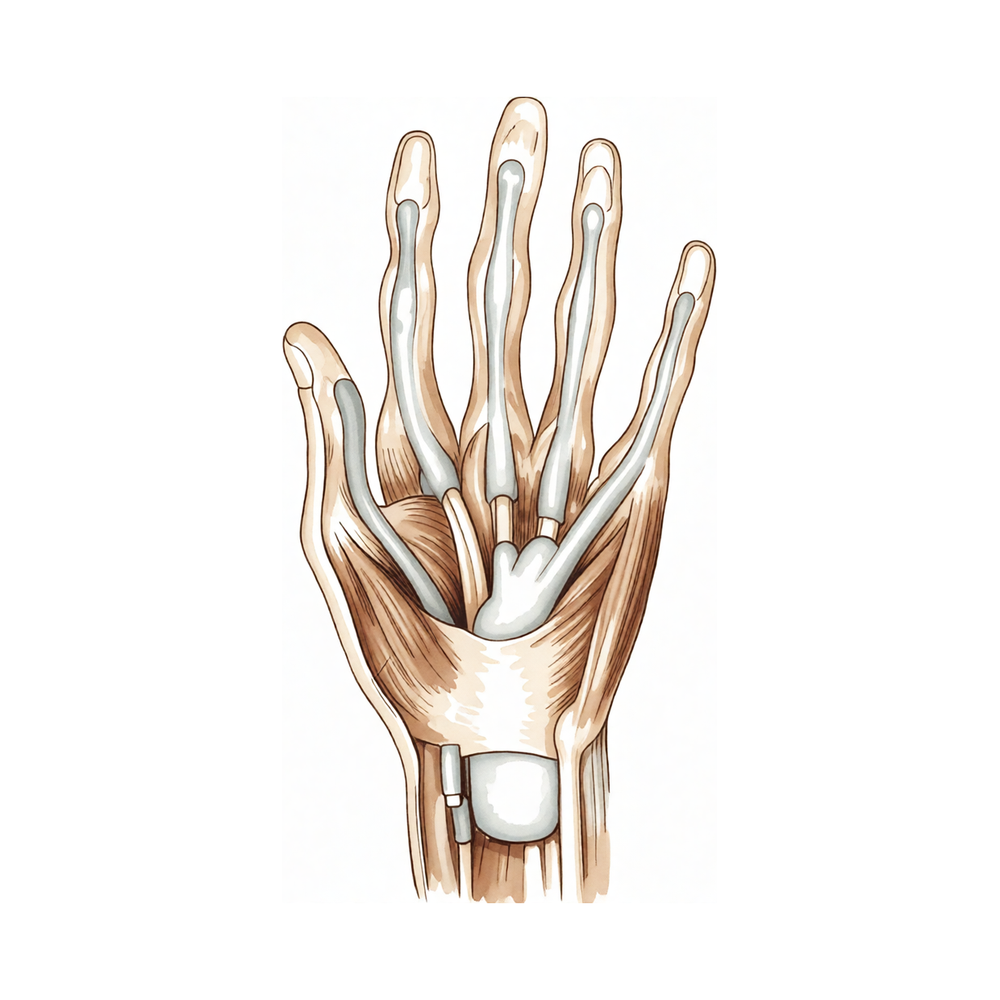
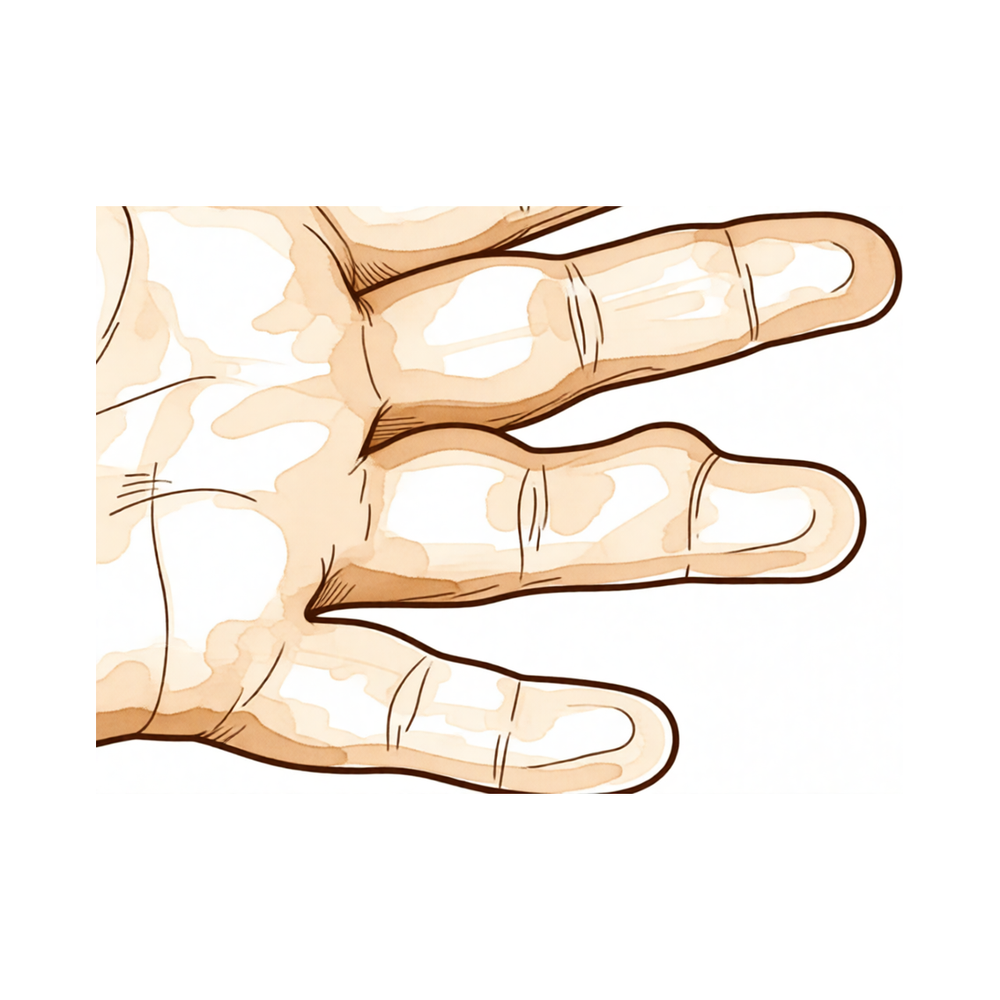
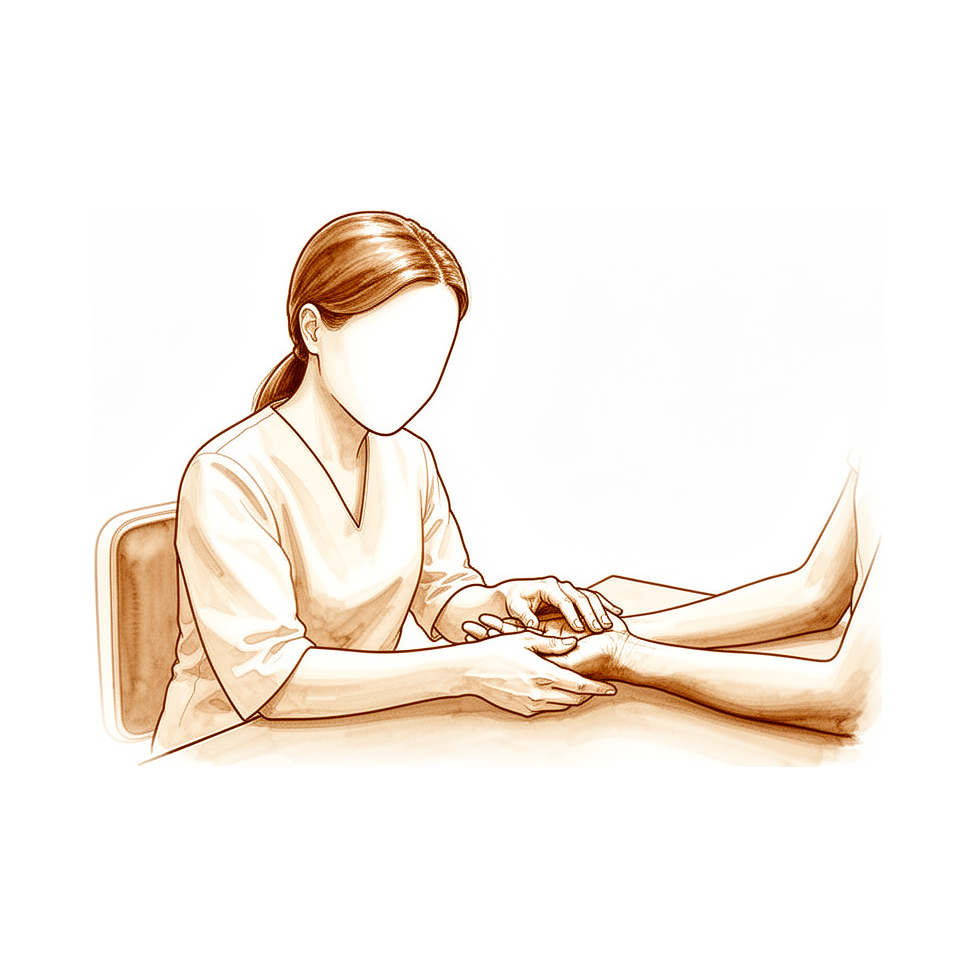
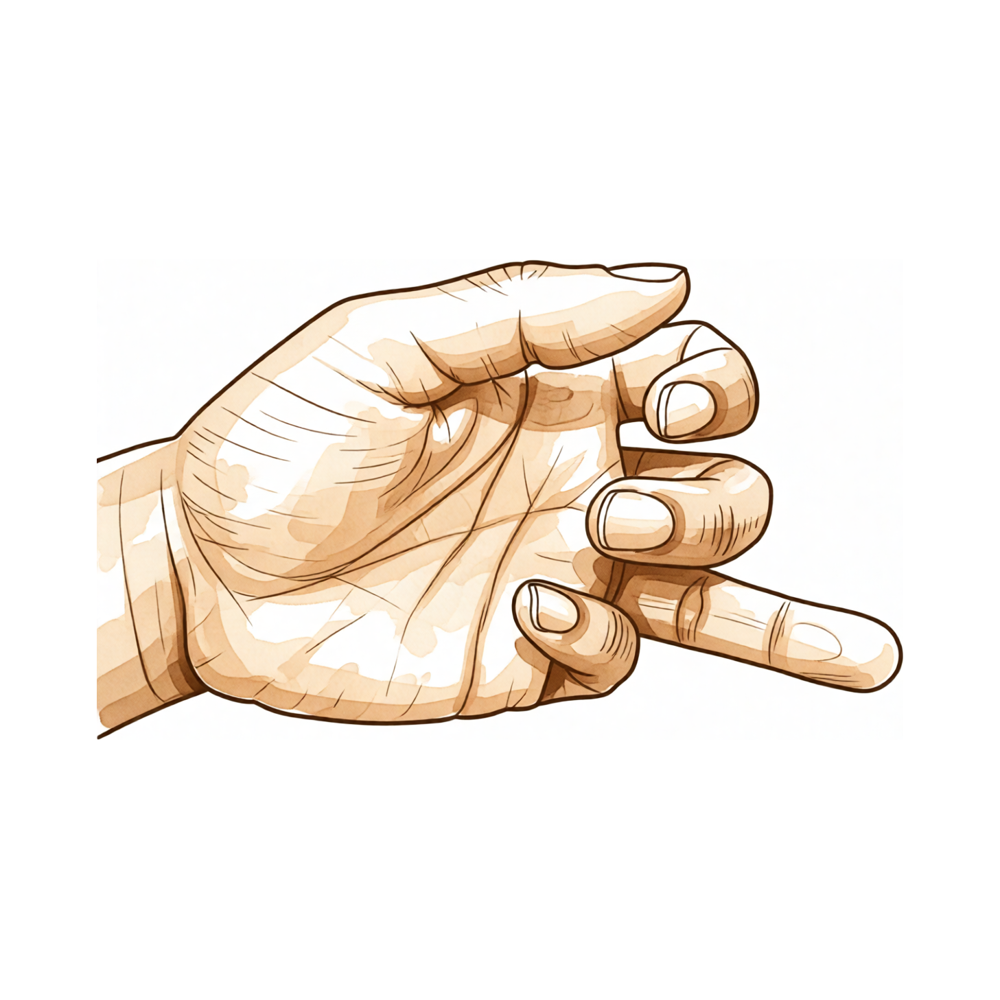
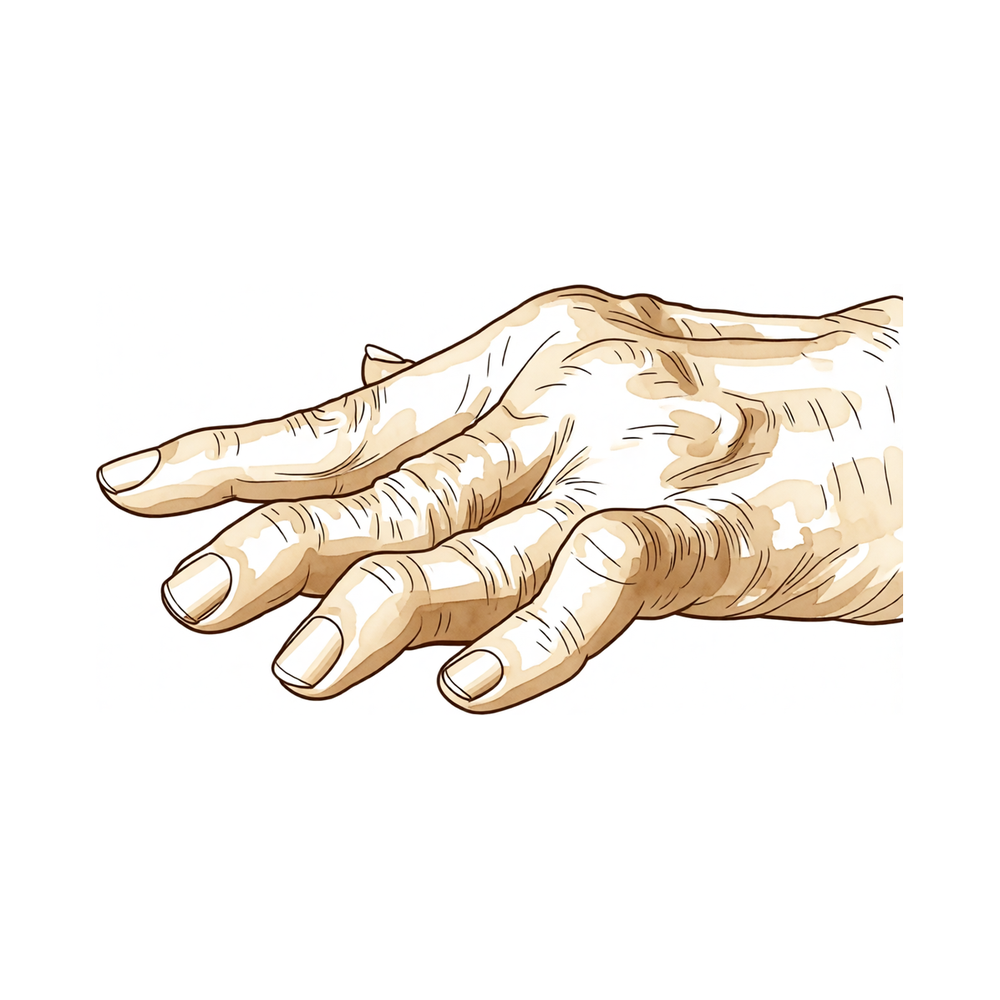
Hand rehabilitation strategies are critical for optimizing functional recovery across diverse pathologies, ranging from Dupuytren's disease to complex tendon repairs. For Dupuytren's disease, collagenase Clostridium histolyticum injection yields significant functional improvement five years post-treatment, with 70% of patients achieving a functional range of motion [1]. Surgical intervention combined with hand therapy reduces disability independent of the number of operated fingers [7], while safety and social factors remain strongly associated with functional recovery and quality of life [3]. Similarly, hand therapy is essential following surgery for severe camptodactyly to maintain passive extension and regain active extension [14].

Early and comprehensive rehabilitation protocols demonstrate superior outcomes in specific surgical contexts. Following volar locking plate fixation for distal radius fractures in middle-aged to elderly women, hand therapy improves functional outcomes and reduces pain at eight weeks compared to independent exercise [2]. In cases of disabling spasticity, combined surgery and early rehabilitation enhance function, activity, and satisfaction for at least one year [5]. For tendon repairs, early rehabilitation is beneficial [6], with the immediate active motion protocol after tendon transfer for claw deformity proving safe and offering earlier pain relief and quicker functional restoration compared to immobilization [24]. Furthermore, the partial-range active flexion protocol serves as a safe, efficient framework for flexor tendon repair, particularly where therapist assistance is unavailable [27].

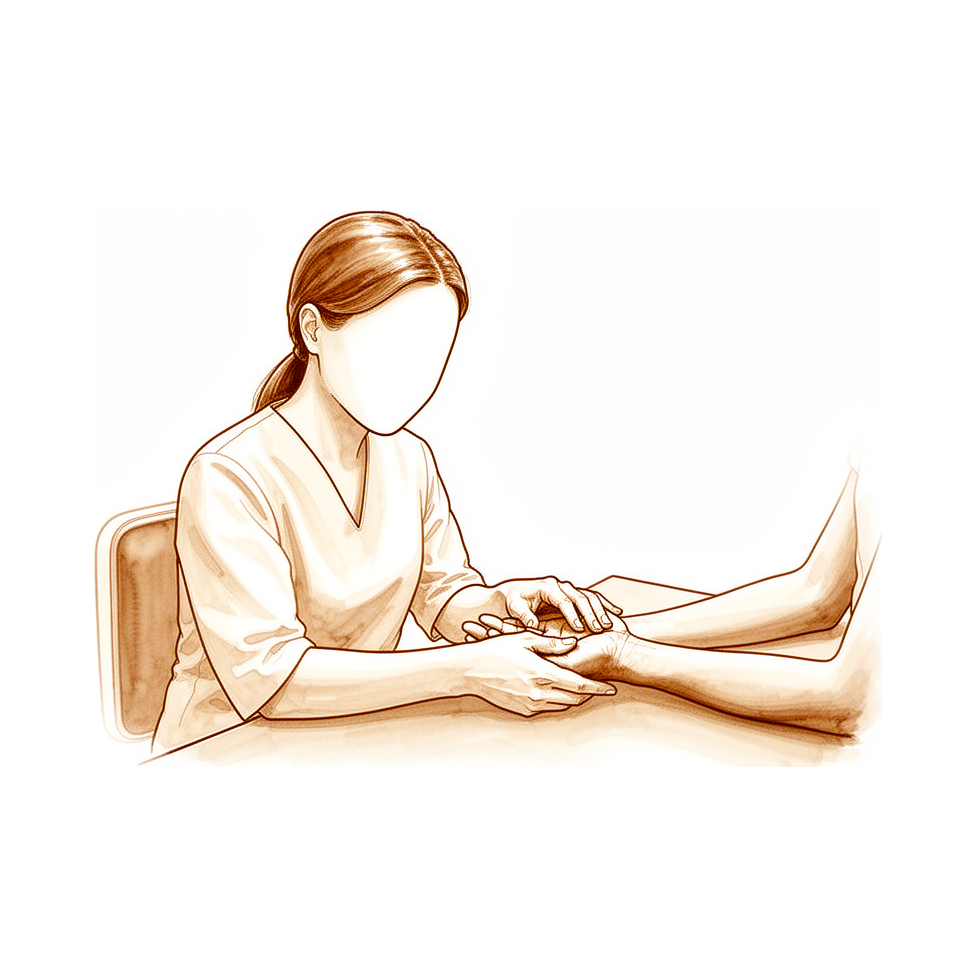
Hand transplantation remains an effective treatment for selected patients, with function improving continuously for up to five years [4]. To standardize assessment, the ICF HandA provides a consensus on outcome measures for systematically evaluating function in hand injuries and disorders [8]. Hand therapists play a pivotal role in improving overall patient outcomes [11].

Anatomy & Pathophysiology

Osseous and Articular Mechanics

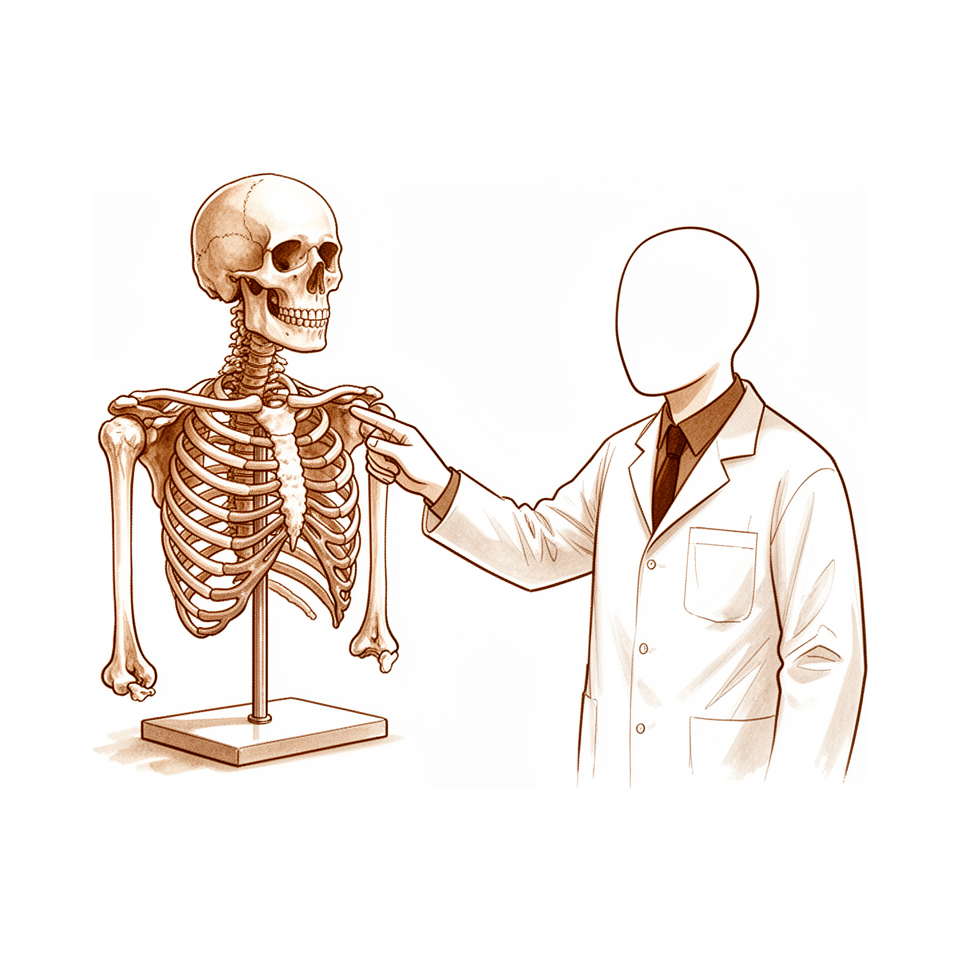
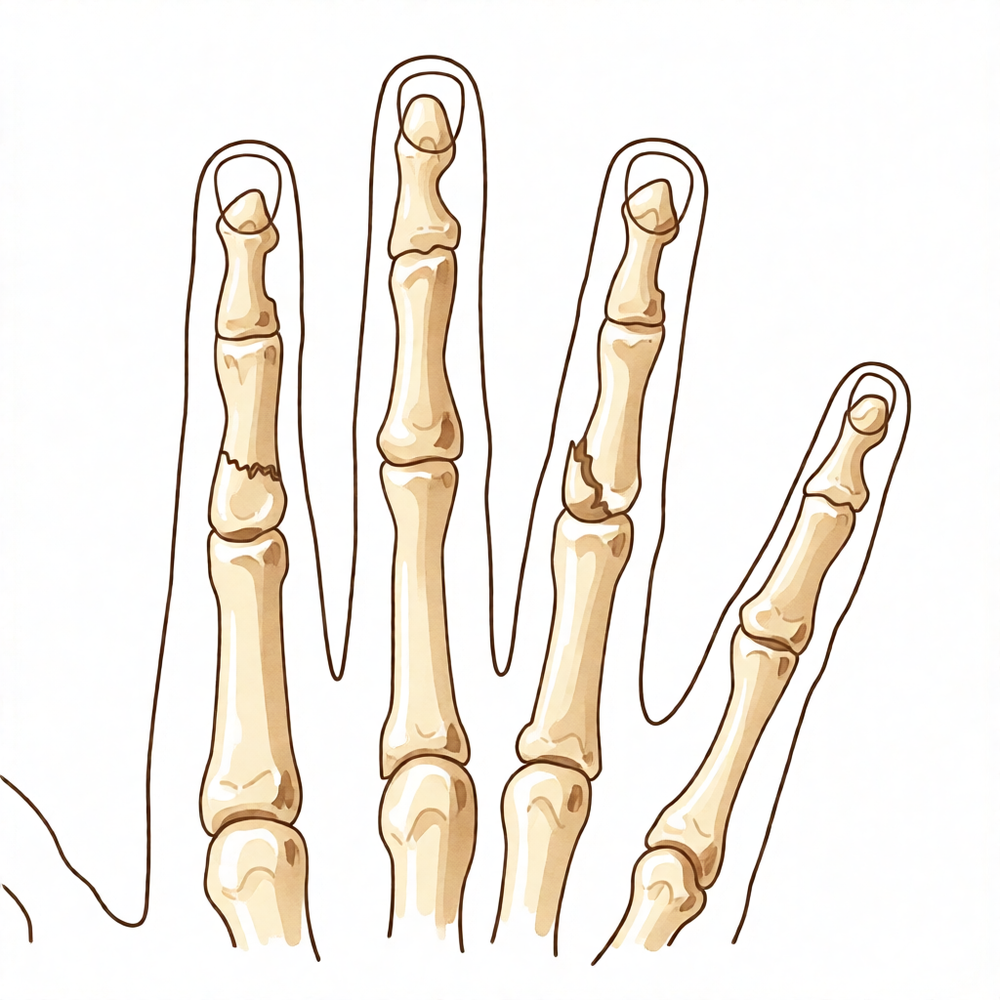
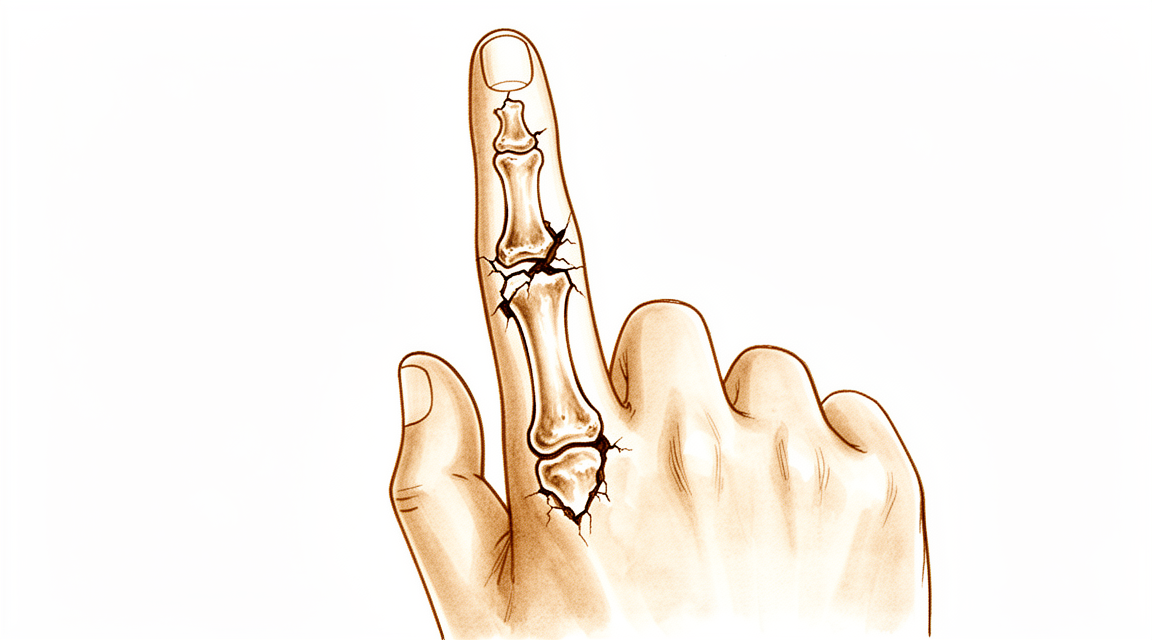
Accurate diagnosis and management of hand and carpal fractures and dislocations are predicated on a thorough physical examination and appropriate imaging to limit joint stiffness while preserving mobility and function [15]. Following non-surgical treatment of spiral and oblique metacarpal shaft fractures, finger strength was statistically significantly reduced, though its clinical relevance remains unclear [38]. In simulated distal interphalangeal joint fusion of the index and middle fingers, positioning the middle finger distal interphalangeal joint in either extension or 20° of flexion did not significantly affect grip strength or dexterity [52].

Neural and Tendon Pathophysiology

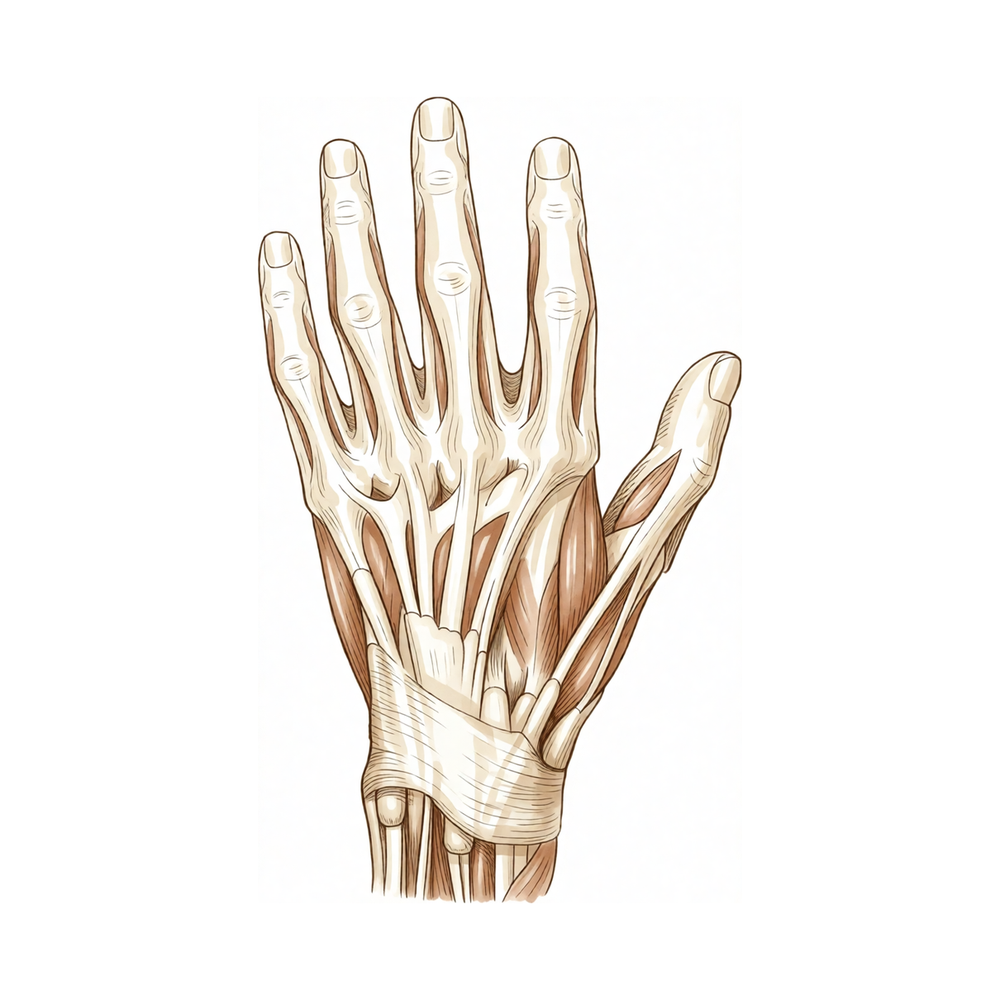
In radial nerve palsy treated with a flexor carpi ulnaris set of triple tendon transfer, hand function remains good even though the range of wrist motion and the strength of the wrist and fingers are less than normal [39]. Room still remains for improved thumb motion with both nerve and tendon transfer procedures for radial nerve paralysis reconstruction [61]. Fundamental muscle-tendon-joint mechanics studies allow for single-stage surgical reconstruction of hand function and early postoperative activity-based training in patients with cervical spinal cord injuries [48].

Neuromuscular and Cerebral Palsy Considerations

Targeted surgical intervention and undefined therapy interventions in hemiplegic cerebral palsy seemed to have little influence on activity and participation, although wrist/finger biomechanics and active range of motion improved [28]. Surgical reconstruction for thumb deformity in cerebral palsy aims to create a stable thumb capable of satisfactory grasp and release by decreasing deformity, balancing muscle forces, and stabilising joints [50]. Taping can be an effective option for repositioning the thumb and improves upper extremity function by controlling the thumb in palm mechanically and enabling sensorial input by maintaining the correct hand position in children with cerebral palsy [45]. Both intrinsic balancing techniques improved grasp, but only the House procedure restored hand kinematics approximating those of an intrinsic-activated hand [35].

Functional Assessment and Kinematics

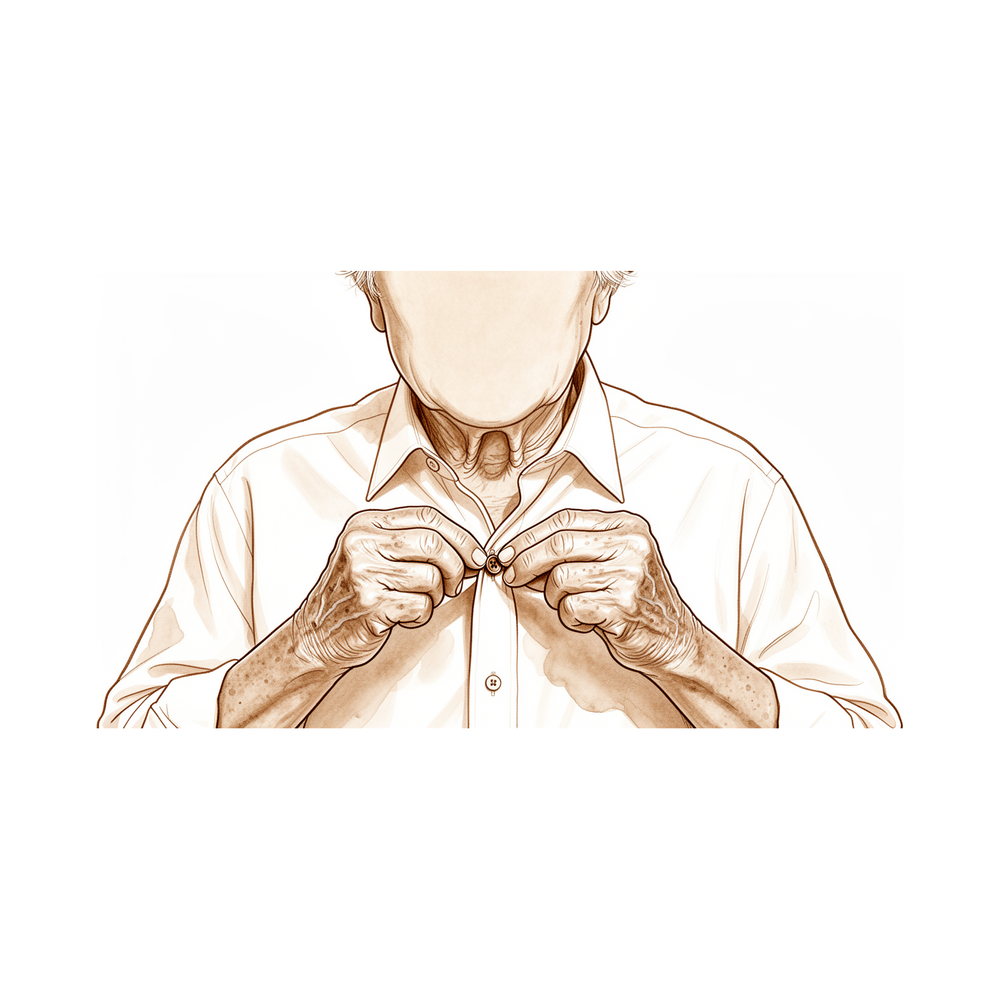
Hand function was significantly improved 5 years after treatment with collagenase Clostridium histolyticum injection for Dupuytren's disease, with 70% of patients achieving a functional range of motion [1]. The ICF HandA provides a consensus on outcome measures and instruments to systematically assess function in patients with hand injuries and disorders [8]. A novel finger grip dynamometer system can quantify a patient's symptoms easily and objectively by measuring each finger's grip strength simultaneously and recording the time course of grip motion [10]. Kinematic and clinical measurements can objectively and quantitatively evaluate skilled hand function in individuals with chemotherapy-induced peripheral neuropathy in clinical settings [36]. A motion analysis system provides useful data about actual anatomical deficits in injured fingers by recording dynamic changes in joint angles, though the evaluation is time-consuming [40]. The slopes of the force-generation and force-decay phases of the Force-Time curve did not validly measure the sincerity of effort in participants with upper extremity injury, perhaps because they were protective of their injured hand and exerted only submaximal effort even at their best grip attempt [42]. Insights from the use of exercise relative motion orthoses to improve proximal interphalangeal joint motion may inform future biomechanical and clinical research on this underexplored topic [58].

Reconstructive and Congenital Outcomes

Toe-to-hand transfers for posttraumatic reconstruction of the hand displayed improved strength of thumb reconstructions and a reduced need for secondary surgery [49]. Touch screen technology has become increasingly relevant to hand function in modern society for children with normal hand formation, congenital differences, and neuromuscular disease [51]. Mirror hand-ulnar dimelia typically involves the entire upper limb, and treatment plans should consider predictors of function at each limb segment rather than just morphology [53].

Classification

ICF HandA: The International Classification of Functioning, Disability and Health (ICF) HandA provides a consensus on outcome measures and instruments to systematically assess function in patients with hand injuries and disorders [8].

Other Considerations: Dupuytren's Disease: Hand function was significantly improved with 70% of patients achieving a functional range of motion at 5 years following collagenase Clostridium histolyticum injection [1]. Safety and social issues of hand function and quality of life had an evident association with functional recovery [3]. Disability decreased after surgery and hand therapy independent of whether single or multiple fingers were operated on [7].

Hand Therapy & Rehabilitation: Hand therapy improved functional outcomes and reduced pain at 8 weeks after surgery compared to independent exercise in middle-aged to elderly women with distal radius fractures [2]. Therapeutic activities that mimic activities of daily living may be more beneficial than standard rehabilitation activities in the management of an injured hand in young adult patients [16]. There is a need for consistent hand therapy terminology around activity-based interventions, and both TIDieR and CERT reporting guidelines should be used to ensure thorough description of interventions [43]. Hand therapy literature consistently addresses body structures and functions but includes activities, participation, and environmental factors less often [44].

Outcome Measurement: A novel finger grip dynamometer system that measures each finger's grip strength at one time and records the time course of grip motion can quantify a patient's symptoms easily and objectively [10]. Large heterogeneity in the outcome domains being assessed or measured across studies highlights the need for a consistent core outcome set to be measured in future clinical research on hand flexor tendon injuries [23]. Multiple areas that patients identify as representing high-quality care are not reflected in current quality measures for hand surgery [47].

Specific Pathologies: There is a specific association between the category of hand disorder and the underlying pathology and prognosis in factitious hand disorders [21]. Limitations in hand function are common in all types of cerebral palsy, but characteristics of the disability vary considerably between different cerebral palsy subtypes [41]. A panel recommends adapting a simpler classification system resembling that for flexor tendons for extensor tendon injuries to facilitate surgical decision-making and rehabilitation [37]. There is a need for high-quality, collaborative research to guide management of a wider range of common hand fractures and joint injuries [46].

Clinical Presentation

Accurate diagnosis and management of hand and carpal fractures and dislocations are predicated on a thorough physical examination and appropriate imaging to limit joint stiffness while preserving mobility and function [15]. For acute injuries, therapeutic activities that mimic activities of daily living may be more beneficial than standard rehabilitation activities in the management of an injured hand in young adult patients [16]. In contrast, current evidence regarding the diagnosis of hand compartment syndrome is based mostly on case reports and small case series with varying etiology, lacking a consensus reference standard or reliable diagnostic criteria [20].

In chronic and post-surgical contexts, functional recovery is closely linked to safety and social issues of hand function and quality of life [3]. Hand therapy plays a critical role in the treatment of upper extremity injuries by coordinating edema control, pain management, and functional recovery [33]. Specific populations benefit from targeted interventions: hand therapy improves functional outcomes and reduces pain at 8 weeks after volar locking plate fixation of distal radius fractures in middle-aged to elderly women compared to independent exercise [2]; patients with decreased finger motion and various comorbidities may benefit from therapy provided in a clinic under the supervision of a certified hand therapist following distal radius fracture [32]; and advanced practice hand therapy for long-waitlisted patients with chronic hand conditions was associated with improvements in patient function and satisfaction [9].

For specific pathologies, hand function was significantly improved 5 years after treatment with collagenase Clostridium histolyticum injection for Dupuytren's disease, with 70% of patients achieving a functional range of motion [1]. Safety and social issues of hand function and quality of life had an evident association with functional recovery after surgery and hand therapy in patients with Dupuytren's disease [3]. Hand transplant is an effective treatment in selected patients, with continual improvements in function seen for up to 5 years [4]. Hand surgery combined with early and comprehensive rehabilitation improves function, activity, and patient satisfaction in patients with disabling spasticity, with improvements lasting for at least 1 year [5]. Hand therapy resulted in statistically and clinically significant improvement in pain, grip strength, upper extremity function, and health-related quality of life for breast cancer survivors experiencing aromatase inhibitor-associated musculoskeletal syndrome in the hands and wrists [13].

Assessment and rehabilitation strategies must be tailored to specific conditions. Hand therapy is essential to maintain and further surgical improvement of passive extension and to regain active extension following surgery for severe camptodactyly [14]. The less affected hand should be evaluated and included in comprehensive treatment plans for children with hemiplegic cerebral palsy [12]. In factitious hand disorders, there is a specific association between the category of hand disorder and the underlying pathology and prognosis [21]. Patient factors associated with not using hand therapy following digital flexor tendon repair suggest that more uniform clinical practice should be sought [22].

Standardization of outcome measurement is critical for clinical practice and research. The ICF HandA provides a consensus on outcome measures and instruments to systematically assess function in patients with hand injuries and disorders [8]. Dividing the Patient-Rated Wrist and Hand Evaluation into two subscales could reduce the response burden, improve standardization of outcome measurement for clinicians, and provide precise insight into patient symptoms [31]. The large heterogeneity in the outcome domains being assessed or measured across studies highlights the need for a consistent core outcome set to be measured in future clinical research on hand flexor tendon injuries [23]. Hand therapists can play an important role in improving overall outcomes for patients [11].

Investigations

Plain radiography: Essential for accurate diagnosis and management of hand and carpal fractures and dislocations to limit joint stiffness while preserving mobility and function [15]. Radiographic deformity and nonsurgical treatment do not necessarily correlate with worse functional outcomes, particularly in patients over 60 years of age with distal radius fractures [55]. Range of motion, grip strength, and radiographic outcomes are similar between groups regarding time-to-surgery for distal radius fractures, with complication and revision rates being very low and comparable [30]. Preoperative narrowing of the thumb webspace and postoperative index finger metacarpophalangeal joint abnormality are associated with worse functional outcomes after surgical reconstruction of the transverse bone in cleft hand [69].

Other Considerations: Current evidence regarding the diagnosis of hand compartment syndrome is based mostly on case reports and small case series with varying etiology, lacking a consensus reference standard or reliable diagnostic criteria [20]. A patient regained satisfactory grip and thumb function with minimal donor site morbidity following functional reconstruction of a subtotal thumb metacarpal defect with a vascularized medial femoral condyle flap [29]. Clinical and radiological measurements showed the efficacy of an axial flap in increasing the volume and girth of the reconstructed thumb in Wassel IV thumb reconstructions [54]. The suture suspension arthroplasty technique for thumb CMC arthritis reconstruction yields good to excellent long-term clinical outcomes [65]. Evaluation of specific clinical and imaging findings is recommended to grade lumbrical muscle tears and determine suitable therapy [66]. Risk of disease progression and expectations following hand reconstruction in Hirayama disease must be managed carefully [19]. The study does not show clear benefit to advocate hand CTA in hand amputee patients [67].

Functional Assessment: Hand function was significantly improved with 70% of patients achieving a functional range of motion at 5 years following collagenase Clostridium histolyticum injection for Dupuytren's disease [1]. Disability decreased after surgery and hand therapy for Dupuytren contracture independent of single or multiple operated fingers [7]. Hand transplant is an effective treatment in selected patients with continual improvements in function seen for up to 5 years [4]. Hand abduction tracings are a quantitative outcome measure to follow recovery over time for intrinsic hand function in patients with severe ulnar neuropathy following surgical intervention [18]. All participants in a series of single case studies experienced clinically significant improvements in both body function/structure measurements of hand function and in their ability to participate in activities following paraffin and exercise treatment for scleroderma [68]. Early rehabilitation following hand tendon repair is beneficial [6]. Hand therapy improved functional outcomes and reduced pain at 8 weeks after surgery compared to independent exercise in middle-aged to elderly women with volar locking plate fixation of distal radius fractures [2]. The less affected hand in children with hemiplegic cerebral palsy should be evaluated and included in comprehensive treatment plans [12].

Treatment

Non-Operative

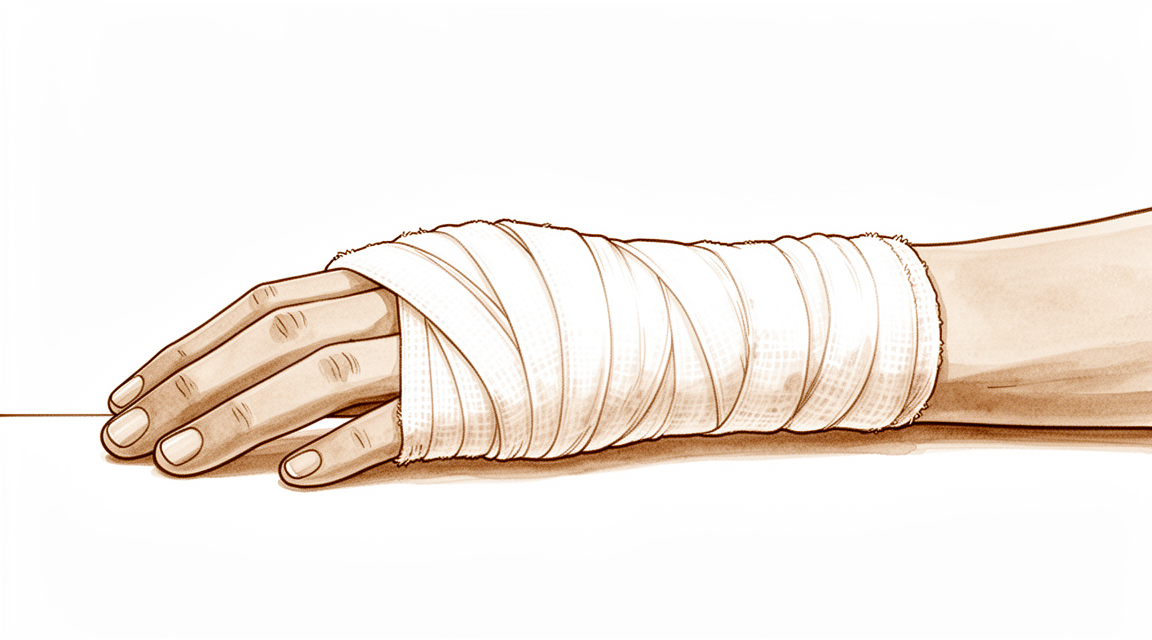
Nonoperative management is a primary consideration for several hand conditions. Orthoses effectively manage pediatric and adult trigger finger [59], while serial casting and splints should be attempted before open surgical release for posttraumatic proximal interphalangeal joint contracture in selected patients [57]. Early hand therapy and orthotics may benefit elderly patients with delayed wound healing after homodigital island flap repair [64]. For thoracic outlet syndrome in pediatric and young adult populations, nonoperative activity modification and physical therapy successfully managed few patients [60]. In breast cancer survivors with aromatase inhibitor-associated musculoskeletal syndrome, hand therapy significantly improved pain, grip strength, upper extremity function, and health-related quality of life [13]. Advanced practice hand therapy improves function and satisfaction in long-waitlisted patients with chronic hand conditions [9]. While a randomized study failed to show benefit for a 2-week course of hand therapy after short-incision carpal tunnel release [56], hand therapy generally improves functional outcomes and reduces pain at 8 weeks after volar locking plate fixation in middle-aged to elderly women compared to independent exercise [2]. Therapeutic activities mimicking activities of daily living may be more beneficial than standard rehabilitation for injured young adults [16].

Operative

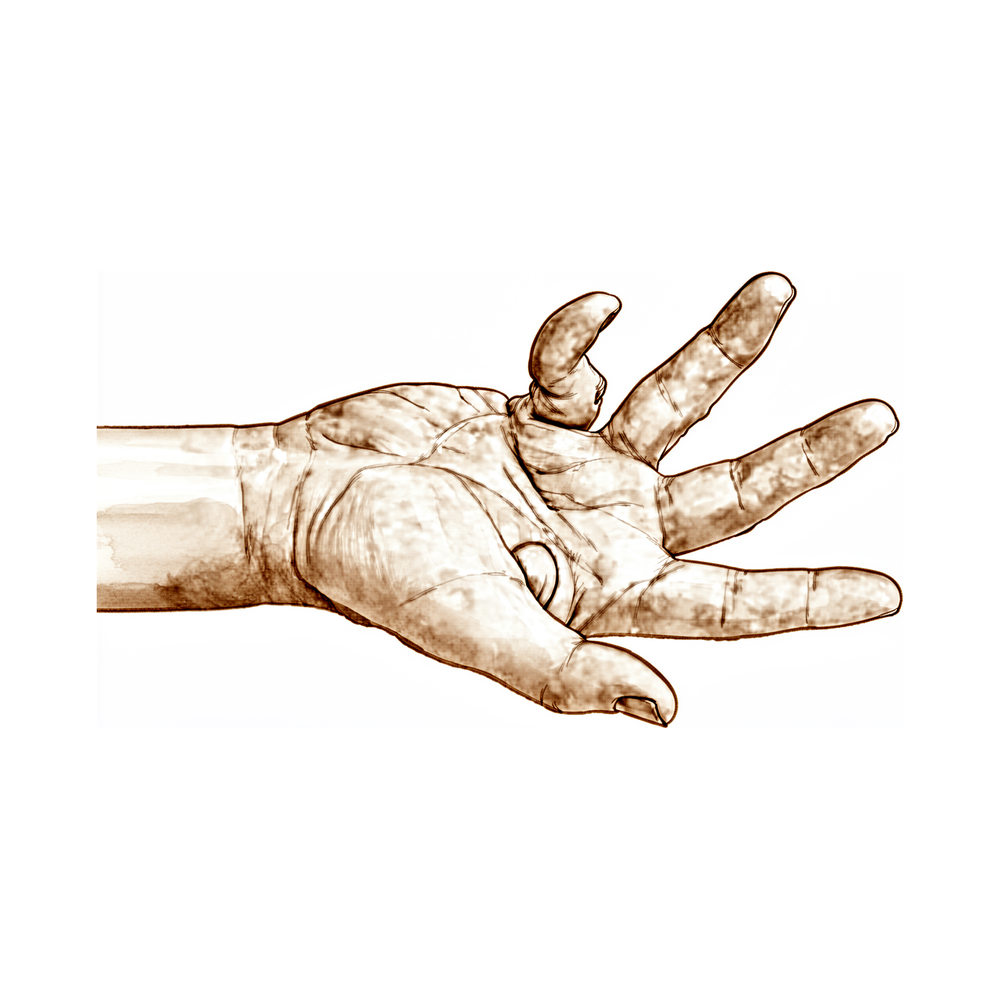
Indications: Surgery is indicated for severe camptodactyly to regain active extension, for disabling spasticity to improve function and satisfaction, and for selected patients with Dupuytren's disease or claw deformity. Hand transplant is an effective treatment for selected patients with continual functional improvements up to 5 years [4]. In bilaterally affected children with congenital hand differences, surgery should be performed on the non-dominant hand first as it benefits most from surgery-induced body function improvement [63].

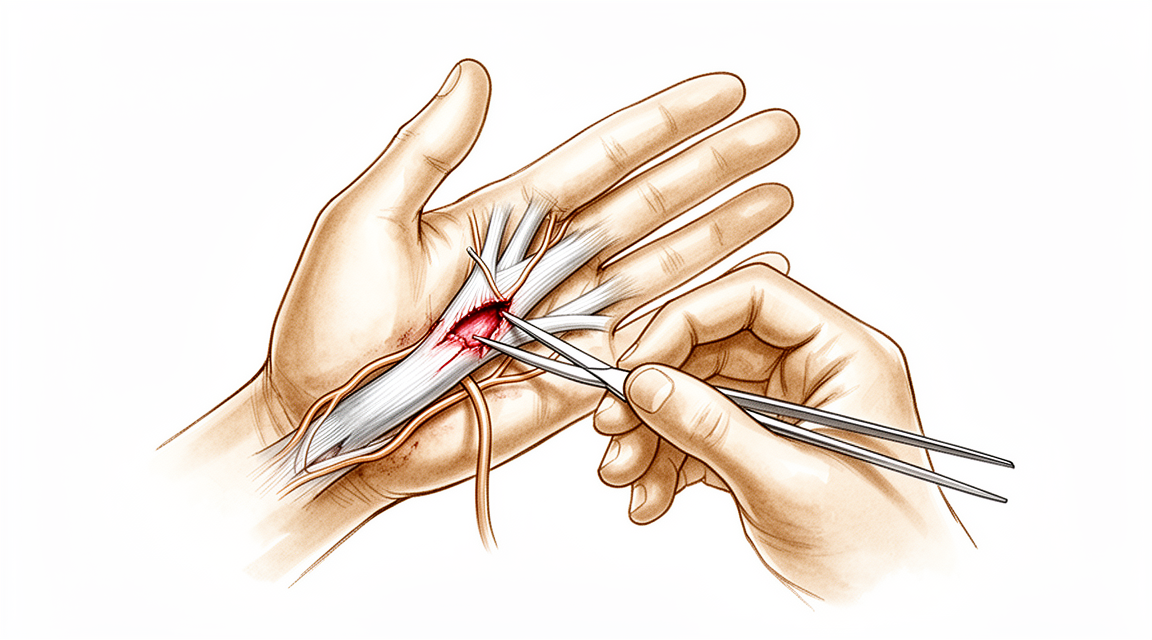
Surgical Approach / Technique: For severe camptodactyly, hand therapy is essential to maintain and further surgical improvement of passive extension and to regain active extension [14]. In patients with disabling spasticity, hand surgery combined with early and comprehensive rehabilitation improves function, activity, and patient satisfaction for at least 1 year [5]. For claw deformity, the immediate active motion protocol after tendon transfer is safe and offers earlier pain relief and quicker restoration of hand function compared with immobilization [24].

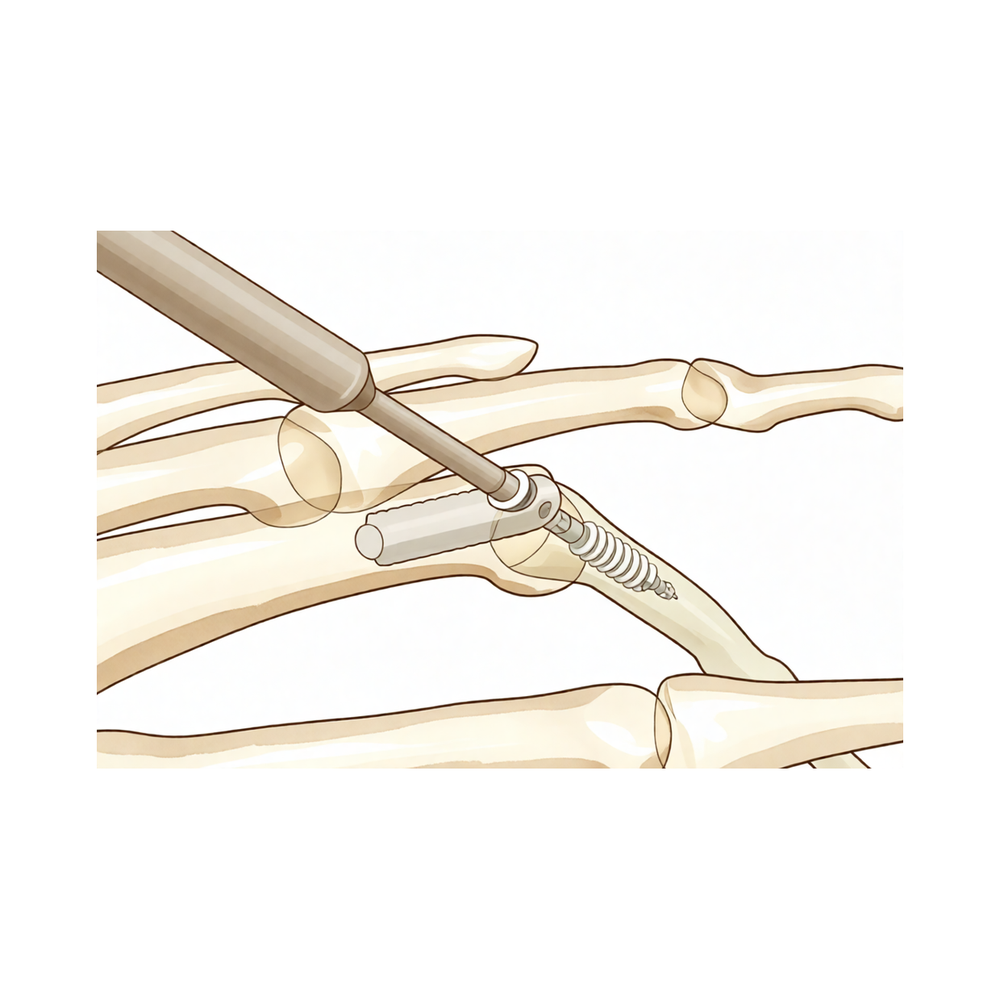
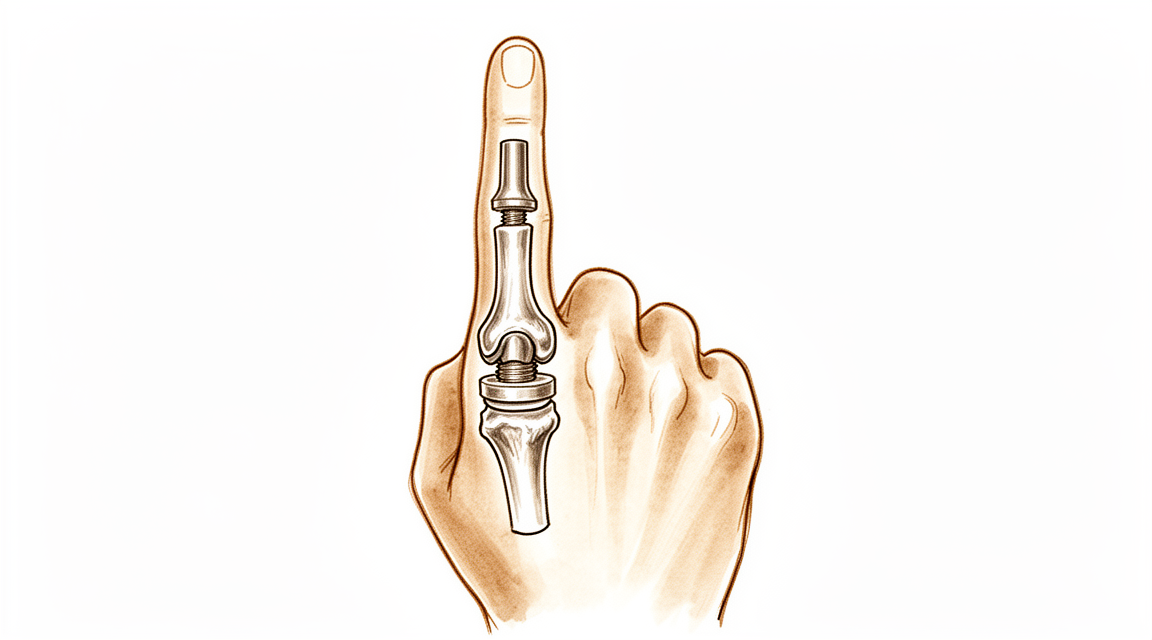
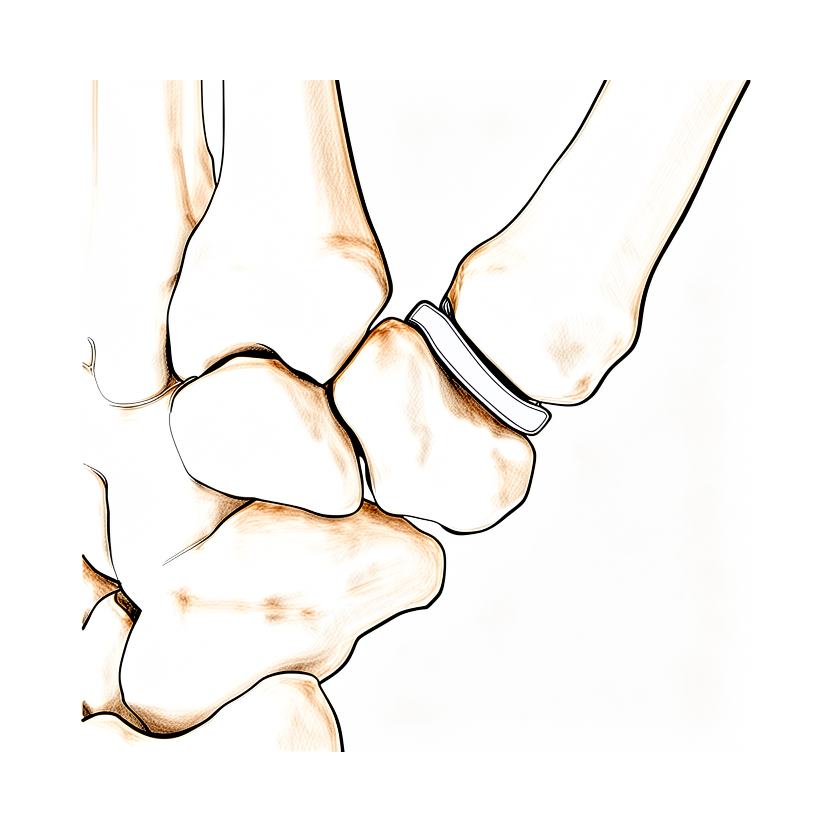
Implant Selection: The Arpe implant for trapeziometacarpal total joint arthroplasty demonstrates an acceptable long-term survival rate and restores good hand function [17].

Adjuncts: Collagenase Clostridium histolyticum injection for Dupuytren's disease resulted in significantly improved hand function, with 70% of patients achieving a functional range of motion at 5 years [1].

Other Considerations: Safety and social issues of hand function and quality of life are evidently associated with functional recovery after surgery and hand therapy in Dupuytren's disease [3]. Findings suggest a benefit of early rehabilitation after hand tendon repair [6]. The partial-range active flexion protocol is recommended as a safe, efficient, and generalizable framework for rehabilitation after flexor tendon repair and other hand disorders, particularly where therapist assistance is unavailable [27]. Patient factors associated with not using hand therapy following digital flexor tendon repair suggest that more uniform clinical practice should be sought [22]. Targeted surgical intervention and undefined therapy intervention seemed to have little influence on activity and participation in hemiplegic cerebral palsy, although wrist/finger biomechanics and active range of motion improved [28]. The less affected hand should be evaluated and included in comprehensive treatment plans for children with hemiplegic cerebral palsy [12]. Hand therapists play an important role in improving overall outcomes for patients [11]. The DASH questionnaire confirmed effectiveness in assessing traumatic hand injury patients, showing significant improvement in scores upon discharge from therapy [34]. There is little evidence to recommend any single management strategy for acute pain after hand injury or surgery [62].

Complications

Stiffness / Arthrofibrosis: Early rehabilitation following hand tendon repair provides benefit [6]. Hand therapy improved functional outcomes and reduced pain at 8 weeks after volar locking plate fixation of distal radius fracture in middle-aged to elderly women compared to independent exercise [2]. Advanced practice hand therapy for long-waitlisted patients with chronic hand conditions was associated with improvements in patient function and satisfaction [9]. Hand surgery combined with early and comprehensive rehabilitation improves function, activity, and patients' satisfaction in patients with disabling spasticity with improvement lasting for at least 1 year [5]. Despite recurrent scarring and contracture in the short and mid term, surgical release can provide significant improvements in hand function for recessive dystrophic epidermolysis bullosa [26].

Functional Recovery and Disease Progression: 70% of patients achieved a functional range of motion at 5 years following treatment with collagenase Clostridium histolyticum injection for Dupuytren's disease [1]. After surgery and hand therapy, disability decreased independent of single or multiple operated fingers in patients with Dupuytren contracture [7]. Safety and social issues of hand function and quality of life had an evident association with functional recovery in patients with Dupuytren's disease [3]. Risk of disease progression and expectations following hand reconstruction must be managed carefully in patients with Hirayama disease [19]. Intermediate long-term results of hand transplants have demonstrated functional return similar to that of replants [25]. Hand transplant is an effective treatment in selected patients with continual improvements in function seen for up to 5 years [4].

Other Considerations: Hand therapy resulted in statistically and clinically significant improvement in pain, grip strength, upper extremity function, and health related quality of life for breast cancer survivors experiencing aromatase inhibitor-associated musculoskeletal syndrome in the hands and wrists [13]. The Arpe implant for trapeziometacarpal total joint arthroplasty has an acceptable long-term survival rate and restores good hand function [17]. A novel finger grip dynamometer system can quantify a patient's symptoms easily and objectively by measuring each finger's grip strength at one time and recording the time course of grip motion [10]. Hand abduction tracings are a quantitative outcome measure to follow recovery over time for intrinsic hand function in patients with severe ulnar neuropathy following surgical intervention [18]. A patient with a subtotal thumb metacarpal defect regained satisfactory grip and thumb function with minimal donor site morbidity following reconstruction with a vascularized medial femoral condyle flap [29].

Recovery

Light activity (weeks): Specific timelines for light activity are not explicitly defined in the available evidence; however, functional improvements are noted at 8 weeks following surgery and hand therapy for distal radius fracture [2], and significant functional range of motion is achieved at 5 years following collagenase injection for Dupuytren's disease [1].

Full activity (months): Functional recovery trajectories vary by procedure, with hand transplants showing continual improvements for up to 5 years [4] and intermediate results demonstrating functional return similar to replants at 8 and 6 years post-transplant [25]. For patients with disabling spasticity, hand surgery combined with early rehabilitation improves function and satisfaction for at least 1 year [5]. In cases of recessive dystrophic epidermolysis bullosa, surgical release provides significant functional improvements despite recurrent scarring in the short and mid-term [26].

Complete recovery / outcome plateau (months): Long-term outcomes stabilize over extended periods, with the Arpe implant demonstrating acceptable survival and restored hand function at a minimum of 10 years follow-up for trapeziometacarpal total joint arthroplasty [17]. Hand function significantly improves with 70% of patients achieving a functional range of motion at 5 years following collagenase Clostridium histolyticum injection for Dupuytren's disease [1]. Disability decreases independent of single or multiple operated fingers after fasciectomy for Dupuytren contracture [7].

Rehabilitation protocol: Hand therapy improves functional outcomes and reduces pain at 8 weeks after surgery compared to independent exercise in middle-aged to elderly women with volar locking plate fixation of distal radius fracture [2]. Findings suggest the benefit of early rehabilitation after hand tendon repair [6]. Advanced practice hand therapy for long-waitlisted patients with chronic hand conditions is associated with improvements in patient function and satisfaction [9]. Risk of disease progression and expectations following hand reconstruction must be managed carefully in patients with Hirayama disease [19].

Functional milestones: Safety and social issues of hand function and quality of life have an evident association with functional recovery after surgery and hand therapy in patients with Dupuytren's disease [3]. Range of motion, grip strength, and radiographic outcomes are similar between groups for distal radius fracture surgery, with very low and comparable complication and revision rates [30]. Hand abduction tracings serve as a quantitative outcome measure to follow recovery over time for intrinsic hand function in patients with severe ulnar neuropathy following surgical intervention [18]. A novel finger grip dynamometer system can quantify symptoms objectively to contribute to the evaluation of hand function [10].

Other Considerations: Delaying replantation of digits overnight yields results comparable with immediate replantation in selected cases [70].

Key Evidence

  • [L4] Hand function was significantly improved, with 70% achieving a functional range of motion at 5 years. (10.1177/17531934211002383)
  • [L2] Hand therapy improved functional outcomes and reduced pain at 8 weeks after surgery compared to independent exercise. (10.1016/j.jhsa.2021.08.009)
  • [L4] Safety and social issues of hand function and quality of life had an evident association with functional recovery. (10.1016/j.jht.2014.11.006)
  • [L4] Hand transplant is an effective treatment in selected patients with continual improvements in function seen for up to 5 years. (10.1177/17531934251325654)
  • [L2] Hand surgery combined with early and comprehensive rehabilitation improves function, activity and patients' satisfaction in patients with disabling spasticity with improvement lasting for at least 1 year. (10.1177/1753193420918743)
  • [L4] Our findings suggest the benefit of early rehabilitation after hand tendon repair. (10.1016/j.jht.2014.09.005)
  • [L4] After surgery and hand therapy, disability decreased independent of single or multiple operated fingers. (10.1016/j.jhsa.2014.04.029)
  • [L4] The ICF HandA provides a consensus on outcome measures and instruments to systematically assess function in patients with hand injuries and disorders. (10.1177/1753193417706248)
  • [L3] Advanced practice hand therapy for long-waitlisted patients with chronic hand conditions was associated with improvements in patient function and satisfaction. (10.1016/j.jht.2019.08.003)
  • [L4] This new system that measures each finger's grip strength at one time and records the time course of grip motion could quantify a patient's symptoms easily and objectively, which may contribute to the evaluation of hand function. (10.1186/s13018-020-01773-9)
  • [L4] Hand therapists can play an important role in improving overall outcomes for patients. (10.1016/j.jht.2017.12.001)
  • [L3] The less affected hand should be evaluated and included in comprehensive treatment plans for these children. (10.1177/1558944721990803)
  • [L4] This study demonstrates that hand therapy resulted in statistically and clinically significant improvement in pain, grip strength, upper extremity function, and health related quality of life. (10.1016/j.jht.2025.01.007)
  • [L4] Hand therapy is essential to maintain and further surgical improvement of passive extension and to regain active extension following surgery. (10.1016/j.jht.2014.12.004)
  • [L1] We suggest that therapeutic activities that mimic ADL may be more beneficial than standard rehabilitation activities in the management of an injured hand. (10.1016/j.jhsa.2007.08.008)
  • [L2] The Arpe implant has an acceptable long-term survival rate and restores good hand function. (10.1177/1753193419871660)
  • [L4] Hand abduction tracings are a quantitative outcome measure to follow recovery over time for intrinsic hand function and can be used in patients with severe ulnar neuropathy following surgical intervention. (10.1016/j.jht.2023.09.005)
  • [L4] Risk of disease progression and expectations following hand reconstruction must be managed carefully. (10.1016/j.jhsa.2024.06.010)
  • [L5] Current evidence regarding the diagnosis of hand compartment syndrome is based mostly on case reports and small case series with varying etiology, lacking a consensus reference standard or reliable diagnostic criteria. (10.1016/j.jhsa.2015.01.034)
  • [L4] There is a specific association between the category of hand disorder and the underlying pathology and prognosis. (10.1016/j.jhsa.2013.04.047)
  • [L3] Patient factors associated with not using hand therapy suggest that more uniform clinical practice should be sought. (10.1016/j.jht.2024.07.002)
  • [L2] The large heterogeneity in the outcome domains being assessed/measured across studies highlights the need for a consistent core outcome set to be measured in future clinical research on hand flexor tendon injuries. (10.1177/17531934251342732)
  • [L1] The immediate active motion protocol is safe and has similar outcomes compared with immobilization, with the added advantage of earlier pain relief and quicker restoration of hand function. (10.1016/j.jhsa.2008.11.014)
  • [L4] Intermediate long-term results of hand transplants have demonstrated functional return similar to that of replants. (10.1016/j.jhsa.2008.02.015)
  • [L4] Despite recurrent scarring and contracture in the short and mid term, surgical release can provide significant improvements in hand function. (10.1177/17531934251313989)
  • [L5] The author recommends the partial-range active flexion protocol as a safe, efficient, and generalizable framework for rehabilitation after flexor tendon repair and other hand disorders, particularly where therapist assistance is unavailable. (10.1177/17531934211037112)
  • [L4] The targeted surgical intervention and undefined therapy intervention seemed to have little influence on activity and participation, although wrist/finger biomechanics and active range of motion improved. (10.1197/j.jht.2008.01.001)
  • [Case_report] The patient regained satisfactory grip and thumb function with minimal donor site morbidity. (10.1016/j.jhsa.2014.06.002)
  • [L4] Range of motion, grip strength, and radiographic outcomes are similar between groups, and complication and revision rates were very low and comparable. (10.1016/j.jhsa.2022.12.018)
  • [L4] Dividing the Patient-Rated Wrist and Hand Evaluation into two subscales could reduce the response burden, improve standardization of outcome measurement for clinicians and provide precise insight into patient symptoms. (10.1177/17531934241306287)
  • [L2] Patients with decreased finger motion and various comorbidities may benefit from therapy provided in a clinic under the supervision of a certified hand therapist. (10.1016/j.jhsa.2015.01.036)
  • [L5] Hand therapy plays a critical role in the treatment of upper extremity injuries by coordinating edema control, pain management, and functional recovery. (10.5435/00124635-201008000-00003)
  • [L5] Both intrinsic balancing techniques improved grasp, but only the House procedure restored hand kinematics approximating those of an intrinsic-activated hand. (10.1016/j.jhsa.2013.08.098)
  • [L3] Our kinematic and clinical measurements objectively and quantitatively evaluate skilled hand function in individuals with CIPN in clinical settings. (10.1016/j.jht.2017.06.003)
  • [L5] The panel recommends adapting a simpler classification system resembling that for flexor tendons and outlines specific treatment approaches for acute extensor tendon injuries in each zone to facilitate surgical decision-making and rehabilitation. (10.1177/17531934251363138)
  • [L4] Finger strength was statistically significantly reduced, but its clinical relevance remains unclear. (10.1186/s12891-025-08776-9)
  • [L3] This study shows that even though the range of wrist motion and the strength of the wrist and fingers are less than normal, hand function remains good. (10.1177/1753193416651574)
  • [L4] The motion analysis system provides useful data about actual anatomical deficits in injured fingers by recording dynamic changes in joint angles, though the evaluation is time-consuming. (10.1054/jhsb.1999.0344)
  • [L3] Limitations in hand function are common in all types of CP, but characteristics of the disability vary considerably between different CP subtypes. (10.1016/j.jhsa.2008.02.032)
  • [L3] The slopes of the force-generation and force-decay phases of the Force-Time curve did not validly measure the sincerity of effort in participants with upper extremity injury, perhaps because they were protective of their injured hand and exerted only submaximal effort even at their best grip attempt. (10.1016/j.jht.2010.07.005)
  • [L5] There is a need for consistent hand therapy terminology around activity-based interventions, and both TIDieR and CERT reporting guidelines should be used to ensure thorough description of interventions. (10.1016/j.jht.2020.10.001)
  • [L4] Hand therapy literature consistently addresses body structures and functions but includes activities, participation, and environmental factors less often; the authors recommend increasingly incorporating all WHO ICF domains to demonstrate the societal and personal impact of the profession. (10.1016/j.jht.2010.12.003)
  • [L1] Taping can be an effective option for repositioning the thumb and improves upper extremity function by controlling the thumb in palm mechanically and enabling sensorial input by maintaining the correct hand position. (10.1016/j.jht.2014.09.007)
  • [L1] There is a need for high-quality, collaborative research to guide management of a wider range of common hand injuries. (10.1177/1753193419865897)
  • [L4] Multiple areas that patients identify as representing high-quality care are not reflected in current quality measures for hand surgery. (10.1016/j.jhsa.2018.06.007)
  • [L5] The authors present fundamental muscle-tendon-joint mechanics studies that allow for single-stage surgical reconstruction of hand function and early postoperative activity-based training in patients with cervical spinal cord injuries. (10.1177/1753193419827814)
  • [L4] Improved strength of thumb reconstructions and reduced need for secondary surgery was also displayed. (10.1016/j.jhsa.2011.04.010)
  • [L5] Surgical reconstruction aims to create a stable thumb capable of satisfactory grasp and release by decreasing deformity, balancing muscle forces, and stabilising joints. (10.1177/1753193407087891)
  • [L3] Touch screen technology has become increasingly relevant to hand function in modern society. (10.1016/j.jhsa.2014.12.028)
  • [L2] Positioning the middle finger DIP joint in either extension or 20° of flexion did not significantly affect grip strength or dexterity, allowing other considerations such as appearance to be prioritized. (10.1016/j.jhsa.2014.06.021)
  • [L4] Mirror hand-ulnar dimelia typically involves the entire upper limb, and treatment plans should consider predictors of function at each limb segment rather than just morphology. (10.1177/17531934221116960)
  • [L4] Clinical and radiological measurements showed the efficacy of this reconstruction in increasing the volume and girth of the reconstructed thumb. (10.1016/j.jhsa.2015.02.032)
  • [L4] Radiographic deformity and nonsurgical treatment do not necessarily correlate with worse functional outcomes, particularly in patients over 60 years of age. (10.1016/j.jhsa.2012.04.006)
  • [L1] The randomized study failed to show benefit in a 2-week course of hand therapy after carpal tunnel release using a short incision. (10.1016/j.jhsa.2007.05.001)
  • [L5] Nonoperative treatment using serial casting and splints should be tried before attempting open surgical release, which should be done in selected patients. (10.1016/j.jhsa.2013.03.014)
  • [L4] These insights may inform future biomechanical and clinical research on this underexplored topic. (10.1016/j.jht.2022.12.002)
  • [L1] Orthoses are effective for non-surgical management of pediatric and adult trigger finger using various orthotic options. (10.1016/j.jht.2023.05.016)
  • [L4] Few patients were successfully managed with nonoperative activity modification and physical therapy. (10.1016/j.jhsa.2023.12.013)
  • [L4] However, room still remains for improved thumb motion with both procedures. (10.1016/j.jhsa.2019.12.009)
  • [L1] There is little evidence to recommend any single management strategy for acute pain after hand injury or surgery. (10.1016/j.jht.2019.09.029)
  • [L3] This may suggest that in bilaterally affected children surgery should be done at the non-dominant hand first since this hand would benefit most from surgery-induced body functions improvement. (10.1016/j.jht.2013.11.002)
  • [L2] Intervention with early hand therapy and orthotics may be useful in elderly patients with delayed wound healing. (10.1016/j.jhsa.2015.08.008)
  • [L4] The SSA technique for thumb CMC arthritis reconstruction yields good to excellent long-term clinical outcomes. (10.1177/15589447211003176)
  • [L4] The authors recommend evaluation of specific clinical and imaging findings to grade the injuries and determine suitable therapy. (10.1177/1753193418765716)
  • [L2] This study does not show clear benefit to advocate hand CTA. (10.1016/j.jhsa.2014.08.048)
  • [L4] All participants experienced clinically significant improvements in both body function/structure measurements of hand function and in their ability to participate in activities. (10.1016/j.jht.2008.06.009)
  • [L3] Preoperative narrowing of the thumb webspace and postoperative index finger metacarpophalangeal joint abnormality are associated with worse functional outcomes. (10.1016/j.jhsa.2013.11.002)
  • [L4] The results of delaying replantation of digits overnight give results comparable with those of immediate replantation in selected cases. (10.1016/j.jhsa.2018.03.047)

See Also

References

[1] Hand function 5 years after treatment with collagenase Clostridium histolyticum injection for Dupuytren’s disease. Journal of Hand Surgery (European Volume). 2021. DOI: 10.1177/17531934211002383

[2] Efficacy of Hand Therapy After Volar Locking Plate Fixation of Distal Radius Fracture in Middle-Aged to Elderly Women: A Randomized Controlled Trial. The Journal of Hand Surgery. 2022. DOI: 10.1016/j.jhsa.2021.08.009

[3] Factors affecting functional recovery after surgery and hand therapy in patients with Dupuytren's disease. Journal of Hand Therapy. 2015. DOI: 10.1016/j.jht.2014.11.006

[4] UK Hand and Upper Limb Transplant Service, functional outcomes of the first six patients: A case series. Journal of Hand Surgery (European Volume). 2025. DOI: 10.1177/17531934251325654

[5] Functional outcomes of spasticity-reducing surgery and rehabilitation at 1-year follow-up in 30 patients. Journal of Hand Surgery (European Volume). 2020. DOI: 10.1177/1753193420918743

[6] The benefit of early rehabilitation following tendon repair of the hand: A population-based claims database analysis. Journal of Hand Therapy. 2015. DOI: 10.1016/j.jht.2014.09.005

[7] Hand Function and Quality of Life Before and After Fasciectomy for Dupuytren Contracture. The Journal of Hand Surgery. 2014. DOI: 10.1016/j.jhsa.2014.04.029

[8] International Classification of Functioning, Disability and Health: development of an assessment set to evaluate functioning based on the Brief ICF Core Set for Hand Conditions – ICF HandA. Journal of Hand Surgery (European Volume). 2017. DOI: 10.1177/1753193417706248

[9] A cohort investigation of patient-reported function and satisfaction after the implementation of advanced practice occupational therapy–led care for patients with chronic hand conditions at eight Australian public hospitals. Journal of Hand Therapy. 2020. DOI: 10.1016/j.jht.2019.08.003

[10] Assessment of grip-motion characteristics in carpal tunnel syndrome patients using a novel finger grip dynamometer system. Journal of Orthopaedic Surgery and Research. 2020. DOI: 10.1186/s13018-020-01773-9

[11] Therapist perceptions of best practice as ordered by referral source: An exploratory survey. Journal of Hand Therapy. 2019. DOI: 10.1016/j.jht.2017.12.001

[12] Dexterity of the Less Affected Hand in Children With Hemiplegic Cerebral Palsy. HAND. 2021. DOI: 10.1177/1558944721990803

[13] The effectiveness of hand therapy for breast cancer survivors experiencing aromatase inhibitor-associated musculoskeletal syndrome in the hands and wrists. Journal of Hand Therapy. 2025. DOI: 10.1016/j.jht.2025.01.007

[14] Severe camptodactyly: A systematic surgeon and therapist collaboration. Journal of Hand Therapy. 2015. DOI: 10.1016/j.jht.2014.12.004

[15] Chapter 29 Hand/Carpal Fractures and Dislocations. 2021.

[16] Comparison of Therapeutic Activities With Therapeutic Exercises in the Rehabilitation of Young Adult Patients With Hand Injuries. The Journal of Hand Surgery. 2007. DOI: 10.1016/j.jhsa.2007.08.008

[17] Trapeziometacarpal total joint arthroplasty for osteoarthritis: 199 patients with a minimum of 10 years follow-up. Journal of Hand Surgery (European Volume). 2019. DOI: 10.1177/1753193419871660

[18] The hand diagram: A novel outcome measure following supercharged end-to-side anterior interosseous nerve to ulnar nerve transfer in severe compressive ulnar neuropathy. Journal of Hand Therapy. 2024. DOI: 10.1016/j.jht.2023.09.005

[19] Hirayama Disease: Surgical Restoration of Hand Function. The Journal of Hand Surgery. 2025. DOI: 10.1016/j.jhsa.2024.06.010

[20] Acute Compartment Syndrome of the Hand. The Journal of Hand Surgery. 2015. DOI: 10.1016/j.jhsa.2015.01.034

[21] Factitious Hand Disorders: Review of 29 Years of Multidisciplinary Care. The Journal of Hand Surgery. 2013. DOI: 10.1016/j.jhsa.2013.04.047

[22] Hand therapy utilization following digital flexor tendon repair: Trends, timing, predictive factors, and association with reoperation. Journal of Hand Therapy. 2025. DOI: 10.1016/j.jht.2024.07.002

[23] Developing a core outcome set for hand flexor tendon injuries: a systematic review of treatment outcomes. Journal of Hand Surgery (European Volume). 2025. DOI: 10.1177/17531934251342732

[24] A Randomized Clinical Trial Comparing Immediate Active Motion With Immobilization After Tendon Transfer for Claw Deformity. The Journal of Hand Surgery. 2009. DOI: 10.1016/j.jhsa.2008.11.014

[25] Outcomes of the First 2 American Hand Transplants at 8 and 6 Years Posttransplant. The Journal of Hand Surgery. 2008. DOI: 10.1016/j.jhsa.2008.02.015

[26] Clinical and functional outcomes of hand surgery for recessive dystrophic epidermolysis bullosa. Journal of Hand Surgery (European Volume). 2025. DOI: 10.1177/17531934251313989

[27] Rehabilitation after flexor tendon repair and others: a safe and efficient protocol. Journal of Hand Surgery (European Volume). 2021. DOI: 10.1177/17531934211037112

[28] Pre- and Postsurgical Evaluation of Hand Function in Hemiplegic Cerebral Palsy: Exemplar Cases. Journal of Hand Therapy. 2008. DOI: 10.1197/j.jht.2008.01.001

[29] Functional Reconstruction of Subtotal Thumb Metacarpal Defect With a Vascularized Medial Femoral Condyle Flap: Case Report. The Journal of Hand Surgery. 2014. DOI: 10.1016/j.jhsa.2014.06.002

[30] Effect of Time-To-Surgery on Distal Radius Fracture Outcomes: A Systematic Review. The Journal of Hand Surgery. 2023. DOI: 10.1016/j.jhsa.2022.12.018

[31] Computerized adaptive testing for PRWHE measurements using domains of pain and motor function. Journal of Hand Surgery (European Volume). 2025. DOI: 10.1177/17531934241306287

[32] Therapist-Supervised Hand Therapy Versus Home Therapy With Therapist Instruction Following Distal Radius Fracture. The Journal of Hand Surgery. 2015. DOI: 10.1016/j.jhsa.2015.01.036

[33] Therapy After Injury to the Hand. American Academy of Orthopaedic Surgeon. 2010. DOI: 10.5435/00124635-201008000-00003

[34] The_Use_of_Disabilities_of_the_Arm,_Shoulder,_and_Hand_Questionnaire_in_Rehabili_S0894113006002262. n.d..

[35] Intrinsic Hand Muscle Function, Part 2: Kinematic Comparison of 2 Reconstructive Procedures. The Journal of Hand Surgery. 2013. DOI: 10.1016/j.jhsa.2013.08.098

[36] Kinematic evaluation for impairment of skilled hand function in chemotherapy-induced peripheral neuropathy. Journal of Hand Therapy. 2019. DOI: 10.1016/j.jht.2017.06.003

[37] Extensor tendon repairs: consensus, current guidelines and recommendations. Journal of Hand Surgery (European Volume). 2025. DOI: 10.1177/17531934251363138

[38] Impact of metacarpal shortening on finger strength following non-surgical treatment of spiral and oblique metacarpal shaft fractures. BMC Musculoskeletal Disorders. 2025. DOI: 10.1186/s12891-025-08776-9

[39] An objective functional evaluation of the flexor carpi ulnaris set of triple tendon transfer in radial nerve palsy. Journal of Hand Surgery (European Volume). 2016. DOI: 10.1177/1753193416651574

[40] The Use of the Motion Analysis System for Evaluation of Loss of Movement in the Finger. Journal of Hand Surgery. 2000. DOI: 10.1054/jhsb.1999.0344

[41] Hand Function in Cerebral Palsy. Report of 367 Children in a Population-Based Longitudinal Health Care Program. The Journal of Hand Surgery. 2008. DOI: 10.1016/j.jhsa.2008.02.032

[42] Using the Force–Time Curve to Determine Sincerity of Effort in People with Upper Extremity Injuries. Journal of Hand Therapy. 2011. DOI: 10.1016/j.jht.2010.07.005

[43] Physical activity, targeted therapeutic exercise, and purposeful activity: The need for clarity and patient centeredness. Journal of Hand Therapy. 2020. DOI: 10.1016/j.jht.2020.10.001

[44] Does Hand Therapy Literature Incorporate the Holistic View of Health and Function Promoted by the World Health Organization?. Journal of Hand Therapy. 2011. DOI: 10.1016/j.jht.2010.12.003

[45] Effects of taping the hand in children with cerebral palsy. Journal of Hand Therapy. 2015. DOI: 10.1016/j.jht.2014.09.007

[46] Treatment interventions for hand fractures and joint injuries: a scoping review of randomized controlled trials. Journal of Hand Surgery (European Volume). 2019. DOI: 10.1177/1753193419865897

[47] Defining Quality in Hand Surgery From the Patient’s Perspective: A Qualitative Analysis. The Journal of Hand Surgery. 2019. DOI: 10.1016/j.jhsa.2018.06.007

[48] Reach out and grasp the opportunity: reconstructive hand surgery in tetraplegia. Journal of Hand Surgery (European Volume). 2019. DOI: 10.1177/1753193419827814

[49] Posttraumatic Reconstruction of the Hand—A Retrospective Review of 87 Toe-to-Hand Transfers Compared With an Earlier Report. The Journal of Hand Surgery. 2011. DOI: 10.1016/j.jhsa.2011.04.010

[50] THE SRGICAL MANAGEMENT OF THUMB DEFORMITY IN CEREBRAL PALSY. Journal of Hand Surgery (European Volume). 2008. DOI: 10.1177/1753193407087891

[51] Hand Function With Touch Screen Technology in Children With Normal Hand Formation, Congenital Differences, and Neuromuscular Disease. The Journal of Hand Surgery. 2015. DOI: 10.1016/j.jhsa.2014.12.028

[52] Simulated Distal Interphalangeal Joint Fusion of the Index and Middle Fingers in 0° and 20° of Flexion: A Comparison of Grip Strength and Dexterity. The Journal of Hand Surgery. 2014. DOI: 10.1016/j.jhsa.2014.06.021

[53] Mirror hand-ulnar dimelia: a single centre experience with 13 patients. Journal of Hand Surgery (European Volume). 2022. DOI: 10.1177/17531934221116960

[54] Use of an Axial Flap to Increase the Girth of Wassel IV Thumb Reconstructions. The Journal of Hand Surgery. 2015. DOI: 10.1016/j.jhsa.2015.02.032

[55] Functional Outcomes After Nonsurgical Treatment of Distal Radius Fractures. The Journal of Hand Surgery. 2012. DOI: 10.1016/j.jhsa.2012.04.006

[56] Outcomes of Carpal Tunnel Surgery With and Without Supervised Postoperative Therapy. The Journal of Hand Surgery. 2007. DOI: 10.1016/j.jhsa.2007.05.001

[57] Management of Posttraumatic Proximal Interphalangeal Joint Contracture. The Journal of Hand Surgery. 2013. DOI: 10.1016/j.jhsa.2013.03.014

[58] The use of exercise relative motion orthoses to improve proximal interphalangeal joint motion: A survey of Australian hand therapy practice. Journal of Hand Therapy. 2023. DOI: 10.1016/j.jht.2022.12.002

[59] Orthotic intervention options to non-surgically manage adult and pediatric trigger finger: A systematic review. Journal of Hand Therapy. 2023. DOI: 10.1016/j.jht.2023.05.016

[60] Thoracic Outlet Syndrome in the Pediatric and Young Adult Population. The Journal of Hand Surgery. 2024. DOI: 10.1016/j.jhsa.2023.12.013

[61] Nerve Versus Tendon Transfer for Radial Nerve Paralysis Reconstruction. The Journal of Hand Surgery. 2020. DOI: 10.1016/j.jhsa.2019.12.009

[62] Rehabilitation Interventions for Acute Pain Management After Hand Injury or Surgery: An Evidence Synthesis Overview. Journal of Hand Therapy. 2019. DOI: 10.1016/j.jht.2019.09.029

[63] Stronger relation between impairment and manual capacity in the non-dominant hand than the dominant hand in congenital hand differences; implications for surgical and therapeutic interventions. Journal of Hand Therapy. 2014. DOI: 10.1016/j.jht.2013.11.002

[64] Predictors of Proximal Interphalangeal Joint Flexion Contracture After Homodigital Island Flap. The Journal of Hand Surgery. 2015. DOI: 10.1016/j.jhsa.2015.08.008

[65] Suture Suspension Arthroplasty for Thumb Carpometacarpal Arthritis Reconstruction: 12- to 14-Year Follow-up. HAND. 2021. DOI: 10.1177/15589447211003176

[66] Lumbrical muscle tear: clinical presentation, imaging findings and outcome. Journal of Hand Surgery (European Volume). 2018. DOI: 10.1177/1753193418765716

[67] The Utility of Hand Transplantation in Hand Amputee Patients. The Journal of Hand Surgery. 2015. DOI: 10.1016/j.jhsa.2014.08.048

[68] The Effect of Paraffin and Exercise on Hand Function in Persons with Scleroderma: A Series of Single Case Studies. Journal of Hand Therapy. 2009. DOI: 10.1016/j.jht.2008.06.009

[69] The Transverse Bone in Cleft Hand: A Case Cohort Analysis of Outcome After Surgical Reconstruction. The Journal of Hand Surgery. 2014. DOI: 10.1016/j.jhsa.2013.11.002

[70] Immediate Versus Overnight-Delayed Digital Replantation: Comparative Retrospective Cohort Study of Survival Outcomes. The Journal of Hand Surgery. 2018. DOI: 10.1016/j.jhsa.2018.03.047

Creative Commons BY-NC 4.0

CC Creative Commons licence
BY Attribution — you must credit the source
NC NonCommercial — not for commercial use

Attribution-NonCommercial 4.0 International


Creative Commons Corporation ("Creative Commons") is not a law firm and does not provide legal services or legal advice. Distribution of Creative Commons public licenses does not create a lawyer-client or other relationship. Creative Commons makes its licenses and related information available on an "as-is" basis. Creative Commons gives no warranties regarding its licenses, any material licensed under their terms and conditions, or any related information. Creative Commons disclaims all liability for damages resulting from their use to the fullest extent possible.

Using Creative Commons Public Licenses

Creative Commons public licenses provide a standard set of terms and conditions that creators and other rights holders may use to share original works of authorship and other material subject to copyright and certain other rights specified in the public license below. The following considerations are for informational purposes only, are not exhaustive, and do not form part of our licenses.

Considerations for licensors: Our public licenses are intended for use by those authorized to give the public permission to use material in ways otherwise restricted by copyright and certain other rights. Our licenses are irrevocable. Licensors should read and understand the terms and conditions of the license they choose before applying it. Licensors should also secure all rights necessary before applying our licenses so that the public can reuse the material as expected. Licensors should clearly mark any material not subject to the license. This includes other CC- licensed material, or material used under an exception or limitation to copyright. More considerations for licensors: wiki.creativecommons.org/Considerations_for_licensors

Considerations for the public: By using one of our public licenses, a licensor grants the public permission to use the licensed material under specified terms and conditions. If the licensor's permission is not necessary for any reason--for example, because of any applicable exception or limitation to copyright--then that use is not regulated by the license. Our licenses grant only permissions under copyright and certain other rights that a licensor has authority to grant. Use of the licensed material may still be restricted for other reasons, including because others have copyright or other rights in the material. A licensor may make special requests, such as asking that all changes be marked or described. Although not required by our licenses, you are encouraged to respect those requests where reasonable. More considerations for the public: wiki.creativecommons.org/Considerations_for_licensees


Creative Commons Attribution-NonCommercial 4.0 International Public License

By exercising the Licensed Rights (defined below), You accept and agree to be bound by the terms and conditions of this Creative Commons Attribution-NonCommercial 4.0 International Public License ("Public License"). To the extent this Public License may be interpreted as a contract, You are granted the Licensed Rights in consideration of Your acceptance of these terms and conditions, and the Licensor grants You such rights in consideration of benefits the Licensor receives from making the Licensed Material available under these terms and conditions.

Section 1 -- Definitions.

a. Adapted Material means material subject to Copyright and Similar Rights that is derived from or based upon the Licensed Material and in which the Licensed Material is translated, altered, arranged, transformed, or otherwise modified in a manner requiring permission under the Copyright and Similar Rights held by the Licensor. For purposes of this Public License, where the Licensed Material is a musical work, performance, or sound recording, Adapted Material is always produced where the Licensed Material is synched in timed relation with a moving image.

b. Adapter's License means the license You apply to Your Copyright and Similar Rights in Your contributions to Adapted Material in accordance with the terms and conditions of this Public License.

c. Copyright and Similar Rights means copyright and/or similar rights closely related to copyright including, without limitation, performance, broadcast, sound recording, and Sui Generis Database Rights, without regard to how the rights are labeled or categorized. For purposes of this Public License, the rights specified in Section 2(b)(1)-(2) are not Copyright and Similar Rights.

d. Effective Technological Measures means those measures that, in the absence of proper authority, may not be circumvented under laws fulfilling obligations under Article 11 of the WIPO Copyright Treaty adopted on December 20, 1996, and/or similar international agreements.

e. Exceptions and Limitations means fair use, fair dealing, and/or any other exception or limitation to Copyright and Similar Rights that applies to Your use of the Licensed Material.

f. Licensed Material means the artistic or literary work, database, or other material to which the Licensor applied this Public License.

g. Licensed Rights means the rights granted to You subject to the terms and conditions of this Public License, which are limited to all Copyright and Similar Rights that apply to Your use of the Licensed Material and that the Licensor has authority to license.

h. Licensor means the individual(s) or entity(ies) granting rights under this Public License.

i. NonCommercial means not primarily intended for or directed towards commercial advantage or monetary compensation. For purposes of this Public License, the exchange of the Licensed Material for other material subject to Copyright and Similar Rights by digital file-sharing or similar means is NonCommercial provided there is no payment of monetary compensation in connection with the exchange.

j. Share means to provide material to the public by any means or process that requires permission under the Licensed Rights, such as reproduction, public display, public performance, distribution, dissemination, communication, or importation, and to make material available to the public including in ways that members of the public may access the material from a place and at a time individually chosen by them.

k. Sui Generis Database Rights means rights other than copyright resulting from Directive 96/9/EC of the European Parliament and of the Council of 11 March 1996 on the legal protection of databases, as amended and/or succeeded, as well as other essentially equivalent rights anywhere in the world.

l. You means the individual or entity exercising the Licensed Rights under this Public License. Your has a corresponding meaning.

Section 2 -- Scope.

a. License grant.

1. Subject to the terms and conditions of this Public License, the Licensor hereby grants You a worldwide, royalty-free, non-sublicensable, non-exclusive, irrevocable license to exercise the Licensed Rights in the Licensed Material to:

a. reproduce and Share the Licensed Material, in whole or in part, for NonCommercial purposes only; and

b. produce, reproduce, and Share Adapted Material for NonCommercial purposes only.

2. Exceptions and Limitations. For the avoidance of doubt, where Exceptions and Limitations apply to Your use, this Public License does not apply, and You do not need to comply with its terms and conditions.

3. Term. The term of this Public License is specified in Section 6(a).

4. Media and formats; technical modifications allowed. The Licensor authorizes You to exercise the Licensed Rights in all media and formats whether now known or hereafter created, and to make technical modifications necessary to do so. The Licensor waives and/or agrees not to assert any right or authority to forbid You from making technical modifications necessary to exercise the Licensed Rights, including technical modifications necessary to circumvent Effective Technological Measures. For purposes of this Public License, simply making modifications authorized by this Section 2(a) (4) never produces Adapted Material.

5. Downstream recipients.

a. Offer from the Licensor -- Licensed Material. Every recipient of the Licensed Material automatically receives an offer from the Licensor to exercise the Licensed Rights under the terms and conditions of this Public License.

b. No downstream restrictions. You may not offer or impose any additional or different terms or conditions on, or apply any Effective Technological Measures to, the Licensed Material if doing so restricts exercise of the Licensed Rights by any recipient of the Licensed Material.

6. No endorsement. Nothing in this Public License constitutes or may be construed as permission to assert or imply that You are, or that Your use of the Licensed Material is, connected with, or sponsored, endorsed, or granted official status by, the Licensor or others designated to receive attribution as provided in Section 3(a)(1)(A)(i).

b. Other rights.

1. Moral rights, such as the right of integrity, are not licensed under this Public License, nor are publicity, privacy, and/or other similar personality rights; however, to the extent possible, the Licensor waives and/or agrees not to assert any such rights held by the Licensor to the limited extent necessary to allow You to exercise the Licensed Rights, but not otherwise.

2. Patent and trademark rights are not licensed under this Public License.

3. To the extent possible, the Licensor waives any right to collect royalties from You for the exercise of the Licensed Rights, whether directly or through a collecting society under any voluntary or waivable statutory or compulsory licensing scheme. In all other cases the Licensor expressly reserves any right to collect such royalties, including when the Licensed Material is used other than for NonCommercial purposes.

Section 3 -- License Conditions.

Your exercise of the Licensed Rights is expressly made subject to the following conditions.

a. Attribution.

1. If You Share the Licensed Material (including in modified form), You must:

a. retain the following if it is supplied by the Licensor with the Licensed Material:

i. identification of the creator(s) of the Licensed Material and any others designated to receive attribution, in any reasonable manner requested by the Licensor (including by pseudonym if designated);

ii. a copyright notice;

iii. a notice that refers to this Public License;

iv. a notice that refers to the disclaimer of warranties;

v. a URI or hyperlink to the Licensed Material to the extent reasonably practicable;

b. indicate if You modified the Licensed Material and retain an indication of any previous modifications; and

c. indicate the Licensed Material is licensed under this Public License, and include the text of, or the URI or hyperlink to, this Public License.

2. You may satisfy the conditions in Section 3(a)(1) in any reasonable manner based on the medium, means, and context in which You Share the Licensed Material. For example, it may be reasonable to satisfy the conditions by providing a URI or hyperlink to a resource that includes the required information.

3. If requested by the Licensor, You must remove any of the information required by Section 3(a)(1)(A) to the extent reasonably practicable.

4. If You Share Adapted Material You produce, the Adapter's License You apply must not prevent recipients of the Adapted Material from complying with this Public License.

Section 4 -- Sui Generis Database Rights.

Where the Licensed Rights include Sui Generis Database Rights that apply to Your use of the Licensed Material:

a. for the avoidance of doubt, Section 2(a)(1) grants You the right to extract, reuse, reproduce, and Share all or a substantial portion of the contents of the database for NonCommercial purposes only;

b. if You include all or a substantial portion of the database contents in a database in which You have Sui Generis Database Rights, then the database in which You have Sui Generis Database Rights (but not its individual contents) is Adapted Material; and

c. You must comply with the conditions in Section 3(a) if You Share all or a substantial portion of the contents of the database.

For the avoidance of doubt, this Section 4 supplements and does not replace Your obligations under this Public License where the Licensed Rights include other Copyright and Similar Rights.

Section 5 -- Disclaimer of Warranties and Limitation of Liability.

a. UNLESS OTHERWISE SEPARATELY UNDERTAKEN BY THE LICENSOR, TO THE EXTENT POSSIBLE, THE LICENSOR OFFERS THE LICENSED MATERIAL AS-IS AND AS-AVAILABLE, AND MAKES NO REPRESENTATIONS OR WARRANTIES OF ANY KIND CONCERNING THE LICENSED MATERIAL, WHETHER EXPRESS, IMPLIED, STATUTORY, OR OTHER. THIS INCLUDES, WITHOUT LIMITATION, WARRANTIES OF TITLE, MERCHANTABILITY, FITNESS FOR A PARTICULAR PURPOSE, NON-INFRINGEMENT, ABSENCE OF LATENT OR OTHER DEFECTS, ACCURACY, OR THE PRESENCE OR ABSENCE OF ERRORS, WHETHER OR NOT KNOWN OR DISCOVERABLE. WHERE DISCLAIMERS OF WARRANTIES ARE NOT ALLOWED IN FULL OR IN PART, THIS DISCLAIMER MAY NOT APPLY TO YOU.

b. TO THE EXTENT POSSIBLE, IN NO EVENT WILL THE LICENSOR BE LIABLE TO YOU ON ANY LEGAL THEORY (INCLUDING, WITHOUT LIMITATION, NEGLIGENCE) OR OTHERWISE FOR ANY DIRECT, SPECIAL, INDIRECT, INCIDENTAL, CONSEQUENTIAL, PUNITIVE, EXEMPLARY, OR OTHER LOSSES, COSTS, EXPENSES, OR DAMAGES ARISING OUT OF THIS PUBLIC LICENSE OR USE OF THE LICENSED MATERIAL, EVEN IF THE LICENSOR HAS BEEN ADVISED OF THE POSSIBILITY OF SUCH LOSSES, COSTS, EXPENSES, OR DAMAGES. WHERE A LIMITATION OF LIABILITY IS NOT ALLOWED IN FULL OR IN PART, THIS LIMITATION MAY NOT APPLY TO YOU.

c. The disclaimer of warranties and limitation of liability provided above shall be interpreted in a manner that, to the extent possible, most closely approximates an absolute disclaimer and waiver of all liability.

Section 6 -- Term and Termination.

a. This Public License applies for the term of the Copyright and Similar Rights licensed here. However, if You fail to comply with this Public License, then Your rights under this Public License terminate automatically.

b. Where Your right to use the Licensed Material has terminated under Section 6(a), it reinstates:

1. automatically as of the date the violation is cured, provided it is cured within 30 days of Your discovery of the violation; or

2. upon express reinstatement by the Licensor.

For the avoidance of doubt, this Section 6(b) does not affect any right the Licensor may have to seek remedies for Your violations of this Public License.

c. For the avoidance of doubt, the Licensor may also offer the Licensed Material under separate terms or conditions or stop distributing the Licensed Material at any time; however, doing so will not terminate this Public License.

d. Sections 1, 5, 6, 7, and 8 survive termination of this Public License.

Section 7 -- Other Terms and Conditions.

a. The Licensor shall not be bound by any additional or different terms or conditions communicated by You unless expressly agreed.

b. Any arrangements, understandings, or agreements regarding the Licensed Material not stated herein are separate from and independent of the terms and conditions of this Public License.

Section 8 -- Interpretation.

a. For the avoidance of doubt, this Public License does not, and shall not be interpreted to, reduce, limit, restrict, or impose conditions on any use of the Licensed Material that could lawfully be made without permission under this Public License.

b. To the extent possible, if any provision of this Public License is deemed unenforceable, it shall be automatically reformed to the minimum extent necessary to make it enforceable. If the provision cannot be reformed, it shall be severed from this Public License without affecting the enforceability of the remaining terms and conditions.

c. No term or condition of this Public License will be waived and no failure to comply consented to unless expressly agreed to by the Licensor.

d. Nothing in this Public License constitutes or may be interpreted as a limitation upon, or waiver of, any privileges and immunities that apply to the Licensor or You, including from the legal processes of any jurisdiction or authority.


Creative Commons is not a party to its public licenses. Notwithstanding, Creative Commons may elect to apply one of its public licenses to material it publishes and in those instances will be considered the “Licensor.” The text of the Creative Commons public licenses is dedicated to the public domain under the CC0 Public Domain Dedication. Except for the limited purpose of indicating that material is shared under a Creative Commons public license or as otherwise permitted by the Creative Commons policies published at creativecommons.org/policies, Creative Commons does not authorize the use of the trademark "Creative Commons" or any other trademark or logo of Creative Commons without its prior written consent including, without limitation, in connection with any unauthorized modifications to any of its public licenses or any other arrangements, understandings, or agreements concerning use of licensed material. For the avoidance of doubt, this paragraph does not form part of the public licenses.

Creative Commons may be contacted at creativecommons.org.