Skip to content

Diagnostic Imaging and Biomechanics

Wrist imaging and biomechanical principles for evaluating trauma, degenerative joint disease, and complex pathologies like Kienböck's disease.

Overview

Clinical decision-making in orthopaedics relies on integrating biomechanical principles with radiographic and functional data. For distal radius fractures, radiographic criteria explain 49% of the variation in treatment recommendations, whereas surgeon and patient factors account for only 1% [83]. Understanding anatomy, biomechanics, indications, and contraindications is essential for guiding patient selection in distal radius malunion [12]. Recognition of modern implant principles and techniques is fundamental to achieving optimal outcomes in distal femoral fractures [85]. In obstetrical brachial plexus palsy, a developed kinematics protocol provides objective, quantified data to supplement clinical evaluation and compare results before and after treatment [5].

Evidence regarding long-term functional outcomes remains limited for several interventions. Bone grafting in distal radius fractures shows only short-term or radiographic benefits in most controlled series, with long-term functional outcomes largely inconclusive [2]. Advanced microfracture techniques show promise for cartilage restoration in isolated patellar chondral defects, but indications and technique variability require elucidation in higher-level studies [81]. Similarly, further biomechanical and clinical investigation is indicated for distal radius allograft as a novel osteochondral reconstruction option for glenoid bone loss [22]. More studies are needed to determine the biomechanical and clinical efficacy of reconstructing the distal oblique bundle of the interosseous membrane to restore distal radioulnar joint stability [16]. Additional biomechanical and larger long-term clinical studies are also required to evaluate the transection-free patellar tendon imbrication technique for patella alta correction [17].

Biomechanical findings must be interpreted alongside clinical outcomes and complication profiles. Nonanatomic and anatomic techniques exceeded the minimum acceptable threshold of stability and failure loads in controlled testing, while nonanatomic and suture-based coracoclavicular stabilization techniques provided adequate stability at a lower implant cost compared with anatomic techniques [79]. Biomechanical comparisons of open versus percutaneous primary mid-substance Achilles tendon repair must be contextualized with clinical outcomes data to inform surgical decision-making [82]. In revision total knee arthroplasty, all indications except severe stiffness demonstrated similar clinical outcomes maintained up to 7.5-year follow-up [23].

Anatomy & Pathophysiology

Kinematics and Imaging

Early diagnosis and proper management of acute scaphoid fractures are crucial to ensure preservation of wrist function and kinematics [10]. Despite many studies attempting to explain carpal mechanics, no unanimous theory or model fully explains wrist anatomy and function [45]. A unifying kinetic theory of wrist motion is based on isometric constraints and rules-based motion, derived from forward kinematic analysis of the carpus [64]. Wrist kinematic coupling parameters are task specific in healthy individuals [47]. Forearm orientation affects contact mechanics and end-range carpal kinematics [39]. Large distal radius forces and moments can occur during pushup and active wrist motions [66].

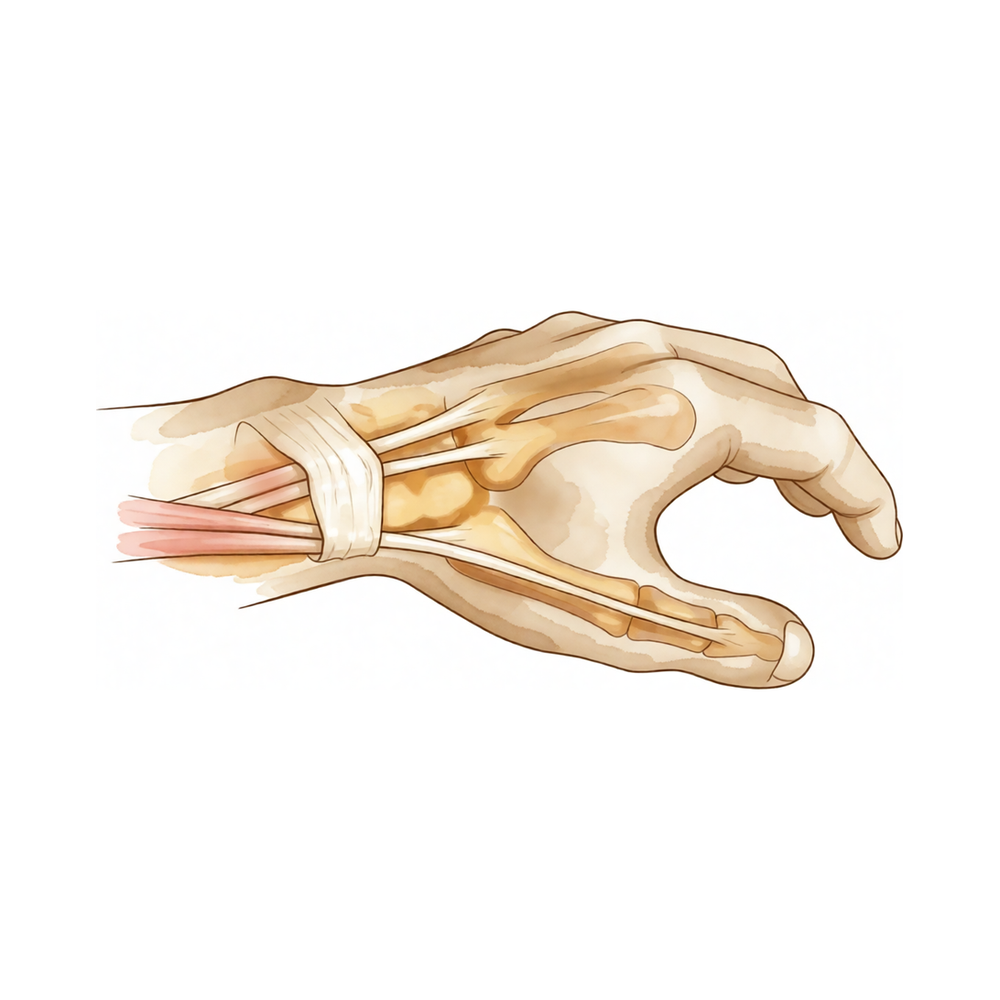
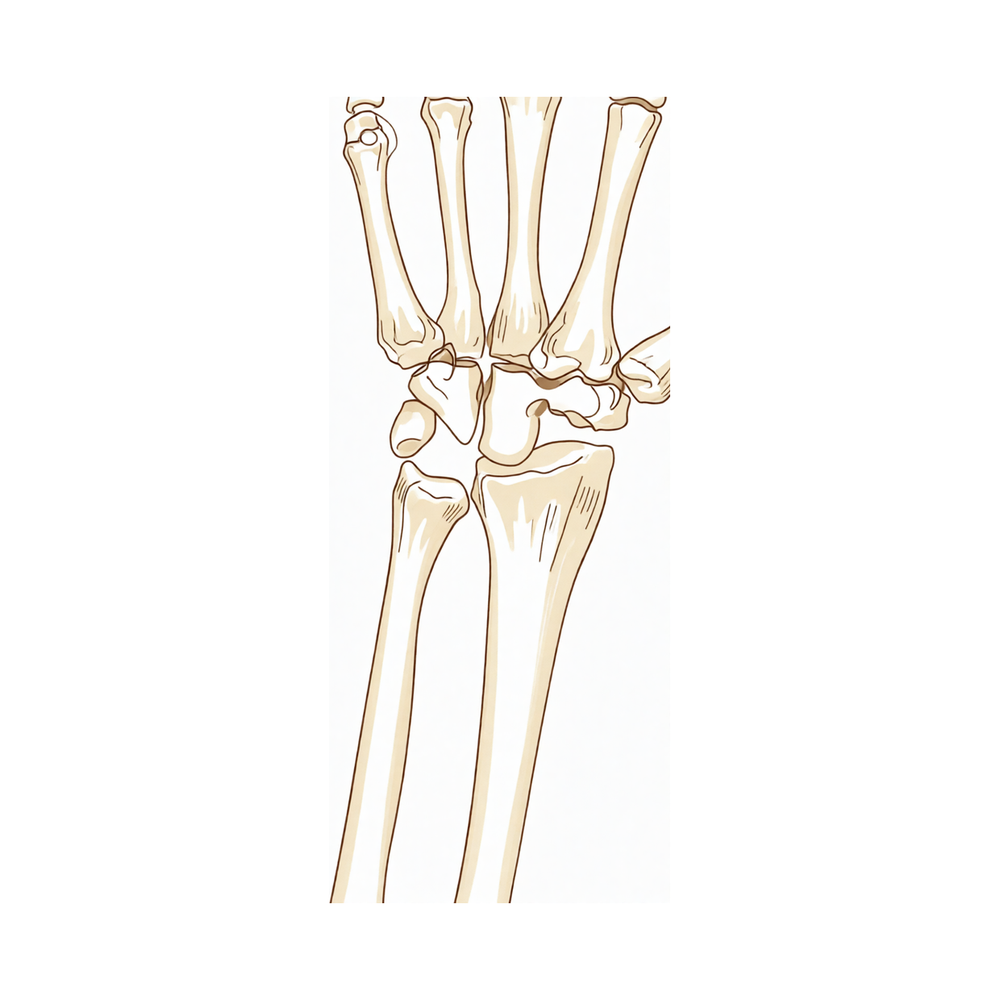
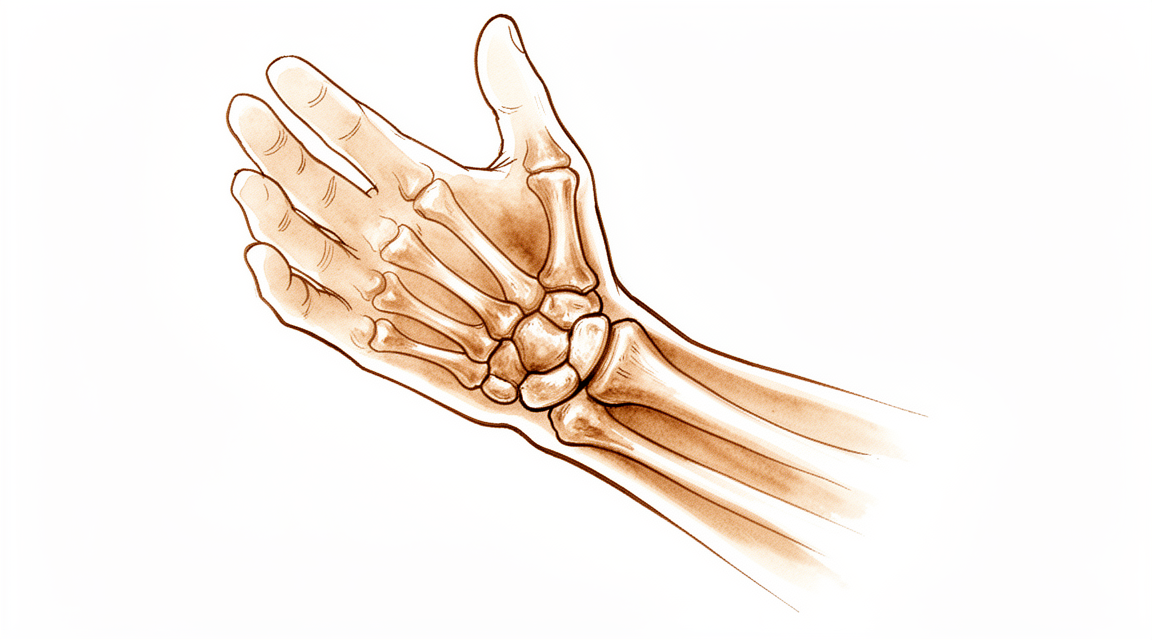
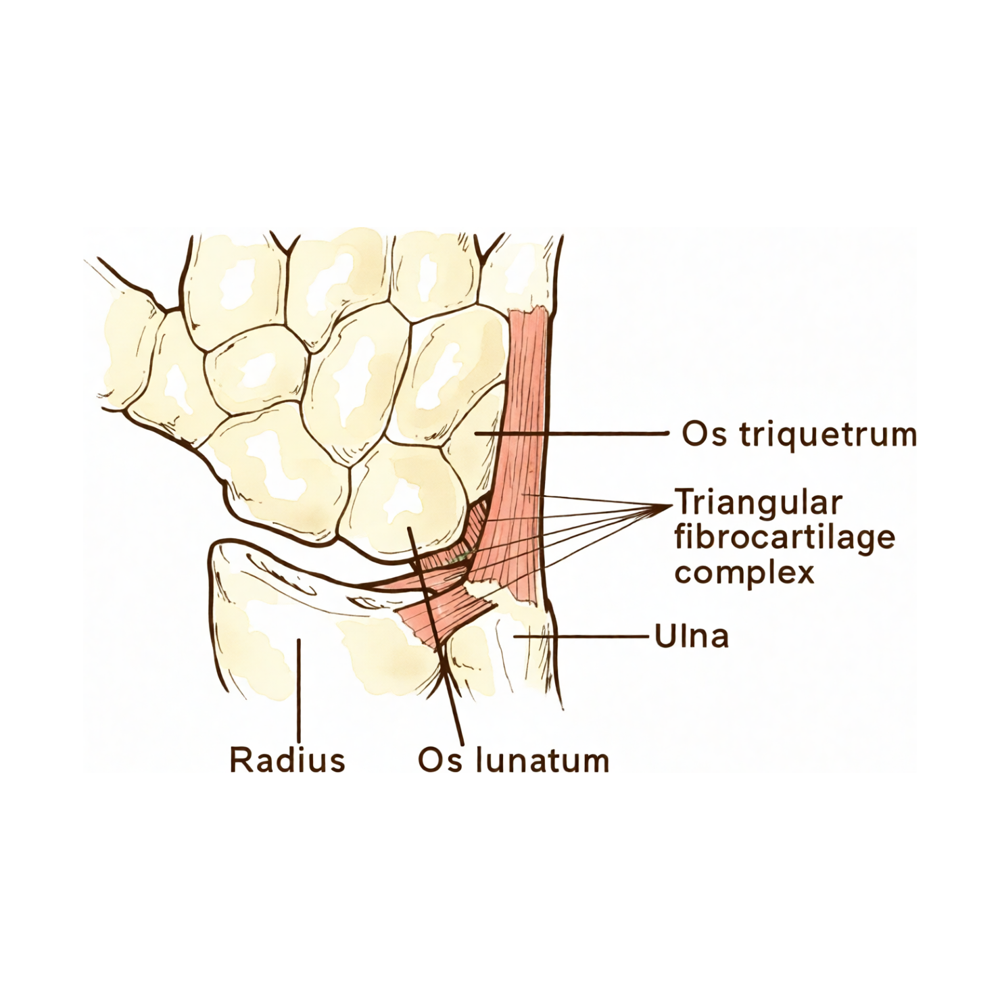
Four-dimensional computed tomography provides a detailed description of forearm kinematics [40]. It is a promising, non-invasive, and affordable method to assess and quantify wrist kinematics by incorporating the temporal dimension [77]. Three-dimensional imaging of carpal ligaments provides understanding of wrist kinematics, the function of individual ligaments, and their roles in joint motion, stability, and injuries [48]. Optical motion capture studies following International Society of Biomechanics standards quantify normative upper body kinematics during functional upper limb tasks [76]. Anatomic and biomechanical research of the wrist improves basic knowledge of carpal morphology and function and provides information to better assess and improve treatments for various wrist joint problems [56]. A high-fidelity finite element model of the forearm musculoskeletal system provides a robust platform for exploring forearm biomechanics and guiding clinical applications [59].

Osseous Morphology and Joint Mechanics

Lunate morphology affects the three-dimensional kinematics of the carpus during wrist flexion and extension [61]. Wrist positions significantly influence the biomechanical behavior of the radiocapitellar joint during elbow extension [50]. Surgical treatments for scapholunate advanced collapse result in decreased wrist kinematic motion and functional performance compared with individuals with normal wrists [31]. Wrist biomechanics are significantly altered following trapeziectomy, with ligamentous reconstruction and tenodesis (LRTI) most closely resembling intact biomechanics in a cadaveric model [52].

Ligamentous and Soft Tissue Biomechanics

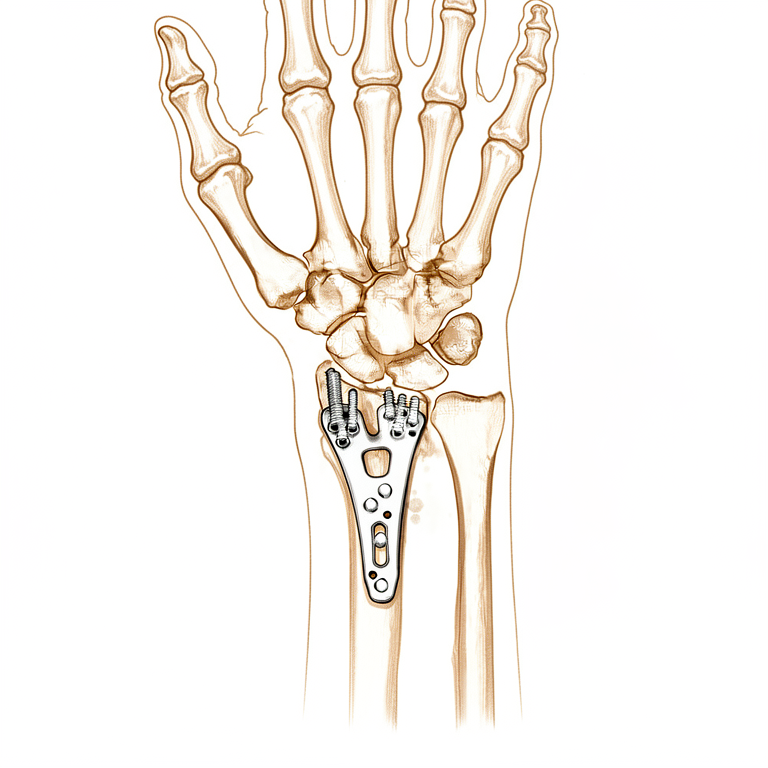
Computed fiber elongations of dorsal carpal ligaments vary linearly with wrist position despite complex carpal bone anatomy and kinematics [68]. All fixed-angle volar distal radius plate constructs met anticipated demands given their biomechanical properties and the loads transmitted across the native wrist [75]. Information from studies on distal radioulnar joint reaction force following ulnar shortening is not enough at this point to carry over into clinical practice [62].

Classification

Cemented Femoral Stem: A new four-part classification system for cemented femoral stem design and cementation techniques was proposed to aid in comparing results and understanding implant biomechanics [33].

Complex Olecranon Fractures: A novel fragment-specific classification of complex olecranon fractures is anatomically based and considers deforming forces from ligaments and tendons [35].

Trapeziometacarpal Arthritis: Inconsistent agreement using the current common radiographic classification system for trapeziometacarpal arthritis suggests a need for better radiographic tools to quantify disease severity [49].

Knee Cartilage Repair: No current MRI classification system has been shown to correlate with clinical outcomes after all types of cartilage repair surgery in the knee [53].

General Classification Systems: No classification system is universally accepted, and every classification system is subject to interobserver variability, raising questions about its suitability in research and clinical contexts [55].

Hemophilic Arthropathy: A new four-category, 7-point classification system for hemophilic arthropathy demonstrated interobserver reproducibility and correlation with joint function equivalent to the Pettersson et al. system [57]. This system was easier to apply and more sensitive in discriminating advanced arthropathy than the Arnold and Hilgartner system [57].

Degenerative Glenohumeral Arthritis: A 3-dimensional classification system for degenerative glenohumeral arthritis based on humeroscapular alignment can be applied to describe the disease comprehensively using combined humeroscapular alignment and glenoid erosion [58].

Rotator Cuff Assessment: Twenty-six different criteria described by multiple classification systems have been identified for the magnetic resonance assessment of rotator cuff after repair [60]. A comprehensive classification system integrating historical and newer descriptions of rotator cuff lesions may help to guide treatment [72].

Proximal Interphalangeal Joint Osteoarthritis: A proposed PIP-Kellgren functional-radiological classification system may help stratify surgical candidates and standardize severity assessment for proximal interphalangeal joint osteoarthritis [65].

Distal Humeral Fractures: Three-dimensional reconstructions improve the reliability, but not the accuracy, of fracture classification and characterization for distal humeral fractures [67].

Complex Extremity Fractures: Existing classification systems for complex extremity fractures are inadequate and lack therapeutic recommendations [69].

Acetabular Bone Loss: A validated classification system for acetabular bone loss in revision total hip arthroplasty guides treatment and prognosticates outcomes [71].

Ballistic Fractures: Existing classification systems for ballistic fractures are inadequate because they fail to account for soft-tissue injury, anatomical location, and joint involvement [73].

Rheumatoid Arthritis Glenoid Deformity: A radiological classification system for glenoid deformity in rheumatoid arthritis identifies three types of glenoid fossa shape changes and six total deformity types when including upward humeral head migration [74].

Other Considerations: No classification system is universally accepted, and every classification system is subject to interobserver variability, raising questions about its suitability in research and clinical contexts [55].

Clinical Presentation

Early and accurate diagnosis of pediatric spinal tumors and tumor-like conditions is often possible based on clinical history, physical examination, and plain radiographic imaging [1]. Specific physical signs, history topics, and diagnostic tools like MRI or ultrasound should not be used as independent maneuvers for diagnosis [6]. Diagnosis of carpal instability requires a thorough history, physical examination, and appropriate imaging [7]. In-office diagnostic imaging can provide a more detailed and accurate diagnostic assessment of intra-articular knee pathology than MRI [8]. Imaging techniques allow for a better understanding of conditions that affect the shoulder [9].

Early diagnosis and proper management are crucial to ensure preservation of wrist function and kinematics in acute scaphoid fractures [10]. MRI serves as a noninvasive tool that overcomes the shortcomings of radiography by detecting preclinical disease and subtle early abnormalities, evolving as a complete answer for cartilage-imaging requirements regarding lesion description, treatment planning, and outcome measurement [15]. Diagnosis of distal radioulnar joint (DRUJ) instability is made clinically and corroborated by imaging studies, with a thorough history and physical examination serving as the foundation [26]. Effective diagnosis and management of golf injuries require a thorough understanding of golf swing biomechanics and forces [27].

Presentation factors that increase the likelihood of a diagnostic X-ray for knee pain include pain for longer than 6 months, the presence of medial or diffuse pain, and mechanical symptoms [28]. Further clinical and biomechanical verification is needed to establish a scientific approach for the diagnosis and management of midcarpal instability [29]. Careful clinical and radiographic evaluation, coupled with a thorough understanding of the anatomy and biomechanics of the foot, allows for accurate evaluation of adult flatfoot [30]. Determining the etiology of ulnar-sided wrist pain is often challenging due to overlapping history and physical examination findings; a detailed history, systematic physical examination with provocative maneuvers, and appropriate diagnostic imaging are essential for diagnosis [32].

Diagnostic imaging is essential to differentiate between injuries with common clinical presentations, determine the degree of injury, estimate time to return to activity, and document healing in athletes with leg pain [34]. The diagnosis of iliotibial band syndrome is typically made based on a characteristic patient history and physical examination, with imaging studies reserved for cases of recalcitrant disease [36]. The diagnosis of femoroacetabular impingement (FAI) syndrome is made based on a combination of clinical symptoms, physical examination findings, and imaging studies, as no single pathognomonic finding exists for FAI [37]. Diagnosis of compressive neuropathies relies on a combination of clinical presentation, physical examination findings, and use of imaging modalities and electrodiagnostic studies, as there is no true diagnostic gold standard for most conditions [38].

Systematic clinical examination, proper radiographs, and histology are essential for the diagnosis of carpal bone involvement in gout [42]. Functional kinematic and kinetic biomechanical strategies at the hip and knee are associated with patellar tendon abnormality identified on imaging and symptomatic limbs in male collegiate basketball players during the preseason [43]. Acute distal radioulnar joint instability is primarily a clinical diagnosis, and physical examination remains a mainstay of diagnosis [44].

Investigations

Plain radiography: Early and accurate diagnosis of pediatric spinal tumors and tumor-like conditions is often possible based on clinical history, physical examination, and plain radiographic imaging [1]. Plain radiographic evaluation remains the initial diagnostic modality for femoroacetabular impingement [100]. Radiographs remain the appropriate initial investigation for assessing intra-articular distal radial fractures [93]. Radiographs, CT, and MRI all demonstrated excellent inter-rater agreement with no significant difference in bias from the true ulnar variance when compared to each other [90].

MRI: Noninvasive imaging technologies, particularly MRI, provide objective measures to better understand the natural history and mechanisms of diseases, optimize treatment, and assess the integrity of joint tissues [3]. Long-term follow-up studies are required to validate the predictive validity of noninvasive imaging technologies for clinical outcomes [3]. MRI serves as a noninvasive tool that overcomes the shortcomings of radiography by detecting preclinical disease and subtle early abnormalities [15]. MRI is evolving as a complete answer to cartilage-imaging requirements for lesion description, treatment planning, and outcome measurement [15]. Compositional MRI techniques may allow for an earlier diagnosis of cartilage injury before morphologic changes manifest [89]. Recent advances in noninvasive musculoskeletal imaging, particularly MRI sequences detecting biochemical changes, may offer a great advance in the diagnosis and treatment of osteoarthritis by identifying the disease at a stage when it is potentially reversible [84]. Functional MRI techniques improve tissue characterisation and staging of bone and soft-tissue tumours compared to structural imaging [94]. Functional MRI techniques have limitations with overlap between benign and malignant tumours [94].

Specific applications include: * Knee: In-office diagnostic imaging can provide a more detailed and accurate diagnostic assessment of intra-articular knee pathology than MRI [8]. By constructing predictive models, MRI could significantly improve diagnostic validity compared with radiography in the functional integrity evaluation of the anterior cruciate ligament in patients with knee osteoarthritis [97]. In symptomatic cases with inconspicuous conventional MRI imaging, additional MRI imaging only in the axial plane in a 20° of knee flexion could be beneficial and useful in clinical daily routine for understanding patellofemoral instability [98]. * Shoulder: Imaging techniques allow better understanding of conditions that affect the shoulder [9]. MRI review by musculoskeletal-specialized radiologists is likely to lead to more correct diagnoses of subscapularis tendon tears [80]. * Hip: Three-dimensional imaging such as MRI and CT is often obtained for the evaluation of labral and cartilage pathology, definition of bony anatomy, and surgical planning in femoroacetabular impingement [100].

Advances in 3-dimensional MRI techniques create the opportunity to improve understanding of articular morphology and joint biomechanics [14]. Advances in 3-dimensional MRI techniques have the potential to enhance preoperative planning and the effectiveness of arthroscopic techniques [14].

CT: CT is the preferred imaging modality for detail in assessing intra-articular distal radial fractures [93]. The difference between CT and MRI tibiofemoral rotation measurements correlated with the degree of knee flexion during image acquisition [87].

Other Considerations: Analysis of imaging features and evaluation of the diagnostic value of various methods can provide imaging basics for the development of accurate and appropriate treatment options for tibial shaft fractures with concomitant posterior malleolar fractures [88]. Non-invasive imaging modalities and mechanical testing techniques, as well as the assessment of bone composition, need to complement each other to provide comprehensive and ideal information on the bone quality of human bone specimens [96]. The anatomic and radiographic locations of the posterior oblique ligament (POL) and its biomechanical properties were successfully recorded [99].

Treatment

Non-Operative

Nonoperative management is frequently the initial strategy for a variety of conditions, though its efficacy and indications vary by pathology. For osteoarthritis, current non-surgical treatments do not alter the clinical course or arrest disease progression, with joint replacement reserved for end-stage disease [109]. Similarly, nonoperative treatment cannot correct hallux valgus deformity but serves to control symptoms [110]. In rotator cuff tears, early nonoperative treatment is critical for predicting optimal pain and functional outcomes [101]. For primary and posttraumatic elbow arthritis, nonoperative treatment is almost always initiated, with surgery indicated only if conservative management fails [108]. Nonoperative management is also favored for the first episode of traumatic shoulder dislocation, particularly in patients with multi-directional instability, soft-tissue laxity, older age, or younger patients not engaged in overhead activities [105]. Stable metacarpal fractures are often managed nonoperatively, although literature remains sparse and controversial regarding the optimal algorithm [106]. Morton’s interdigital neuroma is initially managed nonoperatively, with operative intervention indicated only after conservative measures fail [104]. Selected anteromedial coronoid fractures can be treated nonoperatively, yielding good clinical and radiographic outcomes [103]. Nonoperative treatment may be appropriate for minimally displaced medial epicondylar apophyseal avulsion fractures in youth throwers [102]. For Ehlers-Danlos syndromes, nonoperative treatment is preferable, though specific joint stabilization and nerve decompression procedures can provide symptomatic relief for carefully selected patients when conservative measures fail [95].

Operative

Indications: Surgical repair is the preferred choice over conservative treatment for meniscus medial posterior root tears to mitigate osteoarthritis progression by reinstating optimal joint contact pressures and kinematics [51]. Conservative treatment or non-anatomical repair of distal biceps brachii tendon rupture results in significant loss of supination strength and variable loss of flexion strength [70]. Impaction grafting indications have been refined by recent long-term data, but it should be used with caution in association with severe defects on the acetabular side [91]. Proper indication for autologous osteochondral grafting relies on identifying and simultaneously correcting malalignment and/or traumatic changes in affected joints [63].

Surgical Approach / Technique: Trochleoplasty demonstrates improved radiographic parameters, excellent clinical outcomes, and no recurrent instability in early follow-up for patellar instability in patients with severe trochlear dysplasia [4]. Kinematic alignment provides better functional outcomes and faster recovery than mechanical alignment at two-year follow-up, though its true value remains to be determined [13]. Reconstruction of the distal oblique bundle of the interosseous membrane requires more studies to determine biomechanical and clinical efficacy [16]. Additional biomechanical and larger long-term clinical studies are needed to evaluate the efficacy of the transection-free patellar tendon imbrication technique for correction of patella alta [17]. Further biomechanical and clinical investigation is indicated for distal radius allograft as a novel osteochondral allograft reconstruction option in the setting of glenoid bone loss [22].

Implant Selection: Evidence regarding bone grafting in distal radius fractures is largely inconclusive for long-term functional outcomes, with most controlled series showing only short-term or radiographic benefits [2]. Both matrix-associated autologous chondrocyte implantation (ACI) with spheroid technology and arthroscopic microfracture demonstrate efficacy regarding functional outcomes and morphological repair for cartilage defects of the knee [41].

Other Considerations: Knee arthroscopy is effective in treating patients with symptomatic osteoarthritis and mechanical symptoms, with 76% reporting good and excellent results [46]. With appropriate treatment practices, excellent results with good functional outcomes are expected for extensor tendon injuries specific to the pediatric patient [54].

Complications

Infection (PJI): The provided evidence does not contain specific data regarding infection rates, risk factors, or management strategies for periprosthetic joint infection.

Aseptic loosening: Mechanical loosening has not occurred to date in semiconstrained arthroplasty for the treatment of rheumatoid arthritis of the elbow, but a much longer follow-up period is necessary for full assessment of the long-term benefit of this procedure and device [92]. More biomechanical and clinical analysis is needed to assess longer-term outcomes of cement-in-cement revision for selected Vancouver Type B1 femoral periprosthetic fractures [18].

Instability: Early follow-up of trochleoplasty for patellar instability in patients with severe trochlear dysplasia demonstrates improved radiographic parameters coupled with excellent clinical outcomes and no recurrent instability [4]. Nonoperative treatment often provides good results for patellofemoral instability, but surgical treatment can yield substantial improvement in symptoms and patient satisfaction when indicated [114]. A complete history and physical examination with selective imaging studies should lead to an accurate diagnosis of patellofemoral instability [114].

Periprosthetic fracture: The provided evidence does not contain specific data regarding periprosthetic fracture incidence, risk factors, or management strategies beyond the mention of Vancouver Type B1 fractures requiring further analysis [18].

Thromboembolism: The provided evidence does not contain specific data regarding thromboembolic events, risk factors, or management strategies.

Patellar / Extensor-mechanism: Early follow-up of trochleoplasty for patellar instability in patients with severe trochlear dysplasia demonstrates improved radiographic parameters coupled with excellent clinical outcomes and no recurrent instability [4]. Nonoperative treatment often provides good results for patellofemoral instability, but surgical treatment can yield substantial improvement in symptoms and patient satisfaction when indicated [114]. A complete history and physical examination with selective imaging studies should lead to an accurate diagnosis of patellofemoral instability [114].

Stiffness / Arthrofibrosis: All indications for revision total knee arthroplasty except severe stiffness had a similar clinical outcome which was maintained up to 7.5-year follow-up [23].

Nerve palsy: The provided evidence does not contain specific data regarding nerve palsies, risk factors, or management strategies.

Wound complications: The provided evidence does not contain specific data regarding wound complications, risk factors, or management strategies.

Polyethylene wear: The provided evidence does not contain specific data regarding polyethylene wear rates, risk factors, or management strategies.

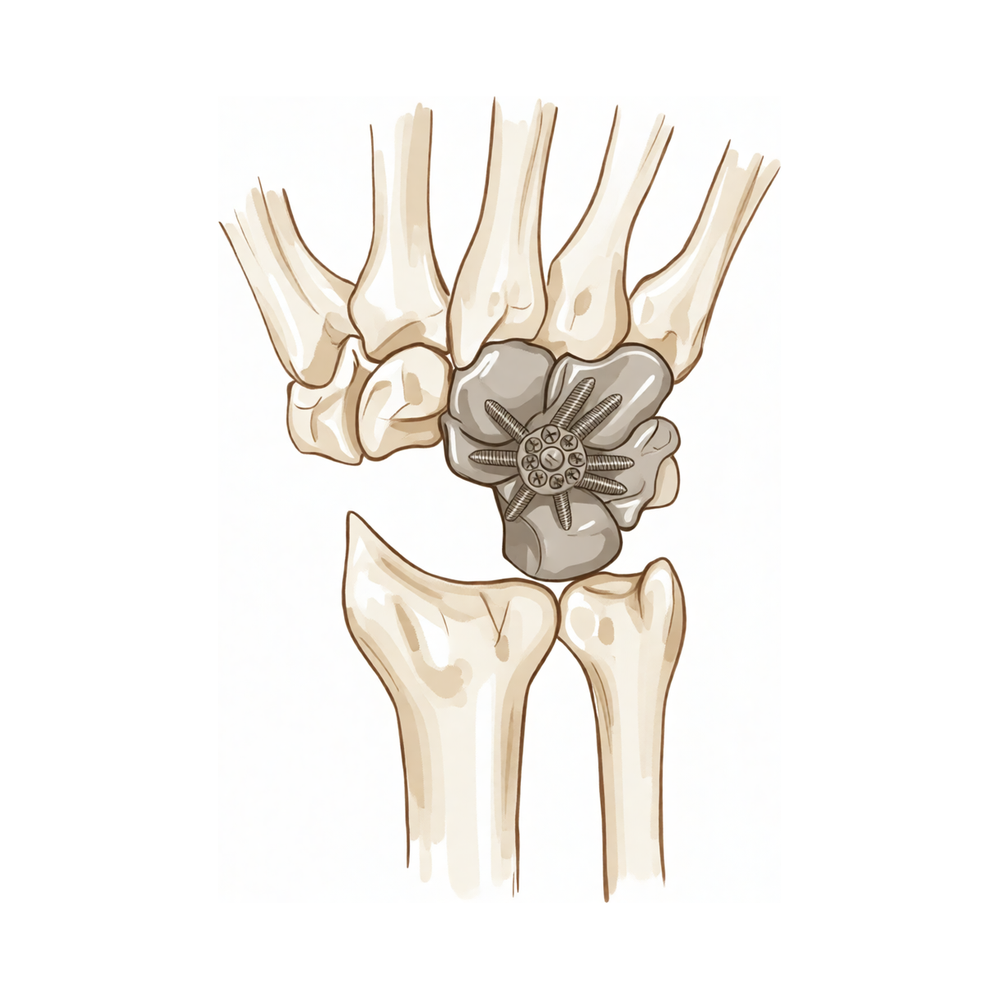
Other Considerations: Early and accurate diagnosis of tumors and tumor-like conditions of the spine in children is often possible based on clinical history, physical examination, and plain radiographic imaging [1]. Evidence regarding long-term functional outcomes of bone grafting in distal radius fractures is largely inconclusive, with most controlled series showing only short-term or radiographic benefits [2]. Noninvasive imaging technologies, particularly MRI, provide objective measures to better understand the natural history and mechanisms of diseases, optimize treatment, and assess the integrity of joint tissues [3]. Long-term follow-up studies are required to validate the predictive validity of noninvasive imaging technologies for clinical outcomes [3]. Long-term functional follow-up is not available for bipolar osteoarticular reconstruction of the radioscaphoid joint [11]. Longer-term clinical follow-up is needed to understand the clinical impact of decreased meniscal extrusion at 1 year follow-up when arthroscopic capsulodesis is combined with transtibial repair of posteromedial root lesions [19]. Further research is required in anatomic and biomechanic studies, experience in inflammatory arthropathy, and long-term survivorship to improve outcomes of total wrist arthroplasty [20]. Clinical and radiological follow-up showed good short-term results after meniscus repair in a prospective short-term MRI controlled investigation [21]. The natural history of Kienbock's disease is not fully known, though it is generally considered a progressive condition that can end in Stage IV changes [24]. Treatment strategies for Kienbock's disease focus on biomechanical unloading, vascularized bone grafts, or salvage procedures depending on the stage [24]. Improved understanding of the natural history of spine deformity, combined with advances in imaging, surgical technology, radiation therapy, and chemotherapeutic regimens, has improved survival rates and decreased rates of local recurrence in malignant osseous tumors of the pediatric spine [25]. Femoroacetabular impingement (FAI) is defined as a pathologic mechanical process involving morphologic abnormalities and vigorous motion that damages soft-tissue structures [107]. FAI morphology is common in young adults and predisposes to later osteoarthritis [107]. More long-term data are needed to define the natural history of pincer deformities and FAI in younger cohorts [107]. Correlation of the clinical history, physical examination, and imaging findings is fundamental for determining if relief from intra-articular anesthetic injection predicts outcome after hip arthroscopy [111]. Women and patients with a 3- to 10-year history of anterior cruciate ligament reconstruction (ACLR) demonstrated vertical drop jump (VDJ) biomechanics that may be associated with knee motion control challenges [112]. Clinical decision making should carefully analyze the association of patient history and physical examination with radiographic imaging findings of femoroacetabular impingement in asymptomatic volunteers [113]. Muscle imaging can help for recognition of atypical clinical presentations of Pompe disease, for understanding the natural history of the disease, and for determining patients suited for treatment [115]. Gender, age, years of experience, type of imaging modality, and employment status were the most common associated risk factors for developing work-related musculoskeletal symptoms among radiologists [116]. Careful history-taking, physical examination, electrodiagnostic study, and imaging are necessary for an accurate diagnosis of deep gluteal syndrome as a cause of posterior hip pain and sciatica-like pain [117]. Conservative treatment is recommended initially for deep gluteal syndrome, with surgical decompression reserved for persistent or recurrent symptoms [117].

Recovery

Light activity (weeks): Early reconstruction of malunited distal radius fractures is technically easier and reduces the overall period of disability for patients with radiographic characteristics predictive of persistent functional limitation [121]. Patients undergoing ulnar shortening osteotomy for ulnar impaction syndrome experience satisfactory results at greater than 5 years, though asymptomatic radiographic degenerative changes may occur [122].

Full activity (months): Current evidence suggests kinematic alignment provides better functional outcomes and faster recovery than mechanical alignment at two-year follow-up, though its true value remains to be determined [13]. Early follow-up of trochleoplasty for patellar instability in patients with severe trochlear dysplasia demonstrates improved radiographic parameters coupled with excellent clinical outcomes and no recurrent instability [4].

Complete recovery / outcome plateau (months): Long-term functional outcomes of bone grafting in distal radius fractures are largely inconclusive, with most controlled series showing only short-term or radiographic benefits [2]. Long-term functional follow-up is not available for bipolar osteoarticular reconstruction of the radioscaphoid joint [11]. More biomechanical and clinical analysis is needed to assess longer-term outcomes of cement-in-cement revision for selected Vancouver Type B1 femoral periprosthetic fractures [18]. Longer-term clinical follow-up is needed to understand the clinical impact of decreased meniscal extrusion at 1 year follow-up when arthroscopic capsulodesis is combined with transtibial repair of posteromedial root lesions [19]. Further research is required in anatomic and biomechanic studies, experience in inflammatory arthropathy, and long-term survivorship to improve outcomes of total wrist arthroplasty [20].

Rehabilitation protocol: Clinical and radiological follow-up showed good short-term results after meniscus repair in a prospective short-term MRI controlled investigation [21].

Functional milestones: Long-term outcomes of lower extremity injuries are profoundly affected by demographic, social, and economic factors rather than traditional orthopaedic variables [78].

Other Considerations: Noninvasive imaging technologies, particularly MRI, provide objective measures to better understand the natural history and mechanisms of diseases, optimize treatment, and assess the integrity of joint tissues [3]. Long-term follow-up studies are required to validate the predictive validity of noninvasive imaging technologies for clinical outcomes [3]. The natural history of Kienböck's disease is not fully known, though it is generally considered a progressive condition that can end in Stage IV changes [24]. Treatment strategies for Kienböck's disease focus on biomechanical unloading, vascularized bone grafts, or salvage procedures depending on the stage [24]. Radiographic progression of Kienböck's disease over 1 year or more seems slight on average regardless of treatment [123]. Long-term clinical and radiographic follow-up is necessary to determine the natural history of asymptomatic talar bone marrow edema in professional ballet dancers [120]. In a study of perilunate dislocation and fracture dislocation of the wrist with a mean follow-up time of 9.9 years, 79% of patients showed radiographic signs of osteoarthritis [119]. Future clinical trials investigating the natural history and treatment of femoroacetabular impingement will require multimodal staging systems for hip osteoarthritis because the optimal system will differ based on the size of the study population, the specific objective in question, and the time frame in which the investigator expects to see the specified end point [118].

Key Evidence

  • [L5] Early and accurate diagnosis is often possible based on clinical history, physical examination, and plain radiographic imaging. (10.5435/00124635-200510000-00002)
  • [L4] Evidence is largely inconclusive regarding long-term functional outcomes, with most controlled series showing only short-term or radiographic benefits. (10.1016/j.jhsa.2010.10.006)
  • [L5] Noninvasive imaging technologies, particularly MRI, provide objective measures to better understand the natural history and mechanisms of diseases, optimize treatment, and assess the integrity of joint tissues, though long-term follow-up studies are required to validate their predictive validity for clinical outcomes. (10.1177/0363546518817315)
  • [L4] Early follow up demonstrates improved radiographic parameters coupled with excellent clinical outcomes and no recurrent instability. (10.1177/2325967117s00389)
  • [L4] The developed kinematics protocol provides objective, quantified data to supplement clinical evaluation and compare results before and after treatment. (10.1016/j.otsr.2009.04.012)
  • [L1] It recommends against using specific physical signs, history topics, and certain diagnostic tools like MRI or ultrasound as independent maneuvers for diagnosis. (10.2106/jbjs.16.00719)
  • [L5] Diagnosis requires a thorough history, physical examination, and appropriate imaging, while treatment ranges from non-operative management to operative fixation depending on the specific injury pattern. (10.1016/j.hcl.2009.05.002)
  • [L2] In-office diagnostic imaging can provide a more detailed and accurate diagnostic assessment of intra-articular knee pathology than MRI. (10.1016/j.arthro.2018.03.010)
  • [L5] Imaging techniques allow better understanding of conditions that affect the shoulder. (10.1197/j.jht.2007.02.002)
  • [Paper] Early diagnosis and proper management are crucial to ensure preservation of the wrist function and kinematics. (10.1016/j.hcl.2019.03.002)
  • [L4] Long-term functional follow-up is not available. (10.1177/1753193418802559)
  • [L5] Proper understanding of anatomy, biomechanics, indications, and contraindications can help guide patient selection for surgery. (10.5435/00124635-200701000-00004)
  • [L4] The true value of kinematic alignment remains to be determined, though current evidence suggests it provides better functional outcomes and faster recovery than mechanical alignment at two-year follow-up. (10.1302/2058-5241.3.170022)
  • [L5] Advances in 3-dimensional MRI techniques create the opportunity to improve understanding of articular morphology and joint biomechanics, with the potential to enhance preoperative planning and the effectiveness of arthroscopic techniques. (10.1016/j.arthro.2019.06.001)
  • [L5] MRI is evolving as a complete answer to cartilage-imaging requirements for lesion description, treatment planning, and outcome measurement, serving as a noninvasive tool that overcomes the shortcomings of radiography by detecting preclinical disease and subtle early abnormalities. (10.2106/jbjs.rvw.15.00093)
  • [L4] More studies are needed to determine the biomechanical and clinical efficacy of this reconstruction. (10.1016/j.jhsa.2015.08.019)
  • [L5] Additional biomechanical and larger long-term clinical studies are needed to further evaluate the efficacy of this technique. (10.1177/23259671251325752)
  • [L5] However, more biomechanical and clinical analysis is needed to assess longer-term outcomes. (10.1016/j.arth.2012.08.016)
  • [L2] Longer-term clinical follow-up is needed to understand the clinical impact of this radiological finding. (10.1016/j.jisako.2023.03.251)
  • [L5] Further research is required in anatomic and biomechanic studies, experience in inflammatory arthropathy, and long-term survivorship to improve outcomes. (10.1177/17531934231209638)
  • [L4] Clinical and radiological follow-up showed good short-term results after meniscus repair. (10.1177/2325967117s00146)
  • [L5] Further biomechanical and clinical investigation is indicated. (10.1177/2325967123s00028)
  • [L3] All indications except severe stiffness had a similar clinical outcome which was maintained up to 7.5-year follow-up. (10.1016/j.arth.2020.01.053)
  • [L5] The natural history of Kienbock's disease is not fully known, though it is generally considered a progressive condition that can end in Stage IV changes; treatment strategies focus on biomechanical unloading, vascularized bone grafts, or salvage procedures depending on the stage. (10.1016/j.hcl.2006.07.003)
  • [L4] Improved understanding of the natural history of spine deformity, combined with advances in imaging, surgical technology, radiation therapy, and chemotherapeutic regimens, has improved survival rates and decreased rates of local recurrence. (10.5435/00124635-201210000-00004)
  • [L5] Diagnosis of DRUJ instability is made clinically and corroborated by imaging studies, with a thorough history and physical examination serving as the foundation. (10.1016/j.hcl.2020.07.004)
  • [L4] Effective diagnosis and management require a thorough understanding of golf swing biomechanics and forces. (10.5435/jaaos-d-15-00433)
  • [L2] Presentation factors that increase the likelihood of a diagnostic X-ray included pain for longer than 6 months, the presence of medial or diffuse pain, and mechanical symptoms. (10.1007/s00167-014-3003-8)
  • [L5] It emphasizes the need for further clinical and biomechanical verification to establish a scientific approach for diagnosis and management. (10.1016/j.jhsa.2005.12.014)
  • [L5] Careful clinical and radiographic evaluation, coupled with a thorough understanding of the anatomy and biomechanics of the foot, will allow accurate evaluation and appropriate treatment. (10.5435/00124635-199509000-00005)
  • [L2] Both surgical groups demonstrated decreased wrist kinematic motion and functional performance compared with individuals with normal wrists. (10.1016/j.jhsa.2015.04.035)
  • [L5] Determining the etiology of ulnar-sided wrist pain is often challenging due to overlapping history and physical examination findings; a detailed history, systematic physical examination with provocative maneuvers, and appropriate diagnostic imaging are essential for diagnosis. (10.5435/jaaos-d-16-00407)
  • [L4] The authors propose a new four-part classification system to aid in the comparison of results and better understanding of implant biomechanics. (10.1302/2058-5241.5.190034)
  • [L5] Diagnostic imaging is essential to differentiate between injuries with common clinical presentations, determine the degree of injury, estimate time to return to activity, and document healing. (10.1016/j.csm.2011.09.006)
  • [L4] This proposed classification system is anatomically based and considers the deforming forces from ligaments and tendons. (10.1016/j.jse.2023.12.021)
  • [L5] The diagnosis of iliotibial band syndrome is typically made based on a characteristic patient history and physical examination, with imaging studies reserved for cases of recalcitrant disease. (10.5435/00124635-201112000-00003)
  • [L4] The diagnosis of femoroacetabular impingement (FAI) syndrome is made based on a combination of clinical symptoms, physical examination findings, and imaging studies, as no single pathognomonic finding exists for FAI. (10.5435/00124635-201300001-00005)
  • [L5] Diagnosis of compressive neuropathies relies on a combination of clinical presentation, physical examination findings, and use of imaging modalities and electrodiagnostic studies, as there is no true diagnostic gold standard for most conditions. (10.1016/j.jhsg.2022.10.010)
  • [L5] This study demonstrates that forearm orientation affects contact mechanics and end-range carpal kinematics. (10.1016/j.jhsa.2020.10.017)
  • [L4] The techniques presented provide a detailed description of forearm kinematics. (10.1177/17531934221142520)
  • [L2] The efficacy of both ACI and microfracture was demonstrated with respect to both functional outcomes and morphological repair. (10.1177/2325967119854442)
  • [L4] Systematic clinical examination, proper radiographs, and histology are essential for diagnosis. (10.1007/s00402-007-0478-5)
  • [L3] Functional kinematic and kinetic biomechanical strategies at the hip and knee were associated with patellar tendon abnormality identified on imaging and symptomatic limbs. (10.1177/23259671241242008)
  • [L4] Acute distal radioulnar joint instability is primarily a clinical diagnosis, and physical examination remains a mainstay of diagnosis. (10.2106/jbjs.rvw.m.00110)
  • [Paper] Despite many studies attempting to explain carpal mechanics over the past hundred years, no unanimous theory or model fully explains wrist anatomy and function. (10.1016/j.hcl.2006.08.001)
  • [L4] Knee arthroscopy is effective in treating patients with symptomatic osteoarthritis and mechanical symptoms, with 76% reporting good and excellent results. (10.1016/j.arthro.2011.03.031)
  • [L5] Wrist kinematic coupling parameters are task specific in healthy individuals. (10.1016/j.jhsa.2013.12.031)
  • [L5] This additional knowledge helps provide further understanding of wrist kinematics, the function of individual ligaments, and their roles in joint motion, stability, and injuries. (10.1016/j.hcl.2006.08.003)
  • [L1] Inconsistent agreement using the current common radiographic classification system suggests a need for better radiographic tools to quantify disease severity. (10.1007/s11999-013-3208-z)
  • [L5] Wrist positions significantly influence the biomechanical behavior of the radiocapitellar joint during elbow extension. (10.1016/j.jse.2025.02.040)
  • [L5] Surgical repair is the preferred choice over conservative treatment to mitigate osteoarthritis progression by reinstating optimal joint contact pressures and kinematics. (10.1177/2325967124s00381)
  • [L5] Wrist biomechanics were significantly altered following trapeziectomy, and of the reconstructions tested, LRTI most closely resembled the intact biomechanics in this cadaveric model. (10.1016/j.jhsa.2019.10.003)
  • [L1] No current MRI classification system has been shown to correlate with clinical outcomes after all types of cartilage repair surgery. (10.1177/0363546513485931)
  • [L5] With appropriate treatment practices, excellent results with good functional outcomes are to be expected. (10.1007/s11552-014-9706-y)
  • [L3] No classification system is universally accepted, and every classification system is subject to interobserver variability, ultimately raising questions about the suitability of its use in a research as well as in a clinical context. (10.1016/j.jse.2014.10.025)
  • [L5] Anatomic and biomechanical research of the wrist has yielded a substantial amount of information that improves our basic knowledge of carpal morphology and function of the wrist and provides information to better assess and improve treatment(s) for various problems of the wrist joint. (10.1016/j.jhsa.2009.07.019)
  • [L4] The new four-category, 7-point classification system demonstrated interobserver reproducibility and correlation with joint function equivalent to the Pettersson et al. system, while being easier to apply and more sensitive in discriminating advanced arthropathy than the Arnold and Hilgartner system. (10.2106/00004623-198971020-00010)
  • [L3] The 3D classification system using combined humeroscapular alignment and glenoid erosion can be applied to describe the disease comprehensively. (10.1177/23259671221110512)
  • [L5] It provides a robust platform for exploring forearm biomechanics and guiding clinical applications. (10.1186/s12891-026-09672-6)
  • [L4] Twenty-six different criteria described by multiple classification systems have been identified for the magnetic resonance assessment of rotator cuff after repair. (10.1007/s00167-014-3486-3)
  • [L5] This study describes the effect of lunate morphology on 3-dimensional carpal kinematics during wrist flexion and extension. (10.1016/j.jhsa.2014.09.019)
  • [Commentary] The study is just one small piece in the enormous puzzle that constitutes wrist biomechanics, and the information gleaned from this study is not enough at this point to carry over into clinical practice. (10.1016/j.jhsa.2015.08.017)
  • [Paper] Proper indication relies on identifying and simultaneously correcting malalignment and/or traumatic changes in affected joints. (10.1016/j.injury.2008.01.041)
  • [L5] The study presents a forward kinematic analysis of the carpus that provides the basis for the development of a unifying kinetic theory of wrist motion based on isometric constraints and rules-based motion. (10.1177/1753193413505407)
  • [L4] The proposed PIP-Kellgren functional-radiological classification system may help stratify surgical candidates and standardize severity assessment. (10.1016/j.jhsg.2025.100911)
  • [L5] Large distal radius forces and moments can occur during pushup and active wrist motions. (10.1016/j.jhsa.2018.05.020)
  • [L5] Despite complex carpal bone anatomy and kinematics, computed fiber elongations were found to vary linearly with wrist position. (10.1016/j.jhsa.2012.04.025)
  • [L5] Existing classification systems for complex extremity fractures are inadequate and lack therapeutic recommendations. (10.1016/j.injury.2009.10.039)
  • [L4] Conservative treatment or non-anatomical repair results in significant loss of supination strength and variable loss of flexion strength. (10.2106/00004623-198567030-00011)
  • [L4] The authors present a validated classification system for acetabular bone loss that guides treatment and prognosticates outcomes. (10.1016/j.arth.2007.05.020)
  • [L4] A comprehensive classification system integrating historical and newer descriptions of rotator cuff lesions may help to guide treatment further. (10.1302/2058-5241.1.160005)
  • [Paper] Existing classification systems for ballistic fractures are inadequate because they fail to account for soft-tissue injury, anatomical location, and joint involvement. (10.1016/j.injury.2004.10.023)
  • [L4] The study established a radiological classification system identifying three types of glenoid fossa shape changes and six total deformity types when including upward humeral head migration. (10.1155/2011/239894)
  • [L5] All plate constructs met the anticipated demands given their biomechanical properties and the loads transmitted across the native wrist. (10.1016/j.jhsa.2012.03.021)
  • [L4] Eight studies followed International Society of Biomechanics standards for quantifying upper body kinematics. (10.1016/j.jelekin.2018.02.011)
  • [L5] Four-dimensional computed tomography (4DCT) is a promising, non-invasive, and affordable method to assess and quantify wrist kinematics, extending conventional CT by incorporating the temporal dimension. (10.1177/17531934251326028)
  • [L4] Long-term outcomes are profoundly affected by demographic, social, and economic factors rather than traditional orthopaedic variables. (10.1016/j.injury.2006.07.016)
  • [L1] Nonanatomic and anatomic techniques exceeded the minimum acceptable threshold of stability and failure loads in controlled biomechanical testing. (10.1016/j.asmr.2020.12.007)
  • [Paper] MRI review by musculoskeletal-specialized radiologists is likely to lead to more correct diagnoses. (10.1055/a-1328-3142)
  • [L4] Advanced microfracture techniques showed promise, but indications and variability in techniques need to be elucidated in higher-level studies. (10.1177/23259671231153422)
  • [L1] These biomechanical findings must be interpreted in the context of clinical outcomes data as well as the differing complication profiles of the two techniques to best inform the surgical decision-making process. (10.1016/j.jisako.2023.03.027)
  • [L2] Radiographic criteria explained 49% of the variation in treatment recommendations, while surgeon and patient factors explained only 1%. (10.1177/1753193414555284)
  • [L5] Recent advances in noninvasive musculoskeletal imaging, particularly MRI sequences detecting biochemical changes, may offer a great advance in the diagnosis and treatment of osteoarthritis by identifying the disease at a stage when it is potentially reversible. (10.1302/0301-620x.95b6.31414)
  • [L5] Recognition of the indications and applications of the principles of modern implants and techniques is fundamental in achieving optimal outcomes. (10.5435/00124635-201010000-00003)
  • [L3] The difference between imaging modalities correlated with the degree of knee flexion during image acquisition. (10.1177/23259671241304754)
  • [L3] An analysis of the imaging features of such fractures and evaluation of the diagnostic value of various methods can provide imaging basics for the development of accurate and appropriate treatment options. (10.1186/s12891-018-1982-1)
  • [L5] Compositional MRI techniques may allow for an earlier diagnosis of cartilage injury before morphologic changes manifest. (10.1016/j.csm.2017.02.002)
  • [L5] All imaging modalities (radiograph, CT, and MRI) demonstrated excellent inter-rater agreement with no significant difference in bias from the true variance when compared to each other. (10.1016/s0363-5023(11)60022-1)
  • [L4] More recent long-term data have allowed refinement of the indications and on the acetabular side, and it should be used with caution in association with severe defects. (10.1016/j.arth.2017.02.045)
  • [L4] Mechanical loosening has not occurred to date, but a much longer follow-up period is necessary for full assessment of the long-term benefit of this procedure and device. (10.2106/00004623-199274040-00003)
  • [L2] CT is the preferred imaging modality for detail, but radiographs remain the appropriate initial investigation. (10.1177/17531934231184130)
  • [L4] Functional MRI techniques improve tissue characterisation and staging of bone and soft-tissue tumours compared to structural imaging but have limitations with overlap between benign and malignant tumours. (10.1016/j.otsr.2012.12.005)
  • [L5] Non-operative treatment is preferable, but for carefully selected patients, specific joint stabilization and nerve decompression procedures can provide symptomatic relief when conservative measures fail. (10.1002/ajmg.c.31551)
  • [L2] Non-invasive imaging modalities and mechanical testing techniques, as well as the assessment of bone composition, need to complement each other to provide comprehensive and ideal information on the bone quality of human bone specimens. (10.1186/s13018-022-03041-4)
  • [L3] However, by constructing predictive models, MRI could significantly improve diagnostic validity compared with radiography. (10.1186/s42836-024-00262-2)
  • [L4] In particular, symptomatic cases with inconspicuous conventional MRI imaging, additional MRI imaging only in the axial plane in a 20° of knee flexion could be beneficial and useful in clinical daily routine. (10.1186/s12891-021-04733-4)
  • [L5] The anatomic and radiographic locations of the POL and its biomechanical properties were successfully recorded. (10.1177/23259671231174857)
  • [L5] Plain radiographic evaluation remains the initial diagnostic modality, while three-dimensional imaging such as MRI and CT is often obtained for the evaluation of labral and cartilage pathology, definition of bony anatomy, and surgical planning. (10.5435/00124635-201300001-00006)
  • [L2] The results suggest that nonoperative treatment should be performed early for optimal outcomes. (10.1177/2325967118788531)
  • [L4] Nonoperative treatment may be appropriate for minimally displaced cases. (10.1177/23259671251365974)
  • [L4] For selected fractures, nonoperative management can lead to good clinical and radiographic outcomes. (10.1016/j.jse.2016.02.025)
  • [L5] Nonoperative management is recommended initially, while operative treatment is indicated after nonoperative management has failed. (10.1302/2058-5241.4.180025)
  • [L4] Non-operative management is favoured for first-time dislocators, particularly those with multi-directional instability, soft-tissue laxity, older patients, or younger patients not engaged in overhead activities. (10.1302/2058-5241.2.160018)
  • [L5] There is a paucity of literature and persistent controversy regarding the best treatment algorithm, though nonoperative management is frequently preferred for stable fractures. (10.1007/s11552-013-9562-1)
  • [L5] FAI is defined as a pathologic mechanical process involving morphologic abnormalities and vigorous motion that damages soft-tissue structures; while FAI morphology is common in young adults and predisposes to later OA, more long-term data are needed to define the natural history of pincer deformities and FAI in younger cohorts. (10.5435/00124635-201300001-00004)
  • [L5] Nonoperative treatment is almost always initiated although surgical treatment may be indicated in cases refractory to conservative management. (10.1155/2013/473259)
  • [L5] Current non-surgical managements for osteoarthritis do not change the clinical course or arrest disease progression, while joint replacement is indicated for end-stage disease. (10.1530/eor-2025-0050)
  • [L5] Non-operative treatment cannot correct the deformity but can help control symptoms. (10.1302/2058-5241.1.000005)
  • [L3] Correlation of the clinical history, physical examination, and imaging findings are fundamental. (10.1177/2325967115s00018)
  • [L3] Women and patients with a 3- to 10-year history of ACLR demonstrated VDJ biomechanics that may be associated with knee motion control challenges. (10.1177/23259671211058105)
  • [L4] Clinical decision making should carefully analyze the association of patient history and physical examination with radiographic imaging. (10.1016/j.arthro.2014.11.042)
  • [L5] A complete history and physical examination with selective imaging studies should lead to an accurate diagnosis, and while nonoperative treatment often provides good results, surgical treatment can yield substantial improvement in symptoms and patient satisfaction when indicated. (10.5435/00124635-199701000-00006)
  • [L5] Muscle imaging can help for recognition of atypical clinical presentations, for understanding the natural history of the disease, and for determining patients suited for treatment. (10.1186/1471-2474-14-s2-o2)
  • [L4] Gender, age, years of experience, type of imaging modality, and employment status were the most common associated risk factors for developing musculoskeletal symptoms. (10.1186/s12891-023-06596-3)
  • [L4] Careful history-taking, physical examination, electrodiagnostic study, and imaging are necessary for an accurate diagnosis, with conservative treatment recommended initially and surgical decompression reserved for persistent or recurrent symptoms. (10.1302/0301-620x.102b5.bjj-2019-1212.r1)
  • [L5] Future clinical trials investigating the natural history and treatment of femoroacetabular impingement will require multimodal staging systems for hip osteoarthritis because the optimal system will differ based on the size of the study population, the specific objective in question, and the time frame in which the investigator expects to see the specified end point. (10.5435/00124635-201300001-00008)
  • [L4] The mean follow-up time was 9.9 years, with 79% of patients showing radiographic signs of osteoarthritis. (10.1016/j.otsr.2022.103332)
  • [L4] Long-term clinical and radiographic follow-up is necessary to determine the natural history of these lesions. (10.1177/23259671231159910)
  • [L3] Early reconstruction is technically easier and reduces the overall period of disability for patients with radiographic characteristics predictive of persistent functional limitation. (10.2106/00004623-199605000-00014)
  • [L4] Patients experience satisfactory results at greater than 5 years, though asymptomatic radiographic degenerative changes may occur. (10.1016/j.jhsa.2012.07.019)
  • [L4] Radiographic progression of Kienböck over 1 year or more seems slight on average regardless of treatment. (10.1016/j.jhsa.2016.02.016)

See Also

  • Kienböck's Disease

References

[1] Tumors and Tumor-like Conditions of the Spine in Children. Journal of the American Academy of Orthopaedic Surgeons. 2005. DOI: 10.5435/00124635-200510000-00002

[2] The Role of Bone Grafting in Distal Radius Fractures. The Journal of Hand Surgery. 2010. DOI: 10.1016/j.jhsa.2010.10.006

[3] Imaging and Biomechanics. The American Journal of Sports Medicine. 2018. DOI: 10.1177/0363546518817315

[4] Trochleoplasty is a Viable Option for Patellar Instability in Patients with Severe Trochlear Dysplasia: Early Outcomes Analysis of the U.S. Experience. Orthopaedic Journal of Sports Medicine. 2017. DOI: 10.1177/2325967117s00389

[5] Upper extremity kinematics analysis in obstetrical brachial plexus palsy. Orthopaedics & Traumatology: Surgery & Research. 2009. DOI: 10.1016/j.otsr.2009.04.012

[6] The American Academy of Orthopaedic Surgeons Evidence-Based Clinical Practice Guideline on. Journal of Bone and Joint Surgery. 2016. DOI: 10.2106/jbjs.16.00719

[7] Management of Carpal Instability in Athletes. Hand Clinics. 2009. DOI: 10.1016/j.hcl.2009.05.002

[8] A Prospective, Blinded, Multicenter Clinical Trial to Compare the Efficacy, Accuracy, and Safety of In‐Office Diagnostic Arthroscopy With Magnetic Resonance Imaging and Surgical Diagnostic Arthroscopy. Arthroscopy. 2018. DOI: 10.1016/j.arthro.2018.03.010

[9] Reprint of Diagnostic Imaging of the Shoulder. Journal of Hand Therapy. 2007. DOI: 10.1197/j.jht.2007.02.002

[10] Diagnosis and Management of Acute Scaphoid Fractures. Hand Clinics. 2019. DOI: 10.1016/j.hcl.2019.03.002

[11] Bipolar osteoarticular reconstruction of the radioscaphoid joint. Journal of Hand Surgery (European Volume). 2018. DOI: 10.1177/1753193418802559

[12] Malunion of the Distal Radius. Journal of the American Academy of Orthopaedic Surgeons. 2007. DOI: 10.5435/00124635-200701000-00004

[13] Kinematic alignment technique for total hip and knee arthroplasty. EFORT Open Reviews. 2018. DOI: 10.1302/2058-5241.3.170022

[14] Editorial Commentary: Advances in 3‐Dimensional Imaging are the Key to Improving our Surgical Precision in Hip Arthroscopy and Beyond. Arthroscopy. 2019. DOI: 10.1016/j.arthro.2019.06.001

[15] Magnetic Resonance Imaging of Articular Cartilage. JBJS Reviews. 2016. DOI: 10.2106/jbjs.rvw.15.00093

[16] Reconstruction of the Distal Oblique Bundle of the Interosseous Membrane: A Technique to Restore Distal Radioulnar Joint Stability. The Journal of Hand Surgery. 2015. DOI: 10.1016/j.jhsa.2015.08.019

[17] Efficacy of Transection-Free Patellar Tendon Imbrication Technique for the Correction of Patella Alta. Orthopaedic Journal of Sports Medicine. 2025. DOI: 10.1177/23259671251325752

[18] Cement-in-Cement Revision for Selected Vancouver Type B1 Femoral Periprosthetic Fractures: A Biomechanical Analysis. The Journal of Arthroplasty. 2013. DOI: 10.1016/j.arth.2012.08.016

[19] Arthroscopic Capsulodesis Decreases Meniscal Extrusion At 1 Year Follow Up When Combined With Transtibial Repair of Posteromedial Root Lesion. A Multicenter Prospective Randomized Study. Journal of ISAKOS. 2023. DOI: 10.1016/j.jisako.2023.03.251

[20] Total wrist arthroplasty: commentary and opinions. Journal of Hand Surgery (European Volume). 2023. DOI: 10.1177/17531934231209638

[21] Prospective Short-term MRI controlled investigation of the healing properties of the Meniscus. Orthopaedic Journal of Sports Medicine. 2017. DOI: 10.1177/2325967117s00146

[22] Paper 02: Distal Radius Allograft for Glenohumeral Instability: A Novel Osteochondral Allograft Reconstruction Option in the Setting of Glenoid Bone Loss. Orthopaedic Journal of Sports Medicine. 2023. DOI: 10.1177/2325967123s00028

[23] Long-Term Outcome Following Revision Total Knee Arthroplasty is Associated With Indication for Revision. The Journal of Arthroplasty. 2020. DOI: 10.1016/j.arth.2020.01.053

[24] Kienböck's Disease: An Approach to Treatment. Hand Clinics. 2006. DOI: 10.1016/j.hcl.2006.07.003

[25] Malignant Osseous Tumors of the Pediatric Spine. Journal of the American Academy of Orthopaedic Surgeons. 2012. DOI: 10.5435/00124635-201210000-00004

[26] Chronic Distal Radioulnar Joint Instability. Hand Clinics. 2020. DOI: 10.1016/j.hcl.2020.07.004

[27] Golf Injuries: Epidemiology, Pathophysiology, and Treatment. Journal of the American Academy of Orthopaedic Surgeons. 2018. DOI: 10.5435/jaaos-d-15-00433

[28] The utility of plain radiographs in the initial evaluation of knee pain amongst sports medicine patients. Knee Surgery, Sports Traumatology, Arthroscopy. 2014. DOI: 10.1007/s00167-014-3003-8

[29] Understanding Midcarpal Instability. The Journal of Hand Surgery. 2006. DOI: 10.1016/j.jhsa.2005.12.014

[30] Flatfoot in the Adult. Journal of the American Academy of Orthopaedic Surgeons. 1995. DOI: 10.5435/00124635-199509000-00005

[31] Surgical Treatments for Scapholunate Advanced Collapse Wrist: Kinematics and Functional Performance. The Journal of Hand Surgery. 2015. DOI: 10.1016/j.jhsa.2015.04.035

[32] Evaluation of Ulnar-sided Wrist Pain. Journal of the American Academy of Orthopaedic Surgeons. 2017. DOI: 10.5435/jaaos-d-16-00407

[33] Current concepts and outcomes in cemented femoral stem design and cementation techniques: the argument for a new classification system. EFORT Open Reviews. 2020. DOI: 10.1302/2058-5241.5.190034

[34] Diagnostic Imaging in the Evaluation of Leg Pain in Athletes. Clinics in Sports Medicine. 2012. DOI: 10.1016/j.csm.2011.09.006

[35] A novel fragment specific classification of complex olecranon fractures: 3-dimensional model design, radiological validation, and proposed surgical algorithm. Journal of Shoulder and Elbow Surgery. 2024. DOI: 10.1016/j.jse.2023.12.021

[36] Iliotibial Band Syndrome: Evaluation and Management. Journal of the American Academy of Orthopaedic Surgeons. 2011. DOI: 10.5435/00124635-201112000-00003

[37] Clinical Diagnosis of Femoroacetabular Impingement. Journal of the American Academy of Orthopaedic Surgeons. 2013. DOI: 10.5435/00124635-201300001-00005

[38] Diagnostic Considerations in Compressive Neuropathies. Journal of Hand Surgery Global Online. 2023. DOI: 10.1016/j.jhsg.2022.10.010

[39] The Effect of Forearm Position on Wrist Joint Biomechanics. The Journal of Hand Surgery. 2021. DOI: 10.1016/j.jhsa.2020.10.017

[40] Kinematic analysis of forearm rotation using four-dimensional computed tomography. Journal of Hand Surgery (European Volume). 2022. DOI: 10.1177/17531934221142520

[41] A Prospective, Randomized, Open-Label, Multicenter, Phase III Noninferiority Trial to Compare the Clinical Efficacy of Matrix-Associated Autologous Chondrocyte Implantation With Spheroid Technology Versus Arthroscopic Microfracture for Cartilage Defects of the Knee. Orthopaedic Journal of Sports Medicine. 2019. DOI: 10.1177/2325967119854442

[42] Carpal bone involvement in gout. Archives of Orthopaedic and Trauma Surgery. 2007. DOI: 10.1007/s00402-007-0478-5

[43] Association Between Patellar Tendon Abnormality and Land-Jump Biomechanics in Male Collegiate Basketball Players During the Preseason. Orthopaedic Journal of Sports Medicine. 2024. DOI: 10.1177/23259671241242008

[44] Acute Distal Radioulnar Joint Instability in Adults. JBJS Reviews. 2014. DOI: 10.2106/jbjs.rvw.m.00110

[45] Carpal Kinematics. Hand Clinics. 2006. DOI: 10.1016/j.hcl.2006.08.001

[46] Histological Analysis of Tissue Ingrowth and Organization Following Implantation of a Novel Synthetic Acellular Meniscal Scaffold for the Treatment of Irreparable Partial Meniscus Tears and/or Partial (SS‐27A). Arthroscopy. 2011. DOI: 10.1016/j.arthro.2011.03.031

[47] Wrist Kinematic Coupling and Performance During Functional Tasks: Effects of Constrained Motion. The Journal of Hand Surgery. 2014. DOI: 10.1016/j.jhsa.2013.12.031

[48] Three-Dimensional Imaging of the Carpal Ligaments. Hand Clinics. 2006. DOI: 10.1016/j.hcl.2006.08.003

[49] Intra- and Interobserver Reliability of the Eaton Classification for Trapeziometacarpal Arthritis: A Systematic Review. Clinical Orthopaedics & Related Research. 2014. DOI: 10.1007/s11999-013-3208-z

[50] The effect of wrist flexion/extension on radiocapitellar joint kinematics during valgus extension of the elbow. Journal of Shoulder and Elbow Surgery. 2025. DOI: 10.1016/j.jse.2025.02.040

[51] Meniscus Medial Posterior Root Tear Management. Orthopaedic Journal of Sports Medicine. 2024. DOI: 10.1177/2325967124s00381

[52] The Effect of Surgical Treatments for Trapeziometacarpal Osteoarthritis on Wrist Biomechanics: A Cadaver Study. The Journal of Hand Surgery. 2020. DOI: 10.1016/j.jhsa.2019.10.003

[53] Correlation Between Magnetic Resonance Imaging and Clinical Outcomes After Cartilage Repair Surgery in the Knee. The American Journal of Sports Medicine. 2013. DOI: 10.1177/0363546513485931

[54] A Brief Review of Extensor Tendon Injuries Specific to the Pediatric Patient. HAND. 2014. DOI: 10.1007/s11552-014-9706-y

[55] Agreement of olecranon fractures before and after the exposure to four classification systems. Journal of Shoulder and Elbow Surgery. 2015. DOI: 10.1016/j.jse.2014.10.025

[56] Wrist Anatomy and Biomechanics. The Journal of Hand Surgery. 2009. DOI: 10.1016/j.jhsa.2009.07.019

[57] Roentgenographic classifications of hemophilic arthropathy. Comparison of three systems and correlation with clinical parameters.. The Journal of Bone & Joint Surgery. 1989. DOI: 10.2106/00004623-198971020-00010

[58] A 3-Dimensional Classification for Degenerative Glenohumeral Arthritis Based on Humeroscapular Alignment. Orthopaedic Journal of Sports Medicine. 2022. DOI: 10.1177/23259671221110512

[59] Development, validation, and biomechanical evaluation of a high-fidelity finite element model of the forearm musculoskeletal system​. BMC Musculoskeletal Disorders. 2026. DOI: 10.1186/s12891-026-09672-6

[60] Magnetic resonance imaging criteria for the assessment of the rotator cuff after repair: a systematic review. Knee Surgery, Sports Traumatology, Arthroscopy. 2015. DOI: 10.1007/s00167-014-3486-3

[61] The Effect of Lunate Morphology on the 3-Dimensional Kinematics of the Carpus. The Journal of Hand Surgery. 2015. DOI: 10.1016/j.jhsa.2014.09.019

[62] Commentary for “Distal Radioulnar Joint Reaction Force Following Ulnar Shortening: Diaphyseal Osteotomy Versus Wafer Resection”. The Journal of Hand Surgery. 2015. DOI: 10.1016/j.jhsa.2015.08.017

[63] Autologous osteochondral grafting—Technique and long-term results. Injury. 2008. DOI: 10.1016/j.injury.2008.01.041

[64] Unifying model of carpal mechanics based on computationally derived isometric constraints and rules-based motion – the stable central column theory. Journal of Hand Surgery (European Volume). 2013. DOI: 10.1177/1753193413505407

[65] Short-Term Outcomes of Digitalis Silicone Implant for Proximal Interphalangeal Joint Osteoarthritis and a Proposed Functional-Radiological Classification. Journal of Hand Surgery Global Online. 2026. DOI: 10.1016/j.jhsg.2025.100911

[66] Forces in the Distal Radius During a Pushup or Active Wrist Motions. The Journal of Hand Surgery. 2018. DOI: 10.1016/j.jhsa.2018.05.020

[67] Two and Three-Dimensional Computed Tomography for the Classification and Management of Distal Humeral Fractures: Evaluation of Reliability and Diagnostic Accuracy. 2007.

[68] Elongation of the Dorsal Carpal Ligaments: A Computational Study of In Vivo Carpal Kinematics. The Journal of Hand Surgery. 2012. DOI: 10.1016/j.jhsa.2012.04.025

[69] Complex extremity fractures following high energy injuries: The limited value of existing classifications and a proposal for a treatment-guide. Injury. 2009. DOI: 10.1016/j.injury.2009.10.039

[70] Rupture of the distal tendon of the biceps brachii. A biomechanical study.. The Journal of Bone & Joint Surgery. 1985. DOI: 10.2106/00004623-198567030-00011

[71] Treatment Options and Allograft Use in Revision Total Hip Arthroplasty. The Journal of Arthroplasty. 2007. DOI: 10.1016/j.arth.2007.05.020

[72] Classification of full-thickness rotator cuff lesions: a review. EFORT Open Reviews. 2016. DOI: 10.1302/2058-5241.1.160005

[73] Ballistic fractures — the limited value of existing classifications. Injury. 2005. DOI: 10.1016/j.injury.2004.10.023

[74] Radiological Classification of Glenoid Deformity in Rheumatoid Arthritis. International Journal of Rheumatology. 2011. DOI: 10.1155/2011/239894

[75] Biomechanical Properties of Fixed-Angle Volar Distal Radius Plates Under Dynamic Loading. The Journal of Hand Surgery. 2012. DOI: 10.1016/j.jhsa.2012.03.021

[76] Use of optical motion capture for the analysis of normative upper body kinematics during functional upper limb tasks: A systematic review. Journal of Electromyography and Kinesiology. 2018. DOI: 10.1016/j.jelekin.2018.02.011

[77] Dynamic wrist imaging: How it works and how to assess kinematic changes in wrists with scapholunate instability. Journal of Hand Surgery (European Volume). 2025. DOI: 10.1177/17531934251326028

[78] Demographic, social and economic variables that affect lower extremity injury outcomes. Injury. 2006. DOI: 10.1016/j.injury.2006.07.016

[79] Nonanatomic and Suture‐Based Coracoclavicular Joint Stabilization Techniques Provide Adequate Stability at a Lower Cost of Implants in Biomechanical Studies When Compared With Anatomic Techniques: A Systematic Review and Meta‐Analysis. Arthroscopy, Sports Medicine, and Rehabilitation. 2021. DOI: 10.1016/j.asmr.2020.12.007

[80] Subscapularis Tendon Tears – Usefulness of Written MRI Reports for Guiding Patient Referral to Shoulder Specialists. RöFo - Fortschritte auf dem Gebiet der Röntgenstrahlen und der bildgebenden Verfahren. 2021. DOI: 10.1055/a-1328-3142

[81] Cartilage Restoration for Isolated Patellar Chondral Defects: An Updated Systematic Review. Orthopaedic Journal of Sports Medicine. 2023. DOI: 10.1177/23259671231153422

[82] Biomechanical Comparison Of Open Versus Percutaneous Techniques For Primary Mid-Substance Achilles Tendon Repair: A Systematic Review And Meta-Analysis. Journal of ISAKOS. 2023. DOI: 10.1016/j.jisako.2023.03.027

[83] Influence of surgeon, patient and radiographic factors on distal radius fracture treatment. Journal of Hand Surgery (European Volume). 2014. DOI: 10.1177/1753193414555284

[84] Non-invasive imaging of cartilage in early osteoarthritis. The Bone & Joint Journal. 2013. DOI: 10.1302/0301-620x.95b6.31414

[85] Distal Femoral Fractures: Current Concepts. American Academy of Orthopaedic Surgeon. 2010. DOI: 10.5435/00124635-201010000-00003

[87] Comparing Tibiofemoral Rotation Measurements Between Computed Tomography and Magnetic Resonance Imaging in Patients With Patellofemoral Instability. Orthopaedic Journal of Sports Medicine. 2025. DOI: 10.1177/23259671241304754

[88] Pre-operative radiographic findings predicting concomitant posterior malleolar fractures in tibial shaft fractures: a comparative retrospective study. BMC Musculoskeletal Disorders. 2018. DOI: 10.1186/s12891-018-1982-1

[89] Imaging of Cartilage in the Athlete. Clinics in Sports Medicine. 2017. DOI: 10.1016/j.csm.2017.02.002

[90] Ulnar Variance: Correlation of Radiographs, CT, and MRI with Anatomic Dissection. The Journal of Hand Surgery. 2011. DOI: 10.1016/s0363-5023(11)60022-1

[91] Impaction Grafting Made Easy. The Journal of Arthroplasty. 2017. DOI: 10.1016/j.arth.2017.02.045

[92] Semiconstrained arthroplasty for the treatment of rheumatoid arthritis of the elbow.. The Journal of Bone & Joint Surgery. 1992. DOI: 10.2106/00004623-199274040-00003

[93] Methods of assessing intra-articular distal radial fractures. Journal of Hand Surgery (European Volume). 2023. DOI: 10.1177/17531934231184130

[94] Advances in magnetic resonance imaging of musculoskeletal tumours. Orthopaedics & Traumatology: Surgery & Research. 2013. DOI: 10.1016/j.otsr.2012.12.005

[95] Orthopaedic management of the Ehlers–Danlos syndromes. American Journal of Medical Genetics Part C: Seminars in Medical Genetics. 2017. DOI: 10.1002/ajmg.c.31551

[96] Methods for bone quality assessment in human bone tissue: a systematic review. Journal of Orthopaedic Surgery and Research. 2022. DOI: 10.1186/s13018-022-03041-4

[97] Is conventional magnetic resonance imaging superior to radiography in the functional integrity evaluation of anterior cruciate ligament in patients with knee osteoarthritis?. Arthroplasty. 2024. DOI: 10.1186/s42836-024-00262-2

[98] Weight-bearing MRI with a knee flexion angle of 20°: a study on additional MRI investigation modalities to support a more accurate understanding of patellofemoral instability. BMC Musculoskeletal Disorders. 2021. DOI: 10.1186/s12891-021-04733-4

[99] Reanalysis of the Posterior Oblique Ligament: Quantitative Anatomy, Radiographic Markers, and Biomechanical Properties. Orthopaedic Journal of Sports Medicine. 2023. DOI: 10.1177/23259671231174857

[100] Diagnostic Imaging of Femoroacetabular Impingement. Journal of the American Academy of Orthopaedic Surgeons. 2013. DOI: 10.5435/00124635-201300001-00006

[101] Predictors of Pain and Functional Outcomes After the Nonoperative Treatment of Rotator Cuff Tears. Orthopaedic Journal of Sports Medicine. 2018. DOI: 10.1177/2325967118788531

[102] Medial Epicondylar Apophyseal Avulsion Fractures in Youth Throwers: A Severe Variant of Little League Elbow. Orthopaedic Journal of Sports Medicine. 2025. DOI: 10.1177/23259671251365974

[103] Selected anteromedial coronoid fractures can be treated nonoperatively. Journal of Shoulder and Elbow Surgery. 2016. DOI: 10.1016/j.jse.2016.02.025

[104] Morton’s interdigital neuroma: instructional review. EFORT Open Reviews. 2019. DOI: 10.1302/2058-5241.4.180025

[105] Management of the first episode of traumatic shoulder dislocation. EFORT Open Reviews. 2017. DOI: 10.1302/2058-5241.2.160018

[106] Metacarpal Fractures: Treatment and Complications. HAND. 2013. DOI: 10.1007/s11552-013-9562-1

[107] Femoroacetabular Impingement: Defining the Condition and its Role in the Pathophysiology of Osteoarthritis. Journal of the American Academy of Orthopaedic Surgeons. 2013. DOI: 10.5435/00124635-201300001-00004

[108] Primary and Posttraumatic Arthritis of the Elbow. Arthritis. 2013. DOI: 10.1155/2013/473259

[109] Considerations in modern regenerative medicine for osteoarthritis. EFORT Open Reviews. 2025. DOI: 10.1530/eor-2025-0050

[110] Treatment of hallux valgus deformity. EFORT Open Reviews. 2016. DOI: 10.1302/2058-5241.1.000005

[111] Does Relief from Intra-articular Anesthetic Injection Predict Outcome after Hip Arthroscopy?. Orthopaedic Journal of Sports Medicine. 2015. DOI: 10.1177/2325967115s00018

[112] Vertical Drop Jump Biomechanics of Patients With a 3- to 10-Year History of Youth Sport–Related Anterior Cruciate Ligament Reconstruction. Orthopaedic Journal of Sports Medicine. 2021. DOI: 10.1177/23259671211058105

[113] Prevalence of Femoroacetabular Impingement Imaging Findings in Asymptomatic Volunteers: A Systematic Review. Arthroscopy. 2015. DOI: 10.1016/j.arthro.2014.11.042

[114] Patellofemoral Instability: Evaluation and Management. Journal of the American Academy of Orthopaedic Surgeons. 1997. DOI: 10.5435/00124635-199701000-00006

[115] Advances in imaging for the diagnosis and disease monitoring of Pompe disease. BMC Musculoskeletal Disorders. 2013. DOI: 10.1186/1471-2474-14-s2-o2

[116] Work-related musculoskeletal symptoms among Saudi radiologists: a cross-sectional multi-centre study. BMC Musculoskeletal Disorders. 2023. DOI: 10.1186/s12891-023-06596-3

[117] Deep gluteal syndrome as a cause of posterior hip pain and sciatica-like pain. The Bone & Joint Journal. 2020. DOI: 10.1302/0301-620x.102b5.bjj-2019-1212.r1

[118] Staging of Hip Osteoarthritis for Clinical Trials on Femoroacetabular Impingement. Journal of the American Academy of Orthopaedic Surgeons. 2013. DOI: 10.5435/00124635-201300001-00008

[119] Perilunate dislocation and fracture dislocation of the wrist: Outcomes and long-term prognostic factors. Orthopaedics & Traumatology: Surgery & Research. 2022. DOI: 10.1016/j.otsr.2022.103332

[120] Prevalence of Asymptomatic Talar Bone Marrow Edema in Professional Ballet Dancers: Preliminary Data From a 2-Year Prospective Study. Orthopaedic Journal of Sports Medicine. 2023. DOI: 10.1177/23259671231159910

[121] A Comparison of Early and Late Reconstruction of Malunited Fractures of the Distal End of the Radius. The Journal of Bone & Joint Surgery*. 1996. DOI: 10.2106/00004623-199605000-00014

[122] Ulnar Shortening Osteotomy for Ulnar Impaction Syndrome. The Journal of Hand Surgery. 2013. DOI: 10.1016/j.jhsa.2012.07.019

[123] Radiographic Progression of Kienböck Disease: Radial Shortening Versus No Surgery. The Journal of Hand Surgery. 2016. DOI: 10.1016/j.jhsa.2016.02.016

Creative Commons BY-NC 4.0

CC Creative Commons licence
BY Attribution — you must credit the source
NC NonCommercial — not for commercial use

Attribution-NonCommercial 4.0 International


Creative Commons Corporation ("Creative Commons") is not a law firm and does not provide legal services or legal advice. Distribution of Creative Commons public licenses does not create a lawyer-client or other relationship. Creative Commons makes its licenses and related information available on an "as-is" basis. Creative Commons gives no warranties regarding its licenses, any material licensed under their terms and conditions, or any related information. Creative Commons disclaims all liability for damages resulting from their use to the fullest extent possible.

Using Creative Commons Public Licenses

Creative Commons public licenses provide a standard set of terms and conditions that creators and other rights holders may use to share original works of authorship and other material subject to copyright and certain other rights specified in the public license below. The following considerations are for informational purposes only, are not exhaustive, and do not form part of our licenses.

Considerations for licensors: Our public licenses are intended for use by those authorized to give the public permission to use material in ways otherwise restricted by copyright and certain other rights. Our licenses are irrevocable. Licensors should read and understand the terms and conditions of the license they choose before applying it. Licensors should also secure all rights necessary before applying our licenses so that the public can reuse the material as expected. Licensors should clearly mark any material not subject to the license. This includes other CC- licensed material, or material used under an exception or limitation to copyright. More considerations for licensors: wiki.creativecommons.org/Considerations_for_licensors

Considerations for the public: By using one of our public licenses, a licensor grants the public permission to use the licensed material under specified terms and conditions. If the licensor's permission is not necessary for any reason--for example, because of any applicable exception or limitation to copyright--then that use is not regulated by the license. Our licenses grant only permissions under copyright and certain other rights that a licensor has authority to grant. Use of the licensed material may still be restricted for other reasons, including because others have copyright or other rights in the material. A licensor may make special requests, such as asking that all changes be marked or described. Although not required by our licenses, you are encouraged to respect those requests where reasonable. More considerations for the public: wiki.creativecommons.org/Considerations_for_licensees


Creative Commons Attribution-NonCommercial 4.0 International Public License

By exercising the Licensed Rights (defined below), You accept and agree to be bound by the terms and conditions of this Creative Commons Attribution-NonCommercial 4.0 International Public License ("Public License"). To the extent this Public License may be interpreted as a contract, You are granted the Licensed Rights in consideration of Your acceptance of these terms and conditions, and the Licensor grants You such rights in consideration of benefits the Licensor receives from making the Licensed Material available under these terms and conditions.

Section 1 -- Definitions.

a. Adapted Material means material subject to Copyright and Similar Rights that is derived from or based upon the Licensed Material and in which the Licensed Material is translated, altered, arranged, transformed, or otherwise modified in a manner requiring permission under the Copyright and Similar Rights held by the Licensor. For purposes of this Public License, where the Licensed Material is a musical work, performance, or sound recording, Adapted Material is always produced where the Licensed Material is synched in timed relation with a moving image.

b. Adapter's License means the license You apply to Your Copyright and Similar Rights in Your contributions to Adapted Material in accordance with the terms and conditions of this Public License.

c. Copyright and Similar Rights means copyright and/or similar rights closely related to copyright including, without limitation, performance, broadcast, sound recording, and Sui Generis Database Rights, without regard to how the rights are labeled or categorized. For purposes of this Public License, the rights specified in Section 2(b)(1)-(2) are not Copyright and Similar Rights.

d. Effective Technological Measures means those measures that, in the absence of proper authority, may not be circumvented under laws fulfilling obligations under Article 11 of the WIPO Copyright Treaty adopted on December 20, 1996, and/or similar international agreements.

e. Exceptions and Limitations means fair use, fair dealing, and/or any other exception or limitation to Copyright and Similar Rights that applies to Your use of the Licensed Material.

f. Licensed Material means the artistic or literary work, database, or other material to which the Licensor applied this Public License.

g. Licensed Rights means the rights granted to You subject to the terms and conditions of this Public License, which are limited to all Copyright and Similar Rights that apply to Your use of the Licensed Material and that the Licensor has authority to license.

h. Licensor means the individual(s) or entity(ies) granting rights under this Public License.

i. NonCommercial means not primarily intended for or directed towards commercial advantage or monetary compensation. For purposes of this Public License, the exchange of the Licensed Material for other material subject to Copyright and Similar Rights by digital file-sharing or similar means is NonCommercial provided there is no payment of monetary compensation in connection with the exchange.

j. Share means to provide material to the public by any means or process that requires permission under the Licensed Rights, such as reproduction, public display, public performance, distribution, dissemination, communication, or importation, and to make material available to the public including in ways that members of the public may access the material from a place and at a time individually chosen by them.

k. Sui Generis Database Rights means rights other than copyright resulting from Directive 96/9/EC of the European Parliament and of the Council of 11 March 1996 on the legal protection of databases, as amended and/or succeeded, as well as other essentially equivalent rights anywhere in the world.

l. You means the individual or entity exercising the Licensed Rights under this Public License. Your has a corresponding meaning.

Section 2 -- Scope.

a. License grant.

1. Subject to the terms and conditions of this Public License, the Licensor hereby grants You a worldwide, royalty-free, non-sublicensable, non-exclusive, irrevocable license to exercise the Licensed Rights in the Licensed Material to:

a. reproduce and Share the Licensed Material, in whole or in part, for NonCommercial purposes only; and

b. produce, reproduce, and Share Adapted Material for NonCommercial purposes only.

2. Exceptions and Limitations. For the avoidance of doubt, where Exceptions and Limitations apply to Your use, this Public License does not apply, and You do not need to comply with its terms and conditions.

3. Term. The term of this Public License is specified in Section 6(a).

4. Media and formats; technical modifications allowed. The Licensor authorizes You to exercise the Licensed Rights in all media and formats whether now known or hereafter created, and to make technical modifications necessary to do so. The Licensor waives and/or agrees not to assert any right or authority to forbid You from making technical modifications necessary to exercise the Licensed Rights, including technical modifications necessary to circumvent Effective Technological Measures. For purposes of this Public License, simply making modifications authorized by this Section 2(a) (4) never produces Adapted Material.

5. Downstream recipients.

a. Offer from the Licensor -- Licensed Material. Every recipient of the Licensed Material automatically receives an offer from the Licensor to exercise the Licensed Rights under the terms and conditions of this Public License.

b. No downstream restrictions. You may not offer or impose any additional or different terms or conditions on, or apply any Effective Technological Measures to, the Licensed Material if doing so restricts exercise of the Licensed Rights by any recipient of the Licensed Material.

6. No endorsement. Nothing in this Public License constitutes or may be construed as permission to assert or imply that You are, or that Your use of the Licensed Material is, connected with, or sponsored, endorsed, or granted official status by, the Licensor or others designated to receive attribution as provided in Section 3(a)(1)(A)(i).

b. Other rights.

1. Moral rights, such as the right of integrity, are not licensed under this Public License, nor are publicity, privacy, and/or other similar personality rights; however, to the extent possible, the Licensor waives and/or agrees not to assert any such rights held by the Licensor to the limited extent necessary to allow You to exercise the Licensed Rights, but not otherwise.

2. Patent and trademark rights are not licensed under this Public License.

3. To the extent possible, the Licensor waives any right to collect royalties from You for the exercise of the Licensed Rights, whether directly or through a collecting society under any voluntary or waivable statutory or compulsory licensing scheme. In all other cases the Licensor expressly reserves any right to collect such royalties, including when the Licensed Material is used other than for NonCommercial purposes.

Section 3 -- License Conditions.

Your exercise of the Licensed Rights is expressly made subject to the following conditions.

a. Attribution.

1. If You Share the Licensed Material (including in modified form), You must:

a. retain the following if it is supplied by the Licensor with the Licensed Material:

i. identification of the creator(s) of the Licensed Material and any others designated to receive attribution, in any reasonable manner requested by the Licensor (including by pseudonym if designated);

ii. a copyright notice;

iii. a notice that refers to this Public License;

iv. a notice that refers to the disclaimer of warranties;

v. a URI or hyperlink to the Licensed Material to the extent reasonably practicable;

b. indicate if You modified the Licensed Material and retain an indication of any previous modifications; and

c. indicate the Licensed Material is licensed under this Public License, and include the text of, or the URI or hyperlink to, this Public License.

2. You may satisfy the conditions in Section 3(a)(1) in any reasonable manner based on the medium, means, and context in which You Share the Licensed Material. For example, it may be reasonable to satisfy the conditions by providing a URI or hyperlink to a resource that includes the required information.

3. If requested by the Licensor, You must remove any of the information required by Section 3(a)(1)(A) to the extent reasonably practicable.

4. If You Share Adapted Material You produce, the Adapter's License You apply must not prevent recipients of the Adapted Material from complying with this Public License.

Section 4 -- Sui Generis Database Rights.

Where the Licensed Rights include Sui Generis Database Rights that apply to Your use of the Licensed Material:

a. for the avoidance of doubt, Section 2(a)(1) grants You the right to extract, reuse, reproduce, and Share all or a substantial portion of the contents of the database for NonCommercial purposes only;

b. if You include all or a substantial portion of the database contents in a database in which You have Sui Generis Database Rights, then the database in which You have Sui Generis Database Rights (but not its individual contents) is Adapted Material; and

c. You must comply with the conditions in Section 3(a) if You Share all or a substantial portion of the contents of the database.

For the avoidance of doubt, this Section 4 supplements and does not replace Your obligations under this Public License where the Licensed Rights include other Copyright and Similar Rights.

Section 5 -- Disclaimer of Warranties and Limitation of Liability.

a. UNLESS OTHERWISE SEPARATELY UNDERTAKEN BY THE LICENSOR, TO THE EXTENT POSSIBLE, THE LICENSOR OFFERS THE LICENSED MATERIAL AS-IS AND AS-AVAILABLE, AND MAKES NO REPRESENTATIONS OR WARRANTIES OF ANY KIND CONCERNING THE LICENSED MATERIAL, WHETHER EXPRESS, IMPLIED, STATUTORY, OR OTHER. THIS INCLUDES, WITHOUT LIMITATION, WARRANTIES OF TITLE, MERCHANTABILITY, FITNESS FOR A PARTICULAR PURPOSE, NON-INFRINGEMENT, ABSENCE OF LATENT OR OTHER DEFECTS, ACCURACY, OR THE PRESENCE OR ABSENCE OF ERRORS, WHETHER OR NOT KNOWN OR DISCOVERABLE. WHERE DISCLAIMERS OF WARRANTIES ARE NOT ALLOWED IN FULL OR IN PART, THIS DISCLAIMER MAY NOT APPLY TO YOU.

b. TO THE EXTENT POSSIBLE, IN NO EVENT WILL THE LICENSOR BE LIABLE TO YOU ON ANY LEGAL THEORY (INCLUDING, WITHOUT LIMITATION, NEGLIGENCE) OR OTHERWISE FOR ANY DIRECT, SPECIAL, INDIRECT, INCIDENTAL, CONSEQUENTIAL, PUNITIVE, EXEMPLARY, OR OTHER LOSSES, COSTS, EXPENSES, OR DAMAGES ARISING OUT OF THIS PUBLIC LICENSE OR USE OF THE LICENSED MATERIAL, EVEN IF THE LICENSOR HAS BEEN ADVISED OF THE POSSIBILITY OF SUCH LOSSES, COSTS, EXPENSES, OR DAMAGES. WHERE A LIMITATION OF LIABILITY IS NOT ALLOWED IN FULL OR IN PART, THIS LIMITATION MAY NOT APPLY TO YOU.

c. The disclaimer of warranties and limitation of liability provided above shall be interpreted in a manner that, to the extent possible, most closely approximates an absolute disclaimer and waiver of all liability.

Section 6 -- Term and Termination.

a. This Public License applies for the term of the Copyright and Similar Rights licensed here. However, if You fail to comply with this Public License, then Your rights under this Public License terminate automatically.

b. Where Your right to use the Licensed Material has terminated under Section 6(a), it reinstates:

1. automatically as of the date the violation is cured, provided it is cured within 30 days of Your discovery of the violation; or

2. upon express reinstatement by the Licensor.

For the avoidance of doubt, this Section 6(b) does not affect any right the Licensor may have to seek remedies for Your violations of this Public License.

c. For the avoidance of doubt, the Licensor may also offer the Licensed Material under separate terms or conditions or stop distributing the Licensed Material at any time; however, doing so will not terminate this Public License.

d. Sections 1, 5, 6, 7, and 8 survive termination of this Public License.

Section 7 -- Other Terms and Conditions.

a. The Licensor shall not be bound by any additional or different terms or conditions communicated by You unless expressly agreed.

b. Any arrangements, understandings, or agreements regarding the Licensed Material not stated herein are separate from and independent of the terms and conditions of this Public License.

Section 8 -- Interpretation.

a. For the avoidance of doubt, this Public License does not, and shall not be interpreted to, reduce, limit, restrict, or impose conditions on any use of the Licensed Material that could lawfully be made without permission under this Public License.

b. To the extent possible, if any provision of this Public License is deemed unenforceable, it shall be automatically reformed to the minimum extent necessary to make it enforceable. If the provision cannot be reformed, it shall be severed from this Public License without affecting the enforceability of the remaining terms and conditions.

c. No term or condition of this Public License will be waived and no failure to comply consented to unless expressly agreed to by the Licensor.

d. Nothing in this Public License constitutes or may be interpreted as a limitation upon, or waiver of, any privileges and immunities that apply to the Licensor or You, including from the legal processes of any jurisdiction or authority.


Creative Commons is not a party to its public licenses. Notwithstanding, Creative Commons may elect to apply one of its public licenses to material it publishes and in those instances will be considered the “Licensor.” The text of the Creative Commons public licenses is dedicated to the public domain under the CC0 Public Domain Dedication. Except for the limited purpose of indicating that material is shared under a Creative Commons public license or as otherwise permitted by the Creative Commons policies published at creativecommons.org/policies, Creative Commons does not authorize the use of the trademark "Creative Commons" or any other trademark or logo of Creative Commons without its prior written consent including, without limitation, in connection with any unauthorized modifications to any of its public licenses or any other arrangements, understandings, or agreements concerning use of licensed material. For the avoidance of doubt, this paragraph does not form part of the public licenses.

Creative Commons may be contacted at creativecommons.org.