Skip to content

Procedures and Practice

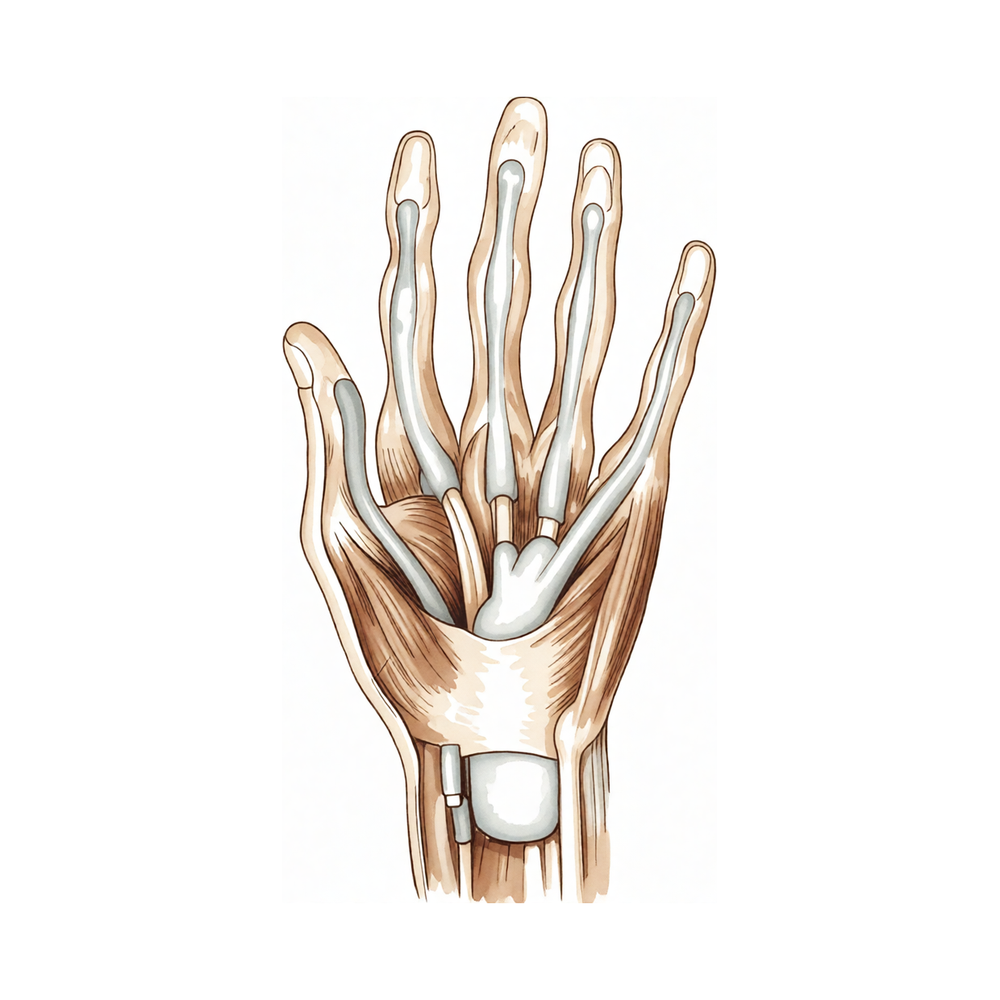
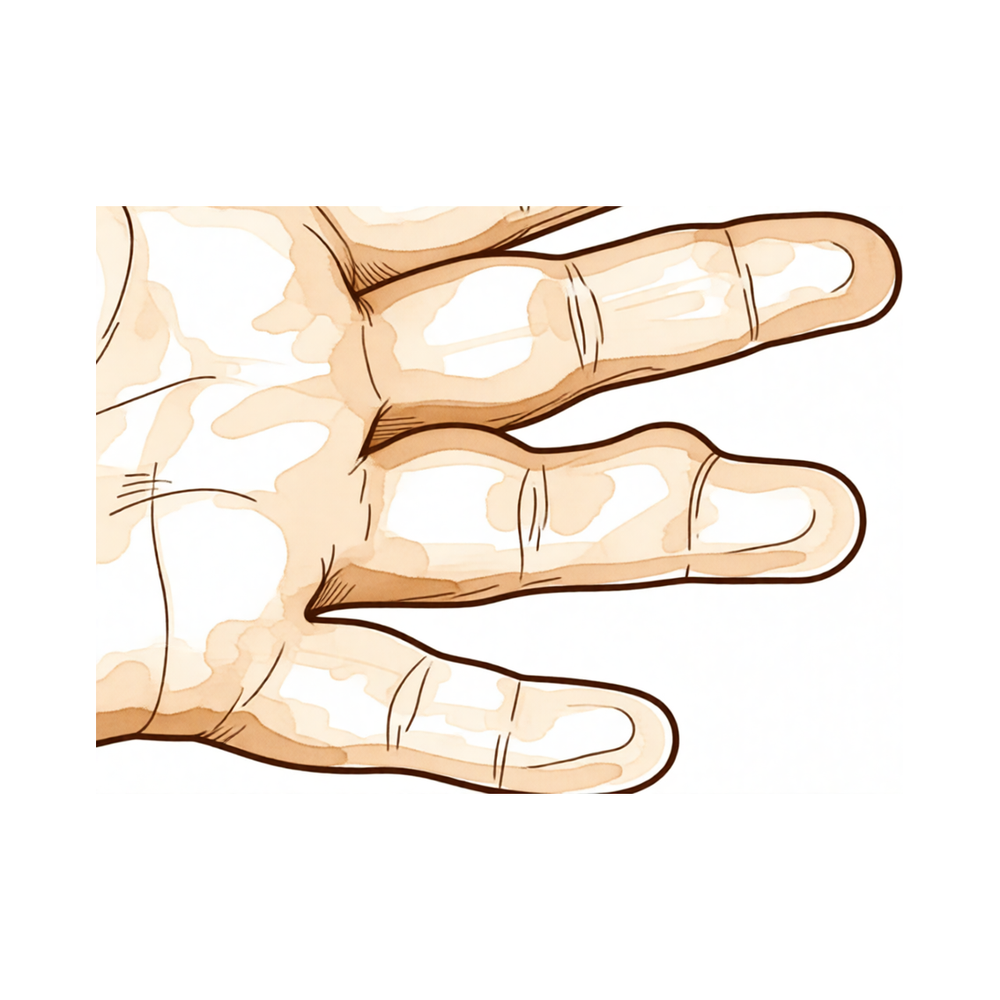
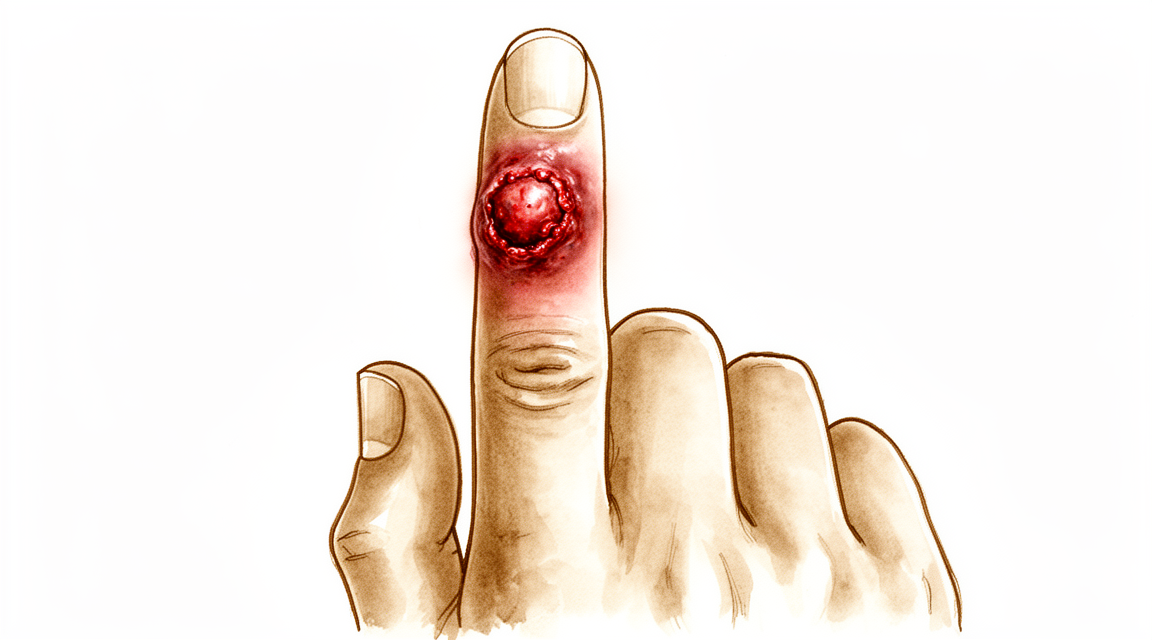
Hand surgery: overview of common procedures for trauma, degeneration, congenital issues, and tumors—evidence-based & surgeon-dependent decision-making.

Overview

Patient satisfaction in hand surgery clinics is driven more strongly by the experience of care delivery than by treatment outcomes or patient characteristics [1]. To ensure methodologic rigor and meaningful assessment of treatment durability, orthopaedic and sports medicine studies generally prefer a minimum 2-year follow-up period [2]. Shorter follow-up durations may be justified when clinical outcomes plateau earlier, depending on the specific research question, diagnosis, treatment, and primary outcome measure [2].

Integrating evidence-based practice principles with patient-centeredness allows clinicians to optimize decision-making, value experience while recognizing its limitations, and let patients’ values and preferences guide the customization of evidence to achieve the best possible outcomes [4]. The minimal clinically important difference (MCID) and clinically important difference (CID) are useful tools to define general guidelines for determining whether a treatment produces clinically meaningful effects [6]. However, pitfalls associated with MCID and CID metrics require a detailed understanding of the methods to calculate them and their context of use [6].

Surgeons should heed recommendations from pragmatic randomized controlled trials while carefully considering applicability to individual patients [16]. Understanding the current evidence and appropriate indications of emerging technologies in orthopaedic trauma is critical for their utilization [11]. The level of expertise of surgeons performing procedures should be reported in published articles to ensure valid comparisons and interpretation of results [41].

Anatomy & Pathophysiology

General Considerations

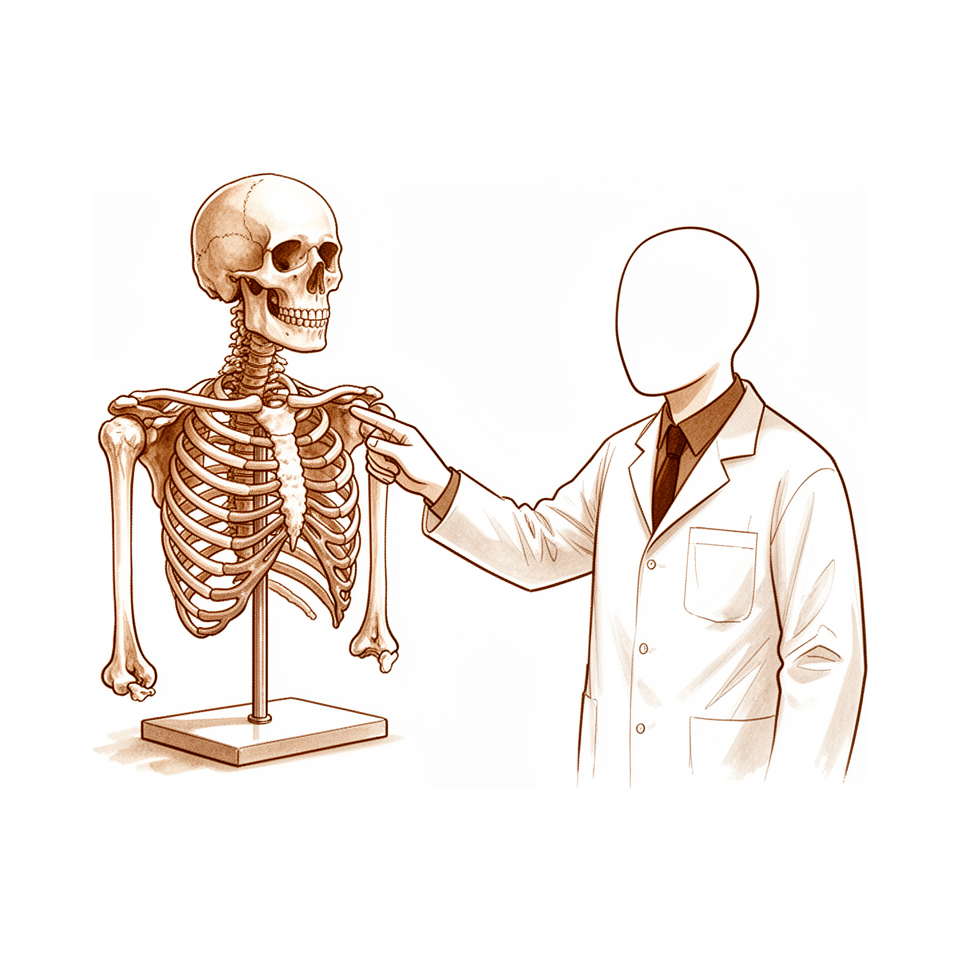
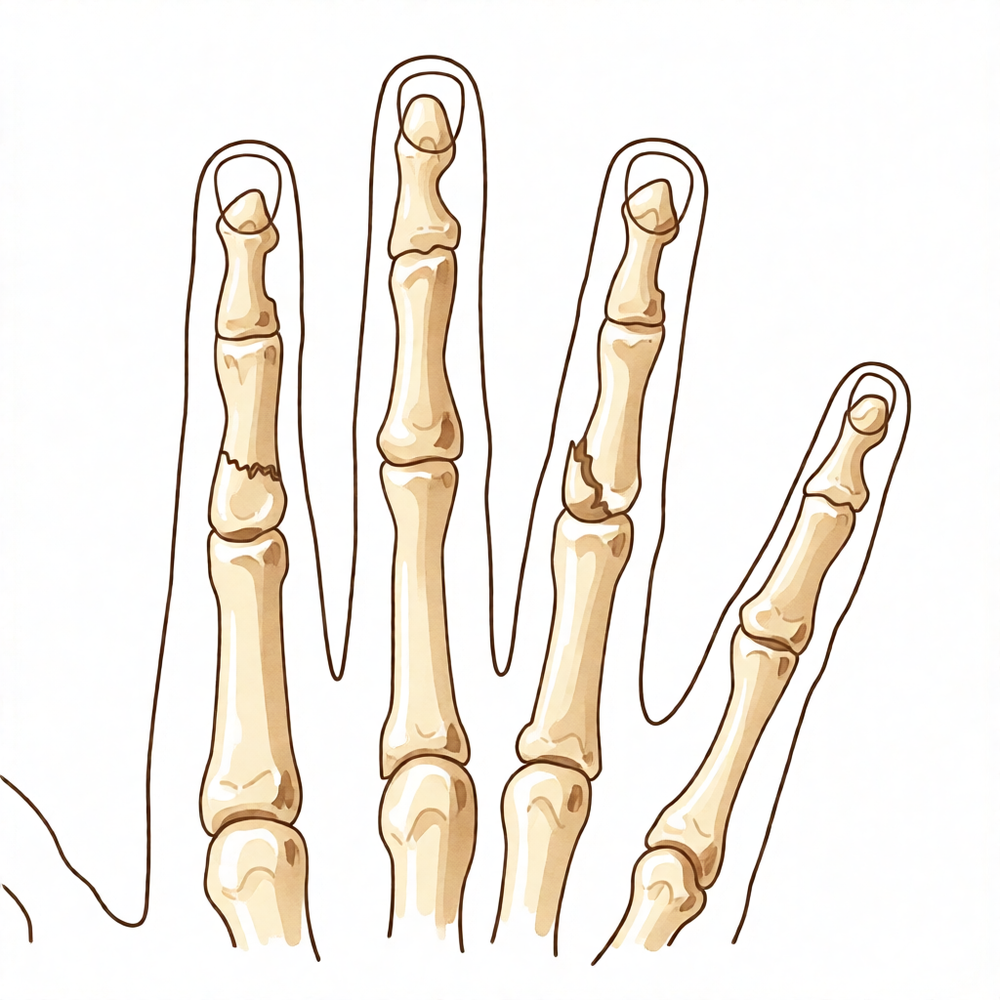
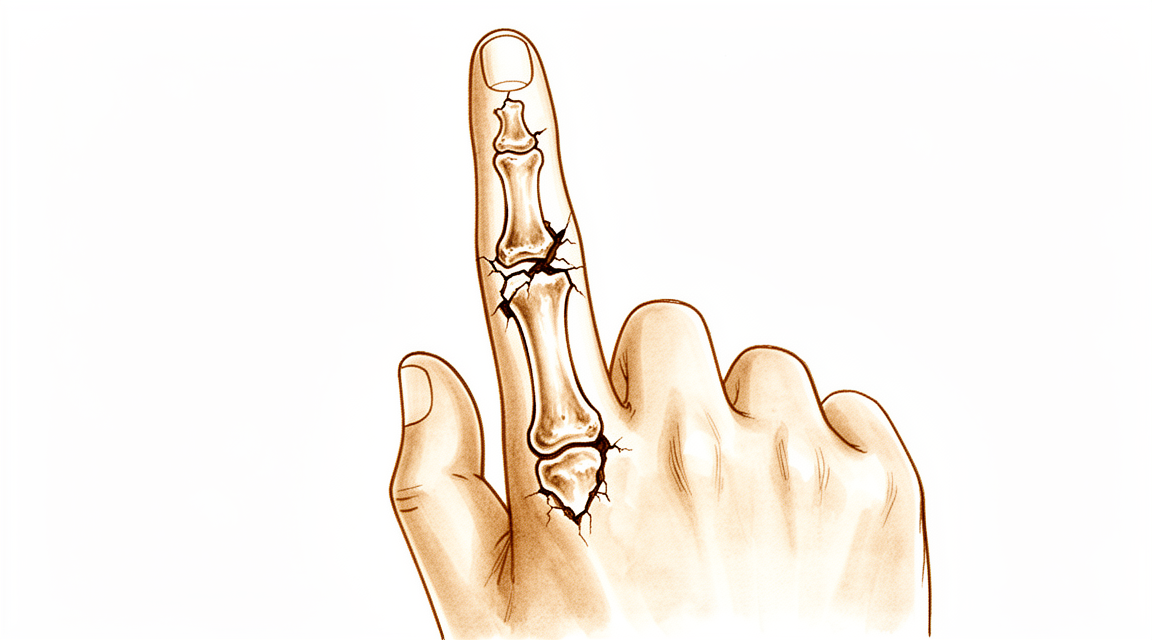
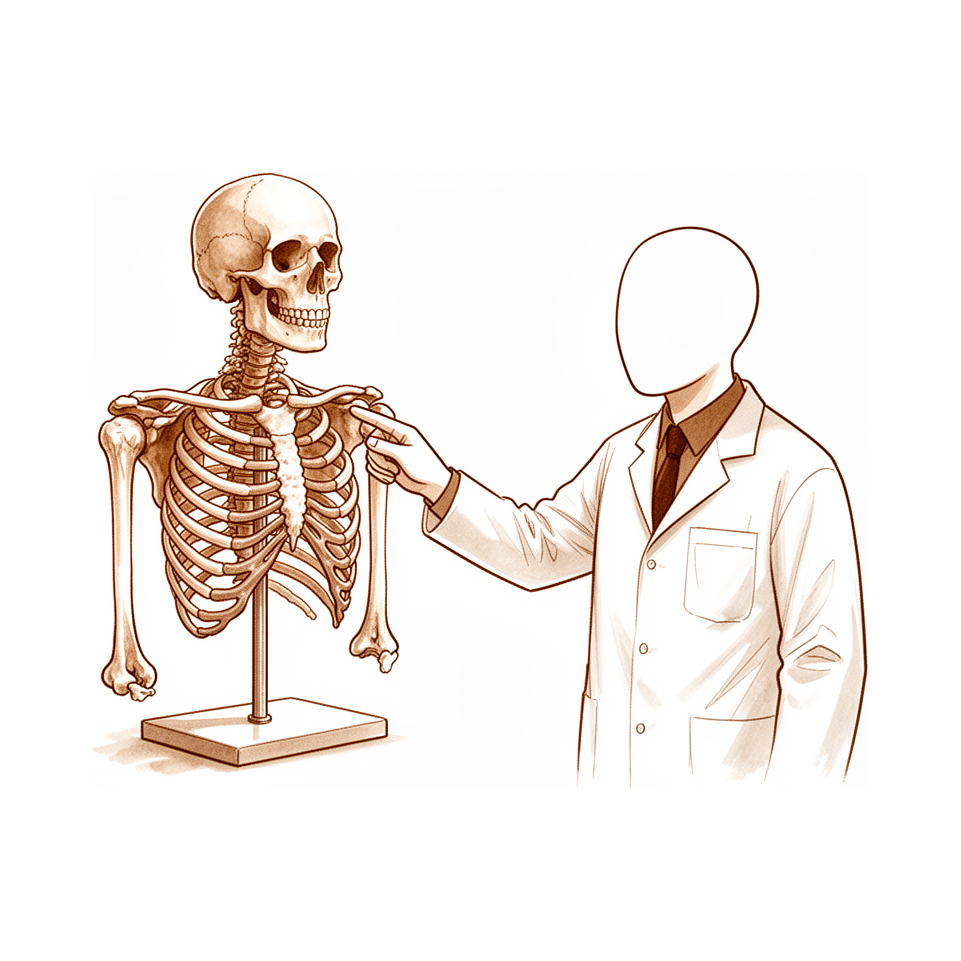
Accurate diagnosis and management of hand and carpal fractures and dislocations are predicated on a thorough physical examination and appropriate imaging to limit joint stiffness while preserving mobility and function [47]. The dominant hand is stronger than the nondominant hand [42], although no difference exists in three hand strength measurements made under the same conditions [42].

Congenital Anomalies

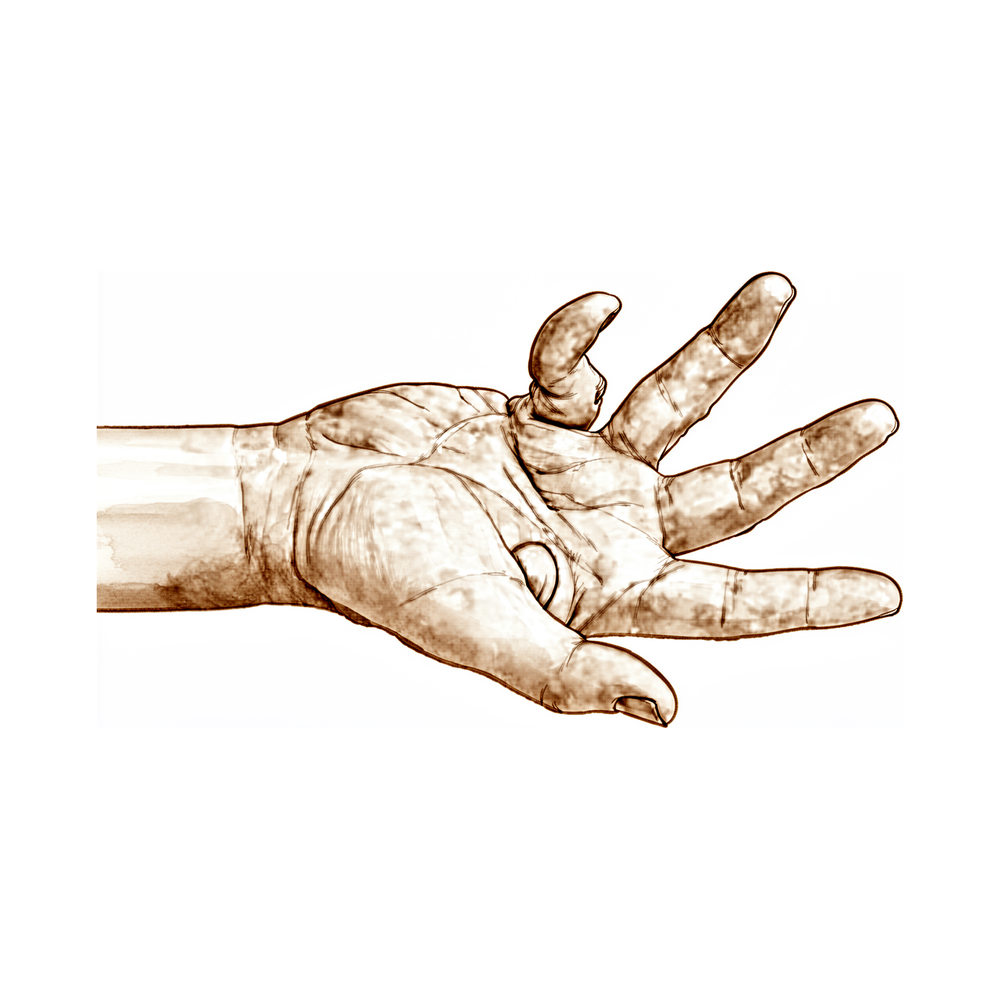
Surgical treatment for congenital failure of formation of the upper limb is directed primarily at correcting radial angulation and flexed position to improve hand function and appearance [71]. Centralization and soft tissue distraction are key concepts for surgical treatment of severe cases of congenital failure of formation of the upper limb [71].

Thumb CMC Dislocations

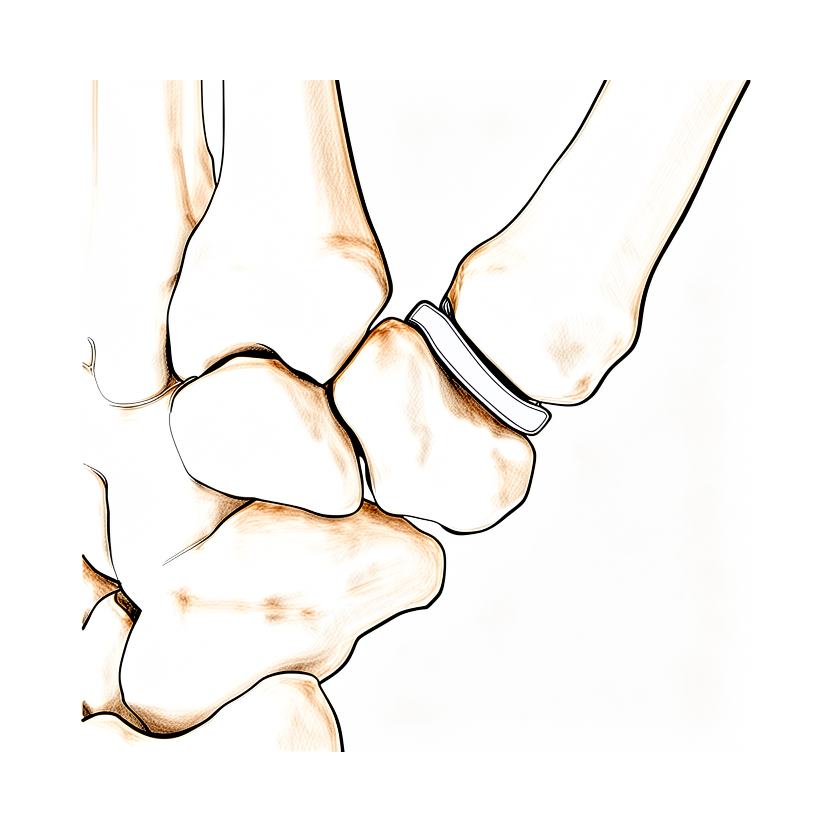
The literature lacks consensus on optimal management for thumb CMC dislocations due to the rarity of the condition and reliance on case reports and retrospective studies [91].

The three most common injury locations among collegiate varsity esports athletes were the wrist, back, and neck [110]. Shoulder and thumb injuries were the least common among collegiate varsity esports athletes [110].

Classification

Standardized Terminology: Standardized terminology for the femoral entry point (trochanteric fossa or piriform fossa) is recommended due to recurrent terminology errors and confusion in the literature [5].

Triangular Fibrocartilage Complex: Current classification systems for triangular fibrocartilage complex tears are largely considered unhelpful by wrist surgeons [28].

Type 5 Injuries: Some authors prefer to keep type 5 injuries as a separate group to prioritize management and surgical timing over mechanism categorization [43].

Modified Rotterdam: A modified Rotterdam classification may be helpful for characterizing thumb triplication and tetraplication for patient management and surgeon communication [48].

Musculoskeletal Tumor Surgery: Subtype-specific management is becoming increasingly central to patient care in musculoskeletal tumor surgery [50].

Other Considerations: Anglo-Saxon classifications were used for didactic purposes in a study on a surgical technique, while Utheza and Sanders classifications are used in daily practice and referenced retrospective studies [57]. The basic science section of the Orthopaedic In-Training Examination accounts for approximately 11% of all questions [69]. Knowledge recall is the most common taxonomy in the basic science section of the Orthopaedic In-Training Examination, comprising 89.7% of questions [69].

Clinical Presentation

History and Patient-Centered Care

The clinical presentation is shaped significantly by patient experience; recommendations for follow-up in hand surgery clinics are driven more strongly by the experience with care delivery than by treatment outcome or patient characteristics [1]. Surgical patients are markedly more likely to reference clinical aspects of care, such as complications or misdiagnosis, in negative online reviews compared with nonsurgical patients, who more commonly reference nonclinical aspects of care [32]. Integrating evidence-based practice with patient-centeredness allows clinicians to optimize decision-making, value experience while recognizing its limitations, and let patients' values and preferences guide the customization of evidence to achieve the best possible outcomes [4]. The routine use of patient-reported outcome measures (PROMs) reflects a growing recognition of the importance of patient perspectives in improving treatments, and patient-reported experience measures (PREMs) are expected to play a greater role in research, strategies, and clinical practice [8].

Physical Examination and Diagnostic Standards

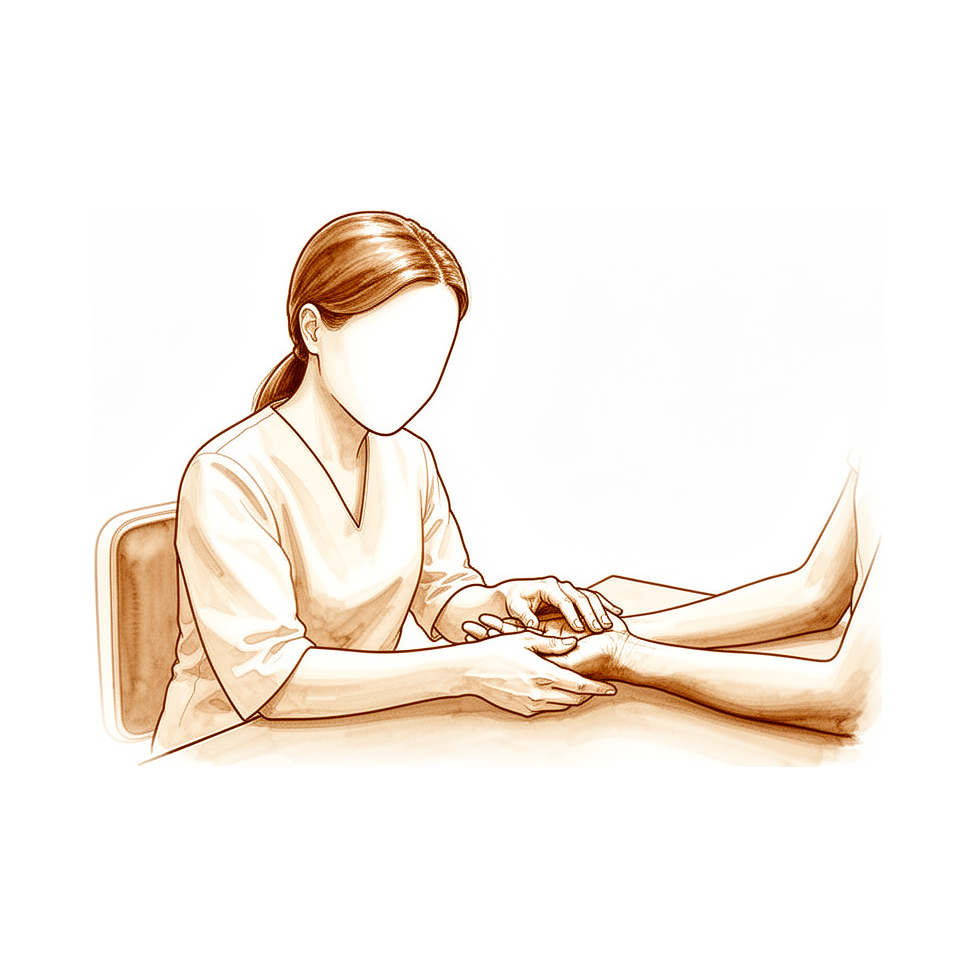
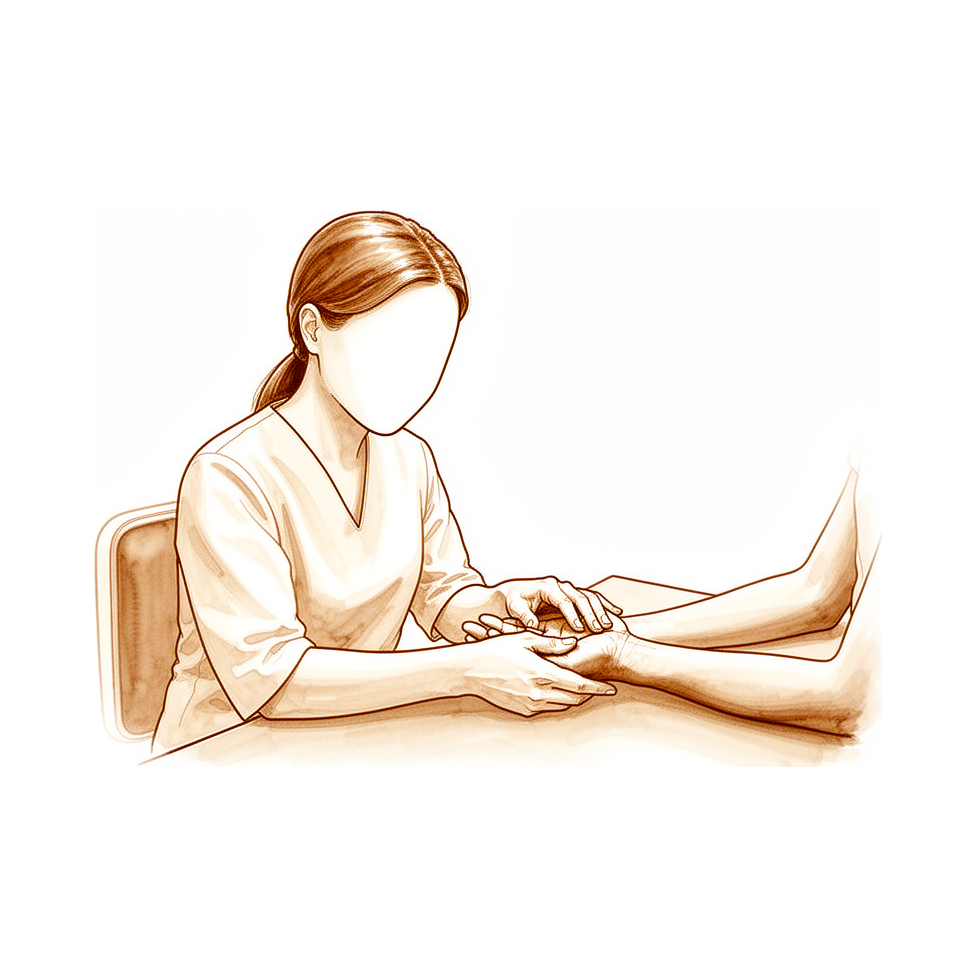
An organized, patient-centric physical examination is vital for developing a solid attending-patient relationship and serves as the key part of the treatment pipeline that guides the content and timing of treatment [31]. Diagnosis of pelvic fractures with urogenital injuries relies on a combination of physical examination, urinalysis, and imaging, with retrograde urethrogram and cystography serving as benchmarks [10]. Recognition of postoperative pseudo-obstruction of the colon through thorough physical examination and early abdominal radiographs is essential to avoid operative intervention [13]. Key aspects of study design and analysis must be considered when evaluating available evidence supporting the diagnosis and treatment of upper-extremity conditions [12].

Red Flags and Special Considerations

Prospective studies are needed to establish the diagnostic accuracy of identifying red flags in patients with elbow pain [9]. Front-line providers must manage patients with complex regional pain syndrome en route to pain specialists to ensure timely diagnosis and treatment [33]. Early diagnosis of congenital dislocation of the hip associated with central core disease is valuable as it may reduce soft-tissue tightness and improve outcomes [34].

Guidelines, Terminology, and Tools

Terminology for the recommended entry point in femoral surgery is confusing due to recurrent errors and requires standardization [5]. The minimal clinically important difference (MCID) and clinically important difference (CID) are useful tools to define general guidelines for determining whether a treatment produces clinically meaningful effects, but their use requires a detailed understanding of calculation methods and context due to associated pitfalls [6]. Guidelines recommend a 'patient blood management' approach to diagnose and treat anaemia, minimize blood loss, and optimize the patient's physiological response in orthopaedic surgery [29]. There is a need for more evidence-based practice guidelines regarding pain management in pediatric ACL reconstruction [3]. National guidelines for the clinical commissioning of surgery for three common hand conditions in England are not fully implemented across all localities [14]. Variation exists between the treatment algorithms of hand surgeons when managing trigger digit [15]. An ideal electronic application for certified hand therapists should include home program media, evidence-based practice, postoperative protocols, and functional outcome measures related to reported diagnoses encountered in the clinic [30].

Investigations

Plain radiography: Radiographic measurements contain inherent errors and are not an exact science [79]. Clinical decisions should not be based on radiographic measurements alone but rather on the total clinical evaluation of the patient [79]. Roentgenograms and technetium scans can demonstrate fracture union and absence of avascular necrosis in severe hip injuries, such as fracture-dislocations of the femoral head [109]. A new technique quantifying the radiographic divergence of the border rays of the cleft demonstrates improved alignment at long-term follow-up in central ray deficiency cleft reconstruction [111].

MRI: Ultrasonography is an effective alternative to MRI for diagnosing musculoskeletal pathology, offering real-time imaging, excellent soft-tissue contrast, and high spatial resolution without radiation exposure [37]. Reproducible scales are essential for the valid evaluation of cartilage repair, whether through histology or noninvasive MRI techniques [83].

CT: Computerized tomography (CT) is a valuable technical advance for diagnosing orthopaedic conditions [75]. The clinical efficacy and cost-effectiveness of CT in trauma and other applications require further bulk studies to determine optimal use [75].

Other Considerations: Prospective studies are needed to establish the diagnostic accuracy of identifying red flags in patients with elbow pain [9]. Recognition of pseudo-obstruction of the colon by thorough physical examination and early abdominal radiographs is essential to avoid operative intervention [13]. The utility of ultrasonography in orthopaedic surgery remains underutilized compared to other imaging modalities [37]. A standardized fluoroscopy language protocol improves intraoperative communication between orthopaedic surgeons and radiology technologists [86]. Standardized fluoroscopy language decreases confusion and reduces the need for repeat radiographs [86]. Computer-assisted surgery (CAOS) minimizes X-ray dose, invasiveness, and morbidity in procedures such as percutaneous iliosacral screw fixation for unstable pelvic ring lesions [92]. Optimal system function and surgeon familiarity are critical to avoid errors and ensure patient safety in CAOS [100]. A technique for accurate localization of vertebrae at surgery is rapid, simple, and offers unparalleled accuracy in identifying the involved vertebral area without introducing a substance that cannot be readily removed [103]. More than two-thirds of clinical management questions on the Orthopaedic In-Training Examination were supported by studies with a level of evidence IV or lower [80].

Treatment

Non-Operative

Nonsurgical management is often successful for adhesive capsulitis of the hip, though it requires patient compliance and can be protracted [24]. For deep gluteal pain, nonsurgical management represents the mainstay of treatment, although open and endoscopic surgical approaches have yielded encouraging success rates in refractory cases [81]. Voluntary habitual dislocation of the hip should be treated conservatively by immobilization or even without it, as the prognosis is good and the condition resolves spontaneously [78]. Conservative management is indicated for ankylosing spondylitis patients with spine fractures and dislocations without neural involvement, while immediate exploration followed by fusion is indicated for those with progressive neural involvement or instability [60]. A patient with osteochondritis dissecans of the trochlear groove was successfully managed nonoperatively with a locked knee brace and returned to full activity in 5 months without complication [65].

Operative

Indications: Surgical management is indicated for coxa vara in childhood when there is progressive, painful, unilateral deformity or leg-length discrepancy, while moderate nonprogressive deformity often does not require surgery [76]. In non-elite patients, persistent grade 2 or 3 medial collateral ligament laxity beyond 12 weeks in the setting of anterior cruciate ligament rupture should prompt combined anterior cruciate ligament reconstruction with medial collateral ligament repair and reconstruction [73].

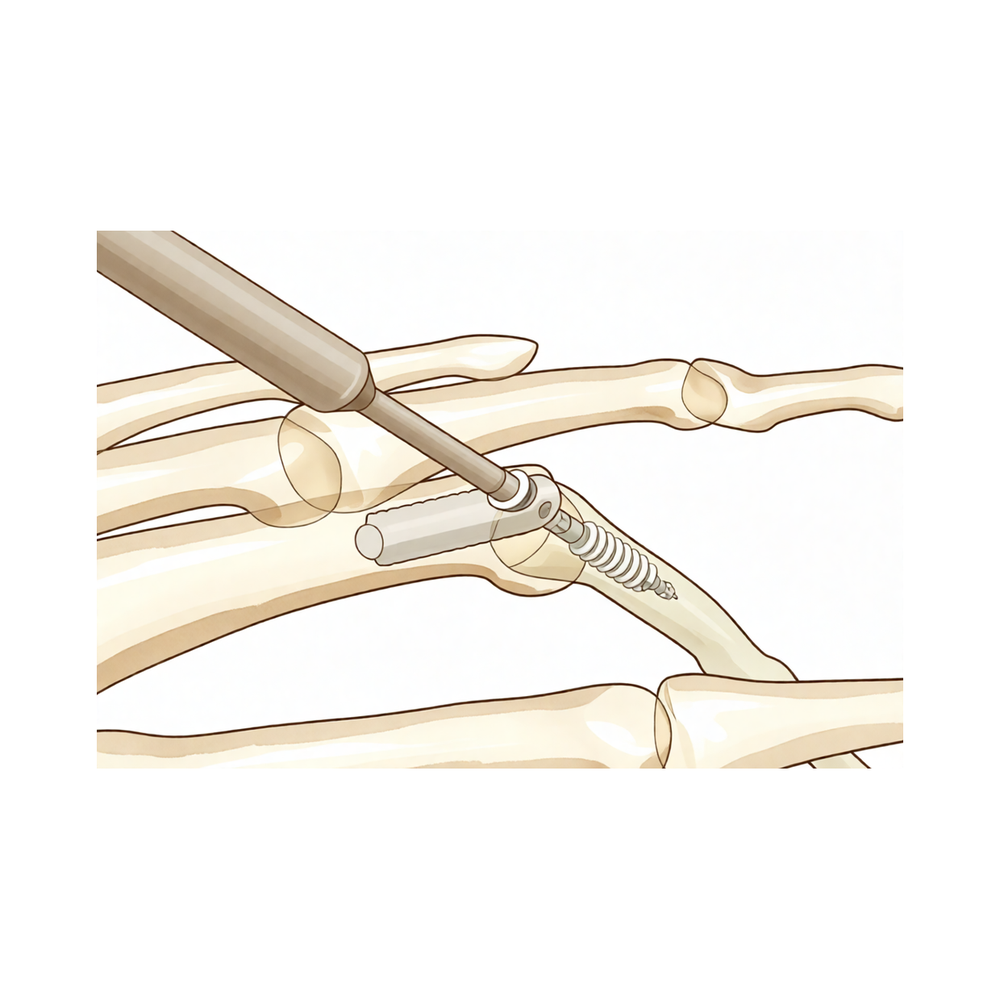
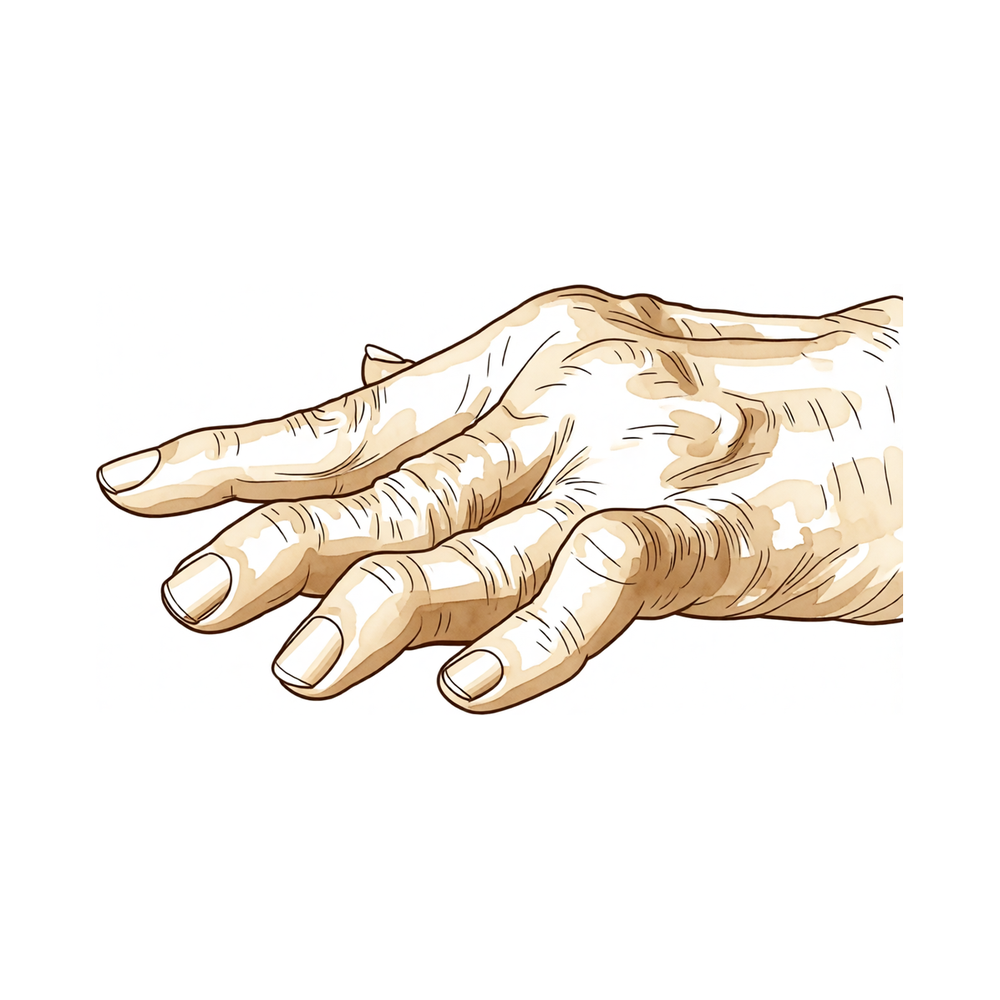
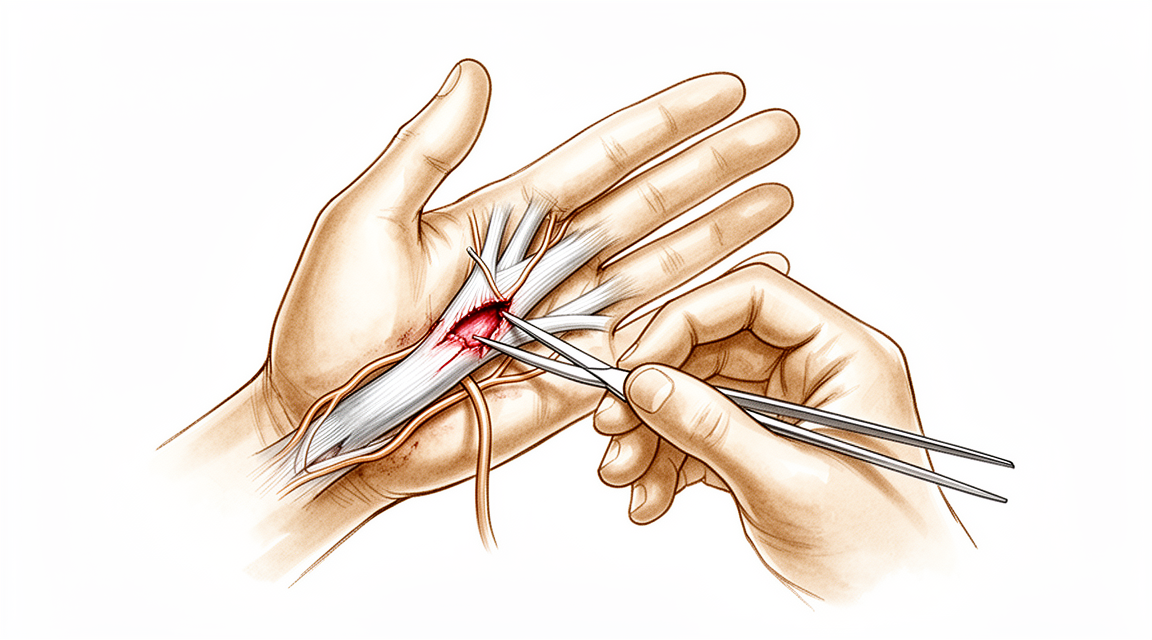
Surgical Approach / Technique: Dermofasciectomy is efficacious and durable in managing advanced Dupuytren disease, particularly with appropriate postoperative care [19]. Contralateral C7 transfer for stroke or brain-injured patients demonstrates significant improvements in upper limb function, confirming the procedure's safety and efficacy, with donor site morbidity that is typically mild and transient [20]. Treatment options for hallux rigidus and osteoarthrosis of the first metatarsophalangeal joint range from non-operative measures to various surgical procedures including cheilectomy, arthroplasty, and arthrodesis, with selection depending on disease stage and patient factors [94].

Other Considerations: Integrating evidence-based practice with patient-centeredness allows clinicians to optimize decision making, value experience while recognizing its limitations, and let patients' values and preferences guide the customization of evidence to achieve the best possible outcomes [4]. Surgeons should heed recommendations from pragmatic randomized controlled trials while carefully considering their applicability to individual patients [16]. Understanding the current evidence and appropriate indications of emerging technologies is critical for their utilization in orthopaedic trauma [11]. The role of the team physician is evolving, requiring availability, trust, and the ability to navigate complex return-to-play decisions amidst external pressures, while advocating for a balance between surgical and nonoperative management [72].

Practice Management and Guidelines: Patient recommendations for a hand surgery clinic after surgery are more strongly driven by patients' experience with care delivery than by treatment outcome and patient characteristics [1]. Quality improvement methods were effective in altering long-term opioid prescribing behavior by physicians in hand surgery [7]. National guidelines for the clinical commissioning of surgery for common hand conditions are not fully implemented across all localities in England [14]. The AAOS Practice Management Center and Podcasts are committed to developing content to assist physicians and practice administrators in efficiently managing modern orthopaedic practice [82]. Universal guidelines and recommendations for applicants and program directors would improve the utility of preference signaling in orthopaedic surgery residency [17].

Research Methodology and Evidence Interpretation: A 2-year minimum follow-up period is generally preferred to ensure methodologic rigor and meaningful assessment of treatment durability, but shorter durations may be justified when clinical outcomes plateau earlier depending on the research question, diagnosis, treatment, and primary outcome measure [2]. The minimal clinically important difference (MCID) and clinically important difference (CID) are useful tools to define general guidelines for determining whether a treatment produces clinically meaningful effects, but their use requires a detailed understanding of calculation methods and context due to associated pitfalls [6]. Pilot and feasibility studies focus on study processes rather than efficacy, with statistical analyses often greatly underpowered due to small sample sizes [44]. Researchers should consider using expertise-based randomized controlled trials only after carefully considering their arguments and limitations, as conventional randomized controlled trials answer most treatment questions more easily and precisely [45]. There is a need for more evidence-based practice guidelines regarding pain management in pediatric ACL reconstruction [3]. The conclusions regarding prescription opioid type and the likelihood of prolonged opioid use after orthopaedic surgery remain valid despite concerns regarding internal validity, treatment variable selection, outcome variable definition, and potential systematic bias [39]. Experience in orthopaedic management of Schwartz syndrome is scanty as none of the reported patients were followed beyond the age of twelve years [62].

Complications

Other Considerations: Overlapping surgical procedures appear noninferior to nonoverlapping approaches regarding postoperative complication rates [46]. In hand surgery, surgical disciplines face ongoing challenges concerning complication rates [87]. For distal radius fractures treated with volar plating, early complications decrease significantly as surgeon experience increases [64]. Long-term outcomes for pelvic fractures are frequently complicated by the presence of posterior pelvic pain [22].

Recovery

Light activity (weeks): Evidence does not provide specific week ranges for light activity, desk work, driving, or light activities of daily living (ADLs).

Full activity (months): Evidence does not provide specific month ranges for manual work, sport, or full range of motion and strength return.

Complete recovery / outcome plateau (months): A 2-year minimum follow-up period is generally preferred to ensure methodologic rigor and meaningful assessment of treatment durability, although shorter durations may be justified when clinical outcomes plateau earlier depending on the research question, diagnosis, treatment, and primary outcome measure [2]. Further studies with long-term follow-up are needed to determine whether the grafted area maintains structural and functional integrity over time after autologous matrix-induced chondrogenesis for focal cart defects in the knee [18]. Long-term outcomes for pelvic fractures are dependent on the pelvic ring injury as well as associated injuries, and are complicated by posterior pelvic pain but also largely multifactorial [22].

Rehabilitation protocol: Nonsurgical management of adhesive capsulitis of the hip is often successful but can take a protracted amount of time and requires patient compliance [24]. Dermofasciectomy is efficacious and durable in managing advanced Dupuytren disease, particularly with appropriate postoperative care [19].

Functional milestones: The routine use of patient-reported outcome measures (PROMs) reflects a growing recognition of the importance of patient perspectives in improving treatments [8]. Patient-reported experiences (PREMs) are expected to play a greater role in research, strategies, and clinical practice [8]. The Musculoskeletal Function Assessment Questionnaire was more responsive than the SF-36 and more efficient in measuring changes in function between baseline and follow-up values [95].

Other Considerations: Patient recommendations for a hand surgery clinic after surgery are more strongly driven by patients' experience with care delivery than by treatment outcome and patient characteristics [1]. Quality improvement methods were effective in altering opioid prescribing behavior by physicians in the long term [7]. Diagnosis of pelvic fractures with urogenital injuries relies on a combination of physical examination, urinalysis, and imaging, with retrograde urethrogram and cystography serving as benchmarks [10]. Contralateral C7 transfer harnessing the uninjured hemisphere demonstrates significant improvements in upper limb function, confirming the procedure's safety and efficacy, with donor site morbidity that is typically mild and transient [20]. Much of the literature from fifty and 100 years ago remains relevant to the practice of orthopaedic surgery today [21]. Using fragility indices, especially when considering patient loss to follow-up, can improve the reliability of findings in randomized controlled trials [23]. Functional results for endoprosthetic replacement of the humerus combined with trapezius and latissimus dorsi transfer do not justify two separate approaches and a prolonged operation time [97]. Mobile and fixed-bearing (all-polyethylene tibial component) total knee arthroplasty designs functioned equivalently at the time of early follow-up in a low-to-moderate-demand patient group [115].

Key Evidence

  • [L3] Patient recommendations are more strongly driven by patients' experience with care delivery than by treatment outcome and patient characteristics. (10.1016/j.jhsa.2023.11.010)
  • [L5] While a 2-year minimum follow-up period is generally preferred to ensure methodologic rigor and meaningful assessment of treatment durability, the authors encourage authors to justify shorter durations when clinical outcomes plateau earlier, depending on the research question, diagnosis, treatment, and primary outcome measure. (10.1016/j.arthro.2025.08.019)
  • [L4] There is a need for more evidence-based practice guidelines regarding pain management. (10.1177/2325967121s00449)
  • [L5] Integrating the principles and processes from evidence-based practice with those of patient-centeredness allows clinicians to make decisions that help achieve the best possible outcomes by optimizing decision making, valuing experience while recognizing its limitations, and letting patients' values and preferences guide the customization of evidence. (10.1016/j.jht.2009.09.002)
  • [Paper] The recommended entry point in literature is confusing due to recurrent terminology errors and requires standardisation. (10.1016/j.injury.2012.08.049)
  • [L5] The MCID and CID are useful tools to define general guidelines to determine whether a treatment produces clinically meaningful effects, but the many pitfalls associated with these metrics require a detailed understanding of the methods to calculate them and their context of use. (10.1186/s13018-014-0144-x)
  • [L4] Quality improvement methods were effective in altering prescribing behavior by physicians in the long term, and our approach may be effective if applied more widely. (10.2106/jbjs.19.01052)
  • [L5] The routine use of PROMs reflects a growing recognition of the importance of patient perspectives in improving treatments, and it will only be a matter of time before patient-reported experiences (PREMs) play a greater role in research, strategies, and clinical practice. (10.1302/0301-620x.97b7.36546)
  • [L4] Prospective studies are needed to establish diagnostic accuracy. (10.1016/j.jht.2026.02.009)
  • [L5] Diagnosis relies on a combination of physical examination, urinalysis, and imaging, with retrograde urethrogram and cystography serving as benchmarks. (10.5435/jaaos-d-25-01053)
  • [L5] It is important to consider the key aspects of study design and analysis when considering the available evidence supporting the diagnosis and treatment of upper-extremity conditions. (10.1016/j.jhsa.2023.04.002)
  • [L4] Recognition by thorough physical examination and early abdominal radiographs is essential if operative intervention is to be avoided. (10.2106/00004623-198365060-00030)
  • [L4] Despite the existence of national guidelines, they are not fully implemented across all localities. (10.1177/1753193420974244)
  • [L4] Variation exists between the treatment algorithms of hand surgeons when managing a trigger digit. (10.1007/s11552-013-9594-6)
  • [L5] Surgeons should heed recommendations from pragmatic RCTs while carefully considering applicability to individual patients. (10.1302/0301-620x.101b2.bjj-2018-1352.r1)
  • [L4] Universal guidelines and recommendations for applicants and PDs would improve the utility of preference signaling. (10.5435/jaaos-d-23-00220)
  • [L4] However, further studies with long-term follow-up are needed to determine whether the grafted area will maintain structural and functional integrity over time. (10.1007/s00167-010-1042-3)
  • [L3] These findings underscore the efficacy and durability of dermofasciectomy in managing advanced cases, particularly with appropriate postoperative care. (10.1016/j.jhsa.2025.02.007)
  • [L5] Published clinical results have demonstrated significant improvements in upper limb function, confirming the procedure's safety and efficacy, with donor site morbidity that is typically mild and transient. (10.1177/17531934251314640)
  • [L5] Much of what is in the literature fifty and 100 years ago remains relevant to the practice of orthopaedic surgery today. (10.2106/00004623-199173090-00001)
  • [L1] Using these indices, especially when considering patient loss to follow-up, can improve the reliability of findings. (10.5435/jaaos-d-24-00691)
  • [L5] Nonsurgical management is often successful but can take a protracted amount of time and requires patient compliance. (10.5435/00124635-201312000-00005)
  • [L5] Current classification systems are largely considered to be unhelpful. (10.1177/1753193419826459)
  • [L5] The guidelines recommend a 'patient blood management' approach to diagnose and treat anaemia, minimize blood loss, and optimize the patient's physiological response. (10.1302/0301-620x.105b8.bjj-2022-1290.r1)
  • [L4] An ideal app should include home program media, evidence-based practice, postoperative protocols, and functional outcome measures related to reported diagnoses encountered in the clinic. (10.1016/j.jht.2016.11.010)
  • [L5] An organized, patient-centric physical examination is vital for developing a solid attending-patient relationship and serves as the key part of the treatment pipeline that guides the content and timing of treatment. (10.1016/j.arthro.2017.10.001)
  • [L4] Surgical patients were markedly more likely to reference a clinical aspect of care, such as complications or misdiagnosis compared with nonsurgical patients, who more commonly referenced nonclinical aspects of care. (10.5435/jaaos-d-22-00631)
  • [L5] The authors assert that pain specialists are the rightful owners of complex regional pain syndrome care, but front-line providers must manage patients en route to specialists to ensure timely diagnosis and treatment. (10.1016/j.injury.2010.11.019)
  • [L4] Early diagnosis is valuable as it may reduce soft-tissue tightness and improve outcomes. (10.2106/00004623-197557050-00011)
  • [L5] There is a need for more universal opioid-prescribing protocols to reduce the amount of opioids available for diversion without a negative impact on patient-important outcomes. (10.2106/jbjs.17.01480)
  • [L5] Ultrasonography is an effective alternative to MRI for diagnosing musculoskeletal pathology, offering real-time imaging, excellent soft-tissue contrast, and high spatial resolution without radiation exposure, though its utility remains underutilized in orthopaedic surgery compared to other modalities. (10.5435/jaaos-d-16-00221)
  • [L5] The authors advocate for precise definition of assessment tools (checklists and GRS) in any study and emphasize that accurate metrics and precisely defined outcome measures are key to valid and reliable assessment in surgical education. (10.5435/jaaos-d-17-00875)
  • [Letter] The authors state that their explicitly stated conclusions remain valid despite concerns raised regarding internal validity, treatment variable selection, outcome variable definition, and potential systematic bias. (10.5435/jaaos-d-19-00054)
  • [L5] The paper reviews guidelines for clinical audit, emphasizing that successful audit depends on adherence to method, supportive culture, user involvement, and addressing barriers such as lack of time, funding, and skills. (10.1177/175899830300800105)
  • [L5] The level of expertise of surgeons performing procedures should be reported in published articles to ensure valid comparisons and interpretation of results, and the Journal has adopted specific criteria to standardize this reporting. (10.1177/1753193416641590)
  • [L5] The responding author disagrees with this reclassification, preferring to keep type 5 as a separate group to prioritize management and surgical timing over mechanism categorization. (10.1054/jhsb.2002.0802)
  • [L5] Pilot and feasibility studies focus on the processes of the study and not efficacy, with statistical analyses often greatly underpowered due to small sample sizes. (10.1258/ht.2012.012012)
  • [Letter] Researchers should consider using expertise-based RCTs only after carefully considering their arguments and limitations; for the majority of treatments, conventional RCTs will answer the question more easily and precisely. (10.1007/s11999-008-0575-y)
  • [L5] The commentary concludes that overlapping surgery appears safe and noninferior to nonoverlapping surgery regarding postoperative complications, reoperation, readmission, morbidity, and mortality, and that institutional policies and peer-review processes are necessary to ensure patient safety and efficiency. (10.2106/jbjs.19.01507)
  • [L4] The modified classification may be helpful for characterizing the rare conditions of thumb triplication and tetraplication for use in patient management and communication between surgeons. (10.1177/17531934231173111)
  • [L5] Surgical approaches are becoming better understood through large case series, and subtype-specific management is becoming increasingly central to patient care. (10.2106/jbjs.24.00945)
  • [Letter] The author clarifies that while the submitted article focused on a surgical technique and used Anglo-Saxon classifications for didactic purposes, both the Utheza and Sanders classifications are used in their daily practice and were included in their referenced retrospective studies. (10.1016/j.otsr.2014.10.011)
  • [L4] Conservative management is indicated for patients without neural involvement, while immediate exploration followed by fusion is indicated for those with progressive neural involvement or instability. (10.2106/00004623-196749020-00012)
  • [L4] Experience in orthopaedic management is scanty as none of the reported patients were followed beyond the age of twelve years. (10.2106/00004623-197557040-00018)
  • [L4] The incidence of complications decreased significantly with increased surgeon experience, suggesting that many early complications are avoidable. (10.1007/s11552-010-9313-5)
  • [Case_report] The patient was successfully managed nonoperatively with a locked knee brace and returned to full activity in 5 months without complication. (10.1155/2021/9776362)
  • [L4] The basic science section of the OITE accounts for approximately 11% of all questions, with the most common taxonomy being knowledge recall (89.7%). (10.5435/jaaos-d-20-00862)
  • [L5] Surgical treatment is directed primarily at correcting radial angulation and flexed position to improve hand function and appearance, with centralization and soft tissue distraction being key concepts for severe cases. (10.1016/j.hcl.2008.10.005)
  • [L5] The author emphasizes that the role of the team physician is evolving, requiring availability, trust, and the ability to navigate complex return-to-play decisions amidst external pressures, while advocating for a balance between surgical and nonoperative management. (10.1177/0363546512468428)
  • [L5] In non-elite patients, persistent grade 2 or 3 laxity beyond 12 weeks should prompt combined anterior cruciate ligament reconstruction with MCL repair and reconstruction. (10.1002/arj.70105)
  • [L5] While computerized tomography is a valuable technical advance for diagnosing orthopaedic conditions, the question of how to make the best use of this tool, particularly regarding clinical efficacy and cost-effectiveness in trauma and other applications, remains to be answered through bulk studies. (10.2106/00004623-197860080-00013)
  • [L5] Surgical management is indicated for progressive, painful, unilateral deformity or leg-length discrepancy, while moderate nonprogressive deformity often does not require surgery. (10.5435/00124635-199803000-00003)
  • [Case_report] The condition should be treated conservatively by immobilization or even without it, as the prognosis is good and the condition resolves spontaneously. (10.2106/00004623-198466070-00025)
  • [L5] Radiographic measurements are not an exact science and contain inherent errors; clinical decisions should not be based on measurements alone but rather on the total clinical evaluation of the patient. (10.2106/00004623-199072030-00001)
  • [L4] More than two-thirds of clinical management questions on the Orthopaedic In-Training Examination were supported by studies whose level of evidence was IV or lower, reflecting the state of the art of the orthopaedic literature rather than a deficiency in the examination itself. (10.2106/jbjs.i.00530)
  • [L5] Although nonsurgical management represents the mainstay of treatment, open and endoscopic surgical approaches have yielded encouraging success rates in refractory cases. (10.5435/jaaos-d-21-00707)
  • [L5] To assist physicians and practice administrators in efficiently managing the modern orthopaedic practice, the Academy is committed to developing content for the Practice Management Center as well as new topics for the Practice Management Consults series. (10.5435/00124635-200611000-00015)
  • [L5] Reproducible scales are essential for valid evaluation of cartilage repair, whether through histology or noninvasive MRI techniques. (10.1177/0363546510369651)
  • [L3] A standardized fluoroscopy language protocol improves intraoperative communication between orthopaedic surgeons and radiology technologists, decreases confusion, and reduces the need for repeat radiographs. (10.5435/jaaos-d-20-00314)
  • [L5] Surgical disciplines in hand surgery have seen evolutionary developments in Dupuytren disease treatment, nerve reconstruction, and hand transplantation that have substantially modified practice, though challenges remain regarding complication rates and cost-effectiveness. (10.5435/jaaos-21-04-202)
  • [L5] The paper provides examination questions and answers regarding hand surgery anatomy and management, noting that for thumb CMC dislocations, the literature lacks consensus on optimal management due to the rarity of the condition and reliance on case reports and retrospective studies. (10.1177/17531934231186529)
  • [Paper] It meets the basic principles of computer-assisted surgery, minimizing X-ray dose, invasiveness and morbidity. (10.1016/j.otsr.2013.03.002)
  • [L5] Treatment options range from non-operative measures to various surgical procedures including cheilectomy, arthroplasty, and arthrodesis, with selection depending on disease stage and patient factors. (10.2106/00004623-199806000-00015)
  • [L3] It was more responsive than the SF-36 and more efficient in measuring changes in function between baseline and follow-up values. (10.2106/00004623-199709000-00006)
  • [L5] Therefore, the functional results do not justify two separate approaches and a prolonged operation time. (10.1007/s00402-004-0713-2)
  • [L5] This collection of abstracts introduces fundamental principles, potential pitfalls, and various modalities of Computer Aided Orthopaedic Surgery (CAOS), highlighting that while clinical benefits are recognized, optimal system function and surgeon familiarity are critical to avoid errors and ensure patient safety. (10.1016/j.injury.2004.05.022)
  • [L4] The technique is rapid, simple, and offers unparalleled accuracy in identifying the involved vertebral area without introducing a substance that cannot be readily removed. (10.2106/00004623-195739030-00022)
  • [Case_report] Despite the severity of the injury to the hip, roentgenograms and a technetium scan showed the fracture to be united, with no evidence of avascular necrosis. (10.2106/00004623-197961080-00018)
  • [L4] The three most common injury locations were to the wrist, back, and neck, while shoulder and thumb injuries were the least common. (10.1177/2325967123s00354)
  • [L4] A new technique of quantifying the radiographic divergence of the border rays of the cleft demonstrates improved alignment at long-term follow-up. (10.1016/j.jhsa.2008.05.010)
  • [L1] The two designs functioned equivalently at the time of early follow-up in this low-to-moderate-demand patient group. (10.2106/jbjs.j.00157)

See Also

References

[1] Driving Factors of Recommending a Hand Surgery Clinic After Surgery. The Journal of Hand Surgery. 2024. DOI: 10.1016/j.jhsa.2023.11.010

[2] Rethinking Standards for Minimum Short-Term Follow-Up Duration for Clinical Outcome in Orthopaedic and Sports Medicine Studies. Arthroscopy: The Journal of Arthroscopic & Related Surgery. 2025. DOI: 10.1016/j.arthro.2025.08.019

[3] Variability Exists in Pain Management Practices for Pediatric ACL Reconstruction. Orthopaedic Journal of Sports Medicine. 2022. DOI: 10.1177/2325967121s00449

[4] ASHT President's Lecture: Making Decisions Using Values, Experience, and Evidence. Journal of Hand Therapy. 2010. DOI: 10.1016/j.jht.2009.09.002

[5] Trochanteric fossa or piriform fossa of the femur: Time for standardised terminology?. Injury. 2013. DOI: 10.1016/j.injury.2012.08.049

[6] Determining the clinical importance of treatment benefits for interventions for painful orthopedic conditions. Journal of Orthopaedic Surgery and Research. 2015. DOI: 10.1186/s13018-014-0144-x

[7] Evaluation of Quality Improvement Methods for Altering Opioid Prescribing Behavior in Hand Surgery. Journal of Bone and Joint Surgery. 2020. DOI: 10.2106/jbjs.19.01052

[8] What are the key drivers that change practice?. The Bone & Joint Journal. 2015. DOI: 10.1302/0301-620x.97b7.36546

[9] The importance of identifying red flags in patients with elbow pain: A systematic review. Journal of Hand Therapy. 2026. DOI: 10.1016/j.jht.2026.02.009

[10] Management of Pelvic Fractures With Urogenital Injuries. Journal of the American Academy of Orthopaedic Surgeons. 2026. DOI: 10.5435/jaaos-d-25-01053

[11] Chapter 3 Emerging Technologies in Orthopaedic Trauma. 2021.

[12] Study Design and Analysis in Hand Surgery Research: Tips for Success. The Journal of Hand Surgery. 2023. DOI: 10.1016/j.jhsa.2023.04.002

[13] Pseudo-obstruction of the colon. A postoperative complication in orthopaedic patients.. The Journal of Bone & Joint Surgery. 1983. DOI: 10.2106/00004623-198365060-00030

[14] Variation in the clinical commissioning of surgery for three common hand conditions in England. Journal of Hand Surgery (European Volume). 2020. DOI: 10.1177/1753193420974244

[15] Treatment Preferences for Trigger Digit by Members of the American Association for Hand Surgery. HAND. 2014. DOI: 10.1007/s11552-013-9594-6

[16] The challenges of translating the results of randomized controlled trials in orthopaedic surgery into clinical practice. The Bone & Joint Journal. 2019. DOI: 10.1302/0301-620x.101b2.bjj-2018-1352.r1

[17] Perceptions of Preference Signaling in Orthopaedic Surgery: A Survey of Applicants and Program Directors. Journal of the American Academy of Orthopaedic Surgeons. 2023. DOI: 10.5435/jaaos-d-23-00220

[18] Mid‐term results of Autologous Matrix‐Induced Chondrogenesis for treatment of focal cartilage defects in the knee. Knee Surgery, Sports Traumatology, Arthroscopy. 2010. DOI: 10.1007/s00167-010-1042-3

[19] A Longitudinal Analysis of 281 Cases of Dermofasciectomy Efficacy in Advanced Dupuytren Disease Cases: A 20-Year Perspective. The Journal of Hand Surgery. 2025. DOI: 10.1016/j.jhsa.2025.02.007

[20] Harnessing the uninjured hemisphere for treatment of the stroke or brain-injured patient – evolution of the contralateral C7 transfer. Journal of Hand Surgery (European Volume). 2025. DOI: 10.1177/17531934251314640

[21] A sense of history.. The Journal of Bone & Joint Surgery. 1991. DOI: 10.2106/00004623-199173090-00001

[22] Chapter 32 Pelvic Fractures: Definitive Treatment and Outcomes. 2021.

[23] Beyond the Usual Significance: Fragility Indices of Randomized Controlled Trials in Top General Orthopaedic Journals. Journal of the American Academy of Orthopaedic Surgeons. 2024. DOI: 10.5435/jaaos-d-24-00691

[24] Adhesive Capsulitis of the Hip: A Review. Journal of the American Academy of Orthopaedic Surgeons. 2013. DOI: 10.5435/00124635-201312000-00005

[28] Perceptions and experiences of wrist surgeons on the management of triangular fibrocartilage complex tears: a qualitative study. Journal of Hand Surgery (European Volume). 2019. DOI: 10.1177/1753193419826459

[29] The importance of anaemia in orthopaedic surgery. The Bone & Joint Journal. 2023. DOI: 10.1302/0301-620x.105b8.bjj-2022-1290.r1

[30] Exploring the needs of certified hand therapists regarding electronic applications. Journal of Hand Therapy. 2018. DOI: 10.1016/j.jht.2016.11.010

[31] Principles That Will Improve Your Physical Examination. Arthroscopy. 2017. DOI: 10.1016/j.arthro.2017.10.001

[32] Characterizing Single-star Negative Online Reviews of Orthopaedic Trauma Association Members. Journal of the American Academy of Orthopaedic Surgeons. 2023. DOI: 10.5435/jaaos-d-22-00631

[33] Complex regional pain syndrome after musculoskeletal trauma: Who owns the monkey?. Injury. 2011. DOI: 10.1016/j.injury.2010.11.019

[34] Congenital dislocation of the hip associated with central core disease. The Journal of Bone & Joint Surgery. 1975. DOI: 10.2106/00004623-197557050-00011

[36] Opioids After Orthopaedic Surgery: There Is a Need for Universal Prescribing Recommendations. Journal of Bone and Joint Surgery. 2018. DOI: 10.2106/jbjs.17.01480

[37] Ultrasonography as a Diagnostic, Therapeutic, and Research Tool in Orthopaedic Surgery. Journal of the American Academy of Orthopaedic Surgeons. 2018. DOI: 10.5435/jaaos-d-16-00221

[38] Measuring Surgical Skills in Simulation-based Training. Journal of the American Academy of Orthopaedic Surgeons. 2018. DOI: 10.5435/jaaos-d-17-00875

[39] Letter to the Editor: Prescription Opioid Type and the Likelihood of Prolonged Opioid Use After Orthopaedic Surgery. Journal of the American Academy of Orthopaedic Surgeons. 2019. DOI: 10.5435/jaaos-d-19-00054

[40] Thinking about Audit: a Therapist&s Perspective. The British Journal of Hand Therapy. 2003. DOI: 10.1177/175899830300800105

[41] Why and how to report surgeons’ levels of expertise. Journal of Hand Surgery (European Volume). 2016. DOI: 10.1177/1753193416641590

[42] Qualitative_Research_Exchange_Interfacing_Practice_and_Research_S0894113008001245. n.d..

[43] Letters to the Editor. Journal of Hand Surgery. 2002. DOI: 10.1054/jhsb.2002.0802

[44] From the Editor's Desk. Hand Therapy. 2012. DOI: 10.1258/ht.2012.012012

[45] Letter to the Editor Re: Orthopaedic Surgeons Prefer to Participate in Expertise-based Randomized Trials. Clinical Orthopaedics & Related Research. 2009. DOI: 10.1007/s11999-008-0575-y

[46] Overlapping Surgeries: Where to Draw the Line?. Journal of Bone and Joint Surgery. 2020. DOI: 10.2106/jbjs.19.01507

[47] Chapter 29 Hand/Carpal Fractures and Dislocations. 2021.

[48] Triplication and tetraplication of the thumb: a modification of the Rotterdam classification. Journal of Hand Surgery (European Volume). 2023. DOI: 10.1177/17531934231173111

[50] What’s New in Musculoskeletal Tumor Surgery. Journal of Bone and Joint Surgery. 2024. DOI: 10.2106/jbjs.24.00945

[57] Response to M. Goldzak's letter. Orthopaedics & Traumatology: Surgery & Research. 2014. DOI: 10.1016/j.otsr.2014.10.011

[60] Fractures and Dislocations of the Spine Complicating Ankylosing Spondylitis. The Journal of Bone & Joint Surgery. 1967. DOI: 10.2106/00004623-196749020-00012

[62] Orthopaedic aspects of the Schwartz syndrome. The Journal of Bone & Joint Surgery. 1975. DOI: 10.2106/00004623-197557040-00018

[64] Early Complications of Volar Plating of Distal Radius Fractures and Their Relationship to Surgeon Experience. HAND. 2010. DOI: 10.1007/s11552-010-9313-5

[65] Osteochondritis Dissecans Lesion of the Trochlear Groove: A Case of Nonsurgical Management for a Rare Lesion. Case Reports in Orthopedics. 2021. DOI: 10.1155/2021/9776362

[69] Analysis of the Basic Science Questions on the Orthopaedic In-Training Examination From 2014 to 2019. Journal of the American Academy of Orthopaedic Surgeons. 2021. DOI: 10.5435/jaaos-d-20-00862

[71] Congenital Failure of Formation of the Upper Limb. Hand Clinics. 2009. DOI: 10.1016/j.hcl.2008.10.005

[72] Presidential Address of the American Orthopaedic Society for Sports Medicine. The American Journal of Sports Medicine. 2012. DOI: 10.1177/0363546512468428

[73] Treatment of Medial Collateral Ligament Injuries in the Setting of Anterior Cruciate Ligament Rupture. Arthroscopy. 2026. DOI: 10.1002/arj.70105

[75] Computerized tomography (CAT scan, CT scan) in orthopaedic surgery.. The Journal of Bone & Joint Surgery. 1978. DOI: 10.2106/00004623-197860080-00013

[76] Coxa Vara in Childhood: Evaluation and Management. Journal of the American Academy of Orthopaedic Surgeons. 1998. DOI: 10.5435/00124635-199803000-00003

[78] Voluntary habitual dislocation of the hip. A case report with follow-up by computed tomography.. The Journal of Bone & Joint Surgery. 1984. DOI: 10.2106/00004623-198466070-00025

[79] Radiographic measurements and clinical decisions.. The Journal of Bone & Joint Surgery. 1990. DOI: 10.2106/00004623-199072030-00001

[80] Levels of Evidence Are Low for Clinical Management Questions on the Orthopaedic In-Training Examination. The Journal of Bone & Joint Surgery. 2010. DOI: 10.2106/jbjs.i.00530

[81] Deep Gluteal Pain in Orthopaedics: A Challenging Diagnosis. Journal of the American Academy of Orthopaedic Surgeons. 2021. DOI: 10.5435/jaaos-d-21-00707

[82] The AAOS Practice Management Center and Podcasts. Journal of the American Academy of Orthopaedic Surgeons. 2006. DOI: 10.5435/00124635-200611000-00015

[83] Interpretive Skills. The American Journal of Sports Medicine. 2010. DOI: 10.1177/0363546510369651

[86] Use of Standardized Language for C-arm Fluoroscopy Improves Intraoperative Communication and Efficiency. Journal of the American Academy of Orthopaedic Surgeons. 2021. DOI: 10.5435/jaaos-d-20-00314

[87] Update on Surgery of the Hand. Journal of the American Academy of Orthopaedic Surgeons. 2013. DOI: 10.5435/jaaos-21-04-202

[91] European Board of Hand Surgery (EBHS) Examination Questions. Journal of Hand Surgery (European Volume). 2023. DOI: 10.1177/17531934231186529

[92] Percutaneous iliosacral screw fixation in unstable pelvic ring lesions: The interest of O-ARM CT-guided navigation. Orthopaedics & Traumatology: Surgery & Research. 2013. DOI: 10.1016/j.otsr.2013.03.002

[94] Current Concepts Review - Hallux Rigidus and Osteoarthrosis of the First Metatarsophalangeal Joint. The Journal of Bone & Joint Surgery*. 1998. DOI: 10.2106/00004623-199806000-00015

[95] Comparison of the Musculoskeletal Function Assessment Questionnaire with the Short Form-36, the Western Ontario and McMaster Universities Osteoarthritis Index, and the Sickness Impact Profile Health-Status Measures. The Journal of Bone and Joint Surgery (American Volume)*. 1997. DOI: 10.2106/00004623-199709000-00006

[97] Endoprosthetic replacement of the humerus combined with trapezius and latissimus dorsi transfer: a report of three patients. Archives of Orthopaedic and Trauma Surgery. 2004. DOI: 10.1007/s00402-004-0713-2

[100] Abstracts. Injury. 2004. DOI: 10.1016/j.injury.2004.05.022

[103] A Technique for Accurate Localization of Vertebrae at Surgery. The Journal of Bone & Joint Surgery. 1957. DOI: 10.2106/00004623-195739030-00022

[109] Successful conservative treatment of a fracture-dislocation of the femoral head. A case report.. The Journal of Bone & Joint Surgery. 1979. DOI: 10.2106/00004623-197961080-00018

[110] Poster 392: Analysis of Musculoskeletal Injuries Among Collegiate Varsity Esports Athletes. Orthopaedic Journal of Sports Medicine. 2023. DOI: 10.1177/2325967123s00354

[111] Central Ray Deficiency: Subjective and Objective Outcome of Cleft Reconstruction. The Journal of Hand Surgery. 2008. DOI: 10.1016/j.jhsa.2008.05.010

[115] Mobile and Fixed-Bearing (All-Polyethylene Tibial Component) Total Knee Arthroplasty Designs. Journal of Bone and Joint Surgery. 2010. DOI: 10.2106/jbjs.j.00157

Creative Commons BY-NC 4.0

CC Creative Commons licence
BY Attribution — you must credit the source
NC NonCommercial — not for commercial use

Attribution-NonCommercial 4.0 International


Creative Commons Corporation ("Creative Commons") is not a law firm and does not provide legal services or legal advice. Distribution of Creative Commons public licenses does not create a lawyer-client or other relationship. Creative Commons makes its licenses and related information available on an "as-is" basis. Creative Commons gives no warranties regarding its licenses, any material licensed under their terms and conditions, or any related information. Creative Commons disclaims all liability for damages resulting from their use to the fullest extent possible.

Using Creative Commons Public Licenses

Creative Commons public licenses provide a standard set of terms and conditions that creators and other rights holders may use to share original works of authorship and other material subject to copyright and certain other rights specified in the public license below. The following considerations are for informational purposes only, are not exhaustive, and do not form part of our licenses.

Considerations for licensors: Our public licenses are intended for use by those authorized to give the public permission to use material in ways otherwise restricted by copyright and certain other rights. Our licenses are irrevocable. Licensors should read and understand the terms and conditions of the license they choose before applying it. Licensors should also secure all rights necessary before applying our licenses so that the public can reuse the material as expected. Licensors should clearly mark any material not subject to the license. This includes other CC- licensed material, or material used under an exception or limitation to copyright. More considerations for licensors: wiki.creativecommons.org/Considerations_for_licensors

Considerations for the public: By using one of our public licenses, a licensor grants the public permission to use the licensed material under specified terms and conditions. If the licensor's permission is not necessary for any reason--for example, because of any applicable exception or limitation to copyright--then that use is not regulated by the license. Our licenses grant only permissions under copyright and certain other rights that a licensor has authority to grant. Use of the licensed material may still be restricted for other reasons, including because others have copyright or other rights in the material. A licensor may make special requests, such as asking that all changes be marked or described. Although not required by our licenses, you are encouraged to respect those requests where reasonable. More considerations for the public: wiki.creativecommons.org/Considerations_for_licensees


Creative Commons Attribution-NonCommercial 4.0 International Public License

By exercising the Licensed Rights (defined below), You accept and agree to be bound by the terms and conditions of this Creative Commons Attribution-NonCommercial 4.0 International Public License ("Public License"). To the extent this Public License may be interpreted as a contract, You are granted the Licensed Rights in consideration of Your acceptance of these terms and conditions, and the Licensor grants You such rights in consideration of benefits the Licensor receives from making the Licensed Material available under these terms and conditions.

Section 1 -- Definitions.

a. Adapted Material means material subject to Copyright and Similar Rights that is derived from or based upon the Licensed Material and in which the Licensed Material is translated, altered, arranged, transformed, or otherwise modified in a manner requiring permission under the Copyright and Similar Rights held by the Licensor. For purposes of this Public License, where the Licensed Material is a musical work, performance, or sound recording, Adapted Material is always produced where the Licensed Material is synched in timed relation with a moving image.

b. Adapter's License means the license You apply to Your Copyright and Similar Rights in Your contributions to Adapted Material in accordance with the terms and conditions of this Public License.

c. Copyright and Similar Rights means copyright and/or similar rights closely related to copyright including, without limitation, performance, broadcast, sound recording, and Sui Generis Database Rights, without regard to how the rights are labeled or categorized. For purposes of this Public License, the rights specified in Section 2(b)(1)-(2) are not Copyright and Similar Rights.

d. Effective Technological Measures means those measures that, in the absence of proper authority, may not be circumvented under laws fulfilling obligations under Article 11 of the WIPO Copyright Treaty adopted on December 20, 1996, and/or similar international agreements.

e. Exceptions and Limitations means fair use, fair dealing, and/or any other exception or limitation to Copyright and Similar Rights that applies to Your use of the Licensed Material.

f. Licensed Material means the artistic or literary work, database, or other material to which the Licensor applied this Public License.

g. Licensed Rights means the rights granted to You subject to the terms and conditions of this Public License, which are limited to all Copyright and Similar Rights that apply to Your use of the Licensed Material and that the Licensor has authority to license.

h. Licensor means the individual(s) or entity(ies) granting rights under this Public License.

i. NonCommercial means not primarily intended for or directed towards commercial advantage or monetary compensation. For purposes of this Public License, the exchange of the Licensed Material for other material subject to Copyright and Similar Rights by digital file-sharing or similar means is NonCommercial provided there is no payment of monetary compensation in connection with the exchange.

j. Share means to provide material to the public by any means or process that requires permission under the Licensed Rights, such as reproduction, public display, public performance, distribution, dissemination, communication, or importation, and to make material available to the public including in ways that members of the public may access the material from a place and at a time individually chosen by them.

k. Sui Generis Database Rights means rights other than copyright resulting from Directive 96/9/EC of the European Parliament and of the Council of 11 March 1996 on the legal protection of databases, as amended and/or succeeded, as well as other essentially equivalent rights anywhere in the world.

l. You means the individual or entity exercising the Licensed Rights under this Public License. Your has a corresponding meaning.

Section 2 -- Scope.

a. License grant.

1. Subject to the terms and conditions of this Public License, the Licensor hereby grants You a worldwide, royalty-free, non-sublicensable, non-exclusive, irrevocable license to exercise the Licensed Rights in the Licensed Material to:

a. reproduce and Share the Licensed Material, in whole or in part, for NonCommercial purposes only; and

b. produce, reproduce, and Share Adapted Material for NonCommercial purposes only.

2. Exceptions and Limitations. For the avoidance of doubt, where Exceptions and Limitations apply to Your use, this Public License does not apply, and You do not need to comply with its terms and conditions.

3. Term. The term of this Public License is specified in Section 6(a).

4. Media and formats; technical modifications allowed. The Licensor authorizes You to exercise the Licensed Rights in all media and formats whether now known or hereafter created, and to make technical modifications necessary to do so. The Licensor waives and/or agrees not to assert any right or authority to forbid You from making technical modifications necessary to exercise the Licensed Rights, including technical modifications necessary to circumvent Effective Technological Measures. For purposes of this Public License, simply making modifications authorized by this Section 2(a) (4) never produces Adapted Material.

5. Downstream recipients.

a. Offer from the Licensor -- Licensed Material. Every recipient of the Licensed Material automatically receives an offer from the Licensor to exercise the Licensed Rights under the terms and conditions of this Public License.

b. No downstream restrictions. You may not offer or impose any additional or different terms or conditions on, or apply any Effective Technological Measures to, the Licensed Material if doing so restricts exercise of the Licensed Rights by any recipient of the Licensed Material.

6. No endorsement. Nothing in this Public License constitutes or may be construed as permission to assert or imply that You are, or that Your use of the Licensed Material is, connected with, or sponsored, endorsed, or granted official status by, the Licensor or others designated to receive attribution as provided in Section 3(a)(1)(A)(i).

b. Other rights.

1. Moral rights, such as the right of integrity, are not licensed under this Public License, nor are publicity, privacy, and/or other similar personality rights; however, to the extent possible, the Licensor waives and/or agrees not to assert any such rights held by the Licensor to the limited extent necessary to allow You to exercise the Licensed Rights, but not otherwise.

2. Patent and trademark rights are not licensed under this Public License.

3. To the extent possible, the Licensor waives any right to collect royalties from You for the exercise of the Licensed Rights, whether directly or through a collecting society under any voluntary or waivable statutory or compulsory licensing scheme. In all other cases the Licensor expressly reserves any right to collect such royalties, including when the Licensed Material is used other than for NonCommercial purposes.

Section 3 -- License Conditions.

Your exercise of the Licensed Rights is expressly made subject to the following conditions.

a. Attribution.

1. If You Share the Licensed Material (including in modified form), You must:

a. retain the following if it is supplied by the Licensor with the Licensed Material:

i. identification of the creator(s) of the Licensed Material and any others designated to receive attribution, in any reasonable manner requested by the Licensor (including by pseudonym if designated);

ii. a copyright notice;

iii. a notice that refers to this Public License;

iv. a notice that refers to the disclaimer of warranties;

v. a URI or hyperlink to the Licensed Material to the extent reasonably practicable;

b. indicate if You modified the Licensed Material and retain an indication of any previous modifications; and

c. indicate the Licensed Material is licensed under this Public License, and include the text of, or the URI or hyperlink to, this Public License.

2. You may satisfy the conditions in Section 3(a)(1) in any reasonable manner based on the medium, means, and context in which You Share the Licensed Material. For example, it may be reasonable to satisfy the conditions by providing a URI or hyperlink to a resource that includes the required information.

3. If requested by the Licensor, You must remove any of the information required by Section 3(a)(1)(A) to the extent reasonably practicable.

4. If You Share Adapted Material You produce, the Adapter's License You apply must not prevent recipients of the Adapted Material from complying with this Public License.

Section 4 -- Sui Generis Database Rights.

Where the Licensed Rights include Sui Generis Database Rights that apply to Your use of the Licensed Material:

a. for the avoidance of doubt, Section 2(a)(1) grants You the right to extract, reuse, reproduce, and Share all or a substantial portion of the contents of the database for NonCommercial purposes only;

b. if You include all or a substantial portion of the database contents in a database in which You have Sui Generis Database Rights, then the database in which You have Sui Generis Database Rights (but not its individual contents) is Adapted Material; and

c. You must comply with the conditions in Section 3(a) if You Share all or a substantial portion of the contents of the database.

For the avoidance of doubt, this Section 4 supplements and does not replace Your obligations under this Public License where the Licensed Rights include other Copyright and Similar Rights.

Section 5 -- Disclaimer of Warranties and Limitation of Liability.

a. UNLESS OTHERWISE SEPARATELY UNDERTAKEN BY THE LICENSOR, TO THE EXTENT POSSIBLE, THE LICENSOR OFFERS THE LICENSED MATERIAL AS-IS AND AS-AVAILABLE, AND MAKES NO REPRESENTATIONS OR WARRANTIES OF ANY KIND CONCERNING THE LICENSED MATERIAL, WHETHER EXPRESS, IMPLIED, STATUTORY, OR OTHER. THIS INCLUDES, WITHOUT LIMITATION, WARRANTIES OF TITLE, MERCHANTABILITY, FITNESS FOR A PARTICULAR PURPOSE, NON-INFRINGEMENT, ABSENCE OF LATENT OR OTHER DEFECTS, ACCURACY, OR THE PRESENCE OR ABSENCE OF ERRORS, WHETHER OR NOT KNOWN OR DISCOVERABLE. WHERE DISCLAIMERS OF WARRANTIES ARE NOT ALLOWED IN FULL OR IN PART, THIS DISCLAIMER MAY NOT APPLY TO YOU.

b. TO THE EXTENT POSSIBLE, IN NO EVENT WILL THE LICENSOR BE LIABLE TO YOU ON ANY LEGAL THEORY (INCLUDING, WITHOUT LIMITATION, NEGLIGENCE) OR OTHERWISE FOR ANY DIRECT, SPECIAL, INDIRECT, INCIDENTAL, CONSEQUENTIAL, PUNITIVE, EXEMPLARY, OR OTHER LOSSES, COSTS, EXPENSES, OR DAMAGES ARISING OUT OF THIS PUBLIC LICENSE OR USE OF THE LICENSED MATERIAL, EVEN IF THE LICENSOR HAS BEEN ADVISED OF THE POSSIBILITY OF SUCH LOSSES, COSTS, EXPENSES, OR DAMAGES. WHERE A LIMITATION OF LIABILITY IS NOT ALLOWED IN FULL OR IN PART, THIS LIMITATION MAY NOT APPLY TO YOU.

c. The disclaimer of warranties and limitation of liability provided above shall be interpreted in a manner that, to the extent possible, most closely approximates an absolute disclaimer and waiver of all liability.

Section 6 -- Term and Termination.

a. This Public License applies for the term of the Copyright and Similar Rights licensed here. However, if You fail to comply with this Public License, then Your rights under this Public License terminate automatically.

b. Where Your right to use the Licensed Material has terminated under Section 6(a), it reinstates:

1. automatically as of the date the violation is cured, provided it is cured within 30 days of Your discovery of the violation; or

2. upon express reinstatement by the Licensor.

For the avoidance of doubt, this Section 6(b) does not affect any right the Licensor may have to seek remedies for Your violations of this Public License.

c. For the avoidance of doubt, the Licensor may also offer the Licensed Material under separate terms or conditions or stop distributing the Licensed Material at any time; however, doing so will not terminate this Public License.

d. Sections 1, 5, 6, 7, and 8 survive termination of this Public License.

Section 7 -- Other Terms and Conditions.

a. The Licensor shall not be bound by any additional or different terms or conditions communicated by You unless expressly agreed.

b. Any arrangements, understandings, or agreements regarding the Licensed Material not stated herein are separate from and independent of the terms and conditions of this Public License.

Section 8 -- Interpretation.

a. For the avoidance of doubt, this Public License does not, and shall not be interpreted to, reduce, limit, restrict, or impose conditions on any use of the Licensed Material that could lawfully be made without permission under this Public License.

b. To the extent possible, if any provision of this Public License is deemed unenforceable, it shall be automatically reformed to the minimum extent necessary to make it enforceable. If the provision cannot be reformed, it shall be severed from this Public License without affecting the enforceability of the remaining terms and conditions.

c. No term or condition of this Public License will be waived and no failure to comply consented to unless expressly agreed to by the Licensor.

d. Nothing in this Public License constitutes or may be interpreted as a limitation upon, or waiver of, any privileges and immunities that apply to the Licensor or You, including from the legal processes of any jurisdiction or authority.


Creative Commons is not a party to its public licenses. Notwithstanding, Creative Commons may elect to apply one of its public licenses to material it publishes and in those instances will be considered the “Licensor.” The text of the Creative Commons public licenses is dedicated to the public domain under the CC0 Public Domain Dedication. Except for the limited purpose of indicating that material is shared under a Creative Commons public license or as otherwise permitted by the Creative Commons policies published at creativecommons.org/policies, Creative Commons does not authorize the use of the trademark "Creative Commons" or any other trademark or logo of Creative Commons without its prior written consent including, without limitation, in connection with any unauthorized modifications to any of its public licenses or any other arrangements, understandings, or agreements concerning use of licensed material. For the avoidance of doubt, this paragraph does not form part of the public licenses.

Creative Commons may be contacted at creativecommons.org.