Fixation Hardware
Hand fixation hardware: K-wires, plates, screws, and external fixation—indications, biomechanics, and complication management.
Overview
Alternative fixation methods for volar lunate facet fractures of the distal radius demonstrate promising outcomes with high union rates and few complications, although existing studies have small sample sizes [1]. Locked plating represents a major advance in fracture care with advantages including improved construct stability, preservation of fracture biology, and potentially higher union rates with lower infection rates [4]. Current indications for locked plating include periarticular fractures, typically those with metaphyseal comminution [19]. Internal fixation remains an effective option in select clinical circumstances, with successful healing and avoidance of complications largely determined by surgical technique [3].
Locking plate fixation has not proven clinical superiority in any anatomic site where good-quality comparative analyses are available [2]. The routine use of locking screws in the shaft portion of volar plates for distal radius fractures does not appear justified [16]. There is no advantage of open reduction internal fixation over percutaneous pinning for Bennett fractures according to current best evidence [21]. Treating comminuted phalangeal fractures by ligamentotaxis using a single Kirschner wire obviates the need for complex open reduction and internal fixation or an uncomfortable external fixator, providing good functional results with a cheaper implant [25]. The benefits of screw fixation for distal phalanx fractures do not outweigh the cost of frequent reoperation, as the study design fails to demonstrate superiority over K-wire fixation in a clinically meaningful way [59].
The use of a locking plate as a definitive external fixator is an alternative choice for tibial fractures after obtaining appropriate fracture reduction [8]. The concept of biological fixation must be applied to optimize healing potential and avoid complications in segmental tibial fractures [11]. Acceptable results can be achieved with internal fixation for difficult humeral shaft fractures, provided the correct principles of fixation are carefully followed [14].
Anatomy & Pathophysiology
Osseous
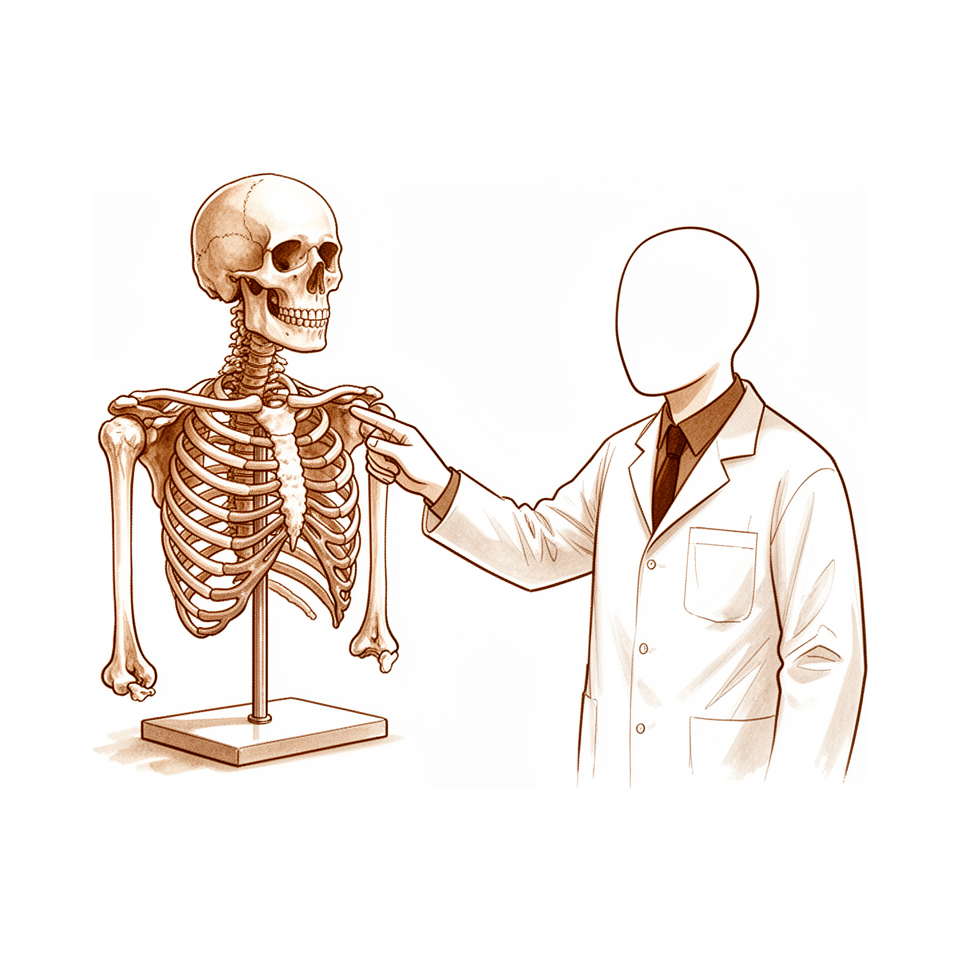
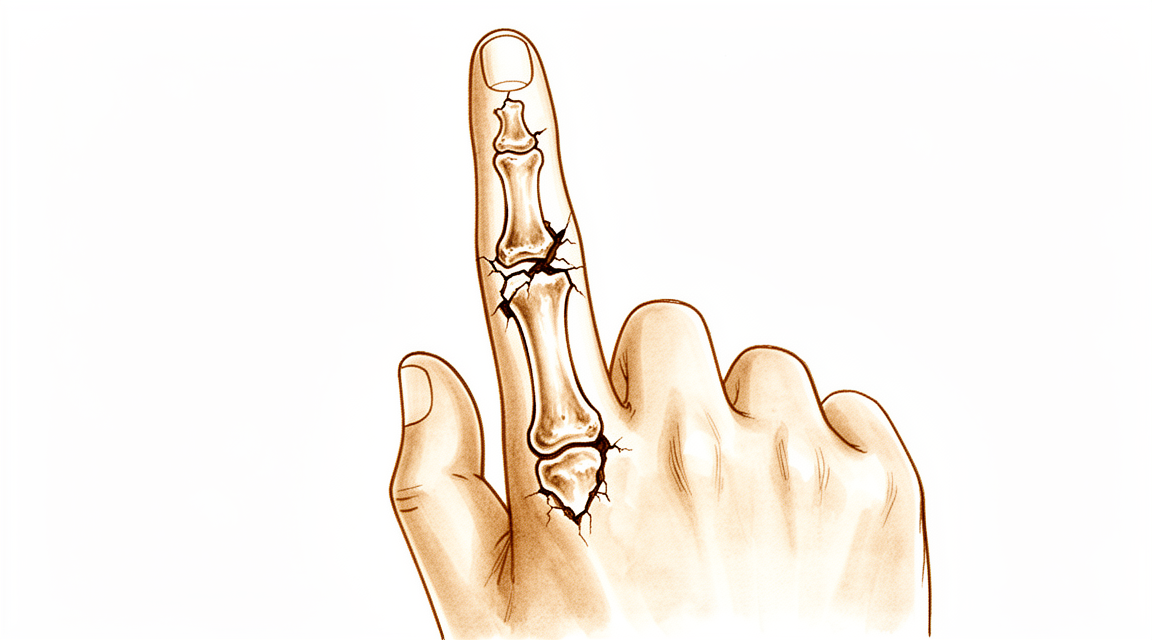
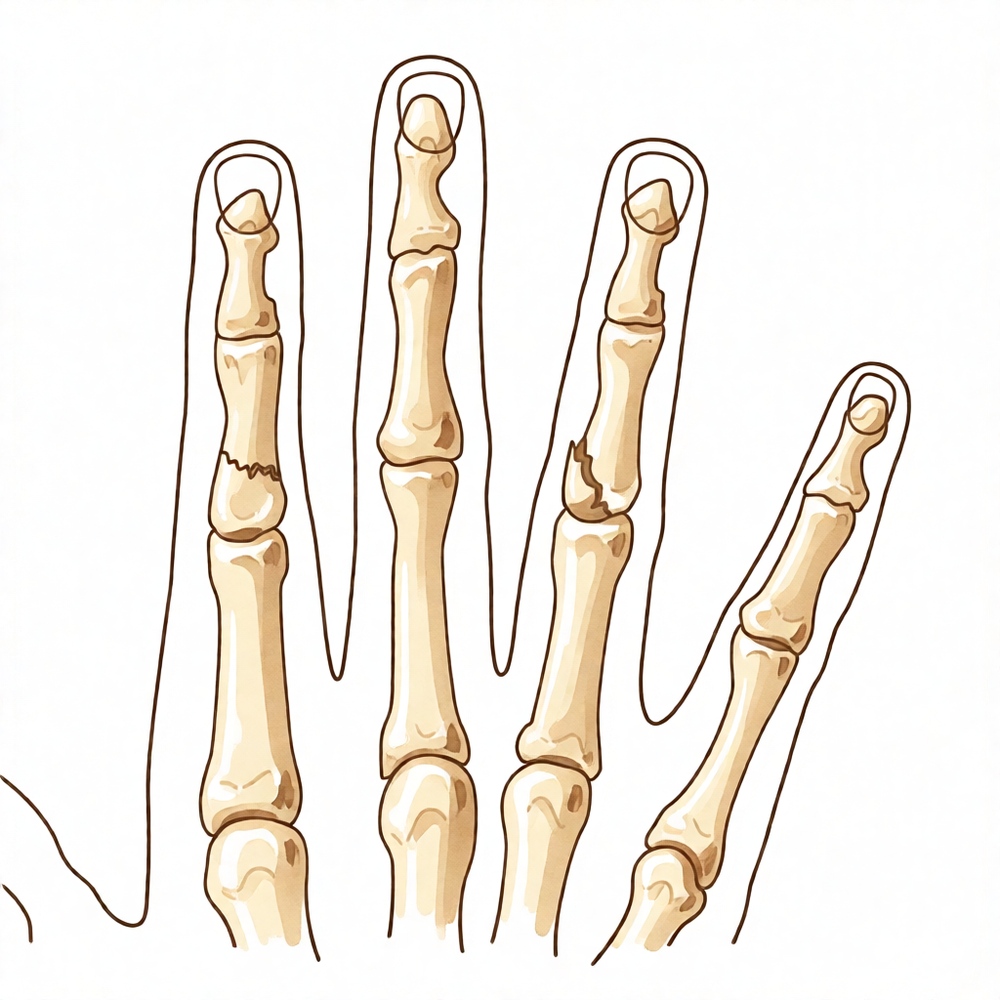
Fractures of the forearm, wrist, and hand represent the most frequent skeletal trauma in the pediatric age group [57]. While the majority of hand fractures can be treated without surgery, operative intervention offers distinct advantages in properly selected cases [64]. Treatment goals for hand fractures include restoration of length, alignment, and articular congruity, along with stabilization and soft tissue repair [52]. Management requires balancing the prevention of stiffness through early motion with the avoidance of deformity via adequate reduction and stabilization [34]. Accurate diagnosis and management of hand and carpal fractures and dislocations are predicated on a thorough physical examination and appropriate imaging to limit joint stiffness while preserving mobility and function [31].
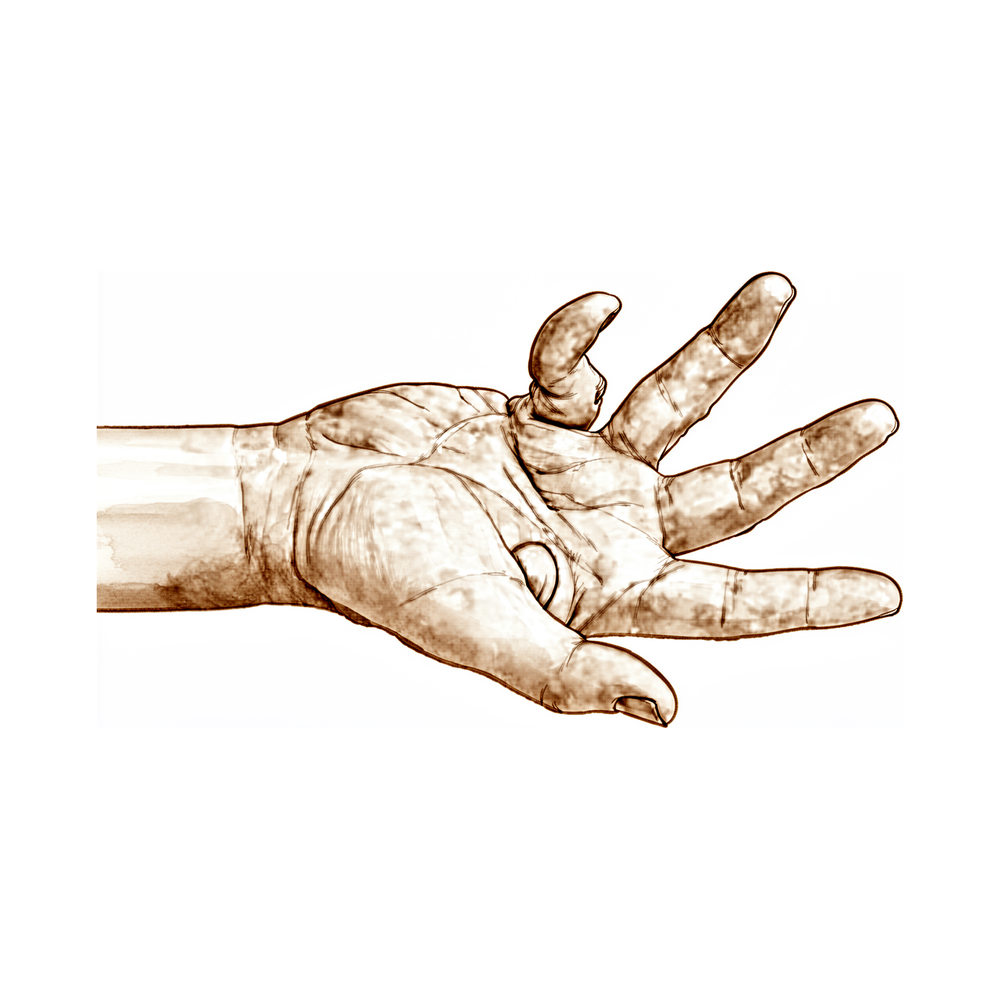
Specific fixation strategies demonstrate distinct outcomes. Percutaneous elastic intramedullary nailing of metacarpal fractures results in good hand function with few complications [42]. For unstable dorsal fracture-dislocations, both volar plating and external fixation can obtain a good range of motion at the proximal interphalangeal joint [45]. In cases of exploded hand syndrome, thumb ray dysfunction in sensibility and mobility remains the main functional disability, despite generally good outcomes [40].
Soft Tissue & Functional Considerations
Hand surgery treatment principles emphasize the balance between restoring function and maintaining aesthetic appearance [49]. For 3D-printed custom-designed prostheses for partial hand amputation, mechanical solutions to minimize force required at the wrist to activate grip are still required [30]. Ballistic injuries to the hand are frequently associated with fractures and neurovascular and tendon injuries [66].
Classification
Alternative Fixation Methods: Alternative fixation methods for volar lunate facet fractures of the distal radius demonstrate promising outcomes with high rates of union and few complications, although existing studies have small sample sizes [1]. Locking plate fixation has not proven clinical superiority in any anatomic site for which good-quality comparative analyses are available [2].
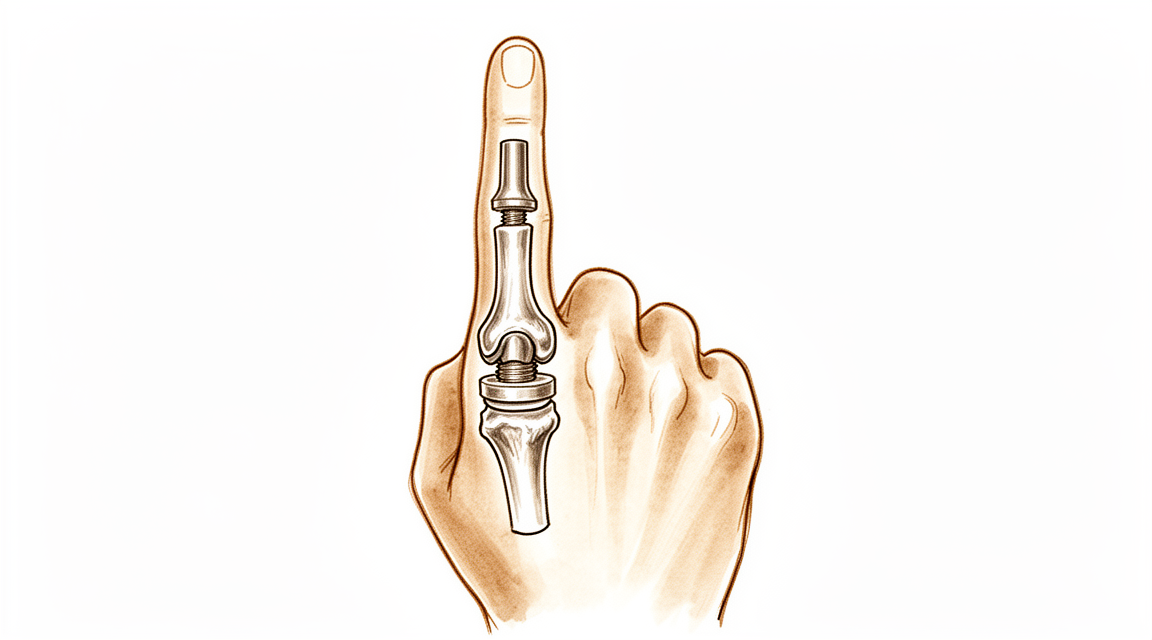
Locked Plating: Locked plating represents a major advance in fracture care with advantages including improved construct stability, preservation of fracture biology, and potentially higher union rates with lower infection rates [4]. The Locking Compression Plate (LCP) is a new implant revolutionizing internal fixation that requires adapted surgical techniques and new thinking about commonly used concepts of interventional fixation to avoid failures and complications [12]. The design of the Locking Compression Plate allows the surgeon to choose between compression plate and internal fixator anchorage depending on the fracture type and bone quality [58]. Standard locking systems provide the greatest resistance to rotational failure at the screw/plate interface compared with variable angle locking systems [44].
Specific Fracture Classifications and Fixation Strategies: Scaphoid Non-union: Double screw and plate fixation provides greater stability compared to single screw fixation in scaphoid fracture non-union models [5]. Tibial Fractures: The use of a locking plate as a definitive external fixator is an alternative choice for tibial fractures after obtaining appropriate fracture reduction [8]. The concept of biological fixation must be applied to optimize healing potential and avoid complications in segmental tibial fractures [11]. Concerns regarding the safety and application of posterolateral plating for distal tibial fractures include the management of open wounds, the classification of wound complications, the use of the technique for Type 42 fractures, the impact of supplementary fixation on non-union rates, and the potential for symptomatic implants due to inadequate plate fit [39]. Humeral Shaft: The use of percutaneous fixation for humeral shaft fractures is questioned, with suggestions that complications could have been potentially avoidable with conventional debridement, lavage, and stabilization with methods such as external fixation [24]. Phalangeal Fractures: Treating comminuted phalangeal fractures by ligamentotaxis using a single Kirschner wire obviates the need for complex open reduction and internal fixation or an uncomfortable external fixator, giving good functional results with a readily available cheaper implant [25]. Bennett Fracture: The plate-screw model demonstrated superior biomechanical stability, making it the most suitable fixation method among those studied in Bennett fracture fixation [60]. Medial Tibial Plateau (Schatzker 4): The hypothesis that screw fixation provides sufficient stability in medial tibial plateau fractures (Schatzker 4) was not confirmed in a biomechanical comparison with plate-screw fixation [65].
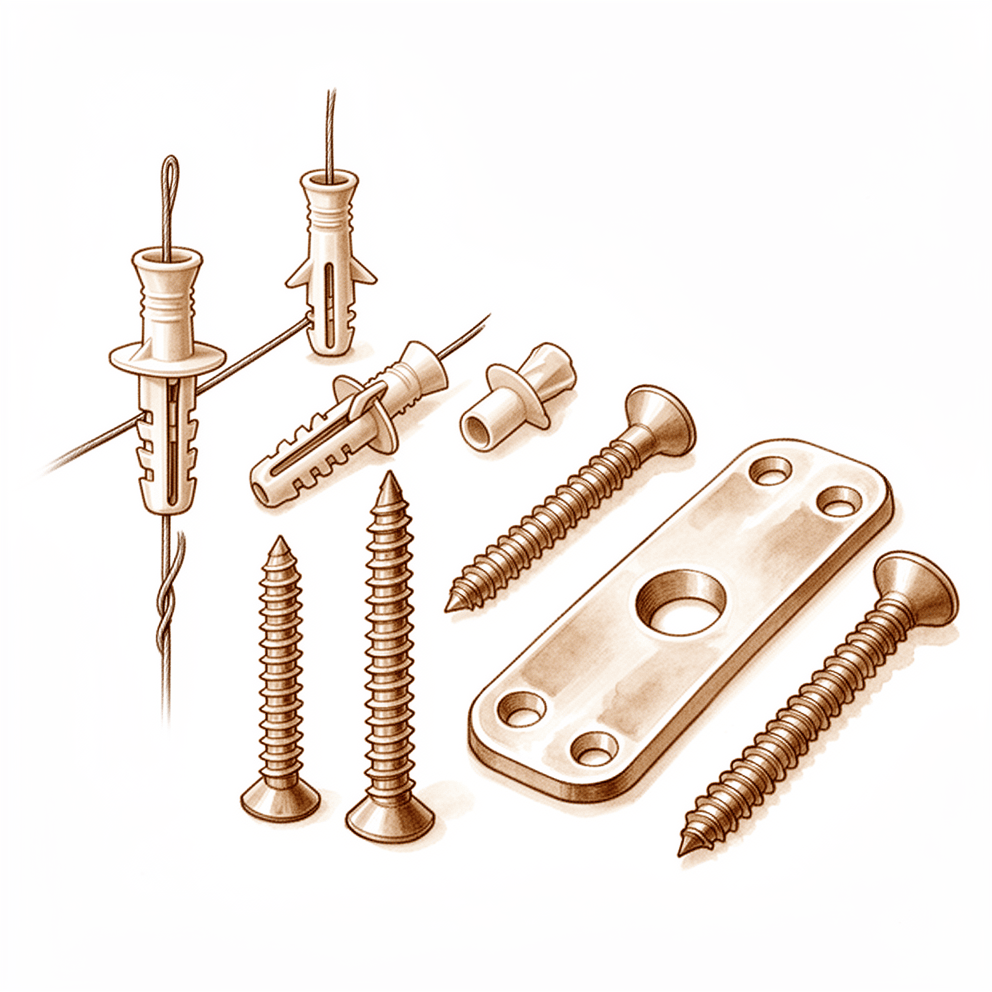
Other Considerations: Commonly utilized screws in upper extremity surgery include headless screws, stand-alone lag screws, non-locking and locking screws for plating, and biocomposite screws, with their basic dimensions codified into a reference chart for the treatment of bone of varying dimensions [46].
Clinical Presentation
Alternative Fixation Modalities: Volar lunate facet fractures demonstrate high union rates and few complications with alternative fixation methods, although existing studies have small sample sizes [1]. Locking plate fixation has not proven clinical superiority in any anatomic site where good-quality comparative analyses are available [2]. Overall patient-reported outcome measure scores are similar across fixation methods for proximal phalanx fractures, while unplanned reoperation is more prevalent after plate fixation [7].
Technique and Stability: Internal fixation remains an effective option in select clinical circumstances, with successful healing and avoidance of complications largely determined by surgical technique [3]. Locked plating offers advantages including improved construct stability, preservation of fracture biology, and potentially higher union rates with lower infection rates [4]. Double screw and plate fixation provides greater stability compared to single screw fixation in a scaphoid fracture non-union model [5]. Fixation with locking plates for metacarpal shaft fractures allows earlier mobilization without the need for splinting [15].
Anatomic and Patient-Specific Considerations: Operative fixation of paediatric hand fractures is associated with a higher risk of complications [10]. Neither percutaneous pinning nor other fixation methods for fractures in the proximal third of the proximal phalanx was superior in terms of measured parameters, and overall results were not as good as reported in the literature [17]. Primary internal fixation with a lag screw for avulsion fractures from the base of the proximal phalanges of the fingers provided excellent results with full range of movement and union in all cases [18].
Specialized Fixation Strategies: The use of a locking plate as a definitive external fixator is an alternative choice for tibial fractures after obtaining appropriate fracture reduction [8]. The concept of biological fixation must be applied to optimise healing potential and avoid complications in segmental tibial fractures [11]. Percutaneous ilio-sacral screw fixation presents challenges, as highlighted by clinical case-series results [32]. Intramedullary interlocking devices for MCP arthrodesis provide a reliable method with rapid and consistent bony fusion, strong fixation allowing simplified rehabilitation, and avoidance of soft tissue irritation or hardware removal [33]. Halo fixation can provide adequate rigidity for other clinical problems if the biomechanical requirements of the pathology and the limitations of the various halo-jacket constructs are understood [35]. Excellent results may be obtained with pins and rubber traction systems for intra-articular proximal interphalangeal joint fractures, provided some technical points are carefully followed during application of the fixator [36].
Implant-Specific Risks and Optimization: The clinical performance of locked plates is generally good, but several unique complications have been noted [6]. The Locking Compression Plate (LCP) requires adapted surgical techniques and new thinking about commonly used concepts of interventional fixation to avoid failures and complications [12]. Low-profile double-plate osteosynthesis for olecranon fractures does not significantly reduce the rate of hardware removal, and functional results are comparable to common single–posterior plate osteosynthesis [13]. The most experienced surgeons are less likely to place short and excessively long screws in a cadaveric, small-bone fracture model [9].
Investigations
Plain radiography: Standard radiographs (AP/outlet), particularly in internal rotation, may miss nearly half of screw cut-outs in proximal humerus fractures [83]. For forearm compression plate removal, the presence of residual radiolucency serves as an important contraindication [76].
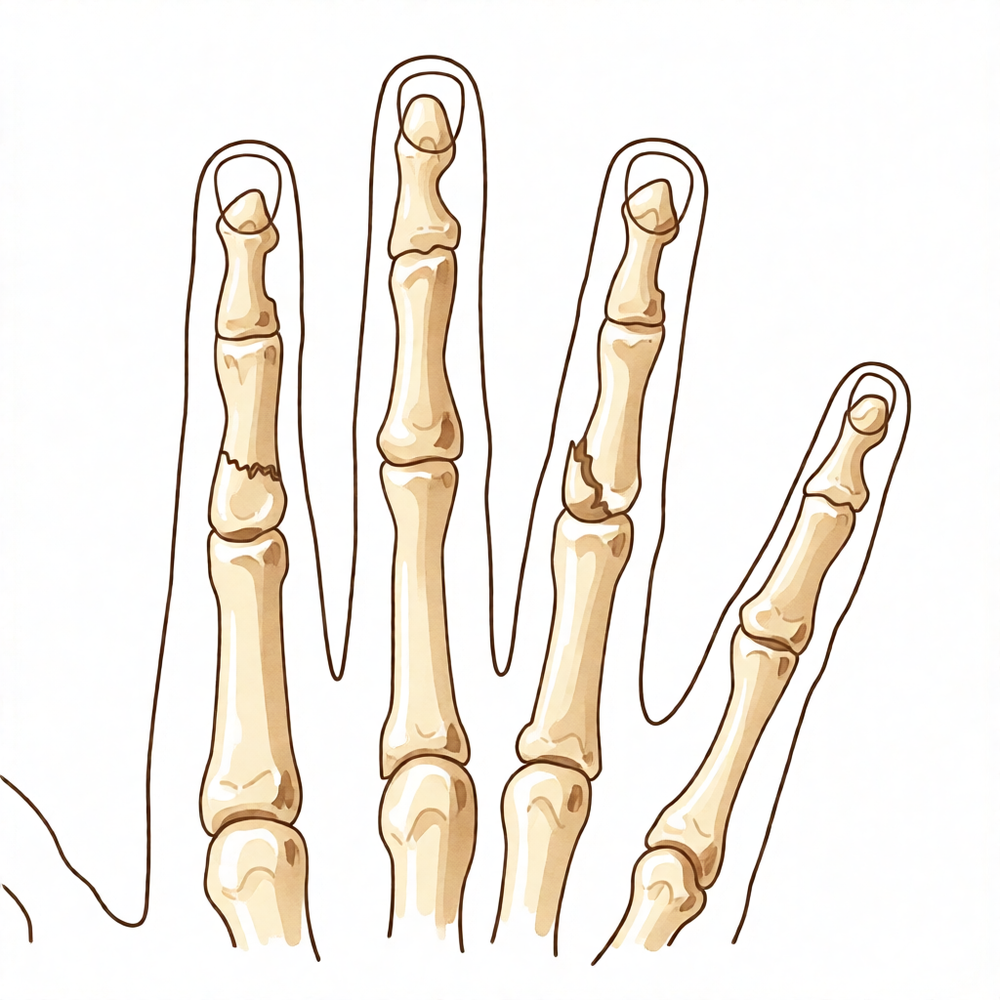
Other Considerations: Alternative fixation methods for volar lunate facet fractures of the distal radius demonstrate promising outcomes with high union rates and few complications, although existing studies have small sample sizes [1]. Locking plate fixation has not proven clinical superiority in any anatomic site for which good-quality comparative analyses are available [2]. Internal fixation remains an effective option in select clinical circumstances, with successful healing and avoidance of complications largely determined by surgical technique [3]. The clinical performance of locked plates generally has been good, but several unique complications have been noted [6].
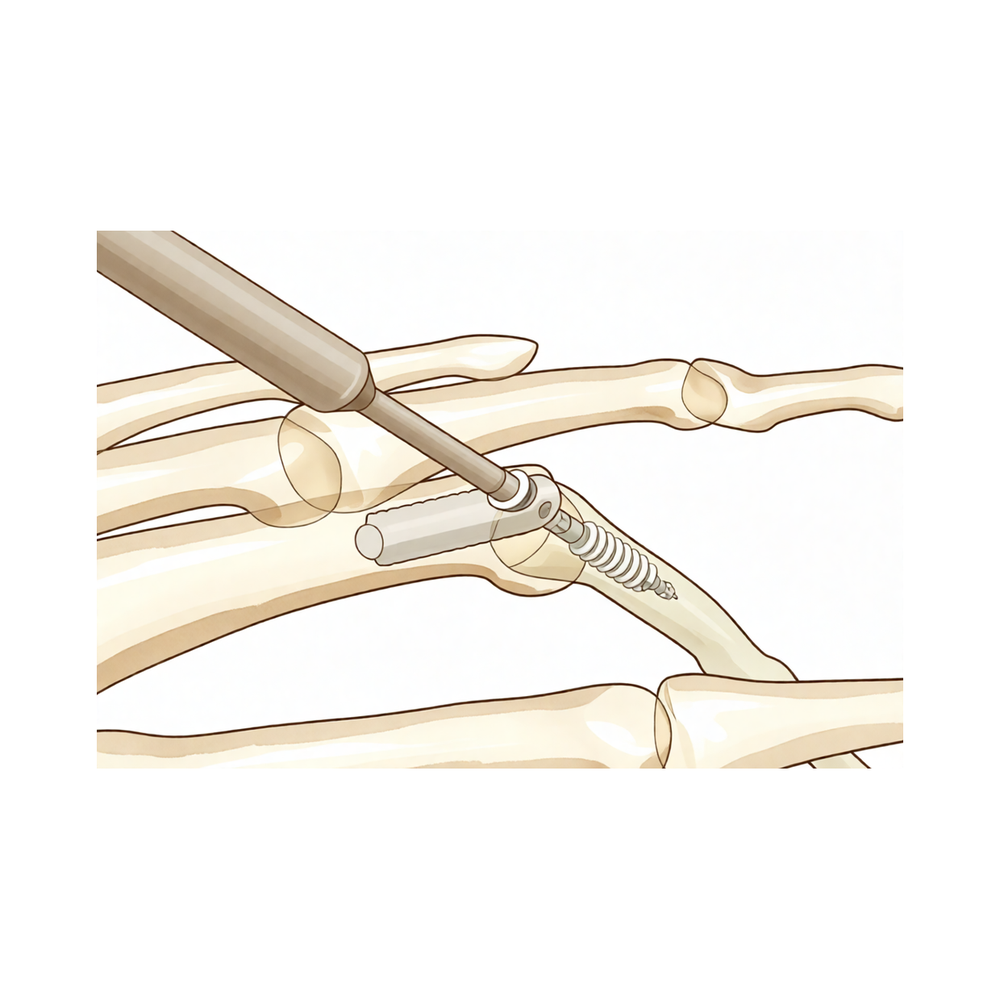
Specific Fixation Modalities: Double screw and plate fixation: Provides greater stability compared to single screw fixation in a scaphoid fracture non-union model [5]. Locking plate as external fixator: The use of a locking plate as a definitive external fixator is an alternative choice for tibial fractures after obtaining appropriate fracture reduction [8]. Metacarpal shaft fractures: Fixation with locking plates allows earlier mobilization without need for splinting [15]. Proximal phalanx fractures: Percutaneous pinning and alternative fixation methods were not superior in measured parameters for proximal third proximal phalanx fractures, though overall results were not as good as reported in the literature [17]. Primary internal fixation with a lag screw for avulsion fractures from the base of the proximal phalanges provided excellent results with full range of movement and union in all cases [18]. Radiological fracture union occurred in all patients treated with retrograde intramedullary cannulated headless screws for proximal phalanx fractures at a mean of 5 weeks [28]. Bony mallet finger: Both extension block pinning and hook plate fixation give good results [84]. Slipped capital femoral epiphysis: Two screws are recommended for fixation after observing progression after fixation with a single cannulated screw [20]. Osteotomy: The new fixation device (TomoFix) allows stable fixation of the osteotomy without bone grafting [80].
Complications and Salvage: Operative fixation of paediatric hand fractures was associated with a higher risk of complications [10]. Salvage of failed instrumentation of the distal radius with spanning dorsal distraction plating avoided fusion in 10/11 patients, with generally significant improvement in alignment and function even in the setting of infected nonunion [78]. The most experienced surgeons were less likely to place short and excessively long screws in a cadaveric, small-bone fracture model [9].
Treatment
Non-Operative
No non-operative management evidence is provided in the source data for this section.
Operative
Indications: Internal fixation remains an effective option in select clinical circumstances, with successful healing and complication avoidance largely determined by surgical technique [3]. No single method should be prescribed for fixing a particular type of fracture; management must be individualized based on fracture configuration, surgeon and patient preferences, and likely patient compliance [38]. Current indications for locked plating specifically include periarticular fractures, typically those with metaphyseal comminution [19]. Prophylactic intramedullary nailing should be considered for incomplete atypical femoral fractures related to bisphosphonate treatment if the patient is in intractable pain, as non-operative treatment is not reliable [62].
Surgical Approach / Technique: Alternative fixation methods for volar lunate facet fractures of the distal radius demonstrate promising outcomes with high union rates and few complications, though existing studies have small sample sizes [1]. Acceptable results can be achieved with internal fixation for difficult humeral shaft fractures, provided correct principles of fixation are carefully followed [14]. Percutaneous fixation for certain humeral shaft fractures may lead to avoidable complications, with conventional debridement, lavage, and stabilization using methods such as external fixation suggested as alternatives [24]. Open reduction and interfragmentary screw fixation is an effective treatment modality for symptomatic non-union of distal phalangeal fractures, resulting in union and normal function with minimal morbidity [70].
Implant Selection: Locked plating offers advantages including improved construct stability, preservation of fracture biology, and potentially higher union rates with lower infection rates [4]. However, locking plate fixation has not proven clinical superiority in any anatomic site where good-quality comparative analyses are available [2]. The routine use of locking screws in the shaft portion of volar plates for distal radius fractures is not justified [16]. Using shorter plates and bicortical nonlocking screws reduces overall stiffness in lateral locked plating of distal femoral fractures [71]. Non-locking plates are appropriate for most metacarpal and phalangeal fractures necessitating plate fixation [74]. Plate fixation is safe and reliable for closed multiple metacarpal fractures with consistently reproducible outcomes, particularly when fracture patterns are unsuitable for screw fixation alone [48, 51]. Double screw and plate fixation provides greater stability compared to single screw fixation in a scaphoid fracture non-union model [5]. Low-profile double-plate osteosynthesis for olecranon fractures does not significantly reduce the rate of hardware removal compared to common single-posterior plate osteosynthesis, with comparable functional results [13]. Two screws are recommended for slipped capital femoral epiphysis fixation to prevent progression [20]. There is no advantage of open reduction internal fixation over percutaneous pinning for Bennett fractures according to current best evidence [21]. Open reduction and internal fixation with intramedullary devices is a simple method that provides excellent healing and function without undue risk of non-union or postoperative infection for clavicular fractures when indicated [56]. Screw arthrodesis demonstrated a lower nonunion rate than wire fusion for proximal interphalangeal joint arthrodesis, though existing data have significant limitations [54]. K-wire fixation for trapeziometacarpal arthrodesis led to a 20% non-union rate, resulting in the senior author discontinuing this method [68]. Pullout suture using polyamide monofilaments for volar plate avulsion fractures of the proximal interphalangeal joint provides fixation without displacement, involves less soft tissue dissection, and results in almost non-existent flexion contracture [73]. LCP external fixation is an unconventional alternative to traditional external fixation that may benefit carefully selected cases of fractures and nonunions, though it carries a unique set of complications requiring close clinical and radiological follow-up [27].
Alignment / Balancing Strategy: Patient-reported outcome measure scores are similar across fixation methods for proximal phalanx fractures, while unplanned reoperation is more prevalent after plate fixation [7].
Pain Management: No evidence is provided regarding analgesia regimens.
Adjuncts: No evidence is provided regarding tourniquets, tranexamic acid, drains, navigation, or robotics.
Revision: Infected non-union is a devastating complication requiring complex reconstruction surgery with unpredictable outcomes [69].
Complications
Alternative fixation methods for volar lunate facet fractures of the distal radius demonstrate high rates of union and few complications, although existing studies possess small sample sizes [1]. Successful healing and avoidance of complications with internal fixation are largely determined by surgical technique [3]. Locking plate fixation has not proven clinical superiority in any anatomic site where good-quality comparative analyses are available [2].
Infection (PJI): Locked plating offers advantages including potentially higher union rates with lower infection rates [4].
Other Considerations: Several unique complications have been noted with the clinical performance of locked plates [6]. The Locking Compression Plate (LCP) requires adapted surgical techniques and new thinking about commonly used concepts of interventional fixation to avoid failures and complications [12]. LCP external fixation is not without its own unique set of complications requiring close clinical and radiological follow-up [27]. Unplanned reoperation was more prevalent after plate fixation compared to other fixation methods for proximal phalanx fractures [7]. Operative fixation of paediatric hand fractures is associated with a higher risk of complications [10]. Magnesium bioabsorbable compression screws for scaphoid fractures demonstrate a high rate of complications, including non-union and screw instability [63].
Recovery
Light activity (weeks): Radiological fracture union occurs rapidly in specific contexts, such as proximal phalanx fractures treated with retrograde intramedullary cannulated headless screws, which achieve union at a mean of 5 weeks [28]. For displaced Bennett's fractures managed with closed reduction and K-wire fixation, long-term patient-reported outcomes demonstrate excellent functional results and high satisfaction, supporting early mobilization protocols [72]. In hand and wrist ballistic fractures, the majority of patients undergo early operative intervention with percutaneous fixation, allowing for swift transition to light activity [29].
Full activity (months): Minimally invasive thumb carpometacarpal joint arthrodesis using headless screws and arthroscopic assistance results in complete union at the fusion site at a mean of 9 weeks, accompanied by reported pain relief [85]. Arthrodesis of the thumb interphalangeal joint and finger distal interphalangeal joints with headless compression screws achieves fusion rates that compare favorably with prior series using other fixation methods [82]. For radial head fractures (Mason type II-III), both absorbable pins and mini-screws provide adequate strength and rigidity, allowing good clinical and functional scores at mid-term follow-up [75].
Complete recovery / outcome plateau (months): Overall patient-reported outcome measure scores are similar across fixation methods for proximal phalanx fractures, although unplanned reoperation is more prevalent after plate fixation [7]. Low-profile double-plate osteosynthesis for olecranon fractures yields comparable functional results to common single-posterior plate osteosynthesis, without significantly reducing the rate of hardware removal [13]. Locked plating offers advantages including improved construct stability, preservation of fracture biology, and potentially higher union rates with lower infection rates [4]. However, the clinical performance of locked plates is generally good, but several unique complications have been noted [6].
Rehabilitation protocol: Successful fixation requires devices made of tissue-compatible materials with sufficient strength, ease of insertion, and long-term function without deleterious effects [23]. Internal fixation remains an effective option in select clinical circumstances, with successful healing and avoidance of complications largely determined by surgical technique [3]. Alternative fixation methods for volar lunate facet fractures of the distal radius demonstrate high rates of union and few complications, although existing studies have small sample sizes [1]. Locking plate fixation has not proven clinical superiority in any anatomic site where good-quality comparative analyses are available [2]. Double screw and plate fixation provides greater stability compared to single screw fixation in a scaphoid fracture non-union model [5]. Treatment of Pauwels type 3 femoral neck fractures using cannulated screws combined with a medial buttress plate improves the fracture union rate compared to historical series using cannulated screws alone at short-term follow-up [81].
Functional milestones: The most experienced surgeons are less likely to place short and excessively long screws in a cadaveric, small-bone fracture model, suggesting that technical precision influences hardware placement and potentially subsequent functional outcomes [9].
Key Evidence
- [L4] Although alternative fixation methods have demonstrated promising outcomes with high rates of union and few complications, the existing studies have small sample sizes. (10.1016/j.jhsg.2025.100738)
- [L4] Locking plate fixation has yet to prove clinical superiority in any anatomic site for which good-quality comparative analyses are available. (10.1016/j.otsr.2016.11.006)
- [L5] Internal fixation remains an effective option in select clinical circumstances, with successful healing and avoidance of complications largely determined by surgical technique. (10.5435/jaaos-d-23-01256)
- [L5] Locked plating represents a major advance in fracture care with advantages including improved construct stability, preservation of fracture biology, and potentially higher union rates with lower infection rates. (10.5435/00124635-200603000-00009)
- [L5] Double screw and plate fixation provides greater stability compared to single screw fixation. (10.1016/j.jhsa.2016.07.052)
- [L5] The clinical performance of locked plates generally has been good, but several unique complications have been noted. (10.5435/00124635-200806000-00007)
- [L4] Overall patient-reported outcome measure scores were similar across fixation methods, and unplanned reoperation was more prevalent after plate fixation. (10.1016/j.jhsa.2019.08.010)
- [Paper] Clinical outcomes show that the use of locking plate as a definitive external fixator is an alternative choice for tibial fractures after obtaining appropriate fracture reduction. (10.1016/j.injury.2016.11.031)
- [L5] The most experienced surgeons were less likely to place short and excessively long screws. (10.1016/j.jhsa.2018.04.011)
- [L4] Operative fixation was associated with a higher risk of complications. (10.1177/1753193412475045)
- [L4] The concept of biological fixation must be applied to optimise healing potential and avoid complications. (10.1016/j.injury.2004.01.012)
- [L5] The Locking Compression Plate (LCP) is a new implant revolutionizing internal fixation that requires adapted surgical techniques and new thinking about commonly used concepts of interventional fixation to avoid failures and complications. (10.1016/j.injury.2003.09.026)
- [L3] However, the rate of hardware removal was not significantly reduced, and the functional results were comparable to those of common single–posterior plate osteosynthesis. (10.1016/j.jse.2020.01.091)
- [L4] While closed treatment remains the method of choice for most fractures, acceptable results can be achieved with internal fixation, even for difficult fractures, provided the correct principles of fixation are carefully followed. (10.2106/00004623-198668030-00018)
- [L3] Fixation with locking plates allows earlier mobilization without need for splinting. (10.1177/1558944718798854)
- [L4] The routine use of locking screws in the shaft portion of volar plates does not appear justified. (10.1007/s11552-014-9722-y)
- [L3] Neither fixation method was superior in terms of measured parameters, but overall results were not as good as what has been reported in the literature. (10.1016/j.jhsa.2012.04.019)
- [L4] Primary internal fixation with a lag screw provided excellent results with full range of movement and union in all cases. (10.1054/jhsb.2002.0842)
- [L5] Current indications for locked plating include periarticular fractures, typically those with metaphyseal comminution. (10.5435/00124635-200407000-00001)
- [Case_report] The author recommends that two screws be used in these situations. (10.2106/00004623-199303000-00014)
- [L5] According to current best evidence, there is no advantage of open reduction internal fixation over percutaneous pinning. (10.1016/j.jhsa.2015.05.017)
- [L4] The authors question the use of percutaneous fixation in these types of fractures and suggest that complications could have been potentially avoidable with conventional debridement, lavage, and stabilisation with methods such as external fixation. (10.1016/j.injury.2004.11.013)
- [L4] This technique obviates the need for complex open reduction and internal fixation or an uncomfortable external fixator, giving good functional results with a readily available cheaper implant. (10.1177/1753193417718417)
- [L4] LCP external fixation is an unconventional alternative to traditional external fixation that may be of benefit in carefully selected cases of fractures and nonunions, though it is not without its own unique set of complications requiring close clinical and radiological follow-up. (10.1186/1749-799x-5-19)
- [L4] Radiological fracture union occurred in all patients at a mean of 5 weeks. (10.1177/17531934211009684)
- [L4] The majority of patients underwent early operative intervention with percutaneous fixation, and antibiotics were usually discontinued within 24 hours. (10.1177/1558944717697432)
- [L4] Mechanical solutions to minimize force required at the wrist to activate grip are still required. (10.1016/j.jht.2020.04.005)
- [L4] The results in our clinical case-series highlight the challenges raised by percutaneous ilio-sacral screw fixation. (10.1016/j.otsr.2013.08.010)
- [L4] The device provides a reliable method for MCP arthrodesis with rapid and consistent bony fusion, strong fixation allowing simplified rehabilitation, and avoidance of soft tissue irritation or hardware removal. (10.1007/s11552-013-9579-5)
- [L5] Management of hand fractures involves balancing the prevention of stiffness through early motion with the avoidance of deformity via adequate reduction and stabilization. (10.1016/j.jhsa.2016.03.007)
- [L5] Halo fixation can provide adequate rigidity for other clinical problems if the biomechanical requirements of the pathology and the limitations of the various halo-jacket constructs are understood. (10.2106/00004623-198668030-00001)
- [L4] Excellent results may be obtained providing some technical points are carefully followed during application of the fixator. (10.1177/1753193409359493)
- [L5] The authors caution against prescribing any single method for fixing a particular type of fracture, recommending an individualised management strategy that considers fracture configuration, surgeon and patient preferences, and likely patient compliance. (10.1177/1753193411433386)
- [L5] The authors express concerns regarding the safety and application of posterolateral plating for distal tibial fractures, specifically questioning the management of open wounds, the classification of wound complications, the use of the technique for Type 42 fractures, the impact of supplementary fixation on non-union rates, and the potential for symptomatic implants due to inadequate plate fit. (10.1016/j.injury.2020.05.013)
- [L4] While general outcomes were good, thumb ray dysfunction in sensibility and mobility remained the main functional disability. (10.1177/1753193412468577)
- [L4] The general outcome was good hand function with few complications. (10.1186/1749-799x-6-37)
- [L5] Standard locking systems provide the greatest resistance to rotational failure at the screw/plate interface compared with variable angle locking systems. (10.1016/j.injury.2016.06.001)
- [L4] Both methods can obtain a good range of motion at the proximal interphalangeal joint. (10.1177/17531934211059300)
- [L5] This article highlights the basic dimensions of commonly used headless screws, stand-alone lag screws, non-locking and locking screws for plating, and biocomposite screws to codify their dimensions into a readily available reference chart for the treatment of bone of varying dimensions. (10.1016/j.jhsa.2014.11.012)
- [L4] Plate fixation is safe and reliable for closed multiple metacarpal fractures with consistently reproducible outcomes, particularly when fracture patterns are unsuitable for screw fixation alone. (10.1177/1753193409105451)
- [L4] Plate fixation in closed multiple metacarpal fractures is a safe, reliable and consistently reproducible treatment method. (10.1177/1753193408090101)
- [L4] Screw arthrodesis demonstrated a lower nonunion rate than wire fusion, but the existing data have significant limitations and further research would be beneficial. (10.1177/1558944721998019)
- [L4] The authors conclude that open reduction and internal fixation with intramedullary devices is a simple method that provides excellent results in terms of healing and function without undue risk of non-union or postoperative infection when indicated. (10.2106/00004623-198163010-00019)
- [Paper] The design allows the surgeon to choose between compression plate and internal fixator anchorage depending on the fracture type and bone quality. (10.1016/j.injury.2003.09.020)
- [Commentary] The authors argue that the benefits of screw fixation do not outweigh the cost of frequent reoperation, as the study design fails to demonstrate superiority over K-wire fixation in a clinically meaningful way. (10.1016/j.jhsa.2015.08.021)
- [L5] The Plate-screw model demonstrated superior biomechanical stability, making it the most suitable fixation method among those studied. (10.1186/s13018-025-05481-0)
- [L2] Non-operative treatment does not appear to be a reliable way of treating an incomplete fracture: prophylactic intramedullary nailing should be considered if the patient is in intractable pain. (10.1302/0301-620x.99b3.bjj-2016-0276.r2)
- [L4] Mg screws demonstrate potential benefits for bioabsorbable fixation, but findings indicate a high rate of complications, including non-union and screw instability, in scaphoid fractures. (10.1186/s13018-025-05701-7)
- [L5] The majority of hand fractures can be treated without surgery, though surgery offers distinct advantages in properly selected cases. (10.1016/j.jhsa.2013.02.017)
- [L1] The hypothesis that screw fixation provides sufficient stability was not confirmed. (10.1016/j.otsr.2009.11.016)
- [L4] Ballistic injuries to the hand are frequently associated with fractures and neurovascular and tendon injuries. (10.1177/15589447221092111)
- [L4] K-wire fixation led to a 20% non-union rate, and as a result, the senior author no longer uses this method of fixation. (10.1177/1753193414537758)
- [Paper] Infected non-union is a devastating complication requiring complex reconstruction surgery with unpredictable outcomes. (10.1016/j.injury.2015.08.009)
- [L4] Open reduction and interfragmentary screw fixation is an effective treatment modality for symptomatic non-union of distal phalangeal fractures with minimal morbidity, resulting in union and normal function in all patients. (10.1177/1753193407087866)
- [L5] Using shorter plates and using bicortical nonlocking screws reduced overall construct stiffness. (10.1186/s12891-021-04341-2)
- [L3] Long-term patient reported outcomes following displaced Bennett's fractures treated by closed reduction and K-wire fixation show excellent functional results and a high level of patient satisfaction. (10.1302/0301-620x.97b7.35493)
- [L4] The technique with non-metal fixation may be a useful surgical option as it provides fixation without displacement, involves less soft tissue dissection, and results in almost non-existent flexion contracture. (10.1177/1753193418768139)
- [L5] Non-locking plates are appropriate for most metacarpal and phalangeal fractures necessitating plate fixation. (10.1016/j.jhsa.2011.09.023)
- [L3] Both absorbable pins and mini-screws provided adequate strength and rigidity, allowing good clinical and functional scores at a mid-term follow-up. (10.1186/s12891-018-2014-x)
- [L4] The presence of residual radiolucency is an important contraindication to removing the plate. (10.2106/00004623-199072010-00028)
- [L4] Fusion was avoided in 10/11 patients with generally significant improvement in alignment and function, even in the setting of infected nonunion. (10.1016/s0363-5023(12)60035-5)
- [L4] The new fixation device (TomoFix) allows stable fixation of the osteotomy without bone grafting. (10.1016/j.injury.2003.09.028)
- [Paper] At short time follow-up, treatment of Pauwels type 3 femoral neck fractures using cannulated screws combined with medial buttress plate improves the fracture union rate compared to historical series using cannulated screws alone. (10.1016/j.injury.2017.08.017)
- [L4] Our rate of fusion compares favorably with prior series using other methods of fixation. (10.1016/j.jhsa.2013.09.040)
- [Paper] Standard radiographs (ap/outlet), especially in internal rotation, may miss nearly half of screw cut outs. (10.1016/j.injury.2014.05.025)
- [L3] Both extension block pinning and hook plate fixation give good results. (10.1177/1753193415581517)
- [L4] All patients achieved complete union at the fusion site at a mean of 9 weeks and reported pain relief. (10.1016/j.jhsa.2014.10.020)
See Also
- Dislocations
- Mallet Finger
References
[1] What Else Can We Use? Alternative Fixation Methods of the Volar Lunate Facet Fracture of the Distal Radius. Journal of Hand Surgery Global Online. 2025. DOI: 10.1016/j.jhsg.2025.100738
[2] Limits of internal fixation in long-bone fracture. Orthopaedics & Traumatology: Surgery & Research. 2017. DOI: 10.1016/j.otsr.2016.11.006
[3] External Fixation Before Planned Conversion to Internal Fixation in Orthopaedic Trauma: Controversies and Current Trends. Journal of the American Academy of Orthopaedic Surgeons. 2024. DOI: 10.5435/jaaos-d-23-01256
[4] The Use of Locking Plates in Fracture Care. Journal of the American Academy of Orthopaedic Surgeons. 2006. DOI: 10.5435/00124635-200603000-00009
[5] A Biomechanical Study of 3 Types of Scaphoid Fixation in a Fracture Non-union Model. The Journal of Hand Surgery. 2016. DOI: 10.1016/j.jhsa.2016.07.052
[6] Locked Plating in Orthopaedic Trauma: A Clinical Update. Journal of the American Academy of Orthopaedic Surgeons. 2008. DOI: 10.5435/00124635-200806000-00007
[7] Patient-Reported Outcomes and Complications After Surgical Fixation of 143 Proximal Phalanx Fractures. The Journal of Hand Surgery. 2020. DOI: 10.1016/j.jhsa.2019.08.010
[8] Metaphyseal locking plate as an external fixator for open tibial fracture: Clinical outcomes and biomechanical assessment. Injury. 2017. DOI: 10.1016/j.injury.2016.11.031
[9] Accuracy in Screw Selection in a Cadaveric, Small-Bone Fracture Model. The Journal of Hand Surgery. 2018. DOI: 10.1016/j.jhsa.2018.04.011
[10] Paediatric hand fractures. Journal of Hand Surgery (European Volume). 2013. DOI: 10.1177/1753193412475045
[11] Segmental tibial fractures: an assessment of procedures in 27 cases [Manuscript Injury 34 (2003) 756]. Injury. 2004. DOI: 10.1016/j.injury.2004.01.012
[12] Guidelines for the clinical application of the LCP. Injury. 2003. DOI: 10.1016/j.injury.2003.09.026
[13] Can low-profile double-plate osteosynthesis for olecranon fractures reduce implant removal? A retrospective multicenter study. Journal of Shoulder and Elbow Surgery. 2020. DOI: 10.1016/j.jse.2020.01.091
[14] Open reduction and internal fixation of humeral shaft fractures. Results using AO plating techniques.. The Journal of Bone & Joint Surgery. 1986. DOI: 10.2106/00004623-198668030-00018
[15] A Comparison of Locking Plates and Intramedullary Pinning for Fixation of Metacarpal Shaft Fractures. HAND. 2018. DOI: 10.1177/1558944718798854
[16] Routine use of Locking Shaft Screws is not Necessary in Volar Plate Fixation of Distal Radius Fractures. HAND. 2015. DOI: 10.1007/s11552-014-9722-y
[17] Percutaneous Pinning of Fractures in the Proximal Third of the Proximal Phalanx: Complications and Outcomes. The Journal of Hand Surgery. 2012. DOI: 10.1016/j.jhsa.2012.04.019
[18] Avulsion Fractures from the Base of the Proximal Phalanges of the Fingers. Journal of Hand Surgery. 2003. DOI: 10.1054/jhsb.2002.0842
[19] Innovations in Locking Plate Technology. Journal of the American Academy of Orthopaedic Surgeons. 2004. DOI: 10.5435/00124635-200407000-00001
[20] Progression of a slipped capital femoral epiphysis after fixation with a single cannulated screw. A case report.. The Journal of Bone & Joint Surgery. 1993. DOI: 10.2106/00004623-199303000-00014
[21] Bennett Fracture. The Journal of Hand Surgery. 2015. DOI: 10.1016/j.jhsa.2015.05.017
[23] WICKSTROM, JACK. The Journal of Bone and Joint Surgery. American Volume. 1964.
[24] Bridge plate osteosynthesis of humeral shaft fractures. Injury. 2005. DOI: 10.1016/j.injury.2004.11.013
[25] A method of treating comminuted phalangeal fractures by ligamentotaxis using a single Kirschner wire. Journal of Hand Surgery (European Volume). 2017. DOI: 10.1177/1753193417718417
[27] LCP external fixation - External application of an internal fixator: two cases and a review of the literature. Journal of Orthopaedic Surgery and Research. 2010. DOI: 10.1186/1749-799x-5-19
[28] Extended indications for retrograde intramedullary cannulated headless screws for proximal phalanx fractures. Journal of Hand Surgery (European Volume). 2021. DOI: 10.1177/17531934211009684
[29] Current Trends in the Management of Ballistic Fractures of the Hand and Wrist: Experiences of a High-Volume Level I Trauma Center. HAND. 2017. DOI: 10.1177/1558944717697432
[30] 3D-printed custom-designed prostheses for partial hand amputation: Mechanical challenges still exist. Journal of Hand Therapy. 2021. DOI: 10.1016/j.jht.2020.04.005
[31] Chapter 29 Hand/Carpal Fractures and Dislocations. 2021.
[32] Percutaneous ilio-sacral screw insertion. Fluoroscopic techniques. Orthopaedics & Traumatology: Surgery & Research. 2013. DOI: 10.1016/j.otsr.2013.08.010
[33] MCP Arthrodesis Using an Intramedullary Interlocking Device. HAND. 2013. DOI: 10.1007/s11552-013-9579-5
[34] Hand Fractures: Indications, the Tried and True and New Innovations. The Journal of Hand Surgery. 2016. DOI: 10.1016/j.jhsa.2016.03.007
[35] The Halo External Fixator. The Journal of Bone & Joint Surgery. 1986. DOI: 10.2106/00004623-198668030-00001
[36] Pins and Rubber Traction System for Intra-Articular Proximal Interphalangeal Joint Fractures Revisited. Journal of Hand Surgery (European Volume). 2010. DOI: 10.1177/1753193409359493
[38] Re: Al-Qattan MM. Displaced unstable transverse fractures of the shaft of the proximal phalanx of the fingers in industrial workers: reduction and K-wire fixation leaving the metacarpophalangeal and proximal interphalangeal joints free. J Hand Surg Eur. 2011, 36: 577–583. Journal of Hand Surgery (European Volume). 2012. DOI: 10.1177/1753193411433386
[39] Concerns regarding the posterolateral plating as a safe alternative for the treatment of distal tibial fractures. Injury. 2020. DOI: 10.1016/j.injury.2020.05.013
[40] The exploded hand syndrome: a report of five industrial injury cases. Journal of Hand Surgery (European Volume). 2012. DOI: 10.1177/1753193412468577
[42] Percutaneous elastic intramedullary nailing of metacarpal fractures: Surgical technique and clinical results study. Journal of Orthopaedic Surgery and Research. 2011. DOI: 10.1186/1749-799x-6-37
[44] The biomechanical cost of variable angle locking screws. Injury. 2016. DOI: 10.1016/j.injury.2016.06.001
[45] Volar plating versus external fixation for unstable dorsal fracture-dislocations of the proximal interphalangeal joint. Journal of Hand Surgery (European Volume). 2021. DOI: 10.1177/17531934211059300
[46] Nuts and Bolts: Dimensions of Commonly Utilized Screws in Upper Extremity Surgery. The Journal of Hand Surgery. 2015. DOI: 10.1016/j.jhsa.2014.11.012
[48] Re: Souer JS, Mudgal CS. Plate fixation in closed ipsilateral multiple metacarpal fractures. J Hand Surg Eur. 2008, 33: 740–4. Journal of Hand Surgery (European Volume). 2009. DOI: 10.1177/1753193409105451
[49] 9. Hand Surgery. 2013.
[51] Plate Fixation in Closed Ipsilateral Multiple Metacarpal Fractures. Journal of Hand Surgery (European Volume). 2008. DOI: 10.1177/1753193408090101
[52] Chapter 95 Hand Trauma. 2019.
[54] Proximal Interphalangeal Joint Arthrodesis Techniques: A Systematic Review. HAND. 2021. DOI: 10.1177/1558944721998019
[56] Open reduction and internal fixation of clavicular fractures.. The Journal of Bone & Joint Surgery. 1981. DOI: 10.2106/00004623-198163010-00019
[57] Chapter 54 Pediatric Forearm, Wrist, and Hand Trauma. 2020.
[58] Development of the Locking Compression Plate. Injury. 2003. DOI: 10.1016/j.injury.2003.09.020
[59] Commentary on “A Comparison of K-Wire Versus Screw Fixation on the Outcomes of Distal Phalanx Fractures”. The Journal of Hand Surgery. 2015. DOI: 10.1016/j.jhsa.2015.08.021
[60] Biomechanical insights through finite element analysis of Bennett fracture fixation: a comparative study of four surgical techniques. Journal of Orthopaedic Surgery and Research. 2025. DOI: 10.1186/s13018-025-05481-0
[62] Atypical femoral fractures related to bisphosphonate treatment. The Bone & Joint Journal. 2017. DOI: 10.1302/0301-620x.99b3.bjj-2016-0276.r2
[63] High rate of failure after magnesium bioabsorbable compression screw fixation for scaphoid fractures. Journal of Orthopaedic Surgery and Research. 2025. DOI: 10.1186/s13018-025-05701-7
[64] Hand Fractures: A Review of Current Treatment Strategies. The Journal of Hand Surgery. 2013. DOI: 10.1016/j.jhsa.2013.02.017
[65] Biomechanical comparison of plate-screw and screw fixation in medial tibial plateau fractures (Schatzker 4). A model study. Orthopaedics & Traumatology: Surgery & Research. 2010. DOI: 10.1016/j.otsr.2009.11.016
[66] Outcomes in Ballistic Injuries to the Hand: Fractures and Nerve/Tendon Damage as Predictors of Poor Outcomes. HAND. 2022. DOI: 10.1177/15589447221092111
[68] Nonunion after trapeziometacarpal arthrodesis: comparison between K-wire and internal fixation. Journal of Hand Surgery (European Volume). 2014. DOI: 10.1177/1753193414537758
[69] Surgical management of infected non-unions: An update. Injury. 2015. DOI: 10.1016/j.injury.2015.08.009
[70] OPEN REDUCTION AND INTERFRAGMENTARY SCREW FIXATION FOR SYMPTOMATIC NONUNION OF DISTAL PHALANGEAL FRACTURES. Journal of Hand Surgery (European Volume). 2008. DOI: 10.1177/1753193407087866
[71] The effect of surgeon-controlled variables on construct stiffness in lateral locked plating of distal femoral fractures. BMC Musculoskeletal Disorders. 2021. DOI: 10.1186/s12891-021-04341-2
[72] Long-term patient-reported outcomes following Bennett’s fractures. The Bone & Joint Journal. 2015. DOI: 10.1302/0301-620x.97b7.35493
[73] Pullout suture using polyamide monofilaments for volar plate avulsion fractures of the proximal interphalangeal joint. Journal of Hand Surgery (European Volume). 2018. DOI: 10.1177/1753193418768139
[74] Non-Locked and Locked Plating Technology for Hand Fractures. The Journal of Hand Surgery. 2011. DOI: 10.1016/j.jhsa.2011.09.023
[75] Comparison between absorbable pins and mini-screw fixations for the treatment of radial head fractures Mason type II-III. BMC Musculoskeletal Disorders. 2018. DOI: 10.1186/s12891-018-2014-x
[76] Refracture of bones of the forearm after the removal of compression plates.. The Journal of Bone & Joint Surgery. 1990. DOI: 10.2106/00004623-199072010-00028
[78] Salvage of Failed Instrumentation of the Distal Radius with Spanning Dorsal Distraction Plating. The Journal of Hand Surgery. 2012. DOI: 10.1016/s0363-5023(12)60035-5
[80] Foreign language abstracts. Injury. 2003. DOI: 10.1016/j.injury.2003.09.028
[81] Medial buttress plate augmentation of cannulated screw fixation in vertically unstable femoral neck fractures: Surgical technique and preliminary results. Injury. 2017. DOI: 10.1016/j.injury.2017.08.017
[82] Arthrodesis of the Thumb Interphalangeal Joint and Finger Distal Interphalangeal Joints With a Headless Compression Screw. The Journal of Hand Surgery. 2014. DOI: 10.1016/j.jhsa.2013.09.040
[83] How many radiographs are needed to detect angular stable head screw cut outs of the proximal humerus – A cadaver study. Injury. 2014. DOI: 10.1016/j.injury.2014.05.025
[84] Clinical comparison of hook plate fixation versus extension block pinning for bony mallet finger: a retrospective comparison study. Journal of Hand Surgery (European Volume). 2015. DOI: 10.1177/1753193415581517
[85] Minimally Invasive Thumb Carpometacarpal Joint Arthrodesis With Headless Screws and Arthroscopic Assistance. The Journal of Hand Surgery. 2015. DOI: 10.1016/j.jhsa.2014.10.020