Skip to content

Demographics & General

Epidemiology of common elbow & shoulder pathology: age, sex, socioeconomic factors impacting incidence and access to care.

Overview

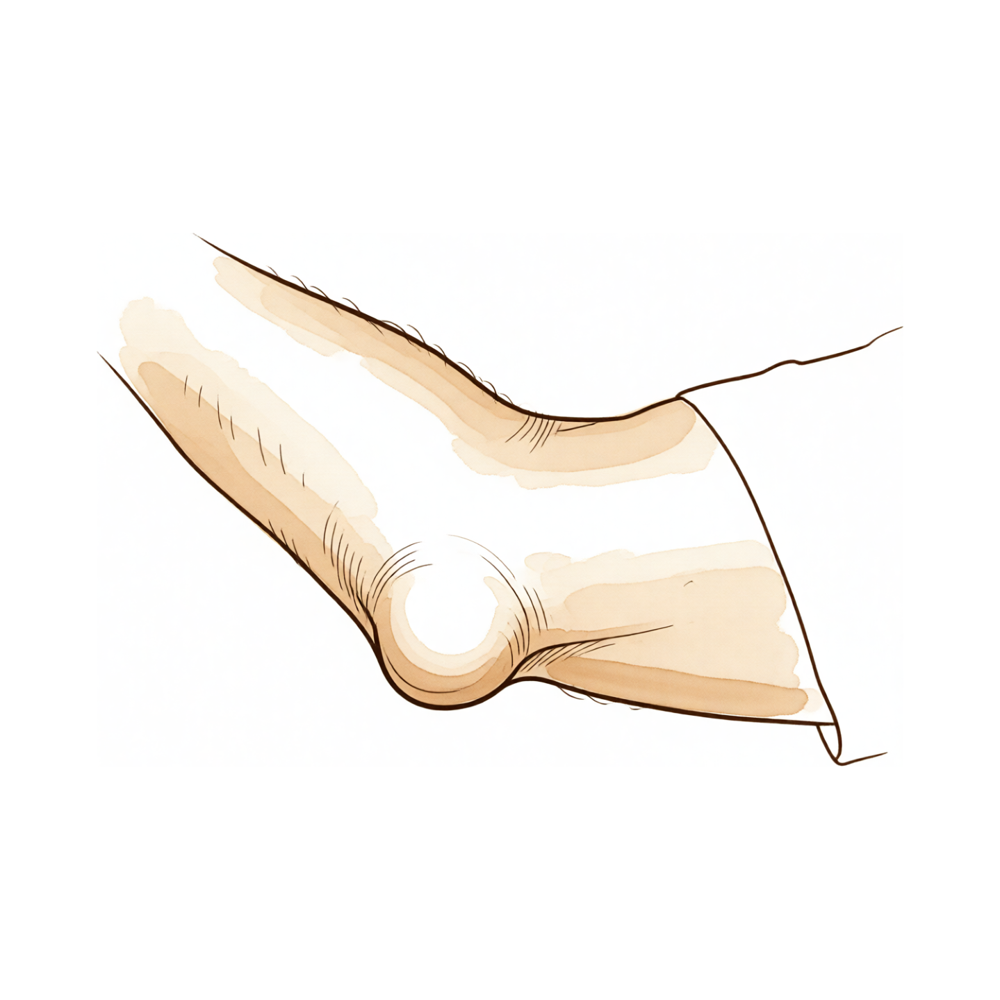
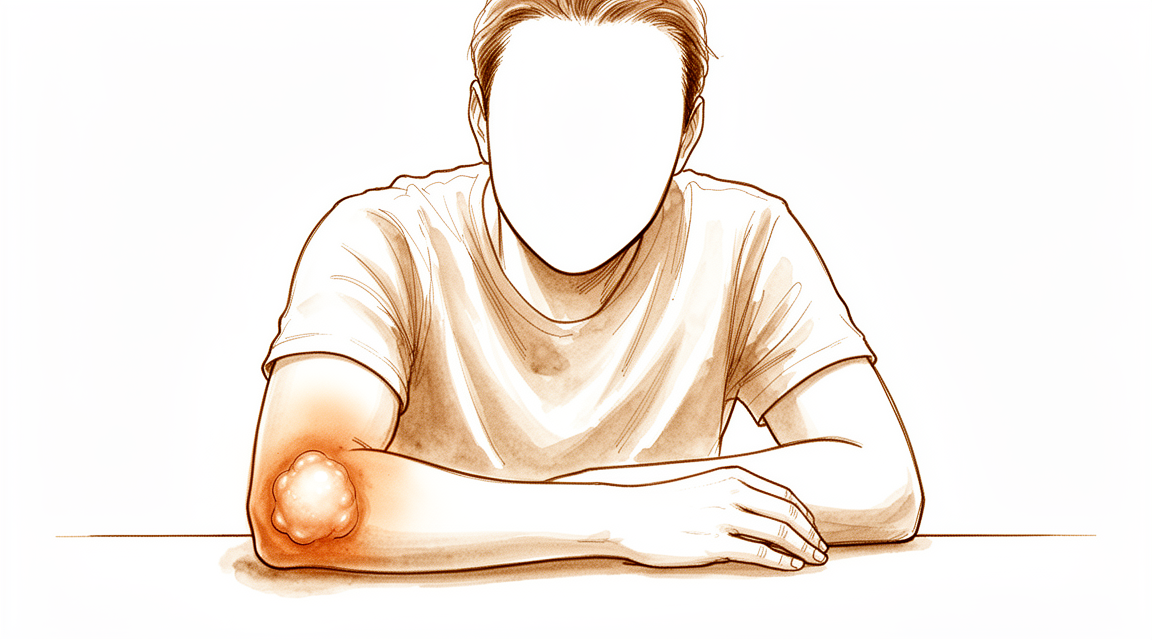
Surgical management of musculoskeletal conditions requires careful consideration of patient demographics, specific indications, and long-term outcomes. For chronic olecranon bursitis, indications, risks, and benefits for surgical treatment remain incompletely defined [9]. In contrast, specific criteria guide other interventions; for instance, the surgical indication for undersurface and full-thickness gluteus medius tears of the hip is reserved for symptomatic patients who have failed a primary nonoperative protocol [58]. Similarly, adherence to strict indications for an individualised mini-metal implant for cartilage lesions in the knee has allowed for high patient-reported scores and low early revision rates [80].

Patient selection is a critical determinant of success across various procedures. Proper patient selection is paramount to the success and potentially long-term viability of osteochondral autograft or allograft transplantation for symptomatic cartilage lesions of the knee [10]. Predictors for outcomes such as mean age, percentage of female patients, lesion size, number of plugs/grafts used, and treatment location did not affect the comparison between osteochondral autograft and allograft transplantation cohorts [10]. Clinically important outcome values allow physicians to provide patients with more realistic expectations regarding their treatment that are based on their specific demographics [76].

Long-term data and standardized protocols remain limited in several areas. Long-term data on knee arthroplasty for acute fractures around the knee remain scarce in the literature due to limited indications [12]. The patients' characteristics and indications for surgery were not described in a majority of clinical outcome studies of rotator cuff repair [23]. Lack of standardized patient selection, surgical technique, and rehabilitation limits the ability to identify factors that may influence outcomes in meniscal transplantation after meniscectomy [56]. Future studies evaluating mid and long-term outcomes are needed for patient selection and counseling regarding short-term outcomes of lower trapezius tendon transfer with Achilles allograft for posterosuperior irreparable rotator cuff tear [71].

Decision-making increasingly incorporates value and specific clinical benchmarks. Cost and value are becoming necessary elements in deciding which course of treatment to choose, alongside successful outcome as the most important criterion for procedure success [79]. There are no conclusive demonstrations of clinical superiority in terms of improved patient-reported outcome measures and/or decreased cumulative revision rates in the long term for computer navigation in total knee arthroplasty [63]. All indications for revision total knee arthroplasty except severe stiffness had a similar clinical outcome which was maintained up to 7.5-year follow-up [74].

Anatomy & Pathophysiology

Osseous and General Stability

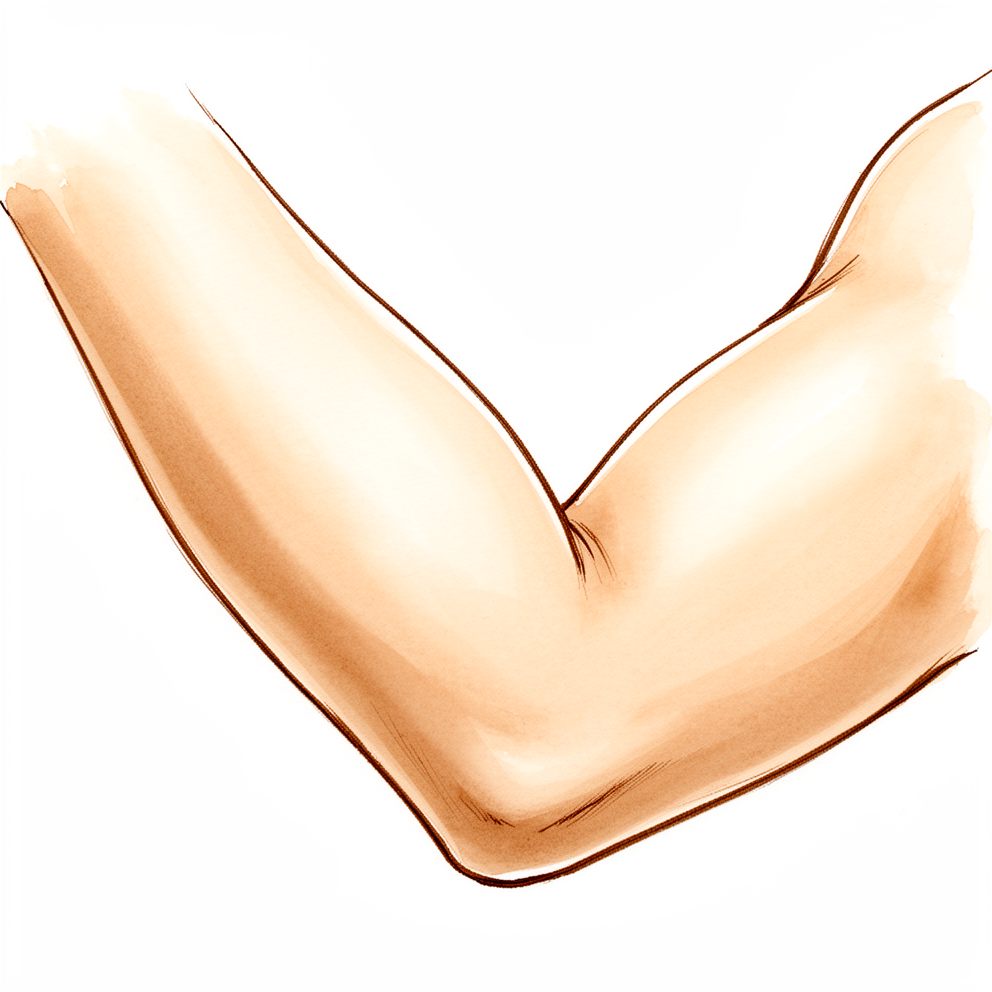
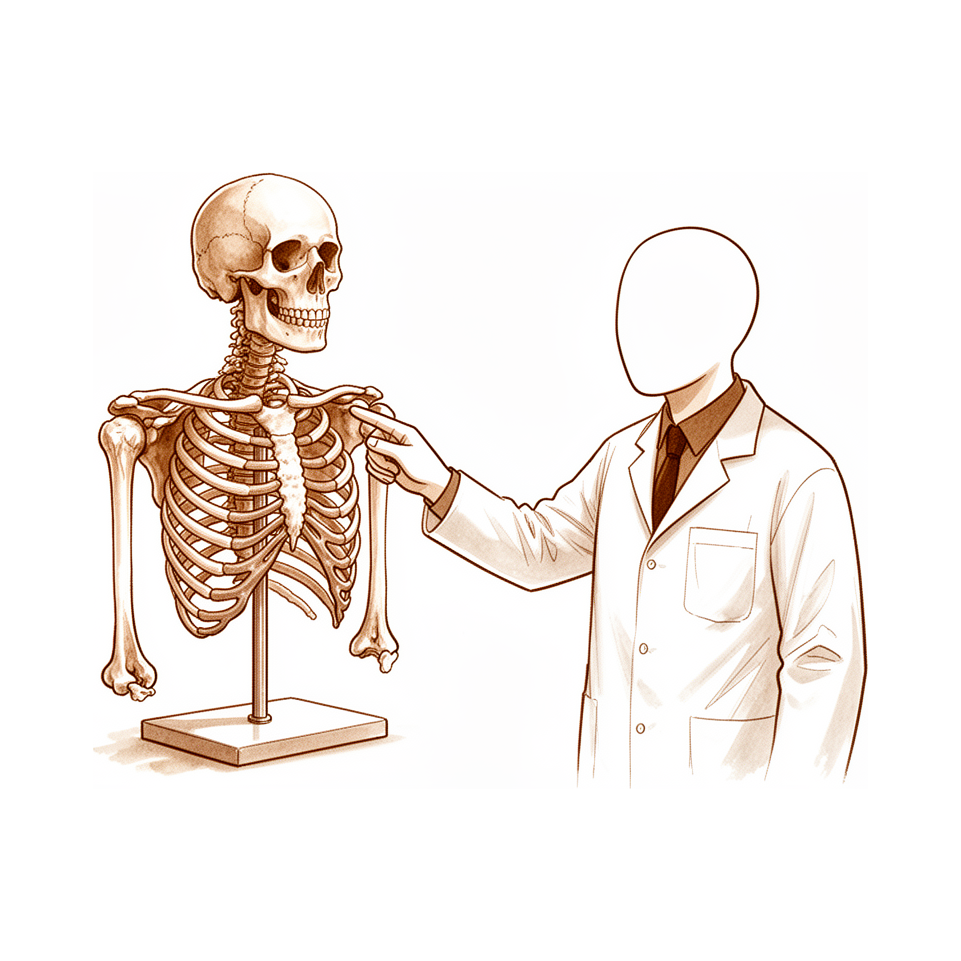
Elbow stability and complex kinematics are accounted for by a combination of bony articulation and soft-tissue stabilizers [24]. The carrying angle of the forearm remains constant as the elbow flexes [94]. Shoulder abduction results in a varus moment at the elbow [101].

Ligamentous and Soft-Tissue Mechanics

Varus loads simulating everyday activities produce changes in the varus joint angulation of the elbow that are linearly dependent on the applied moment and persist after release of the lateral stabilizing structures [100]. Lateral elbow laxity is affected by the integrity of the radial band of the lateral collateral ligament complex [100]. Overhead elbow extension results in similar kinematics between an intact elbow and an elbow with MCL and LCL tears [103].

Surgical Reconstruction Biomechanics

Biomechanical characteristics of elbows which underwent Docking surgical reconstructions at 30 degrees of elbow flexion appear to more closely approximate those of the intact elbow than reconstructions performed at 90 degrees of elbow flexion [34]. Biomechanical characteristics of elbows which underwent Docking surgical reconstructions at 30 degrees of elbow flexion appear to more closely approximate those of the intact elbow than reconstructions performed at 90 degrees of elbow flexion [35]. MRCF effectively addresses the limitations of PRCF and provides stable, accurate measurements of rotational displacement even with varying elbow rotations [111].

Kinematics and Radiocapitellar Behavior

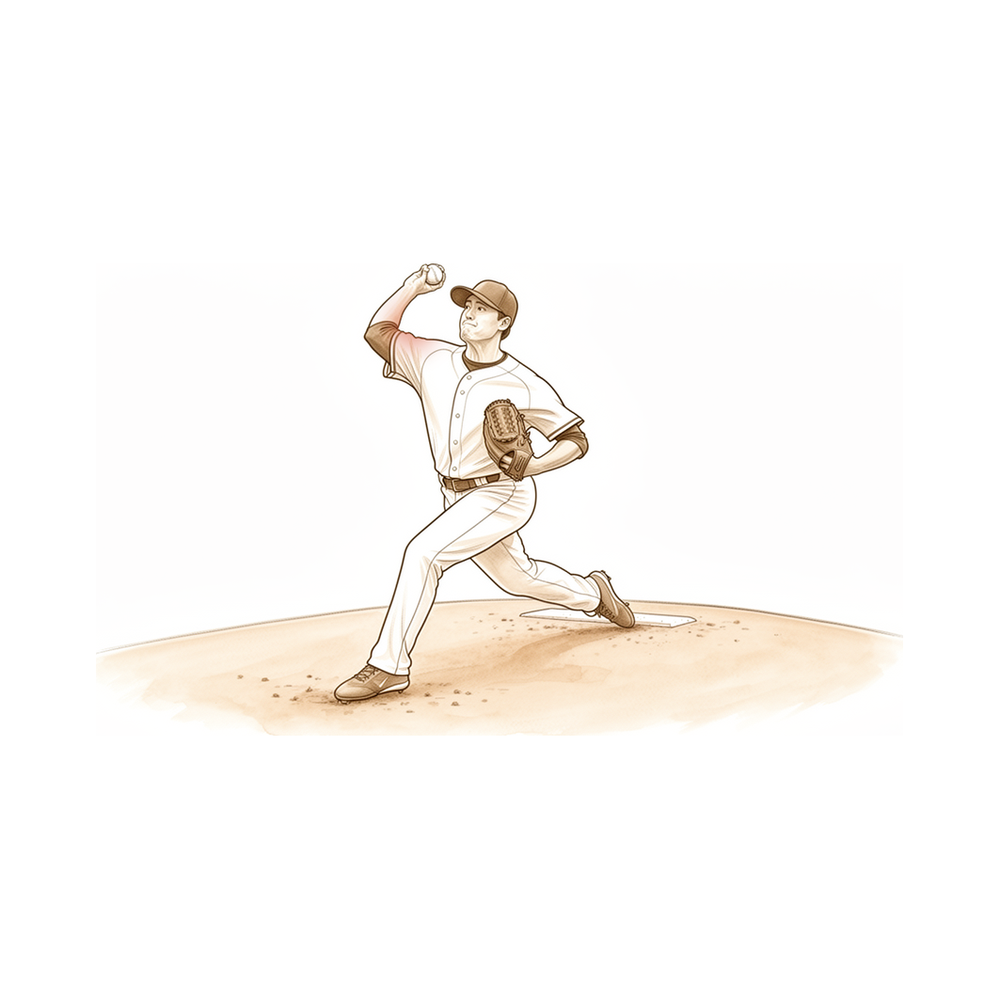
Wrist positions significantly influence the biomechanical behavior of the radiocapitellar joint during elbow extension [36]. Five kinematic parameters during the stride phase and their combination were associated with peak elbow varus torque [55]. The study provides quantitative data describing the anatomy of the anterior bundle of the ulnar collateral ligament [102].

Classification

Platelet-Rich Plasma: Classification systems and identification of differences among products are needed to understand the implications of variability in Platelet-rich Plasma [18].

Elbow Fracture Dislocation: A new comprehensive classification system based on the three-column concept is presented for elbow fracture dislocation, with a suggested algorithm for managing each injury pattern [30].

Medial Meniscus Ramp Tears: A classification system for medial meniscus ramp tears based on tear morphology allows for the evaluation of differing repair patterns and their effects on postoperative clinical outcomes [32].

Lateral Discoid Meniscus (LDM): A novel classification system that more comprehensively and descriptively characterizes the spectrum of lateral discoid meniscus (LDM) pathology demonstrated moderate or substantial agreement in most diagnostic categories analyzed [33].

Total Knee Arthroplasty with Kinematic Alignment: A proposed classification system for total knee arthroplasty with kinematic alignment describes six specific issues to consider, with specific recommendations for each situation type to improve the reliability of prosthetic implantation [41].

Discoid Meniscus: A new classification system for discoid meniscus based on stability, morphology, and tear location was proposed with utility in surgical treatment planning [59].

Rotator Cuff Lesions: A comprehensive classification system integrating historical and newer descriptions of rotator cuff lesions may help to guide treatment [65].

Giant Cell Arteritis and Polymyalgia Rheumatica: Classification criteria sets were applied to provide the first UK prevalence estimate of giant cell arteritis and polymyalgia rheumatica in a primary care population over 30 years [66].

Failed Lateral Epicondylitis Surgery: An expanded classification system and a systematic approach to evaluation, including a salvage surgery technique, are presented for failed surgical treatment of lateral epicondylitis to address common etiologies of failure [68].

Complex Meniscal and Tibial Plateau Injuries: Two new injury types are proposed to be added to existing classifications to better describe complex patterns involving meniscal root tears, ramp lesions, and posterior medial tibial plateau [75].

Subscapularis Tears: Continued collaboration is needed to establish an acceptable and broadly applicable classification system for managing subscapularis tears regarding treatment and outcomes [77].

Elbow Stiffness: The S.T.I.F. classification system for elbow stiffness highlights the aetiology of the stiffness and provides a framework to better understand the natural history, direct surgical management, and predict clinical outcomes, while emphasizing the importance of considering influencing factors for proper surgical indication and prognosis [82].

Failed Limb Salvage for Bone Tumours: A modified evidence-based classification system for failure of limb salvage after reconstructive surgery for bone tumours corrects weaknesses of earlier systems by providing specificity for endoprosthetic, biological, and paediatric failures, allowing for better interpretation of outcomes following reconstructive surgery [85].

Hemophilic Arthropathy: A new four-category, 7-point classification system for hemophilic arthropathy demonstrated interobserver reproducibility and correlation with joint function equivalent to the Pettersson et al. system, while being easier to apply and more sensitive in discriminating advanced arthropathy than the Arnold and Hilgartner system [113].

Other Considerations: Epidemiology and non-epidemiology-trained reviewers can apply the levels-of-evidence guide to published studies with acceptable interobserver agreement, though the validity of this system remains a question for future research [110].

Clinical Presentation

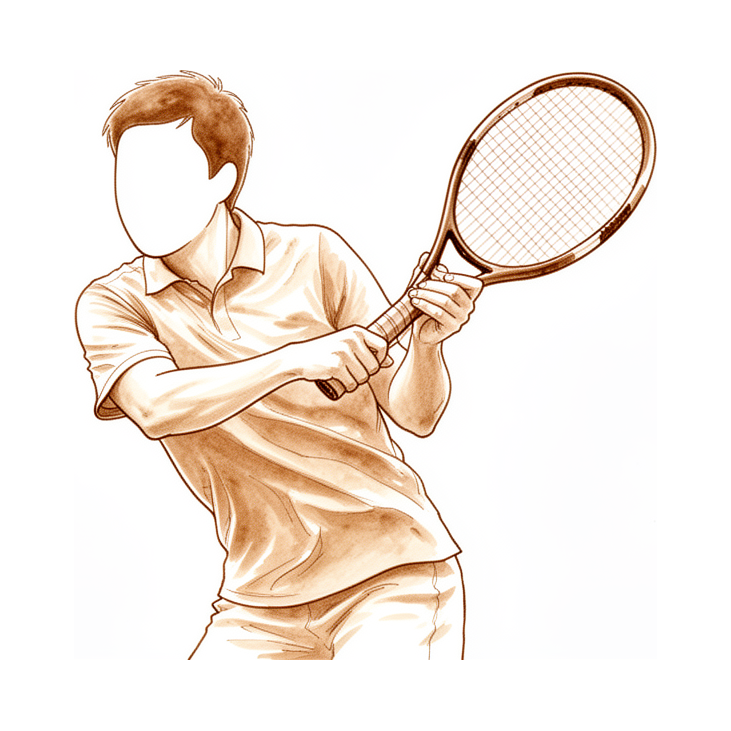
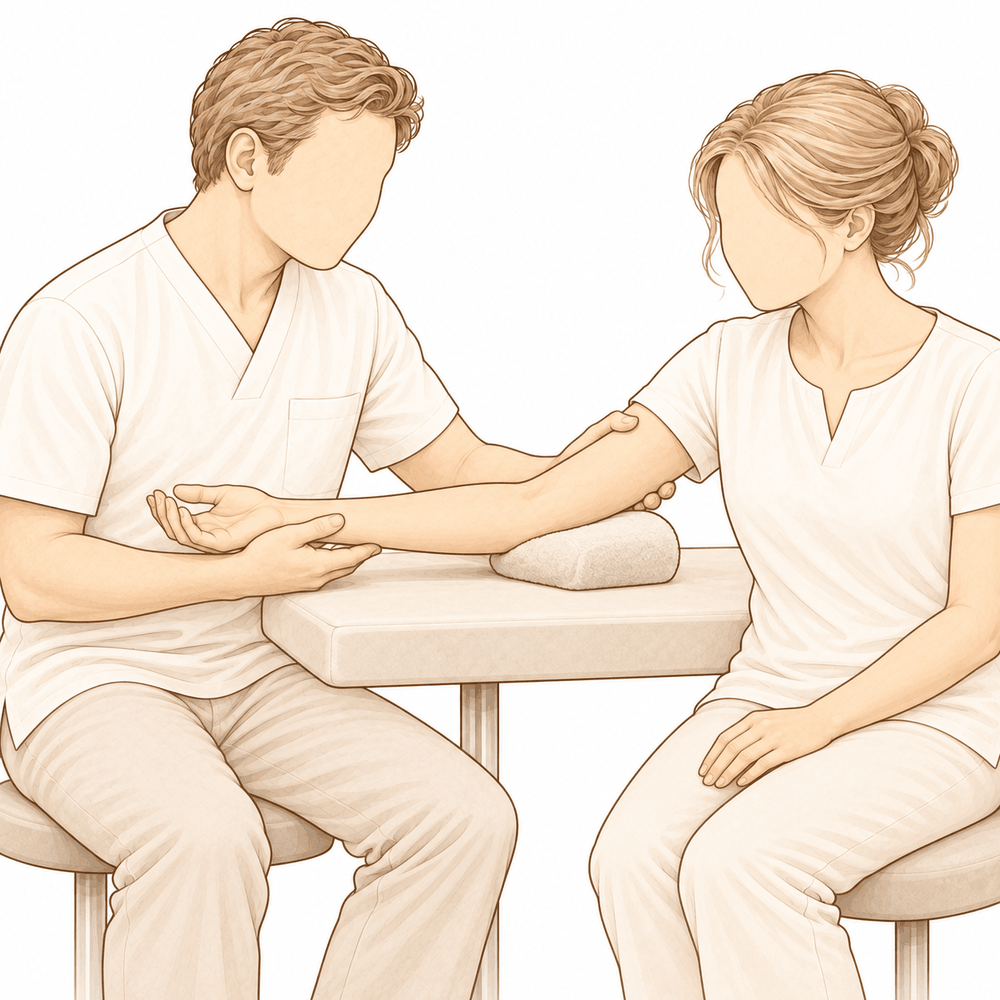
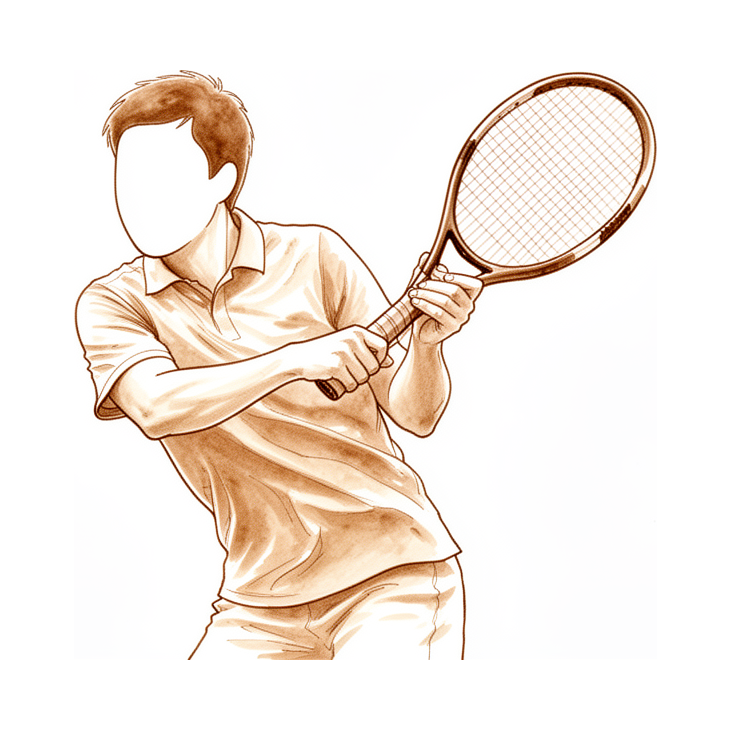
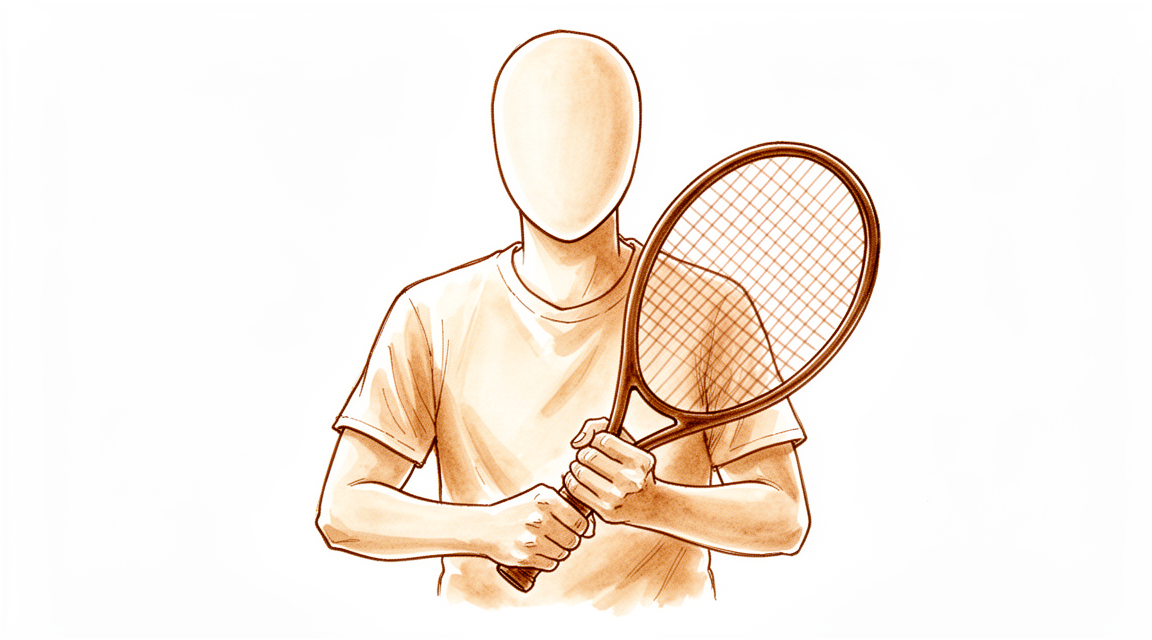
History and Demographics: Gender, preexisting conditions, and mental health history significantly influence Post-Concussion Symptom Scale (PCSS) severity [6]. Gender differences in musculoskeletal disease presentation and treatment response are critical for optimizing orthopaedic care [46]. Musculoskeletal conditions in children and adolescents show variable presentation rates by age, gender, and body region [25]. For posttraumatic elbow stiffness, sociodemographic and clinical characteristics independently associate with depression and anxiety levels [26]. In tennis players, upper extremity injury diagnosis is complex, requiring thorough research knowledge to guide decision-making [42].

Shoulder and Elbow Patterns: Subacromial pain syndrome patients frequently present with conflicting or concomitant diagnoses [21]. Isometric shoulder strength has significant demographic predictors beyond age and sex [29]. High baseline pain, disability, and previous episodes predict unfavorable outcomes in rotator cuff tendinopathy, whereas biomedical diagnosis does not [47]. Pain response by 6 weeks post-shoulder steroid injection predicts final 6-month outcomes, aiding treatment planning [37]. Secondary care shoulder diagnosis prevalence differs largely from primary care due to diagnostic criteria and population differences [38]. Cubital tunnel syndrome in younger patients may present with extremely short symptom duration and rapid muscle atrophy [39].

Neurologic and Nerve Injuries: Accurate, timely diagnosis is essential for good outcomes in elbow nerve injuries [31]. Knowledge of neurologic, musculoskeletal, and vascular etiologies helps quickly distinguish upper extremity pain sources [19]. Dislocation of the medial head of the triceps with anterior ulnar nerve location is challenging on physical exam but diagnosable via ultrasonography [50].

Pediatric and Congenital Conditions: Osteochondritis dissecans of the tibial plateau in children often presents with vague symptoms and invisible initial radiographs, risking delayed treatment and poor outcomes [52]. Congenital thenar hypoplasia with carpal tunnel syndrome signs requires tailored diagnostic protocols for early detection and personalized management [28].

Red Flags and Specific Etiologies: Early diagnosis of mucormicosis after ACL reconstruction is vital due to its fulminant nature, requiring high clinical suspicion [48]. Silicone radial head prosthesis failure requires awareness of early symptoms for adequate diagnosis and treatment [40]. In intercollegiate water polo, concussions are the most common injury, sustained mostly outside competition, and yield the worst return-to-play outcomes among common diagnoses [53].

Investigations

MRI: Conventional MRI demonstrates acceptable diagnostic performance for biceps pulley lesions, with sensitivity, specificity, and predictive values of approximately 80% [45]. The long head biceps tendon angle provides the highest sensitivity for this diagnosis, while the long head biceps tendon-groove distance offers the highest specificity [45]. In knee trauma, MRI aids in diagnosing injuries in rock climbing and bouldering, supporting conservative management [51]. It is also helpful for diagnosing lateral discoid meniscus by assessing width and instability, which are major factors in surgical decision-making [84]. For endoscopic ganglionectomy of the elbow, MRI is essential for preoperative planning [93]. In acute trauma, MRI is the ideal adjunct to plain radiography for evaluating occult fractures and concomitant soft tissue injuries, significantly impacting management and avoiding delayed diagnosis [99].

MRI Limitations and Correlation: MRI findings do not always correlate with clinical status. Clinical symptoms do not correlate with MRI findings in semiprofessional water polo players [104]. There is a high frequency of discordant MRI findings compared to diagnostic arthroscopy for intraarticular pathology associated with patellar instability, which can alter surgical treatment [105]. MRI findings suggestive of common extensor tendon pathology are prevalent in asymptomatic populations, with prevalence increasing with age and BMI [78]. Consequently, MRI should remain an adjunctive diagnostic aid rather than a basis for operative intervention if clinical findings do not correlate [107], [114]. Findings on magnetic resonance images alone should not be used to determine a handicap or disability rating if clinical findings do not correlate [107], [114]. Additionally, there is a limited correlation between structural MRI findings and clinical outcomes following autologous osteochondral transfer, as clinical outcomes improved despite stable MRI findings [60]. The time difference between symptom onset and MRI/MRA is a discriminating factor in the analysis of rotator cuff muscular edema [112].

Plain Radiography: Definitive diagnosis of intra-articular knee disorders such as tenosynovial giant cell tumour and lipoma arborescens relies on histopathological confirmation, although MRI provides valuable clues [81]. A thorough clinical and radiographic evaluation should be performed to avoid missed diagnosis in acute traumatic posterior shoulder dislocation with greater tuberosity fracture [98]. Appropriateness criteria based on both radiological and clinical criteria suggest that unicompartmental knee arthroplasty is appropriate in less than 15% of patients [108]. Surgical incidence after knee MRI was appropriately lower for older patients [90].

CT: Patients who underwent preoperative computed tomography imaging for anatomic total shoulder arthroplasty experienced lower revision rates at two years postoperatively compared to matched controls without such imaging [115].

Treatment

Non-Operative

Nonoperative management is the recommended initial approach for Morton’s interdigital neuroma [116] and calcification at the long head of the biceps tendon [117]. Conservative treatment remains the mainstay for biceps tendon calcification [117], while nonoperative management carries the lowest cost burden and is recommended for meniscal tears with appropriate indications [118]. Early nonoperative treatment for rotator cuff tears yields optimal outcomes [122]. For Ehlers-Danlos syndromes, nonoperative treatment is preferable [121], though specific joint stabilization and nerve decompression procedures may provide symptomatic relief when conservative measures fail in carefully selected patients [121]. Nonoperative management of simple elbow dislocations results in good long-term outcomes [125], although approximately 8% of patients develop persistent instability symptoms [125]. Both operative and nonoperative management of grade III medial collateral ligament (MCL) tears demonstrate clinical improvements at 2-year follow-up [120]. Conversely, nonoperative management of proximal rectus femoris avulsion injuries is associated with highly variable convalescence, poor return to preinjury function, and high recurrence risk [119].

Operative

Indications: Surgery for Morton’s interdigital neuroma is indicated after nonoperative management has failed [116]. Arthroscopic debridement for biceps tendon calcification is reserved for cases where symptoms are not controlled by non-operative therapy [117]. Surgical repair is indicated for larger distal biceps tendon tears in higher-functioning patients, while non-surgical options are utilized for selected cases [124]. Operative treatment for acute distal semimembranosus tendon avulsions is required to avoid poor outcomes associated with nonoperative management or delayed surgery [88]. Patients with calcific tendinitis who did not attempt conservative management experienced the greatest improvements following surgery, but excellent outcomes can be expected regardless of prior treatment [92]. A small proportion (2%) of patients with simple elbow dislocations require surgical intervention if treated nonoperatively [125]. Surgery for triphalangeal thumb is contraindicated in adults [54].

Surgical Approach / Technique: Endoscopic-assisted anterior cervical discectomy and fusion (ACDF) for C2-C3 disc herniation shows promising short-term outcomes, though multicenter studies with long-term follow-up are needed to validate durability and complication profiles [1]. When the correct indication is set, patients benefit from early operation for acute acromioclavicular (AC) joint dislocation using the MINAR® system in a modified triple-button technique [73]. Primary anterior cruciate ligament (ACL) reconstruction using hamstring autograft in the setting of adult irreducible tibial eminence fracture renders comparable outcomes to suture fixation in reducible cases, with similar percentages of patients achieving a patient-acceptable symptomatic state [106].

Other Considerations: Proper patient selection is paramount to the success and potentially long-term viability of both osteochondral autograft and allograft transplantation for symptomatic cartilage lesions of the knee [10]. Primary meniscal allograft transplantation (MAT) with bone fixation demonstrates efficacy and durability with high rates of patient satisfaction at minimum 10-year follow-up [97]. Total knee arthroplasty (TKA) is a safe and efficacious procedure for the elderly, although they experience more severe complications, longer length of stay, and smaller gains in functional improvement compared to younger patients [83]. Rotator cuff repair in patients aged 70 years or older shows high clinical success rates with good outcomes and overall excellent pain relief [91]. Indications for reverse shoulder arthroplasty appear to have expanded, as a large percentage of patients undergoing the procedure did not have rotator cuff pathology [86]. Long-term data on knee arthroplasty for acute fractures around the knee remain scarce in the literature due to limited indications [12]. The indications, risks, and benefits for surgical treatment of chronic olecranon bursitis are incompletely defined [9]. High-quality prospective studies are needed to evaluate the efficacy and long-term outcomes of certain arthroscopic procedures [7].

Complications

Other Considerations: Endoscopic-assisted ACDF: Multicenter studies with long-term follow-up are required to validate complication profiles for C2-C3 disc herniation [1]. Ulnar collateral ligament repair: Longer term follow-up data are needed to assess outcomes and durability of repair with collagen-coated suture tape augmentation [2]. MPFL reconstruction: Further follow-up is needed for late-term results in recurrent patellar instability [3]. Bucket-handle meniscal tear repair: Long-term follow-up demonstrated satisfactory failure rates [4]. Robotic unicompartmental knee arthroplasty: A paucity of studies exists on long-term implant survivorship; further clinical studies are required to establish how accuracy translates to long-term outcomes [5]. PCSS symptom severity: Gender, number of preexisting conditions, and mental health history are important factors to account for when interpreting severity [6]. Procedure in authors' reply: High quality prospective studies are needed to evaluate efficacy and long-term outcomes [7]. Discovery Elbow System: Long-term results are required to assess survivorship [8]. Volar dislocation of the capitate: The long-term prognosis is guarded [11]. First-time anterior shoulder dislocation: The natural history in the young is bound up with arthropathy [14]. Malignant osseous tumors of the pediatric spine: Advances in treatment have decreased rates of local recurrence [15]. Quadriceps tendon rupture: Patients aged 40 years and younger did not have better outcomes compared with historical controls aged >40 years [16]. Knee osteochondral allograft transplantation: No substantial survival difference was noted for sex mismatched donors and recipients [17]. Stryker Ascend Flex stem: Further reports are required to document long-term outcomes for the uncemented metaphyseal bearing stem [57]. Arthroscopic physeal-sparing TFCC foveal repair: The absence of growth-related complications supports safety in adolescents, though long-term studies are warranted [62]. Distal tibia and glenoid allografts: Increased age was associated with a higher complication rate for anterior glenoid rim defects, whereas history of prior surgery was not associated with increased complications [123]. Pigmented villonodular synovitis: The natural life history of nodules speaks against a neoplastic origin [126]. Rheumatoid arthritis biologics: History of comorbidities, including recent infections, is common among patients commencing biologics; 10% have a history of malignancy [127]. Shoulder arthroplasty: Overall complication risk is similar between sexes, but their risk profiles are distinct [128]. Arena football injuries: Years of experience was the only factor associated with severe injuries [129]. Juvenile rheumatoid arthritis: Reconstructive surgery should be delayed until completion of skeletal growth when possible [130].

Recovery

Light activity (weeks): Evidence does not provide specific week ranges for light activity or desk work return across the cited studies.

Full activity (months): Evidence does not provide specific month ranges for full activity, manual work, or sport return across the cited studies.

Complete recovery / outcome plateau (months): Long-term follow-up data are required to assess outcomes and durability of ulnar collateral ligament repair with collagen-coated suture tape augmentation [2]. Further follow-up is needed for late-term results of MPFL reconstruction for recurrent patellar instability [3]. Long-term follow-up of bucket-handle meniscal tear repair demonstrated satisfactory clinical outcomes and failure rates [4]. There is a paucity of studies showing long-term differences in functional outcomes or implant survivorship for robotic unicompartmental knee arthroplasty, and further clinical studies are required to establish how statistical differences in accuracy translate to long-term outcomes [5]. Long-term results are required to assess the survivorship of the Discovery Elbow System [8]. At an average follow-up of nearly 14 years, clinical outcome scores for arthroscopic treatment of symptomatic discoid lateral meniscus in children decline over time compared to short-term results, with an increased rate of knee pain, mechanical symptoms, and functional limitations [44]. Clinical outcomes for bioabsorbable screw fixation of stable osteochondritis dissecans lesions that do not improve with initial conservative treatment improved significantly during the mid-term follow-up period [61]. A structured preoperative exercise program resulted in better post-operative functional outcomes at the long term after ACL reconstruction [69].

Rehabilitation protocol: Evidence does not provide specific details on PT phasing, immobilisation duration, weight-bearing progression, or sling/brace removal timing.

Functional milestones: Non-modifiable factors, including age and sex, influence the rate of achieving meaningful clinical outcomes at 5-year follow-up after hip arthroscopy for femoroacetabular impingement [13]. Patient-specific factors associated with earlier or delayed achievement of clinically significant outcomes on the PROMIS Upper Extremity Questionnaire after arthroscopic rotator cuff repair can be used to inform patient discussions on the expected timeline for recovery [131]. Epidemiological data provides prognostic information regarding expected time loss on a per-injury pattern basis for hand and wrist injuries in NCAA men’s football [132].

Other Considerations: Multicenter studies with long-term follow-up are needed to validate durability and complication profiles for endoscopic-assisted ACDF for C2-C3 disc herniation [1]. The natural history of first-time shoulder dislocations is bound up with arthropathy [14]. Improved understanding of the natural history of spine deformity, combined with advances in imaging, surgical technology, radiation therapy, and chemotherapeutic regimens, has improved survival rates and decreased rates of local recurrence for malignant osseous tumors of the pediatric spine [15]. Patients aged 40 years and younger did not have better outcomes after quadriceps tendon rupture repair compared with historical controls aged >40 years [16]. No substantial survival difference was noted for sex mismatched donors and recipients following knee osteochondral allograft transplantation [17]. The benign clinical course of chondromyxoid fibroma of bone makes differentiation from chondrosarcoma important [133]. A patient with epithelioid sarcoma of the forearm arising from the perineural sheath of the median nerve was alive with continuous disease-free status at 3.5-year follow-up [134]. The age of the patient at the time of initial shoulder dislocation is the most consistent and significant factor influencing prognosis, with recurrence rates of 83% in patients under twenty years and 12% in patients over fifty years [135]. Heterogeneity of pathology treated, follow-up time, and outcome measures limits comparison between studies regarding clinical outcomes of high tibial osteotomy for knee instability [136]. The long-term prognosis for volar dislocation of the capitate is guarded [11].

Key Evidence

  • [Case_report] While short-term outcomes are promising, multicenter studies with long-term follow-up are needed to validate durability and complication profiles. (10.1186/s12891-025-09302-7)
  • [L4] Longer term follow-up data are needed to more adequately assess the outcomes and durability of this procedure. (10.1177/23259671211038320)
  • [L4] For late term results further follow-up is needed. (10.1177/2325967117s00045)
  • [L3] Long-term follow-up of BHMT repair demonstrated satisfactory clinical outcomes and failure rates. (10.1177/23259671241296899)
  • [L4] However, there is a paucity of studies showing long-term differences in functional outcomes or implant survivorship, and further clinical studies are required to establish how statistical differences in accuracy translate to long-term outcomes. (10.1302/2058-5241.5.190089)
  • [L3] Gender, number of preexisting conditions, and mental health history are important factors to account for when interpreting PCSS symptom severity. (10.1177/03635465221131987)
  • [L5] High quality prospective studies are needed to evaluate efficacy and long-term outcomes. (10.1016/j.arthro.2017.01.005)
  • [L4] Long-term results are required to assess the survivorship of this system. (10.1016/j.jse.2014.08.013)
  • [L3] The indications, risks, and benefits for surgical treatment are incompletely defined. (10.1016/j.jhsa.2010.12.030)
  • [L2] While predictors for outcomes such as mean age, percentage of female patients, lesion size, number of plugs/grafts used, and treatment location did not affect the comparison of the 2 cohorts, proper patient selection for either procedure remains paramount to the success and potentially long-term viability of the graft. (10.1177/03635465211053594)
  • [L4] The long-term prognosis is guarded. (10.2106/00004623-198567060-00027)
  • [L4] Long-term data remain scarce in the literature due to limited indications. (10.1302/2058-5241.5.190059)
  • [L3] Non-modifiable factors, including age and sex, influence the rate of achieving meaningful clinical outcomes at 5-year follow up. (10.1177/2325967120s00438)
  • [Abstract] The natural history of the first time shoulder dislocations is bound up with arthropathy. (10.1016/j.jse.2007.02.100)
  • [L4] Improved understanding of the natural history of spine deformity, combined with advances in imaging, surgical technology, radiation therapy, and chemotherapeutic regimens, has improved survival rates and decreased rates of local recurrence. (10.5435/00124635-201210000-00004)
  • [L4] Further, this group did not have better outcomes compared with historical controls aged >40 years. (10.1177/23259671221097107)
  • [L3] In contrast to previous historic data, no substantial survival difference was noted for sex mismatched donors and recipients. (10.1177/2325967123s00239)
  • [L4] Classification systems and identification of differences among products are needed to understand the implications of variability. (10.5435/jaaos-21-12-739)
  • [L5] Knowledge of the characteristic clinical presentation and physical examination findings of neurologic, musculoskeletal, vascular, and other etiologies can help distinguish the source of upper extremity pain quickly to facilitate appropriate diagnostic measures and treatment. (10.5435/jaaos-d-11-00086)
  • [L3] Patients presenting with signs and symptoms of subacromial pain syndrome have a high prevalence of conflicting and concomitant diagnoses. (10.1177/23259671251332942)
  • [L3] The patients' characteristics and indications for surgery were not described in a majority of clinical outcome studies of rotator cuff repair. (10.1007/s11999-008-0585-9)
  • [L5] This article discusses the basic anatomy of the elbow and the biomechanics of this joint, noting that a combination of bony articulation and soft-tissue stabilizers accounts for the elbow's stability and complex kinematics. (10.1016/j.csm.2004.06.008)
  • [L4] There is variability in rates of presentation between different age groups, gender and affected body region. (10.1186/1471-2474-15-164)
  • [L3] Several sociodemographic and clinical characteristics are independently associated with depression and anxiety levels. (10.1016/j.jse.2021.11.014)
  • [L4] This comprehensive review underscores the need for tailored diagnostic protocols to improve early detection, personalised management, and outcomes for this unique patient population. (10.1186/s13018-025-05870-5)
  • [L3] Significant demographic predictors in addition to age and sex were identified. (10.1177/17585732231190577)
  • [L5] A new comprehensive classification system based on the three-column concept is presented with a suggested algorithm for managing each injury pattern. (10.1177/1758573219884010)
  • [Paper] Accurate and timely diagnosis are the keys to good outcomes. (10.1016/j.csm.2020.02.006)
  • [L4] This classification system allows for the ability to evaluate differing repair patterns and their effects on postoperative clinical outcomes. (10.1177/2325967125s00101)
  • [L4] A novel classification system that more comprehensively and descriptively characterizes the spectrum of LDM pathology demonstrated moderate or substantial agreement in most diagnostic categories analyzed. (10.1177/2325967120s00244)
  • [L5] Biomechanical characteristics of elbows which underwent Docking surgical reconstructions at 30 degrees of elbow flexion appear to more closely approximate those of the intact elbow than reconstructions performed at 90 degrees of elbow flexion. (10.1016/j.arthro.2013.07.111)
  • [L5] Biomechanical characteristics of elbows which underwent Docking surgical reconstructions at 30 degrees of elbow flexion appear to more closely approximate those of the intact elbow than reconstructions performed at 90 degrees of elbow flexion. (10.1016/j.arthro.2013.07.109)
  • [L5] Wrist positions significantly influence the biomechanical behavior of the radiocapitellar joint during elbow extension. (10.1016/j.jse.2025.02.040)
  • [L3] Patients' pain response by 6 weeks is predictive of final outcome at 6 months and may help clinicians plan further treatment without delay. (10.1177/1758573217693808)
  • [L4] Large differences in prevalence were found compared to primary care studies, likely due to different diagnostic criteria and population differences. (10.1186/1471-2474-15-89)
  • [L4] There is a subset population of younger patients who presents with extremely short duration of symptoms that rapidly develops muscle atrophy. (10.1177/1558944716643096)
  • [L4] Physicians and patients should be aware of early symptoms of failure to enable adequate and early diagnosis and treatment. (10.1016/j.jse.2021.10.043)
  • [L5] The proposed classification system describes six specific issues to consider, with specific recommendations for each situation type to improve the reliability of prosthetic implantation. (10.1302/2058-5241.6.210042)
  • [L5] Diagnosis can be challenging and requires a thorough understanding of current research topics to guide clinical decision-making. (10.1016/j.hcl.2016.08.009)
  • [L4] At an average follow-up of nearly 14 years, clinical outcome scores decline over time compared to short-term results, with an increased rate of knee pain, mechanical symptoms, and functional limitations. (10.1016/j.arthro.2015.04.070)
  • [L3] Overall, conventional MRI had acceptable diagnostic performance, with sensitivity, specificity, and predictive values of approximately 80%. (10.1016/j.asmr.2025.101253)
  • [L5] Gender differences exist in the presentation of musculoskeletal disease, and recognition of the differences between men and women's burden of disease and response to treatment is key in optimizing care of orthopaedic patients. (10.5435/jaaos-d-14-00020)
  • [L1] High baseline pain and disability and previous episodes are associated with an unfavourable outcome but biomedical diagnosis is not associated with outcome. (10.1111/sae.12028)
  • [L5] Early diagnosis is vital, requiring a high rate of clinical suspicion due to its fulminant nature. (10.1177/2325967118s00202)
  • [L4] Diagnosis by physical examination was challenging, but ultrasonography proved useful for diagnosis. (10.1016/j.jhsa.2019.03.005)
  • [L4] MRI shows the proper diagnosis and the proper therapeutic approach is conservative treatment. (10.1177/2325967118s00019)
  • [L4] Presenting symptoms are often vague, and lesions may not always be visible on initial radiographs, which may lead to delayed treatment and adversely affect outcomes. (10.1177/2325967120941380)
  • [L3] Concussions were the most common injury diagnosis, had the worst return-to-play outcomes among common diagnoses, and were mostly sustained outside of competition. (10.1177/23259671221110208)
  • [L4] In adults, surgery is contra-indicated. (10.2106/00004623-195133030-00015)
  • [L4] Five kinematic parameters during the stride phase and their combination were associated with peak elbow varus torque. (10.1177/2325967120968068)
  • [L1] However, lack of standardized patient selection, surgical technique, and rehabilitation limits the ability to identify factors that may influence outcomes. (10.1177/23259671261416522)
  • [L4] Further reports are required to document the long-term outcomes for this component. (10.1177/17585732231220358)
  • [L5] The article highlights the importance of patient selection, noting surgical indication in symptomatic patients having failed a primary nonoperative protocol, and identifies the need for randomized controlled trials to develop a nonoperative strategy. (10.1016/j.arthro.2017.08.238)
  • [L3] A new classification system based on stability, morphology, and tear location was proposed with utility in surgical treatment planning. (10.1177/2325967119s00168)
  • [L4] The further improvement in clinical outcomes, despite stable MRI findings, suggests a limited correlation between structural and clinical outcomes. (10.1177/23259671251356267)
  • [L4] Clinical outcomes improved significantly during the mid-term follow-up period. (10.1016/j.asmr.2023.100863)
  • [L4] The absence of growth-related complications supports its safety, though long-term studies are warranted. (10.1186/s12891-025-09246-y)
  • [L4] However, there are no conclusive demonstrations of clinical superiority in terms of improved patient-reported outcome measures and/or decreased cumulative revision rates in the long term. (10.1016/j.arth.2018.01.027)
  • [L4] A comprehensive classification system integrating historical and newer descriptions of rotator cuff lesions may help to guide treatment further. (10.1302/2058-5241.1.160005)
  • [L4] This study provides the first UK prevalence estimate of GCA and PMR in over 30 years and is the first to apply classification criteria sets. (10.1186/s12891-016-1127-3)
  • [L5] The authors present an expanded classification system and a systematic approach to evaluation, including a salvage surgery technique to address common etiologies of failure. (10.1016/j.xrrt.2023.07.006)
  • [L2] A structured preoperative exercise program resulted in better post operative functional outcomes at the long term. (10.1016/j.arthro.2013.07.252)
  • [L4] Future studies evaluating mid and long-term outcomes are needed for patient selection and counseling. (10.1016/j.jse.2020.01.020)
  • [L4] When setting the correct indication, patients benefit from an early operation. (10.3390/jcm8101683)
  • [L3] All indications except severe stiffness had a similar clinical outcome which was maintained up to 7.5-year follow-up. (10.1016/j.arth.2020.01.053)
  • [L4] The authors propose adding two new injury types to existing classifications to better describe these complex patterns. (10.1016/j.arthro.2024.06.011)
  • [L5] Clinically important outcome values allow physicians to provide patients with more realistic expectations regarding their treatment that are based on their specific demographics. (10.2106/jbjs.19.00817)
  • [L4] Continued collaboration is needed to establish an acceptable and broadly applicable classification system for managing these injuries. (10.1016/j.xrrt.2022.12.004)
  • [L4] MRI findings suggestive of pathology at the common extensor tendon are prevalent in an asymptomatic population, increasing with age and BMI. (10.1177/17585732221146731)
  • [L5] The most important criterion for the success of a procedure is a successful outcome, but cost and value are becoming necessary elements in deciding which course of treatment to choose. (10.1016/j.arthro.2016.02.002)
  • [L4] Adherence to strict indications has allowed for high patient reported scores and low early revision rate. (10.1177/2325967119s00229)
  • [L4] MRI provides valuable clues, but definitive diagnosis relies on histopathological confirmation. (10.1186/s12891-026-09563-w)
  • [L5] The S.T.I.F. classification system highlights the aetiology of the stiffness and provides a framework to better understand the natural history, direct surgical management, and predict clinical outcomes, while emphasizing the importance of considering influencing factors for proper surgical indication and prognosis. (10.1016/j.jisako.2023.10.011)
  • [L3] TKA is a safe and efficacious procedure for the elderly, though they experience more severe complications, longer length of stay, and smaller gains in functional improvement compared to younger patients. (10.1186/s42836-020-00037-5)
  • [L4] MRI evaluation may be helpful to diagnose discoid by width and identify presence of instability, two major factors in the decision to proceed with surgery. (10.1177/2325967121s00488)
  • [L5] The modified evidence-based classification system corrects weaknesses of earlier systems by providing specificity for endoprosthetic, biological, and paediatric failures, allowing for better interpretation of outcomes following reconstructive surgery. (10.1302/0301-620x.96b11.34747)
  • [L3] Indications appear to have expanded because a large percentage of patients did not have rotator cuff pathology. (10.1016/j.jse.2014.06.055)
  • [L4] Nonoperative management or delayed surgery may result in poor outcomes. (10.1177/2325967117731102)
  • [L3] Surgical incidence after MRI was likely appropriately lower for older patients. (10.1177/23259671211052560)
  • [L1] Rotator cuff repair in patients aged 70 years or older shows high clinical success rates with good outcomes and overall excellent pain relief. (10.2106/jbjs.20.01252)
  • [L3] Patients who did not attempt conservative management experienced the greatest improvements following surgery, but excellent outcomes can be expected with surgery regardless of prior treatment. (10.1177/2325967121s00210)
  • [Paper] MRI is essential for preoperative planning. (10.1016/j.eats.2015.07.013)
  • [L5] The carrying angle of the forearm remains constant as the elbow flexes. (10.2106/00004623-198163040-00003)
  • [L3] Primary MAT demonstrates efficacy and durability with high rates of patient satisfaction at minimum 10-year follow-up. (10.1177/2325967123s00216)
  • [L4] A thorough clinical and radiographic evaluation should avoid the missed diagnosis. (10.1177/2325967120s00081)
  • [L5] MRI is the ideal adjunct to plain radiography for evaluating occult fractures and concomitant soft tissue injuries in acute trauma, significantly impacting patient management and avoiding delayed diagnosis. (10.1055/s-2007-971999)
  • [L5] Varus loads simulating everyday activities produce changes in the varus joint angulation of the elbow that are linearly dependent on the applied moment and persist after release of the lateral stabilizing structures. (10.1177/03635465211018208)
  • [L5] Shoulder abduction results in a varus moment at the elbow. (10.1016/j.jhsa.2018.04.022)
  • [L5] The study provides quantitative data describing the anatomy of the anterior bundle of the ulnar collateral ligament, which may prove useful in surgical techniques designed to reproduce the anatomy and biomechanics of the elbow after injury. (10.1016/j.jse.2006.11.009)
  • [L5] Overhead elbow extension results in similar kinematics between an intact elbow and an elbow with MCL and LCL tears. (10.1016/j.jht.2022.01.008)
  • [L3] Clinical symptoms do not correlate with the MRI findings. (10.1177/2325967114531213)
  • [L4] The findings highlight the importance of diagnostic arthroscopy due to the high frequency of discordant MRI findings and altered treatment. (10.1177/2325967124s00213)
  • [L3] The percentage of patients reported achieving patient-acceptable symptomatic state was similar between the 2 groups. (10.1002/arj.70082)
  • [L4] AUC that are based on both radiological and clinical criteria suggest UKA is appropriate in less than 15% of patients. (10.1177/2325967121s00180)
  • [L4] Epidemiology and non-epidemiology-trained reviewers can apply the levels-of-evidence guide to published studies with acceptable interobserver agreement, though the validity of this system remains a question for future research. (10.2106/00004623-200408000-00016)
  • [L5] MRCF effectively addresses the limitations of PRCF and provides stable, accurate measurements of rotational displacement even with varying elbow rotations. (10.1186/s12891-024-08240-0)
  • [L3] The difference in time between symptom onset and MRI/MRA is also a discriminating factor. (10.1177/23259671251360351)
  • [L4] The new four-category, 7-point classification system demonstrated interobserver reproducibility and correlation with joint function equivalent to the Pettersson et al. system, while being easier to apply and more sensitive in discriminating advanced arthropathy than the Arnold and Hilgartner system. (10.2106/00004623-198971020-00010)
  • [L3] Patients who underwent preoperative computed tomography imaging experienced lower revision rates at two years postoperatively compared to matched controls without such imaging. (10.1177/1758573220908865)
  • [L5] Nonoperative management is recommended initially, while operative treatment is indicated after nonoperative management has failed. (10.1302/2058-5241.4.180025)
  • [L4] Conservative treatment remains the mainstay, with arthroscopic debridement reserved for cases where symptoms are not controlled by non-operative therapy. (10.1177/1758573214567559)
  • [L3] Nonoperative management had the lowest cost burden and should be recommended for patients with appropriate indications. (10.1177/23259671241257881)
  • [L4] Non-operative management is associated with highly variable periods of convalescence, poor return to preinjury level of function and high risk of injury recurrence. (10.1302/2058-5241.5.200055)
  • [L3] Both operative and nonoperative management of MCL tears demonstrated clinical improvements between study enrollment and 2-year follow-up. (10.1177/2325967117s00126)
  • [L5] Non-operative treatment is preferable, but for carefully selected patients, specific joint stabilization and nerve decompression procedures can provide symptomatic relief when conservative measures fail. (10.1002/ajmg.c.31551)
  • [L2] The results suggest that nonoperative treatment should be performed early for optimal outcomes. (10.1177/2325967118788531)
  • [L4] Increased age was associated with a higher complication rate, while history of prior surgery was not associated with increased complications. (10.1016/j.jse.2016.12.045)
  • [L5] Management should be patient-based, utilizing non-surgical options for selected cases and surgical repair for larger tears in higher functioning patients. (10.1177/17585732241245054)
  • [L5] Good long-term outcomes have been reported after non-operative management of simple elbow dislocations; however, a small proportion (2%) of patients require surgical intervention and approximately 8% develop persistent instability symptoms if treated nonoperatively. (10.1177/1758573217694163)
  • [L4] History of comorbidities, including recent infections, is common among Australian RA patients commencing biologics, and 10% have a history of malignancy. (10.1155/2009/861481)
  • [L3] Though the overall complication risk is similar between the sexes, their risk profiles are distinct. (10.1016/j.jseint.2019.11.007)
  • [L2] Years of experience was the only factor that was associated with severe injuries. (10.1177/2325967118780040)
  • [L5] While historically surgery was a last resort, it should be considered soon after failure of conservative management, though reconstructive surgery should be delayed until completion of skeletal growth when possible. (10.5435/00124635-200507000-00005)
  • [L3] Patient-specific factors found to be associated with earlier or delayed achievement of these outcomes can be used to inform patient discussions on the expected timeline for recovery. (10.1177/23259671231157038)
  • [L4] This study provides valuable prognostic data regarding expected time loss on a per-injury pattern basis. (10.1177/2325967119835375)
  • [L4] The patient returned to his original vocation and was alive with continuous disease-free status at 3.5-year follow-up. (10.1155/2009/595391)
  • [L4] The age of the patient at the time of the initial dislocation is the most consistent and significant factor influencing prognosis, with recurrence rates of 83% in patients under twenty years and 12% in patients over fifty years. (10.2106/00004623-195638050-00001)
  • [L4] The heterogeneity of the pathology treated, follow-up time, and outcome measures limit comparison between studies. (10.1177/2325967116633419)

See Also

References

[1] Endoscopic-assisted ACDF for C2-C3 disc herniation : a case report of successful decompression. BMC Musculoskeletal Disorders. 2025. DOI: 10.1186/s12891-025-09302-7

[2] Early Complications of Ulnar Collateral Ligament Repair With Collagen-Coated Suture Tape Augmentation. Orthopaedic Journal of Sports Medicine. 2021. DOI: 10.1177/23259671211038320

[3] Early Results of Patients With Recurrent Patellar Instability Treated With MPFL Reconstruction. Orthopaedic Journal of Sports Medicine. 2017. DOI: 10.1177/2325967117s00045

[4] Long-term Comparative Outcomes of All-Inside Versus Inside-Out Repair of Bucket-Handle Meniscal Tears: A Cohort Study. Orthopaedic Journal of Sports Medicine. 2024. DOI: 10.1177/23259671241296899

[5] Robotic technology: current concepts, operative techniques and emerging uses in unicompartmental knee arthroplasty. EFORT Open Reviews. 2020. DOI: 10.1302/2058-5241.5.190089

[6] The Post-Concussion Symptom Scale: Normative Data for Adolescent Student-Athletes Stratified by Gender and Preexisting Conditions. The American Journal of Sports Medicine. 2022. DOI: 10.1177/03635465221131987

[7] Authors' Reply. Arthroscopy. 2017. DOI: 10.1016/j.arthro.2017.01.005

[8] Total elbow arthroplasty: a prospective clinical outcome study of Discovery Elbow System with a 4-year mean follow-up. Journal of Shoulder and Elbow Surgery. 2015. DOI: 10.1016/j.jse.2014.08.013

[9] Chronic Olecranon Bursitis. The Journal of Hand Surgery. 2011. DOI: 10.1016/j.jhsa.2010.12.030

[10] Isolated Osteochondral Autograft Versus Allograft Transplantation for the Treatment of Symptomatic Cartilage Lesions of the Knee: A Systematic Review and Meta-analysis. The American Journal of Sports Medicine. 2022. DOI: 10.1177/03635465211053594

[11] Volar Dislocation of the Capitate. Report of a Case. The Journal of Bone & Joint Surgery. 1985. DOI: 10.2106/00004623-198567060-00027

[12] Knee arthroplasty for acute fractures around the knee. EFORT Open Reviews. 2020. DOI: 10.1302/2058-5241.5.190059

[13] Effect of Sex and Age on Achieving Meaningful Clinical Outcomes at 5-years after Hip Arthroscopy for Femoroacetabular Impingement: A Comparative Match-Group Analysis. Orthopaedic Journal of Sports Medicine. 2020. DOI: 10.1177/2325967120s00438

[14] Long-Term Prognosis Of First Time Anterior Shoulder Dislocation In The Young: 229 Shoulders Prospectively Followed For 25 Years. Journal of Shoulder and Elbow Surgery. 2007. DOI: 10.1016/j.jse.2007.02.100

[15] Malignant Osseous Tumors of the Pediatric Spine. Journal of the American Academy of Orthopaedic Surgeons. 2012. DOI: 10.5435/00124635-201210000-00004

[16] Outcomes After Repair of Quadriceps Tendon Rupture in Patients Aged 40 Years and Younger. Orthopaedic Journal of Sports Medicine. 2022. DOI: 10.1177/23259671221097107

[17] Poster 260: Influence of Donor Demographics on Graft Survival following Knee Osteochondral Allograft Transplantation. Orthopaedic Journal of Sports Medicine. 2023. DOI: 10.1177/2325967123s00239

[18] Platelet-rich Plasma in Orthopaedic Applications: Evidence-based Recommendations for Treatment. Journal of the American Academy of Orthopaedic Surgeons. 2013. DOI: 10.5435/jaaos-21-12-739

[19] Clinical Differentiation of Upper Extremity Pain Etiologies. Journal of the American Academy of Orthopaedic Surgeons. 2015. DOI: 10.5435/jaaos-d-11-00086

[21] The Challenge of Diagnosing Patients Presenting With Signs and Symptoms of Subacromial Pain Syndrome: A Descriptive Study of 741 Patients Seen in a Secondary Care Setting. Orthopaedic Journal of Sports Medicine. 2025. DOI: 10.1177/23259671251332942

[23] Indications for Surgery in Clinical Outcome Studies of Rotator Cuff Repair. Clinical Orthopaedics & Related Research. 2009. DOI: 10.1007/s11999-008-0585-9

[24] Elbow anatomy and structural biomechanics. Clinics in Sports Medicine. 2004. DOI: 10.1016/j.csm.2004.06.008

[25] Musculoskeletal conditions in children and adolescents managed in Australian primary care. BMC Musculoskeletal Disorders. 2014. DOI: 10.1186/1471-2474-15-164

[26] What are the prevalence of and factors independently associated with depression and anxiety among patients with posttraumatic elbow stiffness? A cross-sectional, multicenter study. Journal of Shoulder and Elbow Surgery. 2022. DOI: 10.1016/j.jse.2021.11.014

[28] Diagnostic challenges of carpal tunnel syndrome in patients with congenital thenar hypoplasia: a comprehensive review. Journal of Orthopaedic Surgery and Research. 2025. DOI: 10.1186/s13018-025-05870-5

[29] Isometric shoulder strength: Normative Australian population data and associated factors. Shoulder & Elbow. 2023. DOI: 10.1177/17585732231190577

[30] Current concepts in elbow fracture dislocation. Shoulder & Elbow. 2019. DOI: 10.1177/1758573219884010

[31] Conditions and Injuries Affecting the Nerves Around the Elbow. Clinics in Sports Medicine. 2020. DOI: 10.1016/j.csm.2020.02.006

[32] Paper 44: Medial Meniscus Ramp Tears: An Internationally Developed Surgically Relevant Classification System Based on Tear Morphology. Orthopaedic Journal of Sports Medicine. 2025. DOI: 10.1177/2325967125s00101

[33] INTEROBSERVER RELIABILITY OF A COMPREHENSIVE LATERAL DISCOID MENISCUS CLASSIFICATION SYSTEM: A MULTICENTER ARTHROSCOPIC VIDEO ANALYSIS STUDY. Orthopaedic Journal of Sports Medicine. 2020. DOI: 10.1177/2325967120s00244

[34] Paper #107: The Systemic Effects of Platelet‐Rich Plasma Injection. Arthroscopy. 2013. DOI: 10.1016/j.arthro.2013.07.111

[35] Paper #105: Biomechanical Evaluation of Ulnar Collateral Ligament Reconstruction of the Elbow Using the Docking Technique: An In Vitro Study Comparing the Intact UCL to Reconstructions Performed at 30 and 90 Degrees of Elbow Flexion. Arthroscopy. 2013. DOI: 10.1016/j.arthro.2013.07.109

[36] The effect of wrist flexion/extension on radiocapitellar joint kinematics during valgus extension of the elbow. Journal of Shoulder and Elbow Surgery. 2025. DOI: 10.1016/j.jse.2025.02.040

[37] The incidence of flare reaction and short-term outcome following steroid injection in the shoulder. Shoulder & Elbow. 2017. DOI: 10.1177/1758573217693808

[38] Shoulder diagnoses in secondary care, a one year cohort. BMC Musculoskeletal Disorders. 2014. DOI: 10.1186/1471-2474-15-89

[39] Muscle Atrophy at Presentation of Cubital Tunnel Syndrome. HAND. 2016. DOI: 10.1177/1558944716643096

[40] Silicone radial head prostheses: the clinical course and treatment of failure—a case series. Journal of Shoulder and Elbow Surgery. 2022. DOI: 10.1016/j.jse.2021.10.043

[41] Specific case consideration for implanting TKA with the Kinematic Alignment technique. EFORT Open Reviews. 2021. DOI: 10.1302/2058-5241.6.210042

[42] Upper Extremity Injuries in Tennis Players. Hand Clinics. 2017. DOI: 10.1016/j.hcl.2016.08.009

[44] Long‐Term Clinical Follow‐Up of Arthroscopic Treatment of Symptomatic Discoid Lateral Meniscus in Children. Arthroscopy. 2015. DOI: 10.1016/j.arthro.2015.04.070

[45] Long Head Biceps Tendon Angle Shows the Highest Sensitivity and Long Head Biceps Tendon‐Groove Distance the Highest Specificity for the Diagnosis of Biceps Pulley Lesions Using Conventional Magnetic Resonance Imaging. Arthroscopy, Sports Medicine, and Rehabilitation. 2025. DOI: 10.1016/j.asmr.2025.101253

[46] Male and Female Differences in Musculoskeletal Disease. Journal of the American Academy of Orthopaedic Surgeons. 2015. DOI: 10.5435/jaaos-d-14-00020

[47] Epidemiology of Rotator Cuff Tendinopathy: A Systematic Review. Shoulder & Elbow. 2013. DOI: 10.1111/sae.12028

[48] Mucormicosis after Anterior Cruciate Ligament (ACL) Reconstruction. Orthopaedic Journal of Sports Medicine. 2018. DOI: 10.1177/2325967118s00202

[50] Dislocation of the Medial Head of the Triceps With Ulnar Nerve Location Anterior to the Medial Epicondyle. The Journal of Hand Surgery. 2020. DOI: 10.1016/j.jhsa.2019.03.005

[51] Knee injuries in Rock climbing and Bouldering - An Update. Orthopaedic Journal of Sports Medicine. 2018. DOI: 10.1177/2325967118s00019

[52] Osteochondritis Dissecans of the Tibial Plateau in Children and Adolescents: A Case Series. Orthopaedic Journal of Sports Medicine. 2020. DOI: 10.1177/2325967120941380

[53] Injuries Affecting Intercollegiate Water Polo Athletes: A Descriptive Epidemiologic Study. Orthopaedic Journal of Sports Medicine. 2022. DOI: 10.1177/23259671221110208

[54] TRIPHALANGEAL THUMB. The Journal of Bone & Joint Surgery. 1951. DOI: 10.2106/00004623-195133030-00015

[55] Stride-Phase Kinematic Parameters That Predict Peak Elbow Varus Torque. Orthopaedic Journal of Sports Medicine. 2020. DOI: 10.1177/2325967120968068

[56] Clinical Efficacy of Meniscal Transplantation After Meniscectomy: A Systematic Review and Meta-analysis. Orthopaedic Journal of Sports Medicine. 2026. DOI: 10.1177/23259671261416522

[57] Survivorship of the Stryker Ascend Flex uncemented metaphyseal bearing stem at a minimum 2- and 5-year follow-up. Shoulder & Elbow. 2023. DOI: 10.1177/17585732231220358

[58] Editorial Commentary: Pioneering the Gluteal Interval: Understanding and Treating Undersurface and Full‐Thickness Gluteus Medius Tears of the Hip. Arthroscopy. 2017. DOI: 10.1016/j.arthro.2017.08.238

[59] THE UTILITY OF STABILITY AND TEAR LOCATION IN A CLASSIFICATION SYSTEM FOR DISCOID MENISCUS SURGICAL PLANNING. Orthopaedic Journal of Sports Medicine. 2019. DOI: 10.1177/2325967119s00168

[60] Autologous Osteochondral Transfer Demonstrates Satisfactory Clinical Outcomes and Durable Cartilage Properties: A Mean 4-Year Follow-up Using Quantitative MRI. Orthopaedic Journal of Sports Medicine. 2025. DOI: 10.1177/23259671251356267

[61] Bioabsorbable Screw Fixation Provides Good Results With Low Failure Rates at Mid‐term Follow‐up of Stable Osteochondritis Dissecans Lesions That Do Not Improve With Initial Conservative Treatment. Arthroscopy, Sports Medicine, and Rehabilitation. 2024. DOI: 10.1016/j.asmr.2023.100863

[62] Arthroscopic physeal-sparing TFCC foveal repair via a single extracapsular transverse bone tunnel in adolescents: a retrospective cohort study. BMC Musculoskeletal Disorders. 2025. DOI: 10.1186/s12891-025-09246-y

[63] Current Role of Computer Navigation in Total Knee Arthroplasty. The Journal of Arthroplasty. 2018. DOI: 10.1016/j.arth.2018.01.027

[65] Classification of full-thickness rotator cuff lesions: a review. EFORT Open Reviews. 2016. DOI: 10.1302/2058-5241.1.160005

[66] The prevalence of giant cell arteritis and polymyalgia rheumatica in a UK primary care population. BMC Musculoskeletal Disorders. 2016. DOI: 10.1186/s12891-016-1127-3

[68] Failed surgical treatment for lateral epicondylitis: literature review and treatment considerations for successful outcomes. JSES Reviews, Reports, and Techniques. 2024. DOI: 10.1016/j.xrrt.2023.07.006

[69] Paper #248: Does Preoperative Exercise Influence the Outcome of ACL Reconstruction?. Arthroscopy. 2013. DOI: 10.1016/j.arthro.2013.07.252

[71] Short term outcomes of lower trapezius tendon transfer with Achilles allograft for posterosuperior irreparable rotator cuff tear. Journal of Shoulder and Elbow Surgery. 2020. DOI: 10.1016/j.jse.2020.01.020

[73] Minimally Invasive AC Joint Reconstruction System (MINAR®) in Modified Triple-Button Technique for the Treatment of Acute AC Joint Dislocation. Journal of Clinical Medicine. 2019. DOI: 10.3390/jcm8101683

[74] Long-Term Outcome Following Revision Total Knee Arthroplasty is Associated With Indication for Revision. The Journal of Arthroplasty. 2020. DOI: 10.1016/j.arth.2020.01.053

[75] Meniscal Root Tears, Ramp Lesions, and Posterior Medial Tibial Plateau: Their Complex Links. Arthroscopy. 2024. DOI: 10.1016/j.arthro.2024.06.011

[76] A Primer on Clinically Important Outcome Values. Journal of Bone and Joint Surgery. 2019. DOI: 10.2106/jbjs.19.00817

[77] Subscapularis tear classification implications regarding treatment and outcomes: consensus decision-making. JSES Reviews, Reports, and Techniques. 2023. DOI: 10.1016/j.xrrt.2022.12.004

[78] Defining tennis elbow characteristics – The assessment of magnetic resonance imaging defined tendon pathology in an asymptomatic population. Shoulder & Elbow. 2022. DOI: 10.1177/17585732221146731

[79] Editorial Commentary: Many Ways to Skin a Cat. Arthroscopy. 2016. DOI: 10.1016/j.arthro.2016.02.002

[80] Clinical Results of an indivisualised mini-metal implant for Cartilage lesions in the knee. Orthopaedic Journal of Sports Medicine. 2019. DOI: 10.1177/2325967119s00229

[81] Two rare intra-articsular knee disorders with overlapping symptoms: separate case reports of tenosynovial giant cell tumour and lipoma arborescens and literature review. BMC Musculoskeletal Disorders. 2026. DOI: 10.1186/s12891-026-09563-w

[82] Classification of elbow stiffness. Journal of ISAKOS. 2024. DOI: 10.1016/j.jisako.2023.10.011

[83] How well do elderly patients do after total knee arthroplasty in the era of fast-track surgery?. Arthroplasty. 2020. DOI: 10.1186/s42836-020-00037-5

[84] Reliability of Magnetic Resonance Imaging Interpretation of Lateral Discoid Meniscus: A Multicenter Study. Orthopaedic Journal of Sports Medicine. 2022. DOI: 10.1177/2325967121s00488

[85] Classification of failure of limb salvage after reconstructive surgery for bone tumours. The Bone & Joint Journal. 2014. DOI: 10.1302/0301-620x.96b11.34747

[86] The contribution of reverse shoulder arthroplasty to utilization of primary shoulder arthroplasty. Journal of Shoulder and Elbow Surgery. 2014. DOI: 10.1016/j.jse.2014.06.055

[88] Distal Semimembranosus Tendon Avulsions: Acute Surgical Repair in a Professional Rugby Player. Orthopaedic Journal of Sports Medicine. 2017. DOI: 10.1177/2325967117731102

[90] Incidence Rates of Surgery After Knee MRI: Association According to Referring Physician Type and Patient’s Age and Sex. Orthopaedic Journal of Sports Medicine. 2021. DOI: 10.1177/23259671211052560

[91] What’s New in Shoulder and Elbow Surgery. Journal of Bone and Joint Surgery. 2020. DOI: 10.2106/jbjs.20.01252

[92] Relative Efficacy of Three of Nonsurgical Treatments for Calcific Tendinitis: Physical Therapy vs Steroid Injection vs Ultrasound-Guided Aspiration. Orthopaedic Journal of Sports Medicine. 2021. DOI: 10.1177/2325967121s00210

[93] Endoscopic Ganglionectomy of the Elbow. Arthroscopy Techniques. 2015. DOI: 10.1016/j.eats.2015.07.013

[94] Kinematics of the elbow.. The Journal of Bone & Joint Surgery. 1981. DOI: 10.2106/00004623-198163040-00003

[97] Poster 234: Minimum 10-Year Clinical Outcomes and Survivorship of Meniscal Allograft Transplantation with Bone Fixation. Orthopaedic Journal of Sports Medicine. 2023. DOI: 10.1177/2325967123s00216

[98] Acute Traumatic Posterior Shoulder Dislocation With Greater Tuberosity Fracture. Orthopaedic Journal of Sports Medicine. 2020. DOI: 10.1177/2325967120s00081

[99] MR Imaging of Trauma: Elbow and Wrist. Seminars in Musculoskeletal Radiology. 2006. DOI: 10.1055/s-2007-971999

[100] Lateral Elbow Laxity Is Affected by the Integrity of the Radial Band of the Lateral Collateral Ligament Complex: A Cadaveric Model With Sequential Releases and Varus Stress Simulating Everyday Activities. The American Journal of Sports Medicine. 2021. DOI: 10.1177/03635465211018208

[101] Physiological Loading of the Coonrad/Morrey, Nexel, and Discovery Elbow Systems: Evaluation by Finite Element Analysis. The Journal of Hand Surgery. 2019. DOI: 10.1016/j.jhsa.2018.04.022

[102] Anatomy of the anterior bundle of the ulnar collateral ligament. Journal of Shoulder and Elbow Surgery. 2007. DOI: 10.1016/j.jse.2006.11.009

[103] Overhead arm positioning in the rehabilitation of elbow dislocations: An in vitro biomechanical study. Journal of Hand Therapy. 2022. DOI: 10.1016/j.jht.2022.01.008

[104] Specific Shoulder Pathoanatomy in Semiprofessional Water Polo Players. Orthopaedic Journal of Sports Medicine. 2014. DOI: 10.1177/2325967114531213

[105] Poster 244: Magnetic Resonance Imaging versus Diagnostic Arthroscopy to Identify Intraarticular Pathology Associated with Patellar Instability: A High Rate of Discordant Findings Altering Surgical Treatment. Orthopaedic Journal of Sports Medicine. 2024. DOI: 10.1177/2325967124s00213

[106] Primary Anterior Cruciate Ligament Reconstruction Using Hamstring Autograft in the Setting of Adult Irreducible Tibial Eminence Fracture Renders Comparable Outcomes to Suture Fixation in Reducible Cases. Arthroscopy. 2026. DOI: 10.1002/arj.70082

[107] Goodman, Richard S. M.D.; Sher, Jerry S. M.D.; Uribe, John W. M.D.; Posada, Alejandro M.D.; Murphy, Brian J. M.D.; Zlatkin, Michael B. M.D.. The Journal of Bone and Joint Surgery. American Volume. 1996.

[108] Measuring Appropriate Need for Unicompartmental Knee Arthroplasty: Results of the MANUKA study. Orthopaedic Journal of Sports Medicine. 2021. DOI: 10.1177/2325967121s00180

[110] Interobserver Agreement in the Application of Levels of Evidence to Scientific Papers in the American Volume of The Journal of Bone and Joint Surgery. The Journal of Bone and Joint Surgery-American Volume. 2004. DOI: 10.2106/00004623-200408000-00016

[111] Elbow rotation affects the accuracy of rotational formulas: validation of a modified method. BMC Musculoskeletal Disorders. 2025. DOI: 10.1186/s12891-024-08240-0

[112] Rotator Cuff Muscular Edema in Human: A Clinical and Radiological Analysis From the LaTour Group. Orthopaedic Journal of Sports Medicine. 2025. DOI: 10.1177/23259671251360351

[113] Roentgenographic classifications of hemophilic arthropathy. Comparison of three systems and correlation with clinical parameters.. The Journal of Bone & Joint Surgery. 1989. DOI: 10.2106/00004623-198971020-00010

[114] Pope, Thomas L. Jr. M.D.; Sher, Jerry S. M.D.; Uribe, John W. M.D.; Posada, Alejandro M.D.; Murphy, Brian J. M.D.; Zlatkin, Michael B. M.D.. The Journal of Bone and Joint Surgery. American Volume. 1996.

[115] Trends and impact of three-dimensional preoperative imaging for anatomic total shoulder arthroplasty. Shoulder & Elbow. 2020. DOI: 10.1177/1758573220908865

[116] Morton’s interdigital neuroma: instructional review. EFORT Open Reviews. 2019. DOI: 10.1302/2058-5241.4.180025

[117] Spontaneous resorption of calcification at the long head of the biceps tendon. Shoulder & Elbow. 2015. DOI: 10.1177/1758573214567559

[118] Costs and Timing of Surgery in the Management of Meniscal Tears. Orthopaedic Journal of Sports Medicine. 2024. DOI: 10.1177/23259671241257881

[119] The management of proximal rectus femoris avulsion injuries. EFORT Open Reviews. 2020. DOI: 10.1302/2058-5241.5.200055

[120] Outcomes Following ACL and Grade III MCL Injuries. Orthopaedic Journal of Sports Medicine. 2017. DOI: 10.1177/2325967117s00126

[121] Orthopaedic management of the Ehlers–Danlos syndromes. American Journal of Medical Genetics Part C: Seminars in Medical Genetics. 2017. DOI: 10.1002/ajmg.c.31551

[122] Predictors of Pain and Functional Outcomes After the Nonoperative Treatment of Rotator Cuff Tears. Orthopaedic Journal of Sports Medicine. 2018. DOI: 10.1177/2325967118788531

[123] Distal tibia and glenoid allografts are best for restoration of overall glenoid congruency in scapulae with an anterior glenoid rim defect. Journal of Shoulder and Elbow Surgery. 2017. DOI: 10.1016/j.jse.2016.12.045

[124] Current concepts in the aetiology, assessment and management of partial distal biceps tendon tears. Shoulder & Elbow. 2024. DOI: 10.1177/17585732241245054

[125] Simple elbow dislocation. Shoulder & Elbow. 2017. DOI: 10.1177/1758573217694163

[126] Pigmented Villonodular Synovitis of the Glenohumeral Joint and Biceps Tendon Sheath. 2021.

[127] Baseline Comorbidities in a Population-Based Cohort of Rheumatoid Arthritis Patients Receiving Biological Therapy: Data from the Australian Rheumatology Association Database. International Journal of Rheumatology. 2009. DOI: 10.1155/2009/861481

[128] Sex differences in complications and readmission rates following shoulder arthroplasty in the United States. JSES International. 2020. DOI: 10.1016/j.jseint.2019.11.007

[129] Injuries in the Chinese Arena Football League: American Versus Chinese Players. Orthopaedic Journal of Sports Medicine. 2018. DOI: 10.1177/2325967118780040

[130] Management of the Upper Extremity in Juvenile Rheumatoid Arthritis. Journal of the American Academy of Orthopaedic Surgeons. 2005. DOI: 10.5435/00124635-200507000-00005

[131] Determining the Time Required to Achieve Clinically Significant Outcomes on the PROMIS Upper Extremity Questionnaire After Arthroscopic Rotator Cuff Repair. Orthopaedic Journal of Sports Medicine. 2023. DOI: 10.1177/23259671231157038

[132] Epidemiology of Hand and Wrist Injuries in NCAA Men’s Football: 2009–2010 to 2013–2014. Orthopaedic Journal of Sports Medicine. 2019. DOI: 10.1177/2325967119835375

[133] CHONDROMYXOID FIBROMA OF BONE: Report of Two Cases.. The Journal of Bone and Joint Surgery. American Volume. 1953.

[134] Epithelioid Sarcoma of the Forearm Arising from Perineural Sheath of Median Nerve Mimicking Carpal Tunnel Syndrome. Sarcoma. 2009. DOI: 10.1155/2009/595391

[135] Prognosis in Dislocations of the Shoulder. The Journal of Bone & Joint Surgery. 1956. DOI: 10.2106/00004623-195638050-00001

[136] Clinical Outcomes of High Tibial Osteotomy for Knee Instability. Orthopaedic Journal of Sports Medicine. 2016. DOI: 10.1177/2325967116633419

Creative Commons BY-NC 4.0

CC Creative Commons licence
BY Attribution — you must credit the source
NC NonCommercial — not for commercial use

Attribution-NonCommercial 4.0 International


Creative Commons Corporation ("Creative Commons") is not a law firm and does not provide legal services or legal advice. Distribution of Creative Commons public licenses does not create a lawyer-client or other relationship. Creative Commons makes its licenses and related information available on an "as-is" basis. Creative Commons gives no warranties regarding its licenses, any material licensed under their terms and conditions, or any related information. Creative Commons disclaims all liability for damages resulting from their use to the fullest extent possible.

Using Creative Commons Public Licenses

Creative Commons public licenses provide a standard set of terms and conditions that creators and other rights holders may use to share original works of authorship and other material subject to copyright and certain other rights specified in the public license below. The following considerations are for informational purposes only, are not exhaustive, and do not form part of our licenses.

Considerations for licensors: Our public licenses are intended for use by those authorized to give the public permission to use material in ways otherwise restricted by copyright and certain other rights. Our licenses are irrevocable. Licensors should read and understand the terms and conditions of the license they choose before applying it. Licensors should also secure all rights necessary before applying our licenses so that the public can reuse the material as expected. Licensors should clearly mark any material not subject to the license. This includes other CC- licensed material, or material used under an exception or limitation to copyright. More considerations for licensors: wiki.creativecommons.org/Considerations_for_licensors

Considerations for the public: By using one of our public licenses, a licensor grants the public permission to use the licensed material under specified terms and conditions. If the licensor's permission is not necessary for any reason--for example, because of any applicable exception or limitation to copyright--then that use is not regulated by the license. Our licenses grant only permissions under copyright and certain other rights that a licensor has authority to grant. Use of the licensed material may still be restricted for other reasons, including because others have copyright or other rights in the material. A licensor may make special requests, such as asking that all changes be marked or described. Although not required by our licenses, you are encouraged to respect those requests where reasonable. More considerations for the public: wiki.creativecommons.org/Considerations_for_licensees


Creative Commons Attribution-NonCommercial 4.0 International Public License

By exercising the Licensed Rights (defined below), You accept and agree to be bound by the terms and conditions of this Creative Commons Attribution-NonCommercial 4.0 International Public License ("Public License"). To the extent this Public License may be interpreted as a contract, You are granted the Licensed Rights in consideration of Your acceptance of these terms and conditions, and the Licensor grants You such rights in consideration of benefits the Licensor receives from making the Licensed Material available under these terms and conditions.

Section 1 -- Definitions.

a. Adapted Material means material subject to Copyright and Similar Rights that is derived from or based upon the Licensed Material and in which the Licensed Material is translated, altered, arranged, transformed, or otherwise modified in a manner requiring permission under the Copyright and Similar Rights held by the Licensor. For purposes of this Public License, where the Licensed Material is a musical work, performance, or sound recording, Adapted Material is always produced where the Licensed Material is synched in timed relation with a moving image.

b. Adapter's License means the license You apply to Your Copyright and Similar Rights in Your contributions to Adapted Material in accordance with the terms and conditions of this Public License.

c. Copyright and Similar Rights means copyright and/or similar rights closely related to copyright including, without limitation, performance, broadcast, sound recording, and Sui Generis Database Rights, without regard to how the rights are labeled or categorized. For purposes of this Public License, the rights specified in Section 2(b)(1)-(2) are not Copyright and Similar Rights.

d. Effective Technological Measures means those measures that, in the absence of proper authority, may not be circumvented under laws fulfilling obligations under Article 11 of the WIPO Copyright Treaty adopted on December 20, 1996, and/or similar international agreements.

e. Exceptions and Limitations means fair use, fair dealing, and/or any other exception or limitation to Copyright and Similar Rights that applies to Your use of the Licensed Material.

f. Licensed Material means the artistic or literary work, database, or other material to which the Licensor applied this Public License.

g. Licensed Rights means the rights granted to You subject to the terms and conditions of this Public License, which are limited to all Copyright and Similar Rights that apply to Your use of the Licensed Material and that the Licensor has authority to license.

h. Licensor means the individual(s) or entity(ies) granting rights under this Public License.

i. NonCommercial means not primarily intended for or directed towards commercial advantage or monetary compensation. For purposes of this Public License, the exchange of the Licensed Material for other material subject to Copyright and Similar Rights by digital file-sharing or similar means is NonCommercial provided there is no payment of monetary compensation in connection with the exchange.

j. Share means to provide material to the public by any means or process that requires permission under the Licensed Rights, such as reproduction, public display, public performance, distribution, dissemination, communication, or importation, and to make material available to the public including in ways that members of the public may access the material from a place and at a time individually chosen by them.

k. Sui Generis Database Rights means rights other than copyright resulting from Directive 96/9/EC of the European Parliament and of the Council of 11 March 1996 on the legal protection of databases, as amended and/or succeeded, as well as other essentially equivalent rights anywhere in the world.

l. You means the individual or entity exercising the Licensed Rights under this Public License. Your has a corresponding meaning.

Section 2 -- Scope.

a. License grant.

1. Subject to the terms and conditions of this Public License, the Licensor hereby grants You a worldwide, royalty-free, non-sublicensable, non-exclusive, irrevocable license to exercise the Licensed Rights in the Licensed Material to:

a. reproduce and Share the Licensed Material, in whole or in part, for NonCommercial purposes only; and

b. produce, reproduce, and Share Adapted Material for NonCommercial purposes only.

2. Exceptions and Limitations. For the avoidance of doubt, where Exceptions and Limitations apply to Your use, this Public License does not apply, and You do not need to comply with its terms and conditions.

3. Term. The term of this Public License is specified in Section 6(a).

4. Media and formats; technical modifications allowed. The Licensor authorizes You to exercise the Licensed Rights in all media and formats whether now known or hereafter created, and to make technical modifications necessary to do so. The Licensor waives and/or agrees not to assert any right or authority to forbid You from making technical modifications necessary to exercise the Licensed Rights, including technical modifications necessary to circumvent Effective Technological Measures. For purposes of this Public License, simply making modifications authorized by this Section 2(a) (4) never produces Adapted Material.

5. Downstream recipients.

a. Offer from the Licensor -- Licensed Material. Every recipient of the Licensed Material automatically receives an offer from the Licensor to exercise the Licensed Rights under the terms and conditions of this Public License.

b. No downstream restrictions. You may not offer or impose any additional or different terms or conditions on, or apply any Effective Technological Measures to, the Licensed Material if doing so restricts exercise of the Licensed Rights by any recipient of the Licensed Material.

6. No endorsement. Nothing in this Public License constitutes or may be construed as permission to assert or imply that You are, or that Your use of the Licensed Material is, connected with, or sponsored, endorsed, or granted official status by, the Licensor or others designated to receive attribution as provided in Section 3(a)(1)(A)(i).

b. Other rights.

1. Moral rights, such as the right of integrity, are not licensed under this Public License, nor are publicity, privacy, and/or other similar personality rights; however, to the extent possible, the Licensor waives and/or agrees not to assert any such rights held by the Licensor to the limited extent necessary to allow You to exercise the Licensed Rights, but not otherwise.

2. Patent and trademark rights are not licensed under this Public License.

3. To the extent possible, the Licensor waives any right to collect royalties from You for the exercise of the Licensed Rights, whether directly or through a collecting society under any voluntary or waivable statutory or compulsory licensing scheme. In all other cases the Licensor expressly reserves any right to collect such royalties, including when the Licensed Material is used other than for NonCommercial purposes.

Section 3 -- License Conditions.

Your exercise of the Licensed Rights is expressly made subject to the following conditions.

a. Attribution.

1. If You Share the Licensed Material (including in modified form), You must:

a. retain the following if it is supplied by the Licensor with the Licensed Material:

i. identification of the creator(s) of the Licensed Material and any others designated to receive attribution, in any reasonable manner requested by the Licensor (including by pseudonym if designated);

ii. a copyright notice;

iii. a notice that refers to this Public License;

iv. a notice that refers to the disclaimer of warranties;

v. a URI or hyperlink to the Licensed Material to the extent reasonably practicable;

b. indicate if You modified the Licensed Material and retain an indication of any previous modifications; and

c. indicate the Licensed Material is licensed under this Public License, and include the text of, or the URI or hyperlink to, this Public License.

2. You may satisfy the conditions in Section 3(a)(1) in any reasonable manner based on the medium, means, and context in which You Share the Licensed Material. For example, it may be reasonable to satisfy the conditions by providing a URI or hyperlink to a resource that includes the required information.

3. If requested by the Licensor, You must remove any of the information required by Section 3(a)(1)(A) to the extent reasonably practicable.

4. If You Share Adapted Material You produce, the Adapter's License You apply must not prevent recipients of the Adapted Material from complying with this Public License.

Section 4 -- Sui Generis Database Rights.

Where the Licensed Rights include Sui Generis Database Rights that apply to Your use of the Licensed Material:

a. for the avoidance of doubt, Section 2(a)(1) grants You the right to extract, reuse, reproduce, and Share all or a substantial portion of the contents of the database for NonCommercial purposes only;

b. if You include all or a substantial portion of the database contents in a database in which You have Sui Generis Database Rights, then the database in which You have Sui Generis Database Rights (but not its individual contents) is Adapted Material; and

c. You must comply with the conditions in Section 3(a) if You Share all or a substantial portion of the contents of the database.

For the avoidance of doubt, this Section 4 supplements and does not replace Your obligations under this Public License where the Licensed Rights include other Copyright and Similar Rights.

Section 5 -- Disclaimer of Warranties and Limitation of Liability.

a. UNLESS OTHERWISE SEPARATELY UNDERTAKEN BY THE LICENSOR, TO THE EXTENT POSSIBLE, THE LICENSOR OFFERS THE LICENSED MATERIAL AS-IS AND AS-AVAILABLE, AND MAKES NO REPRESENTATIONS OR WARRANTIES OF ANY KIND CONCERNING THE LICENSED MATERIAL, WHETHER EXPRESS, IMPLIED, STATUTORY, OR OTHER. THIS INCLUDES, WITHOUT LIMITATION, WARRANTIES OF TITLE, MERCHANTABILITY, FITNESS FOR A PARTICULAR PURPOSE, NON-INFRINGEMENT, ABSENCE OF LATENT OR OTHER DEFECTS, ACCURACY, OR THE PRESENCE OR ABSENCE OF ERRORS, WHETHER OR NOT KNOWN OR DISCOVERABLE. WHERE DISCLAIMERS OF WARRANTIES ARE NOT ALLOWED IN FULL OR IN PART, THIS DISCLAIMER MAY NOT APPLY TO YOU.

b. TO THE EXTENT POSSIBLE, IN NO EVENT WILL THE LICENSOR BE LIABLE TO YOU ON ANY LEGAL THEORY (INCLUDING, WITHOUT LIMITATION, NEGLIGENCE) OR OTHERWISE FOR ANY DIRECT, SPECIAL, INDIRECT, INCIDENTAL, CONSEQUENTIAL, PUNITIVE, EXEMPLARY, OR OTHER LOSSES, COSTS, EXPENSES, OR DAMAGES ARISING OUT OF THIS PUBLIC LICENSE OR USE OF THE LICENSED MATERIAL, EVEN IF THE LICENSOR HAS BEEN ADVISED OF THE POSSIBILITY OF SUCH LOSSES, COSTS, EXPENSES, OR DAMAGES. WHERE A LIMITATION OF LIABILITY IS NOT ALLOWED IN FULL OR IN PART, THIS LIMITATION MAY NOT APPLY TO YOU.

c. The disclaimer of warranties and limitation of liability provided above shall be interpreted in a manner that, to the extent possible, most closely approximates an absolute disclaimer and waiver of all liability.

Section 6 -- Term and Termination.

a. This Public License applies for the term of the Copyright and Similar Rights licensed here. However, if You fail to comply with this Public License, then Your rights under this Public License terminate automatically.

b. Where Your right to use the Licensed Material has terminated under Section 6(a), it reinstates:

1. automatically as of the date the violation is cured, provided it is cured within 30 days of Your discovery of the violation; or

2. upon express reinstatement by the Licensor.

For the avoidance of doubt, this Section 6(b) does not affect any right the Licensor may have to seek remedies for Your violations of this Public License.

c. For the avoidance of doubt, the Licensor may also offer the Licensed Material under separate terms or conditions or stop distributing the Licensed Material at any time; however, doing so will not terminate this Public License.

d. Sections 1, 5, 6, 7, and 8 survive termination of this Public License.

Section 7 -- Other Terms and Conditions.

a. The Licensor shall not be bound by any additional or different terms or conditions communicated by You unless expressly agreed.

b. Any arrangements, understandings, or agreements regarding the Licensed Material not stated herein are separate from and independent of the terms and conditions of this Public License.

Section 8 -- Interpretation.

a. For the avoidance of doubt, this Public License does not, and shall not be interpreted to, reduce, limit, restrict, or impose conditions on any use of the Licensed Material that could lawfully be made without permission under this Public License.

b. To the extent possible, if any provision of this Public License is deemed unenforceable, it shall be automatically reformed to the minimum extent necessary to make it enforceable. If the provision cannot be reformed, it shall be severed from this Public License without affecting the enforceability of the remaining terms and conditions.

c. No term or condition of this Public License will be waived and no failure to comply consented to unless expressly agreed to by the Licensor.

d. Nothing in this Public License constitutes or may be interpreted as a limitation upon, or waiver of, any privileges and immunities that apply to the Licensor or You, including from the legal processes of any jurisdiction or authority.


Creative Commons is not a party to its public licenses. Notwithstanding, Creative Commons may elect to apply one of its public licenses to material it publishes and in those instances will be considered the “Licensor.” The text of the Creative Commons public licenses is dedicated to the public domain under the CC0 Public Domain Dedication. Except for the limited purpose of indicating that material is shared under a Creative Commons public license or as otherwise permitted by the Creative Commons policies published at creativecommons.org/policies, Creative Commons does not authorize the use of the trademark "Creative Commons" or any other trademark or logo of Creative Commons without its prior written consent including, without limitation, in connection with any unauthorized modifications to any of its public licenses or any other arrangements, understandings, or agreements concerning use of licensed material. For the avoidance of doubt, this paragraph does not form part of the public licenses.

Creative Commons may be contacted at creativecommons.org.