Skip to content

Joint Replacement & Fusion

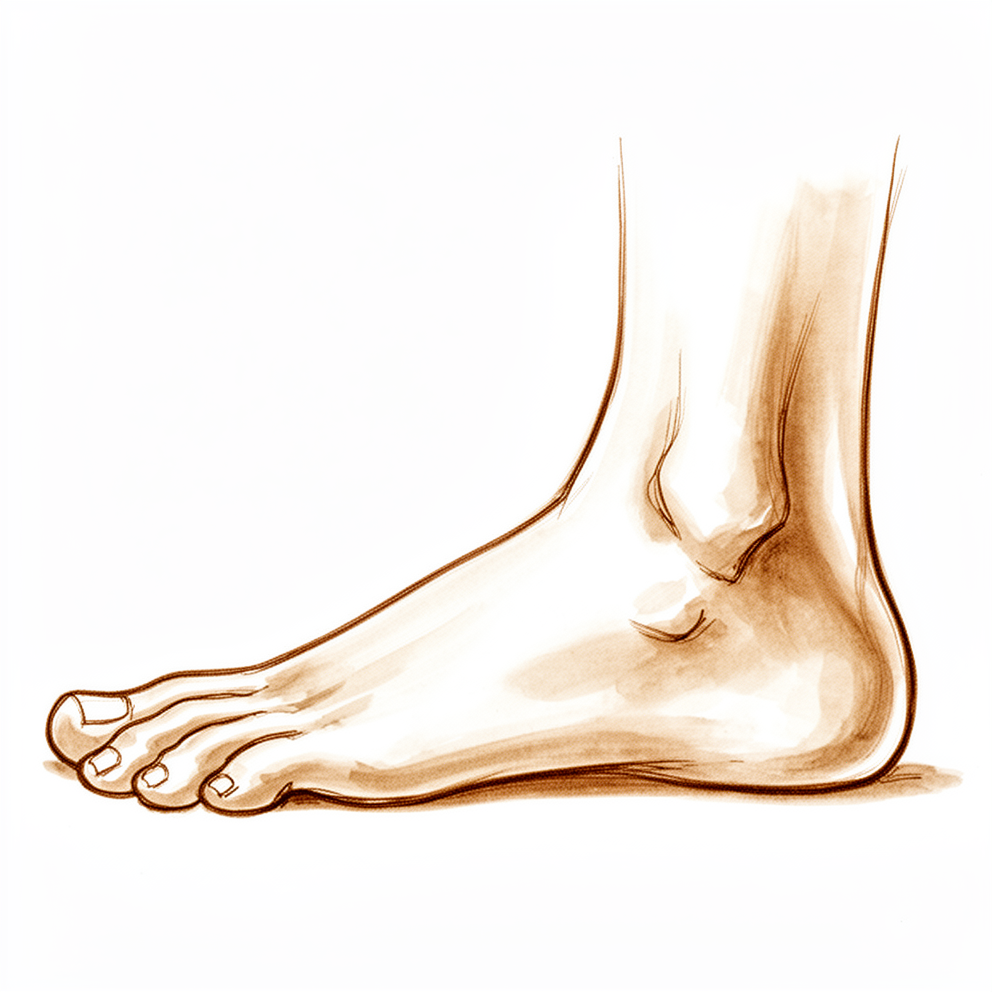
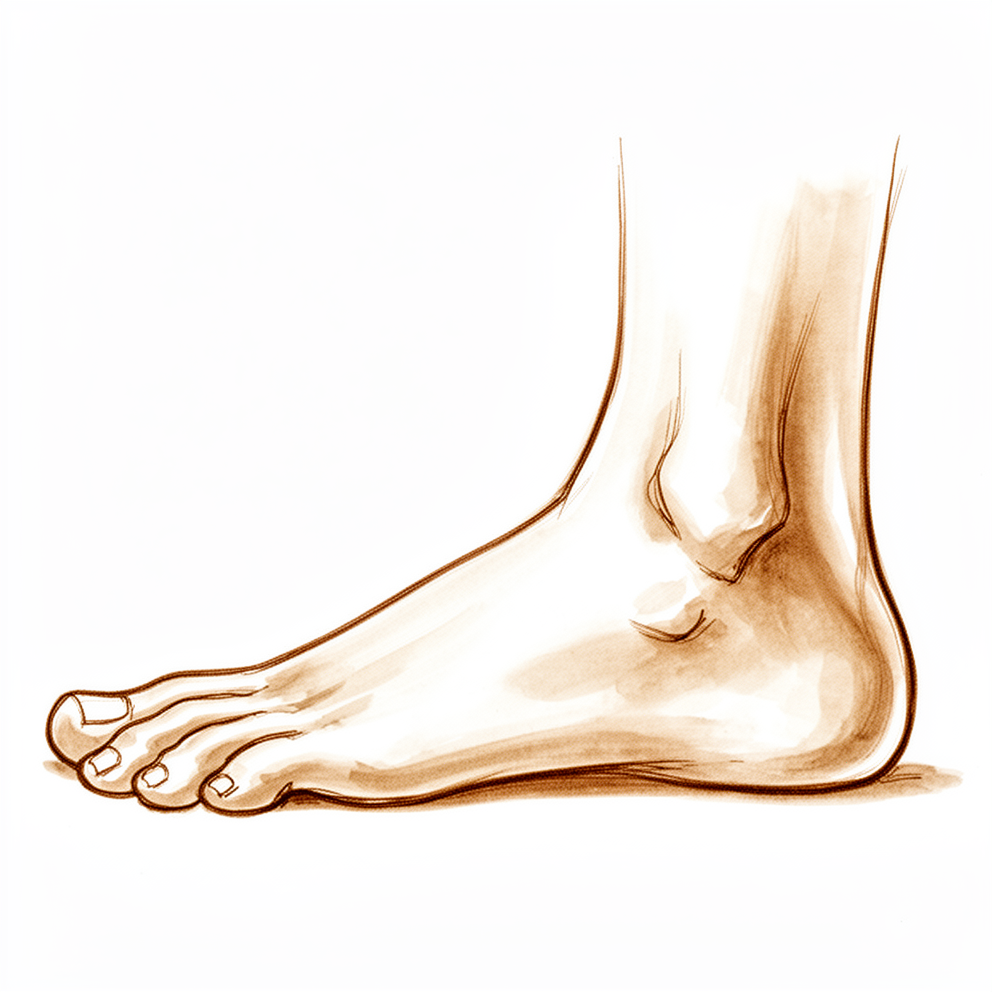
Foot & ankle arthroplasty vs fusion: indications based on patient factors, pathology (Charcot, post-traumatic arthritis), and bone quality.

Overview

Arthrodesis serves as a viable salvage or primary option across multiple joints, though outcomes vary by location and indication. In the hip, it is appropriate for younger patients with severe osteoarthritis, infection, or trauma, achieving fusion rates exceeding 80% with proper selection and positioning [4]. For the proximal interphalangeal joint, arthrodesis following failed arthroplasty yields fair to good functional results, yet solid fusion remains unreliable and complication-prone [1]. Similarly, distal interphalangeal and thumb interphalangeal arthrodesis is most commonly indicated for osteoarthritis, with complication rates mirroring existing literature [11]. Conversely, conversion of a surgically arthrodesed knee to total knee arthroplasty produces good clinical satisfaction but carries high complication risks, including repeat fusion or amputation [2].

Joint replacement strategies demonstrate distinct trade-offs between motion preservation and reliability. Total ankle arthroplasty has not matched the long-term pain relief or functional improvement of other lower extremity replacements, with most implants failing over time [6]. In the wrist, arthroplasty offers higher expected quality-adjusted life years than arthrodesis for rheumatoid arthritis, though the minimal utility gain suggests surgeons do not view it as superior [8]. For the thumb carpometacarpal joint, arthrodesis is associated with higher reoperation rates and postoperative complications compared to ligament reconstruction and tendon interposition [30]. Patients generally prefer arthroplasty attributes like preserved motion and grip strength over arthrodesis benefits such as reduced reoperation needs and lower costs [27].

Specific procedures address complex deformities or instability where standard options fail. Unicompartmental and bicompartmental knee arthroplasty with finned metal tibial-plateau implants is indicated for reconstructive surgery of the arthritic joint when proper indications are met [13]. Innovations in unicompartmental knee design have improved long-term survivorship and reduced complications [10]. The spherocentric knee procedure is recommended for knees with gross instability, severe deformity, or failed conventional arthroplasty, though this recommendation relies on short follow-up data [59]. Glenohumeral arthrodesis is safe and effective for appropriate indications, but the high frequency of complications necessitates a frank preoperative discussion regarding risks and expected outcomes [23].

Anatomy & Pathophysiology

Osseous and Implant Biomechanics

Retrograde intramedullary nailing serves as a load-sharing fixation device with superior biomechanical properties for tibiotalocalcaneal arthrodesis [3]. For first tarsometatarsal joint fusion, the plantar locking plate demonstrated the best overall stability during weight-bearing simulation [50], while the magnesium plantar plate system provides mechanical stability equivalent to the titanium plantar plate system [51]. Additive manufacturing technology offers improved biomechanical properties and fixation systems, enabling use in areas where current implants are not well suited [29]. Finite element analysis methods can yield relatively accurate simulations that compensate for the deficiencies of traditional mechanics in knee joint research [55].

Kinematics and Gait Mechanics

Hallux valgus deformity and its severity were positively associated with the magnitude of the anteroposterior postural sway [52]. Combined data on transverse plane biomechanics between medial pivot and rotating platform total knee implant designs could help identify gait pattern etiologies and the effects of gait variability on polyethylene wear [46]. Nearly normal kinematics of the knee can be preserved when a non-constrained prosthesis is utilized [53]; this approach also minimizes shear stresses at the component-cement-bone interface and improves knee function [53]. Correcting extra-articular deformity through osteotomy in conjunction with total knee arthroplasty represents the only true kinematic alignment technique aiming to reproduce native knee laxity and overall lower limb axis [69]. The restricted kinematic alignment technique might be a reasonable option for patients with extreme anatomical variation [63].

Joint-Specific Pathophysiology and Surgical Outcomes

Surgical treatment of adult idiopathic cavus foot with plantar fasciotomy, naviculocuneiform arthrodesis, and cuboid osteotomy provides good correction without compromising the range of motion of the foot [56], allowing alternating pronation and supination during gait [56]. Early operative treatment has the potential to restore anatomical alignment and improve function of diabetic patients with stage-I Charcot arthropathy [57]. Motion following 3- and 4-corner fusions was smoother and more closely replicated the normal axis and functional motion of the wrist [58]. While there are significant differences in range of motion and grip strength following four-corner arthrodesis with differing methods of osteosynthesis, these differences are unlikely to be clinically relevant [66]. Patients with rheumatoid knees who make relatively small mechanical demands on their knees are ideal candidates for geometric total knee arthroplasty [72]. In patients with risk factors such as altered biomechanics from knee procedures, hip pain or stiffness may indicate a stress fracture of the ipsilateral femoral neck [73], and early radiographs may be negative in cases of stress fracture of the hip as a complication of total knee replacement [73]. Foot and ankle biomechanics, gait analysis, and treatment principles for common nail disorders are described in standard textbooks [36].

Classification

Arthrodesis as Salvage: Arthrodesis serves as a salvage procedure for failed proximal interphalangeal joint arthroplasty, demonstrating fair to good subjective and functional outcomes despite the fusion not being completely reliable or free of complications [1]. For the knee, conversion of a surgically arthrodesed joint to total knee arthroplasty yields good clinical outcomes with overall patient satisfaction but carries high complication rates, including risks of repeat fusion or amputation [2]. In the foot and ankle, retrograde intramedullary nailing provides a load-sharing fixation device with superior biomechanical properties for use in tibiotalocalcaneal arthrodesis [3].

Knee Arthrodesis Techniques: Bone loss and the soft-tissue envelope dictate the knee fusion method, often requiring multiple techniques for knee arthrodesis as limb salvage for complex failures of total knee arthroplasty [7]. There is no definite answer as to which method is superior in performing an arthrodesis of the knee [12].

Ankle Arthroplasty Outcomes: Results of total ankle arthroplasty have not been comparable with those of replacements of other major joints of the lower extremity, with most implants failing to provide long-lasting pain relief or improved function over time [6]. Intermediate results for second-generation total ankle arthroplasty are promising but should be interpreted with care due to the poor history of earlier prostheses and technical difficulties [19].

Subtalar Fusion Approaches: All three operative approaches for subtalar fusion do not influence the fusion rate and fusion time of the subtalar joint [20].

Mueller-Weiss Disease Management: Radiological assessment is crucial to evaluate involved joints preoperatively to choose the appropriate method to treat different patients in open triple fusion versus tibiotalocalcaneal arthrodesis for Mueller-Weiss disease [9].

Total Knee Arthroplasty Alignment and Design: A proposed classification system for total knee arthroplasty with kinematic alignment describes six specific issues to consider with specific recommendations for each situation type to improve the reliability of prosthetic implantation [39]. The overview on gender-specific knee replacements does not make recommendations for or against the use of gender-specific knee replacements [5].

Other Considerations: A complete generic implant library containing characteristics of 32,500 orthopaedic implants was developed, covering about 85 different hip and 85 different knee implants [54]. Observed differences in knee scores between different study groups that have not been matched for various clinically relevant factors are at least as likely to represent differences in the patient populations as they are to represent differences in the operative technique or the design of the implant [61]. To make arthroplasty affordable globally, device manufacturers must design devices that are usable and affordable in emerging markets by addressing regional anatomic diversity and economic needs, focusing on simpler, novel solutions that prioritize affordability without sacrificing clinical success [62].

Clinical Presentation

Patients presenting for joint salvage or conversion procedures often exhibit distinct clinical profiles based on the index failure. For proximal interphalangeal joints, patients undergoing arthrodesis as a salvage for failed arthroplasty demonstrate fair to good subjective and functional outcomes, though fusion is not completely reliable or without complication [1]. In contrast, aggregate patient preference favors surgical attributes characteristic of arthroplasty, specifically the ability to preserve joint motion and grip strength, relative to arthrodesis attributes such as decreased need for reoperation, lower costs, and shorter reoperation times [27].

Indications and Outcomes: Hip arthrodesis is a viable technique for younger patients with severe osteoarthritis, infection, or trauma, achieving fusion rates greater than 80% with proper patient selection and optimal positioning [4]. Knee arthrodesis serves as a limb salvage option for complex failures of total knee arthroplasty where bone loss and the soft-tissue envelope dictate the method; multiple techniques may be needed [7]. For the carefully selected patient with realistic expectations, knee arthrodesis may relieve pain and obviate the need for additional surgery or extensive postoperative rehabilitation [17]. However, conversion of a surgically arthrodesed knee to a total knee arthroplasty yields good clinical outcomes with overall patient satisfaction but is associated with high complication rates, including risk of repeat fusion or amputation [2].

Joint-Specific Pathology and Assessment: Total ankle arthroplasty results have not been comparable with those of replacements of other major lower extremity joints, with most implants failing to provide long-lasting pain relief or improved function over time [6]. Osteoarthritis remains the most common indication for arthrodesis of distal interphalangeal and thumb interphalangeal joints, with postoperative complications occurring at a rate similar to that reported in existing literature [11]. Mueller-Weiss disease requires crucial radiological assessment preoperatively to choose the appropriate method between open triple fusion versus tibiotalocalcaneal arthrodesis [9]. Traumatic supraclavicular brachial plexus palsy presenting as a flail shoulder may be managed with glenohumeral arthrodesis, which is associated with few complications and effectively reduces pain while improving functional outcomes in this selected population [22].

Implant Failure and Diagnostic Modalities: Silastic radial-head prosthesis fractures are confirmed via xerograms, which help localize fragment positions within the joint to facilitate surgical removal [15]. Variable-axis knee prostheses have shown 79 percent good to excellent outcomes with no detectable clinical loosening of the components [14], whereas the spherocentric knee demonstrated significant pain relief and improved function in 70 percent of treated knees, with eleven failures due to complications including loosening, fracture, and infection [41]. Simultaneous biplane radiography can accurately assess total joint replacement motion in vivo and may serve as an important adjunct to detect early changes before clinical or radiographic evidence of loosening is apparent [26]. Periprosthetic joint infection management must evolve to reflect biological intricacies by redefining PJI through biomarkers and implementing personalized, innovative therapies to improve outcomes and quality of life [25].

Specific Arthrodesis Techniques and Outcomes: Retrograde intramedullary nailing provides a load-sharing fixation device with superior biomechanical properties for use in tibiotalocalcaneal arthrodesis [3]. Tarsometatarsal joint arthrodesis following traumatic injury demonstrates marked improvement in pain and function, with the lateral column generally not included in the arthrodesis [21]. A review of failed thumb carpometacarpal arthroplasty provides insights into the history of CMC arthroplasty, reasons for failure, and offers an algorithmic treatment approach for persistent postoperative symptoms [40]. Regarding gender-specific knee replacements, current overviews do not make recommendations for or against their use [5].

Investigations

Plain radiography: Radiological assessment is crucial preoperatively to evaluate involved joints and select appropriate treatment methods for patients with Mueller-Weiss disease [9]. Simultaneous biplane radiography can accurately assess total joint replacement motion in vivo, potentially serving as an important adjunct in postoperative management to detect early changes before clinical or radiographic evidence of loosening appears [26]. Xerograms confirmed the diagnosis of a fracture of a silastic radial-head prosthesis and helped localize fragment positions within the joint to facilitate surgical removal [15]. Radiographic evidence supports stable fixation with negligible subsidence and new-bone formation at the coated-uncoated interface for early clinical experience with hydroxyapatite-coated femoral implants [31]. However, the high incidence of radiolucent lines and component subsidence in total ankle replacement for rheumatoid arthritis requires longer follow-up to determine the ultimate fate of components [33]. Relatively low rates of radiographic hindfoot arthritis and revision procedures were observed at an average of nine years after the Agility Total Ankle Arthroplasty [76]. Radiological lucency occurred more commonly at the tibial component in early outcomes of the Exactech Vantage fixed-bearing total ankle replacement, with revisions occurring primarily due to tibial component loosening [79]. Despite radiographic progression, radiolunate and radioscapholunate arthrodeses yield good clinical results at long-term follow-up [78].

MRI: MRI-based systems for cutting blocks may suffer from motion artifacts but offer the advantage of detecting articular cartilage surfaces for a snug fit [77].

Other Considerations: Arthrodesis serves as a salvage for failed proximal interphalangeal joint arthroplasty, demonstrating fair to good subjective and functional outcomes despite fusion not being completely reliable or without complication [1]. Conversion of a surgically arthrodesed knee to a total knee arthroplasty yields good clinical outcomes with overall patient satisfaction but carries high complication rates including the risk of repeat fusion or amputation [2]. Retrograde intramedullary nailing provides a load-sharing fixation device with superior biomechanical properties for use in tibiotalocalcaneal arthrodesis [3]. Hip arthrodesis achieves fusion rates greater than 80% with proper patient selection and optimal positioning in younger patients with severe osteoarthritis, infection, or trauma [4]. Bone loss and the soft-tissue envelope dictate the knee fusion method, and multiple techniques may be needed for knee arthrodesis as limb salvage for complex failures of total knee arthroplasty [7]. Arthroplasty is the preferred treatment over arthrodesis for total wrist arthroplasty and total wrist arthrodesis in rheumatoid arthritis based on higher expected gain in QALYs, though the minimal increase in utility suggests surgeons do not view arthroplasty as superior [8]. There is no definite answer as to which method is superior in performing an arthrodesis of the knee [12]. Clinical results for the variable-axis knee prosthesis showed 79 per cent good to excellent outcomes with no detectable clinical loosening of the components [14]. Patients undergoing arthrodesis of the tarsometatarsal joints after traumatic injury demonstrated marked improvement in pain and function, and the lateral column should generally not be included in the arthrodesis [21]. Glenohumeral arthrodesis was associated with few complications and effectively reduced pain and improved functional outcome in patients with late reconstruction of flail shoulder due to traumatic supraclavicular brachial plexus palsy [22]. Patients with extreme deformities were not excluded from the study on customized cutting blocks but had mild to moderate deformities [77].

Treatment

Non-Operative

Treatment options for hallux rigidus and osteoarthrosis of the first metatarsophalangeal joint range from non-operative measures to various surgical procedures, with selection depending on disease stage and patient factors [60]. For talar osteonecrosis, conservative care is indicated for early stages before invasive surgical options like arthrodesis or arthroplasty are considered once collapse develops [68].

Operative

Indications: Hip arthrodesis is a viable technique for younger patients with severe osteoarthritis, infection, or trauma [4]. Osteoarthritis was the most common indication for arthrodesis of the distal interphalangeal and thumb interphalangeal joints [11]. For the carefully selected patient with realistic expectations, knee arthrodesis may relieve pain and obviate the need for additional surgery or extensive postoperative rehabilitation [17]. Treatment of the long finger may be a relative contraindication to proximal interphalangeal joint arthroplasty [44].

Surgical Approach / Technique: All three operative approaches for subtalar fusion do not influence the fusion rate and fusion time of the subtalar joint [20]. There is no evidence that one surgical approach for proximal interphalangeal joint arthroplasty is superior to another [37]. Radiological assessment is crucial to evaluate involved joints preoperatively to choose the appropriate method for treating Mueller-Weiss disease [9]. The success of arthrodesis in failed total knee replacement depends mainly on the technical adequacy of the procedure, specifically stable fixation and solid bone-to-bone contact [64].

Implant Selection: Retrograde intramedullary nailing provides a load-sharing fixation device with superior biomechanical properties and is an excellent choice for use in tibiotalocalcaneal arthrodesis [3]. Innovations in implant design, fixation methods, and surgical techniques for unicompartmental knee arthroplasty have led to good-to-excellent long-term survivorship, functional outcomes, and fewer complications [10]. With proper indications, unicompartmental and bicompartmental arthroplasty of the knee with a finned metal tibial-plateau implant has a place in reconstructive surgery of the arthritic knee joint [13]. Despite relatively poor results, hinged implants continue to have a place in revision total knee arthroplasty to solve major instability or to obtain stable bone fixation of an implant when the metaphysis is filled with bone grafts or porous devices [28]. Additive manufacturing for metal applications in orthopaedic surgery offers improved biomechanical properties and fixation systems, enabling use in areas where current implants are not well suited [29]. Radiographic evidence supports stable fixation with negligible subsidence and new-bone formation at the coated-uncoated interface for early clinical experience with hydroxyapatite-coated femoral implants [31]. Silicone arthroplasty for osteoarthritis of the proximal interphalangeal joint remains a good option for pain relief [74]. Medium-term follow-up results with a 95% survival rate indicate that the Ivory arthroplasty appears to be an effective surgical option for advanced trapeziometacarpal joint osteoarthritis for patients in whom all conservative measures have failed [75].

Alignment / Balancing Strategy: The overview on gender-specific knee replacements does not make recommendations for or against the use of gender-specific knee replacements [5].

Pain Management: Authors endorse the need for randomized, multicenter, prospective trials regarding modern general anesthesia vs neuraxial anesthesia for primary total joint arthroplasty and state that enhanced recovery after surgery protocols can be associated with decreased length of stay even in the absence of neuraxial anesthesia in some surgical settings [42].

Adjuncts: Xerograms confirmed the diagnosis of a fracture of a silastic radial-head prosthesis and helped to localize the positions of the fragments within the joint, facilitating surgical removal [15].

Revision: Arthrodesis as a salvage for failed proximal interphalangeal joint arthroplasty demonstrates fair to good subjective and functional outcomes, although achieving solid fusion is not completely reliable or without complication [1]. Conversion of a surgically arthrodesed knee to a total knee arthroplasty yields good clinical outcomes and overall patient satisfaction, but is associated with high complication rates including the risk of repeat fusion or amputation [2]. Bone loss and the soft-tissue envelope dictate the knee fusion method, and multiple techniques may be needed for knee arthrodesis as limb salvage for complex failures of total knee arthroplasty [7]. There is no definite answer as to which method is superior in performing an arthrodesis of the knee [12]. In the last part of the study period regarding knee arthrodesis after failure of knee arthroplasty, the 5-year cumulative incidence of complications was reduced to 0.09% [18]. Conversion from total wrist arthrodesis to a modern wrist arthroplasty is feasible, yielding good functional results, significant pain relief, and stable implants [67].

Other Considerations: Results of total ankle arthroplasty have not been comparable with those of replacements of other major joints of the lower extremity, with most implants failing to provide long-lasting pain relief or improved function over time [6]. The high incidence of radiolucent lines and component subsidence in total ankle replacement in rheumatoid arthritis requires longer follow-up to determine the ultimate fate of the components [33]. A meta-analysis found a non-statistically significant difference in fusion rates between arthroscopic and open techniques for ankle arthrodesis in ankle osteoarthritis patients [32]. Arthrodesis of the ankle in patients who have rheumatoid arthritis often allows the patient to maintain the level of functional activity but should not be expected to improve it [65]. Glenohumeral arthrodesis is a safe and effective procedure for appropriate indications, but the high frequency of complications mandates a frank preoperative discussion to ensure that each patient understands the magnitude of the procedure, its risks, possible complications, and expected outcome [23]. Arthrodesis of the shoulder is a technically demanding procedure that can lead to serious complications that necessitate operative intervention [38]. Hip arthrodesis achieves fusion rates greater than 80% with proper patient selection and optimal positioning [4]. On the basis of its higher expected gain in quality-adjusted life years (QALYs), arthroplasty should be the preferred treatment for total wrist arthroplasty and total wrist arthrodesis in rheumatoid arthritis, though the minimal increase in utility over arthrodesis suggests surgeons do not view arthroplasty as superior [8]. The calculated probability of polycentric total knee arthroplasty remaining successful ten years postoperatively was 66 percent [16]. Polycentric total knee arthroplasty provided significant relief of pain in 86 percent of knees with a functional range of motion [70].

Complications

Infection (PJI): Periprosthetic joint infection remains a formidable challenge with incidence rates of 0.4% to 2% after primary total knee replacement [71]. The absolute number of cases is projected to increase significantly due to the growing volume of arthroplasties [71]. Knowing risk factors, especially those that are avoidable or controllable, is critical to minimizing this complication [84]. Surgeons may reduce infection rates by limiting the impact of significant risk factors associated with the patient, operative environment, or post-operative care through specific preventive measures [88]. Direct aspiration and irrigation (DAIR) is a viable option with an acceptable success rate for acute infections [86]. One-stage exchange arthroplasty has shown statistically equivalent re-infection rates to two-stage revision in recent meta-analyses [86].

Aseptic Loosening: Primary total ankle arthroplasty with a Mayo implant yielded a failure rate of 35 per cent in ankles followed for at least two years [35]. Metallic hemiarthroplasty for end-stage hallux rigidus is associated with a relatively high revision rate, particularly in younger patients [80]. High revision rates were observed with the metal-on-metal Motec carpometacarpal joint prosthesis [89]. Intermediate results for second-generation total ankle arthroplasty are promising but should be interpreted with care due to the poor history of earlier prostheses and technical difficulties [19].

Instability: Despite relatively poor results, hinged implants continue to have a place in revision surgery to solve major instability or to obtain stable bone fixation of an implant when the metaphysis is filled with bone grafts or porous devices [28].

Other Considerations: Arthrodesis for failed proximal interphalangeal joint arthroplasty is not completely reliable and is not without complication [1]. Conversion of a surgically arthrodesed knee to total knee arthroplasty is associated with high complication rates, including risk of repeat fusion or amputation [2]. Patients undergoing arthrodesis for thumb carpometacarpal joint arthritis have higher reoperation rates and incidence of postoperative complications than those who undergo ligament reconstruction and tendon interposition (LRTI) [30]. The meta-analysis found a non-statistically significant difference in fusion rates between arthroscopic and open techniques for ankle osteoarthritis [32]. The calculated probability of a polycentric total knee arthroplasty remaining successful ten years postoperatively was 66 per cent [16]. Clinical results for the variable-axis knee prosthesis showed 79 per cent good to excellent outcomes with no detectable clinical loosening of the components [14]. Ninety-two per cent of patients who had primary arthroplasty and 81 per cent of those who had surgical revision with a kinematic stabilizer prosthesis had a good or excellent result [24]. Clinical results for total knee arthroplasty after proximal tibial osteotomy were similar to those for revision total knee arthroplasties but were not as satisfactory as those obtained after primary total knee replacement [34]. In the last part of the study period, the 5-year cumulative incidence of complications associated with knee arthrodesis was reduced to 0.09% [18]. Patients undergoing revision total knee arthroplasty after conversion of knee arthrodesis require careful counseling regarding the high rate of complications [85].

Recovery

Light activity (weeks): Patients undergoing arthrodesis for failed proximal interphalangeal joint arthroplasty or thumb basal joint arthroplasty may resume desk work and light ADLs within the timeframe required to achieve stable fixation, though specific week ranges for these upper extremity procedures are not explicitly quantified in the provided evidence [1, 83]. For knee arthrodesis, patients with realistic expectations may avoid extensive postoperative rehabilitation, implying a potentially shorter light activity phase compared to complex revisions [17].

Full activity (months): Functional recovery for total knee arthroplasty with a long segment of the femur or tibia, as well as for hip arthrodesis, allows patients to function at a high level and return to most occupations, with stability and pain relief established after two years or more of follow-up [48, 49]. Elite athletes typically return to their elite level of sport following first metatarsophalangeal arthrodesis, achieving improved clinical outcomes and pain reduction [82]. Conversely, conversion of a surgically arthrodesed knee to total knee arthroplasty is associated with high complication rates, including the risk of repeat fusion or amputation, which may impede the return to full activity [2].

Complete recovery / outcome plateau (months): The calculated probability of a polycentric total knee arthroplasty remaining successful ten years postoperatively was 66 percent, indicating a long-term plateau for this specific implant [16]. For total ankle arthroplasty, most implants fail to provide long-lasting pain relief or improved function over time, suggesting a plateau of suboptimal outcomes [6]. Primary total ankle arthroplasty with a Mayo implant yielded a good clinical result for 19 percent, a fair result for 35 percent, a poor result for 11 percent, and a failure for 35 percent of ankles followed for at least two years [35]. In the context of knee arthrodesis after failure of knee arthroplasty, the 5-year cumulative incidence of complications was reduced to 0.09% in the last part of the study period [18].

Rehabilitation protocol: A modified technique of four-bone fusion for advanced carpal collapse provides immediate stable fixation and early mobilization to assure bone fusion [45]. For patients with a hip arthrodesis, proper patient selection and optimal positioning are critical to achieving fusion rates greater than 80% [4]. The insertion of a hinged prosthesis to restore function in a painful, disabled knee is still in the developmental phase and cannot be recommended for widespread use [43]. Surgeons must adhere to a six-step guide emphasizing thorough data review, peer discussion, training, and post-implementation monitoring to maintain safety and efficacy standards when implementing new technologies [47].

Functional milestones: Ninety-two percent of patients who had primary arthroplasty and 81 percent of those who had surgical revision using the kinematic stabilizer prosthesis had a good or excellent result [24]. Results of total ankle arthroplasty have not been comparable with those of replacements of other major joints of the lower extremity, with most implants failing to provide long-lasting pain relief or improved function over time [6]. Intermediate results for second-generation total ankle arthroplasty are promising but should be interpreted with care due to the poor history of earlier prostheses and technical difficulties [19]. Clinical results obtained in total knee arthroplasty after proximal tibial osteotomy are similar to those for revision total knee arthroplasties but were not as satisfactory as those obtained after primary total knee replacement [34].

Other Considerations: Gender-specific knee replacements are not recommended for or against use based on the available technology overview [5]. For the carefully selected patient with realistic expectations, knee arthrodesis may relieve pain and obviate the need for additional surgery or extensive postoperative rehabilitation [17]. Patients undergoing arthrodesis as a salvage for failed proximal interphalangeal joint arthroplasty demonstrate fair to good subjective and functional outcomes, although achieving solid fusion is not completely reliable or without complication [1]. Hip arthrodesis is a viable technique for younger patients with severe osteoarthritis, infection, or trauma, achieving fusion rates greater than 80% with proper patient selection and optimal positioning [4]. Based on higher expected gain in quality-adjusted life years (QALYs), arthroplasty should be the preferred treatment for total wrist arthroplasty and total wrist arthrodesis in rheumatoid arthritis, though the minimal increase in utility over arthrodesis suggests surgeons do not view arthroplasty as superior [8]. Unicompartmental and bicompartmental arthroplasty of the knee with a finned metal tibial-plateau implant has a place in reconstructive surgery of the arthritic knee joint with proper indications [13]. Accurate placement of the components and restoration of knee stability were critical requirements for the polycentric total knee prosthesis to be successful [81]. Twelve months after surgery, the functional outcome for arthroplasties with or without bone tunnel creation for thumb basal joint arthritis was similar [83].

Key Evidence

  • [L4] Although achieving solid fusion with arthrodesis is not completely reliable or without complication, patients' subjective and functional outcomes demonstrate fair to good results. (10.1016/j.jhsa.2010.10.030)
  • [L1] The clinical outcomes are good with overall patient satisfaction, but complication rates are high including risk of repeat fusion or amputation. (10.1016/j.arth.2016.01.027)
  • [L5] Retrograde intramedullary nailing provides a load-sharing fixation device with superior biomechanical properties and is an excellent choice for use in tibiotalocalcaneal arthrodesis. (10.5435/00124635-201201000-00001)
  • [L4] Hip arthrodesis is a viable technique for younger patients with severe osteoarthritis, infection, or trauma, achieving fusion rates >80% with proper patient selection and optimal positioning. (10.5435/00124635-200207000-00003)
  • [L2] The Overview does not make recommendations for or against the use of gender-specific knee replacements. (10.5435/00124635-200802000-00003)
  • [L4] The results of total ankle arthroplasty have not been comparable with those of replacements of other major joints of the lower extremity, with most implants failing to provide long-lasting pain relief or improved function over time. (10.2106/00004623-199810000-00002)
  • [L4] On the basis of its higher expected gain in QALYs, arthroplasty should be the preferred treatment, though the minimal increase in utility over arthrodesis suggests surgeons do not view arthroplasty as superior. (10.1016/j.jhsa.2008.06.022)
  • [L3] It is crucial to use radiological assessment to evaluate the involved joints preoperatively and then chose the appropriate method to treat different patients. (10.1186/s13018-017-0513-3)
  • [L4] Innovations in implant design, fixation methods, and surgical techniques have led to good-to-excellent long-term survivorship, functional outcomes, and fewer complications. (10.1136/jisakos-2016-000102)
  • [L3] Osteoarthritis was the most common indication for arthrodesis and postoperative complications occurred at a rate similar to that reported in the existing literature. (10.1186/s12891-024-07361-w)
  • [L4] There is no definite answer as to which method is superior in performing an arthrodesis of the knee. (10.1007/s00167-013-2539-3)
  • [L4] The results suggest that with the proper indications this arthroplasty has a place in reconstructive surgery of the arthritic knee joint. (10.2106/00004623-198567080-00005)
  • [L4] Clinical results showed 79 per cent good to excellent outcomes with no detectable clinical loosening of the components. (10.2106/00004623-198163050-00001)
  • [L3] The calculated probability of the arthroplasty remaining successful ten years postoperatively was 66 per cent. (10.2106/00004623-198466080-00008)
  • [L4] For the carefully selected patient with realistic expectations, knee arthrodesis may relieve pain and obviate the need for additional surgery or extensive postoperative rehabilitation. (10.5435/00124635-200603000-00006)
  • [L3] In the last part of the study period, the 5-year cumulative incidence was reduced to 0.09%, suggesting progress in the treatment of complications associated with knee arthrodesis. (10.2106/jbjs.15.01363)
  • [L4] Intermediate results for second-generation total ankle arthroplasty are promising but should be interpreted with care due to the poor history of earlier prostheses and technical difficulties. (10.5435/jaaos-d-25-00638)
  • [L3] All three operative approaches do not influence the fusion rate and fusion time of the subtalar joint. (10.1186/s13018-014-0115-2)
  • [L4] Patients demonstrated marked improvement in pain and function, and the lateral column should generally not be included in the arthrodesis. (10.2106/00004623-199611000-00005)
  • [L4] In our series, glenohumeral arthrodesis was associated with few complications, and effectively reduced pain and improved functional outcome in this selected patient population. (10.1177/1758573217693807)
  • [L4] Glenohumeral arthrodesis is a safe and effective procedure for the appropriate indications, but the high frequency of complications mandates a frank preoperative discussion to ensure that each patient understands the magnitude of the procedure, its risks, possible complications, and expected outcome. (10.1016/j.xrrt.2021.08.011)
  • [L4] Ninety-two per cent of the patients who had had primary arthroplasty and 81 per cent of those who had had surgical revision had a good or excellent result. (10.2106/00004623-198870040-00003)
  • [L5] The management of periprosthetic joint infection must evolve to reflect biological intricacies by redefining PJI through biomarkers and implementing personalized, innovative therapies to improve outcomes and quality of life. (10.2106/jbjs.24.01549)
  • [L4] Simultaneous biplane radiography can accurately assess the motion of total joint replacements in vivo and may become an important adjunct in postoperative management to detect early changes before clinical or radiographic evidence of loosening is apparent. (10.2106/00004623-198466040-00028)
  • [L3] In aggregate, patients prefer surgical attributes characteristic of arthroplasty (ability to preserve joint motion and grip strength) relative to those associated with arthrodesis (decreased need for reoperation, lower costs, and shorter reoperation times). (10.1016/j.jhsa.2018.03.001)
  • [L4] Despite these relatively poor results, hinged implants continue to have a place in revision surgery to solve major instability or to obtain stable bone fixation of an implant when the metaphysis is filled with bone grafts or porous devices. (10.1302/2058-5241.4.180070)
  • [L5] This technology offers improved biomechanical properties and fixation systems, enabling use in areas where current implants are not well suited. (10.5435/jaaos-d-19-00420)
  • [L1] Patients who undergo arthrodesis have higher reoperation rates and incidence of postoperative complications than those who undergo LRTI. (10.1016/j.jhsa.2024.10.018)
  • [L4] Radiographic evidence supports stable fixation with negligible subsidence and new-bone formation at the coated-uncoated interface. (10.2106/00004623-199307000-00018)
  • [L1] The meta-analysis found a non-statistically significant difference in fusion rates between arthroscopic and open techniques. (10.3390/jcm12103574)
  • [L4] However, the high incidence of radiolucent lines and component subsidence requires longer follow-up to determine the ultimate fate of the components. (10.2106/00004623-198466030-00004)
  • [L3] The clinical results obtained in this series are similar to those for revision total knee arthroplasties but were not as satisfactory as those obtained after primary total knee replacement. (10.2106/00004623-198870040-00011)
  • [L5] There is no evidence that one surgical approach for proximal interphalangeal joint arthroplasty is superior to another. (10.1302/0301-620x.104b12.bjj-2022-0946)
  • [L4] Arthrodesis of the shoulder is a technically demanding procedure that can lead to serious complications that necessitate operative intervention. (10.2106/00004623-199706000-00012)
  • [L5] The proposed classification system describes six specific issues to consider, with specific recommendations for each situation type to improve the reliability of prosthetic implantation. (10.1302/2058-5241.6.210042)
  • [L5] The purpose of this review is to provide insights into the history of CMC arthroplasty and reasons for failure and to offer an algorithmic treatment approach for the clinical problem of persistent postoperative symptoms. (10.1016/j.jhsa.2018.03.052)
  • [L5] The authors endorse the need for randomized, multicenter, prospective trials regarding modern general anesthesia vs neuraxial anesthesia for primary total joint arthroplasty and state that enhanced recovery after surgery protocols can be associated with decreased length of stay even in the absence of neuraxial anesthesia in some surgical settings. (10.1016/j.arth.2020.01.059)
  • [L4] The insertion of a hinged prosthesis to restore function in a painful, disabled knee is still in the developmental phase and cannot be recommended for widespread use. (10.2106/00004623-196345080-00005)
  • [L1] Treatment of the long finger may be a relative contraindication to PIPJ arthroplasty. (10.1177/1558944718791186)
  • [L4] This technique provides immediate stable fixation and early mobilization and assures bone fusion. (10.1054/jhsb.2001.0598)
  • [L5] The authors of the original study agree that such combined data could help identify gait pattern etiologies and the effects of gait variability on polyethylene wear. (10.1016/j.arth.2016.03.056)
  • [L5] The authors provide a six-step guide to help arthroplasty surgeons critically evaluate and safely implement new technologies, emphasizing the need for thorough data review, peer discussion, training, and post-implementation monitoring to maintain safety and efficacy standards. (10.1016/j.arth.2024.02.082)
  • [L4] Total replacement of the knee and a long segment of the femur or tibia provided functional recovery of the knee joint in thirteen patients, with all patients having a stable extremity, excellent relief of pain, and a useful range of motion after two years or more of follow-up. (10.2106/00004623-197961060-00014)
  • [L4] A patient with an arthrodesis of the hip can function at a high level for many years and will be able to work at most occupations. (10.2106/00004623-198567090-00004)
  • [L5] The plantar locking plate showed the best overall stability during weight-bearing simulation. (10.1186/s13018-018-0876-0)
  • [L5] Based on the performed biomechanical testing, the magnesium plantar plate system provides mechanical stability equivalent to the titanium plantar plate system in fixation for the first TMT joint fusion. (10.1186/s13018-024-05208-7)
  • [L4] Hallux valgus deformity and its severity were positively associated with the magnitude of the anteroposterior postural sway. (10.1186/s12891-021-04385-4)
  • [L4] Nearly normal kinematics of the knee can be preserved, function of the knee can be improved, and shear stresses at the component-cement-bone interface can be minimized when such a prosthesis is utilized. (10.2106/00004623-198365070-00005)
  • [L4] A complete implant library containing characteristics of 32,500 orthopaedic implants was developed, covering about 85 different hip and 85 different knee implants. (10.1302/2058-5241.4.180063)
  • [L4] FEA methods can yield relatively accurate simulations that compensate for the deficiencies of traditional mechanics in knee joint research. (10.3389/fbioe.2023.1127289)
  • [L4] This surgical procedure provides good correction of adult idiopathic cavus foot without compromising the range of motion of the foot, allowing alternating pronation and supination during gait. (10.2106/00004623-200200002-00008)
  • [L4] To our knowledge, the present study is the first to demonstrate the potential for early operative treatment to restore anatomical alignment and improve function of diabetic patients with stage-I Charcot arthropathy. (10.2106/00004623-200007000-00005)
  • [L3] Motion was smoother and more closely replicated the normal axis and functional motion of the wrist. (10.1016/j.jhsa.2015.02.027)
  • [L5] Treatment options range from non-operative measures to various surgical procedures including cheilectomy, arthroplasty, and arthrodesis, with selection depending on disease stage and patient factors. (10.2106/00004623-199806000-00015)
  • [L4] Observed differences in knee scores between different study groups that have not been matched for various clinically relevant factors are at least as likely to represent differences in the patient populations as they are to represent differences in the operative technique or the design of the implant. (10.2106/00004623-199706000-00009)
  • [L5] To make arthroplasty affordable globally, device manufacturers must design devices that are usable and affordable in emerging markets by addressing regional anatomic diversity and economic needs, focusing on simpler, novel solutions that prioritize affordability without sacrificing clinical success. (10.5435/jaaos-d-15-00350)
  • [L2] The restricted kinematic alignment technique might be a reasonable option for patients with extreme anatomical variation. (10.1302/2058-5241.3.170021)
  • [L4] The success of arthrodesis in failed total knee replacement depends mainly on the technical adequacy of the procedure, specifically stable fixation and solid bone-to-bone contact. (10.2106/00004623-197860060-00011)
  • [L3] The relief of pain often will allow the patient to maintain the level of functional activity but should not be expected to improve it. (10.2106/00004623-199274060-00012)
  • [L4] While there are some significant differences in range of motion and grip strength, these differences are unlikely to be clinically relevant. (10.1016/j.jhsa.2021.06.002)
  • [L4] Conversion from total wrist arthrodesis to a modern wrist arthroplasty is feasible, yielding good functional results, significant pain relief, and stable implants. (10.1016/j.jhsa.2024.10.007)
  • [L5] Treatment strategy for talar osteonecrosis depends primarily on the stage of disease, ranging from conservative care for early stages to invasive surgical options like arthrodesis or arthroplasty once collapse develops. (10.5435/jaaos-d-20-00418)
  • [L5] Correcting the extra-articular deformity through osteotomy in conjunction with TKA represents the only true kinematic alignment technique aiming to reproduce native knee laxity and overall lower limb axis. (10.1530/eor-23-0215)
  • [L3] Polycentric total knee arthroplasty provided significant relief of pain in 86 per cent of knees with a functional range of motion. (10.2106/00004623-197658060-00001)
  • [L4] Since these patients make relatively small mechanical demands on their knees, they are ideal candidates for geometric total knee arthroplasty. (10.2106/00004623-197860040-00015)
  • [Case_report] In patients with risk factors such as altered biomechanics from knee procedures, hip pain or stiffness may indicate a stress fracture of the ipsilateral femoral neck, as early radiographs may be negative. (10.2106/00004623-198264020-00030)
  • [L4] Silicone arthroplasty for osteoarthritis of the PIP remains a good option for pain relief. (10.1177/1558944718769427)
  • [L4] The medium-term follow-up results with a 95% survival rate indicate that the Ivory arthroplasty appears to be an effective surgical option for advanced TM osteoarthritis for patients in whom all conservative measures have failed. (10.1177/1753193413488494)
  • [L4] The relatively low rates of radiographic hindfoot arthritis and revision procedures at an average of nine years after the arthroplasty are encouraging. (10.2106/00004623-200406000-00007)
  • [L5] The authors clarify that patients with extreme deformities were not excluded but had mild to moderate deformities, acknowledge the potential for CT-based technology in patients with metallic implants, and note that while MRI-based systems may suffer from motion artifacts, they offer the advantage of detecting articular cartilage surfaces for a snug fit. (10.1016/j.arth.2018.05.038)
  • [L4] Despite radiographic progression, radiolunate and radioscapholunate arthrodeses yield good clinical results at long-term follow-up. (10.1016/j.jhsa.2011.10.012)
  • [L4] Radiological lucency occurred more commonly at the tibial component, and revisions occurred primarily due to loosening of the tibial component. (10.1302/0301-620x.105b10.bjj-2023-0173.r2)
  • [L3] The relatively high revision rate is associated with younger age and perhaps the use of this implant should be limited to older patients. (10.1302/0301-620x.98b7.36860)
  • [L4] Accurate placement of the components and restoration of knee stability were critical requirements for the polycentric total knee prosthesis to be successful. (10.2106/00004623-197658060-00005)
  • [L5] A significant majority of elite athletes return to their elite level of sport post-operatively, with improved clinical outcomes and pain reduction achieved in all patients. (10.1016/j.jisako.2025.100390)
  • [L1] However, 12 months after surgery, the functional outcome was similar. (10.1016/j.jhsa.2014.04.044)
  • [L5] Knowing the risk factors for PJI after TKA, especially those that are avoidable or controllable, is critical to minimizing (ideally preventing) this complication. (10.3390/jcm11206128)
  • [L5] Patients undergoing revision TKA after conversion of knee arthrodesis require careful counseling regarding the high rate of complications. (10.1186/1471-2474-14-317)
  • [L4] DAIR is a viable option with an acceptable success rate for acute infections, while one-stage exchange arthroplasty has shown statistically equivalent re-infection rates to two-stage revision in recent meta-analyses. (10.1302/2058-5241.5.190069)
  • [L5] The surgeon may have an important role in reducing the peri-prosthetic joint infection rate by limiting the impact of significant risk factors associated with the patient, the operative environment, or the post-operative care through specific preventive measures. (10.1302/2058-5241.1.000032)
  • [L4] The revision rate in this study is unacceptably high. (10.1177/1753193415595527)

References

[1] Arthrodesis as a Salvage for Failed Proximal Interphalangeal Joint Arthroplasty. The Journal of Hand Surgery. 2011. DOI: 10.1016/j.jhsa.2010.10.030

[2] Conversion of a Surgically Arthrodesed Knee to a Total Knee Arthroplasty—Is it Worth it? A Meta-Analysis. The Journal of Arthroplasty. 2016. DOI: 10.1016/j.arth.2016.01.027

[3] The Use of Intramedullary Nails in Tibiotalocalcaneal Arthrodesis. American Academy of Orthopaedic Surgeon. 2012. DOI: 10.5435/00124635-201201000-00001

[4] Hip Arthrodesis: Current Indications and Techniques. Journal of the American Academy of Orthopaedic Surgeons. 2002. DOI: 10.5435/00124635-200207000-00003

[5] Gender-Specific Knee Replacements: A Technology Overview. Journal of the American Academy of Orthopaedic Surgeons. 2008. DOI: 10.5435/00124635-200802000-00003

[6] Total Ankle Arthroplasty. The Journal of Bone & Joint Surgery. 1998. DOI: 10.2106/00004623-199810000-00002

[7] Knee_Arthrodesis_as_Limb_Salvage_for_Complex_Failures_of_Total_Knee_Arthroplasty_S088354031400429X. n.d..

[8] Total Wrist Arthroplasty and Total Wrist Arthrodesis in Rheumatoid Arthritis: A Decision Analysis From the Hand Surgeons' Perspective. The Journal of Hand Surgery. 2008. DOI: 10.1016/j.jhsa.2008.06.022

[9] Open triple fusion versus TNC arthrodesis in the treatment of Mueller-Weiss disease. Journal of Orthopaedic Surgery and Research. 2017. DOI: 10.1186/s13018-017-0513-3

[10] Unicompartmental knee arthroplasty: state of the art. Journal of ISAKOS. 2017. DOI: 10.1136/jisakos-2016-000102

[11] Arthrodesis of distal interphalangeal and thumb interphalangeal joint: a retrospective cohort study of 149 cases. BMC Musculoskeletal Disorders. 2024. DOI: 10.1186/s12891-024-07361-w

[12] Arthrodesis of the knee following failed arthroplasty. Knee Surgery, Sports Traumatology, Arthroscopy. 2013. DOI: 10.1007/s00167-013-2539-3

[13] Unicompartmental and bicompartmental arthroplasty of the knee with a finned metal tibial-plateau implant.. The Journal of Bone & Joint Surgery. 1985. DOI: 10.2106/00004623-198567080-00005

[14] The variable-axis knee prosthesis. Two-year follow-up study.. The Journal of Bone & Joint Surgery. 1981. DOI: 10.2106/00004623-198163050-00001

[15] Fracture of a silastic radial-head prosthesis: diagnosis and localization of fragments by xerography. A case report.. The Journal of Bone and Joint Surgery. American Volume. 1981.

[16] Polycentric total knee arthroplasty. A ten-year follow-up study.. The Journal of Bone & Joint Surgery. 1984. DOI: 10.2106/00004623-198466080-00008

[17] Knee Arthrodesis. Journal of the American Academy of Orthopaedic Surgeons. 2006. DOI: 10.5435/00124635-200603000-00006

[18] Knee Arthrodesis After Failure of Knee Arthroplasty. Journal of Bone and Joint Surgery. 2016. DOI: 10.2106/jbjs.15.01363

[19] Clinical Outcomes and Safety Profile for Total Ankle Arthroplasty and Ankle Arthrodesis for Symptomatic Ankle Arthritis: A Systematic Review. Journal of the American Academy of Orthopaedic Surgeons. 2025. DOI: 10.5435/jaaos-d-25-00638

[20] Differential efficacy of subtalar fusion with three operative approaches. Journal of Orthopaedic Surgery and Research. 2014. DOI: 10.1186/s13018-014-0115-2

[21] Results of Arthrodesis of the Tarsometatarsal Joints after Traumatic Injury†. The Journal of Bone & Joint Surgery*. 1996. DOI: 10.2106/00004623-199611000-00005

[22] Glenohumeral arthrodesis for late reconstruction of flail shoulder in patients with traumatic supraclavicular brachial plexus palsy. Shoulder & Elbow. 2017. DOI: 10.1177/1758573217693807

[23] Glenohumeral arthrodesis. JSES Reviews, Reports, and Techniques. 2021. DOI: 10.1016/j.xrrt.2021.08.011

[24] A comparison of primary and revision total knee arthroplasty using the kinematic stabilizer prosthesis.. The Journal of Bone & Joint Surgery. 1988. DOI: 10.2106/00004623-198870040-00003

[25] Rethinking How We Define and Treat Periprosthetic Joint Infection. Journal of Bone and Joint Surgery. 2025. DOI: 10.2106/jbjs.24.01549

[26] Biplane Radiographic Measurements of Reversible Displacement (including Clinical Loosening) and Migration of Total Joint Replacements. The Journal of Bone & Joint Surgery. 1984. DOI: 10.2106/00004623-198466040-00028

[27] Understanding Patient Preferences in Proximal Interphalangeal Joint Surgery for Osteoarthritis: A Conjoint Analysis. The Journal of Hand Surgery. 2018. DOI: 10.1016/j.jhsa.2018.03.001

[28] The role of rotating hinge implants in revision total knee arthroplasty. EFORT Open Reviews. 2019. DOI: 10.1302/2058-5241.4.180070

[29] Additive Manufacturing for Metal Applications in Orthopaedic Surgery. Journal of the American Academy of Orthopaedic Surgeons. 2020. DOI: 10.5435/jaaos-d-19-00420

[30] Arthrodesis Versus Ligament Reconstruction and Tendon Interposition for Thumb Carpometacarpal Joint Arthritis: A Systematic Review and Meta-Analysis. The Journal of Hand Surgery. 2025. DOI: 10.1016/j.jhsa.2024.10.018

[31] Early clinical experience with hydroxyapatite-coated femoral implants.. The Journal of Bone & Joint Surgery. 1993. DOI: 10.2106/00004623-199307000-00018

[32] Arthroscopic vs. Open-Ankle Arthrodesis on Fusion Rate in Ankle Osteoarthritis Patients: A Systematic Review and Meta-Analysis. Journal of Clinical Medicine. 2023. DOI: 10.3390/jcm12103574

[33] Total ankle replacement in rheumatoid arthritis.. The Journal of Bone & Joint Surgery. 1984. DOI: 10.2106/00004623-198466030-00004

[34] Technical considerations of total knee arthroplasty after proximal tibial osteotomy.. The Journal of Bone & Joint Surgery. 1988. DOI: 10.2106/00004623-198870040-00011

[35] KITAOKA, HAROLD B. M.D.+; PATZER, GARY L. R.N.+, ROCHESTER, MINNESOTA. The Journal of Bone and Joint Surgery. American Volume. 1996.

[36] 8. Foot and Ankle Surgery. 2013.

[37] Surgical approaches for proximal interphalangeal joint arthroplasty. The Bone & Joint Journal. 2022. DOI: 10.1302/0301-620x.104b12.bjj-2022-0946

[38] Treatment of Complications of Shoulder Arthrodesis. The Journal of Bone & Joint Surgery. 1997. DOI: 10.2106/00004623-199706000-00012

[39] Specific case consideration for implanting TKA with the Kinematic Alignment technique. EFORT Open Reviews. 2021. DOI: 10.1302/2058-5241.6.210042

[40] Failed Thumb Carpometacarpal Arthroplasty: Common Etiologies and Surgical Options for Revision. The Journal of Hand Surgery. 2018. DOI: 10.1016/j.jhsa.2018.03.052

[41] The spherocentric knee: a re-evaluation and modification.. The Journal of Bone and Joint Surgery. American Volume. 1980.

[42] Response to Letter to the Editor on “Rapid Recovery After Total Joint Arthroplasty Using General Anesthesia”. The Journal of Arthroplasty. 2020. DOI: 10.1016/j.arth.2020.01.059

[43] Use of a Hinged Vitallium Prosthesis for Arthroplasty of the Knee. The Journal of Bone & Joint Surgery. 1963. DOI: 10.2106/00004623-196345080-00005

[44] Prosthetic Arthroplasty of Proximal Interphalangeal Joints for Treatment of Osteoarthritis and Posttraumatic Arthritis: Systematic Review and Meta-Analysis Comparing the Three Ulnar Digits With the Index Finger. HAND. 2018. DOI: 10.1177/1558944718791186

[45] A Modified Technique of Four-Bone Fusion for Advanced Carpal Collapse (Slac/Snac Wrist). Journal of Hand Surgery. 2001. DOI: 10.1054/jhsb.2001.0598

[46] Letter to the Editor on “No Differences Identified in Transverse Plane Biomechanics Between Medial Pivot and Rotating Platform Total Knee Implant Designs”. The Journal of Arthroplasty. 2016. DOI: 10.1016/j.arth.2016.03.056

[47] Implementing New Technology in Your Arthroplasty Practice. The Journal of Arthroplasty. 2024. DOI: 10.1016/j.arth.2024.02.082

[48] Prosthetic replacement of the knee and a large segment of the femur or tibia.. The Journal of Bone & Joint Surgery. 1979. DOI: 10.2106/00004623-197961060-00014

[49] Hip arthrodesis. A long-term follow-up.. The Journal of Bone & Joint Surgery. 1985. DOI: 10.2106/00004623-198567090-00004

[50] Biomechanics of common fixation devices for first tarsometatarsal joint fusion—a comparative study with synthetic bones. Journal of Orthopaedic Surgery and Research. 2018. DOI: 10.1186/s13018-018-0876-0

[51] Biomechanical analysis of a magnesium plantar plate prototype system for the first tarsometatarsal joint fusion: a cadaveric study. Journal of Orthopaedic Surgery and Research. 2024. DOI: 10.1186/s13018-024-05208-7

[52] Hallux valgus deformity and postural sway: a cross-sectional study. BMC Musculoskeletal Disorders. 2021. DOI: 10.1186/s12891-021-04385-4

[53] Results of total knee arthroplasty with a non-constrained prosthesis.. The Journal of Bone & Joint Surgery. 1983. DOI: 10.2106/00004623-198365070-00005

[54] Generic implant classification enables comparison across implant designs: the Dutch Arthroplasty Register implant library. EFORT Open Reviews. 2019. DOI: 10.1302/2058-5241.4.180063

[55] Application strategy of finite element analysis in artificial knee arthroplasty. Frontiers in Bioengineering and Biotechnology. 2023. DOI: 10.3389/fbioe.2023.1127289

[56] SURGICAL TREATMENT OF ADULT IDIOPATHIC CAVUS FOOT WITH PLANTAR FASCIOTOMY, NAVICULOCUNEIFORM ARTHRODESIS, AND CUBOID OSTEOTOMY. The Journal of Bone and Joint Surgery-American Volume. 2002. DOI: 10.2106/00004623-200200002-00008

[57] Arthrodesis as an Early Alternative to Nonoperative Management of Charcot Arthropathy of the Diabetic Foot. The Journal of Bone and Joint Surgery-American Volume*. 2000. DOI: 10.2106/00004623-200007000-00005

[58] Comparison of the Clinical and Functional Outcomes Following 3- and 4-Corner Fusions. The Journal of Hand Surgery. 2015. DOI: 10.1016/j.jhsa.2015.02.027

[59] The spherocentric knee: biomechanical testing and clinical trial.. The Journal of Bone and Joint Surgery. American Volume. 1977.

[60] Current Concepts Review - Hallux Rigidus and Osteoarthrosis of the First Metatarsophalangeal Joint. The Journal of Bone & Joint Surgery*. 1998. DOI: 10.2106/00004623-199806000-00015

[61] Demographic Biases of Scoring Instruments for the Results of Total Knee Arthroplasty. The Journal of Bone & Joint Surgery*. 1997. DOI: 10.2106/00004623-199706000-00009

[62] Frontiers in Medical Device Design. Journal of the American Academy of Orthopaedic Surgeons. 2015. DOI: 10.5435/jaaos-d-15-00350

[63] Current concepts for aligning knee implants: patient-specific or systematic?. EFORT Open Reviews. 2018. DOI: 10.1302/2058-5241.3.170021

[64] Arthrodesis in failed total knee replacement.. The Journal of Bone & Joint Surgery. 1978. DOI: 10.2106/00004623-197860060-00011

[65] Arthrodesis of the ankle in patients who have rheumatoid arthritis.. The Journal of Bone & Joint Surgery. 1992. DOI: 10.2106/00004623-199274060-00012

[66] Four-Corner Arthrodesis With Differing Methods of Osteosynthesis: A Systematic Review. The Journal of Hand Surgery. 2022. DOI: 10.1016/j.jhsa.2021.06.002

[67] Conversion of Total Wrist Arthrodesis to a Total Wrist Arthroplasty: Twelve Patients Followed for 7 (2–16) Years. The Journal of Hand Surgery. 2025. DOI: 10.1016/j.jhsa.2024.10.007

[68] Avascular Necrosis of the Talus. Journal of the American Academy of Orthopaedic Surgeons. 2020. DOI: 10.5435/jaaos-d-20-00418

[69] Personalized total knee arthroplasty in patients with extra-articular deformities. EFORT Open Reviews. 2024. DOI: 10.1530/eor-23-0215

[70] Polycentric total knee arthroplasty. A two-year follow-up study. The Journal of Bone & Joint Surgery. 1976. DOI: 10.2106/00004623-197658060-00001

[71] PAUL TORNETTA III EDITOR, VOL. 61. 2011.

[72] Geometric total knee replacement for treatment of the rheumatoid knee.. The Journal of Bone & Joint Surgery. 1978. DOI: 10.2106/00004623-197860040-00015

[73] Stress fracture of the hip as a complication of total knee replacement. Case report.. The Journal of Bone & Joint Surgery. 1982. DOI: 10.2106/00004623-198264020-00030

[74] Proximal Interphalangeal Joint Silicone Arthroplasty for Osteoarthritis: Midterm Outcomes. HAND. 2018. DOI: 10.1177/1558944718769427

[75] Clinical and radiological outcomes of the Ivory arthroplasty for trapeziometacarpal joint osteoarthritis with a minimum of 5 years of follow-up: a prospective single-centre cohort study. Journal of Hand Surgery (European Volume). 2013. DOI: 10.1177/1753193413488494

[76] The Agility Total Ankle Arthroplasty. The Journal of Bone and Joint Surgery-American Volume. 2004. DOI: 10.2106/00004623-200406000-00007

[77] Response to Letter to the Editor on “Comparison of Customized Cutting Block and Conventional Cutting Instrument in Total Knee Arthroplasty: A Randomized Controlled Trial”. The Journal of Arthroplasty. 2018. DOI: 10.1016/j.arth.2018.05.038

[78] Radiolunate and Radioscapholunate Arthrodeses as Treatments for Rheumatoid and Psoriatic Arthritis: Long-Term Follow-Up. The Journal of Hand Surgery. 2012. DOI: 10.1016/j.jhsa.2011.10.012

[79] Early outcomes of the Exactech Vantage fixed-bearing total ankle replacement. The Bone & Joint Journal. 2023. DOI: 10.1302/0301-620x.105b10.bjj-2023-0173.r2

[80] Metallic hemiarthroplasty for the treatment of end-stage hallux rigidus. The Bone & Joint Journal. 2016. DOI: 10.1302/0301-620x.98b7.36860

[81] Failed polycentric total knee prostheses. The Journal of Bone & Joint Surgery. 1976. DOI: 10.2106/00004623-197658060-00005

[82] Return to sport after first metatarsophalangeal arthrodesis in elite athletes. Journal of ISAKOS. 2025. DOI: 10.1016/j.jisako.2025.100390

[83] Comparison of Arthroplasties With or Without Bone Tunnel Creation for Thumb Basal Joint Arthritis: A Randomized Controlled Trial. The Journal of Hand Surgery. 2014. DOI: 10.1016/j.jhsa.2014.04.044

[84] Risk Factors for Periprosthetic Joint Infection after Primary Total Knee Arthroplasty. Journal of Clinical Medicine. 2022. DOI: 10.3390/jcm11206128

[85] Spontaneous patella fracture associated with anterior tibial tubercle pseudarthrosis in a revised knee replacement following knee Arthrodesis. BMC Musculoskeletal Disorders. 2013. DOI: 10.1186/1471-2474-14-317

[86] Trends in the treatment of infected knee arthroplasty. EFORT Open Reviews. 2020. DOI: 10.1302/2058-5241.5.190069

[88] Total knee arthroplasty and infection: how surgeons can reduce the risks. EFORT Open Reviews. 2016. DOI: 10.1302/2058-5241.1.000032

[89] High revision rates with the metal-on-metal Motec carpometacarpal joint prosthesis. Journal of Hand Surgery (European Volume). 2015. DOI: 10.1177/1753193415595527

Creative Commons BY-NC 4.0

CC Creative Commons licence
BY Attribution — you must credit the source
NC NonCommercial — not for commercial use

Attribution-NonCommercial 4.0 International


Creative Commons Corporation ("Creative Commons") is not a law firm and does not provide legal services or legal advice. Distribution of Creative Commons public licenses does not create a lawyer-client or other relationship. Creative Commons makes its licenses and related information available on an "as-is" basis. Creative Commons gives no warranties regarding its licenses, any material licensed under their terms and conditions, or any related information. Creative Commons disclaims all liability for damages resulting from their use to the fullest extent possible.

Using Creative Commons Public Licenses

Creative Commons public licenses provide a standard set of terms and conditions that creators and other rights holders may use to share original works of authorship and other material subject to copyright and certain other rights specified in the public license below. The following considerations are for informational purposes only, are not exhaustive, and do not form part of our licenses.

Considerations for licensors: Our public licenses are intended for use by those authorized to give the public permission to use material in ways otherwise restricted by copyright and certain other rights. Our licenses are irrevocable. Licensors should read and understand the terms and conditions of the license they choose before applying it. Licensors should also secure all rights necessary before applying our licenses so that the public can reuse the material as expected. Licensors should clearly mark any material not subject to the license. This includes other CC- licensed material, or material used under an exception or limitation to copyright. More considerations for licensors: wiki.creativecommons.org/Considerations_for_licensors

Considerations for the public: By using one of our public licenses, a licensor grants the public permission to use the licensed material under specified terms and conditions. If the licensor's permission is not necessary for any reason--for example, because of any applicable exception or limitation to copyright--then that use is not regulated by the license. Our licenses grant only permissions under copyright and certain other rights that a licensor has authority to grant. Use of the licensed material may still be restricted for other reasons, including because others have copyright or other rights in the material. A licensor may make special requests, such as asking that all changes be marked or described. Although not required by our licenses, you are encouraged to respect those requests where reasonable. More considerations for the public: wiki.creativecommons.org/Considerations_for_licensees


Creative Commons Attribution-NonCommercial 4.0 International Public License

By exercising the Licensed Rights (defined below), You accept and agree to be bound by the terms and conditions of this Creative Commons Attribution-NonCommercial 4.0 International Public License ("Public License"). To the extent this Public License may be interpreted as a contract, You are granted the Licensed Rights in consideration of Your acceptance of these terms and conditions, and the Licensor grants You such rights in consideration of benefits the Licensor receives from making the Licensed Material available under these terms and conditions.

Section 1 -- Definitions.

a. Adapted Material means material subject to Copyright and Similar Rights that is derived from or based upon the Licensed Material and in which the Licensed Material is translated, altered, arranged, transformed, or otherwise modified in a manner requiring permission under the Copyright and Similar Rights held by the Licensor. For purposes of this Public License, where the Licensed Material is a musical work, performance, or sound recording, Adapted Material is always produced where the Licensed Material is synched in timed relation with a moving image.

b. Adapter's License means the license You apply to Your Copyright and Similar Rights in Your contributions to Adapted Material in accordance with the terms and conditions of this Public License.

c. Copyright and Similar Rights means copyright and/or similar rights closely related to copyright including, without limitation, performance, broadcast, sound recording, and Sui Generis Database Rights, without regard to how the rights are labeled or categorized. For purposes of this Public License, the rights specified in Section 2(b)(1)-(2) are not Copyright and Similar Rights.

d. Effective Technological Measures means those measures that, in the absence of proper authority, may not be circumvented under laws fulfilling obligations under Article 11 of the WIPO Copyright Treaty adopted on December 20, 1996, and/or similar international agreements.

e. Exceptions and Limitations means fair use, fair dealing, and/or any other exception or limitation to Copyright and Similar Rights that applies to Your use of the Licensed Material.

f. Licensed Material means the artistic or literary work, database, or other material to which the Licensor applied this Public License.

g. Licensed Rights means the rights granted to You subject to the terms and conditions of this Public License, which are limited to all Copyright and Similar Rights that apply to Your use of the Licensed Material and that the Licensor has authority to license.

h. Licensor means the individual(s) or entity(ies) granting rights under this Public License.

i. NonCommercial means not primarily intended for or directed towards commercial advantage or monetary compensation. For purposes of this Public License, the exchange of the Licensed Material for other material subject to Copyright and Similar Rights by digital file-sharing or similar means is NonCommercial provided there is no payment of monetary compensation in connection with the exchange.

j. Share means to provide material to the public by any means or process that requires permission under the Licensed Rights, such as reproduction, public display, public performance, distribution, dissemination, communication, or importation, and to make material available to the public including in ways that members of the public may access the material from a place and at a time individually chosen by them.

k. Sui Generis Database Rights means rights other than copyright resulting from Directive 96/9/EC of the European Parliament and of the Council of 11 March 1996 on the legal protection of databases, as amended and/or succeeded, as well as other essentially equivalent rights anywhere in the world.

l. You means the individual or entity exercising the Licensed Rights under this Public License. Your has a corresponding meaning.

Section 2 -- Scope.

a. License grant.

1. Subject to the terms and conditions of this Public License, the Licensor hereby grants You a worldwide, royalty-free, non-sublicensable, non-exclusive, irrevocable license to exercise the Licensed Rights in the Licensed Material to:

a. reproduce and Share the Licensed Material, in whole or in part, for NonCommercial purposes only; and

b. produce, reproduce, and Share Adapted Material for NonCommercial purposes only.

2. Exceptions and Limitations. For the avoidance of doubt, where Exceptions and Limitations apply to Your use, this Public License does not apply, and You do not need to comply with its terms and conditions.

3. Term. The term of this Public License is specified in Section 6(a).

4. Media and formats; technical modifications allowed. The Licensor authorizes You to exercise the Licensed Rights in all media and formats whether now known or hereafter created, and to make technical modifications necessary to do so. The Licensor waives and/or agrees not to assert any right or authority to forbid You from making technical modifications necessary to exercise the Licensed Rights, including technical modifications necessary to circumvent Effective Technological Measures. For purposes of this Public License, simply making modifications authorized by this Section 2(a) (4) never produces Adapted Material.

5. Downstream recipients.

a. Offer from the Licensor -- Licensed Material. Every recipient of the Licensed Material automatically receives an offer from the Licensor to exercise the Licensed Rights under the terms and conditions of this Public License.

b. No downstream restrictions. You may not offer or impose any additional or different terms or conditions on, or apply any Effective Technological Measures to, the Licensed Material if doing so restricts exercise of the Licensed Rights by any recipient of the Licensed Material.

6. No endorsement. Nothing in this Public License constitutes or may be construed as permission to assert or imply that You are, or that Your use of the Licensed Material is, connected with, or sponsored, endorsed, or granted official status by, the Licensor or others designated to receive attribution as provided in Section 3(a)(1)(A)(i).

b. Other rights.

1. Moral rights, such as the right of integrity, are not licensed under this Public License, nor are publicity, privacy, and/or other similar personality rights; however, to the extent possible, the Licensor waives and/or agrees not to assert any such rights held by the Licensor to the limited extent necessary to allow You to exercise the Licensed Rights, but not otherwise.

2. Patent and trademark rights are not licensed under this Public License.

3. To the extent possible, the Licensor waives any right to collect royalties from You for the exercise of the Licensed Rights, whether directly or through a collecting society under any voluntary or waivable statutory or compulsory licensing scheme. In all other cases the Licensor expressly reserves any right to collect such royalties, including when the Licensed Material is used other than for NonCommercial purposes.

Section 3 -- License Conditions.

Your exercise of the Licensed Rights is expressly made subject to the following conditions.

a. Attribution.

1. If You Share the Licensed Material (including in modified form), You must:

a. retain the following if it is supplied by the Licensor with the Licensed Material:

i. identification of the creator(s) of the Licensed Material and any others designated to receive attribution, in any reasonable manner requested by the Licensor (including by pseudonym if designated);

ii. a copyright notice;

iii. a notice that refers to this Public License;

iv. a notice that refers to the disclaimer of warranties;

v. a URI or hyperlink to the Licensed Material to the extent reasonably practicable;

b. indicate if You modified the Licensed Material and retain an indication of any previous modifications; and

c. indicate the Licensed Material is licensed under this Public License, and include the text of, or the URI or hyperlink to, this Public License.

2. You may satisfy the conditions in Section 3(a)(1) in any reasonable manner based on the medium, means, and context in which You Share the Licensed Material. For example, it may be reasonable to satisfy the conditions by providing a URI or hyperlink to a resource that includes the required information.

3. If requested by the Licensor, You must remove any of the information required by Section 3(a)(1)(A) to the extent reasonably practicable.

4. If You Share Adapted Material You produce, the Adapter's License You apply must not prevent recipients of the Adapted Material from complying with this Public License.

Section 4 -- Sui Generis Database Rights.

Where the Licensed Rights include Sui Generis Database Rights that apply to Your use of the Licensed Material:

a. for the avoidance of doubt, Section 2(a)(1) grants You the right to extract, reuse, reproduce, and Share all or a substantial portion of the contents of the database for NonCommercial purposes only;

b. if You include all or a substantial portion of the database contents in a database in which You have Sui Generis Database Rights, then the database in which You have Sui Generis Database Rights (but not its individual contents) is Adapted Material; and

c. You must comply with the conditions in Section 3(a) if You Share all or a substantial portion of the contents of the database.

For the avoidance of doubt, this Section 4 supplements and does not replace Your obligations under this Public License where the Licensed Rights include other Copyright and Similar Rights.

Section 5 -- Disclaimer of Warranties and Limitation of Liability.

a. UNLESS OTHERWISE SEPARATELY UNDERTAKEN BY THE LICENSOR, TO THE EXTENT POSSIBLE, THE LICENSOR OFFERS THE LICENSED MATERIAL AS-IS AND AS-AVAILABLE, AND MAKES NO REPRESENTATIONS OR WARRANTIES OF ANY KIND CONCERNING THE LICENSED MATERIAL, WHETHER EXPRESS, IMPLIED, STATUTORY, OR OTHER. THIS INCLUDES, WITHOUT LIMITATION, WARRANTIES OF TITLE, MERCHANTABILITY, FITNESS FOR A PARTICULAR PURPOSE, NON-INFRINGEMENT, ABSENCE OF LATENT OR OTHER DEFECTS, ACCURACY, OR THE PRESENCE OR ABSENCE OF ERRORS, WHETHER OR NOT KNOWN OR DISCOVERABLE. WHERE DISCLAIMERS OF WARRANTIES ARE NOT ALLOWED IN FULL OR IN PART, THIS DISCLAIMER MAY NOT APPLY TO YOU.

b. TO THE EXTENT POSSIBLE, IN NO EVENT WILL THE LICENSOR BE LIABLE TO YOU ON ANY LEGAL THEORY (INCLUDING, WITHOUT LIMITATION, NEGLIGENCE) OR OTHERWISE FOR ANY DIRECT, SPECIAL, INDIRECT, INCIDENTAL, CONSEQUENTIAL, PUNITIVE, EXEMPLARY, OR OTHER LOSSES, COSTS, EXPENSES, OR DAMAGES ARISING OUT OF THIS PUBLIC LICENSE OR USE OF THE LICENSED MATERIAL, EVEN IF THE LICENSOR HAS BEEN ADVISED OF THE POSSIBILITY OF SUCH LOSSES, COSTS, EXPENSES, OR DAMAGES. WHERE A LIMITATION OF LIABILITY IS NOT ALLOWED IN FULL OR IN PART, THIS LIMITATION MAY NOT APPLY TO YOU.

c. The disclaimer of warranties and limitation of liability provided above shall be interpreted in a manner that, to the extent possible, most closely approximates an absolute disclaimer and waiver of all liability.

Section 6 -- Term and Termination.

a. This Public License applies for the term of the Copyright and Similar Rights licensed here. However, if You fail to comply with this Public License, then Your rights under this Public License terminate automatically.

b. Where Your right to use the Licensed Material has terminated under Section 6(a), it reinstates:

1. automatically as of the date the violation is cured, provided it is cured within 30 days of Your discovery of the violation; or

2. upon express reinstatement by the Licensor.

For the avoidance of doubt, this Section 6(b) does not affect any right the Licensor may have to seek remedies for Your violations of this Public License.

c. For the avoidance of doubt, the Licensor may also offer the Licensed Material under separate terms or conditions or stop distributing the Licensed Material at any time; however, doing so will not terminate this Public License.

d. Sections 1, 5, 6, 7, and 8 survive termination of this Public License.

Section 7 -- Other Terms and Conditions.

a. The Licensor shall not be bound by any additional or different terms or conditions communicated by You unless expressly agreed.

b. Any arrangements, understandings, or agreements regarding the Licensed Material not stated herein are separate from and independent of the terms and conditions of this Public License.

Section 8 -- Interpretation.

a. For the avoidance of doubt, this Public License does not, and shall not be interpreted to, reduce, limit, restrict, or impose conditions on any use of the Licensed Material that could lawfully be made without permission under this Public License.

b. To the extent possible, if any provision of this Public License is deemed unenforceable, it shall be automatically reformed to the minimum extent necessary to make it enforceable. If the provision cannot be reformed, it shall be severed from this Public License without affecting the enforceability of the remaining terms and conditions.

c. No term or condition of this Public License will be waived and no failure to comply consented to unless expressly agreed to by the Licensor.

d. Nothing in this Public License constitutes or may be interpreted as a limitation upon, or waiver of, any privileges and immunities that apply to the Licensor or You, including from the legal processes of any jurisdiction or authority.


Creative Commons is not a party to its public licenses. Notwithstanding, Creative Commons may elect to apply one of its public licenses to material it publishes and in those instances will be considered the “Licensor.” The text of the Creative Commons public licenses is dedicated to the public domain under the CC0 Public Domain Dedication. Except for the limited purpose of indicating that material is shared under a Creative Commons public license or as otherwise permitted by the Creative Commons policies published at creativecommons.org/policies, Creative Commons does not authorize the use of the trademark "Creative Commons" or any other trademark or logo of Creative Commons without its prior written consent including, without limitation, in connection with any unauthorized modifications to any of its public licenses or any other arrangements, understandings, or agreements concerning use of licensed material. For the avoidance of doubt, this paragraph does not form part of the public licenses.

Creative Commons may be contacted at creativecommons.org.