Diagnosis and Prognosis
Hand & upper extremity diagnosis: integrating history, exam, imaging, and prognosticating for conditions like DRF & CRPS.
Overview
Timely diagnosis is the primary determinant of patient outcome in nontuberculous mycobacterial infections of the upper extremity [1]. In hand infections, appropriate management allows for optimal recovery and outcomes [4]. Similarly, early diagnosis followed by urgent irrigation and debridement and antibiotic therapy are essential for satisfactory long-term outcomes in pediatric septic arthritis [6]. Conversely, long-term sequelae and morbidity in acute hematogenous osteomyelitis in children are primarily due to delays in diagnosis and inadequate treatment [3].
Aggressive disease-specific surgical and multidisciplinary treatment can yield long disease-free survival, overall survival, and good functional outcomes in soft tissue sarcoma of the hand [2]. Arthroscopic management is an effective treatment of choice with low morbidity and early functional return for primary synovial chondromatosis of the shoulder [18]. The method selected for operative treatment of metacarpal and phalangeal shaft fractures must be tailored to the characteristics of the fracture and individualized to the patient to achieve optimal outcome [60].
Diagnostic limitations persist in specific populations. None of the widely utilized plain radiographic criteria meet the goals of high sensitivity and high negative predictive value for diagnosing basilar invagination in the rheumatoid patient [19]. Further research is needed to obtain universally accepted diagnostic criteria to consistently improve outcomes in carpal tunnel syndrome [39]. Long-term multicenter studies are needed to assess outcomes and standardize treatment for the hand in distal arthrogryposis [8]. The proposed clinically weighted assessment system for radial polydactyly reflects how clinicians value individual aspects of outcome as determinants of overall outcome and helps guide future treatment and evaluation [52]. The long-term outcome of the approach for ulnar artery aneurysm in a 6-month-old is unknown, although the early result was good [20].
Anatomy & Pathophysiology
Osseous and Articular Mechanics
Peri-articular finger injury patterns differ significantly between the three finger joints due to falling mechanisms and local biomechanical forces [34]. Metacarpal shortening following non-surgical treatment of spiral and oblique metacarpal shaft fractures leads to a statistically significant reduction in finger strength, though its clinical relevance is unclear [64].
Ligamentous and Capsular Anatomy
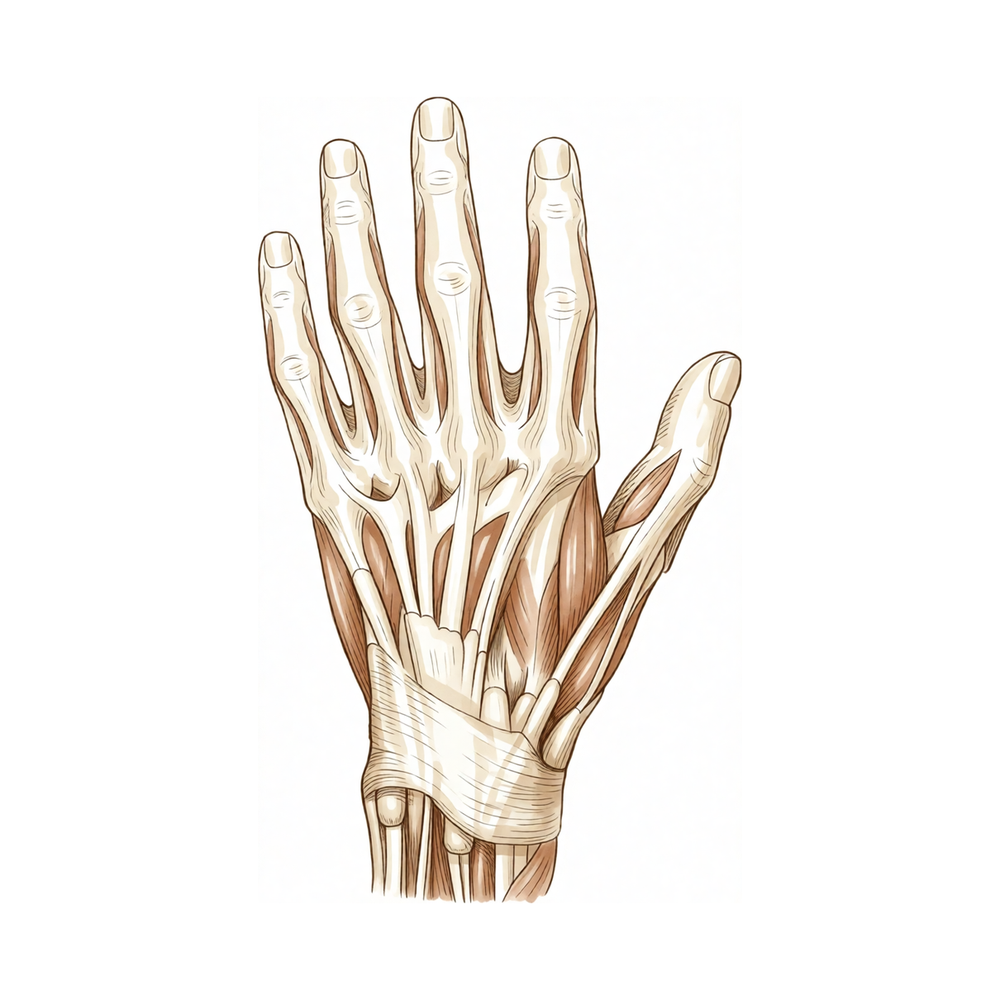
Recent information exists regarding the anatomy, physiology, and biomechanics of the ligamentous joint capsule of the MCP, PIP, and DIP joints [101]. Triquetral Impingement Ligament Tear (TILT) repair results in improved wrist motion and strength [106].
Vascular and Neural Pathophysiology
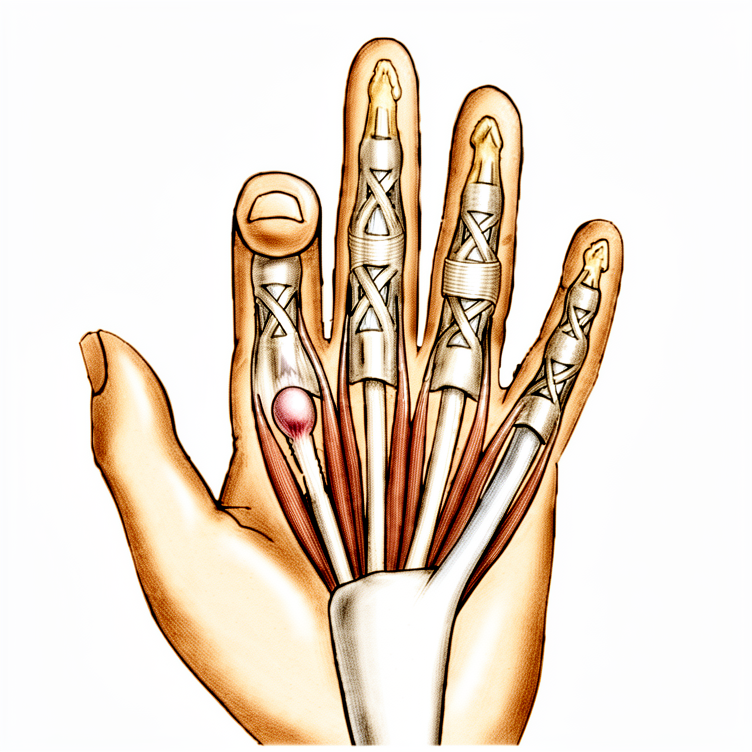
Obesity, diabetes, use of hand-held vibratory tools, and repeated forceful movements of the wrist and hand are causes of impaired median nerve function in neurophysiologically confirmed carpal tunnel syndrome [102]. Study findings clarify hand surface landmarks for localizing the thumb A1 pulley and digital neurovascular structures [111].
Kinematics and Functional Assessment
Kinematic analysis reveals that kinematic asymmetries are common in both symptomatic and asymptomatic populations [93]. Kinematic and clinical measurements can objectively and quantitatively evaluate skilled hand function in individuals with chemotherapy-induced peripheral neuropathy (CIPN) [46]. Clinical evaluation of altered shoulder kinematics remains complicated [73]. Updates on the anatomy, mechanics, pathomechanics, and treatment of the thrower's shoulder are essential for clinicians and researchers [96]. Relating anatomic properties, kinematics, and muscle dynamics to subacromial volume is expected to identify predominant pathophysiological mechanisms in subacromial impingement syndrome patients [109]. Hand dominance and age do not appear to play a role in determining subscapularis strength as measured by the normalization of the subscapularis belly-press test [100].
Clinical Evaluation and Management Principles
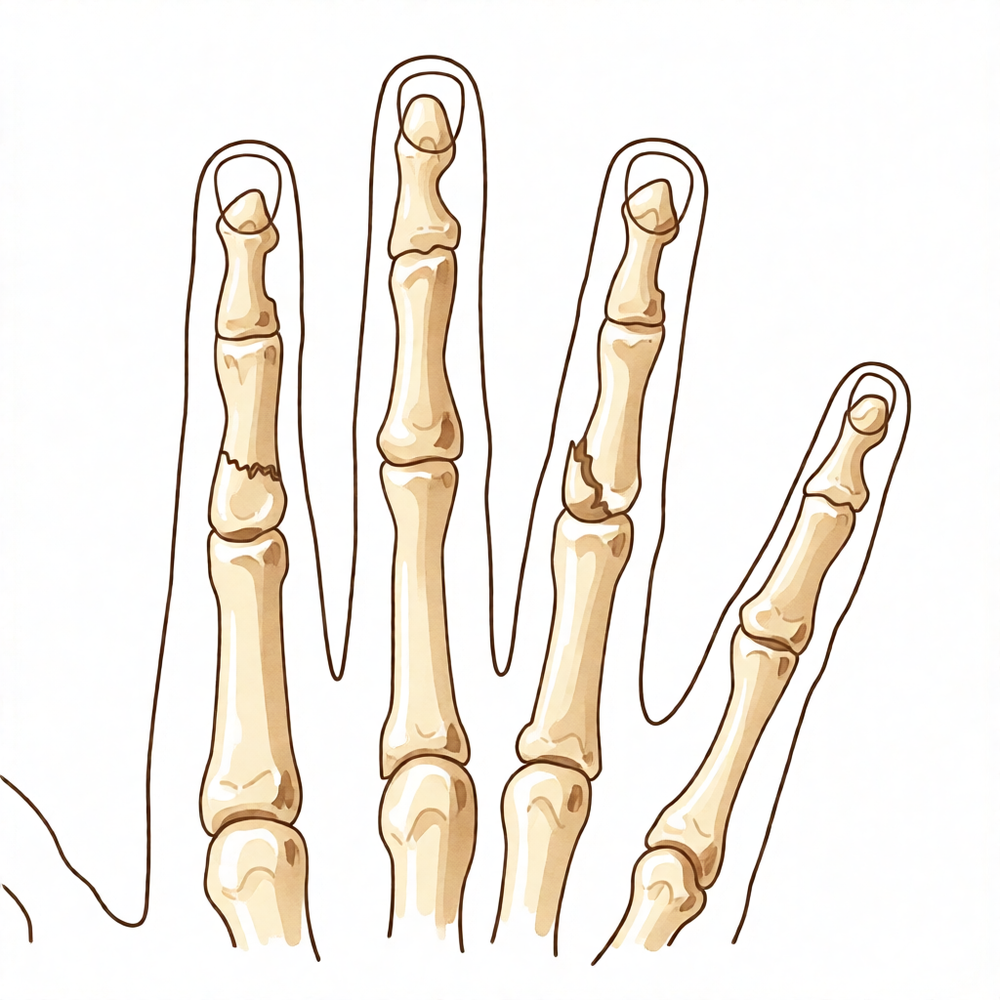
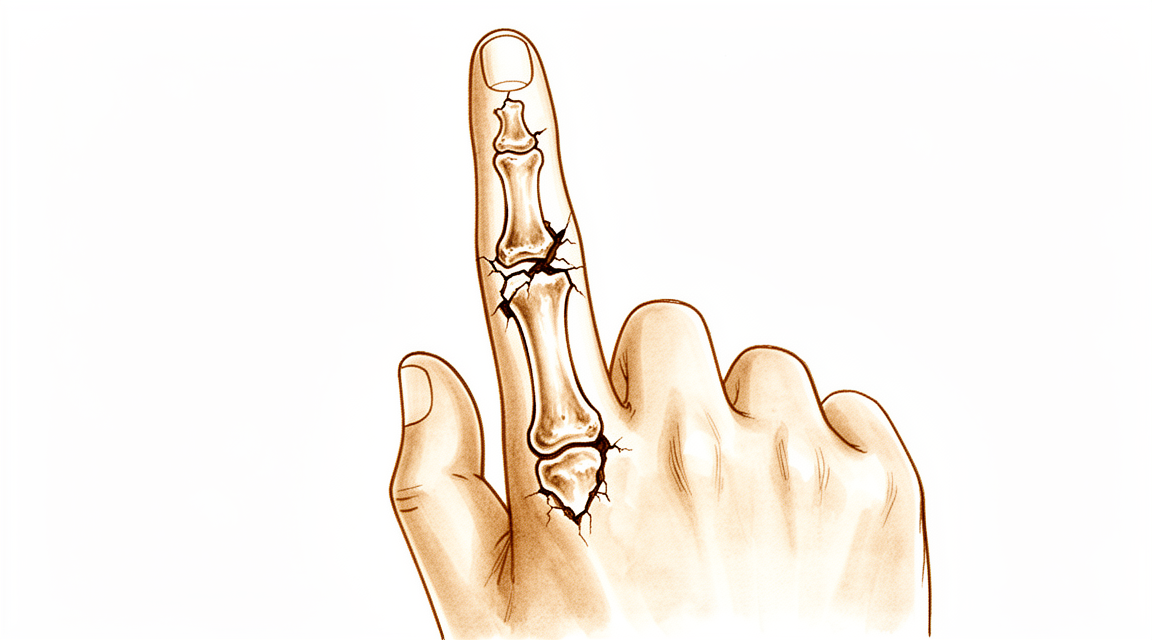
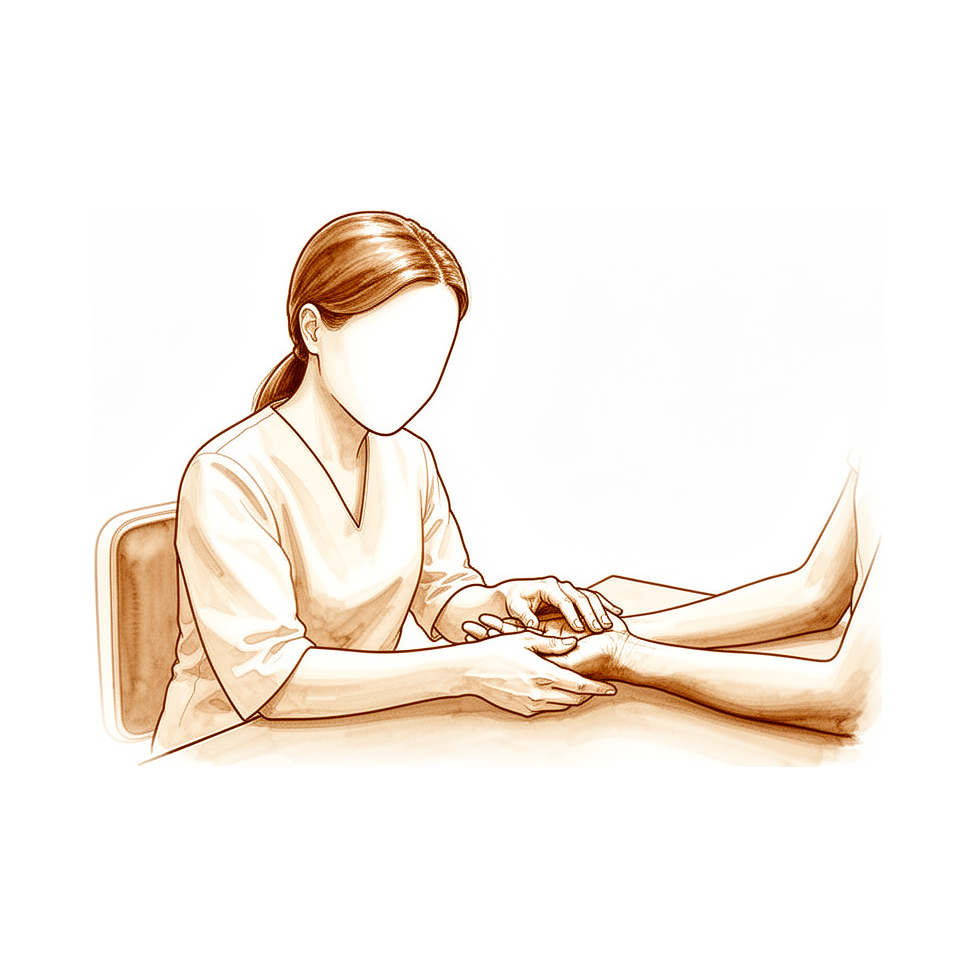
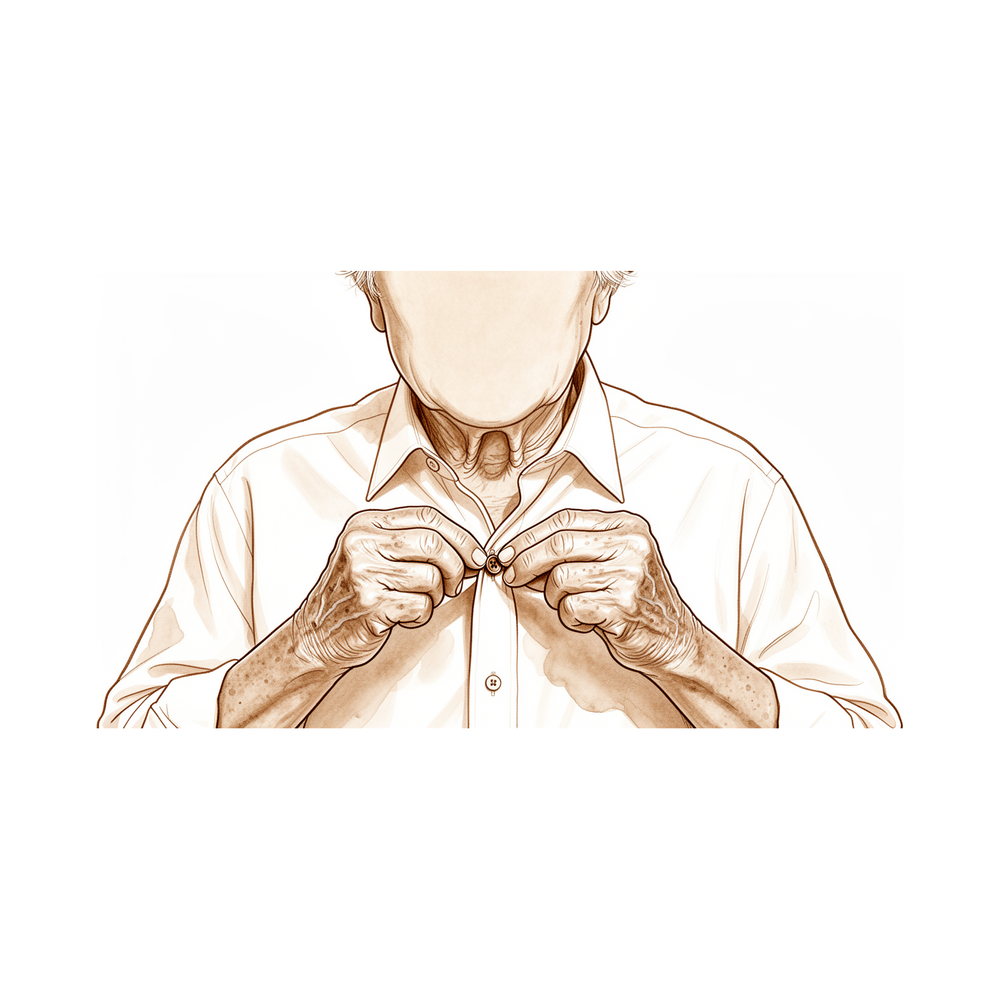
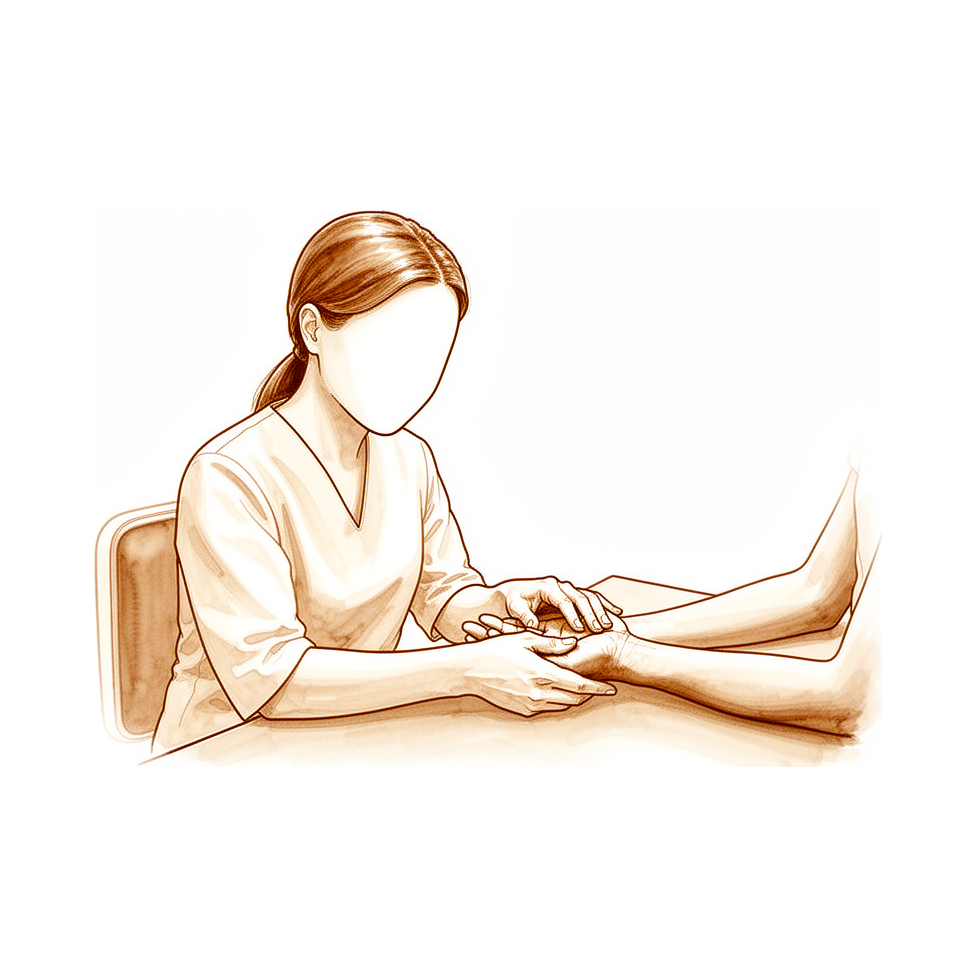
Accurate diagnosis and management of hand and carpal fractures and dislocations require a thorough physical examination and appropriate imaging to limit joint stiffness while preserving mobility and function [94]. Management of hand fractures involves balancing the prevention of stiffness through early motion with the avoidance of deformity via adequate reduction and stabilization [99]. The ICF HandA provides a consensus on outcome measures and instruments to systematically assess function in patients with hand injuries and disorders [107].
Specific Pathologies and Reconstruction
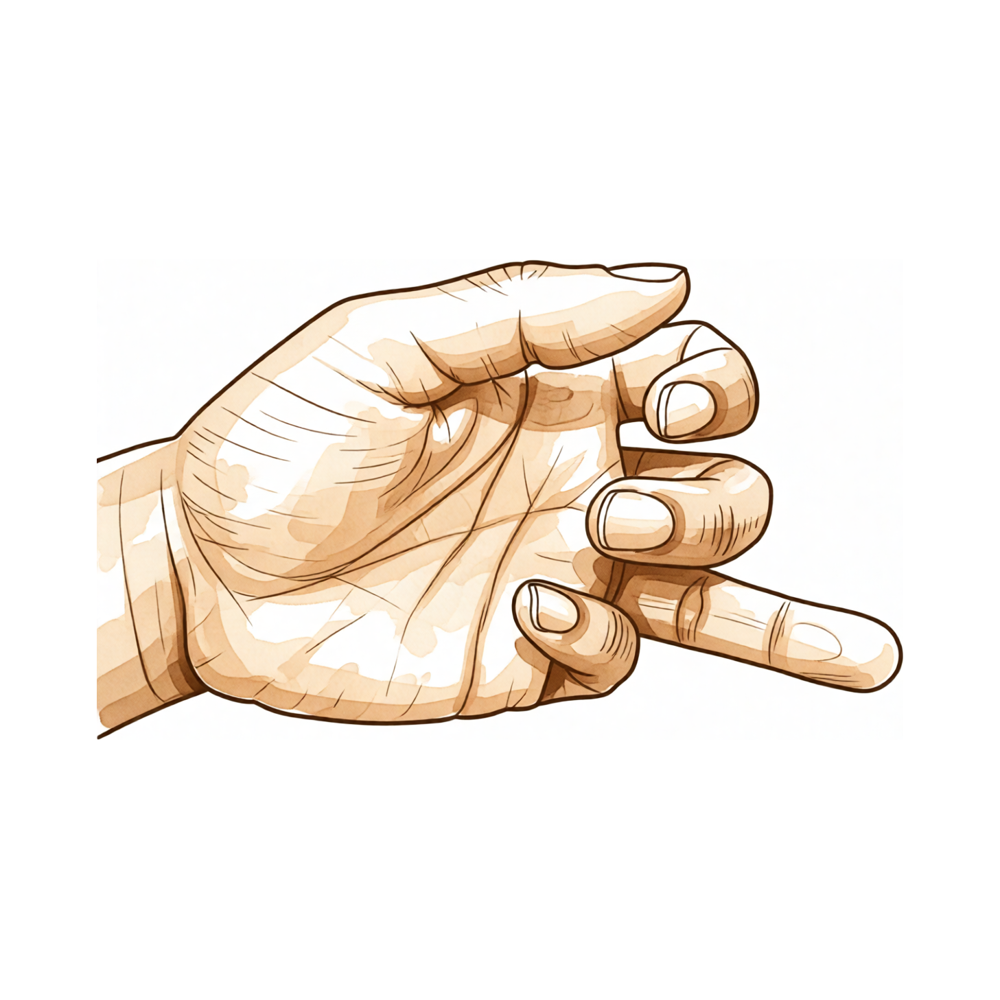
Surgical reconstruction for thumb deformity in cerebral palsy aims to create a stable thumb capable of satisfactory grasp and release by decreasing deformity, balancing muscle forces, and stabilizing joints [97]. Nonvascularized autogenous bone grafting can restore good hand function in severe injuries with substantial phalangeal bone loss [98]. The hand surgeon should address all patho-anatomic features to achieve the best possible result in Wassel type IV duplications, although a normal functioning interphalangeal joint cannot be provided if the abnormality is marked [105]. Substantial treatment variability exists in common paediatric hand fractures [108].
Classification
Histological staging, grading, and tumor typing constitute the basis for clinical management of cancer patients [15].
Walch: This classification system possesses limitations that must be considered when utilizing it for treatment or prognostic purposes [25].
Mason: This is the most reliable system for classifying proximal radius fractures [26].
CARDS and French: Both classification systems demonstrate acceptable reliability and validity for lumbar degenerative spondylolisthesis [47].
Medial Malleolar Fracture Classification: The proposed system aids in understanding injury mechanisms and guides diagnosis and surgical strategies [53].
Radial Polydactyly Classification: This proposed system supplements Wassel’s classification by providing clear guidance on surgical methods and required surgeon expertise levels, thereby facilitating treatment decision-making and communication [55].
Ring and Little Finger CMC Joint Fracture Subluxation Classification: The new system based on 3D CT images demonstrates almost perfect interobserver and intraobserver reliability and achieves a better level of agreement than 2D CT classification [56].
OMT (Oberg, Manske, and Tonkin): The updated classification system is reasonably practical for the precise classification of congenital upper-limb anomalies [71].
Other Considerations: Alternative glenoid classification systems or predictive models should be considered to provide more precise prognoses for patients before and after shoulder arthroplasty performed for osteoarthritis with an intact rotator cuff [37]. No existing prognostic classification system can predict which patients with a congenital osseous anomaly of the cervical spine are at risk for future neurologic injury [45]. Numerous classification systems exist for patients with low back-related leg pain, but a minority focus specifically on distinguishing between different presentations of leg pain [48]. Optimum patient care for proximal humeral fractures might require the development of new imaging modalities rather than new classification systems [76]. Twenty-six different criteria described by multiple classification systems have been identified for the magnetic resonance assessment of the rotator cuff after repair [72]. Classification of superior labrum anterior to posterior lesions using magnetic resonance arthrography resulted in significant disagreement between and within raters [81].
Clinical Presentation
Timely diagnosis is critical across multiple upper extremity and hand pathologies, as it significantly impacts patient outcomes. In nontuberculous mycobacterial infections of the upper extremity, timely diagnosis has the greatest impact on patient outcome [1]. Similarly, timely diagnosis and appropriate management allow for optimal recovery and outcomes in hand infections [4]. For soft tissue sarcoma of the hand, aggressive disease-specific surgical and multidisciplinary treatment can yield long disease-free survival, overall survival, and good functional outcomes [2]. Accurate diagnosis is essential if treatment is to be effective [9].
Delayed diagnosis often correlates with worse prognoses. Diagnosis of hand tuberculosis is often delayed, leading to worse outcomes [7]. Delay in diagnosis and treatment leads to a worse prognosis for subungual melanoma [12]. Melanoma in the hand poses additional diagnostic and management challenges, often presenting at a later stage with a poorer prognosis [27]. Late presentation contributed to incomplete nerve recovery despite prompt recognition and surgical treatment in locked metacarpophalangeal joint of the index finger [14].
Early assessment and intervention are pivotal for specific acute and progressive conditions. Early assessment and treatment provide a better functional prognosis in bilateral patellar tendon rupture on lupus undergoing corticosteroids, with musculoskeletal ultrasound playing a determining role in diagnosis [5]. Early diagnosis followed by urgent irrigation and debridement and antibiotic therapy are essential for satisfactory long-term outcomes in pediatric septic arthritis [6]. Early diagnosis and early proactive interventions are likely associated with a good outcome in rapidly progressive foot drop caused by posttraumatic intraneural ganglion cyst of the deep peroneal nerve [10]. Early intervention may reduce the severity and duration of symptoms in unrecognized closed mallet thumb injury complicating a closed proximal phalangeal fracture of the thumb, while conservative management in patients with delayed presentation may yield acceptable recovery [11]. The prognosis of a patient with synovioma recognized and treated in the non-palpable phase should be optimum [13].
Diagnostic complexity varies by pathology, requiring systematic approaches. The heterogeneity of signs and symptoms in subacromial pain syndrome is a clinical challenge that necessitates a systematic and transparent diagnostic approach [31]. The relative complexity of the final diagnostic tool for hip microinstability is illustrative of the difficulty clinicians face when making this diagnosis [35]. Diagnosis of Bizarre Parosteal Osteochondromatous Proliferation (Nora Lesion) in pediatric phalanges can be challenging due to presenting symptoms and radiographic findings [29]. The IASP criteria and CRPS severity scores showed similar sensitivity in early diagnosis of complex regional pain syndrome following surgical treatment of distal radial fractures, but both are poor indicators of the need for treatment [32]. The AUC for the Diagnosis and Management of Acute Compartment Syndrome were developed to help determine the appropriateness of diagnostic decisions and treatment, improve timely diagnosis, and minimize morbidity while considering the subtleties and distinctions necessary in making clinical decisions [30].
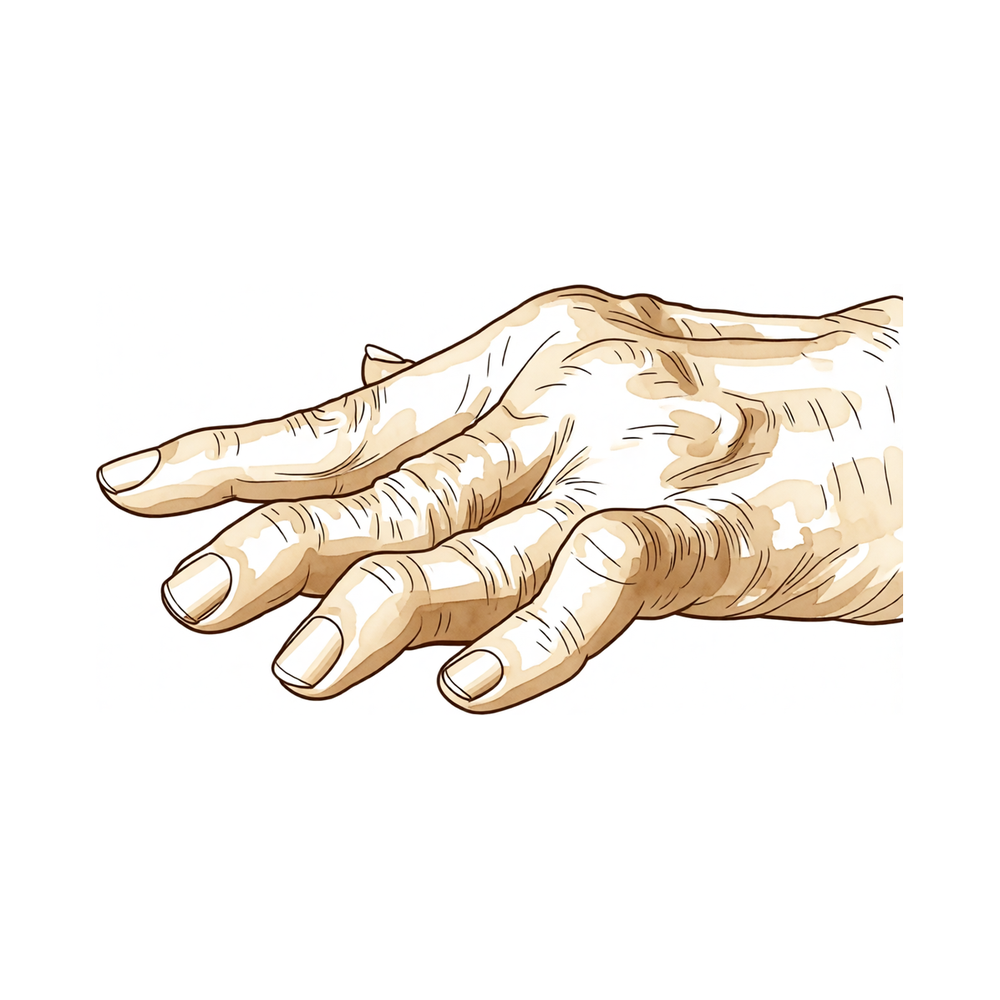
Distinct clinical entities require differentiated recognition. Classic Dupuytren disease and atypical non-Dupuytren disease are distinct clinical entities that differ in presentation, etiology, treatment, and prognosis [28]. Early and comprehensive hand assessments using advanced diagnostic tools are important to improve patient outcomes in newly diagnosed primary Sjögren’s syndrome [33].
Investigations
Plain radiography: Radiographic deformity and nonsurgical treatment of distal radius fractures do not necessarily correlate with worse functional outcomes, particularly in patients over 60 years of age [80]. Prediction models combining plain radiographic findings show higher diagnostic values than individual radiographic findings for complete discoid lateral meniscus in children [57]. Clinical assessment and plain radiography were very accurate for diagnosing intraosseous xanthoma of the hand without an underlying lipid disorder [82]. Findings on magnetic resonance scans of the lumbar spine are not predictive of the development or duration of low-back pain in asymptomatic subjects [83].
MRI: Magnetic resonance imaging is the best diagnostic test for stress fracture of the capitate bone [36]. MRI is an invaluable tool for identifying infectious spondylitis, assessing its extent, and guiding treatment [16]. Advanced imaging, particularly MRI, has improved the assessment of hinge abduction and femoral head vascularity in active Legg-Calvé-Perthes disease, potentially allowing for earlier prognosis and treatment [44]. Whether earlier recognition of Legg-Calvé-Perthes disease via advanced imaging leads to better outcomes remains to be determined [44]. An anatomical angle >180° and depth >20 mm on MRI are predictive factors for a poorer prognosis 1 year after symptom onset in patients with spontaneous osteonecrosis of the knee (SONK) [41]. Management decisions relying solely on MRI findings in the pre-radiographic stage of osteonecrosis of the femoral head have the potential for overtreatment [40]. MRI is neither 100% sensitive nor specific for bucket-handle tears of the lateral meniscus [51]. MR findings in frozen shoulder should not replace clinical judgments regarding further prognosis and treatment decisions [65]. The absence of disease on MRI should not be used as the sole criterion in determining whether a repeat resection should be performed for unsuspected soft tissue sarcomas of the hand after marginal excision [67]. Early MRI is recommended for proper identification of space-occupying lesions when clinical presentation is atypical, such as in carpal tunnel syndrome caused by an interosseous ganglion of the lunate [85]. The AAOS Clinical Practice Guideline suggests using MRI to evaluate osteochondritis dissecans lesions [79]. Future studies are needed to determine the prognostic clinical impact of disease progression in MRI despite clinical remission in rheumatoid arthritis [68].
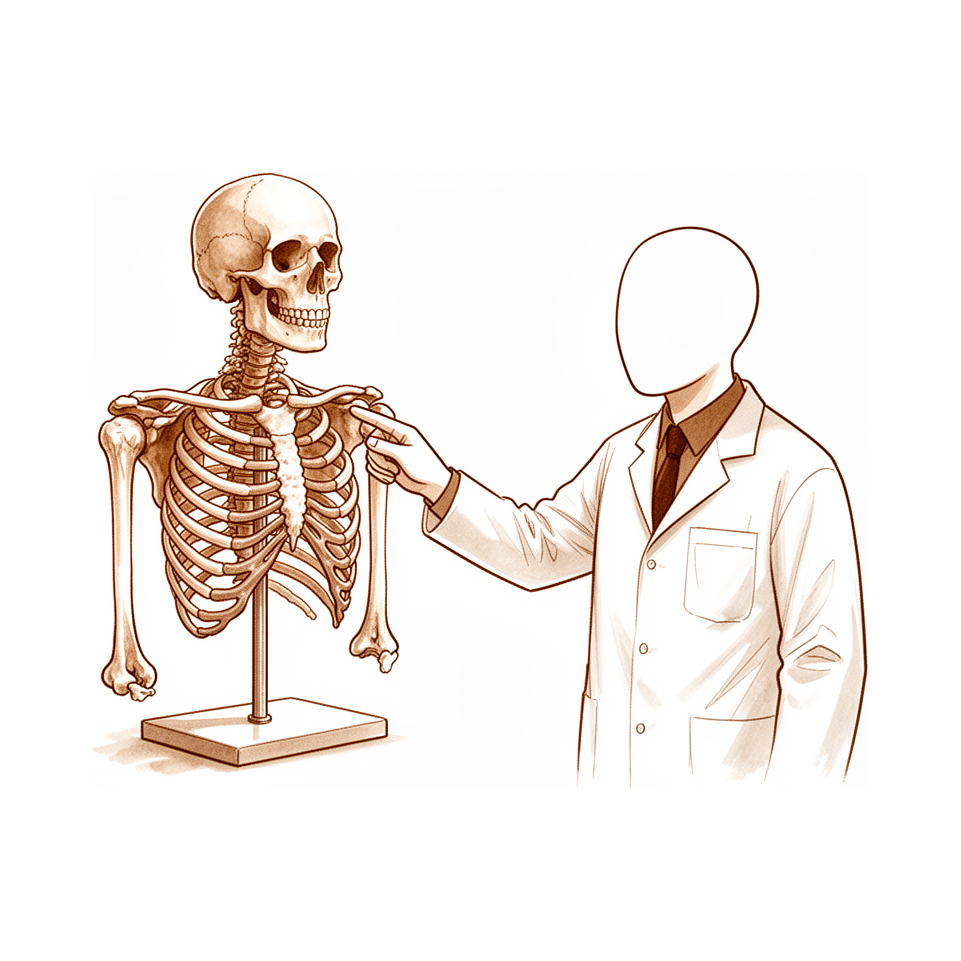
CT: Computed tomography is the imaging modality of choice for the evaluation of sternoclavicular joint injuries [63].
Other Considerations: Delays in diagnosis and inadequate treatment are primary causes of long-term sequelae and morbidity in acute hematogenous osteomyelitis in children [3]. Musculoskeletal ultrasound plays a determining role in the diagnosis of bilateral patellar tendon rupture, with early assessment and treatment providing a better functional prognosis [5]. Diagnosis of retroperitoneal fibrosis relies on imaging (CT/MRI) and histology [54]. Timely recognition and treatment of sternoclavicular joint injuries are essential to prevent devastating consequences [63]. Future studies are needed to investigate if DAS28 remission may be an insufficient therapeutic goal in rheumatoid arthritis [68].
Treatment
Timely diagnosis and appropriate management are critical for optimal recovery and outcomes in hand infections [4]. In nontuberculous mycobacterial infections of the upper extremity, timely diagnosis has the greatest impact on patient outcome [1]. Accurate diagnosis is essential for effective treatment [9]. For pediatric septic arthritis, early diagnosis followed by urgent irrigation and debridement and antibiotic therapy are essential for satisfactory long-term outcomes [6]. In bilateral patellar tendon rupture on lupus undergoing corticosteroids, early assessment and treatment provide a better functional prognosis [5]. For distal interphalangeal joint fractures of the hand, optimal outcome is governed by a timely diagnosis with initiation of appropriate treatment, restoration of tendon insertion integrity when applicable, and improvement of joint concentricity [49].
Non-Operative: Nonsurgical treatment with early unrestricted mobilization remains noninferior to surgical treatment at the midterm follow-up for displaced metacarpal spiral fractures [42]. Nonoperative treatment using serial casting and splints should be tried before attempting open surgical release for posttraumatic proximal interphalangeal joint contracture, which should be done in selected patients [66]. A patient treated nonoperatively despite complete non-union of a radial neck fracture achieved a good functional outcome at 16 months with no pain, avascular necrosis, or head collapse [70]. Patients who underwent conservative management for carpal tunnel syndrome showed improvement in symptoms and function [84]. Nonoperative treatment is the preferred option in early-stage atraumatic osteonecrosis of the humeral head and may prevent disease progression, though surgical treatment is required in some cases [86]. An initial trial of nonoperative management may be considered in young active patients with isolated SLAP tear [90]. Conservative treatment could be tried for at least 6 months before considering surgical options for acute calcific periarthritis of the hand, as those who continued conservative treatment showed pain relief and reduced calcification for up to 6 months [78].
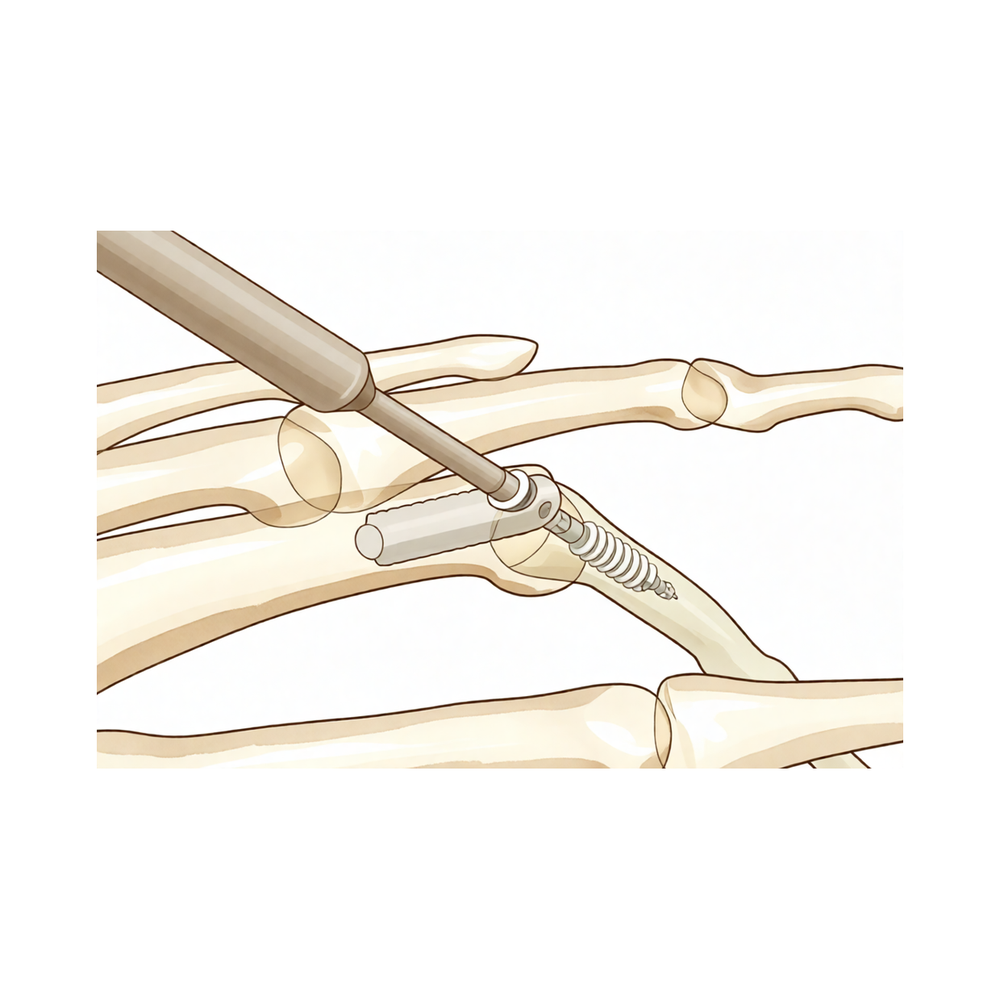
Operative: Aggressive disease-specific surgical and multidisciplinary treatment can yield long disease-free survival, overall survival, and good functional outcomes in soft tissue sarcoma of the hand [2]. Arthroscopic management is an effective treatment of choice with low morbidity and early functional return for primary synovial chondromatosis of the shoulder [18]. Dermofasciectomy is efficacious and durable in managing advanced Dupuytren disease cases, particularly with appropriate postoperative care [50]. If nonoperative modalities fail, open release and percutaneous release are both safe and relatively simple treatment options for trigger digits [59]. Based on the low level of evidence available, open surgery resulted in more reliable and rapid outcomes compared with nonoperative treatment for paediatric trigger thumb [75].
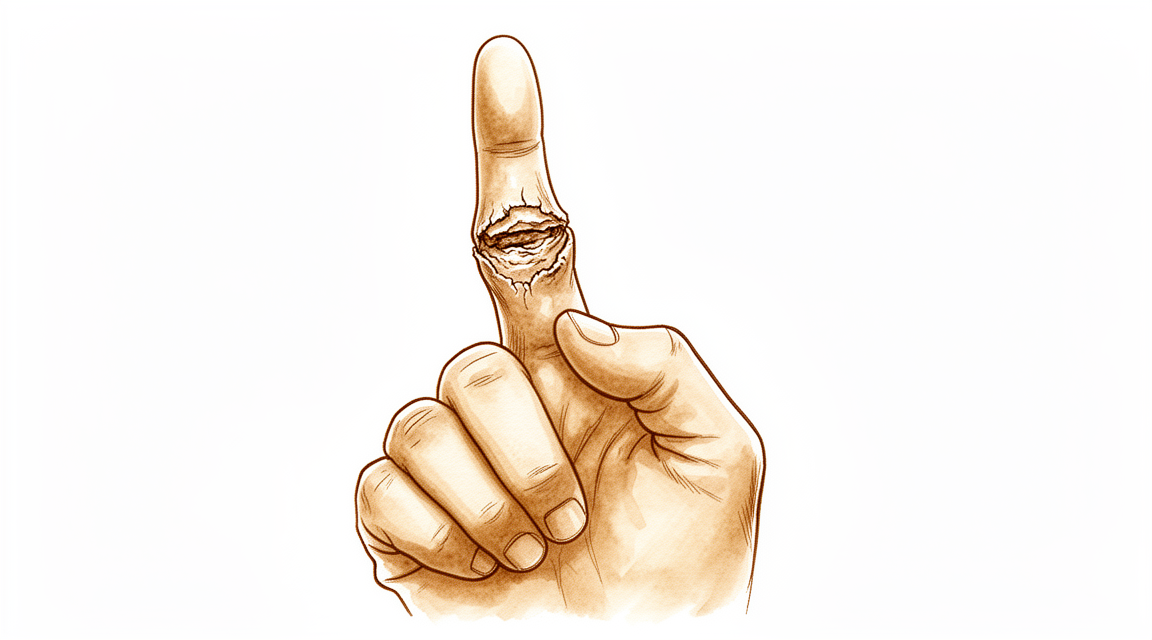
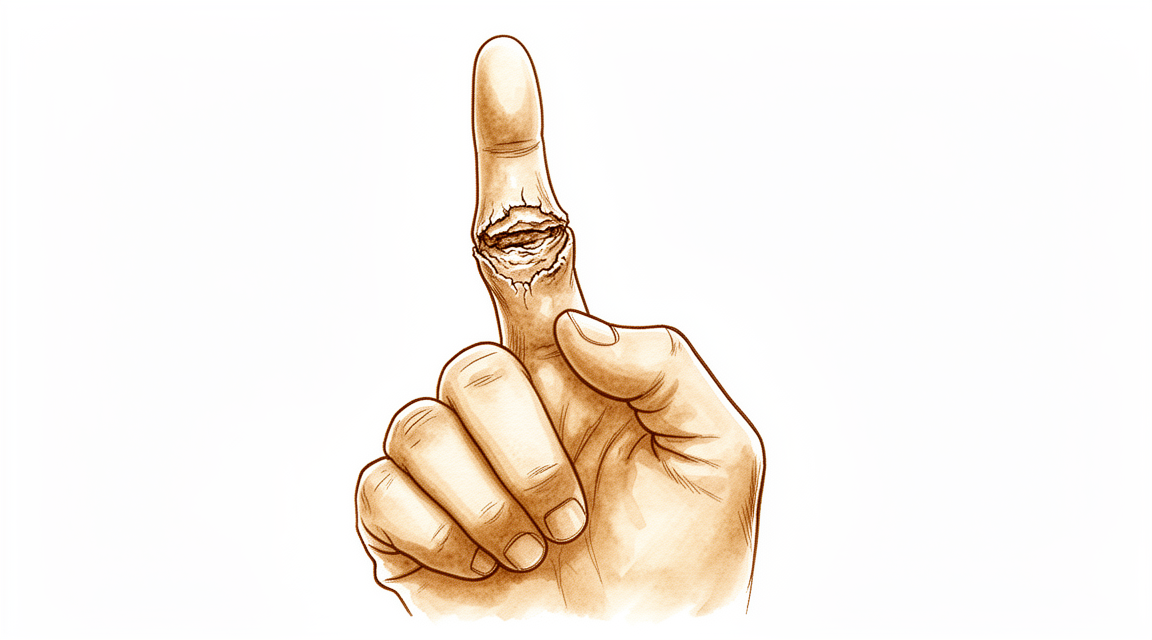
Indications: The indication for surgical treatment in Keratoderma Hereditarium Mutilans (Vohwinkel Syndrome) should be limited to neurovascular compromise rather than asymptomatic constriction bands [77]. Excision biopsy is recommended when diagnosis is in doubt for hourglass epidermoid inclusion cyst of the hand [74]. Outpatient core needle biopsy should be used only in a small subset of patients for musculoskeletal tumors, and clinicians must recognize potential disadvantages such as non-diagnostic or indeterminate results [58].
Other Considerations: Delay in diagnosis and treatment leads to a worse prognosis for subungual melanoma [12]. The prognosis of a patient with a synovioma recognized and treated in the non-palpable phase should be optimum [13]. Early intervention may reduce the severity and duration of symptoms in unrecognized closed mallet thumb injury complicating a closed proximal phalangeal fracture of the thumb, while conservative management in patients with delayed presentation may yield acceptable recovery [11]. There is little consistency in the reporting of outcomes for interventions in patients with Dupuytren's disease, making it impossible to compare the efficacy of different treatment modalities [38]. Evaluation of specific clinical and imaging findings is recommended to grade lumbrical muscle injuries and determine suitable therapy [69]. The optimal follow-up regimen and criteria for switching to active treatment in low-risk prostate cancer require further standardization and individualization [61]. There was no association between pre-treatment expectations and outcomes in the conservative group for distal radius fracture [88].
Complications
Infection: Timely diagnosis is critical for optimizing patient outcomes in nontuberculous mycobacterial infections of the upper extremity [1]. In pediatric acute hematogenous osteomyelitis, long-term sequelae and morbidity are primarily driven by diagnostic delays and inadequate treatment [3]. For hand tuberculosis, delayed diagnosis similarly leads to worse clinical outcomes [7]. Furthermore, a 90-day follow-up period is insufficient for diagnosing fracture-related infections in patients with open fractures [89].
Instability: Nonoperative management of posterior shoulder instability carries a 46% conversion rate to surgical intervention between 1 and 10 years after the initial diagnosis [21].
Nerve Palsy: Progressive median neuropathy caused by proximal migration of a retained foreign body requires careful long-term follow-up and psychiatric assessment to prevent complications and future suicide attempts [43].
Other Considerations: Intraosseous myoepithelioma of the hand necessitates long-term follow-up to monitor for local recurrence [22]. Long-term outcomes for pelvic fractures are complicated by posterior pelvic pain and are largely multifactorial, depending on the specific pelvic ring injury and associated injuries [91]. The natural history of cavus deformity of the foot secondary to a neuromuscular choristoma (hamartoma) of the sciatic nerve remains indeterminate [113].
Recovery
Timely diagnosis and intervention are critical determinants of prognosis across multiple orthopaedic and infectious conditions. In nontuberculous mycobacterial infections of the upper extremity, timely diagnosis has the greatest impact on patient outcome [1]. Similarly, in children with acute hematogenous osteomyelitis, long-term sequelae and morbidity are primarily due to delays in diagnosis and inadequate treatment [3]. Diagnosis of hand tuberculosis is often delayed, leading to worse outcomes [7]. For soft tissue sarcoma of the hand, aggressive disease-specific surgical and multidisciplinary treatment can yield long disease-free survival, overall survival, and good functional outcomes [2]. In rapidly progressive foot drop caused by posttraumatic intraneural ganglion cyst of the deep peroneal nerve, early diagnosis and early proactive interventions are likely associated with a good outcome [10]. Conversely, late presentation contributed to incomplete nerve recovery despite prompt recognition and surgical treatment in locked metacarpophalangeal joint of the index finger [14].
Long-term outcomes vary significantly by pathology and timing of treatment. For ulnar artery aneurysm in a 6-month-old, the long-term outcome of early treatment is unknown [20]. In Mycobacterium monacense infection of the hand, function and appearance of the hand remained normal at 3-year follow-up [62]. Good functional long-term outcome can be expected after operative and non-operative treatment of radial neck fractures in adults [87]. At long-term follow-up, patient-reported outcome measures and objective outcomes of fingertip coverage with a homodigital unipedicle neurovascular island flap are satisfactory, and it is a safe and reliable flap [95]. However, long-term follow-up of intervertebral-disc calcification in childhood revealed abnormalities in the cervical spine in four of six patients, suggesting a more guarded prognosis for long-term normal function than previously assumed [92].
Predictors of recurrence and progression influence long-term management strategies. Forty-six percent of patients initially managed nonoperatively for posterior shoulder instability converted to surgery between 1 and 10 years after initial diagnosis [21]. A multi-disciplinary approach with long-term follow-up is recommended to monitor for local recurrence in intraosseous myoepithelioma of the hand [22]. Non-ossifying fibroma follows a characteristic radiomorphological course with variable duration of each stage [116]. Treatment earlier in the course of disease provided improved outcomes for Dupuytren contracture with collagenase clostridium histolyticum injection [117]. Young age at the time of diagnosis remained a good indicator of a positive prognosis in Legg-Calvé-Perthes disease, and the prognosis was not adversely affected by concomitant Albright hereditary osteodystrophy [118].
Specific conditions follow distinct natural histories or require targeted monitoring. The natural history of acute monoarticular herpetic arthritis is spontaneous and rapid resolution without the need for surgical drainage of the joint [23]. Acute Schmorl’s node most often responds well to conservative treatment, but rapid deterioration of symptoms or persistent severe pain should raise suspicion of underlying secondary pathology [119]. Patient-reported outcomes for untreated clubfeet in Nepalese patients treated with the Ponseti Method between ages one and five were satisfactory [17].
Key Evidence
- [L4] Timely diagnosis has the greatest impact on patient outcome. (10.1016/j.jhsa.2017.10.030)
- [L2] Aggressive disease-specific surgical and multidisciplinary treatment can yield long disease-free survival and overall survival, and good functional outcomes. (10.1016/j.jhsa.2024.05.003)
- [L4] Long-term sequelae and morbidity are primarily due to delays in diagnosis and inadequate treatment. (10.5435/00124635-200105000-00003)
- [L5] Timely diagnosis and appropriate management allow for optimal recovery and outcomes. (10.1016/j.jhsa.2024.09.001)
- [Case_report] Early assessment and treatment provide a better functional prognosis, with musculoskeletal ultrasound playing a determining role in diagnosis. (10.1186/s12891-020-03513-w)
- [L5] Early diagnosis followed by urgent irrigation and debridement and antibiotic therapy are essential for satisfactory long-term outcomes. (10.5435/jaaos-d-20-00835)
- [L5] The article reviews the epidemiology, bacteriology, pathophysiology, diagnosis, and treatment principles of hand tuberculosis, emphasizing that diagnosis is often delayed leading to worse outcomes and that appropriate drug therapy is the mainstay of treatment. (10.1016/j.jhsa.2011.05.036)
- [L5] Long-term multicenter studies are needed to assess outcomes and standardize treatment. (10.1016/j.jhsa.2021.10.027)
- [L4] Early diagnosis and early proactive interventions would likely be associated with a good outcome. (10.1186/s12891-018-2229-x)
- [L4] While early intervention may reduce the severity and duration of the symptoms, conservative management in patients with delayed presentation may yield acceptable recovery. (10.1177/1753193412446405)
- [L4] Delay in diagnosis and treatment leads to a worse prognosis for subungual melanoma. (10.1016/j.jhsa.2011.08.029)
- [Case_report] The prognosis of a patient with a synovioma recognized and treated in the non-palpable phase should be optimum. (10.2106/00004623-197860060-00022)
- [L4] Despite prompt recognition and surgical treatment, late presentation contributed to incomplete nerve recovery. (10.1177/1753193408100956)
- [Paper] The clinical management of cancer patients is still largely based on histological staging, grading, and tumor typing, which subjects some patients to unnecessary therapies while others miss beneficial treatments. (10.1007/s00120-008-1745-y)
- [L5] Imaging techniques, especially MRI, are invaluable tools for clinicians in identifying this condition, assessing its extent, and guiding treatment. (10.1186/s13018-025-05781-5)
- [L4] Patient-reported outcomes were satisfactory, and longer-term follow-up with age-appropriate outcome measures will be required to evaluate function in adulthood. (10.2106/jbjs.18.00445)
- [L4] Arthroscopic management is an effective treatment of choice with low morbidity and early functional return. (10.1016/j.arthro.2006.07.009)
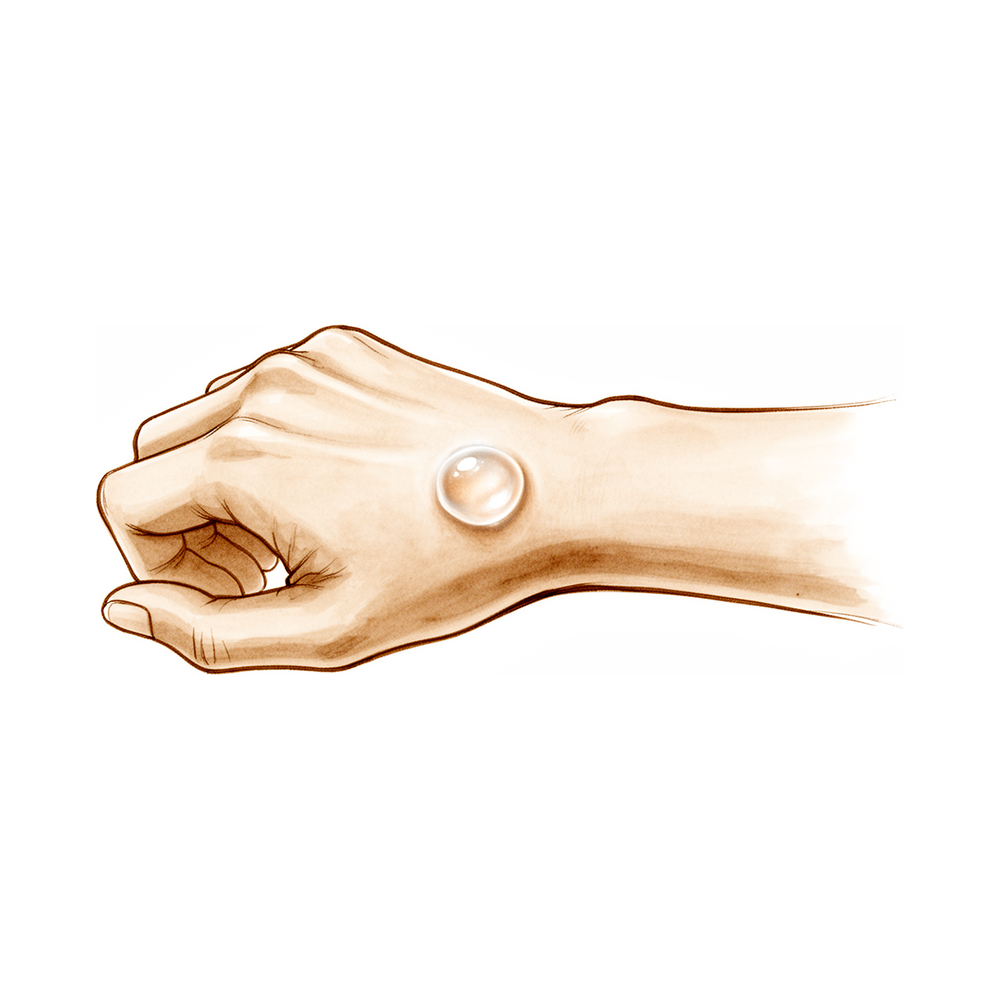
- [L3] None of the widely utilized plain radiographic criteria meet the goals of high sensitivity and high negative predictive value. (10.2106/00004623-200102000-00006)
- [Case_report] Although the early result was good, the long-term outcome of this approach is unknown. (10.1177/1558944717695748)
- [L3] Long-term follow-up demonstrates that 46% of patients initially managed nonoperatively converted to surgery between 1 and 10 years after initial diagnosis. (10.1016/j.arthro.2019.01.056)
- [L4] A multi-disciplinary approach with long-term follow-up is recommended to monitor for local recurrence. (10.1177/1753193416676229)
- [Case_report] The natural history of acute herpetic arthritis is one of spontaneous and rapid resolution without the need for surgical drainage of the joint. (10.2106/00004623-198466040-00023)
- [L4] Consideration of the limitations of the classification system is important when using it for treatment or prognostic purposes. (10.5435/jaaos-d-22-01086)
- [L4] The Mason classification is the most reliable system. (10.1186/1471-2474-10-120)
- [L5] Melanoma in the hand poses additional diagnostic and management challenges, often presenting at a later stage with a poorer prognosis. (10.1177/17531934241245028)
- [L4] The diagnosis in pediatric cases can be challenging due to presenting symptoms and radiographic findings. (10.1016/j.jhsa.2020.05.002)
- [L5] The AUC for the Diagnosis and Management of ACS were developed to help determine the appropriateness of diagnostic decisions and treatment, improve timely diagnosis, and minimize morbidity while considering the subtleties and distinctions necessary in making clinical decisions. (10.5435/jaaos-d-19-00858)
- [L3] This heterogeneity is a clinical challenge that necessitates a systematic and transparent diagnostic approach in patients presenting with signs and symptoms of subacromial pain syndrome. (10.1177/23259671251332942)
- [L3] The IASP criteria and CRPS severity scores showed similar sensitivity in early diagnosis, but both are poor indicators of the need for treatment. (10.1177/1753193412469142)
- [L3] These findings underscore the importance of early and comprehensive hand assessments using advanced diagnostic tools to improve patient outcomes. (10.1016/j.jht.2025.02.007)
- [L4] The patterns of peri-articular finger injuries differ greatly between the three finger joints, explained by the mechanism of falling and local biomechanical forces. (10.1177/17531934251381203)
- [L5] The relative complexity of the final diagnostic tool is illustrative of the difficulty clinicians face when making this diagnosis. (10.1007/s00167-022-06933-4)
- [Case_report] Magnetic resonance imaging is the best diagnostic test, and conservative treatment with immobilization and rest is indicated. (10.1016/j.jht.2023.09.006)
- [L3] Alternative glenoid classification systems or predictive models should be considered to provide more precise prognoses. (10.1016/j.jse.2023.08.029)
- [L1] There is little consistency in the reporting of outcomes for interventions in patients with Dupuytren's disease, making it impossible to compare the efficacy of different treatment modalities. (10.1186/1471-2474-14-131)
- [L5] Further research is needed to obtain universally accepted diagnostic criteria to consistently improve outcomes. (10.1016/j.jhsa.2012.07.041)
- [L3] These findings highlight the potential for overtreatment if management decisions rely solely on MRI findings. (10.1016/j.arth.2025.05.089)
- [L3] An anatomical angle >180° and depth >20 mm on MRI were predictive factors for a poorer prognosis 1 year after symptom onset in patients with SONK. (10.1007/s00167-015-3839-6)
- [L2] Nonsurgical treatment with early unrestricted mobilization remains noninferior to surgical treatment at the midterm follow-up. (10.1016/j.jhsa.2025.06.018)
- [L4] Careful long-term follow-up and psychiatric assessment are necessary to prevent complications and future suicide attempts. (10.1177/1753193411413048)
- [L5] Advanced imaging, particularly MRI, has improved the assessment of hinge abduction and femoral head vascularity, potentially allowing for earlier prognosis and treatment; however, whether earlier recognition leads to better outcomes remains to be determined. (10.5435/jaaos-d-16-00856)
- [L5] No existing prognostic classification system can predict which patients with a congenital osseous anomaly of the cervical spine are at risk for future neurologic injury. (10.2106/00004623-200202000-00017)
- [L3] Our kinematic and clinical measurements objectively and quantitatively evaluate skilled hand function in individuals with CIPN in clinical settings. (10.1016/j.jht.2017.06.003)
- [L4] Both CARDS and French classification systems have acceptable reliability and validity. (10.1186/s12891-019-2753-3)
- [L1] Numerous classification systems exist that include patients with leg pain, a minority of them focus specifically on distinguishing between different presentations of leg pain. (10.1186/s12891-016-1074-z)
- [L5] Optimal outcome is governed by a timely diagnosis with initiation of appropriate treatment, restoration of tendon insertion integrity when applicable, and improvement of joint concentricity. (10.5435/jaaos-d-25-00256)
- [L3] These findings underscore the efficacy and durability of dermofasciectomy in managing advanced cases, particularly with appropriate postoperative care. (10.1016/j.jhsa.2025.02.007)
- [L4] Although MRI provides a useful adjunct to the clinical decision-making process, it is neither 100% sensitive nor specific. (10.1007/s00167-005-0011-8)
- [L3] The proposed assessment system reflects the way clinicians value individual aspects of outcome as determinants of overall outcome and helps guide future treatment and evaluation. (10.1177/1753193415601336)
- [L4] The proposed classification system is helpful in understanding injury mechanisms and guiding diagnosis, as well as surgical strategies. (10.1302/0301-620x.103b5.bjj-2020-1859.r2)
- [L5] Diagnosis relies on imaging (CT/MRI) and histology, while treatment involves corticosteroids for active disease and surgical decompression (stents/nephrostomy) for obstruction. (10.1007/s00120-016-0081-x)
- [L4] The proposed classification system supplements Wassel's classification by providing clear guidance on surgical methods and required surgeon expertise levels, facilitating treatment decision-making and communication. (10.1177/1753193421995697)
- [L4] The new classification system based on 3D CT images showed almost perfect interobserver and intraobserver reliability and resulted in a better level of agreement than 2D CT classification. (10.1177/1753193415602589)
- [L3] The prediction models combining the plain radiographic findings showed higher diagnostic values than the diagnostic values of the individual radiographic findings. (10.1016/j.arthro.2017.08.252)
- [L3] It should be used only in a small subset of patients, and clinicians must recognize potential disadvantages such as non-diagnostic or indeterminate results. (10.2106/00004623-199605000-00002)
- [L5] If nonoperative modalities fail, open release and percutaneous release are both safe and relatively simple treatment options. (10.5435/00124635-200107000-00004)
- [L5] The method selected must be tailored to the characteristics of the fracture and individualized to the patient to achieve optimal outcome. (10.5435/00124635-200003000-00005)
- [L4] The optimal follow-up regimen and criteria for switching to active treatment require further standardization and individualization. (10.1007/s00120-014-3535-z)
- [L4] Function and appearance of the hand remained normal at the 3-year follow-up evaluation. (10.1016/j.jhsa.2007.10.016)
- [L4] Finger strength was statistically significantly reduced, but its clinical relevance remains unclear. (10.1186/s12891-025-08776-9)
- [L4] MR findings in frozen shoulder should not replace clinical judgments regarding further prognosis and treatment decisions. (10.1007/s00167-015-3887-y)
- [L5] Nonoperative treatment using serial casting and splints should be tried before attempting open surgical release, which should be done in selected patients. (10.1016/j.jhsa.2013.03.014)
- [L3] The absence of disease on MRI should not be used as the sole criterion in determining whether a repeat resection should be performed. (10.1016/j.jhsa.2010.05.009)
- [L3] Future studies are needed to determine the prognostic clinical impact of disease progression in MRI despite clinical remission, and to investigate if DAS28 remission may be an insufficient therapeutic goal. (10.1186/s12891-017-1528-y)
- [L4] The authors recommend evaluation of specific clinical and imaging findings to grade the injuries and determine suitable therapy. (10.1177/1753193418765716)
- [Case_report] The patient was treated nonoperatively despite complete non-union and achieved a good functional outcome at 16 months with no pain, avascular necrosis, or head collapse. (10.1111/j.1758-5740.2010.00080.x)
- [L4] The updated OMT classification system is reasonably practical for precise classification of these anomalies. (10.1016/j.jhsa.2023.05.016)
- [L4] Twenty-six different criteria described by multiple classification systems have been identified for the magnetic resonance assessment of rotator cuff after repair. (10.1007/s00167-014-3486-3)
- [L2] A clinical evaluation of altered shoulder kinematics is still complicated. (10.3390/ijerph17082974)
- [L4] Excision biopsy is recommended when diagnosis is in doubt. (10.1177/1753193413511576)
- [L4] Based on the low level of evidence available, it seems that open surgery resulted in more reliable and rapid outcomes compared with nonoperative treatment. (10.1177/1753193414523245)
- [L4] Optimum patient care might require the development of new imaging modalities rather than new classification systems. (10.2106/00004623-199609000-00012)
- [L4] The indication for surgical treatment should be limited to neurovascular compromise rather than asymptomatic constriction bands. (10.1177/1753193408098901)
- [L4] Those who continued conservative treatment showed pain relief and reduced calcification for up to 6 months, suggesting conservative treatment could be tried for at least 6 months before considering surgical options. (10.1186/s13018-018-0997-5)
- [L5] The guideline suggests using MRI to evaluate the lesion, but all other recommendations are either inconclusive or required consensus grading. (10.5435/00124635-201105000-00008)
- [L4] Radiographic deformity and nonsurgical treatment do not necessarily correlate with worse functional outcomes, particularly in patients over 60 years of age. (10.1016/j.jhsa.2012.04.006)
- [L4] Classification using MRa resulted in significant disagreement between and within raters. (10.1016/j.jseint.2024.06.009)
- [L4] Clinical assessment and plain radiography were very accurate in our series. (10.1177/1753193411409316)
- [L2] The findings on magnetic resonance scans were not predictive of the development or duration of low-back pain. (10.2106/00004623-200109000-00002)
- [L1] Patients who underwent conservative management for CTS showed improvement in symptoms and function. (10.1016/j.jht.2018.01.004)
- [L4] Early MRI is recommended for proper identification of space-occupying lesions when clinical presentation is atypical. (10.1177/17531934241227809)
- [L5] Nonoperative treatment is the preferred option in early-stage disease, and it may prevent disease progression, though surgical treatment is required in some cases. (10.1016/j.xrrt.2022.02.005)
- [L3] A good functional long-term outcome can be expected after operative and non-operative treatment of radial neck fractures in adults. (10.1186/s13018-018-0731-3)
- [L3] There was no association between pre-treatment expectations and outcomes in the conservative group. (10.1016/j.jht.2021.04.023)
- [L3] Follow-up of 90 days after the management of an open long-bone fracture is inadequate for postoperative surveillance, especially for research purposes. (10.1097/corr.0000000000001911)
- [L3] An initial trial of nonoperative management may be considered in young active patients with isolated SLAP tear. (10.1016/j.jse.2015.09.008)
- [L3] Kinematic analysis shows that asymmetries are common in symptomatic and asymptomatic populations. (10.1016/j.arthro.2009.06.007)
- [L4] At a long-term follow-up, the patient-reported outcome measures and objective outcomes of this flap are satisfactory and it is a safe and reliable flap. (10.1177/17531934231172081)
- [L5] Updates on the thrower's shoulder, including anatomy, mechanics, pathomechanics, and treatment, are essential for clinicians and researchers treating or investigating the shoulder. (10.1016/j.arthro.2022.02.024)
- [L5] Surgical reconstruction aims to create a stable thumb capable of satisfactory grasp and release by decreasing deformity, balancing muscle forces, and stabilising joints. (10.1177/1753193407087891)
- [Case_report] The technique is capable of restoring good hand function in severe injuries with substantial phalangeal bone loss. (10.1016/j.jhsa.2008.04.025)
- [L5] Management of hand fractures involves balancing the prevention of stiffness through early motion with the avoidance of deformity via adequate reduction and stabilization. (10.1016/j.jhsa.2016.03.007)
- [L4] Hand dominance and age do not appear to play a role in determining subscapularis strength. (10.1016/j.jse.2006.09.014)
- [L5] This review focuses on recent information regarding the anatomy, physiology, and biomechanics of the ligamentous joint capsule of the MCP, PIP, and DIP joints with a view to new clinical approaches for these common problems. (10.1016/j.jhsa.2017.08.024)
- [L3] Obesity, diabetes, use of hand-held vibratory tools, and repeated forceful movements of the wrist and hand are causes of impaired median nerve function. (10.1186/1471-2474-14-240)
- [Commentary] The hand surgeon should address all patho-anatomic features to achieve the best possible result, though a normal functioning interphalangeal joint cannot be provided if the abnormality is marked. (10.1177/1753193414538149)
- [L4] In all cases, TILT repair resulted in improved wrist motion and strength. (10.1054/jhsb.1999.0070)
- [L4] The ICF HandA provides a consensus on outcome measures and instruments to systematically assess function in patients with hand injuries and disorders. (10.1177/1753193417706248)
- [L2] The study identified substantial treatment variability in common paediatric hand fractures, providing information and insights for future research directions. (10.1177/17531934241258862)
- [L4] By relating anatomic properties, kinematics and muscle dynamics to subacromial volume, the study expects to identify one or more predominant pathophysiological mechanisms in every SIS patient to optimize future diagnostic and treatment strategies. (10.1186/1471-2474-12-282)
- [L5] The findings from our study clarify hand surface landmarks in localizing the thumb A1 pulley and digital neurovascular structures. (10.1016/j.jhsa.2013.02.028)
- [Case_report] Resection of the mass was not feasible due to the risk of increased neurological deficits, and the natural history of this benign lesion remains indeterminate. (10.2106/00004623-199709000-00016)
- [L4] The non-ossifying fibroma follows a characteristic radiomorphological course with variable duration of each stage. (10.1186/s12891-016-1004-0)
- [L4] Treatment earlier in the course of disease provided improved outcomes. (10.1016/j.jhsa.2012.10.008)
- [L4] A young age at the time of diagnosis remained a good indicator of a positive prognosis, and the prognosis had not been adversely affected by the concomitant Albright hereditary osteodystrophy. (10.2106/jbjs.i.00153)
- [Case_report] Most of the time acute Schmorl's node responds well to conservative treatment; however, rapid deterioration of symptoms or persistent severe pain should give suspicion of underlying secondary pathology. (10.1186/s12891-020-03276-4)
See Also
- Hand Infections
- Neuropathy
- Dislocations
- Tumors
- Dupuytren's Disease
References
[1] Nontuberculous Mycobacterial Infections of the Upper Extremity: 15-Year Experience at a Tertiary Care Medical Center. The Journal of Hand Surgery. 2018. DOI: 10.1016/j.jhsa.2017.10.030
[2] Clinical Outcomes After Definitive Treatment of Soft Tissue Sarcoma of the Hand: A Retrospective Cohort Study of 109 Patients. The Journal of Hand Surgery. 2024. DOI: 10.1016/j.jhsa.2024.05.003
[3] Acute Hematogenous Osteomyelitis in Children. Journal of the American Academy of Orthopaedic Surgeons. 2001. DOI: 10.5435/00124635-200105000-00003
[4] Diagnosis and Management of Hand Infections. The Journal of Hand Surgery. 2024. DOI: 10.1016/j.jhsa.2024.09.001
[5] Bilateral patellar tendon rupture on lupus undergoing corticosteroids: a case report. BMC Musculoskeletal Disorders. 2020. DOI: 10.1186/s12891-020-03513-w
[6] Current Concepts in Pediatric Septic Arthritis. Journal of the American Academy of Orthopaedic Surgeons. 2021. DOI: 10.5435/jaaos-d-20-00835
[7] Tuberculosis of the Hand. The Journal of Hand Surgery. 2011. DOI: 10.1016/j.jhsa.2011.05.036
[8] The Hand in Distal Arthrogryposis. The Journal of Hand Surgery. 2022. DOI: 10.1016/j.jhsa.2021.10.027
[9] 10.1234_0123456701234567891. n.d..
[10] A rapidly progressive foot drop caused by the posttraumatic Intraneural ganglion cyst of the deep peroneal nerve. BMC Musculoskeletal Disorders. 2018. DOI: 10.1186/s12891-018-2229-x
[11] Unrecognized closed mallet thumb injury complicating a closed proximal phalangeal fracture of the thumb. Journal of Hand Surgery (European Volume). 2012. DOI: 10.1177/1753193412446405
[12] Longitudinal Melonychia: Clinical Evaluation and Biopsy Technique. The Journal of Hand Surgery. 2011. DOI: 10.1016/j.jhsa.2011.08.029
[13] Minute synovial sarcoma in the occult non-palpable phase. A case report.. The Journal of Bone & Joint Surgery. 1978. DOI: 10.2106/00004623-197860060-00022
[14] Locked metacarpophalangeal joint of the index finger: consideration about the surgical approach. Journal of Hand Surgery (European Volume). 2009. DOI: 10.1177/1753193408100956
[15] Molekularpathologische Bestimmung prädiktiver Biomarker. Der Urologe. 2008. DOI: 10.1007/s00120-008-1745-y
[16] Diagnostic imaging confusion in infectious spondylitis. Journal of Orthopaedic Surgery and Research. 2025. DOI: 10.1186/s13018-025-05781-5
[17] Outcomes of the Ponseti Method for Untreated Clubfeet in Nepalese Patients Seen Between the Ages of One and Five Years and Followed for at Least 10 Years. Journal of Bone and Joint Surgery. 2018. DOI: 10.2106/jbjs.18.00445
[18] Diagnosis and Arthroscopic Treatment of Primary Synovial Chondromatosis of the Shoulder. Arthroscopy. 2006. DOI: 10.1016/j.arthro.2006.07.009
[19] Diagnosing Basilar Invagination in the Rheumatoid Patient. The Journal of Bone and Joint Surgery-American Volume. 2001. DOI: 10.2106/00004623-200102000-00006
[20] Ulnar Artery Aneurysm in a 6-Month-Old: A Case Report. HAND. 2017. DOI: 10.1177/1558944717695748
[21] Nonoperative Management of Posterior Shoulder Instability: An Assessment of Survival and Predictors for Conversion to Surgery at 1 to 10 Years After Diagnosis. Arthroscopy. 2019. DOI: 10.1016/j.arthro.2019.01.056
[22] Intraosseous myoepithelioma: a rare tumour in the hand. Journal of Hand Surgery (European Volume). 2016. DOI: 10.1177/1753193416676229
[23] Acute monoarticular herpetic arthritis. A case report.. The Journal of Bone & Joint Surgery. 1984. DOI: 10.2106/00004623-198466040-00023
[25] Reliability of the Walch Classification for Characterization of Primary Glenohumeral Arthritis: A Systematic Review. Journal of the American Academy of Orthopaedic Surgeons. 2024. DOI: 10.5435/jaaos-d-22-01086
[26] Are classifications of proximal radius fractures reproducible?. BMC Musculoskeletal Disorders. 2009. DOI: 10.1186/1471-2474-10-120
[27] Malignant melanoma in the hand: current evidence and recommendations. Journal of Hand Surgery (European Volume). 2024. DOI: 10.1177/17531934241245028
[28] 1. Dupuytren’s Disease: Anatomy, Pathology, and Presentation. n.d..
[29] Bizarre Parosteal Osteochondromatous Proliferation (Nora Lesion) in Pediatric Phalanges. The Journal of Hand Surgery. 2021. DOI: 10.1016/j.jhsa.2020.05.002
[30] Diagnosis and Management of Acute Compartment Syndrome. Journal of the American Academy of Orthopaedic Surgeons. 2020. DOI: 10.5435/jaaos-d-19-00858
[31] The Challenge of Diagnosing Patients Presenting With Signs and Symptoms of Subacromial Pain Syndrome: A Descriptive Study of 741 Patients Seen in a Secondary Care Setting. Orthopaedic Journal of Sports Medicine. 2025. DOI: 10.1177/23259671251332942
[32] A comparison of the accuracy of two sets of diagnostic criteria in the early detection of complex regional pain syndrome following surgical treatment of distal radial fractures. Journal of Hand Surgery (European Volume). 2012. DOI: 10.1177/1753193412469142
[33] Exploring hand function in newly diagnosed primary Sjögren’s syndrome: Clinical, radiographic, and ultrasonographic insights. Journal of Hand Therapy. 2025. DOI: 10.1016/j.jht.2025.02.007
[34] Is there a difference in the types of injuries occurring around each finger joint after a fall?. Journal of Hand Surgery (European Volume). 2025. DOI: 10.1177/17531934251381203
[35] Diagnosing Hip Microinstability: an international consensus study using the Delphi methodology. Knee Surgery, Sports Traumatology, Arthroscopy. 2022. DOI: 10.1007/s00167-022-06933-4
[36] Stress fracture of capitate bone—A case report of an unusual fracture. Journal of Hand Therapy. 2024. DOI: 10.1016/j.jht.2023.09.006
[37] Prognostic value of the Walch classification for patients before and after shoulder arthroplasty performed for osteoarthritis with an intact rotator cuff. Journal of Shoulder and Elbow Surgery. 2024. DOI: 10.1016/j.jse.2023.08.029
[38] Optimal functional outcome measures for assessing treatment for Dupuytren’s disease: a systematic review and recommendations for future practice. BMC Musculoskeletal Disorders. 2013. DOI: 10.1186/1471-2474-14-131
[39] Ultrasound and MRI in Carpal Tunnel Syndrome: The Dilemma of Simplifying the Approach to a Complex Disease or Making Complex Assessments of a Simple Problem. The Journal of Hand Surgery. 2012. DOI: 10.1016/j.jhsa.2012.07.041
[40] Radiographic Progression in the Pre-Radiographic Stage of Osteonecrosis of the Femoral Head. The Journal of Arthroplasty. 2025. DOI: 10.1016/j.arth.2025.05.089
[41] Predictive factors for the progression of spontaneous osteonecrosis of the knee. Knee Surgery, Sports Traumatology, Arthroscopy. 2015. DOI: 10.1007/s00167-015-3839-6
[42] Nonsurgical Treatment Versus Surgical Treatment in Displaced Metacarpal Spiral Fractures: Extended 4.5-Year Follow-Up of a Previously Randomized Controlled Trial. The Journal of Hand Surgery. 2025. DOI: 10.1016/j.jhsa.2025.06.018
[43] Progressive median neuropathy caused by the proximal migration of a retained foreign body (a glass splinter). Journal of Hand Surgery (European Volume). 2011. DOI: 10.1177/1753193411413048
[44] Role of Advanced Imaging in the Diagnosis and Management of Active Legg-Calvé-Perthes Disease. Journal of the American Academy of Orthopaedic Surgeons. 2018. DOI: 10.5435/jaaos-d-16-00856
[45] Congenital Osseous Anomalies of the Upper and Lower Cervical Spine in Children. The Journal of Bone and Joint Surgery-American Volume. 2002. DOI: 10.2106/00004623-200202000-00017
[46] Kinematic evaluation for impairment of skilled hand function in chemotherapy-induced peripheral neuropathy. Journal of Hand Therapy. 2019. DOI: 10.1016/j.jht.2017.06.003
[47] Comparison of the French and CARDS classifications for lumbar degenerative spondylolisthesis: reliability and validity. BMC Musculoskeletal Disorders. 2019. DOI: 10.1186/s12891-019-2753-3
[48] Classification of patients with low back-related leg pain: a systematic review. BMC Musculoskeletal Disorders. 2016. DOI: 10.1186/s12891-016-1074-z
[49] Distal Interphalangeal Joint Fractures of the Hand. Journal of the American Academy of Orthopaedic Surgeons. 2025. DOI: 10.5435/jaaos-d-25-00256
[50] A Longitudinal Analysis of 281 Cases of Dermofasciectomy Efficacy in Advanced Dupuytren Disease Cases: A 20-Year Perspective. The Journal of Hand Surgery. 2025. DOI: 10.1016/j.jhsa.2025.02.007
[51] MRI‐negative bucket‐handle tears of the lateral meniscus in athletes: a case series. Knee Surgery, Sports Traumatology, Arthroscopy. 2005. DOI: 10.1007/s00167-005-0011-8
[52] A clinically weighted approach to outcome assessment in radial polydactyly. Journal of Hand Surgery (European Volume). 2015. DOI: 10.1177/1753193415601336
[53] Characteristics and classification of medial malleolar fractures. The Bone & Joint Journal. 2021. DOI: 10.1302/0301-620x.103b5.bjj-2020-1859.r2
[54] Diagnostik und Therapie der retroperitonealen Fibrose. Der Urologe. 2016. DOI: 10.1007/s00120-016-0081-x
[55] A radial polydactyly classification system used for surgical planning. Journal of Hand Surgery (European Volume). 2021. DOI: 10.1177/1753193421995697
[56] Reliability of classification of ring and little finger carpometacarpal joint fracture subluxations: a comparison between two-dimensional computed tomography and three-dimensional computed tomography classifications. Journal of Hand Surgery (European Volume). 2015. DOI: 10.1177/1753193415602589
[57] Prediction Models to Improve the Diagnostic Value of Plain Radiographs in Children With Complete Discoid Lateral Meniscus. Arthroscopy. 2018. DOI: 10.1016/j.arthro.2017.08.252
[58] Diagnostic Accuracy and Charge-Savings of Outpatient Core Needle Biopsy Compared with Open Biopsy of Musculoskeletal Tumors. The Journal of Bone & Joint Surgery*. 1996. DOI: 10.2106/00004623-199605000-00002
[59] Trigger Digits: Diagnosis and Treatment. Journal of the American Academy of Orthopaedic Surgeons. 2001. DOI: 10.5435/00124635-200107000-00004
[60] Operative Treatment of Metacarpal and Phalangeal Shaft Fractures. Journal of the American Academy of Orthopaedic Surgeons. 2000. DOI: 10.5435/00124635-200003000-00005
[61] Aktive Überwachung beim Niedrigrisikoprostatakarzinom. Der Urologe. 2014. DOI: 10.1007/s00120-014-3535-z
[62] Mycobacterium monacense: A Mycobacterial Pathogen That Causes Infection of the Hand. The Journal of Hand Surgery. 2008. DOI: 10.1016/j.jhsa.2007.10.016
[63] 19. Epidemiology, Clinical Evaluation, Imaging, and Classification of Sternoclavicular Joint Injuries. n.d..
[64] Impact of metacarpal shortening on finger strength following non-surgical treatment of spiral and oblique metacarpal shaft fractures. BMC Musculoskeletal Disorders. 2025. DOI: 10.1186/s12891-025-08776-9
[65] Correlations of magnetic resonance imaging findings with clinical symptom severity and prognosis of frozen shoulder. Knee Surgery, Sports Traumatology, Arthroscopy. 2015. DOI: 10.1007/s00167-015-3887-y
[66] Management of Posttraumatic Proximal Interphalangeal Joint Contracture. The Journal of Hand Surgery. 2013. DOI: 10.1016/j.jhsa.2013.03.014
[67] Predictive Value of Magnetic Resonance Imaging in Determining Presence of Residual Disease After Marginal Excision of Unsuspected Soft Tissue Sarcomas of the Hand. The Journal of Hand Surgery. 2010. DOI: 10.1016/j.jhsa.2010.05.009
[68] Silent progression in patients with rheumatoid arthritis: is DAS28 remission an insufficient goal in RA? Results from the German Remission-plus cohort. BMC Musculoskeletal Disorders. 2017. DOI: 10.1186/s12891-017-1528-y
[69] Lumbrical muscle tear: clinical presentation, imaging findings and outcome. Journal of Hand Surgery (European Volume). 2018. DOI: 10.1177/1753193418765716
[70] Non-Union of Radial Neck Fracture: A Case Report and Review of Literature. Shoulder & Elbow. 2010. DOI: 10.1111/j.1758-5740.2010.00080.x
[71] Epidemiology of Congenital Upper-Limb Anomalies in Southern Taiwan Based on the Updated Oberg, Manske, and Tonkin Classification: A Series of 1,335 Anomalies in 1,188 Patients. The Journal of Hand Surgery. 2025. DOI: 10.1016/j.jhsa.2023.05.016
[72] Magnetic resonance imaging criteria for the assessment of the rotator cuff after repair: a systematic review. Knee Surgery, Sports Traumatology, Arthroscopy. 2015. DOI: 10.1007/s00167-014-3486-3
[73] Scapular Dyskinesis: From Basic Science to Ultimate Treatment. International Journal of Environmental Research and Public Health. 2020. DOI: 10.3390/ijerph17082974
[74] Hourglass epidermoid inclusion cyst of the hand. Journal of Hand Surgery (European Volume). 2013. DOI: 10.1177/1753193413511576
[75] Open surgery versus nonoperative treatments for paediatric trigger thumb: a systematic review. Journal of Hand Surgery (European Volume). 2014. DOI: 10.1177/1753193414523245
[76] Evaluation of the Neer System of Classification of Proximal Humeral Fractures with Computerized Tomographic Scans and Plain Radiographs. The Journal of Bone & Joint Surgery*. 1996. DOI: 10.2106/00004623-199609000-00012
[77] Keratoderma Hereditarium Mutilans (Vohwinkel Syndrome). Journal of Hand Surgery (European Volume). 2009. DOI: 10.1177/1753193408098901
[78] Effective period of conservative treatment in patients with acute calcific periarthritis of the hand. Journal of Orthopaedic Surgery and Research. 2018. DOI: 10.1186/s13018-018-0997-5
[79] AAOS Clinical Practice Guideline: Diagnosis and Treatment of Osteochondritis Dissecans. Journal of the American Academy of Orthopaedic Surgeons. 2011. DOI: 10.5435/00124635-201105000-00008
[80] Functional Outcomes After Nonsurgical Treatment of Distal Radius Fractures. The Journal of Hand Surgery. 2012. DOI: 10.1016/j.jhsa.2012.04.006
[81] Inter-rater and intrarater reliability of superior labrum anterior to posterior lesion classification using magnetic resonance arthrography. JSES International. 2024. DOI: 10.1016/j.jseint.2024.06.009
[82] Intraosseous xanthoma of the hand without an underlying lipid disorder. Journal of Hand Surgery (European Volume). 2011. DOI: 10.1177/1753193411409316
[83] The Value of Magnetic Resonance Imaging of the Lumbar Spine to Predict Low-Back Pain in Asymptomatic Subjects. The Journal of Bone and Joint Surgery-American Volume. 2001. DOI: 10.2106/00004623-200109000-00002
[84] Short-term clinical outcome of orthosis alone vs combination of orthosis, nerve, and tendon gliding exercises and ultrasound therapy for treatment of carpal tunnel syndrome. Journal of Hand Therapy. 2019. DOI: 10.1016/j.jht.2018.01.004
[85] Carpal tunnel syndrome caused by an interosseous ganglion of the lunate. Journal of Hand Surgery (European Volume). 2024. DOI: 10.1177/17531934241227809
[86] Atraumatic osteonecrosis of the humeral head: pathophysiology and current concepts of evaluation and treatment. JSES Reviews, Reports, and Techniques. 2022. DOI: 10.1016/j.xrrt.2022.02.005
[87] Long-term results after non-operative and operative treatment of radial neck fractures in adults. Journal of Orthopaedic Surgery and Research. 2018. DOI: 10.1186/s13018-018-0731-3
[88] Effect of pre-treatment expectations on post-treatment expectation fulfillment or outcomes in patients with distal radius fracture. Journal of Hand Therapy. 2023. DOI: 10.1016/j.jht.2021.04.023
[89] Ninety-Day Follow-up Is Inadequate for Diagnosis of Fracture-related Infections in Patients with Open Fractures. Clinical Orthopaedics & Related Research. 2021. DOI: 10.1097/corr.0000000000001911
[90] Predictive factors associated with failure of nonoperative treatment of superior labrum anterior-posterior tears. Journal of Shoulder and Elbow Surgery. 2016. DOI: 10.1016/j.jse.2015.09.008
[91] Chapter 32 Pelvic Fractures: Definitive Treatment and Outcomes. 2021.
[92] Intervertebral-Disc Calcification in Childhood: A DISTINCT CLINICAL SYNDROME.. The Journal of Bone and Joint Surgery. American Volume. 1964.
[93] Evaluation of Clinical Assessment Methods for Scapular Dyskinesis. Arthroscopy. 2009. DOI: 10.1016/j.arthro.2009.06.007
[94] Chapter 29 Hand/Carpal Fractures and Dislocations. 2021.
[95] Long-term patient-reported outcome measures of fingertip coverage with a homodigital unipedicle neurovascular island flap. Journal of Hand Surgery (European Volume). 2023. DOI: 10.1177/17531934231172081
[96] Understanding the Disabled Throwing Shoulder Requires Updated Review of Anatomy, Mechanics, Pathomechanics, and Treatment. Arthroscopy: The Journal of Arthroscopic & Related Surgery. 2022. DOI: 10.1016/j.arthro.2022.02.024
[97] THE SRGICAL MANAGEMENT OF THUMB DEFORMITY IN CEREBRAL PALSY. Journal of Hand Surgery (European Volume). 2008. DOI: 10.1177/1753193407087891
[98] Nonvascularized Autogenous Bone Graft for Extensive Phalangeal Bone Loss: Case Report. The Journal of Hand Surgery. 2008. DOI: 10.1016/j.jhsa.2008.04.025
[99] Hand Fractures: Indications, the Tried and True and New Innovations. The Journal of Hand Surgery. 2016. DOI: 10.1016/j.jhsa.2016.03.007
[100] Normalization of the subscapularis belly-press test. Journal of Shoulder and Elbow Surgery. 2007. DOI: 10.1016/j.jse.2006.09.014
[101] The Collateral Ligament of the Digits of the Hand: Anatomy, Physiology, Biomechanics, Injury, and Treatment. The Journal of Hand Surgery. 2017. DOI: 10.1016/j.jhsa.2017.08.024
[102] Differences in risk factors for neurophysiologically confirmed carpal tunnel syndrome and illness with similar symptoms but normal median nerve function: a case–control study. BMC Musculoskeletal Disorders. 2013. DOI: 10.1186/1471-2474-14-240
[105] Commentary on Patel, AUC. Tonkin, MA, Smith, BJ, Alshehri, AH, and Lawson. RD. Factors affecting surgical results of Wassel type IV duplications. Journal of Hand Surgery (European Volume). 2014. DOI: 10.1177/1753193414538149
[106] Triquetral Impingement Ligament Tear (Tilt). Journal of Hand Surgery. 1999. DOI: 10.1054/jhsb.1999.0070
[107] International Classification of Functioning, Disability and Health: development of an assessment set to evaluate functioning based on the Brief ICF Core Set for Hand Conditions – ICF HandA. Journal of Hand Surgery (European Volume). 2017. DOI: 10.1177/1753193417706248
[108] Anatomical distribution and treatment of paediatric hand fractures: a multi-centre study of 749 patients in the Netherlands. Journal of Hand Surgery (European Volume). 2024. DOI: 10.1177/17531934241258862
[109] Study protocol subacromial impingement syndrome: the identification of pathophysiologic mechanisms (SISTIM). BMC Musculoskeletal Disorders. 2011. DOI: 10.1186/1471-2474-12-282
[111] Hand Surface Landmarks and Measurements in the Treatment of Trigger Thumb. The Journal of Hand Surgery. 2013. DOI: 10.1016/j.jhsa.2013.02.028
[113] Cavus Deformity of the Foot Secondary to a Neuromuscular Choristoma (Hamartoma) of the Sciatic Nerve. A Case Report. The Journal of Bone and Joint Surgery (American Volume)*. 1997. DOI: 10.2106/00004623-199709000-00016
[116] Non-ossifying fibroma: natural history with an emphasis on a stage-related growth, fracture risk and the need for follow-up. BMC Musculoskeletal Disorders. 2016. DOI: 10.1186/s12891-016-1004-0
[117] Efficacy and Safety of Collagenase Clostridium Histolyticum Injection for Dupuytren Contracture: Short-Term Results From 2 Open-Label Studies. The Journal of Hand Surgery. 2013. DOI: 10.1016/j.jhsa.2012.10.008
[118] Legg-Calvé-Perthes Disease in a Patient with Albright Hereditary Osteodystrophy. The Journal of Bone & Joint Surgery. 2010. DOI: 10.2106/jbjs.i.00153
[119] Infected Schmorl’s node: a case report. BMC Musculoskeletal Disorders. 2020. DOI: 10.1186/s12891-020-03276-4