Skip to content

Recovery & Complications

Post-operative complications and recovery trajectories across shoulder procedures, including retear rates in RCR and technique-specific risks in stabilization.

Overview

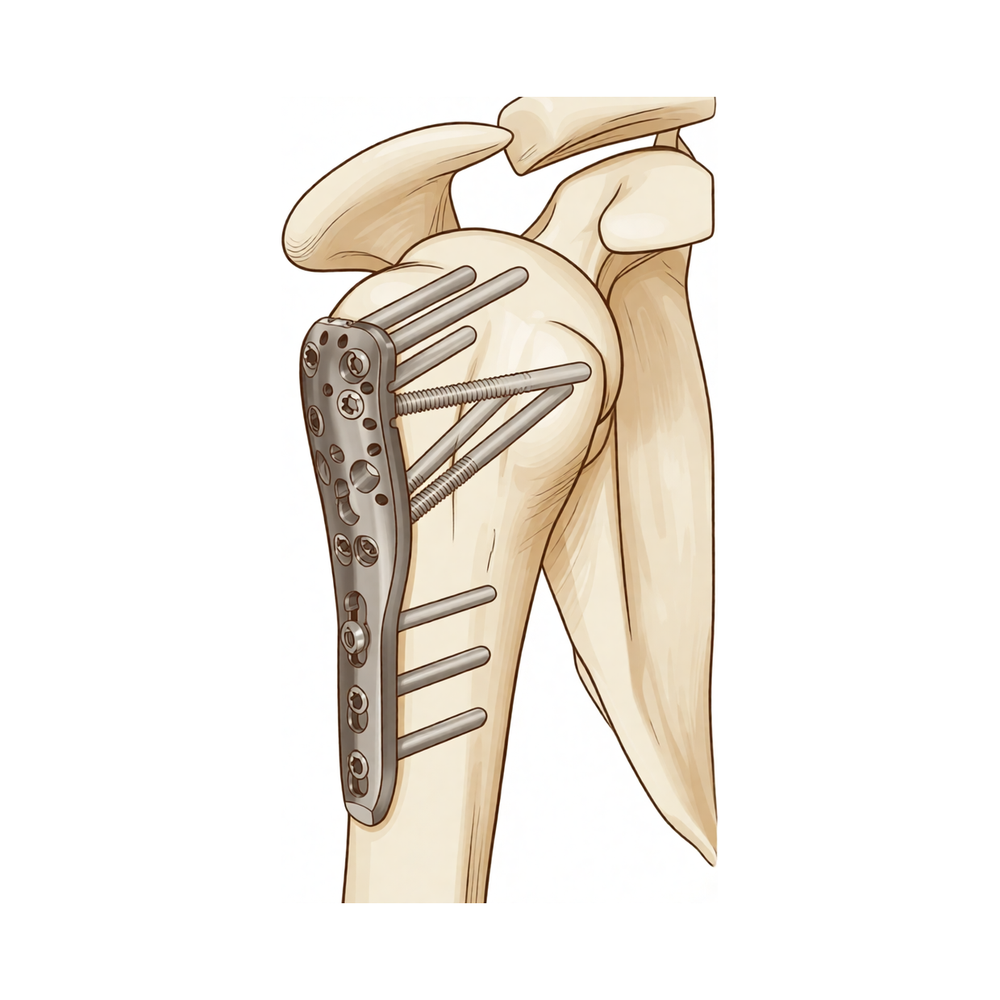
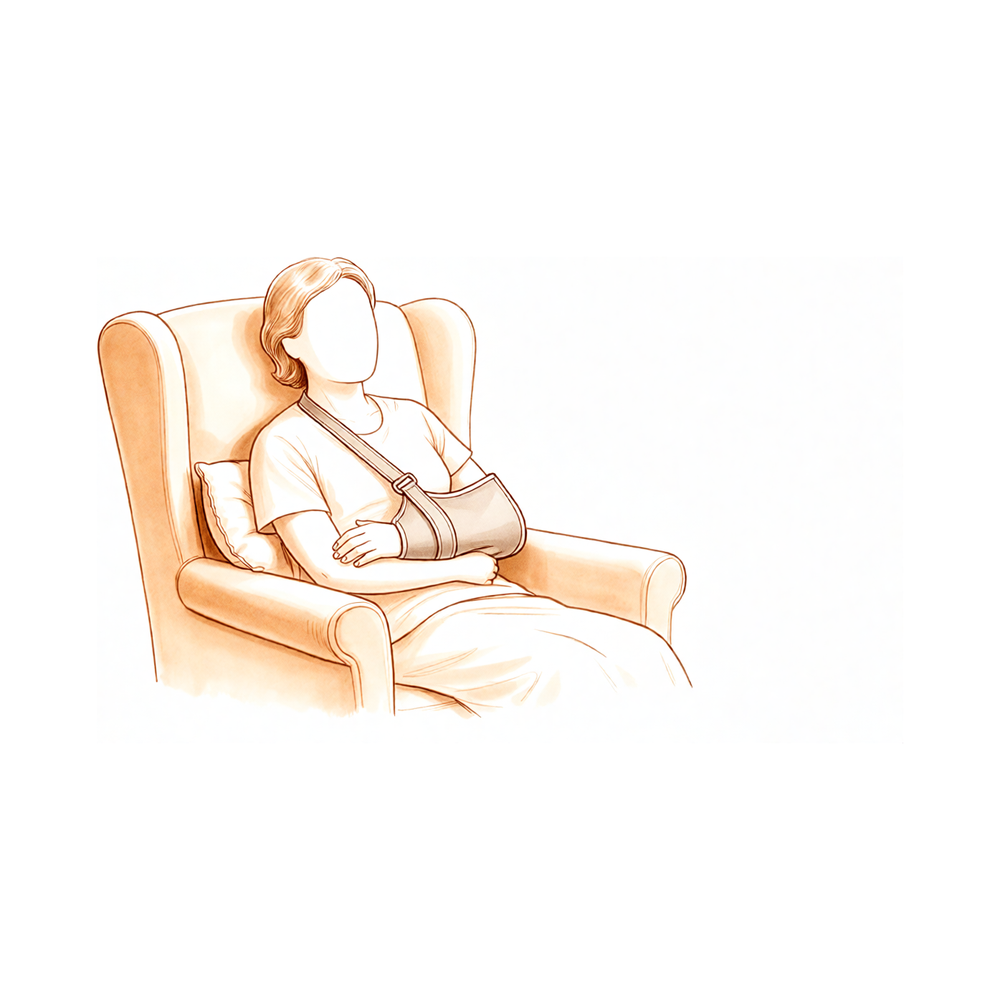
Recovery trajectories vary significantly by procedure and pathology. Following arthroscopic rotator cuff repair, approximately 75% of pain relief and 50% of functional recovery are expected at 3 months, with larger tears associated with a slower speed of recovery [1]. In contrast, patient-reported outcomes and range of motion after total shoulder arthroplasty plateau at one year postoperatively in the absence of complications [2]. For minimally displaced (<3 mm) or non-displaced proximal humerus fractures, a favorable outcome is anticipated with staged rehabilitation, though full recovery may require an average of 8 months [18].

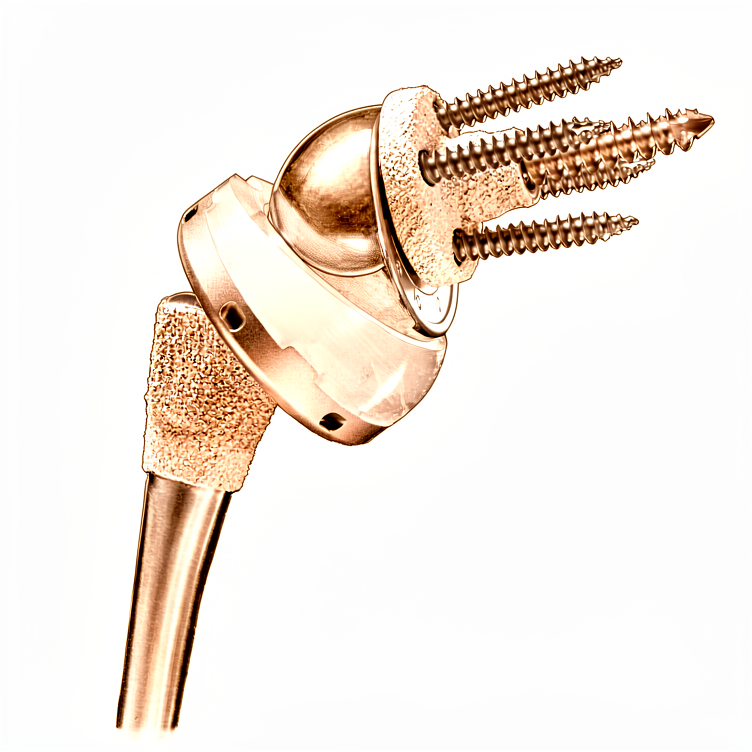
Therapeutic interventions for complex shoulder pathology demonstrate distinct efficacy and risk profiles. Therapeutic arthroscopy for noninfectious stiffness and anterior shoulder pain after reverse shoulder arthroplasty leads to clinical improvement in most patients with a low complication rate, particularly when performed earlier [7]. Revision reverse shoulder arthroplasty improves patient-reported outcomes and pain levels while demonstrating high durability, low complication rates, and low failure rates at mid-term follow-up [8]. Similarly, salvage reverse total shoulder arthroplasty for failed operative treatment of proximal humeral fractures in patients younger than 60 years yields significant subjective and functional improvements without clinical deterioration beyond 10 years, despite a substantial complication rate [9].

Minimally invasive total hip arthroplasty is a safe procedure that does not increase operative time, blood loss, operative complication rates, or component malposition rates, though the beneficial effect on functional recovery requires further proof [13]. In spinal deformity surgery, Enhanced Recovery After Surgery (ERAS) protocols reduce postoperative hospital length of stay, surgical complications, and 90-day readmission rates [29]. For reverse total shoulder arthroplasty as a revision procedure for failed hemiarthroplasty after proximal humerus fracture, a complication and reoperation rate of 15% is considered tolerable while restoring function and achieving satisfactory psychological outcomes [43, 44].

Anatomy & Pathophysiology

Kinematics and Stability

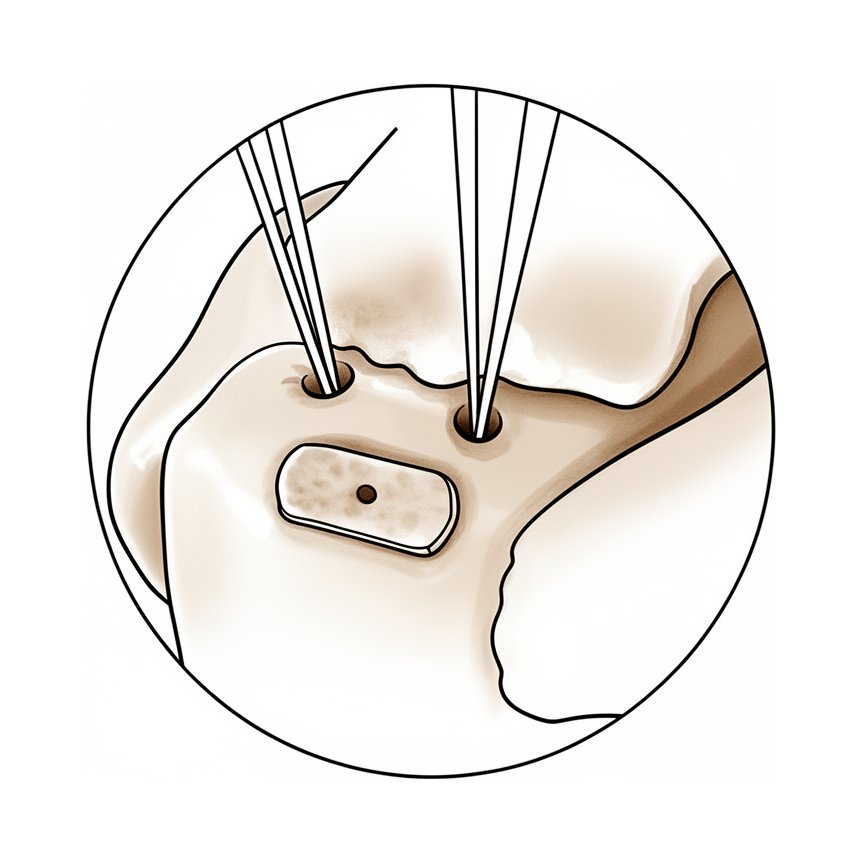
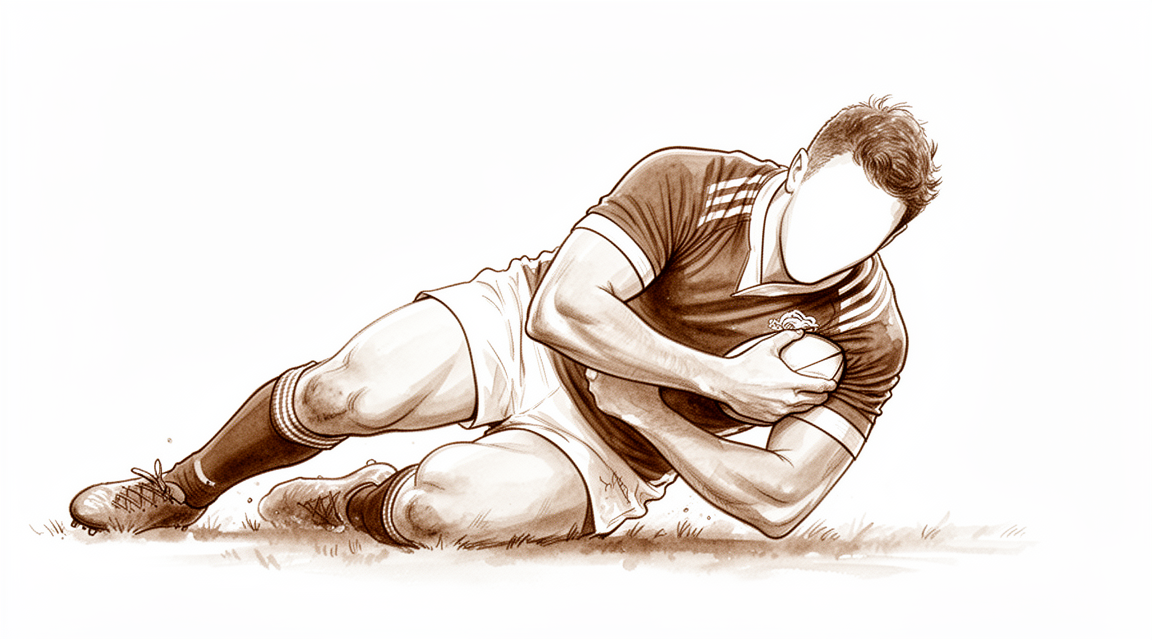
The goal of treatment for shoulder instability is to correct deficient stabilizing mechanisms without altering normal glenohumeral function [59], a principle supported by significant advancements in understanding and treatment over the last century [60]. The modified position of the scapula is maintained during the entire range of motion after the Latarjet procedure, suggesting a shoulder-stabilizing kinematic effect [33]. Glenoid morphology can be normalized during the intermediate to long-term postoperative period after arthroscopic repair of chronic osseous Bankart lesions, even in shoulders with a smaller fragment [57]. The all-arthroscopic modified Eden-Hybinette procedure using iliac crest autograft and double-pair button fixation restores glenoid bone defects and preserves normal shoulder anatomy [62]. Tendon transfers can be used to reconstruct rotator cuff function and restore shoulder kinematics in younger patients with irreparable rotator cuff tears [21]. Both open and arthroscopic repair of anterosuperior rotator cuff tears with subscapularis involvement significantly improve shoulder function [58].

Osseous and Articular Reconstruction

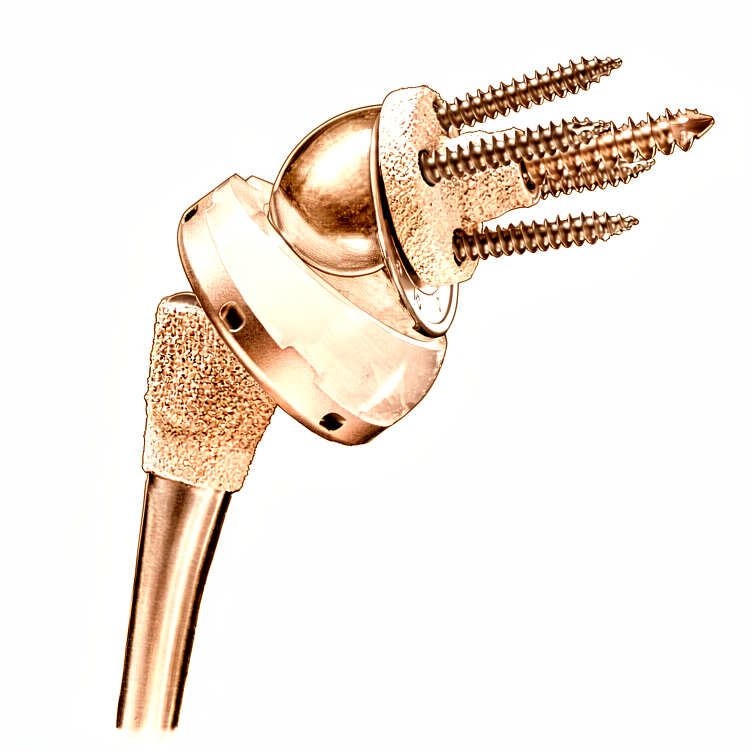
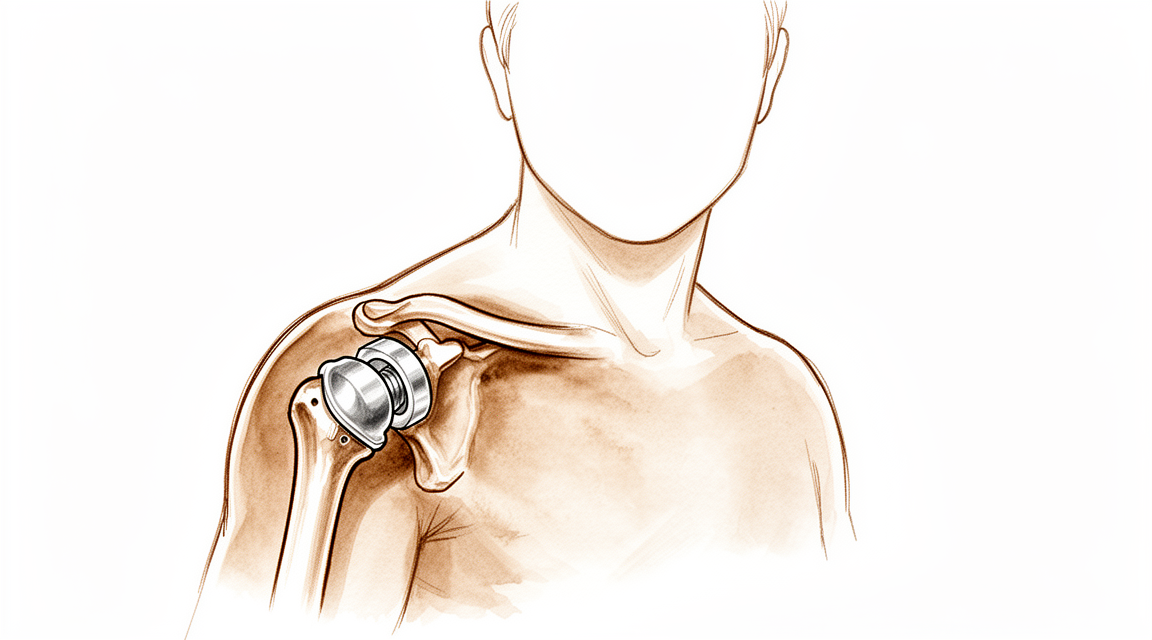
Endoprosthetic reconstruction of the proximal humerus provides a stable platform for elbow and hand function but results in limited actual shoulder function [37]. Using anteriorly eccentric humeral head components addresses functional decentering not evident preoperatively and improves centering of the humeral articular surface on the glenoid in shoulder arthroplasty [84]. Adults with lesser tuberosity fractures have acceptable outcomes, but those with an associated posterior shoulder dislocation have impaired range of shoulder movement and are more likely to develop complications [65]. Shoulder rotational ability is improved by systematically repairing the tuberosities around the implant in complex shoulder fractures treated by reverse shoulder arthroplasty, provided their consolidation is anatomic [77].

Soft Tissue and Functional Outcomes

Repair of the subscapularis does not lead to inferior clinical outcomes compared to non-repair in reverse total shoulder arthroplasty [40]. Shoulder stiffness is the most frequent complication within 6 months after arthroscopic rotator cuff repair [53]. Most shoulders with early motion loss after rotator cuff repair recover motion and rarely require capsular release [66]. Shoulder stiffness at 3 months post-arthroscopic rotator cuff repair predicts 12-month shoulder stiffness but indicates better tendon integrity with limited long-term clinical impact [85]. Stiffness is common after reverse total shoulder arthroplasty and often improves at one year after surgery [72]. Only grade 2 heterotopic ossification after reverse total shoulder arthroplasty is clinically relevant with a negative effect on shoulder function during its development [61]. Significant factors exist that influence the ability to achieve functional active shoulder elevation after primary reverse total shoulder arthroplasty [74]. Shoulder fusion for brachial plexus palsy provided active abduction greater than 45° in more than 75% of cases and active rotation greater than 45° in almost 65% of cases [70].

Neurovascular Safety

Knowledge of relevant shoulder anatomy and meticulous surgical technique can decrease the chance of neurovascular injury after shoulder hemiarthroplasty [69].

Classification

Periprosthetic Humerus Fractures: Among four evaluated classification systems, the Wright and Cofield systems demonstrated the greatest mean intraobserver reliability and overall interobserver reliability [63].

Periprosthetic Joint Infection: While diagnosis has improved with International Consensus Meeting criteria, distinct differences remain between periprosthetic joint infection classifications [88]. These distinct differences warrant further investigation to determine accurate diagnosis and optimal treatment [88].

Other Considerations: Neurologic Injury: In open Latarjet procedure series, neurologic injury was the most common complication, with complete or near-complete recovery in 11 of 13 patients [3]. The overall complication rate for the open Latarjet procedure at short-term follow-up was 18.6% [22], with a class 3 adverse event rate requiring additional surgery or long-term medical treatment of 4.9% [22]. Conducting well-designed research using various classifications according to time (intraoperative, short-term, or long-term) is necessary for the Latarjet procedure due to technical difficulty and significant variation in complication incidence depending on the surgeon [78].

Proximal Humerus Fractures: Scientific literature on surgically-managed proximal humeral fractures uses different terms to describe complications [79], and there is a lack of agreement on adverse event terminology for proximal humeral fractures in the scientific literature [79]. Machine learning models effectively stratified patients into high-risk and low-risk clusters based on 30-day outcomes following open reduction and internal fixation for proximal humerus fractures [64]. These machine learning models outperformed traditional ASA classification in predicting complications following open reduction and internal fixation for proximal humerus fractures [64].

Shoulder Arthroplasty: Complications are common following revision of failed hemiarthroplasty and anatomic total shoulder arthroplasty to reverse total shoulder arthroplasty and can compromise results [76]. Different recovery trajectories were identified for patients undergoing anatomic total shoulder arthroplasty and reverse total shoulder arthroplasty [80]. Surgical repair of rotator cuff tears appeared to provide a good functional outcome regardless of tear type, despite overall complication and repeat surgery rates [68].

Acromioclavicular Injuries: Following nonsurgical management of type V acromioclavicular injuries, most patients are able to return to work but have limited functional outcome scores [23].

General Rehabilitation & Recovery: There is no consensus on the definition of accelerated rehabilitation following traumatic anterior shoulder dislocation [4], and there is no consensus on outcome measure selection for rehabilitation following traumatic anterior shoulder dislocation [4]. Three distinct recovery trajectories were identified following lumbar spinal fusion surgery: meaningful recovery, progressive recovery, and disruptive recovery [5].

Clinical Presentation

Recovery trajectories vary significantly by procedure and pathology. Following arthroscopic rotator cuff repair, approximately 75% of pain relief and 50% of functional recovery are expected at 3 months, with larger tears associated with a slower speed of recovery [1]. Patient-reported outcomes and range of motion plateau at one year postoperatively after total shoulder arthroplasty without additional complications [2]. In contrast, pain scores and functional outcomes worsen over time following hemiarthroplasty for proximal humeral fractures, with no improvement in range of motion [41]. For chronic locked posterior dislocation, clinical outcomes for the modified McLaughlin procedure are worse when there is a delay from injury to diagnosis greater than 6 months [16]. Similarly, a preoperative duration of symptoms of 6 months or longer is associated with poorer functional outcomes after 1-stage arthroscopic treatment of rotator cuff tears with shoulder stiffness [15].

Neurologic complications require specific attention to nerve involvement and recovery potential. Neurologic injury was the most common complication following the open Latarjet procedure, though complete or near-complete recovery occurred in 11 of 13 patients [3]. After reverse total shoulder arthroplasty, the axillary nerve was mostly involved in neurologic deficits, yet all patients with neurologic deficit achieved complete recovery without any additional surgery [30]. Most diagnoses of distal peripheral neuropathy after shoulder surgery likely represent previously asymptomatic disease rather than surgical injuries [17]. Early recognition and supportive measures, including pulmonary rehabilitation, are critical for optimizing functional outcomes in persistent diaphragmatic paralysis associated with interscalene nerve block after total shoulder arthroplasty [46].

Structural integrity and functional status post-repair show distinct patterns regarding defects and deformities. The presence of a defect after arthroscopic rotator cuff repair using 2 rows of fixation did not appear to affect patient-reported function and return to preinjury activity, but it did affect measured strength [47]. Clinical outcomes were not affected by dog-ear or bird-beak deformities after rotator cuff repair [49]. Despite 85% of patients with early poor performance after reverse total shoulder arthroplasty exceeding the minimal clinically important difference for improvement at 2 years, 61% still had persistent poor performance defined by failure to achieve the patient acceptable symptomatic state [19].

Complication categorization and management urgency depend on the specific surgical context. Complications associated with proximal humerus fractures are varied and can be categorized as occurring at the time of initial injury, during operative management, or as delayed sequelae [51]. Patients with targeted intervention of acute postoperative infection after rotator cuff repair presented good functional results at final follow-up [52]. Deltoid compartment syndrome is a surgical emergency requiring rapid diagnosis and emergent surgical management [54]. Early diagnosis and appropriate intervention are integral to minimizing sequelae from clavicle fractures [48].

Rehabilitation protocols and setting selection face specific evidentiary gaps. There is no consensus on the definition of accelerated rehabilitation or outcome measure selection following traumatic anterior shoulder dislocation [4]. Three distinct recovery trajectories were identified following lumbar spinal fusion surgery: meaningful recovery, progressive recovery, and disruptive recovery [5]. No difference in complications and outcomes occurs regardless of the outpatient setting for shoulder arthroplasty [55].

Investigations

Plain radiography: Progressive glenoid radiolucencies may develop in young patients with shoulder chondrolysis following total shoulder arthroplasty [102]. Stand-alone coracoclavicular suture repair achieves very satisfactory radiographic and clinical long-term results [71]. Most patients treated with locking palmar plating on the distal radius showed good to excellent functional and radiological results [83]. Radiologic outcomes for arthroscopic partial repair of large to massive rotator cuff tears are inferior compared to arthroscopic complete repair [92].

MRI: Bioinductive repair enabled a robust healing response evident through MRI and biopsy evaluation, demonstrating superior tendon quality and healing compared to sutured repair for full-thickness rotator cuff tears [100].

CT: CT angiography should be considered preoperatively for severe dislocations to assess for vessel injury [98].

Other Considerations: Patient-reported outcomes and range of motion plateau at one year postoperatively without additional complications after total shoulder arthroplasty [2]. Neurologic injury was the most common complication in the open Latarjet procedure series, with complete or near-complete recovery in 11 of 13 patients [3]. Functional improvement following therapeutic arthroscopy for noninfectious stiffness and anterior shoulder pain after reverse shoulder arthroplasty is more likely when intervention occurs earlier [7]. Revision reverse shoulder arthroplasty leads to an improvement in patient-reported outcome measures and pain levels with high durability at mid-term follow-up [8]. Revision reverse shoulder arthroplasty demonstrates low complication and failure rates at mid-term follow-up [8]. Salvage reverse total shoulder arthroplasty in patients younger than 60 years is associated with a substantial complication rate [9]. Salvage reverse total shoulder arthroplasty in patients younger than 60 years leads to significant subjective and functional improvement without clinical deterioration beyond 10 years [9]. Clinical outcomes for the modified McLaughlin procedure are worse when there is a delay from injury to diagnosis greater than 6 months [16]. Untreated complications after sternoclavicular surgery can lead to persistent complaints or recurrent instability due to failure of reconstruction [24]. Arthroscopic partial repair of large to massive rotator cuff tears shows clinical outcomes and survivorship at minimum 10-year follow-up comparable to those of arthroscopic complete repair [92]. Cartilaginous endplate herniation requires clinical consideration in preoperative planning and postoperative management to enhance patient outcomes and satisfaction following percutaneous endoscopic lumbar discectomy [94]. Combined locking plate and tunneled suspensory device fixation of lateral-end clavicle nonunions achieves excellent union rates and functional outcomes with low complication rates [95]. Despite advances in surgical techniques, implants, and imaging, there remains a lack of consensus on the optimal treatment for subcritical bone loss in failed shoulder instability surgery [96]. There is limited high-level evidence comparing techniques for failed shoulder instability surgery [96]. Functional outcomes as measured by range of motion and pain scores after external beam radiation therapy show appropriate improvement consistent with normal populations without a history of XRT [97]. Clinicians must carefully check for vessel injury symptoms in both acute and late phases following reverse shoulder arthroplasty for shoulder fracture dislocation [98]. All complications of shoulder arthrodesis resolved with treatment [99]. Most complications after arthroscopic rotator cuff repair were a result of significant and persistent stiffness that resolved without additional operative treatment [101]. Early results of total shoulder arthroplasty for young patients with shoulder chondrolysis show an opportunity for improvements in pain and function [102]. Primary reverse shoulder arthroplasty demonstrates clinically significant improvements in both range of motion and clinical outcome scores with a minimum of 2 years' follow-up [103].

Treatment

Non-Operative

Conservative management is a viable option for specific fracture patterns and joint instabilities. Patients with minimally displaced (<3 mm) or non-displaced proximal humerus fractures can be reassured of a favorable outcome with a staged rehabilitation protocol, though full recovery may take an average of 8 months [18]. Similarly, nonoperative management of adolescent mid-shaft clavicle fractures results in excellent functional outcomes at long-term follow-up regardless of initial displacement [81]. For patients aged 60 years or older with displaced 2-part proximal humerus fractures, there is no significant difference in clinical outcomes at 2 years between surgery and non-operative treatment [86]. Nonoperative treatment of postoperative acromial fractures following reverse shoulder arthroplasty results in limited overall improvement from preoperative outcomes [67]. In the setting of acromioclavicular (AC) joint injuries, nonsurgical management of type V injuries allows most patients to return to work, albeit with limited functional outcome scores [23], while both nonoperative and operative groups for type III and V dislocations demonstrate very good restoration of shoulder function and patient satisfaction at 24 months [28]. Operative treatment for type III and V AC joint dislocations does not lead to better outcomes compared with nonoperative treatment at 2-year follow-up [28]. For trauma-related anterosuperior rotator cuff tears, nonoperatively treated patients may reach a reasonable clinical outcome with a 1-year perspective [25]. Non-operative treatment using specific resistive exercises can provide functional stability and improve some shoulders in which prior surgical repair for recurrent anterior dislocation has failed [90]. Distal peripheral neuropathy after open and arthroscopic shoulder surgery will often resolve with nonoperative management [87]. Closed, non-surgical reduction maneuvers are not effective in improving or maintaining alignment of clavicle fractures and should generally not be attempted [91].

Operative

Indications: Surgical intervention is indicated for irreparable rotator cuff tears in younger patients to reconstruct function and restore kinematics via tendon transfers [21]. Symptomatic traumatic rotator cuff tears repairable later than 3 months after injury yield good functional outcomes and high subjective satisfaction comparable to earlier treatment [42]. Surgical treatment of distal clavicle fractures is recommended within 6 days after injury to reduce postoperative complications [50]. Shoulder replacement in humeral head avascular necrosis is indicated to achieve improvements in pain, range of motion, and functionality with a low risk of complications [56]. Functional improvement following therapeutic arthroscopy for noninfectious stiffness and anterior shoulder pain after reverse shoulder arthroplasty is more likely in patients who undergo intervention earlier [7].

Surgical Approach / Technique: Arthroscopic rotator cuff repair is associated with approximately 75% of pain relief and 50% of functional recovery at 3 months, though larger tears are associated with a slower speed of recovery [1]. Recovery of the ability to sleep comfortably following this procedure plateaus at 6 months, with improvements maintained more than 4 years without evidence for the re-emergence of sleep disturbance [32]. Minimally invasive total hip arthroplasty is a safe surgical procedure without increases in operative time, blood loss, operative complication rates, or component malposition rates [13].

Implant Selection: Clavicle hook plate fixation of displaced lateral-third clavicle fractures achieves the best functional outcomes when the plate is removed before 6 months postoperatively, provided the fracture has healed [35]. Primary and salvage Latarjet procedures may yield comparable efficacy regarding complications, reoperations, the rate of return to sport, time to return to sport, pain, shoulder function, and range of motion [39].

Alignment / Balancing Strategy: Patient-reported outcomes and range of motion plateau at one year postoperatively following total shoulder arthroplasty without additional complications [2]. Three distinct recovery trajectories were identified following lumbar spinal fusion surgery: meaningful recovery, progressive recovery, and disruptive recovery [5].

Pain Management: Transient neuropraxias are the most frequent complication after reverse shoulder arthroplasty with glenoid bone grafting, but the majority resolve within the first postoperative year [20]. Surgical decompression is an effective treatment option for distal peripheral neuropathy in refractory cases [87].

Adjuncts: Despite improvements in techniques, results for AC-joint instability treatment remain imperfect with frequent complications [89]. There is a lack of high-level evidence such as prospective cohort studies or controlled studies for non-operative treatment of AC-joint instability [89].

Other Considerations: The beneficial effect of minimally invasive total hip arthroplasty on functional recovery needs proof [13]. There is no consensus on the definition of accelerated rehabilitation or outcome measure selection following traumatic anterior shoulder dislocation [4]. Short-, mid-, and long-term results of the Latarjet procedure indicate positive clinical outcomes [6].

Complications

Nerve palsy: Neurologic injury represents the most common complication following open Latarjet procedures, with an overall complication rate of 18.6% and a class 3 adverse event rate requiring additional surgery or long-term treatment of 4.9% [3, 22]. Complete or near-complete recovery occurs in the majority of cases, with 11 of 13 patients recovering fully [3]. In reverse shoulder arthroplasty with glenoid bone grafting, transient neuropraxias are the most frequent complication, though the majority resolve within the first postoperative year [20]. Most diagnoses of distal peripheral neuropathy after shoulder surgery likely represent previously asymptomatic disease rather than surgical injuries [17]. However, spontaneous recovery of the axillary nerve may not occur in patients with a terrible triad injury to the shoulder [75].

Infection (PJI) and Wound complications: Infection is the most common complication after rotator cuff repair [38]. Open repair significantly increases the risk of complications and hospital readmission compared to arthroscopic techniques [38]. Patient-specific risk factors significantly increasing this risk include male gender, increased age, and medical comorbidities [38]. Despite infection, reasonable long-term functional outcome scores can be achieved after infected mini-open rotator cuff repair [11]. Short-term complications after rotator cuff repair are generally rare [34].

Instability: When left untreated, complications after sternoclavicular surgery can lead to persistent complaints or recurrent instability due to failure of reconstruction [24].

Periprosthetic fracture: Complications following operative and nonoperative treatment of periprosthetic humerus fractures may be more frequent than previously understood [73]. Humeral complications after Grammont-style reverse shoulder arthroplasty are not rare and increase with longer follow-up [14]. These humeral complications have a negative impact on functional outcomes [14].

Other Considerations: At three months after arthroscopic rotator cuff repair, approximately 75% of pain relief and 50% of functional recovery can be expected, though larger tears are associated with a slower speed of recovery [1]. Patient-reported outcomes and range of motion plateau at one year postoperatively after total shoulder arthroplasty without additional complications [2]. The rate of improvement in range of motion during short-term recovery after anatomic and reverse total shoulder arthroplasty is highly dependent on preoperative range of motion [45]. Long-term decline in range of motion is generally impacted by systemic health issues, compromised implant fixation, or the onset of revision surgery [45]. Revision reverse shoulder arthroplasty leads to improvement in patient-reported outcome measures and pain levels while demonstrating high durability at mid-term follow-up with low complication and failure rates [8]. However, salvage reverse total shoulder arthroplasty in patients younger than 60 years is associated with a substantial complication rate, though it leads to significant subjective and functional improvement without clinical deterioration beyond 10 years [9]. Long-term functional deficits persist after locked plating of proximal humeral fractures [10]. The long-term impact of mid-frequency electrical muscle stimulation during immobilization on functional outcomes after arthroscopic rotator cuff repair remains unclear [12]. Short-, mid-, and long-term results of the Latarjet procedure indicate positive clinical outcomes [6]. Complications after scapulothoracic fusion are temporary and were managed successfully within the reported series [82].

Recovery

Light activity (weeks): Patients may return to desk work, driving, and light activities of daily living within the early postoperative period, though specific timelines vary by procedure. For traumatic anterior shoulder dislocation, accelerated rehabilitation protocols lack a consensus definition [4]. In cases of traumatic anterosuperior rotator cuff tears, nonoperatively treated patients may achieve reasonable clinical outcomes within one year [25].

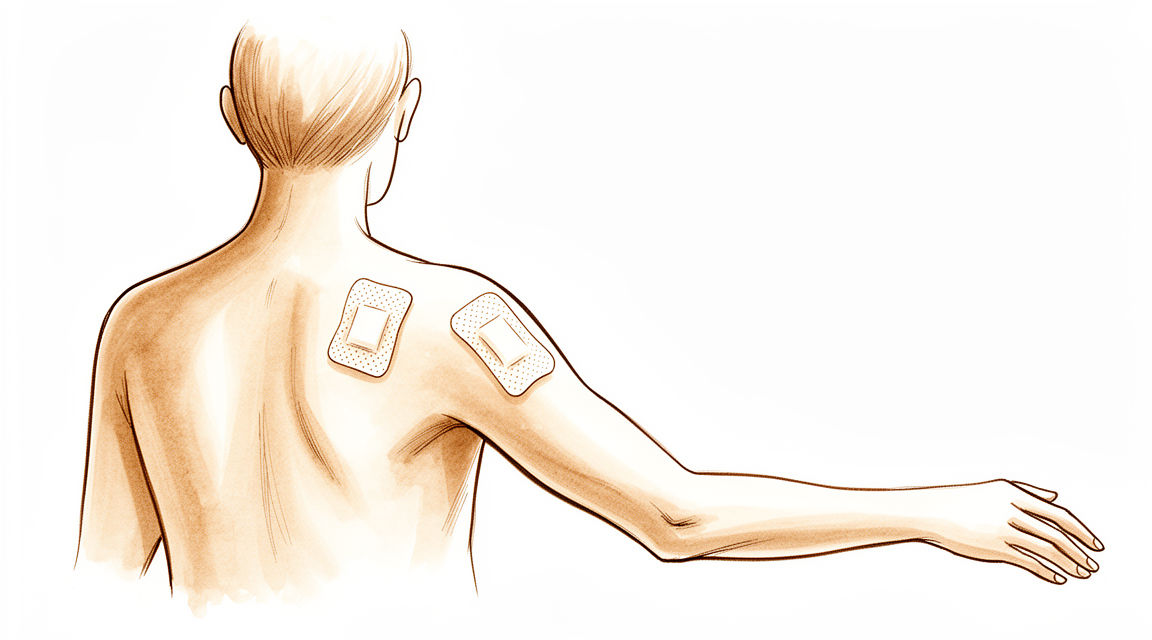
Full activity (months): Functional recovery and strength return progress over months, with significant improvements often observed by the three-month mark. At three months following arthroscopic rotator cuff repair, approximately 75% of pain relief and 50% of functional recovery can be expected [1]. Functional status improves with time after six months following rotator cuff repair [27], and structural status of repaired cuffs remains unchanged between six and 19 months postoperatively [27]. Mid-frequency electrical muscle stimulation during immobilization may promote early strength recovery after arthroscopic rotator cuff repair [12].

Complete recovery / outcome plateau (months): Final functional outcomes and pain relief stabilize over the long term, though deficits may persist in specific populations. Larger rotator cuff tears are associated with a slower speed of recovery [1]. Long-term functional deficits persist following locked plating of proximal humeral fractures [10]. One-year follow-up does not determine rotator cuff repair long-term outcome [36]. The mean time from onset to reversal of postoperative new-onset pseudoparalysis after arthroscopic repair for large to massive rotator cuff tears was 10 months [93].

Rehabilitation protocol: Immobilization strategies and stimulation protocols are utilized to mitigate atrophy and promote strength. Mid-frequency electrical muscle stimulation during immobilization may prevent early deltoid muscle atrophy after arthroscopic rotator cuff repair [12]. The long-term impact of mid-frequency electrical muscle stimulation on functional outcomes after arthroscopic rotator cuff repair remains unclear [12]. For traumatic anterior shoulder dislocation, there is no consensus on outcome measure selection [4].

Functional milestones: Validated outcome measures demonstrate variable trajectories depending on the procedure and patient factors. Three distinct recovery trajectories were identified following lumbar spinal fusion surgery: meaningful recovery, progressive recovery, and disruptive recovery [5]. Short-, mid-, and long-term results of the Latarjet procedure indicate positive clinical outcomes [6]. Despite 85% of patients with early poor performance after reverse total shoulder arthroplasty exceeding the minimal clinically important difference for improvement at 2 years, 61% still had persistent poor performance defined by failure to achieve the patient acceptable symptomatic state [19]. Subjective and objective improvements following reverse arthroplasty with modified L'Episcopo transfer are realized soon after surgery and maintained with time [106]. Functional outcomes after arthroscopic rotator cuff repair improved during midterm follow-up regardless of retear [26]. Revision rotator cuff reconstruction improves clinical outcomes and shoulder function at midterm follow-up [31]. Reasonable long-term functional outcome scores can be achieved after infected mini-open rotator cuff repair [11].

Other Considerations: Several factors influence recovery trajectories and final outcomes, including injury characteristics, surgical timing, and complications. Neurologic injury was the most common complication following the open Latarjet procedure [3]. In patients with neurologic injury after open Latarjet, complete or near-complete recovery occurred in 11 of 13 patients [3]. Humeral complications after reverse shoulder arthroplasty are not rare, increase with longer follow-up, and have a negative impact on functional outcomes [14]. A preoperative duration of symptoms of 6 months or longer is associated with poorer functional outcomes after 1-stage arthroscopic treatment of rotator cuff tears with shoulder stiffness [15]. Reversal of postoperative new-onset pseudoparalysis after arthroscopic repair for large to massive rotator cuff tears is affected solely by fatty infiltration of the supraspinatus [93]. No differences in clinical outcome were found when rotator cuff repair was performed between 3 weeks and 3 months or later than 3 months after injury in patients describing their onset of symptoms as traumatic [104]. Failure-free survival rates after primary arthroscopic Bankart repair for traumatic anterior shoulder instability dropped dramatically over time [105].

Key Evidence

  • [L4] At 3 months, approximately 75% of pain relief and 50% of functional recovery can be expected, with larger tears having a slower speed of recovery. (10.1016/j.jse.2016.11.002)
  • [L3] Patient-reported outcomes and range of motion plateau at one year postoperatively without additional complications. (10.1177/1758573220922845)
  • [L4] Neurologic injury was the most common complication in our series, with complete or near-complete recovery in 11 of 13 patients. (10.1016/j.jse.2016.05.029)
  • [L4] There is no consensus on the definition of accelerated rehabilitation or outcome measure selection. (10.1177/17585732221089636)
  • [L4] Three distinct recovery trajectories were identified: meaningful recovery, progressive recovery, and disruptive recovery. (10.1371/journal.pone.0241931)
  • [L4] Short-, mid-, and long-term results indicate positive clinical outcomes. (10.1016/j.jseint.2025.04.033)
  • [L4] Although postoperative outcomes were comparable between groups, functional improvement was more likely in patients who underwent intervention earlier. (10.1016/j.jse.2024.10.011)
  • [L4] Revision rTSA leads to an improvement in patient-reported outcome measures and pain levels and demonstrates high durability at mid-term follow-up with low complication and failure rates. (10.1016/j.jsea.2026.100004)
  • [L3] Although salvage RTSA in patients younger than 60 years is associated with a substantial complication rate, it leads to significant subjective and functional improvement without clinical deterioration beyond 10 years. (10.1016/j.jse.2018.11.032)
  • [L4] Long-term functional deficits persist. (10.1007/s11999-011-1935-6)
  • [L4] Reasonable long-term functional outcome scores can be achieved. (10.1016/j.jse.2017.09.003)
  • [L3] However, its long-term impact on functional outcomes remains unclear and warrants further investigation. (10.1002/ksa.70303)
  • [L1] MIS THA is a safe surgical procedure without increases in operative time, blood loss, operative complication rates and component malposition rates, though its beneficial effect on functional recovery needs proof. (10.1186/1471-2474-11-92)
  • [L4] Humeral complications after RSA are not rare, increase with longer follow-up, and have a negative impact on functional outcomes. (10.1016/j.jse.2017.11.028)
  • [L2] A preoperative duration of symptoms of 6 months or longer led to poorer functional outcomes, suggesting that surgeons should propose surgical treatment before symptoms persist for 6 months. (10.1177/0363546517707202)
  • [L4] The clinical outcomes of this procedure are worse when there is a delay from injury to diagnosis > 6 months. (10.1016/j.jse.2021.05.026)
  • [Letter] Most diagnoses of distal peripheral neuropathy after shoulder surgery likely represent previously asymptomatic disease rather than surgical injuries, as the surgery is likely coincidental or merely brings the problem to the patient's attention. (10.1016/j.jse.2015.03.020)
  • [L4] Patients with minimally displaced (<3 mm) or non-displaced fractures of the proximal humerus can be reassured that a favorable outcome is anticipated with a staged rehabilitation protocol, although full recovery might take an average of 8 months. (10.1016/j.jse.2013.01.033)
  • [L3] Despite 85% of patients with early poor performance exceeding the minimal clinically important difference for improvement at 2 years, 61% still had persistent poor performance defined by failure to achieve the patient acceptable symptomatic state. (10.1016/j.jse.2022.11.014)
  • [L4] Transient neuropraxias are the most frequent complication, but the majority resolve within the first postoperative year. (10.1016/j.jse.2020.05.004)
  • [L5] For rotator cuff tears that are deemed irreparable, the use of tendon transfers in younger patients to reconstruct rotator cuff function and restore shoulder kinematics can be useful in salvaging this difficult problem. (10.1016/j.jse.2009.03.013)
  • [L4] The overall complication rate reported in this open Latarjet series is 18.6%; however, the rate of class 3 adverse events that required additional surgery or long-term medical treatment was only 4.9%. (10.1016/j.jse.2022.06.004)
  • [L4] Following nonsurgical management of type V AC injuries, most patients are able to return to work but have limited functional outcome scores. (10.5435/jaaos-d-16-00176)
  • [L4] When left untreated, these complications can lead to persistent complaints or recurrent instability due to failure of reconstruction. (10.1016/j.jse.2020.09.015)
  • [L4] With a 1-year perspective, nonoperatively treated patients may also reach a reasonable clinical outcome. (10.1016/j.jse.2020.09.020)
  • [L3] Functional outcomes after ARCR improved during midterm follow-up, regardless of retear. (10.1177/03635465241305742)
  • [L4] Although functional status improved with time after 6 months, the structural status of repaired cuffs remained unchanged between 6 and 19 months. (10.1016/j.jse.2011.05.027)
  • [L1] Both the nonoperative and operative treatment groups had very good restoration of shoulder function and patient satisfaction at 24 months, and operative treatment did not lead to better outcomes compared with nonoperative treatment. (10.1016/j.jse.2021.12.003)
  • [L3] The ERAS protocol is effective in reducing postoperative hospital length of stay, incidence of surgical complications, and 90-day readmission rates. (10.1186/s13018-024-05399-z)
  • [L3] Axillary nerve was mostly involved, and all patients with neurologic deficit achieved complete recovery without any additional surgery. (10.1016/j.jse.2019.11.014)
  • [L4] Revision RCR improves clinical outcomes and shoulder function at midterm follow-up. (10.1177/0363546518786006)
  • [L4] Although recovery of the ability to sleep comfortably plateaued at 6 months, the achieved improvements in sleep are maintained more than 4 years after rotator cuff repair without evidence for the re-emergence of sleep disturbance. (10.1016/j.jse.2024.05.043)
  • [L3] The modified position of the scapula was maintained during the entire range of motion, suggesting a shoulder-stabilizing kinematic effect in addition to the bony, sling and bumper effects. (10.1016/j.jse.2024.02.022)
  • [L3] Short-term complications after rotator cuff repair are rare. (10.1016/j.arthro.2017.10.027)
  • [L4] The best functional outcomes occur with plate removal before 6 months postoperatively, provided the fracture has healed. (10.1016/j.jse.2011.07.020)
  • [L5] One-year follow-up is not the last word for rotator cuff repair outcomes; patients must live with the long-term outcomes of surgical procedures, and authors are obliged to evaluate these long-term outcomes. (10.1016/j.arthro.2024.12.040)
  • [L4] Although it provides a stable platform for elbow and hand function, actual shoulder function is limited. (10.1016/j.jse.2008.10.011)
  • [L4] Infection was the most common complication, and open repair, male gender, increased age, and medical comorbidities all significantly increased the risk of complications and hospital readmission. (10.1016/j.arthro.2017.10.040)
  • [L1] Primary and salvage Latarjet may yield comparable efficacy in terms of complications, reoperations, the rate of return to sport, the time to return to sport, pain, shoulder function, and range of motion. (10.1186/s12891-024-07593-w)
  • [L3] Repair of the subscapularis did not lead to inferior clinical outcomes as predicted by biomechanical models. (10.1016/j.jse.2016.09.027)
  • [L4] Pain scores and functional outcomes worsened over time with no improvement in range of motion. (10.1016/j.jse.2010.06.009)
  • [L3] The surgical treatment of symptomatic traumatic rotator cuff tears repairable later than 3 months after injury yields a good functional outcome, a high level of subjective patient satisfaction, and at the same level for patients receiving earlier treatment. (10.1007/s00167-015-3840-0)
  • [L3] A complication and reoperation rate of 15% is tolerable in consideration of satisfactory functional and psychological outcome. (10.1186/s12891-024-07870-8)
  • [L2] Reverse total shoulder arthroplasty restores function in the shoulder with significant improvements in function and moderate complications. (10.1177/1758573220977184)
  • [L3] The rate of improvement in ROM during the short-term recovery period after aTSA and rTSA is highly dependent on preoperative ROM, whereas the rate of decline in ROM at long-term follow-up is generally impacted by systemic health issues, compromised implant fixation, and the onset of revision surgery. (10.1016/j.jseint.2025.04.018)
  • [Case_report] Early recognition and supportive measures, including pulmonary rehabilitation, are critical for optimizing functional outcomes. (10.1016/j.jses.2018.05.003)
  • [L4] Presence of a defect after repair did not appear to affect patient-reported function and return to preinjury activity but did affect measured strength. (10.1177/0363546506290187)
  • [L3] Clinical outcomes were not affected by deformities. (10.1177/0363546520915199)
  • [L3] Performing surgery within 6 days after injury is recommended to reduce postoperative complications. (10.1186/s12891-020-3169-9)
  • [L3] Despite the infection, patients presented good functional results at final follow-up. (10.1007/s00167-017-4743-z)
  • [L4] Shoulder stiffness was the most frequent event. (10.1016/j.arthro.2020.08.010)
  • [L5] This report emphasizes the importance of rapid diagnosis and emergent surgical management of deltoid compartment syndrome. (10.1016/j.jse.2010.05.019)
  • [L4] No difference in complications and outcomes occurs regardless of outpatient setting. (10.1016/j.jse.2019.04.006)
  • [L3] Improvements in pain, ROM, and functionality can be achieved with low risk of complications or need for additional procedures. (10.1016/j.jse.2018.06.031)
  • [L4] Glenoid morphology can be normalized during the intermediate to long-term postoperative period, even in shoulders with a smaller fragment. (10.2106/jbjs.n.01033)
  • [L3] Both techniques significantly improved shoulder function and are relatively safe procedures. (10.1016/j.jse.2019.09.035)
  • [L4] The goal of treatment is to correct deficient stabilizing mechanisms without altering normal glenohumeral function. (10.5435/00124635-200003000-00006)
  • [L4] The last century has seen important advancements in the understanding and treatment of shoulder instability. (10.1007/s00167-015-3947-3)
  • [L3] Only grade 2 HO is clinically relevant with a negative effect on the function of the shoulder during its development. (10.1302/0301-620x.98b9.37761)
  • [L4] This technique restores glenoid bone defects and preserves the normal shoulder anatomy. (10.1016/j.arthro.2020.10.036)
  • [L4] Of the 4 PPHF classification systems, Wright and Cofield demonstrated the greatest mean intraobserver reliability and overall interobserver reliability. (10.1016/j.jse.2022.04.011)
  • [L3] Machine learning models effectively stratified patients into high-risk and low-risk clusters based on 30-day outcomes, outperforming traditional ASA classification in predicting complications. (10.1016/j.jseint.2024.04.015)
  • [L4] Adults have acceptable outcomes but patients with an associated posterior shoulder dislocation have impaired range of shoulder movement and are more likely to develop complications. (10.1016/j.jseint.2021.02.016)
  • [L3] Most shoulders with early motion loss recover motion and rarely require capsular release. (10.1016/j.jse.2009.07.009)
  • [L3] Nonoperative treatment of postoperative acromial fractures results in limited overall improvement from preoperative outcomes. (10.2106/jbjs.k.01516)
  • [L4] Surgical repair appeared to provide a good functional outcome regardless of tear type, despite overall complication and repeat surgery rates. (10.1007/s00167-018-4854-1)
  • [Case_report] Knowledge of relevant shoulder anatomy and meticulous surgical technique can decrease the chance of occurrence of this grave injury. (10.1016/j.jse.2007.06.019)
  • [L3] Shoulder fusion provided active abduction greater than 45° in more than 75% of cases and active rotation greater than 45° in almost 65% of cases. (10.1016/j.jhsa.2012.01.012)
  • [L4] Both radiographic and clinical long-term results are very satisfactory. (10.1016/j.jse.2020.11.028)
  • [L3] Stiffness is common after reverse shoulder arthroplasty and often improves at one year after surgery. (10.1177/1758573220967312)
  • [L4] Complications may be more frequent than previously understood. (10.1016/j.jse.2024.04.009)
  • [L3] These findings illuminate significant factors in the ability to achieve functional active shoulder elevation after primary RTSA. (10.1177/2471549219831527)
  • [L4] Spontaneous recovery of the axillary nerve may not occur in patients with a terrible triad injury. (10.1177/17531934251333250)
  • [L4] As is typical of revision surgery, complications are common and can compromise results. (10.1016/j.jse.2018.10.026)
  • [L3] Shoulder rotational ability is improved by systematically repairing the tuberosities around the implant, provided their consolidation is anatomic. (10.1016/j.jse.2012.03.011)
  • [L5] The authors state that conducting well-designed research using various classifications according to time (intraoperative, short-term, or long-term) will be necessary due to the technical difficulty of the procedure and significant variation in complication incidence depending on the surgeon. (10.1177/03635465231178011)
  • [L2] Scientific literature on surgically-managed PHF uses different terms to describe complications and without approved definitions, which highlights a lack of agreement on adverse event terminology for PHFs. (10.1186/s12891-020-03353-8)
  • [L4] Through LCA, we identified different recovery trajectories for patients undergoing anatomic TSA and reverse TSA. (10.1016/j.jse.2021.02.024)
  • [L3] Nonoperative management of adolescent mid-shaft clavicle fractures results in excellent functional outcomes at long-term follow-up. (10.1302/0301-620x.103b5.bjj-2020-1929.r1)
  • [L4] Fortunately, these complications are temporary and were managed successfully within our series. (10.1016/j.jse.2013.08.009)
  • [L4] Most patients showed good to excellent functional and radiological results. (10.1177/1753193409339943)
  • [L4] This technique addresses functional decentering not evident preoperatively and improves centering of the humeral articular surface on the glenoid. (10.1016/j.jse.2016.02.027)
  • [L3] Shoulder stiffness at 3 months post-ARCR predicts 12-month shoulder stiffness but indicates better tendon integrity, with limited long-term clinical impact. (10.1016/j.arthro.2024.01.038)
  • [L1] This trial found no significant difference in clinical outcomes at 2 years between surgery and non-operative treatment in patients 60 years of age or older with displaced 2-part fractures of the proximal humerus. (10.1371/journal.pmed.1002855)
  • [L4] When it occurs, DPN will often resolve with nonoperative management, and surgical decompression is an effective treatment option in refractory cases. (10.1016/j.jse.2014.08.007)
  • [L4] While the diagnosis of shoulder periprosthetic joint infection has improved with the advent of International Consensus Meeting criteria, there remain distinct differences between periprosthetic joint infection classifications that warrant further investigation to determine the accurate diagnosis and optimal treatment. (10.1177/17585732211019010)
  • [L5] Despite improvements in techniques, results remain imperfect with frequent complications, and there is a lack of high-level evidence such as prospective cohort studies or controlled studies for non-operative treatment, leaving numerous open questions regarding the best treatment approach. (10.1007/s00167-019-05666-1)
  • [L4] Non-operative treatment using specific resistive exercises can provide functional stability and improve some shoulders in which prior surgical repair has failed. (10.2106/00004623-198466020-00001)
  • [L3] Although radiologic outcomes were inferior in the partial repair group, both groups had comparable survival rates and clinical outcomes over the 10-year follow-up period. (10.1016/j.arthro.2024.11.067)
  • [L3] The mean time from onset to reversal was 10 months, and reversal was affected solely by fatty infiltration of the supraspinatus. (10.1177/0363546518765756)
  • [L3] These findings emphasize the need for clinical consideration of these imaging features in the preoperative planning and postoperative management to enhance patient outcomes and satisfaction. (10.1186/s13018-024-04746-4)
  • [L4] Excellent union rates and functional outcomes, as well as low complication rates, can be expected. (10.1016/j.jse.2021.03.151)
  • [L5] Despite advances in surgical techniques, implants, and imaging, several issues remain unresolved, including a lack of consensus on the optimal treatment for subcritical bone loss and limited high-level evidence comparing techniques. (10.1016/j.jisako.2025.101011)
  • [L4] Functional outcomes as measured by ROM and pain scores showed appropriate improvement consistent with normal populations without history of XRT. (10.1016/j.jse.2021.11.003)
  • [Case_report] Clinicians must carefully check for vessel injury symptoms in both acute and late phases, and consider CT angiography preoperatively for severe dislocations. (10.1016/j.jseint.2020.10.003)
  • [L4] All complications resolved with treatment. (10.2106/00004623-199706000-00012)
  • [L1] The IBR enabled a robust healing response evident through MRI and biopsy evaluation, demonstrating superior tendon quality and healing. (10.1016/j.jse.2024.03.043)
  • [L4] Most complications were a result of significant and persistent stiffness that resolved without additional operative treatment. (10.1016/j.arthro.2006.09.001)
  • [L4] Early results of total shoulder arthroplasty show an opportunity for improvements in pain and function; however, progressive glenoid radiolucencies may develop in these patients. (10.1016/j.jse.2007.11.004)
  • [L1] Additionally, patients demonstrated clinically significant improvements in both range of motion and clinical outcome scores. (10.1016/j.jse.2022.06.005)
  • [L3] In this retrospective cohort study, no differences in clinical outcome were found when RC repair was performed between 3 weeks and 3 months or later than 3 months after injury in patients describing their onset of symptoms as traumatic. (10.1007/s00167-022-07193-y)
  • [L4] Failure-free survival rates dropped dramatically over time. (10.1186/s12891-020-03223-3)
  • [Abstract] Subjective and objective improvements are realized soon after surgery and are maintained with time. (10.1016/j.jse.2013.07.027)

See Also

References

[1] Speed of recovery after arthroscopic rotator cuff repair. Journal of Shoulder and Elbow Surgery. 2017. DOI: 10.1016/j.jse.2016.11.002

[2] Reassessing the minimum two-year follow-up standard after total shoulder arthroplasty—Is one year sufficient?. Shoulder & Elbow. 2020. DOI: 10.1177/1758573220922845

[3] Immediate and early complications of the open Latarjet procedure: a retrospective review of a large consecutive case series. Journal of Shoulder and Elbow Surgery. 2017. DOI: 10.1016/j.jse.2016.05.029

[4] Post-operative rehabilitation following traumatic anterior shoulder dislocation: A systematic scoping review. Shoulder & Elbow. 2022. DOI: 10.1177/17585732221089636

[5] Patient journey following lumbar spinal fusion surgery (FuJourn): A multicentre exploration of the immediate post-operative period using qualitative patient diaries. PLOS ONE. 2020. DOI: 10.1371/journal.pone.0241931

[6] Long-term outcomes of the Latarjet procedure in a North American population. JSES International. 2025. DOI: 10.1016/j.jseint.2025.04.033

[7] Therapeutic arthroscopy for noninfectious stiffness and anterior shoulder pain after reverse shoulder arthroplasty leads to clinical improvement in most patients with a low complication rate. Journal of Shoulder and Elbow Surgery. 2025. DOI: 10.1016/j.jse.2024.10.011

[8] Pain relief and durable outcomes after revision reverse shoulder arthroplasty for failed primary arthroplasty. Journal of Shoulder and Elbow Arthroplasty. 2026. DOI: 10.1016/j.jsea.2026.100004

[9] Salvage reverse total shoulder arthroplasty for failed operative treatment of proximal humeral fractures in patients younger 60 years: long-term results. Journal of Shoulder and Elbow Surgery. 2019. DOI: 10.1016/j.jse.2018.11.032

[10] Locked Plating of Proximal Humeral Fractures: Is Function Affected by Age, Time, and Fracture Patterns?. Clinical Orthopaedics & Related Research. 2011. DOI: 10.1007/s11999-011-1935-6

[11] Long-term outcomes after infected mini-open rotator cuff repair: results of a 10-year review. Journal of Shoulder and Elbow Surgery. 2018. DOI: 10.1016/j.jse.2017.09.003

[12] Mid‐frequency electrical muscle stimulation during immobilization may prevent early deltoid muscle atrophy and promote early strength recovery after arthroscopic rotator cuff repair. Knee Surgery, Sports Traumatology, Arthroscopy. 2026. DOI: 10.1002/ksa.70303

[13] Minimally invasive and computer-navigated total hip arthroplasty: a qualitative and systematic review of the literature. BMC Musculoskeletal Disorders. 2010. DOI: 10.1186/1471-2474-11-92

[14] Long-term humeral complications after Grammont-style reverse shoulder arthroplasty. Journal of Shoulder and Elbow Surgery. 2018. DOI: 10.1016/j.jse.2017.11.028

[15] A Long Preoperative Duration of Symptoms Is Associated With Worse Functional Outcomes After 1-Stage Arthroscopic Treatment of Rotator Cuff Tears With Shoulder Stiffness. The American Journal of Sports Medicine. 2017. DOI: 10.1177/0363546517707202

[16] Treatment of chronic locked posterior dislocation of the shoulder with the modified McLaughlin procedure. Journal of Shoulder and Elbow Surgery. 2022. DOI: 10.1016/j.jse.2021.05.026

[17] Regarding “Distal peripheral neuropathy after open and arthroscopic shoulder surgery: an under-recognized complication”. Journal of Shoulder and Elbow Surgery. 2015. DOI: 10.1016/j.jse.2015.03.020

[18] Minimally displaced fractures of the greater tuberosity: outcome of non-operative treatment. Journal of Shoulder and Elbow Surgery. 2013. DOI: 10.1016/j.jse.2013.01.033

[19] Do patients with poor early clinical outcomes after reverse total shoulder arthroplasty ultimately improve?. Journal of Shoulder and Elbow Surgery. 2023. DOI: 10.1016/j.jse.2022.11.014

[20] Neuroapraxia and early complications after reverse shoulder arthroplasty with glenoid bone grafting. Journal of Shoulder and Elbow Surgery. 2021. DOI: 10.1016/j.jse.2020.05.004

[21] Management of massive and irreparable rotator cuff tears. Journal of Shoulder and Elbow Surgery. 2009. DOI: 10.1016/j.jse.2009.03.013

[22] Low rates of serious complications after open Latarjet procedure at short-term follow-up. Journal of Shoulder and Elbow Surgery. 2023. DOI: 10.1016/j.jse.2022.06.004

[23] Functional Outcomes of Type V Acromioclavicular Injuries With Nonsurgical Treatment. Journal of the American Academy of Orthopaedic Surgeons. 2016. DOI: 10.5435/jaaos-d-16-00176

[24] Complications after sternoclavicular surgery. Journal of Shoulder and Elbow Surgery. 2021. DOI: 10.1016/j.jse.2020.09.015

[25] Good outcome after repair of trauma-related anterosuperior rotator cuff tears—a prospective cohort study. Journal of Shoulder and Elbow Surgery. 2021. DOI: 10.1016/j.jse.2020.09.020

[26] Midterm Functional Outcomes After Retear of an Arthroscopic Rotator Cuff Repair: A Propensity Score–Matched Comparative Study. The American Journal of Sports Medicine. 2025. DOI: 10.1177/03635465241305742

[27] Serial structural and functional assessments of rotator cuff repairs: do they differ at 6 and 19 months postoperatively?. Journal of Shoulder and Elbow Surgery. 2012. DOI: 10.1016/j.jse.2011.05.027

[28] No difference in clinical outcome at 2-year follow-up in patients with type III and V acromioclavicular joint dislocation treated with hook plate or physiotherapy: a randomized controlled trial. Journal of Shoulder and Elbow Surgery. 2022. DOI: 10.1016/j.jse.2021.12.003

[29] Enhanced recovery pathway in adult patients with spinal deformity undergoing open thoracolumbar surgery. Journal of Orthopaedic Surgery and Research. 2025. DOI: 10.1186/s13018-024-05399-z

[30] Neurologic deficit after reverse total shoulder arthroplasty: correlation with distalization. Journal of Shoulder and Elbow Surgery. 2020. DOI: 10.1016/j.jse.2019.11.014

[31] Clinical Outcomes, Tendon Integrity, and Shoulder Strength After Revision Rotator Cuff Reconstruction: A Minimum 2 Years’ Follow-up. The American Journal of Sports Medicine. 2018. DOI: 10.1177/0363546518786006

[32] Improvement in sleep disturbance following arthroscopic rotator cuff repair. Journal of Shoulder and Elbow Surgery. 2025. DOI: 10.1016/j.jse.2024.05.043

[33] Kinematic stabilization after the Latarjet procedure: beyond the triple blocking effect. Journal of Shoulder and Elbow Surgery. 2024. DOI: 10.1016/j.jse.2024.02.022

[34] Comparison of Short‐term Complications After Rotator Cuff Repair: Open Versus Arthroscopic. Arthroscopy. 2018. DOI: 10.1016/j.arthro.2017.10.027

[35] Clavicle hook plate fixation for displaced lateral-third clavicle fractures (Neer type II): a functional outcome study. Journal of Shoulder and Elbow Surgery. 2012. DOI: 10.1016/j.jse.2011.07.020

[36] Editorial Commentary: One‐Year Follow‐Up Does Not Determine Rotator Cuff Repair Long‐Term Outcome. Arthroscopy. 2025. DOI: 10.1016/j.arthro.2024.12.040

[37] Functional outcome following endoprosthetic reconstruction of the proximal humerus. Journal of Shoulder and Elbow Surgery. 2009. DOI: 10.1016/j.jse.2008.10.011

[38] Risk Factors for Short‐term Complications After Rotator Cuff Repair in the United States. Arthroscopy. 2017. DOI: 10.1016/j.arthro.2017.10.040

[39] Salvage Latarjet may provide worse outcomes in terms of recurrent instability and returning to sports compared to primary Latarjet: a systematic review of comparative studies. BMC Musculoskeletal Disorders. 2024. DOI: 10.1186/s12891-024-07593-w

[40] Comparison of reverse total shoulder arthroplasty outcomes with and without subscapularis repair. Journal of Shoulder and Elbow Surgery. 2017. DOI: 10.1016/j.jse.2016.09.027

[41] Functional and radiographic long-term outcomes of hemiarthroplasty for proximal humeral fractures. Journal of Shoulder and Elbow Surgery. 2011. DOI: 10.1016/j.jse.2010.06.009

[42] Similar results comparing early and late surgery in open repair of traumatic rotator cuff tears. Knee Surgery, Sports Traumatology, Arthroscopy. 2015. DOI: 10.1007/s00167-015-3840-0

[43] Mid- to long-term outcome of reverse total shoulder arthroplasty as revision procedure for failed hemiarthroplasty after proximal humerus fracture. BMC Musculoskeletal Disorders. 2024. DOI: 10.1186/s12891-024-07870-8

[44] Prospective multicentre mid-term clinical and radiological outcomes of 159 reverse total shoulder replacements and assessment of the influence of post-operative complications. Shoulder & Elbow. 2020. DOI: 10.1177/1758573220977184

[45] Analysis of patients with differing short-term rates of improvement and long-term rates of decline in range of motion and after anatomic and reverse total shoulder arthroplasty. JSES International. 2025. DOI: 10.1016/j.jseint.2025.04.018

[46] Persistent diaphragmatic paralysis associated with interscalene nerve block after total shoulder arthroplasty: a case report. JSES Open Access. 2018. DOI: 10.1016/j.jses.2018.05.003

[47] Outcome and Structural Integrity after Arthroscopic Rotator Cuff Repair Using 2 Rows of Fixation. The American Journal of Sports Medicine. 2006. DOI: 10.1177/0363546506290187

[48] 10. Complications of Clavicle Fractures—Diagnosis and Management. n.d..

[49] Does the Dog-Ear or Bird-Beak Deformity Remodel After Rotator Cuff Repair?. The American Journal of Sports Medicine. 2020. DOI: 10.1177/0363546520915199

[50] Treatment of distal clavicle fractures using a Scorpion plate and influence of timing on surgical outcomes: a retrospective cohort study of 105 cases. BMC Musculoskeletal Disorders. 2020. DOI: 10.1186/s12891-020-3169-9

[51] 6. Complications of Proximal Humerus Fractures: Evaluation and Management. n.d..

[52] Targeted intervention of acute postoperative infection after rotator cuff repair results in good functional outcomes. Knee Surgery, Sports Traumatology, Arthroscopy. 2017. DOI: 10.1007/s00167-017-4743-z

[53] Complications Within 6 Months After Arthroscopic Rotator Cuff Repair: Registry‐Based Evaluation According to a Core Event Set and Severity Grading. Arthroscopy. 2020. DOI: 10.1016/j.arthro.2020.08.010

[54] Deltoid compartment syndrome is a surgical emergency. Journal of Shoulder and Elbow Surgery. 2010. DOI: 10.1016/j.jse.2010.05.019

[55] Outpatient shoulder arthroplasty: outcomes, complications, and readmissions in 2 outpatient settings. Journal of Shoulder and Elbow Surgery. 2019. DOI: 10.1016/j.jse.2019.04.006

[56] Outcomes of shoulder replacement in humeral head avascular necrosis. Journal of Shoulder and Elbow Surgery. 2019. DOI: 10.1016/j.jse.2018.06.031

[57] Clinical Outcome and Glenoid Morphology After Arthroscopic Repair of Chronic Osseous Bankart Lesions. Journal of Bone and Joint Surgery. 2015. DOI: 10.2106/jbjs.n.01033

[58] Retrospective review of open and arthroscopic repair of anterosuperior rotator cuff tears with subscapularis involvement: a single surgeon's experience. Journal of Shoulder and Elbow Surgery. 2020. DOI: 10.1016/j.jse.2019.09.035

[59] Complications of Open Anterior Stabilization of the Shoulder. Journal of the American Academy of Orthopaedic Surgeons. 2000. DOI: 10.5435/00124635-200003000-00006

[60] History of shoulder instability surgery. Knee Surgery, Sports Traumatology, Arthroscopy. 2015. DOI: 10.1007/s00167-015-3947-3

[61] Heterotopic ossification after reverse total shoulder arthroplasty. The Bone & Joint Journal. 2016. DOI: 10.1302/0301-620x.98b9.37761

[62] Excellent Clinical and Radiological Midterm Outcomes for the Management of Recurrent Anterior Shoulder Instability by All-Arthroscopic Modified Eden-Hybinette Procedure Using Iliac Crest Autograft and Double-Pair Button Fixation System: 3-Year Clinical Case Series With No Loss to Follow-Up. Arthroscopy: The Journal of Arthroscopic & Related Surgery. 2021. DOI: 10.1016/j.arthro.2020.10.036

[63] Periprosthetic humerus fractures after shoulder arthroplasty: an evaluation of available classification systems. Journal of Shoulder and Elbow Surgery. 2022. DOI: 10.1016/j.jse.2022.04.011

[64] Identifying clinically meaningful subgroups following open reduction and internal fixation for proximal humerus fractures: a risk stratification analysis for mortality and 30-day complications using machine learning. JSES International. 2024. DOI: 10.1016/j.jseint.2024.04.015

[65] What are the patient-reported outcomes, functional limitations, and complications after lesser tuberosity fractures? a systematic review of 172 patients. JSES International. 2021. DOI: 10.1016/j.jseint.2021.02.016

[66] Range of motion limitation after rotator cuff repair. Journal of Shoulder and Elbow Surgery. 2010. DOI: 10.1016/j.jse.2009.07.009

[67] Classification of Postoperative Acromial Fractures Following Reverse Shoulder Arthroplasty. The Journal of Bone and Joint Surgery-American Volume. 2013. DOI: 10.2106/jbjs.k.01516

[68] Clinical and anatomic results of rotator cuff repair at 10 years depend on tear type. Knee Surgery, Sports Traumatology, Arthroscopy. 2018. DOI: 10.1007/s00167-018-4854-1

[69] Neurovascular injury after shoulder hemiarthroplasty: A case report and review of the literature. Journal of Shoulder and Elbow Surgery. 2008. DOI: 10.1016/j.jse.2007.06.019

[70] Functional Outcome of Glenohumeral Fusion in Brachial Plexus Palsy: A Report of 54 Cases. The Journal of Hand Surgery. 2012. DOI: 10.1016/j.jhsa.2012.01.012

[71] Stand-alone coracoclavicular suture repair achieves very good results in unstable distal clavicle fractures at a minimum follow-up of 1 year. Journal of Shoulder and Elbow Surgery. 2021. DOI: 10.1016/j.jse.2020.11.028

[72] Postoperative stiffness after reverse total shoulder arthroplasty. Shoulder & Elbow. 2020. DOI: 10.1177/1758573220967312

[73] Operative and nonoperative treatment of periprosthetic humerus fractures after shoulder arthroplasty: a systematic review and meta-analysis. Journal of Shoulder and Elbow Surgery. 2024. DOI: 10.1016/j.jse.2024.04.009

[74] Clinical Predictors for Optimal Forward Elevation in Primary Reverse Total Shoulder Arthroplasty. Journal of Shoulder and Elbow Arthroplasty. 2019. DOI: 10.1177/2471549219831527

[75] The terrible triad of the shoulder: injury characteristics and outcomes of axillary nerve reconstruction. Journal of Hand Surgery (European Volume). 2025. DOI: 10.1177/17531934251333250

[76] Revision of failed hemiarthroplasty and anatomic total shoulder arthroplasty to reverse total shoulder arthroplasty. Journal of Shoulder and Elbow Surgery. 2019. DOI: 10.1016/j.jse.2018.10.026

[77] Improvement in shoulder rotation in complex shoulder fractures treated by reverse shoulder arthroplasty. Journal of Shoulder and Elbow Surgery. 2013. DOI: 10.1016/j.jse.2012.03.011

[78] Complications Related to Latarjet Shoulder Stabilization: Response. The American Journal of Sports Medicine. 2023. DOI: 10.1177/03635465231178011

[79] Complications after surgical management of proximal humeral fractures: a systematic review of event terms and definitions. BMC Musculoskeletal Disorders. 2020. DOI: 10.1186/s12891-020-03353-8

[80] Defining recovery trajectories after shoulder arthroplasty: a latent class analysis of patient-reported outcomes. Journal of Shoulder and Elbow Surgery. 2021. DOI: 10.1016/j.jse.2021.02.024

[81] Adolescent mid-shaft clavicular fracture displacement does not predict nonunion or inferior functional outcome at long-term follow-up. The Bone & Joint Journal. 2021. DOI: 10.1302/0301-620x.103b5.bjj-2020-1929.r1

[82] Scapulothoracic fusion: outcomes and complications. Journal of Shoulder and Elbow Surgery. 2014. DOI: 10.1016/j.jse.2013.08.009

[83] Functional results and complications following locking palmar plating on the distal radius: a retrospective study. Journal of Hand Surgery (European Volume). 2009. DOI: 10.1177/1753193409339943

[84] Management of intraoperative posterior decentering in shoulder arthroplasty using anteriorly eccentric humeral head components. Journal of Shoulder and Elbow Surgery. 2016. DOI: 10.1016/j.jse.2016.02.027

[85] Early Postoperative Stiffness After Arthroscopic Rotator Cuff Repair Correlates With Improved Tendon Healing. Arthroscopy. 2024. DOI: 10.1016/j.arthro.2024.01.038

[86] Operative versus non-operative treatment for 2-part proximal humerus fracture: A multicenter randomized controlled trial. PLOS Medicine. 2019. DOI: 10.1371/journal.pmed.1002855

[87] Distal peripheral neuropathy after open and arthroscopic shoulder surgery: an under-recognized complication. Journal of Shoulder and Elbow Surgery. 2015. DOI: 10.1016/j.jse.2014.08.007

[88] Periprosthetic joint infections of the shoulder: A 10-year retrospective analysis outlining the heterogeneity among these patients. Shoulder & Elbow. 2021. DOI: 10.1177/17585732211019010

[89] Treatment of AC‐joint instability: what seems to be a small thing still leaves us with numerous open questions. Knee Surgery, Sports Traumatology, Arthroscopy. 2019. DOI: 10.1007/s00167-019-05666-1

[90] Recurrent anterior dislocation of the shoulder after surgical repair. Apparent causes of failure and treatment.. The Journal of Bone & Joint Surgery. 1984. DOI: 10.2106/00004623-198466020-00001

[91] 8. Non-operative Management of Clavicle Fractures: Indications, Techniques, and Outcomes. n.d..

[92] Arthroscopic Partial Repair of Large to Massive Rotator Cuff Tears Shows Clinical Outcomes and Survivorship at Minimum 10‐Year Follow‐Up Comparable to Those of Arthroscopic Complete Repair. Arthroscopy. 2024. DOI: 10.1016/j.arthro.2024.11.067

[93] Postoperative New-Onset Pseudoparalysis: A Retrospective Analysis of 430 Consecutive Arthroscopic Repairs for Large to Massive Rotator Cuff Tears. The American Journal of Sports Medicine. 2018. DOI: 10.1177/0363546518765756

[94] Investigating the impact of cartilaginous endplate herniation on recovery from percutaneous endoscopic lumbar discectomy. Journal of Orthopaedic Surgery and Research. 2024. DOI: 10.1186/s13018-024-04746-4

[95] Functional outcomes and complications following combined locking plate and tunneled suspensory device fixation of lateral-end clavicle nonunions. Journal of Shoulder and Elbow Surgery. 2021. DOI: 10.1016/j.jse.2021.03.151

[96] Failed shoulder instability surgery: State -of-the-art. Journal of ISAKOS. 2026. DOI: 10.1016/j.jisako.2025.101011

[97] The impact of external beam radiation therapy on shoulder surgical outcomes: a case series study. Journal of Shoulder and Elbow Surgery. 2022. DOI: 10.1016/j.jse.2021.11.003

[98] A case of delayed axillary artery aneurysm after reverse shoulder arthroplasty for a shoulder fracture dislocation: a case report. JSES International. 2021. DOI: 10.1016/j.jseint.2020.10.003

[99] Treatment of Complications of Shoulder Arthrodesis. The Journal of Bone & Joint Surgery. 1997. DOI: 10.2106/00004623-199706000-00012

[100] An isolated bioinductive repair vs sutured repair for full-thickness rotator cuff tears: 2-year results of a double blinded, randomized controlled trial. Journal of Shoulder and Elbow Surgery. 2024. DOI: 10.1016/j.jse.2024.03.043

[101] Complications After Arthroscopic Rotator Cuff Repair. Arthroscopy. 2007. DOI: 10.1016/j.arthro.2006.09.001

[102] Young patients with shoulder chondrolysis following arthroscopic shoulder surgery treated with total shoulder arthroplasty. Journal of Shoulder and Elbow Surgery. 2008. DOI: 10.1016/j.jse.2007.11.004

[103] Outcomes and complications of primary reverse shoulder arthroplasty with minimum of 2 years’ follow-up: a systematic review and meta-analysis. Journal of Shoulder and Elbow Surgery. 2022. DOI: 10.1016/j.jse.2022.06.005

[104] No difference in clinical outcome after rotator cuff repair performed within or later than 3 months after trauma: a retrospective cohort study. Knee Surgery, Sports Traumatology, Arthroscopy. 2022. DOI: 10.1007/s00167-022-07193-y

[105] Mid-term to long-term results of primary arthroscopic Bankart repair for traumatic anterior shoulder instability: a retrospective study. BMC Musculoskeletal Disorders. 2020. DOI: 10.1186/s12891-020-03223-3

[106] Clinical Outcomes and Durability of Reverse Arthroplasty with Modified L’Episcopo Transfer for Combined Loss of Active Elevation and External Rotation. Journal of Shoulder and Elbow Surgery. 2013. DOI: 10.1016/j.jse.2013.07.027

Creative Commons BY-NC 4.0

CC Creative Commons licence
BY Attribution — you must credit the source
NC NonCommercial — not for commercial use

Attribution-NonCommercial 4.0 International


Creative Commons Corporation ("Creative Commons") is not a law firm and does not provide legal services or legal advice. Distribution of Creative Commons public licenses does not create a lawyer-client or other relationship. Creative Commons makes its licenses and related information available on an "as-is" basis. Creative Commons gives no warranties regarding its licenses, any material licensed under their terms and conditions, or any related information. Creative Commons disclaims all liability for damages resulting from their use to the fullest extent possible.

Using Creative Commons Public Licenses

Creative Commons public licenses provide a standard set of terms and conditions that creators and other rights holders may use to share original works of authorship and other material subject to copyright and certain other rights specified in the public license below. The following considerations are for informational purposes only, are not exhaustive, and do not form part of our licenses.

Considerations for licensors: Our public licenses are intended for use by those authorized to give the public permission to use material in ways otherwise restricted by copyright and certain other rights. Our licenses are irrevocable. Licensors should read and understand the terms and conditions of the license they choose before applying it. Licensors should also secure all rights necessary before applying our licenses so that the public can reuse the material as expected. Licensors should clearly mark any material not subject to the license. This includes other CC- licensed material, or material used under an exception or limitation to copyright. More considerations for licensors: wiki.creativecommons.org/Considerations_for_licensors

Considerations for the public: By using one of our public licenses, a licensor grants the public permission to use the licensed material under specified terms and conditions. If the licensor's permission is not necessary for any reason--for example, because of any applicable exception or limitation to copyright--then that use is not regulated by the license. Our licenses grant only permissions under copyright and certain other rights that a licensor has authority to grant. Use of the licensed material may still be restricted for other reasons, including because others have copyright or other rights in the material. A licensor may make special requests, such as asking that all changes be marked or described. Although not required by our licenses, you are encouraged to respect those requests where reasonable. More considerations for the public: wiki.creativecommons.org/Considerations_for_licensees


Creative Commons Attribution-NonCommercial 4.0 International Public License

By exercising the Licensed Rights (defined below), You accept and agree to be bound by the terms and conditions of this Creative Commons Attribution-NonCommercial 4.0 International Public License ("Public License"). To the extent this Public License may be interpreted as a contract, You are granted the Licensed Rights in consideration of Your acceptance of these terms and conditions, and the Licensor grants You such rights in consideration of benefits the Licensor receives from making the Licensed Material available under these terms and conditions.

Section 1 -- Definitions.

a. Adapted Material means material subject to Copyright and Similar Rights that is derived from or based upon the Licensed Material and in which the Licensed Material is translated, altered, arranged, transformed, or otherwise modified in a manner requiring permission under the Copyright and Similar Rights held by the Licensor. For purposes of this Public License, where the Licensed Material is a musical work, performance, or sound recording, Adapted Material is always produced where the Licensed Material is synched in timed relation with a moving image.

b. Adapter's License means the license You apply to Your Copyright and Similar Rights in Your contributions to Adapted Material in accordance with the terms and conditions of this Public License.

c. Copyright and Similar Rights means copyright and/or similar rights closely related to copyright including, without limitation, performance, broadcast, sound recording, and Sui Generis Database Rights, without regard to how the rights are labeled or categorized. For purposes of this Public License, the rights specified in Section 2(b)(1)-(2) are not Copyright and Similar Rights.

d. Effective Technological Measures means those measures that, in the absence of proper authority, may not be circumvented under laws fulfilling obligations under Article 11 of the WIPO Copyright Treaty adopted on December 20, 1996, and/or similar international agreements.

e. Exceptions and Limitations means fair use, fair dealing, and/or any other exception or limitation to Copyright and Similar Rights that applies to Your use of the Licensed Material.

f. Licensed Material means the artistic or literary work, database, or other material to which the Licensor applied this Public License.

g. Licensed Rights means the rights granted to You subject to the terms and conditions of this Public License, which are limited to all Copyright and Similar Rights that apply to Your use of the Licensed Material and that the Licensor has authority to license.

h. Licensor means the individual(s) or entity(ies) granting rights under this Public License.

i. NonCommercial means not primarily intended for or directed towards commercial advantage or monetary compensation. For purposes of this Public License, the exchange of the Licensed Material for other material subject to Copyright and Similar Rights by digital file-sharing or similar means is NonCommercial provided there is no payment of monetary compensation in connection with the exchange.

j. Share means to provide material to the public by any means or process that requires permission under the Licensed Rights, such as reproduction, public display, public performance, distribution, dissemination, communication, or importation, and to make material available to the public including in ways that members of the public may access the material from a place and at a time individually chosen by them.

k. Sui Generis Database Rights means rights other than copyright resulting from Directive 96/9/EC of the European Parliament and of the Council of 11 March 1996 on the legal protection of databases, as amended and/or succeeded, as well as other essentially equivalent rights anywhere in the world.

l. You means the individual or entity exercising the Licensed Rights under this Public License. Your has a corresponding meaning.

Section 2 -- Scope.

a. License grant.

1. Subject to the terms and conditions of this Public License, the Licensor hereby grants You a worldwide, royalty-free, non-sublicensable, non-exclusive, irrevocable license to exercise the Licensed Rights in the Licensed Material to:

a. reproduce and Share the Licensed Material, in whole or in part, for NonCommercial purposes only; and

b. produce, reproduce, and Share Adapted Material for NonCommercial purposes only.

2. Exceptions and Limitations. For the avoidance of doubt, where Exceptions and Limitations apply to Your use, this Public License does not apply, and You do not need to comply with its terms and conditions.

3. Term. The term of this Public License is specified in Section 6(a).

4. Media and formats; technical modifications allowed. The Licensor authorizes You to exercise the Licensed Rights in all media and formats whether now known or hereafter created, and to make technical modifications necessary to do so. The Licensor waives and/or agrees not to assert any right or authority to forbid You from making technical modifications necessary to exercise the Licensed Rights, including technical modifications necessary to circumvent Effective Technological Measures. For purposes of this Public License, simply making modifications authorized by this Section 2(a) (4) never produces Adapted Material.

5. Downstream recipients.

a. Offer from the Licensor -- Licensed Material. Every recipient of the Licensed Material automatically receives an offer from the Licensor to exercise the Licensed Rights under the terms and conditions of this Public License.

b. No downstream restrictions. You may not offer or impose any additional or different terms or conditions on, or apply any Effective Technological Measures to, the Licensed Material if doing so restricts exercise of the Licensed Rights by any recipient of the Licensed Material.

6. No endorsement. Nothing in this Public License constitutes or may be construed as permission to assert or imply that You are, or that Your use of the Licensed Material is, connected with, or sponsored, endorsed, or granted official status by, the Licensor or others designated to receive attribution as provided in Section 3(a)(1)(A)(i).

b. Other rights.

1. Moral rights, such as the right of integrity, are not licensed under this Public License, nor are publicity, privacy, and/or other similar personality rights; however, to the extent possible, the Licensor waives and/or agrees not to assert any such rights held by the Licensor to the limited extent necessary to allow You to exercise the Licensed Rights, but not otherwise.

2. Patent and trademark rights are not licensed under this Public License.

3. To the extent possible, the Licensor waives any right to collect royalties from You for the exercise of the Licensed Rights, whether directly or through a collecting society under any voluntary or waivable statutory or compulsory licensing scheme. In all other cases the Licensor expressly reserves any right to collect such royalties, including when the Licensed Material is used other than for NonCommercial purposes.

Section 3 -- License Conditions.

Your exercise of the Licensed Rights is expressly made subject to the following conditions.

a. Attribution.

1. If You Share the Licensed Material (including in modified form), You must:

a. retain the following if it is supplied by the Licensor with the Licensed Material:

i. identification of the creator(s) of the Licensed Material and any others designated to receive attribution, in any reasonable manner requested by the Licensor (including by pseudonym if designated);

ii. a copyright notice;

iii. a notice that refers to this Public License;

iv. a notice that refers to the disclaimer of warranties;

v. a URI or hyperlink to the Licensed Material to the extent reasonably practicable;

b. indicate if You modified the Licensed Material and retain an indication of any previous modifications; and

c. indicate the Licensed Material is licensed under this Public License, and include the text of, or the URI or hyperlink to, this Public License.

2. You may satisfy the conditions in Section 3(a)(1) in any reasonable manner based on the medium, means, and context in which You Share the Licensed Material. For example, it may be reasonable to satisfy the conditions by providing a URI or hyperlink to a resource that includes the required information.

3. If requested by the Licensor, You must remove any of the information required by Section 3(a)(1)(A) to the extent reasonably practicable.

4. If You Share Adapted Material You produce, the Adapter's License You apply must not prevent recipients of the Adapted Material from complying with this Public License.

Section 4 -- Sui Generis Database Rights.

Where the Licensed Rights include Sui Generis Database Rights that apply to Your use of the Licensed Material:

a. for the avoidance of doubt, Section 2(a)(1) grants You the right to extract, reuse, reproduce, and Share all or a substantial portion of the contents of the database for NonCommercial purposes only;

b. if You include all or a substantial portion of the database contents in a database in which You have Sui Generis Database Rights, then the database in which You have Sui Generis Database Rights (but not its individual contents) is Adapted Material; and

c. You must comply with the conditions in Section 3(a) if You Share all or a substantial portion of the contents of the database.

For the avoidance of doubt, this Section 4 supplements and does not replace Your obligations under this Public License where the Licensed Rights include other Copyright and Similar Rights.

Section 5 -- Disclaimer of Warranties and Limitation of Liability.

a. UNLESS OTHERWISE SEPARATELY UNDERTAKEN BY THE LICENSOR, TO THE EXTENT POSSIBLE, THE LICENSOR OFFERS THE LICENSED MATERIAL AS-IS AND AS-AVAILABLE, AND MAKES NO REPRESENTATIONS OR WARRANTIES OF ANY KIND CONCERNING THE LICENSED MATERIAL, WHETHER EXPRESS, IMPLIED, STATUTORY, OR OTHER. THIS INCLUDES, WITHOUT LIMITATION, WARRANTIES OF TITLE, MERCHANTABILITY, FITNESS FOR A PARTICULAR PURPOSE, NON-INFRINGEMENT, ABSENCE OF LATENT OR OTHER DEFECTS, ACCURACY, OR THE PRESENCE OR ABSENCE OF ERRORS, WHETHER OR NOT KNOWN OR DISCOVERABLE. WHERE DISCLAIMERS OF WARRANTIES ARE NOT ALLOWED IN FULL OR IN PART, THIS DISCLAIMER MAY NOT APPLY TO YOU.

b. TO THE EXTENT POSSIBLE, IN NO EVENT WILL THE LICENSOR BE LIABLE TO YOU ON ANY LEGAL THEORY (INCLUDING, WITHOUT LIMITATION, NEGLIGENCE) OR OTHERWISE FOR ANY DIRECT, SPECIAL, INDIRECT, INCIDENTAL, CONSEQUENTIAL, PUNITIVE, EXEMPLARY, OR OTHER LOSSES, COSTS, EXPENSES, OR DAMAGES ARISING OUT OF THIS PUBLIC LICENSE OR USE OF THE LICENSED MATERIAL, EVEN IF THE LICENSOR HAS BEEN ADVISED OF THE POSSIBILITY OF SUCH LOSSES, COSTS, EXPENSES, OR DAMAGES. WHERE A LIMITATION OF LIABILITY IS NOT ALLOWED IN FULL OR IN PART, THIS LIMITATION MAY NOT APPLY TO YOU.

c. The disclaimer of warranties and limitation of liability provided above shall be interpreted in a manner that, to the extent possible, most closely approximates an absolute disclaimer and waiver of all liability.

Section 6 -- Term and Termination.

a. This Public License applies for the term of the Copyright and Similar Rights licensed here. However, if You fail to comply with this Public License, then Your rights under this Public License terminate automatically.

b. Where Your right to use the Licensed Material has terminated under Section 6(a), it reinstates:

1. automatically as of the date the violation is cured, provided it is cured within 30 days of Your discovery of the violation; or

2. upon express reinstatement by the Licensor.

For the avoidance of doubt, this Section 6(b) does not affect any right the Licensor may have to seek remedies for Your violations of this Public License.

c. For the avoidance of doubt, the Licensor may also offer the Licensed Material under separate terms or conditions or stop distributing the Licensed Material at any time; however, doing so will not terminate this Public License.

d. Sections 1, 5, 6, 7, and 8 survive termination of this Public License.

Section 7 -- Other Terms and Conditions.

a. The Licensor shall not be bound by any additional or different terms or conditions communicated by You unless expressly agreed.

b. Any arrangements, understandings, or agreements regarding the Licensed Material not stated herein are separate from and independent of the terms and conditions of this Public License.

Section 8 -- Interpretation.

a. For the avoidance of doubt, this Public License does not, and shall not be interpreted to, reduce, limit, restrict, or impose conditions on any use of the Licensed Material that could lawfully be made without permission under this Public License.

b. To the extent possible, if any provision of this Public License is deemed unenforceable, it shall be automatically reformed to the minimum extent necessary to make it enforceable. If the provision cannot be reformed, it shall be severed from this Public License without affecting the enforceability of the remaining terms and conditions.

c. No term or condition of this Public License will be waived and no failure to comply consented to unless expressly agreed to by the Licensor.

d. Nothing in this Public License constitutes or may be interpreted as a limitation upon, or waiver of, any privileges and immunities that apply to the Licensor or You, including from the legal processes of any jurisdiction or authority.


Creative Commons is not a party to its public licenses. Notwithstanding, Creative Commons may elect to apply one of its public licenses to material it publishes and in those instances will be considered the “Licensor.” The text of the Creative Commons public licenses is dedicated to the public domain under the CC0 Public Domain Dedication. Except for the limited purpose of indicating that material is shared under a Creative Commons public license or as otherwise permitted by the Creative Commons policies published at creativecommons.org/policies, Creative Commons does not authorize the use of the trademark "Creative Commons" or any other trademark or logo of Creative Commons without its prior written consent including, without limitation, in connection with any unauthorized modifications to any of its public licenses or any other arrangements, understandings, or agreements concerning use of licensed material. For the avoidance of doubt, this paragraph does not form part of the public licenses.

Creative Commons may be contacted at creativecommons.org.