Skip to content

Imaging Techniques

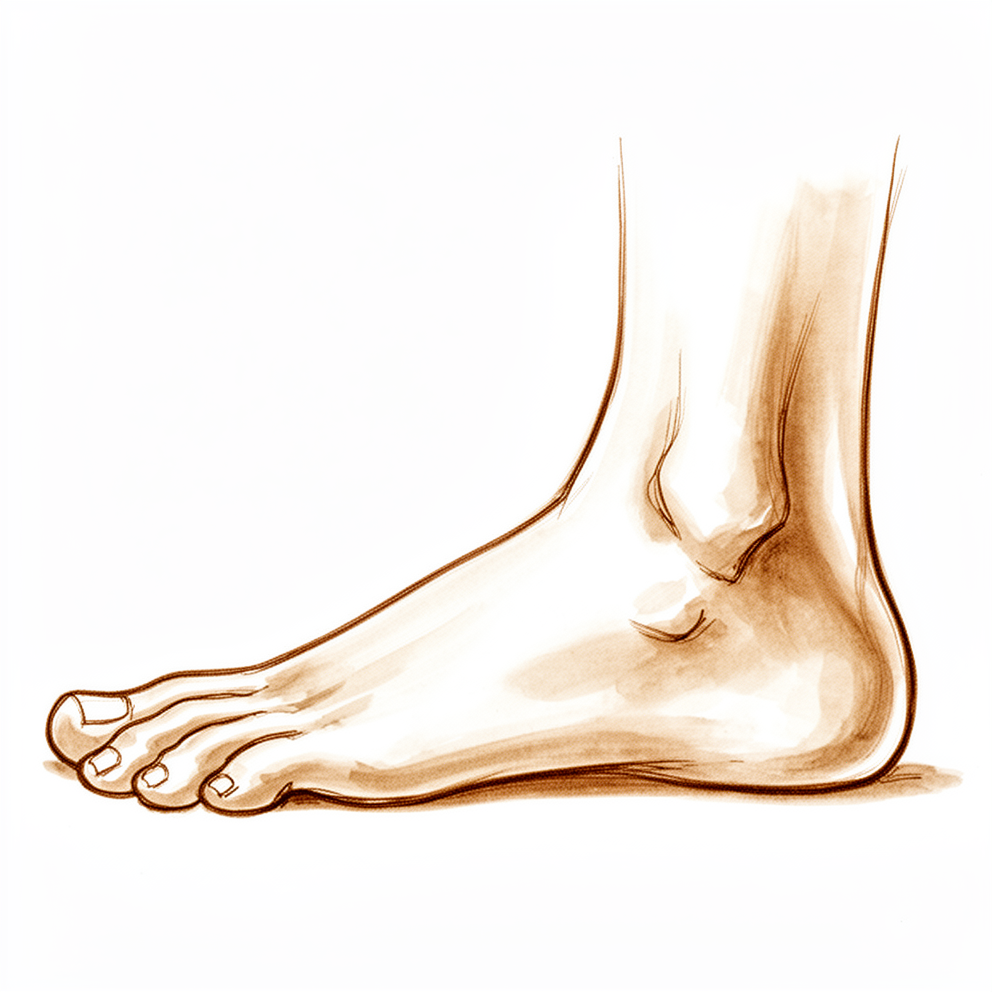
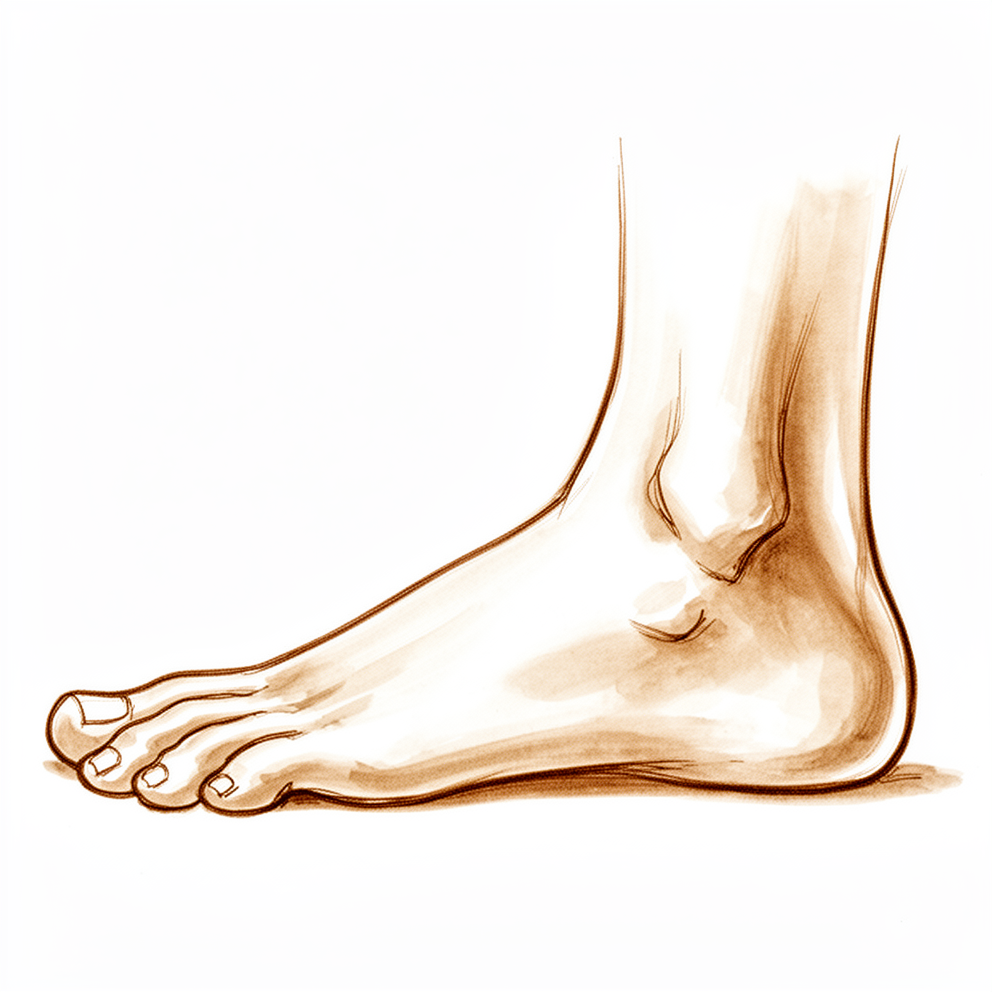
Foot & ankle imaging: WBCT, MRI, and conventional radiography—indications for each modality & limitations of 2D assessment.

Overview

An understanding of available spine imaging modalities is critical to safely and effectively manage spinal disorders [2]. Specific indications, advantages, and disadvantages exist for radiographs, CT, MRI, and other techniques depending on the pathology [2]. MRI is an invaluable tool for identifying infectious spondylitis, assessing its extent, and guiding treatment [1]. MRI utilization by orthopaedic surgeons results in more appropriate interventions for patients with symptoms and findings most amenable to surgical intervention [24]. Understanding the current evidence and appropriate indications of emerging technologies is of critical importance for their utilization in orthopaedic trauma [27].

For specific anatomical assessments, a treating clinician may choose to utilize either an MRI or a CT to assess glenoid morphology, glenoid version, and humeral head subluxation [5]. Ultrasound has potential advantages for initial screening and assessment of femoral cartilage defects of the knee [53]. Ultrasound is more accessible, easier to perform, and less expensive than MRI for evaluating femoral cartilage defects of the knee [53]. Ultrasonography offers advantages in the pediatric population such as dynamic examination, guidance for minimally invasive procedures, and lack of radiation exposure [10]. Ultrasonography is an excellent adjunct to other musculoskeletal imaging tools in the pediatric population [10].

Ultrasound is less costly and more readily available than MRI for intrinsic foot muscle cross-sectional area measurements [20]. MRI results for intrinsic foot muscle cross-sectional area measurements are slightly more precise than ultrasound [20]. Routine application of the Pectoralis Major Index (PMI) technique may improve accurate identification of structurally significant pectoralis major rupture [28]. Routine application of the PMI technique may expedite referral to a surgical specialist for optimal treatment and outcome [28]. The SHART test should be added to conventional preoperative imaging techniques [11]. Further studies are needed to determine the optimal ultrasonography (US) criteria and establish the appropriate diagnostic algorithm for carpal tunnel syndrome [7]. Further research is needed to obtain universally accepted diagnostic criteria to consistently improve outcomes in carpal tunnel syndrome [15].

Anatomy & Pathophysiology

Kinematics and Gait Mechanics

Dynamic fluoroscopic assessment serves as a valuable tool for characterizing the kinematics of the joints of the medial foot column during gait [37]. During the weight-loading process, the first metatarsal-cuneiform joint turns dorsiflexed, supinated, and internally rotated [62]. First metatarsal realignment reduces the position of the sesamoid, but its intrinsic position relative to the second metatarsal axis remains unchanged [63]. Furthermore, hallux valgus deformity and its severity are positively associated with the magnitude of anteroposterior postural sway [73].

Osseous Morphology and Congenital Variants

The talus in congenital clubfeet treated with the Ponseti method has a markedly reduced anterior talar motion segment compared to the normal talus [76]. The range of the sustentaculum tali is expanded based on the space shape of the trabeculae within the calcaneus [85].

Ligamentous and Tendon Mechanics

The intact anterior cruciate ligament shows a variable insertion pattern of the femoral and tibial footprints, with distinct differences in insertion site morphology and fiber bundle orientation between the two [81]. Natural variation in Achilles tendon mechanics between individuals without tendon pathology accounts for most of the shear wave speed variability [83].

Arthroscopic Access and Meniscal Pathology

The plantarflexion angle is an independent predictive factor of arthroscopic reach both medially and laterally on the talus [78]. Ramp lesions are potentially at risk of osteoarthritic evolution, and repair may reduce risks associated with increased stress on the medial tibial cartilage [84].

Classification

MRI: MRI is an invaluable tool for identifying infectious spondylitis, assessing its extent, and guiding treatment [1]. Clinicians should be aware of common anatomic findings on MRI when considering diagnostic and treatment planning for individuals with unilateral shoulder pain [4]. Diagnostic imaging technologies provide clinical application for common conditions of the hand, wrist, and forearm [6]. MRI could significantly improve diagnostic validity compared with radiography by constructing predictive models for functional integrity evaluation of the anterior cruciate ligament in patients with knee osteoarthritis [8]. MRI classification of discoid lateral meniscus based on peripheral attachment provides more information to surgeons in choosing appropriate treatment methods [41]. Both the Goutallier and Quartile classification systems can be recommended for clinical use in assessing fatty degeneration of gluteal muscles in patients with THA using MRI [49]. Twenty-six different criteria described by multiple classification systems have been identified for the magnetic resonance assessment of the rotator cuff after repair [36]. A deep learning model (MRNet) can rapidly generate accurate clinical pathology classifications of knee MRI exams from internal and external datasets [54]. Segmentation algorithms based on the MyoSegmenTUM spine database for chemical shift encoding-based water-fat MRI may allow the use of quantitative MRI in clinical routine [56].

CT: Classification consistency between MRI-based and CT-based femoral version measurements is moderate to high despite discrepancies in measurements [13]. A classification system based on 3D CT images for ring and little finger carpometacarpal joint fracture subluxations showed almost perfect interobserver and intraobserver reliability and a better level of agreement than 2D CT classification [34]. 3D fracture assessment measurement can serve as an addition to the Letournel classification and an alternative to traditional 2D gap and step-off measurements for predicting native hip survival after nonoperative treatment of acetabular fractures [58].

Rotator Cuff Arthropathy: Both the Visotsky-Seebauer classification system and the Hamada classification system possess sufficient reliability for use in everyday practice and scientific purposes for cuff tear arthropathy [44].

Other Considerations: Classification of partial distal biceps tendon tears has implications for operative and non-operative management [26]. Computer aided orthopedic surgery (CAOS) classifies surgical navigation systems by their virtual representation as image-free or image-based [51].

Clinical Presentation

Imaging Modalities: An understanding of available spine imaging modalities is critical to safely and effectively manage spinal disorders, with specific indications, advantages, and disadvantages for radiographs, CT, MRI, and other techniques depending on the pathology [2]. Imaging techniques, especially MRI, are invaluable tools for clinicians in identifying infectious spondylitis, assessing its extent, and guiding treatment [1]. Sacral insufficiency fractures are more commonly diagnosed by lumbar spine MRI than non-lumbar imaging modalities because of symptoms that mimic lumbar spine pathology and variable comorbid causes of pain [14].

Extremity and Joint Assessment: Radiography is the first examination of choice for foot and ankle pain [17]. MRI provides useful diagnostic assessment by directly visualizing soft-tissue structures and bone marrow to enable accurate diagnosis and grading of pathologies in the foot and ankle [17]. Current diagnostic imaging technologies have clinical application for common conditions of the hand, wrist, and forearm [6]. Clinicians should be aware of the common anatomic findings on MRI when considering diagnostic and treatment planning for individuals with unilateral shoulder pain [4]. A treating clinician may choose to utilize either an MRI or a CT to assess glenoid morphology, glenoid version, and humeral head subluxation [5].

Diagnostic Accuracy and Limitations: All available imaging modalities, including conventional imaging such as plain radiography, CT, MRI, and WBC scintigraphy, have limited accuracy and should not be used as standalone tests to identify osteomyelitis in periprosthetic joint infection [18]. Radiological signs suggestive of infection were uncommon in the diagnosis of internal fixation-associated infection [40]. By constructing predictive models, MRI could significantly improve diagnostic validity compared with radiography in the functional integrity evaluation of anterior cruciate ligament in patients with knee osteoarthritis [8]. Classification consistency between magnetic resonance imaging and computed tomography for femoral version measurements was moderate to high despite discrepancies in measurements [13]. New biochemical imaging techniques may help detect morphologic cartilaginous changes earlier than conventional MRI, although they have been used primarily in the research setting to date [16].

Diagnostic Algorithms and Interpretation: Muscle imaging can help for recognition of atypical clinical presentations of Pompe disease [3]. Knowledge of the characteristic clinical presentation and physical examination findings of neurologic, musculoskeletal, vascular, and other etiologies can help distinguish the source of upper extremity pain quickly to facilitate appropriate diagnostic measures and treatment [35]. A systematic approach to MRI interpretation facilitates accurate and timely evaluation of knee injuries, ensuring all clinically relevant structures are assessed by describing normal appearances, optimal pulse sequences, and signs of injury [38]. The diagnosis of femoroacetabular impingement syndrome is made based on a combination of clinical symptoms, physical examination findings, and imaging studies, as no single pathognomonic finding exists for the condition [39]. Further studies are needed to determine the optimal ultrasonography criteria and establish the appropriate diagnostic algorithm for carpal tunnel syndrome [7]. Further research is needed to obtain universally accepted diagnostic criteria for carpal tunnel syndrome to consistently improve outcomes [15].

Investigations

An understanding of available spine imaging modalities is critical to safely and effectively manage spinal disorders [2]. Specific indications, advantages, and disadvantages exist for radiographs, CT, MRI, and other techniques depending on the pathology [2]. A working knowledge of available modalities including conventional radiography, CT, MRI, and ultrasonography is critical to ensure the correct study is performed to answer the clinical question [45]. Imaging plays an important role in the diagnosis of musculoskeletal pathologies [45].

Plain radiography: Radiography is the first examination of choice for foot and ankle pain [17]. The inter-rater agreement between x-ray images and consensus MRI for Walch classification of glenoid wear is fair-to-moderate [42]. The inter-rater agreement between x-ray and MRI for glenoid wear is lower than previously reported reliability using CT scans [42]. Radiographs and MRI were not reliable for identifying the presence of a bone tunnel after anterior cruciate ligament reconstruction [43].

MRI: MRI is an invaluable tool for identifying infectious spondylitis, assessing its extent, and guiding treatment [1]. Clinicians should be aware of common anatomic findings on MRI when considering diagnostic and treatment planning for unilateral shoulder pain [4]. A treating clinician may choose to utilize either an MRI or a CT to assess glenoid morphology, glenoid version, and humeral head subluxation [5]. Constructing predictive models allows MRI to significantly improve diagnostic validity compared with radiography for evaluating anterior cruciate ligament functional integrity in patients with knee osteoarthritis [8]. MRI is not always definitive for early stage sacral stress fractures, making repeat imaging necessary [9]. New biochemical imaging techniques may help detect morphologic cartilaginous changes earlier than conventional MRI [16]. Biochemical imaging techniques have been used primarily in the research setting to date [16]. MRI provides useful diagnostic assessment by directly visualizing soft-tissue structures and bone marrow in the foot and ankle [17]. MRI enables accurate diagnosis and grading of pathologies in the foot and ankle [17]. MRI results are slightly more precise than ultrasound for intrinsic foot muscle cross-sectional area measurements [20]. MRI provides CT-equivalent measurements of glenoid retroversion, concavity, and BSSR after anterior shoulder dislocation [21]. MRI is a viable modality for assessing key bony stability parameters, potentially reducing the need for supplemental CT in many clinical scenarios [21]. Metal Suppression Magnetic Resonance Imaging Techniques facilitate better-informed diagnostic decisions in orthopaedic and spine surgery [22]. MRI utilization by orthopaedic surgeons results in more appropriate interventions for patients with symptoms and findings most amenable to surgical intervention [24]. There is a need for a consensus definition of scaphoid fractures on MRI scans to assess reliability and diagnostic performance [47].

CT: A treating clinician may choose to utilize either an MRI or a CT to assess glenoid morphology, glenoid version, and humeral head subluxation [5]. MRI provides CT-equivalent measurements of glenoid retroversion, concavity, and BSSR after anterior shoulder dislocation [21]. MRI is a viable modality for assessing key bony stability parameters, potentially reducing the need for supplemental CT in many clinical scenarios [21]. The inter-rater agreement between x-ray and MRI for glenoid wear is lower than previously reported reliability using CT scans [42]. Combining CT, MRI, and PET may be beneficial to optimize preoperative diagnosis and care of patients with spinal osteoblastomas [48].

Bone scan: All available imaging modalities, including plain radiography, CT, MRI, and WBC scintigraphy, have limited accuracy for identifying osteomyelitis in periprosthetic joint infection [18]. Imaging modalities should not be used as standalone tests to identify osteomyelitis in periprosthetic joint infection [18].

Ultrasound: Ultrasound is less costly and more readily available than MRI for intrinsic foot muscle cross-sectional area measurements [20]. MRI results are slightly more precise than ultrasound for intrinsic foot muscle cross-sectional area measurements [20].

Other Considerations: Current diagnostic imaging technologies have clinical applications for common conditions of the hand, wrist, and forearm [6]. Evolving and future imaging technologies are considered in the context of hand, wrist, and forearm diagnostics [6]. The SHART test should be added to conventional preoperative imaging techniques [11].

Treatment

Non-Operative

Conservative management is often sufficient for specific pathologies. Conservative treatment is adequate for incomplete anterior cruciate ligament (ACL) tears, and the decision to proceed with reconstruction should not rely on magnetic resonance imaging (MRI) findings alone [65]. Patients with ruptured lumbar disc herniation may achieve clinical symptom relief through non-surgical means, with some experiencing resorption [70]. Similarly, patients presenting with isolated edema in the femoral neck without a fracture line on initial MRI typically achieve resolution with nonoperative treatment and do not progress to surgical fixation [71]. Moderate, nonprogressive coxa vara deformity in childhood often does not require surgical intervention, whereas progressive, painful, unilateral deformity or leg-length discrepancy warrants surgical management [60].

Operative

Imaging Modalities: Understanding the indications, advantages, and disadvantages of radiographs, CT, MRI, and other techniques is critical for the safe and effective management of spinal disorders [2]. MRI is an invaluable tool for identifying infectious spondylitis, assessing its extent, and guiding treatment [1]. Sacral insufficiency fractures (SIFs) are more commonly diagnosed via lumbar spine MRI than non-lumbar modalities because symptoms often mimic lumbar spine pathology and pain causes are variable [14]. Muscle imaging aids in recognizing atypical clinical presentations of Pompe disease, understanding its natural history, and determining treatment suitability [3].

For glenoid morphology, version, and humeral head subluxation, clinicians may choose either MRI or CT [5]. MRI provides CT-equivalent measurements of glenoid retroversion, concavity, and BSSR after anterior shoulder dislocation, supporting its use as a viable modality that may reduce the need for supplemental CT in many scenarios [21]. A non-contrast shoulder MRI obtained in the community after non-dislocating trauma has moderate sensitivity for most intraarticular pathologies when interpreted by musculoskeletal radiologists [68]. Classification of partial distal biceps tendon tears using 3-Tesla MRI may influence operative and non-operative management decisions [26].

Ultrasonography (US) serves as an excellent adjunct in the pediatric population, offering dynamic examination, guidance for minimally invasive procedures, and no radiation exposure [10]. The mean difference between US and MRI measurements of the median nerve cross-sectional area at the wrist is unlikely to be clinically significant [57]. However, further studies are required to establish optimal US criteria and diagnostic algorithms for carpal tunnel syndrome [7]. Routine application of the Pectoralis Major Index (PMI) technique may improve the accurate identification of structurally significant pectoralis major ruptures, expediting referral for optimal outcomes [28].

Advanced Imaging and Adjuncts: The SHART test should be added to conventional preoperative imaging techniques [11]. Ultra-low-dose CT scans (REDUCTION protocol) reduce radiation exposure by nearly 14-fold compared with conventional CT without significant diagnostic decay, producing images comparable to conventional CT for evaluating limb fractures [50]. Maximizing the angulation or swivel angle toward 30° provides the best subjective image quality when changing the acquisition trajectory of the 3D C-arm (CBCT) in spine surgery [52]. On nonstandard anteroposterior (AP) radiographs, the Acromion Index (AI) predicts rotator cuff tears better than the Critical Shoulder Angle (CSA) [55]. Further studies with gadolinium enhancement are needed to establish the optimum use of the MAVRIC MR imaging method for early diagnosis of local recurrences in musculoskeletal tumor patients after joint replacement [12]. Understanding current evidence and appropriate indications for emerging technologies is critical for their utilization in orthopaedic trauma [27].

Revision: Revision for stiffness in knee arthroplasties can improve range of motion, but outcomes remain sub-optimal, indicating a need for new treatments [19].

Complications

Imaging Limitations and Variability: MRI is not always definitive for early stage sacral stress fractures, requiring repeat imaging [9]. Variations in TT-TG measurements on sequential pre-operative MRIs in PFI patients ranged from a decrease of 21% to an increase of 61% at a mean time between MRIs of 4.8 months [29]. High impact forces in long-distance running do not demonstrate changes on MR images of the hip and knee [30]. In more than one-third of cases, Kienböck’s disease stage was upgraded in CT imaging compared to radiography, most commonly to stage IIIc [32].

Other Considerations: Despite major primary complications and a high incidence of radiographic signs of degenerative changes after 8.8 years, bipolar radial head arthroplasty achieved mainly good clinical results [74]. Intraoperative three-dimensional imaging results in less radiation exposure compared with conventional CT scans for radiofrequency ablation of osteoid osteoma [66].

Recovery

The provided evidence does not contain specific data regarding post-operative timelines for light activity, full activity, or complete recovery phases, nor does it detail rehabilitation protocols, immobilisation durations, or weight-bearing progressions. Consequently, the standard recovery phase headings and rehabilitation protocol subsections cannot be populated with verbatim time ranges or procedural steps from the source material.

Functional milestones: The Musculoskeletal Function Assessment Questionnaire demonstrates superior responsiveness compared to the SF-36 [75]. It is also more efficient than the SF-36, WOMAC, and Sickness Impact Profile in measuring changes in function between baseline and follow-up values [75]. In anterior cruciate ligament reconstruction, a viable and vascularized graft at first follow-up is associated with good to excellent final outcomes, regardless of ligamentous stability at that stage [69].

Other Considerations: Muscle imaging aids in recognizing atypical clinical presentations of Pompe disease, understanding its natural history, and determining which patients are suited for treatment [3]. For early stage sacral stress fractures, MRI is not always definitive, making repeat imaging necessary [9]. Further studies with gadolinium enhancement are needed to establish the optimum use of MAVRIC for early diagnosis of local recurrences in musculoskeletal tumor patients [12]. In stiff knee arthroplasties, revision for stiffness can improve range of motion, but outcomes remain sub-optimal [19]. Neovascularization at baseline does not predict clinical outcome after conservative treatment for Achilles tendinopathy [23]. Further studies with long-term follow-up are needed to determine if grafted areas in Autologous Matrix-Induced Chondrogenesis maintain structural and functional integrity over time [25]. In PFI patients, TT-TG measurements on sequential pre-operative MRIs can change without intervention, with variations ranging from a 21% decrease to a 61% increase at a mean time between MRIs of 4.8 months [29]. High impact forces in long-distance running are well tolerated and do not demonstrate changes on MR images of the hip and knee [30]. Sonography is an accurate, simple, and radiation-free tool for monitoring closed reduction of displaced extra-articular distal radial fractures, providing dynamic multiple-plane and real-time observation [31]. In more than one-third of Kienböck’s disease cases, CT imaging upgraded the disease stage compared to radiography, most commonly to stage IIIc [32]. CT imaging upgrades in Kienböck’s disease indicate a potential shift in treatment towards salvage procedures [32]. Double semitendinosus anterior cruciate ligament reconstruction is efficient in restoring satisfactory stability for most patients [33]. Double semitendinosus anterior cruciate ligament reconstruction stabilizes the evolution of degenerative lesions as shown by standing X-ray [33]. In 18 of 22 patients (82%) with partial-thickness rotator cuff tears treated with tear completion followed by surgical repair, there was no evidence of a full-thickness or near full-thickness defect on follow-up MRI at a minimum of 2 years [77]. Observation of the spatiotemporal uptake of 18F− appears to be a promising method to assess the progress of bone formation in different parts of the tibia [86]. A reduction in FDG uptake was observed at three and six months after the initiation of tocilizumab therapy in patients with rheumatoid arthritis [87]. Low trabecular bone density at the site of the hip in ankylosing spondylitis patients with hip involvement was associated with the duration of disease progression and degree of hip involvement [88].

Key Evidence

  • [L5] Imaging techniques, especially MRI, are invaluable tools for clinicians in identifying this condition, assessing its extent, and guiding treatment. (10.1186/s13018-025-05781-5)
  • [L5] Muscle imaging can help for recognition of atypical clinical presentations, for understanding the natural history of the disease, and for determining patients suited for treatment. (10.1186/1471-2474-14-s2-o2)
  • [L3] Clinicians should be aware of the common anatomic findings on MRI when considering diagnostic and treatment planning. (10.1016/j.jse.2019.04.001)
  • [L4] Based on these data, a treating clinician may choose to utilize either an MRI or a CT to assess these parameters. (10.1177/1758573218768507)
  • [L5] This review provides an overview of current diagnostic imaging technologies and their clinical application for common conditions of the hand, wrist, and forearm, while also considering evolving and future imaging technologies. (10.1197/j.jht.2007.03.002)
  • [L3] However, further studies are needed to determine the optimal US criteria and establish the appropriate diagnostic algorithm. (10.1177/1753193408090396)
  • [L3] However, by constructing predictive models, MRI could significantly improve diagnostic validity compared with radiography. (10.1186/s42836-024-00262-2)
  • [L4] Repeat imaging may be necessary as MRI is not always definitive for early stage injuries. (10.1177/0363546506296519)
  • [L5] Ultrasonography is an excellent adjunct to other musculoskeletal imaging tools in the pediatric population, offering advantages such as dynamic examination, guidance for minimally invasive procedures, and lack of radiation exposure. (10.5435/jaaos-22-11-691)
  • [L2] We suggest adding the SHART test to conventional preoperative imaging techniques. (10.1007/s00167-011-1438-8)
  • [L4] Further studies with gadolinium enhancement are needed to establish optimum use for early diagnosis of local recurrences. (10.1186/s12891-015-0838-1)
  • [L3] Classification consistency between the modalities was moderate to high. (10.1016/j.arthro.2023.12.025)
  • [L4] SIFs are more commonly diagnosed by L-spine MRI than non-lumbar imaging modalities, because of symptoms that mimic lumbar spine pathology and variable comorbid causes of pain. (10.1186/s12891-018-2189-1)
  • [L5] Further research is needed to obtain universally accepted diagnostic criteria to consistently improve outcomes. (10.1016/j.jhsa.2012.07.041)
  • [L4] New biochemical imaging techniques may help detect morphologic cartilaginous changes earlier than conventional MRI, although they have been used primarily in the research setting to date. (10.5435/00124635-201107000-00005)
  • [L3] All available imaging modalities, including conventional imaging such as plain radiography, CT, MRI, and WBC scintigraphy, have limited accuracy and should not be used as standalone tests to identify osteomyelitis. (10.1016/j.arth.2025.10.083)
  • [L4] Revision for stiffness can improve ROM, but outcomes are sub-optimal and new treatments are required. (10.1302/0301-620x.102b10.bjj-2020-0841.r1)
  • [L3] While US is less costly and more readily available, the MRI results were shown to be slightly more precise. (10.1186/s12891-022-05090-6)
  • [L3] These findings support MRI as a viable modality for assessing key bony stability parameters, potentially reducing the need for supplemental CT in many clinical scenarios. (10.1016/j.jse.2026.03.004)
  • [L5] This review provides a comprehensive overview of different metal artifacts in orthopaedic MRI and factors affecting their magnitude, discussing commonly applied techniques and recent technological advances to facilitate better-informed diagnostic decisions. (10.5435/jaaos-d-24-01057)
  • [L2] Neovascularization at baseline did not predict clinical outcome after conservative treatment. (10.1177/0363546507303116)
  • [L3] MRI utilization by orthopaedic surgeons results in more appropriate interventions for patients with symptoms and findings most amenable to surgical intervention. (10.2106/jbjs.n.00947)
  • [L4] However, further studies with long-term follow-up are needed to determine whether the grafted area will maintain structural and functional integrity over time. (10.1007/s00167-010-1042-3)
  • [L3] Classification of tears may have implications for operative and non-operative management. (10.5397/cise.2023.00458)
  • [L2] Routine application of the PMI technique by clinicians may improve accurate identification of structurally significant rupture and expedite referral to a surgical specialist for optimal treatment and outcome. (10.1177/2325967113516729)
  • [L4] At a mean time between MRIs of 4.8 months, variations in TT-TG ranged from a decrease of 21% to an increase of 61%. (10.1177/2325967123s00261)
  • [L4] Our results suggest that the high impact forces in long-distance running are well tolerated and subsequently do not demonstrate changes on MR images. (10.1177/0363546503258904)
  • [L4] Sonography is an accurate, simple, and radiation-free tool that provides the substantial benefits of dynamic multiple-plane and real-time observation. (10.2106/00004623-200202000-00005)
  • [L3] In more than one-third of the cases, the disease stage was upgraded in CT imaging, most commonly to stage IIIc, indicating a potential shift in treatment towards salvage procedures. (10.1177/17531934241286115)
  • [L4] The study shows that the procedure is efficient in restoring a satisfactory stability for most patients and stabilises the evolution of the degenerative lesions as shown by standing X-ray. (10.1007/s001670050076)
  • [L4] The new classification system based on 3D CT images showed almost perfect interobserver and intraobserver reliability and resulted in a better level of agreement than 2D CT classification. (10.1177/1753193415602589)
  • [L5] Knowledge of the characteristic clinical presentation and physical examination findings of neurologic, musculoskeletal, vascular, and other etiologies can help distinguish the source of upper extremity pain quickly to facilitate appropriate diagnostic measures and treatment. (10.5435/jaaos-d-11-00086)
  • [L4] Twenty-six different criteria described by multiple classification systems have been identified for the magnetic resonance assessment of rotator cuff after repair. (10.1007/s00167-014-3486-3)
  • [L4] Dynamic fluoroscopic assessment has been shown to be a valuable tool for characterisation of the kinematics of the joints of the medial foot column during gait. (10.1186/1471-2474-13-14)
  • [L5] A systematic approach to MRI interpretation facilitates accurate and timely evaluation of knee injuries, ensuring all clinically relevant structures are assessed by describing normal appearances, optimal pulse sequences, and signs of injury. (10.1177/0363546504272374)
  • [L4] The diagnosis of femoroacetabular impingement (FAI) syndrome is made based on a combination of clinical symptoms, physical examination findings, and imaging studies, as no single pathognomonic finding exists for FAI. (10.5435/00124635-201300001-00005)
  • [L2] Radiological signs suggestive of infection were uncommon. (10.1186/s12891-021-04170-3)
  • [L2] Magnetic resonance imaging classification provides more information to surgeons in choosing the appropriate treatment methods, although the final decision regarding procedure is made during arthroscopy after thorough analysis of the tear. (10.1177/0363546509332502)
  • [L3] The inter-rater agreement between x-ray images and consensus MRI is fair-to-moderate, which is lower than previously reported reliability using CT scans. (10.1016/j.jse.2017.03.014)
  • [L4] Radiographs and MRI were not reliable, even for simply identifying the presence of a bone tunnel. (10.1007/s00167-009-0952-4)
  • [L1] Both the Visotsky-Seebauer classification system and the Hamada classification system possess sufficient reliability to be used in everyday practice as well as for scientific purposes. (10.1016/j.jse.2011.01.012)
  • [L3] This review highlights the need for a consensus definition of scaphoid fractures on MRI scans to assess the reliability and diagnostic performance of MRI scans for diagnosing true scaphoid fractures, as well as their potential harms and benefits. (10.1177/17531934251367541)
  • [L4] Combining CT, MRI and PET may be beneficial to optimize preoperative diagnosis and care of patients with osteoblastomas. (10.1186/s12891-020-03252-y)
  • [L4] Both scoring systems can be recommended for clinical use. (10.1016/j.arth.2013.04.045)
  • [L2] With a near 14-fold reduction in estimated effective dose compared with conventional CT, the REDUCTION protocol reduces the amount of CT radiation substantially without significant diagnostic decay and produces images comparable to conventional CT for evaluating limb fractures. (10.1302/0301-620x.98b12.bjj-2016-0336.r1)
  • [L5] The article introduces the basic principles of computer aided orthopedic surgery (CAOS), classifying surgical navigation systems by their virtual representation (image-free vs. image-based) and outlining the technical components required for clinical application. (10.1016/j.injury.2004.05.005)
  • [L5] Maximizing the angulation or swivel angle toward 30° provides the best tested subjective image quality. (10.1186/s13018-023-04394-0)
  • [L2] US is more accessible, easier to perform, and less expensive than MRI, with potential advantages of easier initial screening and assessment of cartilage defects. (10.1186/s13018-018-0887-x)
  • [L2] Our deep learning model can rapidly generate accurate clinical pathology classifications of knee MRI exams from both internal and external datasets. (10.1371/journal.pmed.1002699)
  • [L2] In contrast, on nonstandard AP films, the diagnostic efficacy of the AI was better than that of the CSA. (10.1016/j.arthro.2019.03.050)
  • [L4] A development and testing of segmentation algorithms based on this database may allow the use of quantitative MRI in clinical routine. (10.1186/s12891-019-2528-x)
  • [L3] The mean difference between US and MRI was unlikely to be clinically significant. (10.1177/1558944718777833)
  • [L3] This measurement can serve as an addition to the Letournel classification and an alternative to traditional 2D gap and step-off measurements. (10.1302/0301-620x.107b2.bjj-2024-0390.r1)
  • [L5] Surgical management is indicated for progressive, painful, unilateral deformity or leg-length discrepancy, while moderate nonprogressive deformity often does not require surgery. (10.5435/00124635-199803000-00003)
  • [L4] During weight-loading process, the first metatarsal-cuneiform joint turns dorsiflexed, supinated, and internally rotated. (10.1186/s13018-015-0289-2)
  • [L4] First metatarsal realignment reduced the position of the sesamoid, but its intrinsic position relative to the second metatarsal axis is unchanged. (10.1186/s13018-017-0712-y)
  • [L2] Since conservative treatment is sufficient for incomplete ACL tears, the decision to undertake ACL reconstruction should not be based on MR findings alone. (10.1186/1471-2474-5-21)
  • [L3] Intraoperative three-dimensional imaging results in less radiation exposure compared with conventional CT scans. (10.2106/jbjs.m.00874)
  • [L4] A non-contrast shoulder MRI obtained in the community setting after non-dislocating shoulder trauma has a moderate sensitivity for most intraarticular pathologies when interpreted by musculoskeletal radiologists. (10.1007/s00167-014-3102-6)
  • [L4] A viable and vascularized graft at first follow-up is associated with good to excellent final outcome, regardless of LS at this stage. (10.1177/0363546518805092)
  • [L2] Patients with ruptured LDH can achieve clinical symptom relief with non-surgical treatment, and some patients may experience resorption. (10.1186/s13018-025-06411-w)
  • [L4] All patients with isolated edema in the femoral neck without a fracture line on the initial MRI had resolution with nonoperative treatment and did not have fracture progression toward surgical fixation. (10.2106/jbjs.17.01593)
  • [L4] Hallux valgus deformity and its severity were positively associated with the magnitude of the anteroposterior postural sway. (10.1186/s12891-021-04385-4)
  • [L4] Despite major primary complications and high incidence of radiographic signs of degenerative changes after 8.8 years, mainly good clinical results were achieved with Judet's bipolar prosthesis. (10.1016/j.jse.2010.05.022)
  • [L3] It was more responsive than the SF-36 and more efficient in measuring changes in function between baseline and follow-up values. (10.2106/00004623-199709000-00006)
  • [L3] One of the most pronounced and clinically relevant difference of the clubfoot talus compared to the normal talus is the markedly reduced anterior talar motion segment. (10.1186/s12891-021-04193-w)
  • [L4] In 18 of 22 patients (82%) with partial-thickness rotator cuff tears treated with tear completion followed by surgical repair, there was no evidence of a full-thickness or near full–thickness defect on follow-up MRI at a minimum of 2 years. (10.1016/j.arthro.2010.08.017)
  • [L4] The plantarflexion angle is an independent predictive factor of the arthroscopic reach both medially and laterally. (10.1177/0363546512455403)
  • [L4] 3D imaging of the ACL footprints reveals a distinct difference in insertion site morphology and fiber bundle orientation between the femoral and tibial footprint. (10.1007/s00167-018-4939-x)
  • [L3] Natural variation in Achilles tendon mechanics between individuals without tendon pathology accounts for most of the shear wave speed variability. (10.1002/ksa.12325)
  • [L5] This biomechanical study suggests that ramp lesions are potentially at risk of osteoarthritic evolution and that its repair would make it possible to reduce the risks associated with increased stress on the medial tibial cartilage. (10.1186/s13018-025-06326-6)
  • [L3] Based on the space shape of the trabeculae within the calcaneus, the range of the ST is expanded. (10.1186/s12891-025-09120-x)
  • [L3] Observation of the spatiotemporal uptake of 18F− appears to be a promising method to enable the clinician to assess the progress of bone formation in different parts of the bone. (10.1007/s11999-017-5250-8)
  • [L3] A reduction in the FDG uptake was observed at three and six months after the initiation of TCZ therapy. (10.1186/1471-2474-15-393)
  • [L3] The low trabecular bone density at the site of the hip was associated with the duration of disease progression and degree of hip involvement. (10.1186/s12891-021-04912-3)

See Also

References

[1] Diagnostic imaging confusion in infectious spondylitis. Journal of Orthopaedic Surgery and Research. 2025. DOI: 10.1186/s13018-025-05781-5

[2] Chapter 22 Imaging of the Spine. 2019.

[3] Advances in imaging for the diagnosis and disease monitoring of Pompe disease. BMC Musculoskeletal Disorders. 2013. DOI: 10.1186/1471-2474-14-s2-o2

[4] Bilateral magnetic resonance imaging findings in individuals with unilateral shoulder pain. Journal of Shoulder and Elbow Surgery. 2019. DOI: 10.1016/j.jse.2019.04.001

[5] Interobserver and intraobserver comparison of imaging glenoid morphology, glenoid version and humeral head subluxation. Shoulder & Elbow. 2018. DOI: 10.1177/1758573218768507

[6] Modern Imaging of the Hand, Wrist, and Forearm. Journal of Hand Therapy. 2007. DOI: 10.1197/j.jht.2007.03.002

[7] The Usefulness of Ultrasonography in the Diagnosis of Carpal Tunnel Syndrome. Journal of Hand Surgery (European Volume). 2008. DOI: 10.1177/1753193408090396

[8] Is conventional magnetic resonance imaging superior to radiography in the functional integrity evaluation of anterior cruciate ligament in patients with knee osteoarthritis?. Arthroplasty. 2024. DOI: 10.1186/s42836-024-00262-2

[9] Sacral Stress Fractures: Magnetic Resonance Imaging Not Always Definitive for Early Stage Injuries. The American Journal of Sports Medicine. 2007. DOI: 10.1177/0363546506296519

[10] Applications of Musculoskeletal Ultrasonography in Pediatric Patients. Journal of the American Academy of Orthopaedic Surgeons. 2014. DOI: 10.5435/jaaos-22-11-691

[11] SHART: shoulder hyperabduction radiological test. Knee Surgery, Sports Traumatology, Arthroscopy. 2011. DOI: 10.1007/s00167-011-1438-8

[12] Novel MR imaging method – MAVRIC – for metal artifact suppression after joint replacement in musculoskeletal tumor patients. BMC Musculoskeletal Disorders. 2015. DOI: 10.1186/s12891-015-0838-1

[13] Discrepancies in Magnetic Resonance– and Computed Tomography–Based Femoral Version Measurements Despite Strong Correlations. Arthroscopy. 2024. DOI: 10.1016/j.arthro.2023.12.025

[14] Lumbar spine MRI versus non-lumbar imaging modalities in the diagnosis of sacral insufficiency fracture: a retrospective observational study. BMC Musculoskeletal Disorders. 2018. DOI: 10.1186/s12891-018-2189-1

[15] Ultrasound and MRI in Carpal Tunnel Syndrome: The Dilemma of Simplifying the Approach to a Complex Disease or Making Complex Assessments of a Simple Problem. The Journal of Hand Surgery. 2012. DOI: 10.1016/j.jhsa.2012.07.041

[16] Advances in Magnetic Resonance Imaging of Articular Cartilage. Journal of the American Academy of Orthopaedic Surgeons. 2011. DOI: 10.5435/00124635-201107000-00005

[17] Chapter 60 Imaging of the Foot and Ankle. 2019.

[18] 2025 ICM: Diagnostic Imaging for Periprosthetic Joint Infection. The Journal of Arthroplasty. 2025. DOI: 10.1016/j.arth.2025.10.083

[19] Quantification of intra-articular fibrosis in patients with stiff knee arthroplasties using metal-reduction MRI. The Bone & Joint Journal. 2020. DOI: 10.1302/0301-620x.102b10.bjj-2020-0841.r1

[20] Validity of ultrasound imaging for intrinsic foot muscle cross-sectional area measurements demonstrated by strong agreement with MRI. BMC Musculoskeletal Disorders. 2022. DOI: 10.1186/s12891-022-05090-6

[21] MRI Provides CT-Equivalent Measurements of Glenoid Retroversion, Concavity, and BSSR After Anterior Shoulder Dislocation. Journal of Shoulder and Elbow Surgery. 2026. DOI: 10.1016/j.jse.2026.03.004

[22] Metal Suppression Magnetic Resonance Imaging Techniques in Orthopaedic and Spine Surgery. Journal of the American Academy of Orthopaedic Surgeons. 2025. DOI: 10.5435/jaaos-d-24-01057

[23] The Value of Power Doppler Ultrasonography in Achilles Tendinopathy. The American Journal of Sports Medicine. 2007. DOI: 10.1177/0363546507303116

[24] MRI for the Evaluation of Knee Pain. The Journal of Bone and Joint Surgery-American Volume. 2015. DOI: 10.2106/jbjs.n.00947

[25] Mid‐term results of Autologous Matrix‐Induced Chondrogenesis for treatment of focal cartilage defects in the knee. Knee Surgery, Sports Traumatology, Arthroscopy. 2010. DOI: 10.1007/s00167-010-1042-3

[26] Classification system for partial distal biceps tendon tears: a descriptive 3-Tesla magnetic resonance imaging study of tear morphology. Clinics in Shoulder and Elbow. 2023. DOI: 10.5397/cise.2023.00458

[27] Chapter 3 Emerging Technologies in Orthopaedic Trauma. 2021.

[28] Utility of the Pectoralis Major Index in the Diagnosis of Structurally Significant Pectoralis Major Tears. Orthopaedic Journal of Sports Medicine. 2013. DOI: 10.1177/2325967113516729

[29] Poster 285: MRI Measurement of TT-TG Can Change Without Intervention: An Analysis of Sequential Pre-Operative MRIs in PFI patients. Orthopaedic Journal of Sports Medicine. 2023. DOI: 10.1177/2325967123s00261

[30] MR Imaging of the Hip and Knee before and after Marathon Running. The American Journal of Sports Medicine. 2004. DOI: 10.1177/0363546503258904

[31] Sonography for Monitoring Closed Reduction of Displaced Extra-Articular Distal Radial Fractures. The Journal of Bone and Joint Surgery-American Volume. 2002. DOI: 10.2106/00004623-200202000-00005

[32] Radiography versus computed tomography for osseous staging of Kienböck’s disease. Journal of Hand Surgery (European Volume). 2024. DOI: 10.1177/17531934241286115

[33] Double semitendinosus anterior cruciate ligament reconstruction: 10‐year results. Knee Surgery, Sports Traumatology, Arthroscopy. 1998. DOI: 10.1007/s001670050076

[34] Reliability of classification of ring and little finger carpometacarpal joint fracture subluxations: a comparison between two-dimensional computed tomography and three-dimensional computed tomography classifications. Journal of Hand Surgery (European Volume). 2015. DOI: 10.1177/1753193415602589

[35] Clinical Differentiation of Upper Extremity Pain Etiologies. Journal of the American Academy of Orthopaedic Surgeons. 2015. DOI: 10.5435/jaaos-d-11-00086

[36] Magnetic resonance imaging criteria for the assessment of the rotator cuff after repair: a systematic review. Knee Surgery, Sports Traumatology, Arthroscopy. 2015. DOI: 10.1007/s00167-014-3486-3

[37] Investigation of first ray mobility during gait by kinematic fluoroscopic imaging-a novel method. BMC Musculoskeletal Disorders. 2012. DOI: 10.1186/1471-2474-13-14

[38] A Systematic Approach to Magnetic Resonance Imaging Interpretation of Sports Medicine Injuries of the Knee. The American Journal of Sports Medicine. 2005. DOI: 10.1177/0363546504272374

[39] Clinical Diagnosis of Femoroacetabular Impingement. Journal of the American Academy of Orthopaedic Surgeons. 2013. DOI: 10.5435/00124635-201300001-00005

[40] The value of conventional radiographs for diagnosing internal fixation-associated infection. BMC Musculoskeletal Disorders. 2021. DOI: 10.1186/s12891-021-04170-3

[41] A Novel Magnetic Resonance Imaging Classification of Discoid Lateral Meniscus Based on Peripheral Attachment. The American Journal of Sports Medicine. 2009. DOI: 10.1177/0363546509332502

[42] Can glenoid wear be accurately assessed using x-ray imaging? Evaluating agreement of x-ray and magnetic resonance imaging (MRI) Walch classification. Journal of Shoulder and Elbow Surgery. 2017. DOI: 10.1016/j.jse.2017.03.014

[43] Comparison of plain radiography, computed tomography, and magnetic resonance imaging in the evaluation of bone tunnel widening after anterior cruciate ligament reconstruction. Knee Surgery, Sports Traumatology, Arthroscopy. 2009. DOI: 10.1007/s00167-009-0952-4

[44] Reliability of radiologic classification for cuff tear arthropathy. Journal of Shoulder and Elbow Surgery. 2011. DOI: 10.1016/j.jse.2011.01.012

[45] Chapter 9 Musculoskeletal Imaging Principles. 2020.

[47] Variation in definitions of scaphoid fracture on MRI scans for suspected fracture: a systematic review. Journal of Hand Surgery (European Volume). 2025. DOI: 10.1177/17531934251367541

[48] Imaging algorithm and multimodality evaluation of spinal osteoblastoma. BMC Musculoskeletal Disorders. 2020. DOI: 10.1186/s12891-020-03252-y

[49] Assessment of Fatty Degeneration of the Gluteal Muscles in Patients With THA Using MRI: Reliability and Accuracy of the Goutallier and Quartile Classification Systems. The Journal of Arthroplasty. 2014. DOI: 10.1016/j.arth.2013.04.045

[50] The use of ultra-low-dose CT scans for the evaluation of limb fractures. The Bone & Joint Journal. 2016. DOI: 10.1302/0301-620x.98b12.bjj-2016-0336.r1

[51] Basic principles of CAOS. Injury. 2004. DOI: 10.1016/j.injury.2004.05.005

[52] Effect of changing the acquisition trajectory of the 3D C-arm (CBCT) on image quality in spine surgery: experimental study using an artificial bone model. Journal of Orthopaedic Surgery and Research. 2023. DOI: 10.1186/s13018-023-04394-0

[53] A novel ultrasound scanning approach for evaluating femoral cartilage defects of the knee: comparison with routine magnetic resonance imaging. Journal of Orthopaedic Surgery and Research. 2018. DOI: 10.1186/s13018-018-0887-x

[54] Deep-learning-assisted diagnosis for knee magnetic resonance imaging: Development and retrospective validation of MRNet. PLOS Medicine. 2018. DOI: 10.1371/journal.pmed.1002699

[55] The Effectiveness of Using the Critical Shoulder Angle and Acromion Index for Predicting Rotator Cuff Tears: Accurate Diagnosis Based on Standard and Nonstandard Anteroposterior Radiographs. Arthroscopy. 2019. DOI: 10.1016/j.arthro.2019.03.050

[56] Lumbar muscle and vertebral bodies segmentation of chemical shift encoding-based water-fat MRI: the reference database MyoSegmenTUM spine. BMC Musculoskeletal Disorders. 2019. DOI: 10.1186/s12891-019-2528-x

[57] A Comparison of Ultrasound and MRI Measurements of the Cross-Sectional Area of the Median Nerve at the Wrist. HAND. 2018. DOI: 10.1177/1558944718777833

[58] 3D fracture assessment could be predictive of native hip survival after nonoperative treatment of acetabular fractures. The Bone & Joint Journal. 2025. DOI: 10.1302/0301-620x.107b2.bjj-2024-0390.r1

[60] Coxa Vara in Childhood: Evaluation and Management. Journal of the American Academy of Orthopaedic Surgeons. 1998. DOI: 10.5435/00124635-199803000-00003

[62] Mobility of the first metatarsal-cuneiform joint in patients with and without hallux valgus: in vivo three-dimensional analysis using computerized tomography scan. Journal of Orthopaedic Surgery and Research. 2015. DOI: 10.1186/s13018-015-0289-2

[63] Effect of metatarsal osteotomy and open lateral soft tissue procedure on sesamoid position: radiological assessment. Journal of Orthopaedic Surgery and Research. 2018. DOI: 10.1186/s13018-017-0712-y

[65] Magnetic resonance imaging of anterior cruciate ligament rupture. BMC Musculoskeletal Disorders. 2004. DOI: 10.1186/1471-2474-5-21

[66] Radiation Dosimetry of Intraoperative Cone-Beam Compared with Conventional CT for Radiofrequency Ablation of Osteoid Osteoma. Journal of Bone and Joint Surgery. 2014. DOI: 10.2106/jbjs.m.00874

[68] Moderate value of non‐contrast magnetic resonance imaging after non‐dislocating shoulder trauma. Knee Surgery, Sports Traumatology, Arthroscopy. 2014. DOI: 10.1007/s00167-014-3102-6

[69] Comparison of F18-Fluorodeoxyglucose Positron Emission Tomography/Computed Tomography and Dynamic Contrast-Enhanced Magnetic Resonance Imaging as Markers of Graft Viability in Anterior Cruciate Ligament Reconstruction. The American Journal of Sports Medicine. 2018. DOI: 10.1177/0363546518805092

[70] Value of contrast-enhanced MRI for predicting resorption of ruptured lumbar disc herniation: a prospective study of 82 cases. Journal of Orthopaedic Surgery and Research. 2025. DOI: 10.1186/s13018-025-06411-w

[71] Femoral Neck Stress Fractures: MRI Risk Factors for Progression. Journal of Bone and Joint Surgery. 2018. DOI: 10.2106/jbjs.17.01593

[73] Hallux valgus deformity and postural sway: a cross-sectional study. BMC Musculoskeletal Disorders. 2021. DOI: 10.1186/s12891-021-04385-4

[74] Mid- to long-term results after bipolar radial head arthroplasty. Journal of Shoulder and Elbow Surgery. 2010. DOI: 10.1016/j.jse.2010.05.022

[75] Comparison of the Musculoskeletal Function Assessment Questionnaire with the Short Form-36, the Western Ontario and McMaster Universities Osteoarthritis Index, and the Sickness Impact Profile Health-Status Measures. The Journal of Bone and Joint Surgery (American Volume)*. 1997. DOI: 10.2106/00004623-199709000-00006

[76] Radiological tarsal bone morphology in adolescent age of congenital clubfeet treated with the Ponseti method. BMC Musculoskeletal Disorders. 2021. DOI: 10.1186/s12891-021-04193-w

[77] Magnetic Resonance Imaging Tendon Integrity Assessment After Arthroscopic Partial‐Thickness Rotator Cuff Repair. Arthroscopy. 2010. DOI: 10.1016/j.arthro.2010.08.017

[78] Arthroscopic Accessibility of the Talus Quantified by Computed Tomography Simulation. The American Journal of Sports Medicine. 2012. DOI: 10.1177/0363546512455403

[81] In‐vivo three‐dimensional MR imaging of the intact anterior cruciate ligament shows a variable insertion pattern of the femoral and tibial footprints. Knee Surgery, Sports Traumatology, Arthroscopy. 2018. DOI: 10.1007/s00167-018-4939-x

[83] Minimal effect of scanning parameters on ultrasound shear wave elastography variability in tendons. Knee Surgery, Sports Traumatology, Arthroscopy. 2024. DOI: 10.1002/ksa.12325

[84] Biomechanical analysis of medial tibial cartilage by 7T magnetic resonance imaging and digital volume correlation: a preliminary study of variations caused meniscus ramp lesions. Journal of Orthopaedic Surgery and Research. 2025. DOI: 10.1186/s13018-025-06326-6

[85] Measurement of the sustentaculum tali range and biomechanical screw analysis based on the space shape of the calcaneal trabeculae. BMC Musculoskeletal Disorders. 2025. DOI: 10.1186/s12891-025-09120-x

[86] Can Spatiotemporal Fluoride (18F−) Uptake be Used to Assess Bone Formation in the Tibia? A Longitudinal Study Using PET/CT. Clinical Orthopaedics & Related Research. 2017. DOI: 10.1007/s11999-017-5250-8

[87] Evaluation of tocilizumab therapy in patients with rheumatoid arthritis based on FDG-PET/CT. BMC Musculoskeletal Disorders. 2014. DOI: 10.1186/1471-2474-15-393

[88] The correlation between volumetric bone mineral density and morphological parameters of the proximal femur and clinical outcomes in ankylosing spondylitis patients with hip involvement. BMC Musculoskeletal Disorders. 2022. DOI: 10.1186/s12891-021-04912-3

Creative Commons BY-NC 4.0

CC Creative Commons licence
BY Attribution — you must credit the source
NC NonCommercial — not for commercial use

Attribution-NonCommercial 4.0 International


Creative Commons Corporation ("Creative Commons") is not a law firm and does not provide legal services or legal advice. Distribution of Creative Commons public licenses does not create a lawyer-client or other relationship. Creative Commons makes its licenses and related information available on an "as-is" basis. Creative Commons gives no warranties regarding its licenses, any material licensed under their terms and conditions, or any related information. Creative Commons disclaims all liability for damages resulting from their use to the fullest extent possible.

Using Creative Commons Public Licenses

Creative Commons public licenses provide a standard set of terms and conditions that creators and other rights holders may use to share original works of authorship and other material subject to copyright and certain other rights specified in the public license below. The following considerations are for informational purposes only, are not exhaustive, and do not form part of our licenses.

Considerations for licensors: Our public licenses are intended for use by those authorized to give the public permission to use material in ways otherwise restricted by copyright and certain other rights. Our licenses are irrevocable. Licensors should read and understand the terms and conditions of the license they choose before applying it. Licensors should also secure all rights necessary before applying our licenses so that the public can reuse the material as expected. Licensors should clearly mark any material not subject to the license. This includes other CC- licensed material, or material used under an exception or limitation to copyright. More considerations for licensors: wiki.creativecommons.org/Considerations_for_licensors

Considerations for the public: By using one of our public licenses, a licensor grants the public permission to use the licensed material under specified terms and conditions. If the licensor's permission is not necessary for any reason--for example, because of any applicable exception or limitation to copyright--then that use is not regulated by the license. Our licenses grant only permissions under copyright and certain other rights that a licensor has authority to grant. Use of the licensed material may still be restricted for other reasons, including because others have copyright or other rights in the material. A licensor may make special requests, such as asking that all changes be marked or described. Although not required by our licenses, you are encouraged to respect those requests where reasonable. More considerations for the public: wiki.creativecommons.org/Considerations_for_licensees


Creative Commons Attribution-NonCommercial 4.0 International Public License

By exercising the Licensed Rights (defined below), You accept and agree to be bound by the terms and conditions of this Creative Commons Attribution-NonCommercial 4.0 International Public License ("Public License"). To the extent this Public License may be interpreted as a contract, You are granted the Licensed Rights in consideration of Your acceptance of these terms and conditions, and the Licensor grants You such rights in consideration of benefits the Licensor receives from making the Licensed Material available under these terms and conditions.

Section 1 -- Definitions.

a. Adapted Material means material subject to Copyright and Similar Rights that is derived from or based upon the Licensed Material and in which the Licensed Material is translated, altered, arranged, transformed, or otherwise modified in a manner requiring permission under the Copyright and Similar Rights held by the Licensor. For purposes of this Public License, where the Licensed Material is a musical work, performance, or sound recording, Adapted Material is always produced where the Licensed Material is synched in timed relation with a moving image.

b. Adapter's License means the license You apply to Your Copyright and Similar Rights in Your contributions to Adapted Material in accordance with the terms and conditions of this Public License.

c. Copyright and Similar Rights means copyright and/or similar rights closely related to copyright including, without limitation, performance, broadcast, sound recording, and Sui Generis Database Rights, without regard to how the rights are labeled or categorized. For purposes of this Public License, the rights specified in Section 2(b)(1)-(2) are not Copyright and Similar Rights.

d. Effective Technological Measures means those measures that, in the absence of proper authority, may not be circumvented under laws fulfilling obligations under Article 11 of the WIPO Copyright Treaty adopted on December 20, 1996, and/or similar international agreements.

e. Exceptions and Limitations means fair use, fair dealing, and/or any other exception or limitation to Copyright and Similar Rights that applies to Your use of the Licensed Material.

f. Licensed Material means the artistic or literary work, database, or other material to which the Licensor applied this Public License.

g. Licensed Rights means the rights granted to You subject to the terms and conditions of this Public License, which are limited to all Copyright and Similar Rights that apply to Your use of the Licensed Material and that the Licensor has authority to license.

h. Licensor means the individual(s) or entity(ies) granting rights under this Public License.

i. NonCommercial means not primarily intended for or directed towards commercial advantage or monetary compensation. For purposes of this Public License, the exchange of the Licensed Material for other material subject to Copyright and Similar Rights by digital file-sharing or similar means is NonCommercial provided there is no payment of monetary compensation in connection with the exchange.

j. Share means to provide material to the public by any means or process that requires permission under the Licensed Rights, such as reproduction, public display, public performance, distribution, dissemination, communication, or importation, and to make material available to the public including in ways that members of the public may access the material from a place and at a time individually chosen by them.

k. Sui Generis Database Rights means rights other than copyright resulting from Directive 96/9/EC of the European Parliament and of the Council of 11 March 1996 on the legal protection of databases, as amended and/or succeeded, as well as other essentially equivalent rights anywhere in the world.

l. You means the individual or entity exercising the Licensed Rights under this Public License. Your has a corresponding meaning.

Section 2 -- Scope.

a. License grant.

1. Subject to the terms and conditions of this Public License, the Licensor hereby grants You a worldwide, royalty-free, non-sublicensable, non-exclusive, irrevocable license to exercise the Licensed Rights in the Licensed Material to:

a. reproduce and Share the Licensed Material, in whole or in part, for NonCommercial purposes only; and

b. produce, reproduce, and Share Adapted Material for NonCommercial purposes only.

2. Exceptions and Limitations. For the avoidance of doubt, where Exceptions and Limitations apply to Your use, this Public License does not apply, and You do not need to comply with its terms and conditions.

3. Term. The term of this Public License is specified in Section 6(a).

4. Media and formats; technical modifications allowed. The Licensor authorizes You to exercise the Licensed Rights in all media and formats whether now known or hereafter created, and to make technical modifications necessary to do so. The Licensor waives and/or agrees not to assert any right or authority to forbid You from making technical modifications necessary to exercise the Licensed Rights, including technical modifications necessary to circumvent Effective Technological Measures. For purposes of this Public License, simply making modifications authorized by this Section 2(a) (4) never produces Adapted Material.

5. Downstream recipients.

a. Offer from the Licensor -- Licensed Material. Every recipient of the Licensed Material automatically receives an offer from the Licensor to exercise the Licensed Rights under the terms and conditions of this Public License.

b. No downstream restrictions. You may not offer or impose any additional or different terms or conditions on, or apply any Effective Technological Measures to, the Licensed Material if doing so restricts exercise of the Licensed Rights by any recipient of the Licensed Material.

6. No endorsement. Nothing in this Public License constitutes or may be construed as permission to assert or imply that You are, or that Your use of the Licensed Material is, connected with, or sponsored, endorsed, or granted official status by, the Licensor or others designated to receive attribution as provided in Section 3(a)(1)(A)(i).

b. Other rights.

1. Moral rights, such as the right of integrity, are not licensed under this Public License, nor are publicity, privacy, and/or other similar personality rights; however, to the extent possible, the Licensor waives and/or agrees not to assert any such rights held by the Licensor to the limited extent necessary to allow You to exercise the Licensed Rights, but not otherwise.

2. Patent and trademark rights are not licensed under this Public License.

3. To the extent possible, the Licensor waives any right to collect royalties from You for the exercise of the Licensed Rights, whether directly or through a collecting society under any voluntary or waivable statutory or compulsory licensing scheme. In all other cases the Licensor expressly reserves any right to collect such royalties, including when the Licensed Material is used other than for NonCommercial purposes.

Section 3 -- License Conditions.

Your exercise of the Licensed Rights is expressly made subject to the following conditions.

a. Attribution.

1. If You Share the Licensed Material (including in modified form), You must:

a. retain the following if it is supplied by the Licensor with the Licensed Material:

i. identification of the creator(s) of the Licensed Material and any others designated to receive attribution, in any reasonable manner requested by the Licensor (including by pseudonym if designated);

ii. a copyright notice;

iii. a notice that refers to this Public License;

iv. a notice that refers to the disclaimer of warranties;

v. a URI or hyperlink to the Licensed Material to the extent reasonably practicable;

b. indicate if You modified the Licensed Material and retain an indication of any previous modifications; and

c. indicate the Licensed Material is licensed under this Public License, and include the text of, or the URI or hyperlink to, this Public License.

2. You may satisfy the conditions in Section 3(a)(1) in any reasonable manner based on the medium, means, and context in which You Share the Licensed Material. For example, it may be reasonable to satisfy the conditions by providing a URI or hyperlink to a resource that includes the required information.

3. If requested by the Licensor, You must remove any of the information required by Section 3(a)(1)(A) to the extent reasonably practicable.

4. If You Share Adapted Material You produce, the Adapter's License You apply must not prevent recipients of the Adapted Material from complying with this Public License.

Section 4 -- Sui Generis Database Rights.

Where the Licensed Rights include Sui Generis Database Rights that apply to Your use of the Licensed Material:

a. for the avoidance of doubt, Section 2(a)(1) grants You the right to extract, reuse, reproduce, and Share all or a substantial portion of the contents of the database for NonCommercial purposes only;

b. if You include all or a substantial portion of the database contents in a database in which You have Sui Generis Database Rights, then the database in which You have Sui Generis Database Rights (but not its individual contents) is Adapted Material; and

c. You must comply with the conditions in Section 3(a) if You Share all or a substantial portion of the contents of the database.

For the avoidance of doubt, this Section 4 supplements and does not replace Your obligations under this Public License where the Licensed Rights include other Copyright and Similar Rights.

Section 5 -- Disclaimer of Warranties and Limitation of Liability.

a. UNLESS OTHERWISE SEPARATELY UNDERTAKEN BY THE LICENSOR, TO THE EXTENT POSSIBLE, THE LICENSOR OFFERS THE LICENSED MATERIAL AS-IS AND AS-AVAILABLE, AND MAKES NO REPRESENTATIONS OR WARRANTIES OF ANY KIND CONCERNING THE LICENSED MATERIAL, WHETHER EXPRESS, IMPLIED, STATUTORY, OR OTHER. THIS INCLUDES, WITHOUT LIMITATION, WARRANTIES OF TITLE, MERCHANTABILITY, FITNESS FOR A PARTICULAR PURPOSE, NON-INFRINGEMENT, ABSENCE OF LATENT OR OTHER DEFECTS, ACCURACY, OR THE PRESENCE OR ABSENCE OF ERRORS, WHETHER OR NOT KNOWN OR DISCOVERABLE. WHERE DISCLAIMERS OF WARRANTIES ARE NOT ALLOWED IN FULL OR IN PART, THIS DISCLAIMER MAY NOT APPLY TO YOU.

b. TO THE EXTENT POSSIBLE, IN NO EVENT WILL THE LICENSOR BE LIABLE TO YOU ON ANY LEGAL THEORY (INCLUDING, WITHOUT LIMITATION, NEGLIGENCE) OR OTHERWISE FOR ANY DIRECT, SPECIAL, INDIRECT, INCIDENTAL, CONSEQUENTIAL, PUNITIVE, EXEMPLARY, OR OTHER LOSSES, COSTS, EXPENSES, OR DAMAGES ARISING OUT OF THIS PUBLIC LICENSE OR USE OF THE LICENSED MATERIAL, EVEN IF THE LICENSOR HAS BEEN ADVISED OF THE POSSIBILITY OF SUCH LOSSES, COSTS, EXPENSES, OR DAMAGES. WHERE A LIMITATION OF LIABILITY IS NOT ALLOWED IN FULL OR IN PART, THIS LIMITATION MAY NOT APPLY TO YOU.

c. The disclaimer of warranties and limitation of liability provided above shall be interpreted in a manner that, to the extent possible, most closely approximates an absolute disclaimer and waiver of all liability.

Section 6 -- Term and Termination.

a. This Public License applies for the term of the Copyright and Similar Rights licensed here. However, if You fail to comply with this Public License, then Your rights under this Public License terminate automatically.

b. Where Your right to use the Licensed Material has terminated under Section 6(a), it reinstates:

1. automatically as of the date the violation is cured, provided it is cured within 30 days of Your discovery of the violation; or

2. upon express reinstatement by the Licensor.

For the avoidance of doubt, this Section 6(b) does not affect any right the Licensor may have to seek remedies for Your violations of this Public License.

c. For the avoidance of doubt, the Licensor may also offer the Licensed Material under separate terms or conditions or stop distributing the Licensed Material at any time; however, doing so will not terminate this Public License.

d. Sections 1, 5, 6, 7, and 8 survive termination of this Public License.

Section 7 -- Other Terms and Conditions.

a. The Licensor shall not be bound by any additional or different terms or conditions communicated by You unless expressly agreed.

b. Any arrangements, understandings, or agreements regarding the Licensed Material not stated herein are separate from and independent of the terms and conditions of this Public License.

Section 8 -- Interpretation.

a. For the avoidance of doubt, this Public License does not, and shall not be interpreted to, reduce, limit, restrict, or impose conditions on any use of the Licensed Material that could lawfully be made without permission under this Public License.

b. To the extent possible, if any provision of this Public License is deemed unenforceable, it shall be automatically reformed to the minimum extent necessary to make it enforceable. If the provision cannot be reformed, it shall be severed from this Public License without affecting the enforceability of the remaining terms and conditions.

c. No term or condition of this Public License will be waived and no failure to comply consented to unless expressly agreed to by the Licensor.

d. Nothing in this Public License constitutes or may be interpreted as a limitation upon, or waiver of, any privileges and immunities that apply to the Licensor or You, including from the legal processes of any jurisdiction or authority.


Creative Commons is not a party to its public licenses. Notwithstanding, Creative Commons may elect to apply one of its public licenses to material it publishes and in those instances will be considered the “Licensor.” The text of the Creative Commons public licenses is dedicated to the public domain under the CC0 Public Domain Dedication. Except for the limited purpose of indicating that material is shared under a Creative Commons public license or as otherwise permitted by the Creative Commons policies published at creativecommons.org/policies, Creative Commons does not authorize the use of the trademark "Creative Commons" or any other trademark or logo of Creative Commons without its prior written consent including, without limitation, in connection with any unauthorized modifications to any of its public licenses or any other arrangements, understandings, or agreements concerning use of licensed material. For the avoidance of doubt, this paragraph does not form part of the public licenses.

Creative Commons may be contacted at creativecommons.org.