Patient Outcomes
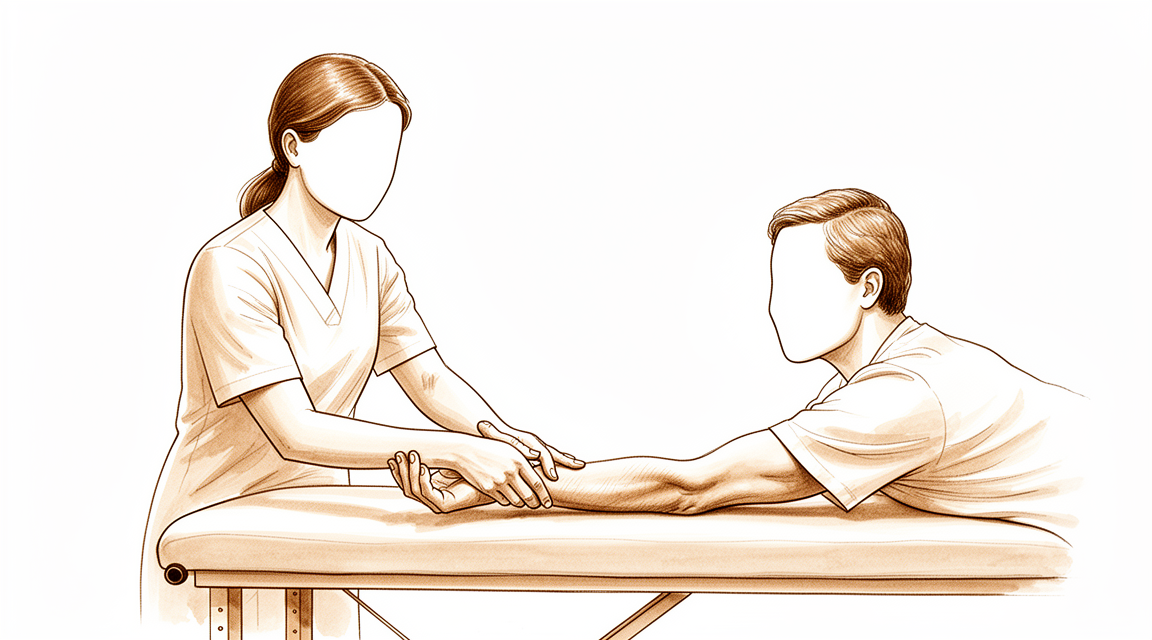
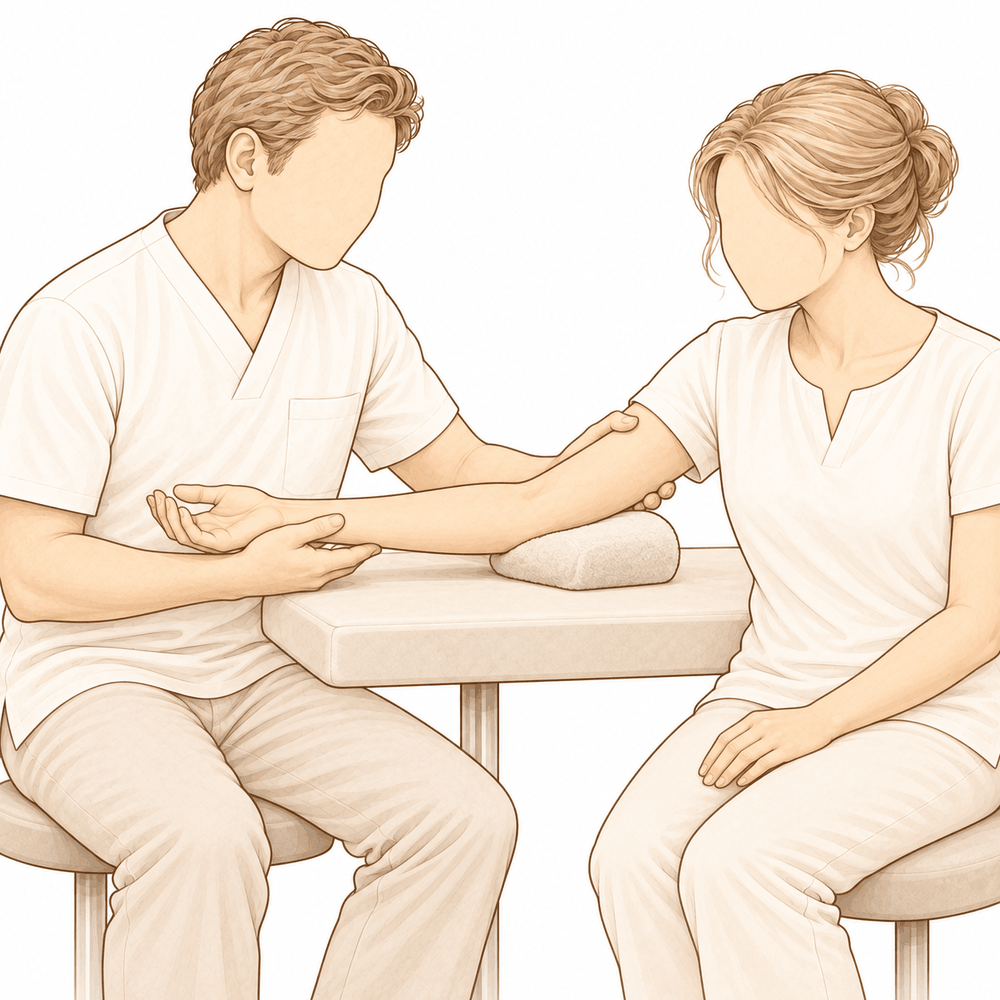
Elbow PROMs (QuickDASH, PROMIS UE, OES) quantify patient-reported function, guiding treatment evaluation post-trauma & surgery.
Overview
Maximizing functional outcomes is a critical determinant of patient satisfaction following rotator cuff repair [1]. While patient-reported outcome measures (PROMs) are increasingly utilized in shoulder literature, often employing multiple instruments to evaluate results [14], current metrics lack the discrimination and calibration required for effective clinical risk stratification [6]. Directed attention to PROMs holds potential for driving quality and efficiency improvements, provided the resulting quality measures are clinically important, scientifically acceptable, usable, and feasible [7].
In the context of total shoulder arthroplasty, appropriately selected patients can undergo the procedure safely and cost-effectively in an outpatient setting [15]; however, definitional variations in "outpatient" surgery can significantly alter study outcomes [18]. Similarly, patients with depression report inferior scores on all postoperative PROMs following biceps tenodesis and demonstrate lower odds of achieving substantial clinical benefit or a patient-acceptable symptom state compared with nondepressed patients [19]. Despite these clinical nuances, satisfaction remains a complex metric; for instance, revision total elbow arthroplasty patients may report satisfaction despite lower clinical scores compared to primary procedures [10], and no significant difference in outcomes exists between total joint arthroplasty patients who met all eligibility criteria versus those who failed at least one [39].
Definitive conclusions regarding functional outcomes post-radial head arthroplasty are restricted by heterogeneity in implant type, patient characteristics, and outcome measures, alongside inadequate reporting of study details [16]. Furthermore, there is no general recommendation for the utilization of the Mayo Elbow Performance Score (MEPS-G) as an outcome measurement for patients with elbow pathologies [22]. Complications requiring secondary surgeries also negatively impact long-term results, as evidenced by worsened functional outcome scores after internal joint stabilizer placement for terrible triad injuries [21].
Anatomy & Pathophysiology
Kinematics and Functional Outcomes
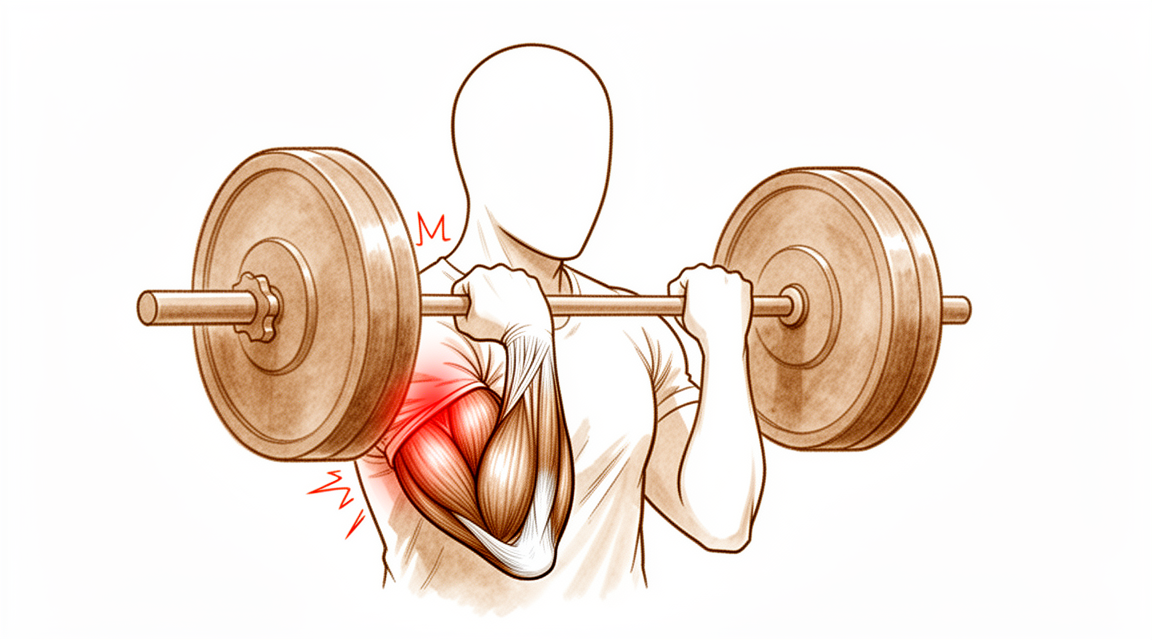
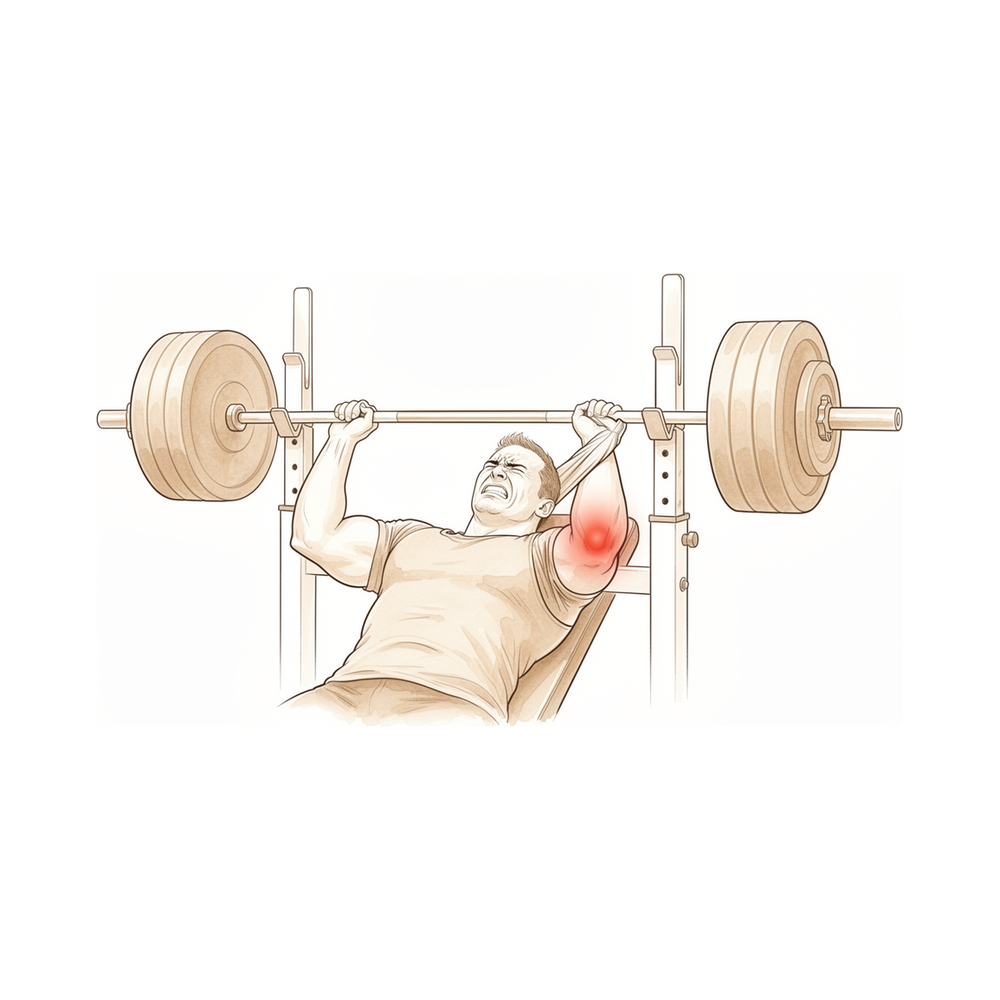
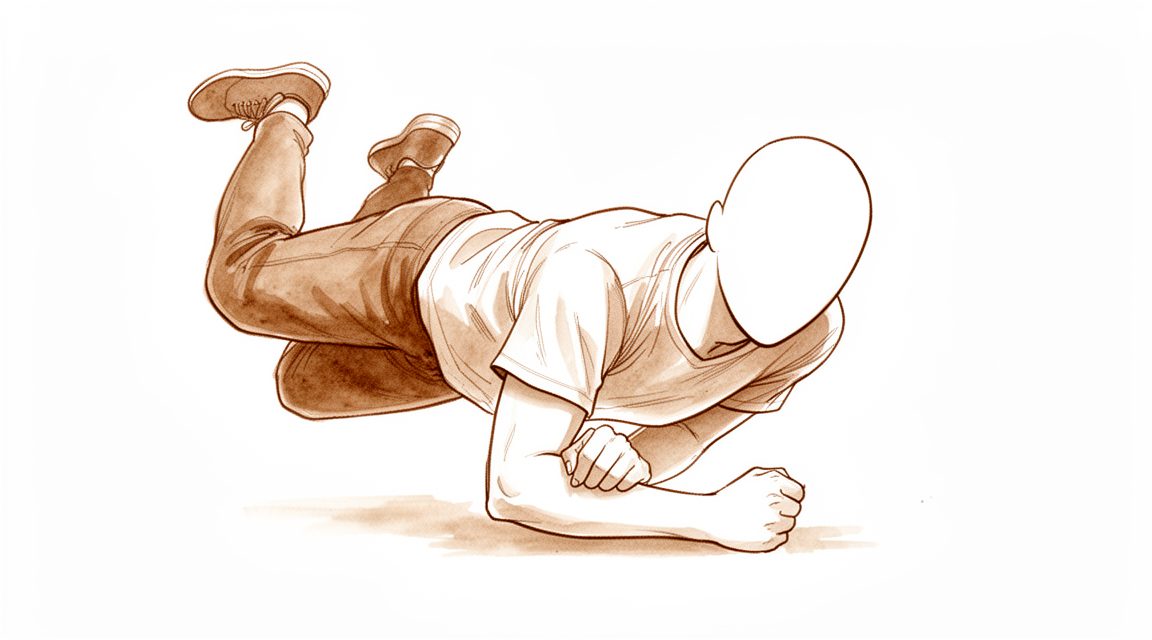
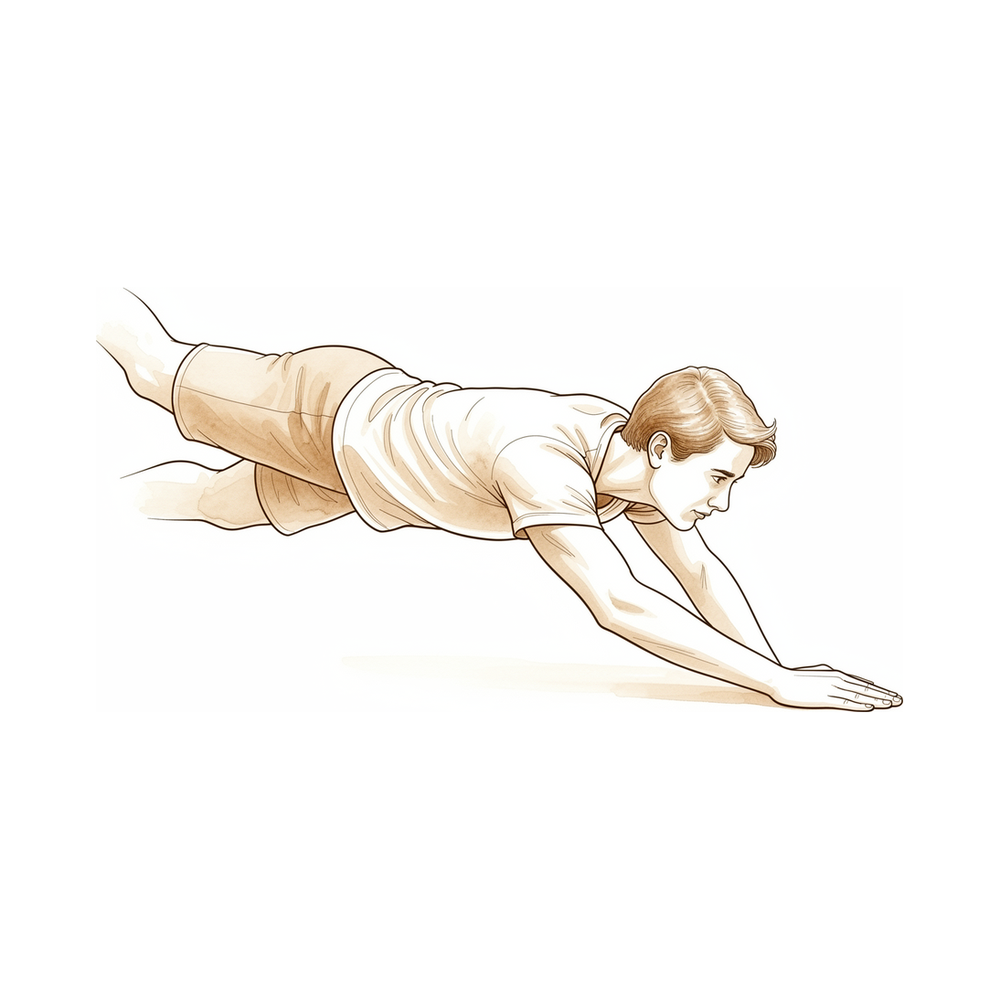
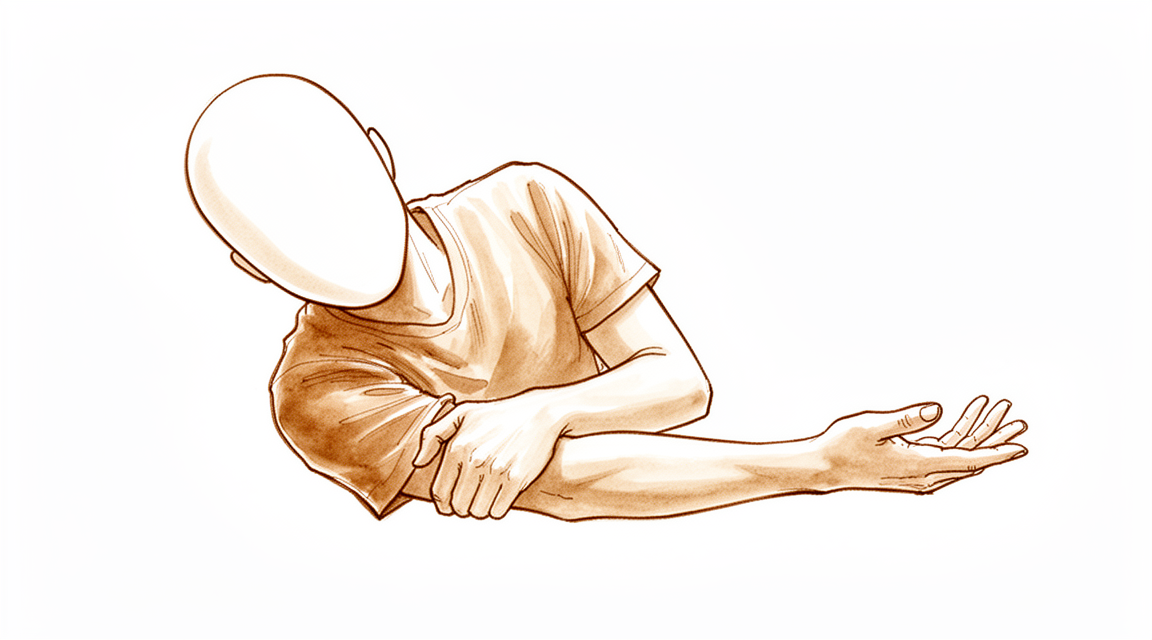
Elbow joint moments vary in different directions during daily tasks [29], while elbow angle significantly influences muscle activation patterns and force output during the concentric phase of a push-up plus exercise [40]. Pain originating from the long head of the biceps tendon (LHBT) induced an approximately 30% decrease of shoulder abduction and elbow flexion strength despite no structural or biomechanical abnormalities in the model [64]. The primary goal for a functional upper extremity is to restore the function of the hand, and the timing of total elbow arthroplasty must take into account the status of all joints [71].
Implant Performance and Revision Outcomes
The Discovery Elbow System resulted in improved function, reduced pain, and high patient satisfaction [12], with increased function, decreased pain, and high survivorship at a mean of 4.1 years [67]. In most cases, elbow function was maintained in the long-term without loosening of the implant for Kudo type-5 total elbow arthroplasty in patients with rheumatoid arthritis [65]. However, improvement of range of motion (ROM) of the elbow should not be expected following revision elbow arthroplasty using the Latitude total elbow arthroplasty [43], and function may compare unfavourably to that after an uncomplicated total elbow arthroplasty (TEA) in cases of infection with stable components [54].
Ligamentous Stability and Reconstruction
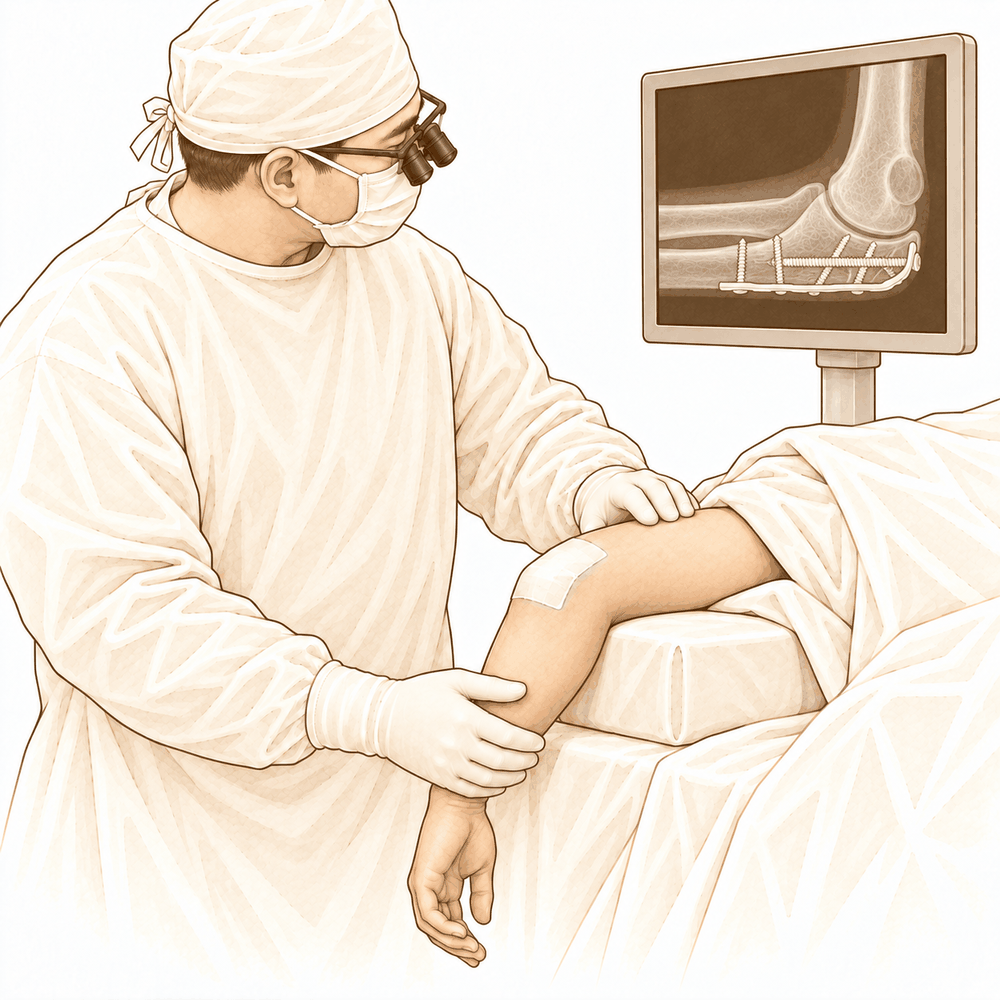
Following ulnar collateral ligament (UCL) repairs and reconstructions, elbow ROM is reliably preserved or improved with a predictable trajectory of rapid improvement within the first 2 to 4 months [44]. The Internal Joint Stabilizer of the Elbow (IJS-E) restores motion and function without immediate postoperative complication in patients with traumatic elbow instability [55]. Females demonstrated favorable clinical outcomes at a mean follow-up of 6 years following operative management of posterolateral rotatory instability, with a majority of elbows returning to a preinjury level of function and sport regardless of primary or revision surgery [69].
Fracture Management and Neuromuscular Restoration
Short operating times and early mobilization of the elbow are advantages of megaprosthetic replacement in complex distal humerus fractures in elderly patients [23], and each of the treatment modalities studied for distal humerus fractures in older adults resulted in a reasonable level of elbow function [83]. All patients achieved antigravity elbow extension at 12-month follow-up following posterior deltoid-to-triceps transfer for elbow extension restoration in tetraplegia [82].
Patient-Reported Outcomes and Special Populations
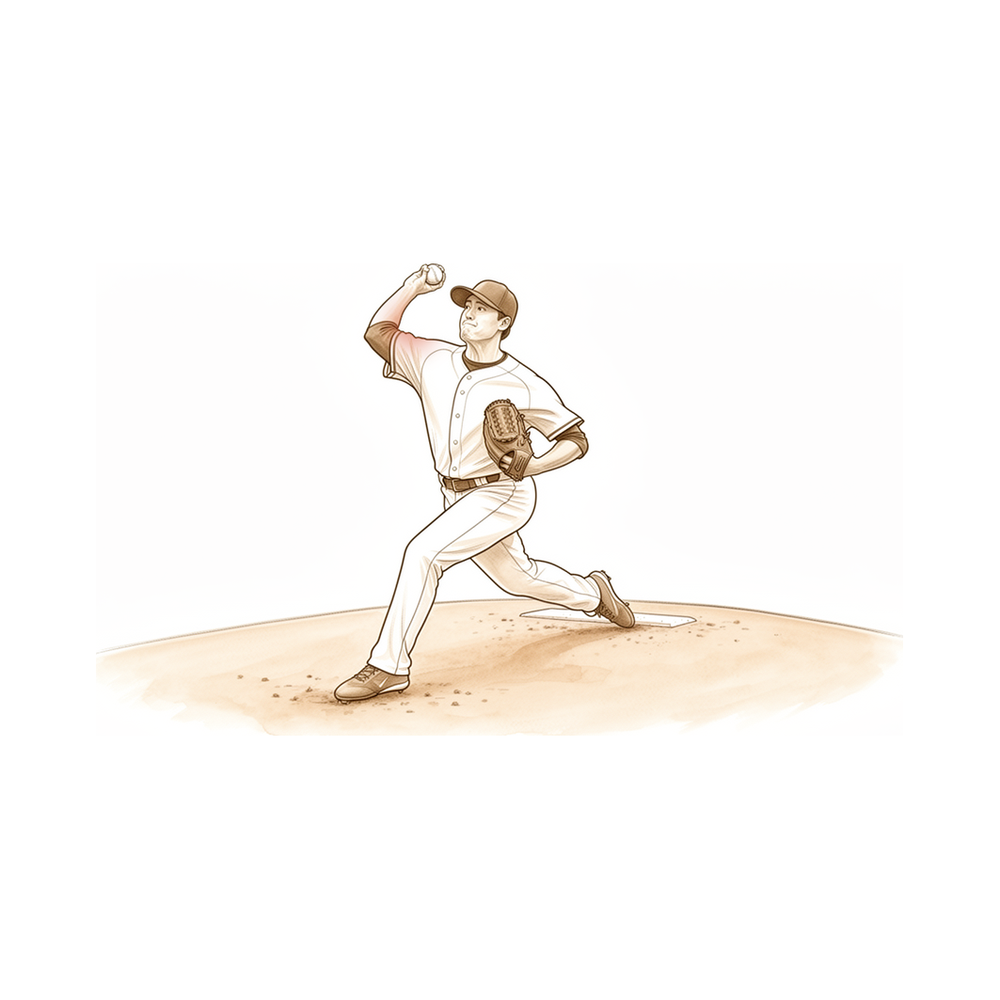
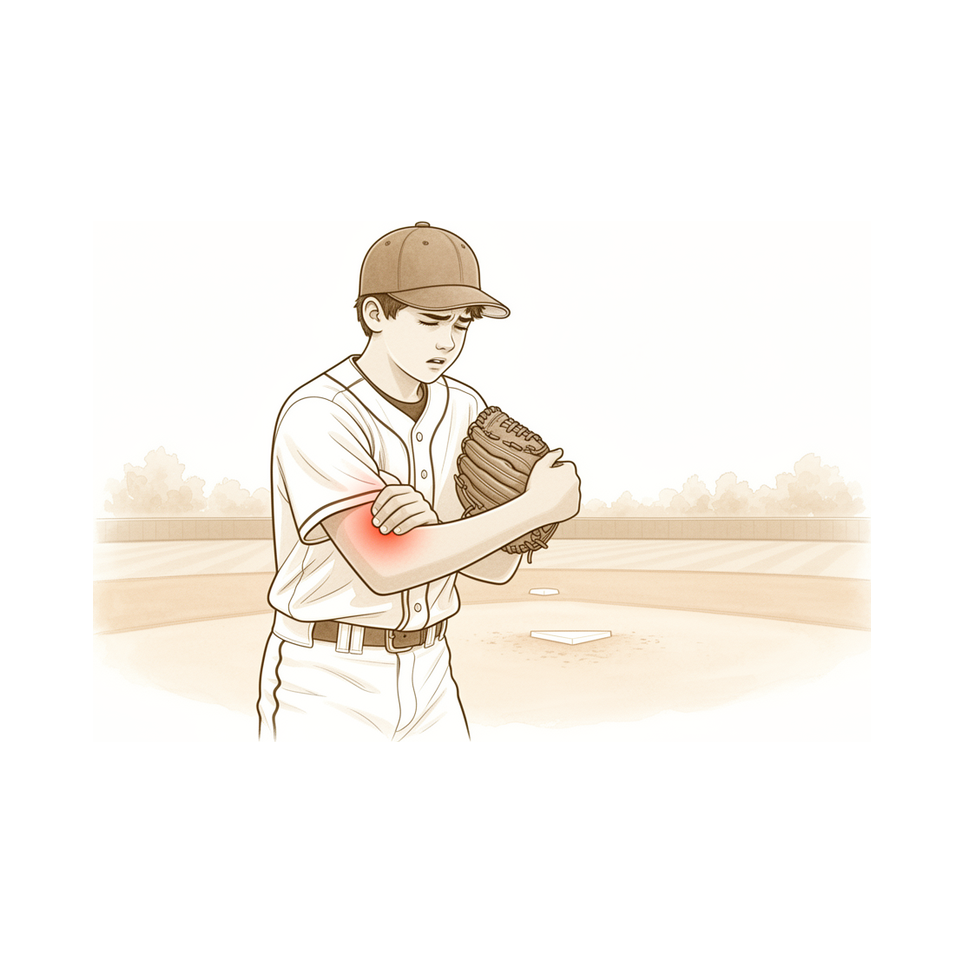
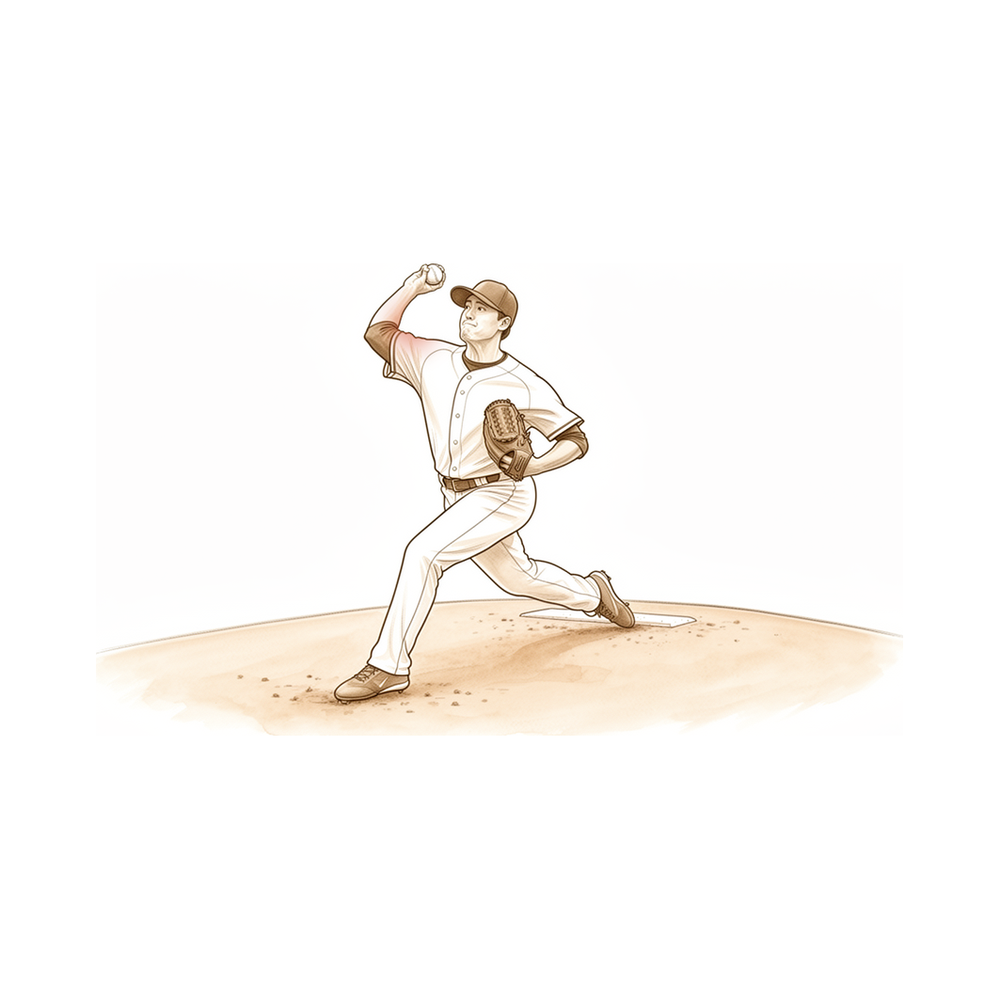
The Elbow Self-Assessment Score (ESAS) is a self-administered, valid, and reliable tool to assess the most important aspects of elbow function [68], while ten elbow patient-reported outcome measures (PROMs) were reviewed, showing psychometric diversity [72]. The Mayo Elbow Performance Score (MEPS) has strong reliability when assessed at different times and when compared with a validated elbow outcomes instrument [80]. Satisfaction with elbow function during throwing was lower in pitchers than in nonpitchers following autologous osteochondral transplant for capitellar osteochondritis dissecans in high school baseball players [70].
Classification
Elbow Scoring Systems: Five distinct elbow-scoring systems demonstrate a remarkable lack of agreement when used to determine categorical rankings for the same cohort of patients [5]. The Oxford Elbow Score remains the only elbow-specific rating system currently validated using high-quality methodology [60]. Core domains for the clinical outcomes of elbow replacement have been defined by consensus from patients, carers, and healthcare professionals [62].
Patient-Reported Outcome Measures (PROMs): Current PROMs lack the discrimination and calibration necessary for clinical risk stratification [6]. Patient satisfaction scores were not different between primary and revision total elbow arthroplasty groups despite differences in clinical outcome scores [10]. Demographic variables such as advanced age, low family income, and multiple medical conditions significantly affect scores on numerous knee scoring systems [61]. Baseline variation exists between patients with different health insurance types, which should be acknowledged when using PROMs for research, clinical, or quality-linked payment metrics [58]. Health perception variables can be used to predict outcome measure scores to allow for individualized care delivery [66]. Balancing standardization with tailored strategies can enable large-scale implementation of PROMs while optimizing care processes and outcomes for all patients [76].
Shoulder and Radial Head Outcomes: Heterogeneity of implant type, patient characteristics, and outcome measures, along with inadequate reporting of study details, restricts definitive conclusions regarding functional outcomes post-radial head arthroplasty [16]. Definitional differences in "outpatient" surgery can lead to significantly different study outcomes related to total shoulder arthroplasty [18]. Alternative glenoid classification systems or predictive models should be considered to provide more precise prognoses for patients before and after shoulder arthroplasty for osteoarthritis with an intact rotator cuff [51]. Patient outcome scores should be compared with age-normalized scores to establish an accurate reference frame for interpretation [17].
Other Considerations: The evidence highlights significant challenges in standardizing outcome classification across upper extremity arthroplasty, necessitating careful selection of metrics based on specific joint pathology and patient demographics.
Clinical Presentation
Achieving patient satisfaction after rotator cuff repair requires treatment aspects that maximize functional outcomes [1]. While psychosocial factors were not associated with patient-reported outcomes after intervention in patients with rotator cuff tears [8], the presence of a psychiatric diagnosis was not predictive of outcomes in patients undergoing shoulder arthroplasty [31]. Conversely, patient-reported allergies cause inferior outcomes after total knee arthroplasty, though these poor outcomes do not seem to be related to depression [35]. Prior revision history predicts subsequent failure in revision total knee arthroplasty, where early referral to centers with appropriate expertise and infrastructure may optimize outcomes [3].
Long-term assessment relies on specific metrics and historical data. Clinicians can use findings from 10-year follow-up studies to assess clinical success over the long term for primary total hip arthroplasty [4]. Total elbow arthroplasty offers patients satisfactory clinical outcomes at long-term follow-up with relatively stable revision and complication rates compared to short and medium term [2]. However, there is a remarkable lack of agreement when five different elbow-scoring systems are used to determine categorical rankings for the same cohort of patients [5]. Current patient-reported outcome measures lack the discrimination and calibration necessary for clinical risk stratification [6].
Evaluation of patient-reported outcomes (PROs) requires careful selection and interpretation of tools. Patient-reported outcome measure usage is increasing, often with multiple patient-reported outcome measures being used to evaluate patient outcomes in shoulder literature [14]. The Single Alpha-numeric Evaluation (SANE) is valid across a range of common shoulder diagnoses to assess patient outcomes across operative and non-operative treatment [24]. The Shoulder Activity Level measure can be completed quickly and used in conjunction with patient-based measures of shoulder outcome to define patient populations for cohort studies [20], and can be used to assess activity level as a prognostic factor in patients with shoulder disorders [20]. It is important to compare a patient's outcome scores with age-normalized scores to establish an accurate reference frame with which to interpret outcomes for hip patient-reported outcome measures [17]. The percentage of maximal possible improvement (%MPI) offers a simple method to quickly assess improvements across patient outcome scores, though the %MPI that represents patient improvement is not uniformly the previously established 30% threshold [25]. Results from computerized adaptive testing generated outcome measures may improve clinical interpretation and assist clinicians using patient-reported outcomes during clinical practice [30].
Recall accuracy and provider utilization present specific challenges in data collection. Patient recall of QuickDASH scores is generally accurate over intervals up to two years, with mean differences between recalled and actual QuickDASH scores remaining below the minimal clinically important difference of 13 points over intervals up to two years [37]. A significant difference was observed between recalled and actual QuickDASH scores at three months [37]. Only 57% of primary medical providers are using patient reported outcome measures within their practice in the pediatric sports population, and information from patient reported outcome measures used by primary medical providers in the pediatric sports population is largely used for research rather than clinical decision-making [32]. Directed attention to patient-reported outcomes has the potential to drive quality and efficiency improvements if the quality measures developed from them are clinically important, scientifically acceptable, usable, and feasible [7].
Patient expectations and experiences significantly influence perceived outcomes. Patients with a negative experience had at least one major expectation or need for support not met, even with good clinical outcomes after total knee replacement [11]. Descriptions of patients' perceptions and expectations can serve to improve patient–clinician relationships [38], inform the development of new models of care [38], and a greater understanding of patients' perceptions and expectations may improve the patient experience [38].
Investigations
Plain radiography: In total elbow arthroplasty, poor ulnar cementation predicts radiological loosening and eventual revision need, though radiological loosening itself does not correlate with patient clinical outcomes [81]. Early radiologic loosening of the radial component in primary total elbow replacement is a concern, yet this finding has not resulted in clinical symptoms or implant failure [94]. In radial head arthroplasty, high levels of radiologic degenerative changes are observed at long-term follow-up despite satisfactory clinical outcomes and modest complication and revision rates [13].
MRI: MRI grading of ulnar collateral ligament injuries assists in predicting return to play and the need for surgery in professional baseball players [100]. Clinical and MRI variables provide no additional predictive information for work participation in sickness absentees with neck or shoulder pain compared to demographic and patient-reported data alone [103].
CT: 18F-fluoride PET/CT performed six weeks after posterior lumbar interbody fusion provides prognostic information regarding bony fusion at one year [95].
Other Considerations: Aspects of treatment that maximize functional outcome are critical for achieving patient satisfaction [1]. Prior revision history predicts subsequent failure in revision total knee arthroplasty, suggesting early referral to centers with appropriate expertise and infrastructure may optimize outcomes [3]. In primary total hip arthroplasty, findings on Patient Acceptable Symptom State offer valuable reference points for assessing long-term clinical success [4]. Psychosocial factors were not associated with patient-reported outcomes after intervention in patients with rotator cuff tears [8]. Technologic advances in implant materials, design, amputee care, and imaging continue to drive improvements in patient care and outcomes [26]. Most participants with proximal humeral fractures achieve maximum functional outcome at six months that is maintained at five years [27]. Normal outcome scores in a young, active adult population may range from 96% to 98% [88]. Preoperative PROMIS PF scores are responsive to functional improvements observed clinically in total shoulder arthroplasty patients [90]. The long-term durability of arthroscopic ulnohumeral arthroplasty regarding preservation of ROM and radiographic progression of arthritis remains unknown in patients under fifty years of age [92]. Electrodiagnostic severity does not predict short- to midterm outcomes of cubital tunnel release surgery, yet physicians may suggest surgical treatment without positive electrodiagnostic findings and still expect postoperative improvement in functional outcomes [93]. The percentage of maximal possible improvement (%MPI) offers a simple method to quickly assess improvements across patient outcome scores, though the %MPI representing patient improvement is not uniformly the previously established 30% threshold [25]. In reverse total shoulder arthroplasty, %MPI judged relative to patient-reported substantial clinical improvement offers an alternative method to assess improvements, while in anatomic total shoulder arthroplasty, this method offers a new assessment approach [98, 99]. No other factors correlated with both poor improvement and outcome in primary reverse total shoulder arthroplasty [101].
Treatment
Non-Operative
Nonoperative management remains a primary option for many shoulder pathologies, with a majority of patients with proximal humeral fractures undergoing non-operative treatment [74]. Displaced olecranon fractures in elderly and medically unwell patients treated nonoperatively can result in reasonable range of motion, minimal pain, and maintenance of extension against gravity [78]. Nonoperative treatment of shoulder instability is associated with faster return to play compared to operative management [56], though it carries substantial societal costs [86]. For lumbar spinal stenosis, the objective measure of walking ability improved in both operative and nonoperative groups with no statistical difference between groups, although the clinical outcome of surgery for pain and disability was sustained over 2 years compared to nonoperative treatment [97]. Patients with depression reported inferior scores on all postoperative patient-reported outcome measures following biceps tenodesis, demonstrating lower odds of achieving substantial clinical benefit and patient-acceptable symptom state compared with nondepressed patients [19]. Psychosocial factors were not associated with patient-reported outcomes after intervention for rotator cuff tears [8]. The clinical outcome of managing shoulder disorders in primary health care consulters is notably poorer than that reported by previous studies on new episodes [96].
Operative
Indications: Surgical treatment of displaced proximal humerus fractures is associated with decreased 1-year mortality in patients aged 65 years and older compared to nonoperative treatment, with surgery, particularly total shoulder arthroplasty and open reduction internal fixation, associated with decreased odds of 1-year mortality in this demographic [85]. Morbid obesity should not be considered an absolute contraindication for elective reverse shoulder arthroplasty in patients who have undergone appropriate preoperative medical clearance [36], and total shoulder arthroplasty is a safe and effective treatment option for all patients, including overweight and obese patients, with dramatic improvements in range of motion and high rates of implant survival [41]. Bariatric surgery should not be routinely recommended before total knee arthroplasty in obese patients until further benefits can be demonstrated [48]. Operative management of shoulder instability in National Football League athletes is associated with fewer recurrent instability events, greater time between recurrent instability events, and greater career longevity compared to nonoperative treatment [56]. Custom hemiarthroplasty appears to be a reasonable method to salvage proximal humeral dysplasia epiphysealis hemimelica when nonsurgical management has failed to provide relief [77]. Most patients with juvenile idiopathic arthritis benefit from total elbow arthroplasty for a long term with satisfactory clinical outcomes and implant durability [9].
Surgical Approach / Technique: Short operating times and early mobilization of the elbow are advantages of megaprosthetic replacement in complex distal humerus fractures in elderly patients [23]. Technologic advances in implant materials, design, amputee care, and imaging continue to drive improvements in patient care and outcomes [26].
Implant Selection: Total elbow arthroplasty offers satisfactory clinical outcomes at long-term follow-up, with revision and complication rates remaining relatively stable at long-term follow-up compared to short and medium term [2]. Survivorship with robotic unicompartmental knee arthroplasty is non-inferior to reported manual unicompartmental knee arthroplasty survivorship rates, though more long-term data are needed regarding survivorship with robotic unicompartmental knee arthroplasty [79]. Outcomes for anatomic total shoulder arthroplasty in patients receiving workers' compensation are generally excellent and better than those of other workers' compensation shoulder surgery cohorts, yet relatively worse than in non-workers' compensation total shoulder arthroplasty patients [102].
Alignment / Balancing Strategy: There is a remarkable lack of agreement when five different elbow-scoring systems are used to determine categorical rankings for the same cohort of patients [5]. There is no general recommendation for the utilization of the Mayo Elbow Performance Score (MEPS-G) as an outcome measurement for patients with elbow pathologies [22]. The SANE is valid across a range of common shoulder diagnoses to assess patient outcomes across operative and non-operative treatment [24].
Pain Management: Greater self-efficacy was the best determinant of satisfaction with pain relief after fracture surgery [34]. Better counseling and innovative nonopioid pain management protocols are needed for pain control after shoulder surgery [75].
Setting of Care: Outpatient total shoulder arthroplasty is safe and cost-effective in appropriately selected patients [15]. At 2 years after total hip arthroplasty, active and inactive patients were similarly satisfied and achieved comparable outcomes [42].
Revision: Patient satisfaction scores were not different between primary and revision total elbow arthroplasty groups despite differences in outcome scores, and revision patients may be satisfied with their outcomes despite lower clinical scores [10].
Other Considerations: Aspects of treatment that maximize functional outcome are important in achieving patient satisfaction [1]. Directed attention to patient-reported outcomes has the potential to drive quality and efficiency improvements if quality measures are clinically important, scientifically acceptable, usable, and feasible [7]. Demonstrating the efficacy of hand therapy to produce favorable patient satisfaction outcomes directly impacts the utilization of skills and expertise [33].
Complications
Nerve palsy: Permanent neurological deficits are rare following elbow endoprosthesis reconstruction after tumor resection, although the overall complication burden remains significant [46].
Other Considerations: Revision and complication rates for total elbow arthroplasty remain relatively stable at long-term follow-up compared to short and medium-term intervals [2]. A high rate of complications and revisions is observed in semiconstrained total elbow arthroplasty performed for arthritis in patients under 55 years old [47]. Outpatient total elbow arthroplasty demonstrates a lower short-term complication rate than inpatient procedures [50]. Prior revision history predicts subsequent failure in total knee arthroplasty [3]. Patients with a history of prior implant complication represent the most important patient feature for predicting complications and unplanned readmission following primary anatomic total shoulder replacements [63]. Patients undergoing primary reverse shoulder arthroplasty with morbid obesity exhibit a reasonable complication rate at intermediate follow-up [52]. A history of solid organ transplant creates specific vulnerability to minor complications and inherently increased inpatient resource utilization in shoulder arthroplasty patients [73]. US veterans with a history of Hepatitis C face an increased risk of medical, but not surgical, complications within the first year after total shoulder arthroplasty [84]. Patients undergoing total joint arthroplasty after lung transplantation should be counseled on inherent risks regarding postoperative complications and survival rates, though risks do not appear further increased than other transplant cohorts [89]. Patients with a negative experience after total knee replacement often had at least one major expectation or need for support unmet, even when clinical outcomes were good [11]. Secondary surgeries required for complications result in worsened ultimate functional outcome scores [21]. The docking technique for lateral ulnar collateral ligament reconstruction carries a low complication rate [91].
Recovery
Light activity (weeks): Specific timelines for light activity are not explicitly defined in the provided evidence base; however, patients with proximal humeral fractures typically achieve maximum functional outcomes at six months, which serves as a reference for early recovery milestones [27]. Patients undergoing total shoulder arthroplasty who are preoperative opioid users are markedly less likely to achieve clinically notable outcomes and report persistent pain at 6-month and 1-year follow-ups [57].
Full activity (months): Most participants with proximal humeral fractures maintain their maximum functional outcome at five years [27]. Patients with juvenile idiopathic arthritis benefit from total elbow arthroplasty for the long term with satisfactory clinical outcomes and implant durability [9]. Radial head arthroplasty results in satisfactory clinical outcomes and modest complication and revision rates at long-term follow-up despite high levels of radiologic degenerative changes [13]. The Discovery Elbow System resulted in improved function, reduced pain, and high patient satisfaction [12].
Complete recovery / outcome plateau (months): Total elbow arthroplasty offers satisfactory clinical outcomes at long-term follow-up with relatively stable revision and complication rates compared to short and medium term [2]. Long-term follow-up of fifteen to twenty years for total shoulder replacements with cement demonstrated a high revision rate despite significant and longitudinal improvement in shoulder function and pain relief [53]. Findings on patient acceptable symptom state for primary total hip arthroplasty offer clinicians reference points for assessing clinical success over the long term [4]. Patients with a preoperative duration of symptomatic medial knee overload/arthritis of two years or greater do not experience inferior patient-reported or clinical outcomes than patients with a symptom duration of less than 2 years at mid-term follow-up [104].
Rehabilitation protocol: Further studies with long-term follow-up are needed to determine whether the grafted area in Autologous Matrix-Induced Chondrogenesis will maintain structural and functional integrity over time [45]. Early reimplantation (abbreviated two-stage) provides similar outcomes to traditional two-stage exchange for infection management, though optimal timing and selection criteria remain undefined [106]. Patients are interested in the timeline of recovery, ability to perform specific activities after surgery, and short-term and long-term restrictions following reverse total shoulder arthroplasty [105].
Functional milestones: The Measurement of Shoulder Activity Level can be completed quickly and used to assess activity level as a prognostic factor in patients with shoulder disorders [20]. Activities of daily living should be measured across phases of care and into long-term recovery for total joint arthroplasty [59]. Patients who completed the usual method of in-person followup assessment reported greater satisfaction than those using web-based followup, though the difference was small [108].
Other Considerations: Prior revision history predicts subsequent failure in total knee arthroplasty, suggesting early referral to centers with appropriate expertise may optimize outcomes [3]. Patients with a negative experience in total knee replacement had at least one major expectation or need for support not met, even with good clinical outcomes [11]. A history of clinical depression is present in 12.4% of patients undergoing elective total shoulder arthroplasty [28]. Mild complaints of arm, neck, and/or shoulder demonstrate an overall stable course during one-year follow-up in a university population [109]. Surgical treatment for lateral epicondylitis offers strong evidence of efficacy with favorable results in terms of numbers followed up, length of follow-up, and outcome [110]. High baseline disability, sudden occurrence of symptoms, long duration of symptoms, female gender, and young age were found to be weak predictors of poor outcome in extensor tendon release for tennis elbow [111]. Mobile and fixed-bearing all-polyethylene tibial component total knee arthroplasty designs functioned equivalently at the time of early follow-up in a low-to-moderate-demand patient group [107].
Key Evidence
- [L3] Aspects of treatment that maximize the functional outcome are important in achieving patient satisfaction. (10.1016/j.jse.2007.02.136)
- [L4] Our systematic review established that TEA offers patients satisfactory clinical outcomes at long-term follow-up, with relatively stable revision and complication rates compared to short and medium term. (10.1016/j.jse.2020.11.014)
- [L3] Because prior revision history predicts subsequent failure, early referral to centers with appropriate expertise and infrastructure may optimize outcomes. (10.1016/j.arth.2025.09.038)
- [L3] These findings offer clinicians valuable reference points for assessing clinical success over the long term. (10.1016/j.arth.2025.08.016)
- [L4] There is a remarkable lack of agreement when five different elbow-scoring systems are used to determine categorical rankings for the same cohort of patients. (10.2106/00004623-199802000-00002)
- [L5] Current patient-reported outcome measures (PROMs) lack the discrimination and calibration necessary for clinical risk stratification. (10.1016/j.arth.2025.10.039)
- [L5] Directed attention to patient-reported outcomes has the potential to drive quality and efficiency improvements, but only if the quality measures developed from them are clinically important, scientifically acceptable, usable, and feasible. (10.5435/jaaos-d-16-00638)
- [L2] However, these factors were not associated with patient-reported outcomes after intervention. (10.1007/s11999.0000000000000087)
- [L4] However, most benefit from the intervention for a long term with satisfactory clinical outcomes and implant durability. (10.1016/j.jse.2014.03.012)
- [L3] Patient satisfaction scores were not different between the primary and revision groups despite differences in outcome scores, suggesting that revision patients may be satisfied with their outcomes despite lower clinical scores. (10.1016/j.jse.2025.01.036)
- [L4] In contrast, patients with a negative experience had at least one major expectation or need for support not met, even with good clinical outcomes. (10.1186/s12891-017-1474-8)
- [L4] The Discovery Elbow System resulted in improved function, reduced pain, and high patient satisfaction. (10.1016/j.jse.2014.08.013)
- [L4] Our systematic review established that RHA results in satisfactory clinical outcomes and modest complication and revision rates at long-term follow-up, despite high levels of radiologic degenerative changes over the same period. (10.1016/j.jse.2021.03.142)
- [L4] PROM usage is increasing, often with multiple PROMs being used to evaluate patient outcomes. (10.5435/jaaos-d-19-00455)
- [L3] In the appropriately selected patient, outpatient TSA is safe and cost-effective. (10.1016/j.jse.2016.04.006)
- [L4] The heterogeneity of type of implant, patient characteristics and outcome measures used, along with an inadequate reporting of study details, restrict any definitive conclusions being made. (10.1177/1758573214524934)
- [L3] It is important to compare a patient's outcome scores with the age-normalized scores to establish an accurate reference frame with which to interpret outcomes. (10.1177/03635465211056666)
- [L3] Definitional differences in 'outpatient' surgery can lead to significantly different study outcomes related to TSA. (10.1016/j.jseint.2024.08.191)
- [L3] Patients with depression reported inferior scores on all postoperative patient-reported outcome measures and demonstrated lower odds of achieving the substantial clinical benefit and patient-acceptable symptom state compared with nondepressed patients. (10.1016/j.jse.2020.03.020)
- [L1] It can be completed quickly and used in conjunction with patient-based measures of shoulder outcome to define patient populations for cohort studies, and to assess activity level as a prognostic factor in patients with shoulder disorders. (10.1097/01.blo.0000173255.85016.1f)
- [L4] When patients sustain complications that require secondary surgeries, their ultimate functional outcome scores worsen. (10.1016/j.jhsa.2023.04.003)
- [L4] There is no general recommendation for the utilization of the MEPS-G as outcome measurement for patients with elbow pathologies. (10.1186/s13018-022-03210-5)
- [L4] Short operating times and early mobilization of the elbow are the advantages of this technique. (10.1186/s13018-023-04465-2)
- [L3] The study demonstrates that the SANE is valid across a range of common shoulder diagnoses to assess patient outcomes across operative and non-operative treatment. (10.1177/2325967117s00256)
- [L4] The %MPI offers a simple method to quickly assess improvements across patient outcome scores, but the %MPI that represents patient improvement is not uniformly the previously established 30% threshold. (10.1016/j.jse.2023.04.011)
- [L1] Most participants had maximum functional outcome at six months that was maintained at five years. (10.1302/0301-620x.102b1.bjj-2020-0546.r1)
- [L3] A history of clinical depression is present in 12.4% of patients undergoing elective TSA and the disease burden is projected to increase further in the future. (10.1302/0301-620x.98b6.37208)
- [L5] This study analyzed elbow joint moments in different directions during daily tasks. (10.1016/j.jse.2023.07.042)
- [L2] Results may improve clinical interpretation of CAT-generated outcome measures and assist clinicians using patient-reported outcomes during clinical practice. (10.1016/j.jht.2010.06.001)
- [L2] Overall, the presence of a psychiatric diagnosis was not predictive of outcomes. (10.1016/j.jse.2018.02.066)
- [L4] Only 57% of primary medical providers are using patient reported outcome measures within their practice, with the information largely used for research rather than clinical decision-making. (10.1177/2325967119s00107)
- [L4] Demonstrating the efficacy of hand therapy to produce favorable patient satisfaction outcomes directly impacts the utilization of skills and expertise. (10.1016/j.jht.2013.03.001)
- [L2] Greater self-efficacy was the best determinant of satisfaction with pain relief. (10.1007/s11999-014-3660-4)
- [L2] These poor outcomes do not seem to be related to depression. (10.1007/s00167-015-3837-8)
- [L3] Morbid obesity should not be considered an absolute contraindication for elective rTSA, particularly in patients who have undergone appropriate preoperative medical clearance. (10.1016/j.jseint.2024.06.015)
- [L3] Patient recall of QuickDASH scores is generally accurate over intervals up to two years, with mean differences between recalled and actual scores remaining below the minimal clinically important difference of 13 points, except at three months where a significant difference was observed. (10.2106/jbjs.l.01485)
- [L4] The descriptions of patients' perceptions and expectations can serve to improve patient–clinician relationships as well as to inform the development of new models of care, and a greater understanding of these aspects may improve the patient experience. (10.1186/s12891-017-1719-6)
- [L3] There was no significant difference in outcomes between those who met all eligibility criteria and those who did not. (10.1016/j.arth.2024.02.056)
- [L3] Elbow angle significantly influenced muscle activation patterns and force output during the concentric phase of the exercise. (10.1186/s12891-015-0486-5)
- [L3] With dramatic improvements in range of motion, minimal differences in PROs, and high rates of implant survival, TSA is a safe and effective treatment option for all patients, including overweight and obese patients. (10.1016/j.jse.2024.01.031)
- [L3] At 2 years after THA, active and inactive patients were similarly satisfied and achieved comparable outcomes. (10.1016/j.arth.2021.03.052)
- [L4] Improvement of ROM of the elbow should not be expected. (10.1302/0301-620x.98b8.35025)
- [L4] Following UCL repairs and reconstructions, elbow ROM is reliably preserved or improved with a predictable trajectory of rapid improvement within the first 2 to four months. (10.1016/j.jse.2025.10.002)
- [L4] However, further studies with long-term follow-up are needed to determine whether the grafted area will maintain structural and functional integrity over time. (10.1007/s00167-010-1042-3)
- [L4] While permanent neurological deficits were rare, the complication burden underscores the need for cautious patient selection and long-term follow-up. (10.1016/j.jse.2025.05.003)
- [L4] However, a high rate of complications and revisions was observed with follow-up. (10.1016/j.jse.2019.08.006)
- [L3] Bariatric surgery should not be routinely recommended before TKA in obese patients until further benefits can be demonstrated. (10.1302/0301-620x.97b11.36477)
- [L3] Outpatient TEA has a lower short-term complication rate than inpatient TEA. (10.1016/j.jse.2020.06.009)
- [L3] Alternative glenoid classification systems or predictive models should be considered to provide more precise prognoses. (10.1016/j.jse.2023.08.029)
- [L4] At intermediate follow-up, there is good implant survival with a reasonable complication rate and excellent pain relief. (10.1016/j.jse.2015.12.008)
- [L4] Although there is a significant and longitudinal improvement in shoulder function and pain relief after total shoulder replacement, long-term follow-up of fifteen to twenty years demonstrated a high revision rate in this cohort. (10.2106/jbjs.m.00079)
- [L4] Function of the elbow may compare unfavourably to that after an uncomplicated TEA. (10.1302/0301-620x.98b7.36397)
- [L4] The IJS-E is a good option for use in patients with traumatic elbow instability, as it restores motion and function without immediate postoperative complication. (10.1016/j.jse.2019.12.018)
- [L3] Whereas nonoperative treatment is associated with faster return to play, operative management is associated with fewer recurrent instability events, greater time between recurrent instability events, and greater career longevity. (10.1016/j.arthro.2020.12.225)
- [L3] Although preoperative opioid users demonstrate improvement in functional-related and health-related quality-of-life PROMs after TSA, they are markedly less likely to achieve clinically notable outcomes and were more likely to report persistent pain and continued opioid use at 6-month and 1-year follow-ups. (10.5435/jaaos-d-21-00319)
- [L4] The use of PROMs for research, clinical, or quality-linked payment metrics should acknowledge baseline variation between patients with different insurance types. (10.2106/jbjs.20.02246)
- [L3] Activities of daily living should be measured across phases of care and into long-term recovery. (10.1186/s12891-025-08284-w)
- [L2] Currently, the only elbow-specific rating system that is validated using high-quality methodology is the Oxford Elbow Score, a patient-administered outcome measure tool that has been validated on heterogeneous study populations. (10.1016/j.jse.2013.04.013)
- [L4] Numerous scoring systems have been devised to evaluate patients who have symptoms related to the knee, but demographic variables such as advanced age, low family income, and multiple medical conditions significantly affect scores. (10.2106/00004623-199706000-00009)
- [L4] This study defined core domains for the clinical outcomes of elbow replacement obtained by consensus from patients, carers, and healthcare professionals. (10.1302/0301-620x.106b11.bjj-2024-0352.r1)
- [L3] History of prior implant complication was the most important patient feature for XGBoost performance, a novel patient feature that surgeons should consider when counseling patients. (10.1177/24715492221075444)
- [L4] Pain originating from LHBT induced an approximately 30% decrease of shoulder abduction and elbow flexion strength despite there being no structural or biomechanical abnormalities in this model. (10.1016/j.jse.2018.05.009)
- [L3] In most cases, elbow function was maintained in the long-term without loosening of the implant. (10.1302/0301-620x.99b6.bjj-2016-1033.r2)
- [L4] These variables can be used to predict outcome measure scores, allowing healthcare providers to deliver individualized care. (10.5397/cise.2019.22.4.173)
- [L4] The Discovery elbow increased function and decreased pain with high survivorship at a mean of 4.1 years. (10.1016/j.jse.2013.12.033)
- [L3] The Elbow Self-Assessment Score (ESAS) is a self-administered, valid and reliable tool to assess the most important aspects of the elbow function. (10.1007/s00167-015-3647-z)
- [L4] Females demonstrated favorable clinical outcomes at a mean follow-up of 6 years, with a majority of elbows returning to a preinjury level of function and sport, regardless of whether they underwent primary or revision surgery. (10.1016/j.jse.2025.08.025)
- [L3] However, satisfaction with elbow function during throwing was lower in pitchers than in nonpitchers. (10.1177/0363546520952782)
- [L4] The primary goal for a functional upper extremity is to restore the function of the hand, and the timing of total elbow arthroplasty must take into account the status of all joints. (10.2106/jbjs.03031pp)
- [L4] Ten elbow PROMs were reviewed, showing psychometric diversity. (10.1016/j.xrrt.2025.04.005)
- [L3] Patients with history of solid organ transplant undergoing shoulder arthroplasty appear to remain a unique population due to their specific vulnerability to minor complications and inherently increased inpatient resource utilization. (10.1016/j.jse.2018.02.064)
- [L3] A majority of patients with proximal humeral fractures underwent non-operative treatment. (10.1186/s12891-019-2812-9)
- [L4] This highlights the need for better counseling and innovative nonopioid pain management protocols. (10.1016/j.jseint.2020.12.019)
- [L5] Balancing standardization with tailored strategies can enable large-scale implementation while optimizing care processes and outcomes for all patients. (10.2106/jbjs.22.01016)
- [Case_report] This appears to be a reasonable method to salvage this difficult and challenging problem when nonsurgical management has failed to provide relief. (10.1016/j.jse.2011.08.043)
- [L4] Displaced olecranon fractures in elderly and medically unwell patients treated nonoperatively can result in reasonable range of motion, minimal pain, and maintenance of extension against gravity. (10.1016/j.jseint.2020.11.001)
- [L5] Survivorship with robotic UKA is non-inferior to reported manual UKA survivorship rates, though more long-term data are needed. (10.1016/j.jisako.2024.100336)
- [L4] The MEPS has strong reliability when assessed at different times and when compared with a validated elbow outcomes instrument. (10.1016/j.jhsa.2014.01.041)
- [L3] Poor ulnar cementation may predict radiological loosening and eventual need for revision, but this loosening does not correlate with the patient's clinical outcomes. (10.1016/j.jse.2021.03.063)
- [L3] All patients achieved antigravity elbow extension at 12-month follow-up. (10.1177/17531934241270116)
- [L4] Each of the treatment modalities studied resulted in a reasonable level of elbow function. (10.1177/17585732221099845)
- [L3] US veterans with a history of HCV are at an increased risk of developing medical but not surgical complications within the first year after TSA. (10.1016/j.jseint.2021.02.009)
- [L3] Compared to nonoperative treatment, surgery (particularly TSA and ORIF) was associated with a decreased odds of 1-year mortality. (10.1016/j.jse.2024.01.036)
- [L3] Nonoperative treatment of shoulder instability has substantial societal costs. (10.1177/1758573218773543)
- [L4] Clinicians and researchers should be aware that normal outcome scores in a young population may be in the 96% to 98% range. (10.1016/j.jse.2008.10.009)
- [L4] Patients should be informed of inherent risks related to postoperative complications and survival rates, but such risks do not appear to be any further increased than other transplant cohorts undergoing arthroplasty. (10.1016/j.arth.2013.03.029)
- [L3] PROMIS PF scores were responsive to the functional improvements observed clinically. (10.1016/j.jse.2018.08.040)
- [L4] Clinical results are comparable with previously reported studies with a low complication rate. (10.1016/j.jse.2011.04.033)
- [L4] The long-term durability of this procedure with regard to preservation of ROM and radiographic progression of arthritis remains unknown. (10.1016/j.jse.2006.09.001)
- [L3] Therefore, physicians may suggest surgical treatment without positive EDS findings and still expect postoperative improvement in functional outcomes. (10.1016/j.jse.2024.01.055)
- [L4] There is concern about early radiologic loosening of the radial component, though this has not resulted in clinical symptoms or implant failure yet. (10.1016/j.jse.2017.06.037)
- [L2] 18F-fluoride PET/CT six weeks after PLIF provides prognostic information on bony fusion at one year. (10.1186/s13018-025-05814-z)
- [L3] The clinical outcome of the management of shoulder disorders in our study population including also individuals who have consulted previously for a shoulder problem is notably poorer than the one reported by previous studies on new episodes. (10.1186/1471-2474-14-348)
- [L1] The effectiveness for pain and disability was sustained over 2 years, but the objective measure of walking ability improved in both groups, with no statistical difference between operative and nonoperative groups. (10.2106/jbjs.8908.ebo2)
- [L3] The percentage of maximal possible improvement (%MPI) judged relative to patient-reported substantial clinical improvement offers an alternative method to quickly assess improvements across patient outcome scores. (10.1016/j.jse.2023.05.004)
- [L4] The percentage maximal possible improvement (%MPI) judged relative to patient-reported substantial clinical improvement offers a new method to assess improvements across patient outcome scores. (10.1016/j.jse.2023.04.010)
- [L4] MRI grading of UCL injuries can help predict return to play and the need for surgery. (10.1177/0363546515621756)
- [L3] No other factors correlated with both poor improvement and outcome. (10.1016/j.jse.2019.04.009)
- [L3] Outcomes are generally excellent and better than those of other WC shoulder surgery cohorts in the literature; however, the outcomes are relatively worse than in the non-WC TSA patients. (10.1016/j.jse.2015.04.017)
- [L2] Clinical and MRI variables provide no additional information for the prediction of work participation compared with only demographic and patient-reported information among sickness absentees with neck or shoulder pain. (10.1186/s12891-019-2906-4)
- [L4] Patients with a preoperative duration of symptomatic medial knee overload/arthritis of two years or greater do not experience inferior PRO or clinical outcomes than patients with a symptom duration of less than 2 years at mid-term follow-up. (10.1016/j.jisako.2022.03.003)
- [L4] Patients are interested in the timeline of recovery, ability to perform specific activities after surgery, and short-term and long-term restrictions following rTSA. (10.1016/j.xrrt.2024.09.005)
- [L1] Early reimplation (abbreviated two-stage) provides similar outcomes to traditional two-stage exchange, though optimal timing and selection criteria remain undefined. (10.1016/j.arth.2025.10.075)
- [L1] The two designs functioned equivalently at the time of early follow-up in this low-to-moderate-demand patient group. (10.2106/jbjs.j.00157)
- [L1] Patients who completed the usual method of in-person followup assessment reported greater satisfaction; however, the difference was small and may not outweigh the additional cost and time-saving benefits of the web-based followup method. (10.1007/s11999-014-3514-0)
- [L2] The results demonstrate mild complaints at baseline and an overall stable course during one-year follow-up. (10.1186/s12891-018-2116-5)
- [L4] These results compare favorably in terms of numbers followed up, length of follow-up, and outcome and offer strong evidence of its efficacy. (10.1016/j.jse.2009.09.008)
- [L4] High baseline disability, sudden occurrence of symptoms, long duration of symptoms, female gender and young age were found to be weak predictors of poor outcome. (10.1007/s00167-011-1477-1)
See Also
References
[1] Factors influencing patient satisfaction after rotator cuff repair. Journal of Shoulder and Elbow Surgery. 2007. DOI: 10.1016/j.jse.2007.02.136
[2] Long-term outcomes of total elbow arthroplasty: a systematic review of studies at 10-year follow-up. Journal of Shoulder and Elbow Surgery. 2021. DOI: 10.1016/j.jse.2020.11.014
[3] Ensuring Access to High Quality Care in Revision Total Knee Arthroplasty: An Analysis of Referral Patterns and Clinical Outcomes at a Tertiary Care Center. The Journal of Arthroplasty. 2026. DOI: 10.1016/j.arth.2025.09.038
[4] Defining Patient Acceptable Symptom State for Primary Total Hip Arthroplasty: A 10-Year Follow-Up Study. The Journal of Arthroplasty. 2026. DOI: 10.1016/j.arth.2025.08.016
[5] Validity of Observer-Based Aggregate Scoring Systems as Descriptors of Elbow Pain, Function, and Disability. The Journal of Bone and Joint Surgery (American Volume)*. 1998. DOI: 10.2106/00004623-199802000-00002
[6] Reply to Letter to the Editor on “Can Preoperative Patient-Reported Outcome Measures Predict Clinical Outcomes Following Total Knee Arthroplasty?”. The Journal of Arthroplasty. 2026. DOI: 10.1016/j.arth.2025.10.039
[7] Value-based Purchasing for Osteoarthritis and Total Knee Arthroplasty: What Role for Patient-reported Outcomes?. Journal of the American Academy of Orthopaedic Surgeons. 2017. DOI: 10.5435/jaaos-d-16-00638
[8] Are Psychosocial Factors Associated With Patient-reported Outcome Measures in Patients With Rotator Cuff Tears? A Systematic Review. Clinical Orthopaedics & Related Research. 2018. DOI: 10.1007/s11999.0000000000000087
[9] The outcome of total elbow arthroplasty in juvenile idiopathic arthritis (juvenile rheumatoid arthritis) patients. Journal of Shoulder and Elbow Surgery. 2014. DOI: 10.1016/j.jse.2014.03.012
[10] Comparative clinical outcomes and patient satisfaction in primary vs. revision total elbow arthroplasty. Journal of Shoulder and Elbow Surgery. 2025. DOI: 10.1016/j.jse.2025.01.036
[11] The importance of informational, clinical and personal support in patient experience with total knee replacement: a qualitative investigation. BMC Musculoskeletal Disorders. 2017. DOI: 10.1186/s12891-017-1474-8
[12] Total elbow arthroplasty: a prospective clinical outcome study of Discovery Elbow System with a 4-year mean follow-up. Journal of Shoulder and Elbow Surgery. 2015. DOI: 10.1016/j.jse.2014.08.013
[13] Long-term outcomes of radial head arthroplasty for radial head fractures—a systematic review at minimum 8-year follow-up. Journal of Shoulder and Elbow Surgery. 2021. DOI: 10.1016/j.jse.2021.03.142
[14] Usage Trends of Patient-reported Outcome Measures in Shoulder Literature. Journal of the American Academy of Orthopaedic Surgeons. 2019. DOI: 10.5435/jaaos-d-19-00455
[15] Outpatient total shoulder arthroplasty: a population-based study comparing adverse event and readmission rates to inpatient total shoulder arthroplasty. Journal of Shoulder and Elbow Surgery. 2016. DOI: 10.1016/j.jse.2016.04.006
[16] Functional outcomes post-radial head arthroplasty: a systematic review of literature. Shoulder & Elbow. 2014. DOI: 10.1177/1758573214524934
[17] Age-Adjusted Normative Values for Hip Patient-Reported Outcome Measures. The American Journal of Sports Medicine. 2021. DOI: 10.1177/03635465211056666
[18] Definitional differences in “outpatient” surgery can influence study outcomes related to total shoulder arthroplasty. JSES International. 2025. DOI: 10.1016/j.jseint.2024.08.191
[19] Influence of mental health on postoperative outcomes in patients following biceps tenodesis. Journal of Shoulder and Elbow Surgery. 2020. DOI: 10.1016/j.jse.2020.03.020
[20] Measurement of Shoulder Activity Level. Clinical Orthopaedics and Related Research. 2005. DOI: 10.1097/01.blo.0000173255.85016.1f
[21] Short-Term Patient Outcomes After Placement of an Internal Joint Stabilizer for Terrible Triad Injuries: A Multicenter Study. The Journal of Hand Surgery. 2024. DOI: 10.1016/j.jhsa.2023.04.003
[22] Reliability, validity and critical appraisal of the cross-cultural adapted German version of the Mayo Elbow Performance Score (MEPS-G). Journal of Orthopaedic Surgery and Research. 2022. DOI: 10.1186/s13018-022-03210-5
[23] Megaprosthetic replacement in complex distal humerus fractures in elderly patients: a case series. Journal of Orthopaedic Surgery and Research. 2024. DOI: 10.1186/s13018-023-04465-2
[24] Validity and Responsiveness of the Single Alpha-numeric Evaluation (sane) for Shoulder Patients. Orthopaedic Journal of Sports Medicine. 2017. DOI: 10.1177/2325967117s00256
[25] Quantifying success after reverse total shoulder arthroplasty: the minimal clinically important percentage of maximal possible improvement. Journal of Shoulder and Elbow Surgery. 2023. DOI: 10.1016/j.jse.2023.04.011
[26] Chapter 3 Emerging Technologies in Orthopaedic Trauma. 2021.
[27] Does time to surgery affect patient-reported outcome in proximal humeral fractures? A subanalysis of the PROFHER randomized clinical trial. The Bone & Joint Journal. 2020. DOI: 10.1302/0301-620x.102b1.bjj-2020-0546.r1
[28] The influence of a history of clinical depression on peri-operative outcomes in elective total shoulder arthroplasty. The Bone & Joint Journal. 2016. DOI: 10.1302/0301-620x.98b6.37208
[29] Elbow joint loads during simulated activities of daily living: implications for formulating recommendations after total elbow arthroplasty. Journal of Shoulder and Elbow Surgery. 2024. DOI: 10.1016/j.jse.2023.07.042
[30] Translating Shoulder Computerized Adaptive Testing Generated Outcome Measures into Clinical Practice. Journal of Hand Therapy. 2010. DOI: 10.1016/j.jht.2010.06.001
[31] Mental health, preoperative disability, and postoperative outcomes in patients undergoing shoulder arthroplasty. Journal of Shoulder and Elbow Surgery. 2018. DOI: 10.1016/j.jse.2018.02.066
[32] THE USE OF PATIENT REPORTED OUTCOME MEASURES BY PRIMARY MEDICAL PROVIDERS IN THE PEDIATRIC SPORTS POPULATION. Orthopaedic Journal of Sports Medicine. 2019. DOI: 10.1177/2325967119s00107
[33] A systems change: Leading the way to meeting health needs. Journal of Hand Therapy. 2013. DOI: 10.1016/j.jht.2013.03.001
[34] Opioid Use After Fracture Surgery Correlates With Pain Intensity and Satisfaction With Pain Relief. Clinical Orthopaedics & Related Research. 2014. DOI: 10.1007/s11999-014-3660-4
[35] Patient‐reported allergies cause inferior outcomes after total knee arthroplasty. Knee Surgery, Sports Traumatology, Arthroscopy. 2015. DOI: 10.1007/s00167-015-3837-8
[36] Does morbid obesity negatively impact perioperative outcomes following elective reverse shoulder arthroplasty?: a propensity-matched comparative study. JSES International. 2024. DOI: 10.1016/j.jseint.2024.06.015
[37] Accuracy of Patient Recall of Hand and Elbow Disability on the QuickDASH Questionnaire Over a Two-Year Period. Journal of Bone and Joint Surgery. 2013. DOI: 10.2106/jbjs.l.01485
[38] “Take me seriously and do something!” - a qualitative study exploring patients’ perceptions and expectations of an upcoming orthopaedic consultation. BMC Musculoskeletal Disorders. 2017. DOI: 10.1186/s12891-017-1719-6
[39] Total Joint Arthroplasty Outcomes in Eligible Patients Versus Patients Who Failed to Meet at Least 1 Eligibility Criterion: A Single-Center Retrospective Analysis. The Journal of Arthroplasty. 2024. DOI: 10.1016/j.arth.2024.02.056
[40] The effects of exercise type and elbow angle on vertical ground reaction force and muscle activity during a push-up plus exercise. BMC Musculoskeletal Disorders. 2015. DOI: 10.1186/s12891-015-0486-5
[41] The role of body mass index in survivorship and clinical outcomes in total shoulder arthroplasty. Journal of Shoulder and Elbow Surgery. 2024. DOI: 10.1016/j.jse.2024.01.031
[42] Does Physical Activity Level Influence Total Hip Arthroplasty Expectations, Satisfaction, and Outcomes?. The Journal of Arthroplasty. 2021. DOI: 10.1016/j.arth.2021.03.052
[43] Short-term clinical results of revision elbow arthroplasty using the Latitude total elbow arthroplasty. The Bone & Joint Journal. 2016. DOI: 10.1302/0301-620x.98b8.35025
[44] Elbow range of motion is stable or improves following ulnar collateral ligament repairs and reconstructions. Journal of Shoulder and Elbow Surgery. 2026. DOI: 10.1016/j.jse.2025.10.002
[45] Mid‐term results of Autologous Matrix‐Induced Chondrogenesis for treatment of focal cartilage defects in the knee. Knee Surgery, Sports Traumatology, Arthroscopy. 2010. DOI: 10.1007/s00167-010-1042-3
[46] Functional outcomes and complications of elbow endoprosthesis reconstruction after tumor resection: insights from a national study at two sarcoma centers. Journal of Shoulder and Elbow Surgery. 2026. DOI: 10.1016/j.jse.2025.05.003
[47] Outcomes of semiconstrained total elbow arthroplasty performed for arthritis in patients under 55 years old. Journal of Shoulder and Elbow Surgery. 2020. DOI: 10.1016/j.jse.2019.08.006
[48] Bariatric surgery does not improve outcomes in patients undergoing primary total knee arthroplasty. The Bone & Joint Journal. 2015. DOI: 10.1302/0301-620x.97b11.36477
[50] Differences in 30-day outcomes between inpatient and outpatient total elbow arthroplasty (TEA). Journal of Shoulder and Elbow Surgery. 2020. DOI: 10.1016/j.jse.2020.06.009
[51] Prognostic value of the Walch classification for patients before and after shoulder arthroplasty performed for osteoarthritis with an intact rotator cuff. Journal of Shoulder and Elbow Surgery. 2024. DOI: 10.1016/j.jse.2023.08.029
[52] Outcomes of primary reverse shoulder arthroplasty in patients with morbid obesity. Journal of Shoulder and Elbow Surgery. 2016. DOI: 10.1016/j.jse.2015.12.008
[53] Longitudinal Observational Study of Total Shoulder Replacements with Cement. Journal of Bone and Joint Surgery. 2014. DOI: 10.2106/jbjs.m.00079
[54] Infection in total elbow arthroplasty with stable components. The Bone & Joint Journal. 2016. DOI: 10.1302/0301-620x.98b7.36397
[55] Patient outcomes for the Internal Joint Stabilizer of the Elbow (IJS-E). Journal of Shoulder and Elbow Surgery. 2020. DOI: 10.1016/j.jse.2019.12.018
[56] Career Longevity and Performance After Shoulder Instability in National Football League Athletes. Arthroscopy. 2021. DOI: 10.1016/j.arthro.2020.12.225
[57] Preoperative Opioid Use Predicts Postoperative Opioid Use and Inferior Clinically Notable Outcomes After Total Shoulder Arthroplasty. Journal of the American Academy of Orthopaedic Surgeons. 2021. DOI: 10.5435/jaaos-d-21-00319
[58] Correlation Between Patient-Reported Outcome Measures and Health Insurance Provider Types in Patients with Hip Osteoarthritis. Journal of Bone and Joint Surgery. 2021. DOI: 10.2106/jbjs.20.02246
[59] Time-dependent, patient-centered perceptions of quality measures for total joint arthroplasty: a cross-sectional, choice modeling study. BMC Musculoskeletal Disorders. 2025. DOI: 10.1186/s12891-025-08284-w
[60] Elbow-specific clinical rating systems: extent of established validity, reliability, and responsiveness. Journal of Shoulder and Elbow Surgery. 2013. DOI: 10.1016/j.jse.2013.04.013
[61] Demographic Biases of Scoring Instruments for the Results of Total Knee Arthroplasty. The Journal of Bone & Joint Surgery*. 1997. DOI: 10.2106/00004623-199706000-00009
[62] Core Outcome Domains for Elbow Replacement (CODER). The Bone & Joint Journal. 2024. DOI: 10.1302/0301-620x.106b11.bjj-2024-0352.r1
[63] Development of a Machine Learning Algorithm for Prediction of Complications and Unplanned Readmission Following Primary Anatomic Total Shoulder Replacements. Journal of Shoulder and Elbow Arthroplasty. 2022. DOI: 10.1177/24715492221075444
[64] Differences in subacromial distance during shoulder axial rotation between standing and supine positions. Journal of Shoulder and Elbow Surgery. 2018. DOI: 10.1016/j.jse.2018.05.009
[65] Kudo type-5 total elbow arthroplasty for patients with rheumatoid arthritis. The Bone & Joint Journal. 2017. DOI: 10.1302/0301-620x.99b6.bjj-2016-1033.r2
[66] The Influence of Health Perception on Shoulder Outcome Measure Scores. Clinics in Shoulder and Elbow. 2019. DOI: 10.5397/cise.2019.22.4.173
[67] A prospective multicenter clinical study of the Discovery elbow. Journal of Shoulder and Elbow Surgery. 2014. DOI: 10.1016/j.jse.2013.12.033
[68] The Elbow Self-Assessment Score (ESAS): development and validation of a new patient-reported outcome measurement tool for elbow disorders. Knee Surgery, Sports Traumatology, Arthroscopy. 2015. DOI: 10.1007/s00167-015-3647-z
[69] Operative management of posterolateral rotatory instability in females: favorable 6-year outcomes in primary and revision elbows. Journal of Shoulder and Elbow Surgery. 2026. DOI: 10.1016/j.jse.2025.08.025
[70] Satisfaction With Elbow Function and Return Status After Autologous Osteochondral Transplant for Capitellar Osteochondritis Dissecans in High School Baseball Players. The American Journal of Sports Medicine. 2020. DOI: 10.1177/0363546520952782
[71] Total Elbow Arthroplasty After Interposition Arthroplasty for Elbow Arthritis. The Journal of Bone & Joint Surgery. 2005. DOI: 10.2106/jbjs.03031pp
[72] Systematic review of measurement properties of patient-reported outcome measures in patients with elbow-related orthopedic conditions. JSES Reviews, Reports, and Techniques. 2025. DOI: 10.1016/j.xrrt.2025.04.005
[73] The impact of solid organ transplant history on inpatient complications, mortality, length of stay, and cost for primary total shoulder arthroplasty admissions in the United States. Journal of Shoulder and Elbow Surgery. 2018. DOI: 10.1016/j.jse.2018.02.064
[74] Readmissions, revisions, and mortality after treatment for proximal humeral fractures in three large states. BMC Musculoskeletal Disorders. 2019. DOI: 10.1186/s12891-019-2812-9
[75] What do patients think about opioids? a survey of patient perceptions regarding pain control after shoulder surgery. JSES International. 2021. DOI: 10.1016/j.jseint.2020.12.019
[76] Equity-Driven Implementation of Patient-Reported Outcome Measures in Musculoskeletal Care. Journal of Bone and Joint Surgery. 2023. DOI: 10.2106/jbjs.22.01016
[77] Treatment of proximal humeral dysplasia epiphysealis hemimelica with custom hemiarthroplasty: a case report. Journal of Shoulder and Elbow Surgery. 2011. DOI: 10.1016/j.jse.2011.08.043
[78] Outcomes of nonoperative management of displaced olecranon fractures in medically unwell patients. JSES International. 2021. DOI: 10.1016/j.jseint.2020.11.001
[79] Does robotic-assisted unicompartmental knee arthroplasty improve alignment and outcomes?. Journal of ISAKOS. 2024. DOI: 10.1016/j.jisako.2024.100336
[80] Accuracy and Reliability of the Mayo Elbow Performance Score. The Journal of Hand Surgery. 2014. DOI: 10.1016/j.jhsa.2014.01.041
[81] Survival Analysis and Cementation Criteria for Success on Total Elbow Arthroplasty – A Mono-Center Analysis of 31 Cases. Journal of Shoulder and Elbow Surgery. 2021. DOI: 10.1016/j.jse.2021.03.063
[82] Clinical outcome of elbow extension restoration by posterior deltoid-to-triceps transfer in tetraplegia: a retrospective review of 51 patients. Journal of Hand Surgery (European Volume). 2024. DOI: 10.1177/17531934241270116
[83] A systematic review of the treatment of distal humerus fractures in older adults: A comparison of surgical and non-surgical options. Shoulder & Elbow. 2022. DOI: 10.1177/17585732221099845
[84] Hepatitis C infection and complication rates after total shoulder arthroplasty in United States veterans. JSES International. 2021. DOI: 10.1016/j.jseint.2021.02.009
[85] Surgical treatment of displaced proximal humerus fractures is associated with decreased 1-year mortality in patients aged 65 years and older: a retrospective study of Medicare patients. Journal of Shoulder and Elbow Surgery. 2024. DOI: 10.1016/j.jse.2024.01.036
[86] Direct and indirect costs associated with nonoperative treatment for shoulder instability: an observational study in 132 patients. Shoulder & Elbow. 2018. DOI: 10.1177/1758573218773543
[88] Normal shoulder outcome score values in the young, active adult. Journal of Shoulder and Elbow Surgery. 2009. DOI: 10.1016/j.jse.2008.10.009
[89] Outcomes of Primary Total Joint Arthroplasty After Lung Transplantation. The Journal of Arthroplasty. 2014. DOI: 10.1016/j.arth.2013.03.029
[90] Preoperative Patient-Reported Outcomes Measurement Information System (PROMIS) scores predict postoperative outcome in total shoulder arthroplasty patients. Journal of Shoulder and Elbow Surgery. 2019. DOI: 10.1016/j.jse.2018.08.040
[91] The docking technique for lateral ulnar collateral ligament reconstruction: surgical technique and clinical outcomes. Journal of Shoulder and Elbow Surgery. 2012. DOI: 10.1016/j.jse.2011.04.033
[92] Arthroscopic ulnohumeral arthroplasty for degenerative arthritis of the elbow in patients under fifty years of age. Journal of Shoulder and Elbow Surgery. 2007. DOI: 10.1016/j.jse.2006.09.001
[93] Electrodiagnostic severity does not predict short- to midterm outcomes of cubital tunnel release surgery. Journal of Shoulder and Elbow Surgery. 2024. DOI: 10.1016/j.jse.2024.01.055
[94] Early results of Latitude primary total elbow replacement with a minimum follow-up of 2 years. Journal of Shoulder and Elbow Surgery. 2017. DOI: 10.1016/j.jse.2017.06.037
[95] 18F-fluoride PET/CT as an early predictor of bony fusion after posterior lumbar interbody fusion– a prospective study. Journal of Orthopaedic Surgery and Research. 2025. DOI: 10.1186/s13018-025-05814-z
[96] Consumption of medical resources and outcome of shoulder disorders in primary health care consulters. BMC Musculoskeletal Disorders. 2013. DOI: 10.1186/1471-2474-14-348
[97] Surgery Reduced Pain and Disability in Lumbar Spinal Stenosis Better Than Nonoperative Treatment. The Journal of Bone & Joint Surgery. 2007. DOI: 10.2106/jbjs.8908.ebo2
[98] Quantifying success after reverse total shoulder arthroplasty: the substantial clinically important percentage of maximal possible improvement. Journal of Shoulder and Elbow Surgery. 2023. DOI: 10.1016/j.jse.2023.05.004
[99] Quantifying success after anatomic total shoulder arthroplasty: the substantial clinically important percentage of maximal possible improvement. Journal of Shoulder and Elbow Surgery. 2023. DOI: 10.1016/j.jse.2023.04.010
[100] Return-to-Play Outcomes in Professional Baseball Players After Medial Ulnar Collateral Ligament Injuries. The American Journal of Sports Medicine. 2016. DOI: 10.1177/0363546515621756
[101] Predictors of unsatisfactory patient outcomes in primary reverse total shoulder arthroplasty. Journal of Shoulder and Elbow Surgery. 2019. DOI: 10.1016/j.jse.2019.04.009
[102] Anatomic total shoulder arthroplasty for patients receiving workers' compensation. Journal of Shoulder and Elbow Surgery. 2015. DOI: 10.1016/j.jse.2015.04.017
[103] Prediction of 2-year work participation in sickness absentees with neck or shoulder pain: the contribution of demographic, patient-reported, clinical and imaging information. BMC Musculoskeletal Disorders. 2019. DOI: 10.1186/s12891-019-2906-4
[104] Preoperative symptom duration does not affect clinical outcomes after high tibial osteotomy at a minimum of 2-year follow-up. Journal of ISAKOS. 2022. DOI: 10.1016/j.jisako.2022.03.003
[105] Online patients questions regarding reverse total shoulder arthroplasty pertain to timeline of recovery, specific activities, and limitations. JSES Reviews, Reports, and Techniques. 2025. DOI: 10.1016/j.xrrt.2024.09.005
[106] 2025 ICM: Abbreviated Two- and 1.5-Stage. The Journal of Arthroplasty. 2025. DOI: 10.1016/j.arth.2025.10.075
[107] Mobile and Fixed-Bearing (All-Polyethylene Tibial Component) Total Knee Arthroplasty Designs. Journal of Bone and Joint Surgery. 2010. DOI: 10.2106/jbjs.j.00157
[108] Are Patients Satisfied With a Web-based Followup after Total Joint Arthroplasty?. Clinical Orthopaedics & Related Research. 2014. DOI: 10.1007/s11999-014-3514-0
[109] The course of complaints of arm, neck and/or shoulder: a cohort study in a university population participating in work or study. BMC Musculoskeletal Disorders. 2018. DOI: 10.1186/s12891-018-2116-5
[110] Surgical treatment for lateral epicondylitis: A long-term follow-up of results. Journal of Shoulder and Elbow Surgery. 2010. DOI: 10.1016/j.jse.2009.09.008
[111] Extensor tendon release in tennis elbow: results and prognostic factors in 80 elbows. Knee Surgery, Sports Traumatology, Arthroscopy. 2011. DOI: 10.1007/s00167-011-1477-1