Skip to content

Shoulder Pathology & Injuries

Rotator cuff tears, labral injuries, and degenerative shoulder pathology — clinical assessment and management of traumatic vs degenerative processes.

Overview

Shoulder arthroscopy is a standard approach for managing articular cartilage injuries and instability, though it carries specific risks requiring careful patient selection and anatomical knowledge to minimize complications [2]. Chondrolysis represents a rare but devastating complication that can occur rapidly after routine procedures, resulting in long-term disabling consequences [3, 61]. While positive clinical outcomes have been demonstrated for various surgical techniques treating glenohumeral articular cartilage defects, particularly in non-weightbearing joints, evidence specific to the shoulder often remains limited to retrospective case series [29].

Outcomes vary by pathology and intervention. Microfracture for full-thickness articular cartilage injuries has been associated with a 19% failure rate [1]. Resection of shoulder heterotopic ossification (HO) yields functional improvement with an acceptable complication rate [8]. Regarding instability, the presence of a posterior glenoid fracture (bony Bankart lesion) does not contraindicate arthroscopic stabilization [20]. However, long-term outcomes beyond five years and high-quality comparative trials are still needed to define the durability of long head of the biceps (LHB)-based dynamic anterior stabilization (DAS) within the broader management algorithm [17].

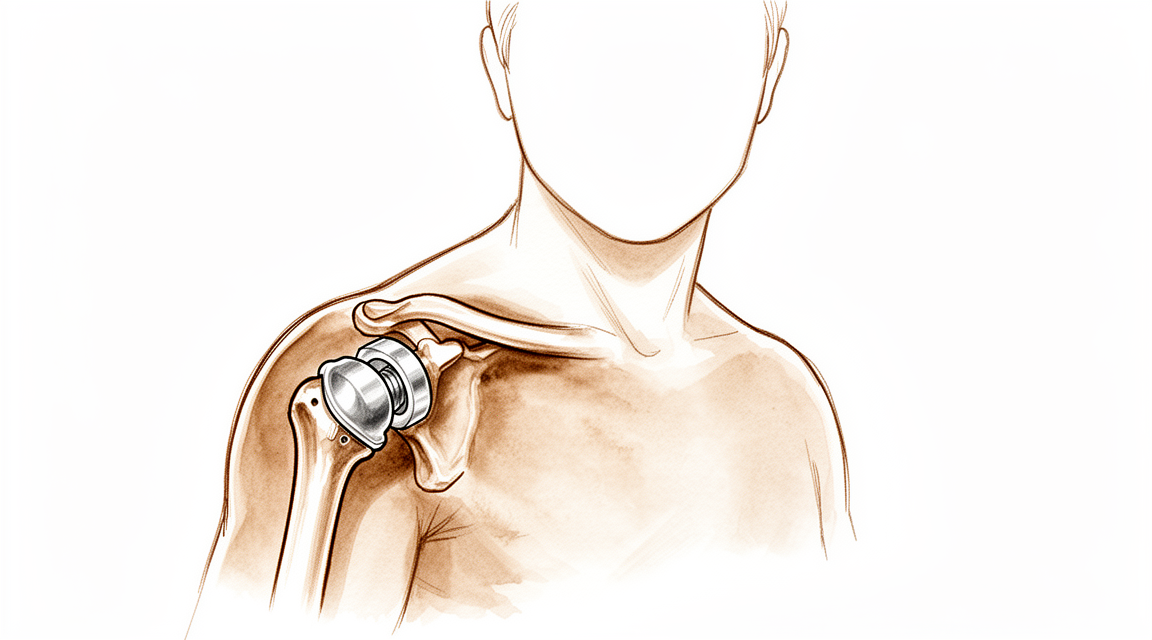
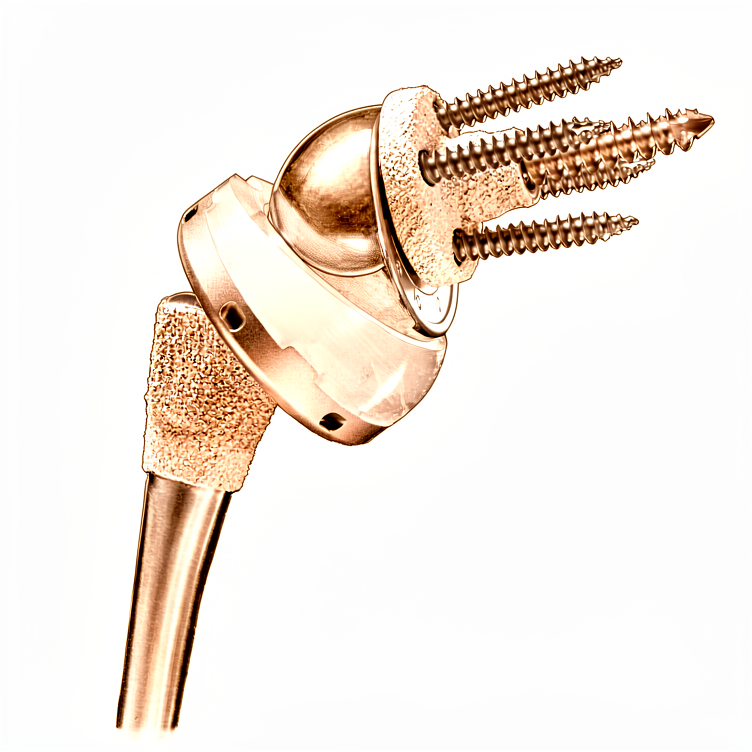
Future research priorities include determining the optimal treatment for chondral pathology to ensure the best long-term outcomes [4] and increasing knowledge of relevant treatment protocols to facilitate European collaboration and guideline development [22]. Additionally, meticulous surgical technique and anatomical knowledge are critical to decreasing the risk of neurovascular injury following shoulder hemiarthroplasty [64].

Anatomy & Pathophysiology

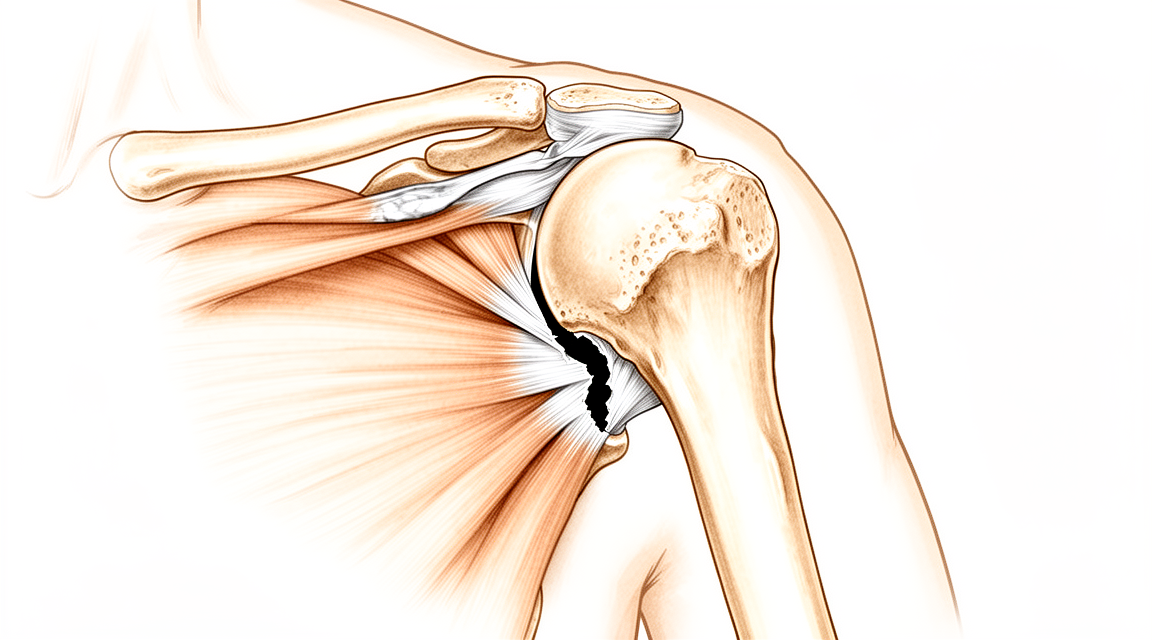
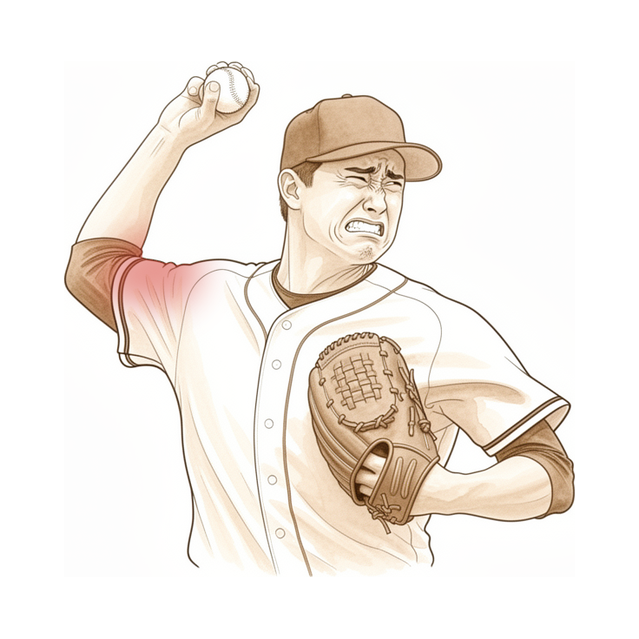
Understanding the thrower's shoulder, including its anatomy, mechanics, pathomechanics, and treatment, remains essential for clinicians and researchers [6]. Scapulothoracic and glenohumeral components of shoulder motion provide more specific diagnostic classification than humerothoracic measures [21]. Quantifying kinematic patterns, such as scapulohumeral rhythm via dynamic digital radiography, offers a novel, safe, and cost-effective method to diagnose pathology and monitor treatment response [55]. Dynamic superior migration of the humeral head during abduction is observed in patients with rotator cuff tears [58].

Capsular Pathophysiology: The pathophysiology of frozen shoulder differs between the upper and lower parts of the joint capsule [28]. In irreparable supraspinatus tears, superior capsular reconstruction restores key biomechanical parameters to intact levels [50], though dynamic models indicate it only partially restores native glenohumeral joint loads [52]. Rotator cuff repair must restore normal capsular anatomy to ensure normal joint biomechanics and positive clinical outcomes [69].

Kinematics and Muscle Dynamics: Shoulder instability results from an imbalance between static and dynamic stabilizers, necessitating a thorough understanding of normal anatomy and variations to differentiate them from pathologic findings [72]. Studies relating anatomic properties, kinematics, and muscle dynamics to subacromial volume aim to identify predominant pathophysiological mechanisms in every subacromial impingement syndrome patient to optimize future strategies [53]. In massive rotator cuff tears, the pectoralis major and latissimus dorsi muscles effectively improve glenohumeral kinematics and reduce acromiohumeral pressures [73]. Latissimus dorsi transfer may restore native glenohumeral kinematics more sufficiently than lower trapezius transfer, potentially leading to improved postoperative functional outcomes [75].

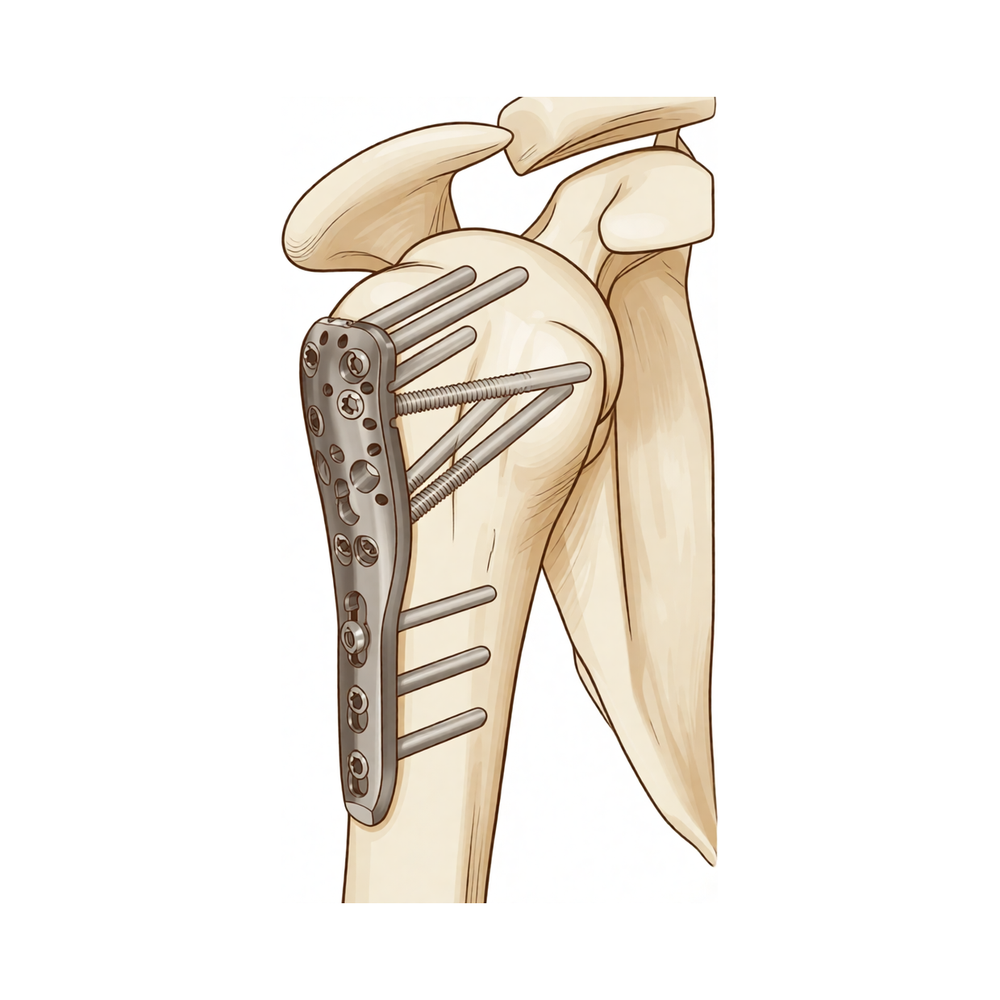
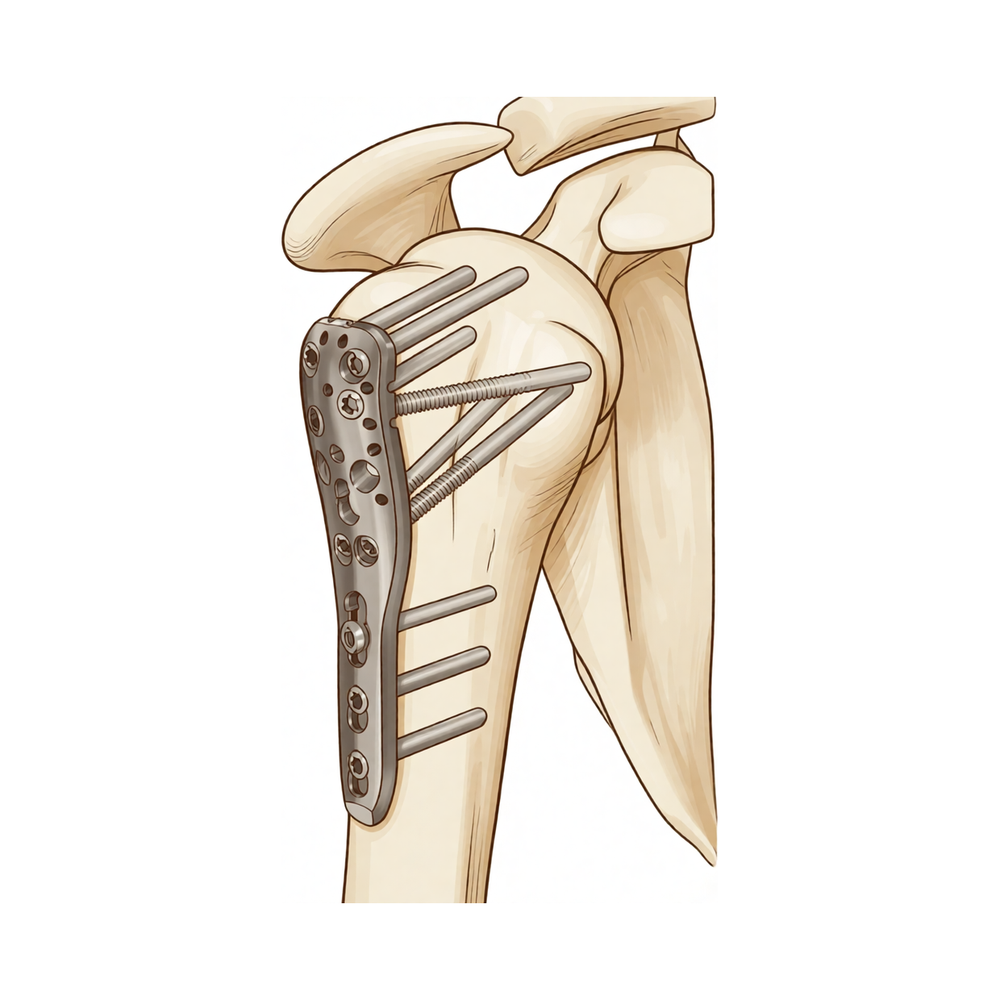
Osseous and Fracture Biomechanics: The construct for three-part humeral head fractures is biomechanically valid, allowing only micromovements incapable of causing humeral head rotation and translation [63]. Greater tuberosity healing does not impact reverse shoulder arthroplasty biomechanics during abduction or forward flexion but does affect biomechanics during external rotation [71]. While new surgical techniques for acromioclavicular separations continue to evolve with emerging biomechanical data and improved kinematic understanding [80], debate persists regarding the optimal strength and stability of subscapularis management techniques, with no consensus on repair technique reached [81].

Assessment and Functional Outcomes: Findings in animal models regarding alterations in shoulder function after rotator cuff tears are consistent with alterations observed in humans with rotator cuff and other shoulder injuries [85]. High-level rock climbing for 30 years is not related to any restriction in shoulder function [87]. Novel 3D volumetric measurement modalities may provide a more accurate preoperative assessment of rotator cuff pathology and global shoulder function [88].

Classification

Coracoid Morphology: A classification system divides coracoids according to their morphology and relative risk of associated subscapularis tears [39].

Rotator Cuff Tears: A comprehensive classification scheme encompassing 97% of all tears facilitates anatomic repair [47].

Partial Subscapularis Tears: A novel classification enables a more detailed and reproducible description of partial subscapularis tendon tears [57].

Spontaneous Shoulder Sepsis: A comprehensive system for classification and management is based on stage and anatomy [51]. Preoperative MRI aids in determining disease severity and surgical decision-making for this condition [51].

Glenohumeral Synovitis: A new scoring system classifies glenohumeral synovitis as seen during arthroscopy with good reliability among a large range of surgeons [60].

Pectoralis Major Tears: A contemporary injury classification system includes injury timing, injury location, and standardized terminology addressing tear extent [59].

Periprosthetic Joint Infection: Distinct differences exist between periprosthetic joint infection classifications for the shoulder that warrant further investigation to determine accurate diagnosis and optimal treatment [62].

Acromial Morphology: The acromial morphology classification system is an unreliable method to assess the acromion [49]. The acromial index shows no association with the presence of rotator cuff disease [49].

Other Considerations: Failure of microfracture for full-thickness articular cartilage injuries of the shoulder occurred in 19% of shoulders [1]. Scapulothoracic and glenohumeral components of shoulder motion are more specific than humerothoracic measures to diagnostic classification in children with brachial plexus birth palsy [21]. Evaluation of range of rotation seems to identify shoulders at risk of pathology in professional male handball players [13]. The pathophysiology of frozen shoulder differs between the upper and lower parts of the joint capsule [28]. The rotator interval is a distinct anatomic entity that plays an important role in affecting the proper function of the glenohumeral joint [66].

Clinical Presentation

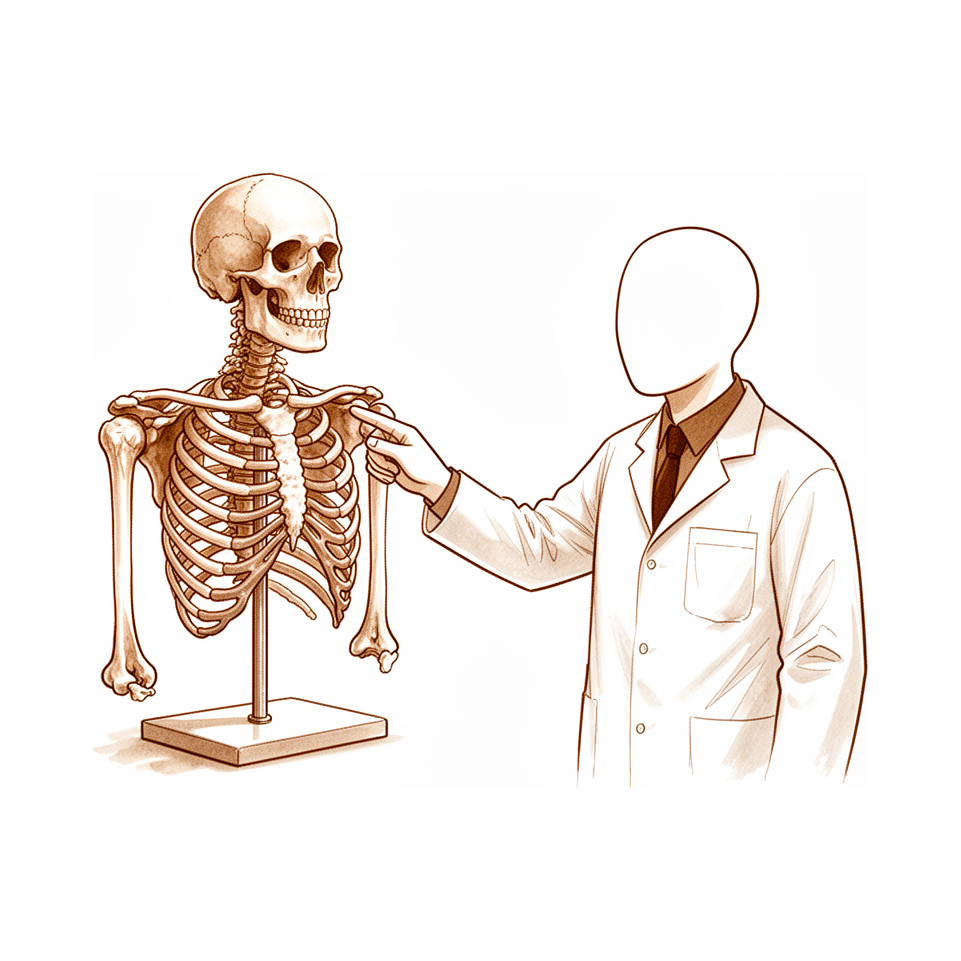
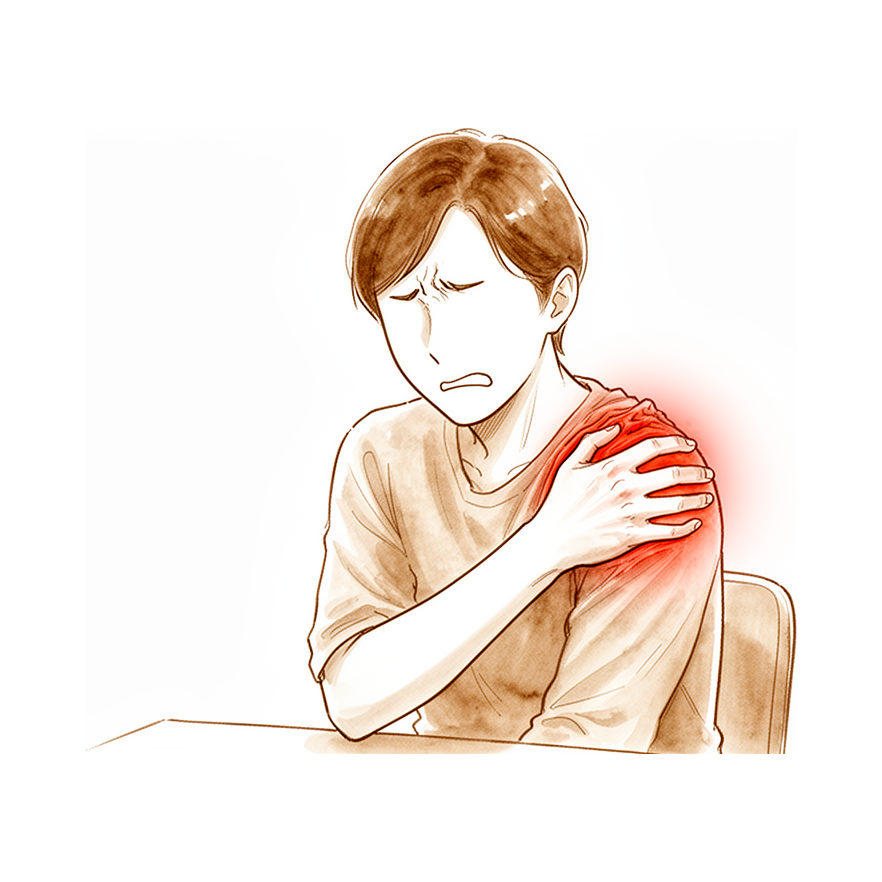
Accurate diagnosis of shoulder pathology requires vigilance in determining the etiology of presenting symptoms to optimize prognosis [5]. While rotator cuff disease, instability, and associated soft-tissue lesions are common, most abnormal MRI findings do not differ in frequency between symptomatic and asymptomatic shoulders in patients with unilateral pain [16]. When a diagnosis remains unclear after thorough history and physical examination, clinicians should utilize the patient's symptom (e.g., 'shoulder pain') as the diagnosis to prevent unwarranted invasive procedures [31, 45]. For patients presenting with disproportionate symptoms and disability, addressing psychological distress and coping strategies is essential rather than relying on surgical intervention [45].

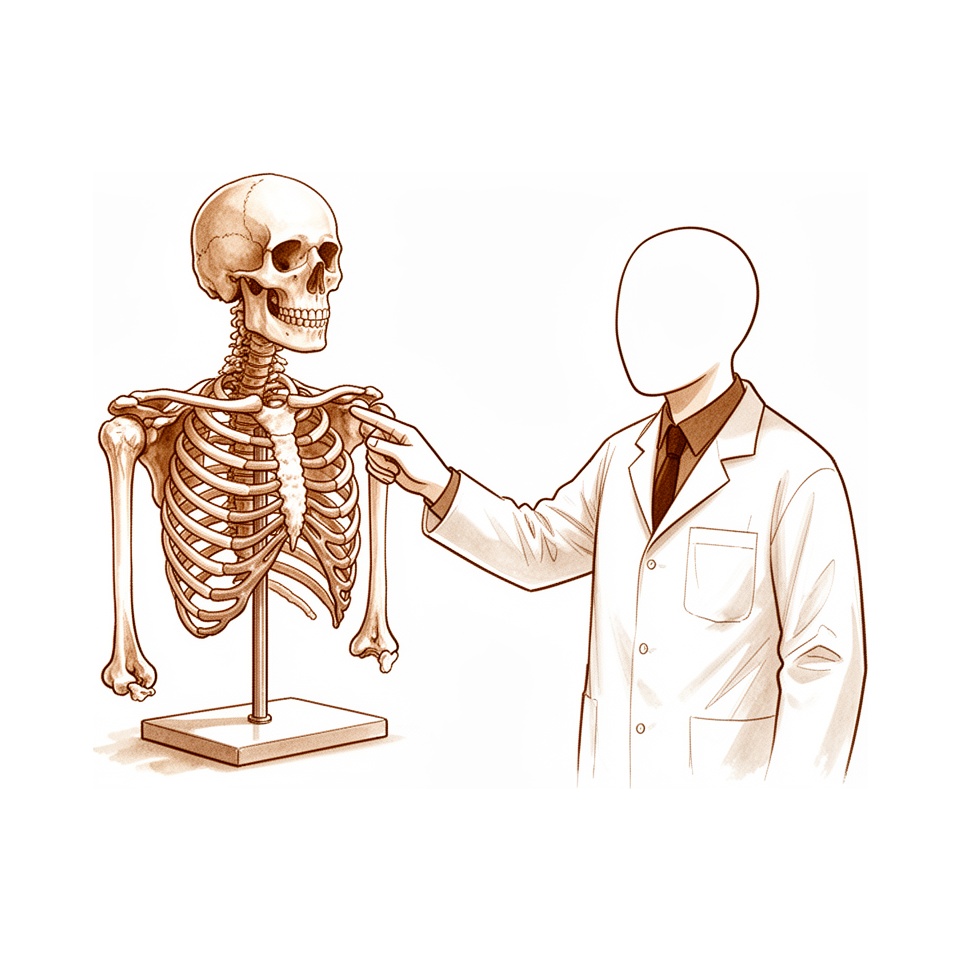
Inspection and palpation must account for specific anatomical variants and rare pathologies. Coracoid impingement is an uncommon cause of anterior shoulder pain, yet precise diagnosis remains difficult due to multifactorial pathologies and a paucity of supporting evidence [30]. An aberrant origin of the long head of the biceps does not appear to contribute to shoulder pathology, as standard treatment of concomitant diagnoses typically resolves symptoms [32]. Disorders of the long head of the biceps tendon, however, can exist with other pathologies and remain a significant source of dysfunction [37]. In cases of recalcitrant shoulder pain, hypoplastic glenoid with hyperplastic labrum should remain in the differential despite the lack of firm associations in single case reports [34].

Range-of-motion evaluation and stability testing provide critical diagnostic data. Evaluation of rotation range identifies shoulders at risk of pathology in professional male handball players [13]. Subjective mechanical symptoms are a common complaint in patients with suspected rotator cuff pathology [35]. Individual clinical shoulder tests possess moderate diagnostic value for diagnosing rotator cuff tears [44]. Scapular dyskinesis is a nonspecific response to dysfunction that should be suspected in injured patients and can be identified and classified via specific physical examination [42]. Internal impingement involves distinct pathomechanics, clinical complaints, physical examination findings, and imaging characteristics [40].

Red-flag patterns and specific injury presentations require distinct management considerations. Glenohumeral injuries are a more common epiphenomenon during acromioclavicular separation than previously ascertained, with a diagnosis rate rising to 57.3% in patients above 35 years [15]. Overall reduction of posterior glenohumeral dislocations is achieved via open means in the majority of shoulders, and delayed diagnosis is common [7]. Complications of shoulder arthroscopy can be minimized through thoughtful consideration of surgical indications, careful patient selection and positioning, and thorough knowledge of shoulder anatomy [2]. Updates on the thrower's shoulder, including anatomy, mechanics, pathomechanics, and treatment, are essential for clinicians treating or investigating the shoulder [6]. Shoulder injuries in athletic children and adolescents are likely to increase with organized sports participation, necessitating a different diagnostic, prognostic, and treatment approach than that needed in adult patients [36].

Investigations

Plain radiography: While dynamic MRI findings have been reported in post-traumatic shoulder stiffness [99], the addition of a lateral scapular radiograph to other orthogonal views does not improve diagnostic accuracy or affect treatment planning in nontraumatic shoulder conditions [98]. Rapidly destructive arthrosis of the shoulder presents with unique radiographic features and is characterized by a specific clinical course involving rapid humeral head collapse [100]. Clinically relevant features of the shoulder joint can be assessed reliably using MR-derived CT-like images and simulated radiographs with image quality equivalent to conventional radiographs [92].

MRI: Shoulder and spine surgeons must accurately diagnose the etiology of presenting shoulder symptoms to ensure proper management and optimize prognosis [5]. MRI scans should not be used for surgical decision-making without assessment of patient history and/or physical examination [11], as most abnormal MRI findings occur with similar frequency in both symptomatic and asymptomatic shoulders [16]. Undisplaced greater tuberosity fractures can be managed non-operatively with good results, yet patients with persistent post-traumatic shoulder pain and limitation of function warrant MRI investigation to identify occult fractures [27]. Preoperative MRI scans interpreted by orthopaedic surgeons using a systematic approach resulted in improved accuracy in diagnosing subscapularis tendon tears compared with previous studies [68], though the diagnostic sensitivity of MRI for subscapularis tears is associated with tear size while physical examination remains independent of tear size [101]. A variety of imaging modalities provide clinically acceptable accuracy in diagnosing and quantifying Hill-Sachs lesions, and these modalities can determine whether such lesions will cause persistent anterior shoulder instability [74]. Magnetic resonance arthrography is an accurate method to assess accompanying lesions in both first-time and recurrent anterior dislocation of the shoulder [89]. MR findings in frozen shoulder should not replace clinical judgments regarding further prognosis and treatment decisions [84], though clinicians can refer to specific MRI features to increase confidence in diagnosing adhesive capsulitis and rule out other confused diagnoses [94]. Physicians should re-examine frozen shoulder patients with repeated plain radiographs and further imaging, especially MRI, if conservative therapy fails [90]. MRI remains the gold standard for fully evaluating the glenohumeral joint in brachial plexus birth palsy [97]. Unenhanced MRI of the shoulder in asymptomatic high-performance throwing athletes reveals abnormalities that may encompass a spectrum of nonclinical findings [96]. The overall prevalence of intra-articular shoulder pathology detected by MRI in asymptomatic elite-level rock climbers is 80%, with 57% demonstrating varying degrees of glenohumeral articular cartilage damage [82]. Orthopaedic surgeons are comfortable reviewing shoulder MRI scans without reading the MRI report prior to surgical decision-making [11], and the accuracies for shoulder MRI in a community setting were not improved by having the MRIs interpreted by selected fellowship-trained musculoskeletal radiologists [93]. Rapidly destructive arthrosis of the shoulder also presents with unique MRI findings [100].

CT: Two-dimensional CT scan technique can be insufficient to evaluate glenoid erosion due to orientation differences, as all type B glenoids showed signs of important erosion [102].

Other Considerations: Physicians should re-examine frozen shoulder patients with repeated plain radiographs and further imaging, especially MRI, if conservative therapy fails [90].

Treatment

Non-Operative

Nonoperative management remains the mainstay for the majority of humeral shaft fractures, with acceptable healing in more than 90% of patients [78]. Undisplaced greater tuberosity fractures can be managed non-operatively with good results, though patients with persistent post-traumatic shoulder pain and limitation of function warrant MRI investigation to identify occult fractures [27]. Over the past decade, most older adults who sustain proximal humerus fractures continue to receive nonoperative treatment [83]. Sixty of 65 shoulders (92.3%) with bony and soft tissue coracoid impingement associated with subscapularis and long head of biceps tendon pathology resolved with conservative treatment [46]. Neuropathic arthropathy of the shoulder should be treated nonoperatively with an emphasis on the maintenance of function rather than immobilization, as synovectomy is not helpful and arthrodesis is contraindicated [70].

Operative

Indications: Surgical intervention is indicated when nonsurgical treatment of atraumatic shoulder stability is not effective, in which case inferior capsular shift is the treatment of choice [86]. Arthroscopic remplissage in addition to classic Bankart repair is appropriate for recurrent anterior shoulder instability with engaging Hill–Sachs lesions [9]. The presence of a posterior glenoid fracture (bony Bankart lesion) does not represent a contraindication to arthroscopic shoulder stabilization [20]. Immediate and durable improvement of shoulder function can be expected with arthroscopic treatment of synovial chondromatosis, though surgical treatment should be performed before irreversible degenerative changes occur [43].

Surgical Approach / Technique: Overall, reduction of posterior glenohumeral dislocations was achieved via open means in the majority of shoulders, and delayed diagnosis is common [7]. Both open and arthroscopic repair of anterosuperior rotator cuff tears with subscapularis involvement significantly improved shoulder function and are relatively safe procedures [12]. Arthroscopic repair of massive posterosuperior rotator cuff tears results in substantial improvements in shoulder function, regardless of the presence of combined subscapularis tears [48]. At a median follow-up of 5 years, 80% (32 of 40) of patients had a good or excellent result after arthroscopic subscapularis tendon repair, and 88% of patients were satisfied with their shoulders [18]. Arthroscopic rotator cuff repair (ARCR) appears to be an effective and safe option to treat the symptoms of rotator cuff tears and to provide successful clinical results durable with time [38]. Improvement in function is observed after resection of shoulder heterotopic ossification (HO) in patients with traumatic brain injury, with an acceptable complication rate [8].

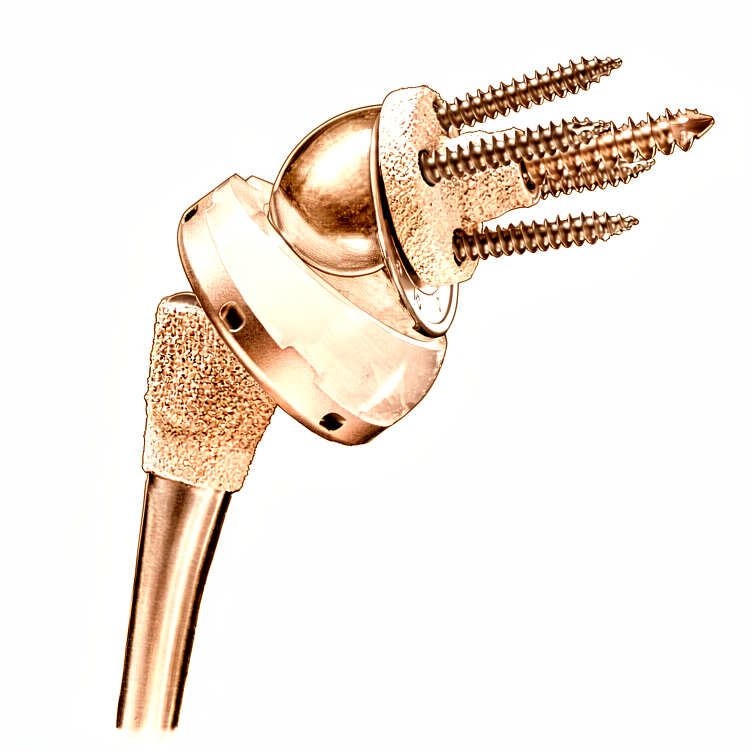
Implant Selection: Evidence for implant selection in the shoulder is limited, as positive clinical outcomes have been demonstrated with various surgical techniques for articular cartilage defects in the glenohumeral joint, particularly in non-weightbearing joints, though evidence for the shoulder specifically is often limited to retrospective case series [29]. Long-term outcomes beyond five years and high-quality comparative or randomized trials are needed to define durability, refine indications, and position long head of the biceps (LHB)-based dynamic anterior stabilization (DAS) within the broader algorithm for anterior shoulder instability management [17]. Few studies are available to accurately establish which bone defects should be treated with bone procedures and the exact percentage of bone loss leading to higher risk of redislocation in clinical settings for glenoid and humeral head bone loss in traumatic anterior glenohumeral instability [79].

Adjuncts: Complications of shoulder arthroscopy can be minimized with thoughtful consideration of surgical indications, careful patient selection and positioning, and a thorough knowledge of shoulder anatomy [2]. Shoulder and spine surgeons should be wary and vigilant of accurately diagnosing the etiology of presenting symptoms to ensure proper management and optimize prognosis [5]. Failure of microfracture for full-thickness articular cartilage injuries of the shoulder occurred in 19% of shoulders [1]. Chondrolysis is a devastating complication of arthroscopic shoulder surgery that can result in long-term disabling consequences [3]. More research is necessary to determine which treatment for chondral pathology in the shoulder provides the best long-term outcomes [4].

Other Considerations: There was no significant difference in clinical outcomes for platelet-rich plasma (PRP) for arthroscopic repair of large to massive rotator cuff tears except for overall shoulder function after 1-year follow-up, though better structural outcomes in the PRP group might suggest improved clinical outcomes at longer term follow-up [10]. Arthroscopic remplissage in addition to classic Bankart repair for recurrent anterior shoulder instability with engaging Hill–Sachs lesions has long-term outcomes regarding recurrence rate and does not significantly influence the range of motion of the shoulder [9]. A survey aimed to increase knowledge about the most relevant treatment protocols for shoulder injuries and diseases to facilitate European collaboration and the development of common guidelines [22]. Data on health care resource utilization in the 2 years prior to total shoulder arthroplasty provide a baseline for understanding current trends regarding nonarthroplasty treatment of shoulder pathology before shoulder replacement [65]. Clinicians should note that elbow tumours present with unexplained and unremitting non-mechanical pain, swelling or fracture, and early specialist referral is recommended [95].

Complications

Chondrolysis: This devastating complication of arthroscopic shoulder surgery can result in long-term disabling consequences [3]. Failure occurred in 19% of shoulders treated with microfracture for full-thickness articular cartilage injuries [1]. At an average follow-up of 5 years, 43% (12 of 28) of shoulders with symptomatic rotator cuff tears showed progressive cartilage thinning [23]. More research is necessary to determine which treatment for chondral pathology in the shoulder provides the best long-term outcomes [4].

Instability: The combination of arthroscopic remplissage and classic Bankart repair for recurrent anterior shoulder instability with engaging Hill–Sachs lesions does not significantly influence the range of motion of the shoulder [9].

Nerve palsy: Most diagnoses of distal peripheral neuropathy after shoulder surgery likely represent previously asymptomatic disease rather than surgical injuries, as the surgery is likely coincidental or merely brings the problem to the patient's attention [76].

Stiffness / Arthrofibrosis: The history of glenohumeral procedures or extensive injuries did not increase the likelihood of losing the ability to reach the belly in patients with shoulder external rotation contracture following neonatal brachial plexus injury [77].

Other Considerations: Complications of shoulder arthroscopy can be minimized with thoughtful consideration of surgical indications, careful patient selection and positioning, and a thorough knowledge of shoulder anatomy [2]. Improvement in function is observed after resection of shoulder heterotopic ossification with an acceptable complication rate [8]. While there was no significant difference in clinical outcomes except overall shoulder function after 1-year follow-up in patients with large to massive rotator cuff tears treated with platelet-rich plasma, better structural outcomes in the PRP group might suggest improved clinical outcomes at longer term follow-up [10]. Humeral complications after reverse shoulder arthroplasty are not rare, increase with longer follow-up, and have a negative impact on functional outcomes [14]. Glenohumeral injuries are a much more common epiphenomenon during acromioclavicular separation than previously ascertained, with a diagnosis rate rising to 57.3% in patients above 35 years [15]. In a small cohort of patients, no difference in clinical and radiographic outcomes at long-term follow-up was documented between arthroscopic and open rotator cuff repair [24]. The short-term clinical outcomes of patients undergoing revision rotator cuff repair were similar to primary rotator cuff repair [25]. Scapular muscle detachment appears to be a clinically identifiable syndrome with a homogeneous set of history and physical findings [67].

Recovery

Light activity (weeks): Specific timelines for light activity such as desk work or driving are not explicitly defined in the provided evidence base; however, patients undergoing arthroscopic subscapularis tendon repair demonstrated good or excellent results at a median follow-up of 5 years [18], and those with healed arthroscopic superior capsule reconstruction achieved high rates of return to recreational sport and work at a 5-year follow-up [54].

Full activity (months): Return to full activity varies by procedure and pathology; patients with healed arthroscopic superior capsule reconstruction showed high rates of return to recreational sport and work at a mean of 5 years [54], while 88% of patients were satisfied with their shoulders after arthroscopic subscapularis tendon repair at a median follow-up of 5 years [18]. In contrast, failure occurred in 19% of shoulders treated with microfracture for full-thickness articular cartilage injuries [1], and 43% of shoulders with symptomatic rotator cuff tears showed progressive cartilage thinning at an average follow-up of 5 years [23].

Complete recovery / outcome plateau (months): Functional outcomes and structural healing often stabilize around the 5-year mark, with 80% of patients achieving good or excellent results after arthroscopic subscapularis tendon repair at a median follow-up of 5 years [18]. However, humeral complications after reverse shoulder arthroplasty are not rare, increase with longer follow-up, and negatively impact functional outcomes [14]. Additionally, a mean persisting enlargement of the glenoid arc of 14% beyond native dimensions remained at a mean of 23 months postoperatively after the arthroscopic Latarjet procedure [103].

Rehabilitation protocol: The evidence does not specify distinct rehabilitation protocols, immobilisation durations, or sling removal timing; however, the combination of arthroscopic remplissage and classic Bankart repair for recurrent anterior shoulder instability with engaging Hill–Sachs lesions does not significantly influence the range of motion of the shoulder [9]. For distal release of deltoid muscle contracture, 47 of 49 shoulders (96%) achieved a good clinical result [105].

Functional milestones: Clinical outcomes for large to massive rotator cuff tears treated with PRP showed no significant difference compared to control groups except for overall shoulder function after 1-year follow-up [10]. Better structural outcomes in the PRP group might suggest improved clinical outcomes at longer term follow-up [10]. Short-term clinical outcomes of patients undergoing revision rotator cuff repair were similar to primary rotator cuff repair [25]. In a small cohort, no difference in clinical and radiographic outcomes at long-term follow-up was documented between arthroscopic and open rotator cuff repair [24].

Other Considerations: Chondrolysis is a devastating complication of arthroscopic shoulder surgery that can result in long-term disabling consequences [3]. More research is necessary to determine which treatment for chondral pathology in the shoulder provides the best long-term outcomes [4]. Overall, reduction of posterior glenohumeral dislocations was achieved via open means in the majority of shoulders, and delayed diagnosis is common [7]. Orthopaedic surgeons are comfortable reviewing shoulder MRI scans without necessarily reading the MRI report prior to a surgical decision [11], yet MRI scans should not be used without assessment of patient history and/or physical examination [11]. The study provides insight into the natural history of rotator cuff disease by comparing morphological characteristics and prevalences in asymptomatic and symptomatic shoulders [19]. The authors agree that osteoarthritic changes may reflect the natural course of the underlying disease and encourage further studies on the natural history of cartilage lesions and osteoarthritis in the shoulder [26]. Stage at initial visit, occurrence of pain, and continuation of peak doses of corticosteroids predicted progression of disease in asymptomatic shoulders with shoulder osteonecrosis related to corticosteroid treatment [91]. In symptomatic shoulders with osteonecrosis related to corticosteroid treatment, extent and location of the lesion were the main risk factors for progression [91]. Flattening and collapse of the humeral head within an average of 4 months of symptom onset are characteristic of rapidly destructive arthropathy of the shoulder joint [106]. Fractures of the proximal humerus follow characteristic patterns [104]. The arthroscopic Latarjet procedure avoided a recurrent 'off-track' lesion in 32% of patients [103].

Key Evidence

  • [L4] Failure occurred in 19% of shoulders. (10.1016/j.arthro.2009.02.009)
  • [L4] Complications can be minimized with thoughtful consideration of surgical indications, careful patient selection and positioning, and a thorough knowledge of shoulder anatomy. (10.5435/jaaos-22-07-410)
  • [L4] Chondrolysis is a devastating complication of arthroscopic shoulder surgery that can result in longterm disabling consequences. (10.1016/j.jse.2008.10.017)
  • [L4] More research is necessary to determine which treatment for chondral pathology in the shoulder provides the best long-term outcomes. (10.1016/j.arthro.2012.03.026)
  • [L5] Shoulder and spine surgeons should be wary and vigilant of accurately diagnosing the etiology of the presenting symptoms to ensure proper management and optimize prognosis. (10.1016/j.xrrt.2024.02.007)
  • [L5] Updates on the thrower's shoulder, including anatomy, mechanics, pathomechanics, and treatment, are essential for clinicians and researchers treating or investigating the shoulder. (10.1016/j.arthro.2022.02.024)
  • [L4] Overall, reduction was achieved via open means in the majority of shoulders, and delayed diagnosis is common. (10.1302/0301-620x.101b1.bjj-2018-0984.r1)
  • [L4] Improvement in function is also observed after resection of shoulder HO with an acceptable complication rate. (10.1016/j.jse.2012.01.028)
  • [L4] This combination has long-term outcomes in terms of the recurrence rate and does not significantly influence the range of motion of the shoulder. (10.1007/s00167-018-5261-3)
  • [L1] While there was no significant difference in clinical outcomes except the overall shoulder function after 1-year follow-up, better structural outcomes in the PRP group might suggest improved clinical outcomes at longer term follow-up. (10.1177/0363546513497925)
  • [L4] Orthopaedic surgeons are comfortable reviewing shoulder MRI scans without necessarily reading the MRI report prior to a surgical decision, but MRI scans should not be used without assessment of patient history and or physical examination. (10.1186/s12891-022-05541-0)
  • [L3] Both techniques significantly improved shoulder function and are relatively safe procedures. (10.1016/j.jse.2019.09.035)
  • [L2] Evaluation of range of rotation seems to identify shoulders at risk of the pathology. (10.1007/s00167-017-4426-9)
  • [L4] Humeral complications after RSA are not rare, increase with longer follow-up, and have a negative impact on functional outcomes. (10.1016/j.jse.2017.11.028)
  • [L4] Glenohumeral injuries are a much more common epiphenomenon during acromioclavicular separation than previously ascertained, with a diagnosis rate rising to 57.3% in patients above 35 years. (10.1186/s12891-017-1803-y)
  • [L3] Most abnormal MRI findings were not different in frequency between symptomatic and asymptomatic shoulders. (10.1016/j.jse.2019.04.001)
  • [L4] Long-term outcomes beyond five years and high-quality comparative or randomized trials are needed to define durability, refine indications, and position LHB-based DAS within the broader algorithm for anterior shoulder instability management. (10.5397/cise.2025.00752)
  • [L4] At a median follow-up of 5 years, 80% (32 of 40) of patients had a good or excellent result after an arthroscopic subscapularis tendon repair, and 88% of patients were satisfied with their shoulders. (10.1016/j.arthro.2008.08.004)
  • [L3] The study provides insight into the natural history of rotator cuff disease by comparing morphological characteristics and prevalences in asymptomatic and symptomatic shoulders. (10.2106/jbjs.e.00835)
  • [L4] By contrast, the presence of a posterior glenoid fracture (bony Bankart lesion) did not represent a contraindication to arthroscopic shoulder stabilization. (10.1177/03635465251403499)
  • [L4] Scapulothoracic and glenohumeral components of shoulder motion are more specific than humerothoracic measures to diagnostic classification. (10.1016/j.jse.2013.06.023)
  • [L4] The survey aims to increase knowledge about the most relevant treatment protocols for shoulder injuries and diseases to facilitate European collaboration and the development of common guidelines. (10.1007/s00167-012-1956-z)
  • [Abstract] At an average follow-up of 5 years, 12 of 28 shoulders (43%) showed progressive cartilage thinning. (10.1016/j.jse.2024.02.010)
  • [L2] In a small cohort of patients, we could not document any difference in clinical and radiographic outcomes at long-term follow-up between arthroscopic and open rotator cuff repair. (10.1016/j.jseint.2020.08.005)
  • [L3] The short term clinical outcomes of patients undergoing revision rotator cuff repair were similar to primary rotator cuff repair. (10.1177/2325967114s00016)
  • [L5] The authors agree that osteoarthritic changes may reflect the natural course of the underlying disease and encourage further studies on the natural history of cartilage lesions and osteoarthritis in the shoulder. (10.1016/j.arthro.2010.11.061)
  • [L4] Undisplaced greater tuberosity fractures can be managed non-operatively with good results, but patients with persistent post-traumatic shoulder pain and limitation of function warrant MRI investigation to identify occult fractures. (10.1186/s12891-018-2225-1)
  • [L5] The pathophysiology of frozen shoulder differs between the upper and lower parts of the joint capsule. (10.1016/j.jse.2018.03.010)
  • [L5] Positive clinical outcomes have been demonstrated with various surgical techniques, particularly in non-weightbearing joints, though evidence for the shoulder specifically is often limited to retrospective case series. (10.5435/jaaos-d-17-00057)
  • [L5] Coracoid impingement is a known yet uncommon cause of anterior shoulder pain, but precise diagnosis remains difficult due to multifactorial pathologies and a paucity of supporting evidence in the literature. (10.1007/s00167-012-2013-7)
  • [Letter] When a patient's diagnosis remains unclear after thorough history and physical examination, it is best to use the patient's symptom (e.g., 'shoulder pain') as the diagnosis to prevent unwarranted invasive procedures. (10.1016/j.jse.2011.10.018)
  • [L4] This variant does not appear to contribute to shoulder pathology because standard treatment of concomitant diagnoses resulted in resolution of symptoms. (10.1016/j.jse.2011.05.006)
  • [Case_report] While no firm associations can be concluded from a single case report, this diagnosis should remain in the differential of recalcitrant shoulder pain. (10.1016/j.jse.2008.07.016)
  • [L2] Subjective mechanical symptoms in the affected shoulder are a common complaint in patients with suspected rotator cuff pathology. (10.1016/j.jse.2024.02.024)
  • [L5] Disorders of the long head of the biceps tendon can exist in conjunction with several other shoulder pathologies and are a significant source of shoulder pain and dysfunction. (10.1016/j.jse.2011.07.016)
  • [L4] ARCR appears to be an effective and safe option to treat the symptoms of rotator cuff tears and to provide successful clinical results durable with time. (10.1007/s00167-014-3234-8)
  • [L3] This study was the first to create a classification system to divide coracoids according to their morphology and relative risk of associated subscapularis tears. (10.1016/j.jse.2020.01.074)
  • [L5] The article reviews the pathomechanics, clinical complaints, physical examination findings, and imaging findings associated with internal impingement, and presents a diagnostic and therapeutic algorithm for the management of this condition. (10.1177/0363546508324966)
  • [L4] Most patients improve in many of the signs of subscapularis insufficiency, including anterior and/or proximal subluxation, clinical examination maneuvers, and shoulder function. (10.1016/j.jse.2020.02.019)
  • [L5] Scapular dyskinesis is a nonspecific response to shoulder dysfunction that should be suspected in patients with shoulder injury and can be identified and classified by specific physical examination. (10.5435/00124635-200303000-00008)
  • [L4] Immediate and durable improvement of shoulder function can be expected, though surgical treatment should be performed before irreversible degenerative changes occur. (10.1016/j.jse.2008.12.003)
  • [L1] Individual clinical shoulder tests had moderate diagnostic value for diagnosing rotator cuff tear. (10.1186/s13018-014-0070-y)
  • [Letter] When diagnosis is unclear, using 'shoulder pain' as the diagnosis may prevent unwarranted invasive procedures; for patients with disproportionate symptoms and disability, addressing psychological distress and coping strategies is essential rather than relying on surgical intervention. (10.1016/j.jse.2011.10.025)
  • [Abstract] Sixty of 65 shoulders (92.3%) resolved with conservative treatment. (10.1016/j.jse.2007.02.025)
  • [L4] A comprehensive rotator cuff tear classification scheme encompassing 97% of all tears was described to facilitate anatomic repair. (10.1016/j.arthro.2007.05.002)
  • [L3] Arthroscopic repair of massive tears results in substantial improvements in shoulder function, regardless of the presence of combined subscapularis tears. (10.1177/0363546515610552)
  • [L3] The acromial morphology classification system is an unreliable method to assess the acromion, and the acromial index shows no association with the presence of rotator cuff disease. (10.1016/j.jse.2011.09.028)
  • [L5] In the setting of an irreparable supraspinatus tear, superior capsular reconstruction restores key biomechanical parameters of the shoulder to intact levels. (10.1016/j.jse.2020.03.007)
  • [L3] The authors propose a comprehensive system for the classification and management of spontaneous shoulder sepsis based on stage and anatomy, noting that preoperative MRI can aid in determining disease severity and surgical decision-making. (10.1016/j.jse.2023.05.019)
  • [L5] In this dynamic shoulder model, SCR only partially restored native glenohumeral joint loads. (10.1016/j.arthro.2023.02.019)
  • [L4] By relating anatomic properties, kinematics and muscle dynamics to subacromial volume, the study expects to identify one or more predominant pathophysiological mechanisms in every SIS patient to optimize future diagnostic and treatment strategies. (10.1186/1471-2474-12-282)
  • [L4] In this 5-year follow-up study, healed arthroscopic superior capsule reconstruction restored shoulder function and resulted in high rates of return to recreational sport and work. (10.2106/jbjs.19.00135)
  • [L4] Quantifying kinematic patterns like SHR using DDR can be implemented as a novel, safe, and cost-effective method to diagnose shoulder pathology and to monitor response to treatment. (10.1016/j.jse.2022.12.023)
  • [L3] The study presents a novel classification for partial subscapularis tendon tears to enable more detailed and reproducible description. (10.1007/s00167-020-05989-4)
  • [L3] This study confirms dynamic superior migration of the humeral head during abduction in patients with rotator cuff tears using in vivo 3D kinematic analysis. (10.1016/j.arthro.2015.08.031)
  • [L4] A contemporary injury classification system is proposed that includes injury timing, injury location, and standardized terminology addressing tear extent to more accurately reflect the musculotendinous morphology of PM injuries and better inform surgical management, rehabilitation, and research. (10.1016/j.jse.2011.04.035)
  • [L4] This study defined a new scoring system for the classification of glenohumeral synovitis as seen during arthroscopy with good reliability among a large range of surgeons. (10.1016/j.jse.2017.06.003)
  • [L4] Glenohumeral chondrolysis is a rare and devastating complication of shoulder arthroscopy that can occur rapidly after routine procedures. (10.1177/0363546503262176)
  • [L4] While the diagnosis of shoulder periprosthetic joint infection has improved with the advent of International Consensus Meeting criteria, there remain distinct differences between periprosthetic joint infection classifications that warrant further investigation to determine the accurate diagnosis and optimal treatment. (10.1177/17585732211019010)
  • [Abstract] The studied construct is biomechanically valid; it only allows micromovements that are not able to cause humeral head rotation and translation. (10.1016/j.jse.2022.01.037)
  • [Case_report] Knowledge of relevant shoulder anatomy and meticulous surgical technique can decrease the chance of occurrence of this grave injury. (10.1016/j.jse.2007.06.019)
  • [L3] These data provide a baseline for understanding current trends regarding nonarthroplasty treatment of shoulder pathology before shoulder replacement. (10.1016/j.jse.2024.11.033)
  • [L5] The rotator interval is a distinct anatomic entity that plays an important role in affecting the proper function of the glenohumeral joint, and understanding of and therapeutic interventions for rotator interval pathology continue to evolve. (10.5435/00124635-200704000-00005)
  • [L4] Scapular muscle detachment appears to be a clinically identifiable syndrome with a homogeneous set of history and physical findings. (10.1016/j.jse.2013.05.008)
  • [L3] Preoperative MRI scans of the shoulder interpreted by orthopaedic surgeons with the described systematic approach resulted in improved accuracy in diagnosing subscapularis tendon tears compared with previous studies. (10.1016/j.arthro.2012.04.142)
  • [L5] They conclude that rotator cuff repair must restore normal capsular anatomy to provide normal biomechanics of the joint and thus a positive clinical outcome. (10.1016/j.arthro.2016.08.011)
  • [L4] Neuropathic arthropathy of the shoulder is a contraindication to arthrodesis and synovectomy is not helpful; the condition should be treated nonoperatively with an emphasis on the maintenance of function rather than immobilization. (10.2106/00004623-199809000-00010)
  • [L5] Greater tuberosity healing does not seem to impact reverse shoulder arthroplasty biomechanics during abduction or forward flexion; however, it does affect biomechanics during external rotation. (10.1016/j.jse.2019.07.022)
  • [L5] Shoulder instability results from an imbalance between static and dynamic stabilizers, and a thorough understanding of normal anatomy and anatomic variations is critical to differentiate them from pathologic findings. (10.1177/03635465000280062501)
  • [L5] In massive rotator cuff tear, the pectoralis major and latissimus dorsi muscles are effective in improving glenohumeral kinematics and reducing acromiohumeral pressures. (10.1016/j.jse.2013.11.030)
  • [L1] The current literature supports a variety of different imaging modalities that provide clinically acceptable accuracy in diagnosing and quantifying Hill-Sachs lesions, as well as determining whether they will cause persistent anterior shoulder instability. (10.1016/j.arthro.2020.08.005)
  • [L5] LTT may restore native glenohumeral kinematics more sufficiently than LDT, potentially leading to improved postoperative functional outcomes. (10.1016/j.jse.2022.05.003)
  • [Letter] Most diagnoses of distal peripheral neuropathy after shoulder surgery likely represent previously asymptomatic disease rather than surgical injuries, as the surgery is likely coincidental or merely brings the problem to the patient's attention. (10.1016/j.jse.2015.03.020)
  • [L2] The history of glenohumeral procedures or extensive injuries did not increase the likelihood of losing the ability to reach the belly. (10.1016/j.jse.2024.03.065)
  • [L5] Nonoperative management with functional bracing remains the mainstay for the majority of humeral shaft fractures, with acceptable healing in more than 90% of patients. (10.1016/j.jse.2010.11.030)
  • [L4] Even though the general principle of recognizing and treating glenoid and humeral bone defects in patients with traumatic anterior glenohumeral instability is widely accepted, few studies are available to date to accurately establish which bone defects should be treated with bone procedures and the exact percentage of bone loss leading to higher risk of redislocation in clinical settings. (10.1007/s00167-013-2403-5)
  • [L5] New surgical techniques continue to evolve as more biomechanical data emerge and kinematic understanding improves. (10.5435/jaaos-d-16-00776)
  • [L4] This symposium provides an overview of subscapularis management techniques and reviews biomechanical studies comparing them, noting that while there is debate regarding optimal strength and stability, consensus on repair technique has not been reached. (10.1177/2471549219848152)
  • [L3] The overall prevalence of intra-articular shoulder pathology detected by MRI in asymptomatic climbers was 80%, with 57% demonstrating varying degrees of glenohumeral articular cartilage damage. (10.1177/23259671211073137)
  • [L4] Over the past decade, most older adults who sustain proximal humerus fractures continue to receive nonoperative treatment. (10.1016/j.jseint.2021.08.006)
  • [L4] MR findings in frozen shoulder should not replace clinical judgments regarding further prognosis and treatment decisions. (10.1007/s00167-015-3887-y)
  • [L1] The findings in this study are consistent with the alterations in shoulder function observed with rotator cuff and other shoulder injuries in the human. (10.1016/j.jse.2008.10.008)
  • [L5] When nonsurgical treatment of atraumatic shoulder stability is not effective, inferior capsular shift is the treatment of choice. (10.5435/00124635-200903000-00002)
  • [L3] However, it is not related to any restriction in shoulder function. (10.1016/j.jse.2020.12.017)
  • [L4] These findings suggest that the novel 3D volumetric measurement modality may provide a more accurate preoperative assessment of RC pathology and global shoulder function. (10.1177/2325967123s00073)
  • [L3] Magnetic resonance arthrography was an accurate method to assess accompanying lesions in first-time and recurrent anterior dislocation of the shoulder. (10.1177/0363546510371607)
  • [L4] Physicians should re-examine frozen shoulder patients with repeated plain radiographs and further imaging, especially MRI, if conservative therapy fails. (10.1016/j.jse.2011.07.026)
  • [L2] Stage at initial visit, occurrence of pain, and continuation of peak doses of corticosteroids predicted progression of disease in asymptomatic shoulders, whereas in the symptomatic shoulders, extent and location of the lesion were the main risk factors for progression. (10.1007/s11999-009-1094-1)
  • [L4] In this proof-of-concept study, clinically relevant features of the shoulder joint were assessed reliably using MR-derived CT-like images and simulated radiographs with an image quality equivalent to conventional radiographs. (10.1186/s12891-022-05076-4)
  • [L1] The accuracies for shoulder MRI in this community setting were not improved by having the MRIs interpreted by selected fellowship trained musculoskeletal radiologists. (10.1016/j.jse.2011.01.003)
  • [L1] Clinicians can refer to these MRI features to increase confidence in diagnosing adhesive capsulitis of the shoulder and rule out other confused diagnoses. (10.1186/s12891-025-08592-1)
  • [L4] Clinicians should note that elbow tumours present with unexplained and unremitting non-mechanical pain, swelling or fracture, and early specialist referral is recommended. (10.1177/1758573215586151)
  • [L4] Unenhanced magnetic resonance imaging of the shoulder in asymptomatic high performance throwing athletes reveals abnormalities that may encompass a spectrum of nonclinical findings. (10.1177/03635465020300012501)
  • [L1] MRI remains the gold standard for fully evaluating the glenohumeral joint. (10.2106/jbjs.15.01116)
  • [L3] The addition of a lateral scapular radiograph in the presence of other orthogonal views does not appear to improve surgeons' diagnostic accuracy or affect their decision-making on the treatment plan in nontraumatic shoulder conditions. (10.1016/j.xrrt.2022.01.001)
  • [L4] This study presents the first case reports of the dynamic MRI findings in patients with post-traumatic shoulder stiffness. (10.1016/j.xrrt.2021.03.005)
  • [L4] Rapidly destructive arthrosis presents with unique radiographic features, MRI findings, and a specific clinical course characterized by rapid humeral head collapse. (10.1016/j.jse.2014.10.020)
  • [L3] The diagnostic sensitivity of MRI is associated with subscapularis tear size, whereas physical examination is independent of tear size. (10.1016/j.arthro.2015.11.019)
  • [L4] All glenoids showed signs of important erosion, and the 2-dimensional CT scan technique can be insufficient to evaluate this erosion due to orientation differences. (10.1016/j.jse.2013.04.009)
  • [L4] At a mean of 23 months postoperatively, a mean persisting enlargement of the glenoid arc of 14% beyond native dimensions remained, avoiding a recurrent 'off-track' lesion in 32% of patients. (10.1177/0363546517728717)
  • [L4] Fractures of the proximal humerus follow characteristic patterns. (10.1016/j.jse.2017.05.014)
  • [L3] Forty-seven (96 per cent) of the forty-nine shoulders had a good clinical result after distal release of the contracture. (10.2106/00004623-199802000-00010)
  • [L4] Flattening and collapse of the humeral head within an average of 4 months of symptom onset are characteristic of RDA of the shoulder. (10.1016/j.jse.2019.04.035)

See Also

References

[1] Outcomes of Full‐Thickness Articular Cartilage Injuries of the Shoulder Treated With Microfracture. Arthroscopy. 2009. DOI: 10.1016/j.arthro.2009.02.009

[2] Complications of Shoulder Arthroscopy. Journal of the American Academy of Orthopaedic Surgeons. 2014. DOI: 10.5435/jaaos-22-07-410

[3] Severe chondrolysis after shoulder arthroscopy: A case series. Journal of Shoulder and Elbow Surgery. 2009. DOI: 10.1016/j.jse.2008.10.017

[4] Operative Treatment of Chondral Defects in the Glenohumeral Joint. Arthroscopy. 2012. DOI: 10.1016/j.arthro.2012.03.026

[5] Untwining the intertwined: a comprehensive review on differentiating pathologies of the shoulder and spine. JSES Reviews, Reports, and Techniques. 2024. DOI: 10.1016/j.xrrt.2024.02.007

[6] Understanding the Disabled Throwing Shoulder Requires Updated Review of Anatomy, Mechanics, Pathomechanics, and Treatment. Arthroscopy: The Journal of Arthroscopic & Related Surgery. 2022. DOI: 10.1016/j.arthro.2022.02.024

[7] The aetiology of posterior glenohumeral dislocations and occurrence of associated injuries. The Bone & Joint Journal. 2019. DOI: 10.1302/0301-620x.101b1.bjj-2018-0984.r1

[8] Heterotopic ossification of the shoulder in patients with traumatic brain injury. Journal of Shoulder and Elbow Surgery. 2013. DOI: 10.1016/j.jse.2012.01.028

[9] Long‐term outcome of arthroscopic remplissage in addition to the classic Bankart repair for the management of recurrent anterior shoulder instability with engaging Hill–Sachs lesions. Knee Surgery, Sports Traumatology, Arthroscopy. 2018. DOI: 10.1007/s00167-018-5261-3

[10] Platelet-Rich Plasma for Arthroscopic Repair of Large to Massive Rotator Cuff Tears. The American Journal of Sports Medicine. 2013. DOI: 10.1177/0363546513497925

[11] Utilization of MRI in surgical decision making in the shoulder. BMC Musculoskeletal Disorders. 2022. DOI: 10.1186/s12891-022-05541-0

[12] Retrospective review of open and arthroscopic repair of anterosuperior rotator cuff tears with subscapularis involvement: a single surgeon's experience. Journal of Shoulder and Elbow Surgery. 2020. DOI: 10.1016/j.jse.2019.09.035

[13] Rotational glenohumeral adaptations are associated with shoulder pathology in professional male handball players. Knee Surgery, Sports Traumatology, Arthroscopy. 2017. DOI: 10.1007/s00167-017-4426-9

[14] Long-term humeral complications after Grammont-style reverse shoulder arthroplasty. Journal of Shoulder and Elbow Surgery. 2018. DOI: 10.1016/j.jse.2017.11.028

[15] Concomitant glenohumeral pathologies in high-grade acromioclavicular separation (type III – V). BMC Musculoskeletal Disorders. 2017. DOI: 10.1186/s12891-017-1803-y

[16] Bilateral magnetic resonance imaging findings in individuals with unilateral shoulder pain. Journal of Shoulder and Elbow Surgery. 2019. DOI: 10.1016/j.jse.2019.04.001

[17] A comprehensive review of dynamic anterior stabilization of the long head of the biceps. Clinics in Shoulder and Elbow. 2026. DOI: 10.5397/cise.2025.00752

[18] The Results of Arthroscopic Subscapularis Tendon Repairs. Arthroscopy. 2008. DOI: 10.1016/j.arthro.2008.08.004

[19] The Demographic and Morphological Features of Rotator Cuff Disease. The Journal of Bone & Joint Surgery. 2006. DOI: 10.2106/jbjs.e.00835

[20] Arthroscopic Posterior Bankart Repair: Risk Factors for Recurrence of Instability. The American Journal of Sports Medicine. 2026. DOI: 10.1177/03635465251403499

[21] Scapulothoracic and glenohumeral contributions to motion in children with brachial plexus birth palsy. Journal of Shoulder and Elbow Surgery. 2014. DOI: 10.1016/j.jse.2013.06.023

[22] What is the current practice in Europe when difficult shoulder injuries are treated?. Knee Surgery, Sports Traumatology, Arthroscopy. 2012. DOI: 10.1007/s00167-012-1956-z

[23] Articular cartilage changes in patients with symptomatic rotator cuff tears: A prospective study with a mean 5-year follow-up. Journal of Shoulder and Elbow Surgery. 2024. DOI: 10.1016/j.jse.2024.02.010

[24] No difference in long-term outcome between open and arthroscopic rotator cuff repair: a prospective, randomized study. JSES International. 2020. DOI: 10.1016/j.jseint.2020.08.005

[25] Primary Versus Revision Arthroscopic Rotator Cuff Repair - An Analysis In 350 Consecutive Patients. Orthopaedic Journal of Sports Medicine. 2014. DOI: 10.1177/2325967114s00016

[26] Comments on Glenohumeral Joint Preservation. Arthroscopy. 2011. DOI: 10.1016/j.arthro.2010.11.061

[27] Missed fractures of the greater tuberosity. BMC Musculoskeletal Disorders. 2018. DOI: 10.1186/s12891-018-2225-1

[28] Comparative proteome analysis of the capsule from patients with frozen shoulder. Journal of Shoulder and Elbow Surgery. 2018. DOI: 10.1016/j.jse.2018.03.010

[29] Management of Articular Cartilage Defects in the Glenohumeral Joint. Journal of the American Academy of Orthopaedic Surgeons. 2018. DOI: 10.5435/jaaos-d-17-00057

[30] Coracoid impingement: current concepts. Knee Surgery, Sports Traumatology, Arthroscopy. 2012. DOI: 10.1007/s00167-012-2013-7

[31] Regarding the “Editor's Note”. Journal of Shoulder and Elbow Surgery. 2012. DOI: 10.1016/j.jse.2011.10.018

[32] Aberrant origin of the long head of the biceps: a case series. Journal of Shoulder and Elbow Surgery. 2012. DOI: 10.1016/j.jse.2011.05.006

[33] Chapter 24 Shoulder Instability, Rotator Cuff Disorders, Muscular Ruptures, Adhesive Capsulitis, Calcific Tendinitis. 2020.

[34] Hypoplastic glenoid with hyperplastic labrum: A case report. Journal of Shoulder and Elbow Surgery. 2009. DOI: 10.1016/j.jse.2008.07.016

[35] The significance of subjective mechanical symptoms in rotator cuff pathology. Journal of Shoulder and Elbow Surgery. 2024. DOI: 10.1016/j.jse.2024.02.024

[36] Chapter 52 Shoulder Injuries. 2020.

[37] Disorders of the long head of biceps tendon. Journal of Shoulder and Elbow Surgery. 2012. DOI: 10.1016/j.jse.2011.07.016

[38] Long‐term outcome after arthroscopic rotator cuff treatment. Knee Surgery, Sports Traumatology, Arthroscopy. 2014. DOI: 10.1007/s00167-014-3234-8

[39] Coracoid morphology and humeral version as risk factors for subscapularis tears. Journal of Shoulder and Elbow Surgery. 2020. DOI: 10.1016/j.jse.2020.01.074

[40] Internal Impingement of the Shoulder. The American Journal of Sports Medicine. 2008. DOI: 10.1177/0363546508324966

[41] Latissimus dorsi transfer for irreparable subscapularis tear. Journal of Shoulder and Elbow Surgery. 2020. DOI: 10.1016/j.jse.2020.02.019

[42] Scapular Dyskinesis and Its Relation to Shoulder Pain. Journal of the American Academy of Orthopaedic Surgeons. 2003. DOI: 10.5435/00124635-200303000-00008

[43] Arthroscopic treatment of synovial chondromatosis of the shoulder: Report of three patients. Journal of Shoulder and Elbow Surgery. 2009. DOI: 10.1016/j.jse.2008.12.003

[44] The diagnostic value of the combination of patient characteristics, history, and clinical shoulder tests for the diagnosis of rotator cuff tear. Journal of Orthopaedic Surgery and Research. 2014. DOI: 10.1186/s13018-014-0070-y

[45] Regarding the “Editor’s Note”. Journal of Shoulder and Elbow Surgery. 2012. DOI: 10.1016/j.jse.2011.10.025

[46] Bony And Soft Tissue Coracoid Impingement Associated With Subscapularis And Long Head Of Biceps Tendon Pathology. Journal of Shoulder and Elbow Surgery. 2007. DOI: 10.1016/j.jse.2007.02.025

[47] Frequency of Various Tear Patterns in Full‐Thickness Tears of the Rotator Cuff. Arthroscopy. 2007. DOI: 10.1016/j.arthro.2007.05.002

[48] Combined Subscapularis Tears in Massive Posterosuperior Rotator Cuff Tears. The American Journal of Sports Medicine. 2015. DOI: 10.1177/0363546515610552

[49] Relationship of radiographic acromial characteristics and rotator cuff disease: a prospective investigation of clinical, radiographic, and sonographic findings. Journal of Shoulder and Elbow Surgery. 2012. DOI: 10.1016/j.jse.2011.09.028

[50] Biomechanical effects of superior capsular reconstruction in a rotator cuff–deficient shoulder: a cadaveric study. Journal of Shoulder and Elbow Surgery. 2020. DOI: 10.1016/j.jse.2020.03.007

[51] The evaluation, classification, and management of septic arthritis of the shoulder: the comprehensive shoulder sepsis system. Journal of Shoulder and Elbow Surgery. 2023. DOI: 10.1016/j.jse.2023.05.019

[52] Superior Capsular Reconstruction Partially Restores Native Glenohumeral Joint Loads in a Dynamic Biomechanical Shoulder Model. Arthroscopy. 2023. DOI: 10.1016/j.arthro.2023.02.019

[53] Study protocol subacromial impingement syndrome: the identification of pathophysiologic mechanisms (SISTIM). BMC Musculoskeletal Disorders. 2011. DOI: 10.1186/1471-2474-12-282

[54] Five-Year Follow-up of Arthroscopic Superior Capsule Reconstruction for Irreparable Rotator Cuff Tears. Journal of Bone and Joint Surgery. 2019. DOI: 10.2106/jbjs.19.00135

[55] Variation in scapulohumeral rhythm on dynamic radiography in pathologic shoulders: a novel diagnostic tool. Journal of Shoulder and Elbow Surgery. 2023. DOI: 10.1016/j.jse.2022.12.023

[57] A classification for partial subscapularis tendon tears. Knee Surgery, Sports Traumatology, Arthroscopy. 2020. DOI: 10.1007/s00167-020-05989-4

[58] Alterations in Glenohumeral Kinematics in Patients With Rotator Cuff Tears Measured With Biplane Fluoroscopy. Arthroscopy. 2015. DOI: 10.1016/j.arthro.2015.08.031

[59] A systematic review and comprehensive classification of pectoralis major tears. Journal of Shoulder and Elbow Surgery. 2012. DOI: 10.1016/j.jse.2011.04.035

[60] Classifying glenohumeral synovitis: a novel intraoperative scoring system. Journal of Shoulder and Elbow Surgery. 2017. DOI: 10.1016/j.jse.2017.06.003

[61] Glenohumeral Chondrolysis after Shoulder Arthroscopy. The American Journal of Sports Medicine. 2004. DOI: 10.1177/0363546503262176

[62] Periprosthetic joint infections of the shoulder: A 10-year retrospective analysis outlining the heterogeneity among these patients. Shoulder & Elbow. 2021. DOI: 10.1177/17585732211019010

[63] Three-Part Humeral Head Fractures Treated With A Definite Construct Of Blocked Threaded Wires: Finite Element And Parametric Optimization Analysis. Journal of Shoulder and Elbow Surgery. 2022. DOI: 10.1016/j.jse.2022.01.037

[64] Neurovascular injury after shoulder hemiarthroplasty: A case report and review of the literature. Journal of Shoulder and Elbow Surgery. 2008. DOI: 10.1016/j.jse.2007.06.019

[65] Health care resource utilization in the 2 years prior to total shoulder arthroplasty. Journal of Shoulder and Elbow Surgery. 2025. DOI: 10.1016/j.jse.2024.11.033

[66] The Rotator Interval: Anatomy, Pathology, and Strategies for Treatment. Journal of the American Academy of Orthopaedic Surgeons. 2007. DOI: 10.5435/00124635-200704000-00005

[67] Medial scapular muscle detachment: clinical presentation and surgical treatment. Journal of Shoulder and Elbow Surgery. 2014. DOI: 10.1016/j.jse.2013.05.008

[68] A Systematic Approach for Diagnosing Subscapularis Tendon Tears With Preoperative Magnetic Resonance Imaging Scans. Arthroscopy. 2012. DOI: 10.1016/j.arthro.2012.04.142

[69] The Rotator Cuff and the Superior Capsule: Why We Need Both. Arthroscopy. 2016. DOI: 10.1016/j.arthro.2016.08.011

[70] Neuropathic Arthropathy of the Shoulder. The Journal of Bone & Joint Surgery*. 1998. DOI: 10.2106/00004623-199809000-00010

[71] The role of greater tuberosity healing in reverse shoulder arthroplasty: a finite element analysis. Journal of Shoulder and Elbow Surgery. 2020. DOI: 10.1016/j.jse.2019.07.022

[72] The Pathophysiology of Shoulder Instability. The American Journal of Sports Medicine. 2000. DOI: 10.1177/03635465000280062501

[73] The role of pectoralis major and latissimus dorsi muscles in a biomechanical model of massive rotator cuff tear. Journal of Shoulder and Elbow Surgery. 2014. DOI: 10.1016/j.jse.2013.11.030

[74] Accuracy and Reliability of Imaging Modalities for the Diagnosis and Quantification of Hill‐Sachs Lesions: A Systematic Review. Arthroscopy. 2020. DOI: 10.1016/j.arthro.2020.08.005

[75] Biomechanical comparison of lower trapezius and latissimus dorsi transfer for irreparable posterosuperior rotator cuff tears using a dynamic shoulder model. Journal of Shoulder and Elbow Surgery. 2022. DOI: 10.1016/j.jse.2022.05.003

[76] Regarding “Distal peripheral neuropathy after open and arthroscopic shoulder surgery: an under-recognized complication”. Journal of Shoulder and Elbow Surgery. 2015. DOI: 10.1016/j.jse.2015.03.020

[77] Shoulder external rotation contracture following neonatal brachial plexus injury. Journal of Shoulder and Elbow Surgery. 2025. DOI: 10.1016/j.jse.2024.03.065

[78] Humeral shaft fractures: a review. Journal of Shoulder and Elbow Surgery. 2011. DOI: 10.1016/j.jse.2010.11.030

[79] Glenoid and humeral head bone loss in traumatic anterior glenohumeral instability: a systematic review. Knee Surgery, Sports Traumatology, Arthroscopy. 2013. DOI: 10.1007/s00167-013-2403-5

[80] Challenges in Treating Acromioclavicular Separations: Current Concepts. Journal of the American Academy of Orthopaedic Surgeons. 2018. DOI: 10.5435/jaaos-d-16-00776

[81] Comparison of Subscapularis Management and Repair Techniques. Journal of Shoulder and Elbow Arthroplasty. 2019. DOI: 10.1177/2471549219848152

[82] Shoulder Pathology on Magnetic Resonance Imaging in Asymptomatic Elite-Level Rock Climbers. Orthopaedic Journal of Sports Medicine. 2022. DOI: 10.1177/23259671211073137

[83] Trending a decade of proximal humerus fracture management in older adults. JSES International. 2022. DOI: 10.1016/j.jseint.2021.08.006

[84] Correlations of magnetic resonance imaging findings with clinical symptom severity and prognosis of frozen shoulder. Knee Surgery, Sports Traumatology, Arthroscopy. 2015. DOI: 10.1007/s00167-015-3887-y

[85] Alterations in function after rotator cuff tears in an animal model. Journal of Shoulder and Elbow Surgery. 2009. DOI: 10.1016/j.jse.2008.10.008

[86] Complex Shoulder Disorders: Evaluation and Treatment. Journal of the American Academy of Orthopaedic Surgeons. 2009. DOI: 10.5435/00124635-200903000-00002

[87] Impact of 30 years’ high-level rock climbing on the shoulder: an magnetic resonance imaging study of 31 climbers. Journal of Shoulder and Elbow Surgery. 2021. DOI: 10.1016/j.jse.2020.12.017

[88] Paper 48: Association of 3D MRI Volumetric Assessment of Rotator Cuff Pathology with Preoperative Patient Reported Outcomes. Orthopaedic Journal of Sports Medicine. 2023. DOI: 10.1177/2325967123s00073

[89] Prevalence Comparison of Accompanying Lesions between Primary and Recurrent Anterior Dislocation in the Shoulder. The American Journal of Sports Medicine. 2010. DOI: 10.1177/0363546510371607

[90] Glenohumeral joint tuberculosis that mimics frozen shoulder: a retrospective analysis. Journal of Shoulder and Elbow Surgery. 2012. DOI: 10.1016/j.jse.2011.07.026

[91] The Natural Progression of Shoulder Osteonecrosis Related to Corticosteroid Treatment. Clinical Orthopaedics & Related Research. 2010. DOI: 10.1007/s11999-009-1094-1

[92] Evaluation of MR-derived simulated CT-like images and simulated radiographs compared to conventional radiography in patients with shoulder pain: a proof-of-concept study. BMC Musculoskeletal Disorders. 2022. DOI: 10.1186/s12891-022-05076-4

[93] Shoulder MRI accuracy in the community setting. Journal of Shoulder and Elbow Surgery. 2011. DOI: 10.1016/j.jse.2011.01.003

[94] Magnetic resonance imaging features for diagnosing adhesive capsulitis of the shoulder: a systematic review and meta-analysis. BMC Musculoskeletal Disorders. 2025. DOI: 10.1186/s12891-025-08592-1

[95] Primary osseous tumours of the elbow: 60 years of registry experience. Shoulder & Elbow. 2015. DOI: 10.1177/1758573215586151

[96] Magnetic Resonance Imaging of the Shoulder in Asymptomatic Professional Baseball Pitchers. The American Journal of Sports Medicine. 2002. DOI: 10.1177/03635465020300012501

[97] Comparison of Ultrasound and MRI for the Diagnosis of Glenohumeral Dysplasia in Brachial Plexus Birth Palsy. Journal of Bone and Joint Surgery. 2017. DOI: 10.2106/jbjs.15.01116

[98] Utility of lateral scapular radiographs in initial evaluation of nontraumatic shoulder conditions. JSES Reviews, Reports, and Techniques. 2022. DOI: 10.1016/j.xrrt.2022.01.001

[99] Characteristics of post-traumatic shoulder stiffness on dynamic magnetic resonance imaging: preliminary case reports. JSES Reviews, Reports, and Techniques. 2021. DOI: 10.1016/j.xrrt.2021.03.005

[100] Rapidly destructive arthrosis of the shoulder joints: radiographic, magnetic resonance imaging, and histopathologic findings. Journal of Shoulder and Elbow Surgery. 2015. DOI: 10.1016/j.jse.2014.10.020

[101] Clinical, Radiographic, and Surgical Presentation of Subscapularis Tendon Tears: A Retrospective Analysis of 139 Patients. Arthroscopy. 2016. DOI: 10.1016/j.arthro.2015.11.019

[102] Three-dimensional computed tomography scan evaluation of the pattern of erosion in type B glenoids. Journal of Shoulder and Elbow Surgery. 2014. DOI: 10.1016/j.jse.2013.04.009

[103] Does the Arthroscopic Latarjet Procedure Effectively Correct “Off-Track” Hill-Sachs Lesions?. The American Journal of Sports Medicine. 2017. DOI: 10.1177/0363546517728717

[104] Fracture line morphology of complex proximal humeral fractures. Journal of Shoulder and Elbow Surgery. 2017. DOI: 10.1016/j.jse.2017.05.014

[105] Contracture of the Deltoid Muscle. The Journal of Bone and Joint Surgery (American Volume). 1998. DOI: 10.2106/00004623-199802000-00010

[106] Rapidly destructive arthropathy of shoulder joint. Journal of Shoulder and Elbow Surgery. 2019. DOI: 10.1016/j.jse.2019.04.035

Creative Commons BY-NC 4.0

CC Creative Commons licence
BY Attribution — you must credit the source
NC NonCommercial — not for commercial use

Attribution-NonCommercial 4.0 International


Creative Commons Corporation ("Creative Commons") is not a law firm and does not provide legal services or legal advice. Distribution of Creative Commons public licenses does not create a lawyer-client or other relationship. Creative Commons makes its licenses and related information available on an "as-is" basis. Creative Commons gives no warranties regarding its licenses, any material licensed under their terms and conditions, or any related information. Creative Commons disclaims all liability for damages resulting from their use to the fullest extent possible.

Using Creative Commons Public Licenses

Creative Commons public licenses provide a standard set of terms and conditions that creators and other rights holders may use to share original works of authorship and other material subject to copyright and certain other rights specified in the public license below. The following considerations are for informational purposes only, are not exhaustive, and do not form part of our licenses.

Considerations for licensors: Our public licenses are intended for use by those authorized to give the public permission to use material in ways otherwise restricted by copyright and certain other rights. Our licenses are irrevocable. Licensors should read and understand the terms and conditions of the license they choose before applying it. Licensors should also secure all rights necessary before applying our licenses so that the public can reuse the material as expected. Licensors should clearly mark any material not subject to the license. This includes other CC- licensed material, or material used under an exception or limitation to copyright. More considerations for licensors: wiki.creativecommons.org/Considerations_for_licensors

Considerations for the public: By using one of our public licenses, a licensor grants the public permission to use the licensed material under specified terms and conditions. If the licensor's permission is not necessary for any reason--for example, because of any applicable exception or limitation to copyright--then that use is not regulated by the license. Our licenses grant only permissions under copyright and certain other rights that a licensor has authority to grant. Use of the licensed material may still be restricted for other reasons, including because others have copyright or other rights in the material. A licensor may make special requests, such as asking that all changes be marked or described. Although not required by our licenses, you are encouraged to respect those requests where reasonable. More considerations for the public: wiki.creativecommons.org/Considerations_for_licensees


Creative Commons Attribution-NonCommercial 4.0 International Public License

By exercising the Licensed Rights (defined below), You accept and agree to be bound by the terms and conditions of this Creative Commons Attribution-NonCommercial 4.0 International Public License ("Public License"). To the extent this Public License may be interpreted as a contract, You are granted the Licensed Rights in consideration of Your acceptance of these terms and conditions, and the Licensor grants You such rights in consideration of benefits the Licensor receives from making the Licensed Material available under these terms and conditions.

Section 1 -- Definitions.

a. Adapted Material means material subject to Copyright and Similar Rights that is derived from or based upon the Licensed Material and in which the Licensed Material is translated, altered, arranged, transformed, or otherwise modified in a manner requiring permission under the Copyright and Similar Rights held by the Licensor. For purposes of this Public License, where the Licensed Material is a musical work, performance, or sound recording, Adapted Material is always produced where the Licensed Material is synched in timed relation with a moving image.

b. Adapter's License means the license You apply to Your Copyright and Similar Rights in Your contributions to Adapted Material in accordance with the terms and conditions of this Public License.

c. Copyright and Similar Rights means copyright and/or similar rights closely related to copyright including, without limitation, performance, broadcast, sound recording, and Sui Generis Database Rights, without regard to how the rights are labeled or categorized. For purposes of this Public License, the rights specified in Section 2(b)(1)-(2) are not Copyright and Similar Rights.

d. Effective Technological Measures means those measures that, in the absence of proper authority, may not be circumvented under laws fulfilling obligations under Article 11 of the WIPO Copyright Treaty adopted on December 20, 1996, and/or similar international agreements.

e. Exceptions and Limitations means fair use, fair dealing, and/or any other exception or limitation to Copyright and Similar Rights that applies to Your use of the Licensed Material.

f. Licensed Material means the artistic or literary work, database, or other material to which the Licensor applied this Public License.

g. Licensed Rights means the rights granted to You subject to the terms and conditions of this Public License, which are limited to all Copyright and Similar Rights that apply to Your use of the Licensed Material and that the Licensor has authority to license.

h. Licensor means the individual(s) or entity(ies) granting rights under this Public License.

i. NonCommercial means not primarily intended for or directed towards commercial advantage or monetary compensation. For purposes of this Public License, the exchange of the Licensed Material for other material subject to Copyright and Similar Rights by digital file-sharing or similar means is NonCommercial provided there is no payment of monetary compensation in connection with the exchange.

j. Share means to provide material to the public by any means or process that requires permission under the Licensed Rights, such as reproduction, public display, public performance, distribution, dissemination, communication, or importation, and to make material available to the public including in ways that members of the public may access the material from a place and at a time individually chosen by them.

k. Sui Generis Database Rights means rights other than copyright resulting from Directive 96/9/EC of the European Parliament and of the Council of 11 March 1996 on the legal protection of databases, as amended and/or succeeded, as well as other essentially equivalent rights anywhere in the world.

l. You means the individual or entity exercising the Licensed Rights under this Public License. Your has a corresponding meaning.

Section 2 -- Scope.

a. License grant.

1. Subject to the terms and conditions of this Public License, the Licensor hereby grants You a worldwide, royalty-free, non-sublicensable, non-exclusive, irrevocable license to exercise the Licensed Rights in the Licensed Material to:

a. reproduce and Share the Licensed Material, in whole or in part, for NonCommercial purposes only; and

b. produce, reproduce, and Share Adapted Material for NonCommercial purposes only.

2. Exceptions and Limitations. For the avoidance of doubt, where Exceptions and Limitations apply to Your use, this Public License does not apply, and You do not need to comply with its terms and conditions.

3. Term. The term of this Public License is specified in Section 6(a).

4. Media and formats; technical modifications allowed. The Licensor authorizes You to exercise the Licensed Rights in all media and formats whether now known or hereafter created, and to make technical modifications necessary to do so. The Licensor waives and/or agrees not to assert any right or authority to forbid You from making technical modifications necessary to exercise the Licensed Rights, including technical modifications necessary to circumvent Effective Technological Measures. For purposes of this Public License, simply making modifications authorized by this Section 2(a) (4) never produces Adapted Material.

5. Downstream recipients.

a. Offer from the Licensor -- Licensed Material. Every recipient of the Licensed Material automatically receives an offer from the Licensor to exercise the Licensed Rights under the terms and conditions of this Public License.

b. No downstream restrictions. You may not offer or impose any additional or different terms or conditions on, or apply any Effective Technological Measures to, the Licensed Material if doing so restricts exercise of the Licensed Rights by any recipient of the Licensed Material.

6. No endorsement. Nothing in this Public License constitutes or may be construed as permission to assert or imply that You are, or that Your use of the Licensed Material is, connected with, or sponsored, endorsed, or granted official status by, the Licensor or others designated to receive attribution as provided in Section 3(a)(1)(A)(i).

b. Other rights.

1. Moral rights, such as the right of integrity, are not licensed under this Public License, nor are publicity, privacy, and/or other similar personality rights; however, to the extent possible, the Licensor waives and/or agrees not to assert any such rights held by the Licensor to the limited extent necessary to allow You to exercise the Licensed Rights, but not otherwise.

2. Patent and trademark rights are not licensed under this Public License.

3. To the extent possible, the Licensor waives any right to collect royalties from You for the exercise of the Licensed Rights, whether directly or through a collecting society under any voluntary or waivable statutory or compulsory licensing scheme. In all other cases the Licensor expressly reserves any right to collect such royalties, including when the Licensed Material is used other than for NonCommercial purposes.

Section 3 -- License Conditions.

Your exercise of the Licensed Rights is expressly made subject to the following conditions.

a. Attribution.

1. If You Share the Licensed Material (including in modified form), You must:

a. retain the following if it is supplied by the Licensor with the Licensed Material:

i. identification of the creator(s) of the Licensed Material and any others designated to receive attribution, in any reasonable manner requested by the Licensor (including by pseudonym if designated);

ii. a copyright notice;

iii. a notice that refers to this Public License;

iv. a notice that refers to the disclaimer of warranties;

v. a URI or hyperlink to the Licensed Material to the extent reasonably practicable;

b. indicate if You modified the Licensed Material and retain an indication of any previous modifications; and

c. indicate the Licensed Material is licensed under this Public License, and include the text of, or the URI or hyperlink to, this Public License.

2. You may satisfy the conditions in Section 3(a)(1) in any reasonable manner based on the medium, means, and context in which You Share the Licensed Material. For example, it may be reasonable to satisfy the conditions by providing a URI or hyperlink to a resource that includes the required information.

3. If requested by the Licensor, You must remove any of the information required by Section 3(a)(1)(A) to the extent reasonably practicable.

4. If You Share Adapted Material You produce, the Adapter's License You apply must not prevent recipients of the Adapted Material from complying with this Public License.

Section 4 -- Sui Generis Database Rights.

Where the Licensed Rights include Sui Generis Database Rights that apply to Your use of the Licensed Material:

a. for the avoidance of doubt, Section 2(a)(1) grants You the right to extract, reuse, reproduce, and Share all or a substantial portion of the contents of the database for NonCommercial purposes only;

b. if You include all or a substantial portion of the database contents in a database in which You have Sui Generis Database Rights, then the database in which You have Sui Generis Database Rights (but not its individual contents) is Adapted Material; and

c. You must comply with the conditions in Section 3(a) if You Share all or a substantial portion of the contents of the database.

For the avoidance of doubt, this Section 4 supplements and does not replace Your obligations under this Public License where the Licensed Rights include other Copyright and Similar Rights.

Section 5 -- Disclaimer of Warranties and Limitation of Liability.

a. UNLESS OTHERWISE SEPARATELY UNDERTAKEN BY THE LICENSOR, TO THE EXTENT POSSIBLE, THE LICENSOR OFFERS THE LICENSED MATERIAL AS-IS AND AS-AVAILABLE, AND MAKES NO REPRESENTATIONS OR WARRANTIES OF ANY KIND CONCERNING THE LICENSED MATERIAL, WHETHER EXPRESS, IMPLIED, STATUTORY, OR OTHER. THIS INCLUDES, WITHOUT LIMITATION, WARRANTIES OF TITLE, MERCHANTABILITY, FITNESS FOR A PARTICULAR PURPOSE, NON-INFRINGEMENT, ABSENCE OF LATENT OR OTHER DEFECTS, ACCURACY, OR THE PRESENCE OR ABSENCE OF ERRORS, WHETHER OR NOT KNOWN OR DISCOVERABLE. WHERE DISCLAIMERS OF WARRANTIES ARE NOT ALLOWED IN FULL OR IN PART, THIS DISCLAIMER MAY NOT APPLY TO YOU.

b. TO THE EXTENT POSSIBLE, IN NO EVENT WILL THE LICENSOR BE LIABLE TO YOU ON ANY LEGAL THEORY (INCLUDING, WITHOUT LIMITATION, NEGLIGENCE) OR OTHERWISE FOR ANY DIRECT, SPECIAL, INDIRECT, INCIDENTAL, CONSEQUENTIAL, PUNITIVE, EXEMPLARY, OR OTHER LOSSES, COSTS, EXPENSES, OR DAMAGES ARISING OUT OF THIS PUBLIC LICENSE OR USE OF THE LICENSED MATERIAL, EVEN IF THE LICENSOR HAS BEEN ADVISED OF THE POSSIBILITY OF SUCH LOSSES, COSTS, EXPENSES, OR DAMAGES. WHERE A LIMITATION OF LIABILITY IS NOT ALLOWED IN FULL OR IN PART, THIS LIMITATION MAY NOT APPLY TO YOU.

c. The disclaimer of warranties and limitation of liability provided above shall be interpreted in a manner that, to the extent possible, most closely approximates an absolute disclaimer and waiver of all liability.

Section 6 -- Term and Termination.

a. This Public License applies for the term of the Copyright and Similar Rights licensed here. However, if You fail to comply with this Public License, then Your rights under this Public License terminate automatically.

b. Where Your right to use the Licensed Material has terminated under Section 6(a), it reinstates:

1. automatically as of the date the violation is cured, provided it is cured within 30 days of Your discovery of the violation; or

2. upon express reinstatement by the Licensor.

For the avoidance of doubt, this Section 6(b) does not affect any right the Licensor may have to seek remedies for Your violations of this Public License.

c. For the avoidance of doubt, the Licensor may also offer the Licensed Material under separate terms or conditions or stop distributing the Licensed Material at any time; however, doing so will not terminate this Public License.

d. Sections 1, 5, 6, 7, and 8 survive termination of this Public License.

Section 7 -- Other Terms and Conditions.

a. The Licensor shall not be bound by any additional or different terms or conditions communicated by You unless expressly agreed.

b. Any arrangements, understandings, or agreements regarding the Licensed Material not stated herein are separate from and independent of the terms and conditions of this Public License.

Section 8 -- Interpretation.

a. For the avoidance of doubt, this Public License does not, and shall not be interpreted to, reduce, limit, restrict, or impose conditions on any use of the Licensed Material that could lawfully be made without permission under this Public License.

b. To the extent possible, if any provision of this Public License is deemed unenforceable, it shall be automatically reformed to the minimum extent necessary to make it enforceable. If the provision cannot be reformed, it shall be severed from this Public License without affecting the enforceability of the remaining terms and conditions.

c. No term or condition of this Public License will be waived and no failure to comply consented to unless expressly agreed to by the Licensor.

d. Nothing in this Public License constitutes or may be interpreted as a limitation upon, or waiver of, any privileges and immunities that apply to the Licensor or You, including from the legal processes of any jurisdiction or authority.


Creative Commons is not a party to its public licenses. Notwithstanding, Creative Commons may elect to apply one of its public licenses to material it publishes and in those instances will be considered the “Licensor.” The text of the Creative Commons public licenses is dedicated to the public domain under the CC0 Public Domain Dedication. Except for the limited purpose of indicating that material is shared under a Creative Commons public license or as otherwise permitted by the Creative Commons policies published at creativecommons.org/policies, Creative Commons does not authorize the use of the trademark "Creative Commons" or any other trademark or logo of Creative Commons without its prior written consent including, without limitation, in connection with any unauthorized modifications to any of its public licenses or any other arrangements, understandings, or agreements concerning use of licensed material. For the avoidance of doubt, this paragraph does not form part of the public licenses.

Creative Commons may be contacted at creativecommons.org.