Skip to content

Hand Research and Methodology

Hand surgery research methodology: RCT design, bias mitigation, PROMs, statistical power, and interpreting biomechanical study limitations.

Overview

The quality of clinical research in hand surgery is currently only fair, with a low percentage of published articles reaching the highest levels of evidence (Level I and II) [3]. While the Journal of Hand Therapy includes level of evidence designations in almost all papers to aid reader assessment, this broad approach remains imperfect and critical appraisal is necessary [1]. A significant deficiency of evidence exists in the field, creating an urgent need for high-quality clinical studies, including outcomes research, economic analysis, and evidence-based research, to enhance the quality of health care [6].

To address these gaps, current observational trials require increased reporting of methodological details such as power analyses, handling of missing data, and consideration of potential bias [2]. Retrospective comparative studies can be useful for therapeutic research but carry a high potential for erroneous conclusions due to various forms of bias [4]. The internal validity and credibility of hand surgical randomized controlled trials (RCTs) can be improved by using established methods for true randomization, blinding participants and study personnel, publishing trial protocols, avoiding selective outcome reporting, and adhering to the Consolidated Standards of Reporting Trials statement [7]. Furthermore, the methodological rigor and reporting quality of systematic reviews remain suboptimal, limiting their utility to practicing clinicians [8].

Hand surgeons must leverage outcomes research to demonstrate procedural value through standard outcome metric improvements and cost savings [34]. Adopting new methodologies like willingness-to-pay can better capture quality of life value [34]. Adherence to standardized reporting guidelines improves the quality and standardization of meta-analyses, providing surgeons with tools to choose best practices supported by rigorous research [20]. Ultimately, surgeons should focus on medically informed judgments regarding study design, data source, and applicability rather than technical details of hypothesis testing [35].

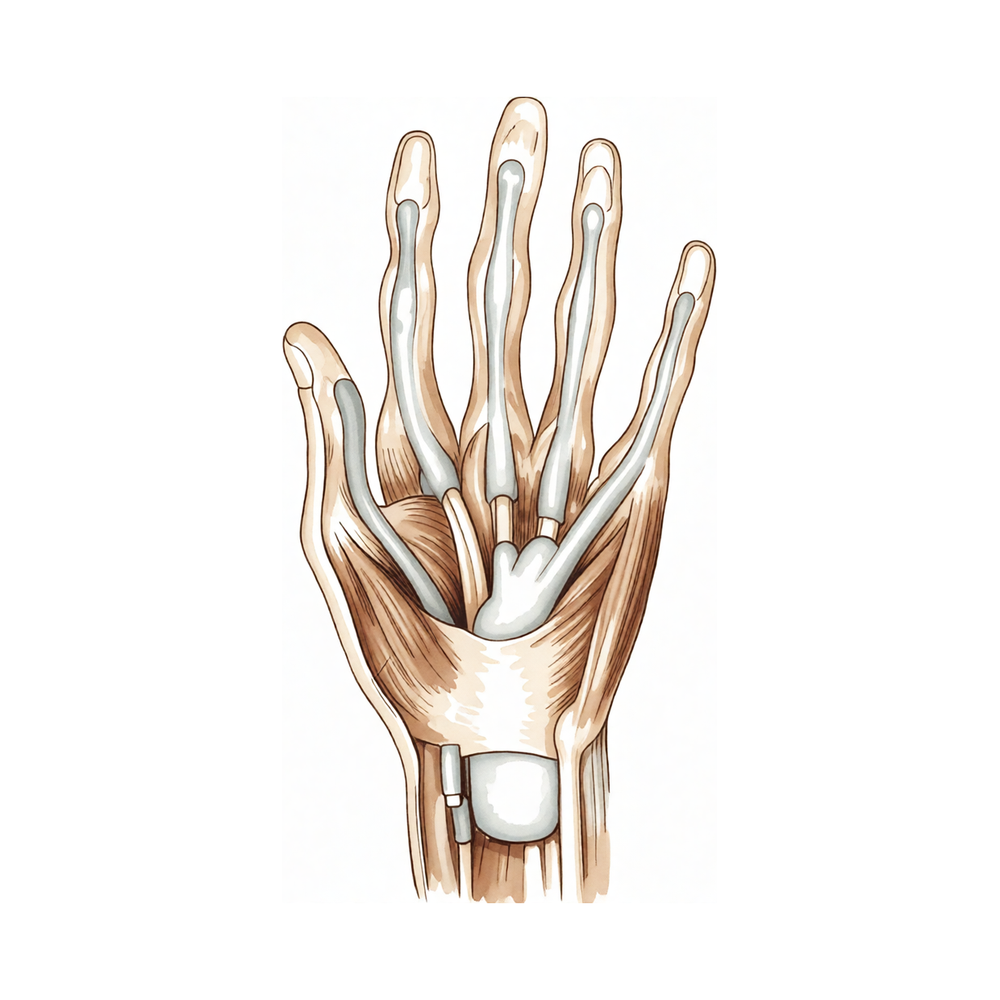
Anatomy & Pathophysiology

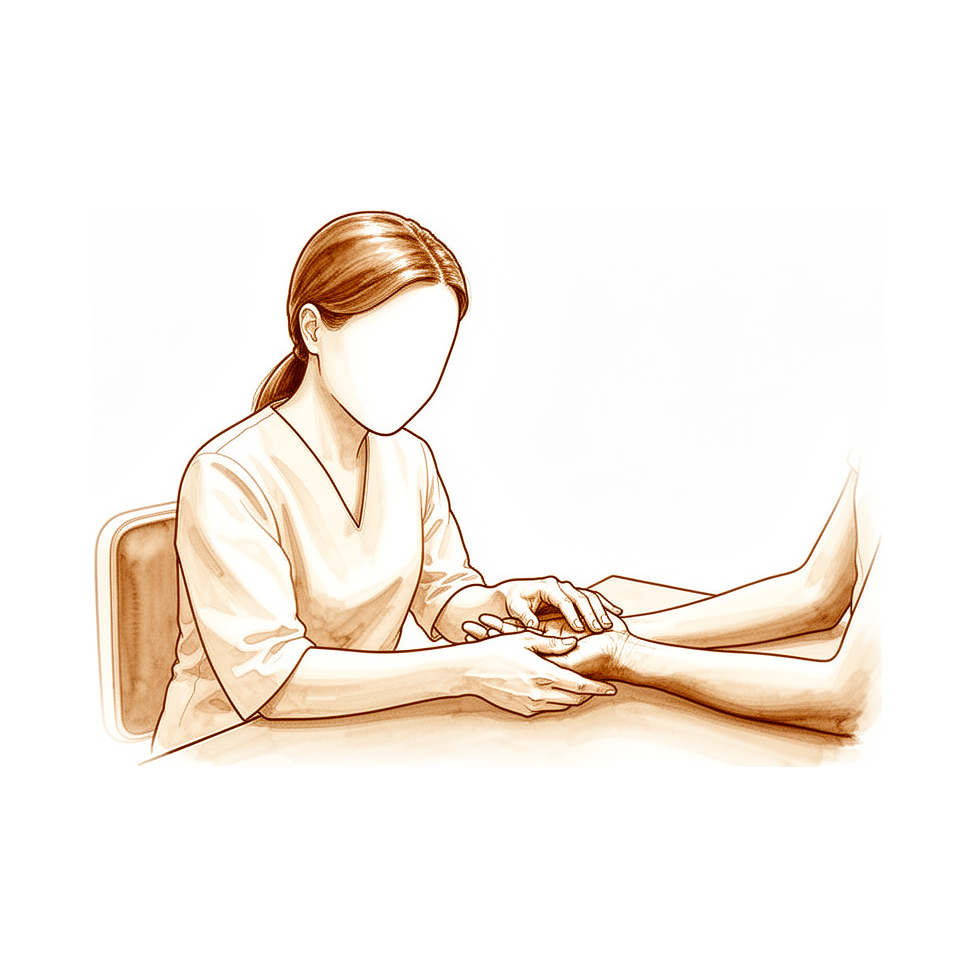
Measurement Principles: Optimal tool selection depends highly on the purpose of measurement and the type of hand injury [30]. New isometric hand tests improve the measurement of intrinsic and extrinsic hand muscle strength [41]. The GripAble is a reliable tool for measuring grip strength [60], while the MAP dynamometer measures grip strength and additional grip-related information such as force vectors, rate of force buildup, and force variability [62]. New features in digital dynamometers, unavailable with the analog Jamar dynamometer and unaccounted for in existing clinical guidelines, could potentially influence grip scores [64]. Statistical heterogeneity in meta-analyses may be caused by clinical or methodological differences and is often inadequately investigated [5]. Statistics is not essential to clinical practice as a hand surgeon but is a useful adjunct [55]; surgeons should prioritize non-clinical skills such as statistics, health economics, and biomechanics [55] and seek colleagues with expertise in statistics, health economics, and biomechanics [55].

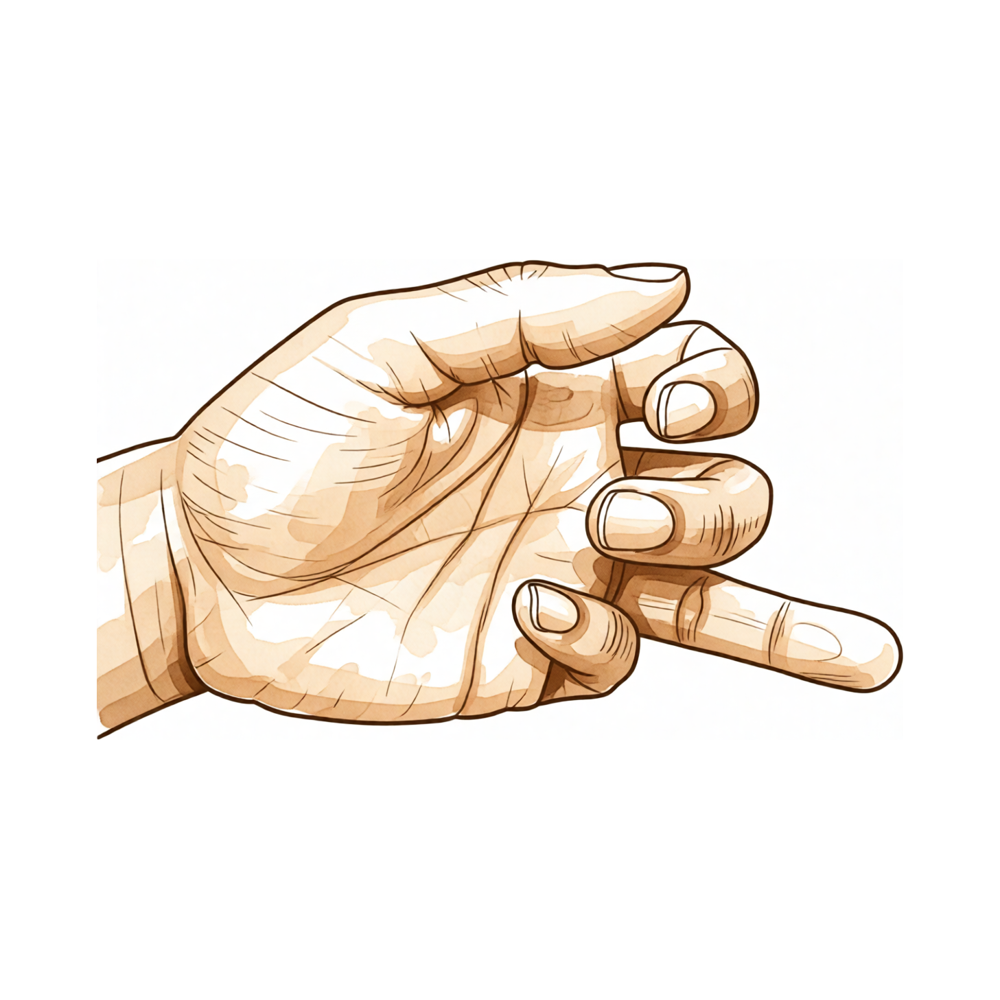
Kinematics and Grip Dynamics: Gender, age, and hand preference can all have an impact on how strong a handgrip develops [15]. The dominant hand was stronger than the nondominant hand [45], yet no difference exists in the three hand strength measurements made under the same conditions [45]. During cylinder grip, DIP joints consistently initiate flexion last [44], and synchronization of finger joint motion increases significantly by the end of motion compared to the beginning during cylinder grip [44]. The middle finger was the most important contributor to grip strength [49]. Lateral grip styles involve more whole-arm, stabilizing movements [48], whereas dynamic grip styles require fine dexterous movements [48]. The optimal grip span was influenced by hand span in both genders [53]. A motion analysis system provides useful data about actual anatomical deficits in injured fingers by recording dynamic changes in joint angles [50], though evaluation of finger movement using a motion analysis system is time-consuming [50]. The opposite hand can be used as a reference to analyze a hand's load-distribution pattern [10].

Musculoskeletal Integration and Repair: The intrinsic hand muscles have motor endplates (MEPs) at consistent distances from bony landmarks both dorsally and volarly [57]. At the time of repair, decellularized flexor tendon-bone grafts can exceed the strength and excursion needed for hand therapy immediately after reconstruction [54]. Hand therapists should act as engineers applying scientific principles to patient problems using a systems level of integration, rather than acting as mechanics attempting only to repair an isolated hand problem [29].

Classification

Journal of Hand Therapy: This publication includes level of evidence designations in almost all papers to help readers understand study quality and design [1]. It endeavors to provide high-quality research that advances the scientific foundations and clinical practice of upper extremity rehabilitation [9]. The journal adopts a policy requiring all authors to adhere to ICMJE standards for intellectual contribution and accountability [36]. It uses a modified Contributor Roles Taxonomy (CRediT) to standardize reporting of specific roles for both researchers and Patient Partners or People With Lived Experience [36].

Journal of Hand Surgery (European Volume): Over 50 years, this journal has documented many important scientific and technical developments of the hand surgery specialty [28]. It remains a principal information source for the field today [28].

Hand Surgery Quality: The quality of clinical research in hand surgery is only fair, with a low percentage of published articles at the highest levels of evidence (Level I and II) [3]. Quality measures used in contemporary hand surgery literature show a substantial variation in their representation [37]. Useful definitions and measures of quality in hand surgery must reflect value accurately, balancing implementation, adequacy of measurement, and actionability [39].

Hand Research Methodology: Statistical heterogeneity in published meta-analyses may be caused by clinical or methodological differences and is often inadequately investigated [5]. To analyze a hand's load-distribution pattern, the opposite hand can be used as a reference [10]. Optimal measurement tool selection depends highly on the purpose of measurement and the type of hand injury [30]. Hand therapists should act as engineers applying scientific principles to patient problems using a systems level of integration, rather than acting as mechanics attempting only to repair an isolated hand problem [29].

Examination and Registry Standards: Primary journal articles cited on the hand surgery content domain of the Orthopaedic In-Training Examination frequently included recent publications from both general and subspecialty journals [38]. The level of evidence for hand questions on the Orthopaedic In-Training Examination has increased over a 15-year period [38]. Hand surgery registries have the potential to improve research quality, patient care, and device surveillance by pooling patients, standardizing variables, and enabling collaboration [40].

Other Considerations: Reviews encompass the classifications and treatment options of bone loss in the hand [18]. The history of hand surgery in Europe highlights key figures, anatomical discoveries, and technological advances that established the specialty [19]. The formation of national and international federations and the recognition of the hand as a distinct organ requiring specialized care culminated the historical development of hand surgery in Europe [19].

Clinical Presentation

The quality of clinical research in hand surgery is currently only fair, with a low percentage of published articles reaching the highest levels of evidence (Level I and II) [3]. While the Journal of Hand Therapy includes level of evidence designations in almost all papers to aid reader interpretation [1], current observational trials require increased reporting of methodological details, including power analyses, handling of missing data, and consideration of potential bias [2]. Retrospective comparative studies carry a high potential for erroneous conclusions due to various forms of bias [4], and statistical heterogeneity in meta-analyses often remains inadequately investigated despite being caused by clinical or methodological differences [5]. To address these deficiencies, there is an urgent need for high-quality clinical studies, including outcomes research, economic analysis, and evidence-based research [6].

Diagnostic evaluation requires specific methodological rigor. For handgrip dynamometry, standardization and device-specific cutoff points are needed for use as a diagnostic tool [33], while gender, age, and hand preference impact grip strength development in 6 to 18-year-olds [15]. To analyze load-distribution patterns, the opposite hand can serve as a reference [10]. However, the use of pre-referral advanced diagnostic tests is associated with increased time to see a hand surgeon for common conditions [11]. Increased awareness of evaluation guidelines for soft tissue masses is necessary to expedite referral and definitive management [21].

Outcome assessment and study design must adhere to strict standards. Internal validity and credibility in randomized controlled trials are improved by true randomization, blinding of participants and personnel, protocol publication, avoidance of selective reporting, and adherence to the Consolidated Standards of Reporting Trials statement [7]. Despite evidence-based checklists, the methodological rigor and reporting quality of systematic reviews remain suboptimal [8]. Responsiveness designs and indices are introduced for hand therapists to highlight application within the clinical setting [12], and more well-organized outcome studies are required to guide practice [25]. For rare congenital conditions, higher-level research through institutional support, multicenter trials, and expanded databases is necessitated by their rarity [14].

Specific populations and procedures present unique evidentiary challenges. The Clinical Assessment Study of the Hand (CAS-HA) is a prospective, population-based, observational cohort study of community-dwelling older adults with hand pain and problems in North Staffordshire [16]. Hand transplantation remains viable with improved but limited function and substantial benefits to body image perception, yet the lack of peer-reviewed clinical outcome data for the majority of cases warrants continued scientific obligation to collect and share results [22]. Hand therapists must embrace evidence-based medicine to ensure services are based on the best available evidence, despite challenges such as limited access to research, conflicting evidence, and financial constraints [24]. The Journal of Hand Therapy endeavors to provide high-quality research that advances the scientific foundations and clinical practice of upper extremity rehabilitation [9].

Investigations

Plain radiography: Standard X-rays demonstrate osseous integration after 6 weeks in patients treated with spongy hydroxyapatite, with active bone remodeling persisting for several years [59]. A new, reliable radiographic classification system for synpolydactyly has been reported to improve clinician communication and serve as a foundation for future investigations [66]. Guidelines for camera selection, standard views, and image formatting are provided to ensure accurate and precise presentation in hand surgery [61].

MRI: High-resolution MR imaging can identify a new (palmar) location of a glomus tumour prior to re-operation, supporting the hypothesis of a new tumour rather than recurrence due to incomplete excision [47]. MRI findings demonstrating substantial underdevelopment of the ulnar nerve from the C8 and T1 roots to the hand are pathognomonic for congenital ulnar nerve hypoplasia, precluding the need for surgical exploration [63]. While the utility of magnetic resonance imaging is discussed in orthopaedic practice philosophy, the available text consists of letters to the editor and a reply rather than a primary research study with specific clinical conclusions [51].

Other Considerations: The quality of clinical research in hand surgery is only fair, with a low percentage of published articles at the highest levels of evidence (Level I and II) [3]. Retrospective comparative studies can be useful for therapeutic research but carry a high potential for erroneous conclusions due to various forms of bias [4]. Statistical heterogeneity in published meta-analyses may stem from clinical or methodological differences and is often inadequately investigated [5]. The methodological rigor and reporting quality of systematic reviews remain suboptimal in the hand and wrist surgery literature, limiting their utility to practicing clinicians [8]. Current observational trials could benefit from increased reporting of methodological details, including power analyses, handling of missing data, and consideration of potential bias [2]. To analyze a hand's load-distribution pattern, the opposite hand can be used as a reference [10]. Use of pre-referral advanced diagnostic tests is associated with increased time to see a hand surgeon for common hand conditions [11]. Increased awareness of evaluation guidelines for soft tissue masses of the hand is needed to expedite referral and definitive management [21]. More well-organized outcome studies are required to determine the optimal approach in hand surgery [25]. A review encompasses the classifications and treatment options of bone loss in the hand [18]. The Journal of Hand Therapy includes the level of evidence designation in almost all its papers to help readers understand study quality and design [1]. The rarity of congenital hand conditions necessitates higher-level research through institutional support, multicenter trials, and expanded databases [14]. Hand transplantation remains viable with improved but limited function and substantial benefits to body image perception, yet the lack of peer-reviewed clinical outcome data for the majority of cases warrants continued scientific obligation to collect and share results [22]. A brief knowledge of Hajdu-Cheney syndrome may help the hand surgeon to appropriately diagnose, assess, and refer these patients to rheumatologists or bone metabolism specialists [65].

Treatment

The quality of clinical research in hand surgery is currently fair, with a low percentage of published articles reaching the highest levels of evidence (Level I and II) [3]. Most full-length therapeutic articles in the Journal of Hand Surgery (European Volume) are level IV, with few level I and II studies [58]. Retrospective comparative studies can be useful for therapeutic research but carry a high potential for erroneous conclusions due to various forms of bias [4]. Statistical heterogeneity in published meta-analyses may stem from clinical or methodological differences and is often inadequately investigated [5]. The methodological rigor and reporting quality of systematic reviews remain suboptimal in the hand and wrist surgery literature, limiting their utility to practicing clinicians [8].

Methodological Standards: The Journal of Hand Therapy includes the level of evidence designation in almost all its papers to help readers understand study quality and design [1]. Current observational trials in hand surgery could benefit from increased reporting of methodological details, including the use of power analyses, the handling of missing data, and consideration of potential bias [2]. The internal validity and credibility of hand surgical RCTs can be improved by using established methods to achieve true randomization, blinding of participants and study personnel, publishing the trial protocol, avoiding selective reporting of outcomes, and reporting the trial as recommended in the Consolidated Standards of Reporting Trials statement [7]. Adherence to standardized reporting guidelines improves the quality and standardization of meta-analyses, providing hand surgeons with tools to choose best practices supported by rigorous research [20].

Evidence Gaps and Future Directions: High-quality clinical studies, including outcomes research, economic analysis, and evidence-based research, are needed to enhance the quality of health care in hand surgery and overcome the current deficiency of evidence in the field [6]. Responsiveness designs and indices serve as an introduction for hand therapists to highlight their application within the clinical setting [12]. Current evidence demonstrates efficacy and safety for chronic musculoskeletal and neuropathic pain regarding medical cannabis, but definitive conclusions regarding efficacy in hand and upper extremity conditions require continued investigation [13]. Hand surgery RCTs demonstrate fragility in non-significant findings, with a small number of event changes potentially altering conclusions [17]. New measures in hand surgery should consider patient safety, clinical efficacy, cost effectiveness, and the environmental impact [23].

Clinical Application and Decision Making: Most hand fractures do well with non-operative treatment, and decision-making should be based on evidence rather than personal experience [26]. A review encompasses the classifications and treatment options of bone loss in the hand [18]. The partial hand transplant approach in the evaluated candidate was concluded to be inferior to the distal forearm transplant due to technical, functional, and ethical challenges [46]. The Journal of Hand Therapy endeavors to provide high quality research that advances the scientific foundations and clinical practice of upper extremity rehabilitation, acknowledging the importance of the entire research spectrum from ideas to implementation [9]. Hand therapists must embrace evidence-based medicine to ensure services are based on the best available evidence, despite challenges such as limited access to research, conflicting evidence, and financial constraints [24].

Complications

Wound complications: Smoking produces deleterious local and systemic effects that negatively affect the outcome of hand and upper extremity surgical patients [42]. Specifically, smoking is associated with increased wound complications in hand and upper extremity surgical patients [42].

Bone healing: Smoking is associated with delayed bone healing in hand and upper extremity surgical patients [42].

Replantation viability: Smoking is associated with reduced replantation viability in hand and upper extremity surgical patients [42].

Other Considerations: Retrospective comparative studies in hand surgery have a high potential for providing erroneous conclusions due to various forms of bias [4]. Hand surgery randomized controlled trials demonstrate fragility in non-significant findings, where a small number of event changes can alter conclusions [17]. The internal validity and credibility of hand surgical randomized controlled trials can be improved by using established methods to achieve true randomization [7], blinding participants and study personnel [7], publishing the trial protocol [7], avoiding selective reporting of outcomes [7], and reporting the trial as recommended in the Consolidated Standards of Reporting Trials statement [7]. Current observational trials in hand surgery could benefit from increased reporting of methodological details including the use of power analyses [2], handling of missing data [2], and consideration of potential bias [2]. Definitive conclusions regarding the efficacy of medical cannabis in hand and upper extremity conditions require continued investigation [13]. The rarity of congenital hand conditions necessitates higher-level research through institutional support, multicenter trials, and expanded databases [14].

Recovery

Light activity (weeks): Evidence regarding specific timelines for light activities such as desk work, driving, or light ADLs is not explicitly quantified in the provided literature; however, decision-making for hand fractures should be based on evidence rather than personal experience [26].

Full activity (months): No specific month ranges for manual work, sport, or full range of motion return are defined in the current evidence base.

Complete recovery / outcome plateau (months): Editors suggest follow-up periods of no less than 6 months for general functional outcomes, 12 months for nerve repairs, and 2 years for joint function recovery to assess when outcomes stabilize [43].

Rehabilitation protocol: The Clinical Assessment Study of the Hand (CAS-HA) represents a prospective, population-based, observational cohort study of community-dwelling older adults with hand pain and problems based in North Staffordshire [16]. Hand therapy is well-positioned to lead translational research by moving from treating end-stage disease to preempting illness through a bidirectional flow of information between the laboratory, clinic, and community [67]. Combining patient care with clinical and basic science research, particularly through collaboration with geneticists, influences patient management [68].

Functional milestones: The Hand Injury Severity Score (HISS) showed a statistically significant correlation with time off work until end of healing [32]. Gender, age, and hand preference can all have an impact on how strong a handgrip develops [15].

Other Considerations: The Journal of Hand Therapy includes the level of evidence designation in almost all of its papers to help readers understand the quality of the study and the nature of its design [1]. Current observational trials in hand surgery could benefit from increased reporting of methodological details including the use of power analyses, the handling of missing data, and consideration of potential bias [2]. The quality of clinical research in hand surgery is only fair, with a low percentage of published articles at the highest levels of evidence (Level I and II) [3]. Retrospective comparative studies can be useful for therapeutic research in hand surgery, but their potential for providing erroneous conclusions due to various forms of bias is high [4]. High-quality clinical studies, including outcomes research, economic analysis, and evidence-based research, are needed to enhance the quality of health care in hand surgery and overcome the current deficiency of evidence in the field [6]. The Journal of Hand Therapy endeavors to provide high quality research that advances the scientific foundations and clinical practice of upper extremity rehabilitation [9]. Use of pre-referral advanced diagnostic tests is associated with an increased time to see a hand surgeon for common hand conditions [11]. Current evidence demonstrates efficacy and safety of medical cannabis for chronic musculoskeletal and neuropathic pain, but definitive conclusions regarding efficacy in hand and upper extremity conditions require continued investigation [13]. Hand surgery randomized controlled trials demonstrate fragility in non-significant findings, with a small number of event changes potentially altering conclusions [17]. The case-cohort design offers numerous advantages over alternate methodologies for risk estimation and would benefit hand surgery practice by determining risk factors for disease development or adverse outcomes [27]. Using social media to advertise hand surgery literature is associated with long-term gains in citations [52].

Key Evidence

  • [L5] The Journal of Hand Therapy will now include the level of evidence designation in almost all of its papers to help readers understand the quality of the study and the nature of its design, while acknowledging that this broad approach is imperfect and critical appraisal remains necessary. (10.1197/j.jht.2008.06.003)
  • [L4] Current observational trials in hand surgery could still benefit from increased reporting of methodological details including the use of power analyses, the handling of missing data, and consideration of potential bias. (10.1016/j.jhsa.2013.05.008)
  • [L2] The quality of clinical research in hand surgery is only fair, with a low percentage of published articles at the highest levels of evidence (Level I and II). (10.1177/1753193415583624)
  • [L5] Retrospective comparative studies can be useful for therapeutic research in hand surgery, but their potential for providing erroneous conclusions due to various forms of bias is high. (10.1054/jhsb.2001.0703)
  • [L5] Understanding heterogeneity in published meta-analyses would help in the understanding of the available evidence in Hand Surgery, as statistical heterogeneity may be caused by clinical or methodological differences and is often inadequately investigated. (10.1177/17531934251317837)
  • [L5] The article highlights the need for high-quality clinical studies, including outcomes research, economic analysis, and evidence-based research, to enhance the quality of health care in hand surgery and overcome the current deficiency of evidence in the field. (10.1016/j.jhsa.2009.09.012)
  • [L1] The internal validity and credibility of hand surgical RCTs can be improved by using established methods to achieve true randomization, blinding of the participants and study personnel, publishing the trial protocol and avoiding selective reporting of the outcomes, and reporting the trial as recommended in the Consolidated Standards of Reporting Trials statement. (10.1016/j.jhsa.2022.01.027)
  • [L1] Despite the advent of evidence-based checklists, the methodological rigor and reporting quality of systematic reviews remains suboptimal in the hand and wrist surgery literature, which limits their potential utility to practicing clinicians. (10.1177/1753193417712660)
  • [L5] The Journal of Hand Therapy endeavors to provide high quality research that advances the scientific foundations and clinical practice of upper extremity rehabilitation, acknowledging the importance of the entire research spectrum from ideas to implementation. (10.1016/j.jht.2015.08.001)
  • [L4] To analyze a hand's load-distribution pattern, the opposite hand can be used as a reference. (10.1016/j.jhsa.2018.02.016)
  • [L3] Use of pre-referral advanced diagnostic tests is associated with an increased time to see a hand surgeon for common hand conditions. (10.1016/j.jhsa.2019.09.009)
  • [L5] The purpose of the study was to serve as an introduction for hand therapists to responsiveness designs and indices and to highlight their application within the clinical setting. (10.1016/j.jht.2010.05.003)
  • [L4] Current evidence demonstrates efficacy and safety for chronic musculoskeletal and neuropathic pain, but definitive conclusions regarding efficacy in hand and upper extremity conditions require continued investigation. (10.1016/j.jhsa.2022.11.008)
  • [L5] The author concludes that while retrospective reporting has advanced the field, the rarity of congenital hand conditions necessitates higher-level research through institutional support, multicenter trials, and expanded databases. (10.1016/j.jhsa.2010.12.025)
  • [L4] The outcomes of this study also demonstrated that gender, age, and hand preference can all have an impact on how strong a handgrip develops. (10.1186/s12891-023-06197-0)
  • [L4] This paper describes the protocol for the Clinical Assessment Study of the Hand (CAS-HA), a prospective, population-based, observational cohort study of community-dwelling older adults with hand pain and hand problems based in North Staffordshire. (10.1186/1471-2474-8-85)
  • [L2] Hand surgery RCTs demonstrate fragility in non-significant findings, with a small number of event changes potentially altering conclusions. (10.1177/17531934251327880)
  • [L5] This review encompasses the classifications and treatment options of bone loss in the hand. (10.1016/j.jhsa.2013.02.026)
  • [L5] The paper outlines the historical development of hand surgery in Europe, highlighting key figures, anatomical discoveries, and technological advances that established the specialty, culminating in the formation of national and international federations and the recognition of the hand as a distinct organ requiring specialized care. (10.1054/jhsb.2000.0395)
  • [L5] Adherence to standardized reporting guidelines improves the quality and standardization of meta-analyses, providing hand surgeons with tools to choose best practices supported by rigorous research. (10.1016/j.jhsa.2014.08.001)
  • [Case_report] Increased awareness of evaluation guidelines for soft tissue masses of the hand is needed to expedite referral and definitive management. (10.1016/j.jhsa.2014.01.033)
  • [L5] Hand transplantation remains viable with improved but limited function and substantial benefits to body image perception, yet the lack of peer-reviewed clinical outcome data for the majority of cases warrants continued scientific obligation to collect and share results. (10.1016/j.jhsa.2008.05.004)
  • [L5] New measures in hand surgery should consider patient safety, clinical efficacy, cost effectiveness, and the environmental impact. (10.1177/15589447211054134)
  • [L5] Hand therapists must embrace evidence-based medicine to ensure services are based on the best available evidence, despite challenges such as limited access to research, conflicting evidence, and financial constraints. (10.1016/j.jht.2010.05.004)
  • [L5] Ring's attitude is needed, more well-organized outcome studies are required to show the right way in hand surgery. (10.1177/1753193414562691)
  • [L5] Most hand fractures do well with non-operative treatment, and decision-making should be based on evidence rather than personal experience. (10.1177/1753193418795824)
  • [L5] The case-cohort design offers numerous advantages over alternate methodologies for risk estimation and would benefit hand surgery practice by determining risk factors for disease development or adverse outcomes. (10.1016/j.jhsa.2018.03.013)
  • [L5] Over 50 years, the Journal has documented many important scientific and technical developments of the hand surgery specialty and remains a principal information source for the field today. (10.1177/1753193419880373)
  • [L5] Hand therapists should act as engineers applying scientific principles to patient problems using a systems level of integration, rather than acting as mechanics attempting only to repair an isolated hand problem. (10.1016/j.jht.2009.12.004)
  • [L2] Optimal measurement tool selection depends highly on the purpose of measurement and the type of hand injury. (10.1016/j.jht.2008.11.005)
  • [L3] The Hand Injury Severity Score (HISS) showed a statistically significant correlation with time off work until end of healing, indicating consistency with the original study despite different circumstances. (10.1054/jhsb.1998.0179)
  • [L3] For use as a diagnostic tool, standardization and device-specific cutoff points for handgrip dynamometry are needed. (10.1371/journal.pone.0270132)
  • [L5] Hand surgeons must leverage outcomes research to demonstrate the value of their procedures through standard outcome metric improvements and cost savings, while adopting new methodologies like willingness-to-pay to better capture quality of life value. (10.1177/1753193414524138)
  • [L5] The letter argues that hand surgeons should focus on medically informed judgments about study design, data source, and applicability rather than technical details of hypothesis testing, and that the referenced article failed to address these critical issues. (10.1016/j.jhsa.2010.02.015)
  • [L5] The Journal of Hand Therapy adopts a policy requiring all authors to adhere to ICMJE standards for intellectual contribution and accountability while using a modified Contributor Roles Taxonomy (CRediT) to standardize reporting of specific roles for both researchers and Patient Partners or People With Lived Experience. (10.1016/j.jht.2025.01.003)
  • [L1] We identified quality measures used in contemporary hand surgery literature and found a substantial variation in the representation of quality metrics. (10.1016/j.jhsa.2021.05.026)
  • [L4] Primary journal articles cited on the hand surgery content domain of the OITE frequently included recent publications from both general and subspecialty journals, and the level of evidence for hand questions has increased over a 15-year period. (10.1177/1558944715620793)
  • [L5] The key at this stage is to develop useful definitions and measures of quality that reflect value accurately in hand surgery, balancing implementation, adequacy of measurement, and actionability. (10.1016/j.jhsa.2016.05.016)
  • [L4] Hand surgery registries have the potential to improve research quality, patient care, and device surveillance by pooling patients, standardizing variables, and enabling collaboration. (10.1177/1753193420970155)
  • [L4] The new isometric hand tests improve the measurement of intrinsic and extrinsic hand muscle strength. (10.1177/1753193410363532)
  • [L5] Smoking produces deleterious local and systemic effects that negatively affect the outcome of hand and upper extremity surgical patients, including increased wound complications, delayed bone healing, and reduced replantation viability. (10.1016/j.jhsa.2012.08.018)
  • [L5] The editors provide guidelines on required lengths of follow-up in clinical reports, suggesting no less than 6 months for general functional outcomes, 12 months for nerve repairs, and 2 years for joint function recovery, while noting that these are considerations rather than fixed academic rules. (10.1177/1753193418821101)
  • [L4] The dynamic interaction of finger joints during cylinder grip shows specific patterns, with DIP joints consistently initiating flexion last and synchronization increasing significantly by the end of motion compared to the beginning. (10.1177/1753193412444399)
  • [L4] The partial hand transplant approach in the evaluated candidate was concluded to be inferior to the distal forearm transplant due to technical, functional, and ethical challenges. (10.1016/j.jhsa.2018.04.031)
  • [L4] High resolution MR imaging indicated a new (palmar) location of the tumour before the last operation, supporting the hypothesis that a new tumour had developed rather than a recurrence due to incomplete excision. (10.1054/jhsb.1998.0047)
  • [L4] Lateral grip styles involve more whole-arm, stabilizing movements while dynamic grip styles require fine dexterous movements. (10.1016/j.jht.2021.03.004)
  • [L4] The middle finger was the most important contributor to grip strength. (10.1016/j.jhsa.2014.06.121)
  • [L4] The motion analysis system provides useful data about actual anatomical deficits in injured fingers by recording dynamic changes in joint angles, though the evaluation is time-consuming. (10.1054/jhsb.1999.0344)
  • [L4] Using social media to advertise hand surgery literature is associated with long-term gains in citations. (10.1177/17531934251385904)
  • [L4] The optimal grip span was influenced by hand span in both genders. (10.1016/j.jhsa.2007.11.013)
  • [L5] At the time of repair, decellularized flexor tendon-bone grafts can exceed the strength and excursion needed for hand therapy immediately after reconstruction. (10.1016/j.jhsa.2013.08.092)
  • [L5] Statistics is not essential to clinical practice as a hand surgeon but is a useful adjunct; surgeons should prioritize non-clinical skills such as statistics, health economics, and biomechanics, and seek colleagues with expertise in these areas. (10.1177/1753193415609508)
  • [L5] The intrinsic hand muscles have MEPs at consistent distances from bony landmarks both dorsally and volarly. (10.1016/j.jhsa.2020.04.019)
  • [L5] Most full-length therapeutic articles in the Journal of Hand Surgery (European Volume) are level IV, with few level I and II studies. (10.1177/17531934251313771)
  • [L4] Standard X-rays showed osseous integration after 6 weeks in all patients, with active bone remodeling still occurring after several years. (10.1054/jhsb.2001.0686)
  • [L3] The GripAble is a reliable tool for measuring grip strength. (10.1186/s12891-022-05026-0)
  • [L5] The authors provide guidelines for camera selection, standard views, and image formatting to ensure accurate and precise presentation. (10.1016/j.jhsa.2013.03.038)
  • [L4] The MAP dynamometer measures grip strength and additional grip-related information such as force vectors, rate of force buildup, and force variability, which may improve understanding of hand function and aging. (10.1016/j.jht.2010.02.002)
  • [Case_report] MRI findings demonstrating substantial underdevelopment of the ulnar nerve from the C8 and T1 roots to the hand are pathognomonic for congenital ulnar nerve hypoplasia, precluding the need for surgical exploration. (10.1177/1753193419843810)
  • [L3] These findings suggest the need to consider how new features, unavailable with the analog Jamar dynamometer and unaccounted for in existing clinical guidelines, could potentially influence grip scores. (10.1016/j.jht.2011.01.004)
  • [L4] A brief knowledge of the syndrome may help the hand surgeon to appropriately diagnose, assess, and refer these patients to rheumatologists or bone metabolism specialists. (10.1016/j.jhsa.2020.02.012)
  • [L4] This manuscript reports a new, reliable radiographic classification system for synpolydactyly that will allow improved communication between clinicians and serve as a foundation for future investigations. (10.1177/1753193417728710)
  • [L5] The article argues that hand therapy is well-positioned to contribute to and lead translational research by moving from treating end-stage disease to preempting illness through a bidirectional flow of information between the laboratory, clinic, and community. (10.1016/j.jht.2010.08.007)
  • [L5] This article summarizes the author's clinical and research journey in hand surgery, highlighting the value of combining patient care with clinical and basic science research, particularly through collaboration with geneticists to influence patient management. (10.1177/17531934231167061)

References

[1] Got Evidence? Making explicit our emphasis on quality research in all its forms. Journal of Hand Therapy. 2008. DOI: 10.1197/j.jht.2008.06.003

[2] Using the Strengthening the Reporting of Observational Studies in Epidemiology (STROBE) Statement to Assess Reporting of Observational Trials in Hand Surgery. The Journal of Hand Surgery. 2013. DOI: 10.1016/j.jhsa.2013.05.008

[3] Clinical research in hand surgery. Journal of Hand Surgery (European Volume). 2015. DOI: 10.1177/1753193415583624

[4] Retrospective Clinical Studies in Surgery: Potentials and Pitfalls. Journal of Hand Surgery. 2002. DOI: 10.1054/jhsb.2001.0703

[5] How to conduct a meta-analysis in hand surgery. Part II: heterogeneity and publication bias. Journal of Hand Surgery (European Volume). 2025. DOI: 10.1177/17531934251317837

[6] Clinical Research in Hand Surgery. The Journal of Hand Surgery. 2010. DOI: 10.1016/j.jhsa.2009.09.012

[7] Bias in Hand Surgical Randomized Controlled Trials: Systematic Review and Meta-Epidemiological Study. The Journal of Hand Surgery. 2022. DOI: 10.1016/j.jhsa.2022.01.027

[8] Methodological quality and reporting of systematic reviews in hand and wrist pathology. Journal of Hand Surgery (European Volume). 2017. DOI: 10.1177/1753193417712660

[9] The research process from ideas to implementation. Journal of Hand Therapy. 2015. DOI: 10.1016/j.jht.2015.08.001

[10] Influence of Maximal or Submaximal Effort on the Load Distribution of the Hand Analyzed by Manugraphy. The Journal of Hand Surgery. 2018. DOI: 10.1016/j.jhsa.2018.02.016

[11] The Impact of Pre-Referral Advanced Diagnostic Testing on Wait Time to See a Hand Surgeon for Common Upper-Extremity Conditions. The Journal of Hand Surgery. 2019. DOI: 10.1016/j.jhsa.2019.09.009

[12] Ability to Detect Change in Patient Function: Responsiveness Designs and Methods of Calculation. Journal of Hand Therapy. 2010. DOI: 10.1016/j.jht.2010.05.003

[13] Medical Cannabis in Hand Surgery: A Review of the Current Evidence. The Journal of Hand Surgery. 2023. DOI: 10.1016/j.jhsa.2022.11.008

[14] Congenital Hand Surgery Research and Education: Observations of the 2009–2010 Bunnell Traveling Fellow. The Journal of Hand Surgery. 2011. DOI: 10.1016/j.jhsa.2010.12.025

[15] Normative values for hand grip and pinch strength for 6 to 18 year-olds in Saudi Arabia. BMC Musculoskeletal Disorders. 2023. DOI: 10.1186/s12891-023-06197-0

[16] The Clinical Assessment Study of the Hand (CAS-HA): a prospective study of musculoskeletal hand problems in the general population. BMC Musculoskeletal Disorders. 2007. DOI: 10.1186/1471-2474-8-85

[17] The application of the reverse fragility index to randomized controlled trials in hand surgery. Journal of Hand Surgery (European Volume). 2025. DOI: 10.1177/17531934251327880

[18] Bone Loss in the Hand. The Journal of Hand Surgery. 2013. DOI: 10.1016/j.jhsa.2013.02.026

[19] The History of Hand Surgery in Europe. Journal of Hand Surgery. 2000. DOI: 10.1054/jhsb.2000.0395

[20] Raising the Bar: The Use of Standardized Reporting Guidelines. The Journal of Hand Surgery. 2014. DOI: 10.1016/j.jhsa.2014.08.001

[21] Atypical Presentation of Isolated Peripheral T-Cell Lymphoma in the Hand: Case Report. The Journal of Hand Surgery. 2014. DOI: 10.1016/j.jhsa.2014.01.033

[22] The Sound of One Hand Clapping. The Journal of Hand Surgery. 2008. DOI: 10.1016/j.jhsa.2008.05.004

[23] How Can We Make Hand Surgery Carbon Neutral?. HAND. 2021. DOI: 10.1177/15589447211054134

[24] Overcoming the Challenges to Incorporate Evidence-Based Medicine into Clinical Practice. Journal of Hand Therapy. 2010. DOI: 10.1016/j.jht.2010.05.004

[25] Ring D. The future of hand surgery. J Hand Surg Eur. 2014, 39: 1016–7. Journal of Hand Surgery (European Volume). 2015. DOI: 10.1177/1753193414562691

[26] The 23rd Federation of European Societies for Surgery of the Hand Congress in Copenhagen. Journal of Hand Surgery (European Volume). 2018. DOI: 10.1177/1753193418795824

[27] Case-Cohort Studies: Design and Applicability to Hand Surgery. The Journal of Hand Surgery. 2018. DOI: 10.1016/j.jhsa.2018.03.013

[28] The Journal over 50 years. Journal of Hand Surgery (European Volume). 2019. DOI: 10.1177/1753193419880373

[29] Hand Therapists: Mechanics or Engineers?. Journal of Hand Therapy. 2010. DOI: 10.1016/j.jht.2009.12.004

[30] Clinimetric Evaluation of Measurement Tools Used in Hand Therapy to Assess Activity and Participation. Journal of Hand Therapy. 2009. DOI: 10.1016/j.jht.2008.11.005

[32] The Hand Injury Severity Scoring System and Workers’ Compensation Cases in Wisconsin, USA. Journal of Hand Surgery. 1999. DOI: 10.1054/jhsb.1998.0179

[33] Validity and reliability of handgrip dynamometry in older adults: A comparison of two widely used dynamometers. PLOS ONE. 2022. DOI: 10.1371/journal.pone.0270132

[34] A reflection of outcomes research and its impact on the practice of hand surgery. Journal of Hand Surgery (European Volume). 2014. DOI: 10.1177/1753193414524138

[35] Statistics and Hand Surgery. The Journal of Hand Surgery. 2010. DOI: 10.1016/j.jhsa.2010.02.015

[36] Authorship- giving appropriate credit to researchers and Patient Partners or People With Lived Experience, while recognizing accountability: A new policy. Journal of Hand Therapy. 2025. DOI: 10.1016/j.jht.2025.01.003

[37] Quality Metrics in Hand Surgery: A Systematic Review. The Journal of Hand Surgery. 2021. DOI: 10.1016/j.jhsa.2021.05.026

[38] Levels of Evidence for Hand Questions on the Orthopaedic In-Training Examination. HAND. 2016. DOI: 10.1177/1558944715620793

[39] Quality and Value in an Evolving Health Care Landscape. The Journal of Hand Surgery. 2016. DOI: 10.1016/j.jhsa.2016.05.016

[40] Current national hand surgery registries worldwide. Journal of Hand Surgery (European Volume). 2020. DOI: 10.1177/1753193420970155

[41] An isometric hand tester: quantifying motor function in the hand. Journal of Hand Surgery (European Volume). 2010. DOI: 10.1177/1753193410363532

[42] Smoking and Hand Surgery. The Journal of Hand Surgery. 2013. DOI: 10.1016/j.jhsa.2012.08.018

[43] The minimum length of follow-up in hand surgery reports. Journal of Hand Surgery (European Volume). 2019. DOI: 10.1177/1753193418821101

[44] Dynamic aspects during the cylinder grip — flexion sequence of the finger joints analyzed using a sensor glove. Journal of Hand Surgery (European Volume). 2012. DOI: 10.1177/1753193412444399

[45] Qualitative_Research_Exchange_Interfacing_Practice_and_Research_S0894113008001245. n.d..

[46] Partial Hand Transplant: Lessons Learned From Cadaveric Dissection Studies. The Journal of Hand Surgery. 2018. DOI: 10.1016/j.jhsa.2018.04.031

[47] A Glomus Tumour with Four Recurrences. Journal of Hand Surgery. 1999. DOI: 10.1054/jhsb.1998.0047

[48] The relationship between muscle activation and handwriting quality with non-native grip styles. Journal of Hand Therapy. 2022. DOI: 10.1016/j.jht.2021.03.004

[49] Comparison of Grip Strength Among 6 Grip Methods. The Journal of Hand Surgery. 2014. DOI: 10.1016/j.jhsa.2014.06.121

[50] The Use of the Motion Analysis System for Evaluation of Loss of Movement in the Finger. Journal of Hand Surgery. 2000. DOI: 10.1054/jhsb.1999.0344

[51] Roosth, H. P. M.D.. The Journal of Bone and Joint Surgery. American Volume. 1999.

[52] Using social media to disseminate hand surgery research boosts long-term citations. Journal of Hand Surgery (European Volume). 2025. DOI: 10.1177/17531934251385904

[53] Hand Span Influences Optimal Grip Span in Boys and Girls Aged 6 to 12 Years. The Journal of Hand Surgery. 2008. DOI: 10.1016/j.jhsa.2007.11.013

[54] Decellularized Human Tendon–Bone Grafts for Composite Flexor Tendon Reconstruction: A Cadaveric Model of Initial Mechanical Properties. The Journal of Hand Surgery. 2013. DOI: 10.1016/j.jhsa.2013.08.092

[55] Specialist support for hand surgery research. Journal of Hand Surgery (European Volume). 2015. DOI: 10.1177/1753193415609508

[57] Targeted Muscle Reinnervation in the Hand: An Anatomical Feasibility Study for Neuroma Treatment and Prevention. The Journal of Hand Surgery. 2020. DOI: 10.1016/j.jhsa.2020.04.019

[58] Levels of evidence in hand surgery: a review and guide. Journal of Hand Surgery (European Volume). 2025. DOI: 10.1177/17531934251313771

[59] Spongy Hydroxyapatite in Hand Surgery – A Five Year Follow-Up. Journal of Hand Surgery. 2002. DOI: 10.1054/jhsb.2001.0686

[60] Modernising grip dynamometry: Inter-instrument reliability between GripAble and Jamar. BMC Musculoskeletal Disorders. 2022. DOI: 10.1186/s12891-022-05026-0

[61] The Art and Science of Photography in Hand Surgery. The Journal of Hand Surgery. 2014. DOI: 10.1016/j.jhsa.2013.03.038

[62] Reliability and Validity of the Multiaxis Profile Dynamometer with Younger and Older Participants. Journal of Hand Therapy. 2010. DOI: 10.1016/j.jht.2010.02.002

[63] Congenital ulnar nerve deficient hand: a case report. Journal of Hand Surgery (European Volume). 2019. DOI: 10.1177/1753193419843810

[64] A Test Case: Does the Availability of Visual Feedback Impact Grip Strength Scores When Using a Digital Dynamometer?. Journal of Hand Therapy. 2011. DOI: 10.1016/j.jht.2011.01.004

[65] Hand Deformities in Hajdu-Cheney Syndrome: A Case Series of 3 Patients Across 3 Consecutive Generations. The Journal of Hand Surgery. 2021. DOI: 10.1016/j.jhsa.2020.02.012

[66] Sixth annual Paul R. Manske Award for the best upper-extremity congenital research manuscript. Journal of Hand Surgery (European Volume). 2018. DOI: 10.1177/1753193417728710

[67] 2010 President’s Invited Lecture: A Vision for Clinical Research—From the Clinic to the Community. Journal of Hand Therapy. 2011. DOI: 10.1016/j.jht.2010.08.007

[68] My journey in hand surgery: combining patient care, clinical and basic science research. Journal of Hand Surgery (European Volume). 2023. DOI: 10.1177/17531934231167061

Creative Commons BY-NC 4.0

CC Creative Commons licence
BY Attribution — you must credit the source
NC NonCommercial — not for commercial use

Attribution-NonCommercial 4.0 International


Creative Commons Corporation ("Creative Commons") is not a law firm and does not provide legal services or legal advice. Distribution of Creative Commons public licenses does not create a lawyer-client or other relationship. Creative Commons makes its licenses and related information available on an "as-is" basis. Creative Commons gives no warranties regarding its licenses, any material licensed under their terms and conditions, or any related information. Creative Commons disclaims all liability for damages resulting from their use to the fullest extent possible.

Using Creative Commons Public Licenses

Creative Commons public licenses provide a standard set of terms and conditions that creators and other rights holders may use to share original works of authorship and other material subject to copyright and certain other rights specified in the public license below. The following considerations are for informational purposes only, are not exhaustive, and do not form part of our licenses.

Considerations for licensors: Our public licenses are intended for use by those authorized to give the public permission to use material in ways otherwise restricted by copyright and certain other rights. Our licenses are irrevocable. Licensors should read and understand the terms and conditions of the license they choose before applying it. Licensors should also secure all rights necessary before applying our licenses so that the public can reuse the material as expected. Licensors should clearly mark any material not subject to the license. This includes other CC- licensed material, or material used under an exception or limitation to copyright. More considerations for licensors: wiki.creativecommons.org/Considerations_for_licensors

Considerations for the public: By using one of our public licenses, a licensor grants the public permission to use the licensed material under specified terms and conditions. If the licensor's permission is not necessary for any reason--for example, because of any applicable exception or limitation to copyright--then that use is not regulated by the license. Our licenses grant only permissions under copyright and certain other rights that a licensor has authority to grant. Use of the licensed material may still be restricted for other reasons, including because others have copyright or other rights in the material. A licensor may make special requests, such as asking that all changes be marked or described. Although not required by our licenses, you are encouraged to respect those requests where reasonable. More considerations for the public: wiki.creativecommons.org/Considerations_for_licensees


Creative Commons Attribution-NonCommercial 4.0 International Public License

By exercising the Licensed Rights (defined below), You accept and agree to be bound by the terms and conditions of this Creative Commons Attribution-NonCommercial 4.0 International Public License ("Public License"). To the extent this Public License may be interpreted as a contract, You are granted the Licensed Rights in consideration of Your acceptance of these terms and conditions, and the Licensor grants You such rights in consideration of benefits the Licensor receives from making the Licensed Material available under these terms and conditions.

Section 1 -- Definitions.

a. Adapted Material means material subject to Copyright and Similar Rights that is derived from or based upon the Licensed Material and in which the Licensed Material is translated, altered, arranged, transformed, or otherwise modified in a manner requiring permission under the Copyright and Similar Rights held by the Licensor. For purposes of this Public License, where the Licensed Material is a musical work, performance, or sound recording, Adapted Material is always produced where the Licensed Material is synched in timed relation with a moving image.

b. Adapter's License means the license You apply to Your Copyright and Similar Rights in Your contributions to Adapted Material in accordance with the terms and conditions of this Public License.

c. Copyright and Similar Rights means copyright and/or similar rights closely related to copyright including, without limitation, performance, broadcast, sound recording, and Sui Generis Database Rights, without regard to how the rights are labeled or categorized. For purposes of this Public License, the rights specified in Section 2(b)(1)-(2) are not Copyright and Similar Rights.

d. Effective Technological Measures means those measures that, in the absence of proper authority, may not be circumvented under laws fulfilling obligations under Article 11 of the WIPO Copyright Treaty adopted on December 20, 1996, and/or similar international agreements.

e. Exceptions and Limitations means fair use, fair dealing, and/or any other exception or limitation to Copyright and Similar Rights that applies to Your use of the Licensed Material.

f. Licensed Material means the artistic or literary work, database, or other material to which the Licensor applied this Public License.

g. Licensed Rights means the rights granted to You subject to the terms and conditions of this Public License, which are limited to all Copyright and Similar Rights that apply to Your use of the Licensed Material and that the Licensor has authority to license.

h. Licensor means the individual(s) or entity(ies) granting rights under this Public License.

i. NonCommercial means not primarily intended for or directed towards commercial advantage or monetary compensation. For purposes of this Public License, the exchange of the Licensed Material for other material subject to Copyright and Similar Rights by digital file-sharing or similar means is NonCommercial provided there is no payment of monetary compensation in connection with the exchange.

j. Share means to provide material to the public by any means or process that requires permission under the Licensed Rights, such as reproduction, public display, public performance, distribution, dissemination, communication, or importation, and to make material available to the public including in ways that members of the public may access the material from a place and at a time individually chosen by them.

k. Sui Generis Database Rights means rights other than copyright resulting from Directive 96/9/EC of the European Parliament and of the Council of 11 March 1996 on the legal protection of databases, as amended and/or succeeded, as well as other essentially equivalent rights anywhere in the world.

l. You means the individual or entity exercising the Licensed Rights under this Public License. Your has a corresponding meaning.

Section 2 -- Scope.

a. License grant.

1. Subject to the terms and conditions of this Public License, the Licensor hereby grants You a worldwide, royalty-free, non-sublicensable, non-exclusive, irrevocable license to exercise the Licensed Rights in the Licensed Material to:

a. reproduce and Share the Licensed Material, in whole or in part, for NonCommercial purposes only; and

b. produce, reproduce, and Share Adapted Material for NonCommercial purposes only.

2. Exceptions and Limitations. For the avoidance of doubt, where Exceptions and Limitations apply to Your use, this Public License does not apply, and You do not need to comply with its terms and conditions.

3. Term. The term of this Public License is specified in Section 6(a).

4. Media and formats; technical modifications allowed. The Licensor authorizes You to exercise the Licensed Rights in all media and formats whether now known or hereafter created, and to make technical modifications necessary to do so. The Licensor waives and/or agrees not to assert any right or authority to forbid You from making technical modifications necessary to exercise the Licensed Rights, including technical modifications necessary to circumvent Effective Technological Measures. For purposes of this Public License, simply making modifications authorized by this Section 2(a) (4) never produces Adapted Material.

5. Downstream recipients.

a. Offer from the Licensor -- Licensed Material. Every recipient of the Licensed Material automatically receives an offer from the Licensor to exercise the Licensed Rights under the terms and conditions of this Public License.

b. No downstream restrictions. You may not offer or impose any additional or different terms or conditions on, or apply any Effective Technological Measures to, the Licensed Material if doing so restricts exercise of the Licensed Rights by any recipient of the Licensed Material.

6. No endorsement. Nothing in this Public License constitutes or may be construed as permission to assert or imply that You are, or that Your use of the Licensed Material is, connected with, or sponsored, endorsed, or granted official status by, the Licensor or others designated to receive attribution as provided in Section 3(a)(1)(A)(i).

b. Other rights.

1. Moral rights, such as the right of integrity, are not licensed under this Public License, nor are publicity, privacy, and/or other similar personality rights; however, to the extent possible, the Licensor waives and/or agrees not to assert any such rights held by the Licensor to the limited extent necessary to allow You to exercise the Licensed Rights, but not otherwise.

2. Patent and trademark rights are not licensed under this Public License.

3. To the extent possible, the Licensor waives any right to collect royalties from You for the exercise of the Licensed Rights, whether directly or through a collecting society under any voluntary or waivable statutory or compulsory licensing scheme. In all other cases the Licensor expressly reserves any right to collect such royalties, including when the Licensed Material is used other than for NonCommercial purposes.

Section 3 -- License Conditions.

Your exercise of the Licensed Rights is expressly made subject to the following conditions.

a. Attribution.

1. If You Share the Licensed Material (including in modified form), You must:

a. retain the following if it is supplied by the Licensor with the Licensed Material:

i. identification of the creator(s) of the Licensed Material and any others designated to receive attribution, in any reasonable manner requested by the Licensor (including by pseudonym if designated);

ii. a copyright notice;

iii. a notice that refers to this Public License;

iv. a notice that refers to the disclaimer of warranties;

v. a URI or hyperlink to the Licensed Material to the extent reasonably practicable;

b. indicate if You modified the Licensed Material and retain an indication of any previous modifications; and

c. indicate the Licensed Material is licensed under this Public License, and include the text of, or the URI or hyperlink to, this Public License.

2. You may satisfy the conditions in Section 3(a)(1) in any reasonable manner based on the medium, means, and context in which You Share the Licensed Material. For example, it may be reasonable to satisfy the conditions by providing a URI or hyperlink to a resource that includes the required information.

3. If requested by the Licensor, You must remove any of the information required by Section 3(a)(1)(A) to the extent reasonably practicable.

4. If You Share Adapted Material You produce, the Adapter's License You apply must not prevent recipients of the Adapted Material from complying with this Public License.

Section 4 -- Sui Generis Database Rights.

Where the Licensed Rights include Sui Generis Database Rights that apply to Your use of the Licensed Material:

a. for the avoidance of doubt, Section 2(a)(1) grants You the right to extract, reuse, reproduce, and Share all or a substantial portion of the contents of the database for NonCommercial purposes only;

b. if You include all or a substantial portion of the database contents in a database in which You have Sui Generis Database Rights, then the database in which You have Sui Generis Database Rights (but not its individual contents) is Adapted Material; and

c. You must comply with the conditions in Section 3(a) if You Share all or a substantial portion of the contents of the database.

For the avoidance of doubt, this Section 4 supplements and does not replace Your obligations under this Public License where the Licensed Rights include other Copyright and Similar Rights.

Section 5 -- Disclaimer of Warranties and Limitation of Liability.

a. UNLESS OTHERWISE SEPARATELY UNDERTAKEN BY THE LICENSOR, TO THE EXTENT POSSIBLE, THE LICENSOR OFFERS THE LICENSED MATERIAL AS-IS AND AS-AVAILABLE, AND MAKES NO REPRESENTATIONS OR WARRANTIES OF ANY KIND CONCERNING THE LICENSED MATERIAL, WHETHER EXPRESS, IMPLIED, STATUTORY, OR OTHER. THIS INCLUDES, WITHOUT LIMITATION, WARRANTIES OF TITLE, MERCHANTABILITY, FITNESS FOR A PARTICULAR PURPOSE, NON-INFRINGEMENT, ABSENCE OF LATENT OR OTHER DEFECTS, ACCURACY, OR THE PRESENCE OR ABSENCE OF ERRORS, WHETHER OR NOT KNOWN OR DISCOVERABLE. WHERE DISCLAIMERS OF WARRANTIES ARE NOT ALLOWED IN FULL OR IN PART, THIS DISCLAIMER MAY NOT APPLY TO YOU.

b. TO THE EXTENT POSSIBLE, IN NO EVENT WILL THE LICENSOR BE LIABLE TO YOU ON ANY LEGAL THEORY (INCLUDING, WITHOUT LIMITATION, NEGLIGENCE) OR OTHERWISE FOR ANY DIRECT, SPECIAL, INDIRECT, INCIDENTAL, CONSEQUENTIAL, PUNITIVE, EXEMPLARY, OR OTHER LOSSES, COSTS, EXPENSES, OR DAMAGES ARISING OUT OF THIS PUBLIC LICENSE OR USE OF THE LICENSED MATERIAL, EVEN IF THE LICENSOR HAS BEEN ADVISED OF THE POSSIBILITY OF SUCH LOSSES, COSTS, EXPENSES, OR DAMAGES. WHERE A LIMITATION OF LIABILITY IS NOT ALLOWED IN FULL OR IN PART, THIS LIMITATION MAY NOT APPLY TO YOU.

c. The disclaimer of warranties and limitation of liability provided above shall be interpreted in a manner that, to the extent possible, most closely approximates an absolute disclaimer and waiver of all liability.

Section 6 -- Term and Termination.

a. This Public License applies for the term of the Copyright and Similar Rights licensed here. However, if You fail to comply with this Public License, then Your rights under this Public License terminate automatically.

b. Where Your right to use the Licensed Material has terminated under Section 6(a), it reinstates:

1. automatically as of the date the violation is cured, provided it is cured within 30 days of Your discovery of the violation; or

2. upon express reinstatement by the Licensor.

For the avoidance of doubt, this Section 6(b) does not affect any right the Licensor may have to seek remedies for Your violations of this Public License.

c. For the avoidance of doubt, the Licensor may also offer the Licensed Material under separate terms or conditions or stop distributing the Licensed Material at any time; however, doing so will not terminate this Public License.

d. Sections 1, 5, 6, 7, and 8 survive termination of this Public License.

Section 7 -- Other Terms and Conditions.

a. The Licensor shall not be bound by any additional or different terms or conditions communicated by You unless expressly agreed.

b. Any arrangements, understandings, or agreements regarding the Licensed Material not stated herein are separate from and independent of the terms and conditions of this Public License.

Section 8 -- Interpretation.

a. For the avoidance of doubt, this Public License does not, and shall not be interpreted to, reduce, limit, restrict, or impose conditions on any use of the Licensed Material that could lawfully be made without permission under this Public License.

b. To the extent possible, if any provision of this Public License is deemed unenforceable, it shall be automatically reformed to the minimum extent necessary to make it enforceable. If the provision cannot be reformed, it shall be severed from this Public License without affecting the enforceability of the remaining terms and conditions.

c. No term or condition of this Public License will be waived and no failure to comply consented to unless expressly agreed to by the Licensor.

d. Nothing in this Public License constitutes or may be interpreted as a limitation upon, or waiver of, any privileges and immunities that apply to the Licensor or You, including from the legal processes of any jurisdiction or authority.


Creative Commons is not a party to its public licenses. Notwithstanding, Creative Commons may elect to apply one of its public licenses to material it publishes and in those instances will be considered the “Licensor.” The text of the Creative Commons public licenses is dedicated to the public domain under the CC0 Public Domain Dedication. Except for the limited purpose of indicating that material is shared under a Creative Commons public license or as otherwise permitted by the Creative Commons policies published at creativecommons.org/policies, Creative Commons does not authorize the use of the trademark "Creative Commons" or any other trademark or logo of Creative Commons without its prior written consent including, without limitation, in connection with any unauthorized modifications to any of its public licenses or any other arrangements, understandings, or agreements concerning use of licensed material. For the avoidance of doubt, this paragraph does not form part of the public licenses.

Creative Commons may be contacted at creativecommons.org.