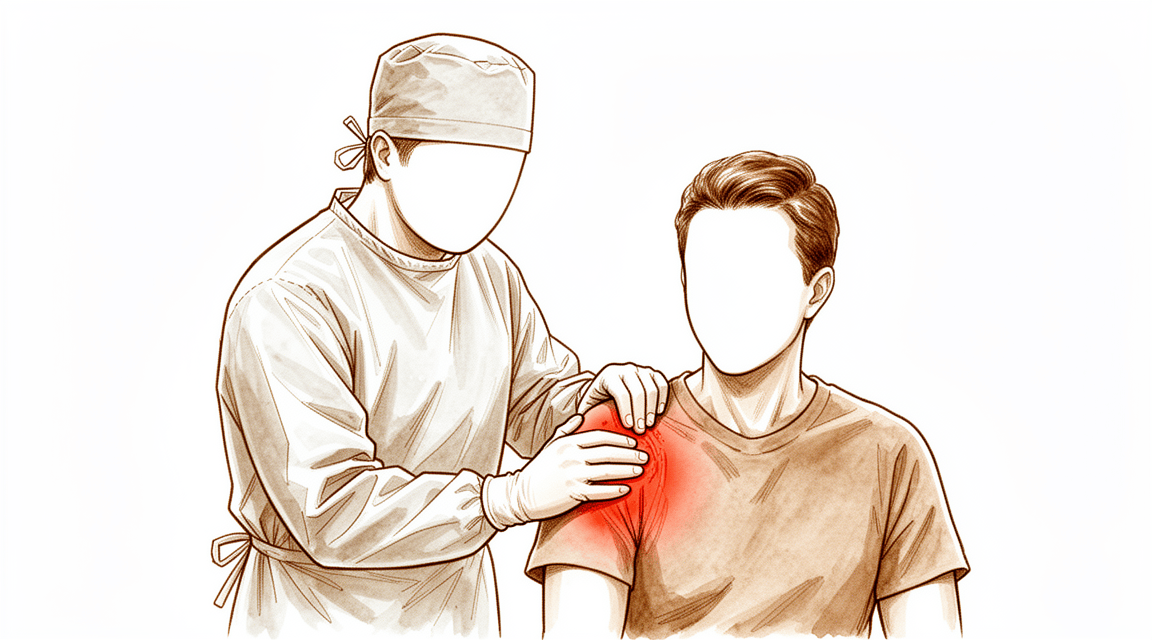
Patient Demographics
Impact of race, ethnicity, and socioeconomic status on shoulder surgery access, preoperative function, and postoperative complication rates.
Overview
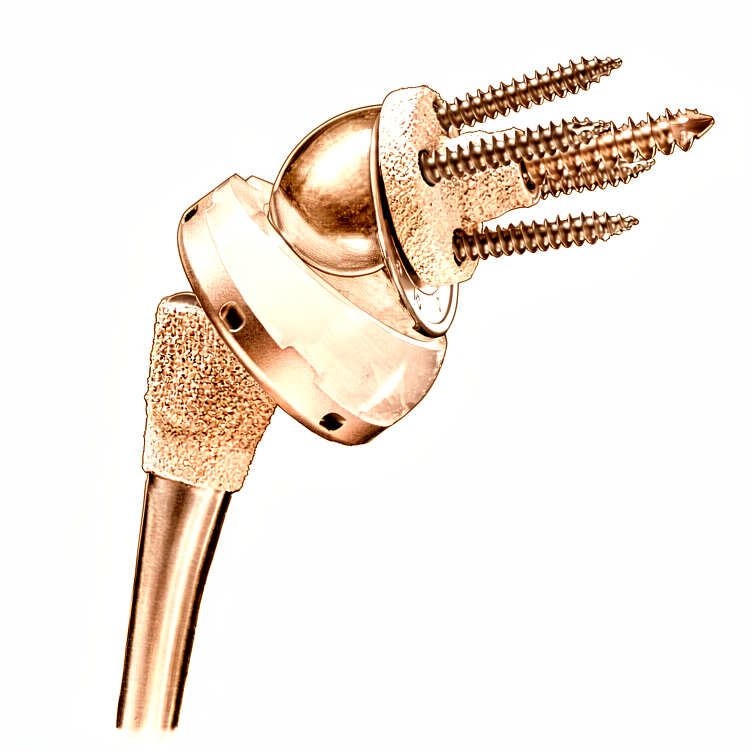
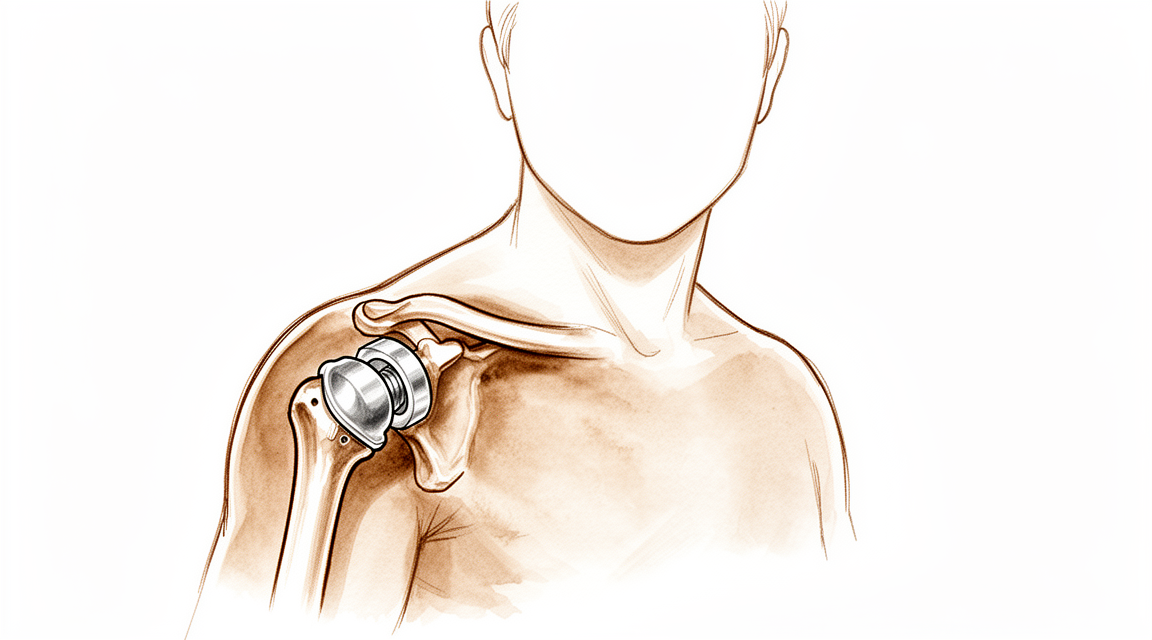
Anatomic and reverse total shoulder arthroplasty yield comparable outcomes, with only minor gender-specific factors influencing results [1]. While patient race affects the adoption of reverse total shoulder arthroplasty for proximal humerus fractures [2], both procedures provide similarly high patient satisfaction, good functional outcomes, and low complication rates in patients over 80 years of age [8]. Elderly patients undergoing anatomic total shoulder arthroplasty generally achieve better functional outcomes than those receiving reverse total shoulder arthroplasty for differing indications, though patient satisfaction remains similar between the two groups [31].
Age alone does not preclude specific surgical approaches; patients aged 70 years or older demonstrate postoperative improvements in patient-determined outcome scores and range of motion similar to those under 70 years following stemless anatomic total shoulder arthroplasty [6]. However, long-term studies and registry data using modern techniques are required to accurately assess outcomes for reverse total shoulder arthroplasty in patients aged 65 years or younger [7]. Patient preferences for treating shoulder and proximal biceps disorders are associated with age, sex, race, and shoulder activity level [20].
Surgical costs for total shoulder arthroplasty vary based on implant type, indication, patient comorbidities, and hospital factors [13]. Regarding body mass index (BMI), no specific threshold can be recommended for screening postoperative complications in primary total knee or total hip arthroplasty; BMI should instead be incorporated into comprehensive preoperative clinical assessment [12]. Although higher BMI groups showed slightly worse functional outcomes in cementless medial mobile-bearing unicompartmental knee replacements, the improvement from baseline tended to be better, suggesting BMI should not be considered a contraindication [33]. Relying solely on BMI thresholds for eligibility in primary total shoulder arthroplasty or reverse shoulder arthroplasty presents a potential limitation to access for patients who would otherwise have a complication-free procedure [19]. Academic medical journals should incorporate guidelines to encourage studies including social determinants of health variables to enable the assessment of outcomes applicable to a broader population [30].
Anatomy & Pathophysiology
The prevalence of reported musculoskeletal disorders of the shoulder varies considerably depending on the outcome measure used, with a striking difference between subjective reported symptoms and standardized clinical or imaging examinations [9]. A clinically detectable decline in shoulder function may indicate an 'at-risk' asymptomatic rotator cuff tear [68]. Anterior instability represents the most common form of shoulder instability among shoulder instability patients [71], with most patients undergoing shoulder stabilization in their early 20s or younger [71].
Pathomechanics: Supraspinatus tendon tears combined with Bankart lesions increase humeral rotational range of motion and decrease the force required for dislocation [77]. The number of comorbidities has a quantitative effect on the function of the shoulder in patients with glenohumeral degenerative joint disease [23]. Mitigating specific physical work demands may reduce shoulder-related disability [61].
Demographic & Functional Predictors: Female patients undergo shoulder arthroplasty at an older age and begin with worse range of motion and outcome scores than male patients [86]. Preoperative shoulder strength, especially abduction strength, predicts superior postoperative outcomes and greater improvement in shoulder strength, range of motion, and outcome scores after primary reverse total shoulder arthroplasty [80]. Dominance of the affected shoulder has no influence on functional and quality of life outcomes compared with the nondominant shoulder and should not be used to make treatment decisions [66]. Significant demographic and continental differences exist in shoulder arthroplasty parameters [87], and the relationship between patient satisfaction and other shoulder functions varies among different types of arthroplasties [79].
Classification
Patient Demographics: Gender does not significantly influence outcomes following anatomic or reverse total shoulder arthroplasty [1]. Race influences the adoption of reverse total shoulder arthroplasty for proximal humerus fractures, yet patient factors such as age and comorbidities predict intervention type rather than race dictating treatment [2]. Advanced age, low family income, and multiple medical conditions significantly affect scoring systems for total knee arthroplasty outcomes [21]. Disparities in charges for primary patellar instability treatment correlate with non-White race and Hispanic ethnicity, as well as procedures performed in private or urban hospitals [57]. Trends in cost disparities and utilization of shoulder arthroscopy continue to worsen [58].
Risk Stratification: Obese class III patients (> 40 kg/m2) face a near 3-fold increased risk of failure to achieve the 1-year Hip Disability and Osteoarthritis Outcome Score-Physical Function Short Form Minimal Clinically Important Difference following total hip arthroplasty [64]. In World Health Organization Class 2 or 3 obese patients, most maintained BMI between their first preoperative and final postoperative visit following total hip arthroplasty [75]. Age, ASA classification, sex, and functional status are the most important variables for predicting home versus nonhome discharge following total shoulder arthroplasty [70]. Patients using public insurance, minority patients, and those who are socioeconomically or educationally disadvantaged are at higher risk of poor outcomes following shoulder arthroplasty [72].
Other Considerations: Randomized controlled trials in shoulder arthroplasty literature rarely include key demographic and socioeconomic patient data [14]. Reports from national registries lack detailed patient information regarding characteristics that differ prior to total knee arthroplasty and total hip arthroplasty between Switzerland and the United States [59]. Longitudinal changes in shoulder arthroplasty stratified by age groups, types of surgical facilities, and geographical regions were observed across all categories from 2010 to 2020 in Korea [60]. The Oxford Shoulder Score is recommended as it most closely reflects patient-reported interests for proximal humerus fractures until a reliable scoring system including these items is developed [65]. Mean Constant score and its change with age differ among various population cohorts in asymptomatic shoulders [74].
Clinical Presentation
The clinical presentation of shoulder pathology is defined by a discordance between subjective reporting and objective findings. The prevalence of reported musculoskeletal disorders varies considerably depending on the outcome measure, with a striking difference between subjective symptoms and standardized clinical or imaging examinations [9]. While the natural history of rotator cuff disease involves varying morphological characteristics and prevalences in asymptomatic and symptomatic shoulders [3], patient satisfaction in the outpatient setting is most significantly influenced by shoulder function measured on a VAS [45].
Demographic variables significantly impact the trajectory of care and the interpretation of clinical data. Female patients with rotator cuff pathology experience a multifaceted delay in care, including delayed presentation to any provider and orthopedics, later diagnostic imaging, and later offering of surgery [17]. Conversely, public insurance and single-guardian households are associated with diagnostic delay in slipped capital femoral epiphysis, contributing to delayed diagnosis independent of race or ethnicity [44]. Race should not dictate treatment for proximal humerus fractures, although adoption of reverse total shoulder arthroplasty differs by patient race [2]. Patient knowledge of their medical condition and treatment options varies with socioeconomic status [37].
Decision-making for arthroplasty and other interventions relies on a synthesis of patient-specific factors. Patient gender, expectations, strength, and self-reported outcomes are important factors in reaching the final decision for shoulder arthroplasty appropriateness [18]. Patient preferences for the treatment of shoulder and proximal biceps disorders are associated with patient age, race, sex, and activity level [20]. Younger patients, shorter symptom duration, and worse hip-specific functional status are associated with greater expectations for hip preservation surgery [36]. In advanced hip OA, clinical severity shows no correlation with radiographic severity [10].
Outcomes and scoring systems are influenced by sociodemographic and psychological comorbidities. Outcomes following anatomic and reverse total shoulder arthroplasty are comparable between genders, suggesting only minor gender-specific factors [1]. Demographic variables such as advanced age, low family income, and multiple medical conditions significantly affect scoring systems used to evaluate patients with knee symptoms [21]. The Single Alpha-numeric Evaluation (SANE) is valid for a range of common shoulder diagnoses to assess patient outcomes across operative and nonoperative treatment [22]. In addition to sociodemographic factors, pain and psychological comorbidities have a negative impact on patient functional outcomes in atraumatic shoulder instability [32].
Shared decision-making and resource utilization are critical components of the clinical encounter. Eliciting patient preferences is a vital component of shared decision-making and advancing patient-centered care for distal radius fractures in patients aged 60 years and older [41]. Information on patient utilization of online resources can help physicians guide patients to high-quality websites for information on their clinical diagnosis and treatment [42]. The National Ambulatory Medical Care Survey is a useful resource for examining the clinical management of specific symptoms in U.S. primary care offices [34]. However, randomized controlled trials in the shoulder arthroplasty literature rarely include key demographic and socioeconomic patient data [14]. Patient satisfaction is complex, and the divide between medical advice and a patient's expectations is not easily reduced to one or more disease-specific or patient-specific factors [43].
Investigations
Plain radiography: Increased age is the main determinant of radiological changes in shoulder osteoarthritis as well as pain [63]. Clinical disease severity varies widely at the time of total hip replacement for osteoarthritis, and in advanced hip osteoarthritis, clinical severity shows no correlation with radiographic severity [10].
Other Considerations: The prevalence of reported musculoskeletal disorders of the shoulder varies considerably depending on the outcome measure used, with a striking difference between subjective reported symptoms and standardized clinical or imaging examinations [9]. Outcomes following anatomic and reverse total shoulder arthroplasty are comparable, suggesting only minor gender-specific factors [1]. Reverse total shoulder arthroplasty for glenohumeral osteoarthritis generally yields superior patient-reported and functional outcomes compared to cuff tear arthropathy and massive cuff tears without arthritis [4]. Both anatomic and reverse total shoulder arthroplasty for osteoarthritis yield similarly high patient satisfaction, good functional outcomes, and low complication rates in patients over the age of 80 years [8]. Age 70 years or older is not a contraindication to stemless anatomic total shoulder arthroplasty, as postoperative improvements in patient-determined outcome scores and range of motion are similar between patients aged <70 years and those aged ≥70 years [6]. Patients 59 years of age and younger have an increased risk of revision at early follow-up following shoulder arthroplasty [11]. Delay in care for female patients with rotator cuff pathology is multifaceted, including delay in presentation to any provider and to orthopedics, later diagnostic imaging, and later offering of surgery [17]. Current reverse shoulder arthroplasty implants optimize range of motion gains for average-stature patients and improve patient-reported outcomes independently of patient stature at a minimum 2-year follow-up [24]. Younger patients were significantly less satisfied with a Popeye deformity following biceps tenotomy or tenodesis despite no difference in functional outcomes at 24 months [25]. Reverse shoulder arthroplasty provides clinically significant improvement in nearly all functional measures at a mean follow-up of 6.3 years in patients younger than 65 years [26]. Rapid adoption of new anatomic and reverse total shoulder arthroplasty technologies was observed, with clinical and radiographic outcomes improving relative to the 2007-2011 period [69]. The majority of distal clavicle excisions were performed in men between the ages of 50 and 59 years [89]. Opioid users had significantly increased rates of periprosthetic radiolucency and revision following reverse total shoulder arthroplasty [91]. Additional investigations are indicated in identifying at-risk patients and subsequent optimization of these patients regarding social predictors for outcomes after total knee arthroplasty [92]. Technologic advances in implant materials, design, amputee care, and imaging continue to drive improvements in patient care and outcomes [93]. Female sex, a history of surgery, and a diagnosis of osteonecrosis were associated with undergoing total shoulder arthroplasty when aged 55 years or younger [94]. The cause of failure leading to early revision varies between late and early revision cases following shoulder arthroplasty [95]. Disease diagnosis, arthroplasty type, and several other baseline factors are strongly and individually associated with patient-reported outcomes following primary total shoulder arthroplasty, with patients undergoing anatomic total shoulder arthroplasty for glenohumeral osteoarthritis demonstrating the highest patient-reported outcome scores at 1-year follow-up [96].
Treatment
Non-Operative
Nonoperative management remains the most common treatment for proximal humerus fragility fractures in the elderly population [38]. While current trends show a significant decrease in the initial trial of nonoperative treatment and an increase in surgery for rotator cuff tears in the United States Medicare population [67], patient expectations of surgery to improve symptoms influence the decision to undergo rotator cuff repair, with those having low expectations of non-operative treatment being more likely to have surgery [62]. Data on health care resource utilization in the 2 years prior to total shoulder arthroplasty provide a baseline for understanding current trends regarding nonarthroplasty treatment of shoulder pathology before shoulder replacement [73].
Operative
Indications: Race should not dictate treatment for proximal humerus fractures, although patient factors like age and comorbidities predict intervention type [2]. Age 70 years or older is not a contraindication to stemless anatomic total shoulder arthroplasty, as postoperative improvements in patient-determined outcome scores and range of motion are similar between patients aged <70 years and those aged 70 years or older [6]. Both anatomic and reverse total shoulder arthroplasty for osteoarthritis yield similarly high patient satisfaction, good functional outcomes, and low complication rates in patients over the age of 80 years [8]. The success rate of reverse total shoulder arthroplasty in patients aged younger than 60 years was 75% at 2.8 years, though longer-term studies are required to determine whether similar results are maintained over time [49]. Patients younger than 50 years of age may expect moderately inferior functional outcomes and long-term survivorship compared to older patients following anatomic total shoulder arthroplasty [5]. The number of comorbidities has a quantitative effect on the function of the shoulder in patients with glenohumeral degenerative joint disease [23].
Patient Selection Factors: Outcomes following anatomic and reverse total shoulder arthroplasty are comparable between genders, suggesting only minor gender-specific factors [1]. Obese and non-obese patients experience similar clinical outcomes following total shoulder arthroplasty, regardless of BMI [81]. A specific BMI threshold cannot be recommended for screening postoperative complications in primary total knee or total hip arthroplasty; BMI should instead be incorporated as a component of comprehensive preoperative clinical assessment [12]. Using eligibility criteria for primary TSA or RSA based solely on BMI threshold values presents a potential limitation in access to care for patients who otherwise would have a complication-free procedure [19]. Current implants optimize range of motion gains for average-stature patients and improve patient-reported outcomes independently of patient stature at a minimum 2-year follow-up [24]. Patient gender, expectations, strength, and self-reported outcomes are important factors in reaching the final decision for shoulder arthroplasty via shared decision-making [18]. The likelihood of fulfillment of key expectations should be assessed for weighing benefits and harms of available treatment options during the indication process [35]. Nearly 20% of patients are dissatisfied following well-performed total knee arthroplasty with good functional outcomes, often due to unfulfilled expectations [48]. Younger patients were significantly less satisfied with a Popeye deformity following biceps tenotomy or tenodesis despite no difference in functional outcomes at 24 months [25]. Patient acceptable symptom state (PASS) thresholds can be used to define treatment success in future outcome studies [39]. An outcome prediction tool would have the most effect when targeted towards people at the start of their treatment pathway with a 'bottom line' prediction of outcome [47].
Other Considerations: Surgical implant type, indication, patient comorbidities, and hospital factors contribute to differential surgical cost for total shoulder arthroplasty [13]. Although most participants aged 65 years and older selected surgery as their preferred treatment for distal radius fractures, many responses regarding individual treatment factors aligned with nonsurgical treatment [88]. The decision on whether to offer surgery to patients with carpal tunnel syndrome may be influenced by nonclinical factors, and treatment recommendations from the health-care provider can be an important contributing factor to disparities [90]. The COVID-19 pandemic was associated with substantial changes in the epidemiology of clavicle fractures, particularly in trauma mechanisms, but did not affect the rate of operative versus non-operative management [84].
Complications
Other Considerations: Patient demographics significantly influence complication profiles and outcomes following shoulder arthroplasty. Race should not dictate treatment for proximal humerus fractures despite differences in the adoption of reverse total shoulder arthroplasty by patient race [2]. Patients under 50 years of age may expect moderately inferior functional outcomes and long-term survivorship compared to older patients following anatomic total shoulder arthroplasty [5]. Patients 59 years of age and younger have an increased risk of revision at early follow-up following shoulder arthroplasty [11]. From age 70, each decade of age is an increasingly significant predictor for mortality following total shoulder arthroplasty [28]. Advanced age is not associated with an increased incidence of pulmonary embolism, infection, and cardiac complications following shoulder arthroplasty [76]. Complication and revision rates are comparably low at short-term follow-up for patients 75 years or older with primary glenohumeral arthritis and an intact rotator cuff undergoing reverse or anatomic total shoulder arthroplasty [15]. After 1 year, there is no increased risk of complications, revision, or inferior outcomes for patients younger than 65 years compared to patients older than 65 years following reverse total shoulder arthroplasty [40]. Patient-reported outcomes scores and complication rates after reverse total shoulder arthroplasty of patients aged 65 years and younger were similar to those of patients aged 70 years and older [46]. The complication and revision rates for reverse shoulder arthroplasty in patients aged 65 years or younger are comparable to those in older patients [82]. Short-term clinical results of reverse total shoulder arthroplasty in the Korean population are excellent despite a high complication rate [52]. Despite major primary complications and a high incidence of radiographic signs of degenerative changes after 8.8 years, mainly good clinical results were achieved with Judet's bipolar prosthesis [83].
Comorbidities and preoperative status further modify risk. Patients with obstructive sleep apnea may experience higher rates of medical complications in the short term following total shoulder arthroplasty [16]. Patients with obstructive sleep apnea show no difference in orthopedic or mortality outcomes in the long term following total shoulder arthroplasty [16]. Increasing severity of preoperative anemia is associated with higher postoperative medical and surgical complications after primary shoulder arthroplasty [78]. Patients who received postoperative transfusions presented elevated rates of medical complications, 90-day mortality, and surgical complications [78].
Recovery
Light activity (weeks): Evidence does not specify a precise week range for light activity or driving; however, patients under 50 years of age may expect moderately inferior functional outcomes and long-term survivorship compared to older patients following anatomic total shoulder arthroplasty [5]. Patients 59 years of age and younger have an increased risk of revision at early follow-up following shoulder arthroplasty [11].
Full activity (months): Reverse shoulder arthroplasty provides clinically significant improvement in nearly all functional measures at a mean follow-up of 6.3 years in patients younger than 65 years [26]. Patients with obstructive sleep apnea may experience higher rates of medical complications in the short term following total shoulder arthroplasty [16].
Complete recovery / outcome plateau (months): Total shoulder arthroplasty results in excellent improvement of functional outcomes for both men and women without a significant difference at midterm follow-up [55]. Outcomes following anatomic and reverse total shoulder arthroplasty are comparable, suggesting only minor gender-specific factors [1]. From age 70, each decade of age was identified as an increasingly significant predictor for mortality following total shoulder arthroplasty [28].
Rehabilitation protocol: Long-term studies and registry data using current modern techniques and implants are required to accurately assess outcomes following reverse total shoulder arthroplasty in patients younger than 65 years [7]. Reverse total shoulder arthroplasty for glenohumeral osteoarthritis generally yields superior patient-reported and functional outcomes compared to cuff tear arthropathy and massive cuff tears without arthritis [4]. Patients 75 years or older with primary glenohumeral arthritis and an intact rotator cuff show similar clinical improvement after reverse or anatomic total shoulder arthroplasty [15]. Complication and revision rates are comparably low at short-term follow-up for patients 75 years or older with primary glenohumeral arthritis and an intact rotator cuff [15].
Functional milestones: Patient-reported outcome measures like the ASES reliably assess long-term reverse total shoulder arthroplasty outcomes [56]. The Oxford Shoulder Score is affected by non-shoulder upper-limb and neck pathology, as well as age [51]. The effect of age and non-shoulder pathology on the Oxford Shoulder Score is statistically significant but unlikely to be of clinical significance in short-term to mid-term longitudinal studies [51]. The effect of age and non-shoulder pathology on the Oxford Shoulder Score may become more significant in longer-term studies, particularly as patient age increases over 50 years [51].
Other Considerations: Younger patients, particularly those aged 15 and younger and those aged 16 to 20 years, were more likely to have experienced multiple instability events at the time of initial evaluation, require surgery, and experience recurrent instability compared with older patients [27]. There is no difference in orthopedic or mortality outcomes in the long term for patients with obstructive sleep apnea following total shoulder arthroplasty [16]. Clinical disease severity varies widely at the time of total hip replacement for osteoarthritis, and in advanced hip osteoarthritis, clinical severity shows no correlation with radiographic severity [10].
Key Evidence
- [L3] Overall, outcomes are comparable, suggesting only minor gender-specific factors. (10.1016/j.jse.2025.02.035)
- [L3] While patient factors like age and comorbidities predict intervention type, race should not dictate treatment. (10.1016/j.jse.2024.06.003)
- [L3] The study provides insight into the natural history of rotator cuff disease by comparing morphological characteristics and prevalences in asymptomatic and symptomatic shoulders. (10.2106/jbjs.e.00835)
- [L3] RTSA for the treatment of GHOA generally has superior patient-reported and functional outcomes when compared with CTA and MCTs without arthritis. (10.1016/j.jse.2023.09.033)
- [L4] Compared to older patients, those under 50 may expect moderately inferior functional outcomes and long-term survivorship. (10.1016/j.jse.2025.09.005)
- [L3] Age 70 years or older does not appear to be a contraindication to stemless anatomic total shoulder arthroplasty, as postoperative improvements in patient-determined outcome scores and range of motion were similar between patients aged <70 years and those aged 70 years or older. (10.1016/j.jse.2022.08.003)
- [L4] Long-term studies and registry data are required using current modern techniques and implants to provide an accurate assessment of outcomes following RTSA in a young patient population. (10.1016/j.jse.2019.06.018)
- [L3] Both aTSA and rTSA for osteoarthritis yield similarly high patient satisfaction, good functional outcomes, and low complication rates in patients over the age of 80 years. (10.1016/j.jse.2024.12.014)
- [L4] Depending on the outcome measure used, the prevalence of reported MSDs of the shoulder varies considerably, with a striking difference between subjective reported symptoms and standardized clinical/imaging examinations. (10.1186/1471-2474-15-118)
- [L2] Clinical disease severity varies widely at the time of total hip replacement for osteoarthritis, and in advanced hip OA clinical severity shows no correlation with radiographic severity. (10.1186/1471-2474-10-19)
- [L3] This study suggests patients 59 years and younger have an increased risk of revision at early follow-up. (10.1016/j.jse.2013.01.029)
- [L4] We cannot recommend a specific BMI threshold to utilize as a screening for postoperative complications but rather emphasize incorporating BMI as a component of the comprehensive preoperative clinical assessment. (10.1016/j.arth.2024.10.040)
- [L3] Surgical implant type, indication, patient comorbidities, and hospital factors contribute to differential surgical cost for total shoulder arthroplasty. (10.1016/j.jse.2025.02.055)
- [L4] To understand results, apply findings to patient care, and address health disparities, these studies must include patient sociodemographic data. (10.1016/j.jse.2023.12.025)
- [L3] Complication and revision rates are comparably low at short-term follow-up. (10.1016/j.jse.2023.10.021)
- [L3] The findings of this study suggest that patients with OSA may experience higher rates of medical complications in the short term, but no difference in orthopedic or mortality outcomes in the long term. (10.1016/j.jse.2025.03.003)
- [L2] Delay in care in female patients with rotator cuff pathology is multifaceted, including delay in presentation to any provider and to orthopedics, later diagnostic imaging, and later offering of surgery. (10.1016/j.jse.2025.06.008)
- [L4] Patient's gender, expectations, strength, and self-reported outcomes were important factors in reaching the final decision. (10.1177/24715492231167104)
- [L3] The use of eligibility criteria for primary TSA or RSA based solely on BMI threshold values presents a potential limitation in access to care to these patients who otherwise would have a complication-free procedure. (10.5435/jaaos-d-21-00476)
- [L3] Patient preferences are associated with age, sex, race, and shoulder activity level. (10.1177/2325967118800000)
- [L4] Numerous scoring systems have been devised to evaluate patients who have symptoms related to the knee, but demographic variables such as advanced age, low family income, and multiple medical conditions significantly affect scores. (10.2106/00004623-199706000-00009)
- [L2] The study demonstrates that the SANE is valid for a range of common shoulder diagnoses to assess patient outcomes across operative and nonoperative treatment for shoulder complaints. (10.1177/0363546518807924)
- [L3] The number of comorbidities has a quantitative effect on function of the shoulder. (10.2106/00004623-199808000-00007)
- [L3] Current implants optimize range of motion gains for average-stature patients and improve patient-reported outcomes independently of patient stature at a minimum 2-year follow-up. (10.1016/j.jse.2017.11.011)
- [L2] Younger patients were significantly less satisfied with a deformity despite no difference in functional outcomes at 24 months. (10.1016/j.jse.2021.05.003)
- [L4] RTSA provides clinically significant improvement in nearly all functional measures at a mean follow-up of 6.3 years in patients younger than 65 years. (10.1016/j.jse.2019.10.028)
- [L3] Younger patients, particularly those ≤15 and 16 to 20 years of age, were more likely to have experienced multiple instability events at the time of initial evaluation, require surgery, and experience recurrent instability compared with older patients. (10.1177/0363546519886861)
- [L3] From age 70, each decade of age was additionally identified to be an increasingly significant predictor for mortality. (10.1016/j.jseint.2023.08.025)
- [L4] Academic medical journals should incorporate guidelines to encourage studies to include such variables to enable the assessment of outcomes to apply to a broader population. (10.1016/j.jseint.2024.07.001)
- [L4] Although elderly patients who underwent ATSA generally had better functional outcomes compared to those who underwent RTSA for differing indications, patient satisfaction after both procedures were similar. (10.1016/j.xrrt.2023.02.003)
- [L3] In addition to sociodemographic factors, pain and psychological comorbidities were found to have a negative impact on patient's functional outcome. (10.1016/j.jseint.2021.08.001)
- [L3] Although higher BMI groups had slightly worse functional outcomes, the improvement in function compared to preoperatively tended to be better, suggesting BMI should not be considered a contraindication. (10.1007/s00167-021-06549-0)
- [L4] The National Ambulatory Medical Care Survey is a useful resource for examining the clinical management of specific symptoms in U.S. primary care offices. (10.1186/1471-2474-6-4)
- [L4] The likelihood of fulfillment of key expectations should be assessed for weighing benefits and harms of available treatment options during the indication process. (10.1016/j.arth.2022.03.067)
- [L4] Younger patients, shorter symptom duration, and worse hip-specific functional status were associated with greater expectations. (10.1016/j.arthro.2019.01.028)
- [L4] Recent trends show that in the elderly population, nonoperative management remains the most common treatment for PHFs. (10.1016/j.jse.2015.07.015)
- [L3] PASS thresholds can be used to define treatment success in future outcome studies. (10.1007/s00167-021-06592-x)
- [L3] After 1 year, we found no increased risk of complications, revision, or inferior outcomes compared to patients older than 65 years of age. (10.1186/s42836-021-00086-4)
- [L4] Eliciting patient preferences is a vital component of shared decision-making and advancing patient-centered care. (10.1016/j.jhsa.2023.03.004)
- [L4] This information can help physicians guide patients to high-quality Web sites for information on their clinical diagnosis and treatment. (10.1177/1558944717744340)
- [L2] Patient satisfaction is complex, and the divide between medical advice and a patient's expectations are not easily reduced to one or more disease-specific or patient-specific factors. (10.1016/j.jhsa.2011.06.001)
- [L3] These social determinants of health contribute to delayed diagnosis independent of race or ethnicity. (10.2106/jbjs.23.00263)
- [L4] Among patients with shoulder pathology, function of the shoulder, as measured on a VAS, was the most significant factor influencing patient satisfaction in the outpatient setting. (10.1016/j.jse.2018.06.016)
- [L3] Patient-reported outcomes scores and complication rates after RTSA of patients aged 65 years and younger were similar to those of patients aged 70 years and older. (10.1016/j.jse.2017.11.014)
- [L4] An outcome prediction tool would have the most effect when targeted towards people at the start of their treatment pathway with a 'bottom line' prediction of outcome. (10.1186/s12891-016-1165-x)
- [L5] Nearly 20% of patients are dissatisfied following well-performed total knee arthroplasty with good functional outcomes, often due to unfulfilled expectations. (10.5435/jaaos-d-14-00049)
- [L4] This study's success rate was 75% at 2.8 years, though longer-term studies are required to determine whether similar results are maintained over time. (10.1016/j.jse.2013.07.047)
- [L4] The Oxford Shoulder Score is affected by nonshoulder upper-limb and neck pathology, as well as age; while the effect is statistically significant, it is unlikely to be of clinical significance in short-term to mid-term longitudinal studies but may become more significant in longer-term studies, particularly as patient age increases over 50 years. (10.1177/1758573217738137)
- [L4] The short-term clinical results of an RTSA in the Korean population are excellent despite a high complication rate. (10.1016/j.jse.2012.07.019)
- [L2] TSA results in excellent improvement of functional outcomes for both men and women without a significant difference at midterm follow-up. (10.1016/j.jse.2016.03.003)
- [L4] PROMs like ASES reliably assess long-term rTSA outcomes, as demonstrated in this Japanese cohort. (10.1016/j.jseint.2026.101646)
- [L3] Disparities in charges were evident on the basis of patient demographics and hospital characteristics, with greater charges associated with non-White race, Hispanic ethnicity, and procedures performed in private hospitals or urban hospitals. (10.1016/j.asmr.2025.101197)
- [L3] These trends continue to worsen and may reflect the changing landscape of healthcare delivery. (10.1177/23259671251360437)
- [L3] Reports from national registries lack detailed patient information while these data suggest the need for adequate risk adjustment of patient factors. (10.1186/s12891-016-1372-5)
- [L3] These trends were observed across all age groups, surgical facilities, and geographical regions. (10.1016/j.jse.2023.04.008)
- [L4] Mitigating specific physical work demands may reduce shoulder-related disability. (10.1186/s12891-024-07487-x)
- [L4] Patient expectations of surgery to improve symptoms also influenced the decision, with those having low expectations of non-operative treatment being more likely to have surgery. (10.1177/17585732241281743)
- [L3] This study shows that increased age is the main determinant of radiological changes in shoulder OA, as well as pain. (10.1186/s13018-022-03137-x)
- [L3] Obese class III patients (> 40 kg/m2) face a near 3-fold increased risk of suffering this adverse outcome. (10.1016/j.arth.2020.07.035)
- [L4] Until a reliable scoring system including these items is developed, the Oxford Shoulder Score (OSS) is recommended as it most closely reflects patient-reported interests. (10.1016/j.jse.2025.03.029)
- [L3] Dominance of the affected shoulder has no influence and should not be used to make treatment decisions. (10.1016/j.jse.2014.10.006)
- [L4] This analysis demonstrates a significant decrease in the initial trial of nonoperative treatment and an increase in the rate of surgery. (10.1016/j.jse.2016.05.001)
- [L2] Therefore a clinically detectable decline in shoulder function may indicate an 'at-risk' asymptomatic tear. (10.1016/j.jse.2010.07.017)
- [L3] Rapid adoption of new aTSA and rTSA technologies was observed and clinical and radiographic outcomes improved relative to 2007-2011. (10.1016/j.jse.2022.12.018)
- [L3] Age, ASA classification, sex, and functional status were found to be the most important variables for predicting home versus nonhome discharge. (10.1016/j.jseint.2023.04.003)
- [L4] Anterior instability is most common among shoulder instability patients, and most patients undergoing shoulder stabilization are in their early 20s or younger. (10.1177/0363546518755752)
- [L4] Patients using public insurance, who are minorities and who are socioeconomically or educationally disadvantaged should all be identified by physicians as being at higher risk of poor outcomes. (10.1016/j.xrrt.2025.04.011)
- [L3] These data provide a baseline for understanding current trends regarding nonarthroplasty treatment of shoulder pathology before shoulder replacement. (10.1016/j.jse.2024.11.033)
- [L4] Mean Constant score and its change with age differed from previous studies among various population cohorts. (10.5397/cise.2022.00864)
- [L3] In World Health Organization Class 2 or 3 obese patients, most maintained BMI between their first preoperative and final postoperative visit. (10.1016/j.arth.2022.01.009)
- [L3] Advanced age is not associated with an increased incidence of pulmonary embolism, infection, and cardiac complications. (10.1016/j.jse.2014.04.004)
- [L5] Supraspinatus tendon tears combined with Bankart lesions increased humeral rotational range of motion and decreased the force required for dislocation. (10.1016/j.arthro.2013.05.031)
- [L3] Patients who received postoperative transfusions presented elevated rates of medical complications, 90-day mortality, and surgical complications. (10.1016/j.jse.2023.10.005)
- [L3] The relationship between satisfaction and the other shoulder functions varied among the different types of arthroplasties. (10.1016/j.jse.2025.04.016)
- [L3] Preoperative shoulder strength, especially abduction strength, predicts superior postoperative outcomes and greater improvement in shoulder strength, ROM, and outcome scores after primary rTSA. (10.5435/jaaos-d-21-00945)
- [L3] Obese and non-obese patients experience similar clinical outcomes following total shoulder arthroplasty, regardless of BMI. (10.1016/j.jse.2021.06.011)
- [L4] The complication and revision rates are comparable to those in older patients. (10.1016/j.jses.2019.06.003)
- [L4] Despite major primary complications and high incidence of radiographic signs of degenerative changes after 8.8 years, mainly good clinical results were achieved with Judet's bipolar prosthesis. (10.1016/j.jse.2010.05.022)
- [L3] The COVID-19 pandemic was associated with substantial changes in the epidemiology of clavicle fractures, particularly in trauma mechanisms, but did not affect the rate of operative versus non-operative management. (10.1186/s13018-025-06634-x)
- [L3] Female patients undergo shoulder arthroplasty at an older age and begin with worse range of motion and outcome scores than male patients. (10.1016/j.jses.2018.12.001)
- [L4] This study provides a comprehensive methodology for preoperative measurements using Materialise software and highlights significant demographic and continental differences in shoulder arthroplasty parameters. (10.1016/j.jseint.2025.06.011)
- [L4] Although most participants selected surgery as their preferred treatment, many responses regarding individual treatment factors aligned with nonsurgical treatment. (10.1016/j.jhsa.2025.09.017)
- [L4] The majority of DCEs were performed in men between the ages of 50 and 59 years. (10.1016/j.arthro.2014.04.088)
- [L5] The decision on whether to offer surgery to patients with CTS may be influenced by nonclinical factors, and treatment recommendations from the health-care provider can be an important contributing factor to disparities. (10.2106/jbjs.23.00637)
- [L3] Additionally, opioid users had significantly increased rates of periprosthetic radiolucency and revision. (10.1016/j.jse.2021.07.027)
- [L3] Additional investigations are indicated in identifying at-risk patients and subsequent optimization of these patients. (10.5435/jaaos-d-23-00368)
- [L3] Female sex, a history of surgery, and a diagnosis of osteonecrosis were associated with undergoing TSA when aged 55 years or younger. (10.1016/j.jse.2018.09.029)
- [L3] The cause of failure leading to early revision varies between late and early revision cases. (10.1016/j.jse.2015.05.035)
- [L2] Disease diagnosis, arthroplasty type, and several other baseline factors are strongly and individually associated with PROMs following primary TSA, with patients undergoing aTSA for GHOA demonstrating the highest PROM scores at 1-year follow-up. (10.1016/j.jse.2024.01.028)
See Also
- Total shoulder arthroplasty
- Fractures
- Shoulder Arthroplasty
- Clinical Assessment
- Reverse Shoulder Arthroplasty
- Rotator Cuff
- Shoulder Instability
- Shoulder Arthroscopy
- Cuff Pathology
- Rotator cuff repair
References
[1] The impact of gender on outcomes following anatomic and reverse total shoulder arthroplasty. Journal of Shoulder and Elbow Surgery. 2025. DOI: 10.1016/j.jse.2025.02.035
[2] Adoption of reverse total shoulder arthroplasty for surgical treatment of proximal humerus fractures differs by patient race. Journal of Shoulder and Elbow Surgery. 2025. DOI: 10.1016/j.jse.2024.06.003
[3] The Demographic and Morphological Features of Rotator Cuff Disease. The Journal of Bone & Joint Surgery. 2006. DOI: 10.2106/jbjs.e.00835
[4] Indication matters: effect of indication on clinical outcome following reverse total shoulder arthroplasty—a multicenter study. Journal of Shoulder and Elbow Surgery. 2024. DOI: 10.1016/j.jse.2023.09.033
[5] Anatomic total shoulder arthroplasty indications, outcomes, and survivorship in patients younger than 50 years of age: a systematic review. Journal of Shoulder and Elbow Surgery. 2026. DOI: 10.1016/j.jse.2025.09.005
[6] Is stemless total shoulder arthroplasty indicated in elderly patients?. Journal of Shoulder and Elbow Surgery. 2023. DOI: 10.1016/j.jse.2022.08.003
[7] Reverse total shoulder arthroplasty in the younger patient (≤65 years): a systematic review. Journal of Shoulder and Elbow Surgery. 2020. DOI: 10.1016/j.jse.2019.06.018
[8] Anatomic and reverse total shoulder arthroplasty for osteoarthritis: outcomes in patients 80 years old and older. Journal of Shoulder and Elbow Surgery. 2025. DOI: 10.1016/j.jse.2024.12.014
[9] Shoulder disorders in female working-age population: a cross sectional study. BMC Musculoskeletal Disorders. 2014. DOI: 10.1186/1471-2474-15-118
[10] Variations in the pre-operative status of patients coming to primary hip replacement for osteoarthritis in European orthopaedic centres. BMC Musculoskeletal Disorders. 2009. DOI: 10.1186/1471-2474-10-19
[11] Shoulder arthroplasty in patients 59 years of age and younger. Journal of Shoulder and Elbow Surgery. 2013. DOI: 10.1016/j.jse.2013.01.029
[12] Is There a Threshold Limit for Body Mass Index for Patients Undergoing Primary Total Knee or Total Hip Arthroplasty?. The Journal of Arthroplasty. 2025. DOI: 10.1016/j.arth.2024.10.040
[13] Same reimbursement, different cost: risk factors for high-cost total shoulder arthroplasty. Journal of Shoulder and Elbow Surgery. 2025. DOI: 10.1016/j.jse.2025.02.055
[14] Randomized controlled trials in the shoulder arthroplasty literature rarely include key demographic and socioeconomic patient data. Journal of Shoulder and Elbow Surgery. 2024. DOI: 10.1016/j.jse.2023.12.025
[15] Patients 75 years or older with primary glenohumeral arthritis and an intact rotator cuff show similar clinical improvement after reverse or anatomic total shoulder arthroplasty. Journal of Shoulder and Elbow Surgery. 2024. DOI: 10.1016/j.jse.2023.10.021
[16] Outcomes following total shoulder arthroplasty in patients with obstructive sleep apnea. Journal of Shoulder and Elbow Surgery. 2025. DOI: 10.1016/j.jse.2025.03.003
[17] Uncovering why female patients have higher disease burden at the time of rotator cuff surgery: sex-based differences in the preoperative period. Journal of Shoulder and Elbow Surgery. 2026. DOI: 10.1016/j.jse.2025.06.008
[18] Assessing Appropriateness for Shoulder Arthroplasty Using a Shared Decision-Making Process. Journal of Shoulder and Elbow Arthroplasty. 2023. DOI: 10.1177/24715492231167104
[19] Investigating a Potential Limit to Access to Care: Preoperative Cutoff Values for Body Mass Index for Shoulder Arthroplasty. Journal of the American Academy of Orthopaedic Surgeons. 2021. DOI: 10.5435/jaaos-d-21-00476
[20] Patient Preferences for the Treatment of Shoulder and Proximal Biceps Disorders Are Associated With Patient Age, Race, Sex, and Activity Level. Orthopaedic Journal of Sports Medicine. 2018. DOI: 10.1177/2325967118800000
[21] Demographic Biases of Scoring Instruments for the Results of Total Knee Arthroplasty. The Journal of Bone & Joint Surgery*. 1997. DOI: 10.2106/00004623-199706000-00009
[22] Validity and Responsiveness of the Single Alpha-numeric Evaluation for Shoulder Patients. The American Journal of Sports Medicine. 2018. DOI: 10.1177/0363546518807924
[23] The Correlation of Comorbidity with Function of the Shoulder and Health Status of Patients Who Have Glenohumeral Degenerative Joint Disease. The Journal of Bone & Joint Surgery*. 1998. DOI: 10.2106/00004623-199808000-00007
[24] Outcomes of reverse shoulder arthroplasty in small- and large-stature patients. Journal of Shoulder and Elbow Surgery. 2018. DOI: 10.1016/j.jse.2017.11.011
[25] Effect of age, gender, and body mass index on incidence and satisfaction of a Popeye deformity following biceps tenotomy or tenodesis: secondary analysis of a randomized clinical trial. Journal of Shoulder and Elbow Surgery. 2021. DOI: 10.1016/j.jse.2021.05.003
[26] Reverse shoulder arthroplasty in patients younger than 65 years, minimum 5-year follow-up. Journal of Shoulder and Elbow Surgery. 2020. DOI: 10.1016/j.jse.2019.10.028
[27] An Age-Based Approach to Anterior Shoulder Instability in Patients Under 40 Years Old: Analysis of a US Population. The American Journal of Sports Medicine. 2019. DOI: 10.1177/0363546519886861
[28] A comprehensive analysis of age and 30-day complications following total shoulder arthroplasty: nonagenarians, octogenarians, and septuagenarians. JSES International. 2024. DOI: 10.1016/j.jseint.2023.08.025
[30] Trends and predictors of reporting social determinants of health in shoulder surgery. JSES International. 2024. DOI: 10.1016/j.jseint.2024.07.001
[31] Outcomes of anatomic and reverse total shoulder arthroplasty in patients over the age of 70: a systematic review. JSES Reviews, Reports, and Techniques. 2023. DOI: 10.1016/j.xrrt.2023.02.003
[32] Atraumatic shoulder instability: patient characteristics, comorbidities, and disability. JSES International. 2021. DOI: 10.1016/j.jseint.2021.08.001
[33] The effect of body mass index on the outcomes of cementless medial mobile‐bearing unicompartmental knee replacements. Knee Surgery, Sports Traumatology, Arthroscopy. 2021. DOI: 10.1007/s00167-021-06549-0
[34] Patient characteristics and clinical management of patients with shoulder pain in U.S. primary care settings: Secondary data analysis of the National Ambulatory Medical Care Survey. BMC Musculoskeletal Disorders. 2005. DOI: 10.1186/1471-2474-6-4
[35] Ask Patients What They Expect! A Survey Among Patients Awaiting Total Hip Arthroplasty in Germany. The Journal of Arthroplasty. 2022. DOI: 10.1016/j.arth.2022.03.067
[36] Patients' Expectations of Hip Preservation Surgery: A Survey Study. Arthroscopy. 2019. DOI: 10.1016/j.arthro.2019.01.028
[37] Impact_of_Socioeconomic_Factors_on_Informed_Decision_Making_and_Treatment_Choice_S0883540314006627. n.d..
[38] Proximal humerus fragility fractures: recent trends in nonoperative and operative treatment in the Medicare population. Journal of Shoulder and Elbow Surgery. 2016. DOI: 10.1016/j.jse.2015.07.015
[39] The patient acceptable symptom state for the knee society score, oxford knee score and short form‐36 following unicompartmental knee arthroplasty. Knee Surgery, Sports Traumatology, Arthroscopy. 2021. DOI: 10.1007/s00167-021-06592-x
[40] Clinically relevant results of reverse total shoulder arthroplasty for patients younger than 65 years compared to the older patients. Arthroplasty. 2021. DOI: 10.1186/s42836-021-00086-4
[41] Using MaxDiff Analysis to Elicit Patients' Treatment Preferences for Distal Radius Fractures in Patients Aged 60 Years and Older. The Journal of Hand Surgery. 2023. DOI: 10.1016/j.jhsa.2023.03.004
[42] Patient Preferences and Utilization of Online Resources for Patients Treated in Hand Surgery Practices. HAND. 2018. DOI: 10.1177/1558944717744340
[43] Factors Associated With Patient Satisfaction. The Journal of Hand Surgery. 2011. DOI: 10.1016/j.jhsa.2011.06.001
[44] Public Insurance and Single-Guardian Households Are Associated with Diagnostic Delay in Slipped Capital Femoral Epiphysis. Journal of Bone and Joint Surgery. 2023. DOI: 10.2106/jbjs.23.00263
[45] Patient factors influencing outpatient satisfaction in patients presenting with shoulder pain. Journal of Shoulder and Elbow Surgery. 2018. DOI: 10.1016/j.jse.2018.06.016
[46] Do younger patients have better results after reverse total shoulder arthroplasty?. Journal of Shoulder and Elbow Surgery. 2018. DOI: 10.1016/j.jse.2017.11.014
[47] How outcome prediction could affect patient decision making in knee replacements: a qualitative study. BMC Musculoskeletal Disorders. 2016. DOI: 10.1186/s12891-016-1165-x
[48] Establishing Realistic Patient Expectations Following Total Knee Arthroplasty. Journal of the American Academy of Orthopaedic Surgeons. 2015. DOI: 10.5435/jaaos-d-14-00049
[49] Clinical outcomes of reverse total shoulder arthroplasty in patients aged younger than 60 years. Journal of Shoulder and Elbow Surgery. 2014. DOI: 10.1016/j.jse.2013.07.047
[51] The influence of age and unreported symptoms on the Oxford Shoulder Score. Shoulder & Elbow. 2017. DOI: 10.1177/1758573217738137
[52] Early clinical results of reverse total shoulder arthroplasty in the Korean population. Journal of Shoulder and Elbow Surgery. 2013. DOI: 10.1016/j.jse.2012.07.019
[55] Gender differences in expectations and outcomes for total shoulder arthroplasty: a prospective cohort study. Journal of Shoulder and Elbow Surgery. 2016. DOI: 10.1016/j.jse.2016.03.003
[56] Longitudinal evaluation of patient-reported outcome measures and clinician-based scores after reverse shoulder arthroplasty in Asian patients: patient-reported outcome measures may be sufficient beyond 1 year. JSES International. 2026. DOI: 10.1016/j.jseint.2026.101646
[57] Socioeconomic Disparities and Procedural Complexity Influence Charges in Primary Patellar Instability Treatment: A Nationwide Analysis. Arthroscopy, Sports Medicine, and Rehabilitation. 2025. DOI: 10.1016/j.asmr.2025.101197
[58] Evaluating Cost Disparities and Utilization of Shoulder Arthroscopy: A National Analysis of Racial, Ethnic, and Socioeconomic Determinants. Orthopaedic Journal of Sports Medicine. 2025. DOI: 10.1177/23259671251360437
[59] Important patient characteristics differ prior to total knee arthroplasty and total hip arthroplasty between Switzerland and the United States. BMC Musculoskeletal Disorders. 2017. DOI: 10.1186/s12891-016-1372-5
[60] Longitudinal changes in shoulder arthroplasty stratified by age groups, types of surgical facilities, and geographical regions in Korea from 2010 to 2020. Journal of Shoulder and Elbow Surgery. 2023. DOI: 10.1016/j.jse.2023.04.008
[61] Occupational tasks associated with shoulder pain and upper extremity disability: a cross-sectional study in the Johnston County Osteoarthritis Project. BMC Musculoskeletal Disorders. 2024. DOI: 10.1186/s12891-024-07487-x
[62] What influences the decision to undergo rotator cuff repair surgery: A survey of clinician's perspectives. Shoulder & Elbow. 2024. DOI: 10.1177/17585732241281743
[63] Radiological changes in shoulder osteoarthritis and pain sensation correlate with patients’ age. Journal of Orthopaedic Surgery and Research. 2022. DOI: 10.1186/s13018-022-03137-x
[64] Class III Obesity Increases Risk of Failure to Achieve the 1-Year Hip Disability and Osteoarthritis Outcome Score-Physical Function Short Form Minimal Clinically Important Difference Following Total Hip Arthroplasty. The Journal of Arthroplasty. 2021. DOI: 10.1016/j.arth.2020.07.035
[65] What patients with proximal humerus fractures really want and what commonly used outcome scores measure. Journal of Shoulder and Elbow Surgery. 2026. DOI: 10.1016/j.jse.2025.03.029
[66] Does fracture of the dominant shoulder have any effect on functional and quality of life outcome compared with the nondominant shoulder?. Journal of Shoulder and Elbow Surgery. 2015. DOI: 10.1016/j.jse.2014.10.006
[67] Initial medical management of rotator cuff tears: a demographic analysis of surgical and nonsurgical treatment in the United States Medicare population. Journal of Shoulder and Elbow Surgery. 2016. DOI: 10.1016/j.jse.2016.05.001
[68] Asymptomatic rotator cuff tears: Patient demographics and baseline shoulder function. Journal of Shoulder and Elbow Surgery. 2010. DOI: 10.1016/j.jse.2010.07.017
[69] Longitudinal analysis of shoulder arthroplasty utilization, clinical outcomes, and value: a comparative assessment of changes in improvement over 15 years with a single platform shoulder prosthesis. Journal of Shoulder and Elbow Surgery. 2023. DOI: 10.1016/j.jse.2022.12.018
[70] Random forest identifies predictors of discharge destination following total shoulder arthroplasty. JSES International. 2024. DOI: 10.1016/j.jseint.2023.04.003
[71] Descriptive Epidemiology of the MOON Shoulder Instability Cohort. The American Journal of Sports Medicine. 2018. DOI: 10.1177/0363546518755752
[72] Socioeconomic disadvantages and minority race correlate with worse outcomes following shoulder arthroplasty: a systematic review. JSES Reviews, Reports, and Techniques. 2025. DOI: 10.1016/j.xrrt.2025.04.011
[73] Health care resource utilization in the 2 years prior to total shoulder arthroplasty. Journal of Shoulder and Elbow Surgery. 2025. DOI: 10.1016/j.jse.2024.11.033
[74] Constant score in asymptomatic shoulders varies with different demographic populations: derivation of adjusted score equation. Clinics in Shoulder and Elbow. 2022. DOI: 10.5397/cise.2022.00864
[75] Patterns and Predictors of Weight Change Before and After Total Hip Arthroplasty in Class 2 and 3 Obese Patients. The Journal of Arthroplasty. 2022. DOI: 10.1016/j.arth.2022.01.009
[76] Patient age is a factor in early outcomes after shoulder arthroplasty. Journal of Shoulder and Elbow Surgery. 2014. DOI: 10.1016/j.jse.2014.04.004
[77] Anterior Capsulolabral Lesions Combined With Supraspinatus Tendon Tears: Biomechanical Effects of the Pathologic Condition and Repair in Human Cadaveric Shoulders. Arthroscopy. 2013. DOI: 10.1016/j.arthro.2013.05.031
[78] Increasing severity of preoperative anemia is associated with higher postoperative medical and surgical complications after primary shoulder arthroplasty. Journal of Shoulder and Elbow Surgery. 2024. DOI: 10.1016/j.jse.2023.10.005
[79] Which shoulder functions correlate with patient satisfaction after primary shoulder arthroplasty?. Journal of Shoulder and Elbow Surgery. 2026. DOI: 10.1016/j.jse.2025.04.016
[80] Association Between Preoperative Shoulder Strength and Clinical Outcomes After Primary Reverse Total Shoulder Arthroplasty. Journal of the American Academy of Orthopaedic Surgeons. 2022. DOI: 10.5435/jaaos-d-21-00945
[81] Effects of obesity on clinical and functional outcomes following anatomic and reverse total shoulder arthroplasty. Journal of Shoulder and Elbow Surgery. 2022. DOI: 10.1016/j.jse.2021.06.011
[82] Reverse shoulder arthroplasty in patients aged 65 years or younger: a systematic review of the literature. JSES Open Access. 2019. DOI: 10.1016/j.jses.2019.06.003
[83] Mid- to long-term results after bipolar radial head arthroplasty. Journal of Shoulder and Elbow Surgery. 2010. DOI: 10.1016/j.jse.2010.05.022
[84] Epidemiological changes in clavicle fractures during the COVID-19 pandemic: a six-year analysis from a large single-center cohort. Journal of Orthopaedic Surgery and Research. 2026. DOI: 10.1186/s13018-025-06634-x
[86] Early outcomes of shoulder arthroplasty according to sex. JSES Open Access. 2019. DOI: 10.1016/j.jses.2018.12.001
[87] Continental and demographic analysis of preoperative measurements in shoulder arthroplasty from a large-scale dataset using Materialise software for surgical planning. JSES International. 2025. DOI: 10.1016/j.jseint.2025.06.011
[88] A Survey-Based Assessment of Treatment Preferences for Distal Radius Fractures in Participants Aged 65 Years and Older. The Journal of Hand Surgery. 2026. DOI: 10.1016/j.jhsa.2025.09.017
[89] Demographic Analysis of Open and Arthroscopic Distal Clavicle Excision in a Private Insurance Database. Arthroscopy. 2014. DOI: 10.1016/j.arthro.2014.04.088
[90] How Do Social Factors Impact Recommendation for Surgery?. Journal of Bone and Joint Surgery. 2023. DOI: 10.2106/jbjs.23.00637
[91] Preoperative opioid usage predicts markedly inferior outcomes 2 years after reverse total shoulder arthroplasty. Journal of Shoulder and Elbow Surgery. 2022. DOI: 10.1016/j.jse.2021.07.027
[92] Marital Status, Race, Insurance Type, and Socioeconomic Status—Assessment of Social Predictors for Outcomes After Total Knee Arthroplasty. Journal of the American Academy of Orthopaedic Surgeons. 2023. DOI: 10.5435/jaaos-d-23-00368
[93] Chapter 3 Emerging Technologies in Orthopaedic Trauma. 2021.
[94] Results of total shoulder arthroplasty in patients aged 55 years or younger versus those older than 55 years: an analysis of 1135 patients with over 2 years of follow-up. Journal of Shoulder and Elbow Surgery. 2019. DOI: 10.1016/j.jse.2018.09.029
[95] Early revision within 1 year after shoulder arthroplasty: patient factors and etiology. Journal of Shoulder and Elbow Surgery. 2015. DOI: 10.1016/j.jse.2015.05.035
[96] Disease diagnosis and arthroplasty type are strongly associated with short-term postoperative patient-reported outcomes in patients undergoing primary total shoulder arthroplasty. Journal of Shoulder and Elbow Surgery. 2024. DOI: 10.1016/j.jse.2024.01.028