Skip to content

Fracture Healing

Delayed union/non-union: risk factors, imaging assessment, and strategies for biologic and surgical fracture stimulation.

Overview

Bone possesses a unique capacity for regeneration, and most fractures heal with current treatment approaches, although specific clinical situations are associated with poor repair [2]. Non-union affects 7–10% of surgically treated long bone fracture cases [3]. A systematic approach to evaluating fracture union—incorporating patient symptoms, signs, immune and endocrine status, and various diagnostic tests—helps surgeons determine the timing and nature of interventions for compromised healing [1]. Surgeons may identify patients at risk for impaired fracture healing to plan treatment strategies that prevent nonunions and reduce morbidity, pending further validation of reported genetic findings [5].

Effective management of malunited fractures requires careful patient selection with detailed clinical and radiographic evaluation, alongside a thorough understanding of evolving treatment options [4]. Patients with poor prognostic factors for fractures should be considered for surgery [11]. Conservative treatment may be considered under strict preconditions for anteromedial coronoid facet fractures, particularly nondisplaced subtype 1 and 2 fractures, which show satisfactory functional outcomes when treated nonoperatively [12]. Indications for surgical treatment of finger fractures are more clearly defined, and operative techniques and implants for osteosynthesis continue to evolve, though results vary according to fracture type, surgeon experience, and patient compliance [20].

Low-intensity pulsed ultrasound (LIPUS) offers potential benefit to patient populations at risk for fracture healing, such as diabetic and elderly patients [49]. Conversely, it is prudent to limit the use of bisphosphonates for the treatment of stress fractures until further results are available [19]. Complications from supracondylar ostectomy and shortening (S.O.S.) for distal humerus nonunions were frequent, and outcomes were worse for patients with intra-articular nonunions [8].

Anatomy & Pathophysiology

Osseous

The radial head remains viable after non-union and acts as a biomechanically sound spacer [22]. Regarding surgical exposure of the distal humerus, the triceps fascial tongue approach allows for exposure of approximately 37% of the distal humerus articular surface [60]. Releasing the collaterals and dislocating the elbow increases exposure of the distal humerus articular surface to approximately 85% [60]. The characteristics of the distal triceps tendon footprint and its insertional orientation on the olecranon have been determined [55].

Ligamentous & Kinematics

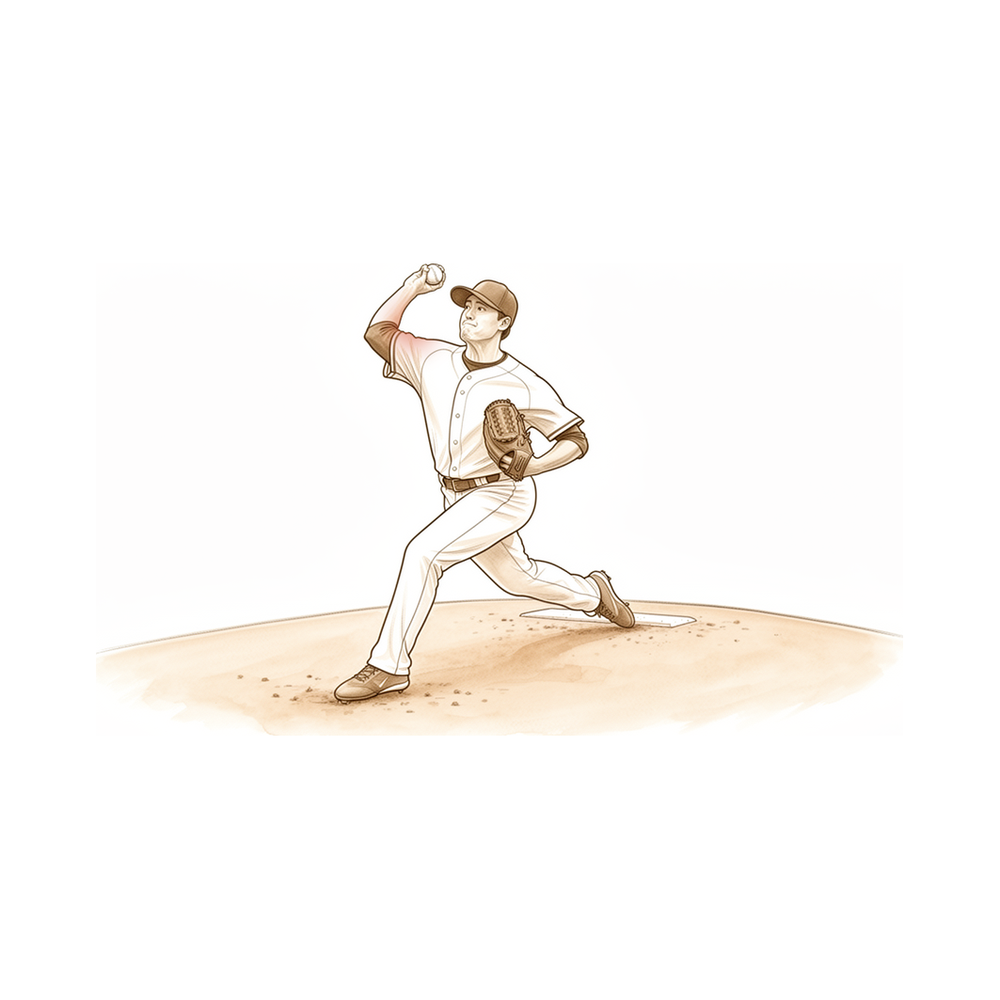
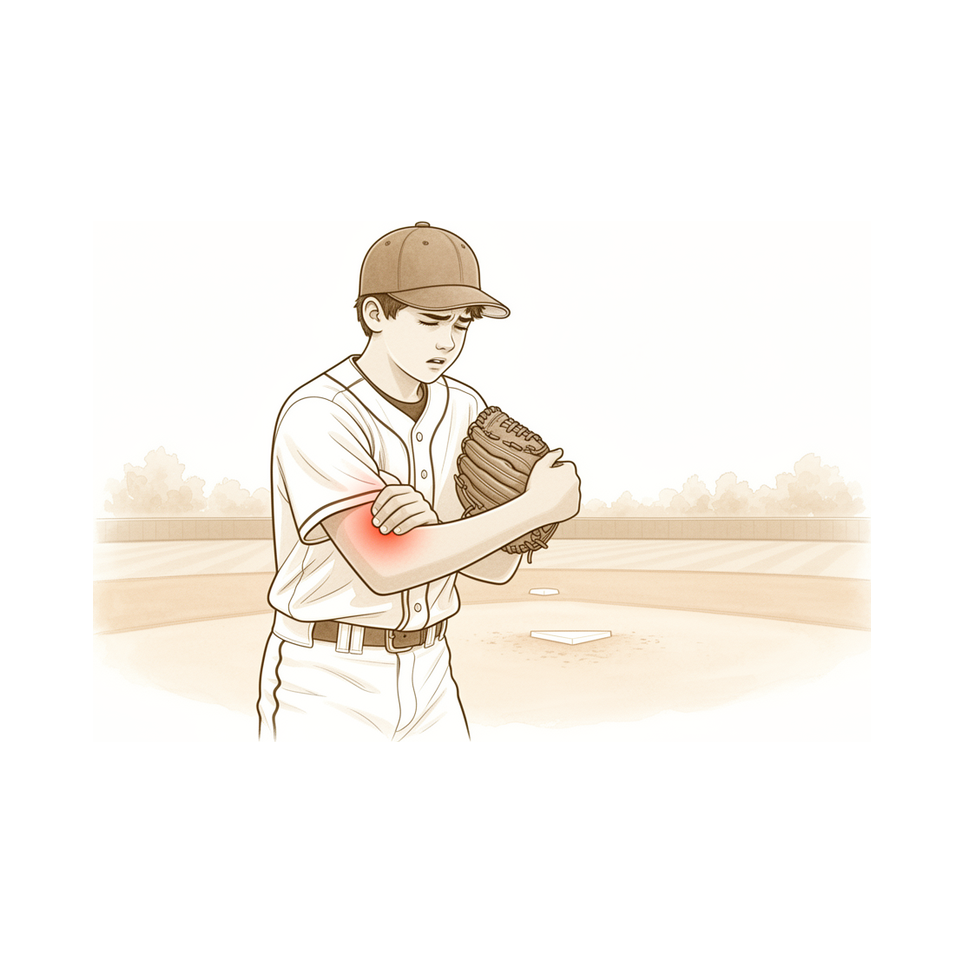
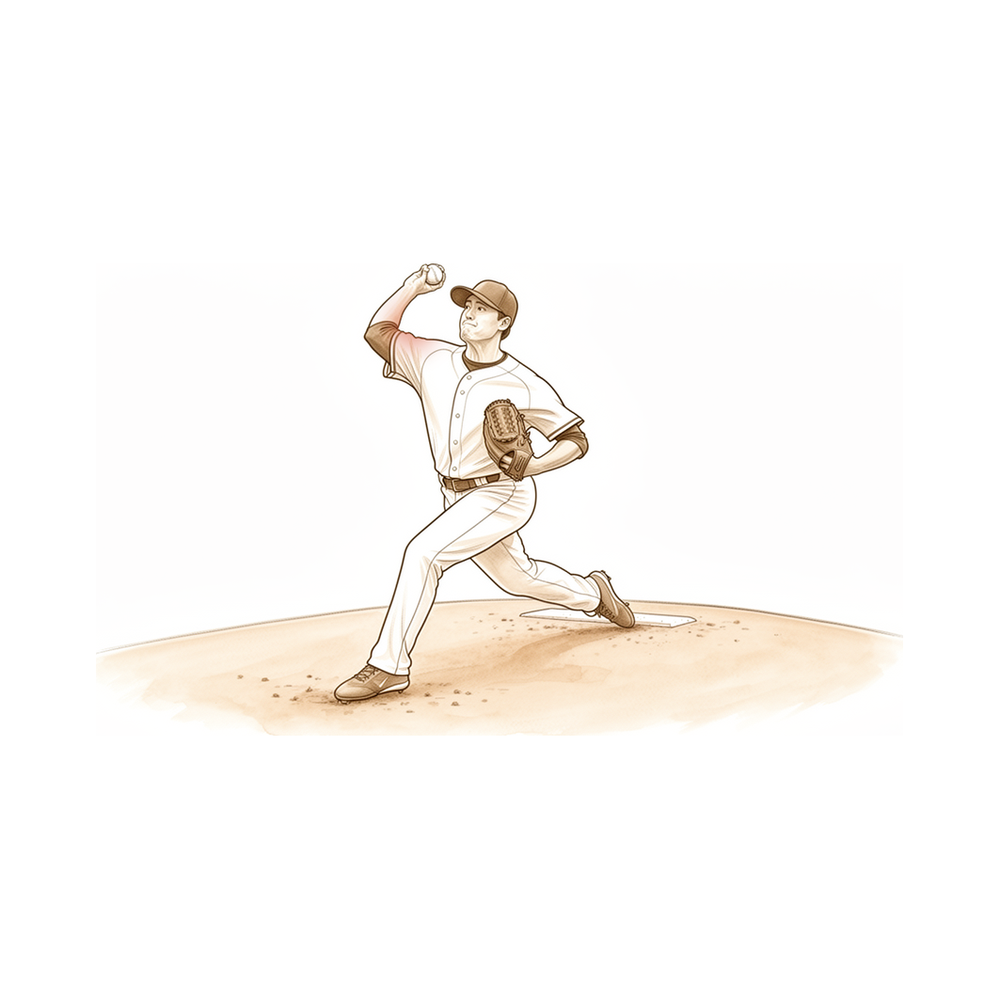
Pitching 100 balls induces a significant reduction in the dynamic stabilizing ability against elbow valgus laxity [38]. The development of elbow contracture after surgical treatment of elbow trauma has an incidence of 8.4% [50].

Vascular & Neural

Bony encasement of the ulnar nerve can result from heterotopic ossification of the elbow [58]. Spontaneous regression of postoperative ossification about the elbow can occur, with complete regression of ectopic bone and return of elbow motion within the first year after the causative event [57].

Classification

A systematic approach to evaluating fracture union, incorporating patient symptoms, signs, immune and endocrine status, and various diagnostic tests, can help surgeons determine the timing and nature of interventions for compromised fracture healing [1]. Bone is unique in its ability to regenerate following an injury, and most fractures will heal using currently available treatment approaches, though various situations are associated with poor repair [2]. Non-union affects 7–10% of surgically treated long bone fracture cases [3].

Radiographic Scoring: Radiographic scoring systems for long bone fracture healing show promise and substantial reliability, but significant challenges remain as few studies have established thresholds to predict future nonunion for all systems [17]. Significant changes in mineral composition, crystal size, and density occurred in the early phases of fracture repair [24].

Pediatric Fractures: A classification of pediatric capitellar fractures is proposed, guiding treatment and prognosis [10]. Arthroscopic reduction and percutaneous cannulated screw fixation might be a useful alternative technique for the management of capitellar fractures [13]. Bony remodelling cannot be relied upon to correct residual deformity, and type II supracondylar humeral fractures have impaired long-term recovery [7].

Coronoid Fractures: Conservative treatment may be considered under strict preconditions for anteromedial coronoid facet fractures, especially for nondisplaced subtype 1 and 2 fractures, as these fractures show satisfactory functional outcomes when treated nonoperatively [12].

Other Considerations: Effective management of malunited fractures requires careful patient selection with detailed clinical and radiographic evaluation, as well as a thorough understanding of the available treatment options that continue to evolve [4]. Surgeons may be able to identify patients at risk for impaired fracture-healing and plan their treatment strategy to better prevent nonunions and reduce morbidity once the reported genetic findings are validated by further studies [5]. The orthopaedic surgeon must respect the basic science of fracture healing and fixation, identify mechanisms causing nonunion early, and act to correct them [25]. Profiling microRNA expression during fracture healing provides valuable information to further understand the molecular mechanism of fracture healing and may lead to the development of miRNA-based tissue engineering strategies to promote fracture healing [45].

Clinical Presentation

A systematic approach to evaluating fracture union incorporates patient symptoms, signs, immune status, endocrine status, and various diagnostic tests [1]. Most fractures heal using currently available treatment approaches, though various situations are associated with poor repair [2]. Nonunion represents a challenging orthopaedic problem due to variable etiology and a multitude of treatment options [30]. Effective management of malunited fractures requires careful patient selection with detailed clinical and radiographic evaluation [4]. Optimizing patient outcomes for nonunion requires a well-coordinated treatment regimen that includes multispecialty involvement [30].

Risk Stratification: Surgeons may be able to identify patients at risk for impaired fracture-healing to plan treatment strategies that prevent nonunions and reduce morbidity once genetic findings are validated [5]. Stress-induced hyperglycemia parameters are potential predictive markers for delayed healing after tibial fracture surgery [31]. Age does not affect clinical fracture healing time in adults [6]. Non-union affects 7–10% of surgically treated long bone fracture cases [3].

Endocrine and Metabolic Evaluation: Serum PTH levels were significantly higher in elderly hip fracture patients with effective healing at 7 and 14 days post-fracture compared to those with delayed healing [9]. Biochemical causes such as hyperparathyroidism should be considered in cases of delayed or non-union of fractures once infective and mechanical causes have been excluded [32].

Pediatric and Specific Fracture Patterns: Bony remodelling cannot be relied upon to correct residual deformity in childhood supracondylar humeral fractures [7]. Type II childhood supracondylar humeral fractures have impaired long-term recovery [7]. A classification of pediatric capitellar fractures guides treatment and prognosis [10]. Complications from supracondylar ostectomy and shortening (S.O.S.) for distal humerus nonunions were frequent, with worse outcomes for patients with intra-articular nonunions [8].

Special Considerations: Patients with poor prognostic factors for pathological fractures should be considered for surgery [11]. Treatment of difficult stress fractures should be individualized to the patient, activity, anatomical site, and severity [29]. High rates of delayed presentation and incomplete evaluation and treatment of scaphoid fractures suggest a need for better patient and doctor education [34].

Investigations

A systematic approach to evaluating fracture union, incorporating patient symptoms, signs, immune and endocrine status, and various diagnostic tests, helps determine the timing and nature of interventions for compromised fracture healing [1]. Effective management of malunited fractures requires careful patient selection with detailed clinical and radiographic evaluation [4]. Non-union affects 7–10% of surgically treated long bone fracture cases [3]. Age does not affect clinical fracture healing time in adults [6]. Patients with poor prognostic factors for fractures should be considered for surgery [11].

Plain radiography: Traditional reliance on radiographs has limitations as bridging callus can take three or more months to occur [59]. The rarity and low radiographic appearance of displaced humeral medial condyle fractures can lead to them being easily overlooked, potentially resulting in nonunion, especially when radiographically difficult to visualize before age 5 years [64]. Accurate interpretation of plain radiographs for the avulsion fleck sign can lead to a faster diagnosis of triceps tendon avulsions, though advanced imaging is indicated to fully assess the injury [69].

CT: CT scanning is becoming increasingly popular to evaluate bridging callus [59].

Ultrasound: Emerging evidence supports the use of ultrasound to detect bridging callus prior to radiographic confirmation and predict patients at high risk of nonunion [59].

Other Considerations: Radiographic scoring systems show promise and substantial reliability, but few studies have established thresholds to predict future nonunion for all systems [17]. Significant changes in mineral composition, crystal size, and density occurred in the early phases of fracture repair [24]. Low-intensity pulsed ultrasound (LIPUS) treatment results in significantly greater progress toward bone healing compared to no LIPUS treatment in subjects with established delayed unions of the tibia [28]. There is no hard proof whether traumatic brain injury results in accelerated fracture healing, and the pathophysiological background remains unclarified [26]. Bony remodelling cannot be relied upon to correct residual deformity in childhood supracondylar humeral fractures, and type II fractures have impaired long-term recovery [7]. A classification of pediatric capitellar fractures guides treatment and prognosis [10].

Treatment

A systematic approach to evaluating fracture union, incorporating patient symptoms, signs, immune and endocrine status, and various diagnostic tests, can help surgeons determine the timing and nature of interventions for compromised fracture healing [1]. Most fractures will heal using currently available treatment approaches, though various situations are associated with poor repair [2]. Non-union affects 7–10% of surgically treated long bone fracture cases [3]. Age does not affect clinical fracture healing time in adults [6].

Non-Operative

Conservative treatment may be considered for nondisplaced subtype 1 and 2 anteromedial coronoid facet fractures under strict preconditions, as these fractures show satisfactory functional outcomes when treated nonoperatively [12]. Distal phalanx Seymour-type fractures in adults can be treated by conservative or surgical methods, with outcomes depending on appropriate reduction and efficient physical therapy [35]. It is prudent to limit the use of bisphosphonates for the treatment of stress fractures until further results are available [19]. Shockwave therapy is a first-line treatment for delayed and non-union fractures with a clearly positive cost-benefit ratio, offering outcomes comparable to surgery while avoiding open approach complications [43].

Operative

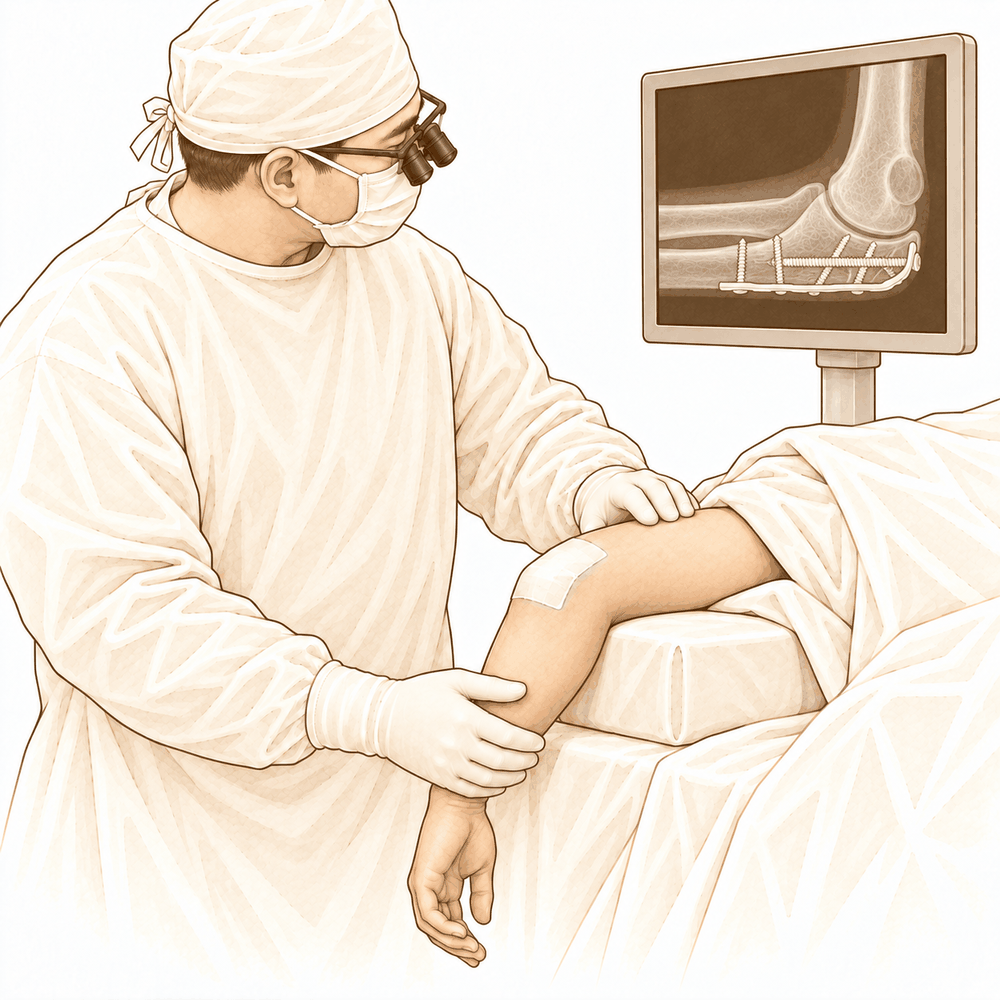
Indications: Indications for surgical treatment of finger fractures are more clearly defined, and operative techniques and implants for osteosynthesis are continuing to evolve and improve, though results vary according to fracture type, surgeon experience, and patient compliance [20]. Patients with open fractures were six times more likely to progress to non-union in humeral shaft fractures treated by minimally invasive plate osteosynthesis [14]. Effective management of malunited fractures requires careful patient selection with detailed clinical and radiographic evaluation, as well as a thorough understanding of the available treatment options that continue to evolve [4].

Surgical Approach / Technique: Supracondylar ostectomy and shortening (S.O.S.) for distal humerus nonunions is associated with frequent complications and worse outcomes for patients with intra-articular nonunions [8]. The radial head remained viable and acted as a biomechanically sound spacer in a case of non-union of radial neck fracture [22].

Adjuncts: Biologic adjuvants improve fracture healing by providing osteoconduction, osteoinduction, and/or osteogenic cells [40]. Mesenchymal stem cells (MSC) are a potential adjunct therapy for patients with non-union fractures [37]. PRP could be a viable alternative to accelerate the healing of fractures, late unions or non-unions [48]. Judicious use of BMP in certain clinical scenarios may revolutionise management of non-unions and delayed unions [16]. Although romosozumab and active vitamin D combination therapy increased trabecular bone volume, there was no evidence on its ability to accelerate fracture healing [39]. Serum PTH level was significantly higher in healing effective group patients at the 7 days and 14 days after fracture than the delayed healing patients [9].

Other Considerations: The prognosis for successful repair of non-union is surprisingly similar whatever method is used, provided good judgment is exercised in the selection of the method [47]. Surgeons may be able to identify patients at risk for impaired fracture-healing and plan their treatment strategy to better prevent nonunions and reduce morbidity once the reported genetic findings are validated by further studies [5].

Complications

General Healing Outcomes: Most fractures heal using currently available treatment approaches, though various situations are associated with poor repair [2]. Non-union affects 7–10% of surgically treated long bone fracture cases [3]. Diabetes substantially alters bone metabolism and soft tissue healing, posing a risk of adverse fracture healing and other complications [18]. In elderly patients with hip fractures, serum PTH levels were significantly higher in patients with effective healing compared to those with delayed healing at 7 and 14 days [9].

Specific Fracture Site Complications: Patients with open fractures are six times more likely to progress to non-union in humeral shaft fractures treated by minimally invasive plate osteosynthesis [14]. Complications from supracondylar ostectomy and shortening (S.O.S.) for distal humerus nonunions were frequent, with worse outcomes for patients with intra-articular nonunions [8]. Tuft nonunions of the distal phalanx did not require revision surgery after a minimum of 1 year of follow-up [21]. Age does not affect clinical fracture healing time in adults with metacarpal fractures [6]. Bony remodelling cannot be relied upon to correct residual deformity in childhood supracondylar humeral fractures, and type II fractures have impaired long-term recovery [7].

Other Considerations: There is no hard proof that traumatic brain injury results in accelerated fracture healing, and the pathophysiological background remains unclarified [26]. The success of pulsed electromagnetic fields for tibial delayed unions and nonunions is not associated with specific fracture or patient-related variables and is not clearly a time-dependent phenomenon [27].

Recovery

Bone possesses the inherent ability to regenerate following injury, and most fractures heal successfully with current treatment approaches, although specific clinical situations are associated with poor repair [2]. A systematic approach to evaluating fracture union—incorporating patient symptoms, signs, immune and endocrine status, and various diagnostic tests—is essential for determining the timing and nature of interventions for compromised fracture healing [1].

Light activity (weeks): Clinical fracture healing time in adults is not affected by age [6]. For distal phalanx tuft nonunions, follow-up of at least 1 year indicates that none required revision surgery, suggesting a stable early-to-mid-term recovery trajectory for this specific injury [21].

Full activity (months): Functional outcomes vary by intervention and anatomy. Newer generation straight humeral nails facilitate faster bone healing and better functional outcomes at mid-term follow-up [23]. In ACL reconstruction, tendon-to-bone healing progresses until the 4-week endpoint regardless of whether calcium phosphate-hybridized tendon grafts are placed within the femoral bone tunnel [72].

Complete recovery / outcome plateau (months): Bony remodelling cannot be relied upon to correct residual deformity in childhood supracondylar humeral fractures, and type II childhood supracondylar humeral fractures are associated with impaired long-term recovery [7]. For distal humerus nonunions treated with supracondylar ostectomy and shortening (S.O.S.), complications are frequent, with worse outcomes observed in patients with intra-articular nonunions [8].

Rehabilitation protocol: The evolution of callus patterns in the intermediate stage of distraction osteogenesis closely correlates with consolidation outcomes [70]. For tibial delayed unions, low-intensity pulsed ultrasound (LIPUS) treatment results in significantly greater progress toward bone healing compared to no LIPUS treatment [28]. The success of pulsed electromagnetic fields for tibial delayed unions and nonunions is not associated with specific fracture or patient-related variables and is not clearly a time-dependent phenomenon [27].

Functional milestones: Nonunions of long duration show evidence of ongoing BMP-signaling, with heterogeneous profiles of BMP, BMP-receptor, and pSmad1 immunostaining [65]. In elderly hip fracture patients, serum PTH levels are significantly higher in those with effective healing at 7 and 14 days after fracture compared to those with delayed healing [9].

Other Considerations: Diabetes substantially alters bone metabolism and soft tissue healing, posing a risk of adverse fracture healing and other complications in lower extremity fractures [18]. Patients with open humeral shaft fractures treated by minimally invasive plate osteosynthesis are six times more likely to progress to non-union [14]. Early administration of alendronate after surgery for distal radial fragility fracture did not appear to delay fracture healing times either radiologically or clinically [68]. Non-union affects 7–10% of surgically treated long bone fracture cases [3]. The median time to refracture varies significantly by anatomic location, and displaced fractures treated with closed reduction are associated with a higher refracture risk in children [71].

Key Evidence

  • [L5] A systematic approach to evaluating fracture union, incorporating patient symptoms, signs, immune and endocrine status, and various diagnostic tests, can help surgeons determine the timing and nature of interventions for compromised fracture healing. (10.5435/jaaos-20-05-273)
  • [L3] Non-union affects 7–10% of surgically treated long bone fracture cases. (10.1186/s13018-023-04232-3)
  • [L5] Surgeons may be able to identify patients at risk for impaired fracture-healing and plan their treatment strategy to better prevent nonunions and reduce morbidity once the reported genetic findings are validated by further studies. (10.2106/jbjs.n.00296)
  • [L3] Age does not affect clinical fracture healing time in adults. (10.1177/1558944718813730)
  • [L3] Bony remodelling cannot be relied upon to correct residual deformity, and type II fractures have impaired long-term recovery. (10.1302/0301-620x.98b10.35923)
  • [L4] However, complications were frequent, and outcomes were worse for patients with intra-articular nonunions. (10.1016/j.jse.2024.05.004)
  • [L4] Serum PTH level was significantly higher in healing effective group patients at the 7 days and 14 days after fracture than the delayed healing patients. (10.1186/s13018-019-1413-5)
  • [L4] A classification of pediatric capitellar fractures is proposed, guiding treatment and prognosis. (10.2106/jbjs.16.01393)
  • [L3] Patients with poor prognostic factors for fractures should be considered for surgery. (10.1186/1471-2474-15-159)
  • [L4] Conservative treatment may be considered under strict preconditions, especially for nondisplaced subtype 1 and 2 fractures, as these fractures show satisfactory functional outcomes when treated nonoperatively. (10.1016/j.jse.2020.09.008)
  • [Case_report] This technique might be a useful alternative for the management of this type of fracture. (10.1016/j.jse.2008.07.007)
  • [L3] Patients with open fractures were six times more likely to progress to non-union. (10.1177/17585732211044443)
  • [L5] Judicious use of BMP in certain clinical scenarios may revolutionise management of non-unions and delayed unions. (10.1016/j.injury.2006.12.012)
  • [L5] Radiographic scoring systems show promise and substantial reliability, but significant challenges remain as few studies have established thresholds to predict future nonunion for all systems. (10.1016/j.injury.2020.07.024)
  • [L2] Diabetes substantially alters bone metabolism and soft tissue healing, posing a risk of adverse fracture healing and other complications. (10.1016/j.injury.2017.11.006)
  • [L4] Until the results are available, it is prudent to limit the use of bisphosphonates for the treatment of stress fractures. (10.1007/s00167-008-0673-0)
  • [L5] Fractures of the fingers are better understood, indications for surgical treatment are more clearly defined, and operative techniques and implants for osteosynthesis are continuing to evolve and improve, though results vary according to fracture type, surgeon experience, and patient compliance. (10.1054/jhsb.2002.0889)
  • [L4] However, after a minimum of 1 year of follow-up, none of the tuft nonunions required revision surgery. (10.1016/j.jhsa.2023.10.003)
  • [Case_report] The radial head remained viable and acted as a biomechanically sound spacer. (10.1111/j.1758-5740.2010.00080.x)
  • [L3] Newer generation straight nails allow a faster bone healing and better functional outcome at mid-term follow up. (10.1186/s13018-021-02776-w)
  • [L5] Significant changes in mineral composition, crystal size, and density occurred in the early phases of fracture repair. (10.2106/00004623-198466080-00019)
  • [L5] The orthopaedic surgeon must respect the basic science of fracture healing and fixation, identify mechanisms causing nonunion early, and act to correct them. (10.1016/j.arthro.2014.11.045)
  • [L4] Despite numerous studies over the last 3 decades, there is still no hard proof whether traumatic brain injury results in accelerated fracture healing, and the pathophysiological background remains unclarified. (10.1155/2015/204842)
  • [L3] Its success is not associated with specific fracture or patient related variables and it couldn't be clearly considered a time-dependent phenomenon. (10.1186/1749-799x-7-24)
  • [L1] These findings demonstrate significantly greater progress toward bone healing after LIPUS treatment compared to no LIPUS treatment in subjects with established delayed unions of the tibia. (10.1186/1471-2474-11-229)
  • [L5] Treatment of difficult stress fractures should be individualized to the patient, activity, anatomical site, and severity. (10.1186/s13018-016-0431-9)
  • [L3] The identification of stress-induced hyperglycemia parameters as potential predictive markers for delayed healing after tibial fracture surgery offers insights for risk assessment and patient management. (10.1186/s13018-024-05138-4)
  • [L4] Biochemical causes such as hyperparathyroidism should be considered in cases of delayed or non-union of fractures once infective and mechanical causes have been excluded, despite the appearance of normal looking bone. (10.1007/s00167-009-0753-9)
  • [L2] The high rates of delayed presentation and incomplete evaluation and treatment suggest a strong need for better patient and doctor education on the subject of scaphoid injuries and nonunions. (10.1016/j.jhsa.2011.06.016)
  • [L4] These fractures can be treated by conservative or surgical methods, with outcomes depending on appropriate reduction and efficient physical therapy. (10.1177/1753193413510863)
  • [L1] MSC is a potential adjunct therapy for patients with non-union fractures. (10.1186/s12891-025-08365-w)
  • [L5] Pitching 100 balls induces a significant reduction in dynamic stabilizing ability against elbow valgus laxity. (10.1016/j.jse.2023.11.001)
  • [L5] Although romosozumab and active vitamin D combination therapy increased trabecular bone volume, there was no evidence on its ability to accelerate fracture healing. (10.1186/s13018-022-03276-1)
  • [Paper] Shockwave therapy is a first-line treatment for delayed and non-union fractures with a clearly positive cost-benefit ratio, offering outcomes comparable to surgery while avoiding open approach complications. (10.1016/j.injury.2021.02.081)
  • [L5] These findings provide valuable information to further understand the molecular mechanism of fracture healing and may lead to the development of miRNA-based tissue engineering strategies to promote fracture healing. (10.1186/s12891-016-0931-0)
  • [L4] The prognosis for successful repair of non-union is surprisingly similar whatever method is used, provided good judgment is exercised in the selection of the method. (10.2106/00004623-196143020-00001)
  • [L2] PRP could be a viable alternative to accelerate the healing of fractures, late unions or non-unions. (10.1007/s00167-013-2734-2)
  • [Paper] The patient population with potentially the greatest benefit from receiving LIPUS are those at-risk for fracture healing, e.g. diabetic & elderly patients. (10.1016/j.injury.2021.05.002)
  • [L3] The development of elbow contracture after surgical treatment of elbow trauma has a relatively high incidence of 8.4%. (10.1016/j.jses.2019.09.004)
  • [L4] We have determined the characteristics of the distal triceps tendon footprint and the insertional orientation on the olecranon. (10.1016/j.arthro.2009.02.020)
  • [Case_report] Complete regression of ectopic bone and return of elbow motion occurred within the first year after the causative event. (10.1016/j.jse.2006.10.005)
  • [L4] This treatment approach leads to superior range of motion, improved or resolved ulnar neuropathy, and good to excellent long-term functional outcomes. (10.1016/j.jse.2023.12.003)
  • [L5] Traditional reliance on radiographs has limitations as bridging callus can take three or more months to occur; CT scanning is becoming increasingly popular to evaluate bridging callus, while emerging evidence supports the use of ultrasound to detect bridging callus prior to radiographic confirmation and predict patients at high risk of nonunion. (10.1016/j.injury.2020.08.016)
  • [L5] The triceps fascial tongue approach allows for exposure of approximately 37% of the articular surface, while releasing the collaterals and dislocating the elbow increases exposure to approximately 85%. (10.1016/j.jse.2022.08.025)
  • [Case_report] The rarity and low radiographic appearance of displaced HMCF are easily overlooked and can eventually lead to nonunion HMCF, especially when radiographically difficult to visualize before age 5 years. (10.1186/s12891-022-05932-3)
  • [L4] Nonunions of long duration were noted to have evidence of ongoing BMP-signaling, and the profiles of BMP, BMP-receptor, and pSmad1 immunostaining were heterogeneous. (10.2106/00004623-200211000-00001)
  • [L1] Early administration of alendronate after surgery for distal radius fracture did not appear to delay fracture healing times either radiologically or clinically. (10.1302/0301-620x.95b11.31652)
  • [L4] Accurate interpretation of plain radiographs for the avulsion fleck sign can lead to a faster diagnosis, though advanced imaging is indicated to fully assess the injury. (10.1016/j.jse.2025.02.031)
  • [L3] Evolution of callus patterns closely correlate with outcomes of DO. (10.1186/s13018-025-06387-7)
  • [L3] The median time to refracture varied significantly by anatomic location, and displaced fractures treated with closed reduction were associated with a higher refracture risk. (10.2106/jbjs.24.01014)
  • [L5] Tendon-to-bone healing in both groups progressed until the endpoint of 4 weeks. (10.1186/s13018-017-0583-2)

See Also

References

[1] Assessment of Compromised Fracture Healing. Journal of the American Academy of Orthopaedic Surgeons. 2012. DOI: 10.5435/jaaos-20-05-273

[2] Chapter 13 Fracture Healing. 2020.

[3] Risk factors and healthcare costs associated with long bone fracture non-union: a retrospective US claims database analysis. Journal of Orthopaedic Surgery and Research. 2023. DOI: 10.1186/s13018-023-04232-3

[4] Chapter 10 Malunions. 2021.

[5] Laying the Foundation for Diagnostic Testing of Impaired Fracture-Healing. Journal of Bone and Joint Surgery. 2014. DOI: 10.2106/jbjs.n.00296

[6] The Effect of Age on Fracture Healing Time in Metacarpal Fractures. HAND. 2018. DOI: 10.1177/1558944718813730

[7] The long-term outcome of childhood supracondylar humeral fractures. The Bone & Joint Journal. 2016. DOI: 10.1302/0301-620x.98b10.35923

[8] Supracondylar ostectomy and shortening (S.O.S.) for distal humerus nonunions. Journal of Shoulder and Elbow Surgery. 2024. DOI: 10.1016/j.jse.2024.05.004

[9] Correlation of serum PTH level and fracture healing speed in elderly patients with hip fracture. Journal of Orthopaedic Surgery and Research. 2019. DOI: 10.1186/s13018-019-1413-5

[10] Capitellar Fractures in Children and Adolescents. Journal of Bone and Joint Surgery. 2017. DOI: 10.2106/jbjs.16.01393

[11] Clinical factors affecting pathological fracture and healing of unicameral bone cysts. BMC Musculoskeletal Disorders. 2014. DOI: 10.1186/1471-2474-15-159

[12] The treatment of anteromedial coronoid facet fractures: a systematic review. Journal of Shoulder and Elbow Surgery. 2021. DOI: 10.1016/j.jse.2020.09.008

[13] Arthroscopic reduction and percutaneous cannulated screw fixation of a capitellar fracture of the humerus: A case report. Journal of Shoulder and Elbow Surgery. 2009. DOI: 10.1016/j.jse.2008.07.007

[14] Prevalence and risk factors for pseudarthrosis in humeral shaft fractures treated by minimally invasive plate osteosynthesis: A 10-year review. Shoulder & Elbow. 2021. DOI: 10.1177/17585732211044443

[16] Bone morphogenic protein and its application in trauma cases: A current concept update. Injury. 2007. DOI: 10.1016/j.injury.2006.12.012

[17] Radiographic Long Bone Fracture Healing Scores: Can they predict non-union?. Injury. 2020. DOI: 10.1016/j.injury.2020.07.024

[18] Diabetes and Healing Outcomes in Lower Extremity Fractures: A Systematic Review. Injury. 2018. DOI: 10.1016/j.injury.2017.11.006

[19] Use of bisphosphonates for the treatment of stress fractures in athletes. Knee Surgery, Sports Traumatology, Arthroscopy. 2008. DOI: 10.1007/s00167-008-0673-0

[20] Treatment of Fractures of the Fingers. What’s New?. Journal of Hand Surgery. 2003. DOI: 10.1054/jhsb.2002.0889

[21] Risk Factors for Nonunion After Distal Phalangeal Fractures of the Hand. The Journal of Hand Surgery. 2025. DOI: 10.1016/j.jhsa.2023.10.003

[22] Non-Union of Radial Neck Fracture: A Case Report and Review of Literature. Shoulder & Elbow. 2010. DOI: 10.1111/j.1758-5740.2010.00080.x

[23] Newer generation straight humeral nails allow faster bone healing and better functional outcome at mid-term. Journal of Orthopaedic Surgery and Research. 2021. DOI: 10.1186/s13018-021-02776-w

[24] Mineral parameters in early fracture repair.. The Journal of Bone & Joint Surgery. 1984. DOI: 10.2106/00004623-198466080-00019

[25] Biological Methods to Enhance Bone Healing and Fracture Repair. Arthroscopy. 2015. DOI: 10.1016/j.arthro.2014.11.045

[26] Improved Fracture Healing in Patients with Concomitant Traumatic Brain Injury: Proven or Not?. Mediators of Inflammation. 2015. DOI: 10.1155/2015/204842

[27] Pulsed electromagnetic fields for the treatment of tibial delayed unions and nonunions. A prospective clinical study and review of the literature. Journal of Orthopaedic Surgery and Research. 2012. DOI: 10.1186/1749-799x-7-24

[28] Improved healing response in delayed unions of the tibia with low-intensity pulsed ultrasound: results of a randomized sham-controlled trial. BMC Musculoskeletal Disorders. 2010. DOI: 10.1186/1471-2474-11-229

[29] Taking a holistic approach to managing difficult stress fractures. Journal of Orthopaedic Surgery and Research. 2016. DOI: 10.1186/s13018-016-0431-9

[30] Chapter 9 Nonunions. 2021.

[31] The predictive value of stress-induced hyperglycemia parameters for delayed healing after tibial fracture post-surgery. Journal of Orthopaedic Surgery and Research. 2024. DOI: 10.1186/s13018-024-05138-4

[32] Primary hyperparathyroidism presenting as delayed fracture union. Knee Surgery, Sports Traumatology, Arthroscopy. 2009. DOI: 10.1007/s00167-009-0753-9

[34] Delays and Poor Management of Scaphoid Fractures: Factors Contributing to Nonunion. The Journal of Hand Surgery. 2011. DOI: 10.1016/j.jhsa.2011.06.016

[35] Distal phalanx fracture in adults: Seymour-type fracture. Journal of Hand Surgery (European Volume). 2013. DOI: 10.1177/1753193413510863

[37] Mesenchymal stem cells therapy for the treatment of non-union fractures: a systematic review and meta-analysis. BMC Musculoskeletal Disorders. 2025. DOI: 10.1186/s12891-025-08365-w

[38] Weakening and factors of medial elbow dynamic stabilizers against elbow valgus laxity after repetitive pitching in high school baseball players. Journal of Shoulder and Elbow Surgery. 2024. DOI: 10.1016/j.jse.2023.11.001

[39] The effects of romosozumab combined with active vitamin D3 on fracture healing in ovariectomized rats. Journal of Orthopaedic Surgery and Research. 2022. DOI: 10.1186/s13018-022-03276-1

[40] Chapter 11 Biologic Adjuvants for Fracture Healing. 2021.

[43] The role of shockwaves in the enhancement of bone repair - from basic principles to clinical application. Injury. 2021. DOI: 10.1016/j.injury.2021.02.081

[45] Profiling microRNA expression during fracture healing. BMC Musculoskeletal Disorders. 2016. DOI: 10.1186/s12891-016-0931-0

[47] Observations on Non-Union of the Shafts of the Long Bones, with a Statistical Analysis of 842 Patients. The Journal of Bone & Joint Surgery. 1961. DOI: 10.2106/00004623-196143020-00001

[48] The biomechanical and histological effects of platelet‐rich plasma on fracture healing. Knee Surgery, Sports Traumatology, Arthroscopy. 2013. DOI: 10.1007/s00167-013-2734-2

[49] Low-intensity pulsed ultrasound (LIPUS) for stimulation of bone healing – A narrative review. Injury. 2021. DOI: 10.1016/j.injury.2021.05.002

[50] Elbow contracture following operative fixation of fractures about the elbow. JSES Open Access. 2019. DOI: 10.1016/j.jses.2019.09.004

[55] Isolated Avulsion of the Medial Head of the Triceps Tendon: An Anatomic Study and Arthroscopic Repair in 2 Cases. Arthroscopy. 2009. DOI: 10.1016/j.arthro.2009.02.020

[57] Spontaneous regression of postoperative ossification about the elbow: A case report. Journal of Shoulder and Elbow Surgery. 2007. DOI: 10.1016/j.jse.2006.10.005

[58] Bony encasement of the ulnar nerve secondary to heterotopic ossification of the elbow: an evaluation of long-term outcomes. Journal of Shoulder and Elbow Surgery. 2024. DOI: 10.1016/j.jse.2023.12.003

[59] Monitoring of fracture healing. Update on current and future imaging modalities to predict union. Injury. 2021. DOI: 10.1016/j.injury.2020.08.016

[60] Percent articular exposure of the distal humerus with triceps fascial tongue approach compared with olecranon osteotomy. Journal of Shoulder and Elbow Surgery. 2023. DOI: 10.1016/j.jse.2022.08.025

[64] Nonunion of humeral medial condyle fracture caused by excessive functional exercise: a case report and review of the literature. BMC Musculoskeletal Disorders. 2022. DOI: 10.1186/s12891-022-05932-3

[65] EXPRESSION AND ACTIVATION OF THE BMP-SIGNALING COMPONENTS IN HUMAN FRACTURE NONUNIONS. The Journal of Bone and Joint Surgery-American Volume. 2002. DOI: 10.2106/00004623-200211000-00001

[68] Effect of early administration of alendronate after surgery for distal radial fragility fracture on radiological fracture healing time. The Bone & Joint Journal. 2013. DOI: 10.1302/0301-620x.95b11.31652

[69] Triceps tendon avulsions in children and young adult patients: a commonly delayed diagnosis. Journal of Shoulder and Elbow Surgery. 2025. DOI: 10.1016/j.jse.2025.02.031

[70] Specific callus patterns in intermediate stage of distraction osteogenesis bring negative impact on consolidation. Journal of Orthopaedic Surgery and Research. 2025. DOI: 10.1186/s13018-025-06387-7

[71] Refractures in Children. Journal of Bone and Joint Surgery. 2025. DOI: 10.2106/jbjs.24.01014

[72] Differences in placement of calcium phosphate-hybridized tendon grafts within the femoral bone tunnel during ACL reconstruction do not influence tendon-to-bone healing. Journal of Orthopaedic Surgery and Research. 2017. DOI: 10.1186/s13018-017-0583-2

Creative Commons BY-NC 4.0

CC Creative Commons licence
BY Attribution — you must credit the source
NC NonCommercial — not for commercial use

Attribution-NonCommercial 4.0 International


Creative Commons Corporation ("Creative Commons") is not a law firm and does not provide legal services or legal advice. Distribution of Creative Commons public licenses does not create a lawyer-client or other relationship. Creative Commons makes its licenses and related information available on an "as-is" basis. Creative Commons gives no warranties regarding its licenses, any material licensed under their terms and conditions, or any related information. Creative Commons disclaims all liability for damages resulting from their use to the fullest extent possible.

Using Creative Commons Public Licenses

Creative Commons public licenses provide a standard set of terms and conditions that creators and other rights holders may use to share original works of authorship and other material subject to copyright and certain other rights specified in the public license below. The following considerations are for informational purposes only, are not exhaustive, and do not form part of our licenses.

Considerations for licensors: Our public licenses are intended for use by those authorized to give the public permission to use material in ways otherwise restricted by copyright and certain other rights. Our licenses are irrevocable. Licensors should read and understand the terms and conditions of the license they choose before applying it. Licensors should also secure all rights necessary before applying our licenses so that the public can reuse the material as expected. Licensors should clearly mark any material not subject to the license. This includes other CC- licensed material, or material used under an exception or limitation to copyright. More considerations for licensors: wiki.creativecommons.org/Considerations_for_licensors

Considerations for the public: By using one of our public licenses, a licensor grants the public permission to use the licensed material under specified terms and conditions. If the licensor's permission is not necessary for any reason--for example, because of any applicable exception or limitation to copyright--then that use is not regulated by the license. Our licenses grant only permissions under copyright and certain other rights that a licensor has authority to grant. Use of the licensed material may still be restricted for other reasons, including because others have copyright or other rights in the material. A licensor may make special requests, such as asking that all changes be marked or described. Although not required by our licenses, you are encouraged to respect those requests where reasonable. More considerations for the public: wiki.creativecommons.org/Considerations_for_licensees


Creative Commons Attribution-NonCommercial 4.0 International Public License

By exercising the Licensed Rights (defined below), You accept and agree to be bound by the terms and conditions of this Creative Commons Attribution-NonCommercial 4.0 International Public License ("Public License"). To the extent this Public License may be interpreted as a contract, You are granted the Licensed Rights in consideration of Your acceptance of these terms and conditions, and the Licensor grants You such rights in consideration of benefits the Licensor receives from making the Licensed Material available under these terms and conditions.

Section 1 -- Definitions.

a. Adapted Material means material subject to Copyright and Similar Rights that is derived from or based upon the Licensed Material and in which the Licensed Material is translated, altered, arranged, transformed, or otherwise modified in a manner requiring permission under the Copyright and Similar Rights held by the Licensor. For purposes of this Public License, where the Licensed Material is a musical work, performance, or sound recording, Adapted Material is always produced where the Licensed Material is synched in timed relation with a moving image.

b. Adapter's License means the license You apply to Your Copyright and Similar Rights in Your contributions to Adapted Material in accordance with the terms and conditions of this Public License.

c. Copyright and Similar Rights means copyright and/or similar rights closely related to copyright including, without limitation, performance, broadcast, sound recording, and Sui Generis Database Rights, without regard to how the rights are labeled or categorized. For purposes of this Public License, the rights specified in Section 2(b)(1)-(2) are not Copyright and Similar Rights.

d. Effective Technological Measures means those measures that, in the absence of proper authority, may not be circumvented under laws fulfilling obligations under Article 11 of the WIPO Copyright Treaty adopted on December 20, 1996, and/or similar international agreements.

e. Exceptions and Limitations means fair use, fair dealing, and/or any other exception or limitation to Copyright and Similar Rights that applies to Your use of the Licensed Material.

f. Licensed Material means the artistic or literary work, database, or other material to which the Licensor applied this Public License.

g. Licensed Rights means the rights granted to You subject to the terms and conditions of this Public License, which are limited to all Copyright and Similar Rights that apply to Your use of the Licensed Material and that the Licensor has authority to license.

h. Licensor means the individual(s) or entity(ies) granting rights under this Public License.

i. NonCommercial means not primarily intended for or directed towards commercial advantage or monetary compensation. For purposes of this Public License, the exchange of the Licensed Material for other material subject to Copyright and Similar Rights by digital file-sharing or similar means is NonCommercial provided there is no payment of monetary compensation in connection with the exchange.

j. Share means to provide material to the public by any means or process that requires permission under the Licensed Rights, such as reproduction, public display, public performance, distribution, dissemination, communication, or importation, and to make material available to the public including in ways that members of the public may access the material from a place and at a time individually chosen by them.

k. Sui Generis Database Rights means rights other than copyright resulting from Directive 96/9/EC of the European Parliament and of the Council of 11 March 1996 on the legal protection of databases, as amended and/or succeeded, as well as other essentially equivalent rights anywhere in the world.

l. You means the individual or entity exercising the Licensed Rights under this Public License. Your has a corresponding meaning.

Section 2 -- Scope.

a. License grant.

1. Subject to the terms and conditions of this Public License, the Licensor hereby grants You a worldwide, royalty-free, non-sublicensable, non-exclusive, irrevocable license to exercise the Licensed Rights in the Licensed Material to:

a. reproduce and Share the Licensed Material, in whole or in part, for NonCommercial purposes only; and

b. produce, reproduce, and Share Adapted Material for NonCommercial purposes only.

2. Exceptions and Limitations. For the avoidance of doubt, where Exceptions and Limitations apply to Your use, this Public License does not apply, and You do not need to comply with its terms and conditions.

3. Term. The term of this Public License is specified in Section 6(a).

4. Media and formats; technical modifications allowed. The Licensor authorizes You to exercise the Licensed Rights in all media and formats whether now known or hereafter created, and to make technical modifications necessary to do so. The Licensor waives and/or agrees not to assert any right or authority to forbid You from making technical modifications necessary to exercise the Licensed Rights, including technical modifications necessary to circumvent Effective Technological Measures. For purposes of this Public License, simply making modifications authorized by this Section 2(a) (4) never produces Adapted Material.

5. Downstream recipients.

a. Offer from the Licensor -- Licensed Material. Every recipient of the Licensed Material automatically receives an offer from the Licensor to exercise the Licensed Rights under the terms and conditions of this Public License.

b. No downstream restrictions. You may not offer or impose any additional or different terms or conditions on, or apply any Effective Technological Measures to, the Licensed Material if doing so restricts exercise of the Licensed Rights by any recipient of the Licensed Material.

6. No endorsement. Nothing in this Public License constitutes or may be construed as permission to assert or imply that You are, or that Your use of the Licensed Material is, connected with, or sponsored, endorsed, or granted official status by, the Licensor or others designated to receive attribution as provided in Section 3(a)(1)(A)(i).

b. Other rights.

1. Moral rights, such as the right of integrity, are not licensed under this Public License, nor are publicity, privacy, and/or other similar personality rights; however, to the extent possible, the Licensor waives and/or agrees not to assert any such rights held by the Licensor to the limited extent necessary to allow You to exercise the Licensed Rights, but not otherwise.

2. Patent and trademark rights are not licensed under this Public License.

3. To the extent possible, the Licensor waives any right to collect royalties from You for the exercise of the Licensed Rights, whether directly or through a collecting society under any voluntary or waivable statutory or compulsory licensing scheme. In all other cases the Licensor expressly reserves any right to collect such royalties, including when the Licensed Material is used other than for NonCommercial purposes.

Section 3 -- License Conditions.

Your exercise of the Licensed Rights is expressly made subject to the following conditions.

a. Attribution.

1. If You Share the Licensed Material (including in modified form), You must:

a. retain the following if it is supplied by the Licensor with the Licensed Material:

i. identification of the creator(s) of the Licensed Material and any others designated to receive attribution, in any reasonable manner requested by the Licensor (including by pseudonym if designated);

ii. a copyright notice;

iii. a notice that refers to this Public License;

iv. a notice that refers to the disclaimer of warranties;

v. a URI or hyperlink to the Licensed Material to the extent reasonably practicable;

b. indicate if You modified the Licensed Material and retain an indication of any previous modifications; and

c. indicate the Licensed Material is licensed under this Public License, and include the text of, or the URI or hyperlink to, this Public License.

2. You may satisfy the conditions in Section 3(a)(1) in any reasonable manner based on the medium, means, and context in which You Share the Licensed Material. For example, it may be reasonable to satisfy the conditions by providing a URI or hyperlink to a resource that includes the required information.

3. If requested by the Licensor, You must remove any of the information required by Section 3(a)(1)(A) to the extent reasonably practicable.

4. If You Share Adapted Material You produce, the Adapter's License You apply must not prevent recipients of the Adapted Material from complying with this Public License.

Section 4 -- Sui Generis Database Rights.

Where the Licensed Rights include Sui Generis Database Rights that apply to Your use of the Licensed Material:

a. for the avoidance of doubt, Section 2(a)(1) grants You the right to extract, reuse, reproduce, and Share all or a substantial portion of the contents of the database for NonCommercial purposes only;

b. if You include all or a substantial portion of the database contents in a database in which You have Sui Generis Database Rights, then the database in which You have Sui Generis Database Rights (but not its individual contents) is Adapted Material; and

c. You must comply with the conditions in Section 3(a) if You Share all or a substantial portion of the contents of the database.

For the avoidance of doubt, this Section 4 supplements and does not replace Your obligations under this Public License where the Licensed Rights include other Copyright and Similar Rights.

Section 5 -- Disclaimer of Warranties and Limitation of Liability.

a. UNLESS OTHERWISE SEPARATELY UNDERTAKEN BY THE LICENSOR, TO THE EXTENT POSSIBLE, THE LICENSOR OFFERS THE LICENSED MATERIAL AS-IS AND AS-AVAILABLE, AND MAKES NO REPRESENTATIONS OR WARRANTIES OF ANY KIND CONCERNING THE LICENSED MATERIAL, WHETHER EXPRESS, IMPLIED, STATUTORY, OR OTHER. THIS INCLUDES, WITHOUT LIMITATION, WARRANTIES OF TITLE, MERCHANTABILITY, FITNESS FOR A PARTICULAR PURPOSE, NON-INFRINGEMENT, ABSENCE OF LATENT OR OTHER DEFECTS, ACCURACY, OR THE PRESENCE OR ABSENCE OF ERRORS, WHETHER OR NOT KNOWN OR DISCOVERABLE. WHERE DISCLAIMERS OF WARRANTIES ARE NOT ALLOWED IN FULL OR IN PART, THIS DISCLAIMER MAY NOT APPLY TO YOU.

b. TO THE EXTENT POSSIBLE, IN NO EVENT WILL THE LICENSOR BE LIABLE TO YOU ON ANY LEGAL THEORY (INCLUDING, WITHOUT LIMITATION, NEGLIGENCE) OR OTHERWISE FOR ANY DIRECT, SPECIAL, INDIRECT, INCIDENTAL, CONSEQUENTIAL, PUNITIVE, EXEMPLARY, OR OTHER LOSSES, COSTS, EXPENSES, OR DAMAGES ARISING OUT OF THIS PUBLIC LICENSE OR USE OF THE LICENSED MATERIAL, EVEN IF THE LICENSOR HAS BEEN ADVISED OF THE POSSIBILITY OF SUCH LOSSES, COSTS, EXPENSES, OR DAMAGES. WHERE A LIMITATION OF LIABILITY IS NOT ALLOWED IN FULL OR IN PART, THIS LIMITATION MAY NOT APPLY TO YOU.

c. The disclaimer of warranties and limitation of liability provided above shall be interpreted in a manner that, to the extent possible, most closely approximates an absolute disclaimer and waiver of all liability.

Section 6 -- Term and Termination.

a. This Public License applies for the term of the Copyright and Similar Rights licensed here. However, if You fail to comply with this Public License, then Your rights under this Public License terminate automatically.

b. Where Your right to use the Licensed Material has terminated under Section 6(a), it reinstates:

1. automatically as of the date the violation is cured, provided it is cured within 30 days of Your discovery of the violation; or

2. upon express reinstatement by the Licensor.

For the avoidance of doubt, this Section 6(b) does not affect any right the Licensor may have to seek remedies for Your violations of this Public License.

c. For the avoidance of doubt, the Licensor may also offer the Licensed Material under separate terms or conditions or stop distributing the Licensed Material at any time; however, doing so will not terminate this Public License.

d. Sections 1, 5, 6, 7, and 8 survive termination of this Public License.

Section 7 -- Other Terms and Conditions.

a. The Licensor shall not be bound by any additional or different terms or conditions communicated by You unless expressly agreed.

b. Any arrangements, understandings, or agreements regarding the Licensed Material not stated herein are separate from and independent of the terms and conditions of this Public License.

Section 8 -- Interpretation.

a. For the avoidance of doubt, this Public License does not, and shall not be interpreted to, reduce, limit, restrict, or impose conditions on any use of the Licensed Material that could lawfully be made without permission under this Public License.

b. To the extent possible, if any provision of this Public License is deemed unenforceable, it shall be automatically reformed to the minimum extent necessary to make it enforceable. If the provision cannot be reformed, it shall be severed from this Public License without affecting the enforceability of the remaining terms and conditions.

c. No term or condition of this Public License will be waived and no failure to comply consented to unless expressly agreed to by the Licensor.

d. Nothing in this Public License constitutes or may be interpreted as a limitation upon, or waiver of, any privileges and immunities that apply to the Licensor or You, including from the legal processes of any jurisdiction or authority.


Creative Commons is not a party to its public licenses. Notwithstanding, Creative Commons may elect to apply one of its public licenses to material it publishes and in those instances will be considered the “Licensor.” The text of the Creative Commons public licenses is dedicated to the public domain under the CC0 Public Domain Dedication. Except for the limited purpose of indicating that material is shared under a Creative Commons public license or as otherwise permitted by the Creative Commons policies published at creativecommons.org/policies, Creative Commons does not authorize the use of the trademark "Creative Commons" or any other trademark or logo of Creative Commons without its prior written consent including, without limitation, in connection with any unauthorized modifications to any of its public licenses or any other arrangements, understandings, or agreements concerning use of licensed material. For the avoidance of doubt, this paragraph does not form part of the public licenses.

Creative Commons may be contacted at creativecommons.org.