Clinicians › Spine
Adult spinal deformity
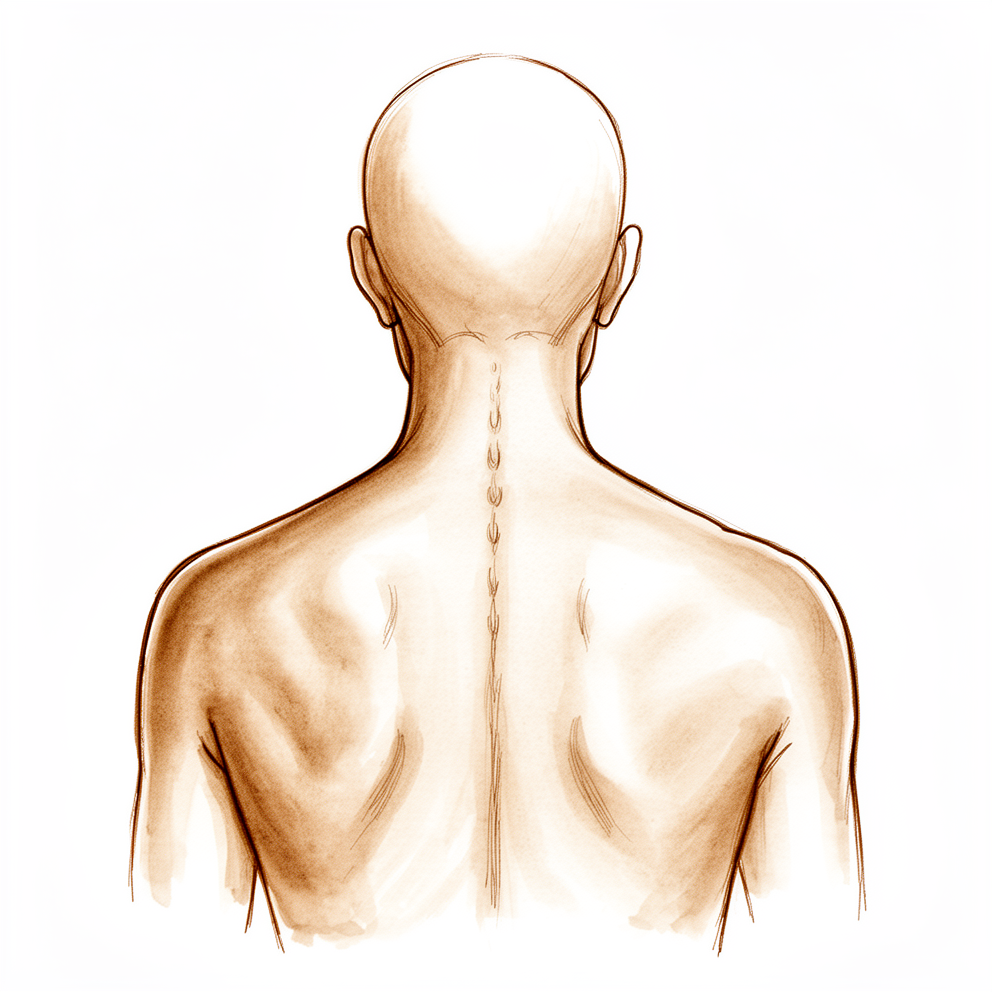
For patients: a plain-language version of this topic is available. See the patient guide.
Overview¶
Spinal deformity encompasses lateral curvature in the frontal plane (scoliosis), forward flexion in the sagittal plane (kyphosis), and hyperextension (lordosis) [13]. Scoliosis inherently includes a rotational component and often a lordotic component, while acute kyphosis may present as a posterior gibbus [13]. Etiologies range from idiopathic causes, which account for 80% of cases in early adolescent girls, to congenital anomalies and neuromuscular disorders such as Duchenne muscular dystrophy, cerebral palsy, and myelomeningocele [13, 2]. Neuromuscular scoliosis typically manifests as long, sweeping C-shaped curves with pelvic obliquity and can be rapidly progressive, particularly in wheelchair users [2].
Surgical intervention is indicated for adult spinal deformity when patients experience disability limiting activities of daily living, progressive coronal or sagittal deformity, or neurological compression unresponsive to nonsurgical treatment [25]. The primary goals of surgery are decompression of neural elements, reestablishment of coronal and sagittal balance, and restoration of horizontal gaze without compensatory mechanisms [25]. Reestablishment of global balance is prioritized over absolute Cobb angle correction [25]. Contraindications include significant cardiopulmonary comorbidities, profound osteoporosis precluding durable fixation, or physical or mental conditions that impair surgical preparation or recovery [25].
Management strategies vary by etiology and severity. Bracing is ineffective for Duchenne muscular dystrophy, Friedrich ataxia, cerebral palsy, and arthrogryposis, but may delay fusion in young patients with spinal muscular atrophy or myelomeningocele presenting with curves between 25 and 45 degrees [2, 17]. Surgical indications for neuromuscular conditions generally include curves exceeding 50 degrees or progressive deformity, with specific thresholds for cerebral palsy and neurofibromatosis [2]. For myelomeningocele, fusion is considered for curves greater than 55 degrees unless the patient is a community ambulator, requiring careful preoperative assessment of shunt function, skin integrity, and potential spinal cord tethering [17].
Anatomy & Pathophysiology¶
Embryology and Development¶
Spinal development initiates in the third week of gestation when the primitive streak deepens to form the primitive groove, which folds to create the neural tube [102]. The neural crest forms dorsally, developing into the peripheral nervous system, spinal ganglia, and sympathetic trunk, while the notochord forms ventrally to become the vertebral bodies and intervertebral disks [102]. Vertebrae develop from somites surrounding the notochord and neural tube, with each vertebra forming from the caudal portion of one sclerotome and the rostral portion of the subjacent level [102]. The intervertebral disk forms from the space between segments, with the nucleus pulposus deriving from notochordal cells and the anulus fibrosus developing from sclerotomal cells [102]. Congenital spinal deformities arise from developmental defects during the fifth to eighth weeks of gestation [28]. Specific embryological failures lead to distinct anomalies: * Neural tube closure failure: Cranial failure causes anencephaly, while caudal failure results in spina bifida, meningocele, or myelomeningocele [102]. * Somite segmentation failure: May result in block vertebrae or unsegmented bars [102]. * Formation failure: Can lead to congenital hemivertebrae [102]. * Neurenteric canal persistence: Believed to cause diastematomyelia, as this canal is present during the third and fourth weeks of gestation [104].
Osseous Anatomy¶
The spine consists of 7 cervical, 12 thoracic, 5 lumbar, 5 fused sacral, and 4 or 5 fused coccygeal vertebrae [64]. The vertebral body is a cylindrical mass of bone connected by pedicles to the posterior arch, which comprises the lamina and spinous process [64]. The spinal canal is formed anteriorly by the vertebral body, posteriorly by the lamina, and laterally by the pedicles [64]. Vertebral bodies primarily bear weight and transfer forces to the pelvis and hips, while posterior elements protect neural structures and function as a tension band [64].
The thoracic spine represents two transitional zones, shifting from the mobile cervical spine to the rigid thoracic region and back to the mobile lumbar spine [96]. This region is characterized by rigidity, forming a bony "cube" with the ribs and sternum that protects the heart and lungs [96]. Thoracic vertebral bodies are larger than cervical but smaller than lumbar vertebrae, and the spinal canal is narrowest in this region [96]. Lumbar vertebral bodies are large, with a transverse diameter greater than the anterior-posterior diameter [103]. Lumbar pedicles arise from the superior aspect of the vertebral bodies and project more horizontally than thoracic pedicles [103]. The sagittal orientation of lumbar facet joints allows flexion and extension while providing resistance to axial rotation and translation [103].
Ligaments¶
The anterior longitudinal ligament is strong, thickest at the center of the vertebral body, and resists hyperextension [107]. The posterior longitudinal ligament is weaker than the anterior ligament, extends from the occiput to the posterior sacrum, and is hourglass-shaped with wider sections over the discs [107]. Ossification of the posterior longitudinal ligament is associated with an increased risk of dural tears [107]. The ligamentum flavum is a strong yellow elastic ligament connecting the laminae, running from the anterior surface of the superior lamina to the posterior surface of the inferior lamina [107]. Hypertrophy of the ligamentum flavum may contribute to nerve root compression [107]. The supraspinous ligament lies dorsal to the spinous processes and begins at C7 in continuity with the ligamentum nuchae [107]. The integrity of the posterior ligamentous complex has implications for operative versus nonoperative treatment [107].
Spinal Cord Anatomy¶
Within the spinal cord, dorsal cells are primarily sensory and ventral cells are primarily motor [100]. The dorsal columns transfer vibration, deep pressure, and proprioception, while the lateral spinothalamic tract lies anterolaterally to transmit pain and temperature sensation [100]. The ventral spinothalamic tract transmits light touch, and efferent voluntary motor function is transmitted along the lateral corticospinal tracts [100]. Fibers of the upper extremities are located deeper within the spinal column, with those related to the torso and lower extremities located sequentially more superficially [100]. At birth, the conus medullaris lies around the L3 level, but by adulthood it lies around the L1-L2 level [100]. The 31 pairs of spinal nerves consist of 8 cervical, 12 thoracic, 5 lumbar, 5 sacral, and 1 coccygeal nerves [100]. In the cervical spine, nerve roots exit above the same-numbered pedicle, with the exception of the eighth nerve root which exits under the C7 pedicle [100]. From T1 distally, nerve roots exit the spine below the same-numbered pedicle [100]. The central gray matter of the spinal cord has a higher metabolic requirement than white matter and is therefore more susceptible to the effects of trauma and ischemia [63].
Vascular Anatomy¶
The thoracic and lumbar levels are supplied by paired segmental arteries originating directly from the aorta [98]. The cervical spine derives its circulation primarily from the vertebral arteries, which typically enter the transverse foramen at the C6 level [98]. The vascular supply of the spinal cord is primarily from medullary branches of segmental spinal arteries that merge to feed the anterior spinal artery [98]. The anterior spinal artery supplies approximately 80% of the vascular supply to the spinal cord [98]. The arteria medullaris magna (artery of Adamkiewicz) is the largest anterior segmental artery and typically arises on the left side between the T8 and L1 levels [98]. The blood supply to the spinal cord is poorest at T4-9, which is considered the critical vascular zone where interference with circulation is most likely to result in paraplegia [101]. The longitudinal arterial trunks are largest in the cervical and lumbar regions near the ganglionic enlargements and much smaller in the thoracic region due to lower metabolic demands of white matter [101].
Biomechanics and Alignment¶
Normal cervical alignment is approximately 15° of lordosis, the thoracic spine generally ranges from 20° to 40° of kyphosis, and the lumbar spine has approximately 40° to 50° of lordosis [97]. Kyphotic segments (thoracic, sacral) are considered "primary" curvatures present in utero and at birth, while lordotic curvatures of the cervical and lumbar spine develop secondarily later in life to allow upright posture [97]. Changes in sagittal balance that shift the center of gravity too far ventrally can result in significant pain and disability [97]. The functional spinal unit consists of two vertebrae, the disk between them, and the facet joints and their capsules [97]. Vertebral bodies bear 70% to 90% of the static axial load of the spine, while facet joints support 10% to 20% of axial load in a standing, neutral alignment [97]. In extension, facet joints may bear up to 30% of the axial load, whereas in flexion, they may be burdened with up to 50% of the anterior shear load [97]. The intervertebral disk absorbs axial loads by deforming the nucleus pulposus, which redistributes axial forces radially [97]. The thoracolumbar junction is a biomechanical transition zone between the rigid thoracic rib cage and the more flexible lumbar spine, contributing to a high incidence of fractures [38]. The spinal canal in the thoracic spine is relatively narrow, increasing the risk of injury-associated compression and neurologic deficits [38].
Pathophysiology of Spinal Deformity¶
Adult spinal deformity is defined as a coronal Cobb angle of greater than 10° in a skeletally mature person and is often three-dimensional, with deformities in the coronal, sagittal, and axial planes [71]. The main categories are degenerative (de novo) and idiopathic [71]. The prevalence of adult spinal deformity is reported between 8.3% and 68% [71]. Nearly 60% of the adult population has some form of spinal deformity, but only approximately 6% are symptomatic [39]. Most patients with symptoms from spinal deformity are 70 years of age or older, and approximately 60% of patients with late-onset degenerative scoliosis are female [39]. Degenerative curves tend to be short segment, usually lumbar, and less severe than curves in idiopathic scoliosis, while adult spinal deformity curves tend to be more rigid than those in adolescents [39].
Scoliosis is a lateral spinal curvature in the frontal plane that always includes a rotational component, kyphosis is a forward (flexed) curvature of the spine in the sagittal plane, and lordosis is a hyperextension deformity of the spine, most common in the lumbar spine [13]. In congenital scoliosis, the risk for progression depends on the type of anomaly and remaining growth, worsening most rapidly during the first 2 years of life and during the adolescent growth spurt [28]. Unilateral bar with contralateral fully segmented hemivertebrae carries the highest risk for rapid and severe progression, while block vertebrae carry the best prognosis for progression [28]. Congenital kyphosis type I (failure of formation) is the most common type, has the worst prognosis, and carries the highest risk for neurologic complications [2]. Neuromuscular scoliosis typically presents with long, sweeping C-shaped curves and associated pelvic obliquity, and can be rapidly progressive, especially in patients who use a wheelchair [2].
Spinal deformity in myelomeningocele can be congenital or acquired, including scoliosis secondary to vertebral malformations, congenital kyphosis, and neuromuscular curves [40]. Problems created by spinal deformity in myelomeningocele include unstable skin over kyphosis, pressure sores, interference with sitting balance, and pulmonary compromise [40]. Lumbar kyphosis is a common deformity in myelomeningocele patients, occurring in 20% to 46% of cases, with paralytic kyphosis being the most common type, accounting for 44% of cases [219]. Kyphotic curves in myelomeningocele progress during growth at a rate of 2–6 degrees per year and are usually associated with a compensatory thoracic lordosis [219]. Segmental spinal dysgenesis, congenital vertebral displacement, and congenital dislocation of the spine create severe localized kyphosis and lead to neurologic deficit in 50% to 60% of patients [120]. Segmental spinal dysgenesis is characterized by focal spinal deformity, usually at the thoracolumbar junction or upper lumbar spine, with severe kyphosis and localized stenosis of the spinal canal [120]. Type I congenital kyphosis involves failure of formation of the vertebral body with present pedicles and posterior elements, unlike segmental spinal dysgenesis which lacks posterior elements [120].
Late posttraumatic deformity is the most common long-term complication associated with fractures of the spinal column, caused by progressive wedging of the vertebral body and attenuation of the posterior tension band [55]. In chronic osteomyelitis, loss of bone commonly causes focal kyphosis [46]. Neurological deterioration might occur in patients with severe angular kyphosis from tuberculosis after many years of an apparently disease-free period [62]. Abnormal mechanical stress may contribute to intervertebral disc degeneration in old thoracolumbar fractures with kyphosis [75]. In type I thoracolumbar disc herniation, disc degeneration is accelerated by regional kyphosis, while in type II, excessive mechanical stress is directly loaded at the thoracolumbar apex [35]. Cervical kyphosis is among the most prevalent morphological alterations in patients with adolescent idiopathic scoliosis and is closely associated with curve severity [42]. The cervical spine morphology of asymptomatic adolescents varies widely, from lordotic to kyphotic [94].
With advancing age, spinopelvic biomechanics demonstrate decreased spinal mobility and increased pelvic/hip mobility [112]. Paraspinal muscle morphology and composition are associated with sagittal spinopelvic alignment [142]. The T4-L1-Hip axis is conceptually aligned with the description of spinal shapes in the Roussouly classification but utilizes continuous measures of spinal alignment [87]. Despite significant changes during skeletal maturity, modifications in spinal curvatures are not large enough to impact surgical planning [61]. In forward head posture, sagittal alignment relationships redistribute toward the upper cervical and cervico-thoracic regions while lumbar structural alignment remains preserved [148]. The cervical sagittal profile undergoes compensatory changes after short lumbar fusion [201]. The compensatory mechanisms for global sagittal balance in degenerative spinal kyphosis involve significant correlation between head position relative to the spine and spinal-pelvic parameters [205]. Malunion of post-traumatic thoracolumbar fractures is often silent but intolerance is mainly related to sagittal imbalance and progression of subjacent degenerative osteoarthritis [218]. Hyperlordosis as a compensatory mechanism for sagittal imbalance increases pressure on posterior articular facets and accelerates their arthritic degeneration [218].
Pathophysiology of Spinal Cord Injury¶
Trauma to the spinal cord causes dysfunction with nonprogressive loss of sensory and motor function distal to the injury [14]. The leading causes of spinal cord injury are motor vehicle accidents, gunshot wounds, falls, sports injuries, and water injuries [14]. Approximately 400,000 people have spinal cord damage in the United States, with an incidence of about 10,000 per year [14]. The incidence of spinal cord injury in the United States is about 17,700 new cases annually, and the prevalence of spinal cord injury patients living in the United States is expected to be approximately 288,000 persons [171]. Spinal shock must resolve before a diagnosis of complete spinal cord injury can be made, evidenced by the return of the bulbocavernosus reflex [63]. In complete spinal cord injury, reflex activity at the site of injury will not return because the reflex arc is permanently interrupted [63].
Specific syndromes include: * Anterior cord syndrome: Results from direct contusion to the anterior cord by bone fragments or damage to the anterior spinal artery [63]. * Central cord syndrome: Results from trauma to the central gray matter and is often caused by minor injury in older patients with cervical spinal canal stenosis [63]. * Brown-Séquard syndrome: Caused by complete hemisection of the spinal cord, resulting in ipsilateral proprioceptive motor loss and contralateral loss of pain and temperature sensation [63].
Inflammatory cytokines such as interleukin-6 and tumor necrosis factor are detectable acutely at the site of spinal cord injury [215]. Activation of apoptotic pathways has been detected within 6 hours of injury in both neurons and oligodendrocytes [215]. Gliosis of the spinal cord begins approximately 1 week after the zone of injury has been established [215]. Macrophage activity removes hematoma and tissue marked for cellular degradation, leaving behind cystic cavities and disorganized fibrosis [215]. The plasticity of intact axons spared during partial spinal cord injuries can provide meaningful functional recovery [215]. Autonomic dysreflexia occurs in patients with lesions above T8 and is characterized by episodes of hypertension [63]. Only 4 hours of continuous pressure on the sacrum is sufficient to cause full-thickness skin necrosis in patients with spinal cord injury [63]. Scoliosis is the most common complication of spinal cord injury in children, with an incidence reported between 85% and 100% in patients injured before the adolescent growth spurt [73]. Syringomyelia is noted frequently after spinal cord injury, developing in the first few months or decades later, and is more common in patients with complete lesions [73].
Classification¶
Definition and Dimensionality: Adult spinal deformity is defined as a coronal Cobb angle of greater than 10° in a skeletally mature person [71]. These deformities are often three-dimensional, with abnormalities present in the coronal, sagittal, and axial planes [71]. The main categories of adult spinal deformity are degenerative (de novo) and idiopathic [71].
SRS–Schwab: The Scoliosis Research Society (SRS)–Schwab classification system describes coronal curve type plus sagittal modifiers and reflects the radiographic severity of the deformity [71]. It is one of the alignment strategies explored in current concepts of sagittal alignment in adult thoracolumbar spinal deformity surgery [172]. For primarily scoliotic deformities, the principles of the modular Lenke classification for adult idiopathic scoliosis can be used to guide level selection [119].
Cervical Spinal Deformity: A proposed classification system for cervical spinal deformity includes a deformity descriptor defining the apex of the deformity and five modifiers [71].
Congenital Spinal Deformities: Congenital spinal deformities are caused by defects of formation or segmentation [20]. The natural history and treatment correspond to the three major patterns of lordosis, kyphosis, and scoliosis [20]. Congenital kyphosis is classified into three types: failure of formation (type I), failure of segmentation (type II), and mixed abnormalities (type III) [2, 3]. Type I congenital kyphosis (failure of formation) is the most common type [2, 3]. It carries a worse prognosis than other types [2, 3] and the highest risk for neurologic complications [2, 3]. Severe type I congenital kyphosis is an immediate indication for surgery [2, 3].
King Classification: The current two-dimensional King classification is inadequate for describing spinal deformities in three dimensions due to significant variability in sagittal configurations within each class [109].
Roussouly Classification: The T4-L1-Hip axis is conceptually aligned with the description of spinal shapes in the Roussouly classification but utilizes continuous measures of spinal alignment [87]. The Roussouly classification could only be a rough estimate of optimal spinopelvic alignment [167].
Degenerative Thoracolumbar Kyphosis: A novel classification for degenerative thoracolumbar kyphosis consists of four types based on thoracolumbar kyphosis and balance [133].
AO/OTA Thoracolumbar Injury: The AO thoracolumbar injury classification system categorizes injury morphology into type A (compression injuries), type B (tension band injuries), and type C (displacement/translational injuries) [38]. In this system, type A and type B injuries are subclassified more granularly [38]. The AO thoracolumbar injury classification system relies on injury morphology (A–C), neurologic status (N), and two case-specific modifiers (M) to categorize each injury [38]. Neurologic injury is graded at admission into N0 (intact), N1 (transient deficits), N2 (symptoms of radiculopathy), N3 (cauda equina), N4 (complete spinal cord), and NX (neurology undetermined) [38]. The case-specific modifier M1 denotes a possible injury to the tension band based on imaging [38]. The case-specific modifier M2 designates patient-specific comorbidities such as ankylosing spondylitis, rheumatologic conditions, and diffuse idiopathic skeletal hyperostosis [38]. The AO Classification system has largely replaced the contemporary TLICS and Denis classification scales for thoracolumbar injuries [38]. Spinal fractures, dislocations, and fracture-dislocations are classified using the comprehensive AO/Orthopaedic Trauma Association classification system, which is based on an alphanumeric classification [48].
TLICS: The Thoracolumbar Injury Classification and Severity (TLICS) scale assigns points based on morphology, integrity of the posterior ligamentous complex, and neurologic status [38]. Morphology points are assigned as follows: compression is 1 point [38], burst is +1 point [38], translation/rotation is 3 points [38], and distraction is 4 points [38]. Posterior ligamentous complex integrity is scored as 0 points for intact [38], 2 points for suspected or indeterminate disruption [38], and 3 points for injury [38]. Neurologic status is scored as 0 points for intact [38], 2 points for nerve root [38], 2 points for complete cord conus medullaris [38], 3 points for incomplete cord conus medullaris [38], and 3 points for cauda equina [38].
ASIA Impairment Scale: The American Spinal Injury Association (ASIA) Impairment Scale classifies spinal cord injuries into complete (ASIA grade A) or incomplete (ASIA grades B–D), with ASIA grade E reflecting a normal neurologic status [48]. ASIA grade A is defined as no motor or sensory function preserved in sacral segments S4–S5 [48]. ASIA grade B is defined as sensory function, but not motor function, preserved below the neurologic level and including sacral segments S4–S5 [48]. ASIA grade C is defined as motor function preserved below the neurologic level, with more than half of the key muscles below the neurologic level having a muscle grade <3 [48]. ASIA grade D is defined as motor function preserved below the neurologic level, with at least half of the key muscles below the neurologic level having a muscle grade of ≥3 [48]. ASIA grade E is defined as normal motor and sensory functions [48].
Other Considerations: The sagittal alignment of thoracic adolescent idiopathic scoliosis patients can be classified into three types based on sacral slope and maximum lumbar lordosis [175]. A new 3D classification for Lenke 1 adolescent idiopathic scoliosis has the potential to identify subtypes without a need for quantitative 3D image post-processing [176]. A reliable classification for assessing the stability of a healed vertebra after thoracolumbar burst fractures was developed [125]. A new morphological classification system for chronic symptomatic osteoporotic thoracolumbar fracture demonstrated excellent reliability in initial assessment [177]. The Global Alignment and Proportion (GAP) score is one of the alignment strategies explored in current concepts of sagittal alignment in adult thoracolumbar spinal deformity surgery [172]. The Cone of Economy is one of the alignment strategies explored in current concepts of sagittal alignment in adult thoracolumbar spinal deformity surgery [172]. Age-adjusted goals are one of the alignment strategies explored in current concepts of sagittal alignment in adult thoracolumbar spinal deformity surgery [172].
Clinical Presentation¶
General Principles and Etiology¶
Spinal curvature may occur in any age group and present with variable findings [13]. Curvatures may be idiopathic, congenital, or accompany a wide variety of neuromuscular disorders, tumors, and infections [13]. Sometimes, spinal curvature is the first clue to important underlying disease [13]. Congenital spinal deformities are caused by defects of formation or segmentation, with the natural history and treatment corresponding to the three major patterns of lordosis, kyphosis, and scoliosis [20]. Spinal deformity in patients with myelomeningocele occurs frequently, can be complex, and often requires treatment [40]. Deformities in patients with myelomeningocele can be congenital or acquired, specific to myelomeningocele or similar to deformities seen in other conditions [40].
Congenital anomalies in myelomeningocele include scoliosis secondary to vertebral malformations, congenital kyphosis related to posterior dysplasia, and intrathecal anomalies such as diastematomyelia [40]. Acquired deformities in myelomeningocele include idiopathic-like scoliosis, pelvic obliquity–related scoliosis, and neuromuscular curves secondary to spinal muscle asymmetry, hydrocephalus, or tethered cord from any cause [40]. Problems created by spinal deformity in myelomeningocele include unstable skin over the deformity in the case of kyphosis, pressure sores or interference with sitting balance in wheelchair-bound patients, and pulmonary compromise secondary to compression from the diaphragm or rib deformity [40].
Definitions and Morphology¶
Scoliosis is a lateral spinal curvature in the frontal plane, best appreciated by physical examination from the patient’s back and by anteroposterior radiographs [13]. Curvatures in scoliosis may be single or multiple and are described by the direction of their convexity [13]. In a flexible spine, the presence of a single (more rigid) curvature can lead to physiologic compensatory curvatures in the opposite direction, above and below the primary curvature [13]. True scoliosis always includes a rotational component that may not be fully appreciated on radiograph and generally includes a lordotic component as well [13]. Lateral curvature in scoliosis is often undetected externally [13]. The rotation of vertebrae that accompanies scoliosis is the physical feature that allows clinical detection [13].
Kyphosis is a forward (flexed) curvature of the spine in the sagittal plane, best appreciated from the side and by lateral radiographs [13]. Frequently, a combination of deformities occurs in individual patients, such as kyphoscoliosis [13]. Vertebral wedging was present in mild scoliosis and increased as the scoliosis progressed [69]. Cervical kyphosis is among the most prevalent morphological alterations in patients with adolescent idiopathic scoliosis and is closely associated with curve severity [42].
Physical Examination Protocol¶
Although spinal curvatures may be detected first during routine radiograph, most lesions are best diagnosed by physical examination [13]. Spinal examination should begin by placing the patient in the standing position [13]. The examiner should check the level of the pelvis and look for obvious asymmetry of the rib, scapula, neck, and shoulder height [13]. The pelvis should be leveled by seating the child on a firm surface if it cannot be leveled while standing, particularly in children with hip contracture from neuromuscular disease [13]. The patient should bend forward to note any asymmetric prominence of the lumbar paraspinous muscle, rib cage, or scapula, which suggests the rotational portion of scoliosis [13]. From the side, the examiner should check for prominence of the spine that might indicate kyphosis, both in the upright and forward-bending position [13].
The physician should determine whether there is a family history of scoliosis, connective tissue disease (e.g., Marfan syndrome, neurofibromatosis), or neuromuscular disease (particularly muscular dystrophy) [166]. The examiner should check the patient’s neck range of motion while looking for evidence of facial, neckline, or scapular asymmetry [166]. The mouth should be checked for a high-arched palate, which may be seen in patients with Marfan syndrome [166]. Upper extremities should be examined for evidence of restricted range of motion and muscle wasting, which may indicate peripheral neuropathy or atrophy caused by syringomyelia [166]. Finger lengths should be checked for signs of arachnodactyly, another indication of Marfan syndrome [166].
The examiner should look for waistline, scapular, or paraspinal asymmetry while the patient stands evenly on both feet with knees straight [166]. The level of the posterior sacral dimples should be checked to ensure that leg length inequality is not creating an apparent scoliosis [166]. The relative position of the scapulae on the posterior chest wall should be determined to rule out an associated or isolated Sprengel deformity [166]. The examiner should look for a shift of the trunk to the right or left of the pelvis, which can be aided by a plumb line held over the base of the occiput or the C7 spinous process [166]. The skin over the spine should be inspected for pigmented spots, hairy patches, and deep pits that might overlie external openings of sinus tracts extending to the spinal cord [166]. The presence of café au lait spots and neurofibromata should be noted [166]. Flattening of the buttocks with apparent loss of lumbar lordosis may indicate the presence of spondylolisthesis [166].
Defects of the vertebral bodies may be palpated by running the fingers along the spine and palpating for stiff curvature or defects in the spinous process [166]. If the patient complains of pain, the examiner should percuss the spine for areas of tenderness [166]. The patient should bend forward with arms hanging freely to evaluate spinal flexion and hamstring tightness [166]. A child with full flexibility should be able to touch the toes with the knees straight during forward bending [166]. The spine should be examined for evidence of rotational deformity secondary to scoliosis during forward bending, which can be measured with a scoliometer [166]. The patient’s spine should be viewed from the side to rule out excessive thoracic kyphosis [166]. The patient should walk on heels and toes and hop on each foot in turn to provide an indication of general strength, muscle tone, and coordination [166].
Formal testing of joint range of motion, muscle strength, and reflexes is performed with the patient on the examination table [166]. The straight-leg raising test is performed during the physical examination [166]. If the patient has scoliosis and there is a possibility of syringomyelia, abdominal reflexes should be checked for asymmetry and for hypesthesia to light touch in the concavity of the deformity [166]. A complete history and baseline physical examination by the specialty team should be done in every child with myelomeningocele [135]. Serial examinations are recommended every 4 to 6 months to document changes in neurologic and functional status in myelomeningocele patients [135]. Extremities are examined for range of motion, muscle strength, and the presence of skin ulcers or breakdown in myelomeningocele patients [135]. Truncal and sitting alignment are evaluated, with decompensation and rotational prominences noted in myelomeningocele patients [135]. Wheelchair and prosthetic modifications are made as needed in consultation with the appropriate skilled vendor and therapists for myelomeningocele patients [135].
History should include symptoms such as changes in body habitus (progressive deformity), presence of gait disturbance due to myelopathy or claudication, and presence of axial or radicular pain [70]. History should include comorbidities, including bone mineral density and neuromuscular disease [70]. History should include prior surgeries, including decompressions and associated complications [70]. Physical examination should assess patient stance, including trunk shift, shoulder or pelvic asymmetry, and overall coronal and sagittal alignment [70]. Supine positioning is used to evaluate sagittal plane rigidity and hip flexion contractures (Thomas test) [70]. Leg length discrepancy and pelvic obliquity are assessed during physical examination [70]. A complete neurological examination is part of the patient evaluation [70].
Radiographic Evaluation¶
Radiographs are used to assess type, severity, and location of the curvature and to look for underlying lesions [13]. The Cobb method is usually used to measure curvatures [13]. The degree of tilt between the most affected vertebral endplates describes curvature magnitude [13]. Baseline radiographs should be done of the entire spine in the anteroposterior and lateral planes for myelomeningocele patients [135]. Radiographs for myelomeningocele patients preferably are done in the sitting position, except in low lumbar and sacral level patients who can stand independently [135]. Evidence of deformity, associated congenital anomalies, and the level of the spinal dysraphism should be recorded on radiographs [135]. Serial radiographs should be performed every 6 months to document curve stability or progression in myelomeningocele patients [135].
A magnetic resonance imaging (MRI) study of the brain and spinal canal should be done within the first 2 years of life for baseline purposes in myelomeningocele patients [135]. MRI studies should be repeated when clinically indicated in myelomeningocele patients [135]. Myelography is reserved for patients in whom the spinal deformity is sufficiently severe to preclude adequate interpretation of MRI scans, in patients with metal implants, and as part of the evaluation of a child with a tethered cord [135]. AP and lateral 36-in. cassette views are used to visualize the entire spine, iliac crests, and clavicles [70]. AP and lateral whole-body views are used to visualize deformity compensatory mechanisms such as pelvic retroversion, hip flexion, and knee flexion [70]. Upright and supine films are used to assess flexibility [70].
Sagittal plane deformity is a prime driver of disability [70]. C7 sagittal vertical axis (C7 SVA) is the horizontal distance between the C7 plumb line and the posterior superior aspect of S1, with a normal range of <5 cm [70]. T1 pelvic angle (T1PA) is the angle drawn from the center of T1, to the center of the femoral heads, then to the midpoint of the S1 end plate, with a surgical goal of <14° [70]. Lumbar lordosis (LL) is the T12–S1 or L1–S1 sagittal Cobb angle, with a normal value around 60° [70]. Loss of lumbar lordosis correlates with pain and functional disability [70]. Pelvic incidence (PI) is the angle subtended by a perpendicular from the midpoint of the S1 end plate and a line to the center of the femoral heads [70]. Pelvic incidence is a constant, anatomic parameter that is independent of pelvic positioning [70]. Pelvic incidence is intimately related to lumbar lordosis, with a surgical goal of lumbar lordosis within 10° of pelvic incidence [70].
Pelvic tilt (PT) is the angle drawn from the midpoint of the S1 end plate, to the center of the femoral heads, then to the vertical, with a normal range of <20° [70]. Pelvic tilt varies with pelvic position [70]. Increasing pelvic tilt is a compensatory mechanism for sagittal plane malalignment [70]. Sacral slope (SS) is the angle subtended by the superior end plate of S1 and the horizontal [70]. Sacral slope varies with pelvic position [70]. Pelvic incidence equals pelvic tilt plus sacral slope (PI = PT + SS) [70]. Coronal alignment (CA) is the horizontal distance between the C7 plumb line and a vertical line drawn from the center of the sacrum (central sacral vertical line), with a surgical goal of <4 cm [70]. The fractional curve is the angle between the lower end vertebra of the lumbar curve (usually L4) and the superior end plate of S1, which is key to overall coronal alignment [70].
Cervical lordosis (CL) is the C1–C7 or C2–C7 sagittal Cobb angle, with an average in patients without cervical spine deformity of around −40° [70]. Cervical hyperlordosis may be compensating for sagittal malalignment of the remaining spine [70]. Cervical sagittal vertical axis is the sagittal horizontal distance between the C2 plumb line and the posterior superior margin of C7, with a normal range of <40 mm [70]. T1 slope (T1S) is the sagittal angle between the superior end plate of T1 and the horizontal drawn from the superior end plate of T1 [70]. The normal range of T1S minus C2–C7 cervical lordosis is <15° [70]. If T1S is high, full spine radiographs should be obtained to check for concomitant thoracolumbar deformity [70]. Chin-brow vertical angle (CBVA) is the sagittal angle formed between a line drawn between the chin and eyebrow, and the vertical drawn from the eyebrow, with a normal range of −10° to +20° [70].
MRI assesses central canal and foraminal stenosis, facet hypertrophy, spinal cord and neural compression, and degenerative disk disease [70]. CT assesses bony anatomy better than MRI does and may be useful for evaluating pedicle anatomy and planning surgical fixation [70]. Dual-energy radiograph absorptiometry measures bone density [70]. Radiographic evaluation of the entire spinal column should be carried out in infants with myelomeningocele, looking specifically for the presence, location, and severity of kyphosis, the last level of posterior element closure, and any evidence of congenital spinal deformity [17]. Congenital spinal deformity in myelomeningocele includes failures of formation or segmentation, as with any congenital spinal anomaly [17]. Pedicular widening or secondary posterior element incompleteness may indicate the presence of diastematomyelia [17].
The diagnostic evaluation of patients suspected of having any form of spinal dysraphism should include a thorough clinical examination of the neurologic and musculoskeletal systems and plain radiography of the entire spine [206]. Ultrasonographic evaluation of the spine can be carried out before age 3 months to look for spinal cord or other intrathecal anomalies if suspicion remains after initial assessment [206]. MRI of the spine should be performed in most patients with suspected spinal dysraphism to define the nature and extent of the spinal cord and other intrathecal anomalies [206]. Computed tomography (CT) of the lumbosacral spine can be helpful in assessing associated congenital vertebral anomalies [206].
Specific Conditions and Presentations¶
Failure of formation (type I) congenital kyphosis is the most common type, has a worse prognosis, and carries the highest risk for neurologic complications [2]. When severe, failure of formation (type I) congenital kyphosis is an immediate indication for surgery [2]. Failure of segmentation (type II) congenital kyphosis can be monitored to document progression, but progressive curves should be fused posteriorly [2]. Mixed abnormalities (type III) are a recognized type of congenital kyphosis [2]. Late kyphotic deformity was noted in 50 per cent of patients with anterior decompression of burst fractures with neurological deficit [6].
Investigations¶
General Spinal Deformity Assessment¶
Clinical and radiographic assessment with careful follow-up is recommended for the early detection and treatment of spinal deformity in Noonan syndrome [1]. Spinal curvature may serve as the first clue to important underlying disease [13]. Physical examination remains the primary method for detecting spinal curvatures, although they may also be identified during routine radiography [13]. The spinal examination protocol includes checking the level of the pelvis and looking for obvious asymmetry of the rib, scapula, neck, and shoulder height [13]. Forward bending is used to note asymmetric prominence of the lumbar paraspinous muscle, rib cage, or scapula, which suggests the rotational portion of scoliosis [13]. The magnitude of asymmetry during forward bending corresponds to the severity of the curvature [13]. Kyphosis is assessed from the side for prominence of the spine in both upright and forward-bending positions [13]. A careful neurologic exam, including upper extremity reflexes, abdominal reflexes, and lower extremity examination, is part of the spinal examination protocol [13].
Imaging Modalities¶
Plain radiography: Radiographs are used to assess the type, severity, and location of spinal curvature and to look for underlying lesions [13]. Bending radiographs may reveal which curvatures are structural and which are flexible compensations [13]. The Cobb method is usually used to measure spinal curvatures by measuring the degree of tilt between the most affected vertebral endplates [13]. Radiographs document progression of idiopathic scoliosis, and observations of the ossification pattern of the iliac crest apophysis (Risser sign) are used to estimate skeletal maturity [13]. Vertebral wedging is present in mild scoliosis and increases as the scoliosis progresses [69]. The pattern and sequence of vertebral and intervertebral disc wedging are related to the location of the curve rather than the presence of curve progression [233]. Apical wedging and coronal imbalance may identify patients with adolescent idiopathic scoliosis suited for closer monitoring and early spinal fusion [231]. Patients with adult spinal deformity demonstrate a distinct Coronal Plane Alignment of the Knee (CPAK) profile [41]. Standing plain AP, lateral, and flexion-extension x-rays should be taken to rule out associated spinal instability or deformity in patients with spinal stenosis [66]. Radiographs, flexion-distraction or neutral, have limited utility in the acute setting of spinal trauma because of their high false-negative and false-positive rates [113]. When the segmental sagittal angle on plain radiography is more than 17°, there might be a significant discrepancy between plain radiography and supine computed tomography for thoracolumbar fractures [217].
MRI: A noncontrast MRI scan is the most useful diagnostic tool for identifying spinal stenosis [66]. In patients who cannot have MRI scans, a CT myelogram is necessary for evaluating spinal stenosis [66]. MRI is helpful in patients with suspected spinal cord injury, epidural hematoma, or traumatic disc herniation [147]. MRI can identify soft-tissue injuries such as ligamentous tears in the acute stage of trauma [147]. In the setting of trauma, MRI is usually reserved for neurologically impaired patients whose CT examinations are negative or for patients in whom spinal fracture reduction is planned and associated disc pathology must be excluded [147]. MRI is critical in evaluating nontraumatic compressed vertebrae to exclude underlying pathologic conditions [147]. Preservation of normal marrow signal in a portion of the compressed vertebral body, especially with a linear pattern of signal abnormality, is suggestive of a fracture caused by a benign process such as osteoporosis [147]. Complete marrow replacement or the presence of additional focal abnormal marrow signal at other levels should prompt consideration of biopsy for underlying neoplasm [147]. The identification of edema within a compressed vertebra can confirm a fracture as either acute or subacute [147]. Patients with presumed spinal cord injury should undergo MRI to determine the location and severity of the injury and to identify the cause of spinal cord compression [113]. MRI images can reliably identify ligamentous injuries of the cervical spine that may not be clearly identifiable from MDCT images [113]. Patients presenting with a Glasgow Coma Scale of less than 15 and midline tenderness with neurological symptoms should be evaluated with MRI for possible ligamentous injury [113]. Patients with atypical idiopathic curvature patterns, such as left thoracic curves or idiopathic curvature in younger children, may require more extensive testing such as EMG or MRI [13].
CT: CT remains the most useful advanced imaging technique for spinal trauma due to inherent contrast provided by bone and unmatched spatial resolution [147]. Multidetector CT (MDCT) has a sensitivity of 97% to 100% for patients with neck tenderness and pain in spinal trauma [113]. Whole-body CT scans with thin section images of the entire spine, with two-dimensional and three-dimensional reconstructions, have largely replaced conventional radiographs for the initial assessment of multiply injured patients [48]. Additional vertebral fractures at a different level occur in approximately 10% of cases in multiply injured patients [48]. Postoperative computed tomography is indispensable for clarifying the spinal canal width, the position of posterior wall fragments, and the evaluation of exact fracture morphology in thoracolumbar spine fractures [236].
Specific Pathology Imaging¶
Plain radiography: Radiographic examination of patients with osteomyelitis of the spine usually demonstrates changes in the architecture of the vertebral body, such as scalloping of end plates and sclerosis of the subchondral bone [46]. Radiographic changes in the vertebrae usually take several weeks to develop and may not be seen in a patient with acute vertebral osteomyelitis [46]. In patients with chronic osteomyelitis, loss of bone commonly causes focal kyphosis [46]. Standing full-length scoliosis radiographs can be obtained to assess sagittal spinal alignment in greater detail in patients with osteomyelitis [46]. Plain radiographic findings for pyogenic vertebral osteomyelitis include osteopenia, paraspinous soft tissue swelling, erosion of the vertebral end plates, and disc destruction [81].
CT: Noncontrast CT scan of the affected part of the spine can show bony morphologic changes in greater detail than plain radiographs [46]. Bony retropulsion into the spinal canal, subchondral sclerosis, and erosion of the vertebral end plates are better delineated with CT scan imaging than with MRI [46].
MRI: MRI of the affected area of the spine with and without gadolinium contrast allows for detailed imaging of the soft-tissue structures and should be obtained in all patients with suspected osteomyelitis of the spine [46]. On T1-weighted imaging, a patient with vertebral osteomyelitis/diskitis will have hypointense signal at the affected end plate and disk [46]. T2-weighted imaging will demonstrate hyperintense signal in the vertebral body and disk space in vertebral osteomyelitis/diskitis [46]. The addition of gadolinium contrast allows for improved visualization of the infectious process in spinal osteomyelitis [46]. MRI is sensitive for detecting infection and specific in differentiating infection from tumor in pyogenic vertebral osteomyelitis [81]. Gadolinium enhances MRI sensitivity for detecting pyogenic vertebral osteomyelitis [81]. For spinal epidural abscess, MRI is the modality of choice, and supplementation with gadolinium allows differentiation between epidural abscess and cerebrospinal fluid [82]. Abscess and cerebrospinal fluid have high signal intensity on T2-weighted images for spinal epidural abscess [82]. Gadolinium enhances the pus on T1-weighted images, whereas cerebrospinal fluid remains low-signal for spinal epidural abscess [82].
Bone scan: Bone scanning is sensitive for a destructive process in pyogenic vertebral osteomyelitis [81].
Other Considerations: In type I thoracolumbar disc herniation, disc degeneration was accelerated by regional kyphosis, while in type II, excessive mechanical stress was directly loaded at the thoracolumbar apex [35]. A short lumbosacral curve accompanied with a long thoracic or thoracolumbar curve toward the opposite side, and a relatively straight sagittal profile have been noted in adolescents with lumbar disc herniation presenting with scoliotic posture [235]. Asymptomatic radiologic cervical and thoracic stenosis is common in elderly patients with symptomatic lumbar stenosis [228]. The cervical spine morphology of asymptomatic adolescents varies widely, from lordotic to kyphotic [94].
Treatment¶
Non-Operative¶
Nonsurgical treatment for adult spinal deformity is associated with neither improvement nor worsening of patient function [80]. However, health-related quality of life (HRQOL) improved more by surgical treatment than by nonsurgical treatment [80]. Predictive factors for successful non-operative treatment and achieving minimal clinically important difference (MCID) improvement in HRQOL have been identified [226]. For most cases of early-onset scoliosis, conservative treatment is the first-line approach because it has fewer complications associated with it than surgery [86]. Bracing is generally ineffective for congenital scoliosis but may be useful for controlling compensatory curves and delaying surgery [28]. In neuromuscular scoliosis, bracing may be used to delay surgical treatment, though this is controversial and not typically used [2].
Operative¶
Indications: The goals of surgery for adult spinal deformity are decompression of involved neural elements, reestablishment of coronal and sagittal balance, and reestablishment of horizontal gaze without compensatory mechanisms [25]. Reestablishment of coronal and sagittal balance is considered more important than absolute Cobb angle correction [25]. Indications for surgery include inability to perform activities of daily living due to deformity-associated disability, progressive deformity in the coronal or sagittal plane, and neurological compression causing claudication or radiculopathy not responsive to nonsurgical treatment [25]. Contraindications include cardiopulmonary conditions or associated comorbidities, profound osteoporosis that may prevent durable and effective fixation, and physical or mental conditions that would impair surgical preparation or recovery [25]. Frail patients are at risk of a poor outcome after surgery due to their comorbidities [18]. Careful selection of patients for lumbosacral fusion is essential, requiring persistent, disabling pain unrelieved by non-surgical treatment [90].
Surgical Approach / Technique: Decompression alone is indicated for patients with radiculopathy, stable deformity, and central or lateral recess stenosis, but it could result in increased postoperative deformity or iatrogenic instability [25]. Decompression with limited fusion is indicated for patients with apical progression or symptomatic lumbosacral fractional curves who cannot undergo a long fusion [25]. Decompression and long fusion with deformity correction is indicated for lumbar degenerative scoliosis, large scoliosis curves, and severe subluxation of the apical vertebra [25]. Osteotomy is indicated for rigid coronal, sagittal, or biplanar deformities [25]. Schwab Grade 2 osteotomy involves complete facet joint resection and provides approximately 10° of correction per level [25]. Schwab Grades 3 and 4 osteotomies involve pedicle and partial body resection and provide 25° to 35° of correction per level [25]. Schwab Grades 5 and 6 osteotomies involve complete vertebra and disc resection (vertebral column resection) and allow high biplanar angular correction [25]. Smith–Peterson or Ponte osteotomies may achieve correction of approximately 10 to 15 degrees per level and require a mobile anterior intervertebral segment [55]. A pedicle subtraction osteotomy may provide correction of more than 30 degrees and is effective for deformities with a rigid anterior column, such as malunited burst fractures [55].
Single-staged posterior minimally invasive surgery (MIS) effectively corrects global alignment in adult spinal deformities with a low re-operation rate [68]. Circumferential minimally invasive surgery (cMIS) provides good clinical and radiographic outcomes for moderate (30°–75°) adult idiopathic scoliosis [32]. Decompression and limited fusion of the decompressed segments appears to be a more effective treatment for patients 65 years or older with mild degenerative scoliosis (<30°) and symptoms of stenosis [49]. Combined anterior-posterior surgery is effective for correcting osteoporotic spinal deformities with global sagittal imbalance, with 94% of patients reporting subjective improvement at 2 years [26]. Vertebral column decancellation (VCD) is a safe and effective method in treating rigid kyphotic deformity secondary to ankylosing spondylitis [116]. Mild loss of correction mainly occurred in global kyphosis for both pedicle subtraction osteotomy (PSO) and VCD techniques, with no significant difference between them [140]. Modified bone-disc-bone osteotomy (MBDBO) demonstrates stability of correction and clinical efficacy for treating kyphosis caused by old thoracolumbar vertebral fractures [131]. Transpedicular bi-vertebrae wedge osteotomy is a safe and effective treatment option for post-tubercular spinal deformity [149]. Posterior vertebral column resection effectively improves the kyphosis correction rate for thoracolumbar spinal tuberculous angular kyphosis without increasing perioperative complications [121].
In rare cases of severe deformity, Harrington instrumentation may be used to gain correction provided a preoperative myelogram excludes spinal cord anomalies and cord function is monitored [8]. Solid fusion was achieved in all but one patient treated with Harrington instrumentation for unstable fractures and fracture-dislocations, with no residual spinal deformity [34]. Osteotomy of the fusion mass may be indicated in patients with a previously fused but progressively unbalanced, painful deformity of the spine, despite a high complication rate of 51 percent [60]. Anterior decompression of burst fractures with neurological deficit was associated with late kyphotic deformity in 50 per cent of patients [6]. Surgery is effective in correcting kyphosis and providing sustained improvements over time for burst fractures in children and adolescents [16]. The primary aim of surgical treatment for posttraumatic kyphotic deformity is to restore normal sagittal balance, decompress neurologic structures, and stabilize the spine [55]. The overall complication rate when correcting posttraumatic deformities is approximately 10% [55].
Surgical treatment of severe congenital thoracolumbar kyphosis through a single posterior approach is feasible, safe, and effective [110]. Surgical stabilisation of the spine can be reserved for severe progressive deformities unresponsive to conservative treatment in infantile developmental thoracolumbar kyphosis [51]. Early recognition of the diagnosis and early spine fusion are recommended treatment for congenital thoracic lordosis [11]. For congenital kyphosis, posterior arthrodesis was highly effective, giving better eventual correction than when both anterior and posterior arthrodesis was done [76]. Posterior fusion is favored in young children (<5 years) with congenital kyphosis curves of less than 50 degrees and normal neurologic findings [2]. One-stage posterior spinal fusion resulted in superior correction and fewer complications than growing rod treatment in 9- to 11-year-old children with congenital scoliosis [50]. The literature does not support routine definitive fusion of thoracic spinal deformity at an early age in children with scoliosis [21]. Surgical treatment of congenital upper thoracic scoliosis has a high risk of complications, especially distal adding-on, though the absence of major neurological complications supports its viability [58].
Correction and stabilization of spinal deformity in patients with familial dysautonomia is considered beneficial despite reported results [4]. In the event of late diagnosis and structural changes in the spine due to benign osteoblastoma, or when the spine becomes unstable due to the extent of excision, correction and stabilization may be required [9]. If anterior and posterior fusions are combined, surgical treatment of scoliosis associated with thoracolumbar spine fractures is effective [93]. Morphologic results confirm that effective and permanent correction can be achieved by surgical intervention in neuropathic scoliosis [132]. Anterior spinal fusion achieved satisfactory deformity correction with high perioperative complication rates, but no long-term sequelae among children with high level myelomeningocele [47]. Surgery for Duchenne muscular dystrophy is indicated when the curve is progressive and more than 25 to 30 degrees in patients whose forced vital capacity is compromised [2]. Fusion is indicated for Friedrich ataxia, spinal muscular atrophy, spina bifida, and arthrogryposis if the curve is >50 degrees or progressive [2]. Fusion is indicated for neurofibromatosis if the curve is >40 degrees or progressive [2]. For cerebral palsy, surgery is indicated for curves >50 degrees in ambulatory patients, progressive curves >50 degrees in communicative and aware patients, or curves interfering with seating and nursing [2]. In patients with spinal muscular atrophy, early diagnosis is important to allow medical management before joint contractures, scoliosis, and pulmonary decline occur [43]. Nusinersen has been shown to improve motor function and motor milestone development in all types of spinal muscular atrophy, with better outcomes in younger patients who have not yet developed scoliosis [43]. Treatment options for the crankshaft phenomenon are limited, and additional surgery may be indicated for patients with problematic deformity or risk of progression [45]. Cervical kyphosis in diastrophic dwarfism can be severe and require surgical fusion [24]. Since spinal deformities in Noonan syndrome tend to develop early and are relatively severe, clinical and radiographic assessment with careful follow-up should be performed for early detection and treatment [1].
Implant Selection: The goals of instrumentation in scoliosis surgery are to correct the deformity as much as possible and to stabilize the spine in the corrected position while the fusion mass becomes solid [150]. The fusion mass in a well-corrected spine is subjected to much lower bending moments and tensile forces than is the fusion mass in an uncorrected spine [150]. Harrington instrumentation has been replaced by more modern segmental instrumentation systems using multiple anchors, most commonly pedicle screws and hooks, which allow more desired amount of coronal and sagittal plane correction [150]. Posterior segmental spinal instrumentation systems generally do not require any postoperative immobilization [150]. With the use of pedicle screws, there appears to be better transverse plane correction (vertebral rotation) compared to other systems [150]. Distraction on the concave side of a thoracic curve will decrease scoliosis and thoracic kyphosis [150]. Compression applied on the convex side of a lumbar curve will correct scoliosis and allow for restoration or maintenance of lumbar lordosis [150]. Early outcome studies show that growth modulation with vertebral body tethering is safe, can achieve good results, and preserve motion in select patients [136]. Multi-segmental lumbar spinal stenosis treated with Dynesys stabilization is a safe and effective surgical treatment in the elderly population [138].
Alignment / Balancing Strategy: The upper instrumented vertebra (UIV) should be horizontal rather than tilted and should not stop within kyphotic regions [25]. Surgical risk factors for proximal junctional kyphosis or failure include posterior soft-tissue injury, combined anterior-posterior fusion, fusion to the sacrum or ilium, and thoracoplasty [25]. Techniques for preventing proximal junctional kyphosis or failure include preserving supra-adjacent facets and ligaments, reducing instrumentation stiffness, augmenting the UIV or UIV+1 with cement, and fixing ribs at UIV+1 without fusion [25]. Extending distal fusion to S1 rather than stopping at L5 is controversial; advantages include improved balance maintenance, while disadvantages include increased operative time, complication rate, revision rate, and risk of pseudarthrosis [25]. Indications for extending fusion to S1 include existing L5–S1 pathology, L5 involvement in a fractional curve with lumbosacral obliquity, or incomplete correction of global sagittal imbalance [25].
Adjuncts: Intraoperative neurological monitoring is mandatory in adult spinal deformity surgeries [80]. Tranexamic acid is associated with reduced intraoperative blood loss in adult spinal deformity surgery [80]. Intrawound vancomycin powder may reduce the rate of surgical site infection in adult spinal deformity surgery [80]. Use of recombinant human bone morphogenetic protein-2 is associated with reduced risk of pseudarthrosis in complex adult spinal deformity surgery [80]. It is necessary to implement an Enhanced Recovery After Surgery (ERAS) protocol for adult patients with spinal deformity undergoing long-segment fusion surgery [88].
Setting of Care: Urgent/emergent MRI can help assess for compression of the cauda equina, with surgical decompression as soon as possible [145].
Revision: The three aims of reconstructive surgery for failed scoliosis fusion are relief of pain, correction of deformity, and arrest of progression [225]. No patient who was free of pain at the time of reconstructive surgery for failed scoliosis fusion had pain after treatment [225]. A reduction in the grade of pain was obtained in 67 per cent of patients who initially had pain following reconstructive surgery for failed scoliosis fusion [225]. Eight patients had increased pain following reconstructive surgery for failed scoliosis fusion [225]. In the group with idiopathic scoliosis undergoing reconstructive surgery for failed fusion, nineteen patients were improved, two remained unchanged, and four were worse [225]. In the poliomyelitic group undergoing reconstructive surgery for failed fusion, thirteen patients were improved, six remained unchanged, and four were worse [225]. In the miscellaneous group undergoing reconstructive surgery for failed fusion, five patients were improved, two remained unchanged, and one was made worse [225]. Surgical exploration is the gold standard for diagnosing spinal non-union but is impractical for most patients; therefore, non-invasive radiologic methods are necessary [213].
Other Considerations: Surgical treatment for adult lumbar and thoracolumbar scoliosis in patients over 50 is associated with a high rate of complications (44%) and a significant risk of requiring a second operation (50% at 6 years) [15]. The overall complication rate for surgical treatment of adult spinal deformity is 72%, with perioperative complications at 44% and late complications at 54% [80]. For complex adult spinal deformity surgery patients, neurologic and nonneurologic complications predict lower 2-year health-related quality of life [80]. Complications related to surgical treatment are frequent, but most are recoverable and have minimal detrimental effect on health-related quality of life [80]. The study describes the longitudinal cumulative outcome after adult spinal deformity surgery, utilizing patient-reported outcome measures to assess quality of life and disability over time [5]. Factors and predictive models associated with perioperative complications after long fusion in the treatment of adult non-degenerative scoliosis have been identified [56]. Decision-making in the treatment of adult spinal deformity requires a holistic approach that follows up both surgically- and non-surgically-treated patients and reports all complications and their effects on outcomes [89]. Comparison of surgical and conservative treatment for degenerative lumbar scoliosis found a significantly higher rate of spinal stenosis symptoms in the conservative group [211]. Although immediate postoperative outcomes for thoracolumbar spine trauma in patients with ankylosing spondylitis and diffuse idiopathic skeletal hyperostosis were comparable with those of unaffected individuals, tailored management strategies are needed [212]. Non-operative treatment for stable thoracolumbar burst fractures and uninstrumented fusion for low-grade lytic spondylolisthesis demonstrate established clinical proficiency with excellent long-term outcomes and lower complication rates compared to instrumented approaches [223]. Non-instrumented circumferential arthrodesis after gradual correction is still relevant in the management of high-grade L5-S1 spondylolisthesis associated with lumbosacral kyphosis in children and adolescents [214]. Central stenosis that fails nonoperative management should be treated with laminectomy and partial medial facetectomy, with fusion indicated for surgical instability, pars defect, spondylolisthesis, scoliosis, or radiographic instability [145]. Lateral recess stenosis that fails nonoperative management should be treated with decompression of the hypertrophied lamina and ligamentum flavum, and partial medial facetectomy [145]. Outcomes from the SPORT trial (4-year follow-up) demonstrated significant improvement in pain and function for operative compared with nonoperative groups for lumbar spinal stenosis [145]. Operative treatment for degenerative spondylolisthesis involves decompression of nerve roots and stabilization with posterolateral fusion [145]. High-grade (>50%) isthmic spondylolisthesis slips in pediatric patients are typically more symptomatic and have a higher rate of progression, and surgical stabilization with posterolateral fusion should be considered [145].
Complications¶
Adult Spinal Deformity Surgery¶
Surgical treatment for adult lumbar and thoracolumbar scoliosis in patients over 50 is associated with a complication rate of 44% [15] and carries a 50% risk of requiring a second operation at 6 years [15]. The overall complication rate for adult spinal deformity surgery is 72% [80], comprising a perioperative complication rate of 44% [80] and a late complication rate of 54% [80]. Radiographic complications account for 29% of overall complications [80], neurological complications for 28% [80], implant complications for 26% [80], surgical complications for 26% [80], cardiopulmonary complications for 22% [80], and infection for 15% [80]. Most complications related to adult spinal deformity surgery are recoverable and have minimal detrimental effect on health-related quality of life [80].
Perioperative Complications: Perioperative surgical complications occur in 26% of adult spinal deformity cases [80]. Perioperative cardiopulmonary complications occur in 20% [80], neurological complications in 16% [80], infection in 11% [80], and gastrointestinal complications in 9% [80] [80]. Postoperative neurologic deficit is an essential cause of unintended return to the operating room [134]. Short-term implant malposition is also an essential cause of unintended return to the operating room [134].
Late Complications: Late radiographic complications occur in 24% of adult spinal deformity cases [80]. Late implant complications occur in 23% [80], neurological complications in 12% [80], infection in 5% [80], and cardiopulmonary complications in 2% [80] [80]. Proximal junctional kyphosis is a common complication following adult spinal deformity surgery [7]. It ranges from asymptomatic deformity recurrence to proximal junctional failure requiring revision [7].
Specific Risk Factors and Outcomes: Surgical treatment of adult idiopathic and degenerative scoliosis is more likely to have complications such as dural tears, nonunion, implant breakage, and wound infection than adolescent idiopathic scoliosis surgery [39]. Decompression alone for adult spinal deformity could result in increased postoperative deformity or iatrogenic instability [25]. Extending distal fusion to S1 rather than stopping at L5 increases operative time, complication rate, revision rate, and risk of pseudarthrosis [25]. Pseudarthrosis is the most common level of complication when extending distal fusion to S1 [25].
Cervical Deformity Surgery¶
The overall early complication rate for cervical deformity surgical treatment is 44% [80]. Major early complications occur in 24% of cases [80], while minor early complications occur in 28% [80]. Dysphagia occurs in 12% of early complications [80]. C5 palsy occurs in 6% [80], surgical site infection in 6% [80], respiratory failure in 5% [80], and mortality in 1% [80] [80].
Long-term Outcomes: Major medical complications for long-term cervical deformity surgical treatment range from 3% to 44% [80]. Neurological complications for long-term cervical deformity surgical treatment occur in around 14% of cases [80]. Mortality for long-term cervical deformity surgical treatment ranges from 3% to 7% [80] [80].
Congenital and Pediatric Spinal Deformity¶
Type I congenital kyphosis (failure of formation) carries the highest risk for neurologic complications [2]. It has the worst prognosis among congenital kyphosis types [2]. Surgical treatment of congenital upper thoracic scoliosis carries a high risk of complications, especially distal adding-on [58]. One-stage posterior spinal fusion resulted in fewer complications than growing rod treatment for congenital scoliosis in 9- to 11-year-old children [50]. Resection of dorsal vertebrae in infants for congenital scoliosis is not recommended because severe kyphosis subsequently developed in both reported cases [198].
Myelomeningocele: Patients with myelomeningocele who undergo spinal surgery are particularly likely to experience peri- and postoperative complications [17]. Pressure sores are more frequent in patients with myelomeningocele who undergo spinal surgery compared to other spinal deformity populations [17]. Urinary tract infections are more frequent in patients with myelomeningocele who undergo spinal surgery compared to other spinal deformity populations [17]. Wound breakdown is more frequent in patients with myelomeningocele who undergo spinal surgery compared to other spinal deformity populations [17]. Deep infections are more frequent in patients with myelomeningocele who undergo spinal surgery compared to other spinal deformity populations [17]. Pseudarthrosis is more frequent in patients with myelomeningocele who undergo spinal surgery compared to other spinal deformity populations [17]. Progression of the deformity is more frequent in patients with myelomeningocele who undergo spinal surgery compared to other spinal deformity populations [17]. Surgical complication rates for myelomeningocele are as high as 53% [169]. The infection risk for myelomeningocele spinal surgery is 33.3% [169]. Anterior spinal fusion for children with high level myelomeningocele is associated with high perioperative complication rates [47].
Spinal Cord Injury and Trauma: Scoliosis is the most common complication of spinal cord injury in children [73]. The incidence of scoliosis in children with spinal cord injury injured before the adolescent growth spurt is reported between 85% and 100% [73]. Syringomyelia has been noted frequently after spinal cord injury, developing in the first few months or decades later [73]. Syringomyelia after spinal cord injury is more common in patients with complete lesions [73]. In a review of 28,692 pediatric trauma patients, deep vein thrombosis developed in 6 patients and pulmonary embolism in 2 patients [73]. The overall incidence of pulmonary embolism in pediatric trauma patients is 0.000069% [73]. The incidence of pulmonary embolism in pediatric patients with spinal cord injury is 1.85% [73]. Growth arrest or deformity is unusual in children younger than 10 years with spine injuries without neurologic deficit due to remodeling capacity [73]. Endplate damage, which may compromise remodeling capacity, is most likely to occur from the nucleus pulposus during axial loading [73]. Infection, instrumentation failure, loss of correction, and pseudarthrosis may develop in pediatric patients treated operatively for spinal injuries [73]. Acute complications of spinal cord injury include pneumonia, sepsis, autonomic dysreflexia, and pulmonary embolism [73].
Trauma and Post-Traumatic Deformity¶
The overall complication rate for correcting posttraumatic spinal deformities is approximately 10% [55]. Late posttraumatic deformity is the most common long-term complication associated with fractures of the spinal column [55]. Late kyphotic deformity is thought to be caused by progressive wedging of the vertebral body and attenuation of the posterior tension band [55]. While progression of angular deformity often occurs after rod removal for thoracic and lumbar spine fractures, most patients had few or no complaints despite increasing kyphosis [27].
Neuromuscular and Metabolic Conditions¶
Osteotomy of the fusion mass in scoliosis has a complication rate of 51 percent [60]. Patients with WBC counts less than 1500 cells/µL and albumin levels lower than 3.5 g/dL have higher infection rates and longer hospital stays [2]. Neurological deterioration might occur in patients with severe angular kyphosis from tuberculosis after many years of an apparently disease-free period [62]. The outcome of surgical decompression and fusion for tuberculosis of the spine is poor once neurological symptoms appear [62]. Prevention of severe angular kyphosis is the key to prevent late onset neurological deterioration and restrictive lung disease in tuberculosis of the spine [62].
Recovery¶
Light activity (weeks): The provided evidence does not specify a typical week range for the resumption of desk work, driving, or light activities of daily living.
Full activity (months): The provided evidence does not specify a month range for the return to manual work, sport, or full range of motion and strength.
Complete recovery / outcome plateau (months): The provided evidence does not specify a month range for the stabilization of pain, strength, and final functional outcomes.
Rehabilitation protocol: The evidence does not detail specific physical therapy phasing, immobilisation duration, weight-bearing progression, or sling/brace removal timing. Bracing is generally ineffective [28, 29], though it may be useful for controlling compensatory curves and delaying surgery [28, 29]. For wheelchair-bound patients, trunk support can be modified to provide better truncal balance [2, 3]. In Duchenne muscular dystrophy, supplemental nutrition or gastrostomy tube feeding should be considered, and bilevel positive airway pressure may be required before and after surgery [2, 3].
Functional milestones: Long-term follow-up after final fusion is necessary to determine true final results [77]. At mid-term follow-up, PLIF and OLIF provided sustained improvement in pain and function [161]. Surgery is effective in correcting kyphosis and providing sustained improvements over time [16]. Correcting the spinal deformity permitted longer-term improvement in pulmonary function in patients with sEOS [36]. Correction of the spinal deformity has a positive impact on quality of life, functional ability, and provision of nursing care [164]. One-stage posterior spinal fusion resulted in superior correction and fewer complications than growing rod treatment, with similar health-related quality of life scores at the final follow-up visit [50]. Only long-term follow-up of functional results on quality-of-life scales combined with radiological results will demonstrate superiority of correction over in situ fusion surgery [158].
Other Considerations: While progression of angular deformity often occurs after rod removal, most patients had few or no complaints despite increasing kyphosis [27]. Both posterior long-segment and short-segment fixation have significant effects in correcting kyphosis and improving neurological function, but long-segment fixation is superior in the correction of kyphosis and maintenance of spinal stability, especially in preventing long-term correction loss [84]. Proximal junctional kyphosis (PJK) is a common complication following adult spinal deformity surgery with a broad spectrum of disease ranging from asymptomatic deformity recurrence to proximal junctional failure requiring revision [7]. Approximately 18% of early-onset scoliosis patients experienced proximal junctional kyphosis after traditional growing rods treatment [200]. Late kyphotic deformity was noted in 50 per cent of our patients [6]. Neurological deterioration might occur in patients with severe angular kyphosis after many years of an apparently disease-free period [62]. The outcome of surgical decompression and fusion was poor once neurological symptoms appeared [62]. Prevention of severe angular kyphosis is the key to prevent late onset neurological deterioration and restrictive lung disease [62]. In the event of late diagnosis and the presence of structural changes in the spine, or when the spine becomes unstable due to the extent of the excision, correction and stabilization may be required [9]. Early identification of patients likely to develop severe deformity allows for radical excision and bone-grafting to prevent severe kyphosis [30]. Severity of kyphosis at initial presentation may predict progression of thoracolumbar deformity [12]. Not all deformities caused by single nonincarcerated thoracolumbar hemivertebra progress greatly with spinal growth [95]. Fusion length selection should consider HV location, deformity severity, and kyphotic component to balance operative morbidity with long-term stability [157]. The extent of fusion depends on the particular type of scoliosis, its natural history, and the degree of fixed angulation [59]. It is currently impossible to state that bracing effectively alters the natural history of scoliosis in immature patients who are at high risk for progression [83]. For the patient in a wheelchair, trunk support can be modified to provide better truncal balance [2, 3]. Brace is controversial and not typically used [2, 3]. Brace may be used to delay surgical treatment [2, 3]. Cardiac issues common in Duchenne muscular dystrophy and other conditions [2, 3]. Most affected patients have some pulmonary involvement secondary to the underlying condition (Duchenne muscular dystrophy) and detrimental contribution from the scoliosis [2, 3]. Typical underlying neuromuscular conditions associated with scoliosis include traumatic paralysis, Duchenne muscular dystrophy, Friedrich ataxia, spinal muscular atrophy, myelomeningocele, CP, neurofibromatosis, arthrogryposis [2, 3]. Curve characteristics include long, sweeping C-shaped curves [2, 3]. Associated pelvic obliquity is a curve characteristic [2, 3]. Curves can be rapidly progressive, especially for the patient in a wheelchair [2, 3]. Operative treatment for Duchenne muscular dystrophy is indicated early; 25–30 degrees to delay pulmonary function deterioration [2, 3]. Fusion is indicated for Friedrich ataxia if >50 degrees or progressive [2, 3]. Bracing is useful to delay fusion in young patients with spinal muscular atrophy with curves between 25 and 45 degrees [2, 3]. Fusion is indicated for spinal muscular atrophy if >50 degrees or progressive [2, 3]. Bracing is useful to delay fusion in young patients with spina bifida (myelomeningocele) with curves between 25 and 45 degrees [2, 3]. Fusion is indicated for spina bifida (myelomeningocele) if >50 degrees or progressive [2, 3]. Fusion is indicated for cerebral palsy if >50 degrees in ambulatory patients [2, 3]. Fusion is indicated for cerebral palsy if progressive curves >50 degrees in communicative and aware patients [2, 3]. Fusion is indicated for cerebral palsy if curve interfering with seating and nursing, with family desire for surgery [2, 3]. Bracing is indicated for neurofibromatosis nondystrophic curves between 25 and 40 degrees [2, 3]. Fusion is indicated for neurofibromatosis if >40 degrees or progressive [2, 3]. Fusion is indicated for arthrogryposis if >50 degrees or progressive [2, 3]. Posterior fusion is favored in young children (<5 years) with curves of less than 50 degrees and normal findings on neurologic examination [2, 3]. Posterior fusion functions as a posterior (convex) hemiepiphysiodesis [2, 3]. Anterior/posterior fusion is reserved for older children or more severe curves [2, 3]. Anterior vertebrectomy, spinal cord decompression, and anterior fusion followed by posterior fusion, are indicated for curves associated with neurologic deficits [2, 3]. Failure of formation (type I) is the most common type of congenital kyphosis [2, 3]. Failure of formation (type I) has a worse prognosis [2, 3]. Failure of formation (type I) has the highest risk for neurologic complications [2, 3]. When severe, failure of formation (type I) is an immediate indication for surgery [2, 3]. Unilateral unsegmented bar with contralateral hemivertebra poses the highest risk for progression with rapid and relentless character [2, 3]. Treatment for unilateral unsegmented bar with contralateral hemivertebra is posterior spinal fusion (add anterior fusion for girls <10 years, boys <12 years) [2, 3]. Unilateral unsegmented bar poses a high risk for progression with rapid character [2, 3]. Treatment for unilateral unsegmented bar is posterior spinal fusion (add anterior fusion for girls <10 years, boys <12 years) [2, 3]. Fully segmented hemivertebra poses a moderate risk for progression with steady character [2, 3]. Treatment for fully segmented hemivertebra is anterior spinal fusion or hemivertebra excision [2, 3]. Partially segmented hemivertebra poses a lower risk for progression with less rapid character; curve usually <40 degrees at maturity [2, 3]. Treatment for partially segmented hemivertebra is observation or hemivertebra excision [2, 3]. Incarcerated hemivertebra may slowly progress [2, 3]. Treatment for incarcerated hemivertebra is observation [2, 3]. Nonsegmented hemivertebra has little progression [2, 3]. Treatment for nonsegmented hemivertebra is observation [2, 3]. Congenital scoliosis is caused by a developmental defect in formation of the spine during fifth to eighth weeks of gestation [28, 29]. High incidence of associated abnormalities includes intraspinal: 20% to 40%; obtain MRI [28, 29]. High incidence of associated abnormalities includes cardiac: 12% to 26% [28, 29]. High incidence of associated abnormalities includes genitourinary: 20% [28, 29]. Three basic types of defects are failure of segmentation (i.e., vertebral bar), failure of formation (i.e., hemivertebrae), and mixed [28, 29]. Risk for progression depends on type of anomaly and remaining growth [28, 29]. Risk for progression worsens most rapidly during first 2 years of life and during adolescent growth spurt [28, 29]. Unilateral bar with contralateral fully segmented hemivertebra(e) has rapid and severe progression [28, 29]. Unilateral bar is the most common congenital deformity [28, 29]. Multiple unilateral fully segmented hemivertebrae have a higher risk of progression than single fully segmented hemivertebra [28, 29]. Single fully segmented hemivertebra has a higher risk of progression than unsegmented or incarcerated hemivertebra [28, 29]. Unsegmented or incarcerated hemivertebra (fused above and below) has a lower risk of progression than single fully segmented hemivertebra [28, 29]. Block vertebrae have the best prognosis [28, 29]. Early recognition of the diagnosis and early spine fusion are recommended treatment for this severe and progressive deformity [11]. Since the deformities tend to develop early and are relatively severe, a clinical and, if necessary, radiographic assessment of the spine with careful follow-up should be performed for early detection and treatment of spinal deformity [1]. Despite these results, the authors believe correction and stabilization of spinal deformity in these patients is beneficial and plan to continue operative management [4]. Successful management of idiopathic scoliosis requires understanding the etiology, natural history, evaluation, and available nonsurgical and surgical management options for these patients [31]. The natural history of thoracolumbar burst fractures without neurology would appear to be benign [85]. Despite the increase in angular deformity, all patients managed fairly well with only two complaining of distressing back pain [33]. The results suggest that the natural history of idiopathic scoliosis may be becoming more benign spontaneously [78]. Scoliotic deformity increases as long as vertebral growth continues, with the average age of growth cessation being fourteen and a half years in girls and sixteen and a third years in boys; completion of vertebral growth, indicated by the completion of iliac epiphyseal ossification, results in the arrest of the curvature [230]. We determine that 18.4 months was a threshold of preoperative symptom duration that shifted the risk of unfavorable PROs after spinal corrective surgery, and there was a dose-response relationship [232].
Key Evidence¶
- [L4] Since the deformities tend to develop early and are relatively severe, a clinical and, if necessary, radiographic assessment of the spine with careful follow-up should be performed for early detection and treatment of spinal deformity. [1] (10.2106/00004623-200110000-00006)
- [L4] Despite these results, the authors believe correction and stabilization of spinal deformity in these patients is beneficial and plan to continue operative management. [4] (10.2106/00004623-199509000-00012)
- [L3] The study describes the longitudinal cumulative outcome after adult spinal deformity surgery, utilizing patient-reported outcome measures to assess quality of life and disability over time. [5] (10.1186/s12891-025-08927-y)
- [L4] Late kyphotic deformity was noted in 50 per cent of our patients. [6] (10.1016/0020-1383(90)90127-g)
- [L4] Proximal junctional kyphosis (PJK) is a common complication following adult spinal deformity surgery with a broad spectrum of disease ranging from asymptomatic deformity recurrence to proximal junctional failure requiring revision. [7] (10.5435/jaaos-d-14-00393)
- [L4] In rare cases of severe deformity, Harrington instrumentation may be used to gain correction provided a preoperative myelogram excludes spinal cord anomalies and cord function is monitored. [8] (10.2106/00004623-198163040-00011)
- [L4] In the event of late diagnosis and the presence of structural changes in the spine, or when the spine becomes unstable due to the extent of the excision, correction and stabilization may be required. [9] (10.2106/00004623-198163070-00012)
- [L4] Early recognition of the diagnosis and early spine fusion are recommended treatment for this severe and progressive deformity. [11] (10.2106/00004623-197860060-00014)
- [L3] Severity of kyphosis at initial presentation may predict progression of thoracolumbar deformity. [12] (10.1302/0301-620x.98b2.36144)
- [L4] Surgical treatment for adult lumbar and thoracolumbar scoliosis in patients over 50 is associated with a high rate of complications (44%) and a significant risk of requiring a second operation (50% at 6 years). [15] (10.1016/j.otsr.2012.04.014)
- [L4] Surgery is effective in correcting kyphosis and providing sustained improvements over time. [16] (10.1016/j.otsr.2019.08.021)
- [L3] Frail patients are at risk of a poor outcome after surgery for adult spinal deformity due to their comorbidities. [18] (10.1302/0301-620x.106b11.bjj-2024-0369.r2)
- [L5] Congenital spinal deformities are caused by defects of formation or segmentation, with the natural history and treatment corresponding to the three major patterns of lordosis, kyphosis, and scoliosis. [20] (10.2106/00004623-199602000-00020)
- [L4] The literature does not support routine definitive fusion of thoracic spinal deformity at an early age in children with scoliosis. [21] (10.1007/s11999-010-1622-z)
- [L4] Cervical spina bifida occulta is universal in this population, and cervical kyphosis, though rare, can be severe and require surgical fusion. [24] (10.2106/00004623-197860020-00006)
- [L4] Combined anterior-posterior surgery is effective for correcting osteoporotic spinal deformities with global sagittal imbalance, with 94% of patients reporting subjective improvement at 2 years. [26] (10.1097/01.blo.0000200237.22308.93)
- [L4] While progression of angular deformity often occurs after rod removal, most patients had few or no complaints despite increasing kyphosis. [27] (10.1007/bf00422835)
- [L1] Early identification of patients likely to develop severe deformity allows for radical excision and bone-grafting to prevent severe kyphosis. [30] (10.2106/00004623-198769040-00005)
- [L5] Successful management of idiopathic scoliosis requires understanding the etiology, natural history, evaluation, and available nonsurgical and surgical management options for these patients. [31] (10.5435/00124635-200602000-00005)
- [L4] cMIS provides for good clinical and radiographic outcomes for moderate (30°–75°) adult idiopathic scoliosis. [32] (10.1007/s11999-014-3565-2)
- [L4] Despite the increase in angular deformity, all patients managed fairly well with only two complaining of distressing back pain. [33] (10.1007/bf00395802)
- [L4] Solid fusion was achieved in all but one patient, and no patient had residual spinal deformity. [34] (10.2106/00004623-197759020-00001)
- [L4] In type I, disc degeneration was accelerated by regional kyphosis, while in type II, excessive mechanical stress was directly loaded at the thoracolumbar apex. [35] (10.1186/s12891-021-04033-x)
- [L4] Correcting the spinal deformity permitted longer-term improvement in pulmonary function in patients with sEOS. [36] (10.2106/jbjs.22.01088)
- [L3] Patients with adult spinal deformity demonstrate a distinct CPAK profile. [41] (10.1016/j.arth.2026.03.041)
- [L4] Cervical kyphosis is among the most prevalent morphological alterations in patients with AIS and is closely associated with curve severity. [42] (10.1186/s12891-026-10014-9)
- [L5] Treatment options are limited, and additional surgery may be indicated for patients with problematic deformity or risk of progression. [45] (10.5435/jaaos-d-16-00584)
- [L4] Anterior spinal fusion achieved satisfactory deformity correction with high perioperative complication rates, but no long-term sequelae among children with high level myelomeningocele. [47] (10.1302/0301-620x.103b6.bjj-2020-2158.r1)
- [L3] Decompression and limited fusion of the decompressed segments in the setting of mild degenerative scoliosis (<30°) appears to be a more effective treatment for patients 65 years or older with symptoms of stenosis. [49] (10.1055/s-0032-1328140)
- [L5] One-stage posterior spinal fusion resulted in superior correction and fewer complications than growing rod treatment, with similar health-related quality of life scores at the final follow-up visit. [50] (10.1097/corr.0000000000001452)
- [L4] Surgical stabilisation of the spine can be reserved for severe progressive deformities unresponsive to conservative treatment. [51] (10.1302/0301-620x.97b7.35665)
- [L3] [56] (10.1186/s12891-021-04361-y)
- [L4] The absence of major neurological complications supports its viability as a primary treatment modality for this complex deformity, though there is a high risk of complications, especially distal adding-on. [58] (10.1186/s12891-025-09364-7)
- [L5] The extent of fusion depends on the particular type of scoliosis, its natural history, and the degree of fixed angulation. [59] (10.2106/00004623-196648010-00017)
- [L4] Despite a high complication rate of 51 percent, the procedure may be indicated in patients with a previously fused but progressively unbalanced, painful deformity of the spine. [60] (10.2106/00004623-198264090-00005)
- [L4] Despite significant changes during skeletal maturity, the modifications in spinal curvatures are not large enough to be considered in clinical practice and to impact surgical planning. [61] (10.2106/jbjs.22.00977)
- [L4] [62] (10.1302/0301-620x.99b10.bjj-2017-0148.r1)
- [L3] Single-staged posterior MIS effectively corrects global alignment in adult spinal deformities, satisfying patient demand and yielding positive clinical outcome with low re-operation rate. [68] (10.1186/s12891-025-08550-x)
- [L4] Vertebral wedging was present in mild scoliosis and increased as the scoliosis progressed. [69] (10.1371/journal.pone.0071504)
- [L3] Abnormal mechanical stress may contribute to this degeneration, highlighting the importance of managing stress in kyphotic deformities. [75] (10.1186/s12891-024-08157-8)
- [L4] For congenital kyphosis, posterior arthrodesis was highly effective, giving better eventual correction than when both anterior and posterior arthrodesis was done. [76] (10.2106/00004623-198264030-00013)
- [L4] Long-term follow-up after final fusion is necessary to determine true final results. [77] (10.2106/jbjs.15.01334)
- [L4] The results suggest that the natural history of idiopathic scoliosis may be becoming more benign spontaneously. [78] (10.2106/00004623-199609000-00006)
- [L4] It is currently impossible to state that bracing effectively alters the natural history of scoliosis in immature patients who are at high risk for progression. [83] (10.2106/00004623-199604000-00009)
- [L3] Both posterior long-segment and short-segment fixation have significant effects in correcting kyphosis and improving neurological function, but long-segment fixation is superior in the correction of kyphosis and maintenance of spinal stability, especially in preventing long-term correction loss. [84] (10.1007/s00264-018-3807-0)
- [L4] The natural history of thoracolumbar burst fractures without neurology would appear to be benign. [85] (10.1302/0301-620x.98b1.36121)
- [L4] Conservative treatment should be the first-line treatment for most cases of early-onset scoliosis because it has fewer complications associated with it than surgery. [86] (10.1016/j.otsr.2014.06.032)
- [L2] The T4-L1-Hip axis is conceptually aligned with the description of spinal shapes in the Roussouly classification but with the advantage of utilizing continuous measures of spinal alignment. [87] (10.2106/jbjs.24.01489)
- [L3] It is necessary to implement an ERAS protocol for adult patients with spinal deformity undergoing long-segment fusion surgery. [88] (10.1186/s13018-024-05399-z)
- [L4] [89] (10.1302/2058-5241.1.000013)
- [L4] If anterior and posterior fusions are combined, surgical treatment of this type of scoliosis is effective. [93] (10.2106/00004623-199312000-00028)
- [L4] The cervical spine morphology of asymptomatic adolescents varies widely, from lordotic to kyphotic. [94] (10.1186/s12891-022-05792-x)
- [L3] Not all deformities caused by single nonincarcerated thoracolumbar hemivertebra progress greatly with spinal growth. [95] (10.1186/s13018-021-02865-w)
- [L4] The study establishes that the current two-dimensional King classification is inadequate for describing spinal deformities in three dimensions due to significant variability in sagittal configurations within each class. [109] (10.1097/01.blo.0000072462.53786.96)
- [L4] Surgical treatment of severe congenital thoracolumbar kyphosis through a single posterior approach is feasible, safe and effective. [110] (10.1302/0301-620x.95b11.31376)
- [L3] With advancing age, spinopelvic biomechanics demonstrate decreased spinal mobility and increased pelvic/hip mobility. [112] (10.1302/0301-620x.106b8.bjj-2023-1197.r1)
- [L3] VCD is a safe and effective method in treating rigid kyphotic deformity secondary to AS. [116] (10.1016/j.wneu.2019.04.011)
- [L5] For primarily scoliotic deformities, the principles of the modular Lenke classification for adult idiopathic scoliosis can be used to guide level selection. [119] (10.2106/jbjs.24.00910)
- [L4] It could effectively improve the kyphosis correction rate while not increasing the perioperative complications. [121] (10.1186/s13018-015-0195-7)
- [L3] A reliable classification for assessing the stability of a healed vertebra was developed. [125] (10.1186/s12891-020-03386-z)
- [L4] The study demonstrates the stability of the correction effect and the clinical efficacy and safety of this modified technique for treating kyphosis caused by old thoracolumbar vertebral fractures. [131] (10.1186/s13018-026-06867-4)
- [L4] Morphologic results confirm that effective and permanent correction can be achieved by surgical intervention in neuropathic scoliosis. [132] (10.1007/bf00433992)
- [L3] The study proposed a novel classification with four types of degenerative thoracolumbar kyphosis based on thoracolumbar kyphosis and balance, followed by targeted treatment strategies for various types. [133] (10.1186/s13018-025-05713-3)
- [L3] Postoperative neurologic deficit and short-term implant malposition are essential causes of unintended return to the operating room in adult spinal deformity patients. [134] (10.1186/s13018-021-02385-7)
- [L5] [135] (10.5435/00124635-200605000-00005)
- [L4] Early outcome studies show that growth modulation with vertebral body tethering is safe, can achieve good results, and preserve motion in select patients. [136] (10.5435/jaaos-d-23-00312)
- [L3] DS is a safe and effective surgical treatment of multi-segmental lumbar spinal stenosis in the elderly population. [138] (10.1007/s00402-019-03234-3)
- [L3] Mild loss of correction mainly occurred in the global kyphosis in both techniques with no significant difference. [140] (10.1186/s13018-019-1170-5)
- [L1] Paraspinal muscle morphology and composition were associated with sagittal spinopelvic alignment. [142] (10.1186/s12891-025-09047-3)
- [L4] These findings suggest a redistribution of sagittal alignment relationships toward the upper cervical and cervico-thoracic regions in FHP, while lumbar structural alignment remains preserved, highlighting the limitations of CVA-centric frameworks for capturing whole-spine postural adaptations. [148] (10.1186/s12891-026-10267-4)
- [L4] Transpedicular bi-vertebrae wedge osteotomy is a safe and effective treatment option for post-tubercular spinal deformity. [149] (10.1186/s12891-021-04220-w)
- [L3] Fusion length selection should consider HV location, deformity severity, and kyphotic component to balance operative morbidity with long-term stability. [157] (10.1186/s13018-025-05971-1)
- [L4] Only long-term follow-up of functional results on quality-of-life scales combined with radiological results will demonstrate superiority of correction over in situ fusion surgery. [158] (10.1016/j.otsr.2015.03.021)
- [L3] At mid-term follow-up, PLIF and OLIF provided sustained improvement in pain and function. [161] (10.1186/s13018-026-06818-z)
- [L4] Correction of the spinal deformity has a positive impact on quality of life, functional ability, and provision of nursing care. [164] (10.1302/0301-620x.96b6.33020)
- [L3] Roussouly classification could only be a rough estimate of optimal spinopelvic alignment. [167] (10.1186/s13018-021-02786-8)
- [L5] This review article provides a current overview of sagittal alignment principles related to thoracolumbar adult spinal deformity surgery, exploring various schools of thought including the Cone of Economy, SRS-Schwab Classification, age-adjusted goals, and the Global Alignment and Proportion score to offer pros and cons of each alignment strategy. [172] (10.5435/jaaos-d-25-00032)
- [L3] The sagittal alignment of thoracic AIS patients could be classified into three types based on sacral slope and maximum lumbar lordosis. [175] (10.1186/s12891-022-05379-6)
- [L4] The new 3D classification has the potential to identify the subtypes of the Lenke 1 AIS without a need for quantitative 3D image post-processing. [176] (10.1186/s12891-020-03798-x)
- [L4] The new classification system for CSOTF demonstrated excellent reliability in this initial assessment. [177] (10.1186/s13018-020-01882-5)
- [L4] Harrington compression instrumentation and spine fusion is indicated in selected cases of roundback deformity. [183] (10.2106/00004623-197961040-00002)
- [L4] Surgery can be of benefit in this group of severely handicapped patients, with functional improvement and stabilization of the spine. [190] (10.2106/00004623-198365010-00007)
- [L4] The author concludes that while dorsal vertebrae can be removed from infants, the procedure is currently not recommended because a severe kyphosis subsequently developed in both cases, which proved to be a worse deformity than the original scoliosis. [198] (10.2106/00004623-195133010-00013)
- [L3] Approximately 18% of early-onset scoliosis patients experienced proximal junctional kyphosis after traditional growing rods treatment. [200] (10.1186/s12891-022-05564-7)
- [L3] Cervical sagittal profile would have compensatory changes after short lumbar fusion. [201] (10.1186/s12891-024-07518-7)
- [L3] The study showed that the head position relative to the spine were significantly correlated to some spinal-pelvic parameters, and the lower lumbar multifidus muscle. [205] (10.1186/s12891-021-04621-x)
- [L3] [211] (10.1007/s00402-008-0673-z)
- [L3] Although immediate postoperative outcomes were comparable with those of unaffected individuals, these findings underscore the need for tailored management strategies for spine trauma patients with AS and DISH. [212] (10.5435/jaaos-d-25-00785)
- [Paper] Surgical exploration is the gold standard for diagnosing spinal non-union but is impractical for most patients; therefore, non-invasive radiologic methods are necessary, though consensus on the best approach does not exist. [213] (10.1016/j.injury.2010.11.041)
- [L4] Despite a long program (traction and suspension, surgery, immobilization, and bedridden for 4 months), non-instrumented circumferential arthrodesis after gradual correction is still relevant in the management of HGS associated with lumbosacral kyphosis in children and adolescents. [214] (10.1016/j.otsr.2021.103093)
- [L3] When the segmental sagittal angle on plain radiography is more than 17°, there might be a significant discrepancy between the two imaging modalities. [217] (10.1007/s00402-018-2889-x)
- [L4] [218] (10.1016/j.otsr.2017.04.018)
- [L5] Non-operative treatment for stable thoracolumbar burst fractures and uninstrumented fusion for low-grade lytic spondylolisthesis demonstrate established clinical proficiency with excellent long-term outcomes and lower complication rates compared to instrumented approaches. [223] (10.1302/0301-620x.98b1.37508)
- [L4] [225] (10.2106/00004623-197961080-00003)
- [L2] [226] (10.1186/s12891-022-05757-0)
- [L4] At an average follow-up of 3.6 years, 68 per cent of patients were free of pain and a solid fusion was obtained in all but six patients. [227] (10.2106/00004623-198163020-00013)
- [L4] Asymptomatic radiologic cervical and thoracic stenosis is common in elderly patients with symptomatic lumbar stenosis. [228] (10.1055/s-0035-1549031)
- [L3] Upon validation in larger cohorts, apical wedging and coronal imbalance may identify patients suited for closer monitoring and early spinal fusion. [231] (10.2106/jbjs.22.00939)
- [L3] We determine that 18.4 months was a threshold of preoperative symptom duration that shifted the risk of unfavorable PROs after spinal corrective surgery, and there was a dose-response relationship. [232] (10.1186/s13018-025-05818-9)
- [L2] Pattern and sequence of vertebral and IVD wedging were related to the location of the curve rather than the presence of curve progression. [233] (10.1186/s12891-022-05863-z)
- [L4] A short lumbosacral curve accompanied with a long thoracic or thoracolumbar curve toward the opposite side, and a relatively straight sagittal profile have been noted in all the patients. [235] (10.1186/1471-2474-12-216)
- [Paper] Postoperative computed tomography is still indispensable for the clarification of the spinal canal width and the position of the posterior wall fragments, as well as for the evaluation of the exact fracture morphology. [236] (10.1016/j.injury.2010.02.006)
See Also¶
- Adolescent idiopathic scoliosis
- Lumbar fusion
- Lumbar disc herniation
- Lumbar spinal stenosis
- Degenerative spondylolisthesis
References¶
[1] Spinal Deformities in Noonan Syndrome. The Journal of Bone and Joint Surgery-American Volume. 2001. DOI: 10.2106/00004623-200110000-00006
[2] Miller S Review Of Orthopaedics. SECTION 16 PATELLAR TRACKING IN TOTAL KNEE ARTHROPLASTY > CONGENITAL SPINAL DEFORMITIES > 2. Congenital kyphosis (Fig. 3.29).
[3] Miller S Review Of Orthopaedics. CONGENITAL SPINAL DEFORMITIES > 2. Congenital kyphosis (Fig. 3.29).
[4] Scoliosis in familial dysautonomia. Operative treatment.. The Journal of Bone & Joint Surgery. 1995. DOI: 10.2106/00004623-199509000-00012
[5] Longitudinal cumulative outcome after adult spinal deformity surgery. BMC Musculoskeletal Disorders. 2025. DOI: 10.1186/s12891-025-08927-y
[6] Anterior decompression of burst fractures with neurological deficit. Injury. 1990. DOI: 10.1016/0020-1383(90)90127-g
[7] Proximal Junctional Kyphosis. Journal of the American Academy of Orthopaedic Surgeons. 2016. DOI: 10.5435/jaaos-d-14-00393
[8] Surgical treatment of congenital scoliosis with or without Harrington instrumentation.. The Journal of Bone & Joint Surgery. 1981. DOI: 10.2106/00004623-198163040-00011
[9] Scoliosis caused by benign osteoblastoma of the thoracic or lumbar spine.. The Journal of Bone & Joint Surgery. 1981. DOI: 10.2106/00004623-198163070-00012
[11] Congenital thoracic lordosis.. The Journal of Bone & Joint Surgery. 1978. DOI: 10.2106/00004623-197860060-00014
[12] Thoracolumbar kyphosis in patients with mucopolysaccharidoses. The Bone & Joint Journal. 2016. DOI: 10.1302/0301-620x.98b2.36144
[13] A Lange Medical Book Current Diagnosis Treatment In Orthopedics Fifth Edition. 10Pediatric Orthopedic Surgery > SPINAL CURVATURE.
[14] A Lange Medical Book Current Diagnosis Treatment In Orthopedics Fifth Edition. 12Rehabilitation > SPINAL CORD INJURY.
[15] Surgery of lumbar and thoracolumbar scolioses in adults over 50. Morbidity and survival in a multicenter retrospective cohort of 180 patients with a mean follow-up of 4.5 years. Orthopaedics & Traumatology: Surgery & Research. 2012. DOI: 10.1016/j.otsr.2012.04.014
[16] Surgical management of burst fractures in children and adolescents: A Multicentre Retrospective Study. Orthopaedics & Traumatology: Surgery & Research. 2020. DOI: 10.1016/j.otsr.2019.08.021
[17] Tachdjian S Pediatric Orthopaedics From The Texas Scottish Rite Hospital For Children E Book. Pigmented Villonodular Synovitis and Giant Cell Tumor of the Tendon Sheath > Spinal Deformities > General Management of the Spine.
[18] Frail patients require instrumentation of a more proximal vertebra for a successful outcome after surgery for adult spine deformity. The Bone & Joint Journal. 2024. DOI: 10.1302/0301-620x.106b11.bjj-2024-0369.r2
[20] Instructional Course Lectures, The American Academy of Orthopaedic Surgeons - Congenital Spinal Deformity†. The Journal of Bone & Joint Surgery*. 1996. DOI: 10.2106/00004623-199602000-00020
[21] Early Definitive Spinal Fusion in Young Children: What We Have Learned. Clinical Orthopaedics & Related Research. 2011. DOI: 10.1007/s11999-010-1622-z
[24] The spinal disorders in diastrophic dwarfism.. The Journal of Bone & Joint Surgery. 1978. DOI: 10.2106/00004623-197860020-00006
[25] Aaos Comprehensive Orthopaedic Review 3. Adult Spinal Deformity* > V Surgical Treatment.
[26] Correction of Osteoporotic Fracture Deformities with Global Sagittal Imbalance. Clinical Orthopaedics & Related Research. 2006. DOI: 10.1097/01.blo.0000200237.22308.93
[27] Treatment of fractures and dislocations of the thoracic and lumbar spine by fusion and Harrington instrumentation. Archives of Orthopaedic and Trauma Surgery. 1995. DOI: 10.1007/bf00422835
[28] Miller S Review Of Orthopaedics. SECTION 16 PATELLAR TRACKING IN TOTAL KNEE ARTHROPLASTY > CONGENITAL SPINAL DEFORMITIES > 1. Congenital scoliosis.
[29] Miller S Review Of Orthopaedics. CONGENITAL SPINAL DEFORMITIES > 1. Congenital scoliosis.
[30] Prediction of the angle of gibbus deformity in tuberculosis of the spine.. The Journal of Bone & Joint Surgery. 1987. DOI: 10.2106/00004623-198769040-00005
[31] Early Onset Idiopathic Scoliosis. Journal of the American Academy of Orthopaedic Surgeons. 2006. DOI: 10.5435/00124635-200602000-00005
[32] Is Circumferential Minimally Invasive Surgery Effective in the Treatment of Moderate Adult Idiopathic Scoliosis?. Clinical Orthopaedics & Related Research. 2014. DOI: 10.1007/s11999-014-3565-2
[33] Juvenile and idiopathic kyphosis. Archives of Orthopaedic and Trauma Surgery. 1991. DOI: 10.1007/bf00395802
[34] Harrington instrumentation and spine fusion for unstable fractures and fracture-dislocations of the thoracic and lumbar spine. The Journal of Bone & Joint Surgery. 1977. DOI: 10.2106/00004623-197759020-00001
[35] Analysis of sagittal profile and radiographic parameters in symptomatic thoracolumbar disc herniation patients. BMC Musculoskeletal Disorders. 2021. DOI: 10.1186/s12891-021-04033-x
[36] Long-Term Radiographic and Pulmonary Function Outcomes After Dual Growing-Rod Treatment for Severe Early-Onset Scoliosis. Journal of Bone and Joint Surgery. 2023. DOI: 10.2106/jbjs.22.01088
[38] Aaos Comprehensive Orthopaedic Review 3. Spinal Trauma > IV. Thoracolumbar Fractures.
[39] Campbell S Operative Orthopaedics 4 Volume Set. OVERVIEW OF LUMBAR AND THORACIC DISC DEGENERATION AND HERNIATION > ADULT SPINAL DEFORMITY.
[40] Tachdjian S Pediatric Orthopaedics From The Texas Scottish Rite Hospital For Children E Book. Pigmented Villonodular Synovitis and Giant Cell Tumor of the Tendon Sheath > Spinal Deformities.
[41] Coronal Knee Alignment in Adult Spinal Deformity Patients: Implications for Total Knee Arthroplasty Planning and Coronal Plane Alignment of the Knee Classification Reliability. The Journal of Arthroplasty. 2026. DOI: 10.1016/j.arth.2026.03.041
[42] Morphological changes of the cervical spine in adolescent idiopathic scoliosis and correlation analysis. BMC Musculoskeletal Disorders. 2026. DOI: 10.1186/s12891-026-10014-9
[43] Campbell S Operative Orthopaedics 4 Volume Set. RADICAL PLANTAR-MEDIAL RELEASE AND DORSAL CLOSING WEDGE OSTEOTOMY > SPINAL MUSCULAR ATROPHY.
[45] The Crankshaft Phenomenon. Journal of the American Academy of Orthopaedic Surgeons. 2017. DOI: 10.5435/jaaos-d-16-00584
[46] Orthopaedic Knowledge Update 13 Ebook Without Multimedia. Spinal Column Infections > Osteomyelitis/Diskitis > Diagnosis.
[47] The surgical treatment of spinal deformity in children with non-ambulatory myelomeningocele. The Bone & Joint Journal. 2021. DOI: 10.1302/0301-620x.103b6.bjj-2020-2158.r1
[48] Orthopaedic Knowledge Update Trauma. Treatment of Patients With Polytrauma and Indications for Damage Control Orthopaedic Care > Treatment of Patients With Polytrauma > Spinal Injuries.
[49] Decompression alone versus decompression with limited fusion for treatment of degenerative lumbar scoliosis in the elderly patient. Evidence-Based Spine-Care Journal. 2013. DOI: 10.1055/s-0032-1328140
[50] CORR Insights®: Is Growth-friendly Surgical Treatment Superior to One-stage Posterior Spinal Fusion in 9- to 11-year-old Children with Congenital Scoliosis?. Clinical Orthopaedics & Related Research. 2020. DOI: 10.1097/corr.0000000000001452
[51] Infantile developmental thoracolumbar kyphosis with segmental subluxation of the spine. The Bone & Joint Journal. 2015. DOI: 10.1302/0301-620x.97b7.35665
[55] Rockwood And Green S Fractures In Adults. Imaging of Cervical Spine Fractures and Dislocations > Spinal Deformity.
[56] Factors and predictive model associated with perioperative complications after long fusion in the treatment of adult non-degenerative scoliosis. BMC Musculoskeletal Disorders. 2021. DOI: 10.1186/s12891-021-04361-y
[58] Surgical treatment of congenital upper thoracic scoliosis: at minimum 2-year follow-up. BMC Musculoskeletal Disorders. 2025. DOI: 10.1186/s12891-025-09364-7
[59] Surgical Management of Scoliosis. The Journal of Bone & Joint Surgery. 1966. DOI: 10.2106/00004623-196648010-00017
[60] Osteotomy of the fusion mass in scoliosis.. The Journal of Bone & Joint Surgery. 1982. DOI: 10.2106/00004623-198264090-00005
[61] Spinal Sagittal Alignment Changes During Childhood. Journal of Bone and Joint Surgery. 2023. DOI: 10.2106/jbjs.22.00977
[62] Tuberculosis of the spine with severe angular kyphosis. The Bone & Joint Journal. 2017. DOI: 10.1302/0301-620x.99b10.bjj-2017-0148.r1
[63] Aaos Comprehensive Orthopaedic Review 3. Neuro-orthopaedics and Rehabilitation > I. Spinal Cord Injuries.
[64] Orthopaedic Knowledge Update 13 Ebook Without Multimedia. Spinal Anatomy > Osseous Anatomy.
[66] A Lange Medical Book Current Diagnosis Treatment In Orthopedics Fifth Edition. 4Disorders, Diseases, and Injuries of the Spine > SPINAL STENOSIS.
[68] Outcome and complication following single-staged posterior minimally invasive surgery in adult spinal deformity. BMC Musculoskeletal Disorders. 2025. DOI: 10.1186/s12891-025-08550-x
[69] Three-Dimensional Vertebral Wedging in Mild and Moderate Adolescent Idiopathic Scoliosis. PLoS ONE. 2013. DOI: 10.1371/journal.pone.0071504
[70] Aaos Comprehensive Orthopaedic Review 3. Adult Spinal Deformity* > III Patient Evaluation.
[71] Aaos Comprehensive Orthopaedic Review 3. Adult Spinal Deformity* > I Introduction.
[73] Tachdjian S Pediatric Orthopaedics From The Texas Scottish Rite Hospital For Children E Book. Pigmented Villonodular Synovitis and Giant Cell Tumor of the Tendon Sheath > Complications After Spinal Cord Injury.
[75] Characteristics and mechanical mechanisms of intervertebral disc degeneration in old thoracolumbar fractures with kyphosis: clinical observations and finite element analyses. BMC Musculoskeletal Disorders. 2024. DOI: 10.1186/s12891-024-08157-8
[76] The results of spinal arthrodesis for congenital spinal deformity in patients younger than five years old.. The Journal of Bone & Joint Surgery. 1982. DOI: 10.2106/00004623-198264030-00013
[77] Final Fusion After Growing-Rod Treatment for Early Onset Scoliosis. Journal of Bone and Joint Surgery. 2016. DOI: 10.2106/jbjs.15.01334
[78] Late-Onset Idiopathic Scoliosis in Children Six to Fourteen Years Old. A Cross-Sectional Prevalence Study. The Journal of Bone & Joint Surgery*. 1996. DOI: 10.2106/00004623-199609000-00006
[79] Tachdjian S Pediatric Orthopaedics From The Texas Scottish Rite Hospital For Children E Book. Plate 35.2 Scapulocostal Stabilization for Scapular Winging (Ketenjian Technique) > Hand > Scoliosis and Spinal Deformity.
[80] Aaos Comprehensive Orthopaedic Review 3. Adult Spinal Deformity* > VI Outcomes.
[81] Miller S Review Of Orthopaedics. SECTION 16 PATELLAR TRACKING IN TOTAL KNEE ARTHROPLASTY > SPINAL INFECTIONS AND INFLAMMATORY ARTHRITIDES > 2. Pyogenic vertebral osteomyelitis.
[82] Miller S Review Of Orthopaedics. SPINAL INFECTIONS AND INFLAMMATORY ARTHRITIDES > 2. Pyogenic vertebral osteomyelitis.
[83] Use of the Milwaukee Brace for Progressive Idiopathic Scoliosis. The Journal of Bone & Joint Surgery*. 1996. DOI: 10.2106/00004623-199604000-00009
[84] A comparative study of single-stage transpedicular debridement, fusion, and posterior long-segment versus short-segment fixation for the treatment of thoracolumbar spinal tuberculosis in adults: minimum five year follow-up outcomes. International Orthopaedics. 2018. DOI: 10.1007/s00264-018-3807-0
[85] Early mobilisation of thoracolumbar burst fractures without neurology. The Bone & Joint Journal. 2016. DOI: 10.1302/0301-620x.98b1.36121
[86] Early-onset scoliosis – Current treatment. Orthopaedics & Traumatology: Surgery & Research. 2015. DOI: 10.1016/j.otsr.2014.06.032
[87] The T4-L1-Hip Axis Objectifies the Roussouly Classification Using Continuous Measures. Journal of Bone and Joint Surgery. 2025. DOI: 10.2106/jbjs.24.01489
[88] Enhanced recovery pathway in adult patients with spinal deformity undergoing open thoracolumbar surgery. Journal of Orthopaedic Surgery and Research. 2025. DOI: 10.1186/s13018-024-05399-z
[89] Decision-making in the treatment of adult spinal deformity. EFORT Open Reviews. 2016. DOI: 10.1302/2058-5241.1.000013
[90] Low Backache and Sciatica: Results of Surgical Treatment: PART I. SPINE FUSION ONLY.. The Journal of Bone and Joint Surgery. American Volume. 1964.
[93] Thoracolumbar Spine Fractures.. The Journal of Bone & Joint Surgery. 1993. DOI: 10.2106/00004623-199312000-00028
[94] Sagittal alignment of the cervical spine: radiographic analysis of 111 asymptomatic adolescents, a retrospective observational study. BMC Musculoskeletal Disorders. 2022. DOI: 10.1186/s12891-022-05792-x
[95] Surgical outcomes in children under 10 years old in the treatment of congenital scoliosis due to single nonincarcerated thoracolumbar hemivertebra: according to the age at surgery. Journal of Orthopaedic Surgery and Research. 2021. DOI: 10.1186/s13018-021-02865-w
[96] Orthopaedic Knowledge Update 13 Ebook Without Multimedia. Spinal Anatomy > Osseous Anatomy > Thoracic Vertebrae.
[97] Orthopaedic Knowledge Update 13 Ebook Without Multimedia. Spinal Anatomy > Biomechanics.
[98] Orthopaedic Knowledge Update 13 Ebook Without Multimedia. Spinal Anatomy > Vascular Anatomy.
[100] Orthopaedic Knowledge Update 13 Ebook Without Multimedia. Spinal Anatomy > Spinal Cord.
[101] Campbell S Operative Orthopaedics 4 Volume Set. RECONSTRUCTION OF THE PATELLOFEMORAL AND PATELLOTIBIAL LIGAMENTS WITH A SEMITENDINOSUS TENDON GRAFT > CIRCULATION OF SPINAL CORD.
[102] Orthopaedic Knowledge Update 13 Ebook Without Multimedia. Spinal Anatomy > Embryology and Development.
[103] Orthopaedic Knowledge Update 13 Ebook Without Multimedia. Spinal Anatomy > Osseous Anatomy > Lumbar Vertebrae.
[104] Aaos Comprehensive Orthopaedic Review 3. Anatomy of the Spine* > I. Nervous System and Spinal Cord Anatomy.
[107] Miller S Review Of Orthopaedics. Genetics of musculoskeletal conditions and abnormalities are summarized in Table 1.27 > ARTHROLOGY > 1. Spinal ligaments (Fig. 2.105).
[109] Evidence of Three-Dimensional Variability in Scoliotic Curves. Clinical Orthopaedics & Related Research. 2003. DOI: 10.1097/01.blo.0000072462.53786.96
[110] Surgical treatment of severe congenital thoracolumbar kyphosis through a single posterior approach. The Bone & Joint Journal. 2013. DOI: 10.1302/0301-620x.95b11.31376
[112] Hip-spine parameters change with increasing age. The Bone & Joint Journal. 2024. DOI: 10.1302/0301-620x.106b8.bjj-2023-1197.r1
[113] Orthopaedic Knowledge Update 13 Ebook Without Multimedia. Spinal Trauma > Initial Management of Spinal Trauma > Diagnostic Imaging.
[116] Comparison of 2 Surgeries in Correction of Severe Kyphotic Deformity Caused by Ankylosing Spondylitis: Vertebral Column Decancellation and Pedicle Subtraction Osteotomy. World Neurosurgery. 2019. DOI: 10.1016/j.wneu.2019.04.011
[119] Principles of Level Selection for Instrumentation in Adult Thoracolumbar Spinal Deformity Surgery. Journal of Bone and Joint Surgery. 2025. DOI: 10.2106/jbjs.24.00910
[120] Tachdjian S Pediatric Orthopaedics From The Texas Scottish Rite Hospital For Children E Book. Lumbar spine modifier A, B, C rules > Segmental Spinal Dysgenesis, Congenital Vertebral Displacement, and Congenital Dislocation of the Spine.
[121] Analysis of 17 cases of posterior vertebral column resection in treating thoracolumbar spinal tuberculous angular kyphosis. Journal of Orthopaedic Surgery and Research. 2015. DOI: 10.1186/s13018-015-0195-7
[125] Healing pattern classification for thoracolumbar burst fractures after posterior short-segment fixation. BMC Musculoskeletal Disorders. 2020. DOI: 10.1186/s12891-020-03386-z
[131] Modified bone-disc-bone osteotomy (MBDBO) for the treatment of spinal kyphotic deformity secondary to old thoracolumbar vertebral fracture: a retrospective study with 2-year follow-up. Journal of Orthopaedic Surgery and Research. 2026. DOI: 10.1186/s13018-026-06867-4
[132] Surgical treatment of neuropathic scoliosis: morphologic and functional outcome. Archives of Orthopaedic and Trauma Surgery. 1997. DOI: 10.1007/bf00433992
[133] A novel classification on degenerative thoracolumbar kyphosis based on sagittal spino-pelvic alignment: should the thoracolumbar segments be intervened?. Journal of Orthopaedic Surgery and Research. 2025. DOI: 10.1186/s13018-025-05713-3
[134] Risk factors of unintended return to the operating room in adult spinal deformity. Journal of Orthopaedic Surgery and Research. 2021. DOI: 10.1186/s13018-021-02385-7
[135] Congenital and Developmental Deformities of the Spine in Children With Myelomeningocele. Journal of the American Academy of Orthopaedic Surgeons. 2006. DOI: 10.5435/00124635-200605000-00005
[136] Anterior Vertebral Body Tethering: A Review of the Available Evidence. Journal of the American Academy of Orthopaedic Surgeons. 2024. DOI: 10.5435/jaaos-d-23-00312
[138] Multi-segmental lumbar spinal stenosis treated with Dynesys stabilization versus lumbar fusion in elderly patients: a retrospective study with a minimum of 5 years’ follow-up. Archives of Orthopaedic and Trauma Surgery. 2019. DOI: 10.1007/s00402-019-03234-3
[140] Comparison of loss of correction between PSO and VCD technique in treating thoracolumbar kyphosis secondary to ankylosing spondylitis, a minimum 2 years follow-up. Journal of Orthopaedic Surgery and Research. 2019. DOI: 10.1186/s13018-019-1170-5
[142] Association of paraspinal muscle morphology or composition with sagittal spinopelvic alignment: a systematic review and meta-analysis. BMC Musculoskeletal Disorders. 2025. DOI: 10.1186/s12891-025-09047-3
[145] Miller S Review Of Orthopaedics. II. Lumbar Spinal Stenosis.
[147] Campbell S Operative Orthopaedics 4 Volume Set. SPINAL TRAUMA.
[148] Sagittal alignment patterns in forward head posture: an EOS-based head-to-pelvis correlation analysis. BMC Musculoskeletal Disorders. 2026. DOI: 10.1186/s12891-026-10267-4
[149] Transpedicular bi‐vertebrae wedge osteotomy in treatment of post‐tubercular spinal deformity: a retrospective study. BMC Musculoskeletal Disorders. 2021. DOI: 10.1186/s12891-021-04220-w
[150] Campbell S Operative Orthopaedics 4 Volume Set. ANTERIOR CERVICAL DISCECTOMY AND FUSION WITH PLATING > POSTERIOR SPINAL INSTRUMENTATION.
[157] Two-level versus multi-level fusion in posterior hemivertebra resection for congenital early-onset scoliosis: a 10-year comparative analysis of clinical outcomes and complication rates. Journal of Orthopaedic Surgery and Research. 2025. DOI: 10.1186/s13018-025-05971-1
[158] L5S1 spondylolisthesis in children and adolescents. Orthopaedics & Traumatology: Surgery & Research. 2016. DOI: 10.1016/j.otsr.2015.03.021
[161] Mid-term effects of posterior versus oblique lumbar interbody fusion on spinopelvic alignment and clinical outcomes in lumbar spinal stenosis: a retrospective comparative cohort study. Journal of Orthopaedic Surgery and Research. 2026. DOI: 10.1186/s13018-026-06818-z
[164] The surgical treatment of lordoscoliosis and hyperlordosis in patients with quadriplegic cerebral palsy. The Bone & Joint Journal. 2014. DOI: 10.1302/0301-620x.96b6.33020
[166] Tachdjian S Pediatric Orthopaedics From The Texas Scottish Rite Hospital For Children E Book. Spinal Deformity.
[167] Which sagittal evaluation system can effectively predict mechanical complications in the treatment of elderly patients with adult degenerative scoliosis? Roussouly classification or Global Alignment and Proportion (GAP) Score. Journal of Orthopaedic Surgery and Research. 2021. DOI: 10.1186/s13018-021-02786-8
[169] Orthopaedic Knowledge Update 13 Ebook Without Multimedia. Neuromuscular Disorders in Children > Myelomeningocele > Spinal Deformity.
[171] Orthopaedic Basic Science Fifth Edition Print Ebook. Rare Genetic Bone Diseases of Orthopaedic Significance > Spinal Cord Injury.
[172] Current Concepts of Sagittal Alignment in Adult Thoracolumbar Spinal Deformity. Journal of the American Academy of Orthopaedic Surgeons. 2025. DOI: 10.5435/jaaos-d-25-00032
[175] Thoracic kyphosis in light of lumbosacral alignment in thoracic adolescent idiopathic scoliosis: recognition of thoracic hypokyphosis and therapeutic implications. BMC Musculoskeletal Disorders. 2022. DOI: 10.1186/s12891-022-05379-6
[176] Three-dimensional classification of the Lenke 1 adolescent idiopathic scoliosis using coronal and lateral spinal radiographs. BMC Musculoskeletal Disorders. 2020. DOI: 10.1186/s12891-020-03798-x
[177] Reliability and application of the new morphological classification system for chronic symptomatic osteoporotic thoracolumbar fracture. Journal of Orthopaedic Surgery and Research. 2020. DOI: 10.1186/s13018-020-01882-5
[183] Surgical management of thoracic kyphosis in adolescents.. The Journal of Bone & Joint Surgery. 1979. DOI: 10.2106/00004623-197961040-00002
[190] Operative treatment of spinal deformities in patients with cerebral palsy or mental retardation. An analysis of one hundred and seven cases.. The Journal of Bone & Joint Surgery. 1983. DOI: 10.2106/00004623-198365010-00007
[198] RESECTION OF DORSAL VERTEBRAE IN CONGENITAL SCOLIOSIS. The Journal of Bone & Joint Surgery. 1951. DOI: 10.2106/00004623-195133010-00013
[200] Unmatched rod contouring at the proximal end predisposes to occurrence of junctional kyphosis in early-onset scoliosis patients undergoing traditional growing rods treatment. BMC Musculoskeletal Disorders. 2022. DOI: 10.1186/s12891-022-05564-7
[201] How does cervical sagittal profile change after the spontaneous compensation of global sagittal imbalance following one- or two-level lumbar fusion. BMC Musculoskeletal Disorders. 2024. DOI: 10.1186/s12891-024-07518-7
[205] The compensatory mechanisms for global sagittal balance in degenerative spinal kyphosis patients: a radiological analysis of muscle-skeletal associations. BMC Musculoskeletal Disorders. 2021. DOI: 10.1186/s12891-021-04621-x
[206] Tachdjian S Pediatric Orthopaedics From The Texas Scottish Rite Hospital For Children E Book. Pigmented Villonodular Synovitis and Giant Cell Tumor of the Tendon Sheath > Other Forms of Spinal Dysraphism.
[211] Comparison of surgical and conservative treatment for degenerative lumbar scoliosis. Archives of Orthopaedic and Trauma Surgery. 2008. DOI: 10.1007/s00402-008-0673-z
[212] Thoracolumbar Spine Trauma Outcomes: Effect of Ankylosing Spondylitis and Diffuse Idiopathic Skeletal Hyperostosis. Journal of the American Academy of Orthopaedic Surgeons. 2025. DOI: 10.5435/jaaos-d-25-00785
[213] When is a spine fused?. Injury. 2011. DOI: 10.1016/j.injury.2010.11.041
[214] High-grade L5-S1 spondylolisthesis with lumbosacral kyphosis: Long-term results of non-instrumented circumferential arthrodesis in children, adolescents. Orthopaedics & Traumatology: Surgery & Research. 2022. DOI: 10.1016/j.otsr.2021.103093
[215] Rockwood And Green S Fractures In Adults. Imaging of Cervical Spine Fractures and Dislocations > Mechanics of Spinal Cord Injury.
[217] Comparison of sagittal values between lateral decubitus plain radiography and supine computed tomography in thoracolumbar fractures: a greater degree of kyphosis is observed in plain radiography than CT. Archives of Orthopaedic and Trauma Surgery. 2018. DOI: 10.1007/s00402-018-2889-x
[218] Malunion of post-traumatic thoracolumbar fractures. Orthopaedics & Traumatology: Surgery & Research. 2018. DOI: 10.1016/j.otsr.2017.04.018
[219] Tachdjian S Pediatric Orthopaedics From The Texas Scottish Rite Hospital For Children E Book. Pigmented Villonodular Synovitis and Giant Cell Tumor of the Tendon Sheath > Spinal Deformities > Kyphosis.
[223] Thoracolumbar spinal treatment without screws. The Bone & Joint Journal. 2016. DOI: 10.1302/0301-620x.98b1.37508
[225] Reconstructive surgery in the adult for failed scoliosis fusion.. The Journal of Bone & Joint Surgery. 1979. DOI: 10.2106/00004623-197961080-00003
[226] Predictive factors for successful non-operative treatment and achieving MCID improvement in health-related quality of life in adult spinal deformity. BMC Musculoskeletal Disorders. 2022. DOI: 10.1186/s12891-022-05757-0
[227] Surgical treatment of adult scoliosis. A review of two hundred and twenty-two cases.. The Journal of Bone & Joint Surgery. 1981. DOI: 10.2106/00004623-198163020-00013
[228] Asymptomatic Stenosis in the Cervical and Thoracic Spines of Patients with Symptomatic Lumbar Stenosis. Global Spine Journal. 2015. DOI: 10.1055/s-0035-1549031
[230] Scoliosis: Past and Present.. The Journal of Bone and Joint Surgery. American Volume. 1964.
[231] Post-Maturity Progression in Adolescent Idiopathic Scoliosis Curves of 40° to 50°. Journal of Bone and Joint Surgery. 2023. DOI: 10.2106/jbjs.22.00939
[232] Dose-response relationship between symptom duration and postoperative patient-reported outcomes in patients with adult spinal deformity. Journal of Orthopaedic Surgery and Research. 2025. DOI: 10.1186/s13018-025-05818-9
[233] Contribution of coronal vertebral and IVD wedging to Cobb angle changes in adolescent idiopathic scoliosis during growth. BMC Musculoskeletal Disorders. 2022. DOI: 10.1186/s12891-022-05863-z
[235] Scoliotic posture as the initial symptom in adolescents with lumbar disc herniation: its curve pattern and natural history after lumbar discectomy. BMC Musculoskeletal Disorders. 2011. DOI: 10.1186/1471-2474-12-216
[236] Which is the ideal point of time to perform intraoperative 3D imaging in dorsal stabilisation of thoracolumbar spine fractures? A matched pair analysis. Injury. 2010. DOI: 10.1016/j.injury.2010.02.006