Clinicians › Shoulder
Shoulder Arthroplasty
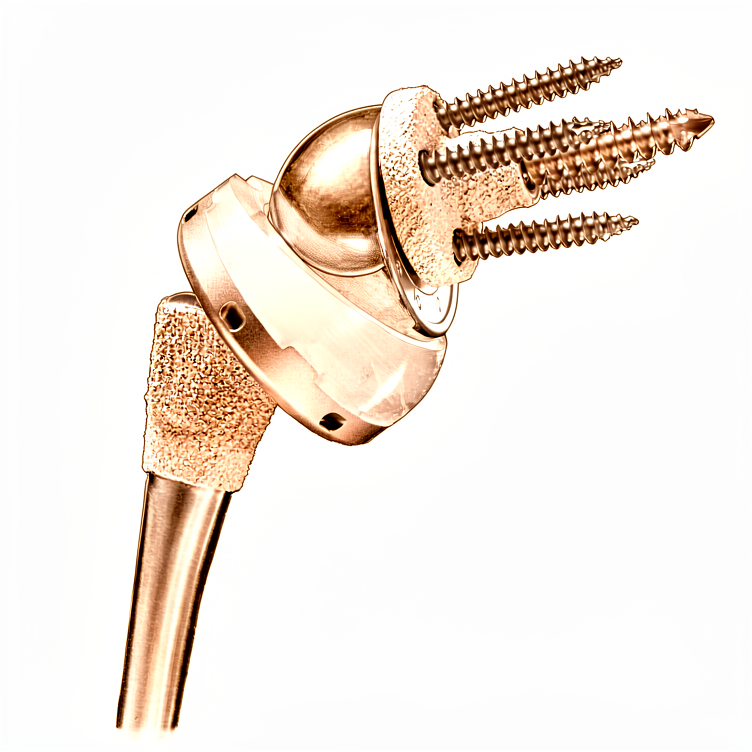
Reverse total shoulder arthroplasty for cuff tear arthropathy, complex fractures, and arthritis — comparing stemmed vs stemless humeral components.
Overview
Total shoulder arthroplasty is an effective and safe treatment option that yields good to excellent clinical results in greater than 90% of shoulders during early to midterm follow-up [3]. Pain relief is achieved in approximately 90% to 95% of all patients [3]. The procedure is considered as safe as more commonly performed major joint arthroplasties [8], with reported 30-day and 90-day mortality rates of 0% and 1-year mortality of 2% in a cohort of 640 patients [212]. Outpatient total shoulder arthroplasty represents a safe and cost-effective alternative to inpatient care for appropriately selected patients, resulting in similar outcomes and complications at midterm follow-up [208, 217].
Indications for anatomic shoulder arthroplasty include glenohumeral arthropathy with severely reduced range of motion, persistent pain, and loss of strength, provided the rotator cuff is functioning [53]. Reverse shoulder arthroplasty has been highly successful in cuff-deficient shoulders, and its indications continue to broaden [54]. The procedure is also a safe and reliable option for managing symptomatic glenoid dysplasia [36]. Age 70 years or older does not appear to be a contraindication to stemless anatomic total shoulder arthroplasty, as postoperative improvements in patient-determined outcome scores and range of motion are similar between patients aged <70 years and those aged 70 years or older [213].
While shoulder arthroplasty after prior ipsilateral shoulder surgery results in overall clinically improved outcomes, these outcomes are inferior compared to patients without a history of prior surgery [43]. Patients with prior ipsilateral surgery are significantly younger and derive benefit from the procedure, though the magnitude of improvement and final scores are significantly lower than in patients without prior surgery [214]. Clinical results of revision shoulder arthroplasty are generally inferior to primary shoulder arthroplasty, although careful patient selection and adherence to surgical principles can lead to satisfactory results [13]. The outcome of revision surgery can be predicted based on the indication for the procedure [48].
Anatomy & Pathophysiology
Bony Anatomy
The glenoid cavity is a shallow, convex socket shaped like an inverted pear, approximately one-third the size of the humeral head [92]. The subchondral bone of the glenoid is relatively flat, with articular concavity augmented by cartilage and a circumferential labrum [84]. The glenoid articular surface radius of curvature is 2 to 3 mm larger than that of the humeral head [91]. The glenoid averages 5° of retroversion in relation to the axis of the scapular body [84], with the normal position of the glenoid surface ranging from 2 degrees of anteversion to 7 degrees of retroversion [91]. The scapula is anteverted on the chest wall approximately 30 degrees relative to the body [94].
The articular head of the humerus is spherical with a diameter of 37 to 57 mm [82]. The humeral head is inclined approximately 130 degrees with respect to the humeral shaft [82], corresponding to an average neck-shaft angle of 135 degrees [83] or 41° of inclination [84]. The average neck-shaft angle of the proximal humerus is 45 degrees (±5 degrees), with a range of 30 to 50 degrees [91]; arthritic shoulders exhibit a flatter neck-shaft angle close to 50 degrees [91]. Humeral version averages 29.8 degrees (range, 10 to 55 degrees) [82], with the humeral head retroverted an average of 30 degrees relative to the transepicondylar axis [83] or 19° of retroversion [84]. Proximal humeral retroversion is highly variable, ranging from 0 to 55 degrees depending on the measurement method [91].
Key spatial relationships define proper component positioning. The superior margin of the humeral head articular surface is normally superior to the top of the greater tuberosity by 8 to 10 mm [91], with the most superior portion of the articular surface averaging 8 mm above the greater tuberosity [82]. The humeral head height is approximately 5.6 cm above the superior border of the pectoralis major tendon [94]. The distance from the lateral base of the coracoid process to the lateral margin of the greater tuberosity defines the lateral humeral offset [91]. A significant decrease in this offset reduces the lever arms for the deltoid and supraspinatus muscles, weakening abduction [91]. Conversely, a significant increase causes excessive tension on soft tissues ("overstuffing"), resulting in loss of motion and likely accelerating polyethylene wear [91]. Humeral articular malposition of more than 4 mm leads to increased subacromial contact [91], and an offset of 8 mm in any direction significantly decreases passive range of motion [91].
Soft Tissue & Ligaments
The rotator cuff stabilizes the glenohumeral joint via joint compression [84]. Static stabilizers include articular congruity, the glenoid labrum, concavity-compression, negative intra-articular pressure, and the glenohumeral capsule and ligaments [84]. The glenoid labrum provides concavity and up to 50% of marginal glenoid socket depth [84], deepening the socket by 50% and providing a bumper to translation [94]. The glenoid articular surface and labrum combine to create a socket approximately 9 mm deep in the superoinferior direction and 5 mm deep in the anteroposterior direction [92]. Adding the glenoid labrum increases the glenoid surface to 75% of the humeral head vertically and 57% horizontally [92].
The rotator interval is defined medially by the base of the coracoid, superiorly by the supraspinatus tendon, and inferiorly by the subscapularis tendon [84]. It contains the coracohumeral ligament, the superior glenohumeral ligament, and the intra-articular portion of the long head of the biceps tendon [84]. Laxity of the rotator interval results in inferior laxity (the sulcus sign) [84], while contracture is seen with adhesive capsulitis [84]. The coracohumeral ligament originates from the base and lateral border of the coracoid process just below the origin of the coracoacromial ligament and inserts on the greater tuberosity [99]. It is a thick band of fibrous tissue extending along the surface of the capsule to the tuberosities between the supraspinatus and subscapularis tendons [92], deep to the tendinous insertion of the cuff and blending with the capsule and supraspinatus tendon to form part of the roof of the biceps sheath [92]. The coracohumeral ligament restricts external rotation in adduction and is a static restraint to inferior and posterior translation in adduction and external rotation [84]. It appears to have a static suspensory function for the humeral head in the glenoid cavity when the arm is in the dependent position [99], but with abduction, it relaxes and loses its ability to support the humerus [99].
The superior glenohumeral ligament is a primary static restraint against anterior translation with the arm at the side [84] and the primary restraint to inferior humeral subluxation in 0 degrees of abduction [92]. With the coracohumeral ligament, it forms a pulley that provides restraint against medial subluxation of the long head of the biceps tendon [84]. The middle glenohumeral ligament is a primary static restraint against anterior translation with the arm in external rotation and 45° of abduction [84]. It limits external rotation when the arm is in the lower and middle ranges of abduction but has little effect when the arm is in 90 degrees of abduction [92]. The inferior glenohumeral ligament is composed of an anterior band, a posterior band, and a thinner intervening axillary pouch, creating a hammock-type sling [92]. The anterior band is a primary static restraint against anterior-inferior dislocation in 90° of abduction and external rotation [84], while the posterior band is a primary static restraint against posterior-inferior translation in internal rotation and adduction [84]. The anteroinferior glenohumeral ligament complex is the main stabilizer to anterior and posterior stresses when the shoulder is abducted 45 degrees or more [92].
The shoulder capsule is large, has twice the surface area of the humeral head, and typically accepts approximately 28 to 35 mL of fluid [99]. In patients with adhesive capsulitis, the capsule accepts only 5 mL or less of fluid [99]. The tendons of the rotator cuff muscles blend into the capsule over varying lengths and average approximately 2.5 cm [99]. The subscapularis is the largest and strongest of the rotator cuff tendons [248], responsible for active internal rotation and contributing to shoulder stability [248]. It forms the anterior portion of the transverse plane "force couple" to balance forces across the joint [248]. The infraspinatus and teres minor are external rotators, while the subscapularis is an internal rotator [83]. The rotator cuff muscles serve as depressors of the humeral head to allow the deltoid to efficiently abduct the humerus [83]. The most important force couple involves the subscapularis and posterior rotator cuff, providing a compressive force that centers the humeral head in the glenoid cavity [92]. The teres minor has a heightened contribution to rotator cuff function, particularly when other cuff tendons fail [92].
Tendon anatomy includes specific fusions and sheaths. The tendons of the infraspinatus and supraspinatus muscles join approximately 15 mm proximal to their insertion and cannot be readily separated by blunt dissection [92]. The infraspinatus and teres minor fuse near their musculotendinous junctions [92]. The supraspinatus and subscapularis tendons join as a sheath that surrounds the biceps tendon at the entrance of the bicipital groove [92]. The roof of the biceps sheath consists of a portion of the supraspinatus tendon, and a sheet of the subscapularis tendon forms the floor [92]. The transverse humeral ligament consists of transverse fibers of capsule extending between the greater and lesser tuberosities to help contain the long head of the biceps tendon in its groove [99]. The coracoacromial ligament contributes to anterosuperior stability in rotator cuff deficiency and should be preserved with irreparable cuff tears to prevent anterosuperior escape [94].
Vascular & Neural Anatomy
The proximal humerus receives its blood supply from the anterior and posterior humeral circumflex branches from the third division of the axillary artery [82]. The anterior humeral circumflex artery arises from the axillary artery at the inferior border of the subscapularis and provides vascular inflow to the humeral head by way of its terminal anterolateral branch known as the artery of Laing (arcuate artery) [82]. The ascending branch of the anterior humeral circumflex artery courses parallel to the lateral aspect of the long head biceps tendon and enters the humeral head at the interface of the bicipital groove and greater tuberosity [82]. The anterolateral ascending branch of the anterior humeral circumflex artery provides the primary blood supply to the humeral head [84], with its terminal intraosseous portion entering at the proximal aspect of the intertubercular groove as the arcuate artery [84]. Injury to the arcuate artery may result in osteonecrosis of the humeral head [82], although additional extraosseous collateral branches can permit humeral head perfusion despite complete ligation of the arcuate artery [82]. Recent quantitative assessment has shown that 64% of the humeral head blood supply arises from the posterior humeral circumflex artery [88]. The posterior humeral circumflex artery travels with the axillary nerve, enters the quadrilateral space posteriorly, and anastomoses with a branch of the anterior circumflex to supply the posterior cuff [82].
The axillary nerve is a terminal branch coming off the posterior cord of the brachial plexus just proximal to the coracoid process [87]. It passes beneath the conjoined tendon anterior to the subscapularis 3 to 5 mm medial to the musculotendinous junction and then adjacent to the inferior capsule before entering the quadrilateral space posteriorly [87]. The axillary nerve splits into the anterior and posterior branches within the quadrangular space [87]. The anterior and middle deltoid muscle receives sole innervation from the anterior branch of the axillary nerve [87]. Posterior deltoid muscle innervation varies, with supply only from the anterior branch in 2.3% of cases, from the posterior branch in 8.5%, and from both branches in 89.1% [87]. The posterior branch of the axillary nerve branches to supply the teres minor muscle and then terminates as the superior lateral brachial cutaneous nerve [87].
Surgical landmarks for the axillary nerve vary by approach. In the anterior deltopectoral approach, the axillary nerve can be palpated by sweeping a finger inferiorly across the subscapularis muscle tendon interface [87]. In the anterolateral deltoid splitting approach, the axillary nerve crosses approximately 5 cm inferior to the anterolateral acromial corner [87]. Shoulder abduction brings the axillary nerve closer to the acromion landmark [87]. In the posterior deltoid splitting approach, the axillary nerve is approximately 7 cm from the posterior acromial corner [87].
The suprascapular artery runs superior to the superior transverse scapular ligament, while the suprascapular nerve runs deep to the ligament [84]. Entrapment of the suprascapular nerve at the superior transverse scapular ligament causes denervation of both the supraspinatus and the infraspinatus [84]. The spinoglenoid ligament overlies the suprascapular nerve at the spinoglenoid notch [84]. Entrapment, traction, or compression of the suprascapular nerve at the spinoglenoid notch causes denervation of the infraspinatus [84].
Biomechanics & Kinematics
The shoulder joint is composed of four articulations: the sternoclavicular, acromioclavicular, glenohumeral, and scapulothoracic [92]. Normal shoulder motion is approximately two-thirds glenohumeral and one-third scapulothoracic [84]. The bony anatomy contributes little to stability and has been compared with a golf ball on a tee [92]. Most stability of the shoulder is provided by the surrounding muscles and ligaments due to very little bony constraint [92]. The rotator cuff fixes the fulcrum of the upper extremity against which the deltoid can contract and elevate the humerus [91]. The rotator cuff must act simultaneously and synergistically with the deltoid muscle for normal function [91].
The biomechanics of the shoulder rely on a careful balancing between stability and mobility [108]. Anatomic total shoulder arthroplasty aims to reproduce premorbid kinematics [108], while reverse shoulder arthroplasty achieves stability through a semi-constrained design [108]. Restoration of glenohumeral mobility and stability is the priority rather than trying to recreate "normal anatomy" [66]. In performing glenohumeral reconstruction, it is often necessary to modify the humeral head size, thickness, and eccentricity to achieve desired joint mechanics while preserving bone stock [66]. The requisites for a normal range of glenohumeral motion include normal capsular laxity, appropriately sized and shaped concentric articular surfaces, and the absence of osteophytes or other unwanted sources of contact [66]. In most conditions that require shoulder arthroplasty, the capsule and ligaments are contracted, prematurely limiting the range of motion and increasing joint pressure at the limits of motion [66].
"Stuffing" refers to additional tightening of the capsule resulting from the insertion of prosthetic components that take up more space than afforded by the available joint volume [66]. Unless capsular releases sufficient to accommodate additional volume are performed, the joint becomes "overstuffed," limiting joint motion and requiring greater torque to move the arm [66]. Cadaver studies indicate that less than 10 mm of overstuffing can reduce normal capsular laxity [66]. Malpositioning of both the humeral and glenoid components will adversely affect the range of motion, kinematics, and stability of the shoulder [174].
Kinematics of reverse total shoulder arthroplasty shoulders are significantly altered, with more scapulothoracic motion used to achieve shoulder elevation compared to healthy subjects [101]. Reverse total shoulder arthroplasty shoulders show kinematics significantly different from normal shoulders, utilizing much more scapulothoracic motion and much less glenohumeral motion to elevate the arm [127]. Reverse total shoulder arthroplasty restores forward elevation primarily via compensatory scapulothoracic motion and deltoid-driven neuromuscular strategies rather than normalization of glenohumeral mechanics [183]. Scaption kinematics of reverse shoulder arthroplasty do not change after the sixth postoperative month [142]. The anterior deltoid is important biomechanically for balanced function after a reverse total shoulder arthroplasty [182]. The biomechanical characteristics of reverse shoulder arthroplasty deteriorate according to the extent of the rotator cuff tear [181].
Patients after anatomic total shoulder arthroplasty showed altered shoulder girdle kinematics and higher contribution of the shoulder girdle towards elevation compared to age-matched healthy individuals [168]. Angle time series showed improved kinematics in patients with total shoulder arthroplasty compared to patients with glenohumeral osteoarthritis [179]. Biomechanical evidence suggests that an elliptical implant yields glenohumeral kinematics that mimic the native joint [121]. Elliptical and spherical heads show similar obligate glenohumeral translation during axial rotation in total shoulder arthroplasty [1].
Classification
Glenoid Morphology and Bone Loss
Samilson-Prietro: This classification grades glenohumeral osteoarthritis radiographically. Grade 0 is defined as normal. Grade 1 indicates mild disease with osteophytes less than 3 mm on the humeral head. Grade 2 represents moderate disease with osteophytes between 3 and 7 mm on the humeral head or glenoid rim. Grade 3 denotes severe disease with osteophytes of more than 7 mm, with or without articular incongruity [78].
Walch: The Walch classification grades preoperative glenoid wear patterns in total shoulder arthroplasty [309]. It allows for fair to substantial agreement in categorizing glenoid morphology [293]. However, alternative glenoid classification systems or predictive models should be considered to provide more precise prognoses than the Walch classification [232].
Other Considerations: A proposed classification system addresses the surgical management of the glenoid during prosthetic replacement and allows direct follow-up comparison of similarly treated glenoid replacements [106]. Another proposed system serves as a helpful guide to the degree of glenoid bone loss when embarking on revision shoulder arthroplasty [109]. Current classifications exhibit poor reliability in categorizing glenoid defects post-reverse shoulder arthroplasty removal [169]. The formation of clusters based on glenoid morphology indicates that patterns exist in the types of glenoid defects, highlighting a need to further investigate a three-dimensional classification system [188].
Periprosthetic Humeral Fractures
Wright and Cofield: This is the most preferred reference for periprosthetic humeral fractures about shoulder arthroplasty [352]. It divides fractures into three categories. Type A fractures propagate proximally from the distal stem, are centered at the tip of the stem, and extend proximally more than one-third the length of the stem [17, 352]. Type B fractures are centered over the distal stem, are centered at the tip of the stem, and have less proximal extension [17, 352]. Type C fractures are located distal to the tip of the stem, involve the humeral shaft distal to the tip of the prosthesis, and extend into the distal humeral metaphysis [17, 352]. Validation of this classification found low interobserver reliability (kappa = 0.37) but high intraobserver reliability (kappa = 0.69) [352].
Campbell: This classification categorizes periprosthetic humeral fractures into four regions. Region 1 includes the greater or lesser tuberosities. Region 2 includes the proximal metaphysis. Region 3 includes the proximal humeral diaphysis. Region 4 includes the mid- and distal diaphysis [352].
Groh: This classification categorizes periprosthetic humeral shaft fractures into three types. Type I fractures occur proximal to the tip of the prosthesis. Type II fractures originate proximal to the tip and extend distal to it. Type III fractures originate below the tip [352].
Worland: This classification designates fracture types by location. Type A occur about the tuberosities. Type B occur around the stem. Type C occur well distal to the stem [352]. Type B fractures are subdivided into B1 (spiral with a stable stem), B2 (transverse or short oblique with a stable stem), and B3 (any fracture associated with a loose stem) [352].
Scapular Notching
Nerot-Sirveaux: This is the most commonly used grading system to define the extent of scapular notching in reverse shoulder arthroplasty [11]. Grade 1 notching concerns only the scapular pillar. Grade 2 is demarcated by erosion to the inferior screw of the baseplate. Grade 3 describes erosion beyond the inferior screw. Grade 4 describes progression of the defect to the central baseplate peg [11]. Some authors prefer to simplify the Nerot-Sirveaux classification by regrouping grades 1 and 2 into a single group and grades 3 and 4 into another group [11].
Septic Arthritis and Infection
Gächter and Stutz: This classification divides septic arthritis into four arthroscopic stages. Stage I presents with opacity of fluid, redness of synovial membrane, possible petechial bleeding, and no radiological alterations. Stage II presents with severe inflammation, fibrinous deposition, pus, and no radiological alterations. Stage III presents with thickening of the synovial membrane, compartment formation, and no radiological alterations. Stage IV presents with aggressive pannus with infiltration of the cartilage, possibly undermining the cartilage, radiological signs of subchondral osteolysis, and possible osseous erosions and cysts [337].
Tan et al.: This classification system for septic joints is based on the site and extent of tissue involvement, the host’s status, and the duration of symptoms and virulence of the organism [337]. Anatomic type I is periarticular soft-tissue infection without pyarthrosis. Anatomic type II is isolated septic arthritis. Anatomic type III is septic arthritis with soft-tissue extension, but no osteomyelitis. Anatomic type IV is septic arthritis with contiguous osteomyelitis [337]. Host class A represents a normal immune system. Host class B represents a compromised system, subdivided into B_L (local tissue compromise) and B_S (systemic immune compromise). Host class C is reserved for patients in whom the risks associated with aggressive treatment would outweigh the negative aspects of the infection [337]. Clinical setting 1 includes less than 5 days of symptoms and a nonvirulent organism. Clinical setting 2 includes symptoms for 5 days or more, or a virulent organism [337].
Fracture Sequelae
Other Considerations: A pathophysiologic classification of fracture sequelae of the proximal humerus distinguishes 4 basic pathophysiologic types of lesions that dominate the clinical picture [79].
Complications and Outcomes
Goya: This classification grades glenoid wear (GW) in humeral head replacement. Grade 0 indicates no remarkable postoperative changes. Grade 1 indicates a narrower joint space due to cartilage wear without contact. Grade 2 indicates contact between glenoid and prosthesis without erosion. Grade 3 indicates glenoid erosion present [351]. Grade 3 is subdivided into 3A (partial erosion of the anterior glenoid), 3B (partial erosion of the superior part of the glenoid), and 3C (concentric erosion of the glenoid) [351].
Hamada-Fukuda: This is a radiographic morphological description of massive rotator cuff tear assessing the height of the acromiohumeral space, with five distinctions [78]. Type 1 is defined as normal joint morphology and acromiohumeral distance of more than 6 mm [78].
PHAROS: The Proximal Humeral Arthroplasty Revision Osseous inSufficiency (PHAROS) classification system may be useful to anticipate the complexity of humeral reconstruction [135].
Other Considerations: A system of three complication categories was introduced to standardize the presentation of complications in shoulder arthroplasty [23]. The 2018 ICM shoulder infection criteria provided a new scoring system to diagnose periprosthetic joint infection, with C acnes identified as the most common infectious organism [224]. A clear standardised set of shoulder arthroplasty complication definitions is lacking [193].
Clinical Presentation
Patients presenting with an unsatisfactory outcome after shoulder arthroplasty typically report poor shoulder function and pain [9]. The patient is usually dissatisfied with the previous arthroplasty due to pain, but may also complain of poor function resulting from limited range of motion or instability [24]. An organized approach to diagnose and manage stiff or unstable total shoulder arthroplasty is necessary to improve patient satisfaction and long-term survival [150]. The diagnosis, shoulder pathology, and prosthesis specifics are significant predictors of outcomes in shoulder arthroplasty [110]. A thorough and systematic evaluation is required to initiate the most appropriate treatment pathway [24]. Comprehensive history and physical examination constitute the first steps in this evaluation [24]. The clinical evaluation marks the beginning of the doctor-patient relationship, with the goal of establishing a reasonable management plan [35]. If the problem is not apparent on history, physical examination, and plain radiographs, or if the patient does not appear to be an excellent surgical candidate, nonoperative management is likely recommended [35].
Pain and Functional Deficits
The etiology of pain varies by timing. Common causes of early pain include technical issues such as malposition or improper sizing of the prosthesis, periprosthetic infection, neurologic injury, and complex regional pain syndrome [24]. Pain presenting after a symptom-free interval may be related to chronic periprosthetic infection, component wear and loosening, glenoid erosion, rotator cuff degeneration, and fracture [24]. Other common causes of pain include instability, periprosthetic joint infection, component loosening or malposition, acromioclavicular joint osteoarthritis, subacromial impingement, rotator cuff tear, adhesive capsulitis, and synovitis [138].
Functional deficits manifest as poor range of motion or instability. Poor range of motion may result from inadequate postoperative rehabilitation, implant-related factors, and heterotopic ossification [24]. Instability is generally caused by rotator cuff deficiency and implant-related factors [24]. The diagnosis of a stiff shoulder depends on awareness of the problem, with history and physical examination being paramount [5].
Subscapularis pathology requires specific attention. Subscapularis tear after total shoulder arthroplasty is a common finding that cannot be diagnosed reliably by physical examination or radiographs [19]. Clinically symptomatic subscapularis failure after anatomic total shoulder arthroplasty is rare, occurring in 1.4% of patients greater than 70 years of age [42]. The utility of ultrasound examination of the subscapularis tendon following shoulder arthroplasty is limited by timing and may be most useful when used by the physician within clinical context [153].
Prosthetic shoulder arthroplasty in young patients provides substantial improvement in active range of motion, though residual shoulder pain is common [122]. Patients with a diagnosis of depression should be counseled that they will experience a significant clinical improvement from baseline after total shoulder arthroplasty [146].
Periprosthetic Joint Infection (PJI) Presentation
The clinical presentation of periprosthetic joint infection of the shoulder varies widely, from obvious infection with gross purulence and sinus tract formation to insidious presentations of stiffness and pain without overt signs of infection [139]. Early infections and acute hematogenous infections are usually associated with local and systemic signs of inflammation [144]. However, local signs of inflammation are not always obvious in shoulder PJI because of the amount of soft tissue covering the shoulder joint [144]. Local and systemic signs of inflammation are absent in cases of late periprosthetic infections, making accurate diagnosis much more difficult [144].
Specific clinical symptoms including pain at rest, systemic symptoms including fevers, chills, or sweats, and WBC bone scan are poorly associated with the presence of infection in revision shoulder arthroplasty [124]. Around one in 25 cases develop a fever following shoulder arthroplasty; most have no infective aetiology [45]. Diagnosis of periprosthetic shoulder infection should be based on clinical suspicion, patient factors, and intraoperative findings when perioperative testing is equivocal, particularly due to the indolent nature of organisms like P. acnes [129].
Patients with acute PJI may have more obvious symptoms including pain, erythema, drainage, and fever [149]. Patients with indolent PJI due to C. acnes or other similar organisms do not typically have such acute symptoms and instead present later after surgery with more subtle symptoms [149]. The incidence of infection after shoulder surgery has been reported to be between 0% and 2.9%, with an increase in more constrained implants up to 15.4% [52]. Patients undergoing primary reverse shoulder arthroplasty were found to have six times greater risk of infection than patients undergoing primary unconstrained total shoulder arthroplasty [52]. Arthroplasties for trauma were more at risk of infection than other etiologies [52]. About 45% of patients with no clinical signs of infection and a history of prior ipsilateral shoulder surgery undergoing primary shoulder arthroplasty grew positive intraoperative cultures [28]. A preoperative diagnosis of a stroke in patients undergoing primary shoulder arthroplasty is associated with higher rates of perioperative complications and mortality when compared to a matched cohort [140].
Radiographic and Imaging Findings
Preoperative clinical examination and radiological assessment is fundamental to anticipating specific difficulties in glenoid exposure [37]. Standard radiographs in anteroposterior (AP) (with internal and external rotation) and axial views are used for radiographic assessment of shoulder arthroplasty outcomes [130]. Post-operative radiographs are assessed for signs of joint space narrowing or asymmetry as an indirect sign of polyethylene wear, radiolucency greater than 2 mm around the implant-bone interface, migration of the components and periprosthetic fractures [130]. Sequential measurements of acromiohumeral distance on the internal rotation AP view radiographs are used to monitor superior migration of the humeral head [130]. A monitoring tool developed with international consensus for the assessment of asymptomatic patients after shoulder arthroplasty includes a structured core set of radiographic parameters [31].
Radiographic osteolysis after total shoulder arthroplasty may not initially manifest clinically apparent symptoms but can lead to clinically important complications, such as aseptic loosening [2]. Recognition and management of altered glenoid morphology and diminished bone stock are important for successful shoulder arthroplasty [30]. Early results of total shoulder arthroplasty in young patients with shoulder chondrolysis show an opportunity for improvements in pain and function; however, progressive glenoid radiolucencies may develop in these patients [12]. Incidental findings are relatively common in preoperative CTs obtained for shoulder arthroplasty, occurring in nearly one-quarter of patients [41].
Scapular notching in reverse shoulder arthroplasty is identified as the osseous defect of the lateral scapular pillar and neck that is created by impingement of the humeral component when the arm is adducted [11]. The scapular defect and resultant osteolysis is potentially compounded by the biological response to polyethylene wear debris [11]. The osseous defect of scapular notching typically occurs inferior to the glenosphere, but can also be found anterior or posterior depending on the implant design and positioning of the glenosphere and humeral component [11]. Radiographic evaluation of scapular notching includes true anteroposterior (AP) and axillary roentgenograms [11]. The Grashey view or true AP of the shoulder in the scapular plane allows direct examination of the scapular neck, without overlap of the humeral prosthesis [11].
Diagnostic Arthroscopy
Shoulder arthroscopy in patients after arthroplasty is most frequently used as a diagnostic tool; however, it has utility in treating a number of predetermined pathologies [7]. Diagnostic shoulder arthroscopy provided clinically meaningful diagnostic information in patients with painful shoulder arthroplasty and nondiagnostic preoperative evaluations [21]. When used alongside other investigations in a comprehensive assessment protocol, arthroscopy can play an important role in the diagnosis and treatment of the problematic shoulder arthroplasty [22]. Arthroscopy after shoulder arthroplasty is useful for the diagnosis and treatment of pain and loss of motion in selected patients but can be technically challenging [147].
Diagnostic arthroscopy is a useful adjunct in identifying causes of failure in patients with painful reverse total shoulder arthroplasty, especially when the cause of failure is unclear [34]. Arthroscopy can be a useful and effective tool in the evaluation of painful shoulder arthroplasty, especially when examination, imaging, and laboratory results are unclear [138]. Diagnostic arthroscopy supports considering it in the evaluation of painful anatomic shoulder arthroplasties when there is a high likelihood of infection but cultures of aspirated fluid are negative [157]. Arthroscopically obtained tissue biopsies offer high sensitivity and specificity in the diagnosis of periprosthetic shoulder infections [151]. Tissue cultures should be collected from the synovium, the bone-prosthesis interface with signs of synovitis, and from subacromial tissue with an abnormal appearance during diagnostic arthroscopy [151].
Complications and Fractures
Complications after revision shoulder arthroplasty are similar to those in the primary setting but are more frequently encountered and difficult to manage [26]. The most common complications after anatomic total shoulder arthroplasty are component loosening, glenoid wear, instability, rotator cuff tear, periprosthetic fracture, neural injury, infection, hematoma, deltoid injury, and venous thromboembolism [151].
Diagnosis of periprosthetic fractures is often subtle and requires a high index of suspicion [289]. In the case of a stress reaction, new pain at the base of the acromion may be the only finding, and should raise suspicion and spark further imaging or a period of rest [289]. Often these stress fractures can actually be more painful than after it propagates into a displaced fracture [289]. Typically, patients will present around their 8th decade of life after a sudden increase in pain or loss of function in an otherwise smooth postoperative course for periprosthetic scapular fractures [289]. This is generally within 1 year but up to 2 years from surgery for periprosthetic scapular fractures [289]. Patients who go on to have periprosthetic scapular fractures initially outperform those who don't [289].
During physical examination for periprosthetic scapular fractures, deformity is concerning for dislocation, hematoma, or displaced fracture [289]. Erythema or incisional dehiscence is concerning for infection [289]. Tenderness along the acromion or scapular spine raises suspicion for fracture which should be confirmed with imaging [289]. A sudden loss of function or increase in pain is consistent with both scapular fracture and infection and should trigger further workup [289]. Unlike periprosthetic humeral fractures, scapular fractures are universally associated with stable glenoid implants [289]. This injury has been noted, rarely, to result in new glenohumeral instability due to the change of the orientation of the glenosphere and loss of deltoid tension [289].
Workup for periprosthetic humeral fractures should begin with a thorough history including review of the operative note, and underlying diagnosis [238]. Any red flags concern for periprosthetic infection should be ruled out and a clear understanding of preinjury shoulder function should be elicited [238]. During inspection, open fractures, pallor, and deformity should be noted, as well as muscle wasting (supraspinatus fossa, infraspinatus fossa, and deltoid flattening) [238]. Anterosuperior escape of a previous TSA or hemiarthroplasty can often be identified clinically in thin individuals [238].
Radial nerve status should be well documented during neurovascular examination for periprosthetic humeral fractures [238]. Specific attention should be paid to the axillary nerve, since many of these patients may require conversion to an RSA which is dependent on a functional deltoid neuromuscular unit [238]. This can be confirmed with symmetric sensation over the lateral shoulder and the ability to set the deltoid [238]. In the acutely injured patient, the lateral muscle belly can be tested by placing one hand over the lateral epicondyle of the elbow and another hand over the lateral deltoid [238]. The patient is asked to push the elbow gently into the examiners hand while the examiner notes contractility of the deltoid [238]. This can be repeated for the posterior belly by asking the patient to gently push the elbow back into the bed which is often more tolerable [238]. Most acute traumatic axillary nerve palsies are neuropraxias and have a good natural history [238]. When injury is suspected and the surgeon is considering revision to an RSA, an electromyogram (EMG) may better elicit the status of the nerve and prognosticate recovery prior to proceeding [238].
Investigations
Plain radiography: Standardized plain films are almost always sufficient to garner the information needed for shoulder arthroplasty evaluation [6]. Radiographs are the first imaging modality used to evaluate the presence and degree of arthritis of the glenohumeral joint [78]. Common projections include an anteroposterior view, a Grashey view, and an axillary view [78]. The anteroposterior view in the plane of the scapula shows the superoinferior position of the humeral head relative to the glenoid, presence of osteophytes, joint space narrowing, degree of medial displacement of the humerus, bone quality, loose bodies, and humeral head collapse or deformity [6]. The Grashey view is obtained by a 30° lateral oblique projection, tangential to the glenohumeral joint, to obtain the view directly parallel to the glenoid face [78]. The status of the rotator cuff can be inferred by radiographic evaluation on the Grashey view [78].
The axillary view taken with the arm in the functional position of elevation is referred to as the "truth view" because it demonstrates glenohumeral relationships in the functional position of elevation [6]. The standardized axillary "truth view" can show posterior subluxation or "functional decentering" that is not evident in images taken with the arm at the side [6]. The degree of posterior subluxation can be measured by the position of the center of the humeral head in relation to the plane of the scapula, the position of the center of the humeral head in relation to the glenoid face, or the point of contact of the humeral articular surface on the glenoid articular surface [6]. The point of contact of the humeral articular surface on the glenoid articular surface reflects the degree of centering of the net humeral joint reaction force on the glenoid [6]. Malcentering of the joint reaction force leads to posterior instability, posterior glenoid wear, and "rocking horse" loosening of prosthetic glenoid components [6].
The Samilson-Prietro classification is the most widely adopted classification to determine the extent of osteoarthritis of the glenohumeral joint [78]. In the Samilson-Prietro classification, grade 0 is normal; grade 1 is mild with osteophytes less than 3 mm on the humeral head; grade 2 is moderate with osteophytes between 3 and 7 mm on the humeral head or glenoid rim; and grade 3 is severe with osteophytes of more than 7 mm with or without articular incongruity [78]. The Hamada-Fukuda classification is a radiographic morphological description of the natural course of massive rotator cuff tear assessing the height of the acromiohumeral space [78]. In the Hamada-Fukuda classification, Type 1 indicates normal joint morphology and acromiohumeral distance of more than 6 mm [78]. Measurement of soft tissue thickness about the shoulder prior to anatomic total shoulder arthroplasty using plain radiographs is reliable and reproducible [356]. Patients with mild radiographic signs of arthritis have about sevenfold higher odds of failing to achieve the minimum clinically important difference (MCID) after anatomic total shoulder replacement compared to patients with severe arthritis [378].
Post-arthroplasty radiographic evaluation: The routine radiographic evaluation of a glenohumeral arthroplasty should consist of views for evaluating component position and glenoid articulation [178]. Humeral stem lucencies or migration and humeral head height with respect to the greater tuberosity can be followed with anteroposterior views in internal and external rotation [178]. Axillary lateral and apical oblique views can reveal glenoid wear or humeral component instability [178]. Radiographic evaluation of the glenoid component should routinely consist of a true anteroposterior view of the glenohumeral joint, an axillary lateral view, or an apical oblique view [178]. The presence of lucent lines about a keeled or pegged component should be noted at the first postoperative visit, as well as the seating of the component on the native glenoid [178]. Fluoroscopic positioning of radiographs has been shown to be a more accurate method of identifying glenoid component radiolucent lines, but it exposes the patient to a large amount of radiation and is time-consuming [178]. The painful shoulder arthroplasty radiographic evaluation should consist of views to assess component fixation, position, and stability [178]. A core set of radiographic parameters has been developed with international consensus for the assessment of asymptomatic patients after shoulder arthroplasty [31]. Radiographic changes at the periprosthetic interface are significantly more common in total shoulder arthroplasties compared to hemiarthroplasties [327]. Immediate postoperative radiographs after shoulder arthroplasty are often poor quality and do not alter care [362]. Elimination of immediate postoperative radiographs and radiographic interpretation after shoulder arthroplasty may reduce charges without changing clinical care [362]. Preoperative radiographic evaluation of glenoid component loosening may often differ from intraoperative findings [366]. Radiographs may be unreliable for detecting acromial fractures after reverse total shoulder arthroplasty [376].
CT: CT scans may offer a few degrees of increased precision in the measurement of glenoid version, but this precision does not necessarily improve the quality of the surgery or the clinical outcome [6]. CT scans have the disadvantage of being taken with the arm in the adducted position [6]. The use of preoperative three-dimensional imaging for anatomic total shoulder arthroplasty for a diagnosis of osteoarthritis has increased dramatically, with the use of computed tomography increasing the most [219]. CT with three-dimensional reconstructions is the advanced imaging study of choice for determining the extent of glenoid bone loss in the setting of shoulder instability [158]. CT of a cemented pegged polyethylene glenoid component has been shown to be more sensitive than radiography in identifying the size and number of peg lucencies [178]. A limited CT scan provides useful information regarding glenoid wear or humeral component malposition in painful shoulder arthroplasty [178]. The clinical and radiologic evaluation of an uncemented all-polyethylene glenoid is promising, with no signs of loosening in 88% of the patients on computed tomography scans [374]. CT scans are often needed to identify acromial fractures after reverse total shoulder arthroplasty [376].
MRI: MRI is the modality of choice for evaluating the rotator cuff, biceps, and subacromial/subdeltoid bursa [148]. MRI provides information not otherwise afforded by other imaging modalities, aiding in the complex decision-making process for managing a painful shoulder arthroplasty [201]. T1-weighted MRI can reveal Hill-Sachs lesions and is often used with magnetic resonance (MR) arthrograms to provide a more detailed picture of the joint surfaces [148]. T2-weighted MRI provides better visualization of full thickness rotator cuff tears [148]. MRI with metal-artifact reduction fast spin-echo (FSE) and multiaquisition variable-resonance image combination (MAVRIC) sequencing can reveal synovitis, periprosthetic osteolysis, and supraspinatus tendon tears [178]. The presence of a partial cuff tear on preoperative MRI does not significantly affect function after anatomic total shoulder replacement in the medium term [336].
Arthrography and Arthroscopy: Arthrography involves injection of contrast agent in conjunction with either an MRI or CT scan, enhancing imaging of the joint to enable better identification of normal structures and pathology involving the joint surfaces [148]. MR arthrography is considered the benchmark for evaluation for labral tears and rarely is indicated for evaluation of rotator cuff pathology [148]. When MRI or MR arthrography is contraindicated, CT arthrography is indicated [148]. Arthroscopy is a valuable tool for identifying loosening missed by CTA in painful total shoulder arthroplasty [360].
Ultrasound: Ultrasonography is a low-cost alternative to MRI and arthrography for evaluating both skeletal and soft-tissue structures of the shoulder [148]. Sonography is a useful tool for examining soft tissues after shoulder arthroplasty in order to demonstrate pathological changes and is not negatively affected by the implant [363]. Ultrasonography can provide immediate, real-time visualization of the rotator cuff, biceps tendon, and calcific deposits [148]. Ultrasonography can be used to measure the subacromial space and detect atrophy of rotator cuff muscles [148]. As a result of providing images in real-time, ultrasonography can evaluate impingement in various positions and motions [148]. Ultrasonography is highly operator dependent and is not as useful for evaluating labral tears or rotator cuff tears that are very small or larger than 3 cm [148].
Other Considerations: The evaluation workup and criteria used to diagnose shoulder periprosthetic joint infection remain inconsistent [29]. Knowledge of the normal biomechanics of the glenohumeral joint, particularly the function of the rotator cuff and the unique relationship of the humeral head to the glenoid, is essential for understanding the need for shoulder replacement and its subsequent complications [20]. Successful postoperative radiologic evaluation of shoulder reconstructions requires an understanding of their fundamental hardware design, physiologic objective, preoperative imaging assessment, normal postoperative radiologic appearance, and findings and types of complication [60]. A deep learning algorithm represents the first step to automatically classify and organize shoulder radiographs on a large scale in very little time, which will profoundly enrich shoulder arthroplasty registries [59].
Treatment
Non-Operative
The provided evidence does not detail specific conservative management protocols such as weight loss, physical therapy, or pharmacologic interventions. However, appropriate patient selection is paramount to successful outcomes, particularly in outpatient settings [275].
Operative
Indications: Shoulder arthroplasty is an effective and safe treatment option, with a safety profile comparable to other major joint arthroplasties [27] [8]. It is indicated for patients with inflammatory arthritis, though these patients face higher medical and surgical complication rates requiring multidisciplinary preoperative risk stratification [172]. Elective surgery is appropriate for patients aged 90 years and older, providing excellent pain relief and functional improvement, although nonagenarians carry increased risks of medical complications, periprosthetic fractures, and mortality [303] [321]. Prior lower extremity periprosthetic joint infection and axillary lymph node dissection are not contraindications to the procedure [38] [156]. Patients with prior shoulder surgery achieve clinically improved outcomes, though results are inferior to those without prior surgery [43]. For younger patients, the primary focus is avoiding prosthetic glenoid implants to preserve bone stock and facilitate future revision, given the high likelihood of lifetime implant failure [302].
Surgical Approach / Technique: The long deltopectoral approach is the standard exposure for osteoarthritis and rheumatoid arthritis [342]. For reverse total shoulder arthroplasty (RSA), the deltopectoral approach is generally preferred over the anterosuperior approach, which offers greater tuberosity access but requires deltoid detachment and has limited extensibility [346] [348]. The anterosuperior approach involves a superiorly based incision and specific positioning to allow proximal subluxation of the humeral head [354]. In anatomic total shoulder arthroplasty (TSA), glenoid exposure is critical for frontal access and implant positioning [165]. Subscapularis management techniques include tenotomy, peel, and lesser tuberosity osteotomy, all of which are effective and safe in the short term with no proven difference [346] [355]. A subscapularis-sparing approach through the rotator interval is increasingly popularized to accelerate rehabilitation, though it requires careful patient selection and specialized instrumentation to avoid pitfalls such as improper humeral neck resection [353] [355]. If optimal visualization is not achieved in a sparing approach, conversion to standard technique via tenotomy, peel, or osteotomy is recommended [353]. Novel subscapularis repair techniques, including suture buttons and open-book reconstruction with biceps autograft, have been described to improve postoperative range of motion [115] [318] [357]. The posterior approach is not recommended outside of prospective research trials [152]. Standardization of preoperative, operative, and postoperative protocols improves safety and efficiency [282].
Implant Selection: The ideal humeral component allows secure placement of an ample articular surface to optimize glenohumeral motion and stability, prioritizing functional mechanics over anatomical restoration [14]. Humeral implants should be modular to allow independent selection of head and body components and facilitate complete removal during revision without humeral damage [14]. Three types of prosthetic humeral articular surfaces exist: partial resurfacing, complete resurfacing, and head replacement [14]. Partial resurfacing creates a major discontinuity in joint surface deformation due to the modulus of elasticity difference between metal and cartilage [14]. Complete resurfacing aims to cover the arthritic head, preserving bone stock and facilitating revision, but registry data indicate a 2.5-year revision rate more than three times that of stemmed hemiarthroplasty [14]. Head replacement prostheses offer extensive versatility and allow excellent access to the glenoid bone [14]. Nonspherical prostheses do not appear superior to spherical designs [14]. Press-fit systems necessitate marked alterations of original anatomy [69]. Biologic glenoid resurfacing has a minimal and undefined role compared to traditional hemiarthroplasty or TSA [301]. Pyrocarbon interposition arthroplasty should remain limited to specialized centers until long-term results are available [305].
Alignment / Balancing Strategy: Four basic mechanical characteristics are essential to shoulder function: mobility, stability, strength, and smoothness [66]. Normal range of motion requires normal capsular laxity, appropriately sized concentric articular surfaces, and the absence of osteophytes [66]. In most arthritic conditions, contracted capsules limit motion and increase joint pressure [66]. "Stuffing" refers to additional capsular tightening from prosthetic components exceeding available joint volume; unless sufficient capsular releases are performed, the joint becomes overstuffed, limiting motion [66]. Cadaver studies indicate that less than 10 mm of overstuffing can reduce normal capsular laxity [66]. Templating based on a preconceived "normal" shoulder is less helpful than using techniques involving eccentric humeral heads, varying head thickness, and rotator interval plication to achieve desired mechanics while preserving bone stock [66].
Adjuncts: Robotic-assisted arthroplasty is available with some limitations; surgeons should familiarize themselves with the technology, benefits, disadvantages, and techniques [164]. The future of shoulder arthroplasty involves integrating advanced technologies to improve preoperative planning, intraoperative execution, and outcomes [117]. Preoperative radiographic review, including template views, confirms the side of surgery and assesses glenoid bone quality and humeral configuration to anticipate component placement [282].
Setting of Care: Appropriate patient selection, multimodal pain management, minimized blood loss, and efficient operative times are paramount for successful outpatient shoulder arthroplasty [275]. Prolonged length of stay is multifactorial, involving non-modifiable demographic factors and modifiable social and structural elements [331].
Revision: Revision shoulder arthroplasty generally yields inferior clinical results compared to primary surgery, but careful patient selection and adherence to surgical principles can lead to satisfactory outcomes [13]. The main indication is pain relief, with restoration of motion, strength, and function as secondary goals [262]. Dense scarring from previous operations complicates the surgical approach and makes component implantation less predictable [262]. Previous non-arthroplasty operative interventions significantly increase the risk of infection in RSA [295]. Technical approaches for revision include distal clavicle harvest for glenoid bone loss and allograft-prosthetic composite reconstruction using the deltopectoral and Henry approaches [320] [323].
Other Considerations: A collaborative approach to preoperative medical evaluation is critical for patients with diabetes [145]. Preoperative blood management includes "type and hold" for all patients, with cross-matching reserved for anemia or anticipated extraordinary blood loss [282]. An 18-gauge IV line is placed in the opposite upper extremity, avoiding the antecubital fossa; if upper extremity access fails, the external jugular vein is used, and foot IVs are avoided to preserve ambulation [282]. Preoperative antibiotics include ceftriaxone (2 g) and vancomycin (15 mg/kg every 12 hours × 2) [282]. Further research is needed to establish evidence-based perioperative protocols and address controversial management areas in RSA [260] [285]. Recommendations for long-term follow-up and surveillance of elective primary shoulder arthroplasty are anticipated to contribute to future guidelines [1]. Advances in implant design and techniques are changing the complication profile and improving outcomes [160].
Complications
Overall Rates and Trends: The overall complication rate after total shoulder arthroplasty is estimated at approximately 15% [63], with specific studies reporting rates of 11.6% [23] and 10% for anatomic total shoulder arthroplasty (ATSA) versus 16% for reverse total shoulder arthroplasty (RTSA) [268]. Complication rates have declined compared with a decade earlier [268], with a dramatic decrease in component loosening over time [402]. Primary shoulder arthroplasty is associated with low 90-day reoperation and complication rates [67], and short-term reoperation is infrequent [111]. In a systematic review of return to work, the most common postoperative complications were stiffness/pain (n=47), anterior dislocation or instability (n=16), and progressive arthritis requiring revision (n=7) [50]. Periprosthetic fracture (n=3) and infection (n=1) were also reported in that review [50]. In a study of 485 cases, 7% of complications were intraoperative findings treated during the index surgery or not requiring revision [23]. Survival analysis suggests more than 95% of patients can expect complication-free function with excellent long-term performance [423].
Aseptic Loosening: Component loosening is the most commonly reported complication after total shoulder arthroplasty [63], accounting for 39% of all complications in a review of 33 series of unconstrained total shoulder arthroplasties [230]. In that review, component loosening occurred in 6.31% of all shoulders, with glenoid component loosening at 5.3% and humeral component loosening at 1.1% [230]. Loosening has been reported to occur approximately 8 years after surgery [63]. Glenoid aseptic loosening is considered the weak link in total shoulder arthroplasty [71]. In revision cases, 52% of humeral loosening was aseptic [382]. A study of cement-within-cement technique in revision RTSA observed higher rates of complications and re-revision surgery over time secondary to aseptic glenoid component loosening and instability, though a low rate of humeral component loosening was observed [361]. The humeral component is responsible for a small number of complications and revision surgeries [103]. Primary ATSA using an anatomic short-stem humeral component results in excellent clinical outcomes with low revision rates for any reason, including humeral component loosening, at short-term follow-up [404].
Instability: Instability is a recognized complication, particularly in the context of aseptic glenoid component loosening in revision RTSA [361]. Anterior dislocation or shoulder instability was reported in 16 cases in a systematic review of return to work after shoulder arthroplasty [50].
Periprosthetic Fracture: Periprosthetic fracture was reported in 3 cases in a systematic review of return to work after shoulder arthroplasty [50].
Infection (PJI): Infection was reported in 1 case in a systematic review of return to work after shoulder arthroplasty [50]. Shoulder arthroplasty for primary or secondary native shoulder infections has a high complication rate and low functional outcome but low re-infection rates at short-term follow-up [365]. In a study of 11 patients with late glenoid component failure, none of the shoulders had infections [25].
Stiffness / Arthrofibrosis: Postoperative stiffness/pain was the most common complication in a systematic review of return to work after shoulder arthroplasty, reported in 47 cases [50].
Other Considerations: Revision shoulder arthroplasty remains challenging with a high rate of complications [410]. Complications and reoperation rates were higher than those for primary RSA, but outcomes were comparable for revision of failed anatomic shoulder arthroplasty [396]. Complication and reoperation rates are higher compared to shoulder arthroplasty for primary glenohumeral joint arthritis; however, the difference is not statistically significant [422]. The risk of clinically noted complications was 6.5% in a systematic review of stemless reverse total shoulder arthroplasty [330]. The overall complication rate during follow-up was 13.7% in a study of the Affinis Short stemless shoulder arthroplasty system [338]. The complication rate was significantly higher in the group classified as nonanatomic than in the group whose implant positioning was assessed to be anatomic (35% vs. 6%) [338]. Complications occurred in 7.7% of small-stature shoulders, 5.2% of tall-stature shoulders, and 5.5% of average-stature shoulders in a study of reverse shoulder arthroplasty, with no significant difference among these groups [315].
In a study of 11 patients with late glenoid component failure, the mean age at index arthroplasty was 58.4 years (range, 43-76 years), and 10 of 11 patients were men [25]. None of the humeral components were loose [25]. All revision surgeries took place more than 2 years after the index arthroplasty [25]. The mean Simple Shoulder Test (SST) score dropped by 6.7 ± 2.7 to a mean of 4.6 ± 3.1 at a mean of 7.4 years after the index arthroplasty [25]. Prevalent deficits included the inability to sleep comfortably, the inability to reach the back of the opposite shoulder, and difficulty lifting loads to shoulder level [25]. Some shoulders showed a catastrophic loss of shoulder function over a period of less than 1 year, while others showed a more gradual decline [25]. The mean prearthroplasty SST score was 4.4 ± 2.9 [25]. The mean SST score after arthroplasty rose to 11.3 ± 1.3 [25]. Eight of 12 shoulders attained the maximal SST score of 12, and all but 1 shoulder attained a score of at least 10 [25].
In a study of 176 shoulders, 94 had total shoulder arthroplasty and 32 had hemiarthroplasty [96]. Two shoulders had the humeral component revised [96]. Six in 4 patients were lost as a result of death within 24 months after surgery [96]. One hundred twenty-six (76%) were seen at or after 24 months [96]. The mean follow-up for the group seen at or after 24 months was 46 months (range, 24 to 87 months) [96]. Active total elevation improved from a preoperative mean ± SEM of 102° ± 2.3° to 138° ± 2.5° postoperatively [96]. External rotation increased from a mean of 14° ± 1.7° to 45° ± 1.7° [96]. Preoperatively, patients answered 'yes' to a mean of 2.9 ± 0.2 of the 12 SST questions, as compared with a mean of 9.2 ± 0.3 questions postoperatively [96]. The entire group of 176 shoulders was used to define the incidence of rotator cuff tears, intraoperative complications, and perioperative deaths [96]. The 126 cases with a minimum 2-year follow-up were used to define the functional outcome and postoperative complications [96]. Follow-up data for each case were selected from the most recent office visit, with no follow-up less than 24 months after surgery [96]. Continuous demographic, clinical, and functional parameters were examined with Student t tests [96]. Categorical demographic, functional, and operative detail parameters were examined with the Fisher exact test [96]. Comparisons between the types of surgery and between changes from preoperative to postoperative assessments were performed [96]. All comparisons were performed at α = .05 [96].
Recovery
Light activity (weeks): Driving performance returns to preoperative levels at 6 weeks after shoulder arthroplasty, with improved performance compared with preoperative levels by 12 weeks postoperatively [131]. At 12 weeks status post anatomic or reverse total shoulder arthroplasty, patients show improved driving performance, with a significant decrease in the number of collisions in the simulated driving course compared to preoperative and 2-week post-operative trials [220].
Full activity (months): Most patients return to preoperative sports activities following shoulder arthroplasty, usually within 6 months postoperatively [265]. Patients with active sports participation before total shoulder arthroplasty are successfully able to return to sports activities after surgery, whereas those not participating before surgery are unlikely to resume sports [409]. In patients aged 65 years and younger, anatomic total shoulder arthroplasty on the nondominant shoulder was associated with a significantly higher rate of return to sport [413].
Complete recovery / outcome plateau (months): Patient-reported outcomes and range of motion plateau at one year postoperatively without additional complications [408]. After shoulder joint replacement, the range of shoulder motion showed substantial changes during the first year only [271]. Patients achieved maximum medical improvement at 1 postoperative year following reverse total shoulder arthroplasty [427]. Shoulder arthroplasty is generally associated with meaningful improvement in sleep quality between 6 weeks and 6 months postoperatively, with improvements plateauing thereafter [429].
Rehabilitation protocol: A well-designed, progressed, and executed rehabilitation program is vital to successful functional outcomes after shoulder arthroplasty [196]. Early, active rehabilitation after reverse total shoulder arthroplasty is safe and effective, and may have early clinical benefits over a conservative, delayed mobilisation programme [242]. Rehabilitation after total shoulder arthroplasty should be tailored to the biomechanical principles and soft-tissue considerations unique to each form of total shoulder arthroplasty [266]. There is a paucity of high-quality evidence to guide rehabilitation protocols and practice following shoulder arthroplasty [249]. Symptomatic subscapularis rupture after shoulder arthroplasty introduces the need for additional surgery and a period of protected or delayed rehabilitation [256]. Preoperative baseline scores can serve as strong predictors of success in patients undergoing primary reverse shoulder arthroplasty and can be used to both counsel patients on surgery and to tailor postoperative protocols [434].
Functional milestones: Six distinct early recovery trajectories were identified after total shoulder arthroplasty, with 83.7% of patients in the "Faster group" experiencing very low pain scores after only 2 weeks [65]. Total shoulder arthroplasty yields good to excellent clinical results in greater than 90% of shoulders in early to midterm follow-up studies, with pain relieved in approximately 90% to 95% of all patients [3]. Total shoulder arthroplasty demonstrates excellent long-term survivorship with significant improvements in pain and function [438]. At mid-term follow-up, patients with a history of anterior shoulder instability undergoing total shoulder arthroplasty can expect continued improvement in function compared with preoperative values [394]. Primary shoulder arthroplasty is an effective treatment modality for the improvement of pain, motion, and strength in patients with a history of prior external beam radiation therapy [261]. Although initially exhibiting slower recovery, patients with proximal humerus fractures can expect similar functional recovery and satisfaction at 1-year compared to those who received reverse shoulder arthroplasty for degenerative indications [433]. In elderly patients who have undergone a reverse shoulder arthroplasty for acute proximal humeral fractures, anatomic tuberosity healing improves objective and subjective outcomes [435]. Although significant strength improvement from baseline was observed at 2 years after shoulder arthroplasty, subscapularis strength returned to normal in only a minority of patients [436]. The study establishes a benchmark for early clinical value of new glenoid components by demonstrating significant improvement in patient-reported outcomes at 1 and 2 years post-surgery across a large multicenter cohort [417]. Reverse total shoulder arthroplasty restores function in the shoulder with significant improvements in function and moderate complications [432]. Primary reverse shoulder arthroplasty in patients aged 65 years or younger yields good short-term to medium-term outcomes with high implant survival, though smoking increases the risk for revision, reoperation, and complications [74].
Other Considerations: Sixty-seven percent of patients successfully returned to work after shoulder arthroplasty [199]. Most patients are able to return to one or more sports following shoulder arthroplasty, with anatomic total shoulder arthroplasty having the highest rate of return [240]. A high return to sport can be expected after total shoulder arthroplasty [257]. Activities entailing greater shoulder demands may hinder a patient's ability to return after arthroplasty [221]. The recommended activity level after shoulder arthroplasty should be based on the type of arthroplasty performed as well as on the patient's preoperative athletic experience [270]. The most common postoperative complications reported in a systematic review were postoperative stiffness/pain (n = 47), anterior dislocation or shoulder instability (n = 16), progressive arthritis requiring revision (n = 7), periprosthetic fracture (n = 3), and infection (n = 1) [50]. Early results of total shoulder arthroplasty show an opportunity for improvements in pain and function; however, progressive glenoid radiolucencies may develop in these patients [12]. Following primary total shoulder arthroplasty, patients who reside in distressed communities are at significantly increased risk of experiencing an unplanned readmission and increased health care utilization postoperatively [254]. Although both workers' compensation and non-workers' compensation patients experienced significant clinical improvements after shoulder arthroplasty, workers' compensation patients had a higher reoperation rate, inferior patient-reported outcomes, and a higher rate of persistent pain [216]. This study demonstrates that acute and chronic recovery after total shoulder arthroplasty can be assessed via maximum elevation and time above 90 degrees, respectively [439]. Rankabilities were low, meaning that much of the other (smaller) variation in performance could not be detected, rendering revisions unsuitable to rank hospital performances following primary shoulder arthroplasty [406]. Improvements in function, pain, and motion were not markedly different between the first and second shoulder arthroplasty surgeries [236]. Patients with good outcomes after first reverse total shoulder arthroplasty can be counseled on contralateral TSA as early as 3 months postoperatively with confidence of a similar result on the contralateral side [437]. Patients reported a more passive role in the decision-making process with an overall preference for a surgeon-led approach in primary total shoulder arthroplasty [251]. Patients traveling after total shoulder replacement are often delayed and subjected to more rigorous screening when traveling, especially in the post-9/11 environment [239].
Key Evidence
- [L4] We anticipate that these recommendations, in addition to the limited applicable published evidence available, can contribute to guidelines on long-term follow-up and surveillance of elective primary shoulder arthroplasty. [1] (10.1177/17585732251356963)
- [L5] [2] (10.5397/cise.2021.00738)
- [L5] Total shoulder arthroplasty yields good to excellent clinical results in greater than 90% of shoulders in early to midterm follow-up studies, with pain relieved in approximately 90% to 95% of all patients. [3] (10.1016/s0030-5898(05)70025-0)
- [L4] Shoulder arthroscopy in patients after arthroplasty is most frequently used as a diagnostic tool; however, it has utility in treating a number of predetermined pathologies. [7] (10.1016/j.jse.2015.09.013)
- [L2] The authors believe shoulder arthroplasty is as safe as the more commonly performed major joint arthroplasties. [8] (10.1097/01.blo.0000238839.26423.8d)
- [L4] Patients with an unsatisfactory outcome after shoulder arthroplasty present with poor shoulder function and pain. [9] (10.1016/j.jse.2006.11.004)
- [L5] The AAOS developed appropriate use criteria to determine the appropriateness of various humeral component designs during primary anatomic total shoulder arthroplasty based on evidence-based information and clinical expertise. [10] (10.5435/jaaos-d-23-00758)
- [L4] Early results of total shoulder arthroplasty show an opportunity for improvements in pain and function; however, progressive glenoid radiolucencies may develop in these patients. [12] (10.1016/j.jse.2007.11.004)
- [L5] Although clinical results of revision shoulder arthroplasty are, in general, inferior to primary shoulder arthroplasty, careful patient selection and adherence to surgical principles can lead to satisfactory results. [13] (10.1016/s1048-6666(03)00084-3)
- [L4] Subscapularis tear after total shoulder arthroplasty is a common finding that cannot be diagnosed reliably by physical examination or radiographs. [19] (10.1016/j.jse.2010.04.001)
- [L5] Knowledge of the normal biomechanics of the glenohumial joint-particularly the function of the rotator cuff and the unique relationship of the humeral head to the glenoid-is essential for understanding the need for shoulder replacement and its subsequent complications. [20] (10.1148/rg.2016150055)
- [L4] Diagnostic shoulder arthroscopy provided clinically meaningful diagnostic information in patients with painful shoulder arthroplasty and nondiagnostic preoperative evaluations. [21] (10.1016/j.jse.2026.07.016)
- [L4] When used alongside other investigations in a comprehensive assessment protocol, arthroscopy can play an important role in the diagnosis and treatment of the problematic shoulder arthroplasty. [22] (10.1007/s12178-016-9318-y)
- [Paper] [23] (10.1007/s00264-009-0780-7)
- [L5] [24] (10.1016/j.jse.2013.12.003)
- [L4] [25] (10.1016/j.jse.2004.10.008)
- [L5] Complications after revision shoulder arthroplasty are similar to those in the primary setting but are more frequently encountered and difficult to manage. [26] (10.1007/s12178-014-9249-4)
- [L5] Shoulder arthroplasty is now an effective and safe treatment option. [27] (10.1016/j.jbspin.2010.09.004)
- [L3] About 45% of patients with no clinical signs of infection and a history of prior ipsilateral shoulder surgery undergoing primary shoulder arthroplasty grew positive intraoperative cultures. [28] (10.1016/j.jseint.2019.12.011)
- [L4] This systematic review demonstrates that the evaluation workup and criteria used to diagnose shoulder PJI remain inconsistent. [29] (10.1016/j.jseint.2024.09.022)
- [L5] Recognition and management of altered glenoid morphology and diminished bone stock are important for successful shoulder arthroplasty. [30] (10.5435/jaaos-20-09-604)
- [L4] Our work presents a monitoring tool developed with international consensus for the assessment of asymptomatic patients after shoulder arthroplasty and including a structured core set of radiographic parameters. [31] (10.2106/jbjs.oa.19.00025)
- [L4] Diagnostic arthroscopy is a useful adjunct in identifying causes of failure in patients with painful reverse total shoulder arthroplasty, especially when the cause of failure is unclear. [34] (10.1016/j.jse.2007.02.131)
- [L4] Shoulder arthroplasty represents a safe and reliable option for the management of symptomatic GD, offering improved clinical outcomes and favorable satisfaction following surgery. [36] (10.1016/j.xrrt.2025.03.001)
- [Paper] [37] (10.1016/j.otsr.2017.10.008)
- [L4] Thus, previous lower extremity PJI should not be considered a relative contraindication to shoulder arthroplasty. [38] (10.1016/j.jse.2016.05.024)
- [L5] Unique radiographic outcomes and complications exist for both surgical approaches and should factor into the decision-making process regarding the appropriate surgical approach for reverse total shoulder arthroplasty. [40] (10.1016/j.ocl.2014.09.015)
- [L3] Incidental findings are relatively common in preoperative CTs obtained for shoulder arthroplasty, occurring in nearly one-quarter of patients. [41] (10.5397/cise.2023.00836)
- [L4] Clinically symptomatic subscapularis failure after anatomic total shoulder arthroplasty is rare (1.4%). [42] (10.1177/17585732261441853)
- [L3] Shoulder arthroplasty after undergoing prior shoulder surgery results in overall clinically improved outcomes, however these results are inferior compared to patients without a history of prior shoulder surgery. [43] (10.1177/2325967115s00168)
- [L3] Around one in 25 cases develop a fever following shoulder arthroplasty; most have no infective aetiology. [45] (10.1302/0301-620x.99b11.bjj-2017-0469.r1)
- [Abstract] At long-term follow-up, indications for initial shoulder replacement do not influence the clinical outcome after conversion to reverse total shoulder arthroplasty. [47] (10.1016/j.jse.2022.01.004)
- [L4] Outpatient shoulder arthroplasty is a safe option for appropriately selected patients. [49] (10.1016/j.jse.2019.04.006)
- [L1] [50] (10.1016/j.jse.2018.12.011)
- [L5] Anatomic shoulder arthroplasty is indicated for glenohumeral arthropathy with severely reduced range of motion, persistent pain, and loss of strength, provided the rotator cuff is functioning. [53] (10.11138/jts/2015.3.2.072)
- [L4] The reverse shoulder arthroplasty has been highly successful in cuff deficient shoulders, with indications continuing to broaden. [54] (10.1007/s12178-011-9097-4)
- [L5] Knowledge of the array of shoulder prostheses currently available and the indications for each, as well as the use of treatment algorithms, can lead to optimized patient outcomes. [55] (10.5435/00124635-200907000-00002)
- [L3] Surgical implant type, indication, patient comorbidities, and hospital factors contribute to differential surgical cost for total shoulder arthroplasty. [56] (10.1016/j.jse.2025.02.055)
- [L5] This algorithm represents the first step to automatically classify and organize shoulder radiographs on a large scale in very little time, which will profoundly enrich shoulder arthroplasty registries. [59] (10.1016/j.jse.2023.09.021)
- [L5] Successful postoperative radiologic evaluation of shoulder reconstructions requires an understanding of their fundamental hardware design, physiologic objective, preoperative imaging assessment, normal postoperative radiologic appearance, and findings and types of complication. [60] (10.1055/s-0034-1384833)
- [L5] The shoulder arthroplasty surgeon should consider patient and implant factors and patient goals when determining the appropriate implant for each individual. [62] (10.5435/jaaos-d-23-00257)
- [L2] Six distinct early recovery trajectories were identified after total shoulder arthroplasty, with 83.7% of patients (the 'Faster group') experiencing very low pain scores after only 2 weeks. [65] (10.1016/j.jse.2025.06.016)
- [L4] Primary shoulder arthroplasty was associated with low 90-day reoperation and complication rates. [67] (10.1016/j.jse.2019.12.008)
- [L4] Press-fit prosthetic systems for shoulder arthroplasty that are commonly used necessitate marked alterations of the original anatomy. [69] (10.2106/00004623-199905000-00007)
- [L3] Primary reverse shoulder arthroplasty in patients aged 65 years or younger yields good short-term to medium-term outcomes with high implant survival, though smoking increases the risk for revision, reoperation, and complications. [74] (10.1016/j.jse.2016.05.026)
- [L5] [78] (10.1007/s00256-019-03183-3)
- [L4] [79] (10.1067/mse.2001.115985)
- [L2] [96] (10.1067/mse.2002.121146)
- [L4] The anteromedial approach is a reliable technique to improve surgical exposure in difficult shoulder arthroplasty cases. [98] (10.1016/j.jse.2009.10.016)
- [L4] Kinematics of the rTSA shoulders are significantly altered, and more scapulothoracic motion is used to achieve shoulder elevation compared to healthy subjects. [101] (10.1016/j.jse.2011.07.031)
- [L5] [103] (10.5435/jaaos-d-17-00088)
- [L5] The proposed classification system addresses the surgical management of the glenoid during prosthetic replacement and allows direct follow-up comparison of similarly treated glenoid replacements. [106] (10.1016/j.jse.2011.01.035)
- [L5] The biomechanics of the shoulder relies on careful balancing between stability and mobility, with anatomic total shoulder arthroplasty aiming to reproduce premorbid kinematics and reverse shoulder arthroplasty achieving stability through a semi-constrained design. [108] (10.1302/2058-5241.6.210014)
- [L4] The proposed classification system is a helpful guide to the degree of glenoid bone loss when embarking on revision shoulder arthroplasty. [109] (10.1302/0301-620x.98b3.36664)
- [L2] The diagnosis, shoulder pathology, and prosthesis specifics were significant predictors of outcomes. [110] (10.1080/03009740600759720)
- [L4] Short-term reoperation after shoulder arthroplasty was infrequent. [111] (10.2106/jbjs.m.00127)
- [L4] The use of our technique has led to improved patient outcomes with regard to range of motion postoperatively following anatomic total shoulder arthroplasty and we recommend its adoption into practice. [115] (10.1016/j.xrrt.2023.01.004)
- [L5] The future of shoulder arthroplasty is exciting, with the potential to integrate multiple advanced technologies that could improve preoperative planning, intraoperative execution, and, ultimately, patient outcomes. [117] (10.1016/j.jseint.2024.04.007)
- [L4] Biomechanical evidence suggests that an elliptical implant yields glenohumeral kinematics that mimic the native joint, and early clinical results are promising. [121] (10.5435/jaaos-d-22-01084)
- [L4] Prosthetic shoulder arthroplasty in young patients provides substantial improvement in active range of motion, irrespective of diagnosis and glenoid management, though residual shoulder pain is common. [122] (10.1016/j.arthro.2017.08.204)
- [L4] Specific clinical symptoms including pain at rest, systemic symptoms including fevers, chills, or sweats, and WBC bone scan are poorly associated with the presence of infection in revision shoulder arthroplasty. [124] (10.1016/j.jseint.2025.02.005)
- [Abstract] RTSA shoulders show kinematics that are significantly different from normal shoulders, utilizing much more scapulothoracic motion and much less glenohumeral motion to elevate the arm. [127] (10.1016/j.jse.2014.11.012)
- [L4] Diagnosis of periprosthetic shoulder infection should be based on clinical suspicion, patient factors, and intraoperative findings when perioperative testing is equivocal, particularly due to the indolent nature of organisms like P. acnes. [129] (10.2106/jbjs.rvw.m.00055)
- [L3] [130] (10.1007/s00264-016-3310-4)
- [L4] Driving performance returned to preoperative levels at 6 weeks after shoulder arthroplasty, with improved performance compared with preoperative levels by 12 weeks postoperatively. [131] (10.2106/jbjs.15.00162)
- [L3] This classification system may be useful to anticipate the complexity of humeral reconstruction. [135] (10.1097/corr.0000000000000590)
- [L5] In Part 2 of this technique series for the management of glenohumeral osteoarthritis, we describe our technical approach for dissection, exposure, and management of soft tissues in anatomic total shoulder arthroplasty, including pearls and pitfalls, as well as a discussion of the benefits and risks of the most common approaches. [136] (10.1016/j.eats.2023.07.007)
- [L4] [138] (10.1016/j.arthro.2020.01.045)
- [L3] [139] (10.1016/j.jse.2026.04.036)
- [L3] A preoperative diagnosis of a stroke in patients undergoing primary shoulder arthroplasty is associated with higher rates of perioperative complications and mortality when compared to a matched cohort. [140] (10.1016/j.jse.2022.10.014)
- [L4] Scaption kinematics of reverse shoulder arthroplasty do not change after the sixth postoperative month. [142] (10.1016/j.clinbiomech.2018.07.005)
- [L5] [144] (10.1155/2017/4582756)
- [L4] A collaborative and comprehensive approach to the pre-operative medical evaluation of patients with DM is critical, as is future investigation into alternative methods associated with outcomes after shoulder arthroplasty in patients with DM. [145] (10.1007/s00264-018-3874-2)
- [L3] Patients with a diagnosis of depression should be counseled that they will experience a significant clinical improvement from baseline after total shoulder arthroplasty. [146] (10.2106/jbjs.16.00541)
- [L4] Arthroscopy after shoulder arthroplasty is useful for the diagnosis and treatment of pain and loss of motion in selected patients but can be technically challenging. [147] (10.1067/mse.2002.122257)
- [L4] [149] (10.1007/s12178-020-09670-8)
- [L5] An organized approach to diagnose and manage stiff or unstable total shoulder arthroplasty is needed to improve patient satisfaction and long-term survival. [150] (10.5435/jaaos-21-01-23)
- [L5] [151] (10.1016/j.xrrt.2025.06.011)
- [L5] The authors do not recommend the posterior approach for shoulder arthroplasty at this time and suggest it should only be performed in prospective research trials after sufficient training. [152] (10.1097/corr.0000000000001779)
- [L4] The utility of ultrasound examination of the subscapularis tendon following shoulder arthroplasty is limited by timing and may be most useful when used by the physician within clinical context. [153] (10.1177/2471549219832442)
- [L4] Axillary lymph node dissection is not a contraindication to shoulder arthroplasty. [156] (10.1177/1758573218780519)
- [L4] Diagnostic arthroscopy supports considering it in the evaluation of painful anatomic shoulder arthroplasties when there is a high likelihood of infection but cultures of aspirated fluid are negative. [157] (10.2106/jbjs.n.00961)
- [L4] With advances in implant design and techniques, the complication profile after anatomic shoulder arthroplasty is changing and outcomes are improving. [160] (10.1016/j.ocl.2021.03.002)
- [L5] This article describes a stepwise approach to glenoid exposure and preparation for anatomic total shoulder arthroplasty in the context of a prior Latarjet procedure. [162] (10.1016/j.eats.2025.103942)
- [L5] Robotic-assisted arthroplasty is now available for shoulder arthroplasty with some limitations, and shoulder surgeons should become familiar with the nature of this technology, potential benefits and disadvantages, and the surgical techniques employed. [164] (10.1016/j.xrrt.2025.08.013)
- [L5] Glenoid exposure is a key step in total shoulder arthroplasty that should offer frontal access to the glenoid to allow ancillary tools to be used freely and facilitate good positioning of the glenoid implant. [165] (10.1302/2058-5241.4.180057)
- [L3] Patients after aTSA showed altered shoulder girdle kinematics and higher contribution of the shoulder girdle towards elevation. [168] (10.1016/j.gaitpost.2020.08.111)
- [Paper] Current classifications exhibit poor reliability in categorizing glenoid defects post-reverse shoulder arthroplasty removal. [169] (10.1016/j.jseint.2024.08.170)
- [L5] These technical refinements allow exposure of both the proximal humerus and the glenoid through the rotator interval in shoulders with an intact rotator cuff undergoing shoulder arthroplasty. [170] (10.1016/j.xrrt.2026.100738)
- [L4] A combined minimally invasive approach to the glenohumeral joint that preserves most of the subscapularis will decrease the risk of a potentially devastating complication while allowing full access to the glenohumeral joint for replacement. [171] (10.1016/j.csm.2018.05.006)
- [L3] Surgeons should consider these potential complications and employ a multidisciplinary approach in preoperative risk stratification of IA undergoing shoulder replacement. [172] (10.1016/j.jse.2023.09.014)
- [L5] Malpositioning of both the humeral and glenoid components will adversely affect the range of motion, kinematics, and stability of the shoulder. [174] (10.1016/j.jse.2004.09.026)
- [L4] The anteromedial approach with careful attention to incision and repair of the deltoid with appropriate postoperative rehabilitation can accomplish the goal of maintaining anterior deltoid function and enhancing the success of shoulder arthroplasty. [176] (10.1016/j.jse.2004.02.009)
- [L4] Angle time series showed improved kinematics in patients with total shoulder arthroplasty compared to patients with glenohumeral osteoarthritis. [179] (10.1016/j.gaitpost.2019.04.001)
- [L5] The biomechanical characteristics of RSA deteriorated according to the extent of the rotator cuff tear. [181] (10.1016/j.jseint.2024.08.038)
- [L5] The anterior deltoid is important biomechanically for balanced function after a reverse total shoulder arthroplasty. [182] (10.1016/j.jse.2012.02.002)
- [L1] rTSA restores forward elevation primarily via compensatory scapulothoracic motion and deltoid-driven neuromuscular strategies rather than normalization of glenohumeral mechanics. [183] (10.1016/j.jse.2026.03.002)
- [L4] The formation of clusters based on glenoid morphology indicates that patterns exist in the types of glenoid defects, highlighting a need to further investigate a three-dimensional classification system and potentially new standardized revision implant component designs. [188] (10.1016/j.jse.2026.04.002)
- [L1] A clear standardised set of shoulder arthroplasty complication definitions is lacking. [193] (10.1007/s00402-017-2635-9)
- [L5] A well-designed, progressed, and executed rehabilitation program is vital to successful functional outcomes after shoulder arthroplasty. [196] (10.1016/j.csm.2018.05.007)
- [L4] Sixty-seven percent of patients successfully returned to work after shoulder arthroplasty. [199] (10.1016/j.jsea.2026.100058)
- [L4] MRI provides information not otherwise afforded by other imaging modalities, aiding in the complex decision-making process for managing a painful shoulder arthroplasty. [201] (10.1007/s11420-014-9399-3)
- [L3] There was no difference in final outcomes between patients with shoulder periprosthetic joint infection and those revised for noninfectious indications. [207] (10.1016/j.jse.2018.07.014)
- [L4] Outpatient total shoulder arthroplasty in appropriately selected patients is a safe and cost-effective alternative to inpatient total shoulder arthroplasty. [208] (10.5435/jaaos-d-21-00562)
- [Abstract] When the glenoid component revision is the indication for revision total shoulder replacement, these patients tend to achieve good to excellent results. [209] (10.1016/j.jse.2007.02.098)
- [L4] This study reports 30-day, 90-day and 1-year mortality of 0%, 0.16% and 2% in 640 patients undergoing shoulder arthroplasty for all indications. [212] (10.1016/j.jor.2020.04.005)
- [L3] Age 70 years or older does not appear to be a contraindication to stemless anatomic total shoulder arthroplasty, as postoperative improvements in patient-determined outcome scores and range of motion were similar between patients aged <70 years and those aged 70 years or older. [213] (10.1016/j.jse.2022.08.003)
- [L3] While patients who have undergone prior ipsilateral shoulder surgery derive benefit from shoulder arthroplasty, these patients are significantly younger, and their magnitude of improvement and final scores are significantly lower than patients without prior surgery. [214] (10.1016/j.arthro.2017.04.086)
- [L3] Although both workers' compensation and non-workers' compensation patients experienced significant clinical improvements after shoulder arthroplasty, workers' compensation patients had a higher reoperation rate, inferior patient-reported outcomes, and a higher rate of persistent pain. [216] (10.1016/j.jse.2018.10.007)
- [L3] Transitioning appropriate patients to outpatient total shoulder arthroplasty results in similar outcomes and complications compared to inpatient cohorts with midterm follow-up. [217] (10.1016/j.jse.2024.05.012)
- [L3] The use of preoperative three-dimensional imaging for anatomic total shoulder arthroplasty for a diagnosis of osteoarthritis has increased dramatically, with the use of computed tomography increasing the most. [219] (10.1177/1758573220908865)
- [Abstract] At 12 weeks status post anatomic or reverse total shoulder arthroplasty, patients showed improved driving performance, with a significant decrease in the number of collisions in the simulated driving course compared to preoperative and 2-week post-operative trials. [220] (10.1016/j.jse.2014.06.005)
- [L4] Activities entailing greater shoulder demands may hinder a patient's ability to return after arthroplasty. [221] (10.1177/23259671251326076)
- [L4] The 2018 ICM shoulder infection criteria provided a new scoring system to diagnose PJI, with C acnes identified as the most common infectious organism. [224] (10.1016/j.jse.2021.04.009)
- [L3] Alternative glenoid classification systems or predictive models should be considered to provide more precise prognoses. [232] (10.1016/j.jse.2023.08.029)
- [L4] Improvements in function, pain, and motion were not markedly different between the first and second shoulder arthroplasty surgeries. [236] (10.5435/jaaosglobal-d-17-00073)
- [L4] Patients traveling after total shoulder replacement are often delayed and subjected to more rigorous screening when traveling, especially in the post-9/11 environment. [239] (10.1016/j.jse.2006.10.016)
- [L1] Most patients are able to return to one or more sports following shoulder arthroplasty, with anatomic total shoulder arthroplasty having the highest rate of return. [240] (10.1007/s00167-017-4547-1)
- [L1] Early, active rehabilitation after reverse total shoulder arthroplasty is safe and effective, and may have early clinical benefits over a conservative, delayed mobilisation programme. [242] (10.1177/1758573220937394)
- [L4] There is a paucity of high-quality evidence to guide rehabilitation protocols and practice following shoulder arthroplasty. [249] (10.2106/jbjs.rvw.19.00129)
- [L4] Patients reported a more passive role in the decision-making process with an overall preference for a surgeon-led approach in primary total shoulder arthroplasty. [251] (10.1016/j.jse.2022.09.016)
- [L3] Following primary total shoulder arthroplasty, patients who reside in distressed communities are at significantly increased risk of experiencing an unplanned readmission and increased health care utilization postoperatively. [254] (10.1016/j.jse.2023.03.035)
- [L4] Symptomatic subscapularis rupture after shoulder arthroplasty introduces the need for additional surgery and a period of protected or delayed rehabilitation. [256] (10.1016/j.jse.2005.02.013)
- [L1] A high return to sport can be expected after total shoulder arthroplasty. [257] (10.1016/j.jseint.2025.05.028)
- [L5] These findings highlight the need for further research and consensus to establish evidence-based perioperative protocols in elective shoulder replacement surgery. [260] (10.1016/j.jseint.2026.101758)
- [L3] Primary shoulder arthroplasty is an effective treatment modality for the improvement of pain, motion, and strength in patients with a history of prior external beam radiation therapy. [261] (10.1016/j.jse.2022.08.014)
- [L4] Most patients return to preoperative sports activities following shoulder arthroplasty, usually within 6 months postoperatively. [265] (10.1016/j.csm.2018.06.002)
- [L5] Rehabilitation after total shoulder arthroplasty should be tailored to the biomechanical principles and soft-tissue considerations unique to each form of total shoulder arthroplasty. [266] (10.1002/arj.70509)
- [L5] The recommended activity level after shoulder arthroplasty should be based on the type of arthroplasty performed as well as on the patient's preoperative athletic experience. [270] (10.1016/j.jse.2010.07.021)
- [L4] After shoulder joint replacement, the range of shoulder motion showed substantial changes during the first year only. [271] (10.1007/s00590-016-1795-6)
- [L4] Appropriate patient selection, multimodal pain management strategies, minimizing blood loss, and efficient operative times are paramount to successful outpatient shoulder arthroplasty. [275] (10.1016/j.ocl.2017.08.011)
- [L5] Controversial management areas in reverse shoulder arthroplasty have been highlighted and require exploration by further clinical studies. [285] (10.5604/15093492.1119621)
- [L4] [293] (10.1016/j.jse.2024.11.039)
- [L3] In the presence of previous non-arthroplasty operative interventions there is a significantly higher risk for infection in shoulders undergoing rTSA. [295] (10.1016/j.jse.2014.11.008)
- [L4] Our results suggest that biologic resurfacing of the glenoid may have a minimal and as yet undefined role in the management of glenohumeral arthritis in the young active patient over more traditional methods of hemiarthroplasty or total shoulder arthroplasty. [301] (10.1016/j.jse.2013.06.001)
- [L5] Younger patients with shoulder arthroplasty are likely to experience implant failure in their lifetime; therefore, the primary focus of alternative treatment has been to avoid the use of prosthetic glenoid implants, to preserve glenoid bone stock, and to use humeral implants that facilitate revision surgery. [302] (10.1016/j.jse.2014.09.029)
- [L4] Elective shoulder arthroplasty can be performed in patients 90 years of age and older, providing excellent pain relief, improved functional outcome, and enhanced general health status. [303] (10.1016/j.jse.2007.09.005)
- [L4] Until long-term results are available, this type of innovative implant should remain to be tested in a few specialized shoulder centers. [305] (10.1016/j.jse.2017.01.002)
- [L4] [309] (10.1177/1758573220909981)
- [L3] [315] (10.1016/j.jse.2017.11.011)
- [L4] Limitations include potential for fracture if buttons are placed too close together and limited utility with stemmed total shoulder arthroplasty implants. [318] (10.1016/j.eats.2021.11.025)
- [L4] [320] (10.1016/j.jse.2020.05.009)
- [L3] Nonagenarians are at an increased risk of medical complications, longer hospital stays, periprosthetic fractures, and death following total shoulder arthroplasty. [321] (10.1177/17585732241269174)
- [L4] [323] (10.2106/jbjs.st.17.00051)
- [L4] Radiographic changes at the periprosthetic interface are significantly more common in total shoulder arthroplasties compared to hemiarthroplasties. [327] (10.1067/mse.2001.118482)
- [L2] [330] (10.1007/s12306-021-00710-1)
- [L3] Prolonged LOS after shoulder arthroplasty is multifactorial, with non-modifiable demographic factors compounded by modifiable social and structural elements. [331] (10.1016/j.xrrt.2026.100856)
- [L4] The presence of a partial cuff tear on preoperative MRI does not significantly affect function after anatomic total shoulder replacement in the medium term. [336] (10.1016/j.jse.2020.07.037)
- [L3] [338] (10.1016/j.jse.2024.01.051)
- [L4] [342] (10.1016/j.cuor.2007.11.002)
- [L5] [346] (10.1016/j.jisako.2023.05.007)
- [L5] [348] (10.1016/j.jse.2013.10.003)
- [L4] [351] (10.1016/j.jse.2022.05.013)
- [L5] [353] (10.1016/j.ocl.2020.02.003)
- [L4] [354] (10.1007/s11999-011-1861-7)
- [L5] [355] (10.5435/jaaos-d-22-00222)
- [L3] Measurement of soft tissue thickness about the shoulder prior to anatomic total shoulder arthroplasty using plain radiographs is reliable and reproducible. [356] (10.1016/j.jseint.2026.101648)
- [L5] [357] (10.1016/j.eats.2024.103345)
- [L1] Arthroscopy is a valuable tool for identifying loosening missed by CTA in painful total shoulder arthroplasty. [360] (10.1016/j.jse.2015.06.027)
- [L4] Although a low rate of humeral component loosening was observed, higher rates of complications and re-revision surgery were observed over time secondary to aseptic glenoid component loosening and instability. [361] (10.1016/j.xrrt.2024.08.006)
- [L3] Elimination of these radiographs and radiographic interpretation after shoulder arthroplasty may reduce charges without changing clinical care. [362] (10.1007/s11999-012-2551-9)
- [L4] Sonography is a useful tool for examining soft tissues after shoulder arthroplasty in order to demonstrate pathological changes and is not negatively affected by the implant. [363] (10.1007/s00256-002-0555-3)
- [L2] Shoulder arthroplasty in the management of either primary or secondary native shoulder infections has a high complication rate and low functional outcome but low re-infection rates at short-term follow-up. [365] (10.1177/17585732241231758)
- [L2] Preoperative radiographic evaluation of glenoid component loosening may often differ from intraoperative findings. [366] (10.1016/j.jse.2019.04.005)
- [L4] The clinical and radiologic evaluation of an uncemented all-polyethylene glenoid is promising, with good clinical results and with no signs of loosening in 88% of the patients on computed tomography scans. [374] (10.1016/j.jse.2013.01.036)
- [L3] Radiographs may be unreliable for detecting acromial fractures after reverse total shoulder arthroplasty, and CT scans are often needed to identify the fracture. [376] (10.2106/jbjs.k.01516)
- [Paper] Patients with mild radiographic signs of arthritis have about sevenfold higher odds of failing to achieve the minimum clinically important difference (MCID) after anatomic total shoulder replacement compared to patients with severe arthritis. [378] (10.1097/corr.0000000000002747)
- [L4] Fifty-two percent of revision shoulder arthroplasty cases with humeral loosening were aseptic. [382] (10.1016/j.jse.2024.03.004)
- [L3] At mid-term follow-up, patients with a history of anterior shoulder instability undergoing total shoulder arthroplasty can expect continued improvement in function compared with preoperative values. [394] (10.1016/j.jse.2023.07.005)
- [L4] Complications and reoperation rates were higher than those for primary RSA but outcomes were comparable for revision of failed anatomic shoulder arthroplasty. [396] (10.1016/j.jse.2023.06.039)
- [L4] The overall complication rate of total shoulder arthroplasty has decreased dramatically over time, with a striking diminution of component loosening. [402] (10.1016/j.jse.2005.05.005)
- [L4] Primary anatomic total shoulder arthroplasty using an anatomic short-stem humeral component results in excellent clinical outcomes with low revision rates for any reason, including humeral component loosening, at short-term follow-up. [404] (10.1016/j.jse.2017.05.026)
- [L3] However, rankabilities were low, meaning that much of the other (smaller) variation in performance could not be detected, rendering revisions unsuitable to rank hospital performances following primary shoulder arthroplasty. [406] (10.1016/j.jse.2022.06.006)
- [L3] Patient-reported outcomes and range of motion plateau at one year postoperatively without additional complications. [408] (10.1177/1758573220922845)
- [L4] Patients with active sports participation before total shoulder arthroplasty are successfully able to return to sports activities after surgery, whereas those not participating before surgery are unlikely to resume sports. [409] (10.1177/0363546514557940)
- [L4] Nevertheless, revision shoulder arthroplasty remains challenging with a high rate of complications. [410] (10.1016/j.jse.2013.07.041)
- [L3] In patients aged 65 years and younger, anatomic total shoulder arthroplasty on the nondominant shoulder was associated with a significantly higher rate of return to sport. [413] (10.1177/03635465261423899)
- [L4] The study establishes a benchmark for early clinical value of new glenoid components by demonstrating significant improvement in patient-reported outcomes at 1 and 2 years post-surgery across a large multicenter cohort. [417] (10.1007/s00264-018-4213-3)
- [L1] Complication and reoperation rates are higher compared to shoulder arthroplasty for primary glenohumeral joint arthritis; however, the difference is not statistically significant. [422] (10.1007/s00402-020-03400-y)
- [L3] The survival analysis suggests that more than 95% of patients can expect complication-free function of their shoulder replacement, with excellent long-term performance. [423] (10.1016/j.jseint.2025.101486)
- [L2] Patients achieved maximum medical improvement at 1 postoperative year following reverse total shoulder arthroplasty. [427] (10.1016/j.jse.2018.05.029)
- [L4] Shoulder arthroplasty is generally associated with meaningful improvement in sleep quality between 6 weeks and 6 months postoperatively, with improvements plateauing thereafter. [429] (10.1177/17585732261450975)
- [L2] Reverse total shoulder arthroplasty restores function in the shoulder with significant improvements in function and moderate complications. [432] (10.1177/1758573220977184)
- [L3] Although initially exhibiting slower recovery, patients with proximal humerus fractures can expect similar functional recovery and satisfaction at 1-year compared to those who received reverse shoulder arthroplasty for degenerative indications. [433] (10.1177/17585732221097415)
- [L3] Preoperative baseline scores can serve as strong predictors of success in patients undergoing primary reverse shoulder arthroplasty and can be used to both counsel patients on surgery and to tailor postoperative protocols. [434] (10.1016/j.jse.2021.03.033)
- [L3] In elderly patients who have undergone a reverse shoulder arthroplasty for acute proximal humeral fractures, anatomic tuberosity healing improves objective and subjective outcomes. [435] (10.1016/j.jse.2018.05.030)
- [L4] Although significant strength improvement from baseline was observed at 2 years after shoulder arthroplasty, subscapularis strength returned to normal in only a minority of patients. [436] (10.1016/j.jse.2014.06.042)
- [L4] Patients with good outcomes after first reverse total shoulder arthroplasty can be counseled on contralateral TSA as early as 3 months postoperatively with confidence of a similar result on the contralateral side. [437] (10.1016/j.jse.2023.10.007)
- [L3] Total shoulder arthroplasty demonstrates excellent long-term survivorship with significant improvements in pain and function. [438] (10.1016/j.jse.2005.02.009)
- [L4] This study demonstrates that acute and chronic recovery after total shoulder arthroplasty can be assessed via maximum elevation and time above 90 degrees, respectively. [439] (10.1016/j.jse.2019.01.003)
See Also
- Total shoulder arthroplasty
- Rotator Cuff
- Reverse Shoulder Arthroplasty
- Fractures
- Shoulder Arthroscopy
- Shoulder Instability
References
[1] Consensus on long-term follow-up and surveillance of elective primary shoulder arthroplasty using a real-time Delphi technique. Shoulder & Elbow. 2025. DOI: 10.1177/17585732251356963
[2] Pathogenesis, Evaluation, and Management of Osteolysis After Total Shoulder Arthroplasty. Clinics in Shoulder and Elbow. 2022. DOI: 10.5397/cise.2021.00738
[3] AVOIDING PITFALLS AND COMPLICATIONS IN TOTAL SHOULDER ARTHROPLASTY. Orthopedic Clinics of North America. 1998. DOI: 10.1016/s0030-5898(05)70025-0
[5] Rockwood And Matsen S The Shoulder. Arthroscopic Management of Prearthritic and Arthritic Conditions of the Shoulder and the Postarthroplasty Shoulder > SUMMARY.
[6] Rockwood And Matsen S The Shoulder. Arthroscopic Management of Prearthritic and Arthritic Conditions of the Shoulder and the Postarthroplasty Shoulder > Radiographic Evaluation.
[7] Indications and outcomes of shoulder arthroscopy after shoulder arthroplasty. Journal of Shoulder and Elbow Surgery. 2016. DOI: 10.1016/j.jse.2015.09.013
[8] Shoulder Arthroplasty versus Hip and Knee Arthroplasties. Clinical Orthopaedics and Related Research. 2007. DOI: 10.1097/01.blo.0000238839.26423.8d
[9] The complex characteristics of 282 unsatisfactory shoulder arthroplasties. Journal of Shoulder and Elbow Surgery. 2007. DOI: 10.1016/j.jse.2006.11.004
[10] American Academy of Orthopaedic Surgeons Appropriate Use Criteria for Humeral Component Design During Primary Anatomic Total Shoulder Arthroplasty. Journal of the American Academy of Orthopaedic Surgeons. 2023. DOI: 10.5435/jaaos-d-23-00758
[11] Reverse Shoulder Arthroplasty. 2017.
[12] Young patients with shoulder chondrolysis following arthroscopic shoulder surgery treated with total shoulder arthroplasty. Journal of Shoulder and Elbow Surgery. 2008. DOI: 10.1016/j.jse.2007.11.004
[13] Revision shoulder arthroplasty after failed total shoulder arthroplasty. Operative Techniques in Orthopaedics. 2003. DOI: 10.1016/s1048-6666(03)00084-3
[14] Rockwood And Matsen S The Shoulder. Arthroscopic Management of Prearthritic and Arthritic Conditions of the Shoulder and the Postarthroplasty Shoulder > Techniques for Anatomic Arthroplasty > Prosthesis Selection for Anatomic Arthroplasty.
[17] Orthopaedic Knowledge Update Trauma. Periprosthetic Fractures > Upper Extremity Periprosthetic Fractures > Periprosthetic Fractures Associated With Shoulder Arthroplasty.
[19] Integrity and function of the subscapularis after total shoulder arthroplasty. Journal of Shoulder and Elbow Surgery. 2010. DOI: 10.1016/j.jse.2010.04.001
[20] Shoulder Arthroplasty, from Indications to Complications: What the Radiologist Needs to Know. RadioGraphics. 2016. DOI: 10.1148/rg.2016150055
[21] Assessing the Usefulness of Diagnostic Shoulder Arthroscopy in Evaluating Painful Shoulder Replacement: A Retrospective Case Series. Journal of Shoulder and Elbow Surgery. 2026. DOI: 10.1016/j.jse.2026.07.016
[22] Safety and efficacy of arthroscopy in the setting of shoulder arthroplasty. Current Reviews in Musculoskeletal Medicine. 2016. DOI: 10.1007/s12178-016-9318-y
[23] Complications in shoulder arthroplasty: an analysis of 485 cases. International Orthopaedics. 2009. DOI: 10.1007/s00264-009-0780-7
[24] The evaluation of the failed shoulder arthroplasty. Journal of Shoulder and Elbow Surgery. 2014. DOI: 10.1016/j.jse.2013.12.003
[25] Patient functional self-assessment in late glenoid component failure at three to eleven years after total shoulder arthroplasty. Journal of Shoulder and Elbow Surgery. 2005. DOI: 10.1016/j.jse.2004.10.008
[26] Management of complications after revision shoulder arthroplasty. Current Reviews in Musculoskeletal Medicine. 2015. DOI: 10.1007/s12178-014-9249-4
[27] Shoulder arthroplasty: Evolving techniques and indications. Joint Bone Spine. 2010. DOI: 10.1016/j.jbspin.2010.09.004
[28] Incidence and predictors of positive intraoperative cultures in primary shoulder arthroplasty following prior ipsilateral shoulder surgery. JSES International. 2020. DOI: 10.1016/j.jseint.2019.12.011
[29] How is infection diagnostic criteria for shoulder periprosthetic joint infection reported in literature: systematic review. JSES International. 2025. DOI: 10.1016/j.jseint.2024.09.022
[30] Glenoid Bone Loss in Primary Total Shoulder Arthroplasty: Evaluation and Management. Journal of the American Academy of Orthopaedic Surgeons. 2012. DOI: 10.5435/jaaos-20-09-604
[31] Core Set of Radiographic Parameters for Shoulder Arthroplasty Monitoring. JBJS Open Access. 2019. DOI: 10.2106/jbjs.oa.19.00025
[34] Polyethylene dissociation after reverse total shoulder arthroplasty: The use of diagnostic arthroscopy. Journal of Shoulder and Elbow Surgery. 2008. DOI: 10.1016/j.jse.2007.02.131
[35] Rockwood And Matsen S The Shoulder. Developmental Anatomy of the Shoulder and Anatomy of the Glenohumeral Joint > SENIOR EDITOR COMMENTARY.
[36] Shoulder arthroplasty for the management of glenoid dysplasia: a systematic review. JSES Reviews, Reports, and Techniques. 2025. DOI: 10.1016/j.xrrt.2025.03.001
[37] Glenoid exposure in total shoulder arthroplasty. Orthopaedics & Traumatology: Surgery & Research. 2018. DOI: 10.1016/j.otsr.2017.10.008
[38] Safety and efficacy of shoulder arthroplasty following lower extremity periprosthetic joint infection. Journal of Shoulder and Elbow Surgery. 2017. DOI: 10.1016/j.jse.2016.05.024
[40] Surgical Exposure for Reverse Total Shoulder Arthroplasty. Orthopedic Clinics of North America. 2015. DOI: 10.1016/j.ocl.2014.09.015
[41] Rate of incidental findings on routine preoperative computed tomography for shoulder arthroplasty. Clinics in Shoulder and Elbow. 2024. DOI: 10.5397/cise.2023.00836
[42] Rate of symptomatic subscapularis failure in anatomic total shoulder arthroplasty in patients greater than 70 years of age. Shoulder & Elbow. 2026. DOI: 10.1177/17585732261441853
[43] Does Prior Shoulder Surgery Negatively Impact Shoulder Arthroplasty Outcomes?. Orthopaedic Journal of Sports Medicine. 2015. DOI: 10.1177/2325967115s00168
[45] Evaluation of fever in the immediate post-operative period following shoulder arthroplasty. The Bone & Joint Journal. 2017. DOI: 10.1302/0301-620x.99b11.bjj-2017-0469.r1
[47] Conversions From Anatomic Shoulder Replacements To Reverse Shoulder Arthroplasty: Do The Indications For Initial Surgery Influence The Outcome?. Journal of Shoulder and Elbow Surgery. 2022. DOI: 10.1016/j.jse.2022.01.004
[48] Retrospective, single-centre analysis comparing clinical outcomes of reverse total shoulder replacement for fracture, degenerative changes and revision procedure. 2025.
[49] Outpatient shoulder arthroplasty: outcomes, complications, and readmissions in 2 outpatient settings. Journal of Shoulder and Elbow Surgery. 2019. DOI: 10.1016/j.jse.2019.04.006
[50] Return to work after shoulder arthroplasty: a systematic review and meta-analysis. Journal of Shoulder and Elbow Surgery. 2019. DOI: 10.1016/j.jse.2018.12.011
[52] Rockwood And Matsen S The Shoulder. Sepsis of the Shoulder: Molecular Mechanisms and Pathogenesis > INTERNATIONAL EXPERT COMMENTARY > Pierre Mansat.
[53] Anatomic shoulder arthroplasty: an update on indications, technique, results and complication rates. Joints. 2015. DOI: 10.11138/jts/2015.3.2.072
[54] Reverse shoulder arthroplasty. Current Reviews in Musculoskeletal Medicine. 2011. DOI: 10.1007/s12178-011-9097-4
[55] Shoulder Arthroplasty: Prosthetic Options and Indications. Journal of the American Academy of Orthopaedic Surgeons. 2009. DOI: 10.5435/00124635-200907000-00002
[56] Same reimbursement, different cost: risk factors for high-cost total shoulder arthroplasty. Journal of Shoulder and Elbow Surgery. 2025. DOI: 10.1016/j.jse.2025.02.055
[59] Deep learning to automatically classify very large sets of preoperative and postoperative shoulder arthroplasty radiographs. Journal of Shoulder and Elbow Surgery. 2024. DOI: 10.1016/j.jse.2023.09.021
[60] Preoperative Planning and Postoperative Imaging in Shoulder Arthroplasty. Seminars in Musculoskeletal Radiology. 2014. DOI: 10.1055/s-0034-1384833
[62] Advances in Anatomic Total Shoulder Arthroplasty Glenoid Implant Design. Journal of the American Academy of Orthopaedic Surgeons. 2024. DOI: 10.5435/jaaos-d-23-00257
[63] Campbell S Operative Orthopaedics 4 Volume Set. RECONSTRUCTIVE PROCEDURES OF THE SHOULDER AND ELBOW IN ADULTS > COMPLICATIONS OF SHOULDER ARTHROPLASTY.
[65] Trajectories of pain recovery during the first 8 weeks after shoulder arthroplasty: results from the shoulder diary study using latent growth curve modeling. Journal of Shoulder and Elbow Surgery. 2026. DOI: 10.1016/j.jse.2025.06.016
[66] Rockwood And Matsen S The Shoulder. Arthroscopic Management of Prearthritic and Arthritic Conditions of the Shoulder and the Postarthroplasty Shoulder > Mechanics of Anatomic Arthroplasty.
[67] Cost analysis and complication profile of primary shoulder arthroplasty at a high-volume institution. Journal of Shoulder and Elbow Surgery. 2020. DOI: 10.1016/j.jse.2019.12.008
[69] Geometric Analysis of Commonly Used Prosthetic Systems for Proximal Humeral Replacement. The Journal of Bone & Joint Surgery*. 1999. DOI: 10.2106/00004623-199905000-00007
[71] Rockwood And Green S Fractures In Adults. 29: Principles of Nonunion and Bone Defect Treatment > Periprosthetic Humeral Fractures About Shoulder Arthroplasty > Introduction to Periprosthetic Humeral Fractures About Shoulder Arthroplasty.
[74] Primary reverse shoulder arthroplasty in patients aged 65 years or younger. Journal of Shoulder and Elbow Surgery. 2017. DOI: 10.1016/j.jse.2016.05.026
[78] Current peri-operative imaging concepts surrounding shoulder arthroplasty. Skeletal Radiology. 2019. DOI: 10.1007/s00256-019-03183-3
[79] Shoulder arthroplasty for the treatment of the sequelae of fractures of the proximal humerus. Journal of Shoulder and Elbow Surgery. 2001. DOI: 10.1067/mse.2001.115985
[82] Rockwood And Matsen S The Shoulder. Shoulder and Elbow Specialty Clinic Workers’ Survey > ANATOMY.
[83] A Lange Medical Book Current Diagnosis Treatment In Orthopedics Fifth Edition. 2Musculoskeletal Trauma Surgery > SHOULDER AND ARM INJURIES.
[84] Aaos Comprehensive Orthopaedic Review 3. Anatomy of the Shoulder, Arm, and Elbow > I. Shoulder.
[87] Rockwood And Matsen S The Shoulder. Developmental Anatomy of the Shoulder and Anatomy of the Glenohumeral Joint > EDITOR COMMENTARY.
[88] Rockwood And Matsen S The Shoulder. Fractures, Dislocations, and Acquired Problems of the Shoulder in Children > FRACTURES OF THE PROXIMAL HUMERUS.
[91] Campbell S Operative Orthopaedics 4 Volume Set. RECONSTRUCTIVE PROCEDURES OF THE SHOULDER AND ELBOW IN ADULTS > ANATOMY AND BIOMECHANICS.
[92] Campbell S Operative Orthopaedics 4 Volume Set. ANTERIOR CRUCIATE LIGAMENT RECONSTRUCTION WITH BONE-PATELLAR TENDON-BONE GRAFT > SHOULDER INJURIES > ANATOMY AND BIOMECHANICS.
[94] Miller S Review Of Orthopaedics. Genetics of musculoskeletal conditions and abnormalities are summarized in Table 1.27 > UPPER EXTREMITY > SHOULDER.
[96] Functional outcome after shoulder arthroplasty for primary osteoarthritis: A multicenter study. Journal of Shoulder and Elbow Surgery. 2002. DOI: 10.1067/mse.2002.121146
[98] Anteromedial approach for shoulder arthroplasty: Current indications, complications, and results. Journal of Shoulder and Elbow Surgery. 2010. DOI: 10.1016/j.jse.2009.10.016
[99] Rockwood And Matsen S The Shoulder. Developmental Anatomy of the Shoulder and Anatomy of the Glenohumeral Joint > Shoulder Capsule.
[101] Kinematic analysis of dynamic shoulder motion in patients with reverse total shoulder arthroplasty. Journal of Shoulder and Elbow Surgery. 2012. DOI: 10.1016/j.jse.2011.07.031
[103] Stemless Prosthesis for Total Shoulder Arthroplasty. Journal of the American Academy of Orthopaedic Surgeons. 2017. DOI: 10.5435/jaaos-d-17-00088
[106] Post-treatment glenoid classification system for total shoulder arthroplasty. Journal of Shoulder and Elbow Surgery. 2012. DOI: 10.1016/j.jse.2011.01.035
[108] Biomechanics of anatomic and reverse shoulder arthroplasty. EFORT Open Reviews. 2021. DOI: 10.1302/2058-5241.6.210014
[109] A new classification of glenoid bone loss to help plan the implantation of a glenoid component before revision arthroplasty of the shoulder. The Bone & Joint Journal. 2016. DOI: 10.1302/0301-620x.98b3.36664
[110] Indications, complications, and results of shoulder arthroplasty. Scandinavian Journal of Rheumatology. 2006. DOI: 10.1080/03009740600759720
[111] Thirty and Ninety-Day Reoperation Rates After Shoulder Arthroplasty. Journal of Bone and Joint Surgery. 2014. DOI: 10.2106/jbjs.m.00127
[115] A novel technique for subscapularis repair in total shoulder arthroplasty. JSES Reviews, Reports, and Techniques. 2023. DOI: 10.1016/j.xrrt.2023.01.004
[117] “From Neer to now – 80 years of shoulder arthroplasty”. JSES International. 2025. DOI: 10.1016/j.jseint.2024.04.007
[121] Elliptical Humeral Head Implants in Anatomic Total Shoulder Arthroplasty. Journal of the American Academy of Orthopaedic Surgeons. 2023. DOI: 10.5435/jaaos-d-22-01084
[122] Paper #242: Outcomes of Prosthetic Shoulder Arthroplasty in Patients Forty Years Old or Less. Arthroscopy. 2017. DOI: 10.1016/j.arthro.2017.08.204
[124] Accuracy of clinical symptoms and nuclear imaging in the diagnosis of infection in revision shoulder arthroplasty. JSES International. 2025. DOI: 10.1016/j.jseint.2025.02.005
[127] Scapulohumeral Rhythm in Shoulders with Reverse Shoulder Arthroplasty. Journal of Shoulder and Elbow Surgery. 2015. DOI: 10.1016/j.jse.2014.11.012
[129] Diagnosis of Periprosthetic Infection After Shoulder Arthroplasty. JBJS Reviews. 2013. DOI: 10.2106/jbjs.rvw.m.00055
[130] Radiological and functional 24-month outcomes of resurfacing versus stemmed anatomic total shoulder arthroplasty. International Orthopaedics. 2016. DOI: 10.1007/s00264-016-3310-4
[131] Changes in Driving Performance Following Shoulder Arthroplasty. Journal of Bone and Joint Surgery. 2016. DOI: 10.2106/jbjs.15.00162
[135] Humeral Bone Loss in Revision Total Shoulder Arthroplasty: the Proximal Humeral Arthroplasty Revision Osseous inSufficiency (PHAROS) Classification System. Clinical Orthopaedics & Related Research. 2018. DOI: 10.1097/corr.0000000000000590
[136] Custom, 3‐Dimensional Patient‐Specific Instrumentation in Anatomic Total Shoulder Arthroplasty: Part 2, Dissection and Soft Tissue Management. Arthroscopy Techniques. 2023. DOI: 10.1016/j.eats.2023.07.007
[138] The Role of Arthroscopy in Painful Shoulder Arthroplasty: Is Revision Always Necessary?. Arthroscopy: The Journal of Arthroscopic & Related Surgery. 2020. DOI: 10.1016/j.arthro.2020.01.045
[139] Can Standard Preoperative Serum Laboratory Tests Predict Bacterial Presence at the Time of Revision Shoulder Arthroplasty?. Journal of Shoulder and Elbow Surgery. 2026. DOI: 10.1016/j.jse.2026.04.036
[140] Higher rates of mortality and perioperative complications in patients undergoing primary shoulder arthroplasty and a history of previous stroke. Journal of Shoulder and Elbow Surgery. 2023. DOI: 10.1016/j.jse.2022.10.014
[142] Scaption kinematics of reverse shoulder arthroplasty do not change after the sixth postoperative month. Clinical Biomechanics. 2018. DOI: 10.1016/j.clinbiomech.2018.07.005
[144] Periprosthetic Joint Infection of Shoulder Arthroplasties: Diagnostic and Treatment Options. BioMed Research International. 2017. DOI: 10.1155/2017/4582756
[145] Outcomes of shoulder arthroplasty in diabetic patients as assessed by peri-operative A1C. International Orthopaedics. 2018. DOI: 10.1007/s00264-018-3874-2
[146] Depression and Patient-Reported Outcomes Following Total Shoulder Arthroplasty. Journal of Bone and Joint Surgery. 2017. DOI: 10.2106/jbjs.16.00541
[147] The role of arthroscopy for the problem shoulder arthroplasty. Journal of Shoulder and Elbow Surgery. 2002. DOI: 10.1067/mse.2002.122257
[148] Orthopaedic Knowledge Update 13 Ebook Without Multimedia. Shoulder Anatomy and Biomechanics, Clinical Evaluation, Imaging > Clinical Evaluation > Imaging.
[149] Periprosthetic Infection After Reverse Shoulder Arthroplasty: a Review. Current Reviews in Musculoskeletal Medicine. 2020. DOI: 10.1007/s12178-020-09670-8
[150] Soft-tissue Management in Revision Total Shoulder Arthroplasty. Journal of the American Academy of Orthopaedic Surgeons. 2012. DOI: 10.5435/jaaos-21-01-23
[151] Benefits and limitations of diagnostic shoulder arthroscopy for painful anatomical shoulder arthroplasty investigation. JSES Reviews, Reports, and Techniques. 2025. DOI: 10.1016/j.xrrt.2025.06.011
[152] What Are Practical Surgical Anatomic Landmarks and Distances from Relevant Neurologic Landmarks in Cadavers for the Posterior Approach in Shoulder Arthroplasty?. Clinical Orthopaedics & Related Research. 2021. DOI: 10.1097/corr.0000000000001779
[153] Blinded Ultrasound Examination of the Subscapularis Following Anatomic Shoulder Arthroplasty. Journal of Shoulder and Elbow Arthroplasty. 2019. DOI: 10.1177/2471549219832442
[156] Outcomes of shoulder arthroplasty following axillary lymph node dissection. Shoulder & Elbow. 2018. DOI: 10.1177/1758573218780519
[157] Periprosthetic Shoulder Infections Are Less Elusive to Diagnostic Arthroscopy. Journal of Bone and Joint Surgery. 2014. DOI: 10.2106/jbjs.n.00961
[158] Aaos Comprehensive Orthopaedic Review 3. Imaging of the Shoulder and Elbow > I. Shoulder.
[160] Complications After Anatomic Shoulder Arthroplasty. Orthopedic Clinics of North America. 2021. DOI: 10.1016/j.ocl.2021.03.002
[162] Glenoid Exposure for Anatomic Shoulder Arthroplasty in the Setting of Previous Latarjet Procedure. Arthroscopy Techniques. 2025. DOI: 10.1016/j.eats.2025.103942
[164] Robotic-assisted baseplate preparation in primary reverse total shoulder arthroplasty: surgical technique and contemporary review. JSES Reviews, Reports, and Techniques. 2026. DOI: 10.1016/j.xrrt.2025.08.013
[165] Exposing the glenoid in shoulder arthroplasty. EFORT Open Reviews. 2019. DOI: 10.1302/2058-5241.4.180057
[168] Scapulohumeral rhythm in patients after total shoulder arthroplasty compared to age-matched healthy individuals. Gait & Posture. 2020. DOI: 10.1016/j.gaitpost.2020.08.111
[169] Glenoid Defects In Revision Reverse Shoulder Arthroplasty: Are Current Classification Systems Appropriate?. JSES International. 2024. DOI: 10.1016/j.jseint.2024.08.170
[170] Rotator cuff sparing approach for shoulder arthroplasty. JSES Reviews, Reports, and Techniques. 2026. DOI: 10.1016/j.xrrt.2026.100738
[171] Subscapularis-Sparing Approaches to Total Shoulder Arthroplasty. Clinics in Sports Medicine. 2018. DOI: 10.1016/j.csm.2018.05.006
[172] Shoulder arthroplasty for inflammatory arthritis is associated with higher rates of medical and surgical complications: a nationwide matched cohort analysis from 2016-2020. Journal of Shoulder and Elbow Surgery. 2024. DOI: 10.1016/j.jse.2023.09.014
[174] Prosthetic positioning in total shoulder arthroplasty. Journal of Shoulder and Elbow Surgery. 2005. DOI: 10.1016/j.jse.2004.09.026
[176] The anteromedial approach for shoulder arthroplasty: The importance of the anterior deltoid. Journal of Shoulder and Elbow Surgery. 2004. DOI: 10.1016/j.jse.2004.02.009
[178] Rockwood And Matsen S The Shoulder. Developmental Anatomy of the Shoulder and Anatomy of the Glenohumeral Joint > Evaluation.
[179] Comparison of glenohumeral and humerothoracical range of motion in healthy controls, osteoarthritic patients and patients after total shoulder arthroplasty performing different activities of daily living. Gait & Posture. 2019. DOI: 10.1016/j.gaitpost.2019.04.001
[181] Biomechanical Effects Of Different Rotator Cuff Tear Conditions In Medialized And Lateralized Reverse Total Shoulder Arthroplasty. JSES International. 2024. DOI: 10.1016/j.jseint.2024.08.038
[182] The anterior deltoid's importance in reverse shoulder arthroplasty: a cadaveric biomechanical study. Journal of Shoulder and Elbow Surgery. 2013. DOI: 10.1016/j.jse.2012.02.002
[183] Biomechanical Changes After Reverse Total Shoulder Arthroplasty: A Systematic Review of Advanced Measurement Technologies. Journal of Shoulder and Elbow Surgery. 2026. DOI: 10.1016/j.jse.2026.03.002
[188] Three-Dimensional Characterization of Glenoid Defects in Failed Shoulder Arthroplasties. Journal of Shoulder and Elbow Surgery. 2026. DOI: 10.1016/j.jse.2026.04.002
[193] Towards standardised definitions of shoulder arthroplasty complications: a systematic review of terms and definitions. Archives of Orthopaedic and Trauma Surgery. 2017. DOI: 10.1007/s00402-017-2635-9
[196] Rehabilitation Strategies After Shoulder Arthroplasty in Young and Active Patients. Clinics in Sports Medicine. 2018. DOI: 10.1016/j.csm.2018.05.007
[199] Predictive factors for return to work after shoulder arthroplasty. Journal of Shoulder and Elbow Arthroplasty. 2026. DOI: 10.1016/j.jsea.2026.100058
[201] Magnetic Resonance Imaging of Shoulder Arthroplasty. HSS Journal®: The Musculoskeletal Journal of Hospital for Special Surgery. 2014. DOI: 10.1007/s11420-014-9399-3
[207] Outcomes of revision arthroplasty for shoulder periprosthetic joint infection: a three-stage revision protocol. Journal of Shoulder and Elbow Surgery. 2019. DOI: 10.1016/j.jse.2018.07.014
[208] Safety and Cost Effectiveness of Outpatient Total Shoulder Arthroplasty: A Systematic Review. Journal of the American Academy of Orthopaedic Surgeons. 2021. DOI: 10.5435/jaaos-d-21-00562
[209] Symptomatic Glenoid Loosening Complicating Total Shoulder Arthroplasty. Journal of Shoulder and Elbow Surgery. 2007. DOI: 10.1016/j.jse.2007.02.098
[212] Predictors of mortality following shoulder arthroplasty. Journal of Orthopaedics. 2020. DOI: 10.1016/j.jor.2020.04.005
[213] Is stemless total shoulder arthroplasty indicated in elderly patients?. Journal of Shoulder and Elbow Surgery. 2023. DOI: 10.1016/j.jse.2022.08.003
[214] Does Prior Shoulder Surgery Negatively Impact Shoulder Arthroplasty Outcomes?. Arthroscopy. 2017. DOI: 10.1016/j.arthro.2017.04.086
[216] Inferior outcomes and higher complication rates after shoulder arthroplasty in workers' compensation patients. Journal of Shoulder and Elbow Surgery. 2019. DOI: 10.1016/j.jse.2018.10.007
[217] Outpatient versus inpatient shoulder arthroplasty outcomes using an updated patient-selection algorithm: minimum 2-year follow-up. Journal of Shoulder and Elbow Surgery. 2025. DOI: 10.1016/j.jse.2024.05.012
[219] Trends and impact of three-dimensional preoperative imaging for anatomic total shoulder arthroplasty. Shoulder & Elbow. 2020. DOI: 10.1177/1758573220908865
[220] Driving Performance after Shoulder Arthroplasty. Journal of Shoulder and Elbow Surgery. 2014. DOI: 10.1016/j.jse.2014.06.005
[221] Return to Outdoorsman Sports After Primary Total Shoulder Arthroplasty. Orthopaedic Journal of Sports Medicine. 2025. DOI: 10.1177/23259671251326076
[224] Validation of new shoulder periprosthetic joint infection criteria. Journal of Shoulder and Elbow Surgery. 2021. DOI: 10.1016/j.jse.2021.04.009
[230] Campbell S Operative Orthopaedics 4 Volume Set. RECONSTRUCTIVE PROCEDURES OF THE SHOULDER AND ELBOW IN ADULTS > INTRAOPERATIVE COMPLICATIONS > Table 12.4.
[232] Prognostic value of the Walch classification for patients before and after shoulder arthroplasty performed for osteoarthritis with an intact rotator cuff. Journal of Shoulder and Elbow Surgery. 2024. DOI: 10.1016/j.jse.2023.08.029
[236] Comparative Outcomes Between the First and Second Operated Shoulders in Bilateral Shoulder Arthroplasty. JAAOS: Global Research and Reviews. 2018. DOI: 10.5435/jaaosglobal-d-17-00073
[238] Rockwood And Green S Fractures In Adults. 29: Principles of Nonunion and Bone Defect Treatment > Signs and Symptoms of Periprosthetic Humeral Fractures About Shoulder Arthroplasty.
[239] Effect of total shoulder replacements on airport security screening in the post-9/11 era. Journal of Shoulder and Elbow Surgery. 2007. DOI: 10.1016/j.jse.2006.10.016
[240] Return to sport after shoulder arthroplasty: a systematic review and meta-analysis. Knee Surgery, Sports Traumatology, Arthroscopy. 2017. DOI: 10.1007/s00167-017-4547-1
[242] A randomised trial comparing two rehabilitation approaches following reverse total shoulder arthroplasty. Shoulder & Elbow. 2020. DOI: 10.1177/1758573220937394
[248] Rockwood And Matsen S The Shoulder. Fractures, Dislocations, and Acquired Problems of the Shoulder in Children > Subscapularis Tears.
[249] Rehabilitation After Anatomic and Reverse Total Shoulder Arthroplasty. JBJS Reviews. 2020. DOI: 10.2106/jbjs.rvw.19.00129
[251] Patients who have undergone total shoulder arthroplasty prefer greater surgeon involvement in shared decision making. Journal of Shoulder and Elbow Surgery. 2023. DOI: 10.1016/j.jse.2022.09.016
[254] Distressed communities demonstrate increased readmission and health care utilization following shoulder arthroplasty. Journal of Shoulder and Elbow Surgery. 2023. DOI: 10.1016/j.jse.2023.03.035
[256] Rupture of the subscapularis tendon after shoulder arthroplasty: Diagnosis, treatment, and outcome. Journal of Shoulder and Elbow Surgery. 2005. DOI: 10.1016/j.jse.2005.02.013
[257] Why do patients not return to sports or work after anatomical or reverse total shoulder arthroplasty? A systematic review and meta-analysis. JSES International. 2025. DOI: 10.1016/j.jseint.2025.05.028
[260] A worldwide cross-sectional survey seeks the current global practice patterns on perioperative management in elective shoulder replacement surgery. JSES International. 2026. DOI: 10.1016/j.jseint.2026.101758
[261] Shoulder arthroplasty after prior external beam radiation therapy: a matched cohort analysis. Journal of Shoulder and Elbow Surgery. 2023. DOI: 10.1016/j.jse.2022.08.014
[262] Campbell S Operative Orthopaedics 4 Volume Set. RECONSTRUCTIVE PROCEDURES OF THE SHOULDER AND ELBOW IN ADULTS > REVISION SHOULDER ARTHROPLASTY > INDICATIONS.
[265] Return to Play After Shoulder Replacement Surgery. Clinics in Sports Medicine. 2018. DOI: 10.1016/j.csm.2018.06.002
[266] Postoperative Rehabilitation After Shoulder Arthroplasty. Arthroscopy. 2026. DOI: 10.1002/arj.70509
[268] Orthopaedic Knowledge Update 13 Ebook Without Multimedia. Shoulder Arthritis and Arthroplasty > Imaging > Complications of Shoulder Arthroplasty.
[270] Long-term activity restrictions after shoulder arthroplasty: an international survey of experienced shoulder surgeons. Journal of Shoulder and Elbow Surgery. 2011. DOI: 10.1016/j.jse.2010.07.021
[271] Ranges of motion after reverse shoulder arthroplasty improve significantly the first year after surgery in patients with rheumatoid arthritis. European Journal of Orthopaedic Surgery & Traumatology. 2016. DOI: 10.1007/s00590-016-1795-6
[275] Outpatient Shoulder Arthroplasty. Orthopedic Clinics of North America. 2018. DOI: 10.1016/j.ocl.2017.08.011
[282] Rockwood And Matsen S The Shoulder. Arthroscopic Management of Prearthritic and Arthritic Conditions of the Shoulder and the Postarthroplasty Shoulder > Surgical Technique for Anatomic Arthroplasty > Preparation of the Patient..
[285] Reverse Shoulder Arthroplasty – Minimum Age for Surgery, Postoperative Rehabilitation and Long Term Restrictions. A Delphi Consensus Study. Ortopedia Traumatologia Rehabilitacja. 2014. DOI: 10.5604/15093492.1119621
[289] Rockwood And Green S Fractures In Adults. 29: Principles of Nonunion and Bone Defect Treatment > Injuries Associated with Periprosthetic Scapular Fractures About Reverse Shoulder Arthroplasty.
[293] Anatomic total shoulder arthroplasty with keeled glenoids in patients younger than 60 years at 10 years minimum: which risk factors of failure are still valid at long-term follow-up?. Journal of Shoulder and Elbow Surgery. 2025. DOI: 10.1016/j.jse.2024.11.039
[295] Deep Infection Rates Following Primary Anatomic and Reverse Total Shoulder Arthroplasty. Journal of Shoulder and Elbow Surgery. 2015. DOI: 10.1016/j.jse.2014.11.008
[301] The high failure rate of biologic resurfacing of the glenoid in young patients with glenohumeral arthritis. Journal of Shoulder and Elbow Surgery. 2014. DOI: 10.1016/j.jse.2013.06.001
[302] Shoulder arthroplasty options in young (<50 years old) patients: review of current concepts. Journal of Shoulder and Elbow Surgery. 2015. DOI: 10.1016/j.jse.2014.09.029
[303] Elective shoulder arthroplasty in patients older than ninety years of age. Journal of Shoulder and Elbow Surgery. 2008. DOI: 10.1016/j.jse.2007.09.005
[305] Pyrocarbon interposition shoulder arthroplasty: preliminary results from a prospective multicenter study at 2 years of follow-up. Journal of Shoulder and Elbow Surgery. 2017. DOI: 10.1016/j.jse.2017.01.002
[309] Radiographic and clinical outcomes of second generation Trabecular Metal™ glenoid components in total shoulder arthroplasty. Shoulder & Elbow. 2020. DOI: 10.1177/1758573220909981
[315] Outcomes of reverse shoulder arthroplasty in small- and large-stature patients. Journal of Shoulder and Elbow Surgery. 2018. DOI: 10.1016/j.jse.2017.11.011
[318] Subscapularis Repair Prior to Subscapularis Takedown in Anatomic Shoulder Arthroplasty: Improving Anatomic Restoration and Mechanics of the Subscapularis. Arthroscopy Techniques. 2022. DOI: 10.1016/j.eats.2021.11.025
[320] Distal clavicle autograft augmentation for glenoid bone loss in revision shoulder arthroplasty: results and technique. Journal of Shoulder and Elbow Surgery. 2020. DOI: 10.1016/j.jse.2020.05.009
[321] Perioperative complications and readmission rates following total shoulder arthroplasty in patients aged 90 and older. Shoulder & Elbow. 2024. DOI: 10.1177/17585732241269174
[323] Allograft-Prosthetic Composite Reconstruction for Massive Proximal Humeral Bone Loss in Reverse Shoulder Arthroplasty. JBJS Essential Surgical Techniques. 2018. DOI: 10.2106/jbjs.st.17.00051
[327] Radiographic assessment of cemented humeral components in shoulder arthroplasty. Journal of Shoulder and Elbow Surgery. 2001. DOI: 10.1067/mse.2001.118482
[330] Stemless reverse total shoulder arthroplasty: a systematic review of contemporary literature. MUSCULOSKELETAL SURGERY. 2021. DOI: 10.1007/s12306-021-00710-1
[331] Determinants of Prolonged Hospitalisation Following Shoulder Arthroplasty: A Systematic Review of Patient and Health System Factors. JSES Reviews, Reports, and Techniques. 2026. DOI: 10.1016/j.xrrt.2026.100856
[336] Preoperative partial-thickness rotator cuff tears do not compromise anatomic total shoulder replacement outcomes: medium-term follow-up. Journal of Shoulder and Elbow Surgery. 2021. DOI: 10.1016/j.jse.2020.07.037
[337] Classifications And Scores Of The Shoulder. 16 Classification of septic arthritis.
[338] Influence of humeral position of the Affinis Short stemless shoulder arthroplasty system on long-term survival and clinical outcome. Journal of Shoulder and Elbow Surgery. 2024. DOI: 10.1016/j.jse.2024.01.051
[342] (i) Shoulder arthroplasty for osteoarthritis and rheumatoid arthritis. Current Orthopaedics. 2007. DOI: 10.1016/j.cuor.2007.11.002
[346] Reverse shoulder arthroplasty: State-of-the-art. Journal of ISAKOS. 2023. DOI: 10.1016/j.jisako.2023.05.007
[348] Reverse shoulder arthroplasty for proximal humeral fractures: update on indications, technique, and results. Journal of Shoulder and Elbow Surgery. 2014. DOI: 10.1016/j.jse.2013.10.003
[351] Glenoid wear and its impact on clinical results after humeral head replacement using a single prosthesis in cuff tear arthropathy with more than 8 years of follow-up. Journal of Shoulder and Elbow Surgery. 2022. DOI: 10.1016/j.jse.2022.05.013
[352] Rockwood And Green S Fractures In Adults. 29: Principles of Nonunion and Bone Defect Treatment > Classification of Periprosthetic Humeral Fractures About Shoulder Arthroplasty.
[353] Total Shoulder Arthroplasty Utilizing the Subscapularis-Sparing Approach. Orthopedic Clinics of North America. 2020. DOI: 10.1016/j.ocl.2020.02.003
[354] Surgical Technique: The Anterosuperior Approach for Reverse Shoulder Arthroplasty. Clinical Orthopaedics & Related Research. 2011. DOI: 10.1007/s11999-011-1861-7
[355] Management of Subscapularis Insufficiency After Total Shoulder Arthroplasty. Journal of the American Academy of Orthopaedic Surgeons. 2022. DOI: 10.5435/jaaos-d-22-00222
[356] The relationship between plain radiograph soft tissue thickness and perioperative outcomes following anatomic total shoulder arthroplasty: a preliminary study. JSES International. 2026. DOI: 10.1016/j.jseint.2026.101648
[357] The Open‐Book Technique With Sliced Biceps Tendon Autograft Augmentation in the Reconstruction of the Subscapularis in Shoulder Arthroplasty. Arthroscopy Techniques. 2024. DOI: 10.1016/j.eats.2024.103345
[360] Assessment of painful total shoulder arthroplasty using computed tomography arthrography. Journal of Shoulder and Elbow Surgery. 2015. DOI: 10.1016/j.jse.2015.06.027
[361] Cement-within-cement technique in revision reverse total shoulder arthroplasty: complications, reoperations, and revision rates at 5-year mean follow-up. JSES Reviews, Reports, and Techniques. 2025. DOI: 10.1016/j.xrrt.2024.08.006
[362] Immediate Postoperative Radiographs After Shoulder Arthroplasty Are Often Poor Quality and Do Not Alter Care. Clinical Orthopaedics & Related Research. 2013. DOI: 10.1007/s11999-012-2551-9
[363] The value of ultrasound after shoulder arthroplasty. Skeletal Radiology. 2002. DOI: 10.1007/s00256-002-0555-3
[365] Shoulder arthroplasty in the management of native shoulder joint infections has a high complication rate and poor functional outcome – a systematic review. Shoulder & Elbow. 2024. DOI: 10.1177/17585732241231758
[366] Improving preoperative planning of revision surgery after previous anatomic total shoulder arthroplasty. Journal of Shoulder and Elbow Surgery. 2019. DOI: 10.1016/j.jse.2019.04.005
[374] Fully uncemented glenoid component in total shoulder arthroplasty. Journal of Shoulder and Elbow Surgery. 2013. DOI: 10.1016/j.jse.2013.01.036
[376] Classification of Postoperative Acromial Fractures Following Reverse Shoulder Arthroplasty. The Journal of Bone and Joint Surgery-American Volume. 2013. DOI: 10.2106/jbjs.k.01516
[378] Editor’s Spotlight/Take 5: Patients With Mild Osteoarthritis Are Less Likely to Achieve a Clinically Important Improvement in Pain or Function After Anatomic Total Shoulder Arthroplasty. Clinical Orthopaedics & Related Research. 2023. DOI: 10.1097/corr.0000000000002747
[382] Humeral stem loosening is not always prosthetic joint infection. Journal of Shoulder and Elbow Surgery. 2024. DOI: 10.1016/j.jse.2024.03.004
[394] Outcomes of total shoulder arthroplasty in patients with prior anterior shoulder instability: minimum 5-year follow-up. Journal of Shoulder and Elbow Surgery. 2024. DOI: 10.1016/j.jse.2023.07.005
[396] Revision reverse shoulder arthroplasty for the management of baseplate failure: an analysis of 676 revision reverse shoulder arthroplasty procedures. Journal of Shoulder and Elbow Surgery. 2024. DOI: 10.1016/j.jse.2023.06.039
[402] Complications of total shoulder arthroplasty: Are they fewer or different?. Journal of Shoulder and Elbow Surgery. 2006. DOI: 10.1016/j.jse.2005.05.005
[404] Short-term clinical outcome of an anatomic short-stem humeral component in total shoulder arthroplasty. Journal of Shoulder and Elbow Surgery. 2018. DOI: 10.1016/j.jse.2017.05.026
[406] The reliability of revision rates following primary shoulder arthroplasty as a quality indicator to rank hospital performance: a national registry analysis including 13,104 shoulders and 87 hospitals. Journal of Shoulder and Elbow Surgery. 2023. DOI: 10.1016/j.jse.2022.06.006
[408] Reassessing the minimum two-year follow-up standard after total shoulder arthroplasty—Is one year sufficient?. Shoulder & Elbow. 2020. DOI: 10.1177/1758573220922845
[409] Do Patients Return to Sports and Work After Total Shoulder Replacement Surgery?. The American Journal of Sports Medicine. 2014. DOI: 10.1177/0363546514557940
[410] Increased-offset reverse shoulder arthroplasty for the treatment of failed post-traumatic humeral head replacement. Journal of Shoulder and Elbow Surgery. 2014. DOI: 10.1016/j.jse.2013.07.041
[413] Dominant-Sided Surgery Is Associated With Lower Rates of Return to Sport After Anatomic Total Shoulder Arthroplasty in Active Patients Aged 65 Years and Younger. The American Journal of Sports Medicine. 2026. DOI: 10.1177/03635465261423899
[417] One and two-year clinical outcomes for a polyethylene glenoid with a fluted peg: one thousand two hundred seventy individual patients from eleven centers. International Orthopaedics. 2018. DOI: 10.1007/s00264-018-4213-3
[422] Shoulder arthroplasty to address the sequelae of anterior instability arthropathy and stabilization procedures: systematic review and meta-analysis. Archives of Orthopaedic and Trauma Surgery. 2020. DOI: 10.1007/s00402-020-03400-y
[423] Complication risks and long-term outcomes of reverse total shoulder arthroplasty in elderly trauma patients: A competing risk analysis. JSES International. 2026. DOI: 10.1016/j.jseint.2025.101486
[427] Establishing maximum medical improvement following reverse total shoulder arthroplasty for rotator cuff deficiency. Journal of Shoulder and Elbow Surgery. 2018. DOI: 10.1016/j.jse.2018.05.029
[429] Sleep quality after shoulder arthroplasty – A systematic review. Shoulder & Elbow. 2026. DOI: 10.1177/17585732261450975
[432] Prospective multicentre mid-term clinical and radiological outcomes of 159 reverse total shoulder replacements and assessment of the influence of post-operative complications. Shoulder & Elbow. 2020. DOI: 10.1177/1758573220977184
[433] Comparable outcomes of reverse shoulder arthroplasty for proximal humerus fractures and for rotator cuff arthropathy in a predominantly asian population. Shoulder & Elbow. 2022. DOI: 10.1177/17585732221097415
[434] Role of Preoperative PROMIS Scores in Predicting Postoperative Outcomes and Likelihood of Achieving MCID Following Reverse Shoulder Arthroplasty. Journal of Shoulder and Elbow Surgery. 2021. DOI: 10.1016/j.jse.2021.03.033
[435] How the greater tuberosity affects clinical outcomes after reverse shoulder arthroplasty for proximal humeral fractures. Journal of Shoulder and Elbow Surgery. 2018. DOI: 10.1016/j.jse.2018.05.030
[436] The return of subscapularis strength after shoulder arthroplasty. Journal of Shoulder and Elbow Surgery. 2015. DOI: 10.1016/j.jse.2014.06.042
[437] Early outcomes after first reverse total shoulder arthroplasty better prognosticate contralateral success compared with early outcomes after anatomic total shoulder arthroplasty. Journal of Shoulder and Elbow Surgery. 2024. DOI: 10.1016/j.jse.2023.10.007
[438] Total shoulder arthroplasty: Long-term survivorship, functional outcome, and quality of life. Journal of Shoulder and Elbow Surgery. 2005. DOI: 10.1016/j.jse.2005.02.009
[439] Continuously monitoring shoulder motion after total shoulder arthroplasty: maximum elevation and time spent above 90° of elevation are critical metrics to monitor. Journal of Shoulder and Elbow Surgery. 2019. DOI: 10.1016/j.jse.2019.01.003