Skip to content

Imaging & Diagnosis

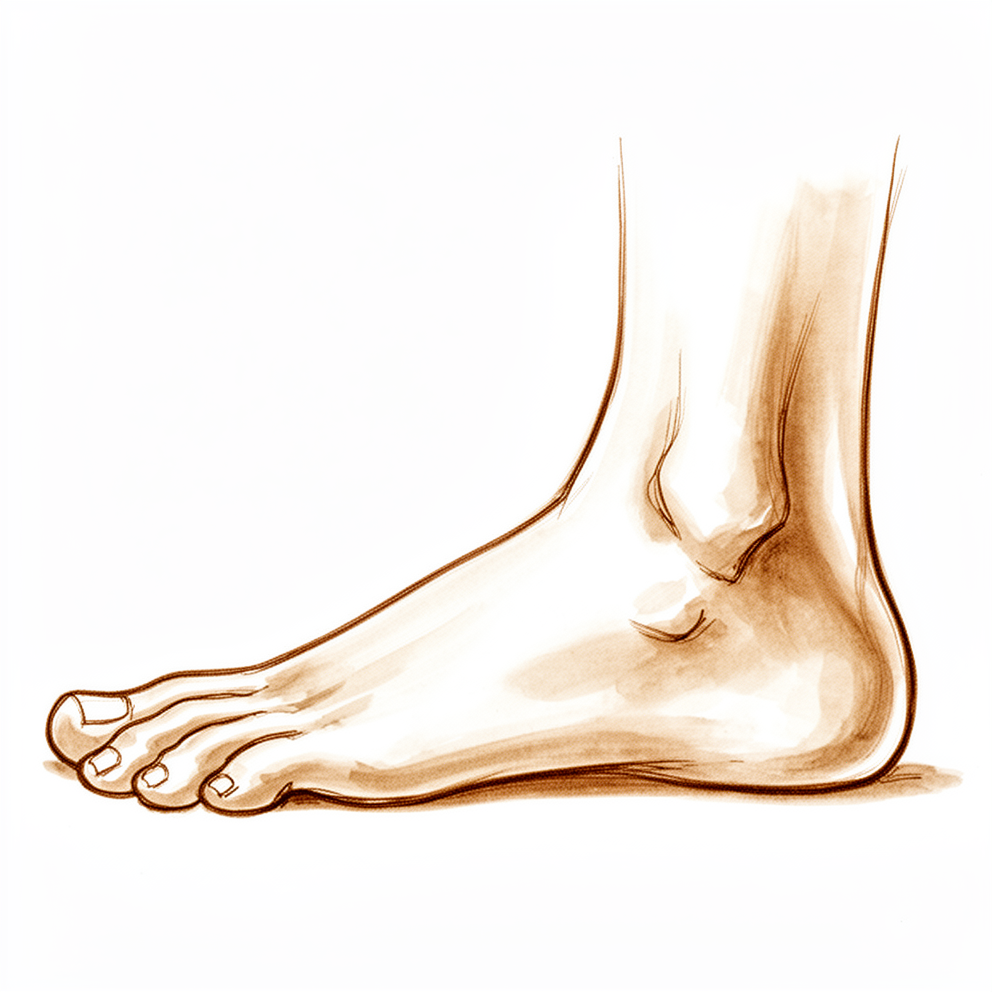
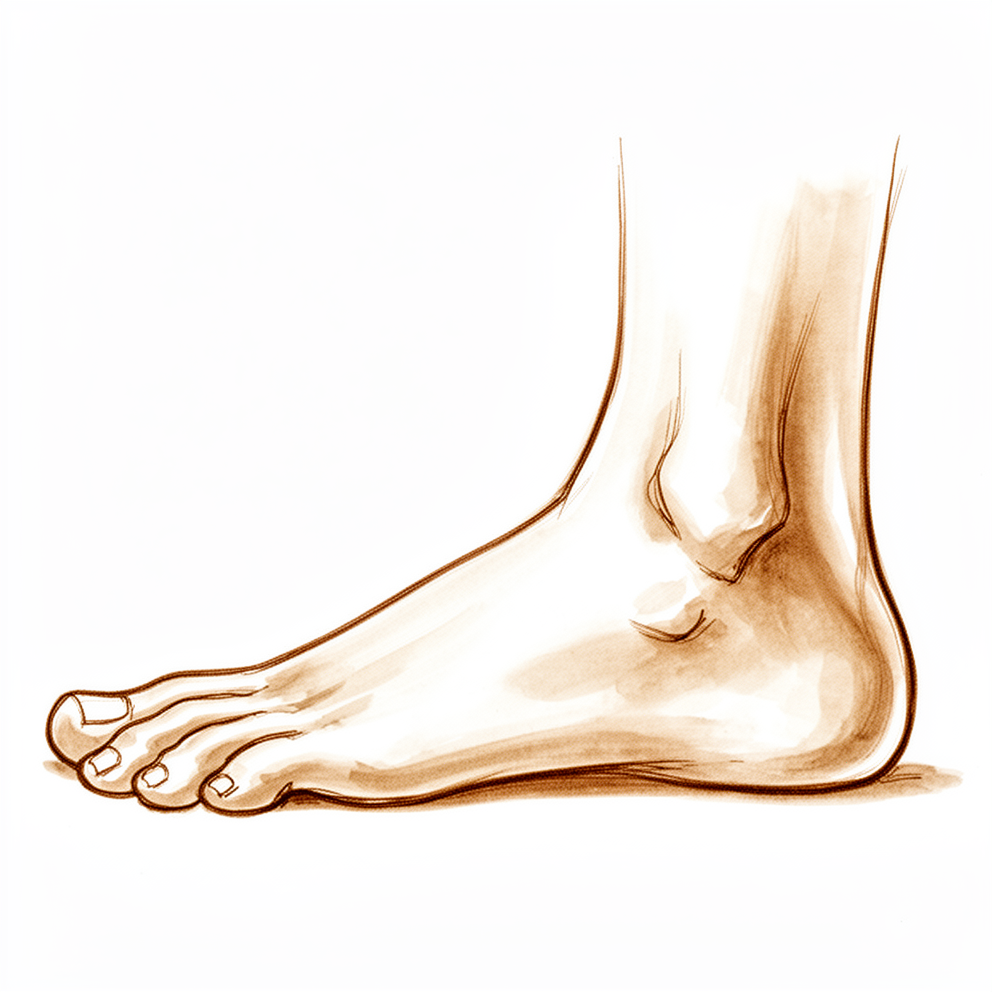
Foot & ankle imaging: MRI for occult fractures, WBCT for deformity assessment, and evolving roles of advanced modalities.

Overview

Musculoskeletal imaging serves as a critical decision-making tool, yet reliance on specific modalities without clinical correlation risks overtreatment or diagnostic error. Management decisions based solely on MRI findings in the pre-radiographic stage of osteonecrosis of the femoral head carry a potential for overtreatment [1], while the absence of disease on MRI should not be the sole criterion for determining repeat resection after marginal excision of unsuspected soft tissue sarcomas of the hand [3]. Conversely, MRI utilization by orthopaedic surgeons results in more appropriate interventions for patients with symptoms and findings most amenable to surgical intervention [39], and MRI scans showing advanced osteoarthritis would expedite definitive surgery in knee surgery patients [13].

Selection of the optimal modality depends on the specific pathology and available resources. Ultrasonography is an inexpensive and easily available examination modality compared to MRI for diagnosing old quadriceps tendon ruptures [5], whereas magnetic resonance arthrography (MRA) provides the best combination of sensitivity and specificity for the evaluation of ulnar collateral ligament (UCL) injuries among currently available imaging modalities [7]. For suspected lower extremity stress fractures, conventional radiographs often result in false negatives [8], and when MRI is available, nuclear scintigraphy is not recommended due to low specificity and high radiation dosage [8]. In the assessment of adults with chondral lesions of the knee, there remains little indication to replace arthroscopic investigation with MRI, MRA, or CTA [11].

Advanced imaging techniques further refine surgical planning and post-operative evaluation. Transparent 3-dimensional CT imaging may be useful to confirm surgical techniques and improve clinical outcomes in anatomic double-bundle anterior cruciate ligament reconstruction with the trans-tibial tunnel technique [12], while both MRI and SPECT/CT have a definite role in post-operative diagnosis for patients with ACL graft insufficiency [22]. The use of magnetic resonance fluoroscopy reduces the time needed for preoperative marking of musculoskeletal tumors [24]. Finally, general musculoskeletal imaging principles for radiography, CT, and MRI emphasize radiation safety, artifact management, and specific contraindications such as metal implants and pregnancy [21].

Anatomy & Pathophysiology

Osseous and Articular Morphology

Radiography remains the first examination of choice for foot and ankle pain, while MRI provides essential diagnostic assessment by directly visualizing soft-tissue structures and bone marrow to enable accurate diagnosis and grading [15]. Weight-bearing CT scans better demonstrate the true orientation of bones and joints during loading compared to standard imaging, aiding in the diagnosis and preoperative planning of complex foot and ankle pathologies [31]. In the knee, the soft tissue slope is more horizontal in the lateral compartment compared to the medial compartment [74], and multiple articular elements are inter-related in the pathoanatomy of knee osteoarthritis [75]. Regarding hallux valgus, angles based on margo medialis pedis measurements were slightly but statistically significantly smaller than metatarsophalangeal hallux valgus angles, making them conservative estimates [69]. Furthermore, the width of the feet and the hallux valgus angle were associated with hypermobility of the first ray in both symptomatic and asymptomatic patients [72].

Kinematics and Biomechanics

Three-dimensional kinematics under static full weightbearing were opposite between the ankle and subtalar joints on their respective axes [49]. Hallux valgus deformity and its severity were positively associated with the magnitude of the anteroposterior postural sway [65]. An increase in the hallux valgus angle and the first–second intermetatarsal angle were associated with symptoms among hallux valgus patients [72]. The plantarflexion angle is an independent predictive factor of the arthroscopic reach both medially and laterally to the talus [68], and the postoperative mechanical axis correlates with limb loading [56].

Imaging Modalities and Measurement Techniques

Diagnostic Imaging: Transparent 3-dimensional CT imaging may be useful to confirm surgical techniques and improve clinical outcomes in anatomic double-bundle anterior cruciate ligament reconstruction with the trans-tibial tunnel technique [12]. Advanced high-field (7-Tesla) MRI techniques provide a feasible method of quantifying muscle morphology and composition for individual intrinsic foot muscles [60]. Ultrasound appears to be a valid and reliable alternative to MRI when measuring intrinsic foot muscle cross-sectional area [20]. Plain radiographs are sufficient to define tunnel position in the surveillance of routine clinical practice for ACL reconstruction [73]. Measurement Tools: A novel method using the built-in photo-edit function of smartphones is accurate, reliable, convenient, and time-saving in measuring the angles of hallux valgus [70]. AI-LLM was an efficacious tool for improving the readability of foot and ankle radiological reports across multiple imaging modalities [71].

Meniscal Pathology

MRI-negative bucket-handle tears of the lateral meniscus can occur in athletes, necessitating arthroscopic evaluation for patients with ongoing mechanical symptoms if clinically indicated [10].

Classification

MRI-based Osteonecrosis: Management decisions relying solely on MRI findings in the pre-radiographic stage of osteonecrosis of the femoral head have the potential for overtreatment [1].

CT-based Spinal Gas: A classification based on CT scans for gas accumulation in the spinal canal helps guide clinical treatment [2].

MRI Bone Marrow Lesions: MRI plays a major role in distinguishing between reversible and irreversible conditions of bone marrow lesions and subchondral bone pathology based on recognizable typical patterns, age, and clinical history to guide patient management [4].

Ultrasonography for Tendon Rupture: Ultrasonography is an inexpensive and easily available examination modality compared to MRI for diagnosing old quadriceps tendon ruptures [5].

Soft-Tissue Mass Evaluation: Proper management of soft-tissue masses requires a specific process for evaluation and management, including a thorough history, physical examination, and imaging studies, with biopsy performed if the diagnosis remains unclear [6].

MRA for UCL Injury: MRA provides the best combination of sensitivity and specificity for the evaluation of ulnar collateral ligament injury among currently available imaging modalities [7].

Giant Cell Tumor Imaging: Radiologists should be familiar with the imaging characteristic of giant cell tumors of the mobile spine with invasion of adjacent vertebrae [9].

MRI for Knee Osteoarthritis: MRI scans showing advanced osteoarthritis would expedite definitive surgery in knee surgery patients [13].

Post-ACL Graft Assessment: Both MRI and SPECT/CT have a definite role in post-operative diagnosis for patients with ACL graft insufficiency and have established their value in those patients [22].

HDS Shoulder Classification: A new concise MRI classification of haemodialysis-related amyloidosis of the shoulder (HDS) was proposed [33].

Rotator Cuff Repair Criteria: Twenty-six different criteria described by multiple classification systems have been identified for the magnetic resonance assessment of rotator cuff after repair [35].

Lesion Differentiation: Differentiation of malignant from benign lesions of the musculoskeletal system is best made by a combination of clinical and imaging parameters rather than by any single MR characteristic [46].

Elbow Osteophyte Classification: A bony landmarks classification system effectively delineated osteophyte distribution in elbow osteoarthritis patients [48].

Deep Learning Arthroplasty Models: A deep-learning system using AP plain radiographs accurately differentiated among 18 hip arthroplasty models from four industry leading manufacturers [54].

Advanced MRI and AI: Newer MRI sequences and artificial intelligence applications may more accurately identify and quantify cartilage lesions, potentially avoiding staged procedures and improving treatment decision-making [59].

Clinical Presentation

Initial evaluation of musculoskeletal complaints begins with Radiography as the first examination of choice for foot and ankle pain [15]. While conventional radiographs often yield false negatives for suspected lower extremity stress fractures [8], they remain the primary screening tool, with radiologists appearing more likely to report osteoarthritis when clinically suspected [34]. For complex or subtle talus injuries where clinical suspicion is high, CT scans are recommended over plain radiographs due to superior accuracy [40]. CT also defines the extent of lesions in unusual locations, providing critical data on septation and density to aid surgical planning [38].

MRI serves as a major modality for distinguishing reversible from irreversible bone marrow lesions and subchondral pathology based on typical patterns, age, and clinical history [4]. It accurately diagnoses ACL and medial meniscal tears in young adults, reliably completing the workup following physical examination [36]. In the foot and ankle, MRI enables accurate diagnosis and grading by directly visualizing soft-tissue structures and bone marrow [15]. However, reliance on MRI alone in the pre-radiographic stage of osteonecrosis risks overtreatment [1], and its absence should not solely dictate repeat resection for marginal excision of unsuspected soft tissue sarcomas of the hand [3]. For suspected lower extremity stress fractures, nuclear scintigraphy is not recommended when MRI is available due to low specificity and high radiation dosage [8]. Additionally, MRI may assist in diagnosing intravascular papillary endothelial hyperplasia of the digit, which is difficult to identify clinically [18].

Advanced Imaging and Specialized Modalities offer specific diagnostic advantages for complex scenarios. MRA provides the best combination of sensitivity and specificity for evaluating ulnar collateral ligament (UCL) injuries [7]. Ultrasonography serves as an inexpensive, easily available alternative to MRI for diagnosing old quadriceps tendon ruptures [5]. SPECT-CT can predict treatment response from conservative management in middle-aged patients with chronic anterior knee pain [17]. Transparent 3-dimensional CT in anatomic double-bundle anterior cruciate ligament reconstruction with the trans-tibial tunnel technique may confirm surgical techniques and improve outcomes [12]. For spinal pathology, a CT-based classification of gas accumulation in the spinal canal helps guide clinical treatment [2], and radiologists must recognize the imaging characteristics of giant cell tumors of the mobile spine with adjacent vertebrae invasion [9].

Diagnostic Decision-Making and Limitations require integrating imaging with clinical findings to avoid misdiagnosis. Any patient with ongoing mechanical symptoms should undergo arthroscopic evaluation of the knee if clinically indicated, even in cases of MRI-negative bucket-handle tears of the lateral meniscus [10]. There remains little indication to replace the 'gold-standard' arthroscopic investigation with MRI, MRA, or CTA for assessing adults with chondral lesions of the knee [11]. Proper management of soft-tissue masses necessitates a specific process including thorough history, physical examination, and imaging, with biopsy performed if the diagnosis remains unclear [6]. Timely recognition and appropriate workup are critical to avoid misdiagnosis and unnecessary intervention in cases of metatarsal coalition with pseudarthrosis mimicking a bone tumor [14].

Investigations

Plain radiography: Radiography is the first examination of choice for foot and ankle pain [15]. However, conventional radiographs often result in false negatives for suspected lower extremity stress fractures [8]. In elite ice hockey players, MRI can reveal severe bone injuries that are not visible radiographically [37].

MRI: MRI plays a major role in distinguishing between reversible and irreversible conditions of bone marrow lesions and subchondral bone pathology based on recognizable typical patterns, age, and clinical history to guide patient management [4]. It provides useful diagnostic assessment by directly visualizing soft-tissue structures and bone marrow to enable accurate diagnosis and grading of pathologies in the foot and ankle [15]. MRI is indispensable for evaluating deeper complex structures, such as the SDM and fracture lesions, in ankle injuries [42]. MRI-based examination is useful in all symptomatic elderly patients whose plain radiographic findings reveal isolated greater trochanter fractures [41]. MRI scans can expedite definitive surgery in patients with advanced osteoarthritis [13]. MRI may help in the diagnosis of intravascular papillary endothelial hyperplasia of the digit, as it is difficult to diagnose based only on clinical features [18]. However, management decisions relying solely on MRI findings in the pre-radiographic stage of osteonecrosis of the femoral head have the potential for overtreatment [1]. The absence of disease on MRI should not be used as the sole criterion for determining whether a repeat resection should be performed after marginal excision of unsuspected soft tissue sarcomas of the hand [3]. Additionally, MRI can be negative for bucket-handle tears of the lateral meniscus in athletes, meaning any patient with ongoing mechanical symptoms should have an arthroscopic evaluation if clinically indicated [10]. Negative results of MRI should not prevent a diagnostic arthroscopy for grading knee chondral defects [19].

MRA: MRA provides the best combination of sensitivity and specificity for the evaluation of ulnar collateral ligament (UCL) injuries among currently available imaging modalities [7].

Ultrasound: Ultrasonography is an inexpensive and easily available examination modality compared to MRI for old quadriceps tendon ruptures [5]. Ultrasound appears to be a valid and reliable alternative to MRI when measuring intrinsic foot muscle cross-sectional area [20]. Ultrasound and MRI exhibit a complementary relationship in the evaluation of ankle injuries [42].

CT: A CT-based classification of gas accumulation in the spinal canal helps guide clinical treatment [2].

Bone scan: When MRI is available, nuclear scintigraphy is not recommended for suspected lower extremity stress fractures due to low specificity and high radiation dosage [8].

Tomosynthesis: Digital tomosynthesis offers an affordable and safe alternative to advanced imaging such as MRI and CT for suspected scaphoid fractures given its low radiation exposure and cost comparable to plain radiographs [43].

Other Considerations: There remains little indication to replace the 'gold-standard' arthroscopic investigation with MRI, MRA, or CTA for the assessment of adults with chondral lesions of the knee [11]. Radiologists should be familiar with the imaging characteristic of giant cell tumors of the mobile spine with invasion of adjacent vertebrae [9].

Treatment

Non-Operative

Conservative management serves as the primary strategy for several distinct pathologies. Non-weightbearing conservative care is the standard of care for tarsal navicular stress fractures [51], while patients with isolated subcortical trabecular fractures (bone bruise) detected on MRI recover well in the short term with restricted weightbearing and initial activity modification [50]. Central lesions of talar avascular necrosis often remain stable without progression, warranting consideration of conservative treatment [61]. Bilateral avascular necrosis of the trapezoid can improve clinically and radiographically with nonoperative treatment, potentially achieving complete pain freedom and full wrist movement at 5 years [58]. Treatment for os trigonum syndrome begins with nonsurgical measures, though symptomatic athletes may eventually require surgical excision [64]. For nonsurgical pelvic ring injuries, the need for a change in treatment plan or further imaging should be based on the patient's clinical progress with weight bearing [16]. Additionally, conservative management is appropriate for moderate nonprogressive deformity in childhood coxa vara [53].

Operative

Indications: Surgical intervention is indicated for progressive, painful, unilateral deformity or leg-length discrepancy in childhood coxa vara [53]. Symptomatic athletes with os trigonum syndrome may require surgical excision if nonsurgical measures fail [64]. Diagnostic arthroscopy is indicated for patients with ongoing mechanical symptoms even if MRI is negative for bucket-handle tears of the lateral meniscus [10], and negative MRI results should not prevent diagnostic arthroscopy for grading knee chondral defects [19]. Surgical arthroscopy is unnecessary for isolated subcortical trabecular fractures detected on MRI [50].

Surgical Approach / Technique: In anatomic double-bundle anterior cruciate ligament reconstruction using the trans-tibial tunnel technique, tunnel location in transparent 3-dimensional CT may be useful to confirm surgical techniques and improve clinical outcomes [12]. Proper management of soft-tissue masses requires a specific process including a thorough history, physical examination, and imaging studies, with biopsy performed if the diagnosis remains unclear [6].

Implant Selection: There remains little indication to replace arthroscopic investigation with MRI, MRA, or CTA for the assessment of adults with chondral lesions of the knee [11]. MRI examination techniques recommended in the literature are not able to replace arthroscopy for the diagnosis of cartilage damages of the knee joint [47].

Adjuncts: Advanced imaging, particularly MRI, has improved the assessment of hinge abduction and femoral head vascularity in active Legg-Calvé-Perthes disease, potentially allowing for earlier prognosis and treatment [23]. Magnetic resonance imaging has created an important role for reproducible, noninvasive, and objective evaluation and monitoring of cartilage in the setting of trauma, degenerative arthritides, and surgical treatment for cartilage injury [44]. MRI shows promise in replacing other modalities for staging the primary lesion in limb-salvage surgery for primary malignant tumors of bone to allow surgeons to be more confident and conservative [55].

Other Considerations: Management decisions for osteonecrosis of the femoral head in the pre-radiographic stage should not rely solely on MRI findings to avoid potential overtreatment [1]. The absence of disease on MRI should not be used as the sole criterion for determining whether a repeat resection is necessary after marginal excision of unsuspected soft tissue sarcomas of the hand [3]. Whether earlier recognition of Legg-Calvé-Perthes disease via advanced imaging leads to better outcomes remains to be determined [23]. Orthopaedic surgeons should develop a systematic approach to interpreting the entire image and create a discrete plan with radiologists on managing incidental benign and malignant lesions found on radiographs [57].

Complications

Other Considerations: Management decisions relying solely on MRI findings in the pre-radiographic stage of osteonecrosis of the femoral head have the potential for overtreatment [1]. The absence of disease on MRI should not be used as the sole criterion in determining whether a repeat resection should be performed after marginal excision of unsuspected soft tissue sarcomas of the hand [3]. MRI plays a major role in distinguishing between reversible and irreversible conditions of bone marrow lesions and subchondral bone pathology based on recognizable typical patterns, age, and clinical history to guide patient management [4]. Radiologists should be familiar with the imaging characteristic of giant cell tumors of the mobile spine with invasion of adjacent vertebrae [9]. Timely recognition and appropriate diagnostic workup are critical to avoid misdiagnosis and unnecessary intervention in cases of metatarsal coalition with pseudarthrosis mimicking bone tumor [14]. The need for a change in treatment plan or further imaging in nonsurgical pelvic ring injuries should be based on the patient's clinical progress with weight bearing [16].

Other Considerations: Further studies with long-term follow-up are needed to determine whether the grafted area will maintain structural and functional integrity over time after autologous matrix-induced chondrogenesis for treatment of focal cartilage defects in the knee [25]. The study could not conclude that allograft shrinkage was significantly associated with inferior clinical and radiologic outcomes in the long term after transplantation of fresh-frozen lateral meniscal allografts [26]. The clinical significance of bone bruises detected by magnetic resonance imaging following lateral ankle sprains in the long term remains to be determined [27]. Further investigations with higher levels of evidence and longer periods of follow-up are warranted regarding the effect of anterolateral structure augmentation on graft maturity after anterior cruciate ligament reconstruction [28]. The degree of subchondral bone marrow edema at midterm follow-up was correlated with clinical outcomes after microfracture for osteochondral lesions of the talus, whereas no significant differences were found at short-term follow-up [29]. Follow-up radiographs are not indicated for most fifth metacarpal base and neck fractures [30]. Long-term complications such as arthritis and avascular necrosis are still commonly seen after surgical management of Hawkins type III talar neck fracture through the approach of medial malleolar osteotomy and mini-plate for fixation [52]. The edema size observed on MRI scans is not a valuable finding in the follow-up of bone marrow edema [62]. Further high-quality studies are needed to confirm results and to analyse the long-term effects of the procedure for treatment of osteochondral defects of the talus with platelet-derived growth factor [63]. Despite major primary complications and a high incidence of radiographic signs of degenerative changes after 8.8 years, mainly good clinical results were achieved with Judet's bipolar prosthesis in mid- to long-term results after bipolar radial head arthroplasty [67].

Recovery

Light activity (weeks): Clinical decisions regarding the resumption of weight-bearing and activity levels are often guided by imaging findings and patient progress rather than fixed timelines. In nonsurgical pelvic ring injuries, the need to alter treatment plans or pursue further imaging should be based on the patient's clinical progress with weight bearing [16]. For displaced extra-articular distal radial fractures, sonography serves as an accurate, radiation-free tool for monitoring closed reduction, facilitating dynamic, real-time observation during the early recovery phase [32].

Full activity (months): The timeline for returning to full functional capacity varies by pathology and requires careful interpretation of advanced imaging. In active Legg-Calvé-Perthes disease, advanced imaging, particularly MRI, has improved the assessment of hinge abduction and femoral head vascularity, potentially allowing for earlier prognosis and treatment, though whether earlier recognition leads to better outcomes remains to be determined [23]. For focal cartilage defects in the knee treated with autologous matrix-induced chondrogenesis, further studies with long-term follow-up are needed to determine if the grafted area will maintain structural and functional integrity over time [25]. Similarly, the long-term clinical significance of bone bruises detected by MRI following lateral ankle sprains remains to be determined [27].

Complete recovery / outcome plateau (months): Final outcomes and the stability of grafts or lesions often require extended observation to confirm success. The degree of subchondral bone marrow edema at midterm follow-up was correlated with clinical outcomes after microfracture for osteochondral lesions of the talus, whereas no significant differences in clinical outcomes were found at short-term follow-up regarding the degree of subchondral bone marrow edema [29]. Regarding anterior cruciate ligament reconstruction, further investigations with higher levels of evidence and longer periods of follow-up are warranted regarding the effect of anterolateral structure augmentation on graft maturity [28]. In cases of transplanted fresh-frozen lateral meniscal allografts, studies could not conclude that allograft shrinkage was significantly associated with inferior clinical and radiologic outcomes in the long term [26].

Rehabilitation protocol: Preoperative planning and intraoperative guidance can be optimized using specific imaging modalities to streamline the surgical process. The use of magnetic resonance fluoroscopy for preoperative marking of musculoskeletal tumors reduces the time needed for the intervention [24]. For soft-tissue masses, proper management requires a specific process including a thorough history, physical examination, and imaging studies, with biopsy performed if the diagnosis remains unclear [6]. In the context of unsuspected soft tissue sarcomas of the hand, the absence of disease on MRI should not be used as the sole criterion for determining whether a repeat resection should be performed after marginal excision [3].

Functional milestones: Diagnostic accuracy is critical to avoid misdiagnosis and unnecessary intervention, which directly impacts functional trajectories. Timely recognition and appropriate diagnostic workup are critical to avoid misdiagnosis and unnecessary intervention in cases of metatarsal coalition with pseudarthrosis mimicking bone tumor [14]. Management decisions for osteonecrosis of the femoral head relying solely on MRI findings in the pre-radiographic stage have the potential for overtreatment [1]. Conversely, MRI plays a major role in distinguishing between reversible and irreversible conditions of bone marrow lesions and subchondral bone pathology based on recognizable typical patterns, age, and clinical history to guide patient management [4].

Other Considerations: Specific imaging applications provide value in monitoring disease activity and structural interdependence. A variety of applications for US and MRI for patients with Dupuytren disease have been described, with the largest value lying in the measurement of disease activity and the follow-up of treatment of patients with early stage disease [76]. CT-OAM and µCT demonstrate the interdependence of compact and trabecular bone in response to long-term loading conditions in the fourth cervical vertebra [66]. A CT-based classification of gas accumulation in the spinal canal helps guide clinical treatment [2]. Finally, follow-up radiographs are not indicated for most fifth metacarpal base and neck fractures [30].

Key Evidence

  • [L3] These findings highlight the potential for overtreatment if management decisions rely solely on MRI findings. (10.1016/j.arth.2025.05.089)
  • [L4] The classification based on CT scans helps guide clinical treatment. (10.1186/s13018-025-05895-w)
  • [L3] The absence of disease on MRI should not be used as the sole criterion in determining whether a repeat resection should be performed. (10.1016/j.jhsa.2010.05.009)
  • [L4] MRI plays a major role in distinguishing between reversible and irreversible conditions of bone marrow lesions and subchondral bone pathology based on recognizable typical patterns, age, and clinical history to guide patient management. (10.1007/s00167-016-4113-2)
  • [L2] It is furthermore an inexpensive and easily available examination modality, compared to MRI. (10.1007/s00167-004-0576-7)
  • [L5] Proper management of soft-tissue masses requires a specific process for evaluation and management, including a thorough history, physical examination, and imaging studies, with biopsy performed if the diagnosis remains unclear. (10.5435/jaaos-22-11-742)
  • [L1] Of the currently available imaging modalities, MRA provides the best combination of sensitivity and specificity of the evaluation of the UCL. (10.1177/0363546520937302)
  • [L1] When MRI is available, nuclear scintigraphy is not recommended due to low specificity and high radiation dosage, while conventional radiographs often result in false negatives. (10.1177/0363546515574066)
  • [L4] Radiologists should be familiar with this imaging characteristic. (10.1186/s12891-021-04610-0)
  • [L4] It is thus important that any patient with ongoing mechanical symptoms should have an arthroscopic evaluation of their knee if clinically indicated. (10.1007/s00167-005-0011-8)
  • [L1] Due to this limitation, there remains little indication to replace the 'gold-standard' arthroscopic investigation with MRI, MRA or CTA for the assessment of adults with chondral lesions of the knee. (10.1007/s00167-012-1905-x)
  • [L4] This imaging technique may be useful to confirm surgical techniques and to improve clinical outcomes. (10.1007/s00167-009-0989-4)
  • [L2] This would expedite definitive surgery in patients with advanced osteoarthritis on MRI scans. (10.1016/j.arthro.2008.10.020)
  • [L4] Timely recognition and appropriate diagnostic workup are critical to avoid misdiagnosis and unnecessary intervention. (10.1186/s12891-025-09279-3)
  • [L4] The need for change in treatment plan or further imaging should be based on the patient's clinical progress with weight bearing. (10.5435/jaaos-d-18-00254)
  • [L3] SPECT-CT can benefit clinicians by predicting the treatment response from conservative management. (10.1186/s12891-015-0628-9)
  • [L4] MRI may help in the diagnosis of this condition as it is difficult to diagnose based only on clinical features. (10.1177/1753193412453541)
  • [L1] The negative results of MRI should not prevent a diagnostic arthroscopy. (10.1016/j.arthro.2012.04.138)
  • [L3] US appears to be a valid and reliable alternative to MRI when measuring intrinsic foot muscle CSA. (10.1186/s12891-022-05090-6)
  • [L3] Both imaging modalities have a definite role in post-operative diagnostic and have established their value in those patients. (10.1007/s00167-017-4588-5)
  • [L5] Advanced imaging, particularly MRI, has improved the assessment of hinge abduction and femoral head vascularity, potentially allowing for earlier prognosis and treatment; however, whether earlier recognition leads to better outcomes remains to be determined. (10.5435/jaaos-d-16-00856)
  • [L2] Use of magnetic resonance fluoroscopy reduces the time needed for the intervention. (10.2106/00004623-200408000-00021)
  • [L4] However, further studies with long-term follow-up are needed to determine whether the grafted area will maintain structural and functional integrity over time. (10.1007/s00167-010-1042-3)
  • [L4] The study could not conclude that allograft shrinkage was significantly associated with inferior clinical and radiologic outcomes in the long term. (10.1016/j.arthro.2019.04.031)
  • [L4] Their clinical significance in the long term remains to be determined. (10.1007/s001670050036)
  • [L3] Further investigations with higher levels of evidence and longer periods of follow-up are warranted. (10.1177/03635465221092768)
  • [L3] The degree of subchondral bone marrow edema at midterm follow-up was correlated with clinical outcomes, whereas no significant differences were found at short-term follow-up. (10.1177/0363546518782701)
  • [L4] Follow-up radiographs are not indicated for most fifth metacarpal base and neck fractures. (10.1177/1558944717733278)
  • [L5] Weight-bearing CT scans better demonstrate the true orientation of bones and joints during loading compared to standard imaging, aiding in the diagnosis and preoperative planning of complex foot and ankle pathologies. (10.5435/jaaos-d-19-00700)
  • [L4] Sonography is an accurate, simple, and radiation-free tool that provides the substantial benefits of dynamic multiple-plane and real-time observation. (10.2106/00004623-200202000-00005)
  • [L3] A new concise MRI classification of HDS was proposed. (10.1007/s00167-016-4033-1)
  • [L4] If OA is clinically suspected, radiologists appear to be more likely to report its presence. (10.1186/1471-2474-8-77)
  • [L4] Twenty-six different criteria described by multiple classification systems have been identified for the magnetic resonance assessment of rotator cuff after repair. (10.1007/s00167-014-3486-3)
  • [L3] 1.5-Tesla MRI accurately diagnoses ACL and medial meniscal tears and can reliably complete the diagnostic workup following physical examination, particularly in young adults. (10.1186/s12891-021-04011-3)
  • [L4] MRI can show severe bone injuries that are not visible radiographically in ice hockey players. (10.1177/0363546515626181)
  • [Case_report] Computed tomography may be useful in defining the extent of lesions in unusual locations and provides information about their characteristics, such as septation and density, to aid in diagnosis and surgical planning. (10.2106/00004623-198365090-00020)
  • [L3] MRI utilization by orthopaedic surgeons results in more appropriate interventions for patients with symptoms and findings most amenable to surgical intervention. (10.2106/jbjs.n.00947)
  • [L2] CT scans are recommended when there is high clinical suspicion, as they offer greater accuracy for complex and subtle injuries. (10.1186/s12891-025-09136-3)
  • [L4] MRI-based examination is useful in all symptomatic elderly patients whose plain radiographic findings reveal isolated GT fractures. (10.1186/s12891-018-2193-5)
  • [L3] In contrast, MRI is indispensable for evaluating deeper complex structures, such as the SDM and fracture lesions, with both modalities exhibiting a complementary relationship. (10.1186/s12891-026-09662-8)
  • [L4] Given its low radiation exposure and cost comparable to plain radiographs, DTS offers an affordable and safe alternative to advanced imaging such as MRI and CT. (10.1177/17531934231215769)
  • [L5] Magnetic resonance imaging has created an undeniably important role for reproducible, noninvasive, and objective evaluation and monitoring of cartilage in the setting of trauma, degenerative arthritides, and surgical treatment for cartilage injury. (10.1177/0363546505281938)
  • [L2] Differentiation of malignant from benign lesions of musculoskeletal system is best made by a combination of clinical and imaging parameters rather than by any single MR characteristic. (10.1186/1471-2474-10-125)
  • [L2] MRI examination techniques recommended in the literature are not able to replace arthroscopy for the diagnosis of cartilage damages of the knee joint. (10.1007/s00167-003-0393-4)
  • [L3] The bony landmarks classification system effectively delineated osteophyte distribution in elbow patients. (10.1186/s13018-025-06145-9)
  • [L4] Three-dimensional kinematics under static full weightbearing were opposite between the ankle and subtalar joints on their respective axes. (10.1186/s13018-019-1443-z)
  • [L4] If detected on MRI as an isolated injury, surgical arthroscopy is unnecessary since these patients can be expected to recover well in the short term with restricted weightbearing and initial activity modification. (10.1177/03635465000280050701)
  • [L1] Non-weightbearing conservative management should be considered the standard of care for tarsal navicular stress fractures. (10.1177/0363546509355408)
  • [L4] However, long-term complications such as arthritis and AVN are still commonly seen. (10.1186/s13018-017-0610-3)
  • [L5] Surgical management is indicated for progressive, painful, unilateral deformity or leg-length discrepancy, while moderate nonprogressive deformity often does not require surgery. (10.5435/00124635-199803000-00003)
  • [L4] A deep-learning system using AP plain radiographs accurately differentiated among 18 hip arthroplasty models from four industry leading manufacturers. (10.1016/j.arth.2020.11.015)
  • [L4] The authors believe it shows promise in replacing other modalities for staging the primary lesion to allow surgeons to be more confident and conservative with limb-salvage procedures. (10.2106/00004623-198668060-00003)
  • [L2] The postoperative mechanical axis correlates with limb loading. (10.1007/s00167-018-5056-6)
  • [L3] Orthopaedic surgeons should develop a systematic approach to interpreting the entire image and create a discrete plan with radiologists on managing incidental findings. (10.5435/jaaos-d-19-00236)
  • [L4] The patient with bilateral avascular necrosis of the trapezoid improved clinically and radiographically with nonoperative treatment, achieving complete pain freedom and full wrist movement at 5 years. (10.1016/j.jhsa.2011.07.022)
  • [L5] Newer MRI sequences and artificial intelligence applications may more accurately identify and quantify cartilage lesions, potentially avoiding staged procedures and improving treatment decision-making. (10.1016/j.arthro.2024.03.009)
  • [L5] This proof-of-concept study demonstrates a feasible method of quantifying muscle morphology and composition for individual intrinsic foot muscles using advanced high-field MRI techniques. (10.1186/s12891-020-03926-7)
  • [L3] Conservative treatment should be considered for a central lesion of the talar AVN because it tends to remain stable without progression. (10.1186/s12891-023-07136-9)
  • [L3] The edema size observed on MRI scans is not a valuable finding in the follow-up of bone marrow edema. (10.1007/s00167-009-0842-9)
  • [L4] Further high-quality studies are needed to confirm these results and to analyse the long-term effects of the procedure. (10.1007/s00167-015-3549-0)
  • [L5] Treatment begins with nonsurgical measures, but symptomatic athletes may require surgical excision of the os trigonum. (10.5435/jaaos-22-09-545)
  • [L4] Hallux valgus deformity and its severity were positively associated with the magnitude of the anteroposterior postural sway. (10.1186/s12891-021-04385-4)
  • [L5] CT-OAM and µCT demonstrate the interdependence of compact and trabecular bone in response to long-term loading conditions. (10.1186/s13018-023-03760-2)
  • [L4] Despite major primary complications and high incidence of radiographic signs of degenerative changes after 8.8 years, mainly good clinical results were achieved with Judet's bipolar prosthesis. (10.1016/j.jse.2010.05.022)
  • [L4] The plantarflexion angle is an independent predictive factor of the arthroscopic reach both medially and laterally. (10.1177/0363546512455403)
  • [L4] Because the hallux valgus angles based on margo medialis pedis measurements were slightly but statistically significantly smaller, these measurements should be considered conservative estimates of the metatarsophalangeal angle. (10.1186/1471-2474-15-133)
  • [L4] This novel method using the built-in photo-edit function of smartphones is accurate, reliable, convenient and time-saving in measuring the angles of hallux valgus. (10.1186/s12891-021-04604-y)
  • [L4] AI-LLM was an efficacious tool for improving the readability of foot and ankle radiological reports across multiple imaging modalities. (10.1016/j.jisako.2025.100403)
  • [L3] Width of the feet and hallux valgus angle were associated with hypermobility of the first ray while an increase in the hallux valgus angle and the first–second intermetatarsal angle were associated with symptoms among hallux valgus patients. (10.1186/s13018-025-05856-3)
  • [L4] In the surveillance of routine clinical practice, plain radiographs are sufficient to define tunnel position. (10.1007/s00167-017-4462-5)
  • [L3] The soft tissue slope is more horizontal in the lateral compartment of the knee compared to the medial compartment. (10.1007/s00167-012-1990-x)
  • [L4] Our results support an inter-relationship of multiple articular elements in the pathoanatomy of knee OA. (10.1186/1471-2474-10-133)
  • [L2] A variety of applications for US and MRI for patients with DD has been described, with the largest value lying in the measurement of disease activity and the follow-up of treatment of patients with early stage disease. (10.1186/s12891-019-2606-0)

See Also

References

[1] Radiographic Progression in the Pre-Radiographic Stage of Osteonecrosis of the Femoral Head. The Journal of Arthroplasty. 2025. DOI: 10.1016/j.arth.2025.05.089

[2] Gas accumulation in the spinal canal: a systematic review and a novel CT-based classification. Journal of Orthopaedic Surgery and Research. 2025. DOI: 10.1186/s13018-025-05895-w

[3] Predictive Value of Magnetic Resonance Imaging in Determining Presence of Residual Disease After Marginal Excision of Unsuspected Soft Tissue Sarcomas of the Hand. The Journal of Hand Surgery. 2010. DOI: 10.1016/j.jhsa.2010.05.009

[4] Bone marrow lesions and subchondral bone pathology of the knee. Knee Surgery, Sports Traumatology, Arthroscopy. 2016. DOI: 10.1007/s00167-016-4113-2

[5] Ultrasonography as a reliable diagnostic tool in old quadriceps tendon ruptures: a prospective multicentre study. Knee Surgery, Sports Traumatology, Arthroscopy. 2005. DOI: 10.1007/s00167-004-0576-7

[6] Diagnosis and Management of Soft-tissue Masses. Journal of the American Academy of Orthopaedic Surgeons. 2014. DOI: 10.5435/jaaos-22-11-742

[7] Diagnostic Imaging of Ulnar Collateral Ligament Injury: A Systematic Review. The American Journal of Sports Medicine. 2020. DOI: 10.1177/0363546520937302

[8] Diagnostic Accuracy of Various Imaging Modalities for Suspected Lower Extremity Stress Fractures. The American Journal of Sports Medicine. 2015. DOI: 10.1177/0363546515574066

[9] Giant cell tumors of the mobile spine with invasion of adjacent vertebrae: an unusual imaging finding. BMC Musculoskeletal Disorders. 2021. DOI: 10.1186/s12891-021-04610-0

[10] MRI‐negative bucket‐handle tears of the lateral meniscus in athletes: a case series. Knee Surgery, Sports Traumatology, Arthroscopy. 2005. DOI: 10.1007/s00167-005-0011-8

[11] Accuracy of magnetic resonance imaging, magnetic resonance arthrography and computed tomography for the detection of chondral lesions of the knee. Knee Surgery, Sports Traumatology, Arthroscopy. 2012. DOI: 10.1007/s00167-012-1905-x

[12] Tunnel location in transparent 3‐dimensional CT in anatomic double‐bundle anterior cruciate ligament reconstruction with the trans‐tibial tunnel technique. Knee Surgery, Sports Traumatology, Arthroscopy. 2009. DOI: 10.1007/s00167-009-0989-4

[13] The Accuracy of Magnetic Resonance Imaging Scanning and Its Influence on Management Decisions in Knee Surgery. Arthroscopy. 2009. DOI: 10.1016/j.arthro.2008.10.020

[14] Metatarsal coalition with pseudarthrosis mimicking bone tumor: two case reports and literature review. BMC Musculoskeletal Disorders. 2025. DOI: 10.1186/s12891-025-09279-3

[15] Chapter 60 Imaging of the Foot and Ankle. 2019.

[16] The Utility of Obtaining Postmobilization Imaging in Nonsurgical Pelvic Ring Injuries. Journal of the American Academy of Orthopaedic Surgeons. 2020. DOI: 10.5435/jaaos-d-18-00254

[17] Value of SPECT-CT Imaging for Middle-Aged Patients with Chronic Anterior Knee Pain. BMC Musculoskeletal Disorders. 2015. DOI: 10.1186/s12891-015-0628-9

[18] Intravascular papillary endothelial hyperplasia of the digit: MRI features with histological correlation. Journal of Hand Surgery (European Volume). 2012. DOI: 10.1177/1753193412453541

[19] Accuracy of Magnetic Resonance Imaging in Grading Knee Chondral Defects. Arthroscopy. 2012. DOI: 10.1016/j.arthro.2012.04.138

[20] Validity of ultrasound imaging for intrinsic foot muscle cross-sectional area measurements demonstrated by strong agreement with MRI. BMC Musculoskeletal Disorders. 2022. DOI: 10.1186/s12891-022-05090-6

[21] Chapter 1 Musculoskeletal Imaging. 2019.

[22] Increased bone tracer uptake in symptomatic patients with ACL graft insufficiency: a correlation of MRI and SPECT/CT findings. Knee Surgery, Sports Traumatology, Arthroscopy. 2017. DOI: 10.1007/s00167-017-4588-5

[23] Role of Advanced Imaging in the Diagnosis and Management of Active Legg-Calvé-Perthes Disease. Journal of the American Academy of Orthopaedic Surgeons. 2018. DOI: 10.5435/jaaos-d-16-00856

[24] Preoperative Marking of Musculoskeletal Tumors Guided by Magnetic Resonance Imaging. The Journal of Bone and Joint Surgery-American Volume. 2004. DOI: 10.2106/00004623-200408000-00021

[25] Mid‐term results of Autologous Matrix‐Induced Chondrogenesis for treatment of focal cartilage defects in the knee. Knee Surgery, Sports Traumatology, Arthroscopy. 2010. DOI: 10.1007/s00167-010-1042-3

[26] A Magnetic Resonance Imaging Analysis of Shrinkage of Transplanted Fresh‐Frozen Lateral Meniscal Allografts During a Minimum Follow‐up of 8 Years. Arthroscopy. 2019. DOI: 10.1016/j.arthro.2019.04.031

[27] Bone bruises detected by magnetic resonance imaging following lateral ankle sprains. Knee Surgery, Sports Traumatology, Arthroscopy. 1997. DOI: 10.1007/s001670050036

[28] Effect of Anterolateral Structure Augmentation on Graft Maturity After Anterior Cruciate Ligament Reconstruction: A Clinical and MRI Follow-up of 2 Years. The American Journal of Sports Medicine. 2022. DOI: 10.1177/03635465221092768

[29] The Presence and Degree of Bone Marrow Edema Influence Midterm Clinical Outcomes After Microfracture for Osteochondral Lesions of the Talus. The American Journal of Sports Medicine. 2018. DOI: 10.1177/0363546518782701

[30] The Utility of Plain Films for Nonoperative Fifth Metacarpal Fractures: Are Follow-up Radiographs Necessary?. HAND. 2017. DOI: 10.1177/1558944717733278

[31] Weight-bearing CT Scans in Foot and Ankle Surgery. Journal of the American Academy of Orthopaedic Surgeons. 2020. DOI: 10.5435/jaaos-d-19-00700

[32] Sonography for Monitoring Closed Reduction of Displaced Extra-Articular Distal Radial Fractures. The Journal of Bone and Joint Surgery-American Volume. 2002. DOI: 10.2106/00004623-200202000-00005

[33] Magnetic resonance imaging classification of haemodialysis-related amyloidosis of the shoulder: risk factors and arthroscopic treatment. Knee Surgery, Sports Traumatology, Arthroscopy. 2016. DOI: 10.1007/s00167-016-4033-1

[34] A cross sectional study of requests for knee radiographs from primary care. BMC Musculoskeletal Disorders. 2007. DOI: 10.1186/1471-2474-8-77

[35] Magnetic resonance imaging criteria for the assessment of the rotator cuff after repair: a systematic review. Knee Surgery, Sports Traumatology, Arthroscopy. 2015. DOI: 10.1007/s00167-014-3486-3

[36] Accuracy measures of 1.5-tesla MRI for the diagnosis of ACL, meniscus and articular knee cartilage damage and characteristics of false negative lesions: a level III prognostic study. BMC Musculoskeletal Disorders. 2021. DOI: 10.1186/s12891-021-04011-3

[37] Subradiographic Foot and Ankle Fractures and Bone Contusions Detected by MRI in Elite Ice Hockey Players. The American Journal of Sports Medicine. 2016. DOI: 10.1177/0363546515626181

[38] Computed tomography in the diagnosis of a rare plantar ganglion cyst in a child. Case report.. The Journal of Bone & Joint Surgery. 1983. DOI: 10.2106/00004623-198365090-00020

[39] MRI for the Evaluation of Knee Pain. The Journal of Bone and Joint Surgery-American Volume. 2015. DOI: 10.2106/jbjs.n.00947

[40] Diagnostic accuracy of plain radiographs compared to CT scans in classifying talus injuries. BMC Musculoskeletal Disorders. 2025. DOI: 10.1186/s12891-025-09136-3

[41] Diagnostic strategy for elderly patients with isolated greater trochanter fractures on plain radiographs. BMC Musculoskeletal Disorders. 2018. DOI: 10.1186/s12891-018-2193-5

[42] Diagnostic performance of ultrasound and magnetic resonance imaging in ankle injuries: a retrospective cohort study. BMC Musculoskeletal Disorders. 2026. DOI: 10.1186/s12891-026-09662-8

[43] The use of digital tomosynthesis in suspected scaphoid fractures. Journal of Hand Surgery (European Volume). 2023. DOI: 10.1177/17531934231215769

[44] Magnetic Resonance Imaging of Articular Cartilage. The American Journal of Sports Medicine. 2006. DOI: 10.1177/0363546505281938

[46] Relevance of MRI in prediction of malignancy of musculoskeletal system-A prospective evaluation. BMC Musculoskeletal Disorders. 2009. DOI: 10.1186/1471-2474-10-125

[47] Diagnosis of chondral lesions of the knee joint: can MRI replace arthroscopy?. Knee Surgery, Sports Traumatology, Arthroscopy. 2003. DOI: 10.1007/s00167-003-0393-4

[48] Bony landmarks guided mapping of the osteophytes of the elbow osteoarthritis patients: a three dimensional computed tomograph based study. Journal of Orthopaedic Surgery and Research. 2025. DOI: 10.1186/s13018-025-06145-9

[49] Three-dimensional kinematic change of hindfoot during full weightbearing in standing: an analysis using upright computed tomography and 3D-3D surface registration. Journal of Orthopaedic Surgery and Research. 2019. DOI: 10.1186/s13018-019-1443-z

[50] Clinical Outcome of Isolated Subcortical Trabecular Fractures (Bone Bruise) Detected on Magnetic Resonance Imaging in Knees. The American Journal of Sports Medicine. 2000. DOI: 10.1177/03635465000280050701

[51] Management of Tarsal Navicular Stress Fractures. The American Journal of Sports Medicine. 2010. DOI: 10.1177/0363546509355408

[52] Surgical management of Hawkins type III talar neck fracture through the approach of medial malleolar osteotomy and mini-plate for fixation. Journal of Orthopaedic Surgery and Research. 2017. DOI: 10.1186/s13018-017-0610-3

[53] Coxa Vara in Childhood: Evaluation and Management. Journal of the American Academy of Orthopaedic Surgeons. 1998. DOI: 10.5435/00124635-199803000-00003

[54] Artificial Intelligence to Identify Arthroplasty Implants From Radiographs of the Hip. The Journal of Arthroplasty. 2021. DOI: 10.1016/j.arth.2020.11.015

[55] Magnetic resonance imaging in planning limb-salvage surgery for primary malignant tumors of bone.. The Journal of Bone & Joint Surgery. 1986. DOI: 10.2106/00004623-198668060-00003

[56] Weight‐bearing radiography depends on limb loading. Knee Surgery, Sports Traumatology, Arthroscopy. 2018. DOI: 10.1007/s00167-018-5056-6

[57] Prevalence of Incidental Benign and Malignant Lesions on Radiographs Ordered by Orthopaedic Surgeons. Journal of the American Academy of Orthopaedic Surgeons. 2020. DOI: 10.5435/jaaos-d-19-00236

[58] Bilateral Avascular Necrosis of the Trapezoid. The Journal of Hand Surgery. 2011. DOI: 10.1016/j.jhsa.2011.07.022

[59] Editorial Commentary: Evaluation for Cartilage Lesions on Magnetic Resonance Imaging Continues to Improve: Artificial Intelligence Applications May Result in Higher Sensitivity and Specificity. Arthroscopy. 2024. DOI: 10.1016/j.arthro.2024.03.009

[60] New insights into intrinsic foot muscle morphology and composition using ultra‐high‐field (7-Tesla) magnetic resonance imaging. BMC Musculoskeletal Disorders. 2021. DOI: 10.1186/s12891-020-03926-7

[61] Natural course of talar avascular necrosis during short-term follow-up and factors associated with Disease progression. BMC Musculoskeletal Disorders. 2024. DOI: 10.1186/s12891-023-07136-9

[62] The relationship between bone marrow edema size and knee pain. Knee Surgery, Sports Traumatology, Arthroscopy. 2009. DOI: 10.1007/s00167-009-0842-9

[63] A study to evaluate the safety of platelet-derived growth factor for treatment of osteochondral defects of the talus. Knee Surgery, Sports Traumatology, Arthroscopy. 2015. DOI: 10.1007/s00167-015-3549-0

[64] Os Trigonum Syndrome. Journal of the American Academy of Orthopaedic Surgeons. 2014. DOI: 10.5435/jaaos-22-09-545

[65] Hallux valgus deformity and postural sway: a cross-sectional study. BMC Musculoskeletal Disorders. 2021. DOI: 10.1186/s12891-021-04385-4

[66] The quantification of 3D-trabecular architecture of the fourth cervical vertebra using CT osteoabsorptiometry and micro-CT. Journal of Orthopaedic Surgery and Research. 2023. DOI: 10.1186/s13018-023-03760-2

[67] Mid- to long-term results after bipolar radial head arthroplasty. Journal of Shoulder and Elbow Surgery. 2010. DOI: 10.1016/j.jse.2010.05.022

[68] Arthroscopic Accessibility of the Talus Quantified by Computed Tomography Simulation. The American Journal of Sports Medicine. 2012. DOI: 10.1177/0363546512455403

[69] The hallux valgus angle of the margo medialis pedis as an alternative to the measurement of the metatarsophalangeal hallux valgus angle. BMC Musculoskeletal Disorders. 2014. DOI: 10.1186/1471-2474-15-133

[70] A novel rapid measurement of hallux valgus parameters using the built-in photo edit function of smartphones. BMC Musculoskeletal Disorders. 2021. DOI: 10.1186/s12891-021-04604-y

[71] From Jargon to Clarity: Improving the Readability of Foot and Ankle Radiology Reports With an Artificial Intelligence Large Language Model. Journal of ISAKOS. 2025. DOI: 10.1016/j.jisako.2025.100403

[72] Accuracy of diagnosis and evaluation of first ray hypermobility in symptomatic and asymptomatic hallux valgus patients using ultrasonography. Journal of Orthopaedic Surgery and Research. 2025. DOI: 10.1186/s13018-025-05856-3

[73] Plain radiographs can be used for routine assessment of ACL reconstruction tunnel position with three-dimensional imaging reserved for research and revision surgery. Knee Surgery, Sports Traumatology, Arthroscopy. 2017. DOI: 10.1007/s00167-017-4462-5

[74] Influence of soft tissues on the proximal bony tibial slope measured with two‐dimensional MRI. Knee Surgery, Sports Traumatology, Arthroscopy. 2012. DOI: 10.1007/s00167-012-1990-x

[75] Empirical evaluation of the inter-relationship of articular elements involved in the pathoanatomy of knee osteoarthritis using Magnetic Resonance Imaging. BMC Musculoskeletal Disorders. 2009. DOI: 10.1186/1471-2474-10-133

[76] Imaging for Dupuytren disease: a systematic review of the literature. BMC Musculoskeletal Disorders. 2019. DOI: 10.1186/s12891-019-2606-0

Creative Commons BY-NC 4.0

CC Creative Commons licence
BY Attribution — you must credit the source
NC NonCommercial — not for commercial use

Attribution-NonCommercial 4.0 International


Creative Commons Corporation ("Creative Commons") is not a law firm and does not provide legal services or legal advice. Distribution of Creative Commons public licenses does not create a lawyer-client or other relationship. Creative Commons makes its licenses and related information available on an "as-is" basis. Creative Commons gives no warranties regarding its licenses, any material licensed under their terms and conditions, or any related information. Creative Commons disclaims all liability for damages resulting from their use to the fullest extent possible.

Using Creative Commons Public Licenses

Creative Commons public licenses provide a standard set of terms and conditions that creators and other rights holders may use to share original works of authorship and other material subject to copyright and certain other rights specified in the public license below. The following considerations are for informational purposes only, are not exhaustive, and do not form part of our licenses.

Considerations for licensors: Our public licenses are intended for use by those authorized to give the public permission to use material in ways otherwise restricted by copyright and certain other rights. Our licenses are irrevocable. Licensors should read and understand the terms and conditions of the license they choose before applying it. Licensors should also secure all rights necessary before applying our licenses so that the public can reuse the material as expected. Licensors should clearly mark any material not subject to the license. This includes other CC- licensed material, or material used under an exception or limitation to copyright. More considerations for licensors: wiki.creativecommons.org/Considerations_for_licensors

Considerations for the public: By using one of our public licenses, a licensor grants the public permission to use the licensed material under specified terms and conditions. If the licensor's permission is not necessary for any reason--for example, because of any applicable exception or limitation to copyright--then that use is not regulated by the license. Our licenses grant only permissions under copyright and certain other rights that a licensor has authority to grant. Use of the licensed material may still be restricted for other reasons, including because others have copyright or other rights in the material. A licensor may make special requests, such as asking that all changes be marked or described. Although not required by our licenses, you are encouraged to respect those requests where reasonable. More considerations for the public: wiki.creativecommons.org/Considerations_for_licensees


Creative Commons Attribution-NonCommercial 4.0 International Public License

By exercising the Licensed Rights (defined below), You accept and agree to be bound by the terms and conditions of this Creative Commons Attribution-NonCommercial 4.0 International Public License ("Public License"). To the extent this Public License may be interpreted as a contract, You are granted the Licensed Rights in consideration of Your acceptance of these terms and conditions, and the Licensor grants You such rights in consideration of benefits the Licensor receives from making the Licensed Material available under these terms and conditions.

Section 1 -- Definitions.

a. Adapted Material means material subject to Copyright and Similar Rights that is derived from or based upon the Licensed Material and in which the Licensed Material is translated, altered, arranged, transformed, or otherwise modified in a manner requiring permission under the Copyright and Similar Rights held by the Licensor. For purposes of this Public License, where the Licensed Material is a musical work, performance, or sound recording, Adapted Material is always produced where the Licensed Material is synched in timed relation with a moving image.

b. Adapter's License means the license You apply to Your Copyright and Similar Rights in Your contributions to Adapted Material in accordance with the terms and conditions of this Public License.

c. Copyright and Similar Rights means copyright and/or similar rights closely related to copyright including, without limitation, performance, broadcast, sound recording, and Sui Generis Database Rights, without regard to how the rights are labeled or categorized. For purposes of this Public License, the rights specified in Section 2(b)(1)-(2) are not Copyright and Similar Rights.

d. Effective Technological Measures means those measures that, in the absence of proper authority, may not be circumvented under laws fulfilling obligations under Article 11 of the WIPO Copyright Treaty adopted on December 20, 1996, and/or similar international agreements.

e. Exceptions and Limitations means fair use, fair dealing, and/or any other exception or limitation to Copyright and Similar Rights that applies to Your use of the Licensed Material.

f. Licensed Material means the artistic or literary work, database, or other material to which the Licensor applied this Public License.

g. Licensed Rights means the rights granted to You subject to the terms and conditions of this Public License, which are limited to all Copyright and Similar Rights that apply to Your use of the Licensed Material and that the Licensor has authority to license.

h. Licensor means the individual(s) or entity(ies) granting rights under this Public License.

i. NonCommercial means not primarily intended for or directed towards commercial advantage or monetary compensation. For purposes of this Public License, the exchange of the Licensed Material for other material subject to Copyright and Similar Rights by digital file-sharing or similar means is NonCommercial provided there is no payment of monetary compensation in connection with the exchange.

j. Share means to provide material to the public by any means or process that requires permission under the Licensed Rights, such as reproduction, public display, public performance, distribution, dissemination, communication, or importation, and to make material available to the public including in ways that members of the public may access the material from a place and at a time individually chosen by them.

k. Sui Generis Database Rights means rights other than copyright resulting from Directive 96/9/EC of the European Parliament and of the Council of 11 March 1996 on the legal protection of databases, as amended and/or succeeded, as well as other essentially equivalent rights anywhere in the world.

l. You means the individual or entity exercising the Licensed Rights under this Public License. Your has a corresponding meaning.

Section 2 -- Scope.

a. License grant.

1. Subject to the terms and conditions of this Public License, the Licensor hereby grants You a worldwide, royalty-free, non-sublicensable, non-exclusive, irrevocable license to exercise the Licensed Rights in the Licensed Material to:

a. reproduce and Share the Licensed Material, in whole or in part, for NonCommercial purposes only; and

b. produce, reproduce, and Share Adapted Material for NonCommercial purposes only.

2. Exceptions and Limitations. For the avoidance of doubt, where Exceptions and Limitations apply to Your use, this Public License does not apply, and You do not need to comply with its terms and conditions.

3. Term. The term of this Public License is specified in Section 6(a).

4. Media and formats; technical modifications allowed. The Licensor authorizes You to exercise the Licensed Rights in all media and formats whether now known or hereafter created, and to make technical modifications necessary to do so. The Licensor waives and/or agrees not to assert any right or authority to forbid You from making technical modifications necessary to exercise the Licensed Rights, including technical modifications necessary to circumvent Effective Technological Measures. For purposes of this Public License, simply making modifications authorized by this Section 2(a) (4) never produces Adapted Material.

5. Downstream recipients.

a. Offer from the Licensor -- Licensed Material. Every recipient of the Licensed Material automatically receives an offer from the Licensor to exercise the Licensed Rights under the terms and conditions of this Public License.

b. No downstream restrictions. You may not offer or impose any additional or different terms or conditions on, or apply any Effective Technological Measures to, the Licensed Material if doing so restricts exercise of the Licensed Rights by any recipient of the Licensed Material.

6. No endorsement. Nothing in this Public License constitutes or may be construed as permission to assert or imply that You are, or that Your use of the Licensed Material is, connected with, or sponsored, endorsed, or granted official status by, the Licensor or others designated to receive attribution as provided in Section 3(a)(1)(A)(i).

b. Other rights.

1. Moral rights, such as the right of integrity, are not licensed under this Public License, nor are publicity, privacy, and/or other similar personality rights; however, to the extent possible, the Licensor waives and/or agrees not to assert any such rights held by the Licensor to the limited extent necessary to allow You to exercise the Licensed Rights, but not otherwise.

2. Patent and trademark rights are not licensed under this Public License.

3. To the extent possible, the Licensor waives any right to collect royalties from You for the exercise of the Licensed Rights, whether directly or through a collecting society under any voluntary or waivable statutory or compulsory licensing scheme. In all other cases the Licensor expressly reserves any right to collect such royalties, including when the Licensed Material is used other than for NonCommercial purposes.

Section 3 -- License Conditions.

Your exercise of the Licensed Rights is expressly made subject to the following conditions.

a. Attribution.

1. If You Share the Licensed Material (including in modified form), You must:

a. retain the following if it is supplied by the Licensor with the Licensed Material:

i. identification of the creator(s) of the Licensed Material and any others designated to receive attribution, in any reasonable manner requested by the Licensor (including by pseudonym if designated);

ii. a copyright notice;

iii. a notice that refers to this Public License;

iv. a notice that refers to the disclaimer of warranties;

v. a URI or hyperlink to the Licensed Material to the extent reasonably practicable;

b. indicate if You modified the Licensed Material and retain an indication of any previous modifications; and

c. indicate the Licensed Material is licensed under this Public License, and include the text of, or the URI or hyperlink to, this Public License.

2. You may satisfy the conditions in Section 3(a)(1) in any reasonable manner based on the medium, means, and context in which You Share the Licensed Material. For example, it may be reasonable to satisfy the conditions by providing a URI or hyperlink to a resource that includes the required information.

3. If requested by the Licensor, You must remove any of the information required by Section 3(a)(1)(A) to the extent reasonably practicable.

4. If You Share Adapted Material You produce, the Adapter's License You apply must not prevent recipients of the Adapted Material from complying with this Public License.

Section 4 -- Sui Generis Database Rights.

Where the Licensed Rights include Sui Generis Database Rights that apply to Your use of the Licensed Material:

a. for the avoidance of doubt, Section 2(a)(1) grants You the right to extract, reuse, reproduce, and Share all or a substantial portion of the contents of the database for NonCommercial purposes only;

b. if You include all or a substantial portion of the database contents in a database in which You have Sui Generis Database Rights, then the database in which You have Sui Generis Database Rights (but not its individual contents) is Adapted Material; and

c. You must comply with the conditions in Section 3(a) if You Share all or a substantial portion of the contents of the database.

For the avoidance of doubt, this Section 4 supplements and does not replace Your obligations under this Public License where the Licensed Rights include other Copyright and Similar Rights.

Section 5 -- Disclaimer of Warranties and Limitation of Liability.

a. UNLESS OTHERWISE SEPARATELY UNDERTAKEN BY THE LICENSOR, TO THE EXTENT POSSIBLE, THE LICENSOR OFFERS THE LICENSED MATERIAL AS-IS AND AS-AVAILABLE, AND MAKES NO REPRESENTATIONS OR WARRANTIES OF ANY KIND CONCERNING THE LICENSED MATERIAL, WHETHER EXPRESS, IMPLIED, STATUTORY, OR OTHER. THIS INCLUDES, WITHOUT LIMITATION, WARRANTIES OF TITLE, MERCHANTABILITY, FITNESS FOR A PARTICULAR PURPOSE, NON-INFRINGEMENT, ABSENCE OF LATENT OR OTHER DEFECTS, ACCURACY, OR THE PRESENCE OR ABSENCE OF ERRORS, WHETHER OR NOT KNOWN OR DISCOVERABLE. WHERE DISCLAIMERS OF WARRANTIES ARE NOT ALLOWED IN FULL OR IN PART, THIS DISCLAIMER MAY NOT APPLY TO YOU.

b. TO THE EXTENT POSSIBLE, IN NO EVENT WILL THE LICENSOR BE LIABLE TO YOU ON ANY LEGAL THEORY (INCLUDING, WITHOUT LIMITATION, NEGLIGENCE) OR OTHERWISE FOR ANY DIRECT, SPECIAL, INDIRECT, INCIDENTAL, CONSEQUENTIAL, PUNITIVE, EXEMPLARY, OR OTHER LOSSES, COSTS, EXPENSES, OR DAMAGES ARISING OUT OF THIS PUBLIC LICENSE OR USE OF THE LICENSED MATERIAL, EVEN IF THE LICENSOR HAS BEEN ADVISED OF THE POSSIBILITY OF SUCH LOSSES, COSTS, EXPENSES, OR DAMAGES. WHERE A LIMITATION OF LIABILITY IS NOT ALLOWED IN FULL OR IN PART, THIS LIMITATION MAY NOT APPLY TO YOU.

c. The disclaimer of warranties and limitation of liability provided above shall be interpreted in a manner that, to the extent possible, most closely approximates an absolute disclaimer and waiver of all liability.

Section 6 -- Term and Termination.

a. This Public License applies for the term of the Copyright and Similar Rights licensed here. However, if You fail to comply with this Public License, then Your rights under this Public License terminate automatically.

b. Where Your right to use the Licensed Material has terminated under Section 6(a), it reinstates:

1. automatically as of the date the violation is cured, provided it is cured within 30 days of Your discovery of the violation; or

2. upon express reinstatement by the Licensor.

For the avoidance of doubt, this Section 6(b) does not affect any right the Licensor may have to seek remedies for Your violations of this Public License.

c. For the avoidance of doubt, the Licensor may also offer the Licensed Material under separate terms or conditions or stop distributing the Licensed Material at any time; however, doing so will not terminate this Public License.

d. Sections 1, 5, 6, 7, and 8 survive termination of this Public License.

Section 7 -- Other Terms and Conditions.

a. The Licensor shall not be bound by any additional or different terms or conditions communicated by You unless expressly agreed.

b. Any arrangements, understandings, or agreements regarding the Licensed Material not stated herein are separate from and independent of the terms and conditions of this Public License.

Section 8 -- Interpretation.

a. For the avoidance of doubt, this Public License does not, and shall not be interpreted to, reduce, limit, restrict, or impose conditions on any use of the Licensed Material that could lawfully be made without permission under this Public License.

b. To the extent possible, if any provision of this Public License is deemed unenforceable, it shall be automatically reformed to the minimum extent necessary to make it enforceable. If the provision cannot be reformed, it shall be severed from this Public License without affecting the enforceability of the remaining terms and conditions.

c. No term or condition of this Public License will be waived and no failure to comply consented to unless expressly agreed to by the Licensor.

d. Nothing in this Public License constitutes or may be interpreted as a limitation upon, or waiver of, any privileges and immunities that apply to the Licensor or You, including from the legal processes of any jurisdiction or authority.


Creative Commons is not a party to its public licenses. Notwithstanding, Creative Commons may elect to apply one of its public licenses to material it publishes and in those instances will be considered the “Licensor.” The text of the Creative Commons public licenses is dedicated to the public domain under the CC0 Public Domain Dedication. Except for the limited purpose of indicating that material is shared under a Creative Commons public license or as otherwise permitted by the Creative Commons policies published at creativecommons.org/policies, Creative Commons does not authorize the use of the trademark "Creative Commons" or any other trademark or logo of Creative Commons without its prior written consent including, without limitation, in connection with any unauthorized modifications to any of its public licenses or any other arrangements, understandings, or agreements concerning use of licensed material. For the avoidance of doubt, this paragraph does not form part of the public licenses.

Creative Commons may be contacted at creativecommons.org.