Rehabilitation and Outcomes
Patient-centered functional outcomes and rehabilitation protocols for wrist and hand pathology, focusing on nerve compression and comorbidity impacts.
Overview
Rehabilitation and athlete expectations for acute hamstring injury may be managed by considering prognostic factors derived from initial clinical and imaging examination [2]. Physical outcome measures are shifting toward patient-reported outcomes, as range of motion and strength are less reliable than previously assumed [3]. Individualized rehabilitation protocols for isolated meniscal repair, accounting for tear characteristics, patient health, and surgical techniques, may optimize outcomes [7].
Surgery reduces pain and disability in lumbar spinal stenosis more effectively than nonoperative treatment, with effectiveness sustained over 2 years [8]. Objective walking ability improved in both operative and nonoperative groups for lumbar spinal stenosis, with no statistical difference between the two groups [8]. Long-term outcomes following revision total knee arthroplasty are associated with the indication for revision, with all indications except severe stiffness showing similar clinical outcomes maintained up to 7.5-year follow-up [10].
Use of the patient-centred ULTRA guideline for reverse total shoulder arthroplasty yields statistically significant improvements in outcome and range of motion, maintained at two years post-surgery [43]. Surgical factors do not influence rehabilitation preferences for reverse total shoulder arthroplasty [44]. Accelerated rehabilitation following reverse shoulder arthroplasty lacks strong evidence, warranting individualized postoperative rehabilitation [20]. Suspension arthroplasty of the thumb carpometacarpal joint for osteoarthritis demonstrates high patient satisfaction, suggesting efficacy of the surgical technique and postoperative rehabilitation protocol [21]. Hand therapists managing lateral epicondylosis align with recommendations from systematic reviews, though evidence-to-practice gaps exist regarding outcome measures and the optimal definition of education and exercise [9].
Anatomy & Pathophysiology
Kinematics and Sensorimotor Control
Wrist motion during activities of daily living requires varying degrees of movement in oblique planes [50], with preferred movement behavior showing significant coupling between the wrist and forearm [64]. Quantification of functional motion loss, particularly in postoperatively managed conditions, can be achieved via goniometer measurement of functional dart thrower's motion [80]. Sensorimotor control impairment after wrist trauma involves specific organization, neuroanatomy, and assessment, requiring rehabilitation strategies that need more rigorous evaluation in clinical trials [65]. A sensorimotor control-based exercise program for nonspecific chronic wrist pain is based on recent insights into sensorimotor control principles and wrist kinematics [54].
Osseous and Articular Pathology
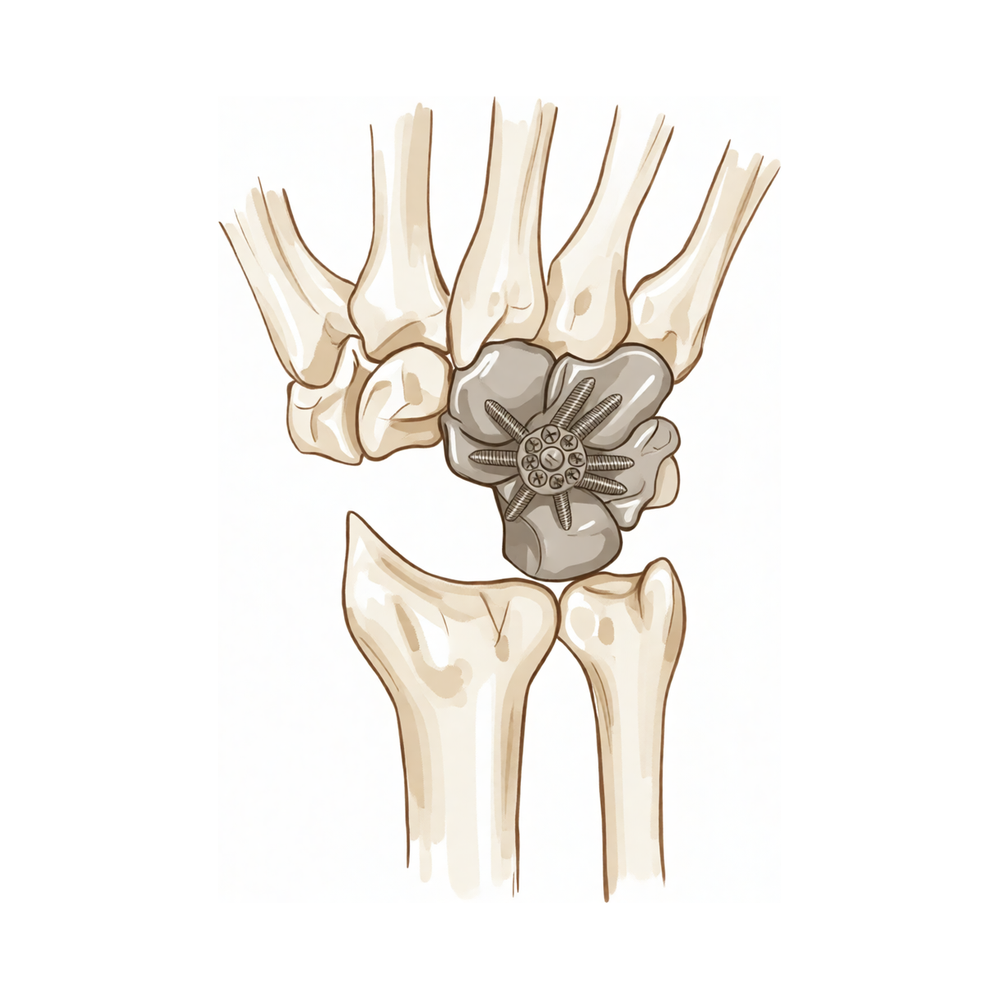
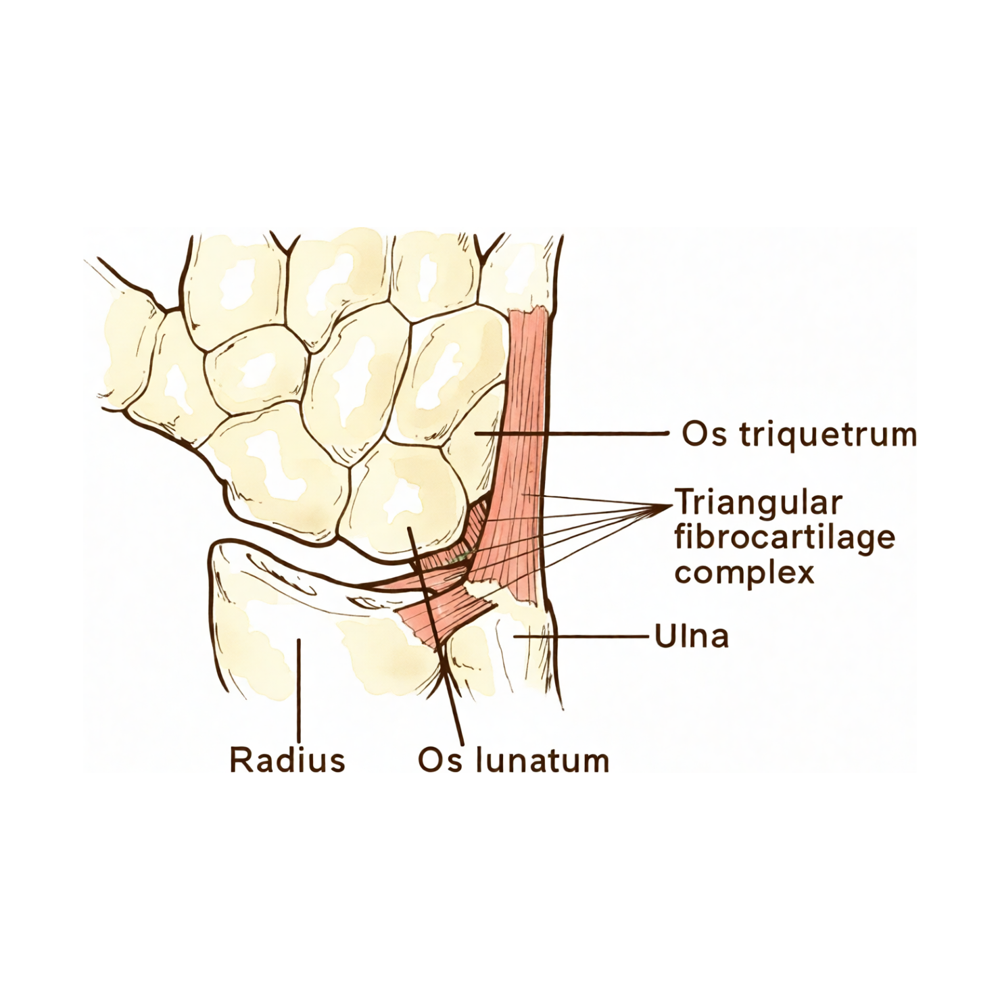
Ulnar-sided wrist pain in athletes is a common problem often resulting from a combination of overuse and acute injury [53]. Arthroscopic partial capitate resection for Type Ia avascular necrosis provides adequate pain relief and improves range of wrist motion and grip strength during short-term follow-up [75]. Patients undergoing proximal row carpectomy experience good pain relief with preservation of wrist motion [82]. Quantification of thumb kinematics helps to better understand motor dysfunction in carpal tunnel syndrome, assess the severity of the condition, and decide on treatment [69].
Surgical Outcomes and Rehabilitation
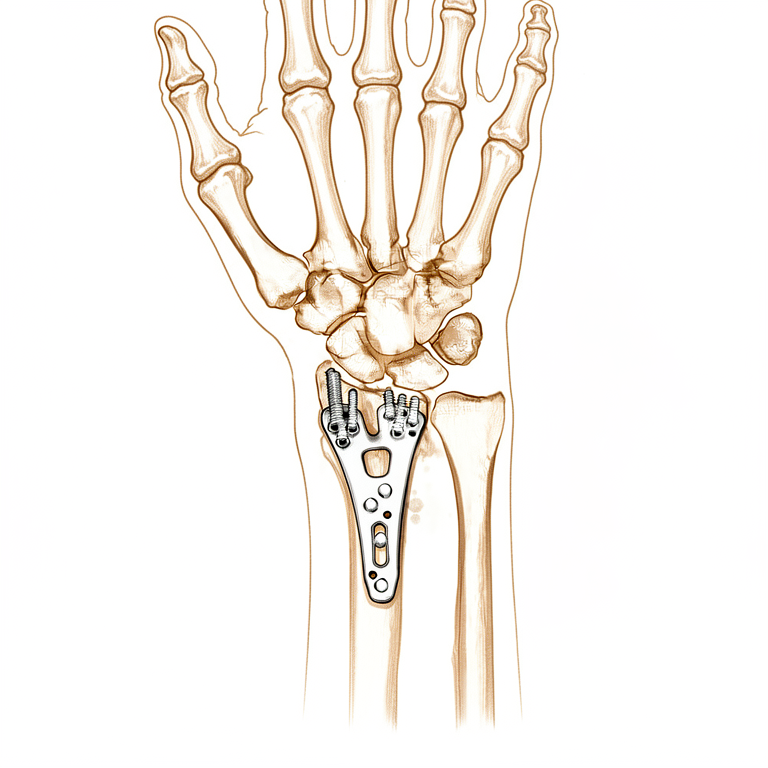
Wrist function recovers after an initial decrease from week 8 onward in ulnar shortening with the UOL for positive ulnar variance [16]. The Sauvé-Kapandji procedure allows correction of ulnar shift and radial deviation of the carpus, though the wrist remains stiff [49]. Starting early range of motion after surgery enables patients to regain functional wrist and forearm range of motion earlier with fewer therapy visits required following volar plating of a distal radius fracture [67]. Self-efficacy corresponds to wrist function after combined plating of distal radius fractures [81]. Multicomponent exercise is important in the treatment of wrist instability [74]. Arthrodesis of the wrist in spastic disorders should be considered part of addressing overall hand and upper limb function, not a procedure of last resort [84].
Assessment and Ergonomics
A handheld dynamometric technique quantifies palmar thumb abduction strength with excellent nonparametric reliability, though large differences between raters and a lack of variability in the sample limit clinical utility [83]. The three most common injury locations among collegiate varsity esports athletes are the wrist, back, and neck [78]. The biomechanics of the throwing motion involve specific diagnosis and treatment considerations for elbow injuries common to throwers other than ulnar collateral ligament injuries [73].
Classification
Outcome Measure Frameworks: Physical outcome measures, such as range of motion and strength, are less reliable than patient-reported outcomes [3]. The International Classification of Functioning, Disability, and Health (ICF) paradigm distinguishes between body functions, activities, and participation [40]. The ICF provides a useful framework for identifying concepts in outcome measures for surgical interventions for carpal tunnel syndrome and may help select appropriate domains to assess [48]. However, functional measures associated with activity and participation are only modestly represented in outcome measures used after carpal tunnel release, with a lack of representation of environmental and personal factors [51].
Hamstring Injury Grading: Grading and classifying hamstring injuries using established radiological criteria directs patients to preoperative imaging, selection for nonoperative treatment, and appropriate referral for operative management [15].
Stress Fracture Classification: Understanding the classification and grade of stress fractures is key to optimal care and return-to-play decisions for athletes [37].
Neck Pain Clinical Practice Guidelines: Clinical practice guidelines recommend specific interventions for neck pain based on classification (mobility deficits, movement coordination impairments, headache, radiating pain) and acuity (acute, subacute, chronic) [47].
Other Considerations: Demographic variables such as advanced age, low family income, and multiple medical conditions significantly affect scores on scoring systems for total knee arthroplasty results [55].
Clinical Presentation
Prognostic Factors and Patient Expectations: Rehabilitation and athlete expectations are managed by considering suitable prognostic factors derived from initial clinical and imaging examination [2]. Patients assess impairment and recovery in a complicated, multifactorial manner, with psychological and sociological factors often being overlooked predictors of outcomes [31]. Patient-reported outcomes are highly useful when they inform other relevant outcomes, such as predicting return to sport, and psychological factors are potentially modifiable, allowing for early identification and intervention to improve final outcomes [5].
Outcome Measurement Modalities: Physical outcome measures are being changed for the use of patient reported outcomes, and range of motion and strength are not as reliable measures as one would think [3]. Patient-reported outcomes (PROs) should not be used as a simple proxy for observed evaluation of physical function, but rather as complementary measures [36]. Using existing patient-rated, disease-specific, and region-specific outcome instruments is likely to capture those domains which patients consider important criteria of success [19]. Successful treatment of carpal tunnel syndrome is commonly defined based on a patient-reported outcome measure (PROM), highlighting recent efforts to measure outcomes from the patient’s perspective [18].
Condition-Specific Clinical Course and Recovery: Most functional recovery after surgical treatment of distal radial fracture occurs by 3 months, and pain limitations stabilize by 1 month [13]. Postsurgical rehabilitation is useful for hand function recovery and symptom relief, but future studies should include additional outcome measurements such as electrophysiological evaluation and nerve ultrasound to objectively understand disease evolution [6]. Patients who underwent conservative management for carpal tunnel syndrome showed improvement in symptoms and function [14]. A predictable and durable clinical improvement is seen in patients who can do daily plantar fascia-stretching exercises [32].
Return to Activity and Functional Outcomes: Low recurrence rates and good functional outcomes were seen in >90% of the patients, and 98% returned to sport activity after arthroscopic treatment of posterior shoulder instability [4]. Achieving thresholds of clinically important symptom burden resolution was associated with superior postoperative patient-reported outcome scores and higher rates of return to sports for athletes with femoroacetabular impingement [17]. Active patients achieve better absolute outcomes than inactive patients following total hip arthroplasty, but increasing activity levels do not incrementally improve patient-reported outcome measures [34].
Special Populations and Multidisciplinary Needs: Individualized rehabilitation protocols, accounting for tear characteristics, patient health, and surgical techniques, may optimize outcomes after isolated meniscal repair [7]. Early recognition and multidisciplinary treatment are needed following injury to address morbidity and mortality beyond simple survival metrics [11]. Ongoing research into the cause and clinical course of limb salvage pain likely will lead to advances in pain management and functional improvement [12]. The presence of a psychiatric diagnosis was not predictive of outcomes in patients undergoing shoulder arthroplasty [38]. Hand therapists are aligned with a number of recommendations from the available systematic reviews, although the use of outcome measures and optimal definition of education and exercise exhibit evidence to practice gaps [9].
Investigations
Plain radiography: Marked radiographic differences in the modified Eaton score distinguish progressing from stable osteoarthritis, indicating that structural progression is a key marker of disease advancement in early carpometacarpal osteoarthritis [63]. An unacceptable radiological reduction is significantly associated with worse patient-reported outcomes in adults with a displaced distal radius fracture [71]. No improvement in clinical outcome in terms of fracture reduction and functional outcome has been established for 3D-assisted operative treatment of pelvic ring injuries [68].
MRI: Professional baseball players who suffer a latissimus dorsi or teres major tendon injury have predictable clinical presentations and imaging findings [29]. Bankart repair and remplissage results in good functional outcomes in patients with less than 20% glenoid bone loss and an off-track Hill-Sachs lesion [79].
Other Considerations: Rehabilitation and athlete expectations may be managed by considering several suitable prognostic factors derived from initial clinical and imaging examination [2]. Physical outcome measures are being changed for the use of patient reported outcomes, and range of motion and strength are not as reliable measures as one would think [3]. Future studies on postsurgical rehabilitation for hand function recovery should include additional outcome measurements such as electrophysiological evaluation and nerve ultrasound to objectively understand disease evolution [6]. Patients who underwent conservative management for carpal tunnel syndrome showed improvement in symptoms and function [14]. Evidence-based systematic approaches for directing patients to preoperative imaging, grading and classifying injuries using established radiological criteria, selecting patients for nonoperative treatment, and referring them appropriately for operative management are provided for hamstring injuries [15]. Wrist function recovered after an initial decrease from week 8 onward in ulnar shortening with the UOL [16]. Achieving thresholds of clinically important symptom burden resolution was associated with superior postoperative patient-reported outcome scores and higher rates of return to sports for athletes with femoroacetabular impingement [17]. Using existing patient-rated, disease-specific, and region-specific outcome instruments is likely to capture those domains which patients consider important criteria of success [19]. Overall, patients reported improved postoperative outcomes scores and range of motion after primary reverse shoulder arthroplasty in active patients [22]. A unified system to measure the critical facets of recovery after distal radius fracture injury would improve the ability to compare treatments and predict objective and subjective outcomes [27]. The majority of patients achieved MCID and SCB on IKDC and KOOS measures within 6-months after anterior cruciate ligament reconstruction [59]. Those with prior shoulder surgery had more diagnostic imaging and orthopaedic surgery in college [60]. Low recurrence rates and good functional outcomes were seen in >90% of the patients, and 98% returned to sport activity after arthroscopic treatment of posterior shoulder instability [4]. All patients who used the static progressive stretch protocol improved their total arc of motion for the treatment of wrist stiffness [77].
Treatment
Non-Operative
Conservative management is a viable primary strategy for several conditions. Patients undergoing conservative management for carpal tunnel syndrome showed improvement in symptoms and function [14]. For shoulder instability, conservative management is highly effective for patients whose goal is to return to the same level of sport in the next season, calling into question routine fixation for first-time dislocators [70]. Telerehabilitation may reduce pain and improve range of motion in patients with non-operatively managed shoulder conditions, particularly when interventions are sustained for 12 weeks or longer [58]. In lumbar spinal stenosis, the objective measure of walking ability improved in both operative and nonoperative groups, with no statistical difference between the groups [8]. For lateral epicondylosis, hand therapists are aligned with recommendations from systematic reviews for management, although evidence-to-practice gaps exist regarding the use of outcome measures and optimal definitions of education and exercise [9]. Evidence on the efficacy of exercise therapy in patients with hand and wrist tendinopathies is limited [39].
Operative
Indications: Operative release is appropriate for flexor carpi radialis tendinitis when symptoms are refractory to non-operative treatment [41]. For hamstring injuries, evidence-based systematic approaches direct patients to preoperative imaging, grading and classifying injuries using established radiological criteria, selecting patients for nonoperative treatment, and referring them appropriately for operative management [15]. Treatment options for hallux rigidus and osteoarthrosis of the first metatarsophalangeal joint range from non-operative measures to various surgical procedures including cheilectomy, arthroplasty, and arthrodesis, with selection depending on disease stage and patient factors [76].
Surgical Approach / Technique: Arthroscopic treatment of posterior shoulder instability is associated with low recurrence rates and good functional outcomes in >90% of patients [4]. Surgery reduced pain and disability in lumbar spinal stenosis better than nonoperative treatment, with effectiveness sustained over 2 years [8].
Implant Selection: All indications for revision total knee arthroplasty except severe stiffness had a similar clinical outcome maintained up to 7.5-year follow-up [10]. Patients reported improved postoperative outcomes scores and range of motion after primary reverse shoulder arthroplasty in active patients [22].
Pain Management: Nonopioid medications as part of a perioperative pain control strategy demonstrate improved pain scores compared with opioid medications with similar patient satisfaction and functional outcomes after carpal tunnel release [62]. Pain self-efficacy did not moderate the relationship between treatment (manual therapy, acupuncture, electrotherapy) and outcome for shoulder pain [33].
Adjuncts: Most symptomatic and functional recovery after simple decompression for ulnar neuropathy at the elbow is achieved by 3 months post-operatively [66].
Other Considerations: Individualized rehabilitation protocols, accounting for tear characteristics, patient health, and surgical techniques, may optimize outcomes after isolated meniscal repair [7]. Postoperative rehabilitation following reverse shoulder arthroplasty should be individualized due to a lack of strong evidence for accelerated protocols [20]. Movement representation techniques increase pain relief, functional performance, and range of motion compared with conventional rehabilitation in post-orthopaedic surgery individuals [24]. Neurodynamics therapy was superior to exercise therapy in improving function and strength and in decreasing pain in people with carpal tunnel syndrome [30]. Shoulder rehabilitation is an integral treatment modality to improve pain and function in shoulder osteoarthritis, although few high-quality studies have investigated the effects and benefits of shoulder physical and occupational therapies [42]. Many technical details of therapeutic interventions after tendon surgery remain undetermined and require validation through clinical studies, including the formulation of guidelines, determination of therapy frequencies, optimization of combination interventions, and exploration of basic science mechanisms [46]. Successful treatment of carpal tunnel syndrome is commonly defined based on a patient-reported outcome measure (PROM) [18]. Professional baseball players who suffer a latissimus dorsi or teres major tendon injury have predictable clinical presentations and imaging findings [29].
Complications
Early exercise following volar locking plate fixation in distal radius fractures is safe and does not increase complication rates [35]. A thorough, well-designed postoperative or postinjury rehabilitation program may prevent most complications [72].
Proper early management of arthroplasty, through planning and awareness of complications, can yield functional pain-free results [61]. If complications arise, a team approach working to develop an evidenced-based treatment program designed specifically for the underlying complication can successfully treat these issues [72].
Revision total knee arthroplasty has a high complication rate at short-term follow-up [45].
Recovery
Rehabilitation and athlete expectations may be managed by considering several suitable prognostic factors derived from initial clinical and imaging examination [2]. Physical outcome measures are being changed for the use of patient reported outcomes, and range of motion and strength are not as reliable measures as one would think [3]. Patient-reported outcomes are highly useful when they inform other relevant outcomes, such as predicting return to sport, and psychological factors are potentially modifiable, allowing for early identification and intervention to improve final outcomes [5].
Light activity (weeks): Coordinated, early rehabilitation and return to work is effective in a high-demand population following open carpal tunnel decompression [86].
Full activity (months): Older patients should be counselled that most functional recovery after surgical treatment of distal radial fracture occurs by 3 months [13]. In ulnar shortening for positive ulnar variance, wrist function recovered after an initial decrease from week 8 onward [16]. Rehabilitation-related factors that the physician can control at the time of ACL revision have the ability to modify clinical outcomes at 2 years [28].
Complete recovery / outcome plateau (months): Older patients should be counselled that pain limitations stabilize by 1 month [13]. The effectiveness of surgery for pain and disability in lumbar spinal stenosis was sustained over 2 years, but the objective measure of walking ability improved in both operative and nonoperative groups with no statistical difference between them [8]. All indications for revision total knee arthroplasty except severe stiffness had a similar clinical outcome which was maintained up to 7.5-year follow-up [10]. Defining expected recovery timelines for patients undergoing total hip arthroplasty through a posterior approach with modified postoperative precautions helps surgeons counsel their patients preoperatively [88].
Rehabilitation protocol: Postsurgical rehabilitation is useful for hand function recovery and symptom relief, but future studies should include additional outcome measurements such as electrophysiological evaluation and nerve ultrasound to objectively understand disease evolution [6]. There were no between-cohort differences for functional limitations at 3- and 12-month follow-up between supervised rehabilitation and self-management instruction following unicompartmental knee arthroplasty, although the study was likely underpowered [23].
Functional milestones: Mean recovery time across all groups for concussion was 29.4 days, which is considerably longer than the most commonly cited concussion recovery time window of 7-10 days for collegiate athletes [85]. At 1 year after injury, professional baseball players performed similarly compared to preinjury baseline regardless of player position or type of treatment for hand fractures [87]. Pitchers may perceive greater long-term impairments than other position players and are less likely to return to their previous or higher performance level after isolated SLAP tear repair [25].
Other Considerations: Early recognition and multidisciplinary treatment are needed following injury to improve patient-reported outcomes in trauma [11]. Ongoing research into the cause and clinical course of limb salvage pain likely will lead to advances in pain management and functional improvement [12]. Further research is needed combining upper limb orthoses with task-specific training and measuring outcomes over the medium to long term for children with cerebral palsy or brain injury [26]. Further studies with long-term follow-up are needed to determine whether the grafted area will maintain structural and functional integrity over time following autologous matrix-induced chondrogenesis for focal cartilage defects in the knee [56].
Key Evidence
- [L4] Rehabilitation and athlete expectations may be managed by considering several suitable prognostic factors derived from initial clinical and imaging examination. (10.1177/23259671211053833)
- [Paper] Physical outcome measures are being changed for the use of patient reported outcomes, and range of motion and strength are not as reliable measures as one would think. (10.1016/j.injury.2019.11.017)
- [L4] In addition, low recurrence rates and good functional outcomes were seen in >90% of the patients, and 98% returned to sport activity. (10.1177/2325967120969151)
- [L5] Patient-reported outcomes are highly useful when they inform other relevant outcomes, such as predicting return to sport, and psychological factors are potentially modifiable, allowing for early identification and intervention to improve final outcomes. (10.1016/j.arthro.2022.11.028)
- [Letter] The authors agree with the usefulness of postsurgical rehabilitation for hand function recovery and symptom relief, but suggest future studies include additional outcome measurements such as electrophysiological evaluation and nerve ultrasound to objectively understand disease evolution. (10.1016/j.jht.2016.10.001)
- [L4] Individualized rehabilitation protocols, accounting for tear characteristics, patient health, and surgical techniques, may optimize outcomes. (10.1177/23259671251357513)
- [L1] The effectiveness for pain and disability was sustained over 2 years, but the objective measure of walking ability improved in both groups, with no statistical difference between operative and nonoperative groups. (10.2106/jbjs.8908.ebo2)
- [L5] Hand therapists are aligned with a number of recommendations from the available systematic reviews, although the use of outcome measures and optimal definition of education and exercise exhibit evidence to practice gaps. (10.1016/j.jht.2009.09.009)
- [L3] All indications except severe stiffness had a similar clinical outcome which was maintained up to 7.5-year follow-up. (10.1016/j.arth.2020.01.053)
- [Paper] Our results highlight the need for early recognition and multidisciplinary treatment following injury. (10.1016/j.injury.2020.11.034)
- [L5] Ongoing research into the cause and clinical course of limb salvage pain likely will lead to advances in pain management and functional improvement. (10.5435/00124635-201102001-00005)
- [L3] Older patients should be counselled that most functional recovery occurs by 3 months and pain limitations stabilize by 1 month. (10.1177/17531934211070218)
- [L1] Patients who underwent conservative management for CTS showed improvement in symptoms and function. (10.1016/j.jht.2018.01.004)
- [L4] This review provides an evidence-based systematic approach for directing patients to preoperative imaging, grading and classifying injuries using established radiological criteria, selecting patients for nonoperative treatment, and referring them appropriately for operative management. (10.1302/0301-620x.102b10.bjj-2020-1210.r1)
- [L4] In ulnar shortening with the UOL, wrist function recovered after an initial decrease from week 8 onward. (10.1177/1558944717702465)
- [L4] Achieving thresholds of clinically important symptom burden resolution was associated with superior postoperative patient-reported outcome scores and higher rates of return to sports for this athletic cohort. (10.1177/23259671241286464)
- [L1] Successful treatment of carpal tunnel syndrome is commonly defined based on a patient-reported outcome measure (PROM), highlighting recent efforts to measure outcomes from the patient’s perspective. (10.1177/1558944720949951)
- [L4] Using existing patient-rated, disease-specific, and region-specific outcome instruments is likely to capture those domains which patients consider important criteria of success. (10.1197/j.jht.2007.09.001)
- [L1] The lack of strong evidence warrants the need for future controlled studies; subsequently, postoperative rehabilitation should be individualized. (10.1177/17585732221144007)
- [L4] The results demonstrate a high degree of patient satisfaction suggesting the efficacy of this surgical technique and postoperative rehabilitation protocol. (10.1016/j.jht.2012.06.002)
- [L4] Overall, patients reported improved postoperative outcomes scores and range of motion. (10.1177/23259671251405280)
- [L2] We found no other between-cohort differences for any other outcomes at 3- and 12-month F/U including functional limitations, although the study was likely underpowered for these outcomes. (10.1186/s40634-021-00354-x)
- [L1] Compared with conventional rehabilitation, movement representation techniques increase pain relief, functional performance and range of motion. (10.1186/s12891-025-08496-0)
- [L4] Long-term follow-up suggests that pitchers may perceive greater long-term impairments than other position players and are less likely to return to their previous or higher performance level. (10.1177/2325967119829486)
- [L1] Further research is needed combining upper limb orthoses with task-specific training and measuring outcomes over the medium to long term. (10.1016/j.jht.2017.09.006)
- [L5] A unified system to measure the critical facets of recovery after distal radius fracture injury would improve the ability to compare treatments and predict objective and subjective outcomes. (10.1016/j.jhsa.2016.02.001)
- [L3] There are rehabilitation-related factors that the physician can control at the time of an ACL revision which have the ability to modify clinical outcomes at 2 years. (10.1177/2325967116s00165)
- [L1] Professional baseball players who suffer a LD or TM injury have predictable clinical presentations and imaging findings. (10.1016/j.asmr.2023.100787)
- [L1] Although both treatments led to positive outcomes, neurodynamics therapy was superior in improving function and strength and in decreasing pain. (10.1016/j.jht.2020.07.005)
- [L5] The authors agree that patients assess impairment and recovery in a complicated, multifactorial manner, noting that their analysis accounted for a maximum of only 37% of the variability in MHQ scores and that psychological and sociological factors are often overlooked predictors of outcomes. (10.1016/j.jhsa.2014.02.036)
- [L1] A predictable and durable clinical improvement is seen in patients who can do daily plantar fascia-stretching exercises. (10.5435/jaaos-d-21-00009)
- [L2] Pain self-efficacy did not moderate the relationship between treatment and outcome. (10.1177/17585732221105562)
- [L3] Active patients achieve better absolute outcomes than inactive patients; however, increasing activity levels do not incrementally improve patient-reported outcome measures. (10.1016/j.arth.2022.03.009)
- [L1] Early exercise is safe and did not increase complication rates. (10.1016/j.jht.2021.10.003)
- [L2] Therefore, PROs should not be used as a simple proxy for observed evaluation of physical function, but rather as complementary measures. (10.1016/j.arth.2023.04.049)
- [Paper] Understanding the classification and grade of stress fractures and their implications on return-to-play decisions is key to optimal care of the athlete. (10.1016/j.csm.2005.08.012)
- [L2] Overall, the presence of a psychiatric diagnosis was not predictive of outcomes. (10.1016/j.jse.2018.02.066)
- [L1] Evidence on the efficacy of exercise therapy in patients with hand and wrist tendinopathies is limited. (10.1016/j.jht.2023.08.016)
- [L5] The paper outlines the International Classification of Functioning, Disability, and Health (ICF) paradigm, which distinguishes between body functions, activities, and participation. (10.1016/s0749-0712(02)00150-6)
- [L4] Operative release is appropriate when symptoms are refractory to non-operative treatment. (10.2106/00004623-199407000-00009)
- [L4] Although shoulder rehabilitation is an integral treatment modality to improve pain and function in shoulder osteoarthritis, few high-quality studies have investigated the effects and benefits of shoulder physical and occupational therapies. (10.1016/j.jht.2022.06.008)
- [L4] Use of the patient-centred ULTRA guideline can yield statistically significant improvements in outcome and range of motion for patients undergoing primary RTSA, which are maintained at the two-year post-surgery time point. (10.1177/17585732221133532)
- [L4] Surgical factors did not influence rehabilitation preferences. (10.1016/j.jse.2024.08.052)
- [L1] Both implants provided matched function and were stable at short-term follow-up, but with a high complication rate. (10.1302/0301-620x.104b10.bjj-2022-0201.r2)
- [L5] The author argues that while physical therapy after tendon surgery is necessary, many technical details of therapeutic interventions remain undetermined and require validation through clinical studies, including the formulation of guidelines, determination of therapy frequencies, optimization of combination interventions, and exploration of basic science mechanisms. (10.1258/ht.2011.011021)
- [L1] Clinical practice guidelines recommend specific interventions based on neck pain classification (mobility deficits, movement coordination impairments, headache, radiating pain) and acuity (acute, subacute, chronic). (10.2519/jospt.2017.0302)
- [L2] The ICF provides a useful framework for identifying the concepts contained in outcome measures employed to date in trials of surgical intervention for CTS and may help in the selection of the most appropriate domains to be assessed. (10.1186/1471-2474-7-96)
- [L4] The procedure allows correction of ulnar shift and radial deviation of the carpus, though the wrist remains stiff. (10.1054/jhsb.1999.0171)
- [L3] Wrist motion during activities of daily living requires varying degrees of movement in oblique planes. (10.1016/j.jht.2016.06.011)
- [L1] Functional measures, associated with the activity and participation category, are only modestly represented, and there is a lack of representation of environmental and personal factors for outcome measures used following CTR. (10.1016/j.jht.2018.02.006)
- [L5] Ulnar-sided wrist pain in athletes is a common problem often resulting from a combination of overuse and acute injury, requiring careful understanding of sport-specific injuries and underlying biomechanics for effective diagnosis and treatment. (10.1016/j.csm.2019.12.008)
- [L5] The authors modified and substantiated a widely used exercise program for patients with nonspecific chronic wrist pain based on recent insights into sensorimotor control principles and wrist kinematics. (10.1016/j.jht.2018.11.002)
- [L4] Numerous scoring systems have been devised to evaluate patients who have symptoms related to the knee, but demographic variables such as advanced age, low family income, and multiple medical conditions significantly affect scores. (10.2106/00004623-199706000-00009)
- [L4] However, further studies with long-term follow-up are needed to determine whether the grafted area will maintain structural and functional integrity over time. (10.1007/s00167-010-1042-3)
- [L1] Telerehabilitation may reduce pain and improve range of motion in patients with non-operatively managed shoulder conditions, particularly when interventions are sustained for 12 weeks or longer. (10.1186/s12891-025-08839-x)
- [L3] The majority of patients achieved MCID and SCB on IKDC and KOOS measures within 6-months. (10.1016/j.arthro.2020.12.059)
- [L3] Those with prior shoulder surgery additionally had more diagnostic imaging and orthopaedic surgery in college. (10.1177/2325967115s00149)
- [L5] Proper early management of arthroplasty through planning and awareness of complications can yield functional pain-free results, though no protocols have been subjected to scientific analysis and further research is required to determine which therapy guidelines yield the best results. (10.1016/j.hcl.2012.08.025)
- [L1] Nonopioid medications as part of a perioperative pain control strategy demonstrate improved pain scores compared with opioid medications with similar patient satisfaction and functional outcomes. (10.1177/1558944719836211)
- [L3] Marked radiographic differences in modified Eaton score distinguish progressing from stable OA, indicating that structural progression is a key marker of disease advancement. (10.1016/j.jhsg.2025.100795)
- [L4] Despite the wide variety of activities, we found evidence of preferred movement behavior, and this behavior showed significant coupling between the wrist and forearm. (10.1016/j.jht.2022.07.003)
- [L5] This clinical review discusses the organization, neuroanatomy, assessment, clinical relevance, and rehabilitation of sensorimotor control impairment after wrist trauma, proposing promising rehabilitation strategies that require more rigorous evaluation in clinical trials. (10.1016/j.jht.2015.12.003)
- [L4] Most of the symptomatic and functional recovery after simple decompression for UNE is achieved by 3-months post-operatively. (10.1016/s0363-5023(11)60003-8)
- [L3] Starting early ROM after surgery enables patients to regain functional wrist and forearm ROM earlier with fewer therapy visits required. (10.1016/j.jht.2009.06.003)
- [L1] No improvement in clinical outcome in terms of fracture reduction and functional outcome has been established so far. (10.3390/jpm11090930)
- [L4] The quantification of thumb kinematics helps to better understand motor dysfunction in carpal tunnel syndrome, assess the severity of the condition and decide on treatment. 3-D motion analysis is expected to be used both in the assessment of severity of CTS and thumb motor function after treatment. (10.1177/17531934211014700)
- [L3] The data suggests conservative management is highly effective for patients whose goal is to return to the same level of sport in the next season, calling into question routine fixation for first-time dislocators. (10.1177/2325967117s00284)
- [L1] An unacceptable radiological reduction is significantly associated with worse patient-reported outcomes in adults with a displaced distal radius fracture. (10.1016/j.jhsa.2018.05.003)
- [Paper] A thorough well-designed postoperative or postinjury rehabilitation program may prevent most complications, and if complications do arise, a team approach working to develop an evidenced-based treatment program designed specifically for the underlying complication can successfully treat these issues. (10.1016/j.csm.2017.12.010)
- [L5] The purpose of the present review article is to describe the biomechanics of the throwing motion and the diagnosis and treatment of elbow injuries common to a thrower other than injuries to the ulnar collateral ligament. (10.2106/jbjs.rvw.n.00011)
- [L4] These results highlight the importance of multicomponent exercise in the treatment of wrist instability. (10.1016/j.jht.2023.08.010)
- [L4] It provided adequate pain relief and improved the range of wrist motion and grip strength during short-term follow-up. (10.1016/j.jhsa.2015.09.010)
- [L5] Treatment options range from non-operative measures to various surgical procedures including cheilectomy, arthroplasty, and arthrodesis, with selection depending on disease stage and patient factors. (10.2106/00004623-199806000-00015)
- [L4] All of the patients who used this protocol improved their total arc of motion. (10.1016/j.jhsa.2008.05.018)
- [L4] The three most common injury locations were to the wrist, back, and neck, while shoulder and thumb injuries were the least common. (10.1177/2325967123s00354)
- [L4] BRR results in good functional outcomes in patients with less than 20% glenoid bone loss and an off-track HSL. (10.1016/j.jisako.2023.03.364)
- [L4] Goniometer measurement of F-DTM is a clinically feasible method to quantify functional motion loss in an injured wrist population, particularly patients with postoperatively managed wrist conditions. (10.1016/j.jht.2022.10.012)
- [L3] Self-efficacy corresponds to wrist function after combined plating of distal radius fractures. (10.1016/j.jht.2020.01.001)
- [L3] Patients experienced good pain relief with preservation of wrist motion. (10.1177/1753193415597096)
- [L5] The study validates a repeatable technique for measuring palmar thumb abduction strength with excellent nonparametric reliability, though large differences between raters and a lack of variability in the sample limit clinical utility and require further study with a larger, more diverse population. (10.1016/j.jht.2018.09.010)
- [L4] It should not be considered a procedure of last resort but part of addressing overall hand and upper limb function. (10.1177/1753193414530193)
- [L3] Mean recovery time across all groups (29.4 days) showed considerably longer return to play than the most commonly cited concussion recovery time window (7-10 days) for collegiate athletes. (10.1177/2325967118760854)
- [L3] This study provides good evidence that coordinated, early rehabilitation and return to work is effective in a high-demand population. (10.1177/1753193408090145)
- [L3] At 1 year after injury, players performed similarly compared to preinjury baseline regardless of player position or type of treatment. (10.1177/23259671251371302)
- [L3] Defining expected recovery timelines for patients undergoing THA helps surgeons counsel their patients preoperatively. (10.1016/j.arth.2021.03.038)
See Also
References
[2] Evidence-Based Management and Factors Associated With Return to Play After Acute Hamstring Injury in Athletes: A Systematic Review. Orthopaedic Journal of Sports Medicine. 2021. DOI: 10.1177/23259671211053833
[3] Physical outcome measures: The role of strength and range of motion in orthopaedic research. Injury. 2020. DOI: 10.1016/j.injury.2019.11.017
[4] Return to Sport After Arthroscopic Treatment of Posterior Shoulder Instability. Orthopaedic Journal of Sports Medicine. 2020. DOI: 10.1177/2325967120969151
[5] Editorial Commentary: Designing Patient‐Reported Outcome Measures That Have High Clinical Utility and Minimum Responder Burden: When Less Is More. Arthroscopy. 2023. DOI: 10.1016/j.arthro.2022.11.028
[6] Comment on “Patient-reported outcomes after open carpal tunnel release using a standard protocol with 1 hand therapy visit”. Journal of Hand Therapy. 2017. DOI: 10.1016/j.jht.2016.10.001
[7] Postoperative Rehabilitation Protocol After Isolated Meniscal Repair: A Systematic Review. Orthopaedic Journal of Sports Medicine. 2025. DOI: 10.1177/23259671251357513
[8] Surgery Reduced Pain and Disability in Lumbar Spinal Stenosis Better Than Nonoperative Treatment. The Journal of Bone & Joint Surgery. 2007. DOI: 10.2106/jbjs.8908.ebo2
[9] Hand Therapist Management of the Lateral Epicondylosis: A Survey of Expert Opinion and Practice Patterns. Journal of Hand Therapy. 2010. DOI: 10.1016/j.jht.2009.09.009
[10] Long-Term Outcome Following Revision Total Knee Arthroplasty is Associated With Indication for Revision. The Journal of Arthroplasty. 2020. DOI: 10.1016/j.arth.2020.01.053
[11] Beyond morbidity and mortality: The practicality of measuring patient-reported outcomes in trauma. Injury. 2021. DOI: 10.1016/j.injury.2020.11.034
[12] Painful Sequelae Following Limb Salvage: Etiology and Management. Journal of the American Academy of Orthopaedic Surgeons. 2011. DOI: 10.5435/00124635-201102001-00005
[13] Outcomes following surgical treatment of distal radial fracture: a comparison of older and younger patients using PROMIS. Journal of Hand Surgery (European Volume). 2022. DOI: 10.1177/17531934211070218
[14] Short-term clinical outcome of orthosis alone vs combination of orthosis, nerve, and tendon gliding exercises and ultrasound therapy for treatment of carpal tunnel syndrome. Journal of Hand Therapy. 2019. DOI: 10.1016/j.jht.2018.01.004
[15] Management of hamstring injuries: current concepts review. The Bone & Joint Journal. 2020. DOI: 10.1302/0301-620x.102b10.bjj-2020-1210.r1
[16] Time-Dependent Recovery of Outcome Parameters in Ulnar Shortening for Positive Ulnar Variance: A Prospective Case Series. HAND. 2017. DOI: 10.1177/1558944717702465
[17] Early Impact of Hip Arthroscopy on the Resolution of Symptom Burden in Athletes With Femoroacetabular Impingement. Orthopaedic Journal of Sports Medicine. 2025. DOI: 10.1177/23259671241286464
[18] Outcome Metrics in the Treatment of Carpal Tunnel Syndrome: A Systematic Review. HAND. 2020. DOI: 10.1177/1558944720949951
[19] A Qualitative Study of the Experiences and Expectations of Surgery in Patients with Carpal Tunnel Syndrome. Journal of Hand Therapy. 2008. DOI: 10.1197/j.jht.2007.09.001
[20] Can we accelerate rehabilitation following reverse shoulder arthroplasty? A systematic review. Shoulder & Elbow. 2022. DOI: 10.1177/17585732221144007
[21] Rehabilitation Protocol after Suspension Arthroplasty of Thumb Carpometacarpal Joint Osteoarthritis. Journal of Hand Therapy. 2012. DOI: 10.1016/j.jht.2012.06.002
[22] Variable Return-to-Sport Rates Despite Improved Shoulder Function and Outcomes Scores After Primary Reverse Shoulder Arthroplasty in Active Patients: A Systematic Review. Orthopaedic Journal of Sports Medicine. 2026. DOI: 10.1177/23259671251405280
[23] What is the effect of supervised rehabilitation regime vs. self‐management instruction following unicompartmental knee arthroplasty? – a pilot study in two cohorts. Journal of Experimental Orthopaedics. 2021. DOI: 10.1186/s40634-021-00354-x
[24] Evaluating the impact of movement representation techniques on recovery outcomes in post-orthopaedic surgery individuals: a systematic review and meta-analysis. BMC Musculoskeletal Disorders. 2025. DOI: 10.1186/s12891-025-08496-0
[25] Return to Play and Performance Perceptions of Baseball Players After Isolated SLAP Tear Repair. Orthopaedic Journal of Sports Medicine. 2019. DOI: 10.1177/2325967119829486
[26] Immediate effect of a functional wrist orthosis for children with cerebral palsy or brain injury: A randomized controlled trial. Journal of Hand Therapy. 2019. DOI: 10.1016/j.jht.2017.09.006
[27] A Unified Approach to Outcomes Assessment for Distal Radius Fractures. The Journal of Hand Surgery. 2016. DOI: 10.1016/j.jhsa.2016.02.001
[28] Rehabilitation Predictors of Clinical Outcome following Revision ACL Reconstruction. Orthopaedic Journal of Sports Medicine. 2016. DOI: 10.1177/2325967116s00165
[29] Baseball Pitchers who Suffer Latissimus Dorsi and Teres Major Tendon Injuries Have a High Return to Play Rate After Either Operative or Nonoperative Treatment. Arthroscopy, Sports Medicine, and Rehabilitation. 2023. DOI: 10.1016/j.asmr.2023.100787
[30] The long-term effect of neurodynamics vs exercise therapy on pain and function in people with carpal tunnel syndrome: A randomized parallel-group clinical trial. Journal of Hand Therapy. 2021. DOI: 10.1016/j.jht.2020.07.005
[31] Disability Versus Impairment. The Journal of Hand Surgery. 2014. DOI: 10.1016/j.jhsa.2014.02.036
[32] A Prospective Randomized Controlled Trial Comparing Physical Therapy With Independent Home Stretching for Plantar Fasciitis. Journal of the American Academy of Orthopaedic Surgeons. 2022. DOI: 10.5435/jaaos-d-21-00009
[33] Shoulder pain: Is the outcome of manual therapy, acupuncture and electrotherapy different for people with high compared to low pain self-efficacy? An analysis of effect moderation. Shoulder & Elbow. 2022. DOI: 10.1177/17585732221105562
[34] Does Preoperative Activity Level Affect Postoperative Outcomes Following Total Hip Arthroplasty?. The Journal of Arthroplasty. 2022. DOI: 10.1016/j.arth.2022.03.009
[35] Is early mobilization after volar locking plate fixation in distal radius fractures really beneficial? A meta-analysis of prospective randomized studies. Journal of Hand Therapy. 2023. DOI: 10.1016/j.jht.2021.10.003
[36] Do Patient-Reported Outcomes Reflect Objective Measures of Function? Implications for Total Knee Arthroplasty. The Journal of Arthroplasty. 2023. DOI: 10.1016/j.arth.2023.04.049
[37] Classification and Return-to-Play Considerations for Stress Fractures. Clinics in Sports Medicine. 2006. DOI: 10.1016/j.csm.2005.08.012
[38] Mental health, preoperative disability, and postoperative outcomes in patients undergoing shoulder arthroplasty. Journal of Shoulder and Elbow Surgery. 2018. DOI: 10.1016/j.jse.2018.02.066
[39] Evidence for exercise therapy in patients with hand and wrist tendinopathy is limited: A systematic review. Journal of Hand Therapy. 2023. DOI: 10.1016/j.jht.2023.08.016
[40] Outcome evaluation of the hand and wrist according to the International Classification of Functioning, Disability, and Health. Hand Clinics. 2003. DOI: 10.1016/s0749-0712(02)00150-6
[41] Flexor carpi radialis tendinitis. Part II. The Journal of Bone & Joint Surgery. 1994. DOI: 10.2106/00004623-199407000-00009
[42] Shoulder structure and function: The impact of osteoarthritis and rehabilitation strategies. Journal of Hand Therapy. 2022. DOI: 10.1016/j.jht.2022.06.008
[43] Physiotherapy treatment for reverse total shoulder arthroplasty: Results of a patient-centred rehabilitation guideline using functional and patient-reported outcome measures. Shoulder & Elbow. 2022. DOI: 10.1177/17585732221133532
[44] Rehabilitation after reverse total shoulder arthroplasty: a survey of members of the American Shoulder and Elbow Surgeons. Journal of Shoulder and Elbow Surgery. 2025. DOI: 10.1016/j.jse.2024.08.052
[45] A randomized controlled trial comparing two modern total wrist arthroplasties. The Bone & Joint Journal. 2022. DOI: 10.1302/0301-620x.104b10.bjj-2022-0201.r2
[46] What will we need to further therapy after tendon surgery?. Hand Therapy. 2011. DOI: 10.1258/ht.2011.011021
[47] Neck Pain: Revision 2017. Journal of Orthopaedic & Sports Physical Therapy. 2017. DOI: 10.2519/jospt.2017.0302
[48] A systematic review of outcomes assessed in randomized controlled trials of surgical interventions for carpal tunnel syndrome using the International Classification of Functioning, Disability and Health (ICF) as a reference tool. BMC Musculoskeletal Disorders. 2006. DOI: 10.1186/1471-2474-7-96
[49] Synovectomy Combined With the Sauvé-Kapandji Procedure for the Rheumatoid Wrist. Journal of Hand Surgery. 1999. DOI: 10.1054/jhsb.1999.0171
[50] Electrogoniometer measurement and directional analysis of wrist angles and movements during the Sollerman hand function test. Journal of Hand Therapy. 2017. DOI: 10.1016/j.jht.2016.06.011
[51] Linking hand therapy outcome measures used after carpal tunnel release to the International Classification of Functioning, Disability and Health: A systematic review. Journal of Hand Therapy. 2019. DOI: 10.1016/j.jht.2018.02.006
[53] Ulnar-Sided Wrist Pain in the Athlete. Clinics in Sports Medicine. 2020. DOI: 10.1016/j.csm.2019.12.008
[54] SMoC-Wrist: a sensorimotor control-based exercise program for patients with chronic wrist pain. Journal of Hand Therapy. 2020. DOI: 10.1016/j.jht.2018.11.002
[55] Demographic Biases of Scoring Instruments for the Results of Total Knee Arthroplasty. The Journal of Bone & Joint Surgery*. 1997. DOI: 10.2106/00004623-199706000-00009
[56] Mid‐term results of Autologous Matrix‐Induced Chondrogenesis for treatment of focal cartilage defects in the knee. Knee Surgery, Sports Traumatology, Arthroscopy. 2010. DOI: 10.1007/s00167-010-1042-3
[58] Effectiveness of telerehabilitation in non-operatively managed shoulder conditions: a systematic review and meta-analysis. BMC Musculoskeletal Disorders. 2025. DOI: 10.1186/s12891-025-08839-x
[59] Time to Achievement of Clinically Significant Outcomes in Anterior Cruciate Ligament Reconstruction. Arthroscopy. 2021. DOI: 10.1016/j.arthro.2020.12.059
[60] The Impact of Prior Upper Extremity Surgery on Orthopaedic Injury and Surgery in Collegiate Athletes. Orthopaedic Journal of Sports Medicine. 2015. DOI: 10.1177/2325967115s00149
[61] Rehabilitation Following Thumb CMC, Radiocarpal, and DRUJ Arthroplasty. Hand Clinics. 2013. DOI: 10.1016/j.hcl.2012.08.025
[62] Opioid Versus Nonopioid Analgesia After Carpal Tunnel Release: A Randomized, Prospective Study. HAND. 2019. DOI: 10.1177/1558944719836211
[63] Osteoarthritis Progression, Pain, and Function in Early Carpometacarpal Osteoarthritis: A Six-Year Longitudinal Study. Journal of Hand Surgery Global Online. 2025. DOI: 10.1016/j.jhsg.2025.100795
[64] Movement preferences of the wrist and forearm during activities of daily living. Journal of Hand Therapy. 2023. DOI: 10.1016/j.jht.2022.07.003
[65] Rehabilitation strategies for wrist sensorimotor control impairment: From theory to practice. Journal of Hand Therapy. 2016. DOI: 10.1016/j.jht.2015.12.003
[66] Outcomes for Ulnar Neuropathy at the Elbow from the SUN Study Group. The Journal of Hand Surgery. 2011. DOI: 10.1016/s0363-5023(11)60003-8
[67] A Retrospective Pilot Study Comparing the Number of Therapy Visits Required to Regain Functional Wrist and Forearm Range of Motion following Volar Plating of a Distal Radius Fracture. Journal of Hand Therapy. 2009. DOI: 10.1016/j.jht.2009.06.003
[68] Does 3D-Assisted Operative Treatment of Pelvic Ring Injuries Improve Patient Outcome?—A Systematic Review of the Literature. Journal of Personalized Medicine. 2021. DOI: 10.3390/jpm11090930
[69] Three-dimensional analysis of thumb motion recovery after carpal tunnel release. Journal of Hand Surgery (European Volume). 2021. DOI: 10.1177/17531934211014700
[70] Return to Sport as Outcome Measure for Shoulder Instability: Surprising Findings in Non-Operative Management in a High School Athlete Population. Orthopaedic Journal of Sports Medicine. 2017. DOI: 10.1177/2325967117s00284
[71] Association Between Radiological and Patient-Reported Outcome in Adults With a Displaced Distal Radius Fracture: A Systematic Review and Meta-Analysis. The Journal of Hand Surgery. 2018. DOI: 10.1016/j.jhsa.2018.05.003
[72] Rehabilitation. Clinics in Sports Medicine. 2018. DOI: 10.1016/j.csm.2017.12.010
[73] Elbow Injuries in the Throwing Athlete. JBJS Reviews. 2014. DOI: 10.2106/jbjs.rvw.n.00011
[74] Exercise-based intervention as a nonsurgical treatment for patients with carpal instability: A case series. Journal of Hand Therapy. 2024. DOI: 10.1016/j.jht.2023.08.010
[75] Arthroscopic Partial Capitate Resection for Type Ia Avascular Necrosis: A Short-Term Outcome Analysis. The Journal of Hand Surgery. 2015. DOI: 10.1016/j.jhsa.2015.09.010
[76] Current Concepts Review - Hallux Rigidus and Osteoarthrosis of the First Metatarsophalangeal Joint. The Journal of Bone & Joint Surgery*. 1998. DOI: 10.2106/00004623-199806000-00015
[77] Evaluation of Static Progressive Stretch for the Treatment of Wrist Stiffness. The Journal of Hand Surgery. 2008. DOI: 10.1016/j.jhsa.2008.05.018
[78] Poster 392: Analysis of Musculoskeletal Injuries Among Collegiate Varsity Esports Athletes. Orthopaedic Journal of Sports Medicine. 2023. DOI: 10.1177/2325967123s00354
[79] Evaluation of External Rotation After Combined Bankart Repair And Remplissage for Anterior Shoulder Instability With Off-Track Hill-Sachs Lesion and Subcritical Glenoid Bone Loss <20%. Journal of ISAKOS. 2023. DOI: 10.1016/j.jisako.2023.03.364
[80] Clinical measurement of functional dart thrower's motion in patients with unilateral wrist conditions undergoing nonoperative or postoperative hand therapy. Journal of Hand Therapy. 2023. DOI: 10.1016/j.jht.2022.10.012
[81] Self-efficacy corresponds to wrist function after combined plating of distal radius fractures. Journal of Hand Therapy. 2020. DOI: 10.1016/j.jht.2020.01.001
[82] Factors associated with improved outcomes following proximal row carpectomy: a long-term outcome study of 144 patients. Journal of Hand Surgery (European Volume). 2015. DOI: 10.1177/1753193415597096
[83] Clinical relevance commentary in response to: Intrarater and inter-rater reliability of a handheld dynamometric technique to quantify palmar thumb abduction strength in individuals with and without carpal tunnel syndrome. Journal of Hand Therapy. 2018. DOI: 10.1016/j.jht.2018.09.010
[84] The role of arthrodesis of the wrist in spastic disorders. Journal of Hand Surgery (European Volume). 2014. DOI: 10.1177/1753193414530193
[85] Reconsidering Return-to-Play Times: A Broader Perspective on Concussion Recovery. Orthopaedic Journal of Sports Medicine. 2018. DOI: 10.1177/2325967118760854
[86] Early Return to Work Following Open Carpal Tunnel Decompression in Lamb Freezing Workers. Journal of Hand Surgery (European Volume). 2008. DOI: 10.1177/1753193408090145
[87] Return to Sport and Performance Outcomes After Hand Fractures in Professional Baseball Players. Orthopaedic Journal of Sports Medicine. 2025. DOI: 10.1177/23259671251371302
[88] Early Recovery Outcomes in Patients Undergoing Total Hip Arthroplasty Through a Posterior Approach With Modified Postoperative Precautions. The Journal of Arthroplasty. 2021. DOI: 10.1016/j.arth.2021.03.038