Hand Pathology and Diseases
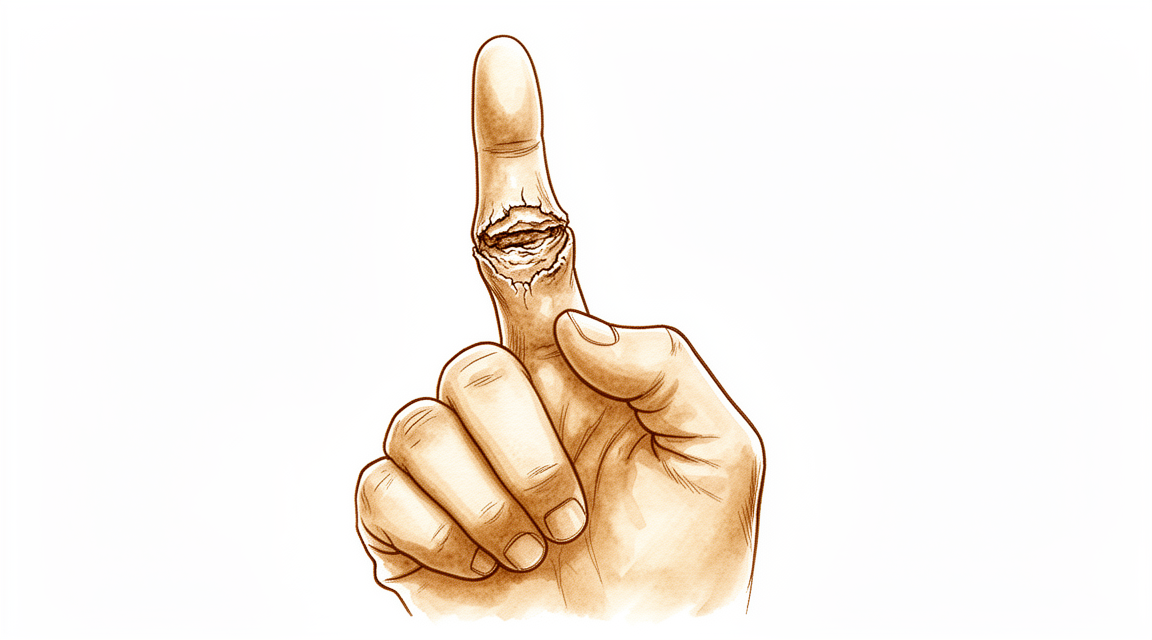
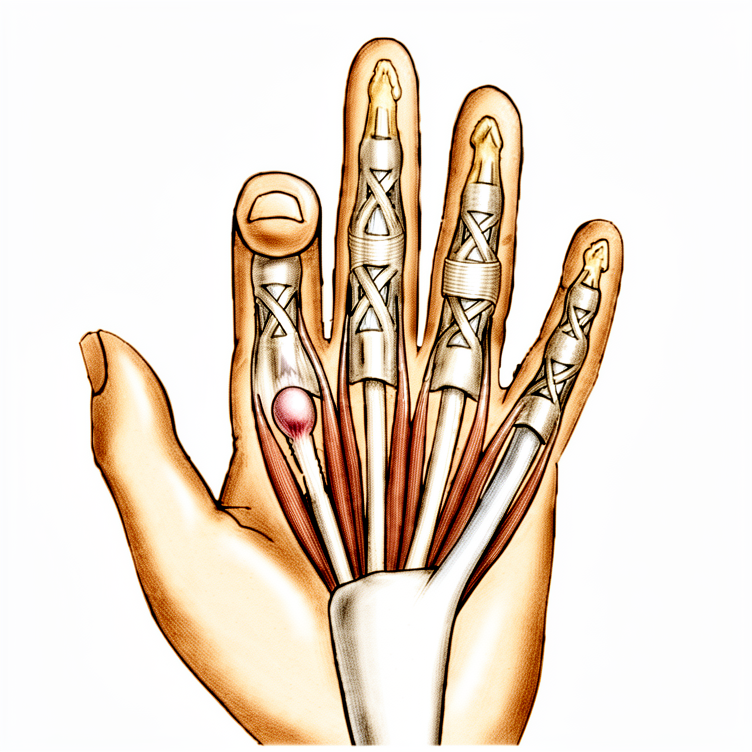
Dupuytren’s disease: pathophysiology, staging, non-operative options, and surgical/injectable fasciectomy techniques.
Overview
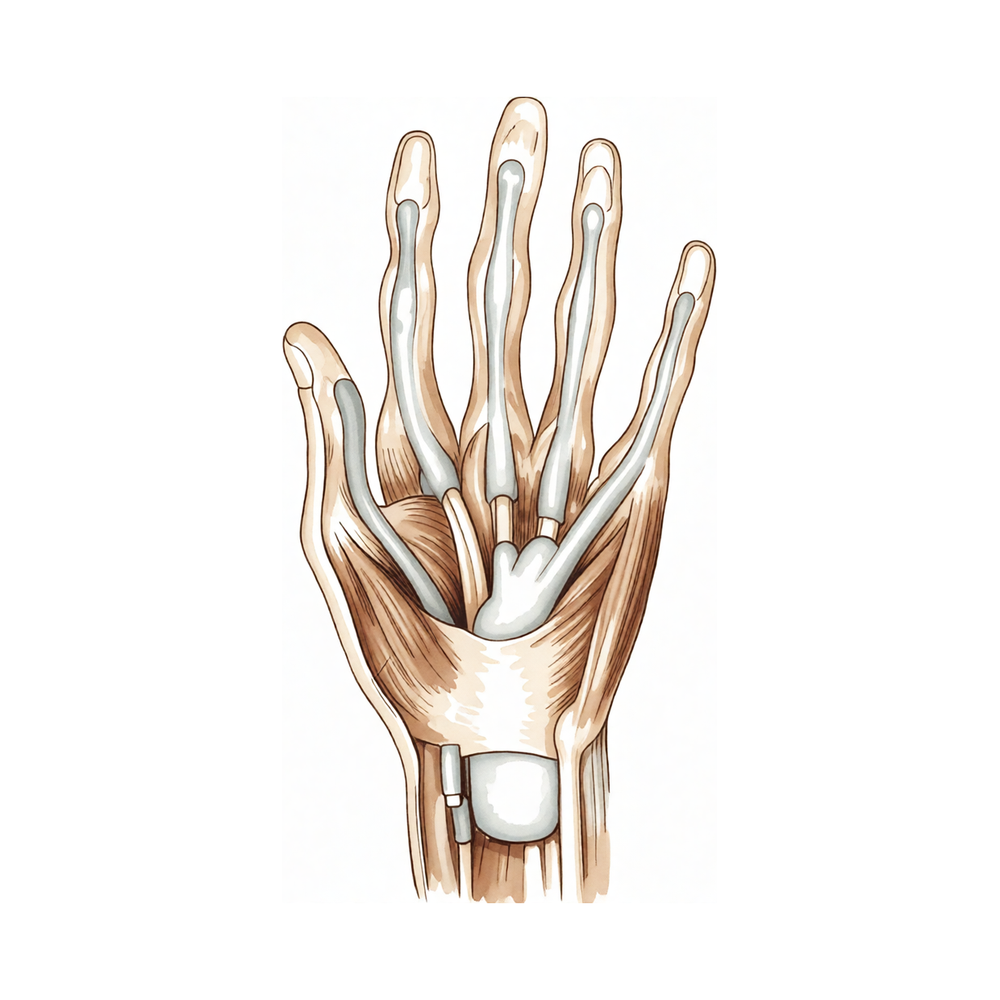
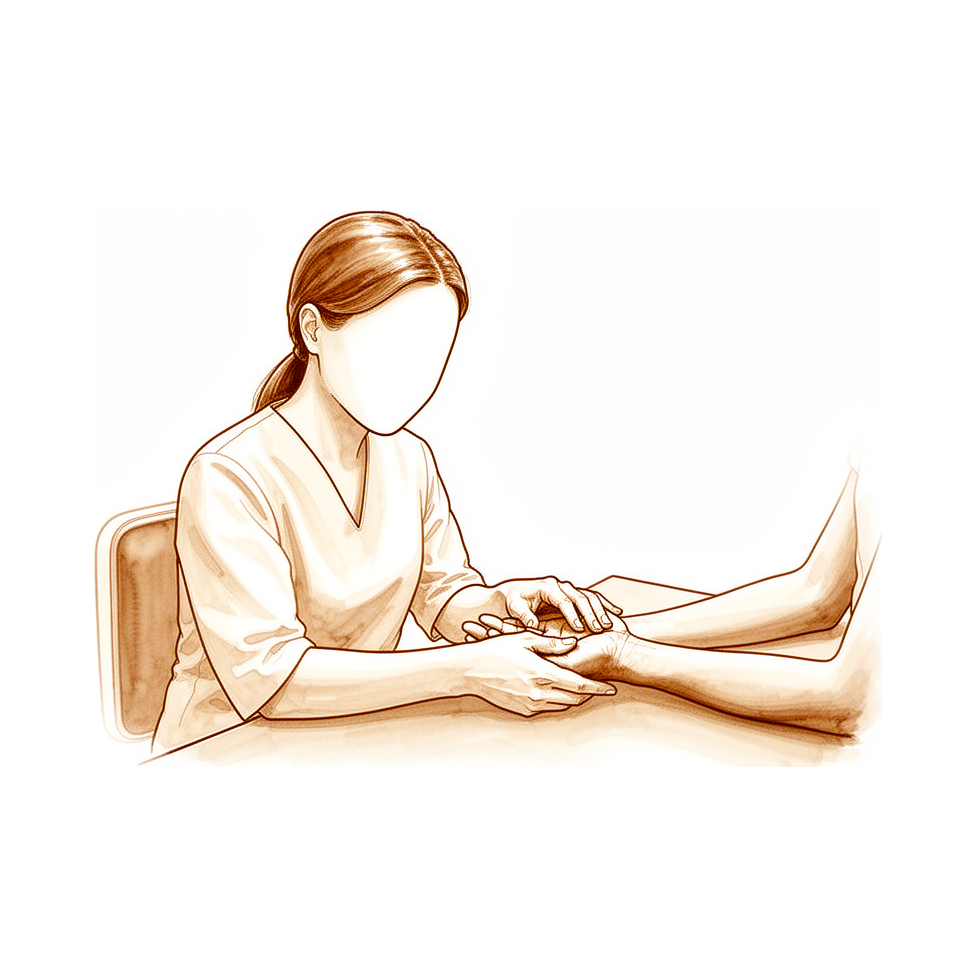
Hand disorders exhibit a specific association between their clinical category, underlying pathology, and prognosis [1]. Due to the high prevalence of concurrent symptomatic conditions, a complete and standardized clinical examination of the hand is mandatory during surgical planning [2]. While addressing all patho-anatomic features is essential, a normal functioning interphalangeal joint cannot be achieved if the underlying abnormality is marked [3]. Furthermore, dermatological conditions affecting the hand may mimic other surgical pathology, require optimization prior to intervention, or arise post-operatively [10].
Surgical decision-making must account for specific patient populations and tumor characteristics. Patients with Moebius syndrome present with a wide range of hand malformations, necessitating careful evaluation to determine the need for surgical treatment and to optimize rehabilitation protocols [53]. For benign hand tumors in the distal upper limb, surgery is indicated based on patient-rated outcome measures [27]. In contrast, extensive excisions for squamous cell carcinoma of the hand can be functionally debilitating, yet evidence-based guidelines for surgical techniques and staging protocols remain undefined [23]. Similarly, well-designed studies are required to clarify risk factors for the recurrence of giant cell tumor of the tendon sheath [22].
Management strategies vary by etiology and require heightened awareness. Increased awareness of evaluation guidelines for soft tissue masses is needed to expedite referral and definitive management [8]. Rheumatoid hand operations require more detailed study to clarify indications and outcomes [18], while high-dose triamcinolone injections should be considered for common hand conditions [20]. Classification and understanding of congenital hand and upper extremity disorders have improved significantly since the 1970s, with the primary focus remaining on achieving optimal function through deformity recognition, surgical option identification, and patient expectation management [21].
Anatomy & Pathophysiology
Osseous and Joint Morphology
Abnormalities in Wassel type IV duplications preclude normal interphalangeal joint function if the deformity is marked [3]. Adults with untreated triphalangeal thumbs exhibit adequate thumb movement but diminished strength for specific functions [78], while strength is affected in all types of triphalangeal thumb, though it remains apparently sufficient for daily life in the investigated group [87]. The position of the thumb metacarpophalangeal joint strongly influences contact-pressure patterns in the trapeziometacarpal joint, with flexion shifting the center of pressure dorsally and hyperextension producing the most palmar contact pattern [86]. Thumb basal joint arthritis is a progressive disease where substantial new biomechanical and longitudinal clinical studies are changing prevailing opinions on serial degenerative changes [69].
Soft Tissue and Neuromuscular Mechanics
Standard manual strength-testing of the intrinsic muscles of the hand lacks diagnostic sensitivity [77]. Individuals with hand osteoarthritis modulate grip force magnitude and temporal parameters, applying higher grip forces at liftoff and peak while demonstrating longer latency compared to controls [62]. Subjects with stenosing tenosynovitis demonstrate a significant decrease in maximum velocity during slow fist tasks [93]. Hands with combined deformities are the weakest, showing significantly reduced sustainability of grip in rheumatoid hands [90].
Functional Outcomes and Rehabilitation
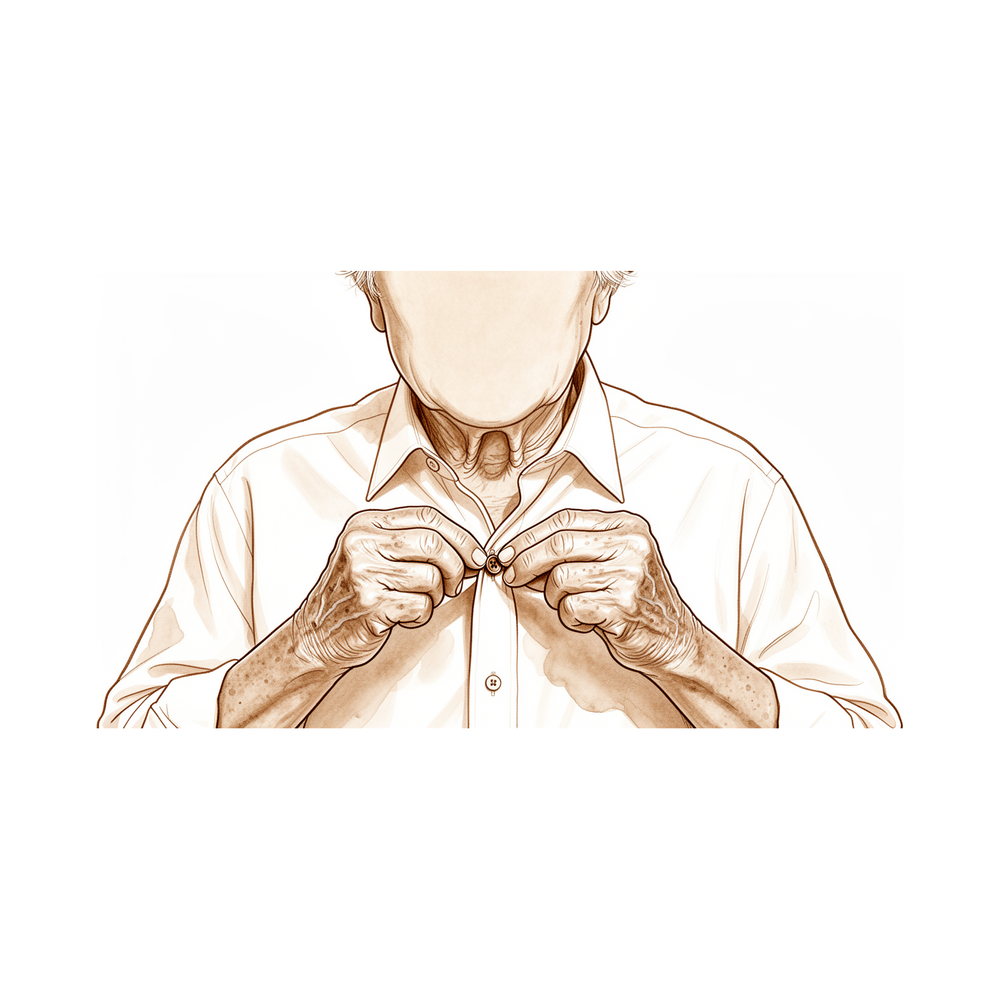
Limited surgical procedures improved finger, thumb, and wrist positions at 2-year follow-up in children with upper limb congenital muscular hypertrophy and aberrant muscle syndrome [7]. Hand function was significantly improved with 70% of patients achieving a functional range of motion at 5 years after treatment with collagenase Clostridium histolyticum injection for Dupuytren's disease [32]. Kinematic and clinical measurements objectively and quantitatively evaluate skilled hand function in individuals with chemotherapy-induced peripheral neuropathy (CIPN) in clinical settings [58]. Fundamental muscle-tendon-joint mechanics studies allow for single-stage surgical reconstruction of hand function and early postoperative activity-based training in patients with cervical spinal cord injuries [88]. Surgical reconstruction for thumb deformity in cerebral palsy aims to create a stable thumb capable of satisfactory grasp and release by decreasing deformity, balancing muscle forces, and stabilising joints [89].
Diagnostic and Management Principles
Accurate diagnosis and management of hand and carpal fractures and dislocations are predicated on a thorough physical examination and appropriate imaging to limit joint stiffness while preserving mobility and function [81]. The intervention for trigger finger is risk-free, easy to fabricate and perform, and has a solid biomechanical rationale [82]. A rationale for a dynamic stabilization approach is presented based on the unique anatomy of the thumb [70]. Ergonomic solutions are necessary to decrease thumb motions or strenuous effort encountered at work, especially for women, to address osteoarthritis of the thumb carpometacarpal joint [91]. The ICF HandA provides a consensus on outcome measures and instruments to systematically assess function in patients with hand injuries and disorders [95].
Classification
OMT (Oberg, Manske, Tonkin): This system classifies hand anomalies across over 1,400 diseases and incorporates advances in clinical genetics and developmental biology [1, 5, 51]. It replaces the Swanson scheme and was demonstrated to be straightforward to use for classifying all individuals in a Midwest United States population assessment [51, 57].
Wall et al.: This classification system is considered logical and easy to use [61]. Variations in this system may include additional features such as a non-ring finger P1 delta phalanx or second/fourth webspace syndactyly [61]. Other variations may involve features of two classification types present in one hand [61]. Additionally, the system may present difficulty in determining the level of duplication [61].
Zuidam et al.: This diagram is considered the most comprehensive yet practical system available for thumb polydactyly [56]. However, it still requires more elaboration to describe some of the complex presentations of thumb polydactyly [56].
Radial Polydactyly: A modified classification is proposed as a practical and utilitarian scheme for nomenclature to assist in the comparison of treatment outcomes and individual cases [49].
Ulnar Polydactyly: Existing classification systems omit two key variants: Type 1b (duplicated distal phalanx) and Type 4d (duplication from the deformed fourth metacarpal) [55]. Complicated ulnar polydactyly and ulnar polydactyly with bifid proximal phalanx are two important types with surgical implications that are not both included in current classification systems [60].
Other Considerations: A specific association exists between the category of hand disorder and the underlying pathology and prognosis [1]. The high prevalence of other symptomatic disorders of the hand requires a complete and standardized clinical examination of the hand during surgical planning [2]. Chronic hand infections are grouped by microorganism into bacterial (mycobacterial and others), fungal, and viral types [13]. Classification and understanding of congenital hand and upper extremity disorders has vastly improved since the 1970s [21]. The primary focus of congenital hand and upper extremity disorder management is achieving optimal function through recognizing deformities, identifying surgical options, and managing patient expectations [21]. An updated classification scheme for upper limb anomalies incorporates the current molecular perspective of limb development and the pathogenetic basis for malformations using dysmorphology terminology [43]. Effective management of thumb hypoplasia requires an understanding of the embryology, epidemiology, classification, presentation, and management options [50].
Clinical Presentation
A specific association exists between the category of hand disorder, the underlying pathology, and the prognosis [1]. Given the high prevalence of other symptomatic hand disorders, a complete and standardized clinical examination is required during surgical planning [2]. While physiological hand swelling occurs overnight in individuals without active or prior pathology [14], clinicians must maintain a high index of suspicion for chronic hand infections, which are uncommon [13]. These infections are grouped by microorganism into bacterial (mycobacterial and others), fungal, and viral types [13]. Atypical hand infections are particularly difficult to recognize and treat due to their indolent nature and nonspecific symptoms; early identification through appropriate laboratory testing and surgical treatment paired with medical management is imperative for eradication of the causative organism [35].
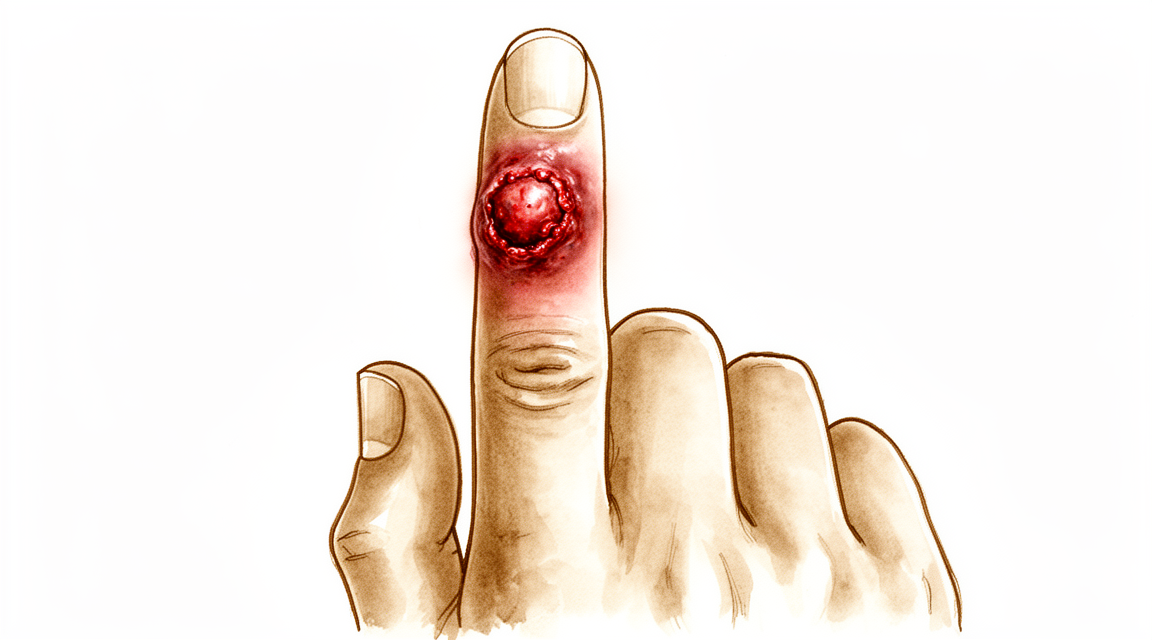
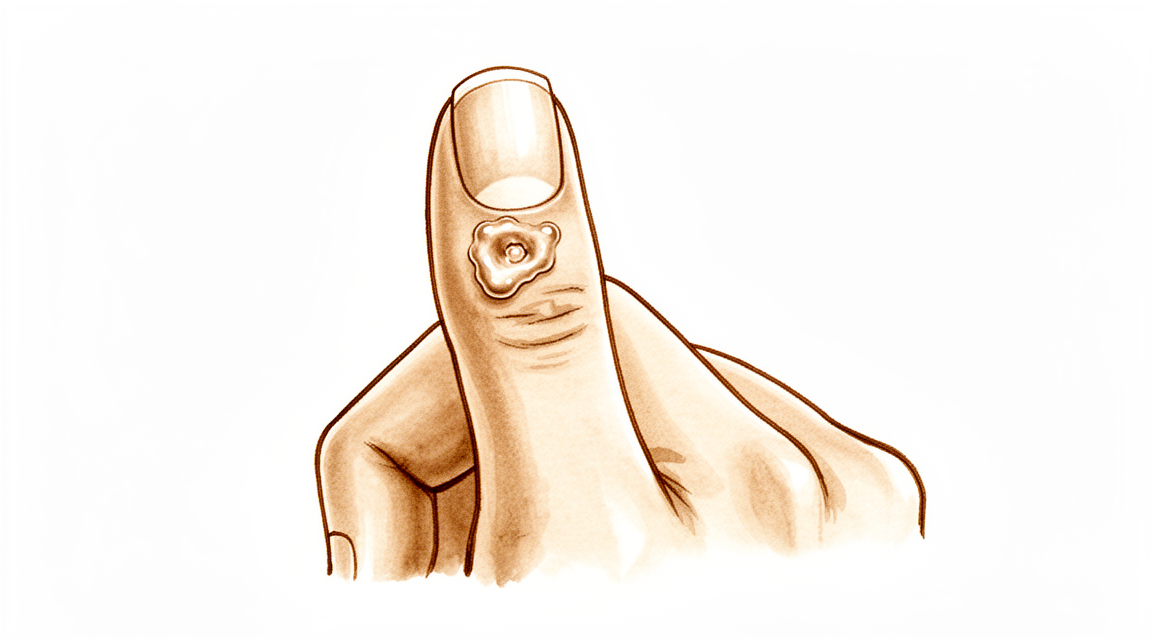
Inspection and palpation must account for tumor-like conditions, which typically present as masses and can be confused with more serious conditions [9]. Diagnosis often relies on clinical examination and imaging, with excisional biopsy needed for definitive diagnosis to guide treatment [9]. Benign bone tumors beyond enchondromas possess distinct epidemiology, radiographic features, histological features, and natural history that aid in distinguishing them from enchondromas and malignancies [4]. Monostotic Paget disease of the hand is a rare condition predominantly affecting individuals over 60 years of age, most commonly involving the metacarpals [39]. Hand surgeons must treat any pigmented hand lesion with suspicion to ensure rapid diagnosis and treatment [36]. Dermatological conditions affecting the hand may need to be optimized before surgery, can occur after hand surgery, and can mimic other surgical pathology [10].
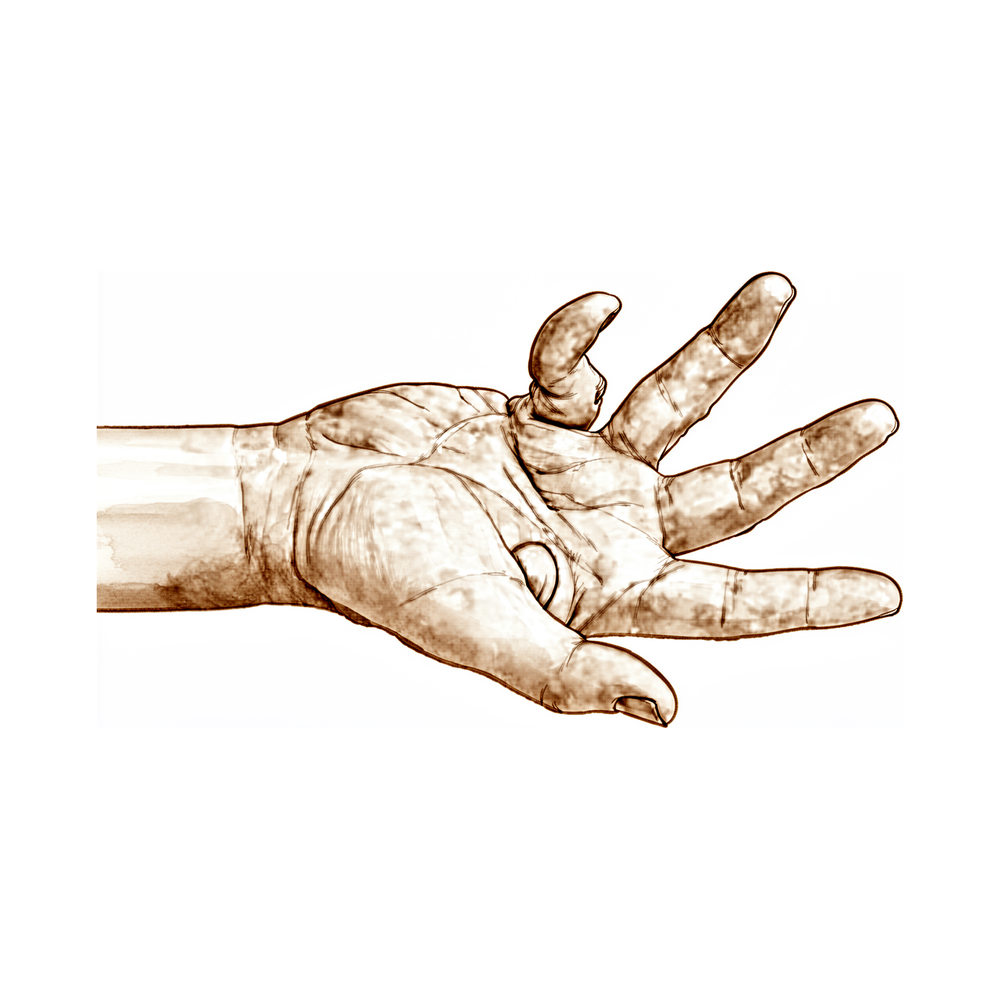
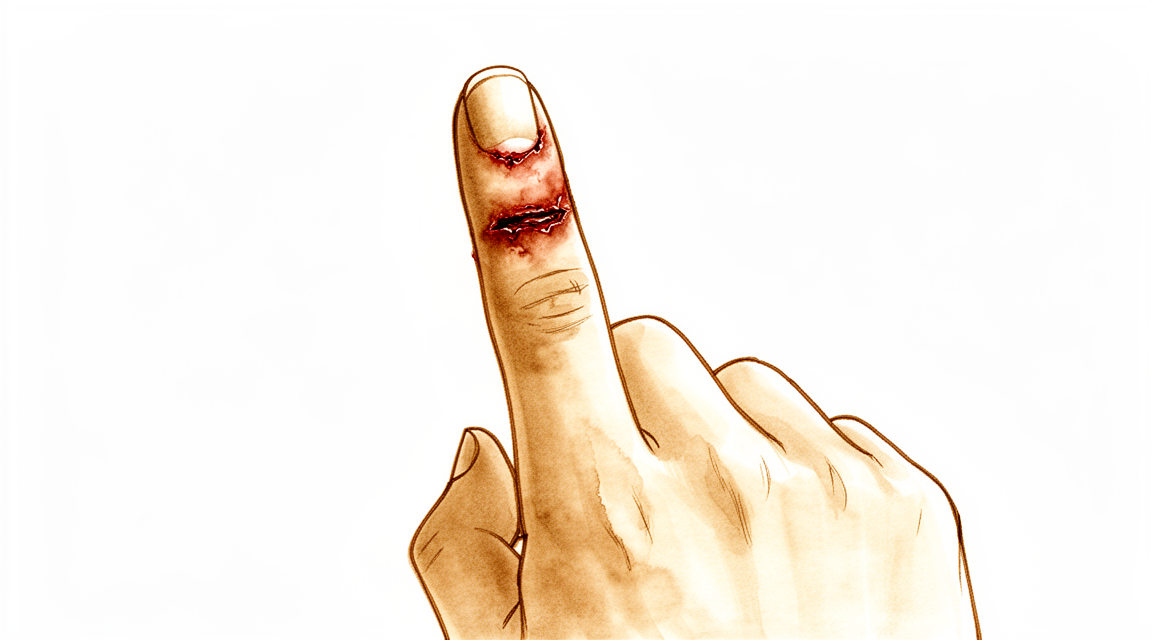
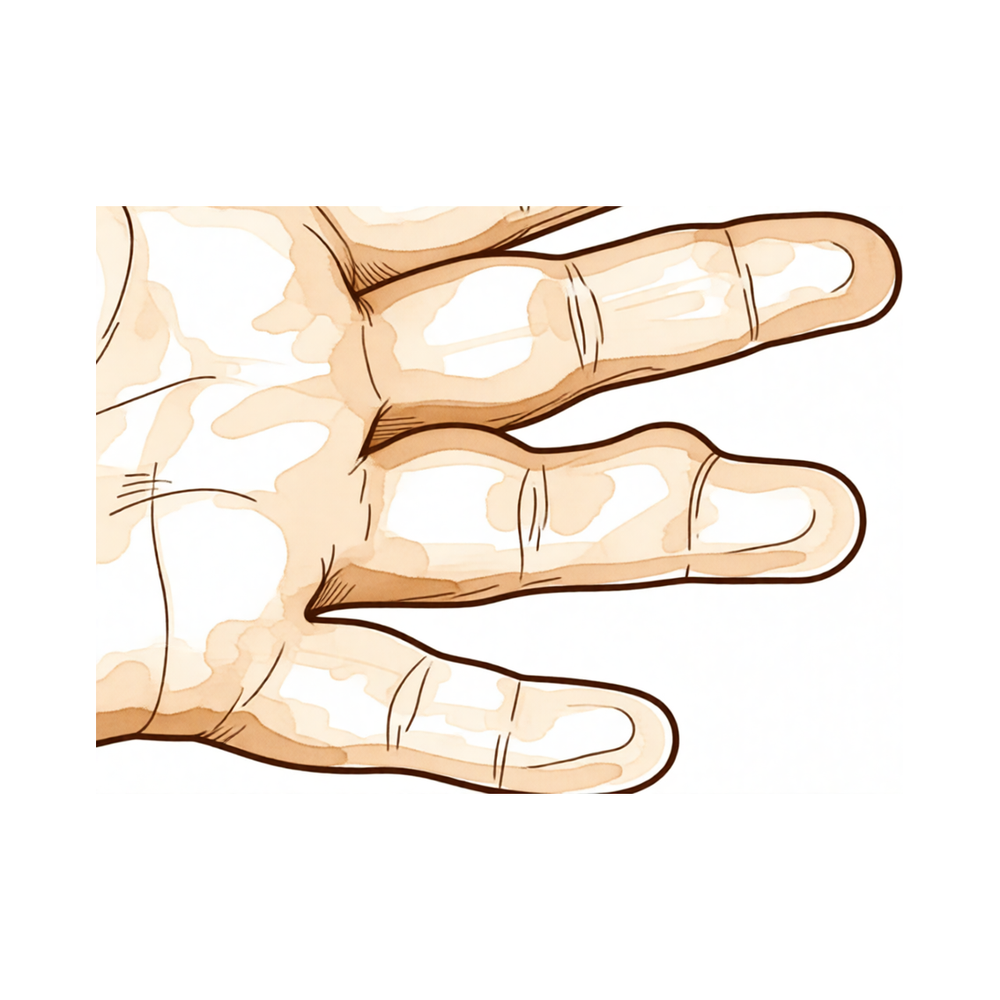
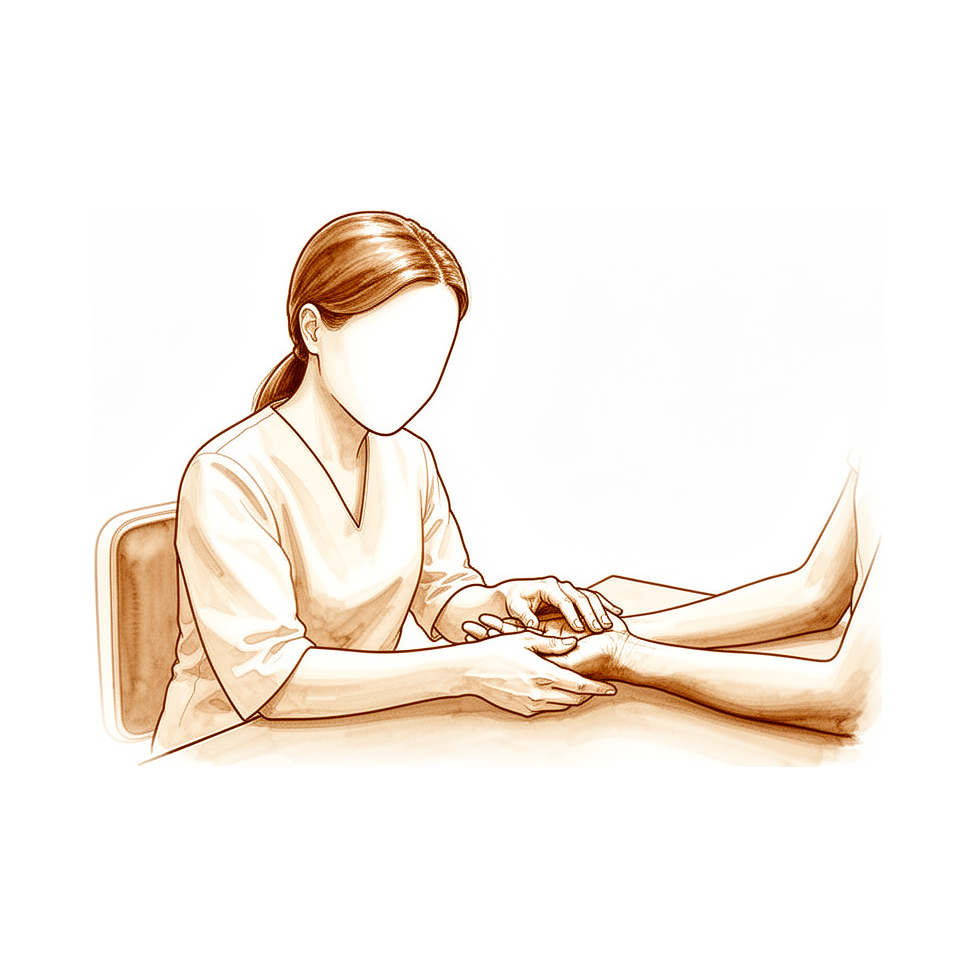
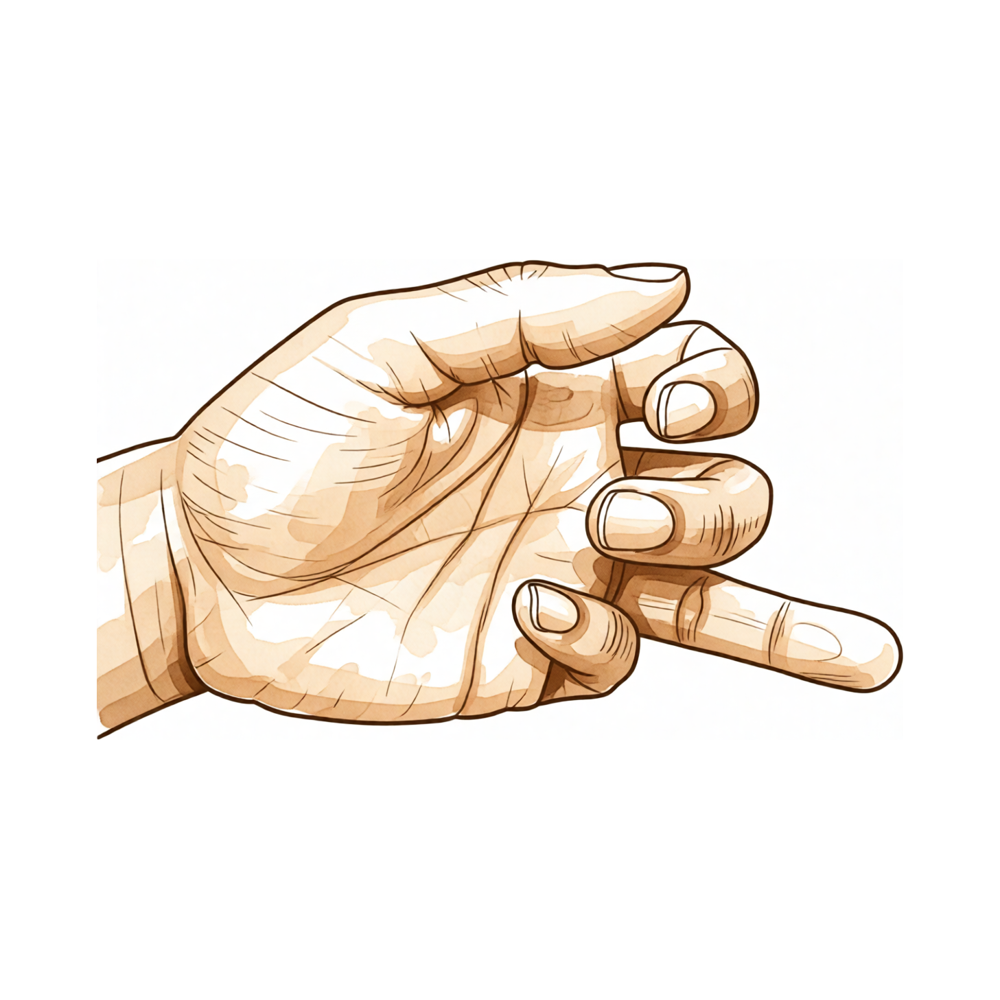
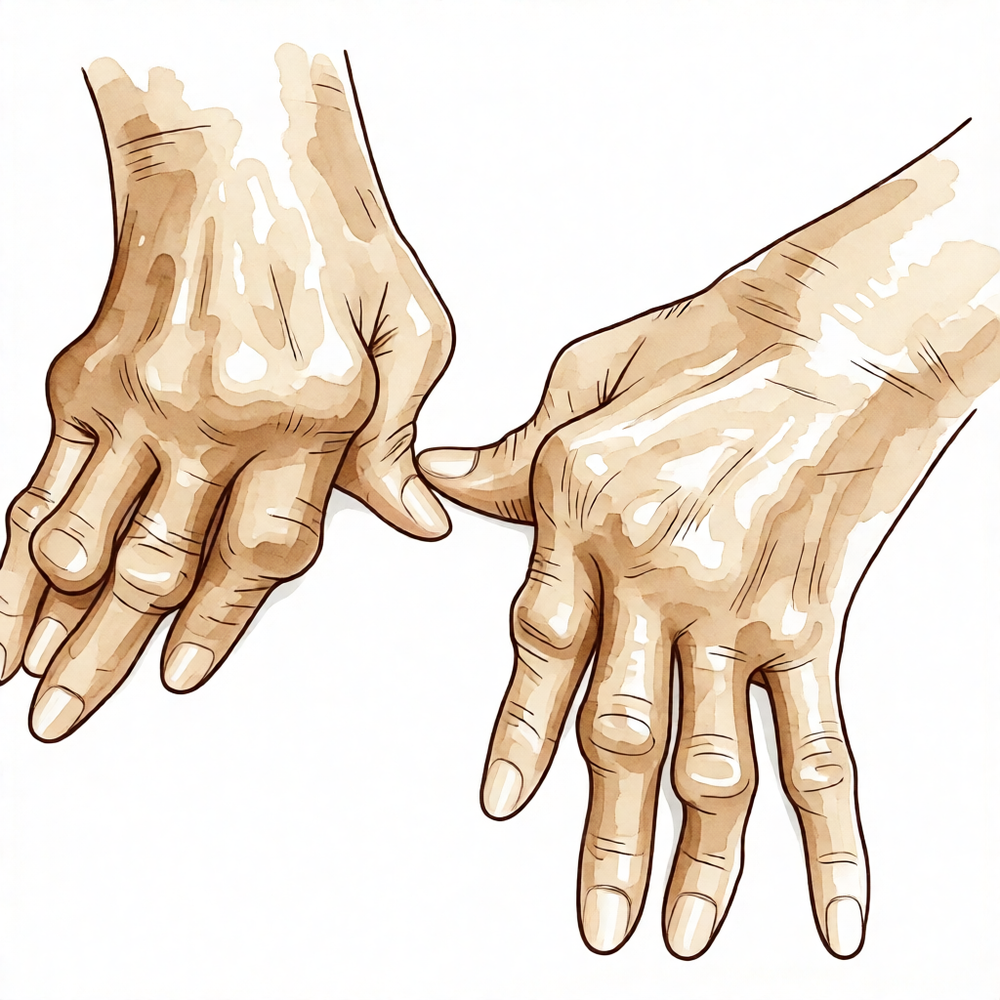
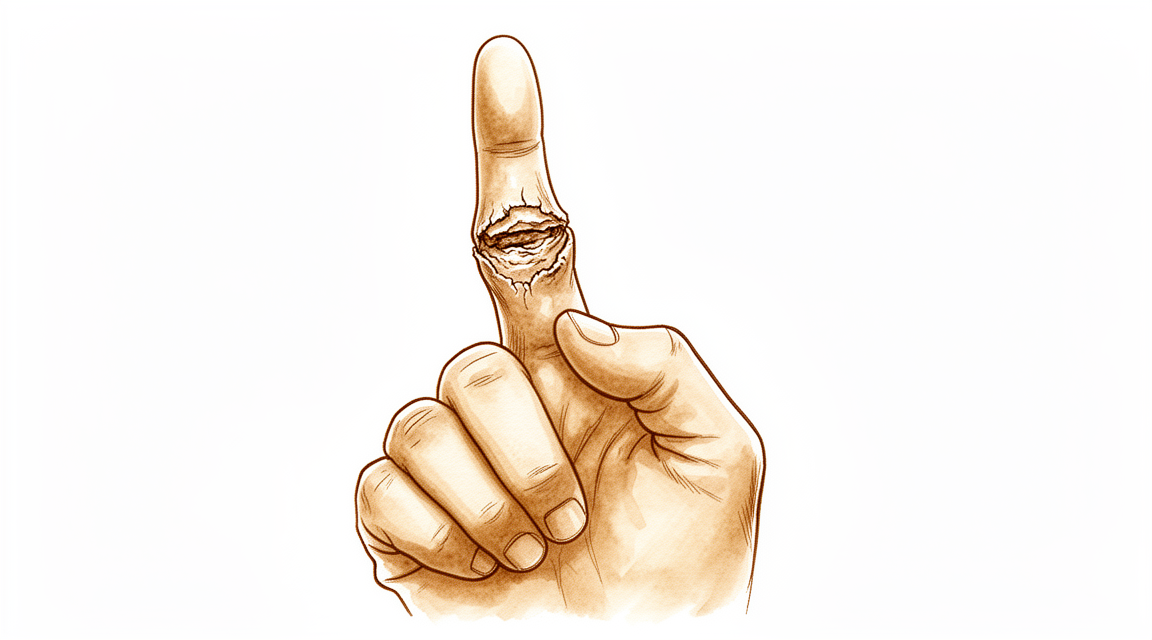
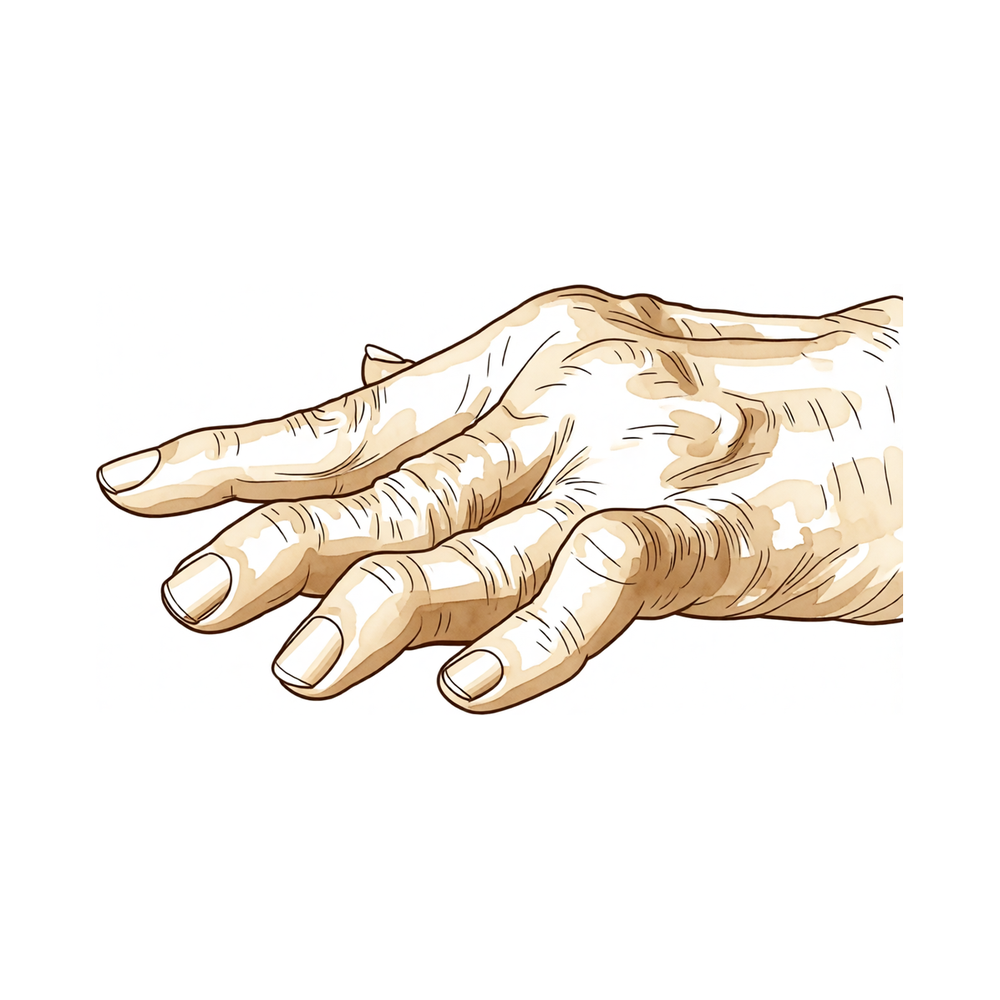
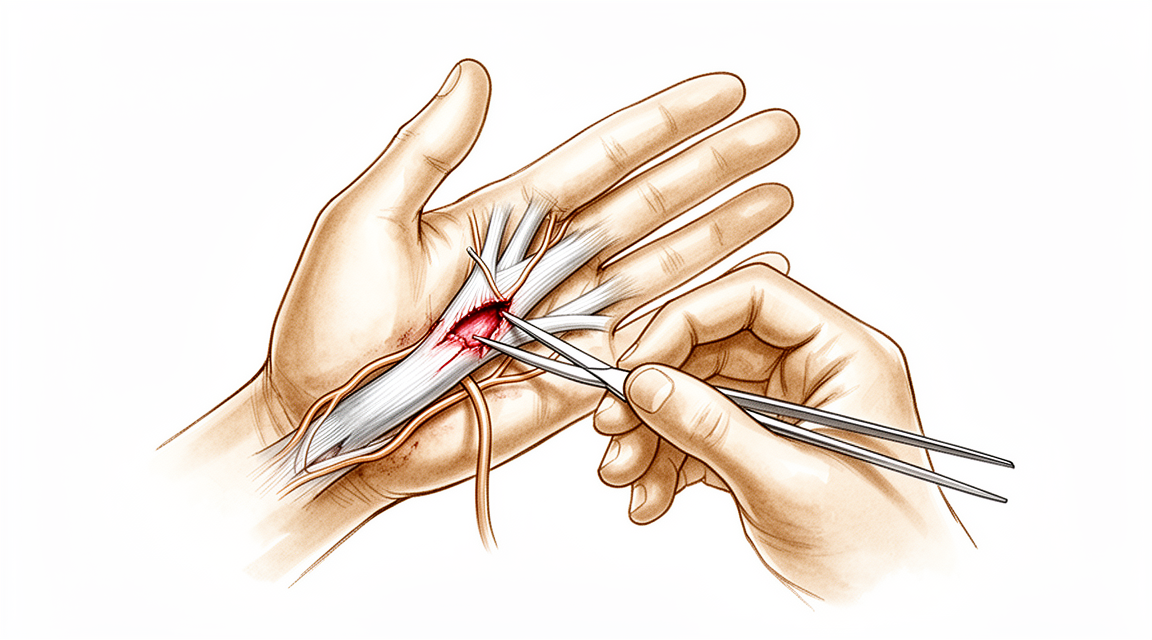
Dupuytren's disease involving the wrist is rare but must be included in the differential diagnosis of patients presenting with a mass of the volar aspect of the wrist, with or without neurologic symptoms [15]. Classic Dupuytren disease and atypical non-Dupuytren disease are distinct clinical entities that differ in presentation, etiology, treatment, and prognosis [16]. Dupuytren disease should also be included in the differential diagnosis of a nodule in the palm or fingers or contracture of the fingers of children [38]. High-quality hand photographs can be used to diagnose and grade hand osteoarthritis [17].
Range-of-motion and stability assessments are critical in specific anomalies. A normal functioning interphalangeal joint cannot be provided if the abnormality in Wassel type IV duplications is marked [3]. The OMT classification can be used to describe hand anomalies that may present in over 1,400 diseases [5]. Chronic recurrent multifocal osteomyelitis of the hand is a rare pediatric condition [37]. Early surgical management may be considered for hand lesions of myositis ossificans with prominent symptoms [6].
Investigations
Plain radiography: Radiographs frequently reveal the majority of detected hand tumors as asymptomatic, accidental findings [71]. Specific associations exist between the category of hand disorder, underlying pathology, and prognosis [1]. High-quality hand photographs can diagnose and grade hand osteoarthritis, serving as a useful, cheaper, and easier method for assessing disease burden where exact anatomic imaging is not the primary objective [17]. In cases of Wassel type IV duplications, a normal functioning interphalangeal joint cannot be provided if the abnormality is marked [3]. The clinical implications of osteolysis in the smaller bones of the hand and wrist remain unclear [65].
MRI: An isolated, nodular soft tissue mass in the hand should be imaged with MRI to identify anatomic borders and intensity [64]. One-third of MRI studies are nondiagnostic for hand glomus tumors, a likelihood that increases when tumors are pathologically or anatomically atypical, lack bone erosion, or present with no clinical suspicion [42]. High-resolution MR imaging can indicate a new (palmar) location of a glomus tumor prior to the last operation, supporting the hypothesis of a new tumor rather than recurrence due to incomplete excision [66]. MRI may be more helpful to exclude potential alternative diagnoses in patients with ulnar wrist pain [59]. However, the absence of disease on MRI should not be used as the sole criterion for determining whether a repeat resection is necessary for residual disease after marginal excision of unsuspected soft tissue sarcomas of the hand [68].
Other Considerations: Diagnosis of tumor-like conditions of the hand and upper extremity, which typically present as masses that can be confused with more serious conditions, often relies on clinical examination and imaging [9]. Excisional biopsy is needed for definitive diagnosis to guide treatment [9]. Increased awareness of evaluation guidelines for soft tissue masses is needed to expedite referral and definitive management [8]. Dupuytren's disease involving the wrist is rare but must be included in the differential diagnosis for patients presenting with a mass of the volar aspect of the wrist, with or without neurologic symptoms [15]. Chronic exertional compartment syndrome of the hand is a rare condition [75]. Osteomyelitis of the hand is uncommon but can have devastating effects on hand function if not adequately and promptly treated [79]. A review presents the epidemiology, radiographic and histological features, natural history, and appropriate management of less common benign bone tumors of the hand beyond enchondromas to aid in distinguishing these lesions from enchondromas and malignancies [4]. Chondroblastoma-like chondroma is a rare tumor of the hand that presents a diagnostic challenge due to variable radiographic and pathological findings [63]. Surgical excision with post-operative histopathologic analysis should be considered for an isolated, nodular soft tissue mass in the hand [64]. Most arthrogrypotic hand deformity surgeries result in better outcomes if performed during the early years of life using bony and/or soft-tissue interventions [33].
Treatment
Non-Operative
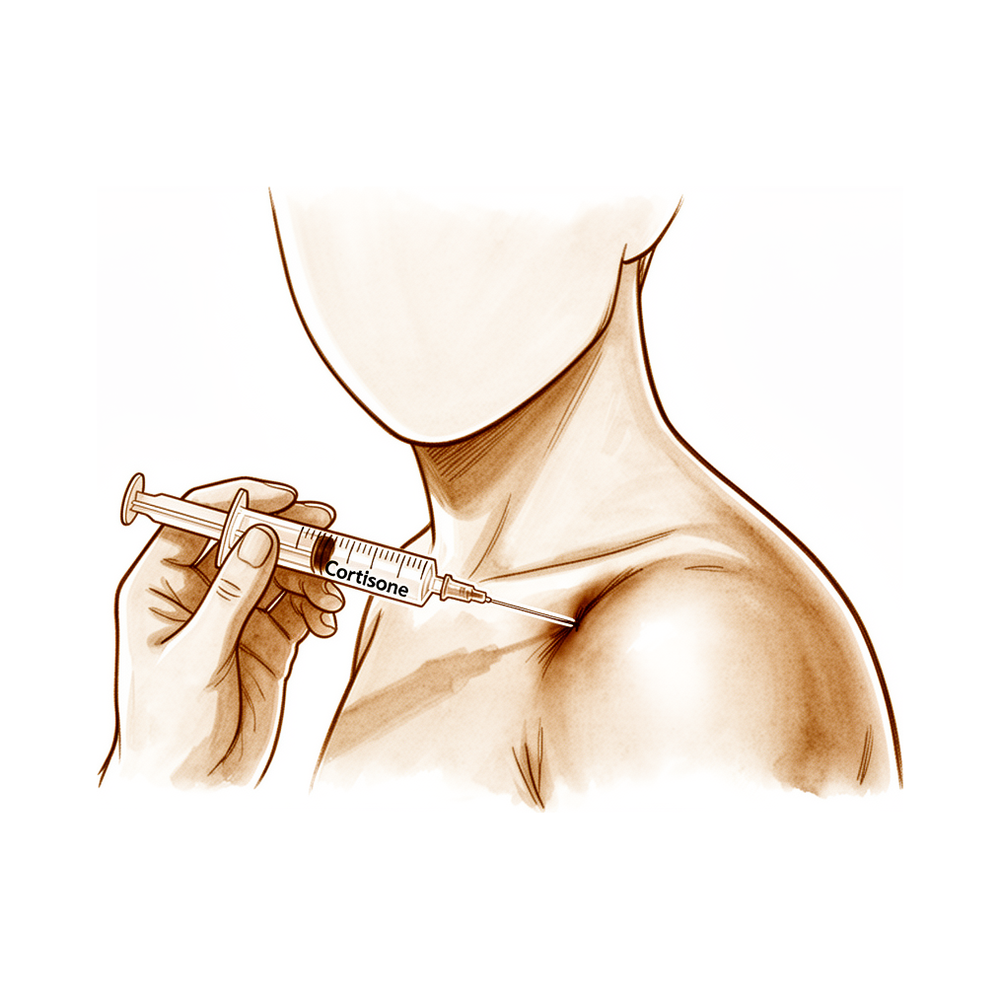
Initial management for thumb carpometacarpal arthritis often involves hand therapy, which significantly delays the time to surgery compared to patients who do not undergo therapy [19]. For stiff digits, initial nonsurgical treatment is warranted, though it may yield poorer results in patients with severe or chronic contractures [72]. In cases of atraumatic posterior interosseous nerve palsy without a space-occupying lesion, a trial of nonoperative management is advisable [84]. Hand therapy also produces statistically and clinically significant improvements in pain, grip strength, function, and quality of life for breast cancer survivors with aromatase inhibitor-associated musculoskeletal syndrome [48]. High-dose triamcinolone injections should be considered as a treatment modality for common hand conditions [20]. While medical cannabis demonstrates efficacy for chronic musculoskeletal and neuropathic pain, definitive conclusions regarding its use in hand and upper extremity conditions require further investigation [11]. Autologous fat grafting shows promise for autoimmune, inflammatory, and fibrotic manifestations in the hand, though robust clinical guidelines are not yet established [40].
Operative
Indications: Surgical intervention is indicated for benign hand tumors within the distal upper limb based on patient-rated outcome measures [27]. Patients with thumb carpometacarpal arthritis and Ehlers-Danlos Syndrome who have pain refractory to conservative therapy may benefit from surgical relief and increased hand strength [45]. Early surgical management is considered for hand lesions of myositis ossificans presenting with prominent symptoms [6]. For the stiff digit, surgery should be considered if there is limited improvement after 3 to 6 months of conservative management [72]. Exploration of the nerve is recommended for atraumatic posterior interosseous nerve palsy if there is no sign of muscle recovery after 6 weeks of observation or if there is progressive weakness [84]. A solitary palmar infantile myofibroma with no functional impairment can be managed non-operatively due to spontaneous regression, but surgery remains an option for symptomatic cases [80].
Surgical Approach / Technique: Excision preserving vital structures is an acceptable approach for benign fibrous tumors of the hand, including nodular fasciitis, as recurrences have not been observed despite positive margins [85]. Well-designed studies combining recurrence rates from multiple centers are needed to better demonstrate risk factors for recurrence in giant cell tumor of the tendon sheath [22]. Evidence-based guidelines for surgical techniques and staging protocols for squamous cell carcinoma of the hand have not been clearly defined [23]. Rheumatoid hand operations require more detailed study to clarify indications and outcomes for consistent advice from the multidisciplinary team [18].
Adjuncts: A complete and standardized clinical examination of the hand is required during surgical planning for trapeziometacarpal osteoarthritis due to the high prevalence of other symptomatic disorders [2]. Increased awareness of evaluation guidelines for soft tissue masses of the hand is needed to expedite referral and definitive management [8]. There is a specific association between the category of hand disorder and the underlying pathology and prognosis in factitious hand disorders [1].
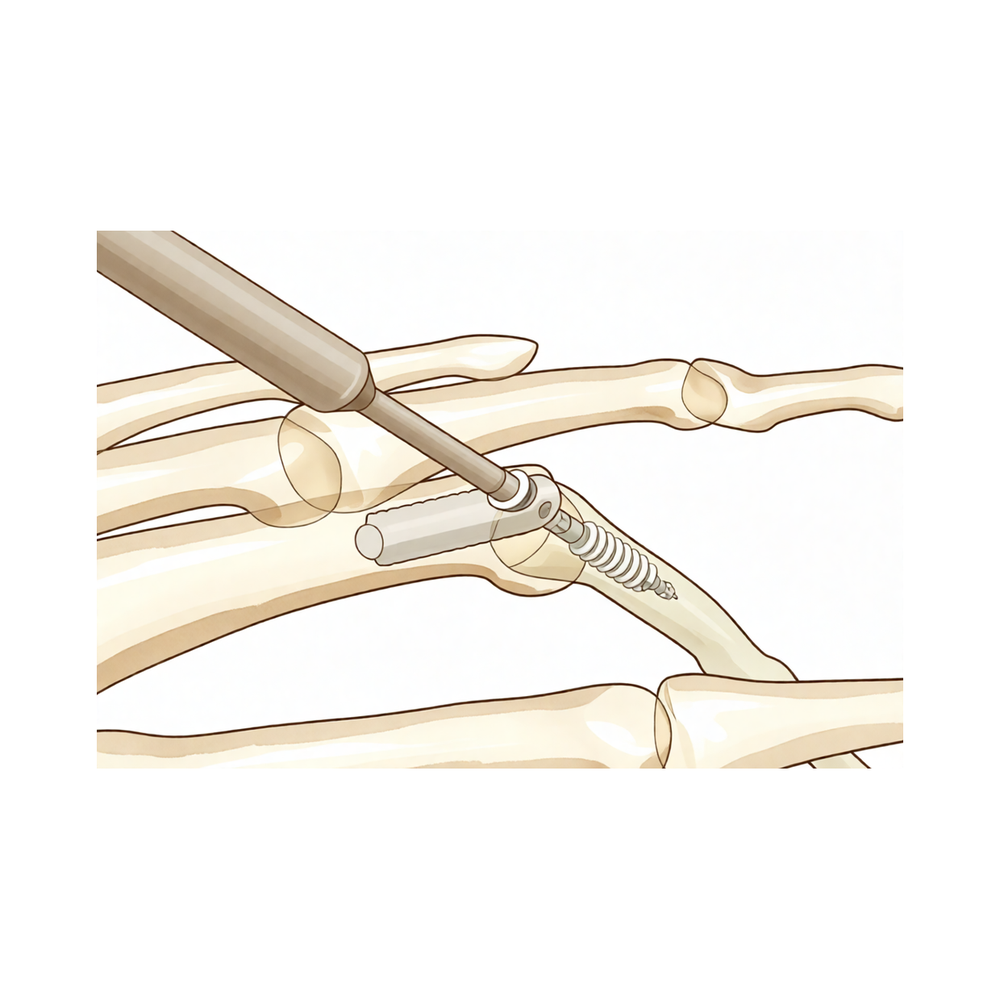
Other Considerations: Classic Dupuytren disease and atypical non-Dupuytren disease are distinct clinical entities that differ in presentation, etiology, treatment, and prognosis [16]. Collagenase clostridium histolyticum is a safe, effective treatment to improve hand function in Dupuytren's contracture, with most adverse events being minor and self-resolving [46]. Published clinical results for contralateral C7 transfer in stroke or brain-injured patients have demonstrated significant improvements in upper limb function, with donor site morbidity typically being mild and transient [44]. There is little consistency in the reporting of outcomes for interventions in patients with Dupuytren's disease, making it impossible to compare the efficacy of different treatment modalities [47]. Advancements in surgical and therapy management for Dupuytren's disease include reviewing indications, surgical options, non-surgical techniques, and therapy interventions to assist in linking patient-specific problems to appropriate treatment choices [76]. There is a low level of evidence that both surgical and nonsurgical treatments provide clinically important improvements for recurrent Dupuytren contracture [83]. Collagenase clostridium histolyticum was well tolerated with clinically relevant improvements in hand function and high patient and physician satisfaction at month 6 in patients with Dupuytren's contracture [41]. There is considerable variation in the practice of both non-surgical and surgical management of base of thumb osteoarthritis [73].
Complications
Infection: Chronic Mycobacterium infection of the first dorsal web space following accidental Bacilli Calmette-Guérin injection resolved with no recurrent infection and excellent hand function at 4-year follow-up [24]. Similarly, a case of Mycobacterium monacense infection resulted in normal hand function and appearance at 3-year follow-up [12].
Wound complications: Despite recurrent scarring and contracture in the short and mid term, surgical release can provide significant improvements in hand function for patients with recessive dystrophic epidermolysis bullosa [25]. Safety and social issues of hand function and quality of life have an evident association with functional recovery after surgery and hand therapy in patients with Dupuytren's disease [26]. Awareness by hand surgeons of the possible histologic misdiagnosis of squamous cell carcinoma at an early stage in the disease evolution, and a high index of suspicion in the face of biopsy-proven squamous cell carcinoma, may prevent unnecessary digit amputation [34].
Nerve palsy: The patient was the youngest reported case of intraneural synovial sarcoma of the median nerve, presenting with a 3-year disease-free follow-up and excellent hand function [28].
Stiffness / Arthrofibrosis: Limited surgical procedures improved finger, thumb, and wrist positions at 2-year follow-up in children with upper limb congenital muscular hypertrophy and aberrant muscle syndrome [7]. Six months is an appropriate time for evaluating short-term effects of hand surgery in patients with inflammatory arthritis [29].
Other Considerations: A specific association exists between the category of hand disorder, the underlying pathology, and prognosis in factitious hand disorders [1]. The high prevalence of other symptomatic disorders of the hand requires a complete and standardized clinical examination of the hand during surgical planning for trapeziometacarpal osteoarthritis [2]. Less common benign bone tumors of the hand beyond enchondromas must be distinguished from enchondromas and malignancies based on epidemiology, radiographic and histological features, and natural history [4]. The OMT classification can be used to describe hand anomalies that may present in over 1,400 diseases [5]. Early surgical management may be considered for hand lesions with prominent symptoms in myositis ossificans [6]. While chondrosarcoma of the hand from enchondromatosis is rare, adequate surgical resection offers a favorable prognosis, though long-term follow-up is required [30]. The condition of myositis ossificans of the hand is extremely rare, and a high index of suspicion and knowledge of its evolution are necessary to avoid erroneous diagnosis of a malignancy due to similarity to a sarcoma early in its evolution [92]. Typical Barsky cleft hands were more commonly associated with family history of cleft hands and the presence of other concomitant clinical manifestations [94]. Naming congenital upper limb anomalies remains an ongoing challenge influenced by surgeon subjectivity and experience [96]. Current evidence demonstrates efficacy and safety of medical cannabis for chronic musculoskeletal and neuropathic pain, but definitive conclusions regarding efficacy in hand and upper extremity conditions require continued investigation [11].
Recovery
Light activity (weeks): Specific timelines for light activity are not explicitly defined in the provided evidence base; however, functional recovery is assessed at 6 months for inflammatory arthritis [29], and significant improvements in finger, thumb, and wrist positions were noted at 2-year follow-up for children with congenital muscular hypertrophy [7].
Full activity (months): Long-term functional outcomes stabilize over extended periods, with normal hand function and appearance maintained at 3 years for Mycobacterium monacense infection [12] and excellent hand function preserved at 3 years for intraneural synovial sarcoma of the median nerve [28]. For Dupuytren's disease, 70% of patients achieved a functional range of motion at 5 years following collagenase Clostridium histolyticum injection [32].
Complete recovery / outcome plateau (months): Chronic Mycobacterium infection of the first dorsal web space showed no recurrent infection and excellent hand function at 4-year follow-up [24]. While chondrosarcoma of the hand requires long-term follow-up, adequate surgical resection offers a favorable prognosis [30]. In contrast, metastatic lesions to the hand or skin carry an ominous prognosis with a median survival of only a few months [97], whereas metastases to the hand generally represent widespread disease with a poor prognosis [98].
Rehabilitation protocol: Patients treated with hand therapy experienced significantly longer times to surgery for thumb carpometacarpal arthritis compared to those who did not undergo therapy, with 2-year surgery rates being significantly higher in the non-therapy group [19]. Surgical release for recessive dystrophic epidermolysis bullosa can provide significant improvements in hand function despite recurrent scarring and contracture in the short and mid term [25]. Most arthrogrypotic hand deformity surgeries yield better outcomes when performed during the early years of life using bony and/or soft-tissue interventions [33].
Functional milestones: Disease activity is associated with hand function impairment in rheumatoid arthritis patients with variable follow-up [67]. Safety and social issues of hand function and quality of life have an evident association with functional recovery after surgery and hand therapy in patients with Dupuytren's disease [26]. A specific association exists between the category of hand disorder, the underlying pathology, and the prognosis [1].
Other Considerations: Less common benign bone tumors of the hand beyond enchondromas possess distinct epidemiology, radiographic and histological features, natural history, and management requirements to distinguish them from enchondromas and malignancies [4]. Awareness by hand surgeons of the possible histologic misdiagnosis of squamous cell carcinoma at an early stage and a high index of suspicion in the face of biopsy-proven SCC may prevent unnecessary digit amputation [34]. Patients with Merkel cell carcinoma of the hand and upper extremity had a significantly higher survival rate than Merkel cell carcinoma at other anatomic sites [99].
Key Evidence
- [L4] There is a specific association between the category of hand disorder and the underlying pathology and prognosis. (10.1016/j.jhsa.2013.04.047)
- [L3] The high prevalence of other symptomatic disorders of the hand requires a complete and standardized clinical examination of the hand, as they must be considered during surgical planning. (10.1177/17531934231220644)
- [Commentary] The hand surgeon should address all patho-anatomic features to achieve the best possible result, though a normal functioning interphalangeal joint cannot be provided if the abnormality is marked. (10.1177/1753193414538149)
- [L5] This review presents the epidemiology, radiographic and histological features, natural history, and appropriate management of less common benign bone tumors of the hand beyond enchondromas to aid orthopaedic and hand surgeons in distinguishing these lesions from enchondromas and malignancies. (10.5435/jaaos-d-23-01020)
- [L4] The OMT classification can be used to describe hand anomalies that may present in over 1,400 diseases. (10.1016/j.jhsa.2017.03.043)
- [Case_report] Their review of the literature supports the idea that early surgical management may be considered for hand lesions with prominent symptoms. (10.1016/j.jhsa.2017.03.007)
- [L4] Limited surgical procedures improved finger, thumb, and wrist positions at 2-year follow-up. (10.1177/1753193418774459)
- [Case_report] Increased awareness of evaluation guidelines for soft tissue masses of the hand is needed to expedite referral and definitive management. (10.1016/j.jhsa.2014.01.033)
- [L5] Tumor-like conditions of the hand and upper extremity typically present as masses and can be confused with more serious conditions; diagnosis often relies on clinical examination and imaging, with excisional biopsy needed for definitive diagnosis to guide treatment. (10.1016/j.jhsa.2017.09.012)
- [L5] Dermatological conditions affecting the hand may need to be optimized before surgery; they can also occur after hand surgery or can mimic other surgical pathology. (10.1016/j.jhsa.2022.01.003)
- [L4] Current evidence demonstrates efficacy and safety for chronic musculoskeletal and neuropathic pain, but definitive conclusions regarding efficacy in hand and upper extremity conditions require continued investigation. (10.1016/j.jhsa.2022.11.008)
- [L4] Function and appearance of the hand remained normal at the 3-year follow-up evaluation. (10.1016/j.jhsa.2007.10.016)
- [L5] Chronic hand infections are uncommon and require a high index of suspicion for early diagnosis; they are grouped by microorganism into bacterial (mycobacterial and others), fungal, and viral types, with specific presentations and treatments emphasized for each. (10.1016/j.jhsa.2014.04.003)
- [L2] Physiological hand swelling occurs overnight in individuals without active or prior hand pathology. (10.1016/j.jhsa.2018.05.032)
- [L4] Dupuytren's disease involving the wrist is rare but must be included in the differential diagnosis of patients presenting with a mass of the volar aspect of the wrist, with or without neurologic symptoms. (10.1016/j.jhsa.2006.10.008)
- [L3] High quality hand photographs can be used to diagnose and grade hand osteoarthritis. (10.1186/1471-2474-13-20)
- [L4] Rheumatoid hand operations require more detailed study, clarifying indications and outcome to allow consistent advice to patients from all members of the multidisciplinary team. (10.1177/1753193411409830)
- [L2] Patients treated with hand therapy had significantly longer times to surgery, and the 2-year surgery rates were significantly higher in those who did not undergo therapy treatment. (10.1016/j.jhsa.2023.05.019)
- [L4] Hand surgeons should consider the benefit of high-dose triamcinolone injections when deciding on a treatment modality for common hand conditions. (10.1016/j.jhsa.2025.09.014)
- [L3] Well-designed studies combining the recurrence rates of several hand surgery centers implementing a standardized treatment are needed to better demonstrate the associated risk factors for recurrence. (10.1186/s12891-019-2866-8)
- [L5] Evidence-based guidelines for surgical techniques and staging protocols for squamous cell carcinoma of the hand have not been clearly defined, creating a dilemma where extensive excisions can be functionally debilitating. (10.1016/j.jhsa.2011.03.018)
- [Case_report] At 4-year follow-up, there was no recurrent infection and the patient had excellent hand function. (10.1016/j.jhsa.2008.05.019)
- [L4] Despite recurrent scarring and contracture in the short and mid term, surgical release can provide significant improvements in hand function. (10.1177/17531934251313989)
- [L4] Safety and social issues of hand function and quality of life had an evident association with functional recovery. (10.1016/j.jht.2014.11.006)
- [L4] According to the results of PROM, benign hand tumors located within the distal upper limb have a clear indication for surgery. (10.1016/j.jhsa.2015.06.078)
- [Case_report] The patient is the youngest reported case with a 3-year disease-free follow-up and excellent hand function, representing the best outcome reported in the literature to-date. (10.1177/1558944720975139)
- [L4] It identifies 6 months as an appropriate time for evaluating short-term effects of hand surgery in rheumatic diseases. (10.1186/1471-2474-10-50)
- [Case_report] The authors note that while chondrosarcoma of the hand from enchondromatosis is rare, adequate surgical resection offers a favorable prognosis, though long-term follow-up is required. (10.1016/j.jhsa.2010.10.031)
- [L4] Hand function was significantly improved, with 70% achieving a functional range of motion at 5 years. (10.1177/17531934211002383)
- [L5] Most arthrogrypotic hand deformity surgeries result in better outcomes if performed during the early years of life using bony and/or soft-tissue interventions. (10.1016/j.jhsa.2021.10.027)
- [L4] Awareness by hand surgeons of the possible histologic misdiagnosis of SCC at an early stage in the disease evolution and a high index of suspicion in the face of biopsy-proven SCC may prevent unnecessary digit amputation. (10.1016/j.jhsa.2012.06.019)
- [L4] Atypical hand infections are difficult to recognize and treat due to their indolent nature and nonspecific symptoms; early identification through appropriate laboratory testing and surgical treatment paired with medical management is imperative for eradication of the causative organism. (10.1016/j.jhsa.2025.09.023)
- [L5] It is imperative that hand surgeons treat any pigmented hand lesion with suspicion to ensure rapid diagnosis and treatment. (10.1177/17531934241245028)
- [L4] The cases educate key stakeholders, raise awareness of the diagnosis, and illustrate challenging aspects of managing these patients, including special functional and anatomical considerations essential in managing cases involving the hand. (10.1177/1558944719846599)
- [L4] Dupuytren disease should be included in the differential diagnosis of a nodule in the palm or fingers or contracture of the fingers of children. (10.1016/j.jhsa.2016.08.011)
- [L4] Monostotic Paget disease of the hand is a rare condition that most commonly affects the metacarpals and predominantly affects individuals over 60 years of age. (10.1016/j.jhsa.2015.04.022)
- [L4] While AFG is a promising therapeutic option for autoimmune, inflammatory, and fibrotic disease manifestations in the hand, further studies are warranted to understand its efficacy and to establish more robust clinical guidelines. (10.1177/15589447211066347)
- [L4] Collagenase was well tolerated with clinically relevant improvements in hand function and high patient and physician satisfaction at month 6. (10.1177/1753193413519926)
- [L4] One-third of MRI studies were nondiagnostic for hand glomus tumors, with nondiagnostic results more likely when tumors were pathologically or anatomically atypical, lacked bone erosion, or had no clinical suspicion. (10.1016/j.jhsa.2014.12.002)
- [L5] The authors advocate an updated classification scheme for upper limb anomalies that incorporates the current molecular perspective of limb development and the pathogenetic basis for malformations using dysmorphology terminology to improve diagnosis, treatment, and research. (10.1016/j.jhsa.2010.09.031)
- [L5] Published clinical results have demonstrated significant improvements in upper limb function, confirming the procedure's safety and efficacy, with donor site morbidity that is typically mild and transient. (10.1177/17531934251314640)
- [L4] Patients with pain refractory to conservative therapy may benefit from relief and increased hand strength following surgical intervention. (10.1177/1753193418785825)
- [L2] CCH is a safe, effective treatment to improve hand function in Dupuytren's contracture, with most adverse events being minor and self-resolving. (10.1177/1558944720974119)
- [L1] There is little consistency in the reporting of outcomes for interventions in patients with Dupuytren's disease, making it impossible to compare the efficacy of different treatment modalities. (10.1186/1471-2474-14-131)
- [L4] This study demonstrates that hand therapy resulted in statistically and clinically significant improvement in pain, grip strength, upper extremity function, and health related quality of life. (10.1016/j.jht.2025.01.007)
- [L2] We propose a modified classification that is a practical and utilitarian scheme for nomenclature of radial polydactyly and that may assist comparison of treatment outcomes and individual cases. (10.1016/j.jhsa.2007.12.012)
- [L5] Effective management of thumb hypoplasia requires an understanding of the embryology, epidemiology, classification, presentation, and management options. (10.5435/00124635-200606000-00005)
- [L5] The International Federation of Societies for Surgery of the Hand replaced the Swanson scheme with the Oberg, Manske, Tonkin (OMT) classification to incorporate advances in clinical genetics and developmental biology, thereby improving communication, diagnosis, and the discovery of pathogenesis for congenital upper limb anomalies. (10.1177/1753193418801280)
- [L4] Patients may present with a wide range of hand malformations, each patient should be carefully evaluated in order to determine whether surgical treatment is needed and to optimize rehabilitation protocols. (10.1177/1558944721994265)
- [L4] Existing classification systems for ulnar polydactyly omit two key variants: Type 1b (duplicated distal phalanx) and Type 4d (duplication from the deformed fourth metacarpal). (10.1186/s12891-025-08719-4)
- [L5] The Zuidam et al classification diagram still needs more elaboration to describe some of the complex presentations of thumb polydactyly, although the author agrees it is the most comprehensive yet practical system available. (10.1016/j.jhsa.2009.10.009)
- [L3] The OMT classification system was straightforward to use and allowed for the classification of all individuals. (10.1016/j.jhsa.2014.10.038)
- [L3] Our kinematic and clinical measurements objectively and quantitatively evaluate skilled hand function in individuals with CIPN in clinical settings. (10.1016/j.jht.2017.06.003)
- [L3] MRI may be more helpful to exclude potential alternative diagnoses in the patient with ulnar wrist pain. (10.1016/j.jhsa.2013.05.040)
- [L4] Complicated ulnar polydactyly and ulnar polydactyly with bifid proximal phalanx are two important types with surgical implications that are not both included in current classification systems; the authors propose a modified classification system to better define diagnosis and treatment plans for these conditions. (10.1016/j.jhsa.2014.12.030)
- [L4] The Wall et al. classification system is logical and easy to use, but clinicians should be aware that variations may exist, including additional features such as non-ring finger P1 delta phalanx or second/fourth webspace syndactyly, features of two classification types in one hand, or difficulty determining the level of duplication. (10.1177/1753193417729256)
- [L3] Individuals with hand OA modulate grip force magnitude and temporal parameters but apply higher grip forces at liftoff and peak, and demonstrate longer latency compared to controls. (10.1016/j.jht.2011.06.002)
- [Case_report] Chondroblastoma-like chondroma is a rare tumor of the hand that presents a diagnostic challenge due to variable radiographic and pathological findings. (10.1016/j.jhsa.2014.01.046)
- [L5] An isolated, nodular soft tissue mass in the hand should be imaged with MRI to identify anatomic borders and intensity, and surgical excision with post-operative histopathologic analysis should be considered. (10.1007/s11552-008-9143-x)
- [L4] The clinical implications of osteolysis in the smaller bones of the hand and wrist remain unclear. (10.1016/j.jhsa.2023.05.024)
- [L4] High resolution MR imaging indicated a new (palmar) location of the tumour before the last operation, supporting the hypothesis that a new tumour had developed rather than a recurrence due to incomplete excision. (10.1054/jhsb.1998.0047)
- [L3] Disease activity was associated with hand function impairment in RA patients with variable follow-up. (10.1186/s12891-016-1246-x)
- [L3] The absence of disease on MRI should not be used as the sole criterion in determining whether a repeat resection should be performed. (10.1016/j.jhsa.2010.05.009)
- [L5] Thumb basal joint arthritis is a progressive disease with substantial new biomechanical and longitudinal clinical studies changing prevailing opinions on serial degenerative changes. (10.5435/jaaos-d-17-00374)
- [L5] A rationale for a dynamic stabilization approach is presented based on the unique anatomy of the thumb. (10.1016/j.jht.2022.06.007)
- [L4] This study furthermore raises awareness about uncommon or rare tumours and helps clinicians to establish proper differential diagnosis, as the majority of detected tumours of the hand are asymptomatic and accidental findings on radiographs. (10.1186/1471-2474-15-182)
- [L5] Initial nonsurgical treatment is warranted but may have poorer results in patients with more severe or chronic contractures; surgery should be considered for limited improvement after 3 to 6 months of conservative management. (10.5435/jaaos-d-18-00310)
- [L4] There is considerable variation in the practice of both non-surgical and surgical management of base of thumb osteoarthritis. (10.1302/0301-620x.102b5.bjj-2019-1464.r2)
- [L4] Photographic scoring of hand OA appears to be a useful, cheaper, and easier method for assessing the burden of hand OA in settings where more exact anatomic imaging is not a primary objective. (10.1186/s12891-017-1870-0)
- [Case_report] CECS of the hand is a rare condition. (10.1177/1558944716668826)
- [L5] The article highlights advancements in surgical and therapy management for Dupuytren's disease, reviewing indications, surgical options, non-surgical techniques, and therapy interventions to assist in linking patient-specific problems to appropriate treatment choices. (10.1016/j.jht.2013.10.006)
- [L3] Standard manual strength-testing of the intrinsic muscles of the hand was not diagnostically sensitive. (10.2106/00004623-199703000-00013)
- [L4] Adults with untreated triphalangeal thumbs had adequate thumb movement but diminished strength for specific functions. (10.1016/j.jhsa.2010.03.033)
- [L5] Osteomyelitis of the hand is uncommon but can have devastating effects on hand function if not adequately and promptly treated. (10.1177/1753193415612373)
- [L5] When there is no functional impairment, a solitary palmar infantile myofibroma can be safely managed non-operatively, as demonstrated by this patient's spontaneous tumour regression persisting after 9 years. (10.1177/17531934251330568)
- [L4] However, the intervention is risk-free, easy to fabricate and perform, and has a solid biomechanical rationale. (10.1016/j.jht.2008.07.002)
- [L1] There is low level of evidence that both surgical and nonsurgical treatments provide clinically important improvements for recurrent Dupuytren contracture. (10.1177/1558944721994220)
- [L5] In the absence of a space-occupying lesion, a trial of nonoperative management is advisable, but exploration of the nerve is recommended if there is no sign of muscle recovery after 6 weeks of observation or if there is progressive weakness. (10.1016/j.jhsa.2017.07.026)
- [L4] The management approach of excision preserving vital structures is an acceptable approach for treating benign fibrous tumours of the hand, including nodular fasciitis, as there were no recurrences despite positive margins. (10.1177/1753193413506656)
- [L5] The position of the thumb metacarpophalangeal joint exerts a strong influence on contact-pressure patterns in the trapeziometacarpal joint, with flexion shifting the center of pressure dorsally and hyperextension producing the most palmar contact pattern. (10.2106/00004623-200105000-00009)
- [L4] Strength of the thumb is affected in all types of triphalangeal thumb, although it is apparently sufficient in daily life for the investigated group. (10.1177/1753193412438195)
- [L5] The authors present fundamental muscle-tendon-joint mechanics studies that allow for single-stage surgical reconstruction of hand function and early postoperative activity-based training in patients with cervical spinal cord injuries. (10.1177/1753193419827814)
- [L5] Surgical reconstruction aims to create a stable thumb capable of satisfactory grasp and release by decreasing deformity, balancing muscle forces, and stabilising joints. (10.1177/1753193407087891)
- [L3] Hands with combined deformities are the weakest with significantly reduced sustainability of grip. (10.1177/1753193412439169)
- [L3] Ergonomic solutions are necessary to decrease thumb motions or strenuous effort encountered at work, especially for women. (10.1016/j.jhsa.2007.01.014)
- [L4] The condition of myositis ossificans of the hand is extremely rare and a high index of suspicion and a knowledge of the evolution of myositis ossificans is necessary to avoid erroneous diagnosis of a malignancy due to the similarity of the lesion to a sarcoma early in its evolution. (10.1054/jhsb.1998.0046)
- [L3] Those subjects demonstrate a significant decrease in maximum velocity in slow fist tasks, highlighting the need for comprehensive assessment to ascertain the full extent of functional limitations that can occur in the setting of hand pathology. (10.1177/1558944717729218)
- [L4] Typical Barsky cleft hands were more commonly associated with family history of cleft hands as was the presence of other concomitant clinical manifestations. (10.1177/1558944718778399)
- [L4] The ICF HandA provides a consensus on outcome measures and instruments to systematically assess function in patients with hand injuries and disorders. (10.1177/1753193417706248)
- [L4] This historical case note study observed an evolution of nomenclature for congenital upper limb anomalies over the last few decades and highlighted that naming these conditions remains an ongoing challenge influenced by surgeon subjectivity and experience. (10.1177/17531934231160400)
- [Case_report] The presence of a metastatic lesion in the hand or skin carries an ominous prognosis, with a median survival of a few months. (10.1016/j.jhsa.2007.01.001)
- [L4] Metastases to the hand represents widespread disease and carries a poor prognosis. (10.1177/1753193412441776)
- [L4] Patients with MCC of the hand and upper extremity had a significantly higher survival rate than MCC at other anatomic sites. (10.1016/j.jhsa.2014.02.014)
See Also
- Tumors
- Dupuytren's Disease
- Neuropathy
- Dislocations
- Trigger Finger
- Hand Infections
References
[1] Factitious Hand Disorders: Review of 29 Years of Multidisciplinary Care. The Journal of Hand Surgery. 2013. DOI: 10.1016/j.jhsa.2013.04.047
[2] Trapeziometacarpal osteoarthritis: do not forget other disorders. Journal of Hand Surgery (European Volume). 2023. DOI: 10.1177/17531934231220644
[3] Commentary on Patel, AUC. Tonkin, MA, Smith, BJ, Alshehri, AH, and Lawson. RD. Factors affecting surgical results of Wassel type IV duplications. Journal of Hand Surgery (European Volume). 2014. DOI: 10.1177/1753193414538149
[4] Benign Bone Tumors of the Hand: Beyond Enchondromas. Journal of the American Academy of Orthopaedic Surgeons. 2024. DOI: 10.5435/jaaos-d-23-01020
[5] Identification of Associated Genes and Diseases in Patients With Congenital Upper-Limb Anomalies: A Novel Application of the OMT Classification. The Journal of Hand Surgery. 2017. DOI: 10.1016/j.jhsa.2017.03.043
[6] Management of Myositis Ossificans of the Hand: A Case Report and a Review of the Literature. The Journal of Hand Surgery. 2017. DOI: 10.1016/j.jhsa.2017.03.007
[7] Upper limb congenital muscular hypertrophy and aberrant muscle syndrome in children. Journal of Hand Surgery (European Volume). 2018. DOI: 10.1177/1753193418774459
[8] Atypical Presentation of Isolated Peripheral T-Cell Lymphoma in the Hand: Case Report. The Journal of Hand Surgery. 2014. DOI: 10.1016/j.jhsa.2014.01.033
[9] Tumor-Like Conditions of the Hand and Upper Extremity. The Journal of Hand Surgery. 2017. DOI: 10.1016/j.jhsa.2017.09.012
[10] Dermatology and Skin Conditions for Hand Surgeons. The Journal of Hand Surgery. 2022. DOI: 10.1016/j.jhsa.2022.01.003
[11] Medical Cannabis in Hand Surgery: A Review of the Current Evidence. The Journal of Hand Surgery. 2023. DOI: 10.1016/j.jhsa.2022.11.008
[12] Mycobacterium monacense: A Mycobacterial Pathogen That Causes Infection of the Hand. The Journal of Hand Surgery. 2008. DOI: 10.1016/j.jhsa.2007.10.016
[13] Chronic Hand Infections. The Journal of Hand Surgery. 2014. DOI: 10.1016/j.jhsa.2014.04.003
[14] Physiological Nocturnal Hand Swelling: A Prospective Evaluation of Healthy Volunteers. The Journal of Hand Surgery. 2019. DOI: 10.1016/j.jhsa.2018.05.032
[15] Dupuytren’s Disease Involving the Wrist. The Journal of Hand Surgery. 2007. DOI: 10.1016/j.jhsa.2006.10.008
[16] 1. Dupuytren’s Disease: Anatomy, Pathology, and Presentation. n.d..
[17] The use of digital photographs for the diagnosis of hand osteoarthritis: the AGES-Reykjavik study. BMC Musculoskeletal Disorders. 2012. DOI: 10.1186/1471-2474-13-20
[18] Rheumatoid hand surgery: differing perceptions amongst surgeons, rheumatologists and therapists in the UK. Journal of Hand Surgery (European Volume). 2011. DOI: 10.1177/1753193411409830
[19] Is Hand Therapy Associated With a Delay in Surgical Treatment in Thumb Carpometacarpal Arthritis?. The Journal of Hand Surgery. 2025. DOI: 10.1016/j.jhsa.2023.05.019
[20] Efficacy of Low-Dose Versus High-Dose Corticosteroid Injections for Soft Tissue Pathology of the Hand. The Journal of Hand Surgery. 2025. DOI: 10.1016/j.jhsa.2025.09.014
[21] Chapter 55 Pediatric Upper Extremity Disorders. 2020.
[22] Giant cell tumor of tendon sheath in the hand: analysis of risk factors for recurrence in 50 cases. BMC Musculoskeletal Disorders. 2019. DOI: 10.1186/s12891-019-2866-8
[23] Squamous Cell Carcinoma of the Hand. The Journal of Hand Surgery. 2011. DOI: 10.1016/j.jhsa.2011.03.018
[24] Chronic Mycobacterium Infection of First Dorsal Web Space After Accidental Bacilli Calmette-Guérin Injection in a Health Worker: Case Report. The Journal of Hand Surgery. 2008. DOI: 10.1016/j.jhsa.2008.05.019
[25] Clinical and functional outcomes of hand surgery for recessive dystrophic epidermolysis bullosa. Journal of Hand Surgery (European Volume). 2025. DOI: 10.1177/17531934251313989
[26] Factors affecting functional recovery after surgery and hand therapy in patients with Dupuytren's disease. Journal of Hand Therapy. 2015. DOI: 10.1016/j.jht.2014.11.006
[27] Benign Hand Tumors Have a Clear Indication for Surgery According to the Patient-rated Outcome Measures. The Journal of Hand Surgery. 2015. DOI: 10.1016/j.jhsa.2015.06.078
[28] Intraneural Synovial Sarcoma of the Median Nerve in a 15-Year-Old Male: A Case Report and Review of Literature. HAND. 2021. DOI: 10.1177/1558944720975139
[29] Measures and time points relevant for post-surgical follow-up in patients with inflammatory arthritis: a pilot study. BMC Musculoskeletal Disorders. 2009. DOI: 10.1186/1471-2474-10-50
[30] Malignant Transformation of Multiple Enchondromas in the Hand: Case Report. The Journal of Hand Surgery. 2011. DOI: 10.1016/j.jhsa.2010.10.031
[32] Hand function 5 years after treatment with collagenase Clostridium histolyticum injection for Dupuytren’s disease. Journal of Hand Surgery (European Volume). 2021. DOI: 10.1177/17531934211002383
[33] The Hand in Distal Arthrogryposis. The Journal of Hand Surgery. 2022. DOI: 10.1016/j.jhsa.2021.10.027
[34] Atypical Pyoderma Gangrenosum of the Dorsal Hand Mimicking Squamous Cell Carcinoma. The Journal of Hand Surgery. 2012. DOI: 10.1016/j.jhsa.2012.06.019
[35] Atypical Hand Infections. The Journal of Hand Surgery. 2026. DOI: 10.1016/j.jhsa.2025.09.023
[36] Malignant melanoma in the hand: current evidence and recommendations. Journal of Hand Surgery (European Volume). 2024. DOI: 10.1177/17531934241245028
[37] Chronic Recurrent Multifocal Osteomyelitis of the Hand: A Rare Pediatric Condition. HAND. 2019. DOI: 10.1177/1558944719846599
[38] Dupuytren in a Child: Rare Presentation of a Rare Clinical Entity. The Journal of Hand Surgery. 2016. DOI: 10.1016/j.jhsa.2016.08.011
[39] Monostotic Paget Disease of the Hand: An Entity Defined. The Journal of Hand Surgery. 2015. DOI: 10.1016/j.jhsa.2015.04.022
[40] The Current State of Fat Grafting in the Hand: A Systematic Review for Hand Diseases. HAND. 2022. DOI: 10.1177/15589447211066347
[41] Collagenase clostridium histolyticum in patients with Dupuytren’s contracture: results from POINT X, an open-label study of clinical and patient-reported outcomes. Journal of Hand Surgery (European Volume). 2014. DOI: 10.1177/1753193413519926
[42] Characteristics of Glomus Tumors in the Hand Not Diagnosed on Magnetic Resonance Imaging. The Journal of Hand Surgery. 2015. DOI: 10.1016/j.jhsa.2014.12.002
[43] Developmental Biology and Classification of Congenital Anomalies of the Hand and Upper Extremity. The Journal of Hand Surgery. 2010. DOI: 10.1016/j.jhsa.2010.09.031
[44] Harnessing the uninjured hemisphere for treatment of the stroke or brain-injured patient – evolution of the contralateral C7 transfer. Journal of Hand Surgery (European Volume). 2025. DOI: 10.1177/17531934251314640
[45] Thumb carpometacarpal arthritis in patients with Ehlers-Danlos Syndrome: non-operative and operative experiences. Journal of Hand Surgery (European Volume). 2018. DOI: 10.1177/1753193418785825
[46] Treatment of Dupuytren’s Contracture With Collagenase: A Systematic Review. HAND. 2021. DOI: 10.1177/1558944720974119
[47] Optimal functional outcome measures for assessing treatment for Dupuytren’s disease: a systematic review and recommendations for future practice. BMC Musculoskeletal Disorders. 2013. DOI: 10.1186/1471-2474-14-131
[48] The effectiveness of hand therapy for breast cancer survivors experiencing aromatase inhibitor-associated musculoskeletal syndrome in the hands and wrists. Journal of Hand Therapy. 2025. DOI: 10.1016/j.jht.2025.01.007
[49] A Classification System of Radial Polydactyly: Inclusion of Triphalangeal Thumb and Triplication. The Journal of Hand Surgery. 2008. DOI: 10.1016/j.jhsa.2007.12.012
[50] The Hypoplastic Thumb. Journal of the American Academy of Orthopaedic Surgeons. 2006. DOI: 10.5435/00124635-200606000-00005
[51] Classification of congenital upper limb anomalies: towards improved communication, diagnosis, and discovery. Journal of Hand Surgery (European Volume). 2018. DOI: 10.1177/1753193418801280
[53] Prevalence of Hand Malformations in Patients With Moebius Syndrome and Their Management. HAND. 2021. DOI: 10.1177/1558944721994265
[55] Ulnar polydactyly of the hand: a classification system and clinical series. BMC Musculoskeletal Disorders. 2025. DOI: 10.1186/s12891-025-08719-4
[56] Congenital Hand Differences. The Journal of Hand Surgery. 2010. DOI: 10.1016/j.jhsa.2009.10.009
[57] Epidemiology of Congenital Upper Limb Anomalies in a Midwest United States Population: An Assessment Using the Oberg, Manske, and Tonkin Classification. The Journal of Hand Surgery. 2015. DOI: 10.1016/j.jhsa.2014.10.038
[58] Kinematic evaluation for impairment of skilled hand function in chemotherapy-induced peripheral neuropathy. Journal of Hand Therapy. 2019. DOI: 10.1016/j.jht.2017.06.003
[59] Utility of Magnetic Resonance Imaging for Detection of Longitudinal Split Tear of the Ulnotriquetral Ligament. The Journal of Hand Surgery. 2013. DOI: 10.1016/j.jhsa.2013.05.040
[60] A Classification System for Ulnar Polydactyly and Clinical Series. The Journal of Hand Surgery. 2015. DOI: 10.1016/j.jhsa.2014.12.030
[61] Relationship of surgically repaired ulnar collateral ligament injury of the thumb to the morphology of the metacarpophalangeal joint of the thumb. Journal of Hand Surgery (European Volume). 2017. DOI: 10.1177/1753193417729256
[62] Grip Force Control in Individuals with Hand Osteoarthritis. Journal of Hand Therapy. 2011. DOI: 10.1016/j.jht.2011.06.002
[63] Chondroblastoma-Like Chondroma of the Hand: Case Report. The Journal of Hand Surgery. 2014. DOI: 10.1016/j.jhsa.2014.01.046
[64] Leiomyoma of the Hand. HAND. 2008. DOI: 10.1007/s11552-008-9143-x
[65] Osteolysis Following the Use of Polyetheretherketone Suture Anchors in Hand and Wrist Surgery: A Preliminary Study. The Journal of Hand Surgery. 2025. DOI: 10.1016/j.jhsa.2023.05.024
[66] A Glomus Tumour with Four Recurrences. Journal of Hand Surgery. 1999. DOI: 10.1054/jhsb.1998.0047
[67] Patient and physician perspectives of hand function in a cohort of rheumatoid arthritis patients: the impact of disease activity. BMC Musculoskeletal Disorders. 2016. DOI: 10.1186/s12891-016-1246-x
[68] Predictive Value of Magnetic Resonance Imaging in Determining Presence of Residual Disease After Marginal Excision of Unsuspected Soft Tissue Sarcomas of the Hand. The Journal of Hand Surgery. 2010. DOI: 10.1016/j.jhsa.2010.05.009
[69] Thumb Basal Joint Arthritis. Journal of the American Academy of Orthopaedic Surgeons. 2018. DOI: 10.5435/jaaos-d-17-00374
[70] Dynamic stabilization of the painful thumb: A historical and evidence-informed synthesis. Journal of Hand Therapy. 2022. DOI: 10.1016/j.jht.2022.06.007
[71] Incidence, histopathologic analysis and distribution of tumours of the hand. BMC Musculoskeletal Disorders. 2014. DOI: 10.1186/1471-2474-15-182
[72] Etiology, Evaluation, and Management Options for the Stiff Digit. Journal of the American Academy of Orthopaedic Surgeons. 2019. DOI: 10.5435/jaaos-d-18-00310
[73] Management of osteoarthritis at the base of the thumb. The Bone & Joint Journal. 2020. DOI: 10.1302/0301-620x.102b5.bjj-2019-1464.r2
[74] Age related prevalence of hand osteoarthritis diagnosed by photography (HOASCORE). BMC Musculoskeletal Disorders. 2017. DOI: 10.1186/s12891-017-1870-0
[75] Chronic Exertional Compartment Syndrome of the Hand: Case Report and Literature Review. HAND. 2016. DOI: 10.1177/1558944716668826
[76] Surgical and therapy update on the management of Dupuytren's disease. Journal of Hand Therapy. 2014. DOI: 10.1016/j.jht.2013.10.006
[77] Side-to-Side Confrontational Strength-Testing for Weakness of the Intrinsic Muscles of the Hand. The Journal of Bone & Joint Surgery*. 1997. DOI: 10.2106/00004623-199703000-00013
[78] Evaluation of Function and Appearance of Adults With Untreated Triphalangeal Thumbs. The Journal of Hand Surgery. 2010. DOI: 10.1016/j.jhsa.2010.03.033
[79] Osteomyelitis of the hand. Journal of Hand Surgery (European Volume). 2015. DOI: 10.1177/1753193415612373
[80] Non-operative management of an infantile myofibroma in the palm. Journal of Hand Surgery (European Volume). 2025. DOI: 10.1177/17531934251330568
[81] Chapter 29 Hand/Carpal Fractures and Dislocations. 2021.
[82] Clinical Commentary in Response to: Effectiveness of Splinting for the Treatment of Trigger Finger. Journal of Hand Therapy. 2008. DOI: 10.1016/j.jht.2008.07.002
[83] Outcomes of Management of Recurrent Dupuytren Contracture: A Systematic Review and Meta-analysis. HAND. 2021. DOI: 10.1177/1558944721994220
[84] Management of Atraumatic Posterior Interosseous Nerve Palsy. The Journal of Hand Surgery. 2017. DOI: 10.1016/j.jhsa.2017.07.026
[85] Nodular fasciitis of the hand: excision preserving ‘vital’ structures. Journal of Hand Surgery (European Volume). 2013. DOI: 10.1177/1753193413506656
[86] Influence of Metacarpophalangeal Joint Position on Basal Joint-Loading in the Thumb. The Journal of Bone and Joint Surgery-American Volume. 2001. DOI: 10.2106/00004623-200105000-00009
[87] Thumb strength in all types of triphalangeal thumb. Journal of Hand Surgery (European Volume). 2012. DOI: 10.1177/1753193412438195
[88] Reach out and grasp the opportunity: reconstructive hand surgery in tetraplegia. Journal of Hand Surgery (European Volume). 2019. DOI: 10.1177/1753193419827814
[89] THE SRGICAL MANAGEMENT OF THUMB DEFORMITY IN CEREBRAL PALSY. Journal of Hand Surgery (European Volume). 2008. DOI: 10.1177/1753193407087891
[90] Grip strength characteristics using force–time curves in rheumatoid hands. Journal of Hand Surgery (European Volume). 2012. DOI: 10.1177/1753193412439169
[91] Osteoarthritis of the Thumb Carpometacarpal Joint in Women and Occupational Risk Factors: A Case–Control Study. The Journal of Hand Surgery. 2007. DOI: 10.1016/j.jhsa.2007.01.014
[92] Myositis Ossificans of the Hand. Journal of Hand Surgery. 1999. DOI: 10.1054/jhsb.1998.0046
[93] Dynamic Functional Assessment of Hand Motion Using an Animation Glove: The Effect of Stenosing Tenosynovitis. HAND. 2017. DOI: 10.1177/1558944717729218
[94] Epidemiological and Clinical Aspects of Cleft Hand: Case Series From a Tertiary Public Hospital in São Paulo, Brazil. HAND. 2018. DOI: 10.1177/1558944718778399
[95] International Classification of Functioning, Disability and Health: development of an assessment set to evaluate functioning based on the Brief ICF Core Set for Hand Conditions – ICF HandA. Journal of Hand Surgery (European Volume). 2017. DOI: 10.1177/1753193417706248
[96] Re-examining the nomenclature of congenital failure of formation in the upper limb: a historical perspective. Journal of Hand Surgery (European Volume). 2023. DOI: 10.1177/17531934231160400
[97] A Rare Metastasis in the Hand: A Case of Cutaneous Metastasis of Choriocarcinoma to the Small Finger. The Journal of Hand Surgery. 2007. DOI: 10.1016/j.jhsa.2007.01.001
[98] Nasopharyngeal carcinoma with hand metastasis. Journal of Hand Surgery (European Volume). 2012. DOI: 10.1177/1753193412441776
[99] Merkel Cell Carcinoma of the Hand. The Journal of Hand Surgery. 2014. DOI: 10.1016/j.jhsa.2014.02.014