Skip to content

Study Design & Demographics

Foot/ankle research methodology: addressing statistical pitfalls, clinically meaningful effect sizes, and injury surveillance standardization.

Overview

Heterogeneity in study, subject, and surgical demographics precludes the assimilation of protocols and outcomes to generate evidence-based guidelines for rehabilitation following hip arthroscopy [1]. Similarly, patient characteristics and indications for surgery are not described in a majority of clinical outcome studies of rotator cuff repair [2]. Studies on secondary patella resurfacing for dissatisfaction following primary knee arthroplasty lacked standardized objective selection criteria and predominantly featured retrospective data with high heterogeneity and variation in outcome reporting [31].

Factors leading to impactful conclusions and clinical change include the role of outcome selection, study design, presentation of results, and stakeholder involvement [5]. The selection of instruments to measure health outcomes in a study protocol should be guided by careful consideration of the rationale and objectives, ensuring instruments capture a comprehensive representation of health and are reliable, valid, and responsive to change [37]. Providers and registries should consider the relative prevalence of published outcome measures when selecting patient-reported outcome measures (PROMs) to better facilitate future cross-study comparison [28].

Large database studies and registries are robust approaches for answering questions regarding rare adverse events, resource utilization, and real-world endpoints that randomized controlled trials (RCTs) cannot address, provided they are methodologically robust and present counterintuitive findings or specific suggestions to improve care [57]. Clinical results and survivorship for short stems were very good despite widened indications, with an overall retrospective evaluation similar to primary hip implants [48]. Clinical outcomes of patients aged 50 and younger who underwent reverse total shoulder arthroplasty (RTSA) are comparable to those of patients aged at least 65 presenting matched indications [26].

Indications and contraindications for three-dimensional metallic implants for reconstruction of critical bone defects after trauma will continue to be refined as more outcomes data become available [6]. Further studies with structured study protocols are needed to better understand risk factors and improve treatment outcomes for infection following fractures of the proximal tibia [10]. Advancements in prosthesis design, expanding indications, a trend toward younger patient populations, and the management of postoperative complications are anticipated to emerge as research hotspots for reverse total shoulder arthroplasty [51].

Anatomy & Pathophysiology

General Biomechanics and Evaluation

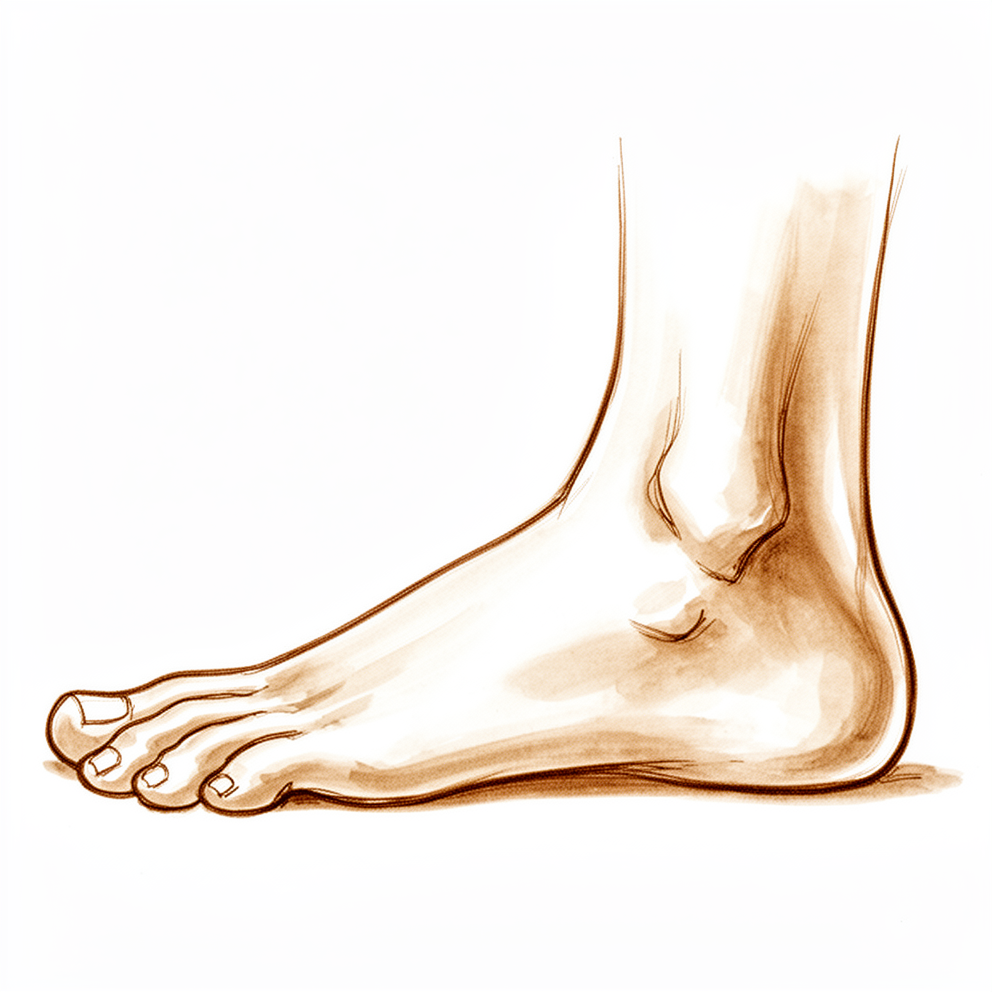
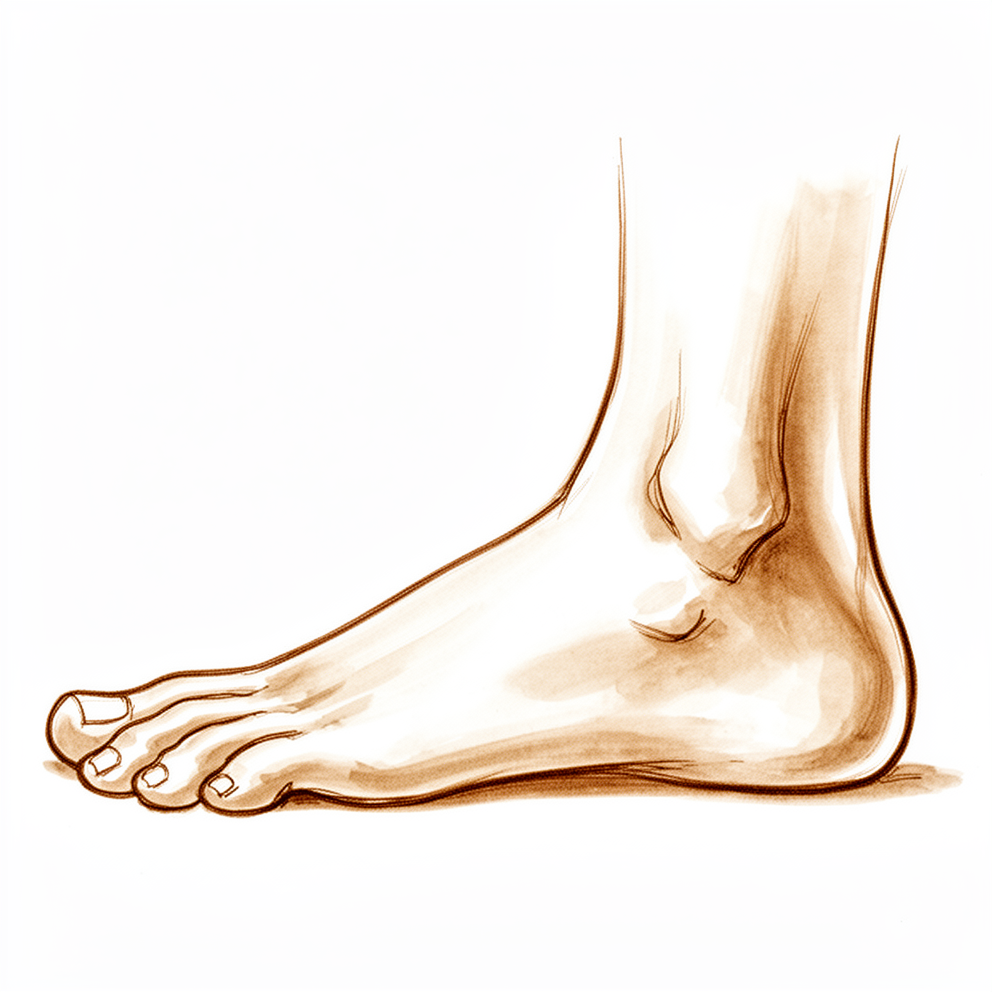
Accurate evaluation and appropriate treatment of adult flatfoot require careful clinical and radiographic evaluation, coupled with a thorough understanding of the anatomy and biomechanics of the foot [23]. The textbook chapter provides a descriptive overview of foot and ankle biomechanics, gait analysis, and treatment principles for common nail disorders [84]. The anatomy of the lower extremity relates directly to the ability to run, the running gait cycle, and abnormal anatomy and biomechanics related to running injuries [95].

Osseous and Soft Tissue Anatomy

The paper describes the normal anatomy and biomechanics of the lesser toes [96]. It also describes the pathology of commonly adult lesser toe deformities [96]. The existence of the Achilles tendon and ankle position have a great influence on the kinematic coupling relationship between tarsal bones [86]. Increased stiffness of the Achilles tendon has no influence on the kinematic coupling relationship between tarsal bones [86].

Kinematics and Gait Analysis

Foot bone motion can be described using a biomechanically near-physiological gait simulator with 6 degrees of freedom of the tibia [38]. Dynamic fluoroscopy combined with a plantar pressure plate can obtain in vivo viscoelastic properties and other data of the heel pad during actual gait [64]. Subject-specific, dynamic, multisegment ankle and foot models can be generated to develop linked inverse dynamic and forward dynamic biomechanical foot models for predicting the effect of and improving the efficacy of orthotic devices [70].

The study clarified rearfoot, midfoot, and forefoot kinematics when running in participants with normal foot and flatfoot [87]. The term 'adaptation of running biomechanics' reflects the outcome of an intervention rather than a final adaptation to barefoot running [88]. Changing toe direction significantly affects knee kinetics and kinematics during landing [25]. Gait biomechanics after total knee arthroplasty are not restored to normal [76]. The kinematics of cruciate stabilising (CS) and cruciate retaining (CR) total knee joint replacements are comparable [90].

Significant differences between soccer players with and without chronic ankle instability were seen in the support leg kinematics at flat-foot contact with the ground during the kicking cycle [99]. There is a statistically significant correlation between morphological variables of the foot and postural stability in children aged 10–15 years [93]. Altered sagittal plane biomechanics were observed in female adolescents during a jump-landing task [104]. Altered sagittal plane biomechanics were not observed in male adolescents during a jump-landing task [104].

Ligamentous and Tendon Integrity

All four side-to-side suture configurations for tenorrhaphy sustained loads well above physiologic loads expected in tendons in the foot and ankle [89]. None of the four side-to-side suture configurations for tenorrhaphy distended appreciably during cyclic loading [89]. Accurate diagnosis of anatomy, biomechanics, and soft tissue structures is fundamental to correctly identify patients requiring conservative or surgical treatment to prevent chronic ankle instability [101].

Neurological and Pain Syndromes

Cognitive functional therapy achieved better improvements in gait kinetics compared to movement system impairment treatment in chronic low back pain patients [103].

Classification

Classification systems and the identification of differences among products are necessary to understand the implications of variability in Platelet-rich Plasma orthopaedic applications [20]. For iatrogenic bone and soft tissue trauma in robotic-arm assisted total knee arthroplasty, the MASTI classification system was commended, though specific data mismatches in tables, patient count discrepancies, and typographical errors require clarification and re-evaluation [33]. A simple 4-part classification system based on local and systemic factors demonstrates significant differences between complex groups and standard patients in terms of complication rates and length of stay for primary knee arthroplasty [41].

ROCK: The ROCK Osteochondritis Dissecans knee arthroscopy classification system facilitates multi-center studies for OCD [52]. A simpler classification system for osteochondritis dissecus could be widely applicable because the results could more accurately drive clinical treatment decision making for clinicians [63].

Tibial Plateau: Employing individualized classification systems remains the most logical approach for tibial plateau fractures [55].

OMT: The Oberg, Manske, and Tonkin (OMT) classification system was straightforward to use and allowed for the classification of all individuals in a study of congenital upper limb anomalies [61].

Kinematic Alignment TKA: A proposed classification system describes six specific issues to consider for implanting TKA with the Kinematic Alignment technique, with specific recommendations for each situation type to improve the reliability of prosthetic implantation [66].

Femoral Bone Defects (Revision THA): A consensus on a comprehensive and reliable classification system and management algorithm for femoral bone defects in revision total hip arthroplasty is still lacking [68].

Condylar-Stabilized TKA: A classification system for condylar-stabilized designs in total knee arthroplasty allows for appropriate grouping and comparison of distinct CS implants [69].

Lateral Discoid Meniscus: A novel classification system that more comprehensively and descriptively characterizes the spectrum of lateral discoid meniscus pathology demonstrated moderate or substantial agreement in most diagnostic categories analyzed [72].

Cemented Femoral Stem: A new four-part classification system is proposed to aid in the comparison of results and better understanding of implant biomechanics for cemented femoral stem design and cementation techniques [77].

Classification systems must be both reliable and valid to be useful; however, because confirming validity is difficult, a minimum criterion for acceptance is a high degree of both interobserver and intraobserver reliability [71]. General ICU scoring systems are useful for risk adjustment for research, administrative, and quality improvement purposes in critically injured adults [45]. Epidemiology and non-epidemiology-trained reviewers can apply the levels-of-evidence guide to published studies with acceptable interobserver agreement, though the validity of this system remains a question for future research [46].

Clinical Presentation

Diagnostic Limitations: Clinical findings in isolation demonstrate inadequate diagnostic performance for acute compartment syndrome, with sensitivity ranging from 13% to 54% [21]. Similarly, patients presenting with signs and symptoms of subacromial pain syndrome exhibit a high prevalence of conflicting and concomitant diagnoses [34]. In pediatric populations, a meta-analysis based on cohort studies found no differences in patient characteristics and clinical symptoms between groups of children with culture-negative osteoarticular infections [36].

Symptomatology and Demographics: Heterogeneity in study, subject, and surgical demographics precluded the assimilation of protocols and/or outcomes to generate evidence-based guidelines for rehabilitation following hip arthroscopy [1]. The most influential studies in sports-related concussion focus most heavily on symptomatology and epidemiology/demographics [39]. Understanding sex-based differences in the incidence, clinical presentation, and functional outcomes of common sports injuries is important to optimize musculoskeletal care and improve treatment outcomes [47].

Return-to-Play Protocols: A range of symptom severity endorsement was observed at the initiation of a graduated return-to-play protocol, with higher endorsement among those with higher baseline symptom endorsement and select demographic and medical history factors [19].

Investigations

Plain radiography: Repeat radiographic assessment 2-3 weeks post-injury is supported prior to making definitive treatment decisions for completely displaced adolescent clavicle fractures, as shortening can change in the first 2 weeks [107]. Radiological evaluation protocols for calcaneal fractures require evaluation of more aspects than currently used, according to a Delphi consensus [91]. Functional scores and radiological outcomes were improved in the surgical treatment of patellar instability in children with Down syndrome [106].

MRI: MRI serves as a noninvasive tool that overcomes the shortcomings of radiography by detecting preclinical disease and subtle early abnormalities, evolving as a complete answer for cartilage-imaging requirements for lesion description, treatment planning, and outcome measurement [102]. MRI during the initial management of lower limb fractures associated with multiligament knee injury can lead to better outcomes [92]. Magnetic resonance imaging is emerging as a valuable tool to confirm the diagnosis and guide treatment for fatigue fractures of the femoral neck in athletes [109]. Optimal MRI sequences for characterizing and diagnosing individual syndesmotic structures in asymptomatic and injured cohorts should be clinically implemented to aid in future pre-operative planning and post-operative assessment [111]. MRI at 12 months can predict longer-term clinical outcomes up to 17 years after autologous chondrocyte implantation [113]. Clinical results for the treatment of osteochondral talar lesions with mesenchymal cells on a collagen scaffold were supported by MR images study [116]. The first report of osteochondral allograft transplant of the patella using femoral condylar allografts showed encouraging short-term clinical and MRI results, while improved matching is noted as desirable [112]. MRI-based imaging results for osteochondral lesion repair using MaioRegen® allograft require clarification by mid-term studies [59].

CT: CT parameters were independent of clinical or patient variables within the study population for evaluation of osseous incorporation after osteochondral allograft transplantation, with osseous incorporation identified as the most reliable CT parameter [105].

Other Considerations: Clinical and radiological outcomes for arthroscopic distal tibial allograft with endobutton fixation for anterior shoulder instability were excellent at 2 years, though this is interpreted in the context of a high lost to follow-up rate [15]. Abnormal preoperative MRI findings do not influence the outcome of unicompartmental knee arthroplasty (UKA) when modern radiographic and clinical criteria are met [30]. There is a limited correlation between structural and clinical outcomes in autologous osteochondral transfer, as clinical outcomes improved despite stable MRI findings at a mean 4-year follow-up [85]. No definite relevance was observed between image findings and functional outcome in the assessment of the anterolateral ligament of the knee after primary versus revision anterior cruciate ligament reconstruction [110]. Magnetic Resonance Imaging-based 3-dimensional models of the pelvis and hip using machine learning for automatic bone segmentation in dynamic hip impingement simulation are feasible with routine MRI and short image acquisition time [97]. Prospective studies are needed to critically evaluate the diagnostic utility of imaging to avoid unnecessary CT/MRI for economic and radiation protection reasons, while ensuring imaging is not omitted in indicated cases [98].

Treatment

General Principles & Study Design

Heterogeneity in study, subject, and surgical demographics precluded assimilation of protocols and/or outcomes to generate evidence-based guidelines for rehabilitation following hip arthroscopy [1]. Patients' characteristics and indications for surgery were not described in a majority of clinical outcome studies of rotator cuff repair [2]. Indications and contraindications for three-dimensional metallic implants for reconstruction of critical bone defects after trauma will continue to be refined as more outcomes data become available [6]. Clinical results for total knee arthroplasty using hinge joints generally depend on implant design, appropriate technical use, and adequate indications [29]. Confounding by indication and patient selection bias make it difficult to compare dual-mobility cups with conventional total hip arthroplasty (THA) designs based on registry data alone [60].

Essential methodological criteria for clinical trials evaluating new therapeutic approaches in bone and joint surgery include prospective design with concurrent controls, random allocation, and blind assessment [56]. Understanding the difference between efficacy and effectiveness in clinical trials is important for interpreting results and deciding if conclusions can inform clinical practice [62]. Reclassification using standardized definitions demonstrated changes in reported treatment efficacy for periprosthetic joint infections in oncologic endoprostheses [65]. Heterogeneity limits the generalizability of findings regarding antibiotic treatment length for periprosthetic joint infection, requiring further high-quality, standardized research to determine optimal treatment lengths [67]. Well-designed, controlled, randomized, blinded, and adequately powered clinical trials are needed to answer basic questions regarding treatment effectiveness [73].

The hierarchy of evidence, quality indicators, and the balance between efficacy and effectiveness should guide clinicians in appraising intervention studies and applying evidence to individual patients [80]. Well-conducted non-randomised studies, including case-series and observational cohort studies, can provide reasonably valid answers to clinically important questions regarding safety and effectiveness when RCTs are not feasible, provided methodological strengths and weaknesses are carefully considered [81]. A 2-year minimum follow-up period is generally preferred to ensure methodologic rigor and meaningful assessment of treatment durability, but shorter durations may be justified when clinical outcomes plateau earlier depending on the research question, diagnosis, treatment, and primary outcome measure [82]. High proportions of retrospectively registered or unregistered trials and a very high proportion of inconsistencies in reporting of primary outcomes compared to trial registries were found in the Journal of Arthroplasty [83].

Non-Operative Management

Both operative and nonoperative management of medial collateral ligament (MCL) tears demonstrated clinical improvements between study enrollment and 2-year follow-up [100]. Non-operative treatment for completely displaced clavicle fractures in teenagers is supported by nearly perfect outcomes, questioning the role of acute operative management given its associated risks and costs [108]. No significant difference was seen between outcomes of patients with stable juvenile osteochondritis dissecans lesions of the knee treated with non-operative methods including unloader bracing versus non-unloader bracing or other modalities [115]. Nonoperative treatment should be performed early for optimal outcomes in the nonoperative treatment of rotator cuff tears [130].

Non-operative treatment is preferable for Ehlers-Danlos syndromes, but specific joint stabilization and nerve decompression procedures can provide symptomatic relief for carefully selected patients when conservative measures fail [124]. Nonoperative management is recommended initially for Morton’s interdigital neuroma, while operative treatment is indicated after nonoperative management has failed [126]. Nonoperative treatment is almost always initiated for primary and posttraumatic arthritis of the elbow, although surgical treatment may be indicated in cases refractory to conservative management [128].

Nonoperative management or delayed surgery for distal semimembranosus tendon avulsions may result in poor outcomes [117]. Conservative treatment or non-anatomical repair of the distal tendon of the biceps brachii results in significant loss of supination strength and variable loss of flexion strength [118]. Elbows that did not undergo surgery for osteochondritis dissecans of the capitellum had slightly increased symptoms and decreased functional outcomes compared to those treated surgically, though an initial trial of non-operative treatment did not adversely impact the success of future surgery at long-term follow-up [121]. The study was unable to identify any difference in patient-reported outcome measures (LEFS) between surgically and non-surgically treated patients with proximal hamstring avulsions in middle-aged patients [127]. Both nonsurgical management (immobilization and nonweight bearing) and surgical management (open reduction and internal fixation) have demonstrated good results for navicular stress fractures [129].

Operative Management

Specific joint stabilization and nerve decompression procedures can provide symptomatic relief for carefully selected patients with Ehlers-Danlos syndromes when conservative measures fail [124]. Operative treatment is indicated for Morton’s interdigital neuroma after nonoperative management has failed [126]. Surgical treatment may be indicated for primary and posttraumatic arthritis of the elbow in cases refractory to conservative management [128]. Surgical management (open reduction and internal fixation) has demonstrated good results for navicular stress fractures [129].

Complications

Other Considerations: Long-term longitudinal studies are warranted to determine if head impacts in youth football influence long-term health [3]. Long-term follow-up is necessary to evaluate differences in long-term durability between gap balancing and measured resection techniques in simultaneous bilateral total knee arthroplasty [4]. There is a paucity of studies showing long-term differences in functional outcomes or implant survivorship for robotic unicompartmental knee arthroplasty, requiring further clinical studies to establish how statistical differences in accuracy translate to long-term outcomes [7]. Longer-term follow-up is required to determine whether the excellent results of isolated polyethylene insert exchange for flexion instability after primary total knee arthroplasty are durable over time [8]. Longer term follow-up data are needed to more adequately assess the outcomes and durability of ulnar collateral ligament repair with collagen-coated suture tape augmentation [9]. Further studies with structured study protocols are needed to better understand risk factors for infection following fractures of the proximal tibia to improve treatment outcomes [10]. Further follow-up studies are needed to determine the long-term outcomes of open repair of quadriceps tendon with suture anchors and semitendinosus tendon allograft augmentation [11]. Studies of natural history and retrospective studies of treatment for scoliosis and kyphosis should adopt a 10-degree difference as an indication of a true change in radiographic measurements [12]. Lower rates of ceramic femoral head use in non-white patients in the United States did not translate into worse clinical outcomes on short-term follow-up [13]. A higher powered and long-term study with validated patient-reported outcomes is needed to confirm observations regarding patient-reported outcomes following fixation of Jones fractures in elite athletes with BMAC [14]. The natural history of osteoarthritic patients undergoing primary TKA or THA includes data on the fate of remaining knee(s) or hip(s), providing data to accurately advise patients about the natural history of their disease in other joints [16]. The natural history of neonatal brachial palsy with absent biceps function at three months of age provides a benchmark for comparing outcomes with microsurgical repair [17]. Melorheostosis progresses in both childhood and adult life, often causing contractures, deformities, and pain that may require surgical treatment but frequently progress despite intervention [18]. Further prospective comparative studies reporting long-term outcomes are needed for medial unicompartmental knee replacement after failed high tibial osteotomy, as high-level studies on this topic are lacking [50]. Further clinical studies are needed to clarify the long-term outcomes of titanium versus carbon fiber peek intramedullary nailing for impending or pathologic fracture of the long bone [79]. Despite recent advances in understanding the epidemiology, biomechanics, pathophysiology, long-term effects, associated risks, and natural history of concussive brain injury, no proven effective therapies or preventative measures exist [94]. The morbidity and mortality after radical cystectomy in the studied series are comparable to large published series [114]. Registry studies use inconsistent methods to account for patients lost to follow-up, and rates of patients lost to follow-up are unacceptably high [119]. The natural history of Achilles tendinopathy is typically a long protracted course where management focuses on physiotherapy; while exercises improve function in the majority, 40% of patients report ongoing pain even after five years of therapy [123]. In a study of spine-fusion operation for tuberculosis of the spine, 100 out of 192 patients were followed for five years or more, with the remaining patients followed for less time or having died [125].

Recovery

Light activity (weeks): Evidence does not provide specific week ranges for light activity, desk work, or driving across the cited studies.

Full activity (months): Evidence does not provide specific month ranges for manual work, sport, or full range of motion/strength return across the cited studies.

Complete recovery / outcome plateau (months): Long-term follow-up is necessary to evaluate differences in long-term durability between gap balancing and measured resection techniques in simultaneous bilateral total knee arthroplasty [4]. Further clinical studies are required to establish how statistical differences in accuracy translate to long-term outcomes for robotic unicompartmental knee arthroplasty [7]. Longer-term follow-up is required to determine whether the excellent results of isolated polyethylene insert exchange for flexion instability after primary total knee arthroplasty are durable over time [8]. Longer term follow-up data are needed to more adequately assess the outcomes and durability of ulnar collateral ligament repair with collagen-coated suture tape augmentation [9]. Further follow-up studies are needed to determine the long-term outcomes of open repair of quadriceps tendon with suture anchors and semitendinosus tendon allograft augmentation [11]. A higher powered and long-term study with validated patient-reported outcomes is needed to confirm observations regarding Jones fracture fixation with BMAC in elite athletes [14]. Long-term clinical and radiographic follow-up is necessary to determine the natural history of asymptomatic talar bone marrow edema in professional ballet dancers [137].

Rehabilitation protocol: Evidence does not provide specific details on physical therapy phasing, immobilisation duration, weight-bearing/ROM progression, or sling/brace removal timing across the cited studies.

Functional milestones: Midterm follow-up of primary meniscal allograft transplantation in the adolescent population resulted in predictable improvements in functional outcomes maintained at an average follow-up of 9.5 years [74]. Functional outcomes for very long-term post-traumatic bone defect reconstruction by the induced membrane technique can be expected to be satisfactory despite the retrospective design and loss to follow-up [58]. Clinical and radiological outcomes for arthroscopic distal tibial allograft with endobutton fixation for anterior shoulder instability were excellent at 2 years, but this should be interpreted in the context of a high lost to follow-up rate in the cohort [15].

Other Considerations: Long-term studies are warranted to determine if head impacts in youth football influence long-term health [3]. There is a paucity of studies showing long-term differences in functional outcomes or implant survivorship for robotic unicompartmental knee arthroplasty, and further clinical studies are required to establish how statistical differences in accuracy translate to long-term outcomes [7]. Studies of natural history and retrospective studies of treatment should adopt a 10-degree difference as an indication of a true change in scoliosis and kyphosis radiographs [12]. Differences in ceramic femoral head use rates among non-white patients did not translate into worse clinical outcomes on short-term follow-up [13]. The study on the fate of remaining knee(s) or hip(s) in osteoarthritic patients includes the largest cohort and longest follow-up time ever reported, providing data to accurately advise patients about the natural history of their disease in other joints [16]. The natural history of neonatal brachial palsy with absent biceps function at three months of age provides a benchmark for comparing outcomes with microsurgical repair [17]. Melorheostosis progresses in both childhood and adult life, often causing contractures, deformities, and pain that may require surgical treatment but frequently progress despite intervention [18]. In analysis of time-to-event outcomes, defining comparison groups based on an exposure that occurs after the beginning of the study follow-up results in a period of immortal time [131]. From a cohort of consecutive patients from a tertiary referral centre, no prognostic demographic or lesion factors for procedure survival could be identified for arthroscopic bone marrow stimulation for osteochondral lesions of the talus at 15 years [132]. Long-term survival of femoral stems in total hip prostheses was associated with a tumor-free interval of more than two years and one to four thoracotomies at which few foci were present [133]. Prognosis for neonatal septic arthritis is significantly influenced by follow-up duration, anatomic site of involvement (particularly the hip), and the timeliness of intervention [134]. Unicompartmental knee arthroplasty caseload and usage can achieve results similar to long-term series with an average 10-year survival of 94% [135]. Prognosis for malignant hemangioendothelioma of bone is poor, with a five-year survival for only two of the six patients in the series [136].

Key Evidence

  • [L2] Heterogeneity in study, subject, and surgical demographics precluded assimilation of protocols and/or outcomes to generate evidence-based guidelines. (10.3389/fsurg.2015.00021)
  • [L3] The patients' characteristics and indications for surgery were not described in a majority of clinical outcome studies of rotator cuff repair. (10.1007/s11999-008-0585-9)
  • [L2] Longitudinal studies are warranted to determine if these impacts influence long-term health. (10.1177/2325967119s00001)
  • [L1] Long-term follow-up will be necessary to evaluate any differences in long-term durability. (10.1016/j.arth.2019.10.002)
  • [Paper] The purpose of this review is to discuss which factors lead to impactful conclusions and clinical change, including the role of outcome selection, study design, presentation of results, and stakeholder involvement. (10.1016/j.injury.2019.10.082)
  • [L5] With increased use and as more outcomes data become available, indications and contraindications will continue to be refined and best practices established. (10.5435/jaaos-d-22-00676)
  • [L4] However, there is a paucity of studies showing long-term differences in functional outcomes or implant survivorship, and further clinical studies are required to establish how statistical differences in accuracy translate to long-term outcomes. (10.1302/2058-5241.5.190089)
  • [L4] Longer-term follow-up is required to determine whether these results are durable over time. (10.1016/j.arth.2020.01.006)
  • [L4] Longer term follow-up data are needed to more adequately assess the outcomes and durability of this procedure. (10.1177/23259671211038320)
  • [L1] Further studies with structured study protocols should be performed for a better understanding of risk factors to improve treatment outcomes. (10.1186/s12891-017-1847-z)
  • [Paper] However, further follow-up studies are needed to determine the long-term outcomes of these patients. (10.1016/j.eats.2017.08.005)
  • [L4] Studies of natural history and retrospective studies of treatment should adopt a 10-degree difference as an indication of a true change. (10.2106/00004623-199072030-00003)
  • [L3] These differences did not translate into worse clinical outcomes on a short-term follow-up. (10.1016/j.arth.2022.03.050)
  • [L3] A higher powered and long-term study with validated patient-reported outcomes is needed to confirm our observations. (10.1177/2325967118s00160)
  • [L3] Clinical and radiological outcomes were excellent at 2 years, but this should be interpreted in the context of a high lost to follow-up rate in this cohort. (10.1016/j.arthro.2024.11.028)
  • [L3] This study includes the largest cohort and longest follow-up time ever reported, providing data to accurately advise patients about the natural history of their disease in other joints. (10.1016/j.arth.2012.10.008)
  • [L2] A range of symptom severity endorsement was observed at GRTP protocol initiation, with higher endorsement among those with higher baseline symptom endorsement and select demographic and medical history factors. (10.1177/0363546520913252)
  • [L4] Classification systems and identification of differences among products are needed to understand the implications of variability. (10.5435/jaaos-21-12-739)
  • [L4] Clinical findings in isolation have inadequate diagnostic performance characteristics with sensitivity ranging from 13% to 54%. (10.2106/jbjs.rvw.17.00016)
  • [L5] Careful clinical and radiographic evaluation, coupled with a thorough understanding of the anatomy and biomechanics of the foot, will allow accurate evaluation and appropriate treatment. (10.5435/00124635-199509000-00005)
  • [L1] The efficacy of future RCTs can be enhanced by randomizing patients in specific patient cohorts stratified to age and gender in multicenter RCTs. (10.1007/s11999-010-1459-5)
  • [L4] Changing toe direction significantly affects knee kinetics and kinematics during landing. (10.1007/s00167-013-2815-2)
  • [L3] The study shows that clinical outcomes of patients aged 50 and younger who underwent RTSA are comparable to those of aged at least 65 and presenting matched indications. (10.1016/j.jisako.2025.100759)
  • [L4] Providers and registries should consider the relative prevalence of published outcome measures when selecting which PROMs to use, to better facilitate future cross-study comparison. (10.1016/j.arth.2018.06.034)
  • [L4] Clinical results generally depend on implant design, appropriate technical use, and adequate indications. (10.1302/2058-5241.4.180056)
  • [L3] The results of this study suggest abnormal preoperative MRI findings do not have an influence on the outcome of UKA when modern radiographic and clinical criteria are met. (10.1016/j.arth.2013.05.011)
  • [L1] However, studies lacked standardized objective selection criteria for the procedure and the available data was predominantly retrospective, with high heterogeneity and variation in outcome reporting. (10.1016/j.arth.2023.10.027)
  • [L5] The authors commend the MASTI classification system and the original study's findings but highlight specific data mismatches in tables, patient count discrepancies, and typographical errors that require clarification and re-evaluation. (10.1016/j.arth.2024.02.061)
  • [L3] Patients presenting with signs and symptoms of subacromial pain syndrome have a high prevalence of conflicting and concomitant diagnoses. (10.1177/23259671251332942)
  • [L3] However, no differences in patient characteristics and clinical symptoms were found between the two groups. (10.1530/eor-24-0048)
  • [Paper] In designing a study protocol, the selection of instruments to measure health outcomes should be guided by careful consideration of the rationale and objectives of the study, ensuring instruments capture a comprehensive representation of health and are reliable, valid, and responsive to change. (10.1016/j.injury.2010.11.049)
  • [L5] This study described foot bone motion using a biomechanically near-physiological gait simulator with 6 DOF of the tibia. (10.1186/s13018-020-01830-3)
  • [L4] The most influential studies in sports-related concussion are predominantly cohort studies (Level IV evidence) and descriptive articles (Level V evidence) published in the United States after 2006, with current research focusing most heavily on symptomatology and epidemiology/demographics. (10.1016/j.asmr.2021.06.016)
  • [L3] A simple 4-part classification system based on local and systemic factors demonstrates significant differences between complex groups and standard patients in terms of complication rates and length of stay. (10.1016/j.arth.2008.02.010)
  • [L3] In this subset a more general ICU scoring system is useful for risk adjustment for research, administrative and quality improvement purposes. (10.1016/j.injury.2009.03.004)
  • [L4] Epidemiology and non-epidemiology-trained reviewers can apply the levels-of-evidence guide to published studies with acceptable interobserver agreement, though the validity of this system remains a question for future research. (10.2106/00004623-200408000-00016)
  • [L5] Understanding sex-based differences in the incidence, clinical presentation, and functional outcomes of common sports injuries is important to optimize musculoskeletal care and improve treatment outcomes. (10.5435/jaaos-d-16-00607)
  • [L4] Clinical results and survivorship were very good despite widened indications, giving an overall retrospective evaluation similar to primary hip implants. (10.1530/eor-2025-0056)
  • [L4] Further prospective comparative studies reporting long-term outcomes are needed, as high-level studies on this topic are lacking. (10.1530/eor-21-0133)
  • [L5] Advancements in prosthesis design, expanding indications, a trend toward younger patient populations, and the management of postoperative complications are anticipated to emerge as research hotspots. (10.1530/eor-23-0106)
  • [L4] This classification system will facilitate multi-center studies for OCD. (10.1177/2325967113s00074)
  • [L2] Therefore, employing individualized classification systems remains the most logical approach at present. (10.1530/eor-2024-0184)
  • [L5] The article outlines essential methodological criteria for clinical trials, including prospective design with concurrent controls, random allocation, and blind assessment, to ensure new therapeutic approaches are adequately evaluated before widespread clinical introduction. (10.2106/00004623-198567080-00027)
  • [Commentary] Large database studies and registries are robust approaches for answering questions regarding rare adverse events, resource utilization, and real-world endpoints that RCTs cannot address, provided they are methodologically robust and present counterintuitive findings or specific suggestions to improve care. (10.1007/s11999-015-4223-z)
  • [Paper] Functional outcomes can be expected to be satisfactory despite the retrospective design and loss to follow-up. (10.1016/j.otsr.2018.11.012)
  • [L4] MRI based imaging results need further clarification by mid term studies. (10.1177/2325967116s00046)
  • [L1] The authors note that confounding by indication and patient selection bias make it difficult to compare the two groups based on registry data alone. (10.1097/corr.0000000000002275)
  • [L3] The OMT classification system was straightforward to use and allowed for the classification of all individuals. (10.1016/j.jhsa.2014.10.038)
  • [L5] Understanding the difference between efficacy and effectiveness in clinical trials is very important in interpreting the results, and deciding if you can use the conclusions to inform your clinical practice. (10.1302/0301-620x.99b4.bjj-2016-1247)
  • [L4] This simpler classification system could be widely applicable because the results could more accurately drive clinical treatment decision making for clinicians. (10.1177/2325967120s00262)
  • [L4] By using dynamic fluoroscopy combined with the plantar pressure plate, the in vivo viscoelastic properties and other data of the heel pad in the actual gait can be obtained. (10.1186/s12891-022-05197-w)
  • [L2] Reclassification using standardized definitions demonstrated changes in reported treatment efficacy. (10.5435/jaaos-d-25-00523)
  • [L5] The proposed classification system describes six specific issues to consider, with specific recommendations for each situation type to improve the reliability of prosthetic implantation. (10.1302/2058-5241.6.210042)
  • [L5] Despite promising findings, heterogeneity limits generalizability, and further high-quality, standardized research is required to determine optimal treatment lengths. (10.1302/0301-620x.107b11.bjj-2025-0374.r2)
  • [L4] A consensus on a comprehensive and reliable classification system and management algorithm is still lacking. (10.1530/eor-21-0088)
  • [L4] The classification developed allows for appropriate grouping and comparison of distinct CS implants. (10.1016/j.arth.2025.05.039)
  • [L4] This protocol will lead to the generation of unique datasets which will be used to develop linked inverse dynamic and forward dynamic biomechanical foot models that may be beneficial in predicting the effect of and thus improving the efficacy of orthotic devices for the foot and ankle. (10.1186/1471-2474-12-256)
  • [L5] Classification systems must be both reliable and valid to be useful; however, because confirming validity is difficult, a minimum criterion for acceptance is a high degree of both interobserver and intraobserver reliability. (10.5435/00124635-200207000-00007)
  • [L4] A novel classification system that more comprehensively and descriptively characterizes the spectrum of LDM pathology demonstrated moderate or substantial agreement in most diagnostic categories analyzed. (10.1177/2325967120s00244)
  • [L4] At midterm follow-up, primary MAT in the adolescent population resulted in predictable improvements in functional outcomes maintained at an average follow-up of 9.5 years. (10.1177/2325967123s00060)
  • [L5] Future studies should prospectively evaluate the effectiveness of individual or combined identified aspects for their influence on patient adherence in longitudinal study designs. (10.1186/s12891-023-06724-z)
  • [L3] Gait biomechanics after TKA are not restored to normal. (10.1016/j.arth.2017.09.061)
  • [L4] The authors propose a new four-part classification system to aid in the comparison of results and better understanding of implant biomechanics. (10.1302/2058-5241.5.190034)
  • [L5] The conclusions drawn by the authors of the original study must be interpreted with caution due to limitations in study design, patient representativeness, and lack of data on efficacy, safety, and quality of life. (10.1016/j.arth.2017.10.003)
  • [L3] Further clinical studies are needed to clarify the long-term outcomes of these implants. (10.1530/eor-22-0001)
  • [Paper] The article reviews the hierarchy of evidence, quality indicators, and the balance between efficacy and effectiveness to guide clinicians in appraising intervention studies and applying evidence to individual patients. (10.1016/j.csm.2018.03.008)
  • [L5] Well-conducted non-randomised studies, including case-series and observational cohort studies, can provide reasonably valid answers to clinically important questions regarding safety and effectiveness when RCTs are not feasible, provided methodological strengths and weaknesses are carefully considered. (10.1016/j.injury.2006.01.026)
  • [L5] While a 2-year minimum follow-up period is generally preferred to ensure methodologic rigor and meaningful assessment of treatment durability, the authors encourage authors to justify shorter durations when clinical outcomes plateau earlier, depending on the research question, diagnosis, treatment, and primary outcome measure. (10.1016/j.arthro.2025.08.019)
  • [L4] High proportions of retrospectively registered or unregistered trials and a very high proportion of inconsistencies in reporting of primary outcomes compared to the trial registries were found. (10.1016/j.arth.2022.02.105)
  • [L4] The further improvement in clinical outcomes, despite stable MRI findings, suggests a limited correlation between structural and clinical outcomes. (10.1177/23259671251356267)
  • [L5] The existence of the Achilles tendon and ankle position have a great influence on the kinematic coupling relationship between tarsal bones, while increased stiffness of the Achilles tendon has no influence. (10.1186/s13018-020-01728-0)
  • [L3] The study aimed to clarify rearfoot, midfoot, and forefoot kinematics when running in participants with normal foot and flatfoot. (10.1002/jor.24877)
  • [L5] The authors conclude that the terminology used in their study does not interfere with the interpretation of their results, as the term 'adaptation of running biomechanics' reflects the outcome of their intervention rather than a final adaptation to barefoot running. (10.1177/0363546519878154)
  • [L5] All four side-to-side configurations sustained loads well above physiologic loads expected in tendons in the foot and ankle, and none distended appreciably during cyclic loading. (10.2106/jbjs.l.01552)
  • [L1] The kinematics of CS and CR TKJR are comparable. (10.1177/2325967116s00091)
  • [Paper] This Delphi consensus shows that more aspects require evaluation than currently used in radiological evaluation protocols. (10.1007/s00402-013-1823-5)
  • [L4] We consider an MRI during the initial management can lead to better outcomes. (10.1177/2325967117s00029)
  • [L4] There is a statistically significant correlation between morphological variables of the foot and postural stability. (10.1186/s12891-019-2923-3)
  • [L5] Despite recent advances in understanding the epidemiology, biomechanics, pathophysiology, long-term effects, associated risks, and natural history of concussive brain injury, no proven effective therapies or preventative measures exist. (10.1016/j.csm.2010.09.008)
  • [Paper] This article discusses the anatomy of the lower extremity as it relates to the ability to run, the running gait cycle, and abnormal anatomy and biomechanics related to running injuries. (10.1016/j.csm.2011.10.001)
  • [L5] The paper describes the normal anatomy and biomechanics of the lesser toes, the pathology of commonly adult deformities, and discusses the rationale behind various treatment strategies, proposing management algorithms based on current literature. (10.1302/2058-5241.1.160017)
  • [L3] The method was feasible with routine MRI and a short image acquisition time. (10.1177/23259671251334138)
  • [L4] The study highlights the need for prospective studies to critically evaluate the diagnostic utility of imaging, as economic and radiation protection reasons suggest avoiding unnecessary CT/MRT, while their omission in indicated cases is also unjustified. (10.1007/s00120-009-2207-x)
  • [L4] Significant differences between players with and without CAI were seen in the support leg kinematics at flat-foot contact with the ground during the kicking cycle. (10.1177/23259671221112966)
  • [L3] Both operative and nonoperative management of MCL tears demonstrated clinical improvements between study enrollment and 2-year follow-up. (10.1177/2325967117s00126)
  • [L5] Accurate diagnosis of anatomy, biomechanics, and soft tissue structures is fundamental to correctly identify patients requiring conservative or surgical treatment to prevent chronic ankle instability. (10.1177/23259671211021352)
  • [L5] MRI is evolving as a complete answer to cartilage-imaging requirements for lesion description, treatment planning, and outcome measurement, serving as a noninvasive tool that overcomes the shortcomings of radiography by detecting preclinical disease and subtle early abnormalities. (10.2106/jbjs.rvw.15.00093)
  • [L1] CFT also achieved better improvements in gait kinetics. (10.1186/s12891-023-06815-x)
  • [L3] Altered sagittal plane biomechanics were observed in female adolescents, but not in male adolescents during a jump-landing task. (10.1177/2325967120s00281)
  • [L4] CT parameters were independent of clinical or patient variables within the study population, and osseous incorporation was the most reliable CT parameter. (10.1177/23259671211022682)
  • [L4] Functional scores and radiological outcomes were improved. (10.1186/s13018-024-04730-y)
  • [L3] The findings of this study support repeat radiographic assessment 2-3 weeks post-injury prior to making definitive treatment decisions. (10.1177/2325967121s00455)
  • [L2] This study further supports the role of non-operative treatment for teenagers, with nearly perfect outcomes reported bringing into question the role of acute operative management of these fractures given its associated risks and costs. (10.1177/2325967123s00041)
  • [L4] Magnetic resonance imaging is emerging as a valuable tool to both confirm the diagnosis and guide treatment. (10.5435/00124635-199711000-00001)
  • [L3] Regardless of observational differences between the 2 groups, no definite relevance was observed between the image and the functional outcome. (10.1177/23259671211026237)
  • [L4] The authors propose that the optimal MRI sequences defined in this study be clinically implemented to aid in future pre-operative planning and post-operative assessment. (10.1177/2325967114s00075)
  • [L5] The authors conclude that while improved matching is desirable, the first report of this technique showed encouraging short-term clinical and MRI results. (10.1177/23259671211000096)
  • [L3] MRI at 12 months can predict longer-term clinical outcomes after ACI. (10.1177/2325967118788280)
  • [L4] The morbidity and mortality in the studied series are comparable to large published series. (10.1007/s00120-013-3401-4)
  • [L4] No significant difference was seen between outcomes of patients treated with non-operative methods that included unloader bracing versus non-unloader bracing or other modalities. (10.1177/2325967116s00198)
  • [L4] The clinical results has been supported by MR images study. (10.1016/j.arthro.2020.12.069)
  • [L4] Nonoperative management or delayed surgery may result in poor outcomes. (10.1177/2325967117731102)
  • [L4] Conservative treatment or non-anatomical repair results in significant loss of supination strength and variable loss of flexion strength. (10.2106/00004623-198567030-00011)
  • [L2] Registry studies use inconsistent methods to account for patient lost to follow-up, and rates of patients lost to follow-up are unacceptably high. (10.1016/j.asmr.2021.07.016)
  • [L3] Elbows that did not undergo surgery had slightly increased symptoms and decreased functional outcomes compared to those treated surgically, though an initial trial of non-operative treatment did not adversely impact the success of future surgery at long term follow-up. (10.1177/2325967123s00024)
  • [L5] Non-operative treatment is preferable, but for carefully selected patients, specific joint stabilization and nerve decompression procedures can provide symptomatic relief when conservative measures fail. (10.1002/ajmg.c.31551)
  • [L5] Nonoperative management is recommended initially, while operative treatment is indicated after nonoperative management has failed. (10.1302/2058-5241.4.180025)
  • [L3] The study was unable to identify any difference in patient-reported outcome measures (LEFS) between surgically and non-surgically treated patients. (10.1136/bmjsem-2019-000511)
  • [L5] Nonoperative treatment is almost always initiated although surgical treatment may be indicated in cases refractory to conservative management. (10.1155/2013/473259)
  • [L5] Both nonsurgical management (immobilization and nonweight bearing) and surgical management (open reduction and internal fixation) have demonstrated good results. (10.5435/jaaos-d-20-00869)
  • [L2] The results suggest that nonoperative treatment should be performed early for optimal outcomes. (10.1177/2325967118788531)
  • [L5] In analysis of time-to-event outcomes, defining comparison groups based on an exposure that occurs after the beginning of the study follow-up results in a period of immortal time. (10.1016/j.arth.2021.06.012)
  • [L3] From this cohort of consecutive patients from a tertiary referral centre no prognostic demographic or lesion factors for procedure survival could be identified. (10.1016/j.jisako.2023.03.007)
  • [L4] Long-term survival was associated with a tumor-free interval of more than two years and one to four thoracotomies at which few foci were present. (10.2106/00004623-197658050-00006)
  • [L1] Prognosis is significantly influenced by follow-up duration, anatomic site of involvement (particularly the hip), and the timeliness of intervention. (10.1186/s13018-026-06662-1)
  • [L2] If they do this, they can expect to achieve results similar to long-term series with an average 10-year survival of 94%. (10.1016/j.arth.2017.04.063)
  • [L4] Prognosis is poor, with a five-year survival for only two of the six patients in this series. (10.2106/00004623-197557010-00015)
  • [L4] Long-term clinical and radiographic follow-up is necessary to determine the natural history of these lesions. (10.1177/23259671231159910)

See Also

References

[1] Rehabilitation Following Hip Arthroscopy – A Systematic Review. Frontiers in Surgery. 2015. DOI: 10.3389/fsurg.2015.00021

[2] Indications for Surgery in Clinical Outcome Studies of Rotator Cuff Repair. Clinical Orthopaedics & Related Research. 2009. DOI: 10.1007/s11999-008-0585-9

[3] COMPARISON OF HEAD IMPACT BIOMECHANICS BETWEEN TACKLE AND FLAG YOUTH FOOTBALL. Orthopaedic Journal of Sports Medicine. 2019. DOI: 10.1177/2325967119s00001

[4] Comparison of Gap Balancing vs Measured Resection Technique in Patients Undergoing Simultaneous Bilateral Total Knee Arthroplasty: One Technique per Knee. The Journal of Arthroplasty. 2020. DOI: 10.1016/j.arth.2019.10.002

[5] Which study outcomes change practice. Injury. 2020. DOI: 10.1016/j.injury.2019.10.082

[6] Orthopaedic Advances: Use of Three-Dimensional Metallic Implants for Reconstruction of Critical Bone Defects After Trauma. Journal of the American Academy of Orthopaedic Surgeons. 2023. DOI: 10.5435/jaaos-d-22-00676

[7] Robotic technology: current concepts, operative techniques and emerging uses in unicompartmental knee arthroplasty. EFORT Open Reviews. 2020. DOI: 10.1302/2058-5241.5.190089

[8] Isolated Polyethylene Insert Exchange for Flexion Instability After Primary Total Knee Arthroplasty Demonstrated Excellent Results in Properly Selected Patients. The Journal of Arthroplasty. 2020. DOI: 10.1016/j.arth.2020.01.006

[9] Early Complications of Ulnar Collateral Ligament Repair With Collagen-Coated Suture Tape Augmentation. Orthopaedic Journal of Sports Medicine. 2021. DOI: 10.1177/23259671211038320

[10] Infection following fractures of the proximal tibia – a systematic review of incidence and outcome. BMC Musculoskeletal Disorders. 2017. DOI: 10.1186/s12891-017-1847-z

[11] Open Repair of Quadriceps Tendon With Suture Anchors and Semitendinosus Tendon Allograft Augmentation. Arthroscopy Techniques. 2017. DOI: 10.1016/j.eats.2017.08.005

[12] Measurement of scoliosis and kyphosis radiographs. Intraobserver and interobserver variation.. The Journal of Bone & Joint Surgery. 1990. DOI: 10.2106/00004623-199072030-00003

[13] Lower Rates of Ceramic Femoral Head Use in Non-White Patients in the United States, a National Registry Study. The Journal of Arthroplasty. 2022. DOI: 10.1016/j.arth.2022.03.050

[14] Jones Fracture in the Elite Athlete: Patient Reported Outcomes following Fixation with BMAC. Orthopaedic Journal of Sports Medicine. 2018. DOI: 10.1177/2325967118s00160

[15] Podium Presentation Title: Arthroscopic Distal Tibial Allograft With Endobutton Fixation for Anterior Shoulder Instability. Arthroscopy. 2025. DOI: 10.1016/j.arthro.2024.11.028

[16] The Fate of the Remaining Knee(s) or Hip(s) in Osteoarthritic Patients Undergoing a Primary TKA or THA. The Journal of Arthroplasty. 2013. DOI: 10.1016/j.arth.2012.10.008

[17] Neonatal Brachial Plexus Palsy: Outcome of Absent Biceps Function at Three Months of Age. 2006.

[18] A REPORT OF THE CLINICAL, ROENTGENOGRAPHIC, AND PATHOLOGICAL FINDINGS IN FOURTEEN CASES *. 1968.

[19] Investigating the Range of Symptom Endorsement at Initiation of a Graduated Return-to-Play Protocol After Concussion and Duration of the Protocol: A Study From the National Collegiate Athletic Association–Department of Defense Concussion, Assessment, Research, and Education (CARE) Consortium. The American Journal of Sports Medicine. 2020. DOI: 10.1177/0363546520913252

[20] Platelet-rich Plasma in Orthopaedic Applications: Evidence-based Recommendations for Treatment. Journal of the American Academy of Orthopaedic Surgeons. 2013. DOI: 10.5435/jaaos-21-12-739

[21] The Diagnosis of Acute Compartment Syndrome. JBJS Reviews. 2017. DOI: 10.2106/jbjs.rvw.17.00016

[23] Flatfoot in the Adult. Journal of the American Academy of Orthopaedic Surgeons. 1995. DOI: 10.5435/00124635-199509000-00005

[24] What Works Best, a Cemented or Cementless Primary Total Hip Arthroplasty?: Minimum 17-year Followup of a Randomized Controlled Trial. Clinical Orthopaedics & Related Research. 2011. DOI: 10.1007/s11999-010-1459-5

[25] The effect of changing toe direction on knee kinematics during drop vertical jump: a possible risk factor for anterior cruciate ligament injury. Knee Surgery, Sports Traumatology, Arthroscopy. 2013. DOI: 10.1007/s00167-013-2815-2

[26] Outcomes of Reverse Total Shoulder Arthroplasty in Patients Aged 50 and Younger. Journal of ISAKOS. 2025. DOI: 10.1016/j.jisako.2025.100759

[28] Current Trends in Patient-Reported Outcome Measures in Total Joint Arthroplasty: A Study of 4 Major Orthopaedic Journals. The Journal of Arthroplasty. 2018. DOI: 10.1016/j.arth.2018.06.034

[29] Total knee arthroplasty using hinge joints: Indications and results. EFORT Open Reviews. 2019. DOI: 10.1302/2058-5241.4.180056

[30] Abnormal Preoperative MRI Does Not Correlate with Failure of UKA. The Journal of Arthroplasty. 2013. DOI: 10.1016/j.arth.2013.05.011

[31] What are the Outcomes of Secondary Patella Resurfacing for Dissatisfaction Following Primary Knee Arthroplasty? A Systematic Review and Meta-Analysis of 604 Knees. The Journal of Arthroplasty. 2024. DOI: 10.1016/j.arth.2023.10.027

[33] Letter to the Editor on “Iatrogenic Bone and Soft Tissue Trauma in Robotic-Arm Assisted Total Knee Arthroplasty Compared With Conventional Jig-Based Total Knee Arthroplasty: A Prospective Cohort Study and Validation of a New Classification System”. The Journal of Arthroplasty. 2024. DOI: 10.1016/j.arth.2024.02.061

[34] The Challenge of Diagnosing Patients Presenting With Signs and Symptoms of Subacromial Pain Syndrome: A Descriptive Study of 741 Patients Seen in a Secondary Care Setting. Orthopaedic Journal of Sports Medicine. 2025. DOI: 10.1177/23259671251332942

[36] Clinical characteristics and prognosis of children with culture-negative osteoarticular infections: a meta-analysis based on cohort studies. EFORT Open Reviews. 2025. DOI: 10.1530/eor-24-0048

[37] Measuring patient outcomes: A primer. Injury. 2011. DOI: 10.1016/j.injury.2010.11.049

[38] In vitro study of foot bone kinematics via a custom-made cadaveric gait simulator. Journal of Orthopaedic Surgery and Research. 2020. DOI: 10.1186/s13018-020-01830-3

[39] Top‐100 Most‐Cited Sports‐Related Concussion Articles Focus on Symptomatology, Epidemiology, and Demographics. Arthroscopy, Sports Medicine, and Rehabilitation. 2021. DOI: 10.1016/j.asmr.2021.06.016

[41] Risk Classification for Primary Knee Arthroplasty. The Journal of Arthroplasty. 2009. DOI: 10.1016/j.arth.2008.02.010

[45] Revisiting the validity of APACHE II in the trauma ICU: Improved risk stratification in critically injured adults. Injury. 2009. DOI: 10.1016/j.injury.2009.03.004

[46] Interobserver Agreement in the Application of Levels of Evidence to Scientific Papers in the American Volume of The Journal of Bone and Joint Surgery. The Journal of Bone and Joint Surgery-American Volume. 2004. DOI: 10.2106/00004623-200408000-00016

[47] Sex-based Differences in Common Sports Injuries. Journal of the American Academy of Orthopaedic Surgeons. 2018. DOI: 10.5435/jaaos-d-16-00607

[48] Short-stem-ology: personal 25-year experience with short stems. EFORT Open Reviews. 2025. DOI: 10.1530/eor-2025-0056

[50] Medial unicompartmental knee replacement is a viable treatment option after failed high tibial osteotomy: a systematic review. EFORT Open Reviews. 2022. DOI: 10.1530/eor-21-0133

[51] Global trends and research hotspots of reverse total shoulder arthroplasty: a bibliometric analysis from 1991 to 2022. EFORT Open Reviews. 2024. DOI: 10.1530/eor-23-0106

[52] Reliability of the ROCK Osteochondritis Dissecans Knee Arthroscopy Classification System - Multi-center Validation Study. Orthopaedic Journal of Sports Medicine. 2013. DOI: 10.1177/2325967113s00074

[55] Decoding tibial plateau fracture classifications: a century of individualized insights in a systematic review. EFORT Open Reviews. 2025. DOI: 10.1530/eor-2024-0184

[56] Methodological guidelines for clinical trials evaluating new therapeutic approaches in bone and joint surgery.. The Journal of Bone & Joint Surgery. 1985. DOI: 10.2106/00004623-198567080-00027

[57] Editorial: Large Database Studies—What They Can Do, What They Cannot Do, and Which Ones We Will Publish. Clinical Orthopaedics & Related Research. 2015. DOI: 10.1007/s11999-015-4223-z

[58] Very long-term results of post-traumatic bone defect reconstruction by the induced membrane technique. Orthopaedics & Traumatology: Surgery & Research. 2019. DOI: 10.1016/j.otsr.2018.11.012

[59] Clinical and bioimaging results following osteochondral lesion repair using MaioRegen® allograft. Orthopaedic Journal of Sports Medicine. 2016. DOI: 10.1177/2325967116s00046

[60] Do Dual-mobility Cups Reduce Revision Risk in Femoral Neck Fractures Compared With Conventional THA Designs? An International Meta-analysis of Arthroplasty Registries. Clinical Orthopaedics & Related Research. 2022. DOI: 10.1097/corr.0000000000002275

[61] Epidemiology of Congenital Upper Limb Anomalies in a Midwest United States Population: An Assessment Using the Oberg, Manske, and Tonkin Classification. The Journal of Hand Surgery. 2015. DOI: 10.1016/j.jhsa.2014.10.038

[62] Efficacy versus effectiveness in clinical trials. The Bone & Joint Journal. 2017. DOI: 10.1302/0301-620x.99b4.bjj-2016-1247

[63] RELIABILITY OF A NOVEL KOCHER CLASSIFICATION FOR OSTEOCHONDRITIS DISSECANS. Orthopaedic Journal of Sports Medicine. 2020. DOI: 10.1177/2325967120s00262

[64] Effect of loading history on material properties of human heel pad: an in-vivo pilot investigation during gait. BMC Musculoskeletal Disorders. 2022. DOI: 10.1186/s12891-022-05197-w

[65] Treatment Success of Periprosthetic Joint Infections in Oncologic Endoprostheses After Standardization of Surgical Strategies—A Systematic Review of the Literature. Journal of the American Academy of Orthopaedic Surgeons. 2025. DOI: 10.5435/jaaos-d-25-00523

[66] Specific case consideration for implanting TKA with the Kinematic Alignment technique. EFORT Open Reviews. 2021. DOI: 10.1302/2058-5241.6.210042

[67] The length of antibiotic treatment in patients with periprosthetic joint infection. The Bone & Joint Journal. 2025. DOI: 10.1302/0301-620x.107b11.bjj-2025-0374.r2

[68] Femoral bone defect classifications in revision total hip arthroplasty: a comprehensive review and proposal of a new algorithm of management. EFORT Open Reviews. 2024. DOI: 10.1530/eor-21-0088

[69] Condylar-Stabilized Designs in Total Knee Arthroplasty: A Classification System and Review of Outcomes. The Journal of Arthroplasty. 2025. DOI: 10.1016/j.arth.2025.05.039

[70] Generation of subject-specific, dynamic, multisegment ankle and foot models to improve orthotic design: a feasibility study. BMC Musculoskeletal Disorders. 2011. DOI: 10.1186/1471-2474-12-256

[71] Classification Systems in Orthopaedics. Journal of the American Academy of Orthopaedic Surgeons. 2002. DOI: 10.5435/00124635-200207000-00007

[72] INTEROBSERVER RELIABILITY OF A COMPREHENSIVE LATERAL DISCOID MENISCUS CLASSIFICATION SYSTEM: A MULTICENTER ARTHROSCOPIC VIDEO ANALYSIS STUDY. Orthopaedic Journal of Sports Medicine. 2020. DOI: 10.1177/2325967120s00244

[73] Wade, Roger F.R.C.S (Ed); Littenberg, Benjamin M.D.; Weinstein, Loryn P. M.D.; McCarren, Madeline Ph.D.; Mead, Thomas M.L.S.; Swiontkowski, Marc F. M.D.; Rudicel, Sally A. M.D.; Heck, David M.D.. The Journal of Bone and Joint Surgery. American Volume. 1998.

[74] Paper 34: Midterm Outcomes of Meniscal Allograft Transplantation in the Adolescent Population. Orthopaedic Journal of Sports Medicine. 2023. DOI: 10.1177/2325967123s00060

[75] Which aspects facilitate the adherence of patients with low back pain to physiotherapy? A Delphi study. BMC Musculoskeletal Disorders. 2023. DOI: 10.1186/s12891-023-06724-z

[76] Sex Differences in Gait After Total Knee Arthroplasty. The Journal of Arthroplasty. 2018. DOI: 10.1016/j.arth.2017.09.061

[77] Current concepts and outcomes in cemented femoral stem design and cementation techniques: the argument for a new classification system. EFORT Open Reviews. 2020. DOI: 10.1302/2058-5241.5.190034

[78] Letter to the Editor on “The AAHKS Clinical Research Award: What Are the Costs of Knee Osteoarthritis in the Year Prior to Total Knee Arthroplasty?”. The Journal of Arthroplasty. 2018. DOI: 10.1016/j.arth.2017.10.003

[79] Intramedullary nailing for impending or pathologic fracture of the long bone: titanium vs carbon fiber peek nailing. EFORT Open Reviews. 2022. DOI: 10.1530/eor-22-0001

[80] Considerations for Assessment and Applicability of Studies of Intervention. Clinics in Sports Medicine. 2018. DOI: 10.1016/j.csm.2018.03.008

[81] Issues in the planning and conduct of non-randomised studies. Injury. 2006. DOI: 10.1016/j.injury.2006.01.026

[82] Rethinking Standards for Minimum Short-Term Follow-Up Duration for Clinical Outcome in Orthopaedic and Sports Medicine Studies. Arthroscopy: The Journal of Arthroscopic & Related Surgery. 2025. DOI: 10.1016/j.arthro.2025.08.019

[83] Examination of Randomized Trials and Corresponding Trial Registry Entries: Registration Timing and Primary Outcome Analysis in the Journal of Arthroplasty. The Journal of Arthroplasty. 2022. DOI: 10.1016/j.arth.2022.02.105

[84] 8. Foot and Ankle Surgery. 2013.

[85] Autologous Osteochondral Transfer Demonstrates Satisfactory Clinical Outcomes and Durable Cartilage Properties: A Mean 4-Year Follow-up Using Quantitative MRI. Orthopaedic Journal of Sports Medicine. 2025. DOI: 10.1177/23259671251356267

[86] Effect of Achilles tendon on kinematic coupling relationship between tarsal bones: a pilot finite element study. Journal of Orthopaedic Surgery and Research. 2020. DOI: 10.1186/s13018-020-01728-0

[87] Differences in rearfoot, midfoot, and forefoot kinematics of normal foot and flatfoot during running. Journal of Orthopaedic Research. 2020. DOI: 10.1002/jor.24877

[88] Adaptation of Running Biomechanics to Repeated Barefoot Running: Response. The American Journal of Sports Medicine. 2019. DOI: 10.1177/0363546519878154

[89] Biomechanical Evaluation of Various Suture Configurations in Side-to-Side Tenorrhaphy. Journal of Bone and Joint Surgery. 2014. DOI: 10.2106/jbjs.l.01552

[90] Cruciate Retaining Versus Cruciate Stabilising Total Knee Arthroplasty – A Prospective Randomised Kinematic Study. Orthopaedic Journal of Sports Medicine. 2016. DOI: 10.1177/2325967116s00091

[91] Evaluation of reduction and fixation of calcaneal fractures: a Delphi consensus. Archives of Orthopaedic and Trauma Surgery. 2013. DOI: 10.1007/s00402-013-1823-5

[92] Lower limb fractures associated with multiligament knee injury. Orthopaedic Journal of Sports Medicine. 2017. DOI: 10.1177/2325967117s00029

[93] Feet deformities and their close association with postural stability deficits in children aged 10–15 years. BMC Musculoskeletal Disorders. 2019. DOI: 10.1186/s12891-019-2923-3

[94] Preface. Clinics in Sports Medicine. 2011. DOI: 10.1016/j.csm.2010.09.008

[95] The Anatomy and Biomechanics of Running. Clinics in Sports Medicine. 2012. DOI: 10.1016/j.csm.2011.10.001

[96] The pathology and management of lesser toe deformities. EFORT Open Reviews. 2016. DOI: 10.1302/2058-5241.1.160017

[97] Magnetic Resonance Imaging–Based 3-Dimensional Models of the Pelvis and Hip Using Machine Learning for Automatic Bone Segmentation in a Dynamic Hip Impingement Simulation. Orthopaedic Journal of Sports Medicine. 2025. DOI: 10.1177/23259671251334138

[98] Evaluation von Art und Ausmaß der präoperativen Bildgebung vor radikaler Prostatektomie. Der Urologe. 2010. DOI: 10.1007/s00120-009-2207-x

[99] Biomechanical Characteristics of the Support Leg During Side-Foot Kicking in Soccer Players With Chronic Ankle Instability. Orthopaedic Journal of Sports Medicine. 2022. DOI: 10.1177/23259671221112966

[100] Outcomes Following ACL and Grade III MCL Injuries. Orthopaedic Journal of Sports Medicine. 2017. DOI: 10.1177/2325967117s00126

[101] Current Concepts on Subtalar Instability. Orthopaedic Journal of Sports Medicine. 2021. DOI: 10.1177/23259671211021352

[102] Magnetic Resonance Imaging of Articular Cartilage. JBJS Reviews. 2016. DOI: 10.2106/jbjs.rvw.15.00093

[103] Comparison of cognitive functional therapy and movement system impairment treatment in chronic low back pain patients: a randomized controlled trial. BMC Musculoskeletal Disorders. 2023. DOI: 10.1186/s12891-023-06815-x

[104] EFFECTS OF SPORTS SPECIALIZATION ON LOWER EXTREMITY SAGITTAL PLANE LOADING IN ADOLESCENT MALES AND FEMALES. Orthopaedic Journal of Sports Medicine. 2020. DOI: 10.1177/2325967120s00281

[105] Evaluation of Osseous Incorporation After Osteochondral Allograft Transplantation: Correlation of Computed Tomography Parameters With Patient-Reported Outcomes. Orthopaedic Journal of Sports Medicine. 2021. DOI: 10.1177/23259671211022682

[106] Outcomes of surgical treatment of patellar instability in children with Down syndrome. Journal of Orthopaedic Surgery and Research. 2024. DOI: 10.1186/s13018-024-04730-y

[107] Does Shortening Change in the First 2 Weeks Following Completely Displaced Adolescent Clavicle Fractures?. Orthopaedic Journal of Sports Medicine. 2022. DOI: 10.1177/2325967121s00455

[108] Paper 15: 5 Year Radiographic and Functional Outcomes of Non-Operative Treatment of Completely Displaced Clavicle Fractures in Teenagers, A Prospective Study. Orthopaedic Journal of Sports Medicine. 2023. DOI: 10.1177/2325967123s00041

[109] Fatigue Fractures of the Femoral Neck in Athletes. Journal of the American Academy of Orthopaedic Surgeons. 1997. DOI: 10.5435/00124635-199711000-00001

[110] Assessment of Anterolateral Ligament of the Knee After Primary Versus Revision Anterior Cruciate Ligament Reconstruction. Orthopaedic Journal of Sports Medicine. 2021. DOI: 10.1177/23259671211026237

[111] MRI Characterization and Diagnosis of Individual Syndesmotic Structures in Asymptomatic and Injured Cohorts. Orthopaedic Journal of Sports Medicine. 2014. DOI: 10.1177/2325967114s00075

[112] Osteochondral Allograft Transplant of the Patella Using Femoral Condylar Allografts: Response. Orthopaedic Journal of Sports Medicine. 2021. DOI: 10.1177/23259671211000096

[113] Magnetic Resonance Imaging Parameters at 1 Year Correlate With Clinical Outcomes Up to 17 Years After Autologous Chondrocyte Implantation. Orthopaedic Journal of Sports Medicine. 2018. DOI: 10.1177/2325967118788280

[114] Morbidität, Mortalität und Gesamtüberleben nach radikaler Zystektomie. Der Urologe. 2014. DOI: 10.1007/s00120-013-3401-4

[115] Non-operative Treatment Outcomes of Stable Juvenile Osteochondritis Dissecans Lesions of the Knee. Orthopaedic Journal of Sports Medicine. 2016. DOI: 10.1177/2325967116s00198

[116] Treatment of Osteochondral Talar Lesion with Mesenchymal Cells on Collagen Scaffold. Arthroscopy. 2021. DOI: 10.1016/j.arthro.2020.12.069

[117] Distal Semimembranosus Tendon Avulsions: Acute Surgical Repair in a Professional Rugby Player. Orthopaedic Journal of Sports Medicine. 2017. DOI: 10.1177/2325967117731102

[118] Rupture of the distal tendon of the biceps brachii. A biomechanical study.. The Journal of Bone & Joint Surgery. 1985. DOI: 10.2106/00004623-198567030-00011

[119] Registry Studies Use Inconsistent Methods to Account for Patients Lost to Follow‐up, and Rates of Patients LTFU Are High. Arthroscopy, Sports Medicine, and Rehabilitation. 2021. DOI: 10.1016/j.asmr.2021.07.016

[121] Paper 24: Osteochondritis Dissecans of the Capitellum of the Elbow: A Comparison of Non-Operative and Surgical Outcomes at Long-Term Follow-up. Orthopaedic Journal of Sports Medicine. 2023. DOI: 10.1177/2325967123s00024

[123] Featured specialty lead: Mr Mike Carmont What is new about Achilles tendinopathy?. 2014.

[124] Orthopaedic management of the Ehlers–Danlos syndromes. American Journal of Medical Genetics Part C: Seminars in Medical Genetics. 2017. DOI: 10.1002/ajmg.c.31551

[125] TUBERCULOSIS OF THE SPINE: An End-Result Study of the Effects of the Spine-Fusion Operation in a Large Number of Patients.. The Journal of Bone and Joint Surgery. American Volume. 1954.

[126] Morton’s interdigital neuroma: instructional review. EFORT Open Reviews. 2019. DOI: 10.1302/2058-5241.4.180025

[127] Patient-reported outcomes after surgical and non-surgical treatment of proximal hamstring avulsions in middle-aged patients. BMJ Open Sport & Exercise Medicine. 2019. DOI: 10.1136/bmjsem-2019-000511

[128] Primary and Posttraumatic Arthritis of the Elbow. Arthritis. 2013. DOI: 10.1155/2013/473259

[129] Navicular Stress Fractures. Journal of the American Academy of Orthopaedic Surgeons. 2020. DOI: 10.5435/jaaos-d-20-00869

[130] Predictors of Pain and Functional Outcomes After the Nonoperative Treatment of Rotator Cuff Tears. Orthopaedic Journal of Sports Medicine. 2018. DOI: 10.1177/2325967118788531

[131] Immortal Time Bias in the Analysis of Time-to-Event Data in Orthopedics. The Journal of Arthroplasty. 2021. DOI: 10.1016/j.arth.2021.06.012

[132] 75% Survival Rate 15-Years After Arthroscopic Bone Marrow Stimulation For Osteochondral Lesions Of The Talus. Journal of ISAKOS. 2023. DOI: 10.1016/j.jisako.2023.03.007

[133] A stress analysis of the femoral stem in total hip prostheses. The Journal of Bone & Joint Surgery. 1976. DOI: 10.2106/00004623-197658050-00006

[134] Prognostic outcomes of neonatal septic arthritis: a systematic review and meta-analysis. Journal of Orthopaedic Surgery and Research. 2026. DOI: 10.1186/s13018-026-06662-1

[135] The Interaction of Caseload and Usage in Determining Outcomes of Unicompartmental Knee Arthroplasty: A Meta-Analysis. The Journal of Arthroplasty. 2017. DOI: 10.1016/j.arth.2017.04.063

[136] Malignant hemangioendothelioma of bone. The Journal of Bone & Joint Surgery. 1975. DOI: 10.2106/00004623-197557010-00015

[137] Prevalence of Asymptomatic Talar Bone Marrow Edema in Professional Ballet Dancers: Preliminary Data From a 2-Year Prospective Study. Orthopaedic Journal of Sports Medicine. 2023. DOI: 10.1177/23259671231159910

Creative Commons BY-NC 4.0

CC Creative Commons licence
BY Attribution — you must credit the source
NC NonCommercial — not for commercial use

Attribution-NonCommercial 4.0 International


Creative Commons Corporation ("Creative Commons") is not a law firm and does not provide legal services or legal advice. Distribution of Creative Commons public licenses does not create a lawyer-client or other relationship. Creative Commons makes its licenses and related information available on an "as-is" basis. Creative Commons gives no warranties regarding its licenses, any material licensed under their terms and conditions, or any related information. Creative Commons disclaims all liability for damages resulting from their use to the fullest extent possible.

Using Creative Commons Public Licenses

Creative Commons public licenses provide a standard set of terms and conditions that creators and other rights holders may use to share original works of authorship and other material subject to copyright and certain other rights specified in the public license below. The following considerations are for informational purposes only, are not exhaustive, and do not form part of our licenses.

Considerations for licensors: Our public licenses are intended for use by those authorized to give the public permission to use material in ways otherwise restricted by copyright and certain other rights. Our licenses are irrevocable. Licensors should read and understand the terms and conditions of the license they choose before applying it. Licensors should also secure all rights necessary before applying our licenses so that the public can reuse the material as expected. Licensors should clearly mark any material not subject to the license. This includes other CC- licensed material, or material used under an exception or limitation to copyright. More considerations for licensors: wiki.creativecommons.org/Considerations_for_licensors

Considerations for the public: By using one of our public licenses, a licensor grants the public permission to use the licensed material under specified terms and conditions. If the licensor's permission is not necessary for any reason--for example, because of any applicable exception or limitation to copyright--then that use is not regulated by the license. Our licenses grant only permissions under copyright and certain other rights that a licensor has authority to grant. Use of the licensed material may still be restricted for other reasons, including because others have copyright or other rights in the material. A licensor may make special requests, such as asking that all changes be marked or described. Although not required by our licenses, you are encouraged to respect those requests where reasonable. More considerations for the public: wiki.creativecommons.org/Considerations_for_licensees


Creative Commons Attribution-NonCommercial 4.0 International Public License

By exercising the Licensed Rights (defined below), You accept and agree to be bound by the terms and conditions of this Creative Commons Attribution-NonCommercial 4.0 International Public License ("Public License"). To the extent this Public License may be interpreted as a contract, You are granted the Licensed Rights in consideration of Your acceptance of these terms and conditions, and the Licensor grants You such rights in consideration of benefits the Licensor receives from making the Licensed Material available under these terms and conditions.

Section 1 -- Definitions.

a. Adapted Material means material subject to Copyright and Similar Rights that is derived from or based upon the Licensed Material and in which the Licensed Material is translated, altered, arranged, transformed, or otherwise modified in a manner requiring permission under the Copyright and Similar Rights held by the Licensor. For purposes of this Public License, where the Licensed Material is a musical work, performance, or sound recording, Adapted Material is always produced where the Licensed Material is synched in timed relation with a moving image.

b. Adapter's License means the license You apply to Your Copyright and Similar Rights in Your contributions to Adapted Material in accordance with the terms and conditions of this Public License.

c. Copyright and Similar Rights means copyright and/or similar rights closely related to copyright including, without limitation, performance, broadcast, sound recording, and Sui Generis Database Rights, without regard to how the rights are labeled or categorized. For purposes of this Public License, the rights specified in Section 2(b)(1)-(2) are not Copyright and Similar Rights.

d. Effective Technological Measures means those measures that, in the absence of proper authority, may not be circumvented under laws fulfilling obligations under Article 11 of the WIPO Copyright Treaty adopted on December 20, 1996, and/or similar international agreements.

e. Exceptions and Limitations means fair use, fair dealing, and/or any other exception or limitation to Copyright and Similar Rights that applies to Your use of the Licensed Material.

f. Licensed Material means the artistic or literary work, database, or other material to which the Licensor applied this Public License.

g. Licensed Rights means the rights granted to You subject to the terms and conditions of this Public License, which are limited to all Copyright and Similar Rights that apply to Your use of the Licensed Material and that the Licensor has authority to license.

h. Licensor means the individual(s) or entity(ies) granting rights under this Public License.

i. NonCommercial means not primarily intended for or directed towards commercial advantage or monetary compensation. For purposes of this Public License, the exchange of the Licensed Material for other material subject to Copyright and Similar Rights by digital file-sharing or similar means is NonCommercial provided there is no payment of monetary compensation in connection with the exchange.

j. Share means to provide material to the public by any means or process that requires permission under the Licensed Rights, such as reproduction, public display, public performance, distribution, dissemination, communication, or importation, and to make material available to the public including in ways that members of the public may access the material from a place and at a time individually chosen by them.

k. Sui Generis Database Rights means rights other than copyright resulting from Directive 96/9/EC of the European Parliament and of the Council of 11 March 1996 on the legal protection of databases, as amended and/or succeeded, as well as other essentially equivalent rights anywhere in the world.

l. You means the individual or entity exercising the Licensed Rights under this Public License. Your has a corresponding meaning.

Section 2 -- Scope.

a. License grant.

1. Subject to the terms and conditions of this Public License, the Licensor hereby grants You a worldwide, royalty-free, non-sublicensable, non-exclusive, irrevocable license to exercise the Licensed Rights in the Licensed Material to:

a. reproduce and Share the Licensed Material, in whole or in part, for NonCommercial purposes only; and

b. produce, reproduce, and Share Adapted Material for NonCommercial purposes only.

2. Exceptions and Limitations. For the avoidance of doubt, where Exceptions and Limitations apply to Your use, this Public License does not apply, and You do not need to comply with its terms and conditions.

3. Term. The term of this Public License is specified in Section 6(a).

4. Media and formats; technical modifications allowed. The Licensor authorizes You to exercise the Licensed Rights in all media and formats whether now known or hereafter created, and to make technical modifications necessary to do so. The Licensor waives and/or agrees not to assert any right or authority to forbid You from making technical modifications necessary to exercise the Licensed Rights, including technical modifications necessary to circumvent Effective Technological Measures. For purposes of this Public License, simply making modifications authorized by this Section 2(a) (4) never produces Adapted Material.

5. Downstream recipients.

a. Offer from the Licensor -- Licensed Material. Every recipient of the Licensed Material automatically receives an offer from the Licensor to exercise the Licensed Rights under the terms and conditions of this Public License.

b. No downstream restrictions. You may not offer or impose any additional or different terms or conditions on, or apply any Effective Technological Measures to, the Licensed Material if doing so restricts exercise of the Licensed Rights by any recipient of the Licensed Material.

6. No endorsement. Nothing in this Public License constitutes or may be construed as permission to assert or imply that You are, or that Your use of the Licensed Material is, connected with, or sponsored, endorsed, or granted official status by, the Licensor or others designated to receive attribution as provided in Section 3(a)(1)(A)(i).

b. Other rights.

1. Moral rights, such as the right of integrity, are not licensed under this Public License, nor are publicity, privacy, and/or other similar personality rights; however, to the extent possible, the Licensor waives and/or agrees not to assert any such rights held by the Licensor to the limited extent necessary to allow You to exercise the Licensed Rights, but not otherwise.

2. Patent and trademark rights are not licensed under this Public License.

3. To the extent possible, the Licensor waives any right to collect royalties from You for the exercise of the Licensed Rights, whether directly or through a collecting society under any voluntary or waivable statutory or compulsory licensing scheme. In all other cases the Licensor expressly reserves any right to collect such royalties, including when the Licensed Material is used other than for NonCommercial purposes.

Section 3 -- License Conditions.

Your exercise of the Licensed Rights is expressly made subject to the following conditions.

a. Attribution.

1. If You Share the Licensed Material (including in modified form), You must:

a. retain the following if it is supplied by the Licensor with the Licensed Material:

i. identification of the creator(s) of the Licensed Material and any others designated to receive attribution, in any reasonable manner requested by the Licensor (including by pseudonym if designated);

ii. a copyright notice;

iii. a notice that refers to this Public License;

iv. a notice that refers to the disclaimer of warranties;

v. a URI or hyperlink to the Licensed Material to the extent reasonably practicable;

b. indicate if You modified the Licensed Material and retain an indication of any previous modifications; and

c. indicate the Licensed Material is licensed under this Public License, and include the text of, or the URI or hyperlink to, this Public License.

2. You may satisfy the conditions in Section 3(a)(1) in any reasonable manner based on the medium, means, and context in which You Share the Licensed Material. For example, it may be reasonable to satisfy the conditions by providing a URI or hyperlink to a resource that includes the required information.

3. If requested by the Licensor, You must remove any of the information required by Section 3(a)(1)(A) to the extent reasonably practicable.

4. If You Share Adapted Material You produce, the Adapter's License You apply must not prevent recipients of the Adapted Material from complying with this Public License.

Section 4 -- Sui Generis Database Rights.

Where the Licensed Rights include Sui Generis Database Rights that apply to Your use of the Licensed Material:

a. for the avoidance of doubt, Section 2(a)(1) grants You the right to extract, reuse, reproduce, and Share all or a substantial portion of the contents of the database for NonCommercial purposes only;

b. if You include all or a substantial portion of the database contents in a database in which You have Sui Generis Database Rights, then the database in which You have Sui Generis Database Rights (but not its individual contents) is Adapted Material; and

c. You must comply with the conditions in Section 3(a) if You Share all or a substantial portion of the contents of the database.

For the avoidance of doubt, this Section 4 supplements and does not replace Your obligations under this Public License where the Licensed Rights include other Copyright and Similar Rights.

Section 5 -- Disclaimer of Warranties and Limitation of Liability.

a. UNLESS OTHERWISE SEPARATELY UNDERTAKEN BY THE LICENSOR, TO THE EXTENT POSSIBLE, THE LICENSOR OFFERS THE LICENSED MATERIAL AS-IS AND AS-AVAILABLE, AND MAKES NO REPRESENTATIONS OR WARRANTIES OF ANY KIND CONCERNING THE LICENSED MATERIAL, WHETHER EXPRESS, IMPLIED, STATUTORY, OR OTHER. THIS INCLUDES, WITHOUT LIMITATION, WARRANTIES OF TITLE, MERCHANTABILITY, FITNESS FOR A PARTICULAR PURPOSE, NON-INFRINGEMENT, ABSENCE OF LATENT OR OTHER DEFECTS, ACCURACY, OR THE PRESENCE OR ABSENCE OF ERRORS, WHETHER OR NOT KNOWN OR DISCOVERABLE. WHERE DISCLAIMERS OF WARRANTIES ARE NOT ALLOWED IN FULL OR IN PART, THIS DISCLAIMER MAY NOT APPLY TO YOU.

b. TO THE EXTENT POSSIBLE, IN NO EVENT WILL THE LICENSOR BE LIABLE TO YOU ON ANY LEGAL THEORY (INCLUDING, WITHOUT LIMITATION, NEGLIGENCE) OR OTHERWISE FOR ANY DIRECT, SPECIAL, INDIRECT, INCIDENTAL, CONSEQUENTIAL, PUNITIVE, EXEMPLARY, OR OTHER LOSSES, COSTS, EXPENSES, OR DAMAGES ARISING OUT OF THIS PUBLIC LICENSE OR USE OF THE LICENSED MATERIAL, EVEN IF THE LICENSOR HAS BEEN ADVISED OF THE POSSIBILITY OF SUCH LOSSES, COSTS, EXPENSES, OR DAMAGES. WHERE A LIMITATION OF LIABILITY IS NOT ALLOWED IN FULL OR IN PART, THIS LIMITATION MAY NOT APPLY TO YOU.

c. The disclaimer of warranties and limitation of liability provided above shall be interpreted in a manner that, to the extent possible, most closely approximates an absolute disclaimer and waiver of all liability.

Section 6 -- Term and Termination.

a. This Public License applies for the term of the Copyright and Similar Rights licensed here. However, if You fail to comply with this Public License, then Your rights under this Public License terminate automatically.

b. Where Your right to use the Licensed Material has terminated under Section 6(a), it reinstates:

1. automatically as of the date the violation is cured, provided it is cured within 30 days of Your discovery of the violation; or

2. upon express reinstatement by the Licensor.

For the avoidance of doubt, this Section 6(b) does not affect any right the Licensor may have to seek remedies for Your violations of this Public License.

c. For the avoidance of doubt, the Licensor may also offer the Licensed Material under separate terms or conditions or stop distributing the Licensed Material at any time; however, doing so will not terminate this Public License.

d. Sections 1, 5, 6, 7, and 8 survive termination of this Public License.

Section 7 -- Other Terms and Conditions.

a. The Licensor shall not be bound by any additional or different terms or conditions communicated by You unless expressly agreed.

b. Any arrangements, understandings, or agreements regarding the Licensed Material not stated herein are separate from and independent of the terms and conditions of this Public License.

Section 8 -- Interpretation.

a. For the avoidance of doubt, this Public License does not, and shall not be interpreted to, reduce, limit, restrict, or impose conditions on any use of the Licensed Material that could lawfully be made without permission under this Public License.

b. To the extent possible, if any provision of this Public License is deemed unenforceable, it shall be automatically reformed to the minimum extent necessary to make it enforceable. If the provision cannot be reformed, it shall be severed from this Public License without affecting the enforceability of the remaining terms and conditions.

c. No term or condition of this Public License will be waived and no failure to comply consented to unless expressly agreed to by the Licensor.

d. Nothing in this Public License constitutes or may be interpreted as a limitation upon, or waiver of, any privileges and immunities that apply to the Licensor or You, including from the legal processes of any jurisdiction or authority.


Creative Commons is not a party to its public licenses. Notwithstanding, Creative Commons may elect to apply one of its public licenses to material it publishes and in those instances will be considered the “Licensor.” The text of the Creative Commons public licenses is dedicated to the public domain under the CC0 Public Domain Dedication. Except for the limited purpose of indicating that material is shared under a Creative Commons public license or as otherwise permitted by the Creative Commons policies published at creativecommons.org/policies, Creative Commons does not authorize the use of the trademark "Creative Commons" or any other trademark or logo of Creative Commons without its prior written consent including, without limitation, in connection with any unauthorized modifications to any of its public licenses or any other arrangements, understandings, or agreements concerning use of licensed material. For the avoidance of doubt, this paragraph does not form part of the public licenses.

Creative Commons may be contacted at creativecommons.org.