Why this operation has been suggested
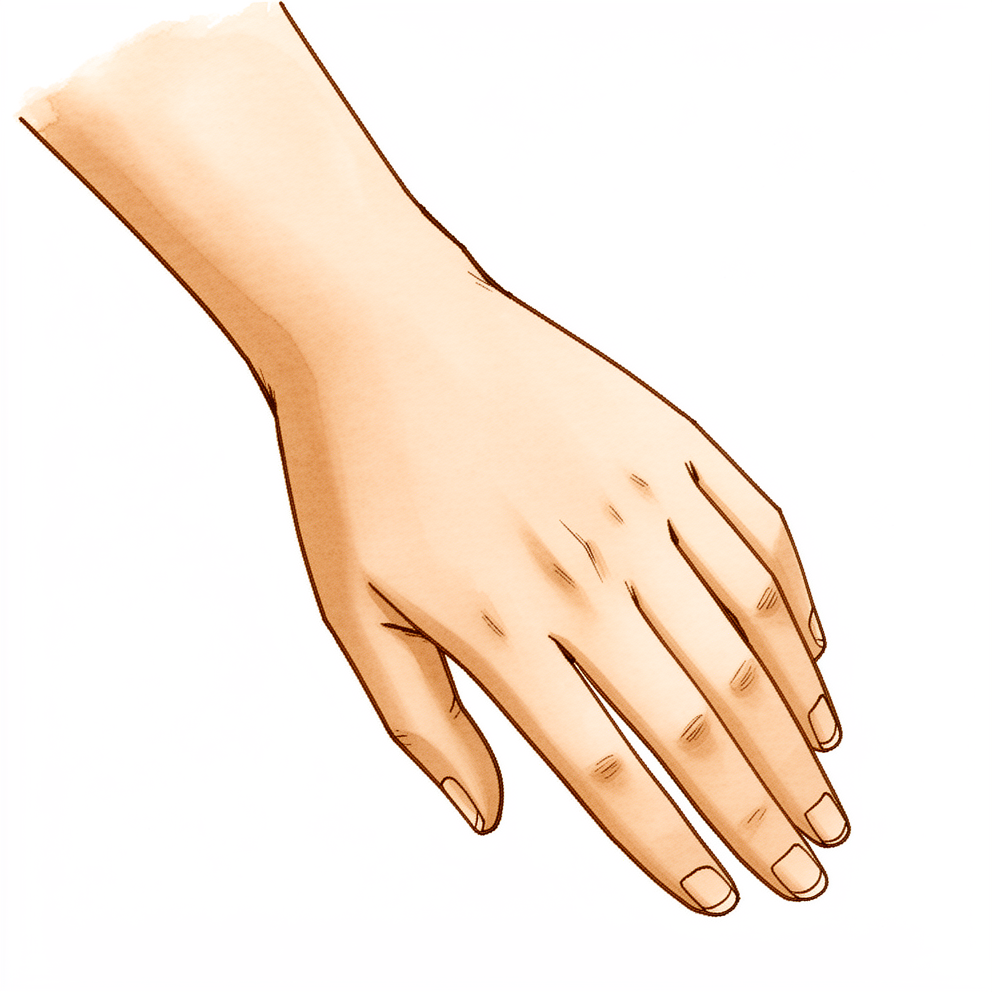
Dr Kieran Hirpara, an upper-limb surgeon at Mater Private Hospital Rockhampton, starts with the least invasive options that suit your condition. A carpal boss is a firm bump on the back of the wrist where the long bones of the hand meet the small wrist bones. Excision means removing the bump and the hardened bone around it. We usually suggest this operation for people whose pain has lasted a long time and gets in the way of daily activities.
Patients are generally referred to our clinic by their GP; if a physiotherapist has suggested you see us, you will still need a referral from your GP in order to be eligible for the Medicare rebate. At your visit we take a history, examine your wrist, and arrange imaging if it is needed. For a long-standing problem like this we usually try non-operative care first, such as changing activities, hand therapy, and splinting. Surgery comes into the picture when those steps have not given you enough improvement. It may also be suggested when the bump is irritating a tendon on the back of your wrist, to protect the tendon from tearing.
The aim of the operation is lasting relief of pain and better wrist function. Many people notice a clear improvement in pain and hand use within three months of surgery.
Before the operation
Once surgery is booked, we will give you clear instructions. You will need to stop eating and drinking seven hours before your operation. We ask for a little extra time so we can bring you forward if the theatre list runs early. Your surgeon will tell you which medications to pause, and which to keep taking. Bring a list of everything you take, including tablets and supplements. Arrange for someone to drive you home afterwards. Wear loose, comfortable clothing with a sleeve that is easy to remove. If you have other medical conditions, you may need blood tests or a review with the anaesthetist, but most people do not. We will already have your X-ray, MRI, or ultrasound scans from planning, so you do not need to arrange any further imaging yourself.
On the day
You arrive at the hospital's surgical admissions unit, where staff check you in and prepare you for theatre. You then meet the anaesthetist, the doctor who puts you to sleep and looks after you during the operation. This operation is done under general anaesthetic. A regional nerve block is sometimes added for post-operative pain relief; the anaesthetist will discuss this with you on the day.
You are taken into the operating theatre, where the operation is performed. Afterwards you wake up in the recovery area, where nurses watch over you while the anaesthetic wears off. Once you are stable, you either move to a ward or go home, depending on the procedure and how your recovery goes.
What the operation involves
Your surgeon makes a cut on the back of your hand, over the bump. The bump is extra bone where the long bones of your hand meet the small wrist bones, usually at the base of the bone leading to your index or middle finger. Your surgeon removes the bump and the worn bone and cartilage underneath it, down to healthy joint surface. This is called an excision (sometimes a wedge excision, because of the shape of bone removed).
Surgeons take care not to remove too much. The joint under the bump is held by strong ligaments, and taking away too deep a wedge can leave it loose. Removing about a third of the joint surface or less keeps it stable.
If the joint itself is unstable or badly worn, your surgeon may suggest fusing it instead, or as a later step. Fusion means joining the bones together so they heal as one. It is a bigger operation with a longer recovery, and your surgeon will discuss it with you before surgery if it applies to you. A few surgeons remove the bump through a keyhole camera instead of an open cut.
Once the bone is removed, your surgeon closes the cut and applies a dressing.
The exact steps for your operation depend on your wrist and what your scans show. Your surgeon will explain your own plan before you sign the consent form, so you know what to expect on the day.
After the operation
You wake up in the recovery area, where nurses watch over you while the anaesthetic wears off. Your team will tell you whether you go home the same day or stay one night in hospital. We give you pain relief to keep you comfortable, and tablets to take at home. Your wrist will be in dressings, and we leave the dressing on for about 10 days; please do not take it off before then unless we tell you to. We change or remove it when we see you. You may go home with a supportive strap or sling for comfort. Move your fingers early, and use your hand for light tasks. Please have someone stay with you for the first 24 hours. If you had a nerve block, numbness and weakness in the first 24 hours are expected; call the clinic if they have not worn off after about 24 hours.
Recovery
For the first few days your wrist will be sore and swollen, and the pain relief we give you helps settle this. Keeping your hand raised on a cushion, above the level of your heart, eases the throbbing. Move your fingers early and often, even while the dressing is still on. You can use your hand for light tasks around the house straight away.
You will see Ruby Doolan, a hand therapist at Extend Rehabilitation, once your dressing comes off. She will guide your exercises and make any splint you need at your first appointment. The exercises keep your fingers, wrist and forearm from stiffening up. Do them little and often through the day. Sleep with your hand on a pillow beside you if the swelling feels worse at night.
As the swelling settles, grip and movement return bit by bit. Pain and hand use improve clearly over the first three months for most people. In published studies, people took on average about six weeks off work, and about three in four were back at work by three months; heavy manual work can take longer. Sport and heavy gripping are usually built back up over two to three months. The scar can stay firm and a little tender for several months. Recovery varies from person to person, so your timeline may differ; your surgeon and your hand therapist will guide you along the way.
What can go wrong
Most people do well, but this operation does not help everyone, and it is worth knowing the realistic picture before you decide. The figures below come from published studies, which are all fairly small.
Pain that does not fully go away. Most people's pain improves, but not always completely. Eight years after surgery, about two in three people in one study had no pain at all; the rest had occasional mild pain. At three months, a little over half of people in another study described themselves as satisfied, even though their pain and hand function had improved.
The problem coming back. Between about 5 and 13 in every 100 people need a second operation because the bump or the pain comes back, usually within the first two years. The second operation is either a further excision or a fusion of the joint, and it usually helps.
A thickened or tender scar. About one in four people notice a firm, slightly swollen scar on the back of the hand. A firm scar can look a little like the bump did.
Temporary inflammation of the joint. About one in eight people have a few weeks of soreness and swelling around the joint, which settles on its own, usually within ten weeks.
The joint becoming loose. Uncommonly (about 1 in 25), the small joint under the bump becomes loose and painful and needs a fusion later. You might notice clicking, or the hand feeling less steady when you grip or push.
Complex regional pain syndrome. Rarely (about 1 in 25 in one study), the hand becomes very painful, swollen and stiff out of proportion to the operation. It is treated with therapy and pain management, and it is important to report it early.
Infection. Wound infection is rare after this operation.
Numbness near the scar. Small skin nerves cross the back of the hand near the cut, so a patch of numbness or tingling around the scar is possible. Studies have not measured how often this happens.
The complications table on this page lists the figures and their sources.
When to call us
Call us if you are worried about anything at all after your operation. Some signs need urgent care.
Go to the emergency department if you have swelling or pain in your calf, or shortness of breath or chest pain. These can be signs of a blood clot. Go to the emergency department too if your fingers, hand or thumb turn pale, cold, white, blue or dark, as this can be a circulation problem.
Call the clinic the same day if you have a fever, redness spreading out from the wound, or fluid or pus leaking from it. Call the clinic the same day as well if your pain keeps getting worse despite your pain medicines. If you had a nerve block, numbness and weakness in the first 24 hours are expected; call the clinic if they have not worn off after about 24 hours.
If you cannot reach us, for example out of hours or on a weekend, go to your nearest emergency department.