Clinicians › Shoulder
Rotator Cuff Tear Arthropathy
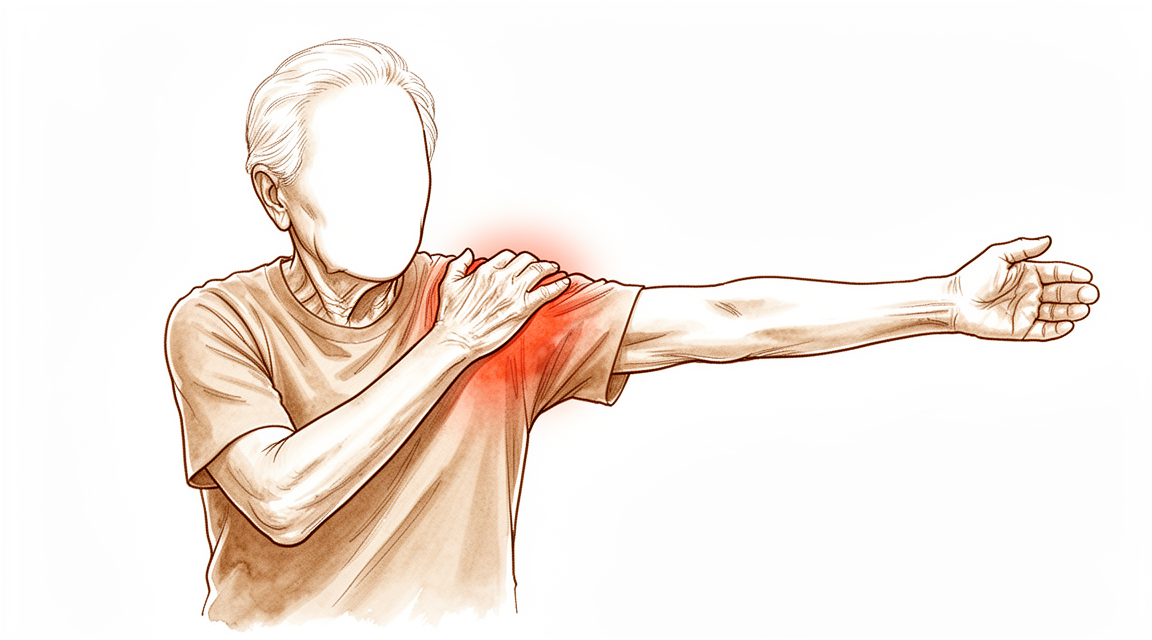
For patients: a plain-language version of this topic is available. See the patient guide.
Overview
Rotator cuff tear arthropathy represents a complex clinical entity where treatment decisions lack consensus among orthopaedic surgeons, as neither American Academy of Orthopaedic Surgeons guidelines nor Cochrane reviews provide definitive management guidance [9]. Patients are generally stratified into three categories based on the risk of nonoperative failure and the potential benefit of surgery: those requiring urgent or early operative repair, those who may benefit from a trial of conservative treatment, and those best suited for nonoperative management [9]. While rotator cuff repair remains the first-line treatment for large-to-massive tears to avoid the complications and longevity issues associated with arthroplasty [38], reverse shoulder arthroplasty is the standard of care for patients with cuff tear arthropathy who lack a repair option and have failed nonoperative management [40]. Total shoulder arthroplasty is contraindicated in this population due to the high risk of glenoid component failure [4].
Reverse shoulder arthroplasty is a reliable and durable treatment option that restores shoulder function well, with good long-term results [8, 22]. Clinical outcomes are consistent regardless of the degree of disease progression, as patients with more advanced arthropathy demonstrate similar results to those with milder disease [5]. Furthermore, patients with severe glenohumeral osteoarthritis and an intact rotator cuff show similar improvements in patient-reported outcomes and range of motion compared to those with underlying rotator cuff arthropathy [14]. At short-term follow-up, preserving the rotator cuff during reverse shoulder arthroplasty yields excellent outcomes and low complication rates, comparable to cases with a deficient cuff, though internal and external rotation may be slightly lower than in total shoulder arthroplasty [34]. Staged bilateral reverse shoulder arthroplasties can be successful in patients with bilateral disease [3].
Alternative surgical options exist for specific patient subsets. Hemiarthroplasty provides predictable pain relief, the primary goal of surgery, although functional results are unpredictable [23]. Favorable clinical outcomes can be achieved with hemiarthroplasty for glenohumeral arthritis complicated by massive rotator cuff tears [25, 39]. For selected patients, resurfacing arthroplasty of the humeral head offers satisfactory medium-term outcomes [13], and extended humeral head hemiarthroplasty is a safe alternative for those with preserved active motion [56]. Humeral hemiarthroplasty using a smaller head with rotator cuff reconstruction maintains stable long-term outcomes in both elderly and younger individuals [44]. In cases of significant deltoid function loss, glenohumeral arthrodesis may be preferable [1, 2]. However, deltoid complications combined with rotator cuff pathology remain a rare but devastating issue with no well-described surgical option [19], and the use of reverse total shoulder arthroplasty in the setting of massive cuff tears with lateral deltoid rupture requires caution [36].
Anatomy & Pathophysiology
Anatomy
The rotator cuff comprises the subscapularis, supraspinatus, infraspinatus, and teres minor muscles, which stabilize the humeral head into the glenoid during deltoid-driven arm elevation [45]. The subscapularis arises from the anterior scapula and attaches to the lesser tuberosity [84]. The supraspinatus originates from the fossa superior to the scapular spine and inserts on the superior greater tuberosity [84]. The infraspinatus arises from the fossa below the scapular spine and attaches to the posterolateral greater tuberosity [84]. The teres minor originates from the lower lateral scapula and inserts on the lower greater tuberosity [84]. Innervation follows distinct pathways: the supraspinatus and infraspinatus receive branches from the suprascapular nerve after it passes through the suprascapular and spinoglenoid notches, respectively [84]. The teres minor is innervated by a branch of the axillary nerve, while the subscapularis receives supply from the upper and lower subscapular nerves [84].
The coracoacromial arch, a fibro-osseous canopy formed by the acromion, coracoid, and coracoacromial ligament, arches over the cuff [45]. The subacromial bursa separates the tendons from this arch to permit gliding during abduction [45]. Histologically, rotator cuff tendons exhibit five distinct layers [84]. The superficial layer consists of coracohumeral ligament fibers [84]. The second layer contains large bundles extending from the supraspinatus over the biceps tendon [84]. The third layer comprises smaller, less tightly packed fascicles [84]. The fourth layer is loose connective tissue with thick collagen bands merging with the coracohumeral ligament at the anterior supraspinatus edge [84]. The deepest fifth layer is a collagen sheet continuous with the superior joint capsule [84]. Significant interdigitation occurs between the supraspinatus and infraspinatus near the greater tuberosity footprint, where the infraspinatus insertion occupies the preponderance of the area [84].
The long head of the biceps tendon attaches to the supraglenoid tubercle, runs between the subscapularis and supraspinatus, and exits via the bicipital groove [84]. The coracohumeral and transverse humeral ligaments maintain its alignment within this groove [84]. The rotator cable is a thick fiber bundle running perpendicular to the supraspinatus, connecting the supraspinatus and infraspinatus tendons [58]. It divides into anterior, middle, and posterior segments, with the middle segment forming a laterally based arch under the supraspinatus [85]. The supraspinatus footprint measures 13 mm medially-laterally and 20 mm anteroposteriorly [58]. The infraspinatus footprint measures 14 mm in width and 20 mm superoinferiorly [58]. A hypovascular critical zone exists on the articular side of the cuff near the greater tuberosity insertion [58].
The glenohumeral joint capsule is thickest in the inferior pouch at 2.8 mm, 2.4 mm anteriorly, and 2.2 mm posteriorly [86]. The superior glenohumeral ligament is the most consistent capsular ligament, situated between the supraspinatus and subscapularis tendons [86]. The coracohumeral ligament originates at the coracoid base, blends into the cuff tendons, and inserts into both tuberosities [86]. The middle glenohumeral ligament originates anterosuperiorly on the glenoid and inserts midway along the anterior humeral articular surface adjacent to the lesser tuberosity [86]. During shoulder motion powered by the deltoid, latissimus dorsi, and pectoralis major, the rotator cuff applies a compressive centralizing force to the humeral head in a synergistic manner [143].
Pathophysiology
Rotator cuff tear arthropathy (CTA) is a spectrum of shoulder pathology characterized by rotator cuff insufficiency, degenerative glenohumeral changes, and superior humeral head migration [12]. It represents the final stage of the shoulder impingement syndrome spectrum, affecting patients with long-term insufficient massive rotator cuff tears [46]. CTA is associated with superior humeral head migration toward the acromion, subchondral osteoporosis, humeral head collapse, and painful debilitating arthritis [46]. It affects women at a 3:1 female-to-male ratio, is more common in patients over 70 years old, and occurs more frequently on the dominant shoulder [46]. Risk factors include chronic rotator cuff tears, hemorrhagic shoulder conditions, rheumatic disease, and crystal-induced arthropathy [46].
Neer proposed that both nutritional and mechanical factors drive CTA development [10]. Following a massive tear, inactivity and disuse lead to synovial fluid leakage and humeral head instability [10]. Nutritional factors include atrophy of glenohumeral articular cartilage and subchondral bone osteoporosis [10]. Mechanical factors involve superior humeral head displacement causing subacromial impingement that erodes the anterior acromion and acromioclavicular joint [10]. The soft, atrophic humeral head eventually collapses, producing the complete CTA syndrome [10]. The incongruous humeral head may erode the glenoid deeply enough to involve the coracoid [10]. While a massive tear is necessary for CTA development, only a small percentage of patients with massive tears progress to this condition [69].
The nutritional theory posits that cartilage degradation results from altered local biology, including escape of nourishing factors and reduced joint fluid pressures [69]. Reduced motion from a non-functional cuff leads to disuse-associated biologic changes within the cartilage [69]. The mechanical theory suggests cartilage deterioration is a direct result of abnormal physical stresses on the humeral head [69]. In this model, the humeral head gradually migrates superiorly and anteriorly without the constraint of an intact, balanced rotator cuff [69]. The crystalline-induced arthropathy theory proposes that calcium phosphate crystals initiate a cascade releasing collagenases and proteases that degrade cartilaginous tissue [69]. Altered mechanical loading after rotator cuff tears is the primary factor in cartilage degeneration [21]. If the transverse force couple is unbalanced, significantly more anterior or posterior humeral translation is observed depending on the direction of imbalance [43].
A 4° more inferiorly tilted and 2° more laterally extended acromion is associated with rotator cuff tear arthropathy [42]. Scapulothoracic motion in these patients involves a dynamically changing scapulohumeral rhythm and counter-directed scapular rotation before clinically visible arm elevation [37]. Senescent cells accumulate in aging rotator tears and may contribute to and impair healing potential with advancing age [15]. Radiographically, CTA is defined by collapse of the proximal humeral articular surface in the absence of prominent osteophyte formation typically observed in primary osteoarthritis [139]. Trabecular bone volume within the humeral head is reduced and associated with superior subchondral bone collapse in CTA [139]. The designation CTA is reserved for cases where subchondral bone collapse of the humeral head is present [139].
Static stabilizing structures of the shoulder joint consist of the glenoid labrum and the capsuloligamentous complex, including the superior capsule [139]. Dynamic stabilization is provided by the long head of the biceps brachii and the rotator cuff muscles [139]. The capsuloligamentous complex consists of two ligamentous limbs interconnected by a transverse ligamentous structure known as the rotator cable [139]. This cable forms a hammock-like configuration that mitigates direct contact between the humeral head and the acromion [139]. The superior capsule becomes continuous with the rotator cuff near its insertion on the greater tuberosity [139].
Classification
Pathological Definition: Rotator cuff tear arthropathy is a distinct pathological entity peculiar to the glenohumeral joint due to the unique anatomy of the rotator cuff [10]. It represents a spectrum of shoulder pathology characterized by rotator cuff insufficiency, degenerative changes of the glenohumeral joint, and superior migration of the humeral head [12]. The condition involves three major characteristics: massive rotator cuff tear, degenerative changes including glenoid erosion, loss of articular cartilage, osteoporosis of the humeral head, and eventual humeral head collapse, and superior migration of the humerus resulting in 'femoralization' of the humeral head [49]. Development involves inactivity and disuse, leaking of synovial fluid, and instability of the humeral head following a massive tear, which result in nutritional and mechanical factors causing atrophy of the glenohumeral articular cartilage and osteoporosis of the subchondral bone [10]. Altered mechanical loading after rotator cuff tears is the primary factor in cartilage degeneration [21]. Genetic variants may predispose patients to primary crystal deposition which, when combined with a massive rotator cuff tear, leads to the development of arthritis [41].
Patte Classification: The Patte classification divides rotator cuff tears into four groups based on extent: Group I (partial or full-substance tears <1 cm), Group II (full-substance tears of entire supraspinatus), Group III (full-substance tears involving more than one tendon), and Group IV (massive tears with secondary osteoarthritic changes) [17]. Group I lesions rarely exhibit an operative indication, and physiotherapy aiming to eliminate subacromial impingement usually results in satisfactory pain relief [17]. Group III defects involve the supraspinatus and usually the infraspinatus, with a sagittal extent of 4 cm or more, causing cranial and frontal migration of the humeral head [17]. Group IV lesions are characterized by massive tears and secondary osteoarthritis of the humeral head, often limiting the possibility of repair and necessitating arthroplasty [17]. The classification also assesses the topography of the tear in the sagittal plane into six segments: Segment 1 (subscapularis), Segment 2 (coracohumeral ligament), Segment 3 (isolated supraspinatus), Segment 4 (entire supraspinatus and one-half of infraspinatus), Segment 5 (supraspinatus and infraspinatus), and Segment 6 (subscapularis, supraspinatus, and infraspinatus) [60]. Secondary osteoarthritis was most common among patients with Segment 6 total-cuff tears [60].
Ellman Classification: The Ellman classification of partial-thickness rotator cuff tears grades severity by depth: Grade 1 (<3 mm), Grade 2 (3–6 mm), and Grade 3 (>6 mm) [73]. It includes a fourth grade for full-thickness tears to include cuff arthropathy, defined as a massive tear with articular irregularity, collapse of the humeral head, chronic synovitis, and capsular laxity [73]. Partial-thickness rotator cuff tears are classified as articular-sided (A), bursal-sided (B), or intratendinous (C) [32].
Hamada Classification: The Hamada classification determines the osteoarthritis stage in rotator cuff tear arthropathy. Grade 1 is associated with minimal radiographic changes, and Grade 2 is associated with narrowing of the subacromial space to less than 6 mm [121]. Grade 3 osteoarthritis exhibits erosion and acetabulization of the acromion due to superior migration of the humeral head [121]. Grade 4 and Grade 5 osteoarthritis are associated with glenohumeral arthritis and humeral head osteonecrosis, respectively [121]. Rotator cuff tears involving the infraspinatus were associated with Hamada Grade 2 [51]. The clinical utility of the Hamada classification is lacking given the widespread use of MRI and reverse shoulder arthroplasty, and it largely remains historical in perspective [18].
Imaging and Diagnostic Criteria: The tangent sign is defined as failure of the supraspinatus muscle belly to cross a line from the superior border of the coracoid to the superior border of the scapular spine [62]. The presence of the tangent sign correlates with muscle atrophy and fatty infiltration of the supraspinatus, and patients with this sign are more likely to have an irreparable rotator cuff tear [62]. Irreparable rotator cuff tears are more likely to occur when the acromiohumeral distance appears shorter than 7 mm on AP radiograph [62]. An AI network demonstrates robust capability to identify cuff tear arthropathy on plain radiographs, with exceptional performance in later disease stages [24]. A 4° more inferiorly tilted and 2° more laterally extended acromion is associated with rotator cuff tear arthropathy [42].
Clinical Presentation
History and Symptoms
Patients with rotator cuff tear arthropathy typically present with progressive, unrelenting pain, decreased range of motion, and weakness [65]. Pain is often worse at night and intensified by glenohumeral motion, specifically during external rotation and forward elevation [65]. Chronic shoulder pain, night pain, weakness, and stiffness are characteristic history findings [46]. Symptoms of rotator cuff disease usually wax and wane periodically while a physiological decline occurs over time, resulting in eventual cuff tear arthropathy [30]. A combination of age over 65 years, night pain, and weakness has 95% specificity for rotator cuff tears [58]. In patients presenting with sudden or insidious shoulder pain without trauma, acromial stress fractures should be considered [70]. Atraumatic scapular spine fractures have also been reported in association with cuff tear arthropathy [54].
Physical Examination
Inspection often reveals pronounced atrophy of the supraspinatus and infraspinatus muscles [65]. Additional inspection findings include anterior prominence of the humeral head with arm elevation, known as anterosuperior escape, and subcutaneous effusion [46]. Large, recurrent effusions extending into the subacromial bursa, termed the "fluid sign," occur in this condition [65]. Marked swelling of the shoulder may result from massive bleeding into the joint due to recurrent trauma to the humeral head and synovium [65].
Palpation may reveal subacromial or glenohumeral crepitus with movement [46]. Examination may also identify gross instability and an inability to abduct the arm without shoulder shrugging [65].
Range of motion is very limited for elevation, external rotation, and internal rotation [46]. Physical examination often reveals weakness of external rotation and abduction [65]. Pseudoparalysis is defined by less than 60 degrees of elevation, lack of active external rotation, and incompetent subscapularis [46]. In patients with massive irreparable rotator cuff tears, increased age, decreased acromiohumeral distance, severe arthritis, and subscapularis tear are associated with active forward elevation less than 90 degrees [35]. In the setting of a chronic massive rotator cuff tear, involvement of more than 50% of the subscapularis tendon with stage 3 fatty infiltration is associated with pseudoparalysis of active scapular plane abduction less than 45 degrees [75]. Some patients exhibit active elevation up to 170 degrees with good strength despite the cuff tear, due to acetabulization of the glenoid and acromion creating a new stable center of rotation [65].
Special tests indicate specific tendon insufficiencies. The external rotation lag sign and hornblower sign indicate teres minor insufficiency [46]. Chronic long head of biceps rupture is usually present in patients with cuff tear arthropathy [46]. Female patients and older patients exhibit significantly more advanced morphological features, including greater fatty infiltration, muscle retraction, and lower acromiohumeral distance compared to males and younger patients [74].
Imaging
Radiographs often reveal a superiorly subluxed ("highriding") humeral head, subchondral articular collapse, acromial thinning, and glenoid and humeral head erosion with osteophytic changes [65]. Specific radiographic findings include acetabularization of the acromion and femoralization of the humeral head [46]. Eccentric superior glenoid wear is also observed [46]. The absence of typical peripheral osteophytes around the humeral head distinguishes cuff tear arthropathy from osteoarthritis [46]. Osteopenia and subarticular sclerosis, referred to as the snowcap sign, are additional radiographic findings [46]. Loss of the coracoacromial arch on radiographs indicates anterosuperior escape [46]. A 4-degree more inferiorly tilted and 2-degree more laterally extended acromion is associated with rotator cuff tear arthropathy [42]. Acromiohumeral distance on x-ray is significantly greater than on MRI in early stage disease due to functional capsular elasticity, but there is no difference between imaging modalities in advanced disease states due to capsular contracture [77]. Artificial intelligence networks demonstrate robust capability to identify cuff tear arthropathy on plain radiographs, with exceptional performance in later disease stages [24].
Magnetic resonance imaging usually reveals massive tears involving the supraspinatus and infraspinatus tendons, though all four rotator cuff tendons may be involved [65]. A subscapularis tear allows anterior and posterior translation of the humeral head [65]. MRI and CT scans are not routinely necessary for diagnosing cuff tear arthropathy if radiographs show anterosuperior escape [46]. CT is helpful to quantify glenoid bone stock when reverse shoulder replacement is considered in cases of advanced cuff tear arthropathy [46].
Classification
Cuff tear arthropathy is the final stage of the shoulder impingement syndrome spectrum, affecting patients with long-term insufficient massive rotator cuff tears, superior migration of the humeral head toward the acromion, subchondral osteoporosis, humeral head collapse, and painful debilitating shoulder arthritis [46]. Several classification systems are used for this condition: * Hamada classification: Used for rotator cuff arthropathy [46]. Rotator cuff tears involving the infraspinatus were associated with Hamada Grade 2 [51]. The clinical utility of the Hamada classification is lacking given the widespread use of MRI and reverse shoulder arthroplasty, and it largely remains historical in perspective [18]. * Favard classification: Used for rotator cuff arthropathy [46]. * Sirveaux classification: Used for scapular notching after reverse shoulder replacements [46]. * Patte classification: Group IV lesions are characterized by massive tears and secondary osteoarthritis of the humeral head, often limiting the possibility of repair and necessitating arthroplasty [17].
Investigations
Plain radiography: Plain radiographs of the shoulder in cuff tear arthropathy may demonstrate acetabularization of the acromion and femoralization of the humeral head [46]. Radiographic findings include eccentric superior glenoid wear [46]. The absence of typical peripheral osteophytes around the humeral head distinguishes this condition from osteoarthritis [46]. Osteopenia and subarticular sclerosis, referred to as the snowcap sign, are characteristic radiographic features [46]. On AP radiograph, the acromiohumeral distance is shorter than 7 mm in patients with irreparable rotator cuff tears [62]. In early-stage rotator cuff tear arthropathy, the acromiohumeral distance measured on x-ray is significantly greater than on MRI due to functional capsular elasticity [77]. In advanced disease states, there is no difference between x-ray and MRI measurements of the acromiohumeral distance due to capsular contracture [77]. An artificial intelligence network demonstrates robust capability to identify cuff tear arthropathy on plain radiographs, with exceptional performance in later disease stages [24].
MRI: MRI is used to define the extent of the rotator cuff tear, degree of tear retraction, and presence of muscular atrophy [62]. It is key for evaluating fatty infiltration of the rotator cuff musculature, although the Goutallier classification was originally based on CT [62]. The tangent sign is defined as failure of the supraspinatus muscle belly to cross a line from the superior border of the coracoid to the superior border of the scapular spine [62]. The presence of the tangent sign correlates with muscle atrophy and fatty infiltration of the supraspinatus and indicates a higher likelihood of an irreparable rotator cuff tear [62]. MRI and MRA are both sensitive and specific for full-thickness rotator cuff tears [96]. The sensitivity of MRI for detecting full-thickness rotator cuff tears is 92.1% [96]. The specificity of MRI for detecting full-thickness rotator cuff tears is 92.9% [96]. The sensitivity of MRA for detecting full-thickness rotator cuff tears is 95.4% [96]. The specificity of MRA for detecting full-thickness rotator cuff tears is 98.9% [96]. The sensitivity of MRI for detecting partial-thickness rotator cuff tears is 63.6% [96]. The specificity of MRI for detecting partial-thickness rotator cuff tears is 91.7% [96]. The sensitivity of MRA for detecting partial-thickness rotator cuff tears is 85.9% [96]. The specificity of MRA for detecting partial-thickness rotator cuff tears is 96.0% [96]. MRA is more sensitive than MRI for the detection of partial-thickness, particularly articular-sided, rotator cuff tears [96]. In chronic and retracted full-thickness rotator cuff tears, the humeral head migrates superiorly, contacting the undersurface of the acromion and resulting in osseous remodeling (acetabularization) and eventually rotator cuff associated arthropathy [96]. 3D images from 3D-MRI can accurately represent rotator cuff tear morphology, potentially enhancing preoperative planning accuracy [126].
CT: CT is helpful to quantify glenoid bone stock when reverse shoulder replacement is considered in cases of advanced arthropathy [46]. Subchondral glenoid bone mineral density varies among patients undergoing reverse total shoulder arthroplasty depending on the underlying pathology, including rotator cuff arthropathy [147].
Ultrasound: Ultrasonography is increasing in popularity as a tool for the diagnosis of rotator cuff disease [62]. It is more accurate for full-thickness rotator cuff tears and is comparable to MRI [16]. Ultrasonography can be used to confirm the intraarticular or subacromial location of injections [62].
Other Considerations: The Goutallier classification grades fatty infiltration of the rotator cuff musculature from 0 (normal) to 4 (more fat than muscle) [28]. Goutallier grades 3 and 4 indicate a long-term chronic rotator cuff tear with a higher potential for surgical failure and are likely deemed irreparable [28]. Tears with Goutallier grades III and IV, accompanied by a tendinous stump of less than 15 mm and a positive tangent sign, have a 90% failure rate [28]. The Patte classification divides rotator cuff tears into four groups based on extent, with Group IV characterized by massive tears with secondary osteoarthritic changes in the humeral head [17]. Scapulothoracic motion is more complex in patients with rotator cuff arthropathy, featuring a dynamically changing scapulohumeral rhythm and counter-directed scapular rotation before clinically visible arm elevation [37]. Altered mechanical loading after rotator cuff tears is the primary factor in cartilage degeneration after rotator cuff tears [21]. Inferior capsular contractures cause static superior migration of the humeral head and Hamada grade progression [77]. Cuff tear arthropathy is characterized by moderate cartilage degeneration and uniform subchondral trabecular bone loss [146].
Treatment
Non-Operative
Conservative management of rotator cuff pathology typically consists of 6 to 12 weeks of rest and activity modification, symptom management often with NSAIDs, and physical therapy [106]. Physical therapy with a home exercise regimen focuses on passive and active range of motion plus strengthening of scapular stabilizing muscles and of the rotator cuff itself [106]. Surgeons may use occasional subacromial injections for the painful shoulder but should consider the effects on tissue quality and infection risk attributed to steroid injections associated with rotator cuff repair, especially when given preoperatively within 1 month of surgery and up to 3 months postoperatively [106]. In a study of 452 patients with asymptomatic full-thickness rotator cuff tears initially treated nonsurgically, 75% of patients did not require surgery at 2-year follow-up [106]. Patient expectations about physical therapy’s treatment ability were more important than tear structural factors regarding therapy success versus conversion to surgery [106]. For partial-thickness tears, risk factors for conservative management failure include bursal-sided tears, tears in the dominant upper extremity, and tears involving greater than 50% of the tendon thickness [106]. Pulsed radiofrequency applied to the suprascapular nerve may be a useful therapeutic adjunct in patients with painful, endstage rotator cuff tear arthropathy who are medically unfit for surgery [141]. Surgical treatment should be considered positively for patients with factors that cause poor outcomes of conservative management of pseudoparalysis of the shoulder [145].
Operative
Indications: Arthroscopic surgical management of massive rotator cuff tears should not be discounted even in the setting of advanced Goutallier changes and Hamada grades [79]. Early surgical intervention can reliably treat significant shoulder impairment in acute traumatic tears, and understanding the Hamada classification helps predict appropriate care and outcomes in patients with massive rotator cuff pathology [11]. The postoperative development of pseudoparalysis may be a marker of cuff-tear arthropathy in the future and closer follow-up may be necessary [29].
Implant Selection: Hemiarthroplasty using a smaller head with rotator cuff reconstruction is a surgical technique that can maintain stable long-term outcomes in both elderly and younger individuals with cuff-tear arthropathy [44]. A combination of partial subscapularis tendon transfer and small-head hemiarthroplasty effectively restored function and relieved pain in patients with rotator cuff arthropathy [127]. Bipolar arthroplasty is indicated for patients with rotator cuff arthropathy [20]. Significant theoretical advantages exist for the BiPolar shoulder design which are particularly important in cases of cuff tear arthropathy [26, 27]. The use of a reverse total shoulder arthroplasty in the setting of a massive rotator cuff tear with an associated lateral deltoid rupture must still remain cautious [36].
Surgical Approach / Technique: Superior capsular reconstruction is an effective salvage operation for massive irreparable rotator cuff tears [128]. Reparability or intactness of the subscapularis tendon is an important factor in considering the surgical indication for superior capsular reconstruction [124]. Arthroscopic-assisted latissimus dorsi tendon transfer led to satisfactory results in patients with massive rotator cuff tears [129]. Direct latissimus dorsi tendon transfer with or without the teres major for irreparable posterosuperior tears is a salvage option in patients younger than 60 years without significant arthritis [117]. The lower trapezius augmented with allograft Achilles tendon transfer has been advocated to salvage irreparable posterosuperior rotator cuff tears [117].
Complications
Other Considerations: The use of reverse total shoulder arthroplasty in the setting of a massive rotator cuff tear with an associated lateral deltoid rupture must remain cautious [36]. Structural deterioration, including decreased acromiohumeral distance and a high graft failure rate, suggests that superior capsular reconstruction may not significantly alter the natural history of massive rotator cuff tears [82]. The postoperative development of pseudoparalysis may be a marker of future cuff-tear arthropathy [29]. RTSA to treat proximal humerus fracture is associated with longer length of stay, increased complications, and discharge to an extended care facility compared with RTSA for cuff tear arthropathy [130].
Recovery
Light activity (weeks): The provided evidence does not specify a typical week range for the resumption of desk work, driving, or light activities of daily living.
Full activity (months): The provided evidence does not specify a month range for the return to manual work, sport, or full range of motion and strength.
Complete recovery / outcome plateau (months): The provided evidence does not specify a month range for the stabilization of pain, strength, and final functional outcomes.
Rehabilitation protocol: The provided evidence does not detail specific physical therapy phasing, immobilisation duration, weight-bearing or range-of-motion progression, or sling and brace removal timing.
Functional milestones: Patients undergoing reverse total shoulder arthroplasty for cuff tear arthropathy demonstrated the greatest fulfillment of expectations for improvement in self-care, ability to drive, and relief of daytime pain at 2-year follow-up [151]. Conversely, relatively few of these patients reported fulfillment of expectations for shoulder range of motion at the same interval [151].
Other Considerations: Reverse shoulder arthroplasty is indicated for cuff tear arthropathy, while total shoulder arthroplasty is contraindicated due to the risk of glenoid failure [4]. The functional results of large head or any type of hemiarthroplasty are unpredictable in rotator cuff tear arthropathy, but pain relief is a predictable result of surgery [23]. The short- to mid-term results of humeral hemiarthroplasty with biologic resurfacing of the glenoid and acromion compare favorably to other currently available options for the surgical treatment of cuff tear arthropathy [7]. Hemiarthroplasty with cuff reconstruction provides satisfactory long-term outcomes in patients with cuff tear arthropathy [78]. Cuff tear arthropathy hemiprosthesis can result in good shoulder function with few complications and coracoacromial arch maintenance [80]. The postoperative development of pseudoparalysis may be a marker of future cuff-tear arthropathy, necessitating closer follow-up [29]. The mean time from onset to reversal of postoperative new-onset pseudoparalysis was 10 months, and reversal was affected solely by fatty infiltration of the supraspinatus [149]. The time course from initial presentation to total shoulder arthroplasty is similar between primary osteoarthritis and rotator cuff arthropathy patients managed conservatively with corticosteroid injections, but there are distinct prognostic factors for progression to total shoulder arthroplasty in both groups [150].
Key Evidence
- [L4] Patients with rotator cuff arthropathy associated with a significant loss of deltoid function may be better managed with glenohumeral arthrodesis. [1] (10.1016/s1058-2746(96)80227-8)
- [L4] Patients with rotator cuff arthropathy associated with a significant loss of deltoid function may be better managed with glenohumeral arthrodesis. [2] (10.1016/s1058-2746(95)80214-2)
- [L3] Patients with bilateral rotator cuff tear arthropathy can be advised that staged bilateral RSAs can be successful when indicated. [3] (10.1016/j.jse.2014.08.008)
- [L3] Patients with greater cuff tear arthropathy disease progression did not show differing outcomes after RTSA compared with patients with milder disease. [5] (10.1016/j.jse.2021.04.035)
- [L4] The short- to mid-term results reported here compare very favorably to any other currently available option for the surgical treatment of cuff tear arthropathy. [7] (10.1097/00132589-200403000-00007)
- [L3] Shoulder arthroplasty restores shoulder function well in both osteoarthritis (OA) and rotator cuff tear arthropathy (CTA). [8] (10.1016/j.otsr.2024.103852)
- [L4] [10] (10.2106/00004623-198365090-00003)
- [L5] Early surgical intervention can reliably treat significant shoulder impairment in acute traumatic tears, and understanding the Hamada classification helps predict appropriate care and outcomes in patients with massive rotator cuff pathology. [11] (10.1016/j.arthro.2018.11.006)
- [L5] Rotator cuff tear arthropathy is a spectrum of shoulder pathology characterized by rotator cuff insufficiency, degenerative changes of the glenohumeral joint, and superior migration of the humeral head. [12] (10.5435/00124635-200706000-00003)
- [L4] For selected patients with cuff tear arthropathy, resurfacing arthroplasty of the humeral head provides satisfactory medium-term outcomes. [13] (10.1016/j.jse.2012.04.006)
- [L3] Patients who underwent RTSA for severe glenohumeral osteoarthritis with an intact rotator cuff demonstrate similar, consistent improvement in patient-reported outcomes and range of motion as demographically similar RTSA patients with underlying rotator cuff arthropathy. [14] (10.5435/jaaos-d-19-00493)
- [L4] [15] (10.1016/j.jisako.2023.03.403)
- [L5] However, its clinical utility is lacking given the widespread use of MRI and reverse shoulder arthroplasty, and it largely remains historical in perspective. [18] (10.1007/s11999-017-5340-7)
- [Case_report] Deltoid complications combined with rotator cuff pathology represent a rare but devastating complication with no well-described surgical option. [19] (10.1016/j.jse.2011.09.023)
- [L4] Evaluation of these patients suggests that Bipolar arthroplasty is indicated for patients with rotator cuff arthropathy. [20] (10.1016/s1058-2746(97)90083-5)
- [L5] Our results suggest that altered mechanical loading after rotator cuff tears is the primary factor in cartilage degeneration after rotator cuff tears. [21] (10.1016/j.jse.2013.03.014)
- [L3] RSA is a reliable and durable treatment option for cuff tear arthropathy with good long-term results. [22] (10.1016/j.jseint.2021.08.002)
- [L4] The functional results of large head or any type of hemiarthroplasty are unpredictable in rotator cuff tear arthropathy, but pain relief, the primary goal of surgery, is a predictable result of surgery. [23] (10.1016/s1058-2746(95)80213-4)
- [L4] The study demonstrates the network's robust capability to identify cuff tear arthropathy on plain radiographs, with exceptional performance in later disease stages. [24] (10.1186/s12891-026-09603-5)
- [L4] Favorable clinical outcome can be achieved after hemiarthroplasty for glenohumeral arthritis complicated by massive rotator cuff tears. [25] (10.1016/s1058-2746(00)90050-8)
- [L4] Significant theoretical advantages exist for the BiPolar shoulder design which are particularly important in cases of cuff tear arthropathy. [26] (10.1016/s1058-2746(96)80462-9)
- [L4] Significant theoretical advantages exist for the BiPolar shoulder design which are particularly important in cases of cuff tear arthropathy. [27] (10.1016/s1058-2746(95)80108-1)
- [L3] The postoperative development of pseudoparalysis may be a marker of cuff-tear arthropathy in the future and that closer follow-up may be necessary. [29] (10.1016/j.jse.2020.09.016)
- [L3] At short-term follow-up, preservation of the rotator cuff in RSA demonstrated similarly excellent outcomes and low complication rates compared with RSA with a deficient rotator cuff and TSA, except for slightly lower internal and external rotation compared with TSA. [34] (10.1016/j.jse.2023.02.005)
- [L3] In patients with massive irreparable rotator cuff tear, increased age, decreased acromiohumeral distance, severe arthritis, and subscapularis tear are associated with active forward elevation less than 90 degrees. [35] (10.1016/j.jse.2023.06.020)
- [L4] Although the patient performed well at 2 years' follow-up, the use of a reverse total shoulder arthroplasty in the setting of a massive rotator cuff tear with an associated lateral deltoid rupture must still remain cautious. [36] (10.1016/j.jse.2011.03.013)
- [L3] Scapulothoracic motion is more complex than previously reported, especially in patients with rotator cuff arthropathy, with a dynamically changing scapulohumeral rhythm and counter-directed scapular rotation before clinically visible arm elevation. [37] (10.1097/corr.0000000000001406)
- [L3] Considering possible complications and longevity of RTSA, rotator cuff repair should be the first-line treatment option for large-to-massive tears. [38] (10.1177/0363546511399865)
- [L4] Favorable clinical results can be obtained after hemiarthroplasty of the shoulder with associated massive rotator cuff deficiency. [39] (10.1067/mse.2000.105138)
- [L5] Reverse total shoulder arthroplasty has become the standard of care for patients with cuff tear arthropathy who do not have a repair option and when nonoperative management has failed. [40] (10.1016/j.jse.2018.07.020)
- [L4] This supports a theory that genetic variants predispose patients to primary crystal deposition which when combined with a massive rotator cuff tear leads to the development of arthritis. [41] (10.1097/blo.0b013e31811f39de)
- [L3] A 4° more inferiorly tilted and 2° more laterally extended acromion is associated with rotator cuff tear arthropathy. [42] (10.1016/j.jse.2020.07.043)
- [L4] If the transverse force couple is unbalanced, a significantly more anterior or posterior translation of the humerus is observed depending on the direction of the imbalance. [43] (10.1016/j.jseint.2023.11.005)
- [L4] We believe that HHR using a smaller head with rotator cuff reconstruction is a surgical technique that can maintain stable long-term outcomes in both elderly and younger individuals with cuff-tear arthropathy. [44] (10.1016/j.jseint.2023.12.006)
- [L5] [49] (10.2214/ajr.14.13815)
- [L4] Rotator cuff tears involving the infraspinatus were associated with Hamada Grade 2. [51] (10.1016/j.jseint.2022.01.012)
- [L4] We report the first 2 cases, to our knowledge, of atraumatic scapular spine fractures associated with cuff tear arthropathy. [54] (10.1016/j.jse.2007.03.031)
- [L4] Extended humeral head hemiarthroplasty can provide a safe and effective alternative for the management of selected patients with rotator cuff tear arthropathy and preserved active motion. [56] (10.1016/j.jse.2018.08.020)
- [L4] This study defines the thresholds for MCID and PASS achievement at minimum 5-year follow-up in a cohort of patients undergoing rTSA for rotator cuff arthropathy or glenohumeral arthritis. [57] (10.1016/j.jse.2025.03.022)
- [L5] [65] (10.1097/00132589-200303000-00004)
- [L5] [69] (10.1016/j.jse.2008.11.003)
- [L4] Acromial stress fractures should be considered in patients with cuff-tear arthropathy presenting with sudden or insidious shoulder pain without trauma. [70] (10.2106/00004623-198668060-00021)
- [L3] Female patients and older patients exhibited significantly more advanced morphological features of cuff tear arthropathy, including greater fatty infiltration, muscle retraction, and lower acromiohumeral distance compared to males and younger patients. [74] (10.3390/jfmk8010008)
- [L3] In the setting of a chronic massive rotator cuff tear, involvement of more than 50% of the subscapularis tendon with fatty infiltration of stage 3 is associated with pseudoparalysis of active scapular plane abduction less than 45 degrees. [75] (10.1177/0363546520969858)
- [L3] AHD on x-ray is significantly greater than MRI in early stage rotator cuff tear arthropathy due to functional capsular elasticity, but there was no difference between imaging modalities in advanced disease states due to capsular contracture. [77] (10.1016/j.jse.2018.02.008)
- [L4] Hemiarthroplasty with cuff reconstruction provides satisfactory long-term outcomes in patients with cuff tear arthropathy. [78] (10.1016/j.jse.2024.01.014)
- [L5] Arthroscopic surgical management of massive rotator cuff tears should not be discounted even in the setting of advanced Goutallier changes and Hamada grades. [79] (10.1016/j.arthro.2024.03.022)
- [L4] This procedure can result in good shoulder function with few complications and coracoacromial arch maintenance. [80] (10.1111/j.1758-5740.2010.00035.x)
- [L4] However, structural deterioration, including decreased acromiohumeral distance and a high graft failure rate, suggests that SCR may not significantly alter the natural history of massive rotator cuff tears. [82] (10.1002/arj.70063)
- [L4] [121] (10.1097/corr.0000000000001617)
- [L3] Therefore, reparability or intactness of the subscapularis tendon is an important factor in considering the surgical indication for this procedure. [124] (10.1016/j.jse.2021.04.019)
- [L2] Our findings suggest that 3D images from 3D-MRI can accurately represent rotator cuff tear morphology, potentially enhancing preoperative planning accuracy. [126] (10.1016/j.jisako.2025.100812)
- [L4] A combination of partial subscapularis tendon transfer and small-head hemiarthroplasty effectively restored function and relieved pain in patients with rotator cuff arthropathy. [127] (10.1302/0301-620x.97b8.34029)
- [L4] Superior capsular reconstruction is an effective salvage operation for massive irreparable rotator cuff tears. [128] (10.1016/j.arthro.2021.05.018)
- [L4] Arthroscopic-assisted LDTT led to satisfactory results in patients with massive rotator cuff tears. [129] (10.1016/j.arthro.2021.12.009)
- [L3] RTSA to treat proximal humerus fracture is associated with longer length of stay, increased complications, and discharge to an extended care facility compared with RTSA for cuff tear arthropathy. [130] (10.1016/j.jse.2019.03.032)
- [L3] Although initially exhibiting slower recovery, patients with proximal humerus fractures can expect similar functional recovery and satisfaction at 1-year compared to those who received reverse shoulder arthroplasty for degenerative indications. [132] (10.1177/17585732221097415)
- [Abstract] This specific humeral prosthesis designed for patients with cuff tear arthropathy and no superior humeral escape appears to be a simple, reliable treatment alternative without the high complication rates and costs associated with reverse total shoulder arthroplasty. [133] (10.1016/j.jse.2007.02.008)
- [Paper] [139] (10.1016/j.jse.2026.05.036)
- [L4] PRF may be a useful therapeutic adjunct in patients with painful, endstage rotator cuff tear arthropathy who are medically unfit for surgery. [141] (10.1016/j.jse.2007.10.007)
- [L5] [143] (10.1097/00132589-200609000-00008)
- [L4] Surgical treatment should be considered positively for patients with factors that cause poor outcomes of conservative management of pseudoparalysis of the shoulder. [145] (10.1016/j.jse.2021.01.012)
- [L4] CTA is characterized by moderate cartilage degeneration and uniform subchondral trabecular bone loss, which may underlie complications associated with reverse shoulder arthroplasty. [146] (10.1016/j.jseint.2025.101435)
- [L4] This study demonstrates that subchondral glenoid BMD varies among patients undergoing rTSA depending on the underlying pathology. [147] (10.1016/j.jseint.2026.101720)
- [L3] The mean time from onset to reversal was 10 months, and reversal was affected solely by fatty infiltration of the supraspinatus. [149] (10.1177/0363546518765756)
- [L3] The time course from initial presentation to TSA is similar between primary OA and RTC arthropathy patients managed conservatively with corticosteroid injections, but there are distinct prognostic factors for progression to TSA in both groups. [150] (10.1016/j.jisako.2023.03.336)
- [L3] Patients undergoing rTSA for cuff tear arthropathy had the greatest fulfillment of expectations for improvement in self-care, ability to drive, and relief of daytime pain at 2-year follow-up, while relatively few reported fulfillment of expectations for shoulder ROM. [151] (10.1016/j.jse.2025.07.004)
See Also
- Rotator Cuff
- Rotator Cuff Repair
- Reverse Shoulder Arthroplasty
- Total Shoulder Arthroplasty
- Shoulder Arthroplasty
- Fractures
- Glenohumeral Osteoarthritis (Shoulder Arthritis)
- Proximal Humerus Fracture
References
[1] Hemiarthroplasty of the shoulder for rotator cuff arthropathy. Journal of Shoulder and Elbow Surgery. 1996. DOI: 10.1016/s1058-2746(96)80227-8
[2] Hemiarthroplasty of the shoulder for rotator cuff arthropathy. Journal of Shoulder and Elbow Surgery. 1995. DOI: 10.1016/s1058-2746(95)80214-2
[3] Outcomes of staged bilateral reverse shoulder arthroplasties for rotator cuff tear arthropathy. Journal of Shoulder and Elbow Surgery. 2015. DOI: 10.1016/j.jse.2014.08.008
[4] Chapter 72 Rotator Cuff Tears and Cuff Tear Arthropathy. 2019.
[5] Does preoperative disease severity influence outcomes in reverse shoulder arthroplasty for cuff tear arthropathy?. Journal of Shoulder and Elbow Surgery. 2021. DOI: 10.1016/j.jse.2021.04.035
[7] Humeral Hemiarthroplasty With Biologic Resurfacing of the Glenoid and Acromion for Rotator Cuff Tear Arthropathy. Techniques in Shoulder and Elbow Surgery. 2004. DOI: 10.1097/00132589-200403000-00007
[8] Cost-effectiveness of shoulder arthroplasty for osteoarthritis and rotator cuff tear arthropathy. An economic analysis using real-world data. Orthopaedics & Traumatology: Surgery & Research. 2024. DOI: 10.1016/j.otsr.2024.103852
[9] Rockwood And Matsen S The Shoulder. Fractures, Dislocations, and Acquired Problems of the Shoulder in Children > Indications for Rotator Cuff Repair.
[10] Cuff-tear arthropathy.. The Journal of Bone & Joint Surgery. 1983. DOI: 10.2106/00004623-198365090-00003
[11] Editorial Commentary: What's Hamada With Partial Rotator Cuff Repair?. Arthroscopy. 2019. DOI: 10.1016/j.arthro.2018.11.006
[12] Rotator Cuff Tear Arthropathy. Journal of the American Academy of Orthopaedic Surgeons. 2007. DOI: 10.5435/00124635-200706000-00003
[13] Treatment of severe cuff tear arthropathy with the humeral head resurfacing arthroplasty: two-year minimum follow-up. Journal of Shoulder and Elbow Surgery. 2013. DOI: 10.1016/j.jse.2012.04.006
[14] Comparative Clinical Outcomes of Reverse Total Shoulder Arthroplasty for Primary Cuff Tear Arthropathy Versus Severe Glenohumeral Osteoarthritis With Intact Rotator Cuff: A Matched-Cohort Analysis. Journal of the American Academy of Orthopaedic Surgeons. 2020. DOI: 10.5435/jaaos-d-19-00493
[15] Bridging Reconstruction For Large-To-Massive Rotator Cuff Tears Has A Low Rate Of Cuff Arthropathy Progression At A Minimum Five-Year Follow-Up. Journal of ISAKOS. 2023. DOI: 10.1016/j.jisako.2023.03.403
[16] Orthopaedic Knowledge Update Sports Medicine 6. Rotator Cuff Disease > Annotated References.
[17] Classifications And Scores Of The Shoulder. 5.7 Classification of the extent of rotator cuff tears according to Patte [107].
[18] Classifications in Brief: Hamada Classification of Massive Rotator Cuff Tears. Clinical Orthopaedics & Related Research. 2017. DOI: 10.1007/s11999-017-5340-7
[19] Rotator cuff tear arthropathy and deltoid avulsion treated with reverse total shoulder arthroplasty and latissimus dorsi transfer: case report and review of the literature. Journal of Shoulder and Elbow Surgery. 2012. DOI: 10.1016/j.jse.2011.09.023
[20] Bipolar shoulder arthroplasty for rotator cuff arthropathy. Journal of Shoulder and Elbow Surgery. 1997. DOI: 10.1016/s1058-2746(97)90083-5
[21] Evaluation of cartilage degeneration in a rat model of rotator cuff tear arthropathy. Journal of Shoulder and Elbow Surgery. 2013. DOI: 10.1016/j.jse.2013.03.014
[22] Good long-term patient-reported outcome after shoulder arthroplasty for cuff tear arthropathy. JSES International. 2022. DOI: 10.1016/j.jseint.2021.08.002
[23] Hemiarthroplasty in rotactoc cuff tear arthropathy. Journal of Shoulder and Elbow Surgery. 1995. DOI: 10.1016/s1058-2746(95)80213-4
[24] Automated classification of shoulder radiology focusing on cuff tear arthropathy and glenoid erosion using AI. BMC Musculoskeletal Disorders. 2026. DOI: 10.1186/s12891-026-09603-5
[25] Hemiarthroplasty for cuff tear arthropathy. Journal of Shoulder and Elbow Surgery. 2000. DOI: 10.1016/s1058-2746(00)90050-8
[26] Bipolar shoulder arthroplasty for rotator cuff arthropathy — A preliminary report. Journal of Shoulder and Elbow Surgery. 1996. DOI: 10.1016/s1058-2746(96)80462-9
[27] Bi-polar shoulder arthroplasty for rotator cuff arthropathy a preliminary report. Journal of Shoulder and Elbow Surgery. 1995. DOI: 10.1016/s1058-2746(95)80108-1
[28] Campbell S Operative Orthopaedics 4 Volume Set. ARTHROSCOPIC REPAIR OF POSTERIOR HUMERAL AVULSION OF THE GLENOHUMERAL LIGAMENT > FULL-THICKNESS ROTATOR CUFF TEARS.
[29] Factors associated with the development of early- to mid-term cuff-tear arthropathy following arthroscopic rotator cuff repair. Journal of Shoulder and Elbow Surgery. 2021. DOI: 10.1016/j.jse.2020.09.016
[30] Orthopaedic Knowledge Update Sports Medicine 6. Rotator Cuff Disease > Natural History and Societal Impact.
[32] Campbell S Operative Orthopaedics 4 Volume Set. ARTHROSCOPIC REPAIR OF POSTERIOR HUMERAL AVULSION OF THE GLENOHUMERAL LIGAMENT > PARTIAL-THICKNESS ROTATOR CUFF TEARS.
[34] Reverse shoulder arthroplasty with preservation of the rotator cuff for primary glenohumeral osteoarthritis has similar outcomes to anatomic total shoulder arthroplasty and reverse shoulder arthroplasty for cuff arthropathy. Journal of Shoulder and Elbow Surgery. 2023. DOI: 10.1016/j.jse.2023.02.005
[35] Pseudoparesis and pseudoparalysis in the setting of massive irreparable rotator cuff tear: demographic, anatomic, and radiographic risk factors. Journal of Shoulder and Elbow Surgery. 2024. DOI: 10.1016/j.jse.2023.06.020
[36] Irreparable spontaneous deltoid rupture in rotator cuff arthropathy: the use of a reverse total shoulder replacement. Journal of Shoulder and Elbow Surgery. 2011. DOI: 10.1016/j.jse.2011.03.013
[37] How Do Scapulothoracic Kinematics During Shoulder Elevation Differ Between Adults With and Without Rotator Cuff Arthropathy?. Clinical Orthopaedics & Related Research. 2020. DOI: 10.1097/corr.0000000000001406
[38] Outcome of Rotator Cuff Repair in Large-to-Massive Tear With Pseudoparalysis. The American Journal of Sports Medicine. 2011. DOI: 10.1177/0363546511399865
[39] Hemiarthroplasty for cuff tear arthropathy. Journal of Shoulder and Elbow Surgery. 2000. DOI: 10.1067/mse.2000.105138
[40] The pathogenesis and management of cuff tear arthropathy. Journal of Shoulder and Elbow Surgery. 2018. DOI: 10.1016/j.jse.2018.07.020
[41] Cuff Tear Arthropathy. Clinical Orthopaedics & Related Research. 2007. DOI: 10.1097/blo.0b013e31811f39de
[42] Determination of pre-arthropathy scapular anatomy with a statistical shape model: part I—rotator cuff tear arthropathy. Journal of Shoulder and Elbow Surgery. 2021. DOI: 10.1016/j.jse.2020.07.043
[43] Three-dimensional glenohumeral relationship in cuff tear arthropathy and its correlation with the type of cuff tear. JSES International. 2024. DOI: 10.1016/j.jseint.2023.11.005
[44] Long-term outcomes of hemiarthroplasty using a smaller head combined with rotator cuff reconstruction in patients with cuff-tear arthropathy. JSES International. 2024. DOI: 10.1016/j.jseint.2023.12.006
[45] Apley And Solomon S Concise System Of Orthopaedics And Trauma. DISORDERS OF THE ROTATOR CUFF.
[46] Aaos Comprehensive Orthopaedic Review 3. Rotator Cuff Tears and Cuff Tear Arthropathy > II. Cuff Tear Arthropathy.
[49] Rotator Cuff Tear Arthropathy: Pathophysiology, Imaging Characteristics, and Treatment Options. American Journal of Roentgenology. 2015. DOI: 10.2214/ajr.14.13815
[51] Relationship between the Hamada Grade and underlying pathological conditions in the rotator cuff and long head of biceps in symptomatic patients with rotator cuff tears. JSES International. 2022. DOI: 10.1016/j.jseint.2022.01.012
[54] Atraumatic scapular fractures in the setting of chronic rotator cuff tear arthropathy: A report of two cases. Journal of Shoulder and Elbow Surgery. 2008. DOI: 10.1016/j.jse.2007.03.031
[56] Clinical effectiveness and safety of the extended humeral head arthroplasty for selected patients with rotator cuff tear arthropathy. Journal of Shoulder and Elbow Surgery. 2019. DOI: 10.1016/j.jse.2018.08.020
[57] Defining the minimal clinically important difference and patient acceptable symptom state following reverse shoulder arthroplasty for glenohumeral arthritis or cuff tear arthropathy at minimum 5-year follow-up. Journal of Shoulder and Elbow Surgery. 2026. DOI: 10.1016/j.jse.2025.03.022
[58] Aaos Comprehensive Orthopaedic Review 3. Rotator Cuff Tears and Cuff Tear Arthropathy > I. Rotator Cuff Tears.
[60] Classifications And Scores Of The Shoulder. Classifications of rotator cuff.
[62] Miller S Review Of Orthopaedics. ROTATOR CUFF DISEASE > 4. Imaging.
[65] Surgical Arthroplasty Options for Rotator Cuff Tear Arthropathy. Techniques in Shoulder and Elbow Surgery. 2003. DOI: 10.1097/00132589-200303000-00004
[69] Cuff tear arthropathy: Current trends in diagnosis and surgical management. Journal of Shoulder and Elbow Surgery. 2009. DOI: 10.1016/j.jse.2008.11.003
[70] Acromial stress fractures associated with cuff-tear arthropathy. A report of three cases.. The Journal of Bone & Joint Surgery. 1986. DOI: 10.2106/00004623-198668060-00021
[73] Classifications And Scores Of The Shoulder. 5.3 Arthroscopic classification of partial-thickness rotator cuff tears according to Ellman [32].
[74] Age- and Gender-Related Differences in the Morphology of Cuff Tear Arthropathy: A Cross Sectional Analysis. Journal of Functional Morphology and Kinesiology. 2023. DOI: 10.3390/jfmk8010008
[75] Chronic Pseudoparalysis Needs to Be Distinguished From Pseudoparesis: A Structural and Biomechanical Analysis. The American Journal of Sports Medicine. 2020. DOI: 10.1177/0363546520969858
[77] Inferior Capsular Contractures Cause Static Superior Migration of the Humeral Head and Hamada Grade Progression. Journal of Shoulder and Elbow Surgery. 2018. DOI: 10.1016/j.jse.2018.02.008
[78] Long-term outcomes of hemiarthroplasty and rotator cuff reconstruction in patients with cuff tear arthropathy. Journal of Shoulder and Elbow Surgery. 2024. DOI: 10.1016/j.jse.2024.01.014
[79] Editorial Commentary : Massive Rotator Cuff Tears Benefit From Arthroscopic Repair Regardless of Advanced Goutallier or Hamada Changes. Arthroscopy. 2024. DOI: 10.1016/j.arthro.2024.03.022
[80] Evaluation of a cuff tear arthropathy hemiprosthesis for the treatment of glenohumeral arthritis in the presence of a chronic rotator cuff tear. Shoulder & Elbow. 2009. DOI: 10.1111/j.1758-5740.2010.00035.x
[82] Superior Capsular Reconstruction With Acellular Dermal Allograft Improves Midterm Clinical Outcomes but Is Associated With High Rates of Graft Failure and Progression of Cuff Tear Arthropathy. Arthroscopy. 2026. DOI: 10.1002/arj.70063
[84] Rockwood And Matsen S The Shoulder. Fractures, Dislocations, and Acquired Problems of the Shoulder in Children > RELEVANT SHOULDER ANATOMY > Rotator Cuff.
[85] Rockwood And Matsen S The Shoulder. Developmental Anatomy of the Shoulder and Anatomy of the Glenohumeral Joint > Rotator Cuff.
[86] Rockwood And Matsen S The Shoulder. Fractures, Dislocations, and Acquired Problems of the Shoulder in Children > Rotator Cuff > Scapulohumeral Ligaments.
[96] Orthopaedic Knowledge Update Sports Medicine 6. Magnetic Resonance Imaging of the Glenohumeral Joint > The Rotator Cuff.
[106] Orthopaedic Knowledge Update Sports Medicine 6. Rotator Cuff Disease > Nonsurgical Management.
[117] Orthopaedic Knowledge Update Sports Medicine 6. Rotator Cuff Disease > Tendon Transfers.
[121] Does Margin Convergence Reverse Pseudoparalysis in Patients with Irreparable Rotator Cuff Tears?. Clinical Orthopaedics & Related Research. 2020. DOI: 10.1097/corr.0000000000001617
[124] Clinical outcomes and temporal changes in the range of motion following superior capsular reconstruction for irreparable rotator cuff tears: comparison based on the Hamada classification, presence or absence of shoulder pseudoparalysis, and status of the subscapularis tendon. Journal of Shoulder and Elbow Surgery. 2021. DOI: 10.1016/j.jse.2021.04.019
[126] Clinical and Radiological Outcomes of All Arthroscopic Supraspinatus and Infraspinatus Muscle Advancement Procedure for Massive Retracted Rotator Cuff Tears Including Pseudoparalytic Patients. Journal of ISAKOS. 2025. DOI: 10.1016/j.jisako.2025.100812
[127] A combination of subscapularis tendon transfer and small-head hemiarthroplasty for cuff tear arthropathy. The Bone & Joint Journal. 2015. DOI: 10.1302/0301-620x.97b8.34029
[128] Superior Capsular Reconstruction: A Salvage Option for Massive Irreparable Rotator Cuff Tears with Pseudoparalysis or Subscapularis Insufficiency. Arthroscopy. 2021. DOI: 10.1016/j.arthro.2021.05.018
[129] Pseudoparalysis and Acromiohumeral Interval Reversibility Are the Most Important Factors Affecting the Achievement of Patient‐Acceptable Symptom State After Arthroscopic‐Assisted Latissimus Dorsi Tendon Transfer. Arthroscopy. 2021. DOI: 10.1016/j.arthro.2021.12.009
[130] Reverse shoulder arthroplasty for proximal humerus fracture: a more complex episode of care than for cuff tear arthropathy. Journal of Shoulder and Elbow Surgery. 2019. DOI: 10.1016/j.jse.2019.03.032
[132] Comparable outcomes of reverse shoulder arthroplasty for proximal humerus fractures and for rotator cuff arthropathy in a predominantly asian population. Shoulder & Elbow. 2022. DOI: 10.1177/17585732221097415
[133] Cuff Tear Arthropathy Treated With A Depuy Cta Prosthesis: Midterm Results. Journal of Shoulder and Elbow Surgery. 2007. DOI: 10.1016/j.jse.2007.02.008
[139] Stepwise loss of shoulder stabilizers induces humeral head migration and progression of cuff tear arthropathy in a rat model. Journal of Shoulder and Elbow Surgery. 2026. DOI: 10.1016/j.jse.2026.05.036
[141] Pulsed radiofrequency applied to the suprascapular nerve in painful cuff tear arthropathy. Journal of Shoulder and Elbow Surgery. 2008. DOI: 10.1016/j.jse.2007.10.007
[143] Superior Instrumentation Through the Rotator Cuff Defect From a Deltopectoral Approach for Hemiarthroplasty for Cuff Tear Arthropathy. Techniques in Shoulder and Elbow Surgery. 2006. DOI: 10.1097/00132589-200609000-00008
[145] Factors aff5cting outcomes of conservative management for pseudoparalysis of the shoulder. Journal of Shoulder and Elbow Surgery. 2021. DOI: 10.1016/j.jse.2021.01.012
[146] Humeral head in rotator cuff tear arthropathy shows reduced cartilage damage and uniform subchondral bone osteoporosis: a histomorphometric analysis. JSES International. 2026. DOI: 10.1016/j.jseint.2025.101435
[147] Pre-operative glenoid bone density varies by indication for reverse shoulder arthroplasty: a comparison of glenoid bone density in proximal humerus fractures, glenohumeral osteoarthritis, and rotator cuff arthropathy. JSES International. 2026. DOI: 10.1016/j.jseint.2026.101720
[149] Postoperative New-Onset Pseudoparalysis: A Retrospective Analysis of 430 Consecutive Arthroscopic Repairs for Large to Massive Rotator Cuff Tears. The American Journal of Sports Medicine. 2018. DOI: 10.1177/0363546518765756
[150] Factors Impacting Time to Total Shoulder Arthroplasty Among Patients with Primary Glenohumeral Osteoarthritis and Rotator Cuff Arthropathy Managed Conservatively with Corticosteroid Injections. Journal of ISAKOS. 2023. DOI: 10.1016/j.jisako.2023.03.336
[151] Fulfillment of patients’ expectations for reverse total shoulder arthroplasty for the treatment of rotator cuff tear arthropathy using the Exactech Equinoxe Platform. Journal of Shoulder and Elbow Surgery. 2026. DOI: 10.1016/j.jse.2025.07.004